
Home Blog Page 748

The Xaxis Challenge: Elon Musk’s Quest to Transform Twitter

The transformation of X, formerly known as Twitter, under the stewardship of Elon Musk has been nothing short of tumultuous. In just over a year since the tech maverick’s acquisition of the company, X’s valuation has taken a nosedive, raising questions about the viability of Musk’s ambitious vision for the platform. This journal explores the challenges and uncertainties surrounding X’s future, from its declining value to the impact on advertisers and the pressures of debt.

Elon Musk’s purchase of X last year for $44 billion sent shockwaves through the tech industry. Known for his audacious ventures with companies like Tesla and SpaceX, Musk had a vision of turning X into an “everything app.” His ideas included integrating features beyond traditional micro-blogging, such as subscriptions, social commerce, and decentralized applications. However, the transition has proven to be far from seamless.

X’s value has plummeted by nearly 57%, according to reports that now place it at $19 billion. This rapid decline, while slowed from its initial plummet, is concerning for Musk and his aspirations for the platform. The question on everyone’s mind is whether Musk’s strategy will eventually bear fruit or if X’s transformation will turn out to be a costly gamble.

It is worth noting that it might be premature to pass judgment at this stage. The platform has initiated subscription models that aim to provide exclusive content and features to subscribers, potentially boosting revenue. However, these initiatives may take time to gain traction and deliver the desired results.

One cannot ignore the significant changes that have occurred within the company during Musk’s tenure. Mass layoffs and a whimsical rebranding exercise have characterized his approach to revamping the platform. While some changes may have been necessary to align the company with his vision, they have also had adverse effects on X’s reputation and, most importantly, its relationship with advertisers.

The adverse impact on advertisers is particularly concerning. X has seen a significant drop in revenue from this crucial source. Advertisers, who were once drawn to the platform’s massive user base and engagement, are now reconsidering their investments. The uncertainty surrounding X’s future, coupled with the platform’s rebranding and pivot in focus, has eroded the confidence of advertisers. This drop in revenue from advertising is a substantial blow, and it remains to be seen if the new subscription models can adequately compensate for this loss.

Another dimension to this challenge is the debt that Musk incurred to fund his acquisition of X. The banks behind this debt now find themselves in a precarious position, with the asset’s value in sharp decline. Musk’s ambitious gamble has not only put X’s future at stake but also raised concerns about the financial stability of those who financed his endeavor. The pressure on Musk to show signs of a turnaround is mounting, as both the company’s future and the well-being of its financial backers hang in the balance.

The concept of time as an independent variable in this equation is crucial. Musk’s vision for X is predicated on the belief that over time, the platform will evolve and generate substantial profits. However, the challenges faced by the company are immediate and tangible. The declining valuation, reduced advertiser confidence, and the heavy debt load are all pressing issues that need to be addressed promptly. Profit, on the other hand, is not an independent variable but a direct result of the company’s actions and strategies.

the Xaxis challenge represents a formidable test for Elon Musk and his vision for X. The rapid decline in the platform’s value, coupled with the loss of advertiser confidence and the burden of debt, have cast a shadow over Musk’s ambitious plans. While the transformation of X into an “everything app” is a long-term endeavor, the immediate challenges are demanding attention. The coming months will be critical in determining whether Musk’s gamble will pay off and whether X can reinvent itself in the fiercely competitive world of social media and technology. Time is ticking on the X-axis, and the pressure is on for a turnaround.

Disclaimer: The thoughts and opinions stated in this article are solely those of the author and do not necessarily reflect the views or positions of any entities represented and we recommend referring to more recent and reliable sources for up-to-date information.

There’s a Boom in Premium Phones: What’s Driving It?

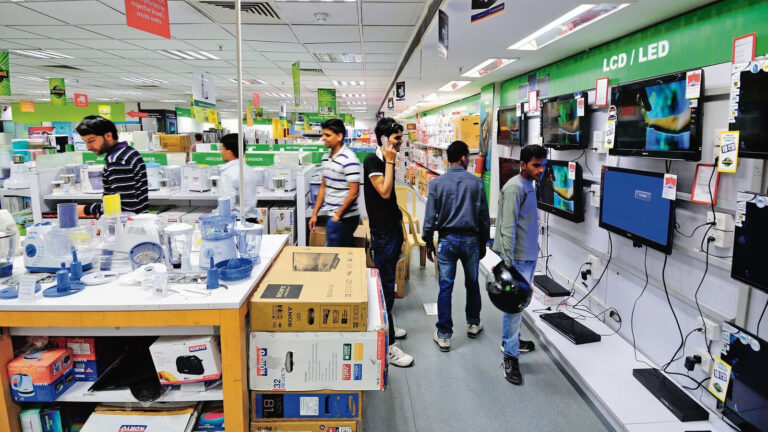
The global smartphone market experienced a significant setback in 2022, with demand shrinking by 10%. This decline in sales left both consumers and manufacturers wondering about the future of the industry. However, the narrative has taken an unexpected turn in the first half of 2023, as the market witnessed another 10% drop in demand, raising concerns about the industry’s vitality. In the midst of this, there is one segment that has not only survived but thrived – premium smartphones, typically priced at $400 or more. In the first six months of 2023, shipments of premium phones have grown by an astonishing 75%. This surge prompts us to question: What is driving the boom in premium phones? Is it simply a matter of affordability, or are there other factors at play?

Understanding the Premium Phone Segment

Before delving into the reasons behind the premium phone boom, let’s first understand what qualifies as a premium smartphone. Typically, a premium smartphone is characterized by a higher price point, often exceeding $400, and an emphasis on superior features, performance, and build quality. These devices are designed to offer an unparalleled user experience, with top-of-the-line specifications and innovative technologies. Examples of premium smartphone models include the iPhone 13 Pro, Samsung Galaxy S21 Ultra, and Google Pixel 6 Pro.

Reasons for the Boom

Several factors can be attributed to the remarkable growth in premium smartphone shipments during the first half of 2023:

1. Innovation and Features: One of the primary drivers of the premium phone boom is the continuous innovation and the inclusion of cutting-edge features in these devices. Premium smartphones often come with high-resolution displays, advanced camera systems, powerful processors, and unique capabilities, such as foldable screens. Consumers are drawn to these devices for the promise of having the latest and best technologies in their pockets.

2. Enhanced User Experience: Premium smartphones are designed to provide an exceptional user experience. They offer faster performance, smoother multitasking, and improved gaming capabilities. Moreover, they often have larger and more vibrant displays, making them attractive for multimedia consumption. The combination of hardware and software optimization contributes to a seamless user experience.

3. Status Symbol: Owning a premium smartphone has become a status symbol for many consumers. These devices are often associated with luxury and prestige. Individuals are willing to pay a premium for a phone that not only offers advanced functionality but also reflects their personal style and social status.

4. Longevity and Durability: Premium phones are built to last. Manufacturers invest in higher-quality materials and craftsmanship, resulting in devices that are more durable and have a longer lifespan. Consumers are increasingly recognizing the value of owning a device that can withstand the test of time.

5. Financing Options: To address affordability concerns, many smartphone manufacturers and carriers have introduced financing and trade-in programs that make premium phones more accessible. This approach allows consumers to spread the cost over time or trade in their existing devices for a discount on a new premium model.

6. Remote Work and Entertainment: The global shift toward remote work and increased digital entertainment consumption has driven the demand for devices that can support these activities. Premium smartphones with larger, high-resolution displays and robust processing power are well-suited for these purposes, making them an attractive choice for consumers seeking versatility.

7. Competitive Pricing: While premium phones have traditionally been expensive, there has been a trend toward offering more competitive pricing, especially in response to economic challenges and increased competition. Manufacturers are finding ways to balance affordability with premium features, making these devices more appealing to a broader audience.

The boom in premium smartphones, with a staggering 75% increase in shipments during the first half of 2023, is not solely driven by affordability. While more competitive pricing and financing options have played a role, it is the combination of factors like innovation, enhanced user experience, status appeal, durability, and the changing digital landscape that has led to this growth. Premium smartphones have carved out a unique niche in the market, offering consumers a premium experience that is unmatched by lower-priced alternatives.

As we move forward, it will be interesting to see how the premium smartphone segment continues to evolve and adapt to the ever-changing demands and expectations of consumers. The growth of premium phones signifies that consumers are willing to invest in devices that not only meet their functional needs but also align with their aspirations for quality, style, and the latest technology.

Disclaimer: The thoughts and opinions stated in this article are solely those of the author and do not necessarily reflect the views or positions of any entities represented and we recommend referring to more recent and reliable sources for up-to-date information.

Congress Ventures into Crowdfunding: A Struggle for Transparency in Political Funding

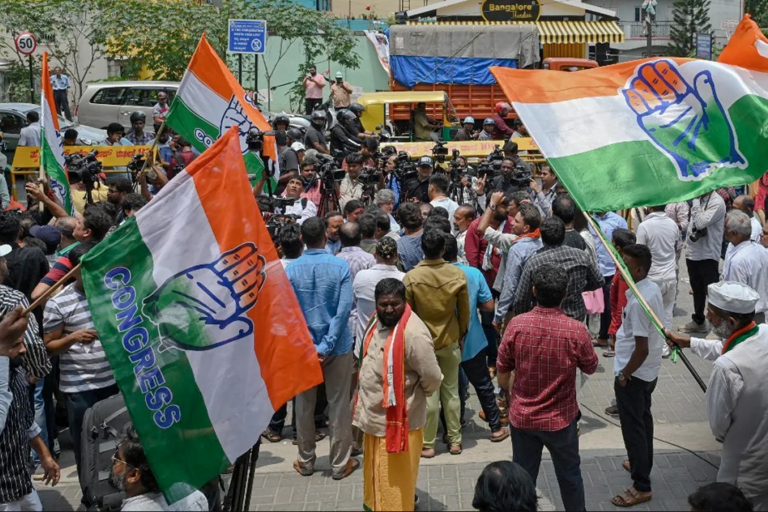
In a surprising move, the Indian National Congress, as reported by a leading news paper in India, is gearing up to embrace the world of crowdfunding to bolster its financial resources. This shift could bring about a significant transformation in the way political parties raise funds, introducing an electronic trail and potentially enhancing transparency in the murky world of political financing.

*The Global Challenge of Regulating Political Funding*

The task of regulating political funding is a complex and often convoluted one, not just in India but worldwide. The primary challenge arises from the inherent conflict of interest that lies at the heart of the relationship between political parties and the state. These parties, although distinct entities from the state, wield substantial influence in the legislative process, crafting laws and regulations that govern not only the nation but also the very funding that sustains their operations.

Political funding regulation generally revolves around two main aspects: caps on individual donations and the disclosure of funding sources. Of these, transparency regarding the source of funds holds greater significance. While caps on donations can, in many cases, be cleverly circumvented if the donors remain anonymous, knowing the origins of these funds is essential to maintain accountability and integrity in politics.

*The European Model: State Funding*

A notable approach in several European Union member-states is state funding of political parties. This method aims to level the playing field by providing public money to parties. However, it’s not without its flaws. For example, Germany links public funding to a party’s vote share in the last election, inherently favoring established parties with greater access to private funding. This method fails to entirely address the issue of fairness in the political funding landscape.

*The US Experience: Super PACs and Dark Money*

In contrast, the United States takes an entirely different approach to political funding. A Supreme Court judgment in 2010 lifted a century-old cap on donations and allowed for the concealing of donors’ identities, with the condition that there be no formal coordination between political parties and contributors. This led to the rise of “Super PACs,” outside groups that produce ostensibly independent campaign advertisements. This shift gave rise to the issue of “dark money,” funds flowing into campaigns with mysterious origins, and heightened concerns of foreign interference in U.S. elections. The American experience stands as a stark example of the difficulties involved in ensuring transparency in political funding.

*Opaque Funding in the UK: Unincorporated Associations*

Across the Atlantic, the United Kingdom faces its own set of challenges. Opaque political funding mechanisms, such as unincorporated associations originally intended for non-profit endeavors, have been on the rise. These channels have allowed funding sources to remain obscure, and the need for transparency in political finance remains a pressing concern.

*India’s Struggle: The Case of Electoral Bonds*

In India, the political funding landscape has experienced its own set of changes. In 2017, a cap on corporate donations was lifted through a legislative amendment. The subsequent year, electoral bonds were introduced. These bonds, issued by banks, are designed to facilitate donations to political parties. However, legislative changes ensured that the source of funding remains concealed from voters, who are arguably the most significant stakeholders in an election. This development has raised critical questions about the transparency and accountability of political funding in the country.

*The Crucial Test: India’s Supreme Court*

In light of these changes, a bench of the Supreme Court in India is set to commence hearings on the constitutional validity of electoral bonds. This case represents a pivotal moment for India, a nation striving to find a balance between facilitating political funding and ensuring transparency. The decision made will have far-reaching implications for the future of political finance in the country.

the Indian National Congress’ foray into crowdfunding, with its potential for enhancing transparency, represents a noteworthy step in the ever-evolving world of political funding. Nevertheless, the global landscape demonstrates the complexity of achieving transparency in political financing, with each nation grappling with its unique challenges. As the Supreme Court of India deliberates on the fate of electoral bonds, the outcome will serve as a significant benchmark for the nation’s efforts to navigate this intricate issue.


Disclaimer: The thoughts and opinions stated in this article are solely those of the author and do not necessarily reflect the views or positions of any entities represented and we recommend referring to more recent and reliable sources for up-to-date information.

India’s Para-Athletes Have to Overcome Systemic Neglect

In a nation that celebrates the achievements of its athletes at various international sporting events, India’s para-athletes often find themselves navigating a harsh reality – a system that frequently neglects their needs. Despite facing monumental challenges, these athletes continue to impress on the international stage. India’s para-athletes have demonstrated incredible personal determination, securing over 100 medals at the Asian championship, a remarkable feat considering the limited support they receive from the government.

From the lack of adequate training infrastructure to crippling financial constraints, para-athletes in India face enormous odds in their pursuit of excellence. Their journey is marked by resilience and perseverance, as they fight against the odds stacked against them. Even India’s para-sport tournaments suffer from shoddy organization, further hampering the prospects of these dedicated athletes. A glaring example of this was seen in the abrupt relocation of the National Para-Athletics Championship in 2021, which was moved from Tamil Nadu to Karnataka just four days before the event, leaving athletes and organizers in disarray.

The Paralympic Committee of India, the nodal body responsible for para-sports in the country, has been plagued by controversy. In 2019, the sports ministry derecognized the body due to violations of the National Sports Code. Although reinstated a year later, the committee’s approach continues to lack the required vigor and dedication. As a result, most para-athletes are left to fend for themselves, with minimal institutional support.

One striking example is the case of Preeti Pal, a sprinter in the T35 category from Meerut, who narrowly missed two medals at the Hangzhou games. Preeti’s setback was primarily due to the unavailability of synthetic tracks for practice in her hometown, highlighting the dearth of necessary facilities. Suvarna Raj, who competed in discus and shot put (54kg category) in Hangzhou, made it to the top eight. However, her performance could have been greatly improved if she hadn’t been compelled to run from pillar to post to find a proper place to practice in Noida. These instances shed light on the critical need for accessible training infrastructure for para-athletes.

Moreover, there’s a notable shortage of specialized coaches capable of providing scientific interventions tailored to each para-athlete’s unique profile. The training and support required by para-athletes are distinct from those of able-bodied athletes, necessitating personalized strategies to harness their full potential. The sports ministry, allocated a substantial 3,397.32 crore in this year’s budget, must ensure that para-athletes receive a more proportional share of these resources. An enabling environment for these athletes would encompass accessible stadiums, substantial financial support for those representing the nation, and the right scientific interventions based on their individual needs. This comprehensive approach is the key to consistently breaking records and achieving excellence.

the success of India’s para-athletes on the international stage, despite the systemic neglect they face, is a testament to their unwavering determination and passion for their sports. The challenges they encounter, from inadequate facilities to a lack of institutional support, are significant roadblocks to their progress. To harness the immense potential of para-athletes, it is imperative that India’s sports authorities and the government take concrete steps to rectify these issues, ensuring that these remarkable athletes receive the resources and support they truly deserve. Only then can they continue to make their nation proud and consistently break records on the world stage.


Disclaimer: The thoughts and opinions stated in this article are solely those of the author and do not necessarily reflect the views or positions of any entities represented and we recommend referring to more recent and reliable sources for up-to-date information.

India’s Fiscal Tightrope: The Doubling of Small Savings Schemes Between 2017-18 and 2021-22

In the economic landscape of India, where balancing fiscal deficits and managing debt is a constant challenge, the role of small savings schemes has gained prominence over the years. The period between 2017-18 and 2021-22 witnessed a remarkable doubling in the collections from these schemes, notably the National Small Savings Fund (NSSF), which plays a pivotal role in the Centre’s domestic debt management. However, this surge in small savings scheme collections raises concerns and questions about the sustainability of India’s fiscal strategy.

The Ascendancy of the National Small Savings Fund

The NSSF, which houses collections from various small savings schemes, has seen a substantial increase in its share within the Centre’s domestic debt. In the 2017-18 financial year, the NSSF’s contribution to the domestic debt was significant, but by 2021-22, it had more than doubled, underscoring its growing importance. This substantial growth is partially attributed to the Centre’s reliance on the NSSF to bridge its fiscal deficit, which stood at a staggering ₹315.8 trillion in 2021-22 and is projected to reach ₹17.9 trillion in 2023-24.

While small savings schemes have remained popular with Indian households, fresh collections have been mixed across different schemes. The National Savings Certificate continues to be a preferred choice, but the Public Provident Fund, another widely utilized scheme, has witnessed a decline in fresh collections during this period.

Surging Collections and Fiscal Challenges

During the six-month period from April to September 2023, the government found itself compelled to offer interest rates that were notably higher than prevailing market rates. In this basket of fixed-income schemes, senior citizens’ schemes, in particular, saw a remarkable 2.5 times year-on-year increase, further burdening the Centre’s fiscal position. The persistent reliance on these high-interest schemes raises concerns about India’s fiscal prudence, as it significantly contributes to domestic debt.

The Challenge of Offering High-Interest Rates

The propensity of Indian households to opt for old-fashioned, risk-averse investment choices and prioritize sovereign-backed schemes can be seen as both a boon and a challenge. While it demonstrates the trust and loyalty of the Indian populace towards these schemes, the government’s obligation to offer high interest rates to compete with foreign fixed-income schemes takes a toll on its fiscal stability.

The fiscal deficit, which is the excess of the government’s total spending over its total revenues, is bridged by domestic debt raised from various sources, and the surging collections from small savings schemes certainly contribute to this. However, these high-interest rates eventually lead to higher fiscal deficits, increasing India’s domestic debt, and raising concerns about the sustainability of the fiscal strategy.

Small Savings Schemes – A Mixed Bag

Small savings schemes, such as the Senior Citizen Savings Scheme and the Sukanya Samriddhi Account (targeting the girl child), have contributed significantly to the increasing collections over the years. During this period, collections from savings deposits and certificates shot up by an impressive 61% on a year-on-year basis. While this growth is beneficial for the government, it comes with its share of challenges.

The sustainability of offering high-interest rates in a constantly changing economic landscape is a concern that cannot be overlooked. The Centre’s overreliance on these schemes may lead to an unsustainable debt burden, which could impact the overall fiscal health of the nation.

The doubling of collections from small savings schemes between 2017-18 and 2021-22 has undoubtedly played a crucial role in bridging India’s fiscal deficit. However, it also raises concerns about the sustainability of this strategy. The reliance on high-interest rate schemes to compete with foreign fixed-income options is a double-edged sword that has the potential to burden the government with a growing domestic debt.

As India navigates its fiscal tightrope, it must strike a balance between meeting the needs of its citizens and ensuring the long-term economic stability of the nation. Managing the surge in small savings scheme collections while maintaining fiscal prudence is a challenge that requires careful consideration and strategic planning. In the years ahead, India’s policymakers will face the critical task of finding a sustainable path to fiscal responsibility, ensuring the nation’s financial well-being and stability.

Disclaimer: The thoughts and opinions stated in this article are solely those of the author and do not necessarily reflect the views or positions of any entities represented and we recommend referring to more recent and reliable sources for up-to-date information.
The Rollercoaster Ride of Two-Wheeler Sales in India: A Tale of Peaks, Valleys, and Recovery

In 2018-19, two-wheeler sales in India reached a remarkable peak of nearly 21.18 million units, marking a 6% growth during the year. However, this glorious momentum took a sharp nosedive in the subsequent three years, plunging to a decadal low of less than 136 million units in 2021-22. With the economy gradually recovering from the impact of the pandemic, two-wheeler sales have shown signs of revival, reaching 15.86 million units last year. While the industry is poised to cross the 17 million unit mark this year, it remains significantly below the peak achieved in 2018-19. In stark contrast, the passenger vehicle segment has already bounced back to pre-COVID levels, with commercial vehicles and three-wheelers set to follow suit this fiscal year. This article delves into the rollercoaster journey of two-wheeler sales in India, exploring the factors that led to the peak, the subsequent decline, and the path to recovery.

*The Pinnacle of 2018-19: A Glorious Year for Two-Wheeler Sales*

The fiscal year 2018-19 was a golden era for the Indian two-wheeler industry. It achieved a record-breaking high of 21.18 million units sold, representing a remarkable 6% growth. Several factors contributed to this peak, including a burgeoning middle-class population, increased urbanization, and a growing demand for affordable and fuel-efficient transportation options. Furthermore, two-wheelers are considered an integral part of Indian households, serving as a primary means of transportation.

*The Three-Year Descent: Factors Behind the Decline*

Despite the exuberance of 2018-19, the following three years witnessed a consistent decline in two-wheeler sales. The primary factor behind this decline was the economic slowdown, which was exacerbated by the COVID-19 pandemic. As disposable incomes dwindled and consumer confidence waned, people began to defer their vehicle purchases. The pandemic-induced lockdowns and restrictions also disrupted manufacturing and distribution, causing supply chain bottlenecks. Consequently, sales slumped to less than 136 million units in 2021-22, a level not seen in a decade.

*The Rebound and Recovery: A Glimmer of Hope*

With the Indian economy gradually recovering from the pandemic’s impact, two-wheeler sales have started to show signs of a resurgence. In the previous fiscal year, 2022-23, the industry managed to sell 15.86 million units. It is anticipated that this year will see further growth, with estimates suggesting that two-wheeler sales are likely to cross the 17 million unit mark. This is a positive sign that the industry is bouncing back from its slump.

The recovery can be attributed to various factors. One crucial factor is the pent-up demand resulting from the lockdowns and restrictions of the previous years. Consumers who had postponed their vehicle purchases are now returning to the market. Additionally, the government’s focus on infrastructure development and its push for the adoption of electric two-wheelers have played a role in stimulating sales. Furthermore, the rise of last-mile delivery services, driven by e-commerce, has increased the demand for scooters and motorcycles, further boosting sales.

*The Ongoing Challenges: A Long Way to Return to Peak Levels*

While the industry’s recovery is a promising development, it’s important to note that even with the expected 17 million units in sales, the figures will still be 20% less than the peak achieved in 2018-19. This highlights the challenges that the two-wheeler segment continues to face. The economic uncertainties and supply chain disruptions that linger from the pandemic still cast a shadow over the industry. Rising fuel prices and input costs also pose significant challenges for manufacturers and consumers alike.

*Contrast with the Passenger Vehicle Segment*

In contrast to the two-wheeler segment, the passenger vehicle segment has already surpassed pre-COVID levels. This divergence can be attributed to the varying consumer preferences, economic dynamics, and the unique role that two-wheelers play in the Indian market. Passenger vehicles are seen as a status symbol and are often associated with higher income groups, while two-wheelers remain a practical and affordable means of daily transportation for a broader demographic.

*Expectations for Commercial Vehicles and Three-Wheelers*

On a more positive note, the commercial vehicle and three-wheeler segments are expected to follow a similar trajectory as passenger vehicles. These segments are closely tied to economic activities, such as logistics and transportation. As the economy continues to recover, the demand for commercial vehicles and three-wheelers is likely to increase, helping these segments regain their lost ground.

In conclusion, the Indian two-wheeler industry has experienced a rollercoaster ride over the past few years, from the peak of 2018-19 to the nadir of 2021-22 and now the path to recovery. The recovery is encouraging, but the industry still has a long way to go to return to its peak levels. The challenges posed by economic uncertainties, rising fuel prices, and supply chain disruptions persist. However, with the government’s push for infrastructure development and electric mobility, coupled with the growing demand for last-mile delivery services, there is optimism for the future. As the Indian economy continues to rebound, two-wheeler sales are expected to regain their momentum, although it may take some time to reach the heights of 2018-19 once again.


Disclaimer: The thoughts and opinions stated in this article are solely those of the author and do not necessarily reflect the views or positions of any entities represented and we recommend referring to more recent and reliable sources for up-to-date information.

Early Festive Cheer: World Cup Effect Lifts Consumption Demand

The Indian subcontinent, known for its vibrant and culturally rich festivals, is gearing up for the annual celebration of lights and togetherness – Diwali. However, this year, the excitement in the air seems more electrifying than ever. Consumer demand for goods and personal care products has witnessed a significant uptick, indicating that the early festive cheer, coupled with the impending World Cup, is influencing spending patterns.

“The outlook is getting stronger by the day,” exclaimed Nilesh Gupta, the director of the renowned electronics retailer Vijay Sales. It’s an observation that resonates with many in the retail industry. The fiscal year started with sluggish sales, leaving businesses and analysts alike with a sense of unease. The economic repercussions of the global pandemic had left a dent in consumer sentiment, and the road to recovery appeared long and uncertain.

However, as the calendar rolled into the festive season, an unexpected turnaround began to unfold. Demand for various consumer products, particularly electronics, home appliances, and personal care items, started to surge. The reasons behind this resurgence are multifaceted, but one significant factor stands out – the upcoming Cricket World Cup.

Demand for consumer goods, personal care products, and electronics, in particular, has picked up pace. The excitement around the World Cup has played a substantial role in driving consumer optimism, and this optimism, in turn, is translating into increased sales. Electronics retailers like Vijay Sales are anticipating a remarkable double-digit sales growth compared to the previous year. In the words of Gupta, “If India reaches the World Cup final on 19 November, we will see a mini-Diwali continuing well beyond the festival that falls on 12 November.”

The overlap of the Cricket World Cup and the festive season provides a unique opportunity for businesses to capitalize on the celebratory spirit that’s gripping the nation. This convergence has the potential to boost consumer spending, create a feel-good factor, and stimulate economic activity.

Apart from the World Cup fever, other factors are contributing to the early festive cheer and increased consumer spending. Unseasonal rains during the summer led to decreased outdoor activities, impacting consumer spending on travel and entertainment. Now, as the sun emerges after the monsoons, consumers seem eager to make up for lost time and spend on products and experiences they missed during the rainy season.

Another key factor bolstering the increased demand for consumer goods is the availability of attractive financing options. Zero-interest loans and extended repayment periods have enticed more people to invest in premium appliances and products. This trend not only boosts sales but also reflects a growing financial maturity among Indian consumers, who are increasingly open to the idea of availing credit to fulfill their aspirations.

The festive season in India is not just limited to Diwali; it extends from Onam in the South to Durga Puja in the East, followed by Diwali in the North and West. During this period, people celebrate their culture, dress in new clothes, decorate their homes, and exchange gifts with loved ones. It’s a time of coming together and embracing the spirit of unity in diversity.

Consumer goods makers eagerly await this time of the year as shoppers unleash their desires to upgrade their wardrobes, buy new home appliances, and spend on personal care items. This surge in demand not only boosts the fortunes of retailers but also has a ripple effect on the entire supply chain, from manufacturers to logistics providers.

E-commerce platforms are also playing a pivotal role in this festive consumption spree. The convenience of online shopping, combined with attractive discounts and offers, is luring consumers towards digital platforms. As a result, e-commerce companies are gearing up for record-breaking sales during this festive season. The increased reliance on online shopping reflects the changing consumer behavior, which has been accelerated by the pandemic, and it’s likely to continue in the post-pandemic world.

The combination of the Cricket World Cup and the festive season is fostering a sense of anticipation and excitement that is spreading across India. People are not just investing in new electronics and appliances; they are also spending on personal care and grooming products. This indicates that consumers are not just looking to make their homes better; they want to feel better about themselves too.

The renewed enthusiasm for the festive season and the surge in consumer spending are undoubtedly positive indicators for the Indian economy. After a challenging period, this early festive cheer is a breath of fresh air for businesses and consumers alike. It also underscores the resilience and adaptability of the Indian consumer, who can quickly shift gears and revive economic activity.

In conclusion, the early festive cheer in India, propelled by the upcoming Cricket World Cup, has given a much-needed boost to consumer demand. This, coupled with attractive financing options and a desire to make up for lost time, has driven sales of consumer goods and personal care products. The convergence of the Cricket World Cup and the festive season presents a unique opportunity for businesses to capitalize on the celebratory spirit. It’s a testament to the resilience and optimism of the Indian consumer, and it bodes well for the country’s economic recovery and growth. As the nation prepares to light up the skies with Diwali lamps and cheer for their cricket heroes, the celebration of life and festivity takes center stage, bringing hope and positivity to the hearts and homes of millions.


Disclaimer: The thoughts and opinions stated in this article are solely those of the author and do not necessarily reflect the views or positions of any entities represented and we recommend referring to more recent and reliable sources for up-to-date information.

Cricket Returns to the Olympics: A Look at Its Inclusion in the 2028 Los Angeles Games

On Monday, the International Olympic Committee made an historic announcement that sent shockwaves through the world of sports. Cricket, a beloved and cherished sport with a rich history, will make a triumphant return to the Olympic stage in the 2028 Los Angeles Games. The decision marks a significant moment for cricket enthusiasts and promises to elevate the sport to new heights on the global stage.

The last time cricket was featured in the Olympics was back in 1900, in Paris. However, the circumstances were quite different then. Only two teams participated in that event: an English team, who coincidentally happened to be in France during the Games, and a French team largely composed of English expatriates. This time around, cricket will return to the Olympic arena in the fast-paced T20 format, which is expected to bring intense competition and excitement, making it a spectacle for viewers worldwide.

Cricket’s inclusion in the 2028 Olympics is a testament to the sport’s vastly grown popularity over the years. It has evolved from a traditional, test match format to the electrifying T20 format, which has captured the hearts of millions of fans around the world. The fast-paced action, big hits, and thrilling finishes in T20 cricket have made it one of the most-watched sports globally. This transition in format is perfectly aligned with the demands of the modern audience, making it an ideal fit for the Olympic stage.

One of the most significant implications of cricket’s return to the Olympics is the potential boost in revenue. Cricket enjoys an immense following in the Asian subcontinent, particularly in countries like India, Pakistan, and Sri Lanka. With India being one of the biggest cricket powerhouses, it’s safe to assume that the broadcast revenue from India alone could skyrocket. Some estimates suggest that it may increase by up to tenfold, an astonishing figure that could have a substantial impact on the financial success of the Games.

The injection of significant revenue from cricket’s inclusion could have far-reaching effects. Hosting the Olympics has become a complex and expensive undertaking, with most editions since 1960 exceeding their budgets. The infusion of revenue from a cricket-mad nation like India could improve the overall cost-benefit equation for the Games. This, in turn, may encourage future host nations to consider including popular sports with a global following in their programs.

Moreover, India’s growing prominence in the sporting world is evident. The country has consistently performed well at various international sporting events, and its record medal tally at the Asian Games has elevated its sporting profile. With cricket now featuring in the Olympics, India has yet another avenue to aim for a sporting medal, further fueling the nation’s sporting aspirations.

Apart from the financial and sporting benefits, the inclusion of cricket in the Olympics will have a profound impact on the global cricketing landscape. Many cricketing nations have been working diligently to develop their cricketing infrastructure, nurturing talent, and growing the sport’s popularity. With Olympic recognition, more countries may be encouraged to invest in the sport, leading to an expansion of cricket beyond its traditional strongholds.

One of the notable challenges for the inclusion of cricket in the Olympics is the format itself. T20 cricket is known for its fast-paced nature and shorter duration, making it more suitable for the Olympic schedule. However, it also raises questions about the quality and integrity of the competition. Unlike other Olympic sports with a long-standing tradition, cricket in the T20 format has no historical precedent in the Games. Some purists might argue that the shorter format doesn’t fully represent the essence of cricket. Nonetheless, the inclusion of cricket in any form in the Olympics is an important milestone for the sport.

Another issue to consider is player availability. The international cricket calendar is already packed with various tournaments and series, and fitting in an Olympic competition could be challenging. However, with the allure of an Olympic gold medal, players from around the world are likely to make efforts to participate. This could lead to exciting lineups featuring some of the best cricketing talent from different nations.

Cricket’s return to the Olympics is undoubtedly a watershed moment for the sport. It presents an opportunity to showcase cricket on a global stage, appeal to new audiences, and provide financial benefits that could make hosting the Games more viable. Furthermore, it underscores the importance of adaptability and innovation in sports, demonstrating that even traditional sports can evolve to meet the demands and expectations of a modern, global audience.

As we eagerly await the 2028 Los Angeles Olympics, cricket enthusiasts and sports fans worldwide are looking forward to witnessing the return of this beloved sport to the grandest sporting event of all. Cricket’s inclusion in the Olympic program will not only be a celebration of the sport but also a symbol of its enduring legacy and the boundless potential for its future. It is a moment that will bring cricket lovers together, fostering a sense of unity and excitement that only sports can achieve.


Disclaimer: The thoughts and opinions stated in this article are solely those of the author and do not necessarily reflect the views or positions of any entities represented and we recommend referring to more recent and reliable sources for up-to-date information.

Revitalizing India’s Electric Vehicle Subsidy Policy: A Sustainable Path Forward

India’s electric vehicle (EV) subsidy policy is at a crossroads, with the need for a comprehensive overhaul becoming increasingly evident. As the world grapples with the urgency of addressing climate change and transitioning to cleaner transportation options, India faces unique challenges and opportunities in its quest to develop a sustainable mobility ecosystem. This economic report explores the recent instability in India’s EV market and recommends a new approach to subsidy policies that align with the vision of a sustainable and environmentally-friendly future, as articulated by Prime Minister Narendra Modi.

I. Current State of India’s EV Market:

The Indian EV market has shown promise and potential, driven by concerns about air pollution and the country’s commitment to reduce carbon emissions. However, recent instability in this market raises concerns about its long-term viability:

A. Market Volatility:

– Fluctuating demand for EVs due to factors such as fuel prices, availability of charging infrastructure, and consumer preferences.
– Challenges in the production and supply chain of EVs, leading to sporadic shortages and delays.

B. Incomplete Adoption:
– Lack of widespread adoption of electric vehicles in the Indian population.
– Dominance of traditional internal combustion engine vehicles.

II. Prime Minister Narendra Modi’s Vision for Sustainable Mobility:

Prime Minister Narendra Modi’s recent address highlights the government’s commitment to developing a sustainable mobility ecosystem. Key points include:

A. Environmental Harmony:
– The need to align mobility with environmental goals, emphasizing reduced carbon emissions and lower pollution levels.
– Encouraging the use of clean energy sources in transportation.

III. Rethinking the EV Subsidy Policy:

To address the current challenges and align with the Prime Minister’s vision, it is essential to overhaul the EV subsidy policy:

A. Incentivizing Electric Vehicle Adoption:
– Increased subsidies and incentives for the purchase of electric vehicles.
– Subsidies targeted at making EVs more affordable for a broader population.

B. Expansion of Charging Infrastructure:
– Investment in a robust charging infrastructure network across the country.
– Public-private partnerships to accelerate the establishment of charging stations.

C. Promoting Research and Development:
– Encouraging domestic and international companies to invest in EV technology development in India.
– Supporting innovation in battery technology, a key component of EVs.

D. Regulatory Framework:
– Streamlining regulations related to EV manufacturing and sales.
– Clear guidelines for vehicle standards, safety, and emissions.

IV. Encouraging Industry Participation:

Collaboration with industry leaders, such as Ola and TVS, is crucial to achieving the goals of a sustainable mobility ecosystem. These companies can play a significant role in:

A. Meeting Obligations:
– Ensuring that companies meet their obligations related to EV production and adoption targets.

B. Innovation:
– Fostering innovation in the EV sector through partnerships with private companies.
– Supporting initiatives for EV research, development, and manufacturing.

V. Economic Impact and Long-Term Sustainability:

The proposed changes in the EV subsidy policy will have significant economic implications:

A. Job Creation:
– The growth of the EV industry will lead to job creation in manufacturing, maintenance, and support services.

B. Reduced Dependency on Oil:
– Decreasing reliance on imported oil, leading to economic benefits and energy security.

C. Environmental Benefits:
– Reduced carbon emissions and improved air quality, which can lead to long-term health and economic benefits.

India stands at a critical juncture in its pursuit of a sustainable mobility ecosystem. The overhaul of the EV subsidy policy, as outlined in this report, is essential to address the recent instability in the EV market and align with the vision set forth by Prime Minister Narendra Modi. Through strategic investments, regulatory reforms, and industry collaboration, India can chart a path towards a cleaner, more prosperous, and environmentally-friendly future.

Disclaimer: The thoughts and opinions stated in this article are solely those of the author and do not necessarily reflect the views or positions of any entities represented and we recommend referring to more recent and reliable sources for up-to-date information.

Single-Screen Theatres in India: Navigating Challenges, Seizing Opportunities, and the Quest for Sustainability

Single-screen theatres in India have long been an integral part of the nation’s cultural fabric. These iconic venues have witnessed the evolution of Indian cinema, from the era of black and white classics to the dazzling spectacles of contemporary blockbusters. Yet, their journey has been fraught with challenges, exacerbated by the COVID-19 pandemic. This journal explores the resilience of single-screen theatres, their recent resurgence, and the ongoing pursuit of expansion into multiplexes.

The Glorious Past:

Single-screen theatres, with their grand architectural designs and ornate interiors, once reigned supreme as the primary mode of film exhibition in India. These cinemas were more than just places to watch movies; they were community hubs where people from diverse backgrounds came together to experience the magic of cinema. Iconic films like “Mughal-e-Azam” and “Sholay” drew audiences in hordes, creating unforgettable memories.

Pre-Pandemic Challenges:

However, even before the pandemic, single-screen theatres were grappling with a shifting landscape. The emergence of multiplexes with state-of-the-art facilities and plush seating posed stiff competition. Moreover, the rise of streaming platforms provided viewers with convenient alternatives to traditional cinema outings. Many single screens struggled to update their technology and amenities to meet evolving audience expectations.

The Pandemic Blow:

The COVID-19 pandemic hit the entertainment industry hard, and single-screen theatres were no exception. Extended lockdowns and safety concerns forced many to shut their doors temporarily, causing significant financial strain. The future appeared bleak as uncertainty loomed.

The Resilience and Revival:

Against all odds, single-screen theatres displayed remarkable resilience. As the pandemic ebbed and flowed, they found a lifeline in mass-market movies that resonated with audiences across India’s small towns and cities. Films like “Gadar 2” and “Jawan” struck a chord, drawing viewers back to the cinemas. Affordable ticket prices played a crucial role in this resurgence, making cinematic experiences accessible to a broader audience.

The Quest for Expansion:

The recent success of single-screen theatres has instilled hope, but owners are well aware that such strokes of luck are transient. To ensure long-term viability, many are exploring the possibility of expanding into multiplexes. This strategic shift aims to cater to a more diverse range of moviegoers while incorporating modern amenities and experiences.

Single-screen theatres in India have weathered storms, from pre-pandemic challenges to the disruptive force of COVID-19. Their ability to adapt and evolve is a testament to their enduring relevance in the cinematic landscape. As they look toward the future, the quest for expansion into multiplexes symbolizes their determination to preserve the magic of cinema while staying competitive in a dynamic industry. The story of single-screen theatres is one of resilience, revival, and the unwavering pursuit of cinematic excellence.


Disclaimer: The thoughts and opinions stated in this article are solely those of the author and do not necessarily reflect the views or positions of any entities represented and we recommend referring to more recent and reliable sources for up-to-date information.