

Home Blog Page 749

Single-Screen Theatres in India: Navigating Challenges, Seizing Opportunities, and the Quest for Sustainability

Single-screen theatres in India have long been an integral part of the nation’s cultural fabric. These iconic venues have witnessed the evolution of Indian cinema, from the era of black and white classics to the dazzling spectacles of contemporary blockbusters. Yet, their journey has been fraught with challenges, exacerbated by the COVID-19 pandemic. This journal explores the resilience of single-screen theatres, their recent resurgence, and the ongoing pursuit of expansion into multiplexes.

The Glorious Past:

Single-screen theatres, with their grand architectural designs and ornate interiors, once reigned supreme as the primary mode of film exhibition in India. These cinemas were more than just places to watch movies; they were community hubs where people from diverse backgrounds came together to experience the magic of cinema. Iconic films like “Mughal-e-Azam” and “Sholay” drew audiences in hordes, creating unforgettable memories.

Pre-Pandemic Challenges:

However, even before the pandemic, single-screen theatres were grappling with a shifting landscape. The emergence of multiplexes with state-of-the-art facilities and plush seating posed stiff competition. Moreover, the rise of streaming platforms provided viewers with convenient alternatives to traditional cinema outings. Many single screens struggled to update their technology and amenities to meet evolving audience expectations.

The Pandemic Blow:

The COVID-19 pandemic hit the entertainment industry hard, and single-screen theatres were no exception. Extended lockdowns and safety concerns forced many to shut their doors temporarily, causing significant financial strain. The future appeared bleak as uncertainty loomed.

The Resilience and Revival:

Against all odds, single-screen theatres displayed remarkable resilience. As the pandemic ebbed and flowed, they found a lifeline in mass-market movies that resonated with audiences across India’s small towns and cities. Films like “Gadar 2” and “Jawan” struck a chord, drawing viewers back to the cinemas. Affordable ticket prices played a crucial role in this resurgence, making cinematic experiences accessible to a broader audience.

The Quest for Expansion:

The recent success of single-screen theatres has instilled hope, but owners are well aware that such strokes of luck are transient. To ensure long-term viability, many are exploring the possibility of expanding into multiplexes. This strategic shift aims to cater to a more diverse range of moviegoers while incorporating modern amenities and experiences.

Single-screen theatres in India have weathered storms, from pre-pandemic challenges to the disruptive force of COVID-19. Their ability to adapt and evolve is a testament to their enduring relevance in the cinematic landscape. As they look toward the future, the quest for expansion into multiplexes symbolizes their determination to preserve the magic of cinema while staying competitive in a dynamic industry. The story of single-screen theatres is one of resilience, revival, and the unwavering pursuit of cinematic excellence.


Disclaimer: The thoughts and opinions stated in this article are solely those of the author and do not necessarily reflect the views or positions of any entities represented and we recommend referring to more recent and reliable sources for up-to-date information.


The Burning Man Festival and Its Climate Impact: A Deep Dive

The Burning Man Festival is an annual event that attracts tens of thousands of participants to the remote Black Rock Desert in Nevada, USA. Born out of a countercultural movement in the 1980s, Burning Man has grown into a global phenomenon that combines art, self-expression, and community. While it has become a symbol of creativity and radical self-reliance, it also raises questions about its environmental impact and contribution to climate change. In this journal, we will explore the origins of Burning Man, its environmental practices, and its potential effects on the climate.

Origins of Burning Man

Burning Man originated in 1986 when Larry Harvey and Jerry James, two friends, built and burned an 8-foot tall wooden effigy on San Francisco’s Baker Beach. This simple act of self-expression soon evolved into an annual event that would eventually outgrow its urban setting. In 1990, the festival relocated to the Black Rock Desert, a remote and harsh environment that has since become its iconic home.

Environmental Practices

The Black Rock Desert, with its extreme temperatures and arid conditions, poses unique challenges for an event like Burning Man. To minimize its environmental impact, the festival has implemented several sustainability initiatives:

Leave No Trace: Burning Man’s core principle of “Leave No Trace” encourages participants to clean up after themselves, ensuring that the desert is left as pristine as possible. This includes removing every trace of the event, from moop (matter out of place) to art installations.

Solar Power: Many theme camps and art installations use solar power to reduce reliance on fossil fuels and generators. Solar panels are a common sight on the playa.

Transportation: Burning Man promotes carpooling and ride-sharing to reduce the number of vehicles traveling to the event. Some participants even opt for bicycles as their primary mode of transportation within the festival.

Artistic Sustainability: Artistic creations at Burning Man often involve the use of recycled or repurposed materials, contributing to a culture of sustainability and reuse.

Green Camps: Some theme camps and villages prioritize eco-friendly practices, including composting, graywater management, and sustainable building techniques.

While these efforts demonstrate a commitment to reducing its environmental footprint, the sheer scale of Burning Man, with its temporary city of over 70,000 participants, still has consequences for the environment.

Climate Impact

Burning Man’s impact on the climate extends beyond its environmental practices, and several factors should be considered:

Transportation: The majority of participants travel long distances to reach the festival, often using fossil fuels. The carbon emissions from these journeys contribute to the festival’s carbon footprint.

Energy Consumption: Despite efforts to use solar power, the festival’s temporary infrastructure, including lighting and sound systems, still relies on generators and other sources of energy, which produce greenhouse gas emissions.

Waste Generation: While Burning Man promotes a “Leave No Trace” ethos, waste is inevitably generated during the event, which may not be entirely mitigated through cleanup efforts.

Art Installations: The burning of large art installations, including the iconic “Man” effigy and the Temple, releases particulate matter and carbon emissions into the atmosphere.

Temporary City: The construction and dismantling of the temporary city require significant resources and energy, contributing to the festival’s overall carbon footprint.


Burning Man is a remarkable cultural phenomenon that celebrates self-expression, community, and creativity. While it has made strides in adopting sustainable practices and minimizing its environmental impact, it remains a complex event with both positive and negative effects on the climate. As it continues to evolve and adapt, Burning Man serves as a fascinating case study of how large-scale gatherings can navigate the delicate balance between artistic expression and environmental responsibility. As participants and organizers explore ways to reduce the festival’s climate impact, it offers valuable lessons for other events striving to become more sustainable in an era of climate change awareness.

Disclaimer: The thoughts and opinions stated in this article are solely those of the author and do not necessarily reflect the views or positions of any entities represented and we recommend referring to more recent and reliable sources for up-to-date information.

SaaS industry – Road to Recovery

The SaaS (Software as a Service) industry has faced its fair share of challenges in recent years. From the global economic downturn to increased scrutiny from clients, the road to recovery has been anything but smooth. However, as we delve into the intricacies of this dynamic sector, it becomes evident that it is gradually emerging from the woods, showcasing resilience and adaptability.

*Macroeconomic Uncertainties:*

The SaaS industry operates in an ecosystem deeply influenced by macroeconomic factors. The turmoil caused by the COVID-19 pandemic was a significant blow, disrupting businesses worldwide. Many anticipated that this disruption would send shockwaves throughout the SaaS sector, given its reliance on business subscriptions and recurring revenue models. However, the industry proved to be surprisingly resilient.

One of the key factors contributing to the recovery of the SaaS industry was its inherent flexibility. Cloud-based solutions offered by SaaS companies allowed businesses to adapt rapidly to remote work and changing customer needs. This adaptability enabled organizations to maintain business continuity in the face of economic uncertainty.

Moreover, the subscription-based model of SaaS companies provides a steady stream of revenue, making them less vulnerable to the volatility experienced by traditional software companies. This recurring revenue stream helped many SaaS companies weather the economic storm, making them attractive investments for both venture capitalists and individual investors.

*Greater Deal Scrutiny by Clients:*

Another challenge that the SaaS industry faced was increased scrutiny from clients. As businesses tightened their budgets and evaluated their expenses more rigorously, they began to demand more value from their SaaS providers. This translated into greater scrutiny of software features, pricing models, and contractual terms.

In response to this heightened scrutiny, SaaS companies had to become more customer-centric. They invested in improving their products, enhancing customer support, and offering more flexible pricing options. This customer-centric approach not only helped them retain existing clients but also attracted new ones.

Additionally, the SaaS industry witnessed a trend toward greater transparency. Companies started providing detailed information about their security measures, data handling practices, and compliance with regulatory requirements. This transparency not only built trust but also helped clients make informed decisions.

*Innovation and Adaptation:*

One of the remarkable aspects of the SaaS industry’s recovery is its commitment to innovation. Despite the challenges, many SaaS companies continued to invest heavily in research and development. This commitment to innovation allowed them to introduce new features and services that addressed emerging market demands.

For instance, the rise of remote work led to increased demand for collaboration and communication tools. SaaS companies responded by enhancing their existing offerings and launching new products to cater to this evolving need. This ability to pivot and innovate quickly was a critical factor in the industry’s resilience.

*Diversification and Expansion:*

To mitigate risk and ensure long-term growth, many SaaS companies diversified their customer base and expanded into new markets. By serving clients in various industries and geographic regions, they reduced their dependence on a single market segment or geography.

Furthermore, strategic partnerships and acquisitions became prevalent in the SaaS industry. These collaborations allowed companies to enhance their product portfolios and gain access to new customer segments. Such moves not only fostered growth but also strengthened their competitive positions.

the SaaS industry’s journey out of the woods amidst macroeconomic uncertainties and greater client scrutiny is a testament to its resilience and adaptability. The ability to provide flexible, cloud-based solutions, coupled with a customer-centric approach, has helped SaaS companies weather the storm.

Moreover, their commitment to innovation, diversification, and strategic partnerships has positioned them for sustainable growth in the years to come. While challenges may persist, the SaaS industry’s ability to navigate them and emerge stronger is a promising sign of its recovery and continued success. As businesses continue to rely on technology to drive their operations, the SaaS sector is well-positioned to play a central role in shaping the future of business software.

Disclaimer: The thoughts and opinions stated in this article are solely those of the author and do not necessarily reflect the views or positions of any entities represented and we recommend referring to more recent and reliable sources for up-to-date information.
The Genesis of Economic Corridors

The concept of economic corridors emerged as a response to the need for efficient transportation and connectivity in rapidly urbanizing and industrializing regions. The idea is to create seamless transportation networks that link key economic hubs, both domestically and internationally. Such corridors often traverse diverse terrains and cross borders, fostering trade, investment, and economic growth.

*The Components of Economic Corridors*

Economic corridors are more than just roads and railways; they encompass a range of infrastructure components:

1. *Transportation Networks:* The backbone of an economic corridor is its transportation infrastructure. Highways, expressways, railways, and ports form the core elements, facilitating the smooth movement of goods and people.

2. *Logistics and Industrial Zones:* Along these corridors, logistics and industrial zones are established to encourage manufacturing and trade activities. These zones serve as magnets for businesses, offering favorable policies and incentives.

3. *Energy Infrastructure:* Reliable energy supply is essential for industries to thrive. Economic corridors often include the development of energy infrastructure, including power plants and transmission lines.

4. *Human Capital Development:* Education and skill development institutions are vital to ensure a skilled workforce that can contribute effectively to the industries along the corridor.

*Benefits of Economic Corridors*

Economic corridors offer a plethora of advantages that extend far beyond transportation. Let’s explore some of these benefits:

1. *Enhanced Connectivity:* Economic corridors bridge geographical gaps, reducing travel times and costs. They create efficient transport routes, which are essential for the movement of goods and people, fostering regional integration.

2. *Trade Facilitation:* By connecting markets and production centers, economic corridors stimulate trade. This results in increased export opportunities, foreign exchange earnings, and a boost to the national economy.

3. *Industrial Development:* Industrial and logistics zones along the corridor attract investment, spur job creation, and drive economic diversification. They become engines of growth, often transforming previously underdeveloped regions.

4. *Urbanization and Infrastructure Development:* Economic corridors encourage urbanization as cities along the route grow to accommodate the influx of people and businesses. This, in turn, fuels demand for infrastructure development, including housing, healthcare, and education.

5. *Poverty Reduction:* Economic corridors have the potential to uplift marginalized communities by creating employment opportunities and improving access to markets and services.

6. *Regional Balance:* They can help balance regional development by channeling investment and resources into less-developed areas, reducing disparities between regions within a country.

7. *International Connectivity:* On a global scale, economic corridors can connect countries and regions, enhancing international trade and fostering economic diplomacy.

*Successful Case Studies*

Several countries have realized the transformative power of economic corridors. One standout example is China’s Belt and Road Initiative, which aims to create a network of corridors connecting China to Europe, Africa, and Asia. This initiative has already stimulated economic growth across several participating nations.

In Africa, the Northern Corridor, connecting Kenya, Uganda, Rwanda, and South Sudan, has facilitated trade, reduced transportation costs, and enhanced regional cooperation. Similarly, the East-West Economic Corridor in Southeast Asia has spurred economic development in countries like Vietnam, Laos, Thailand, and Myanmar.

*Challenges and Concerns*

While the benefits are substantial, economic corridors also face challenges:

1. *Environmental Impact:* The construction of infrastructure can have adverse environmental effects, including deforestation, habitat destruction, and increased carbon emissions.

2. *Social Displacement:* Communities living along the corridor’s path may face displacement, leading to social and cultural disruptions.

3. *Debt Burden:* Some nations have incurred substantial debt while financing the development of these corridors, which can have long-term economic implications.

4. *Geopolitical Tensions:* Economic corridors that cross borders may be subject to geopolitical tensions and disputes.

Economic corridors are pivotal instruments for economic growth, offering a multi-faceted approach to development. They bring together transportation, industry, and human capital to drive economic prosperity, reduce poverty, and promote regional integration. However, the successful implementation of these corridors requires careful planning, addressing environmental and social concerns, and ensuring responsible financing. When executed effectively, economic corridors have the potential to transform nations and regions, ushering in a new era of growth and connectivity.

Disclaimer: The thoughts and opinions stated in this article are solely those of the author and do not necessarily reflect the views or positions of any entities represented and we recommend referring to more recent and reliable sources for up-to-date information.
India’s G20 Presidency: A SWOT Analysis

Abstract:

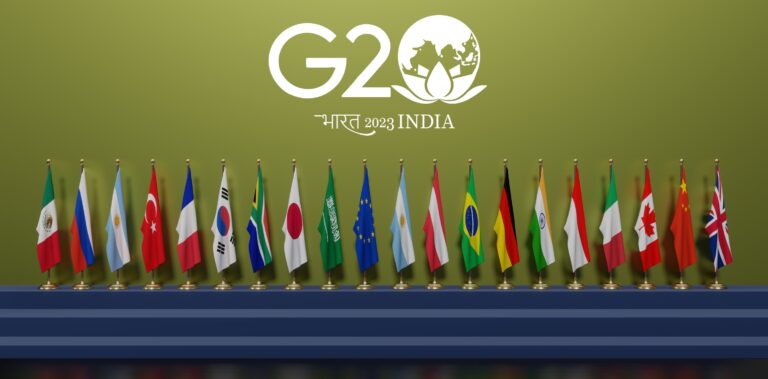
The G20, comprising the world’s major economies, plays a crucial role in shaping global economic policies. In this journal, we conduct a SWOT (Strengths, Weaknesses, Opportunities, Threats) analysis of India’s presidency in the G20. India, a rising global power, assumed the presidency in 2023. This analysis explores the internal and external factors that may influence India’s performance and impact during its tenure.

The Group of Twenty (G20) is a premier international forum that brings together major economies to discuss and coordinate global economic policies. India, with its burgeoning economy and geopolitical significance, assumed the presidency of the G20 in 2023. This journal aims to conduct an in-depth SWOT analysis of India’s G20 presidency, shedding light on the potential strengths, weaknesses, opportunities, and threats facing the country in this crucial role.

Strengths:

Economic Resilience: India has demonstrated resilience in the face of global economic challenges, showcasing its ability to withstand shocks and adapt to changing circumstances.

Demographic Dividend: India’s large and youthful population offers a significant demographic dividend, potentially contributing to economic growth and innovation.

Diverse Economy: India’s diverse economy encompasses sectors such as IT, pharmaceuticals, agriculture, and manufacturing, providing a strong foundation for cooperation and innovation within the G20.

Strategic Location: Geographically, India occupies a strategic position, bridging Asia and the Middle East. This location can facilitate trade and economic partnerships.

Political Stability: India’s democratic system and political stability provide a conducive environment for initiating and implementing policies.

Weaknesses:

Economic Inequality: Despite its economic growth, India faces significant income inequality, which could be a subject of criticism within the G20.

Infrastructure Deficit: Infrastructure development lags behind, hindering economic growth and potential foreign investments.

Bureaucratic Hurdles: India’s bureaucracy can be cumbersome, potentially slowing down the implementation of policies and reforms.

Environmental Challenges: India faces environmental issues, including air pollution and water scarcity, which may affect its standing in discussions on sustainable development.

Border Disputes: Ongoing border disputes with neighboring countries, such as China and Pakistan, may distract from the G20 presidency’s focus on economic matters.

Opportunities:

Global Vaccine Production: India’s pharmaceutical industry can play a crucial role in global vaccine production, addressing the ongoing COVID-19 pandemic and future health crises.

Trade and Investment: As a growing market, India can attract foreign investments and expand its trade partnerships within the G20.

Technology and Innovation: India’s IT and innovation sectors can contribute to discussions on digital transformation and technological advancement.

Climate Leadership: India can assert itself as a leader in climate action by adopting sustainable practices and advocating for global climate goals.

Global Supply Chains: India can diversify global supply chains, reducing dependency on a single source and enhancing resilience.

Threats:

Geopolitical Tensions: Political tensions with neighboring countries, such as China and Pakistan, could spill over into G20 discussions and hinder cooperation.

Economic Challenges: India faces economic challenges such as inflation, fiscal deficits, and unemployment, which may impact its ability to lead effectively.

Pandemic Uncertainty: Ongoing uncertainty related to the COVID-19 pandemic could divert attention and resources from other pressing global issues.

Protectionism: Rising protectionist sentiments in various G20 nations may hinder free trade agreements and economic cooperation.

Environmental Degradation: Failure to address environmental issues could lead to international criticism and impact India’s reputation.

India’s presidency of the G20 presents both opportunities and challenges. Its strengths, including economic resilience and a diverse economy, position it well to lead discussions on global economic recovery. However, addressing weaknesses like economic inequality and infrastructure deficits will be crucial for sustained success. Seizing opportunities in vaccine production, trade, technology, and climate action can enhance India’s global standing. Meanwhile, managing geopolitical tensions and economic challenges will be vital to ensuring a productive and impactful G20 presidency. India’s ability to navigate these factors will ultimately determine the success of its tenure as the leader of this influential international forum.

Disclaimer: The thoughts and opinions stated in this article are solely those of the author and do not necessarily reflect the views or positions of any entities represented and we recommend referring to more recent and reliable sources for up-to-date information.

The G20 Leaders’ Summit in India: Expectations and Achievements

The G20, a group of the world’s largest economies, plays a crucial role in shaping global economic policies and fostering international cooperation. In 2023, India had the distinct honor of hosting the G20 Leaders’ Summit, an event eagerly anticipated by governments, businesses, and individuals around the world. This article will delve into what was expected from the G20 Leaders’ Summit in India and highlight the significant achievements that India accomplished during its tenure as the host nation.

Expectations from the G20 Leaders’ Summit in India

1. Economic Recovery and Stability:

One of the primary expectations from the G20 Leaders’ Summit in India was to address the global economic recovery and stability. After the tumultuous period brought about by the COVID-19 pandemic, the world looked to the G20 to chart a course towards sustainable growth. India was expected to take the lead in facilitating discussions on economic reforms, trade policies, and financial stability measures.

2. Climate Change Mitigation:

Climate change has emerged as one of the most pressing global challenges. India’s leadership was expected to encourage G20 nations to adopt more ambitious climate goals and collaborate on initiatives to reduce carbon emissions. The world was watching for commitments to accelerate the transition to clean energy and promote sustainable practices.

3. Digital Transformation:

In the age of technology, digital transformation is a key driver of economic growth. Expectations were high for India to champion discussions on digital governance, cybersecurity, and bridging the digital divide. The G20 Leaders’ Summit was seen as an opportunity to foster cooperation on data protection and international regulations for emerging technologies.

4. Inclusive and Equitable Growth:

Addressing income inequality and promoting inclusive growth were crucial expectations. India was urged to lead discussions on social safety nets, access to healthcare, and education for all. Efforts to reduce poverty and promote gender equality were anticipated as key discussion points.

5. Trade and Investment:

Facilitating international trade and investment was another central expectation. The G20 Leaders’ Summit aimed to address trade disputes, promote fair trade practices, and enhance investment opportunities among member countries. India was anticipated to play a pivotal role in shaping the global trade agenda.

Achievements by India as the Host Nation

1. Economic Resilience:

India’s leadership during the G20 Summit contributed significantly to discussions on economic recovery and stability. The country shared its experiences in managing the economic impact of the pandemic and advocated for inclusive economic policies. As a result, the G20 nations agreed to collaborate on strategies for sustainable post-pandemic recovery.

2. Climate Commitments:

India made substantial commitments to address climate change during its tenure as host. It announced ambitious targets for renewable energy production and actively engaged with other G20 members to encourage similar pledges. The summit resulted in a unified commitment to accelerate efforts to limit global warming.

3. Digital Governance:

India’s focus on digital transformation was well-received. The G20 countries discussed the need for responsible use of digital technologies and agreed to work together on cybersecurity measures. India’s efforts in promoting digital inclusion and innovation were commended by member nations.

4. Inclusivity and Equity:

India prioritized discussions on inclusivity and equity. It advocated for policies that address income disparities, improve access to healthcare and education, and promote gender equality. The G20 Leaders’ Summit resulted in a commitment to reducing inequality and enhancing social safety nets.

5. Trade Facilitation:

India played a pivotal role in resolving trade disputes and promoting fair trade practices. It emphasized the importance of open markets and cooperative trade policies. The G20 members agreed to enhance trade and investment facilitation, which was seen as a positive outcome for global commerce.

The G20 Leaders’ Summit in India exceeded expectations by addressing critical global challenges and fostering cooperation among the world’s largest economies. India’s leadership during its tenure as the host nation led to significant achievements in areas such as economic recovery, climate change mitigation, digital governance, inclusivity, and trade facilitation. As the world continues to grapple with complex issues, the G20 remains a vital platform for nations to come together and shape a more sustainable and prosperous future for all. India’s contributions during its hosting of the summit have undoubtedly left a lasting impact on global economic policies and cooperation.

In this dynamic global landscape, India’s role as a responsible and influential member of the G20 is set to continue, contributing to the ongoing dialogue on key issues that affect us all.

Disclaimer: The thoughts and opinions stated in this article are solely those of the author and do not necessarily reflect the views or positions of any entities represented and we recommend referring to more recent and reliable sources for up-to-date information.

Chandrayaan-3: Navigating the Cosmic Consumer Market in Style

Buckle up, cosmic marketers, because we’re about to embark on an interstellar adventure with Chandrayaan-3, where economy meets the final frontier! In this exhilarating cosmic ride, we’ll explore the ins and outs of the lunar economy, uncover the cosmic consumer demands, and decode their stellar behavior engagement. Get ready to shoot for the stars with Chandrayaan-3 and discover how it’s boldly going where no lunar mission has gone before, all while speaking the language of memes, emojis, and trending hashtags.

Lunar Economy: Moonopoly and Beyond!

The lunar economy has witnessed a meteoric rise, with Chandrayaan-3 acting as the ultimate game-changer. The moon is no longer just a celestial body; it’s prime lunar real estate. In a cosmic twist, lunar real estate is the new #Moonopoly, and everyone wants a piece of the lunar pie. From crater cafes to mineral mining, lunar commerce is taking off faster than a SpaceX rocket.

Consumer Demands: Shooting for the Stars!

What’s the cosmic consumer demand, you ask? Think moon selfies, lunar tourism, and the hunt for moon cheese (yes, it’s a thing). Lunar enthusiasts demand experiences that are out of this world, and Chandrayaan-3 is delivering. Moonwalk tours, meteorite massages, and zero-gravity yoga sessions are all on the menu.

Behavior Engagement: Alien Influencers and Cosmic Clickbait!

Engaging lunar consumers is a different ballgame, and it’s all about alien influencers and cosmic clickbait. Moon Martians are the latest Instagram sensations, and their interstellar makeup tutorials are going viral. Chandrayaan-3’s Instagram stories are lighting up with behind-the-scenes footage and breathtaking lunar landscapes, while its TikTok channel is filled with gravity-defying dance-offs.

Marketing in Zero-G: Trends, Tribulations, and Tweets!

In a lunar marketing landscape, staying ahead of the curve is a cosmic challenge. Chandrayaan-3’s marketing team has mastered the art of trendjacking. From #SpaceBucks coffee shops to #MoonMemes, they’re surfing the cosmic waves of trends like pros. Tweets like “Blasting off to the Moon, but first, coffee!  #MoonCafe” are becoming social media sensations.

Sustainable Space Swag: Ethical Consumption in Orbit!

With the moon now on everyone’s radar, ethical consumption is a cosmic concern. Chandrayaan-3’s gift shop boasts “Sustainable Space Swag,” featuring lunar-themed merchandise made from recycled rocket parts. The #EcoLunarMovement has taken off, and lunar consumers want their moon cheese guilt-free.

Lunar Challenges: Space Spam and Gravity Pranks!

Not everything in the lunar economy is smooth sailing. Space spam is a real issue, with lunar email inboxes overflowing with weight loss pills and moon dust fortune schemes. Gravity pranks are trending, with cosmic jokers pranking unsuspecting tourists with anti-gravity zones.

Chandrayaan-3 – The Cosmic Content King!

In the era of lunar capitalism, Chandrayaan-3 has become the cosmic content king, mastering the art of marketing in zero gravity. It’s revolutionized the lunar economy, catered to cosmic consumer demands, and engaged lunar enthusiasts with out-of-this-world experiences. So, grab your moon helmets and join the #Chandrayaan3Craze because this lunar journey is a marketing masterpiece that’s shooting for the stars and beyond!


Disclaimer: The thoughts and opinions stated in this article are solely those of the author and do not necessarily reflect the views or positions of any entities represented and we recommend referring to more recent and reliable sources for up-to-date information.

ISRO’s Sun Mission: Shining a Light on the Economy and Igniting Consumer Excitement!

In a dazzling display of technological prowess, the Indian Space Research Organisation (ISRO) has just launched its audacious mission to the sun, and it’s causing a solar storm of excitement both in the scientific community and among consumers. As ISRO embarks on this remarkable journey to the Sun, we can’t help but draw parallels between this mission and the fiery passion of consumers in the digital age.

Economic Solar Flare-Up

ISRO’s Sun Mission is more than just a scientific endeavor; it’s a solar-powered economic booster too! The mission has sparked a supernova of economic activity, injecting funds into the aerospace industry and creating jobs for tech enthusiasts and engineers alike. “We’ve seen a significant uptick in demand for solar technology research and development,” says Dr. Stella Photon, an economist at Bright Futures Analytics. “Investors are flocking to solar startups, creating a competitive atmosphere that’s positively electrifying!”

With ISRO leading the charge, solar power companies are basking in the spotlight, boasting about their contributions to the mission. Solar panels are selling like hotcakes, and even the most skeptical of consumers are now considering rooftop solar installations as a means of reducing their carbon footprint and saving some extra bucks.

Consumer Engagement – A Celestial Connection

The mission to the Sun is not only shining a light on the economy but also captivating consumer interest like never before. As social media feeds become inundated with images of the spacecraft hurtling towards the Sun, people are engaging with space-related content with the enthusiasm of a rocket launch.

“Houston, we have consumer engagement!”

ISRO’s mission has ignited a social media frenzy, with hashtags like #SunMissionShineOn and #ISROsolarSafari trending higher than Elon Musk’s tweets! Meme culture has embraced the Sun Mission with open arms, churning out solar-themed memes that are hotter than a supernova.

“When the Sun hits your eyes like a big pizza pie, that’s amore… for the Sun Mission!”

The mission’s live streams have attracted millions of viewers, turning astrophysics into prime-time entertainment. Families are gathering around screens to witness the historic journey, sparking dinner table conversations like, “Can I get a spaceship like that for my birthday?” and “Mom, when can we go to the Sun?”

Consumer Behavior Takes a Cosmic Turn

Consumer behavior has undergone a transformation, with solar-themed merchandise flying off the virtual shelves faster than a spaceship. Solar-powered phone chargers, Sun Mission T-shirts, and astronaut ice cream are just a few of the consumer favorites. Some enthusiasts have even launched their own “Sun Mission Fan Clubs” on social media platforms, complete with customized emojis and interstellar fan art.

“Dress for the stars, not the Sun!”

Marketers are cashing in on the cosmic trend, creating viral campaigns that make you want to buy sunscreen for your spaceship and sunglasses for your telescope. Influencers are flaunting their “out-of-this-world” lifestyles, claiming that their skincare routines are so advanced they can withstand the heat of the Sun itself.
The Sky’s the Limit

ISRO’s Sun Mission has not only ventured into the cosmos but also into the hearts and minds of consumers worldwide. It’s a testament to the power of space exploration to ignite our collective curiosity and economic activity.

As we eagerly await the spacecraft’s arrival at its destination, let’s remember that space is the ultimate frontier, and consumer engagement has reached new heights – or should we say, new orbits! So, don’t be surprised if your next purchase is a telescope, a sun hat, or even a ticket to the next interstellar concert. After all, in the age of the Sun Mission, the sky’s no longer the limit; it’s just the beginning of a stellar shopping spree!


Disclaimer: The thoughts and opinions stated in this article are solely those of the author and do not necessarily reflect the views or positions of any entities represented and we recommend referring to more recent and reliable sources for up-to-date information.

India vs. Pakistan: The Mother of All Cricket Battles!

Unmasking the Epic Saga Behind This Billion-Dollar Cricket Extravaganza!

Ladies and gentlemen, cricket aficionados, and social media maniacs, brace yourselves for the spectacle of the century! It’s not just cricket; it’s the pulsating heartbeat of millions.

The Unrivaled Rivalry:

In the digital age, where trends change faster than you can say “hashtags,” one event remains as timeless as your grandma’s secret recipe – India vs. Pakistan cricket matches! It’s a showdown that could eclipse the Kardashians’ drama and Elon Musk’s tweets on the Internet Richter scale!

The Marvel of Marketing:

Now, what’s the secret sauce behind this cricket carnival’s jaw-dropping billion-plus viewership? Here’s the deal: Marketing wizards, take a seat! This match is the gold mine of engagement!

From teaser trailers on every social media platform (yes, even TikTok) to merchandise that’ll make your heart swoon, every cricket board, sponsor, and influencer worth their “likes” is in on this game!

The Match Buildup:

Remember those “Epic Face-Offs” and “Countdown to Mayhem” commercials that pop up like mushrooms during the monsoon season? These have us all hyped up even before the players hit the field! It’s like Game of Thrones without dragons but with equally fiery passion.

The #MatchDay Mania:

On D-day, it’s all about social media domination! Hashtags like #IndVsPakBattleRoyale and #CricketClashOfTitans trend faster than gossip at a high school prom. Twitter, Instagram, and Facebook transform into virtual stadiums. And yes, memes fly faster than the cricket balls!

The Celeb Frenzy:

No India vs. Pakistan match is complete without our beloved Bollywood stars and Pakistani celebs rooting for their teams on Twitter. It’s the ultimate celeb cage match! 🌟

The Nail-Biting Drama:

The game itself? Oh, it’s a rollercoaster! Your emotional journey during an India vs. Pakistan match goes something like this:

Excitement: “This is it, we’re winning it today!”
Panic: “Oh no, they’re catching up!”
Desperation: “We need a wicket, like NOW!”
Acceptance: “Well, it’s just a game… sobs”
Joy or Heartbreak: “YESSS! Victory!” or “Nooo, we were so close!”
Virat Kohli vs. Shaheen Afridi: The Ultimate Showdown:

Every match has its heroes. For India, it’s the swashbuckling Virat Kohli, while Pakistan boasts the fireball Shaheen Afridi. Their face-off is like Thor taking on Loki with cricket bats!

Mauka Mauka Phenomenon:

Remember those “Mauka Mauka” ads? They were more viral than the latest dance challenge. They became a way of life, reminding us that every match is a new opportunity to mock the opposition (in good fun, of course).

The Aftermath:

Post-match, the analysis is as intense as a Sherlock Holmes mystery. News channels dissect every moment, social media’s ablaze with ‘what if’ scenarios, and WhatsApp groups turn into a battlefield of memes, emojis, and hilarious GIFs!

So, there you have it – the India vs. Pakistan cricket match, the biggest social media sensation since cat videos and dance challenges. It’s more than just a cricket game; it’s a cultural phenomenon, a global sensation, and a marketer’s dream!

So, grab your popcorn, don your team’s jersey, and get ready to be a part of the madness because, in the world of cricket, India vs. Pakistan is the match that stops nations, unites fandoms, and keeps the Internet buzzing for days!

Remember, in this digital age, when trends change faster than the weather, one thing remains constant: the unwavering passion of cricket fans for this epic showdown!

#CricketKaAsliRang #IndvsPak #CricketFever

Disclaimer: The thoughts and opinions stated in this article are solely those of the author and do not necessarily reflect the views or positions of any entities represented and we recommend referring to more recent and reliable sources for up-to-date information.

“Safeguarding Stability: Exploring the Agenda of India-China Border Talks before Modi-Xi Summit”

The border dispute between India and China has been a longstanding issue that has strained relations between the two Asian giants. In recent years, both countries have made efforts to engage in dialogue and find a peaceful resolution to their differences. The significance of these border talks cannot be understated, as they have the potential to not only defuse tensions but also foster greater cooperation and understanding between the two nations. Against the backdrop of growing tensions and border disputes between India and China, the upcoming summit between Indian Prime Minister Narendra Modi and Chinese President Xi Jinping holds immense significance. The leaders are set to engage in discussions that aim to safeguard stability along the shared border and explore possible solutions to long-standing territorial issues. With both nations displaying a commitment to a peaceful resolution, the talks are expected to lay the groundwork for improved bilateral relations and regional stability.

The upcoming Modi-Xi summit holds significant importance as it sets the stage for crucial border talks between India and China. With tensions simmering at the border, it becomes imperative to explore the agenda of these talks and understand the measures being taken to safeguard stability in the region.

The India-China border disputes have a long-standing history, and recent incidents have only accentuated their complexities. As both countries strive for economic growth and regional influence, finding a peaceful resolution to these issues becomes paramount.

The agenda of these talks encompasses various key aspects. First and foremost, ensuring peace and tranquility along the Line of Actual Control (LAC) is of utmost importance. Measures aimed at enhancing border management are expected to be discussed, including mechanisms for effective communication between military forces on both sides.

Additionally, addressing the issue of transgressions and incursions will be on top of the agenda. Establishing protocols to prevent such incidents or effectively managing them when they occur will play a vital role in maintaining stability along the disputed border areas.

Another critical aspect that cannot be overlooked is confidence-building measures (CBMs). These measures aim to foster trust between India and China by promoting regular interactions at various levels, enhancing cultural exchanges, and facilitating trade relations. The talks will likely explore ways to strengthen existing CBMs or introduce new ones that can contribute towards building confidence between both nations.

Furthermore, discussions around clarifying the perception of borders are expected. Both countries have different interpretations of where their borders lie, leading to occasional disagreements. Addressing this issue through dialogue and negotiations is essential to avoid misunderstandings that could potentially escalate tensions.

It is worth noting that these talks provide an opportunity for India and China to not only address immediate concerns but also lay down a framework for long-term peace along their shared borders. By focusing on constructive dialogue, mutual respect, and adherence to international norms, both nations can work towards resolving their differences while safeguarding stability in the region.

In conclusion, the agenda of the India-China border talks before the Modi-Xi summit encompasses crucial elements such as peace and tranquility along the LAC, addressing transgressions, confidence-building measures, and clarifying perceptions of borders. These talks serve as a platform for both nations to find common ground and work towards a peaceful resolution while ensuring stability in this sensitive region.