

Home Blog Page 747

Sobering Year-End: Assessing the State of India’s Manufacturing Sector in 2023

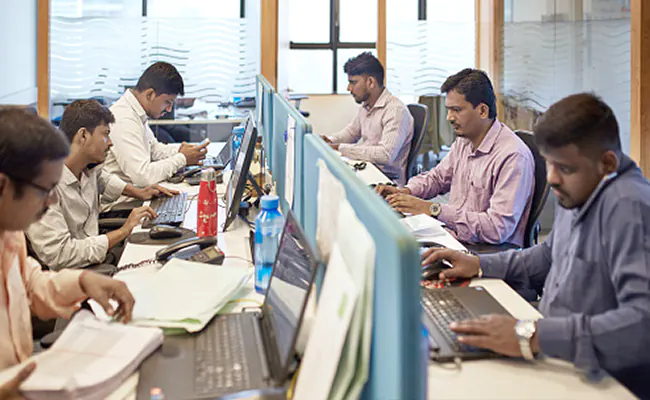
As the curtains draw on 2023, India’s manufacturing sector finds itself on a somber note, with the Purchasing Managers’ Index (PMI) recording an 18-month low. The PMI, a critical indicator of economic health, dropped from 56 in November to 54.9 in the final month of the year. While the figure still hovers comfortably within the expansion zone, the underlying details paint a picture of a sector facing challenges, particularly with a slowdown in new order growth, including a concerning dip in orders from export markets. This calls for a closer examination of the factors at play and the implications for India’s economic trajectory in the coming year.

PMI: A Barometer of Economic Health

The PMI is a crucial metric that provides insights into the overall health of the manufacturing sector. A reading above 50 indicates expansion, while a reading below 50 signals contraction. The drop in India’s PMI to 54.9, though still indicative of growth, warrants attention, especially considering the trajectory it took in the closing months of 2023. It serves as a red flag that demands a deeper understanding of the challenges faced by the manufacturing sector.

Sluggish New Order Growth

One of the primary concerns reflected in the year-end PMI data is the deceleration in new order growth. In a healthy manufacturing environment, a consistent influx of new orders is essential for sustaining growth and ensuring the sector’s vibrancy. The dip in new orders from 56 in November to 54.9 in December suggests a potential slowdown in demand, both domestically and globally.

Export Market Conundrum

Adding to the concerns is the noticeable drop in export orders. The global market is a significant driver for many economies, including India’s. A slowdown in external demand not only impacts the manufacturing sector but also has broader implications for the country’s trade balance. With external orders expected to remain weak in the coming year, the onus falls on bolstering domestic demand to maintain the manufacturing sector’s momentum.

Domestic Demand: The Key Catalyst

In light of the challenges posed by a slowdown in new orders and a less optimistic outlook for export markets, the significance of domestic demand becomes paramount. A robust domestic market can act as a cushion against external uncertainties, providing a stable foundation for the manufacturing sector. Policymakers and industry stakeholders must collaborate to stimulate and sustain domestic demand through targeted initiatives, incentives, and strategic investments.

Policy Reckoning: Navigating Economic Headwinds

The sobering year-end for India’s manufacturing sector calls for a comprehensive reassessment of economic policies. Policymakers need to carefully navigate the headwinds faced by the manufacturing industry and consider targeted interventions to support its growth. This may involve revisiting fiscal policies, offering incentives for innovation and research and development, and streamlining regulatory frameworks to foster a more conducive business environment.

Global Economic Landscape: Navigating Uncertainties

The challenges faced by India’s manufacturing sector are not isolated but are reflective of broader global economic trends. Trade tensions, geopolitical uncertainties, and the lingering impact of the COVID-19 pandemic continue to create a complex and unpredictable environment for businesses worldwide. In navigating these uncertainties, India must position itself strategically, leveraging its strengths while proactively addressing vulnerabilities in the manufacturing supply chain.

Investing in Innovation: A Path Forward

Amidst the challenges, there lies an opportunity for India’s manufacturing sector to reinvent itself through innovation. Investing in technology, automation, and sustainable practices can not only enhance productivity but also position Indian industries as global leaders in emerging sectors. Government support, in the form of incentives and policy frameworks that encourage innovation, can play a pivotal role in driving this transformation.

Building Resilience: Collaboration Across Sectors

The challenges faced by the manufacturing sector underscore the importance of collaboration across various sectors of the economy. Government bodies, industry associations, and educational institutions need to work hand in hand to build a resilient and adaptive manufacturing ecosystem. This involves upskilling the workforce, promoting sustainable practices, and fostering an environment that encourages entrepreneurship and creativity.

As the calendar turns to a new year, India’s manufacturing sector stands at a critical juncture. The sobering year-end, marked by a decline in the PMI and challenges in new order growth, demands a proactive and collaborative response from policymakers, industry leaders, and stakeholders. Balancing the reliance on domestic demand, addressing export market challenges, and embracing innovation are crucial steps in revitalizing the manufacturing sector.

While uncertainties loom on the global economic horizon, India has the potential to emerge stronger by leveraging its inherent strengths and navigating challenges with resilience and innovation. The coming year will be a test of adaptability and strategic planning for the manufacturing sector, and concerted efforts will be essential to ensure a robust and sustainable trajectory for India’s economic growth.


Disclaimer: The thoughts and opinions stated in this article are solely those of the author and do not necessarily reflect the views or positions of any entities represented and we recommend referring to more recent and reliable sources for up-to-date information.


Hit-and-Runs: Truckers and the Indian Economy

In recent weeks, the Indian transportation sector has found itself in the midst of a storm as truckers across the country take to the streets to protest against proposed stringent punishment for hit-and-run accidents. This unexpected turn of events has not only disrupted the flow of goods and essential supplies but has also shed light on the crucial role played by truckers in sustaining the Indian economy.

The Protest and its Implications

The trigger for this widespread protest was the government’s move to introduce harsher penalties for those involved in hit-and-run accidents. While the intention behind such measures is to ensure road safety and accountability, truckers argue that the proposed punishments are disproportionately severe. The fear of facing severe consequences, including lengthy jail terms, has left many truckers uneasy about continuing their operations.

As a result of the protests, there has been a noticeable decline in the availability of trucks for transporting goods across the country. This has cascaded into fuel shortages in several cities, causing inconvenience to both businesses and the general public. The sudden disruption has prompted a closer examination of the interconnectedness of the trucking industry and the broader Indian economy.

The Economic Backbone: Truckers and Transportation

Truckers are the unsung heroes of the Indian economy, transporting goods and raw materials to every nook and corner of the vast subcontinent. From essential commodities like food and medicine to industrial raw materials, nearly everything travels on the wheels of these massive vehicles. The trucking industry is the lifeline that connects producers to consumers, manufacturers to markets, and farmers to cities.

The protest has underscored the indispensable role truckers play in maintaining the delicate balance of supply chains. The immediate impact of their absence is felt in the scarcity of goods on shelves, delayed production cycles, and disrupted distribution networks. The trucking industry is a linchpin that holds together the diverse and sprawling Indian economy.

Fueling the Nation: The Fuel Shortage Conundrum

One of the most immediate repercussions of the truckers’ protest has been the shortage of fuel in various parts of the country. With trucks sitting idle or participating in the protests, the usual smooth flow of fuel from refineries to petrol pumps has been disrupted. This has triggered a domino effect, affecting not only individual consumers but also industries heavily reliant on a constant and predictable supply of fuel.

The economic ramifications of the fuel shortage extend beyond the inconvenience faced by commuters. Industries such as manufacturing, construction, and agriculture, which rely heavily on timely and consistent fuel supply, are grappling with production delays and increased operational costs. This unforeseen consequence further underscores the interconnected nature of the transportation sector and the broader economy.

Striking a Balance: Ensuring Road Safety Without Jeopardizing the Economy

While the government’s intention to enhance road safety through stricter penalties for hit-and-run accidents is commendable, finding a balanced approach that considers the concerns of truckers is imperative. The trucking community argues that they are often unfairly blamed for accidents, which can result from a myriad of factors, including poorly maintained roads, inadequate infrastructure, and the behavior of other road users.

A collaborative effort involving government agencies, law enforcement, and representatives from the trucking industry is necessary to formulate policies that address the root causes of accidents. This may include investments in better infrastructure, improved training for drivers, and a comprehensive review of existing road safety measures. Striking a balance between enforcing accountability and ensuring the smooth functioning of the transportation sector is crucial for the sustained growth of the Indian economy.

Investing in the Future: Modernizing the Trucking Industry

Beyond addressing the immediate concerns of the trucking community, there is a pressing need to modernize the entire trucking industry. This involves embracing technological advancements that can enhance safety, efficiency, and sustainability. From adopting GPS tracking systems to monitor vehicle movements and ensure adherence to traffic regulations to exploring alternative fuels and eco-friendly transport solutions, there is a myriad of possibilities for transforming the trucking sector.

Investing in research and development, incentivizing the adoption of modern technologies, and providing training programs for drivers can pave the way for a more resilient and future-ready trucking industry. Such initiatives not only address the concerns raised by truckers but also contribute to the larger goals of reducing carbon emissions, improving energy efficiency, and creating a safer road environment.

The ongoing protests by truckers in response to proposed stringent punishment for hit-and-run accidents have brought to the forefront the indispensable role played by the trucking industry in the Indian economy. The disruption caused by the protests has highlighted the intricate web of connections that bind the transportation sector to various facets of the nation’s economic landscape.

While road safety is a paramount concern that deserves attention, it is crucial to approach the issue with a holistic perspective that considers the challenges faced by the trucking community. Collaborative efforts involving government bodies, law enforcement, and industry stakeholders are essential to strike a balance between enforcing accountability and ensuring the uninterrupted flow of goods across the country.

Moreover, investing in the modernization of the trucking industry can pave the way for a more sustainable and efficient future. Embracing technological advancements, promoting eco-friendly practices, and providing adequate training for drivers can contribute not only to the well-being of the trucking community but also to the overall resilience and competitiveness of the Indian economy. As the nation grapples with these challenges, finding common ground and fostering dialogue between all stakeholders is imperative for a harmonious and prosperous future.


Disclaimer: The thoughts and opinions stated in this article are solely those of the author and do not necessarily reflect the views or positions of any entities represented and we recommend referring to more recent and reliable sources for up-to-date information.

Unnerving India Inc: The Challenge of Embracing ESG Norms

In the bustling heart of Mumbai, the financial capital of India, a quiet but seismic shift was taking place in the world of business. Environmental, Social, and Governance (ESG) norms were slowly but surely encroaching upon the corporate landscape, leaving India Inc. both intrigued and unnerved.

For years, Indian businesses had thrived on the traditional approach of maximizing profits, often at the expense of environmental concerns and social issues. However, the winds of change were blowing, and companies were being pushed to adopt ESG norms, a framework that measured their performance in three critical areas: environmental sustainability, social responsibility, and corporate governance.

As these norms began to make their presence felt, the corporate world in India found itself at a crossroads, grappling with the challenge of reconciling their profit-oriented strategies with a world that demanded more ethical and sustainable practices. This story delves into the various factors that made ESG norms so unnerving for India Inc.

The Profit-First Mentality

India Inc. had long been guided by the principle of “profits at any cost.” Many companies had pursued aggressive growth strategies, often ignoring the environmental consequences of their actions. The ruthless pursuit of profit had led to air and water pollution, deforestation, and the degradation of natural resources. ESG norms demanded that businesses change their approach, putting sustainability on an equal footing with profitability. For many, this shift in focus was disconcerting, as it required reevaluating and potentially restructuring their entire business models.

Complex Regulatory Framework

India Inc. had been accustomed to navigating a complex regulatory landscape. However, ESG norms added another layer of complexity to an already intricate system. The government had introduced various ESG regulations, making compliance a daunting task. Companies were required to disclose extensive data on their environmental impact, labor practices, and corporate governance. The stringent and often ambiguous regulations left many businesses perplexed and unsure about how to proceed.

Resource Constraints

Implementing ESG norms required substantial resources, both financial and human. Many Indian companies, especially small and mid-sized enterprises, found it challenging to allocate the necessary resources for ESG compliance. Developing the infrastructure, investing in clean technologies, and hiring skilled personnel to meet ESG requirements strained their budgets and posed a formidable challenge.

Resistance to Change

Change, even when necessary, is often met with resistance. Traditional business leaders who had built their empires on the profit-first mindset were hesitant to embrace the ESG revolution. It required not only a change in practices but also a transformation in mindset. To many, the shift towards sustainability seemed unsettling, as it questioned the very foundations of their success.

Short-Term vs. Long-Term Gains

ESG norms focused on long-term sustainability and stability rather than short-term gains. Indian businesses had been accustomed to quick returns on their investments and growth strategies. The idea of sacrificing immediate profits for the sake of long-term sustainability appeared as an unnerving proposition. Many questioned whether the benefits of ESG compliance would outweigh the sacrifices they had to make in the short run.

Public and Investor Pressure

The global push for ESG compliance was exerting immense pressure on Indian companies. International investors and stakeholders were increasingly demanding that businesses demonstrate their commitment to sustainability. These external pressures created a sense of unease among Indian corporations, as they grappled with the need to align their operations with global ESG standards.

Lack of ESG Expertise

ESG compliance required specialized knowledge and expertise. Many Indian companies lacked the in-house talent and experience needed to navigate the complexities of ESG reporting and implementation. This knowledge gap often led to confusion, missteps, and inefficiencies in the transition to ESG-compliant practices.

Cost of Transition

Transitioning to ESG-compliant practices often came at a significant cost. Whether it was retrofitting factories to reduce emissions, implementing inclusive hiring practices, or restructuring corporate governance, these changes required substantial investments. The financial burden of these transitions weighed heavily on many Indian businesses, especially those in sectors that were historically less concerned with ESG issues.

Fear of Greenwashing

Another unsettling aspect of ESG compliance was the fear of being labeled a “greenwasher.” Greenwashing referred to the practice of misleading the public by appearing more environmentally friendly or socially responsible than a company actually was. Companies were apprehensive that any missteps or inaccuracies in their ESG reporting could lead to accusations of greenwashing, tarnishing their reputation and potentially inviting legal repercussions.

Strain on Supply Chains

As companies began to emphasize ESG norms, they extended their expectations to their suppliers and partners. This ripple effect had a cascading impact throughout the supply chain, forcing smaller companies to adapt quickly. The pressure from their larger clients to meet ESG criteria created anxiety among these smaller businesses, as they feared losing critical contracts.

The Need for Transparent Communication

The adoption of ESG norms also called for transparent communication with stakeholders. Businesses had to not only implement sustainable practices but also effectively communicate their ESG efforts to consumers, investors, and the general public. This requirement of openness and transparency was often perceived as a challenge, as companies were concerned about revealing their weaknesses and potential areas for improvement.

The Fear of Falling Behind

In an increasingly globalized world, Indian companies were apprehensive about falling behind their international counterparts in ESG compliance. They understood that ESG norms were not merely a trend but a fundamental shift in how businesses operated worldwide. The fear of being left behind or excluded from international markets was a looming concern for many.

The Cultural Challenge

India’s business culture had been deeply rooted in traditional values and hierarchical structures. ESG norms required a cultural shift, promoting diversity and inclusion, responsible decision-making, and transparency. This cultural challenge was especially unnerving for companies that had long operated with a more hierarchical and centralized decision-making process.

As ESG norms continued to gain prominence, India Inc. found itself standing at the precipice of transformation. While the journey toward ESG compliance was daunting and unsettling, many businesses recognized the importance of this shift. They understood that embracing ESG norms was not just a necessity but a vital step in building a sustainable and resilient future.

The unnerving transition to ESG norms was a test of resilience for India Inc. It demanded a reevaluation of priorities, a commitment to sustainability, and a willingness to adapt to the evolving global business landscape. While the challenges were formidable, they also presented an opportunity for Indian businesses to redefine their role in the world and contribute to a more sustainable and responsible future.

Disclaimer: The thoughts and opinions stated in this article are solely those of the author and do not necessarily reflect the views or positions of any entities represented and we recommend referring to more recent and reliable sources for up-to-date information.

Understanding Forex Rates: How to Get the Best Exchange Rate for INR to USD

In an increasingly globalized world, foreign exchange rates play a crucial role in various aspects of our lives. Whether you are planning overseas travel, investing in international markets, or simply sending money abroad, understanding forex rates is essential. This article delves into the concept of forex rates and provides insights on how to secure the best INR to USD exchange rate, ensuring that your hard-earned money goes further.

What Are Forex Rates?

Forex rates, short for foreign exchange rates, represent the value of one currency relative to another. They are the key to converting one currency into another, facilitating international trade, travel, and financial transactions. These rates are in constant flux, influenced by a multitude of factors, and are determined by the foreign exchange market.

The foreign exchange market, or Forex, is a decentralized global market where currencies are traded. It is one of the largest and most liquid financial markets in the world, with a daily trading volume that exceeds $6 trillion. In this dynamic marketplace, currencies are exchanged in pairs, with the most common being the Euro to US Dollar (EUR/USD) and the Indian Rupee to US Dollar (INR/USD).

The Factors Influencing Forex Rates

Several factors influence forex rates, making them subject to constant fluctuations. Some of the primary factors include:

1. *Interest Rates*: Central banks, like the Reserve Bank of India (RBI) and the Federal Reserve in the United States, can adjust interest rates, affecting the attractiveness of their respective currencies. Higher interest rates often lead to stronger currencies.

2. *Economic Data*: Economic indicators such as GDP growth, inflation rates, and employment figures impact a country’s currency strength. Strong economic performance can boost a currency’s value.

3. *Political Stability*: Political events and stability also play a significant role. Countries with stable governments and policies are seen as safer investments, which can lead to stronger currencies.

4. *Market Sentiment*: Traders’ perceptions and sentiments in the forex market can cause rapid changes in exchange rates. Positive news can lead to bullish sentiments, while negative news can result in bearish sentiments.

5. *Market Speculation*: Currency traders, hedge funds, and large financial institutions engage in speculative activities, which can lead to significant fluctuations in exchange rates.

6. *Geopolitical Events*: Events such as trade disputes, conflicts, and natural disasters can affect currency values. For instance, trade tensions between the U.S. and China have had a significant impact on the USD/CNY exchange rate.

Where to Find Forex Rates

If you’re planning to exchange INR for USD, you have several options to consider. These options include banks, travel aggregators, and local money changers. Each has its own set of pros and cons.

1. *Banks*: Banks are the most commonly used entities for currency exchange. They are reputable and offer security, but they often charge higher fees and offer less favorable exchange rates. It’s essential to compare rates among different banks before making a decision.

2. *Travel Aggregators*: Travel aggregators like Travelex and Thomas Cook specialize in foreign exchange services. They may offer competitive rates, especially if you pre-order your currency online. However, they might have limited physical locations.

3. *Local Money Changers*: Local money changers can be found in many cities and offer convenience. They often provide better rates than banks, but their legitimacy and security can vary. Be cautious when dealing with lesser-known money changers.

Comparing INR to USD Forex Rates

To make an informed decision when exchanging INR to USD, it’s crucial to compare rates offered by different providers. In addition to comparing rates, you should also consider the commissions and fees charged, as these can significantly impact the overall cost of your transaction. Let’s take a look at the forex rates offered by some major banks and travel aggregators to get a better understanding.

Forex Rates Comparison (As of [Current Date])

*1. HDFC Bank*
– Forex Rate: [Rate]
– Commission: [Commission]
– Additional Fees: [Fees]

*2. ICICI Bank*
– Forex Rate: [Rate]
– Commission: [Commission]
– Additional Fees: [Fees]

*3. State Bank of India (SBI)*
– Forex Rate: [Rate]
– Commission: [Commission]
– Additional Fees: [Fees]

*4. Travelex*
– Forex Rate: [Rate]
– Commission: [Commission]
– Additional Fees: [Fees]

*5. Thomas Cook*
– Forex Rate: [Rate]
– Commission: [Commission]
– Additional Fees: [Fees]

Tips for Getting the Best Exchange Rate

Now that you have a list of providers and their rates, here are some tips to help you secure the best exchange rate when converting INR to USD:

1. *Plan Ahead*: Avoid last-minute currency exchange, as it often results in unfavorable rates. Plan your exchange well in advance of your travel or financial needs.

2. *Compare Rates*: Always compare rates from multiple providers. Consider the actual rate offered, as well as any commissions and additional fees.

3. *Use Online Tools*: Various online tools and currency converters can help you track exchange rate trends, enabling you to make informed decisions.

4. *Avoid Airports*: Currency exchange services at airports typically offer less favorable rates. If possible, exchange a small amount at the airport and do the bulk of your exchange elsewhere.

5. *Understand the Fees*: Pay attention to any hidden fees or additional charges that a provider may impose. Some providers may offer seemingly attractive rates but compensate with high fees.

6. *Consider Prepaid Travel Cards*: Prepaid travel cards can offer competitive exchange rates and added convenience. They allow you to lock in rates before your trip, providing protection against future rate fluctuations.

7. *Stay Informed*: Keep yourself informed about economic news and geopolitical events that might affect exchange rates. Timing your currency exchange during favorable market conditions can lead to better rates.

Foreign exchange rates are the gateway to international financial transactions, and securing the best INR to USD exchange rate can save you money and enhance your financial well-being. With the forex market’s constant fluctuations, it’s vital to stay informed, compare rates, and consider commissions and fees. By following these tips and making well-informed choices, you can ensure that your hard-earned money goes further when you travel or engage in international financial transactions. So, shop around, plan ahead, and make the most of your foreign exchange needs.


Disclaimer: The thoughts and opinions stated in this article are solely those of the author and do not necessarily reflect the views or positions of any entities represented and we recommend referring to more recent and reliable sources for up-to-date information.

Indian Households Lean Towards Sovereign Fixed-Income Schemes: A Cautious Investment Approach

In a world where investment options are abundant and diverse, Indian households tend to exhibit a marked preference for caution when it comes to managing their financial assets. The bedrock of their investment strategy often rests on sovereign fixed-income schemes, and this cautious approach is evident through data that reveals a surge in small savings schemes. These schemes saw a staggering 2.5 times year-on-year rise in the first half of the current fiscal year, according to an analysis by howindialives.com.

The inclination towards sovereign fixed-income schemes is rooted in the perception of safety that they provide. While riskier investments may offer the potential for higher returns, they also come with increased uncertainty. Indian investors, however, seem to place a premium on the security of their capital, which sovereign schemes can offer. This safety net has been particularly reassuring in an era marked by economic volatility and uncertainties.

One of the primary attractions of these fixed-income schemes is the interest rates they offer, which are often higher than market rates. These rates make them an attractive option for those seeking stable returns on their investments. Whether it’s the Public Provident Fund (PPF), National Savings Certificates (NSC), or Senior Citizens Savings Scheme (SCSS), these government-backed financial instruments consistently deliver returns that surpass the yields of most other investment avenues.

The popularity of these schemes can be attributed to several key factors:

1. *Safety and Sovereign Backing:* As mentioned earlier, one of the most significant advantages is the sovereign backing. The Indian government guarantees the safety of the invested principal amount. In a country with a rich history of private investment scams and financial mismanagement, this assurance is invaluable.

2. *Stable and Competitive Interest Rates:* The interest rates offered by these schemes are not only stable but are often higher than the prevailing market rates. This provides an excellent opportunity for individuals to grow their savings steadily.

3. *Tax Benefits:* Several fixed-income schemes, such as the PPF, enjoy favorable tax treatment. The interest earned is either tax-exempt or eligible for deductions under Section 80C of the Income Tax Act. This makes them a tax-efficient investment option.

4. *Long-Term Wealth Creation:* These schemes are particularly well-suited for long-term financial planning. Many investors use them to build a financial cushion for future needs, such as education, healthcare, or retirement.

5. *Accessibility and Ease of Investment:* These schemes are accessible to a wide range of investors, from young professionals to senior citizens. The ease of investment through post offices or authorized banks makes them convenient and hassle-free.

While the popularity of these fixed-income schemes is well-deserved due to their safety and attractive interest rates, it’s essential to recognize that there is another side to the coin. The very feature that makes them appealing to investors—higher-than-market interest rates—also places a significant burden on the government’s finances.

The government’s commitment to providing attractive interest rates on small savings schemes comes at a cost. These schemes have long been a part of India’s economic landscape, and the government has upheld its promise to offer competitive interest rates on them. However, this commitment means that the government must allocate a substantial portion of its budget to meet these interest obligations.

The cost incurred by the government can be measured in two primary ways:

1. *Higher Fiscal Deficit:* The government’s expenditure on servicing small savings schemes contributes to a higher fiscal deficit. The fiscal deficit is the difference between the government’s revenue and its total expenditure. When the government allocates significant resources to pay interest on these schemes, it must either reduce spending in other areas or borrow more, leading to an increased fiscal deficit.

2. *Crowding Out Effect:* The attractive interest rates offered by these schemes can also have a crowding-out effect. When individuals invest in small savings schemes, they may choose to allocate a significant portion of their savings to these instruments instead of investing in other sectors of the economy. This can limit the flow of funds to more productive sectors, potentially hindering economic growth.

Despite the fiscal burden they pose, the government remains committed to providing competitive interest rates on small savings schemes. This commitment is primarily driven by political and social considerations. These schemes are not just financial instruments; they are social safety nets that provide a source of secure savings and financial security to millions of Indians.

The government’s dilemma lies in striking a balance between offering attractive rates to investors and managing its own fiscal responsibilities. Reducing interest rates on these schemes could adversely affect the millions of individuals who rely on them for their financial well-being. It would also potentially have political repercussions, as these schemes have garnered a substantial vote bank over the years.

However, there are measures the government can take to mitigate the fiscal impact while continuing to provide a safety net for investors:

1. *Gradual Reduction in Interest Rates:* The government can consider a gradual reduction in interest rates on these schemes to manage the fiscal burden. By doing so incrementally, it can minimize the adverse impact on investors while working towards fiscal sustainability.

2. *Diversification of Funding Sources:* Encouraging individuals to explore alternative investment options can help reduce the crowding-out effect. Promoting investment in financial markets, mutual funds, and infrastructure bonds can divert savings into areas that drive economic growth.

3. *Improved Financial Inclusion:* Expanding access to other financial products and services can reduce the dependence on small savings schemes. Improving financial literacy and encouraging individuals to explore a broader range of investment options can be beneficial.

Indian households’ cautious investment approach, favoring sovereign fixed-income schemes, is driven by the safety and competitive interest rates they offer. However, this cautiousness also places a fiscal burden on the government due to the higher cost of providing these attractive rates. Striking the right balance between investor interests and fiscal responsibilities is a complex challenge that the government faces. As India’s economy evolves, it will be essential to continue evaluating and adjusting the policies surrounding these schemes to ensure they remain a viable and secure investment avenue while also managing the fiscal implications effectively.

Disclaimer: The thoughts and opinions stated in this article are solely those of the author and do not necessarily reflect the views or positions of any entities represented and we recommend referring to more recent and reliable sources for up-to-date information.

The Centre May Cut Import Duties on Foreign Electric Vehicles Under $10,000

India is witnessing a burgeoning shift towards electric vehicles (EVs) as the world transitions to more sustainable transportation options. To foster this green revolution, the Indian government is contemplating a significant policy change that could have far-reaching implications. According to reports from Mint, the Centre is considering a substantial reduction in import duties for foreign electric vehicles priced under $10,000. Currently, all completely built-up (CBU) vehicles priced under $40,000 face an import duty of 70%. However, the proposed policy aims to slash this rate to a more attractive range of 15-30% for EVs priced between $25,000 and $35,000. This move has the potential to benefit companies like Tesla, which is eager to establish a presence in the Indian market. However, there may be a crucial stipulation attached to these concessions – setting up local manufacturing for such products.

The Growing Popularity of Electric Vehicles in India

The allure of electric vehicles in India is undeniable, driven by the pursuit of reducing emissions and curbing pollution. With an increasing emphasis on environmental conservation and sustainability, Indians are showing a growing interest in EVs. This shift is further facilitated by government incentives and rebates, as well as a growing charging infrastructure. As a result, the demand for electric vehicles has seen a significant uptick.

Current Import Duty Scenario

As India’s affinity for electric vehicles continues to grow, a critical issue has emerged – the high import duties imposed on these vehicles. The current policy places a hefty import duty of 70% on all completely built-up vehicles with a price tag below $40,000. While this policy aims to promote domestic manufacturing and reduce dependence on imports, it poses a considerable barrier for international electric vehicle manufacturers looking to tap into the Indian market.

The Proposed Policy Change

The proposed policy change is a reflection of the government’s willingness to adapt to changing times and accommodate the global trend towards electric mobility. It could have a two-fold impact – it would make electric vehicles more affordable for the average Indian consumer and potentially open up the Indian market for global automakers.

1. Lower Import Duties for Affordable EVs

One of the significant aspects of this potential policy shift is the reduction in import duties. For electric vehicles priced between $25,000 and $35,000, import duties could see a significant decrease, potentially ranging from 15% to 30%. This could result in more competitive pricing for these EVs, making them more accessible to a broader section of the Indian population.

2. Implications for Companies like Tesla

This change in import duty structure could hold great promise for companies like Tesla, which have long expressed an interest in establishing a foothold in the Indian market. By making their products more affordable and competitive, the Indian market could become even more attractive for international EV manufacturers.

3. The Clause of Local Manufacturing

While the reduction in import duties is a positive development for the EV industry, it may not come without strings attached. Reports suggest that the government might include a crucial clause requiring foreign EV manufacturers to set up local manufacturing units in India. This stipulation is in line with India’s “Make in India” initiative, which encourages domestic production and job creation.

The Benefits of Local Manufacturing

Local manufacturing could be a game-changer for the Indian electric vehicle industry. It would not only create job opportunities but also promote the development of a robust EV ecosystem within the country. Here are some benefits of local manufacturing:

a. Job Creation: Setting up manufacturing units in India would result in the creation of numerous jobs, providing employment opportunities for the local workforce.

b. Reduced Dependence on Imports: Local manufacturing reduces dependence on foreign imports, fostering self-sufficiency in electric vehicle production.

c. Lower Prices: As production costs decrease due to local manufacturing, electric vehicles may become even more affordable for Indian consumers.

d. Support for the Ecosystem: Local manufacturing encourages the growth of ancillary industries, such as battery manufacturing, charging infrastructure development, and research and development.

The Road Ahead

The potential reduction in import duties for foreign electric vehicles is undoubtedly a positive step towards promoting the adoption of green mobility solutions in India. However, it also poses a challenge for foreign manufacturers who may need to invest in local manufacturing units to access these concessions.

The Indian government’s approach to balancing the need for international investments and domestic manufacturing is a crucial aspect of this policy change. Striking the right balance is essential to ensure that the Indian electric vehicle industry grows while simultaneously creating opportunities for local businesses and workers.

The proposed policy change to reduce import duties on foreign electric vehicles under $10,000 while introducing the clause of local manufacturing is a significant step towards a greener, more sustainable future for India. It aligns with the global shift towards electric mobility and can potentially make electric vehicles more accessible and affordable for Indian consumers. However, it remains to be seen how this policy will be implemented and what the specific requirements for local manufacturing will entail. As the Indian government takes these strides towards an electric vehicle-friendly environment, it opens the door to exciting opportunities for both consumers and international electric vehicle manufacturers, such as Tesla. The road ahead is promising, with a commitment to cleaner, more sustainable transportation options for India.

Disclaimer: The thoughts and opinions stated in this article are solely those of the author and do not necessarily reflect the views or positions of any entities represented and we recommend referring to more recent and reliable sources for up-to-date information.
AFTER A Slow Start, India’s Tax Collections Show Promising Signs of Recovery

As the first four months of the fiscal year progressed, India’s Centre experienced a sluggish performance in terms of tax collection. However, a remarkable turnaround began in August when the country witnessed a remarkable 95.2% year-on-year growth in tax collections. While this exceptional growth may have seemed like an outlier at first, the subsequent month of September further solidified the trend with a robust 15.9% increase in tax collections, instilling a sense that this uptick is here to stay. A closer look at these developments reveals that direct tax collections played a pivotal role in this positive change.

In the first half of the current financial year, the government successfully achieved tax collections that amounted to 49% of the budgeted estimates. This significant milestone indicates that the government is on course to meet its fiscal targets as laid out in the Budget. These developments in India’s tax collection are a promising sign of economic recovery and stability.

*August’s Surprising Leap*

August marked a turning point in India’s tax collection landscape. The remarkable year-on-year growth of 95.2% took many by surprise. Several factors contributed to this unexpected surge. The economy had started to regain its footing after a challenging period. Business activities were gradually returning to pre-pandemic levels, boosting both corporate earnings and individual incomes. Additionally, the government’s focus on compliance and enforcement also played a crucial role in bolstering tax collections.

The direct tax component, which primarily includes income tax and corporate tax, experienced substantial growth. This was partially attributed to the government’s efforts to increase tax compliance and reduce tax evasion. A streamlined and efficient tax collection system helped identify and address tax evaders, ensuring that more individuals and corporations paid their fair share of taxes.

*September’s Confirmation*

The following month, September, further affirmed the positive trend in tax collections. The 15.9% increase in collections demonstrated that the August surge was not a one-off occurrence. This significant growth hinted at the resilience of the recovery and the sustainability of increased tax revenue.

Direct tax collections continued to be a major contributor to this growth. The government’s rigorous approach to tax enforcement and compliance continued to yield positive results. It was clear that the reforms and measures implemented to enhance the tax collection system were bearing fruit. Taxpayers were responding positively to the improved and simplified tax processes, leading to higher voluntary compliance.

*A Glimpse into the First Half of the Fiscal Year*

As we analyze the first half of the current financial year, we see that the government has successfully collected tax revenue amounting to 49% of the budgeted estimates. This is a significant achievement that indicates the government’s commitment to achieving its fiscal targets.

The budgeted estimates set at the beginning of the fiscal year serve as a crucial reference point for the government’s financial planning. Meeting nearly half of these estimates in the first six months is a clear indication that the government’s revenue collection efforts are on track.

*A Positive Outlook*

The recent performance of India’s tax collection system paints a positive picture for the country’s economic outlook. The significant year-on-year growth in tax collections in August and September suggests that the economy is rebounding from the challenges posed by the COVID-19 pandemic. Businesses are recovering, and individuals are regaining their financial stability.

The government’s emphasis on direct tax collections, which includes income tax and corporate tax, is particularly noteworthy. The stringent measures taken to ensure tax compliance and reduce evasion have proven effective. This approach not only increases government revenue but also fosters a sense of fairness among taxpayers who see their fellow citizens and corporations paying their fair share.

*The Road Ahead*

Looking forward, it is essential for the government to continue its efforts to maintain this positive momentum in tax collection. Effective enforcement and compliance measures should be consistently applied to prevent any regression. Furthermore, promoting economic growth and business activities will be key to sustaining the uptick in tax revenue.

The government’s ability to meet its fiscal targets for the year depends on these factors. A well-balanced approach to tax collection, economic development, and fiscal responsibility will be instrumental in ensuring India’s financial stability and prosperity.

After a slow start in the first four months of the fiscal year, India’s Centre has witnessed a remarkable resurgence in tax collections, driven primarily by direct tax revenues. The outstanding 95.2% year-on-year growth in August was followed by a strong 15.9% increase in September, confirming that this positive trend is sustainable. With tax collections reaching 49% of the budgeted estimates in the first half of the financial year, it is evident that the government is on track to meet its fiscal targets. These developments bode well for India’s economic recovery and financial stability, setting a positive tone for the future.

Disclaimer: The thoughts and opinions stated in this article are solely those of the author and do not necessarily reflect the views or positions of any entities represented and we recommend referring to more recent and reliable sources for up-to-date information.

Indian Companies Set to Soar on Global Stages: A Game-Changing Move by the Ministry of Corporate Affairs

In a bold and transformative move, the Ministry of Corporate Affairs in India has ushered in a new era of opportunity for the country’s public companies. The recent changes to the Companies Amendment Act of 2020, which allow Indian public companies to list themselves on overseas stock markets, mark a pivotal moment in the nation’s economic landscape. Through a notification issued this week, the ministry has paved the way for a select class of companies to issue a specific class of securities designed for listing on foreign bourses. While the exact classes of companies are yet to be specified, this regulatory change has the potential to revolutionize the way Indian companies access international equity capital.

The primary impetus behind this monumental shift is to provide Indian firms with a streamlined avenue for raising capital on overseas stock markets without the need to navigate the often complex depository receipts route. This regulatory tweak aligns India with the broader global trend of allowing companies to reach beyond national borders in pursuit of growth and expansion. As a result, Indian businesses now have a more diversified set of options for securing capital, including the International Financial Services Centre in Gift City, Gujarat, where trades take place in US dollars. This newfound accessibility to foreign capital markets promises to unleash a wave of innovative growth opportunities and economic advancement for India.

One critical aspect to underscore is that this regulatory change comes at a time when India’s accounting and Environmental, Social, Governance (ESG) standards are aligning more closely with global norms. This synchronization of standards is pivotal in boosting investor confidence and attracting international capital. However, it’s worth noting that the path to ESG adaptation remains a formidable challenge, even for large businesses. ESG standards are rigorous, and aligning them with global norms requires concerted effort. Nevertheless, the Ministry’s move demonstrates a clear intent to align India with international practices, and it is incumbent on Indian businesses to rise to this challenge, showcasing their commitment to sustainable and responsible growth.

An additional propellant for this regulatory change is the burgeoning startup ecosystem in India. In recent times, India’s startup landscape has garnered widespread global attention, and rightly so. Startups are at the forefront of innovation and disruptive technology, and they often require substantial capital to fuel their growth. The Ministry’s decision to open the doors to foreign stock markets for Indian companies can potentially provide startups with easier access to international investment and a broader range of investors.

In fact, a recent study conducted by EY has shed light on India’s significant accomplishments in the realm of initial share offerings. According to the report, India has witnessed the world’s highest number of initial share offerings this year. This achievement signifies the growing confidence in the Indian market and the expanding investor base within the country. Furthermore, the ease of obtaining funding in rupees has become a reality, simplifying the process for Indian companies to secure the required capital.

The Ministry’s move to amend the Companies Amendment Act of 2020 is, without a doubt, a welcome and forward-thinking decision. It not only broadens the horizons for Indian companies but also strengthens the country’s position in the global economic landscape. Here are some key reasons why this regulatory change is worthy of acclaim:

1. *Economic Diversification:* This regulatory change enables Indian companies to diversify their sources of capital. By listing on overseas stock markets, they can access a wider investor base, reducing their reliance on domestic markets.

2. *Global Integration:* The move promotes global integration of Indian companies, aligning them with international business standards and practices. This can enhance India’s reputation as an attractive destination for foreign investment.

3. *Startups’ Springboard:* The startup ecosystem, which has become a powerhouse of innovation, will benefit immensely from this change. Access to foreign markets can provide startups with the necessary funding to scale their operations globally.

4. *Increased Investor Confidence:* As India continues to align its accounting and ESG standards with global norms, international investors are more likely to invest in Indian companies, thereby boosting investor confidence.

5. *Boost to Gift City:* The International Financial Services Centre in Gift City, Gujarat, is set to thrive as more Indian companies opt for listing on foreign stock markets, bringing in foreign capital and enhancing the financial ecosystem in India.

It is crucial to understand that this regulatory change is not a one-size-fits-all solution. The specifics of which classes of companies will be eligible for this opportunity remain to be defined, and the implementation of global accounting and ESG standards will require concerted effort. Nevertheless, this bold step by the Ministry of Corporate Affairs demonstrates a commitment to fostering growth and development in the Indian corporate sector.

the Ministry’s changes to the Companies Amendment Act of 2020 are a game-changing move that promises to redefine the way Indian public companies raise capital and expand their horizons. This regulatory shift is a testament to India’s commitment to economic growth and global integration. As Indian companies look forward to exploring new avenues for capital infusion, the world will be watching with anticipation, eager to be part of India’s transformative journey in the global financial landscape. The law tweak is not only welcome; it is a giant leap forward for the Indian economy.

Disclaimer: The thoughts and opinions stated in this article are solely those of the author and do not necessarily reflect the views or positions of any entities represented and we recommend referring to more recent and reliable sources for up-to-date information.

India’s Borrowers Are Getting Younger: A New Study Reveals Changing Borrowing Trends

A new study conducted by the financial products marketplace, Paisa-bazaar, has shed light on a fascinating trend in India’s financial landscape. It appears that a growing number of people in the country are taking out their first loans in their mid-20s, a significant shift from the previous generations. This shift in borrowing habits is particularly evident among those born in the 1990s who are currently in their early to mid-20s or early 30s. According to the study, they are securing their first credit products as early as 23 years of age. This article delves into the implications of this trend and explores the reasons behind this transformation.

A Generational Shift in Borrowing Habits

The study, which analyzed data from a staggering 37 million consumers, paints a clear picture of the generational shift in borrowing habits. Those born in the 1990s, often referred to as millennials or Gen Z, are accessing credit at a much younger age compared to their predecessors. The average age at which they take their first credit product, be it a personal loan or a credit card, is 23 years old. This finding is indicative of a significant change in the financial behavior of the younger generation.

In contrast, those born in the 1980s, currently in their early to mid-30s or early 40s, accessed credit for the first time at an average age of 28. Similarly, individuals born in the 1970s, now in their early to mid-40s or early 50s, took their first loans at an average age of 38. This clear divergence in the age at which different generations are beginning to engage with the world of credit is a noteworthy development.

The Factors Driving Younger Borrowers

Several factors contribute to this shift in borrowing habits among India’s younger population. Let’s explore some of the key drivers:

1. Increased Financial Awareness: The younger generation has grown up in an era of easy access to information and digital resources. This has led to greater financial awareness and literacy. As a result, they are more informed about the benefits and risks associated with borrowing.

2. Changing Aspirations: Younger Indians are increasingly aspirational and are eager to achieve their life goals and dreams at a faster pace. Whether it’s pursuing higher education, starting a business, or traveling, many millennials and Gen Z individuals are turning to credit to fulfill their aspirations earlier in life.

3. Easier Access to Credit: Financial institutions and fintech companies have made credit more accessible than ever before. The simplified application processes, quick approvals, and tailored lending products have made it easier for young individuals to access credit.

4. Rising Disposable Incomes: In recent years, India has witnessed an increase in disposable incomes among the youth. This has not only made them eligible for credit but has also given them the confidence to manage repayment obligations.

5. Technological Advancements: The proliferation of smartphones and the availability of user-friendly mobile applications have made it convenient for young borrowers to manage their financial affairs, from checking credit scores to making payments.

6. Peer Influence: The influence of peers plays a significant role in shaping financial behavior. Seeing friends and acquaintances successfully manage their credit may encourage others to follow suit.

Impact on Financial Institutions

The changing borrowing trends have implications for financial institutions, including banks and fintech companies. To cater to the evolving needs and preferences of younger borrowers, these institutions need to adapt and innovate in several ways:

1. Digital Transformation: Embracing digital technologies is crucial for financial institutions to provide a seamless and convenient borrowing experience. This includes online application processes, paperless transactions, and instant approvals.

2. Personalized Products: Tailoring lending products to the specific needs and preferences of younger borrowers can attract and retain this customer segment. Offering flexible repayment options and competitive interest rates is essential.

3. Financial Education: To ensure that younger borrowers make informed financial decisions, banks and fintech companies can play a role in providing financial literacy resources and education.

4. Risk Management: As younger borrowers may have limited credit histories, financial institutions need to develop effective risk assessment models to manage their credit portfolios prudently.

5. Regulatory Compliance: Staying compliant with relevant regulations is essential to protect the interests of both borrowers and lenders. Financial institutions must keep abreast of any changes in lending regulations.

The findings of the study by Paisa-bazaar reveal a fascinating shift in India’s borrowing landscape. Younger generations, particularly those born in the 1990s, are entering the world of credit at a remarkably early age, setting a new precedent in the country’s financial behavior. As they take their first loans in their mid-20s, it is essential for financial institutions to understand the driving factors behind this trend and adapt their strategies to cater to the changing needs of these younger borrowers. Moreover, the financial awareness and responsibility of these generations will likely play a pivotal role in shaping the future of India’s lending landscape

Disclaimer: The thoughts and opinions stated in this article are solely those of the author and do not necessarily reflect the views or positions of any entities represented and we recommend referring to more recent and reliable sources for up-to-date information.

Challenging the Norm: India’s Unsettling Festival Season Spending Trends in 2023

India’s annual festival season, characterized by lively consumption patterns and increased spending, has traditionally been a time of exuberance, celebration, and economic prosperity. However, the past few years have presented unprecedented challenges, with the COVID-19 pandemic dampening the festive spirit and financial prospects. Expectations were high for a rebound in 2023, but the festive spending cheer has yet to materialize. A majority of respondents to a recent survey expressed intentions to spend less than the previous year, with most eyeing only small-ticket purchases. What factors have contributed to this unanticipated shift in consumer sentiment?

Understanding the 2023 Festival Season Trends

The festive season in India is a time when households open their wallets for everything from new clothing, electronics, jewelry, and even vehicles. This period has traditionally been a windfall for businesses and marketers, with consumers willing to splurge on a wide array of goods. However, in 2023, a surprising change in consumer behavior has left marketers puzzled.

*1. Reduced Spending Intentions*

The foundation of India’s festival season has been its reputation for lavish spending. However, data from a recent survey indicates that the majority of consumers plan to spend less than they did in previous years. This is a stark contrast to the anticipation of a rebound in festive spending after the pandemic.

*2. Small-Ticket Purchases Dominating*

In a notable shift, consumers are now more inclined to make small-ticket purchases. Instead of investing in big-ticket items, they are opting for smaller, more affordable products. This transformation reflects a more cautious approach to spending and a shift towards more frugal consumption habits.

Factors Behind the Dampened Festive Cheer

Several factors may help explain this unexpected shift in consumer sentiment during India’s annual festival season.

*1. Ongoing Conflict in West Asia*

One significant influence on consumer sentiment in 2023 is the ongoing conflict in West Asia. Geo-political instability and the threat of rising energy costs have raised concerns about the economy. With uncertainties regarding oil prices and its downstream effects on inflation, consumers are wary of overindulging during the festive season.

*2. Lingering Effects of Inflation*

The trail of a long inflationary period has made a lasting impact on consumers’ purchasing power. Rising prices in essential commodities and services have eroded the disposable income of many households. This financial strain has translated into a more cautious approach to spending, particularly during the festival season, which is notorious for its price hikes.

*3. Psychological Impact of the Pandemic*

The psychological impact of the COVID-19 pandemic continues to cast a shadow over consumer behavior. While the worst may be over, many consumers remain wary of economic uncertainties. The memories of job losses, pay cuts, and financial difficulties experienced during the pandemic still linger, leading to a conservative outlook on spending.

Challenges and Opportunities for Marketers

In light of these shifting trends, marketers and businesses need to adapt to the new reality of India’s festival season. While challenges abound, there are also opportunities to cater to changing consumer preferences.

*1. Emphasis on Value and Discounts*

With consumers gravitating towards smaller, more affordable purchases, businesses should emphasize the value they offer. Discounts, promotions, and bundled offers can help attract price-conscious shoppers.

*2. Diversifying Product Offerings*

To cater to the changing consumer sentiment, businesses can diversify their product offerings to include more budget-friendly options. This might mean introducing smaller-sized variants of products, creating special festival-themed packages, or launching lower-cost product lines.

*3. Addressing Inflation Concerns*

Marketers can engage with consumers by addressing their concerns about inflation. Offering transparent pricing, loyalty programs, and inflation-resistant product lines can help ease customer anxieties and encourage spending.

*4. Online and Offline Integration*

As the pandemic accelerated the shift to e-commerce, it’s essential for businesses to maintain a strong online presence. However, they should also recognize the importance of a seamless integration between online and offline channels, allowing customers to shop in the way they feel most comfortable.

*5. Engaging Content Marketing*

Creating engaging and informative content that resonates with the consumer’s festival experience can foster stronger brand loyalty. Content that highlights the cultural and emotional aspects of the festivals can connect with consumers on a deeper level.

The unexpected decline in India’s festival season spending in 2023 has posed challenges for businesses and marketers alike. Multiple factors, including ongoing geopolitical conflicts, inflation, and pandemic-related psychological impacts, have reshaped consumer sentiment. However, this changing landscape also presents opportunities for businesses to adapt, diversify, and connect with consumers in innovative ways. While the path forward may be uncertain, understanding and responding to these evolving consumer trends is crucial for success in the ever-evolving marketplace. Marketers and businesses that can adapt to these new dynamics will likely find themselves better positioned to thrive in India’s evolving festival season landscape.

Disclaimer: The thoughts and opinions stated in this article are solely those of the author and do not necessarily reflect the views or positions of any entities represented and we recommend referring to more recent and reliable sources for up-to-date information.