Home Blog Page 810

The Fascinating World of Extreme Weather Photography: Capturing Nature’s Fury

The mesmerizing and awe-inspiring world of extreme weather photography has the power to captivate our senses like few other art forms can. It allows us to witness the raw power and beauty of nature’s fury, freezing split-second moments in time that often defy our imagination. From breathtaking tornadoes and hurricanes to electrifying lightning storms and blizzards, extreme weather photography takes us on a thrilling journey through the forces that shape our planet.

Understanding Extreme Weather Photography:

Extreme weather photography encompasses the documentation of various meteorological phenomena that push the boundaries of normal weather conditions. It plays a crucial role in documenting and understanding the behavior of extreme weather events, allowing us to study patterns and better prepare for their impact. To capture these awe-inspiring moments, photographers employ specialized equipment and techniques that enable them to brave the elements while creating stunning visual narratives.

Types of Extreme Weather Photography:

  1. Storm Chasing Photography: Storm chasing photography involves capturing the intensity and majesty of tornadoes, hurricanes, and supercell storms. These daring photographers venture into the heart of the storms, capturing remarkable images that showcase the immense power of nature. The work of storm chasers not only provides valuable insights into these weather phenomena but also serves as a catalyst for public awareness and preparedness.
  2. Lightning Photography: Freezing the split-second brilliance of lightning is both challenging and rewarding for photographers. By employing techniques such as long exposure and specialized equipment, photographers can capture the intricate and dynamic beauty of lightning strikes. These photographs not only showcase the raw power of electrical discharge but also highlight the ephemeral nature of these natural phenomena.
  3. Avalanche and Blizzard Photography: Winter’s might comes to life through the lens of avalanche and blizzard photographers. These brave individuals document the relentless force of snowstorms, blizzards, and avalanches, often in treacherous mountainous regions. Their photographs serve as a testament to the sheer force and unpredictability of winter weather, while also raising awareness about the importance of safety precautions in snow-covered environments.
  4. Flood and Tsunami Photography: Documenting the destructive force of water in the form of floods and tsunamis is a vital aspect of extreme weather photography. These images capture the devastating impact of rising waters, serving as a visual reminder of the need for disaster preparedness and environmental conservation. By showcasing the relentless power of water, these photographs contribute to our understanding of the consequences of climate change and the urgent need for action.

The Role of Extreme Weather Photography in Raising Awareness:

Extreme weather photography plays a crucial role in raising public awareness about the reality of extreme weather events. Through the dissemination of striking and thought-provoking images, photographers educate and engage the public in discussions surrounding climate change and environmental activism. Their work serves as a catalyst for change, encouraging individuals and communities to take action to mitigate the effects of extreme weather events.

Ethics and Responsibilities in Extreme Weather Photography:

While extreme weather photographers are driven by their passion to capture remarkable images, they must also prioritize personal safety and ethical considerations. Balancing the desire for compelling photographs with the need to ensure personal well-being and minimize ecological impact is of utmost importance. By practicing responsible photography, respecting the environment, and maintaining ethical standards when sharing their work, photographers can make a positive impact while documenting nature’s fury.

Conclusion:

The world of extreme weather photography continues to fascinate and inspire us, providing glimpses into the breathtaking power of nature’s fury. Through the dedication and courage of these photographers, we gain a deeper understanding and appreciation of the forces that shape our world. As extreme weather events become more frequent and intense, the role of these photographs becomes increasingly important in raising awareness, fostering conversations, and driving positive change. The future of extreme weather photography holds immense potential, both in terms of its artistic value and its impact on our understanding of climate science and environmental conservation. Let us continue to marvel at these remarkable images and use them as a catalyst for action to protect our planet.

And as always folks if you would like to read some interesting and informative articles in Hindi be sure to check out the Mojo Patrakar. Also if you liked the above article check out some more interesting articles such as From Shadows to Immortality: The Undying Legacy of The Phenom, Undertaker.

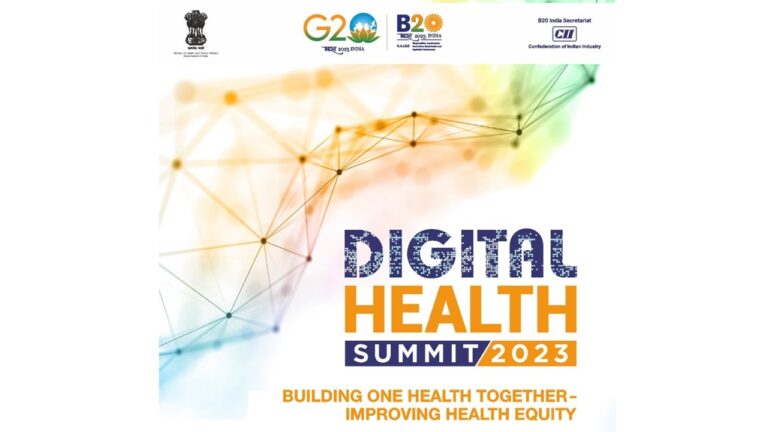
How the G20 Can Transform Health Systems Through Digital Innovation

You know how frustrating it can be dealing with a healthcare system still stuck in the technological Stone Age. Appointments take weeks to schedule, medical records are scattered in filing cabinets, and accessing your own health data seems downright impossible. But what if all that changed? What if healthcare systems around the world embraced digital innovation? At their next summit, the G20 leaders have a chance to transform health systems and make them more efficient, equitable, and patient-centric. By investing in and incentivizing healthcare providers to adopt new digital technologies like electronic health records, telemedicine, and AI for diagnosis and treatment, world leaders can bring care into the 21st century. For too long, the health sector has lagged far behind the digital revolution. It’s time for the G20 to change that by making health systems as innovative as the world we now live in. The future of healthcare is digital—and it should start today.

Invest in Digital Infrastructure and Connectivity

To transform health systems through digital innovation, the G20 must first invest in infrastructure and connectivity. Things like:

-Broadband access. High-speed internet is key. Without it, digital health solutions won’t work. The G20 should help fund broadband in underserved areas.

-Cloud services. The G20 could subsidize cloud storage and computing for health organizations. The cloud allows for storing and analyzing huge amounts of health data.

-5G wireless networks. 5G enables real-time collection and exchange of health data. The G20 should encourage 5G rollouts, especially in rural and remote regions.

-Interoperability. Different health IT systems need to communicate. The G20 could develop standards and frameworks to make systems interoperable across borders.

-Cybersecurity. With more data and connectivity comes more vulnerability. The G20 must make cybersecurity a priority to protect sensitive health information.

-AI and data analytics. Advanced tools powered by artificial intelligence and data analytics can transform health care. But they require massive amounts of data to function. The G20 should support initiatives around sharing anonymized health data responsibly.

Investing in infrastructure may not seem exciting, but it’s fundamental. With the right digital foundations in place, innovative health solutions can be built on top – things like telehealth, remote monitoring, and personalized medicine. With its global influence, the G20 is ideally positioned to drive these investments and pave the way for health systems that are digital, data-driven and poised to meet the challenges of the 21st century.

Support Research and Development in Digital Health Technologies

To make health systems fit for the 21st century, the G20 nations should support research into digital health technologies. Things like artificial intelligence, virtual reality, and mobile health apps are transforming how we prevent, diagnose, and treat diseases.

The G20 represents 85% of the global economy, so their investment in digital health R&D could have huge impacts. They should fund studies on how technologies like AI can analyze huge amounts of health data to detect diseases sooner and personalize treatments. VR and AR have potential for remote surgery, diagnosing conditions, and helping people manage conditions at home.

Mobile health apps are increasingly popular for managing chronic illnesses, mental health, fitness and more. But regulation and evidence standards lag. The G20 should support research into how to ensure these apps are safe, effective, and secure. They should also explore how smartphones could aid diagnosis and care in remote, resource-poor areas.

Telehealth services made it possible for many to access healthcare during the pandemic. But in many countries, policy and payment barriers remain. The G20 nations should study how to enable telehealth on a larger scale, especially for marginalized groups.

In short, the G20 should make digital health innovation a priority. By supporting R&D and policy experimentation, member nations can build health systems that are more equitable, affordable and resilient in the face of global crises. The future of healthcare is digital – and the G20 has the chance to help shape that future for the better.

Develop Digital Health Policies and Regulations

For the G20 to enable digital innovation in health systems, developing pro-innovation policies and regulations is key. ###Clarify Regulations Around Data Use and Sharing

The G20 should provide guidance on responsible and ethical use of health data to enable data sharing and open collaboration between researchers. Regulations should allow for responsible data sharing while protecting individuals’ privacy and security. Clarifying data regulations can accelerate research and development of new treatments.

Invest in Digital Health Infrastructure and Interoperability

The G20 should encourage investment in secure digital health infrastructure and open standards for interoperability. Interoperable systems allow for seamless exchange of health information between providers, patients, and researchers. Supporting an open, shared infrastructure can reduce costs and improve access to care.

Incentivize Private Sector Innovation

The G20 should incentivize private sector innovation through research grants, tax incentives, and sandbox programs. Healthcare innovation often starts with small companies, so supporting startups can stimulate development of new digital health tools. The G20 can also encourage partnerships between startups and healthcare organizations to help scale new technologies.

Modernize Education and Training

The G20 should support programs to educate and train health workers on using digital health tools. Offering resources for continuous learning will help health workers gain skills to utilize new technologies. The G20 can also promote training programs focused on health informatics, data science, and other skills critical for a digitally-enabled health workforce.

By clarifying data regulations, investing in infrastructure, incentivizing innovation, and supporting a modern workforce, the G20 can transform health systems through digital technologies. Creating an enabling environment for digital health will ultimately improve access to high-quality, affordable care for populations around the world.

Invest in Digital Health Literacy and Skills Training

For health systems to truly benefit from digital innovation, digital health literacy and skills training are essential. As a G20 member, investing in programs that build a digitally-savvy health workforce should be a top priority.

Educate Health Professionals

Doctors, nurses and other health professionals need to understand how to use digital health tools and see their value. Provide training on electronic health records, telemedicine platforms, mobile health apps and more. Explain how these technologies can improve care delivery, coordination and outcomes. With the right knowledge and skills, health professionals will adopt and promote digital health.

Target Medical Students

Training the next generation of doctors and nurses in digital health literacy and competency is key. Incorporate mandatory coursework on digital innovation, data analytics, artificial intelligence and their applications in healthcare. Hands-on experience with digital health tools should be a requirement of medical education. Students with this knowledge will help drive health systems into the digital age.

Invest in Continuing Education

For those already in practice, ongoing education on digital health topics is essential. Offer subsidized or free massive open online courses (MOOCs), webinars and in-person training. Provide opportunities for health professionals to earn continuing medical education (CME) credits for completing digital health courses. Regular skills refreshers and updates will keep the health workforce at the forefront of digital innovation.

Incentivize Digital Upskilling

Consider providing financial or other incentives for health professionals who pursue additional certifications or credentials in health informatics, data analytics, digital health and related fields. For example, offer bonuses, wage increases or career advancement for professionals who become certified in health informatics or as a digital health leader. Incentives will motivate more health workers to build expertise in digital health.

With investment and action in these areas, G20 nations can cultivate a digitally-empowered health workforce poised to transform health systems through technology and innovation. The reward will be a healthcare system ready to meet the challenges of the 21st century.

FAQs: How Can Digital Health Improve Healthcare?

Digital health tools have the potential to radically improve healthcare systems around the world. Here are some of the ways the G20 nations can leverage technology to provide better, more affordable care for citizens:

Increased Access to Care

Telemedicine allows doctors and patients to connect remotely using technology like video chatting. This can help provide care for those in rural or underserved areas who may not have easy access to doctors and hospitals.

Improved Diagnostics

Artificial intelligence and machine learning are enabling earlier disease detection. AI systems can analyze medical scans, lab results, and health records to spot patterns that may indicate conditions like cancer, Alzheimer’s or heart disease sooner. Early detection of illnesses can lead to better health outcomes.

Reduced Costs

Digital health solutions can trim waste and reduce spending. Electronic health records, for example, eliminate the need for physical files and make it easier for doctors to share information. Monitoring devices allow patients to avoid expensive hospital stays by managing chronic conditions at home. AI-assisted robotic surgery and virtual reality simulations give doctors opportunities to hone their skills at lower cost.

Better Management of Chronic Diseases

Wearable devices and mobile apps help patients track health indicators like blood pressure, blood sugar levels, activity, sleep, and diet. Patients can share this data with their doctors to create customized care plans and make better-informed treatment decisions. Digital tools also enable remote monitoring so doctors can check in on at-risk patients and make adjustments to care plans even between office visits.

•Empowered Patients

When patients have access to their own health data and an understanding of what it means, they can take a more active role in their care. Digital health solutions provide personalized information and recommendations to help patients make good lifestyle and healthcare choices.

The G20 nations have the means and influence to drive digital innovation in healthcare. By supporting and implementing emerging technologies, these countries can build sustainable health systems that provide higher quality, lower cost care for all.

Conclusion

So there you have it, the innovative ways the G20 leaders can revolutionize global healthcare through digital transformation. The technologies and strategies discussed here are more than pie-in-the-sky ideas, they are practical solutions ready to be implemented if backed by political will and investment. While overhauling any major system is challenging, the rewards of a digitally-enabled healthcare system are well worth the effort. The future is digital, and the G20 has the chance to ensure all citizens benefit from the healthcare advancements of the 21st century. The possibilities are endless if world leaders have the vision and  courage to make “health for all” a reality. What are you waiting for? The future of healthcare is now.

Uniting the Nation Through the Power of Yoga: Join the UP Government’s Yoga Week June 5-21 2023

Unite India Through Yoga: UP
Government Sponsoring Yoga Week
June 5-21 2023

Yoga is believed to unite people’s minds, hearts and souls, and it is this uniting
power that the UP Government aims to utilize through their upcoming Yoga Week
June 5-21 2023. Across India, people are invited to take part in a shared
experience of yoga, meditation and spiritual practice, so that everyone grows in
unity and harmony.
The UP Government is dedicated to making this Yoga Week the most memorable
and impactful experience possible. With this in mind, numerous yoga events
have been planned, such as in-person and virtual classes and seminars, where
participants will learn about the power of yoga to cultivate peace and balance in
their lives.

During the Yoga Week, free classes for beginner, intermediate and advancedlevel yogis will be available at local venues. At the same time, experienced
practitioners will have the opportunity to take part in workshops and retreats
that will help facilitate deeper spiritual exploration. Along with physical yoga
instruction, participants will also be able to take part in study sessions, which will
focus on the philosophy behind the practice.
Additionally, the UP Government has pledged to raise awareness of yoga through
educational initiatives. A team of experts comprising eminent yogis and fitness
professionals have come together to design a comprehensive training program,
which will cover topics such as nutrition, health and lifestyle. The yoga week is
also an opportunity to come together and celebrate the ancient art of yoga in all
its forms.
The Yoga Week is the UP Government’s effort to encourage everyone to start or
improve their yoga practice. Come June 5-21 2023, join the UP Government in
uniting the nation and celebrating yoga together.

All about yoga day

Yoga Day is an annual event celebrated on 21 June, initiated by the Government
of India in 2015, with the aim of promoting yoga throughout the world. The event
has been a success in India and has now become an internationally recognized
event.
Yoga has been practiced in India for centuries and is considered to be an ancient
spiritual practice that brings balance and harmony between body, mind, and
soul. Yoga also has many physical benefits such as improved strength, flexibility,
and posture, as well as improving mental clarity and concentration.
In order to promote the benefits of yoga, the Government of India proposed the
observance of International Yoga Day on 21 June each year. The Ministry of
Ayush, Government of India, spearheaded the observance of the day in India,
inaugurating the event at the Rajpath in New Delhi in June 2015, with more than
35,000 people participating.

Uttar Pradesh Government has also taken proactive steps to incorporate this day
into its culture. Many schools and colleges organised special yoga sessions to
mark the occasion. Hundreds of special yoga camps with trained instructors were
organised in different parts of the state. The UP government has also launched
the ‘Yoga Dashami’ campaign, which seeks to promote yoga among the masses
and create more awareness about its health benefits.
In conclusion, Yoga Day is a day dedicated to promoting the timeless wisdom of
yoga and its many benefits to mankind. India had taken the lead in introducing
the celebration of this day and has been supported by the UP Government,
which is making strides in promoting yoga across the state.

International Yoga Day, also known as World Yoga Day, is celebrated on June 21st every year. It was first proposed by Indian Prime Minister Narendra Modi during his speech at the United Nations General Assembly on September 27, 2014. The proposal received overwhelming support from the international community, leading to the adoption of June 21st as International Yoga Day by the United Nations.

The date of June 21st holds special significance for yoga as it is the longest day of the year in the Northern Hemisphere and has great significance in many parts of the world. In India, it is considered the summer solstice, a day when the sun reaches its highest point and the transition from the Dakshinayana phase (southern movement of the sun) to the Uttarayana phase (northern movement of the sun) takes place.

The declaration of International Yoga Day by the United Nations was a recognition of the universal appeal and positive impact of yoga on the health and well-being of individuals. Yoga is an ancient physical, mental, and spiritual practice that originated in India thousands of years ago. It combines physical postures (asanas), breathing exercises (pranayama), meditation, and ethical principles to promote holistic well-being.

Since its inception, International Yoga Day has been celebrated worldwide with enthusiasm. The day aims to raise awareness about the benefits of practicing yoga and inspire people to incorporate it into their daily lives. Numerous events and activities are organized on this day, including mass yoga sessions, workshops, seminars, and cultural performances, to promote the practice and philosophy of yoga.

International Yoga Day has played a significant role in popularizing yoga globally and has contributed to its recognition as an important tool for promoting health and well-being. It has brought people from different cultures, backgrounds, and age groups together, fostering a sense of unity and harmony. The day continues to inspire individuals to embrace yoga as a means to lead a balanced and healthy lifestyle.

From Shadows to Immortality: The Undying Legacy of The Phenom, Undertaker

Professional wrestling has witnessed countless legends, but few have achieved the legendary status and mystique of The Undertaker. With an enduring career spanning decades, Mark Calaway, known by his ring name The Undertaker, has captivated audiences worldwide. With his supernatural persona and unparalleled in-ring presence, he has become the phenom of the world of professional wrestling. This article delves into the life of The Undertaker, shedding light on his early beginnings, iconic character evolution, legendary matches, and lasting impact on the wrestling industry.

Early Life and Career Beginnings:

Before he donned the persona of The Undertaker, Mark Calaway grew up as an ordinary boy. Mark has had an extraordinary passion for sports said by himself on multiple occasions after his retirement. Born and raised in Texas, he excelled in basketball and football before finding his true calling of professional wrestling. With a combination of athleticism, size, and charisma, Calaway embarked on his wrestling journey. Beginning with regional promotions and eventually catching the attention of larger organizations.

The Phenom Rises: The Undertaker’s Transformation:

The creation of The Undertaker’s character marked a turning point in Calaway’s career. Embracing a supernatural persona with an aura of darkness and mystery. The Undertaker became an embodiment of fear for his opponents and a cult figure for fans. Sporting his trademark long coat, and hat, and employing the devastating tombstone piledriver. The Undertaker left an indelible mark on the industry. We can also never forget the legendary Wrestlemania winning streak that was so legendary people cried when it was over.

Legendary Matches and Rivalries:

Throughout his illustrious career, The Undertaker has engaged in some of the most iconic matches and rivalries in wrestling history. The streak of victories at WrestleMania, which lasted for over two decades. It is arguably the greatest streak in the history of professional wrestling. The streak

became a spectacle that fans eagerly anticipated every year. Matches against legendary opponents such as Shawn Michaels, Triple H, and Mick Foley showcased The Undertaker’s exceptional storytelling ability. And everybody can agree he had unmatched ring psychology especially when he worked with Mick Foley. Also, Nobody can forget the legendary buried alive match, the inferno matches, or the casket matches.

Evolution of The Undertaker Character:

While The Undertaker’s supernatural persona remained his defining attribute, he underwent various character transformations. During the American Badass phase, The Undertaker shed supernatural elements and embraced a biker-inspired persona, demonstrating his versatility and adaptability. However, he ultimately returned to the classic Undertaker character, solidifying his status as a timeless icon. Audiences have loved both the American badass and the Deadman.

Behind the Scenes: Mark Calaway:

Behind the larger-than-life character of The Undertaker lies the man known as Mark Calaway. Renowned for his dedication to maintaining kayfabe, Calaway has meticulously protected the mystique of The Undertaker, rarely breaking character. Beyond his in-ring performances, he has made significant contributions to the wrestling industry. By different methods such as mentoring and guiding younger talents, ensuring the continuation of the sport he loves.

Legacy and Impact:

The Undertaker’s influence extends far beyond his accomplishments within the squared circle. His unique character and unmatched aura have transcended wrestling, making him a pop culture icon. From appearances in movies and TV shows to mainstream recognition, The Undertaker’s impact on popular culture is a testament to his larger-than-life presence.

Conclusion:

In the realm of professional wrestling, there exists a select few who transcend the boundaries of the sport and become enduring icons. The Undertaker, with his enigmatic presence and unparalleled career, stands among these legends. From his humble beginnings to the dizzying heights of WrestleMania and beyond, The Undertaker has captivated audiences with his supernatural persona and unmatched storytelling ability. Mark Calaway’s embodiment of The Undertaker will forever remain etched in the annals of wrestling history, leaving an indelible legacy that will continue to inspire awe and admiration for generations to come. The Phenom has truly become immortal, and his impact on the wrestling world is a testament to his status as an unrivaled phenom.

And as always folks if you would like to read some interesting and informative articles in Hindi be sure to check out the Mojo Patrakar. Also, if you enjoyed this articles also check out some other interesting articles on the Global Growth Forum such as The Curious World of Cryptozoology: Uncovering Mythical and Elusive Creatures.

The Curious World of Cryptozoology: Uncovering Mythical and Elusive Creatures

The field of cryptozoology has long captivated the imagination of both scientists and enthusiasts alike. As it delves into the hidden and undiscovered creatures that are often relegated to the realm of myth and folklore. From legendary beasts like Bigfoot and the Loch Ness Monster to blood-sucking Chupacabras and winged Mothman. The world of cryptozoology is a fascinating landscape of mystery and speculation.

Cryptozoology: A Brief History

Cryptozoology can trace back its roots to ancient times when the fascination with mythological creatures was on the rise. At the same time, people were developing habits of documenting different phenomena. However, it wasn’t until the 20th century that the field began to take shape as a distinct area of study. Pioneers such as Bernard Heuvelmans and Ivan T. Sanderson paved the way for modern cryptozoological research. They have laid the groundwork for the systematic investigation of these elusive creatures.

Legendary Creatures: Fact or Fiction?

Cryptozoology is often associated with the search for legendary creatures that have captured the public’s imagination. Bigfoot, a towering humanoid creature said to inhabit forests, and the Loch Ness Monster, a prehistoric sea creature rumored to dwell in the depths of Scotland’s Loch Ness, are among the most iconic examples. However, skeptics argue that these creatures exist only in the realm of folklore and myth. Despite numerous alleged sightings and anecdotal evidence, concrete scientific proof remains elusive.

Cryptid Investigations: Techniques and Challenges

Cryptozoologists employ various techniques in their quest for cryptids. Fieldwork and data collection involved interviews with eyewitnesses, analyzing footprint casts, conducting night vigils, and setting up camera traps. Technology plays an important role in cryptozoological research, with advancements in DNA analysis, remote sensing, and underwater exploration aiding investigations. However, cryptozoologists face challenges such as skepticism from the scientific community, limited funding, and ethical considerations regarding the pursuit of these creatures.

Cryptozoology and Conservation

While some dismiss cryptozoology as a pseudoscience, others argue that it has the potential to contribute to wildlife conservation efforts. By investigating cryptids and their habitats, researchers gain insights into the delicate ecosystems that support these creatures. Conservation initiatives targeting cryptid habitats can have broader implications for the preservation of biodiversity and the protection of endangered species. However, it is essential to balance the pursuit of cryptids with ethical considerations, ensuring that these expeditions do not cause harm or disrupt natural ecosystems.

Famous Cryptozoological Cases and Discoveries

Several famous cases have left an indelible mark on cryptozoology. The Patterson-Gimlin film, capturing what appears to be a Bigfoot walking through the forest, remains one of the most controversial pieces of evidence. The Loch Ness Monster has been the subject of numerous expeditions, scientific investigations, and photographic and sonar evidence. The Chupacabra, known for its alleged livestock attacks, has sparked investigations across the Americas. While conclusive proof of these creatures remains elusive, these cases continue to fuel the curiosity and intrigue surrounding cryptozoology.

Skepticism vs. Belief: Debates in Cryptozoology

Cryptozoology has faced significant skepticism from the scientific community, which demands rigorous evidence and adherence to the scientific method. Skeptics argue that the field lacks a solid foundation in empirical data and relies heavily on anecdotal accounts. However, believers argue that skepticism should not hinder the exploration of unknown phenomena and that an open-minded approach is necessary to uncover discoveries. The clash between skepticism and belief creates a dynamic tension within the cryptozoological community.

The Future of Cryptozoology

The future of cryptozoology holds exciting possibilities. Advancements in technology, such as drones, advanced DNA analysis, and satellite imagery, present new avenues for research and exploration. Collaborations between mainstream science and cryptozoology could bridge the gap between skepticism and belief, promoting a more systematic and rigorous approach to the study of cryptids. As long as the spirit of curiosity and exploration persists, the search for answers and the pursuit of discoveries in the field of cryptozoology will continue.

Conclusion

The curious world of cryptozoology invites us to explore the unknown and challenge our understanding of the natural world. While the existence of legendary creatures remains unproven, cryptozoology offers a unique lens through which we can investigate mysteries and engage in scientific discourse. By embracing open-mindedness and collaboration, we can unlock the secrets of our world and perhaps uncover new and extraordinary creatures that defy our current understanding. The allure of mythical and elusive creatures will forever capture our imagination and drive us to explore the uncharted territories of cryptozoology.

And as always folks if you are interested in reading some of the latest articles in Hindi be sure to check out the Mojo Patrakar. Also, if you liked this article then check out similar interesting articles such as The Secrets of Lucid Dreaming: Exploring Conscious Awareness in the Dream World.

IMD: cyclone Biparjoy to hit in next 48 hours

Are you aware of the latest news in the weather forecast? Well, brace yourself as cyclone Biparjoy is expected to hit within the next 48 hours. Cyclones are powerful and destructive forces of nature that can cause immense damage to life and property. In this blog post, we will explore everything you need to know about cyclones – from their formation process to where they occur and how they differ from hurricanes and typhoons. So sit tight and read on!

What is a cyclone?

A cyclone is a rotating storm system characterized by low atmospheric pressure, strong winds, and spiral-shaped clouds. Cyclones can be classified into two types – tropical and subtropical. These storms are powerful enough to cause widespread damage to coastal areas as well as inland regions.

Tropical cyclones usually occur in the warm waters of the tropics while subtropical cyclones may form in colder waters near the poles or over land masses. The intensity of a cyclone is based on its wind speed and central pressure, with Category 5 being the most severe.

Cyclones can also result in other natural disasters such as floods, landslides, and storm surges that can further amplify their destructive power. In addition to causing loss of life and property damage, they can disrupt transportation systems including air travel, shipping routes, and road networks.

Understanding what a cyclone is crucial for preparing for potential threats from these storms. With proper planning and preparation measures taken beforehand such as evacuation plans or securing loose objects around homes in high-risk areas – we can minimize casualties during future events like Biparjoy’s expected hit within 48 hours!

Where do cyclones occur?

Cyclones are not a rare phenomenon. They occur in various parts of the world, especially in the tropical and subtropical regions. The Indian Ocean, South Pacific Ocean, and South Atlantic Ocean are some of the areas that experience cyclones more frequently.

In the Indian subcontinent, cyclones hit mainly on two coasts- Bay of Bengal and Arabian Sea. These regions provide ideal conditions for a cyclone to form – warm sea surface temperature and low vertical wind shear.

The Australian region also experiences frequent occurrences of tropical cyclones during their summer season from November to April. The eastern coast of Australia is particularly vulnerable with an average frequency of about 4-5 systems per year.

In North America, hurricanes (a type of tropical cyclone) typically form over the Atlantic Ocean or Gulf Of Mexico. Hurricane season usually lasts from June through November each year.

Biparjoy in india

Cyclone Biparjoy, also known as Cyclone Bulbul, was a severe tropical storm that affected India and Bangladesh in November 2019. The cyclone caused extensive damage to infrastructure, agriculture, and residential areas in the coastal regions. The storm was reported to be one of the strongest cyclones to hit the region in recent years, with wind speeds reaching up to 110 km/h. The Indian and Bangladesh governments had to take several measures to mitigate the effects of the cyclone, including evacuating people from vulnerable areas, shutting down schools and colleges, and arranging relief camps. The cyclone disrupted communication and transportation links, causing massive power outages and damage to roads and bridges. In some parts of Bangladesh, the cyclone resulted in the flooding of residential areas, leading to many people losing their homes and livelihoods. Despite the damage caused by Cyclone Biparjoy, both India and Bangladesh managed to respond quickly to the situation, providing relief and support to the affected population.

Cyclone Biparjoy 2023 is a natural disaster that is expected to hit the coastal regions of Bangladesh in the year 2023. Meteorologists have predicted that this cyclone will be one of the most devastating ones to hit the country in recent times. The cyclone is expected to bring with it massive storm surges, heavy rainfall, and strong winds, which will cause widespread destruction in the affected areas. The Bangladesh government, as well as international agencies, have begun preparations to tackle the impending disaster by setting up emergency response teams, evacuation plans, and other measures to mitigate the impact of the cyclone. The authorities have also asked the people living in low-lying areas and coastal regions to take all necessary precautions to ensure their safety. It is essential that everyone cooperates with the government and takes the necessary steps to prepare for the cyclone while also looking out for one another. With the right preparations and a collective effort from all stakeholders, we can overcome the challenge that Cyclone Biparjoy 2023 presents.


indias blue economy appears to unlock a sea of opportunities

The ocean covers more than 70% of the Earth’s surface, providing a vast array of resources and opportunities. This is where India’s Blue Economy comes into play. With its long coastline and rich marine biodiversity, India has the potential to unlock a sea of opportunities that could boost economic growth while preserving our ocean ecosystems. In this blog post, we’ll take a closer look at what the Blue Economy is all about, explore India’s potential in this field, and discuss some challenges that come with developing it. So grab your snorkel mask and let’s dive right in!

What is the Blue Economy?

The Blue Economy is a relatively new concept that emerged from the need to develop sustainable economic activities related to oceans, seas, and coasts. It’s about harnessing the vast potential of marine resources while ensuring their conservation for future generations.

India’s Blue Economy is an emerging concept that aims to harness the potential of oceans, seas, and coasts for economic growth. With a coastline stretching over 7,500 km and a vast Exclusive Economic Zone (EEZ), India has enormous potential in this sector.

The Indian government has recognized the importance of the Blue Economy and launched several initiatives such as Sagarmala Program, National Maritime Development Programme (NMDP) and Deep Ocean Mission to exploit its benefits. These programs aim to develop infrastructure like ports, coastal roads, inland waterways while also focusing on sustainable marine resource management.

One of the key sectors under India’s Blue Economy is fisheries. India ranks second in fish production globally with around 14 million tons annual catch from both inland and marine waters which contributes significantly to employment generation in coastal areas.

Another important aspect is tourism with beaches being major attractions for domestic as well as international tourists. Marine biotechnology offers huge potential for research & development activities related to medicines or nutraceuticals derived from sea creatures.

India’s Blue Economy presents itself as a massive opportunity for economic growth through responsible exploitation of our oceanic resources while simultaneously ensuring environmental sustainability.

The Potential of India’s Blue Economy

India’s Blue Economy has the potential to unlock a sea of opportunities for the country. With its vast coastline, diverse marine ecosystem, and strategic location in the Indian Ocean region, India is well-positioned to tap into the lucrative opportunities that lie beneath its waters.

One of the key areas where India can leverage its Blue Economy is fisheries. The country ranks second in fish production globally and has a rich tradition of fishing communities along its coast. By adopting sustainable practices and modernizing infrastructure, India can further boost this sector’s growth and exports while ensuring equitable benefits for coastal communities.

Another area with immense potential is offshore energy resources such as oil and gas reserves, wind power generation, and tidal energy. As global demand for clean energy rises, these resources present significant economic opportunities that could transform India’s energy landscape while reducing dependence on fossil fuels.

Tourism is yet another area where India’s Blue Economy holds tremendous promise. From pristine beaches to coral reefs teeming with marine life, there are numerous attractions that could attract both domestic and international tourists seeking unique experiences.

To fully realize these potentials requires addressing challenges such as overfishing, pollution, climate change impacts like sea level rise among others. However it’s clear that through careful planning and innovative approaches; development of blue economy sectors have enormous potential not just economically but also socially by creating jobs for small-scale fishermen & women who live near coasts thereby enhancing livelihoods which will ultimately drive inclusive growth across regions close to oceans or seas!

The Challenges of Developing India’s Blue Economy

Developing India’s Blue Economy is not without its challenges. One of the biggest hurdles is the lack of adequate infrastructure for marine transportation, trade and tourism. In many areas, ports are outdated and cannot accommodate larger vessels or handle modern cargo needs. This hampers India’s ability to fully leverage its vast coastline.

Another challenge is pollution and overfishing which threatens marine ecosystems leading to a decline in fish populations and ecological imbalances. Illegal fishing practices also contribute significantly to this problem. Addressing these issues will require significant investment in conservation efforts as well as stricter enforcement measures.

A third challenge is the lack of skilled workforce, particularly in sectors such as aquaculture, fisheries management and ocean technology. There are concerns that existing training programs may not be adequately preparing workers for jobs in the emerging blue economy.

Developing India’s Blue Economy presents a range of complex challenges that must be addressed if it is going to reach its full potential.

Despite these challenges though there are plenty opportunities waiting for those who dare enter into this promising sector!

Conclusion

India’s Blue Economy presents a vast potential for growth and development. With its expansive coastline, diverse marine resources, and strategic location in the Indian Ocean region, India can unlock numerous opportunities in areas such as fisheries, aquaculture, shipping and port services, renewable energy generation from ocean resources among others. However unlocking this potential will require significant efforts to overcome challenges such as inadequate infrastructure facilities; lack of investment; poor waste management practices etc.
Therefore it is essential for both policymakers and stakeholders to work towards developing a sustainable blue economy that balances economic growth with environmental conservation. By leveraging innovative technologies and best practices from around the world while keeping an eye on local needs and realities India can truly unlock a sea of opportunities through its blue economy.

The Secrets of Lucid Dreaming: Exploring Conscious Awareness in the Dream World

Lucid dreaming, a phenomenon where individuals become aware that they are dreaming while in the midst of a dream, has captivated the human imagination for centuries. It offers a gateway to a realm where the boundaries of reality dissolve, and our wildest fantasies can come to life. In this article, we delve into the secrets of lucid dreaming, exploring the profound potential it holds for conscious awareness and personal growth.

What is Lucid Dreaming?

Lucid dreaming is the state of being aware that one is dreaming while still in the dream itself. Unlike regular dreams where we passively observe the unfolding events, lucid dreams empower us to actively engage with and shape our dream experiences. Scientific research has shed light on the neurological and cognitive processes underlying it, providing valuable insights into this intriguing phenomenon.

Benefits of Lucid Dreaming

Lucid dreaming offers a multitude of benefits for personal growth and well-being. By becoming aware of dreams, we gain access to a realm where self-discovery, creativity, and problem-solving can flourish. Lucid dreaming can also be a powerful tool for overcoming fears and phobias through exposure therapy, as well as facilitating emotional healing and stress reduction.

Techniques for Inducing Lucid Dreams

Lucid dreams can be cultivated and increased with the help of various techniques. Here are some effective methods to enhance your chances of experiencing lucid dreams:

Reality Testing and Reality Checks:

Engage in regular reality testing throughout the day by asking yourself, “Am I dreaming?” Perform simple reality checks, such as looking at your hands, reading text, or trying to push your finger through your palm. In time, this habit will carry over into your dreams, increasing the likelihood of becoming lucid.

Mnemonic Induction of Lucid Dreams (MILD):

Before going to bed, repeat to yourself a mantra or affirmation like, “I will have a lucid dream tonight.” Visualize yourself becoming aware within a dream and imagine the sensations and details you would experience. This practice enhances your intention to become lucid while dreaming.

Wake-Initiated Lucid Dreaming (WILD):

WILD involves maintaining awareness while transitioning from a waking state directly into a lucid dream. This technique is typically practiced during periods of waking up in the middle of the night. Stay mentally alert and relaxed as you allow your body to fall back asleep while maintaining a focus on your intention to enter a lucid dream.

Other Methods and Tips:

  • Keep a dream journal to improve dream recall and identify recurring dream signs.
  • Practice meditation and mindfulness, as they can enhance self-awareness in dreams.
  • Use external aids like lucid dreaming masks or apps that provide audio or visual cues during sleep to promote lucidity.
  • Experiment with supplements like vitamin B6, galantamine, or melatonin (under professional guidance) that are believed to increase dream vividness and lucidity.

Remember, consistency and patience are key when exploring lucid dreaming techniques. It may take time to develop proficiency, but with practice, you can significantly increase your lucid experiences. Exploring the depths of your consciousness through lucid dreams is an exciting journey that can lead to profound self-discovery and personal growth.

Exploring Conscious Awareness in the Dream World

Lucid dreaming opens up a vast playground for conscious exploration. Within the dream world, we can interact with dream characters, manipulate dream scenarios, and engage in sensory experiences beyond the limits of waking life. The ability to maintain and prolong lucid dreams allows for deeper immersion and exploration of the dream landscape.

Lucid Dreaming and Personal Growth

Lucid dreaming provides a unique opportunity for self-reflection, introspection, and personal development. By consciously engaging with dream content, we can gain insights into our subconscious mind, confront unresolved emotions, and explore our deepest desires and fears. Lucid dreams also offer a platform for spiritual exploration, enabling experiences of transcendence and connecting with higher states of consciousness.

The Future of Lucid Dreaming

Advancements in technology and research hold promise for the future of lucid dreaming. Lucid dreaming devices and apps are being developed to enhance dream recall and induce lucidity. Furthermore, it is increasingly recognized as a therapeutic tool, with potential applications in trauma processing, nightmare treatment, and psychological healing. The integration of lucid dreaming with virtual reality and gaming is also an exciting area of exploration.

Common Challenges and Pitfalls in Lucid Dreaming

While lucid dreaming is a fascinating practice, it is not without its challenges. Many individuals struggle to achieve lucidity in their dreams due to various factors such as low dream recall or lack of consistent practice. Lucid dreams can also be unstable, leading to premature awakening or difficulty maintaining control. Additionally, managing nightmares and negative experiences within lucid dreams requires skill and emotional resilience.

Conclusion

In conclusion, lucid dreaming presents an extraordinary gateway to the realms of conscious awareness and personal growth. By unlocking the secrets of this phenomenon, we gain the ability to actively engage with our dreams, explore our subconscious minds, and tap into our creative potential. As we continue to advance our understanding of lucid dreaming and harness its power, we open up endless possibilities for self-discovery, emotional healing, and spiritual exploration. Embrace the wonders of lucid dreaming and embark on a journey of boundless imagination and profound transformation.

And as always folks if you would like to read some similar interesting articles be sure to check out the Global Growth Forum. Also, if you would like to read some interesting articles in Hindi be sure to check out the Mojo Patrkar.

The Future of Retail: The Evolution of E-commerce and Brick-and-Mortar Stores

The retail industry is undergoing a significant transformation in today’s rapidly changing world. The rise of e-commerce and the advent of new technologies have reshaped consumer behavior and challenged the traditional brick-and-mortar model. In this article, we will explore the future of retail, examining the evolution of both e-commerce and physical stores and how they are converging to create a new retail landscape.

The Rise of E-commerce

The digital revolution has propelled the growth of e-commerce, revolutionizing the way we shop. Online shopping offers numerous advantages, such as convenience, a wider range of choices, and the ability to compare prices easily. As consumers increasingly embrace the convenience of online shopping, traditional brick-and-mortar stores seem to be having trouble keeping up.

Technological advancements have been instrumental in the growth of e-commerce. The ubiquity of smartphones and the rise of mobile commerce have made it easier for consumers to shop on the go. Furthermore, artificial intelligence has enabled personalized recommendations, enhancing the online shopping experience. Augmented reality and virtual reality technologies have also emerged, allowing customers to virtually try products before purchasing. E-commerce stores are also much more competitive when it comes to pricing due to the inherent benefits of online stores.

The Challenges of Brick-and-Mortar Stores

Traditional brick-and-mortar stores have encountered obstacles in the face of e-commerce’s rise. Online retailers offer unmatched convenience and accessibility, with the ability to shop 24/7 from anywhere. Competitive pricing and frequent discounts are additional advantages that attract customers away from physical stores.

To remain relevant, brick-and-mortar stores must adapt to changing consumer preferences. They need to provide unique in-store experiences that cannot be replicated online. Incorporating technology, such as interactive displays or self-checkout systems, can enhance the shopping experience and attract customers who value the tactile nature of physical stores.

The Convergence of E-commerce and Brick-and-Mortar

The future of retail lies in the convergence of e-commerce and brick-and-mortar stores. Omnichannel retailing is becoming increasingly prevalent, with retailers integrating their online and offline channels to create a seamless shopping experience. Customers can research products online, visit a physical store to try them, and make a purchase through various channels.

Click-and-collect and same-day delivery services are bridging the gap between e-commerce and physical stores. Customers can order online and pick up their purchases in-store or have them delivered to their doorstep within hours. This blending of online and offline services provides customers with the speed and convenience they desire, while still offering the option for in-person interactions.

The Future of Retail

The future of retail will be shaped by emerging technologies. The Internet of Things (IoT) and connected devices will enable retailers to gather valuable data about consumer preferences and create personalized shopping experiences. Voice commerce and smart assistants will further simplify the shopping process, allowing customers to make purchases through voice commands.

Sustainability and ethical consumerism are also playing a significant role in the future of retail. Consumers are increasingly demanding eco-friendly practices and socially responsible businesses. Retailers that prioritize sustainability and transparency will gain a competitive advantage in the evolving retail landscape.

As technology continues to advance, there will be shifts in retail employment. Automation may replace certain jobs, but it also creates new opportunities for upskilling and reskilling. Retail employees can embrace technology and focus on roles that require human interaction, customer service, and creativity.

Conclusion

The retail industry is undergoing a profound transformation, driven by the evolution of e-commerce and brick-and-mortar stores. The convergence of these two channels through omnichannel retailing and the integration of online and offline services will shape the future of retail. New technologies, sustainability, and shifts in employment will further contribute to this evolving landscape. In this ever-changing retail environment, adaptation, innovation, and a focus on customer needs will be crucial for retailers to thrive. The future of retail holds immense potential for those who embrace change and leverage the opportunities presented by technology and evolving consumer preferences. Retail is likely going to be a symbiotic relationship between the brick and mortar stores and E-commerce stores.

And as always folks if you would like to read some similar interesting and informative articles in Hinid be sure to check out the Mojo Patrakar. Also, if you liked this article check out some other articles on GGF such as Unleashing the Creative Power Within: The Secrets to Productive Creativity.

Unleashing the Creative Power Within: The Secrets to Productive Creativity

Creativity and innovation have become increasingly crucial for success in today’s fast-paced and competitive world. Whether you’re an entrepreneur, an artist, or an employee in a corporate setting creativity is the key to success. And the ability to think creatively and generate innovative ideas is a valuable skill. In this article, we’ll explore the secrets to unlocking productive creativity and tapping into your full innovative potential.

Understanding Productive Creativity

Productive creativity differs from simple creativity as it is not just about having creative ideas. It involves the ability to channel that creativity into practical and innovative solutions. By understanding the characteristics of productive creativity and its close connection to innovation, we can begin to harness its power effectively. Once the power of creativity is harnessed and directed toward practical use it has transformative powers.

Cultivating the Right Mindset

Developing a growth mindset is essential for productive creativity. Embracing the belief that our abilities can be improved through dedication and effort opens up possibilities for innovative thinking. By overcoming fear and embracing failure as stepping stones to success, we free ourselves to take risks and explore unconventional ideas. Nurturing curiosity and keeping an open mind also enables us to discover new perspectives and insights.

Creating an Optimal Environment

The physical environment we work in can greatly impact our creativity. By creating a workspace that fosters focus, minimizes distractions, and inspires us, we can enhance our creative output. Surrounding ourselves with inspirational stimuli, such as art, books, or music, can ignite our imagination and provide fresh sources of inspiration.

Harnessing the Power of Divergent Thinking

Divergent thinking is a key component of productive creativity. It involves generating multiple ideas and possibilities, allowing us to explore different angles and solutions. By employing techniques like brainstorming and mind mapping, we can break free from linear thinking patterns and unlock innovative ideas.

Balancing Structure and Spontaneity

The structure provides a solid foundation for creativity, while spontaneity allows for those unpredictable moments of inspiration. Finding the right balance between organization and flexibility is crucial. Establishing routines and rituals can provide a framework for consistent creative practice, while also allowing room for serendipitous insights and creative breakthroughs.

Nurturing a Creative Routine

Consistency is essential for nurturing productive creativity. By establishing a creative routine, we condition our minds to be receptive to innovative ideas. Incorporating habits that stimulate creativity, such as journaling, meditation, or engaging in hobbies, can help generate a continuous flow of fresh perspectives and insights.

Embracing Collaboration and Feedback

Creativity flourishes in collaborative environments. By actively seeking diverse perspectives and engaging in teamwork, we can tap into a collective pool of ideas and insights. Constructive feedback from others helps refine our creative work and pushes us to improve. Collaboration and feedback foster an iterative process that leads to even more innovative solutions.

Overcoming Creative Blocks and Challenges

Creative blocks are inevitable, but we can learn strategies to overcome them. By recognizing common obstacles such as self-doubt and perfectionism, we can develop techniques to navigate around them. Experimenting with new approaches, taking breaks, or seeking inspiration from other disciplines can help re-energize our creativity during periods of stagnation.

Sustaining and Growing Productive Creativity

Productive creativity is a lifelong journey. To sustain and grow our innovative potential, we must commit to continual learning and skill development. Cultivating a lifelong curiosity and thirst for knowledge expands our horizons and fuels our creative thinking. By adopting an innovative mindset in our everyday lives, we can find inspiration and opportunities for creativity in even the simplest of tasks.

Conclusion

Productive creativity is a powerful force that can unlock limitless potential in our personal and professional lives. By cultivating the right mindset, creating an optimal environment, harnessing divergent thinking, balancing structure and spontaneity, nurturing a creative routine, embracing collaboration and feedback, overcoming creative blocks, and sustaining our growth, we can unleash our innovative potential. So, embrace your creativity, apply the secrets shared in this article, and watch as your productive creativity flourishes, propelling you toward a future full of innovative possibilities.

And as always folks if you would like to read some of the latest articles that are both interesting and informative in Hindi be sure to check out the Mojo Patrakar. Also if you liked this article then check out the latest article The Future of Energy: Exploring the Innovations Shaping a Sustainable World.