Home Blog Page 809

The World of Competitive Chess Boxing: Where Brains and Brawn Collide

Chess boxing is a sport that combines the intellectual prowess of chess with the physical intensity of boxing. It is certainly a captivating sport and audiences around the world are loving it. In this unique hybrid sport, competitors must demonstrate their strategic thinking and tactical precision in the chess ring. While also enduring the physical demands of the boxing ring. This article delves into the world of competitive chess boxing, exploring its origins, the challenges it presents, and its growing popularity.

The Origins of Chess Boxing:

Chess boxing traces its roots back to the early 2000s when Dutch artist Iepe Rubingh introduced the concept. Rubingh sought to create a sport that showcased the contrast between intellectual and physical abilities. He developed a set of rules that would incorporate alternating rounds of chess and boxing. He tried his best to ensure a fair balance between the two disciplines.

The Chess Component:

Chess, known as the “Game of Kings,” forms the foundation of chess boxing. It demands a high level of strategic thinking, foresight, and concentration. Competitors must employ their mental agility to plan their moves, analyze their opponent’s strategies, and make critical decisions under intense pressure. The combination of mental stamina and tactical brilliance is essential for success in the chess component of the sport.

The Boxing Component:

On the other side of the ring, the physical demands of boxing come into play. Chess boxers must possess the strength, endurance, and agility required to compete in the boxing rounds. They undergo rigorous training regimes to develop their boxing skills, honing their punching techniques, footwork, and defensive maneuvers. The physical aspect of chess boxing tests the athletes’ fitness levels and ability to perform under duress.

The Intersection of Chess and Boxing:

Chess boxing presents a unique challenge by requiring competitors to transition between the mentally demanding chess rounds and the physically exhausting boxing rounds. The mental fatigue accumulated during boxing can impact a boxer’s ability to make sound strategic decisions in the subsequent chess rounds. Likewise, physical fatigue from boxing can hamper an athlete’s agility and concentration during the chess component. Finding the right balance between these two contrasting disciplines is a key factor in achieving success in chess boxing.

Benefits of Chess Boxing:

Chess boxing provides numerous benefits to its participants, making it an enticing sport for those seeking a well-rounded physical and mental challenge. Firstly, it fosters discipline and mental fortitude as athletes must navigate the intricate strategies of chess while enduring the physically demanding aspects of boxing. The sport hones concentration skills, forcing competitors to stay focused amidst the chaos of the ring. Additionally, chess boxing promotes critical thinking and problem-solving abilities, as athletes must adapt their strategies in both the chess and boxing components based on their opponent’s moves and actions. Furthermore, the combination of physical and mental exertion enhances overall fitness levels, promoting cardiovascular health, strength, agility, and coordination. Lastly, chess boxing cultivates resilience and the ability to perform under pressure, as athletes must seamlessly transition between intense rounds, pushing their limits both mentally and physically.

Chess Boxing as a Growing Phenomenon:

After the recent rise in the popularity of chess and also the YouTuber boxing events, similar trends were noticed for chess boxing. Chess boxing has transcended its niche origins and is steadily gaining global popularity. International organizations have emerged to promote and organize chess boxing events, facilitating its growth and expanding its reach. As more athletes embrace this one-of-a-kind sport, the potential for chess boxing to enter the mainstream consciousness becomes increasingly viable.

Conclusion:

The world of competitive chess boxing offers a captivating blend of intellectual prowess and physical endurance. Athletes who participate in this unique sport must master both the cerebral challenges of chess and the physical demands of boxing. As chess boxing continues to gain momentum, it challenges the notion of what constitutes a sport and pushes athletes to explore the boundaries of their capabilities. Whether it becomes a mainstream sensation or remains a niche pursuit, the fusion of brains and brawn in chess boxing offers an exhilarating spectacle that continues to captivate audiences worldwide.

And as always folks if you would like to read some interesting and informative articles in Hindi be sure to check out the Mojo Patrakar. Also, if you liked this article check out some more similar articles on GGF such as The World of Extreme Haunted Attractions: Exploring the Dark Side of Entertainment.

The World of Extreme Haunted Attractions: Exploring the Dark Side of Entertainment

In recent years, a new form of entertainment has emerged, captivating thrill-seekers and horror enthusiasts alike. Extreme haunted attractions have gained immense popularity, pushing the boundaries of fear and adrenaline. This article delves into the world of extreme haunted attractions, examining their rise, unique characteristics, controversies, behind-the-scenes processes, psychological appeal, international perspectives, and future prospects.

The Rise of Extreme Haunted Attractions

Extreme haunted attractions have come a long way from their humble beginnings. Initially inspired by traditional haunted houses, these attractions have evolved to provide a heightened level of psychological and physical intensity. Fuelled by the growing fascination with horror movies and thrill-seeking culture, extreme haunted attractions have captured the attention of adventure-seeking individuals worldwide.

What Makes Extreme Haunted Attractions Different?

Unlike traditional scary houses that rely on jump scares and spooky ambiance, extreme haunted attractions offer interactive and immersive experiences. Participants become active participants in their own horror stories, facing terrifying challenges, solving puzzles, and engaging with actors. The levels of intensity for extreme haunted houses often blur the lines between reality and fiction. Cutting-edge technology and special effects further enhance the overall atmosphere, making these experiences truly unforgettable. So this goes without saying but these are not for the faint of heart. And could mean serious trouble for those who do not know what to expect.

The Controversy Surrounding Extreme Haunted Attractions

While these attractions provide an adrenaline rush for some, they also generate controversy. Ethical concerns regarding consent and the psychological and emotional impact on participants have been raised. Critics argue that pushing individuals to their limits in such extreme scenarios may have long-lasting effects on mental well-being. Additionally, concerns about public safety and potential legal issues have prompted debates on regulating these attractions. Especially since these experiences can be intense physically too leading to a chance of bodily harm for participants.

Behind the Scenes: The People and Processes

The success of extreme attractions relies on dedicated individuals working behind the scenes. Talented actors and performers bring the horrors to life, immersing visitors in the terrifying narratives. The design and construction of sets play a crucial role in creating realistic and chilling environments. Ensuring participant safety is paramount, with trained staff implementing appropriate security measures.

The Psychology of Fear and Thrill

What draws people to these extreme experiences? The psychology of fear and thrill holds the key. Extreme haunted attractions allow individuals to confront their deepest fears in a controlled environment. The rush of adrenaline and release of endorphins during these experiences can be cathartic and exhilarating, providing a unique form of entertainment for those seeking an intensely emotional journey.

International Perspectives: Extreme Haunted Attractions

Around the World Extreme haunted attractions are not limited to one country or culture. Around the world, various countries have embraced this form of entertainment, each with its unique twist. From the bone-chilling attractions in the United States to the eerie offerings in Japan, cultural variations shape the experiences and preferences of participants. Different regions face unique challenges, ranging from regulatory concerns to adapting to local cultural norms.

The Future of Extreme Haunted Attractions

As technology continues to advance, the future of extreme haunted attractions looks promising. Virtual reality and augmented reality are gradually making their way into the industry, further blurring the line between fiction and reality. Innovations in set design, special effects, and interactivity will continue to push the boundaries of what is possible, creating even more immersive and terrifying experiences for thrill-seekers.

Conclusion:

Extreme haunted attractions have emerged as a popular form of entertainment, capitalizing on our fascination with fear and the unknown. While they face controversies and ethical debates, their allure continues to grow. By understanding the psychology behind our fascination with extreme experiences, appreciating the efforts of the talented individuals who bring these attractions to life, and recognizing the global diversity of these experiences, we can gain a comprehensive view of this dark side of entertainment. As the industry continues to evolve and embrace technological advancements, the future promises even more spine-chilling and immersive experiences for those brave enough to explore the world of extreme haunted attractions.

And as always folks if you would like to read some interesting and informative articles in Hindi be sure to check out Mojo Patrakar. Also, if you liked this article check out some more similar interesting articles on GGF such as “The Thinker” by Auguste Rodin: An Icon of Contemplation and Human Expression.

Exploring The Use of Artificial Intelligence in Predicting and Managing Natural Disasters

Natural disasters, such as earthquakes and hurricanes, can have devastating effects on communities and infrastructure. The ability to accurately predict and effectively manage these disasters is crucial for minimizing their impact and saving lives. Artificial intelligence (AI) has emerged as a powerful tool in disaster prediction and management. It is offering new possibilities for early warning systems, evacuation planning, resource allocation, and post-disaster recovery. In this article, we will explore the role of AI in predicting and managing natural disasters and discuss its potential for building more resilient communities.

Predicting Natural Disasters with AI:

The prediction of natural disasters involves analyzing large data sets. And AI is able to leverage advanced algorithms to analyze those data sets better than traditional algorithms. Thus identify patterns and indicators to help predict natural disasters before they happen. Real-time data from various sources, including sensors, satellites, and social media, are collected and analyzed. Through data preprocessing and cleaning, AI systems can extract meaningful information and identify anomalies. Machine learning algorithms, such as supervised and unsupervised learning, are employed to develop predictive models. For example, earthquake prediction models can analyze seismic activity and geological data to forecast potential seismic events. Similarly, AI algorithms can track hurricanes and predict their intensity based on historical weather patterns.

Managing Natural Disasters with AI:

AI plays a crucial role in managing natural disasters through a plethora of things. But primarily by enabling early warning systems, facilitating evacuation planning, optimizing resource allocation, and aiding in post-disaster recovery. Early warning systems powered by AI can detect early signs of impending disasters. AI is able to detect anomalies such as abnormal seismic activity or changes in atmospheric conditions. Thereby allowing authorities to issue timely alerts and initiate evacuation procedures. AI-based decision support systems help optimize evacuation routes by analyzing large data sets. And considering factors such as population density, transportation infrastructure, and potential hazards. During disaster response, AI algorithms assist in resource allocation, ensuring that emergency services, supplies, and personnel are distributed efficiently. Additionally, AI-driven damage assessment and mapping provide valuable insights for post-disaster recovery and reconstruction efforts. AI-powered autonomous drones can be used to supply essential supplies to areas unreachable by roads.

Challenges and Limitations:

While AI shows immense potential in disaster prediction and management, there are challenges to overcome. Data quality and availability pose significant obstacles, as accurate and comprehensive data are essential for accurate predictions. The uncertainty and complexity of natural disasters make it challenging to develop precise models, requiring ongoing research and improvement. Ethical considerations and biases in AI algorithms also need to be addressed, to ensure that decision-making processes are fair and inclusive. Furthermore, integrating AI systems with existing infrastructure and systems may require substantial effort and coordination. AI is predicted to become arguably the most powerful technology, but it is still in its infancy at the moment and needs further development to become suited for real-world use.

Future Perspectives:

Looking ahead, advancements in AI technology hold promise for further enhancing disaster resilience and mitigation. Continued research and collaboration among researchers, organizations, and governments are crucial for developing more accurate predictive models and sharing data. The potential societal impact of AI in reducing the impact of natural disasters is significant. As AI can empower communities with valuable information and tools to better prepare and respond to disasters. In recent years, several advancements have been made the field of AI-powered autonomous vehicles from self-driving cars to autonomous drones. 

Conclusion:

Artificial intelligence is revolutionizing the field of natural disaster prediction and management. By leveraging AI algorithms, we can analyze vast amounts of data, detect early warning signs, optimize evacuation processes, and allocate resources effectively. While challenges remain, such as data quality and ethical considerations, the potential of AI in building resilient communities is undeniable. By embracing AI technology and fostering collaboration, we can enhance our ability to predict, manage, and recover from natural disasters, ultimately saving lives and minimizing the devastating impact of these events.

And as always folks if you would like to read some interesting and informative articles in Hindi be sure to check out the Mojo Patrakar. Also if you liked this article be sure to check out some similar articles on GGF such as Driving into the Future: The Potential of Self-Driving Electric Vehicles in Revolutionizing Urban Transportation and Reducing Carbon Emissions.

Examining Pakistan’s Economic Crisis Worsening Situation

Understanding the Dire Impact of Pakistan’s
Economic Crisis on its Citizens

Pakistan, a majestic country located in South Asia, is no stranger to economic
crisis and economic hardships. The worsening situation of the Pakistani economy
is evident in the fact that the country’s Gross Domestic Product (GDP) growth
rate at the end of the year 2020 was just 1.89 percent. This is the lowest since
1960 and it is expected to continue its downward trend in the coming years.
The biggest cause of Pakistan’s economic woes is the country’s inability to
develop its industrial sector and increase exports. The dwindling foreign
exchange reserves of the country are already adversely affecting the import of
goods and services which is resulting in an acute rise in the cost of living for the
citizens of Pakistan.

The electricity supply is also one of the major problems that the economic crisis
is posing. The electricity sector is heavily dependent on foreign imports and the
current crisis is wreaking havoc on the country’s power supply. This lack of
electricity is causing the industries to suffer, leading to a large number of job
losses and reduction in income for the people. Moreover, the electricity tariffs
are also on the rise, making it difficult for the people to afford basic electricity
needs.
In addition, the economic crisis in Pakistan is also leading to a growing
dissatisfaction among Ummah in the country as the government fails to provide
any effective solutions to the crisis. The people are turning to religious
extremism as an outlet for their discontent. This is resulting in social and political
unrest in the country.

The worsening economic crisis in Pakistan is proving to be
disastrous for its citizens. The rising cost of living, lack of proper electricity
supply, lack of job opportunities, and the growing dissatisfaction among the
people is creating a highly volatile situation for the country’s future. It is now up
to the government of Pakistan to come up with viable solutions to the crisis in
order to ensure the country’s survival.

Pakistan’s Economic Crisis: A Deepening Quagmire

Pakistan is currently facing a severe economic crisis that threatens the stability of the country and its people. The situation is urgent and requires immediate attention from all stakeholders.

The crisis has been brewing for some time, but recent developments have made it clear that the situation is worsening. The government’s efforts to address the crisis have been inadequate, and there is a need for more comprehensive and effective solutions.

Causes of the Economic Crisis

The economic crisis in Pakistan has multiple root causes, including corruption, mismanagement, and external factors such as global economic trends. Corruption has been a major problem in Pakistan for decades, with politicians and bureaucrats siphoning off public funds for personal gain.

Mismanagement of the economy by successive governments has also contributed to the crisis. Poor fiscal management, unsustainable debt levels, and a lack of investment in critical infrastructure have left the economy vulnerable to shocks and downturns.

Impact on the Common Man

The economic crisis in Pakistan is having a devastating impact on the average citizen. Inflation is skyrocketing, making basic necessities like food and fuel unaffordable for many families. Unemployment is also on the rise, with businesses struggling to stay afloat in the tough economic climate.

Poverty levels are increasing, with more and more people falling below the poverty line. This has led to a rise in crime and social unrest, as people become desperate for basic necessities and opportunities.

Government Response

The government has taken some steps to address the economic crisis, including implementing austerity measures, seeking foreign loans, and introducing economic reforms. However, these efforts have not been sufficient to turn the tide of the crisis.

Critics argue that the government needs to do more to tackle corruption, improve governance and accountability, and promote sustainable economic growth. Without more comprehensive and effective solutions, the crisis is likely to continue and worsen.

Possible Solutions

There are several potential solutions to the economic crisis in Pakistan. One approach is to focus on promoting exports, which would generate much-needed foreign exchange and boost economic growth. Another solution is to increase tax revenue, by cracking down on tax evasion and expanding the tax base.

Improving governance and accountability is also crucial, as this would help to reduce corruption and ensure that public funds are used effectively. Finally, investing in critical infrastructure such as energy, transportation, and education could help to create jobs and stimulate economic growth.

Conclusion

In conclusion, Pakistan’s economic crisis is a serious and urgent problem that requires immediate attention from all stakeholders. The root causes of the crisis are complex and interconnected, but there are potential solutions that could help to turn the tide.

It is crucial that the government takes bold and decisive action to address the crisis, by promoting exports, increasing tax revenue, improving governance and accountability, and investing in critical infrastructure. Only by working together can we hope to overcome this deepening quagmire and build a brighter future for Pakistan and its people.

Global Military Spending Rises Despite Economic Fallout

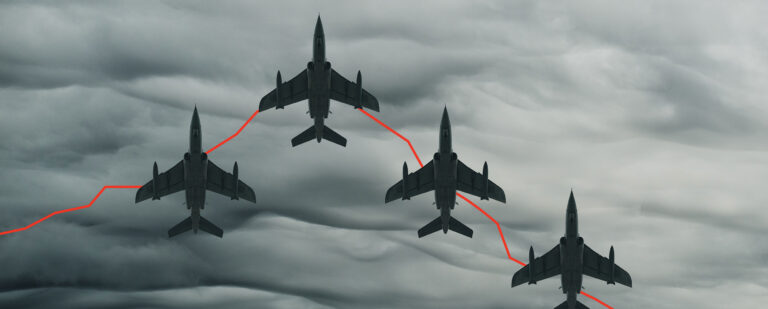
So the latest numbers are in and it looks like global military spending rose again last year despite economic turmoil. According to the Stockholm International Peace Research Institute, countries around the world increased their military budgets by 3.9 percent in 2023 compared to the previous year. That’s an extra $51 billion spent on tanks, fighter jets, and other tools of war at a time when most economies contracted due to the lingering effects of the global pandemic.

The US remains the undisputed leader, accounting for nearly 40 percent of the total global spend. China and India also significantly boosted their military budgets. At the same time, more than 130 million people were pushed into extreme poverty and unemployment rose sharply in many countries. Priorities, right? While the world grappled with containing a virus and avoiding economic catastrophe, the major military powers chose to pour money into their armed forces rather than fund healthcare, job support, or climate change mitigation. What’s wrong with this picture? If the goal is truly global security and stability, maybe it’s time to rethink how we define and achieve that.

Military Expenditures Reach Record Highs According to SIPRI Report

According to the Stockholm International Peace Research Institute (SIPRI)’s newly released report, countries around the globe spent a whopping $1.98 trillion on their militaries in 2023. This marks the seventh consecutive year of rising military spending and the largest expenditure in 30 years.

The increases come as no surprise given the geopolitical tensions and conflicts that dominated the headlines. The top three spenders were the United States, China, and India, accounting for 62% of total global military spending. The U.S. spent $766 billion, while China increased its spending by 4.7% to $261 billion.

  • Defense budgets grew in Africa, the Americas, Asia, Europe, the Middle East, and Oceania. Only three regions—Central America and the Caribbean, North America, and South America—saw declines.
  • Spending rose most rapidly in Western and Central Europe (8.4%), Eastern Europe (4.8%), North Africa (10%), and East Asia (5.2%). The increases reflect intensifying rivalries and conflicts, as well as efforts to modernize weapons systems.
  • Arms manufacturers should continue to see rising profits and revenues. The largest contractors that provide equipment, vehicles, weapons, and services to militaries around the world stand to gain the most.

While global economic growth has slowed, nations remain willing and able to pour money into their armed forces. At a time when humanity faces existential threats like climate change, it’s concerning to see countries prioritizing guns over butter. One can only hope that leaders work to defuse tensions and reduce conflicts so we can divert funds to more pressing needs.

The US and China Lead the World in Military Spending

According to the Stockholm International Peace Research Institute (SIPRI), the world’s military spending rose again in 2023, marking the seventh consecutive year of growth. The United States and China led the way, accounting for about half of the global total.

The U.S. remained the world’s largest spender, allocating $778 billion to its military. That’s about 38% of the global total. China came in second at an estimated $252 billion. Together, the two nations made up nearly half of the world’s military expenditures.

Russia ranked third in spending at $65.9 billion, followed by Saudi Arabia at $62.8 billion and India at $57.5 billion. Military spending by Russia grew by 2.9% and Saudi Arabia’s grew by 17%, while India’s decreased by 2.4%.

  • Spending rose in other parts of the world as well, increasing by 3.9% in Africa, by 4.8% in the Americas, and by 5.2% in the Middle East.
  • Only Europe and Oceania saw declines in military spending, dropping by 4.2% and 1.5% respectively.

While global military spending remains at an all-time high, its rate of growth has slowed. Overall increases continue to be driven primarily by the U.S. and China, but spending also rose in other areas like Africa, the Americas and the Middle East. At a time of global economic crisis, many critics argue that funds would be better spent on healthcare, education and fighting poverty. However, military spending seems likely to continue increasing worldwide without major policy changes.

Russia Surpasses Saudi Arabia as Third Highest Military Spender

Russia’s military spending has been on the rise for over a decade and it has now surpassed Saudi Arabia as the world’s third largest military spender, according to SIPRI.

Increased Tensions Drive Up Spending

Geopolitical tensions with Western nations have been driving Russia’s military spending increases. Russia annexed Crimea from Ukraine in 2014, leading to international sanctions and a breakdown in relations with the West. Russia has also intervened in the Syrian civil war since 2015 to support the Assad regime, requiring resources and funding.

  • In response to these actions, NATO members in Europe have boosted their own military spending and cooperation. This tit-for-tat escalation fuels an arms race as each side seeks to gain a strategic advantage.

Modernization Efforts Cost Big

A large portion of Russia’s spending goes toward modernizing its military equipment and technology. Much of Russia’s arsenal dates back to Soviet times, so upgrades are sorely needed to remain competitive. Modern fighter jets, naval vessels, missiles, and other advanced weapons systems don’t come cheap though.

  • Russia hopes to gain prestige and global influence through displays of military might. New high-tech weaponry is meant to project an image of Russia as a major power on the world stage.
  • Of course, all this spending on guns and war comes at the cost of investing in the country’s citizens. Social and infrastructure programs are underfunded while the Kremlin pours money into the military. But in Russia’s view, hard power takes priority.

With rising geopolitical tensions and ambitious modernization programs driving spending upward, Russia’s military budget is likely to continue its ascent for the foreseeable future. Barring improved relations with the West or a drop in energy prices reducing funds available, Russia seems poised to remain a top military spender and a concern for nations in Europe and beyond.

Global Arms Trade Sees First Increase in 6 Years

The global arms trade has risen for the first time in six years, according to a report by the Stockholm International Peace Research Institute (SIPRI). After declining steadily since 2014, the volume of international transfers of major arms increased by 3.9% between 2019 and 2020. The United States and France were the main drivers of the growth.

The U.S. Increases Exports

The U.S. increased its exports of major arms by 11% in 2020, accounting for 39% of total global arms exports. U.S. arms exports were 58% higher in 2020 than in 2010. The Trump administration loosened restrictions on arms sales abroad, making it easier for U.S. companies to sell weapons like fighter jets, drones, and precision-guided munitions to foreign partners and allies. Top importers of U.S. arms include Saudi Arabia, India, Australia, South Korea, Japan, and Taiwan.

France Seals Major Deals

France increased its exports by 44% due to several large deals sealed in 2020, including a $19 billion agreement to sell fighter jets and air defense systems to India and Egypt. The French arms industry has sought to fill the void left by declining U.S. and German exports in recent years. Other major exporters like Russia, Germany, and China saw their international arms sales decrease in 2020 according to SIPRI.

The global arms market remains dominated by the U.S. and Western European nations, though China and others are trying to gain more market share. The rise in global arms transfers could drive further conflict, regional instability and human rights violations in parts of the world. There is also a risk of these weapons ending up in the hands of terrorist groups. The increase highlights the need for tighter controls and transparency on global arms sales.

Spending Priorities Shift Amid Pandemic

The economic crisis caused by COVID-19 has significantly impacted government budgets and spending priorities around the world. However, global military expenditure still rose by 2.6% in real terms in 2020, according to the latest report from the Stockholm International Peace Research Institute (SIPRI). While spending has increased overall, some countries have reevaluated how funds are allocated in response to new threats.

Shift from personnel to technology

Several nations have prioritized investing in new military technologies over increasing personnel costs. The US, for example, raised its military R&D budget to develop hypersonic weapons, space systems, and autonomous vehicles. Likewise, Russia and China increased spending on fighter jets, submarines, and precision missiles. Diverting money to advanced weapons aims to improve military capabilities without expanding troop numbers.

Focus on health crisis response

Some countries temporarily reassigned military funds to support domestic health efforts during the pandemic. For instance, Germany, Spain, and the Netherlands deployed soldiers to help enforce lockdowns, staff testing centers, and distribute medical supplies. Although health-related spending was fairly small relative to total military budgets, it signals how some nations have adapted to current events.

Long-term consequences

While the full impact of COVID-19 on military spending remains to be seen, reduced economic activity could constrain budgets for years to come. At the same time, the crisis has highlighted the need to prepare for unforeseen threats – whether pandemics, cyber attacks, or climate change effects. Balancing these competing demands will likely shape future spending priorities and force militaries to do more with less.

Overall, global military spending continues to rise in the face of economic headwinds. However, some countries have made strategic shifts in how funds are used by investing more in advanced technologies, supporting pandemic response efforts, and preparing for emerging threats. The coming years will determine whether these spending priorities persist as governments work to overcome budget shortfalls and balance security concerns with health and economic realities.

Conclusion

So at the end of the day, governments around the world seem to be prioritizing guns over butter. Even with economies struggling, military budgets keep rising across the board. You have to wonder if leaders think that’s really the best use of resources right now. Maybe it’s time citizens speak up and ask if some of that money would be better spent improving healthcare, education, infrastructure-you know, things that actually make people’s lives better. Unless there are threats the public doesn’t know about, it’s hard to understand why militaries require even more money when they already have so much. But for now at least, global military spending continues its steady march upward.

What do you think-is it money well spent or misplaced priorities? The debate continues.

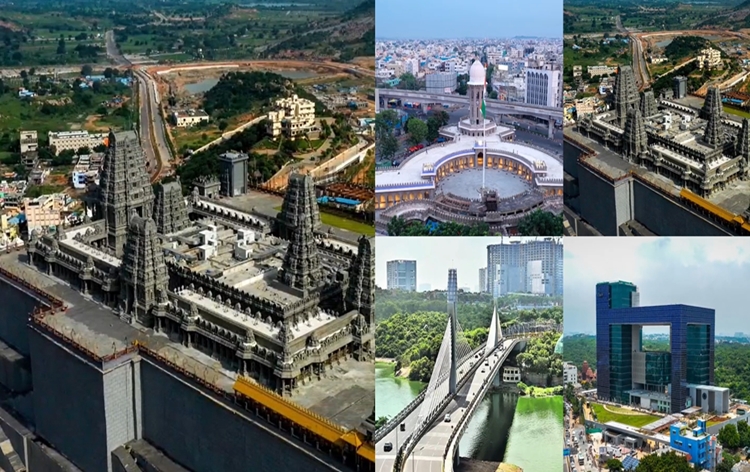
Beauty and Grandeur: 5 Telangana Buildings That Took the World by Storm

Ever wonder why Telangana’s architecture and landmarks are admired around the globe? It’s not just the intricate details or opulent designs that make these structures iconic, but also the stories they tell about the region’s rich history and cultural heritage. As a local, you’ve probably visited some of these award-winning buildings that showcase the beauty and grandeur of Telangana’s esthetic. Maybe you’ve marveled at the intricate stone carvings of the historic Charminar or witnessed the colorful frescoes inside the Chowmahalla Palace. If not, it’s time to rediscover the architectural wonders in your own backyard that have captivated the world. This article highlights five must-see Telangana buildings that were recognized in international architecture and design awards, reminding you why this region is a global leader in style, artistry, and imagination. You’ll never look at these landmarks the same way again.

The Stunning Salar Jung Museum

The stunning Salar Jung Museum is one of the three national museums of India, housing the largest one-man collections of antiques and art objects in the world. Built in 1951, the museum is a living testament to the passion for art of the Salar Jung family.

This spectacular museum has 38 galleries spread over two floors, with everything from Indian artifacts, Middle Eastern artwork, European oil paintings to ceramics, textiles, metallic artifacts, clocks, and manuscripts. One of the highlights is the Veiled Rebecca, an enchanting marble sculpture by Italian artist Giovanni Maria Benzoni. The musical clock is another masterpiece – with 100 dolls that emerge and dance to music.

The collections give you a glimpse into the lavish lifestyle, artistic tastes and the cultural milieu of the Salar Jung family. The European oil paintings gallery has beautiful works of art from masters like Teniers, Guardi and Murillo. The Founders Gallery has portraits of the Salar Jung family, depicting their regal legacy.

The library houses over 60,000 books and has priceless Persian and Arabic manuscripts. The museum also hosts cultural events, educational programs and seminars to raise awareness about India’s rich cultural heritage.

A visit to this grandeur museum is like taking a trip back in time. You’ll be mesmerized by the rare collections and intricately designed artifacts surrounding you in every gallery. No wonder it has won several international awards for its architectural beauty and universal value as a cultural institution. Definitely a must-see when in Hyderabad!

The Majestic Charminar Monument

The Charminar monument is a glorious architectural landmark that’s stood the test of time. Built in 1591, this massive square structure with four arches soaring 58 meters high has become Hyderabad’s most recognizable symbol.

When the Qutb Shahi sultan Muhammad Quli Qutb Shah built the Charminar, he created an architectural and cultural icon. The four minarets represent the first four caliphs of Islam and the mosque on the top floor signifies the sultan’s faith. The structure incorporates both Islamic and Hindu architectural elements, symbolizing the religious tolerance of the Qutb Shahi dynasty.

No trip to Hyderabad is complete without witnessing this monument. Climb the 149 spiral steps to reach the top floor and you’ll be rewarded with breathtaking views of the bustling city. Down below, the Charminar’s surroundings are just as vibrant, with colorful shops and stalls lining the streets in Laad Bazaar and Pather Gatti.

Centuries later, the Charminar remains an integral part of Hyderabad’s culture and history. While the city has transformed into a center of technology and innovation, this magnificent monument still stands as a reminder of the rich cultural heritage of the Qutb Shahi and Asaf Jahi dynasties. No wonder it’s considered an architectural and cultural treasure, gaining worldwide recognition and acclaim.

Preserving the Charminar is vital to protecting Hyderabad’s history and cultural identity. Despite facing traffic congestion and pollution over the years, restoration efforts have helped maintain its beauty and grandeur. This iconic landmark rightfully deserves global admiration and fame as a true architectural and cultural wonder.

The Magnificent Mecca Masjid

A Architectural Wonder

The Mecca Masjid in Hyderabad is one of the most magnificent mosques in India. Completed in 1694, it can accommodate up to 10,000 worshippers at a time. This iconic structure is renowned for its architectural grandeur and beauty.

Impressive Dome and Minarets

At its center is a massive dome made of granite, spanning 75 feet in diameter and 65 feet in height. Four lofty minarets stand at each corner of the mosque, with spiral staircases leading up to their summit. From there, visitors can get panoramic views of the city. The minarets themselves are over 200 feet high, towering majestically over the surrounding landscape.

Ornate Design

The mosque showcases a blend of Islamic and Hindu architectural styles. Its facade is adorned with intricate floral and calligraphic designs. Prayers halls on two levels feature rows of arches and pillars. The edifice is constructed primarily of granite, with decorative accents in stucco and lime. Verandas surround an open courtyard, providing shade and areas for rest.

Historically Significant

The Mecca Masjid has immense historic value. It was commissioned by Sultan Quli Qutb Shah and took 77 years to complete. The mosque derives its name from the holy city of Mecca in Saudi Arabia, the spiritual home of Islam. Buried within are the tombs of the Qutb Shahi rulers who governed the region for two centuries.

This magnificent structure remains an iconic symbol of the city to this day. Its timeless beauty and cultural significance have rightly earned it international acclaim and recognition as an architectural wonder of the world.

The Gorgeous Falaknuma Palace

The Falaknuma Palace is a true marvel of architecture and design. Built in the late 19th century, this palace reflects a fusion of Italian and Tudor styles. ###Majestic design.

The palace is set amidst lavish lawns and gardens, covering a total area of 32 acres. Its grandeur and ornamentation is apparent from the moment you set eyes on it. Intricate stone carvings, marble staircases, priceless statues, and paintings greet you at every turn.

Regal history

Originally built for the Hyderabad Prime Minister, the Falaknuma palace later became the royal residence of the Nizam of Hyderabad. The opulence and luxury of the palace gives you a glimpse into the lavish lifestyle of Indian royalty. In 2019, the palace was converted into a Taj heritage hotel, allowing guests to experience its storied history.

Awe-inspiring details

The palace is an architectural and decorative marvel. The grand marble staircase in the front hall features carved balustrades and a skylight. The reception rooms are adorned with massive crystal chandeliers. The library houses over 5,000 rare books. The palace even had its own private cinema, billiards room and bowling alley.

Heaven for art lovers

The palace showcases a stunning collection of art, artifacts, statues, paintings, furniture, and other collectibles gathered from around the world. You’ll find masterpiece paintings from renowned artists like Raja Ravi Varma alongside marble life-size statues, priceless carpets, and other objets d’art. The durbar hall, in particular, is a breathtaking vision with its carved rosewood ceiling and crystal chandeliers.

Staying at the Taj Falaknuma Palace is truly a once-in-a-lifetime experience. From its storied history to painstaking details, everything about this palace oozes grandeur, opulence and old-world charm. No wonder it has captivated royalty, dignitaries and guests from all over the globe. A visit to Hyderabad is incomplete without witnessing the beauty and magnificence of the Falaknuma Palace.

The Iconic Hussain Sagar Lake

A Man-Made Marvel

The Hussain Sagar Lake is one of Hyderabad’s most popular landmarks. This massive lake was built in 1562 and has become an iconic part of the city’s landscape. The lake was constructed by Hazrat Hussain Shah Wali in the 16th century by damming the Musi river. Over time, it has transformed into a hub for leisure and entertainment.

  • The lake is a picturesque spot, especially at night when the Buddha Statue in the middle is illuminated. The colossal monolithic stone statue stands at 16 meters high and weighs around 350 tons. It is a major draw for visitors who can see the statue up close by taking a boat tour.
  • The lake is also a haven for wildlife like birds, turtles, fish and amphibians. You may spot wildlife in their natural habitat while walking or biking along the shore.
  • The area surrounding Hussain Sagar Lake has beautiful landscaped parks, play areas for children and food courts. It’s a popular spot for locals and tourists to spend a day soaking in the scenery.

An Award-Winning Lake

In 2007, Hussain Sagar Lake won the ‘Best Man-Made Lake’ award from the Environmental Protection Agency. Some of the reasons it was recognized include:

  • Its picturesque setting and the innovative use of the lake for recreational and tourism purposes. The lake’s promenade and connectivity to other landmarks were praised.
  • The lake’s cleanliness and well-maintained surroundings. Strict measures are in place to prevent pollution, waste dumping and encroachments.
  • The lake’s successful integration of nature and culture. Despite being man-made, it is a haven for wildlife and contains the iconic Buddha statue.

Hussain Sagar Lake has brought worldwide recognition to Hyderabad for its architectural and environmental excellence. This popular landmark will continue to attract visitors for generations to come with its natural beauty and cultural significance.

Conclusion

So there you have it, five remarkable buildings from Telangana that have garnered worldwide acclaim for their stunning architecture and design. They showcase the immense talent of local architects and builders, as well as the state’s rich history and culture. These structures will surely inspire you to embark on an architectural adventure in Telangana. Who knows, you might just discover your new favorite building amid the beauty and grandeur of Telangana’s built landscape. The innovative designs and intricate details of these award-winning buildings prove that Telangana’s architecture scene is one to watch.

Driving into the Future: The Potential of Self-Driving Electric Vehicles in Revolutionizing Urban Transportation and Reducing Carbon Emissions

Urban transportation has long been plagued by challenges such as traffic congestion, accidents, and environmental pollution. As cities continue to grow, the need for sustainable solutions becomes more pressing. One technology that holds immense promise in addressing these challenges is self-driving electric vehicles (SDEVs). In this article, we will explore the potential of SDEVs in revolutionizing urban transportation and reducing carbon emissions.

The Role of SDEVs in Urban Transportation

Self-driving technology brings several benefits to urban environments. Firstly, it can improve traffic flow by optimizing routes, reducing congestion, and minimizing delays. With SDEVs communicating with each other and the infrastructure, traffic patterns can be dynamically adjusted. Which will ensure the efficient movement of vehicles.

Secondly, self-driving technology enhances safety on the roads. Human errors contribute significantly to accidents, and autonomous systems can help mitigate this risk. SDEVs utilize advanced sensors, cameras, and artificial intelligence algorithms to detect and respond to potential hazards. Thereby reducing the number of accidents and saving lives.

Furthermore, SDEVs can increase accessibility for individuals with mobility challenges. Self-driving features can empower those who cannot drive due to disabilities or age-related limitations. Thus providing them with newfound freedom and independence.

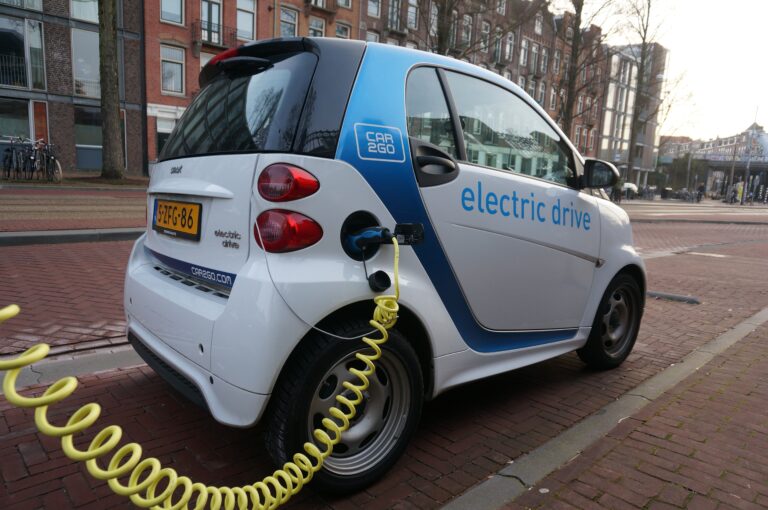
In addition to the benefits of self-driving technology, electric vehicles (EVs) offer significant environmental advantages. EVs produce zero tailpipe emissions, reducing greenhouse gas emissions and mitigating climate change. By transitioning from fossil fuel-powered vehicles to SDEVs, cities can make substantial progress in achieving their carbon reduction goals.

Revolutionizing Urban Transportation

SDEVs have the potential to revolutionize urban transportation in various ways. One of the key transformations lies in the realm of ride-sharing and mobility services. By integrating SDEVs with ride-hailing platforms, cities can provide convenient and affordable transportation options for their residents. This integration can lead to a reduction in private car ownership, alleviating problems associated with parking space scarcity and traffic congestion.

Moreover, the optimization of public transportation systems through SDEVs can enhance their efficiency and effectiveness. Autonomous vehicles can be seamlessly integrated into existing public transportation networks, offering a flexible and adaptable solution to changing demand patterns. This integration can improve connectivity, increase accessibility, and make public transportation a more attractive option for commuters.

Another area where SDEVs can make a significant impact is last-mile delivery and logistics. Autonomous delivery services can revolutionize urban logistics by providing efficient and sustainable solutions. With self-driving electric delivery vehicles, cities can reduce traffic congestion, lower delivery-related emissions, and streamline the movement of goods within urban areas.

Challenges and Considerations

While the potential of SDEVs is promising, several challenges need to be addressed. Regulatory and legal aspects must be carefully considered to ensure the safe and responsible deployment of autonomous vehicles. Clear guidelines and laws should be established to address liability issues and determine responsibilities in the event of accidents involving SDEVs. Additionally, privacy and data protection concerns need to be addressed to build public trust in autonomous systems.

Infrastructure requirements pose another challenge. The widespread adoption of EVs requires the development of a robust charging infrastructure. Governments and private entities must invest in expanding charging networks to support the growing demand for electric vehicles. Furthermore, road infrastructure needs to be upgraded to accommodate autonomous driving capabilities, including necessary sensors and communication systems.

Public perception and acceptance of SDEVs are crucial for their successful implementation. Addressing concerns regarding safety, job displacement, and loss of human control is essential. Public education and awareness campaigns can play a significant role in highlighting the benefits and potential of SDEVs, while also addressing any misconceptions or fears.

Conclusion

Self-driving electric vehicles hold immense potential in revolutionizing urban transportation and reducing carbon emissions. The integration of self-driving technology with electric vehicles can lead to improved traffic flow, enhanced safety, and increased accessibility. By optimizing ride-sharing and public transportation systems and transforming last-mile logistics, cities can achieve more sustainable and efficient urban mobility.

However, challenges such as regulatory frameworks, infrastructure development, and public acceptance must be addressed. Continued research, innovation, and collaboration among government entities, industry stakeholders, and the public are crucial for realizing the full potential of self-driving electric vehicles. By leveraging this transformative technology, we can create greener, safer, and more accessible cities for future generations.

As always folks if you would like to read some of the latest articles in Hindi be sure to check out the Mojo Patrakar. Also, check out some interesting articles on GGF such as The Future of Energy: Exploring the Innovations Shaping a Sustainable World.

The Pieta by Michelangelo: A Timeless Masterpiece of Emotional Power

The Pieta by Michelangelo stands as a testament to the remarkable artistic genius of the Italian Renaissance. Created by Michelangelo Buonarroti between 1498 and 1499, this exquisite sculpture has captivated audiences for centuries. Its profound emotional depth and technical brilliance attract the audience like a magnet. In this article, we will delve into the historical context, and describe the artwork in detail. Also, explore Michelangelo’s inspiration and interpretation, discuss controversies and impact, make comparisons with other artworks, and ultimately understand the enduring legacy of the Pieta.

Historical Context of the Pieta

During the Renaissance period, the world of arts underwent a great transformative shift. The artists started embracing naturalism, and humanism, and the classical ideas of art were revived once again. The Pieta is a depiction of the Virgin Mary cradling the lifeless body of Jesus Christ. It held a central place in the religious subject matter of the time. The Catholic Church, recognizing the power of visual narratives, commissioned numerous artworks to inspire devotion. And communicate theological concepts to the masses. Michelangelo’s Pieta is one of those commissioned artworks that is still inspiring devotion among the followers of Christianity. 

Description of the Pieta

The Pieta is an awe-inspiring sculpture carved from a single block of Carrara marble. Standing at approximately 5 feet and 8 inches tall, it showcases Michelangelo’s exceptional skill in manipulating the medium. The composition is harmonious, with the lifeless Christ gently supported by the sorrowful Virgin Mary. Michelangelo’s masterful technique and attention to detail breathe life into the marble. Thus creating an illusion of soft flesh and flowing drapery that invites viewers to touch the sculpture’s delicate surface.

Michelangelo’s Inspiration and Interpretation

Michelangelo’s artistry was deeply influenced by his extensive knowledge of classical sculpture and his passionate devotion to his Catholic faith. In the Pieta, he captured not only the grief and anguish of the Virgin Mary. But also expressed his own spiritual and personal struggles. Through the juxtaposition of the youthful Virgin Mary and the lifeless Christ. Michelangelo conveyed a powerful message of sacrifice, compassion, and the universal human experience of loss.

Controversies and Impact

Like many masterpieces, the Pieta has faced controversies and challenges over the centuries. One notable controversy arose when it was incorrectly attributed to other artists due to its exceptional quality. Furthermore, the sculpture underwent restorations that sparked debates about the extent to which the original work was altered. Despite these controversies, the Pieta has left an indelible mark on art history. Thereby solidifying Michelangelo’s reputation as one of the greatest artists of all time.

Comparisons with Other Artworks

When comparing the Pieta with other sculptures by Michelangelo, such as his David or Moses. One can observe the distinct characteristics of his style, including the remarkable anatomical precision. And the ability to infuse marble with a sense of movement and emotion. Furthermore, comparing the Pieta with other depictions of the same subject matter by different artists provides insight into the individual artistic interpretations and the unique contributions of Michelangelo to this iconic theme.

Conclusion

The Pieta by Michelangelo remains an awe-inspiring masterpiece that transcends time and connects with the deepest emotions of humanity. Its remarkable craftsmanship, profound spiritual expression, and timeless beauty continue to inspire and captivate audiences around the world. As we gaze upon the delicate features of the Virgin Mary and the lifeless body of Christ, we are reminded of the power of art to touch our souls and evoke profound contemplation of the human experience.

In the end, the Pieta stands as an enduring testament to Michelangelo’s artistic genius and his ability to transform cold stone into a deeply moving portrayal of grief, compassion, and divine love. It reminds us of the enduring power of art to transcend time, speak to the depths of our hearts, and connect us with the beauty and complexity of the human spirit. The Pieta by Michelangelo will continue to inspire and leave an indelible mark on the world for generations to come.

And as always folks if you would like to read similar interesting and informative articles but in Hindi be sure to check out the Mojo Patrakar. Also, if you liked this article be sure to check out some other interesting articles on GGF such as The Thinker” by Auguste Rodin: An Icon of Contemplation and Human Expression.

“The Thinker” by Auguste Rodin: An Icon of Contemplation and Human Expression

Auguste Rodin, one of the most influential sculptors of the late 19th and early 20th centuries, left an indelible mark on the art world with his captivating creations. Among his renowned works, “The Thinker” stands as a timeless symbol of intellectual reflection and profound contemplation. In this article, we will delve into the historical context, description, interpretation, creation process, legacy, and criticism surrounding this iconic sculpture.

Historical Context:

“The Thinker” was conceived by Rodin during a period of profound societal change. The intellectual and philosophical movements were gaining traction. The late 19th century was characterized by an emphasis on individual thought and introspection, which deeply influenced Rodin’s artistic endeavors. His fascination with the human form and its ability to convey complex emotions laid the foundation for “The Thinker.”

Description and Interpretation:

“The Thinker” depicts a muscular nude figure seated on a rock. His brow furrowed in deep concentration, and his hand supported his chin. The sculpture’s powerful physique and contemplative pose evoke a sense of intellectual strength and introspection. Rodin masterfully captured the tension between the figure’s intense thought and the physicality of his form. Thus inviting viewers to ponder the nature of human existence and the pursuit of knowledge.

Interpretations of “The Thinker” vary a lot with different prominent people associating him with different things. Some perceive the figure as a representation of Dante Alighieri contemplating his magnum opus, “The Divine Comedy.” Others view the sculpture as a universal symbol of humanity’s eternal struggle with complex questions and the search for meaning. Regardless of interpretation, “The Thinker” embodies the human capacity for deep introspection and invites viewers to reflect on their own existence.

Creation Process:

The thinker required a very meticulous understanding and study of human anatomy. And Rodin put in the hours and efforts to acquire that deep knowledge of human anatomy.  The processes he used for this ranged from simple observations, and sketches to life-like clay models he himself would create. For “The Thinker,” Rodin created multiple versions and variations, experimenting with different poses and anatomical details. Through this iterative process, he refined his vision and sought to capture the essence of profound contemplation.

Legacy and Impact:

When “The Thinker” was first exhibited in 1904, it garnered both admiration and controversy. The sculpture’s raw power and emotional depth challenged traditional artistic conventions of the time, and some criticized its unconventional style. However, its impact on subsequent generations of artists cannot be understated. “The Thinker” inspired numerous sculptors and became synonymous with the quest for knowledge and intellectual inquiry.

Today, “The Thinker” is prominently displayed in various locations worldwide, such as the Musée Rodin in Paris. And there is one at the entrance of the United Nations headquarters in New York City. Its universal appeal transcends cultural and linguistic barriers. Thus resonating with people from diverse backgrounds who seek to contemplate the human condition.

Criticism and Interpretation:

Over the years, “The Thinker” has been subject to different interpretations and critical analysis. Some argue that the sculpture predominantly reflects masculine introspection and neglects other perspectives, thereby limiting its universality. Others contend that the sculpture’s connection to Dante restricts its potential for a broader interpretation. However, these criticisms have not diminished the sculpture’s enduring impact and capacity to provoke contemplation. And it is still largely recognized as a testament to human intellectual curiosity.

Conclusion:

“The Thinker” by Auguste Rodin stands as an eternal symbol of intellectual curiosity, introspection, and the pursuit of knowledge. Its timeless appeal lies in its ability to transcend time and place, inviting viewers to delve into the depths of their own thoughts and emotions. Despite criticism and evolving interpretations, the sculpture’s significance remains intact, and its legacy continues to captivate and inspire generations of art enthusiasts and thinkers worldwide.

In the realm of art, “The Thinker” stands as a testament to the power of human expression and the enduring relevance of Rodin’s artistic genius. It serves as a reminder that introspection and contemplation are fundamental to our shared humanity, fostering a deeper understanding of ourselves and the world around us.

As always folks if you would like to read some interesting and informative articles in Hindi be sure to check out the Mojo Patrakar. Also if you liked this article check out some other interesting articles such as The Allure of Vintage Collectibles: Exploring the World of Retro Treasures.

The Allure of Vintage Collectibles: Exploring the World of Retro Treasures

In a world dominated by the latest trends and cutting-edge technology, there is an undeniable charm to the past. Vintage collectibles, with their nostalgic appeal and timeless beauty, have captured the hearts of collectors and enthusiasts around the globe. From antique furniture and retro fashion to vinyl records and vintage toys, these treasures from yesteryears hold a special place in our hearts. In this article, we delve into the enchanting world of vintage collectibles, exploring their allure and significance.

The Nostalgic Appeal of Vintage Collectibles

The allure of vintage collectibles comes from nostalgia. They evoke beautiful memories and transport us to a simpler time, and trigger an emotional reaction. In a sense, they transport us back to the good old days. The sight of traditional and vintage dresses brings up memories of our grandmothers. The sound of a crackling vinyl record brings back memories of lazy Sunday afternoons. Needless to say, these treasures hold a unique sway over our hearts.

The modern life is one of constant change and these vintage collectibles through their nostalgia-inducing ability transport us. To a world of stability, familiarity, and simplicity. The allure of vintage collectibles stems from our desire to reconnect with the past. And relive cherished memories, and hold on to the beauty and craftsmanship of bygone eras.

Types of Vintage Collectibles

Vintage collectibles come in various forms, each representing a distinct facet of the past. Antique furniture and home decor capture the elegance and craftsmanship of previous centuries. Styles such as Art Deco and Mid-Century Modern continue to fascinate collectors, with their clean lines, intricate details, and timeless appeal. The value of vintage furniture is influenced by factors such as rarity, condition, and historical significance.

Retro fashion and accessories embody the iconic trends and designers of earlier decades. From the glamour of the 1920s flapper dresses to the boldness of 1980s power suits, vintage clothing allows us to embody the spirit of a bygone era. Collecting vintage fashion requires knowledge of different eras and designers, and enthusiasts enjoy the thrill of finding unique pieces to add to their collection.

Vinyl records and music memorabilia have experienced a resurgence in recent years. The warm sound and tactile experience of vinyl have drawn music lovers back to this analog format in the digital age. Collectors seek rare and sought-after albums. Reveling in the hunt for hidden gems and limited-edition releases that capture the essence of their favorite artists.

Vintage toys and games tap into our inner child, bringing back the joy and innocence of youth. From classic board games to beloved action figures, these vintage treasures provide a tangible connection to our childhood. Collectors often seek rare and limited-edition items, appreciating the craftsmanship and nostalgia they represent.

The Thrill of the Hunt: Finding Vintage Collectibles

The quest for vintage collectibles is an adventure in itself. Exploring local flea markets, antique shops, and thrift stores offers a chance to stumble upon hidden gems and unexpected treasures. Online platforms and communities dedicated to vintage collecting provide a virtual treasure trove, connecting collectors from all corners of the world. Estate sales and auctions offer opportunities to acquire unique pieces with historical value. Successful vintage hunting requires patience, research, and a discerning eye for quality and authenticity.

Preserving and Displaying Vintage Collectibles

Preserving vintage collectibles is essential to maintain their beauty and value. Proper storage techniques, such as protecting delicate fabrics from light and moisture, ensure their longevity. Restoration and preservation techniques strike a delicate balance between preserving the authenticity of an item and restoring it to its former glory. Creative display options allow vintage treasures to shine in modern spaces, showcasing their unique charm and integrating them into our everyday lives.

The Value of Vintage Collectibles

The value of vintage collectibles extends beyond their monetary worth. Factors such as rarity, condition, historical significance, and the stories they carry contribute to their desirability. Collectors appreciate the narrative behind each item, whether it’s a piece of furniture that witnessed historical events or a vinyl record that defined a generation. Vintage collectibles hold cultural and historical value, connecting us to the past and preserving our heritage for future generations.

The Future of Vintage Collectibles

As time marches forward, the world of vintage collectibles continues to evolve. New trends and emerging collectible markets arise, reflecting the shifting tastes and interests of collectors. Technology has also played a role in the vintage collecting world, with online platforms and digital resources making it easier to connect with fellow enthusiasts and discover rare finds. Despite these changes, the allure of retro treasures remains timeless, transcending generations and holding an enduring appeal.

Conclusion

Vintage collectibles have an irresistible allure that captivates collectors and enthusiasts alike. Their nostalgic appeal, the wide array of items available, and the thrill of the hunt make the world of retro treasures an enchanting realm to explore. As we embrace the past through these vintage gems, we connect with our own history and find solace in the enduring beauty and significance of these treasured artifacts. So, step into the world of vintage collectibles and let the allure of the past capture your heart.

And as always folks if you would like to read some of the latest articles in Hindi be sure to check out the Mojo Patrakar. Also, if you liked this article check out some other interesting articles such as The Fascinating World of Extreme Weather Photography: Capturing Nature’s Fury.