Home Blog Page 808

Streaming Revolution: How Streaming Platforms are Reshaping the Entertainment Landscape

The entertainment industry has witnessed a dramatic transformation in recent years with the rise of streaming platforms. These platforms have revolutionized the way we consume and access entertainment content. They are constantly challenging traditional distribution models and reshaping the industry landscape. This article explores the evolution of streaming platforms and their impact on the entertainment industry. Also, the advantages they offer, the challenges they face, and the future trends they are likely to shape.

Evolution of Streaming Platforms

Streaming platforms had humble beginnings, starting with the transition from physical media to digital streaming. This shift allowed viewers to access movies, TV shows, and other forms of entertainment on demand. Over time, major streaming platforms emerged, including Netflix, Amazon Prime Video, Disney+, Hulu, and others. Each contributes to the rapid growth and popularity of this new medium. The streaming platforms also starting to focus on sports content such as NFL, NBA, IPL, Fifa world cup, etc. These platforms are also delving into original content, sometimes on their own and at times on audience demand.

Impact on the Entertainment Industry

The advent of streaming platforms has had a profound impact on the entertainment industry. Traditional distribution models have been disrupted, as consumers increasingly opt for streaming services over traditional cable or satellite television. The availability of a vast library of content from around the world has expanded, catering to diverse tastes and preferences. Viewers’ habits and preferences have also changed, with binge-watching becoming a common practice. Additionally, streaming platforms have become major players in content production, investing heavily in original programming and challenging the dominance of traditional studios and networks.

Advantages and Benefits of Streaming Platforms

Streaming platforms offer several advantages and benefits to both content creators and viewers. The convenience and accessibility of streaming services allow viewers to watch their favorite shows and movies anytime, anywhere, on various devices. Personalization and recommendation algorithms help users discover new content based on their interests and viewing history. Moreover, streaming platforms often provide cost-effective subscription plans and flexible options, allowing viewers to choose what they want to watch without the limitations of traditional cable packages. Furthermore, the global reach of streaming platforms enables the discovery of diverse content from different cultures and languages.

Challenges and Concerns

While streaming platforms have brought significant benefits, they also face challenges and concerns. Digital rights management and piracy remain persistent issues, impacting the revenue streams of content creators and platforms. The oversaturation of content on streaming platforms can make it difficult for creators to stand out and for viewers to find quality content. The revenue models for both platforms and creators are constantly evolving, raising questions about long-term profitability and fair compensation. Additionally, the growth of streaming platforms has affected the cinema and theater industry, leading to debates about the future of traditional moviegoing experiences.

Future Trends and Outlook

The future of streaming platforms appears promising. They are expected to continue their growth and dominance in the entertainment industry, as more consumers adopt streaming as their primary mode of content consumption. They are likely to integrate with other technologies, such as virtual reality and augmented reality, creating immersive viewing experiences. However, regulatory challenges and increased scrutiny may arise to ensure fair competition and protect consumer interests. Furthermore, as streaming platforms continue to evolve, content consumption patterns will undergo further changes, reflecting the preferences and habits of the audience.

Conclusion:

Streaming platforms have transformed the entertainment industry, redefining how we consume and access content. From their humble beginnings, they have grown to become major players, challenging traditional distribution models and reshaping the power dynamics in the industry. The convenience, accessibility, and diversity of content offered by streaming platforms have revolutionized entertainment consumption. However, challenges such as piracy, oversaturation, and revenue models still need to be addressed. As we move forward, streaming platforms are poised to shape the future of entertainment, bringing new opportunities and experiences for both creators and viewers.

And as always folks if you are interested in reading some interesting articles in Hinid be sure to check out the Mojo Patrakar. Also, if you liked this article and are interested in reading similar articles check out some of them on GGF such as The Psychology of Procrastination: Understanding the Causes and Overcoming the Habit.

The Psychology of Procrastination: Understanding the Causes and Overcoming the Habit

Procrastination is a common phenomenon that affects individuals across various domains of life. It is the tendency to delay or postpone tasks despite knowing the negative consequences that may arise. While procrastination may seem harmless at first, it can have significant impacts on productivity, mental well-being, and overall success. In this article, we will delve into the psychology of procrastination, exploring its causes and providing strategies to overcome this habit.

Causes of Procrastination

  1. Fear of failure and perfectionism: Procrastination often stems from the fear of failure and the desire for perfection. Individuals who struggle with self-doubt and imposter syndrome may avoid starting or completing tasks to protect themselves from potential criticism or feelings of inadequacy. Setting unrealistic expectations can also lead to procrastination, as the fear of not meeting these high standards can be paralyzing.
  2. Lack of motivation and reward: The brain’s reward system plays a significant role in motivation. When tasks lack immediate rewards, such as pleasure or gratification, it becomes easier to put them off. Understanding the mechanisms of motivation and finding ways to enhance it can combat procrastination.
  3. Poor time management and organization: Procrastination often arises due to difficulties in prioritizing tasks and underestimating the time required to complete them. Poor time management skills can lead to a sense of overwhelm, causing individuals to postpone tasks until the last minute.

Psychological Factors in Procrastination

  1. Instant gratification vs. delayed gratification: Procrastination can be seen as a battle between instant gratification and delayed gratification. Humans are naturally inclined towards immediate rewards, often succumbing to present bias. This bias can cloud long-term thinking and lead to the avoidance of tasks with delayed rewards, contributing to procrastination.
  2. Procrastination as a coping mechanism: Procrastination can serve as a coping mechanism for dealing with stress and anxiety. By avoiding tasks, individuals temporarily alleviate the discomfort associated with the demands and expectations placed upon them. Identifying underlying emotional triggers is essential in addressing procrastination effectively.

The Impact of Procrastination

  1. Academic and professional consequences: Procrastination can have detrimental effects on academic and professional endeavors. Decreased productivity and performance, coupled with increased stress and anxiety, can hinder one’s ability to achieve desired goals and excel in their chosen field.
  2. Personal and interpersonal effects: Procrastination not only affects individuals professionally but also has a negative impact on personal relationships and overall mental well-being. Strained relationships and missed opportunities can arise when procrastination prevents individuals from fulfilling commitments and obligations, leading to feelings of guilt and regret.

Overcoming Procrastination

  1. Developing self-awareness: Recognizing personal procrastination patterns and identifying cognitive distortions and negative self-talk are crucial steps in overcoming procrastination. By understanding the underlying thought processes, individuals can challenge and reframe unhelpful beliefs.
  2. Setting realistic goals and expectations: Breaking tasks into smaller, manageable steps and creating a timeline with deadlines can enhance motivation and combat the overwhelming nature of larger tasks. Realistic goal setting provides a sense of direction and progress.
  3. Utilizing effective time management strategies: Prioritizing tasks, utilizing productivity techniques, minimizing distractions, and creating a conducive work environment are key to managing time effectively and overcoming procrastination.
  4. Building motivation and accountability: Finding intrinsic and extrinsic sources of motivation, such as tapping into personal values and seeking support from others, can help combat procrastination. Creating systems of accountability, such as accountability partners or tracking progress, adds an extra layer of motivation and commitment.

Seeking Professional Help

  1. When procrastination becomes a chronic problem: In some cases, procrastination can become a chronic and deeply ingrained habit that significantly affects an individual’s life. Recognizing the severity of the issue is crucial in seeking professional help.
  2. The role of therapy and counseling: Therapeutic approaches, such as cognitive-behavioral therapy (CBT) and mindfulness-based interventions, can be effective in addressing underlying psychological factors contributing to procrastination. Professional guidance provides tailored strategies and support for long-term change.
  3. Benefits of seeking professional guidance: Seeking professional help offers a structured and supportive environment for tackling chronic procrastination. Therapists and counselors can provide valuable insights, tools, and techniques to help individuals overcome procrastination and lead more fulfilling lives.

Conclusion:

Procrastination is a complex phenomenon influenced by various psychological factors. By understanding its causes and effects, individuals can take proactive steps to overcome this habit. Through self-awareness, realistic goal setting, effective time management, and building motivation and accountability, it is possible to break free from the grip of procrastination. For those struggling with chronic procrastination, seeking professional guidance can provide the necessary support to foster lasting change. By addressing procrastination, individuals can unlock their full potential and achieve greater success and well-being in their personal and professional lives.

And as always folks check out some interesting articles in HInid on Mojo Patrakar. Also if you would like to read some similar articles check out the Global Growth Forum.

Titanic Submarine Implodes, Killing All Five Crew Members.

On June 19, 2023, a devastating event occurred during the mission to explore the wreckage of the Titanic. The Titan submersible, carrying a crew of five members, including a British teenager, unexpectedly lost contact, Throughout the mission it was supposed to remain in contact with its support ship, the Polar Prince.

After an extensive search operation, the US Coast Guard provided a somber update on June 23. They had located the debris field from the Titan submersible, situated approximately 1,600 feet away from the Titanic wreck. It was evident that the submersible had experienced a “catastrophic implosion,” resulting in the collapse of its hull and the immediate loss of all five crew members.

The cause of this tragic implosion remains under investigation. Initial assessments point towards a potential structural failure or a problem with the submersible’s pressure hull. The Titan submersible had been engineered to withstand immense water pressure at depths of up to 3,800 meters. However, it is plausible that either a design flaw or damage during its descent contributed to this devastating outcome.

The loss of the Titanic submarine serves as a solemn reminder of the perils inherent in deep-sea exploration. Nevertheless, it also highlights the extraordinary bravery and dedication exhibited by the crew members who sacrificed their lives. These individuals were pioneers in the realm of submersible exploration, and their invaluable contributions will foster safer practices in future missions.

The Crew Members aboard the Titanic Submarine

The five crew members who tragically perished in the implosion of the Titan submersible were:

  • Stockton Rush, 33, submersible pilot, and experienced explorer.
  • Paul Henri Nargeolet, 50, submersible pilot, and esteemed expedition leader.
  • Shahzada Dawood, 18, an aspiring British marine scientist on his inaugural deep-sea dive.
  • Chris Hadfield, 62, a retired Canadian astronaut with over 700 hours of space experience.
  • Kathy Sullivan, 68, a retired American astronaut who became the first American woman to walk in space.

Each of these crew members was highly respected in their respective fields. And their untimely deaths represent a profound loss to the global community of oceanic explorers.

The Investigation

The ongoing investigation into the implosion of the Titan submersible involves multiple entities. Including the US Coast Guard, the National Transportation Safety Board, and OceanGate, the operating company.

Investigators are carefully examining various factors that could have contributed to the implosion, including:

  • Structural failures within the submersible’s hull.
  • Issues pertaining to the submersible’s pressure hull.
  • Collisions with underwater objects.
  • Sudden fluctuations in water pressure.

Additionally, investigators are considering the weather conditions prevailing at the time of the incident. Although the water was calm during the implosion, there were indications of an approaching storm in the vicinity. It is plausible that the storm may have induced turbulence in the water, which could have exacerbated the tragic outcome.

The Aftermath

Undeniably, the loss of the Titan submersible is a heart-wrenching event, leaving the families of the crew members devastated. However, their legacies and accomplishments will continue to inspire others to delve into the mysteries of the ocean’s depths.

The Titanic Submarine represented a cutting-edge vessel designed to withstand the inhospitable conditions of the deep ocean. Its implosion serves as a reminder of the inherent dangers associated with deep-sea exploration. Nevertheless, it also stands as a testament to the remarkable courage and commitment exhibited by the crew members who met their unfortunate fate.

These pioneers of submersible exploration have left an indelible mark on the field, ensuring that future missions are conducted with greater safety measures. Their work and unwavering dedication will forever inspire others to embark on journeys to explore the ocean’s depths.

Conclusion

The loss of the Titan submersible is an undeniable tragedy, underscoring the significance of deep-sea exploration. The crew members who sacrificed their lives were pioneers in their field, and their contributions will continue to ignite the spirit of discovery within others. As the investigation into the cause of the implosion progresses, we can only hope that the knowledge gained will help prevent similar tragedies in the future.

And as always folks check out Mojo Patrakar if you would like to read similar informative articles in Hindi. Also, check out some of the latest articles on GGF that are both interesting and informative The Fascinating History of Tattoos: From Ancient Traditions to Modern Body Art.

Kumbh Mela: A Sacred Spectacle of Spiritual Unity and Renewal

Amidst the vibrant tapestry of India’s cultural heritage, one event stands out as a pinnacle of spiritual fervor and collective devotion: the Kumbh Mela. It is known as the largest religious gathering on Earth. The Kumbh Mela is a testament to the faith, diversity, and profound traditions that have shaped the Indian subcontinent. With millions of pilgrims converging at the confluence of sacred rivers. The Kumbh Mela is an awe-inspiring spectacle that transcends boundaries, unites humanity, and rejuvenates the spirit.

A Tapestry of Legends and Spirituality:

The origins of the Kumbh Mela can be traced back to ancient Hindu mythology. After the churning of the cosmic ocean by gods and demons with the help of Snake Vasuki and Kurma Avatar. There was a battle between gods and demons for the nectar of immortality. According to the legend, drops of this nectar fell at four different locations: Prayagra, Haridwar, Nashik, and Ujjain. It is at these four sacred sites that the Kumbh Mela is observed in rotation every twelve years. Thereby creating a vibrant cycle of spiritual rejuvenation.

Symbolic Significance of Kumbh Mela:

The Kumbh Mela is not merely a congregation of devotees; it is a profound expression of the human spirit. It is a phenomenon symbolizing the eternal quest for spiritual awakening and self-realization. Pilgrims from all walks of life embark on this arduous journey. Leaving behind their material attachments to seek enlightenment and purify their souls. The sacred bath in the holy rivers during the Kumbh Mela is believed to cleanse one’s sins. And grant liberation from the cycle of birth and death and achieve moksha.

The Gathering of Faithful Souls:

When the Kumbh Mela unfolds, it transforms the chosen city into a bustling epicenter of devotion and religious fervor. Millions of pilgrims, clad in saffron robes or colorful attire, descend upon the sacred grounds. Thus creating an enchanting tapestry of human diversity and shared spirituality. Ascetics, holy men, sadhus, and pilgrims from every corner of India, and beyond, converge in a magnificent display of faith. Transcending barriers of caste, creed, and social status.

The Mela’s Majesty:

The Kumbh Mela’s magnificence lies not only in its vast numbers but also in the grandeur of its rituals and ceremonies. The spectacle of religious processions, the mesmerizing rhythm of sacred chants, and the fragrance of incense permeating the air. And also the vibrant colors adorning the multitude create an atmosphere charged with spiritual energy. The Mela also features discourses by renowned spiritual leaders, yoga and meditation camps, cultural performances, and exhibitions. Thus fostering an environment of holistic well-being and enlightenment.

The Power of Unity and Harmony:

One of the most captivating aspects of the Kumbh Mela is its ability to foster unity and harmony among diverse communities. Here, the boundaries of language, religion, and social divisions dissolve. And the shared pursuit of spiritual growth becomes the common thread that binds millions of souls together. The Mela becomes a living testament to the intrinsic oneness of humanity. Thereby reminding us that despite our differences, we are all interconnected beings on a quest for higher truth and purpose.

Preserving Tradition and Heritage:

The Kumbh Mela is not merely an event; it is a living heritage that has been passed down through generations. The meticulous preservation of ancient rituals, practices, and traditions ensures that the essence of this grand gathering remains intact. Thus allowing future generations to partake in this sacred experience. The Kumbh Mela serves as a bridge between the past and the present, a cultural treasure that celebrates the enduring spirit of India.

Conclusion:

The Kumbh Mela stands as a testament to the indomitable spirit of humanity and the power of faith. It is an awe-inspiring celebration of devotion, a vibrant kaleidoscope of traditions, and a testament to the unity and harmony that can be achieved when millions of souls converge for a higher purpose. As the sun sets on each Kumbh Mela, it leaves behind a renewed sense of spiritual awakening, reminding us of the timeless bond that connects us all.

And as always folks if you would like to read interesting and informative articles in Hindi be sure to check out the Mojo Patrakar. Also, if you liked this article be sure to check out some similar interesting articles such as Preserving Endangered Species: Conservation Efforts in the Face of Climate Change.

The Fascinating History of Tattoos: From Ancient Traditions to Modern Body Art

Tattoos have captivated the human imagination for centuries, serving as powerful symbols of identity, spirituality, and artistic expression. In the old days, people used to get tattooed for all sorts of reasons from intimidation to spirituality. In this article, we delve into the rich history of tattoos, exploring their ancient origins, their evolution through different cultures, and their significance in the modern world.

Ancient Origins of Tattoos

Tattooing contrary to popular belief is not a modern practice but dates back thousands of years. Prehistoric evidence reveals that our ancestors used tattoos to adorn their bodies for all kinds of reasons. Ancient civilizations such as Egypt, Polynesia, China, and Japan had deep-rooted traditions surrounding tattooing, each with its own unique symbolism. For all these civilizations the tattoos and tattooing itself holds cultural significance.

Tattoos in the Western World

The introduction of tattoos to the Western world can be traced back to ancient Greece and Rome. There they held both decorative and punitive roles. However, the Middle Ages witnessed a decline in tattooing due to religious and societal factors. It wasn’t until the Renaissance that tattoos began to re-emerge, gaining popularity among explorers, seafarers, and the nobility. 

Tattoos in Indigenous Cultures

Indigenous cultures across the globe have long embraced tattoos as an integral part of their traditions. Native American tribes, for instance, used tattoos for spiritual and ritualistic purposes. Similarly, tribes in Africa and South America utilized tattoos to signify identity, social status, and tribal affiliations. For those cultured tattoos hold a significance far greater than that of purely a decorative practice.

Tattoos in Modern History

The 18th and 19th centuries saw tattoos becoming associated with sailors, marking their journeys and protecting them from harm. Concurrently, tattoos gained traction among criminals and marginalized groups, carrying their own distinct meanings within these subcultures. World War II played a pivotal role in popularizing tattoos as soldiers adorned their bodies with patriotic symbols and personal mementos. Tattoos for the marginalized were both a form of protest as well as a method of spreading information. We can often find the faces of leaders of movements and their famous quotes as tattoos.

Evolution of Tattooing Techniques

Tattooing techniques have undergone significant transformations over time. Traditional methods involved hand-tapping or stick-and-poke, using natural pigments. However, the invention of the tattoo machine revolutionized the industry, enabling artists to create intricate designs with greater precision. Today, modern advancements such as laser removal and cosmetic tattooing offer new possibilities for tattoo enthusiasts. And also for those seeking modification or correction. For people hoping to experience tattoos in their ancient forms, there are still places in both southern Asia and tribal Africa which still practice traditional methods of tattooing.

Contemporary Tattoo Culture

In the present day, tattoos have evolved into a vibrant form of self-expression and artistry. People from all walks of life embrace tattoos as a means to convey their individuality, commemorate loved ones, or simply celebrate their passions. Various tattoo styles and trends have emerged, including traditional, realism, watercolor, and minimalist designs. Tattoo artists have become revered professionals, shaping the industry and pushing the boundaries of creativity. Tattoos have also permeated mainstream media and pop culture, with celebrities proudly showcasing their inked bodies.

Changing Attitudes and Acceptance

Tattoos have experienced shifting perceptions throughout history. Once associated with rebellion and subculture, tattoos faced stigmatization and were deemed unprofessional. However, societal attitudes have evolved, and tattoos are now more widely accepted and appreciated. Nevertheless, workplace policies and legal considerations regarding visible tattoos continue to vary, reflecting the ongoing debates surrounding individual freedom, personal expression, and societal norms.

Conclusion

Tattoos have a captivating history, symbolizing self-expression and cultural identity. From ancient origins to modern art forms, they leave an indelible mark on humanity. Today, tattoos offer diverse styles and trends, pushing creative boundaries. While acceptance has grown, debates on visible tattoos in professional settings continue. As tattoos evolve, they reflect the ever-changing landscape of human expression, weaving stories and embodying our shared humanity.

And as always folks if you are looking to read some interesting articles in Hindi be sure to check out the Mojo Patrakar. Also if you enjoyed this article be sure to check out some more interesting articles such as Astrobiology: The Search for Life Beyond Earth in the Universe.

Astrobiology: The Search for Life Beyond Earth in the Universe

Astrobiology is an interdisciplinary field that explores the possibility of life beyond Earth. It has captured the imagination of scientists and the general public alike. Its significance lies in the profound questions it seeks to answer: Are we alone in the universe? Is there life thriving beyond our planet? In this article, we delve into the fascinating world of astrobiology, examining its origins, the conditions for life, the ongoing search for extraterrestrial life, the resilience of extremophiles, the quest for evidence, and the promising future of this field.

The Origins of Astrobiology:

Astrobiology finds its roots back in the times of the space race between the USA and the Soviets. While most scientists were busy with the creation of rockets. There were others who started to explore the possibility of life existing out there. The formulation of the Drake Equation, which attempts to estimate the number of advanced civilizations in the Milky Way. The formulation of the Drake equation marked a significant milestone in this field. Moreover, advancements in space exploration and technology, such as the development of telescopes and space probes, have enabled us to investigate celestial bodies with unprecedented precision.

Conditions for Life:

Understanding the conditions necessary for life is crucial in the search for extraterrestrial organisms. The presence of liquid water is widely considered a fundamental requirement, as it serves as a medium for biochemical reactions. Factors such as temperature, atmospheric composition, and the availability of key elements and nutrients also play a crucial role. All of those combine in determining a planet’s habitability. But it is important to realize when we talk about these markers we are looking through a lens of life as it exists on earth.

The Search for Extraterrestrial Life:

  1. SETI (Search for Extraterrestrial Intelligence) has been instrumental in the quest for signs of intelligent life beyond Earth. Scientists employ radio telescopes to scan the cosmos for potential radio signals that may indicate communication from advanced civilizations. The iconic Arecibo Observatory in Puerto Rico, sadly no longer operational, was a crucial facility in this endeavor. However, recent initiatives such as Breakthrough Listen continue the search using new technologies.
  2. Space missions and planetary exploration have been pivotal in expanding our knowledge of the solar system and beyond. The Mars rovers, including Curiosity and Perseverance, have provided valuable insights into the Red Planet’s past habitability and the potential for microbial life. Furthermore, missions targeting icy moons, such as Europa and Enceladus, have revealed the presence of subsurface oceans, raising the tantalizing possibility of life in these distant realms. Additionally, the discovery of exoplanets, planets orbiting other stars, has unveiled a multitude of potential habitats that warrant further exploration.

Extremophiles: Life in Extreme Environments:

Extremophiles are organisms that thrive in conditions considered inhospitable to life as we know it. These resilient creatures have been found in extreme environments on Earth, such as deep-sea hydrothermal vents, acidic lakes, and even within rocks. The existence of extremophiles has expanded our understanding of the limits of life and raised hopes for the existence of life in harsh extraterrestrial environments.

Biosignatures and the Search for Evidence:

Biosignatures are observable indicators that may point to the presence of life. Scientists study the atmospheres of exoplanets in search of gases, such as oxygen and methane, which living organisms could produce. Detecting these biosignatures presents a significant challenge due to technological limitations and the need to differentiate between biological and abiotic processes.

The Future of Astrobiology:

The field of astrobiology holds tremendous promise for the future. Space missions, such as NASA’s James Webb Space Telescope and the European Space Agency’s PLATO mission, will provide unprecedented capabilities for studying exoplanets and their atmospheres. Additionally, advancements in artificial intelligence and machine learning are revolutionizing the analysis of vast datasets, aiding in the identification of potential biosignatures. Moreover, astrobiology will play a vital role in future space exploration missions, guiding the search for habitable environments and the potential for colonization.

Conclusion:

Astrobiology continues to captivate our curiosity and drive scientific exploration. While we have yet to discover definitive evidence of extraterrestrial life, the ongoing research and technological advancements inspire hope and ignite our imagination. As we unravel the mysteries of the universe, astrobiology stands at the forefront, seeking to answer one of humanity’s most profound questions: Are we alone?

In the quest for life beyond Earth, astrobiology is a testament to our insatiable curiosity and our relentless pursuit of knowledge. As we expand our understanding of habitable environments, search for biosignatures, and push the boundaries of space exploration, we inch closer to unraveling the mysteries of the cosmos and perhaps discovering that we are not alone in the vast expanse of the universe.

And as always folks if you would like to read similar interesting articles in Hindi be sure to check out the Mojo Patrakar. Also, if you liked this article check out more similar articles such as The Evolution of Social Media: Shaping Communication and Society in the Digital Age.

The Evolution of Social Media: Shaping Communication and Society in the Digital Age

The rapid rise of social media platforms in the digital age has revolutionized the way we communicate and interact with others. From the early days of bulletin boards to the current dominance of Facebook, Twitter, and Instagram, social media has evolved significantly, transforming communication patterns and leaving a profound impact on society as a whole.

Early Origins of Social Media:

Before the rise of present-day social media giants, there were bulletin boards and all kinds of forum pages. Both of which laid the foundation for social interaction platforms that have become a part of our life. Bulletin boards and online forums provided early spaces for internet users to connect and share information and media. This eventually led to the introduction of early social networking sites, which set the stage for the widespread adoption of social media.

The Rise of Mainstream Social Media Platforms:

The early faces of mainstream social media platforms were Friendster and Myspace. They allowed us to do things like create profiles, connect with friends, and share updates. While all of those are pretty common features these days, for those times they were nothing sort of revolutionary.  However, it was Facebook that truly revolutionized social media with its clean interface, intuitive features, and robust privacy settings. Yeah, there was a time when Facebook was known for excellent privacy. Facebook for good reason dominated the social media industry in the early 2000s.

Expansion of Social Media Ecosystem:

When social media started becoming a part of normal life companies started to realize the need for specific features. Platforms like Snapchat and Instagram decided to focus on visual communication with an extensive focus on image sharing. YouTube and TikTok revolutionized video-sharing, enabling users to create and consume content in new ways. LinkedIn carved a niche in professional networking, connecting individuals in the business world. Twitter well it is in a weird space, people use it for all sorts of things. From debates, to news sharing, to professional networking it is used for all sorts of things.

Mobile Revolution and Social Media:

The advent of smartphones played a pivotal role in the widespread adoption of social media. With mobile apps, social media platforms became easily accessible, allowing users to stay connected on the go. Features such as location-based services and geotagging enabled users to share their physical whereabouts, further blurring the boundaries between online and offline interactions. Mobile-only platforms like Snapchat, Instagram Stories, and WhatsApp revolutionized communication by focusing on instant, ephemeral content.

The Influence of Social Media on Communication Patterns:

Social media has not only changed how we communicate but also redefined interpersonal relationships and online communities. It has provided opportunities for global connections, allowing individuals to bridge distances and share experiences. However, it has also introduced new challenges, such as the impact on language and communication norms. Abbreviations, emojis, and hashtags have become part of our everyday vocabulary, altering the way we express ourselves.

Social Media’s Effect on Society:

The impact of social media extends beyond individual communication. It has played a significant role in shaping political movements and revolutions worldwide. Activists have harnessed the power of social media to mobilize large-scale protests and raise awareness about social issues. However, social media has also given rise to cyberbullying and online harassment, highlighting the dark side of this digital revolution. Moreover, concerns about mental health and the addictive nature of social media have come to the forefront.

The Future of Social Media:

Looking ahead, social media will continue to evolve and shape our communication landscape. Technological advancements, such as artificial intelligence and virtual reality, are poised to redefine how we engage with social media platforms. However, privacy concerns and the need for regulation will become increasingly important, as society grapples with the ethical implications of data usage and user privacy. Augmented reality and virtual reality integration hold the potential to transform social media into immersive experiences, offering new avenues for interaction.

Conclusion:

The evolution of social media has been nothing short of remarkable. From its early origins to the present day, social media has fundamentally altered communication patterns and influenced society in profound ways. While it has connected people across the globe and empowered voices that were previously marginalized, it has also brought about challenges like cyberbullying and privacy concerns. As we move forward, it is crucial to navigate the ever-changing social media landscape with awareness, understanding, and a focus on maintaining a healthy balance between the digital and real worlds.

And as always folks if you liked the above article check out some more similar articles on GGF such as Preserving Endangered Species: Conservation Efforts in the Face of Climate Change.  Also, if you would like to read some interesting articles in Hindi be sure to check out the Mojo Patrakar.

The Age of Nanotechnology: How Tiny Innovations Are Making a Big Impact

Nanotechnology, the science, and engineering of manipulating matter at the nanoscale, has emerged as a transformative field with remarkable potential. By working with materials and structures on an incredibly small scale, scientists and engineers have unlocked a world of possibilities. From medicine to electronics, energy to materials science, nanotechnology is revolutionizing various industries and everyday life. In this article, we will explore the fascinating world of nanotechnology, its applications, challenges, and the promising future it holds.

The Development of Nanotechnology:

Nanotechnological developments have been pushing the boundaries of what is possible in many different fields. The continued progress has armed scientists with the ability to work on matter at molecular and even atomic levels. This development has led to the creation of nanostructures with extraordinary properties and functionalities. Through meticulous control over nanoscale materials, researchers have unlocked immense potential for innovation and application across various fields. Nanotechnology’s evolution has laid the foundation for groundbreaking discoveries and continues to propel the field forward. Thereby driving us closer to a future where the power of the small revolutionizes our world.

Applications of Nanotechnology:

Nanotechnology finds applications in diverse fields, transforming industries and improving lives. In medicine and healthcare, nanotechnology plays a crucial role in drug delivery systems, enabling targeted therapy and reducing side effects. Nanosensors aid medical professionals in diagnostics, allowing them to detect diseases at an early stage. Additionally, regenerative medicine leverages nanotechnology to facilitate tissue repair and regeneration. In electronics and computing, nanoscale transistors have revolutionized the speed and efficiency of devices. While quantum computing harnesses quantum phenomena at the nanoscale for unprecedented computational power. Though we still do not have a general-purpose quantum computer, it is only a matter of time. Nanotechnology also contributes to energy and environmental sustainability, with advancements in solar cells, energy storage, and environmental remediation techniques. Water purification methods benefit from nanomaterials that remove contaminants effectively.

Materials science witnesses significant progress through nanotechnology, with the development of lightweight and strong materials that find applications in the aerospace, automotive, and construction industries. Self-healing materials can repair themselves when damaged, prolonging the lifespan of products. Improved coatings and surfaces enhance functionalities and durability.

Nanotechnology in Everyday Life:

Nanotechnology impacts our daily lives in numerous ways. It is present in consumer products such as clothing and textiles, offering properties like stain resistance and antimicrobial features. Personal care products incorporate nanoparticles for enhanced effectiveness. In electronics and gadgets, nanotechnology enables smaller, more efficient devices with improved performance. Industries benefit from nanotechnology as well. Enhanced manufacturing processes ensure higher precision and productivity, while quality control and monitoring techniques enable improved product consistency. Moreover, nanotechnology promotes sustainable production methods, minimizing waste and energy consumption.

Challenges and Ethical Considerations:

As nanotechnology advances, it also raises important challenges and ethical considerations. Safety and toxicity concerns surround the use of nanoparticles, necessitating rigorous research and regulations. Additionally, the environmental impact of nanomaterials requires careful assessment to prevent unintended consequences. Privacy and surveillance concerns arise with nanosensors and tracking technologies, prompting discussions on responsible usage. Ensuring equitable access to nanotechnology is essential to avoid exacerbating societal disparities.

Future Prospects and Potential:

The future of nanotechnology is incredibly promising. Nanomedicine holds the potential for personalized healthcare, where treatments are tailored to individual patients. Nanorobotics and nanoscale assembly open doors to constructing intricate structures and manipulating matter at an atomic level. Space exploration can benefit from nanotechnology advancements, enabling efficient propulsion systems and novel materials for spacecraft. Collaboration and interdisciplinary research will be pivotal in unlocking the full potential of nanotechnology.

Conclusion:

Nanotechnology has ushered in a new era of innovation, enabling breakthroughs across various industries and revolutionizing everyday life. Its impact is profound, ranging from advancements in medicine and electronics to energy and materials science. As we continue to explore the immense potential of nanotechnology, it is crucial to address challenges and ethical considerations responsibly. By embracing this cutting-edge field and fostering collaboration, we can unlock a future where tiny innovations make a significant impact on our lives and the world we live in.

And as always folks if you liked this article check out some other informative articles on GGF such as Preserving Endangered Species: Conservation Efforts in the Face of Climate Change. Also, if you would like to read some interesting and informative articles in Hindi be sure to check out the Mojo Patrakar.

Preserving Endangered Species: Conservation Efforts in the Face of Climate Change

Endangered species play a vital role in maintaining ecological balance and biodiversity on our planet. However, their survival is increasingly threatened by the rapidly changing climate. Climate change poses a significant challenge to the conservation of these species. As it alters their habitats, disrupts their life cycles, and exacerbates existing threats. In light of these challenges, concerted conservation efforts are needed to protect and preserve endangered species for future generations.

Climate Change and Its Effects on Endangered Species

The warming climate and all of the associated environmental changes have a profound impact on endangered species. Rising temperatures, extreme weather events, and altered precipitation patterns contribute to habitat loss, fragmentation, and degradation. Species that are already at risk face further challenges in adapting to these changing conditions. For instance, polar bears, whose survival depends on sea ice, are at risk due to melting ice caps. Coral bleaching caused by warmer ocean temperatures is threatening the survival of numerous coral species. The number of members of these species is dwindling and without our help, they might even go extinct.

Conservation Strategies for Preserving Endangered Species

To combat the challenges posed by climate change, various conservation efforts and strategies are being employed. Protected areas and wildlife reserves serve as important refuges for endangered species, safeguarding their habitats from human encroachment. Habitat restoration and creation initiatives aim to provide suitable environments for species to thrive. Captive breeding and reintroduction programs play a crucial role in replenishing populations of endangered species. The best example of those is Pandas, they literally cannot reproduce without human intervention or even raise those babies. Conservation efforts also focus on keystone species, whose preservation is critical for maintaining the balance of ecosystems. Additionally, community-based conservation initiatives involve local communities in the conservation process, promoting sustainable practices and raising awareness.

Addressing Climate Change for Long-term Conservation

Efforts to address climate change itself are essential for the long-term preservation of endangered species. Mitigating greenhouse gas emissions is crucial to reduce the intensity of climate change impacts. Transitioning to clean energy sources, promoting sustainable land-use practices, and adopting environmentally friendly policies are all important steps in this direction. Conservation strategies must also adapt to a changing climate by considering the predicted effects and incorporating adaptive measures into planning processes. Collaborative efforts between scientists, policymakers, and communities are vital to implementing effective climate change mitigation and adaptation strategies.

Success Stories and Case Studies

In the face of climate change, there have been remarkable success stories in preserving endangered species. One such success story involves the California condor, a bird on the brink of extinction. Through captive breeding and reintroduction programs, their population has rebounded significantly. The Arabian oryx, a desert antelope, also faced severe threats but has experienced successful recovery through conservation efforts such as protected areas and captive breeding. Tigers, critically endangered due to habitat loss and poaching, have shown progress in countries like India and Nepal, thanks to anti-poaching measures, habitat protection, community involvement, and transboundary cooperation. These success stories exemplify the power of focused conservation strategies, collaborative partnerships, and dedicated efforts to reverse the decline of endangered species. They provide valuable insights and inspire hope for the future of biodiversity conservation in the face of climate change.

Challenges and Future Directions

Conservation efforts face numerous challenges in the face of climate change. Financial and logistical constraints often limit the scale and effectiveness of conservation initiatives. Balancing conservation objectives with socioeconomic development needs requires careful planning and stakeholder engagement. Moreover, new scientific findings and technologies must be integrated into conservation strategies to enhance their efficacy. Promoting public awareness and engagement is crucial in garnering support for conservation efforts and fostering collective responsibility for preserving endangered species.

Conclusion

Preserving endangered species is a critical task that requires urgent action, particularly in the face of climate change. By understanding the effects of climate change on these species and implementing effective conservation strategies, we can contribute to their survival and safeguard the ecosystems they inhabit. However, the challenges are immense, and collaboration among scientists, policymakers, communities, and the general public is essential. Together, we can create a future where endangered species can thrive, ensuring the ecological balance and beauty of our planet for generations to come.

And as always folks if you liked this article be sure to check some other interesting articles on GGF such as Exploring the Possibilities of Terraforming Mars: Paving the Way for Human Colonization. Also, if you would like to read some interesting and informative articles in Hindi be sure to check out the Mojo Patrakar.

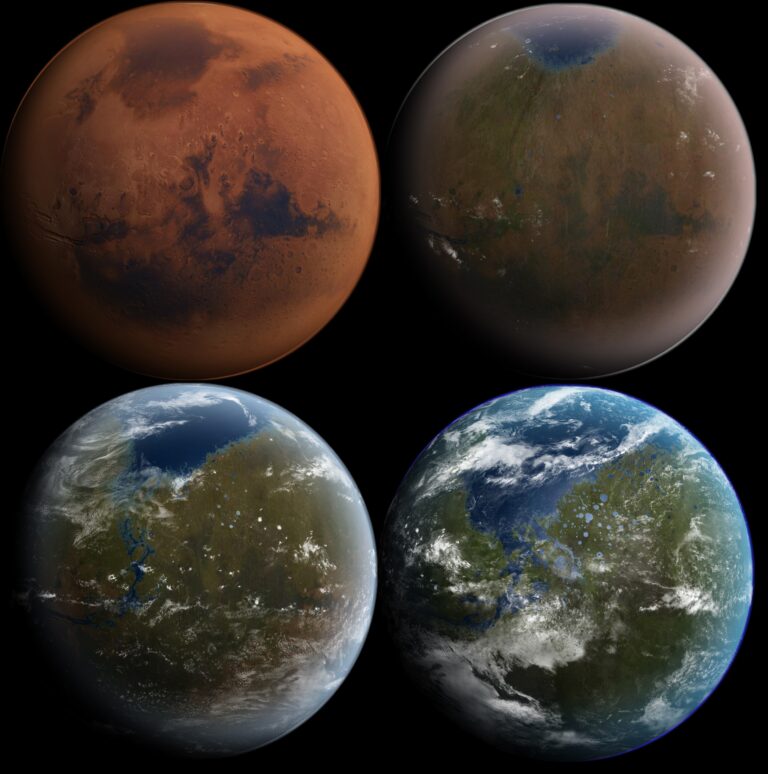
Exploring the Possibilities of Terraforming Mars: Paving the Way for Human Colonization

Mars, the red planet, has long captivated the imagination of scientists and space enthusiasts alike. And has been a potential candidate for human colonization. Terraformation is the process of transforming a planet to make it habitable for Earth-like life. It has emerged as a concept that holds promise for the future of Mars. This article delves into the possibilities of terraforming Mars. Highlighting the challenges involved, potential strategies, implications, and ethical considerations surrounding this ambitious endeavor.

The Current State of Mars:

Mars, often referred to as Earth’s sister planet, possesses unique characteristics that make it an intriguing target for terraformation. While in the past mars was a planet that looked surprisingly similar to Earth, it has changed. Now, all the water is gone and Mars is just a massive red desert. Although there are polar ice caps that contain a lot of frozen water. The soil on Mars has very limited nutrients and sand storms are all too common.

The Challenges of Terraforming Mars:

Terraforming Mars poses significant challenges due to its harsh climate and thin atmosphere. We delve into the intricacies of these challenges, discussing the absence of liquid water, low temperatures, high radiation levels, and the lack of a protective magnetic field. Understanding these obstacles is crucial in devising effective strategies for transforming Mars into a habitable planet.

Potential Terraforming Strategies:

There are various proposed approaches to terraforming Mars. One of those ways is to find ways of greenhouse gas production and atmospheric thickening. Which could lead to temperature increases and the creation of a more Earth-like atmosphere. Additionally, we need to find ways to introduce water and create a hydrosphere. One possible way to do that is to melt the polar ice. And combining it with a thick atmosphere to protect the water. Also, we will have to find a way to create a biosphere and that is going to be the toughest task.

Implications and Benefits of Terraforming Mars:

Terraforming Mars holds profound implications and benefits for humanity. It would expand human civilization beyond Earth, establishing settlements and enabling future exploration. Scientific research opportunities would abound, studying the transformed climate, geology, and potential Martian life. The process could unlock valuable resources and economic opportunities while driving technological advancements with spin-off benefits for Earth. Terraforming Mars inspires and motivates future generations, fueling their passion for science and exploration. It serves as planetary insurance, preserving human civilization in the face of catastrophe. However, ethical considerations and environmental responsibilities must be carefully weighed. Ultimately, terraforming Mars represents a grand vision that encompasses expansion, knowledge, economic prosperity, inspiration, and the preservation of our species.

Ethical Considerations and Environmental Impact:

Ethical considerations surrounding the terraformation of Mars are paramount. Altering the natural state of another planet raises questions of responsibility and respect for extraterrestrial ecosystems if any exist. We must carefully weigh the moral implications of potentially eradicating unique Martian life forms. Additionally, the long-term consequences for future generations and the potential unintended effects on the balance of the cosmos must be considered. Balancing our aspirations for human colonization with ethical principles ensures that our endeavors align with the values of preservation and stewardship.

Technological Advancements and Future Prospects:

Technological advancements play a pivotal role in the feasibility of terraforming Mars. Current technologies employed in space exploration have limitations that need to be overcome. Future breakthroughs, such as improved propulsion systems, advanced robotics, and innovative resource utilization methods, are essential for successful terraformation. Developments in fields like synthetic biology and nanotechnology may also offer novel solutions. However, significant advancements are still needed, and ongoing research and investment in cutting-edge technologies will be crucial in realizing the dream of terraforming Mars.

Alternatives to Terraformation:

While terraforming Mars is a captivating concept, alternative approaches to human colonization warrant consideration. Building habitats and controlled environments on Mars provides a viable option for human settlements without the need to alter the entire planet’s ecosystem. These self-contained habitats could offer protection from Mars’ harsh conditions, enabling sustainable living for astronauts. By focusing on localized habitation rather than planetary-scale transformation, we can create environments that meet human needs while minimizing potential ecological risks.

Conclusion:

Terraforming Mars is an awe-inspiring vision that has the potential to redefine human civilization and our place in the universe. By summarizing the possibilities and challenges discussed throughout the article, we emphasize the importance of further research, exploration, and technological advancements in space science. As we navigate the ethical considerations and environmental impacts, we must approach the idea of terraforming Mars with careful consideration, balancing our aspirations with the responsibility to preserve and protect the celestial bodies we seek to transform. Ultimately, the future of Mars and its potential for human colonization is one that continues to fuel our collective curiosity and inspire generations to come.

And as always folks if you would like to read some interesting and informative articles in Hindi be sure to check out the Mojo Patrakar. Also, if you liked this article check out some more interesting ones on GGF such as The World of Extreme Haunted Attractions: Exploring the Dark Side of Entertainment.