Home Blog Page 811

Unleashing the Creative Power Within: The Secrets to Productive Creativity

Creativity and innovation have become increasingly crucial for success in today’s fast-paced and competitive world. Whether you’re an entrepreneur, an artist, or an employee in a corporate setting creativity is the key to success. And the ability to think creatively and generate innovative ideas is a valuable skill. In this article, we’ll explore the secrets to unlocking productive creativity and tapping into your full innovative potential.

Understanding Productive Creativity

Productive creativity differs from simple creativity as it is not just about having creative ideas. It involves the ability to channel that creativity into practical and innovative solutions. By understanding the characteristics of productive creativity and its close connection to innovation, we can begin to harness its power effectively. Once the power of creativity is harnessed and directed toward practical use it has transformative powers.

Cultivating the Right Mindset

Developing a growth mindset is essential for productive creativity. Embracing the belief that our abilities can be improved through dedication and effort opens up possibilities for innovative thinking. By overcoming fear and embracing failure as stepping stones to success, we free ourselves to take risks and explore unconventional ideas. Nurturing curiosity and keeping an open mind also enables us to discover new perspectives and insights.

Creating an Optimal Environment

The physical environment we work in can greatly impact our creativity. By creating a workspace that fosters focus, minimizes distractions, and inspires us, we can enhance our creative output. Surrounding ourselves with inspirational stimuli, such as art, books, or music, can ignite our imagination and provide fresh sources of inspiration.

Harnessing the Power of Divergent Thinking

Divergent thinking is a key component of productive creativity. It involves generating multiple ideas and possibilities, allowing us to explore different angles and solutions. By employing techniques like brainstorming and mind mapping, we can break free from linear thinking patterns and unlock innovative ideas.

Balancing Structure and Spontaneity

The structure provides a solid foundation for creativity, while spontaneity allows for those unpredictable moments of inspiration. Finding the right balance between organization and flexibility is crucial. Establishing routines and rituals can provide a framework for consistent creative practice, while also allowing room for serendipitous insights and creative breakthroughs.

Nurturing a Creative Routine

Consistency is essential for nurturing productive creativity. By establishing a creative routine, we condition our minds to be receptive to innovative ideas. Incorporating habits that stimulate creativity, such as journaling, meditation, or engaging in hobbies, can help generate a continuous flow of fresh perspectives and insights.

Embracing Collaboration and Feedback

Creativity flourishes in collaborative environments. By actively seeking diverse perspectives and engaging in teamwork, we can tap into a collective pool of ideas and insights. Constructive feedback from others helps refine our creative work and pushes us to improve. Collaboration and feedback foster an iterative process that leads to even more innovative solutions.

Overcoming Creative Blocks and Challenges

Creative blocks are inevitable, but we can learn strategies to overcome them. By recognizing common obstacles such as self-doubt and perfectionism, we can develop techniques to navigate around them. Experimenting with new approaches, taking breaks, or seeking inspiration from other disciplines can help re-energize our creativity during periods of stagnation.

Sustaining and Growing Productive Creativity

Productive creativity is a lifelong journey. To sustain and grow our innovative potential, we must commit to continual learning and skill development. Cultivating a lifelong curiosity and thirst for knowledge expands our horizons and fuels our creative thinking. By adopting an innovative mindset in our everyday lives, we can find inspiration and opportunities for creativity in even the simplest of tasks.

Conclusion

Productive creativity is a powerful force that can unlock limitless potential in our personal and professional lives. By cultivating the right mindset, creating an optimal environment, harnessing divergent thinking, balancing structure and spontaneity, nurturing a creative routine, embracing collaboration and feedback, overcoming creative blocks, and sustaining our growth, we can unleash our innovative potential. So, embrace your creativity, apply the secrets shared in this article, and watch as your productive creativity flourishes, propelling you toward a future full of innovative possibilities.

And as always folks if you would like to read some of the latest articles that are both interesting and informative in Hindi be sure to check out the Mojo Patrakar. Also if you liked this article then check out the latest article The Future of Energy: Exploring the Innovations Shaping a Sustainable World.

The Future of Energy: Exploring the Innovations Shaping a Sustainable World

The world is at a critical juncture, recognizing the urgent need to transition from fossil fuels to Renewable energy sources. With the growing threat of climate change and the depletion of finite resources, innovative technologies and solutions are paving the way for a sustainable energy future. In this article, we will explore the key innovations that are driving this transformation and shaping the future of energy.

Renewable Energy Sources

Renewable energy sources, such as solar, wind, and hydroelectric power, are at the forefront of the sustainable energy revolution.

Solar power:

Significant advancements in solar panel technology have made it more efficient and affordable. With increased conversion rates and reduced costs, solar power is becoming increasingly accessible. Integration with energy storage systems allows for an uninterrupted power supply, even during periods of low sunlight.

Wind power:

The development of more efficient wind turbines has made wind power a viable option for large-scale electricity generation. Offshore wind farms, with their strong and consistent winds, hold immense potential for meeting the energy needs of coastal regions.

Hydroelectric power:

Harnessing the power of flowing water through hydroelectric systems continues to be a reliable source of clean energy. From large-scale dams to small-scale installations, hydroelectric power offers flexibility and sustainability.

Energy Storage Solutions

Efficient energy storage is essential for stabilizing power grids and ensuring uninterrupted energy supply. Several innovative solutions are emerging in this field.

Lithium-ion batteries:

Advancements in battery technology have improved their capacity, longevity, and cost-effectiveness. Lithium-ion batteries find applications in electric vehicles, residential and commercial energy storage, and grid-scale systems, enabling the integration of intermittent renewable energy sources.

Hydrogen fuel cells:

Hydrogen fuel cells are gaining momentum as a long-duration energy storage solution. Advances in hydrogen production and storage technologies make it a promising option for storing excess renewable energy and providing power during periods of high demand.

Pumped hydro storage:

Pumped hydro storage utilizes gravitational potential energy by pumping water uphill during low-demand periods and releasing it to generate electricity during peak demand. Its large-scale storage capacity and flexibility make it a valuable asset to stabilize the grid.

Smart Grid Technologies

Smart grid technologies enable efficient and intelligent energy management, maximizing the utilization of renewable energy sources.

Demand response systems:

These systems optimize energy consumption based on real-time demand, reducing peak loads and improving grid stability. Integration with renewable energy sources allows for better synchronization between supply and demand.

Microgrids:

Microgrids are localized power distribution networks that can operate independently or in conjunction with the main grid. They enhance energy efficiency, promote local energy generation, and improve grid resilience in the face of disruptions.

Advanced metering infrastructure:

Real-time energy usage monitoring through advanced metering infrastructure enables consumers to track and optimize their energy consumption. This empowers individuals and businesses to make informed decisions, reduce wastage, and contribute to energy efficiency efforts.

Emerging Energy Innovations

Beyond the well-established renewable energy sources, several emerging innovations hold promise for a sustainable future.

Tidal and wave power:

Tapping into the energy generated by ocean movements offers a consistent and predictable renewable energy source. Though still in the early stages of development, tidal and wave power technologies have the potential for significant growth.

Geothermal energy:

By harnessing the Earth’s heat, geothermal power provides a continuous and renewable source of electricity generation. Additionally, geothermal systems can be used for heating and cooling purposes, reducing the reliance on conventional HVAC systems.

Bioenergy:

Bioenergy utilizes organic matter, such as biomass, biofuels, and biogas, to generate power. It offers an alternative to fossil fuels, contributes to waste management, and helps reduce greenhouse gas emissions.

The Role of Policy and Investments

The transition to a sustainable energy future requires robust policies and investments.

Government initiatives and renewable energy targets:

Governments worldwide are implementing policies to promote renewable energy adoption and reduce greenhouse gas emissions. Setting ambitious renewable energy targets creates a favorable environment for innovation and attracts investments.

Private sector investments in clean energy:

The private sector plays a vital role in driving clean energy innovations through research, development, and deployment. Investments in renewable energy projects and technologies accelerate the transition to sustainable energy sources.

Impact of international agreements and collaborations:

International agreements, such as the Paris Agreement, foster global cooperation in addressing climate change. Collaborations among countries and organizations facilitate the sharing of knowledge, resources, and best practices, accelerating the development and adoption of sustainable energy solutions.

Challenges and Future Outlook

While the future of energy looks promising, several challenges must be addressed for a successful transition.

Cost considerations and economic viability:

The upfront costs of renewable energy technologies and storage systems remain a barrier. However, declining costs, technological advancements, and favorable policies are making clean energy economically competitive.

Infrastructure requirements and grid integration:

The integration of renewable energy sources into existing infrastructure and power grids poses technical challenges. Upgrading and expanding transmission networks and developing grid management systems are crucial for seamless integration.

Overcoming technological limitations and scalability:

Further research and development are needed to overcome technological limitations and scale up renewable energy solutions. Innovations in energy storage, grid management, and energy conversion will continue to play a vital role in achieving a sustainable energy future.

Conclusion:

The future of energy lies in sustainable and clean sources that minimize environmental impact. Through advancements in renewable energy technologies, energy storage solutions, smart grid technologies, and emerging innovations, we are on the path to a sustainable world. However, continued research, development, policy support, and investments are essential to accelerate the transition and create a future powered by clean, reliable, and affordable energy. By embracing these innovations, we can shape a sustainable world for generations to come.

And as always folks if you are interested in reading some interesting and informative articles in Hindi be sure to check out the Mojo Patrakar. Also, check out the latest article on GGF The Art of Critical Thinking: Navigating the Age of Information Overload.

The Art of Critical Thinking: Navigating the Age of Information Overload

In the fast-paced digital era, we find ourselves constantly bombarded with information from various sources. The rise of the information age has brought countless benefits. But it has also presented us with a new set of challenges. The abundance of information has led to information overload, making it increasingly difficult to discern fact from fiction. In such a complex landscape, the skill of critical thinking has become more crucial than ever before.

Understanding Critical Thinking

Critical thinking is the ability to objectively analyze and evaluate information, arguments, and situations. It involves employing analytical skills, problem-solving abilities, logical reasoning, and the capability to assess evidence and arguments. By honing these skills, individuals can make informed decisions, solve problems effectively, and communicate their thoughts and ideas clearly.

The Benefits of Critical Thinking

Developing critical thinking skills offers numerous advantages. Firstly, it enhances decision-making by allowing individuals to consider multiple perspectives, weigh evidence, and make well-reasoned choices. Secondly, critical thinking improves problem-solving abilities by encouraging individuals to approach problems from various angles and develop innovative solutions. Thirdly, it enables effective communication by fostering clarity, coherence, and logical coherence in conveying ideas. Moreover, critical thinking helps individuals recognize and overcome cognitive biases, enabling them to make more objective judgments. Overall, critical thinking empowers individuals to navigate the complexities of the modern world.

Developing Critical Thinking Skills

To develop critical thinking skills, it is essential to cultivate curiosity and open-mindedness. Curiosity encourages the exploration of new ideas and information, while open-mindedness allows for considering diverse perspectives. Additionally, asking the right questions is crucial in critical thinking as it helps uncover hidden assumptions and biases. Active listening is another key component, as it enables individuals to understand different viewpoints and evaluate arguments effectively. Seeking diverse perspectives and engaging with people from different backgrounds can further broaden one’s thinking. Lastly, developing information evaluation techniques is vital in distinguishing between reliable and misleading information.

Navigating Information Overload with Critical Thinking

Critical thinking equips individuals with the tools to navigate information overload. Recognizing credible sources is essential, as it ensures that reliable information is accessed. Evaluating information accuracy and reliability involves verifying sources, fact-checking claims, and scrutinizing evidence. Identifying biases and misinformation is critical, as it helps separate factual information from distorted or misleading content. Developing fact-checking and verification strategies empowers individuals to verify information independently. Additionally, assessing the relevance and context of information ensures that it is properly understood and applied.

Overcoming Cognitive Biases

Cognitive biases are inherent mental shortcuts that can cloud judgment and lead to flawed decision-making. Understanding common cognitive biases and recognizing personal biases are the first steps in mitigating their influence. Strategies to overcome biases include considering alternative viewpoints, engaging in self-reflection to recognize personal biases, and seeking feedback and constructive criticism from others.

Critical Thinking in Digital Communication

In the age of social media and online discussions, critical thinking plays a crucial role in navigating digital communication. Analyzing online discussions and debates requires individuals to evaluate arguments and evidence objectively. Assessing credibility in social media and news platforms involves scrutinizing sources, checking for verification, and considering potential biases. Responding to misinformation and disinformation requires individuals to employ critical thinking skills to debunk false claims and provide accurate information. Promoting civil discourse and constructive arguments fosters a healthy exchange of ideas and contributes to a more informed society.

Teaching Critical Thinking Skills

Incorporating critical thinking in education is vital for equipping future generations with essential skills. Educators can promote it by encouraging questioning, providing opportunities for open discussion, and teaching information evaluation techniques. Similarly, workplaces can foster critical thinking by encouraging employees to challenge assumptions, think critically when problem-solving, and engage in continuous learning. Embracing critical thinking as a lifelong skill will enable individuals to make better decisions, adapt to changing circumstances, and thrive in an era of information overload.

Conclusion

As we navigate the age of information overload, critical thinking emerges as a powerful tool to separate fact from fiction, make informed decisions, and communicate effectively. By cultivating these important skills, we can harness the benefits of the digital age while avoiding the pitfalls of misinformation and biases. Embracing critical thinking as a lifelong skill empowers individuals to navigate the complexities of our ever-evolving world and make well-reasoned choices in the face of an overwhelming amount of information.

And as always folks if you would like to read some interesting articles in Hindi be sure to check out the Mojo Patrakar. Also, if you like this article be sure to check out the latest article The Surprising Power of Play: How Recreation and Fun Enhance Learning and Creativity

The Surprising Power of Play: How Recreation and Fun Enhance Learning and Creativity

Play is often seen as a leisurely activity, reserved for children or moments of relaxation. However, research has shown that play holds incredible power in enhancing learning and creativity. In this article, we will delve into the fascinating world of play and explore how it can positively impact human development.

The Nature of Play

Play is a dynamic and multifaceted activity that encompasses various forms and characteristics. It can be physical, imaginative, social, or a combination of these elements. Moreover, play is not confined to any specific age group; it benefits individuals of all ages. By engaging in play, people experience joy, exploration, and a sense of freedom, ultimately contributing to their overall well-being.

Play and Learning

Play is far from being a frivolous pastime. It has profound effects on cognitive development and learning. Through play, individuals acquire problem-solving skills, as they navigate challenges and find creative solutions. Play also fosters critical thinking and decision-making abilities by encouraging individuals to analyze situations and make choices in a safe and enjoyable environment.

Emotionally, play promotes resilience and coping skills. By engaging in playful activities, individuals learn to adapt, face challenges, and overcome obstacles. Additionally, play helps develop empathy and emotional intelligence, as individuals interact and understand the emotions of others during social play.

Play and Creativity

One of the most remarkable aspects of the play is its ability to stimulate creativity. Playful activities serve as a catalyst for imagination, allowing individuals to explore new ideas, perspectives, and possibilities. By engaging in open-ended play, individuals can break free from constraints, facilitating the emergence of innovative and unconventional thinking.

Furthermore, play encourages a playful approach to problem-solving and innovation. By adopting a mindset of curiosity and exploration, individuals are more likely to discover novel solutions and think outside the box. Play nurtures a sense of wonder and encourages individuals to embrace failure as a learning opportunity, fueling their creative potential.

Play-Based Learning Approaches:

Recognizing the immense benefits of play, educators and institutions are incorporating play-based learning approaches. These approaches integrate play into educational settings, blending structured learning with unstructured playtime. Play-based learning allows children and even adults to engage with concepts, experiment, and actively construct their understanding of the world around them.

Research has shown that play-based learning fosters a range of benefits. It enhances engagement, motivation, and retention of knowledge. Play-based learning also nurtures social skills, collaboration, and communication, as individuals interact and cooperate during play. Successful play-based learning programs are now being implemented globally, demonstrating the transformative impact of play on education.

Playfulness in the Workplace

The power of play extends beyond educational environments and into the workplace. Incorporating playfulness in work environments has been found to have numerous benefits. A playful work environment promotes creativity, innovation, and problem-solving among employees. It fosters a sense of camaraderie, reduces stress, and enhances overall job satisfaction.

To infuse playfulness into the workplace, organizations can encourage playful activities, provide spaces for relaxation and recreation, and promote a culture that values creativity and experimentation. By embracing playfulness, companies can tap into the creative potential of their workforce, leading to increased productivity and a more vibrant work environment.

Challenges and Consideration 

While the benefits of play are evident, there are societal biases and challenges that hinder its integration into various domains. Some individuals may view play as a frivolous or unproductive activity, undermining its importance. Striking a balance between structured learning and unstructured playtime can also be a challenge. However, by recognizing the valuable role of play and advocating for its inclusion, these barriers can be overcome.

Moreover, concerns have been raised regarding excessive screen time and digital play. While technology can facilitate play, it is essential to ensure a healthy balance and promote a variety of play experiences that encompass physical, imaginative, and social interactions.

Conclusion

The play holds surprising power in enhancing learning and creativity. By embracing playfulness, individuals can unlock their full potential, develop vital skills, and approach challenges with innovative thinking. From educational settings to the workplace, integrating play can lead to transformative outcomes. Let us embrace the inherent joy and power of play, as we shape a brighter and more creative future.

And as always folks if you are interested in reading some of the latest articles in Hindi be sure to check out the Mojo Patrakar. Also, check out similar interesting articles on GGF such as The Psychology of Fear: Unraveling the Mysteries of Our Deepest Emotion.

The Psychology of Fear: Unraveling the Mysteries of Our Deepest Emotion

Fear is a powerful and primal emotion that has shaped human existence since the dawn of time. From ancient survival instincts to modern-day anxieties, it plays a crucial role in our lives. Understanding the psychology behind it is key to unraveling its mysteries and gaining insights into our deepest emotions. In this article, we will delve into the complexities of fear, exploring its origins, triggers, and impact on our mental and physical well-being.

The Evolutionary Roots of Fear

Fear has deep evolutionary roots, serving as a vital mechanism for our survival. In prehistoric times, our ancestors faced numerous life-threatening situations, such as encounters with predators or dangerous environmental conditions. In such instances,  the fight-or-flight response is triggered, preparing the body to either confront the threat or escape from it. This instinctual reaction persists in modern humans, albeit in different contexts. The evolutionary benefits of fear are not felt as much in modern times but can still come in handy during emergencies.

Triggers of Fear

While the threats we face today are less immediate and tangible, fear can be triggered by a wide array of stimuli. Common triggers include physical danger, social rejection, uncertainty, loss, and trauma. These triggers can activate our amygdala, the brain’s fear center, which processes and responds to threatening stimuli. The amygdala then communicates with other brain regions, such as the hypothalamus and prefrontal cortex. Which helps it to coordinate the physiological and behavioral responses associated with it. There are also phobias of different things that people can have. A phobia is basically an irrational fear of something that does not pose any substantial threat to the person.

The Complexities of Fear

It is a complex emotion that manifests differently in individuals. Some individuals may exhibit an intense fear response to specific phobias, such as heights or spiders. While others may experience generalized anxiety or panic disorders. The context in which it arises and an individual’s past experiences can greatly influence its expression and intensity. Additionally, it can be learned through conditioning, where a previously neutral stimulus becomes associated with a fear response due to repeated pairings with a fear-inducing event.

The Impact on Mental and Physical Well-being

Fear has profound effects on our mental and physical well-being. While it can be adaptive and help us avoid potential dangers, chronic or excessive it can lead to debilitating consequences. Prolonged fear and anxiety can contribute to the development of mental health disorders like phobias, generalized anxiety disorder, and post-traumatic stress disorder (PTSD). These conditions can significantly impair one’s quality of life and overall functioning.

Physiologically, it triggers the release of stress hormones like adrenaline and cortisol, preparing the body for action. While this response is useful in acute situations, long-term activation of the stress response can lead to negative health outcomes, including cardiovascular problems, weakened immune function, and gastrointestinal issues.

Coping with Fear

Learning to manage fear is essential for maintaining emotional well-being. Various therapeutic approaches, such as cognitive-behavioral therapy (CBT), exposure therapy, and mindfulness-based techniques, can help individuals confront and overcome their fears. These approaches aim to reframe negative thought patterns, desensitize individuals to the stimuli, and cultivate a sense of present-moment awareness.

Additionally, fostering resilience and building emotional intelligence can equip individuals with the tools to cope with it more effectively. Engaging in self-care practices, maintaining a supportive social network, and seeking professional help when needed are valuable strategies for navigating fear and its associated challenges.

Conclusion

Fear is a universal emotion deeply rooted in our evolutionary history. It serves as a crucial survival mechanism, but it can also become overwhelming and detrimental to our well-being if not managed properly. Understanding the psychology of it provides insights into the complexities of this emotion and offers opportunities for personal growth and healing. By exploring our fears and employing effective coping strategies, we can navigate the intricate labyrinth of fear and emerge with newfound strength and resilience.

And as always folks if you like this article be sure to check out some other interesting articles such as The Art of Sustainable Living: Reducing Waste and Embracing Eco-Friendly Practices. Also, folks if you would like to read some similar interesting and informative articles in Hindi be sure to check out the Mojo Patrakar.

The Art of Sustainable Living: Reducing Waste and Embracing Eco-Friendly Practices

In today’s world, the challenges posed by environmental degradation and climate change require urgent action. Sustainable living has emerged as a powerful solution to address these challenges. By reducing waste and embracing eco-friendly practices, individuals can contribute to the preservation of our planet for future generations. This article explores the art of sustainable living, focusing on strategies to reduce waste and adopt eco-friendly habits.

Understanding Sustainable Living:

At its core, sustainable living involves making conscious choices that promote the well-being of the environment and society. It is guided by principles such as resource conservation, waste minimization, and respect for nature. Individuals can integrate sustainable practices into their daily lives by understanding these principles. One might even find a lot of overlap between minimal living and sustainable living. Since, at their core, both living styles are all about living mindfully and controlling the number of resources used.

Reducing Waste: Strategies for Sustainable Living:

To embark on this journey, adopting a minimalist lifestyle can be transformative. By decluttering and minimizing possessions, individuals can avoid unnecessary consumption and reduce waste. Additionally, sustainable consumption practices, such as conscious shopping, choosing durable and reusable products, and avoiding single-use items, play a significant role in waste reduction. Implementing effective waste management techniques, including recycling, composting, and proper disposal of hazardous materials, further contribute to minimizing waste.

Embracing Eco-Friendly Practices: Steps towards Sustainability:

Sustainable living extends beyond waste reduction. Embracing eco-friendly practices involves making conscious choices in various aspects of life. Transitioning to renewable energy sources and conserving energy through simple habits like turning off lights and unplugging electronic devices are crucial steps in reducing carbon emissions. Promoting sustainable transportation, such as using public transportation, carpooling, and opting for walking, cycling, or electric vehicles, significantly reduces the environmental impact of commuting. Sustainable food choices, such as eating local and seasonal produce, reducing meat consumption, and supporting organic and fair-trade products, contribute to the preservation of natural resources and promote a healthier lifestyle. Conserving water resources through the use of water-efficient fixtures and appliances, as well as adopting water-saving habits, is also essential.

Benefits and Impacts of Sustainable Living:

The benefits of sustainable living extend beyond the environment. By reducing their carbon footprint, individuals actively participate in mitigating climate change. Moreover, sustainable living practices preserve natural resources, protect biodiversity, and ensure a cleaner and healthier environment. Economically, sustainable living leads to cost savings through energy and water conservation, while also creating employment opportunities in sustainable industries. Finally, it positively impacts personal well-being, offering cleaner air and water, and an improved quality of life.

Spreading the Message of Sustainable Living

Spreading the message of this method of living is crucial for its widespread adoption. Individuals can play an active role in inspiring others by leading through example. By sharing personal experiences and the positive impacts of sustainable practices, we can motivate others to make changes in their own lives. Engaging in conversations, organizing community events, and participating in local sustainability initiatives can amplify our collective efforts. Together, we can create a ripple effect of change that reaches far and wide, ultimately creating a more sustainable and resilient world. Let us embrace the art of sustainable living and inspire others to join us on this transformative journey.

Overcoming Challenges and Spreading Awareness:

While embracing this way presents challenges, education, and awareness play a pivotal role in overcoming them. By providing information and raising awareness about the importance of sustainable practices, individuals can be empowered to make informed choices. Media and social networks also serve as effective platforms for disseminating information. Furthermore, collective action and policy changes are essential to drive systemic change. Advocating for sustainable policies and actively participating in community initiatives fosters collaboration and accelerates progress.

Conclusion:

The art of sustainable living lies in the reduction of waste and the embrace of eco-friendly practices. By adopting a minimalist lifestyle, practicing sustainable consumption, implementing effective waste management, and embracing eco-friendly habits, individuals can contribute significantly to a sustainable future. The benefits extend beyond environmental preservation, encompassing economic prosperity and personal well-being. With education, awareness, and collective action, we can create a world where sustainable living becomes the norm. Embrace the art of sustainable living and let us pave the way to a brighter future for our planet.

And as always folks if you are interested in reading some of the latest articles in Hindi be sure to check out the Mojo Patrakar. Also if you enjoyed this article and would like to read another one equally as interesting check out Beyond the Selfie: The Evolution of Self-Portraiture in the Digital Age

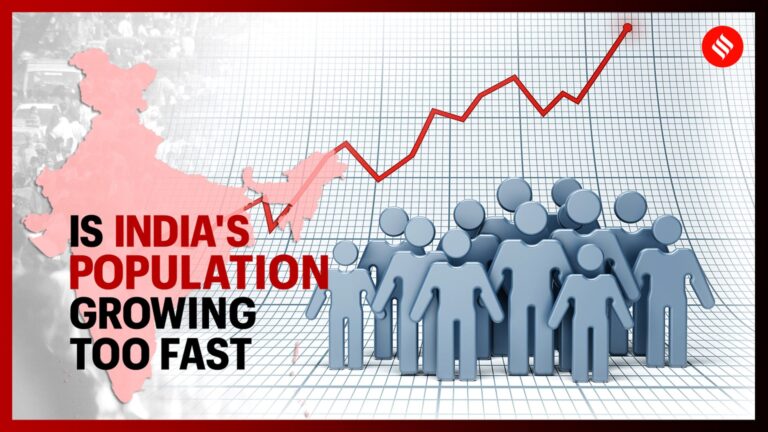
India’s Growing Population: A Global Concern

India’s population has been rapidly increasing over the past few decades, and this trend is expected to continue in the coming years. With a current population of over 1.3 billion, India is the second-most populous country in the world, after China. In this article, we will explore the reasons behind India’s population growth, its potential impact on the world, and possible solutions to address this issue.

India’s Population Growth
According to the United Nations, India’s population is projected to reach 1.5 billion by 2030 and 1.7 billion by 2050 . India’s population growth rate has been declining over the years, but it still remains high at around 1.2% . The reasons behind India’s population growth include high birth rates, improved healthcare, and longer life expectancy.

India’s birth rate is currently around 19 births per 1,000 people, which is higher than the global average of 13 births per 1,000 people. Improved healthcare and medical facilities have also contributed to the increase in population by reducing infant mortality rates and increasing life expectancy. This has led to a larger population of elderly citizens, which can put a strain on the healthcare system and social services.

 Global Implications
India’s population growth has significant implications for the world. One of the major concerns is the increased demand for resources, such as food, water, and energy. India is already facing challenges in meeting the basic needs of its population, and the growing population will only exacerbate these issues. Additionally, the increased demand for resources can lead to environmental degradation and climate change.

Another concern is the potential impact on global migration patterns. As the population grows, more people may seek opportunities abroad, which can lead to increased migration and potentially strained relationships between countries. Policymakers, economists, and environmentalists have different perspectives on how to address India’s population growth.

Possible Solutions
One possible solution is to implement family planning programs to help control the birth rate. The Indian government has already launched several initiatives to promote family planning, but more needs to be done to educate people about the benefits of smaller families. Education and economic development can also play a role in reducing the birth rate by empowering women and promoting gender equality.

Another solution is to invest in sustainable development to meet the growing demand for resources. This can include investing in renewable energy, improving water management, and promoting sustainable agriculture. However, these solutions can also face challenges, such as resistance from traditional communities, lack of funding, and political opposition. India’s growing population is a global concern that requires attention from policymakers, economists, and environmentalists. The potential impact on the world is significant, and solutions must be sought to address this issue. Family planning programs, education, economic development, and sustainable development are some possible solutions that can help control the population growth and promote sustainable development.

With a population of this size, the strain on resources such as water, food, and energy will only continue to increase. The environmental impact will also be significant, with more people leading to greater pollution, deforestation, and loss of wildlife habitats. It’s a global concern that demands immediate attention and action.
However, despite the severity of this issue, many seem to turn a blind eye to it. Perhaps it’s because we’re so used to hearing about India’s population growth that we’ve become desensitized to it. Or maybe it’s because the problem feels too big to solve. But I refuse to believe that nothing can be done.The rapid increase in population has put a strain on India’s resources, including food, water, and energy. The country already faces challenges in providing basic necessities to its citizens, and the growing population will only exacerbate these issues. Additionally, the increase in demand for resources will have a significant impact on the environment, as India is already one of the world’s largest polluters.
In the end, it’s not just India’s problem to solve, but the world’s. We need to come together as a global community to find solutions and ensure a sustainable future for everyone. Because if we don’t, we’ll be faced with dire consequences that we won’t be able to reverse. So let’s start the conversation and take action now before it’s too late.
India’s government has taken steps to address the issue, including implementing family planning programs and promoting education for women. However, these efforts have not been enough to slow down the population growth rate significantly. It is crucial for India to continue to prioritize population control measures to ensure a sustainable future for its citizens and the world at large.

Breaking News: Indian-German Firm Sign MOU for Submarine Production – Here’s What You Need to Know

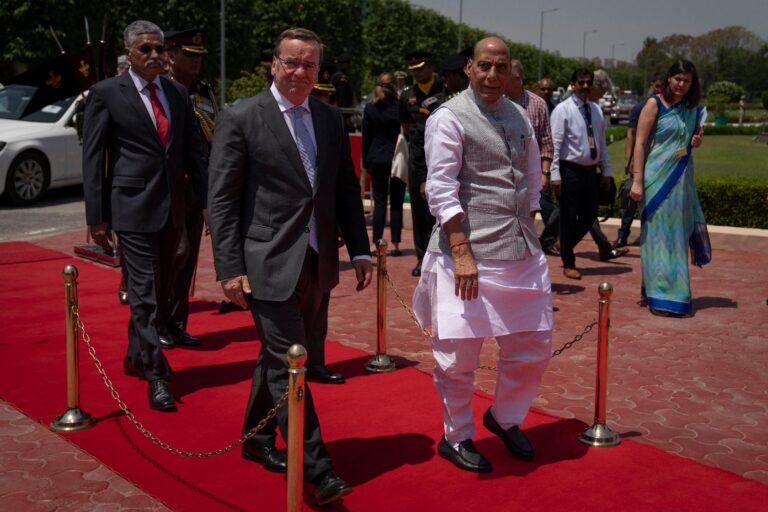
Breaking news out of India and Germany: an Indian-German firm has signed an MOU for the production of submarines. This is an exciting development that could open up a host of new opportunities and possibilities. With the help of cutting edge technology and expertise from both countries, the submarine production project has the potential to revolutionize the industry. We look forward to seeing the positive outcomes of this MOU, and are excited to see what the future holds.

Introduction to the Indian-German MOU for Submarine Production

The signing of the Indian-German MOU for submarine production is a significant step towards strengthening the defense ties between the two countries. The agreement is a result of the joint efforts of the Indian and German governments to promote defense cooperation and technology transfer. The MOU will enable the transfer of technology and the production of advanced submarines in India, which will not only boost the country’s defense capabilities but also create job opportunities and enhance the indigenous defense industry. The Indian-German partnership in submarine production has the potential to become a game-changer in the global submarine market. This agreement is a testament to the strong and growing relationship between India and Germany and sets the stage for further collaboration in the defense sector. We can expect to see more joint ventures and technology transfers between the two countries in the future, which will not only benefit the defense industry but also strengthen the overall bilateral relationship.

2. Overview of the Benefits of the Submarine Production Deal

The submarine production deal between India and Germany is a significant milestone for both countries. The agreement is expected to bring a host of benefits, including technological advancements, job creation, and economic growth. The submarine production deal will provide India with access to advanced German technology, which will enhance the country’s defense capabilities. Additionally, the deal is expected to create thousands of jobs in India, providing a much-needed boost to the country’s economy. The production of submarines will also lead to the development of ancillary industries, further contributing to economic growth. The deal is a testament to the strong ties between India and Germany, and it is expected to strengthen the relationship between the two countries. As India continues to modernize its defense capabilities, the submarine production deal with Germany is a significant step forward. The benefits of the deal are numerous, and it is expected to have a positive impact on both countries for years to come.

Explaining the Strategic Significance of This Deal

The MOU signed between India and Germany for submarine production is a significant strategic move for both countries. India has been working towards strengthening its naval capabilities, and this deal will help it achieve that goal. The submarines will be equipped with advanced technology and will enhance India’s defense capabilities. Germany, on the other hand, will benefit from the deal as it will provide a boost to its economy. The partnership between the Indian and German firms will also lead to increased cooperation between the two countries, which will have a positive impact on their diplomatic relations. The deal is a win-win situation for both countries, and it is a step towards a stronger partnership between India and Germany. It is encouraging to see countries working together towards a common goal, and this deal is an example of how such collaborations can be beneficial for all parties involved.

4. Assessing Potential Challenges Associated with This MOU

While the MOU signed between the Indian and German firms for submarine production is a significant step towards strengthening the defense ties between the two nations, it’s essential to assess the potential challenges that may arise during the execution of the agreement. The production of submarines is a complex and time-consuming process that involves various technical and logistical challenges. The Indian firm will have to ensure that they have the necessary infrastructure and expertise to handle the production of submarines in collaboration with the German firm. Additionally, both firms will have to navigate through the legal and regulatory frameworks of their respective countries, which can be a daunting task. Moreover, the geopolitical tensions in the region can also pose a challenge to the successful execution of the MOU. However, with proper planning, communication, and collaboration, these challenges can be overcome, and the MOU can be a game-changer in the defense sector of both nations. It’s crucial for both firms to remain committed to the agreement and work towards achieving the set goals.

5. Impact of this MOU on India’s Maritime Security and Economy

The signing of the MOU between Indian and German firms for submarine production is a significant development for India’s maritime security and economy. The agreement will not only enhance India’s naval capabilities but also boost its domestic manufacturing industry. With the production of six submarines under this agreement, India will have a more robust defense system to safeguard its maritime borders. The transfer of technology from Germany to India will also enable the country to develop its indigenous capabilities in submarine manufacturing. This will not only reduce India’s dependence on foreign suppliers but also create job opportunities and boost the economy. The MOU is a step towards achieving the ‘Make in India’ initiative and strengthening India’s position as a global defense manufacturer. Moreover, the agreement will also deepen the strategic partnership between India and Germany, which will have far-reaching implications for regional and global security. Overall, the MOU is a win-win situation for both India and Germany and is a significant step towards securing India’s maritime interests and economic growth.

6. Analyzing What India Could Gain from this Partnership

One of the most significant benefits of this partnership between India and Germany is the transfer of technology. India has been striving to build its defense capabilities, and this partnership could be a game-changer. The Indian Navy has been in dire need of modern submarines, and this MOU could help India achieve that goal. The transfer of technology would not only help India build its submarines but also enhance its indigenous manufacturing capabilities. This partnership could also create job opportunities in India and boost the country’s economy. Additionally, this partnership could lead to further collaborations between India and Germany in the defense sector. The MOU is a step in the right direction, and both countries must work together to ensure its success. India could gain a lot from this partnership, and it is up to the government and the private sector to make the most of this opportunity.

7. Examining How Germany Could Benefit from this Deal

Germany, being a world leader in submarine technology, could greatly benefit from this deal between India and Germany. The MOU signed by the Indian-German firm for submarine production could provide Germany with a significant boost in its economy, as well as its technological advancements, through the transfer of knowledge and experience. The deal could also provide Germany with an opportunity to strengthen its ties with India, a rapidly growing economy that is expected to become the world’s third-largest by 2030. Additionally, the deal could help Germany to expand its presence in the Indian Ocean, which is becoming increasingly important due to its strategic location and the growing economic and political influence of the countries in the region. Overall, this deal could prove to be a significant step forward for Germany, both economically and strategically, and could pave the way for further collaboration between the two countries in the future.

8. Looking Ahead at How this Partnership Could Further Develop in the Future

Looking ahead, the partnership between India and Germany in submarine production has the potential to further develop in the future. The MOU signed by the Indian and German firms is just the beginning of a long-term collaboration between the two nations. The partnership could lead to the transfer of advanced technology and expertise in the field of submarine production, which could benefit both countries. India, being a major player in the Indian Ocean region, could enhance its naval capabilities with the help of German technology. On the other hand, Germany could gain access to the Indian market and expand its presence in the region. The partnership could also lead to joint research and development projects, which could result in the production of more advanced submarines. The collaboration could also extend to other areas of defense production, which could further strengthen the strategic partnership between India and Germany. Overall, the future looks bright for the partnership between India and Germany in submarine production, and both countries should work towards realizing its full potential.

9. Conclusion: The Mutual Benefits of Indian-German Cooperation for Submarine Production

In conclusion, the MOU signed between India and Germany for submarine production is a significant step towards strengthening the bilateral relations between the two countries. The mutual benefits of this cooperation are immense. India will gain access to advanced technology and expertise in submarine production, which will help in modernizing its naval fleet. Germany, on the other hand, will get access to a vast market and a strategic partner in the Indo-Pacific region. This partnership will not only boost the economies of both countries but will also contribute to regional stability and security. The MOU is a testament to the growing trust and cooperation between India and Germany and sets a positive tone for future collaborations. The successful implementation of this project will pave the way for more such partnerships in the future, which will benefit both countries.

WORLD OCEAN DAY 2023

World Ocean Day is celebrated annually on June 8th to raise global awareness about the importance of the ocean and its sustainable management. It is a day to emphasize the role of the ocean in our lives and encourage actions to protect and preserve it for future generations. Here’s all you need to know about World Ocean Day 2023:

Theme: The theme for World Ocean Day 2023 is “Preserving Our Blue Heritage.” The theme highlights the need to protect and conserve the ocean’s vast resources and biodiversity for the benefit of present and future generations.

Objectives:

  1. Raise awareness: World Ocean Day aims to increase public awareness about the significance of the ocean in our daily lives, including its role in climate regulation, food security, transportation, and the economy.
  2. Promote sustainable practices: The day encourages individuals, communities, and organizations to adopt sustainable practices to reduce pollution, overfishing, and habitat destruction, and promote conservation.
  3. Advocate for policy change: World Ocean Day serves as an opportunity to advocate for stronger policies and regulations that protect the ocean and promote sustainable ocean management.
  4. Educate and engage: The day provides a platform to educate people about the importance of the ocean and engage them in activities that promote its conservation, such as beach cleanups, educational workshops, and sustainable seafood campaigns.

Events and Activities:

    1. Cleanups and beach conservation: Many coastal communities organize beach cleanups to remove litter and debris from shorelines and raise awareness about the impact of pollution on marine ecosystems.
    2. Educational programs: Schools, universities, and environmental organizations organize educational programs, workshops, and seminars to teach people about the ocean’s biodiversity, ecosystem services, and the importance of sustainable practices.
    3. Art and photography exhibitions: Various art galleries and museums showcase ocean-themed artwork and photography exhibitions to highlight the beauty of the ocean and the need for its conservation.
    4. Sustainable seafood campaigns: Restaurants, seafood suppliers, and conservation organizations collaborate to promote sustainable fishing practices and encourage consumers to choose sustainably sourced seafood.
    5. Film screenings and documentaries: Film festivals and environmental organizations screen documentaries and films focused on ocean conservation and the challenges faced by marine ecosystems.
    6. Virtual events: In light of technological advancements, virtual events such as webinars, online panel discussions, and social media campaigns are organized to reach a broader audience and promote ocean conservation globally.

Individual Actions:

On World Ocean Day, individuals can take various actions to contribute to the conservation and protection of the ocean, such as:

    1. Reduce plastic usage: Minimize the use of single-use plastics and opt for reusable alternatives.
    2. Conserve water: Practice water conservation at home to reduce the amount of wastewater entering the ocean.
    3. Choose sustainable seafood: Select sustainably sourced seafood products to support responsible fishing practices.
      1. Support local conservation organizations: Donate to or volunteer with local organizations dedicated to ocean conservation efforts.
      2. Spread awareness: Use social media platforms to share information about World Ocean Day, raise awareness about ocean issues, and encourage others to take action.

      Remember, the actions we take today can have a profound impact on the health and future of our oceans. By working together and taking steps to preserve our blue heritage, we can ensure a sustainable and vibrant ocean ecosystem for generations to come.

      As individuals, we have a role to play in the fight to protect the oceans. We can reduce our plastic use, support companies that practice sustainability, and raise awareness of the dangers of ocean pollution. We can also participate in beach cleanups and other conservation activities, and advocate for ocean protection by signing petitions, attending rallies, and contacting our elected representatives.
      This World Ocean Day, let us take the opportunity to reflect on our individual and collective actions, and commit to doing more to protect our planet’s most precious resource. Let us celebrate the oceans and all the wonders they contain, while acknowledging the critical role they play in our survival. Together, we can ensure that our oceans remain healthy, vibrant, and productive, for generations to come.
      Governments need to take a more proactive role in protecting our oceans, by establishing stricter regulations on commercial fishing, banning single-use plastics, and enforcing existing environmental laws. Businesses, particularly those in the seafood and tourism industries, should prioritize sustainable practices that promote conservation, while educating their customers about the importance of ocean health.
      Over the past decade, there have been some positive steps towards ocean conservation. Several countries have established marine protected areas to safeguard their waters. Scientists have developed innovative technologies to monitor the health of the oceans, including remotely operated underwater vehicles, drones, and acoustic sensors. More and more people are waking up to the importance of taking individual action to reduce their plastic use and cut down on carbon emissions.

The Surprising World of Competitive Gaming: Exploring the Rise of Esports and its Phenomenal Impact on the Entertainment Industry

In recent years, esports has taken the world by storm, transforming from niche entertainment to a global phenomenon. The competitive gaming industry has captured the imagination of millions of fans worldwide and garnered mainstream recognition. This article delves into the surprising world of esports, tracing its historical origins, examining the thriving ecosystem, exploring the impact on players and fans, and envisioning its future.

Historical Background of Esports

Esports has come a long way from its humble beginnings. It emerged as a competitive activity in the 1970s, with gaming tournaments held at universities and arcades. Over time, key milestones and turning points, such as the launch of popular games like “StarCraft”. And the formation of professional leagues propelled esports into the mainstream consciousness. The major turning point for esports as a whole was the release of PvP Fps shooter games like CSGO. But then some MMO RPG games like League of Legends also developed a worldwide Esports scene. 

The Esports Ecosystem

The world of esports revolves around a diverse range of competitive gaming genres and popular titles. Organizational structures, including teams, leagues, and tournaments, provide the infrastructure for professional competition. Sponsorships, investments, and various revenue streams, such as advertising and merchandise sales, have transformed esports into a multi-billion dollar industry. Additionally, dedicated esports venues and online platforms have emerged to cater to the growing demand.

Professional Esports Players

The rise of esports has created a new breed of athletes who dedicate their lives to gaming. These players possess exceptional skills and undergo rigorous training routines and practice regimens to stay competitive. They compete in major tournaments, earning substantial prizes and lucrative endorsement deals. The influence of esports has also extended to traditional sports, with athletes becoming involved in the industry as team owners, sponsors, and ambassadors.

Esports Fans and Viewership

Esports has cultivated a passionate and diverse fan base across the globe. Demographics of esports enthusiasts range from teenagers to adults, with a significant presence of both male and female fans. Online streaming platforms, such as Twitch and YouTube, have played a crucial role in broadcasting esports competitions to millions of viewers worldwide. Fan engagement and community building are integral aspects of esports culture, with forums, social media, and live events fostering a sense of camaraderie among fans.

Esports Competitions as Entertainment

The entertainment value of esports cannot be overstated. The production quality of esports broadcasts rivals that of traditional sports, with high-quality commentary, analysis, and visually stunning graphics. Esports has made its way into popular culture through music collaborations, documentaries, and merchandise. Furthermore, the integration of virtual reality and augmented reality technologies offers new immersive experiences for both players and spectators.

Challenges and Controversies

As esports continues to grow, it faces several challenges and controversies. Concerns regarding addiction and mental health issues have arisen, prompting discussions about responsible gaming practices. Doping and performance-enhancing substances have also become areas of concern, necessitating fair play regulations. Governance and regulatory issues, such as player rights and contract disputes, are being addressed as the industry matures. Additionally, ensuring inclusivity and diversity within the esports community remains an ongoing priority.

The Future of Esports

The future of esports looks promising, with continued technological advancements and innovations driving the industry forward. Global expansion and international competitions will further solidify esports’ status as a truly global phenomenon. Education systems are beginning to integrate esports, recognizing its potential to develop skills such as teamwork, communication, and problem-solving. There is even speculation about potential Olympic recognition, as esports captures the attention of a new generation of sports enthusiasts.

Conclusion

Esports has transcended its roots as a niche hobby and has become a powerful force in the entertainment industry. The surprising rise of competitive gaming has captivated millions of fans and transformed the way we perceive sports and entertainment. As the esports ecosystem continues to evolve, it brings with it new opportunities, challenges, and a future filled with immense potential. The world of esports is here to stay, and its impact on society is only just beginning.

And as always folks if you are interested in reading some of the latest articles in Hindi be sure to check out the Mojo Patrakar. Also, if you like this article and would like to read similar interesting articles check out the latest article on GGF Beyond the Selfie: The Evolution of Self-Portraiture in the Digital Age.