Home Blog Page 555

NITI aayog’s new CEO is Parameswaran Iyer.

The government announced on 24 June 2022 that Parameswaran Iyer, a retired civil officer who oversaw the Swachh Bharat cleaning initiative, would take over as CEO of NITI Aayog. Years will be Iyer’s final term. Amitabh Kant, the current CEO, will step down on June 30. The employees ministry order stated Iyer’s appointment is at the equal phrases and relevant for Kant.

Iyer, in July 2020, resigned as secretary withinside the Department of Drinking Water and Sanitation mentioning non-public reasons. Iyer, a 1981-batch Uttar Pradesh cadre IAS, is regarded for spearheading Prime Minister Narendra Modi’s flagship Swachh Bharat Mission.

After taking voluntary retirement from the IAS in 2009, Iyer had a stint with the World Bank as water and sanitation expert. Before he opted for retirement, Iyer had additionally labored with the Mayawati authorities in UP withinside the subject of education.

It became at some stage in his time period on the World Bank’s Hanoi workplace in Vietnam as programme chief and sanitation expert in 2016 that he was approached through the Indian authorities to take fee because the pinnacle gun on the consuming and sanitation department.

NITI Aayog Evolution

The NITI Aayog was formed on January 1, 2015. In Sanskrit, the word “NITI” means morality, behaviour, guidance, etc. But, withinside the gift context, it way coverage and the NITI stands for “National Institution for Transforming India”. It is the country’s choicest coverage-making group this is predicted to strengthen the financial increase of the country. It ambitions to assemble a robust country so one can assist to create a dynamic and robust nation. This allows India to grow to be a chief financial system withinside the world. The NITI Aayog’s advent has  hubs called “Team India Hub” and “Knowledge and Innovation Hub”.

Team India: It ends in the participation of Indian states with the imperative authorities.The Knowledge and Innovation Hub: it builds the group’s assumed tank capabilities.

NITI Aayog is moreover growing itself as a State of the Art Resource Center, with the critical sources, knowledge, and talents so one can empower it to behave with speed, improve studies and innovation, bestow important coverage imaginatively and presciently to the authorities and control unexpected problems. The purpose for putting in the NITI Aayog is that human beings had expectations for increase and improvement withinside the management via their participation. This required institutional adjustments in management and lively method shifts that would seed and foster significant scale change.

Objectives of NITI Aayog

The lively participation of States withinside the milieu of countrywide targets and to offer a framework ‘countrywide agenda’.To sell cooperative federalism via well-ordered help projects and mechanisms with the States on an uninterrupted basis.To assemble techniques to formulate a dependable method on the village degree and combine those step by step at better stages of authorities.An financial coverage that contains countrywide protection interests.

To pay unique attention to the sections of the society that can be prone to now no longer profiting satisfactorily from financial development.To suggest strategic and long-time period coverage and programme frameworks and projects, and evaluate their development and their effectiveness.To furnish recommendation and inspire partnerships among crucial stakeholders and countrywide-global Think Tanks, in addition to academic and coverage studies institutions.

To generate knowledge, innovation, and entrepreneurial help via a shared network of countrywide and global experts, etc.To offer a platform for decision of inter-sectoral and inter-departmental problems to hurry up the accomplishment of the modern agenda.To hold a latest Resource Centre, be a repository of studies on top governance and pleasant practices in sustainable and equitable improvement in addition to assist their distribution to participants.

To successfully display screen and examine the implementation of programmes and projects, consisting of the identity of the wished sources to bolster the probability of success.To be aware of generation development and ability constructing for the release of applications and projects.To adopt different important sports to the implementation of the countrywide improvement agenda, and the targets.

The Niti Aayog’s accomplishments are noted in the most recent report for 2019–20: Program for Monitoring and Analyzing Food and Agricultural Policies in India (MAFAP) It is a joint research effort between Niti Aayog and the Food and Agriculture Organization of the United Nations (FAO). Its objective is to track, evaluate, and modify dietary and agricultural policies.

Between September 23, 2019, until December 31, 2019, the MAFAP program’s first phase was in effect.Selected agricultural product marketing committees and districts received reports on the national agriculture price policy and the national food security policy.

The MAFAP program’s second phase is slated to run from January 1 through December 31, 2021. Zero Budget Natural Farming was advocated by the Niti Aayog governing body. Additionally, the Paramparagat Krishi Vikas’ “Bhartiya Prakritik Krishi Paddhati” initiative promotes natural farming Yojana (PKVY).

A concept for a village storage scheme has been developed. Similar to this, the Dhaanya Lakshmi Village Storage Scheme from the Union Budget of 2021 has not yet been put into action.
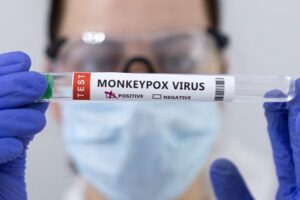
Is monkeypox the next global Pandemic? All you need to know about it

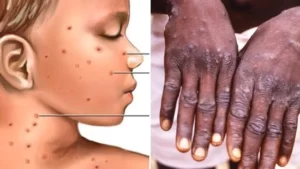
According to the WHO, the monkeypox virus is a viral Zoomosis that does transmit to humans from animals with symptoms similar to smallpox patients but it is less severe. It’s a very rare disease caused by the monkeypox virus. In 1958 it was first discovered when two outbreaks of pox-like disease occurred in a group of monkeys.

There are two types of clades of this virus one of them originated in Central Africa and the second one originated in West Africa. This disease is not very common but the number of cases in Africa is increasing and also in those regions that haven’t seen this infection before. Monkey Pox virus is very rare. For the decades this virus was mostly seen in Africa and occasionally found in countries such as the United States.

This virus leads to flu and rash-like symptoms and is better known as that can cause smallpox. It belongs to the family called orthopoxvirus.
Many animal species have been identified as the cause of the Monkey Pox virus these animals are rope squirrels, tree squirrels, Gambian pouched rats, dormice, non-human primates and other species. Monkey box is a disease of Global Public Health as it affects the rest of the world including west and Central Africa.

The first monkeypox outbreak that occurred outside of Africa was in the US in 2003. which was linked to contact with infected pet dogs. This outbreak led to over 70 cases in the US. Recently monkey Pox has also been reported in many other countries such as Nigeria Israel to the United Kingdom in September 2018, December 2019, May 2021 and 2022. To understand the epidemiology, source of infection and transmission patterns
studies are underway.
The world Health network declares monkeypox a Pendamic with current 3417 confirmed cases that were reported across 58 counties.
The statement said that this outbreak is expanding rapidly on multiple continents and will not stop without global action.
President of new England complex system Institute, PhD and co-founder of WHN Yaneer Baryam said that
“There is no justification to wait for the monkeypox pandemic to grow further. The best time to act is now. By taking immediate action, we can control the outbreak with the least effort, and prevent consequences from becoming worse. The actions needed now only require clear public communication about symptoms, widely available testing, and contact tracing with very few quarantines. Any delay only makes the effort harder and the consequences more severe”,

How do you catch monkey box and what are the symptoms?

Monkey Pox can be spread when someone came into contact with an animal or a person infected with the virus. It also can spread from person to person. Many evidence supports that there are different roots of monkey Pox virus transmission that include physical touch, contact with containment clothing, bleeding and objects intimate contact or sex. According to the UN health agency majority of identified cases are predominantly among those who are identified as gay, by sexual or men who have sex with men.
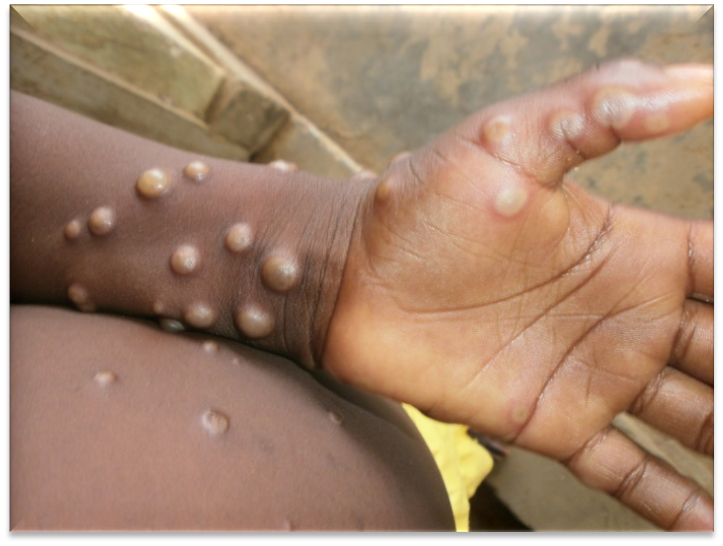
Earlier signs of Monkey Pox include fever, chills, headache, muscle ache, swollen lymph nodes, and fatigue. The Rash starts with redbumps which can be painful. Which can turn into blisters these blisters are pressed over and fall which can last for 2 to 4 weeks.

“Early action will have a greater impact with smaller interventions. If effective action is taken now, larger, more disruptive interventions will not be necessary. Health authorities and governments should learn from past mistakes in delayed response, it said.

One can prevent smallpox or monkey Pox virus by avoiding contact with infected animals and avoiding other materials contaminated with the virus by wearing a mask or using personal protective equipment when caring for a person infected with the virus, one can practice safe sex including the use of condoms and Dental dams, were a mask that covers your nose mouth. avoid contact with people who may be infected with the virus, and wash your hands frequently with soap and water, prevention depends on decreasing human contact with infected animals and Limiting person-to-person spread.

The vaccination against smallpox was demonstrated through several observational studies to be about 85% effective in preventing monkeypox. A newer modified vaccine based on the vaccinia virus (Ankara strain) was approved for the prevention of Monkeys’ poxs in 2019. This is a two doors vaccine for which availability remains Limited.

While declaring monkey Pox a pandemic WHO said that the essential purpose is to achieve a concentrated effort across multiple countries or over the world to prevent whispered harm.
“The first 18 months of the Covid pandemic showed us that stopping the virus is a cost-effective strategy that aligns health and economic outcomes. Monkeypox is much easier to stop. This will provide a level of visibility, enabling businesses to protect their societies and economies into the future”, said Cecile Phillips, Economist and President of, l’Institut économique Molinari.

One of the most ignored medical and psychological problem

The Oedipus Complex

Sigmund Freud coined the term “Oedipal complex” to refer to both the Oedipus and the Electra complexes in his theory of psychosexual stages of development. When a child is in the Phallic stage of development (ages 3-6), the erogenous regions of their body are where their source of libido (life force) is concentrated (Freud, 1905). Children go through this stage where they have an unconscious longing for their opposite-sex parent and feelings of jealously and jealousy for their same-sex parent. When the boy starts to identify with his father as a veiled means of obtaining the mother, the Oedipus complex is successfully overcome.

According to Sigmund Freud, the Oedipus complex develops during the Phallic stage of psychosexual development. It entails a youngster between the ages of 3 and 6 developing an unconscious sexual attachment to his mother while harbouring animosity toward his father (who he views as a rival). The Oedipus complex, or more accurately, conflict, emerges in the young boy as a result of his unconscious sexual (pleasant) yearning for his mother.

The father, who is the focus of the mother’s love and attention, is the target of envy and jealousy. His affections for the mother and his antagonism with the father cause him to fantasise about killing the father and joining the mother. Castration anxiety, or the illogical dread that the father will castrate (remove his penis) him as punishment, is brought on by the father-hatred feelings. The son empathises with the father in order to deal with his anxieties. This indicates that the son internalises or acquires the attitudes, traits, and values of his father (e.g. personality, gender role, masculine dad-type behaviours etc.). The father is no longer seen as an adversary but as a role model. Boys develop their superego and the male sex role through this connection with the attacker. In place of his yearning for his mother, the youngster substitutes a desire for other women.

History of the Oedipus Complex

Though he did not use the word “Oedipus complex” properly until 1910, Freud originally introduced the idea of the Oedipus complex in his 1899 book “The Interpretation of Dreams.” As he developed his theory of psychosexual development, the idea gained in significance. After the character in Sophocles’ “Oedipus Rex” who mistakenly kills his father and marries his mother, Freud gave the complex that name. According to a Greek myth, Oedipus was abandoned at infancy and is unable to identify his parents. He discovers who they really are only after having killed his father and married his mother.

How Does the Oedipus Complex Work?

The Oedipus complex is a term used in psychoanalytic theory to describe a child’s desire for sexual activity with the parent of the opposite sex, especially a boy’s focus on his mother. Through repression, this desire is withheld from conscious awareness, but Freud thought it nevertheless had an impact on a child’s behaviour and contributed to growth. According to Freud’s view, a child’s psychosexual development unfolds in a succession of stages. The subconscious mind is focused on pleasure associated with a certain bodily part at each level. These are the stages:

  • Oral stage: From birth to 18 months
  • Anal stage: From 18 months to three years
  • Phallic stage: From ages three to five
  • Latency: From ages five to 12
  • Genital: From ages 12 to adulthood

The Oedipus complex, according to Freud, was crucial to the phallic stage of psychosexual development. 1 He also thought that in order to successfully complete this stage, a child had to identify with their same-sex parent, which eventually resulted in the formation of a mature sexual identity. Freud postulated that during this stage of development, the child will become hostile to the same-sex parent and develop a sexual desire to their opposite-sex parent. Freud believed that the boy wanted to possess his mother and take the place of his father, whom the boy saw as a rival for the mother’s love.

Signs of the Oedipus Complex

All children go through this process as a natural component of development, according to Freud. The following are some warning indicators of an Oedipus complex in children:

  • Becoming overly attached to one parent
  • Fixation on one parent
  • Hostility toward the other parent
  • Jealousy of one parent
  • Possessiveness of one parent

Many of the behaviours that kids exhibit, according to Freud, are essentially a product of this complex. Examples of actions a youngster might take are:

  • Acting angry or hostile toward the rival parent
  • Becoming angry or jealous when the rival parent shows affection to the desired parent
  • Indicating that they want to marry the desired parent
  • Trying to get the attention of the desired parent.

The Electra complex

The female equivalent of the Oedipus complex is known as the Electra complex. It centres on a girl, between the ages of 3 and 6, who develops an unconscious sexual attachment to her father and is resentful against her mother. The hypothesis was created by Carl Jung in 1913. A young girl kid competes with her mother for her father’s sexual attention, according to Sigmund Freud, the creator of the Oedipus complex theory. But it was Carl Jung, who lived at the same time as Freud, who coined the phrase “Electra complex” in 1913. The Electra complex shares a name with the Oedipus complex, which was inspired by a Greek myth. Greek mythology states that Electra was the child of Agamemnon and Clytemnestra. Electra convinced her brother Orestes to assist her in killing both her mother and her mother’s lover after Clytemnestra and her lover, Aegisthus, assassinated Agamemnon.

The girl first feels close to her mother. She then finds she is penis-free. She feels “penis envy” and accuses her mother of “castrating” her. She tries to possess her father instead of her mother because she wants to sexually possess a parent but is unable to do it without a penis. She starts to have repressed sexual desires for her father at this point. She starts acting out against her mother and becomes obsessed with her father. She might rebuff her mother or give her father all of her attention. She eventually comes to the realisation that she doesn’t want to lose her mother’s love, so she imitates her mother’s behaviour by reattaching to her. She learns to conform to gender norms by imitating her mother.She will then start developing an attraction to guys who are not connected to her after she reaches puberty, according to Freud. According to Jung, some adults may never fully develop beyond the phallic stage or may revert to it, leaving them sexually tied to their parent.

Gadkari signs off on the Bharat-NCAP vehicle safety rating system draft.

Union minister Nitin  Gadkari approves draft of Bharat-NCAP automobile protection score system Union Road Transport and Highways Minister Nitin Gadkari on Friday permitted the draft notification introducing Bharat NCAP (New Car Assessment Programme) for Indian vehicles, on the way to be accorded “big name rankings” primarily based totally on their overall performance in crash assessments and on different protection parameters as soon as the guideline of thumb is finalised. This can be the primary for India’s automobile marketplace, which now no longer has protection rankings. It’s now no longer clear whether or not those rankings can be mandatory. Auto corporations in India observe AIS-145 (car Indian trendy-145), which enforces protection capabilities for cars which include seatbelts tell-tale, passenger airbags, and the rate restriction alarm. This trend has created modifications withinside the Indian car enterprise and changed into enforced first in July 2019. The BNCAP’s draft, which has 197 pages, closely borrows from the Global New Car Assessment Programme (GNCAP). Over the years, the big name score presented via way of means of the self sustaining frame in extraordinary nations has turned out to be an critical benchmark in phrases of the way secure a car is. Rohit Balluja, president of the Institute of Road Traffic Education, who has been instrumental in bringing the GNCAP to India, stated even as this changed into a welcome flow via way of means of the authorities and the score might be an critical supply of facts for automobile shoppers in India, “it might have served higher if it changed into an self sustaining frame and now no longer a part of an expert a whole lot the equal manner it’s in different vehicle mobile markets”. It additionally desires to collaborate with different stakeholders which include coverage businesses and citizen welfare groups, as is the exercise elsewhere. The GNCAP has been checking out vehicles for the Indian marketplace considering that 2014 below its “Safer Cars for India” programme. The programme ambitions to sell the sale of more secure vehicles in growing markets via way of means of empowering purchasers with facts approximately the protection of cars. “Bharat-NCAP will function a consumer-centric platform, permitting clients to choose more secure vehicles primarily based totally on their big name-rankings, even as selling healthful opposition amongst OEMs (unique device manufacturers) in India to fabricate more secure cars,” the minister stated in a chain of tweets. Shashank Srivastava, govt director, Maruti Suzuki India, stated: “For Maruti Suzuki protection is priority. All our merchandise meet the regulatory necessities and beyond.

So we welcome the brand new steps concerning BNCAP and can be keenly observe the information for a clean implementation.” “This might imply that vehicle mobile businesses which have now no longer been giving sufficient significance to GNCAP rankings will now have little choice however to fall in line,” stated an respected automobile company. India ranks pinnacle withinside the global in phrases of the variety of individuals killed and 0.33 at the harm list, Gadkari had stated in a written response withinside the Rajya Sabha in April. On Thursday, the Mahindra XUV700 obtained the “Safer Choice” award from the Global NCAP. G-NCAP has turn out to be a buzzword in current years as protection has turn out to be a concern for brand new automobile shoppers. The Global NCAP protection score is what each automaker boasts to expose the protection degrees in their vehicles. Tata, Mahindra, or even Honda are marketing and marketing the protection in their vehicles the usage of those rankings. However, in case you are thinking about a brand new automobile and encounter a G-NCAP protection score, you would possibly marvel what it method. We demystify this protection score method and the way you could apprehend the score higher to make a knowledgeable shopping decision.

What is Global NCAP?

The Global New Car Assessment Programme (G-NCAP) is a Fédération Internationale de l’Automobile (FIA)-funded body, which evaluates the crashworthiness of a vehicle through a few crash assessments set with diverse essential parameters. The US turned into the primary to begin a programme that furnished records on vehicle protection with reference to crashes to clients in 1978. Later, some of comparable programmes have been begun out throughout regions.

In 2011, a UK-primarily based totally charity Towards Zero Foundation fashioned the Global NCAP to  various diverse NCAPs.

How are vehicles tested?

The protocol varies amongst NCAPs. According to draft notification, assessment is primarily based totally on complete car crash check in 3 categories — person occupant protection, baby occupant protection, & protection help technologies. Tests: Offset deformable barrier frontal effect check, aspect effect check, and pole aspect effect check.

How is BNCAP aligned with GNCAP?

Bharat NCAP checking out protocols to be aligned with worldwide crash-check protocols preserving the Indian regulations. Auto corporations in India presently comply with AIS-145, which enforces protection functions to vehicles.

Is India going to ban single-use plastic from 1 July 2022?

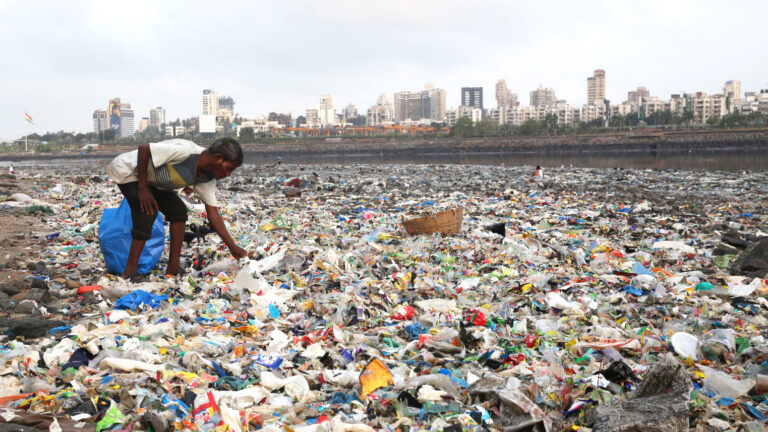
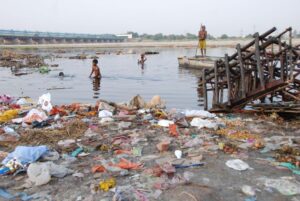
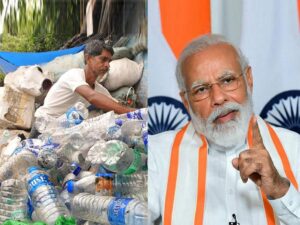
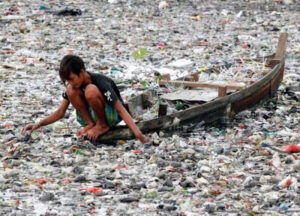
Single-use plastic is one of the most prevalent reasons for causing pollution in water and the environment . Many countries had started campaigns to stop using single-use plastics as it has a devastating impact on the ocean, Seas, animals and hydrophytes including India . As we know single-use plastics that we produce millions of tons of every year and most of which can’t be recycled include plastic bags, polythene, straws, plastic glass, water bottles, food packaging items etc. One of the main causes of water pollution is plastic bags that enter the water bodies and break down into small particles however they do not decompose. This is the reason for deteriorating our environment and Ecology in every possible manner. As they are non-biodegradable these single-use plastic are used only once and then thrown away like garbage for recycling.

Burning single-use plastic and other plastic items can release toxic chemicals that can cause serious diseases among humans and animals. Many Marine animals including fish, sea birds, and Turtles are found to have plastic in their stomach as they mistakenly consume plastic particles along with their foods. these plastics stick to their organ and blocks their digestive system which results in a serious health problem also that can cause death. From Burning these single-use plastics, the smoke released by it can cause serious health issues and can increase the risk of heart disease such as asthma emphysema in human beings.

The government of India is planning to ban single-use plastic from 1st July 2022. The manufacturer, import, stocking, distribution, sales and use of identified single-use plastic will be prohibited with effect from next month. The ministry of environment forest and climate change had shot a gazette notification last year announcing the ban and also has defined a list of items that will be banned from next month. According to ministry notification, single-use plastic items such as invitation cards, cigarette packets, sweet boxes, wrapping and packing, glasses, cups, plates, thermacol used in decoration, Ice cream, candy and other plastic that carries less than 100 microns in thickness are band from 1 July. And also from December 31 plastic bags with a thickness of less than 120 microns will be phased out.

What is single-use plastic and what is the reason for banning it?

As the name says those plastics that do not compose and as a result, remain in the same form and also landfills that they have been worried in for minimal to come the plastic cannot be burnt as it releases toxic and harmful gases during the process. These disposable plastics are used only once before they are thrown away these plastic are very convenient and so cheap that it has replaced many other materials from the packaging industry.

According to data, 9.46 million tonnes of plastic waste are produced every year in our country and 43% of them are single-use plastics. In a report by Australian philanthropic organization the minderoo foundation 2021, It is said that 98% of single-use plastic accounts for a third of all the plastic produced globally are manufactured from fossil fuels also 130 million metric turns of single-use plastics for the majority of plastic discarded in the year 2019.

India features in the top 100 countries with single-use plastic waste generation at a rank of 94th the report says and the per capita generation is 4 kg. India’s net generation of plastic waste is 5.6 MMT, With domestic production of 11.8 million metric tons annually and 2.9 of imports. ( at the top their three countries that is Singapore Australia and Oman).

The report of plastic waste management rules 2016 says that there is also a complete ban on using plastic materials for packing or selling Gutka, tobacco or pan masalas.
By 2050 it’s been predicted that single-use plastic could account for 5 to 10% of greenhouse gas emissions. This Ban is a part of the government’s order on August 13, 2021.

Talking about other countries, states in the US have banned single-use plastics. Bangladesh became the first country to ban thin plastic bags in 2002. In 2014 California banned single-use plastic. In 2018 Seattle US’s city became the first major to ban plastic straws.

Also, the European Union took an effective step on July 2,20 21 for a directive on single plastics.
68 countries have plastic bag bans in July 2019 with varying degrees of enforcement. With phased implementation, China issued a ban on plastic bags in 2020. And New Zealand became the latest country to ban plastic bags in July 2019.
The ministry official said “The enemy is not that plastic exists per se, but that plastic exists in the environment. When plastic remains in the environment for long periods and does not decay, it turns into microplastics – first entering our food sources and then the human body, and this is extremely harmful.

We have chosen these items as they are difficult to collect, especially since most are either small or discarded directly into the environment – like ice cream sticks. It then becomes difficult to collect for recycling, unlike the much larger items. And the choice for the first set of the single-use item for the band was based on “difficulty of collection and therefore recycling. ”

How the plastic Ban will be enforced and what are the new rules?

For burning other plastic commodities in the future plastic the government has given in the industry 10 years from the date of notification for compliance. The currently primitive thickness of the plastic bag is 50 microns and will be increased to 75 microns. And 120 microns from 30th September 2021 to 31st December 2022. The central pollution control board along with the Environment Protection Act 1986 will monitor the band with the help of state pollution bodies and identify violations and they will impose penalties prescribed under these acts.

Rethinking the use of sand for the circular economy – UNDP

The United Nations Environment Programme (UNEP) highlighted  to reconsider the extraction and use of sand , the second-maximum used useful resource globally, in a new report.

The record launched with the aid of using UNEP’s Global Resource Information Database-Geneva crew April 26, 2022 presents important steerage accumulated from international specialists to exchange to progressed practices for the extraction and control of soil. Extracting sand in which it performs an energetic role, inclusive of rivers and coastal or marine ecosystems, can reason a sequence of damages to the surroundings, consistent with Sand and Sustainability.

 The damages include:
  •  Erosion,
  • Salination of aquifers,
  • Loss of safety in opposition to typhoon
  • surges,

Impacts on biodiversity. These demanding situations pose a hazard to livelihoods via water supply, meals production, fisheries, or to the tourism industry, the record stated.

Around 50 billion tonnes of sand and gravel is used each year, that’s sufficient to construct a wall 27 metres huge and 27 metres excessive round Earth, consistent with UNEP. Sand is getting used quicker than it is able to be obviously replenished, so its accountable control is crucial, it added.

Sand have to be known as a strategic useful resource, now no longer simplest as a fabric for construction, however additionally for its a couple of roles withinside the surroundings, stated the authors of the record.

They burdened that governments, industries and clients ought to rate sand in a manner that recognises its authentic social and environmental value.

Extraction of sand from seashores ought to be banned because of its significance for coastal resilience, the surroundings and the economy, the record recommended. It is the “maximum cost-powerful method for adapting to weather alternate because of the way it protects in opposition to typhoon surges and affects from sea degree rise”, the frame observed. An worldwide general on how sand is extracted from the marine surroundings ought to be developed, UNEP proposed withinside the record. This can result in dramatic enhancements as maximum marine dredging is executed via public tenders open to worldwide companies.

The want for brand new institutional and criminal systems for higher governance of the useful resource and involvement of stakeholders and want for “place-primarily based totally approaches” for higher control of the useful resource, the document underlined. Pascal Peduzzi, director of GRID-Geneva and general programme coordinator for this document, said: To attain sustainable development, we want to notably alternate the manner we produce, construct and eat products, infrastructures and services. Our sand sources aren’t infinite, and we want to apply them wisely. If we will get a grip on a way to control the maximum extracted strong cloth withinside the world, we will forestall a disaster and circulate closer to a round financial system. Sand provides “breeding grounds for various vegetation and fauna, and it additionally performs a important characteristic in assisting biodiversity, along with marine flowers that act as carbon sinks or clear out out water”, the document said, stressing why sand is crucial for maintaining lifestyles on earth. Solutions exist for transferring closer to a round financial system for sand, inclusive of banning the landfilling of mineral waste and inspiring sand to be reused in public procurement contracts, the document highlighted. Alternatives to sand like beaten rock or recycled production and demolition cloth, as nicely as ‘ore-sand’ from mine-tailings also can assist withinside the transition, the per the report by the Down to the earth magazine.

Sand utilisation

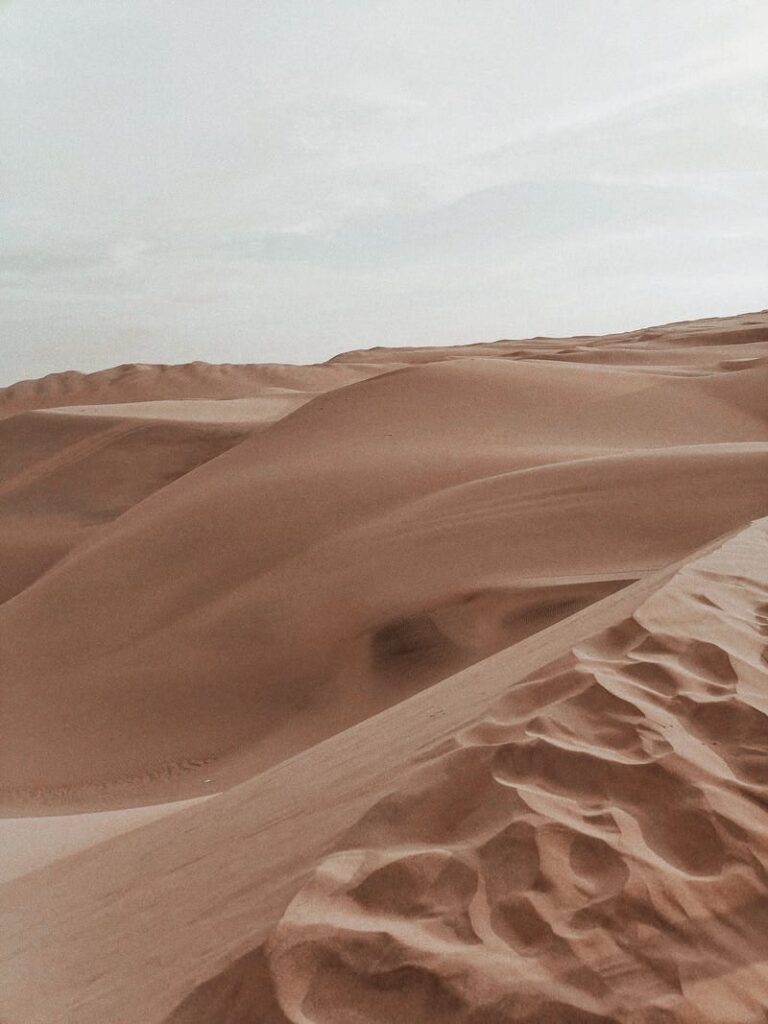
Sand is largely manufactured from unconsolidated granular substances together with both rock fragments or mineral debris or oceanic substances.It is especially manufactured from silicate minerals and silicate rock granular debris.The whole society is constructed on sand. It is the world’s maximum fed on uncooked fabric after water.

Primary substance: Sand is the number one substance used withinside the creation of roads, bridges, high-velocity trains or even land regeneration projects.

Glass Manufacturing: – Sand, gravel and rock beaten collectively are melted right all the way down to make the glass utilized in each window, laptop display and clever phone. Even the manufacturing of silicon chips makes use of sand.

Everywhere: It’s used to make food, wine, toothpaste, glass, microprocessors, splendor care products, paper, paint and plastics.

Infrastructure, houses, meals and nature at stake Sand is important to financial development, had to produce concrete and construct essential infrastructure starting from houses and roads to hospitals. By supplying habitats and breeding grounds for various plants and fauna, sand additionally performs a essential characteristic in assisting biodiversity, inclusive of marine vegetation that act as carbon sinks or clear out out water. The aid may be critical to accomplishing the Sustainable Development Goals and tackling the triple planetary disaster of weather change, pollutants and biodiversity loss. However, it’s far getting used quicker than it is able to be certainly replenished, so its accountable control is critical.

Political crisis in Maharashtra – why CM Udhav Thackeray vacated the chief minister’s house

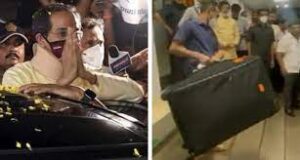
On 22 June (Wednesday) the political drama continues in Maharashtra as chief minister Udhav Thackeray leaves cm’s residence and moves back to Matoshree. And offers to quiet as Maharashtra’s chief minister post.

Maharashtra is one of India’s largest commercial and industrial centres, which has led to its being called the gateway of India, it’s home to India’s financial capital Mumbai, including the Bollywood film industry and India’s largest state and political crucial for all national parties.

When and how the crisis began – :

It all started when Mr Shined was unreachable after legislative council elections in the state on Monday.

The report says that Mr Shinde is interested in reviving the alliance with BJP, bringing it back to power in the state. If he draws support from more shiv Sena lawmakers, the current coalition of the government would lose its majority.

On Monday’s legislative council election, the shiv sena and its allies won 5 seats of  government out of 10 seats but it was predicted that they will win 6. And on the other hand, BJP won 5 seats after cross-voting by sena.

As all these dramas continue in Maharashtra during a Facebook live session in the evening Thackeray said he will be leaving Varsha and residing at Matoshree

“They are claiming that they were forcibly taken away, “said Thackeray as he has been getting calls from MLAs who have gone with Eknath Shinde.

On another side, Shinde said that it was essential for the party’s survival to get out of the “unnatural alliance

As Udhav Thackeray left the CM’s official residence in Mumbai.  Minister and his elder son Adity Thackeray along with his mother Rashmi Thackeray and younger brother Tejas were seen following him.

On Wednesday’s Facebook live he said “ if my own people don’t want me as chief minister, he should walk up to me and say so… I’m ready to resign…I am Balasaheb’s son and not after a post…if you want me to resign, let me resign and take all my belongings to Matoshree.

Shared pawar offered the idea of offering the top job to Mr Shinde as a way to end the impasse, Congress sources have claimed.

I am willing to step down, but can you promise me that the next chief minister will be from Shiv Sena?

To Enknath Shinde, this was seen as a direct challenge, who has been projecting his faction as the real shiv sena and has been citing the Hindutva ideology of Balasaheb. Shiv Sena under him is indicating that his son was a lite version of his father that is of Balasaheb Thackeray.


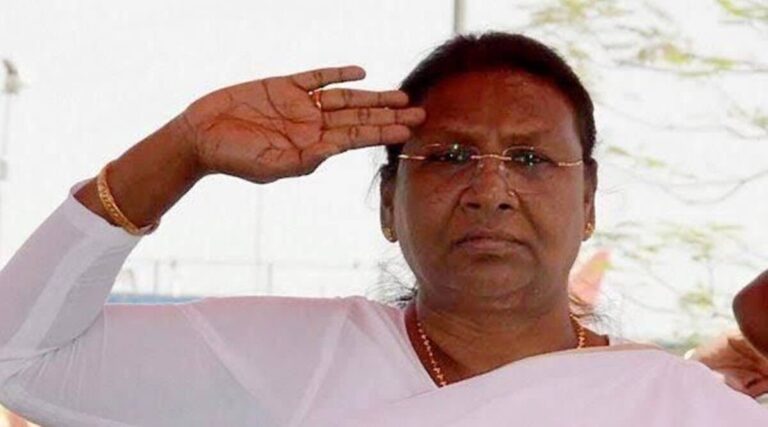
Draupadimurmu:-BJP ‘s choice for presidential polls

Presently Ram NathKovind is the incumbent president of India. The 2022 Indian presidential election will be the 16th presidential election to be held in India. An election poll to fill in the office is scheduled to be held on 18th July 2022.

For the presidential election,YashwantSinha is the opposition’s choice. And on Tuesday BJP announced Draupadimurmu’s name as thepresidential candidate against him.

All you need to know about Draupadimurmu-

A tribal woman leader was born in Baidaposi village of Odisha in Mayurbhanj district on the 20th of June 1958. Belongsto a tribal ethnic group of the santhal family.

She lost her husband and 2 sons in personal tragedies. She completed her graduation from RamaDevi women’s college in arts and after that, she started her service in politics and social service for almost 2 decades. Murmu was also the first Santhal woman to be sworn in 2015 as the Jharkhand governor.

This 64-year-old lady was a tribal leader and former Jharkhand governor. And if she is elected she will be the first tribal women president of India. And she will also be the hailing from the state of Odisha and second female. Her political career started as a councillor, And after she became the vice-chairperson of NAC which is the national advisory Council of Rairangpur. She rose party’s scheduled tribal morcha in Odisha in 2013 to the rank of the national executive member.

She is also having diverse administrative experience in ministries of the Odisha government such as transportation, commerce, fisheries, and animal husbandry.

She was a minister in the NaveenPatnaikcabinet when BJD used to rule the state with BJP’ssupport.

 why murmu got nominated-

While announcing the NDA’s Candidate for India’s next president JP Nadda said that BJP discussed 20 names for presidential nominees and then they decided to pick someone from East India a tribal and a woman as they are trying to build a consensus among all parties. BJP chief JP Naddaannouncedthis after the parliamentary meeting of the party attended by all the leaders in Delhi along with PM Modi and home minister Amit Shah.

Shah’s last date for filing the nomination for the presidential poll is 29 June, voting will take place on July 18 and the result will be announced on July 21.

“Smt. DraupadimurmuJi has devoted her life to serving society and empowering the poor downtrodden as well as the marginalized. She has rich administrative experience and had an outstanding gubernatorial tenure. I am confident she will be a great president of our nation. ” – PM Modi tweeted after NDA announced its candidate for the presidential election in 2022.

JP Nadda said ” After opposition parties announced their candidate, the BJP, after talking to all the NDA allies, decided to field murmu as itsa presidential candidate. Detailed discussions were held on 20 names and a consensus was built that someone from the East and the tribal community must be made the president of India. After discussion, the parliamentary board decided to name Draupadimurmu as the presidential candidate. “

Latest Updates on International Yoga Day

Here are the latest updates from the 8th International Yoga Day, which was held on June 21:
On June 21, Prime Minister Narendra Modi led thousands of people in a mass march in front of the landmark Mysuru Palace, saying that the physical fitness regime was establishing a foundation for international collaboration and that it could be used to tackle problems. Meanwhile, Abdulla Shahid, President of the United Nations General Assembly’s 76th Session, said that the 8th International Yoga Day, with the theme “Yoga for Humanity,” could not have come at a better time, as the COVID-19 pandemic has upended lives and livelihoods, causing a flood of anxiety and depression.

In Visakhapatnam, the Eastern Naval Command commemorates International Yoga Day
On Tuesday, Eastern Naval Command held yoga classes across its various land and sea assets to commemorate International Yoga Day. To commemorate the occasion, approximately 22,000 ENC troops, defence civilians, and their families gathered. During the workshop, participants practised yoga postures, meditation, pranayam, and breathing methods. All ENC units, from ships in the Pacific Ocean, the South China Sea, and the Andaman Sea to submarines and naval bases in the states of West Bengal and Tamil Nadu, took part in various yoga-related events. Aqua Yoga in the pool, Airfield Yoga at Naval Air Station INS Dega, Hilltop Yoga at Dolphin Hill in Visakhapatnam, Yoga in the Hospital at INHS Kalyani, and Yoga in residential-cum-community centres were among the special yoga sessions held.

International Yoga Day is observed at NIT-C
On Tuesday, the National Institute of Technology – Calicut (NIT-C) celebrated the 8th International Day of Yoga on campus, with the theme ‘Yoga For Humanity.’ Prof. Prasad Krishna, Director of NIT-C, held a meditation session for all attendees.

In Madurai, 700 athletes celebrate International Yoga Day
Around 700 athletes took part in a yoga training session at the M.G.R. Stadium on Racecourse Road on Tuesday to commemorate the 8th International Yoga Day. The event was opened by District Sports Officer N. Lenin and Beulah Jen Susheela, Madurai Division Regional Senior Manager, Sports Development Authority of Tamil Nadu. They spoke to the audience about the advantages of doing yoga on a daily basis. N. Karunakaran, a yoga instructor of the Sports Authority of India, demonstrated basic asanas such as surya namaskar, mahamudra, and pranayama breathing techniques, among other things. Students, trainers, and instructors from various sports, including badminton, swimming, gymnastics, and athletics, took part in the session, which ran from 6:30 a.m. to 8:00 a.m. “Yoga relaxes both the mind and the body.” Mr Karunakaran explained that it “helps to keep diseases at bay and allows one to overcome challenges in life in a peaceful manner.”

Teachers and students from Madurai Railway School organised a bicycle rally to raise awareness about yoga before practising various asanas. The yoga session at American College drew over 400 cadets from the 7 TN Battalion National Cadet Corps (NCC), Madurai, from schools and institutions around the district. The programme was co-organized by Subedar. M. Ramajeyam, associate NCC officers (ANOs), and Permanent Instructor Staff. At Rajan Matriculation Higher Secondary School in Villapuram, more than 250 students from classes 9 to 12 did asanas on the school grounds. Ramya Subramanian, a 15-year yoga instructor, led an hour-long yoga class in which youngsters did basic asanas such as sirsasana, padmasana, paruvangasana, yoga mudra, and vajrasana.

Salem celebrates International Yoga Day
On Tuesday, International Yoga Day was observed in several locations throughout the Salem district. Over 200 students from various colleges and departments participated in a yoga session organised by the National Service Scheme (NSS) and the Department of Physical Education at Periyar University. A yoga session was held at the Mahatma Gandhi stadium by the Sports Development Authority of Tamil Nadu (SDAT). The meeting was attended by Deputy Commissioner M. Madasamy. More than 100 students took part in the event. Judges, magistrates, and lawyers attended an event held on the grounds of the Salem District Court.

Tiruchi Group’s NCC units commemorate International Yoga Day
On Tuesday, institutions and students from several districts joined nine National Cadet Corps units under the NCC Group in Tiruchi to celebrate the International Day of Yoga. The International Day of Yoga brought together 10,055 NCC cadets from various schools and institutions from 13 districts, including Tiruchi, Karur, Perambalur, Thanjavur, Dindigul, Pudukottai, Tiruvarur, Nagapattinam, Mayiladuthurai, Ramanathapuram, Ariyalur, and Theni.

Kashmiri Pandits practise a unique style of yoga
In the aftermath of recent attacks on minorities in Kashmir, Kashmiri Pandit employees used an innovative method of employing yoga to highlight their need for migration out of the valley. At their camp site in Sheikhpora Migrant Colony in Budgam, the Kashmiri Pandit (KP) employees, who have been protesting since the shooting of Rahul Bhat on May 12, honoured the International Day of Yoga. Instead of the vedic chanting connected with the practise, the protesting staff performed various asanas and raised slogans such as “we want justice.” Several of these employees wore T-shirts with images of Bhat, while others placed signs in support of their demands on their torsos.

In 45 sites around Arunachal Pradesh, the International Day of Yoga is commemorated
In 45 different sites around the state, Arunachal Pradesh joined the rest of the globe in celebrating the International Day of Yoga. Kiren Rijiju, Union Law Minister, presided over the event in Dong, Anjaw district, on the Chinese border. It is India’s easternmost village, located near the intersection of India’s, China’s, and Myanmar’s borders. Dong is the first place in India to see the sunrise, earning it the moniker ‘India’s Land of the Rising Sun.’ – Press Trust of India.

Gautam Gambhir attends a yoga day celebration at the Ganga Ram hospital in Delhi
Gautam Gambhir, a Lok Sabha member, attended an event commemorating the International Day of Yoga on June 21 at a prestigious private institution. Officials said the cricketer-turned-politician performed numerous ‘asanas’ at the Sir Ganga Ram Hospital with many doctors, employees, and students. – Press Trust of India.

International Yoga Day is observed in Nagaland
The International Day of Yoga was observed in Nagaland on June 21 with the theme ‘Yoga for humanity.’ The major event was place in Kisama’s Naga Heritage Village. The event was attended by many bureaucrats, security personnel, and school and college students, including Union Minister of State for Housing and Urban Affairs Kaushal Kishore, Nagaland Health and Family Welfare Minister S. Pangnyu Phom, and many bureaucrats, security personnel, and school and college students.

Yoga has no age, caste, or religious limitations, according to Vice President Naidu
Yoga knows no age, caste, location, or religion, and Vice President M. Venkaiah Naidu remarked on June 21 that everyone should make the ancient physical training regime a part of their daily routine to reap its many advantages. “Yoga is time-tested,” he remarked, speaking at the International Day of Yoga (IDY) ceremonies organised by the Ministries of Culture and Ayush. Yoga has no age, caste, geography, or religion barriers. It’s for this reason that it’s universal.” He praised Prime Minister Narendra Modi for bringing Yoga to the United Nations and making it famous around the world. – Press Trust of India.


10-Minute Call With Rebel Eknath Shinde: 10 Facts for Uddhav Thackeray

MUMBAI: Maharashtra’s Chief Minister, Uddhav Thackeray, has taken action against a senior minister who left for Surat last night with at least 21 other MLAs – a “G-22.” The latest political crisis has Eknath Shinde at its centre. Maharashtra political crisis live: Maharashtra cabinet minister and Shiv Sena strongman Eknath Shinde threw the state’s ruling alliance into disarray on Tuesday, rebelling against his party and landing in a Surat hotel with some Sena MLAs, casting doubt on the two-and-a-half-year-old MVA dispensation’s stability.

Devendra Fadnavis, according to sources, did not leave Mumbai at all. From Mumbai, he has been keeping an eye on things. “He would have met Union home minister Amit Shah and party national president J P Nadda if he had been in Delhi.” He would have been caught on camera if he had gone to Ahmedabad/Surat. The media today is all over the place.” There’s no need to be concerned about our Congress members. We’ll be having a meeting today. Maharashtra Congress incharge HK Patil on the impending political crisis in the state: “The BJP is playing ‘Operation Kamal’ in all those states where there is opposition.” There were two of our people that went there (Surat). Eknath Shinde was the subject of conversation. He’s an old acquaintance of ours. Everyone knows why Eknath Shinde is also a witness to that and quit the BJP.

  1. Eknath Shinde, a Shiv Sena renegade, spoke with Chief Minister Uddhav Thackeray for ten minutes this evening on the phone of a Sena emissary. However, Mr Shinde’s demand that the Sena resume its coalition with the BJP and control the state remains a standstill, according to insiders.
  2. Mr Shinde has taken refuge in a resort in Surat, Gujarat. This evening, two Sena leaders met with the grumpy Mr Shinde at the hotel for two hours. The fact that the G-22 he leads is being held in a BJP-ruled state exposes the rebellion’s behind-the-scenes manoeuvring. Chandrakant Patil, the Maharashtra BJP president, stated that the party is open to forming a government with Mr Shinde.
  3. Mr Thackeray called an emergency meeting this afternoon, but the low turnout made it a weak show of force; he has dismissed Mr Shinde as Chief Whip, a key party position; and Mr Shinde, for his part, has altered his Twitter bio to remove a reference to his Shiv Sena function.
  4. Mr Thackeray’s government was formed in 2019 by Mr Pawar, who brought together three parties: the Sena, the Congress, and Sharad Pawar’s NCP. Mr Pawar said the situation is “an internal matter of the Sena,” but that he remains totally committed to the three-party administration, despite suspicions about his own role and if he may have played a role in it.
  5. Mr Pawar also stated that he will fly to Mumbai this evening to visit Mr Thackeray; earlier today, he was a key figure at a massive Opposition rally in Delhi that chose Yashwant Sinha, India’s former Finance Minister, as its presidential candidate.
  6. Devendra Fadnavis, the former BJP Chief Minister of Maharashtra, is in Delhi today and met with party President Amit Shah, according to reports. Mr Fadnavis is thought to have helped Mr Shinde relocate to Surat.
  7. The issue was apparently sparked by Mr Thackeray’s admonition to Mr Shinde last night, following Sena MLAs’ cross-voting for the BJP in important polls yesterday. As a result of their actions, the BJP was able to win five out of a total of ten seats (its own numbers entitled the party to four seats; the cross-voting allowed a bonus seat).
  8. Mr Shinde, on the other hand, has been irritated by Sanjay Raut’s growing influence within the Sena, as a major adviser to Mr Thackeray. Mr Raut led the Sena’s public relations campaign today as well, portraying the problem as “defused” and Mr Shinde as “a Sena loyalist.”
  9. In order to unseat Mr Thackeray and win a vote of confidence, the BJP will need 37 MLAs in addition to its own 106. Mr Thackeray’s government is perilously close to achieving a majority without the G-22, with 133 votes (the Sena has 34 without the G-22).
  10. The G-22 of the Sena, a moniker coined for dissenters inside the Congress party, consists of five ministers, all of whom are currently in Surat. Mr Shinde is the minister for Urban Development and Public Works and is a mass leader from Thane.