
Home Blog Page 739

Mantra of Continuity: Modi 3.0 Stays the Course with Familiar Faces

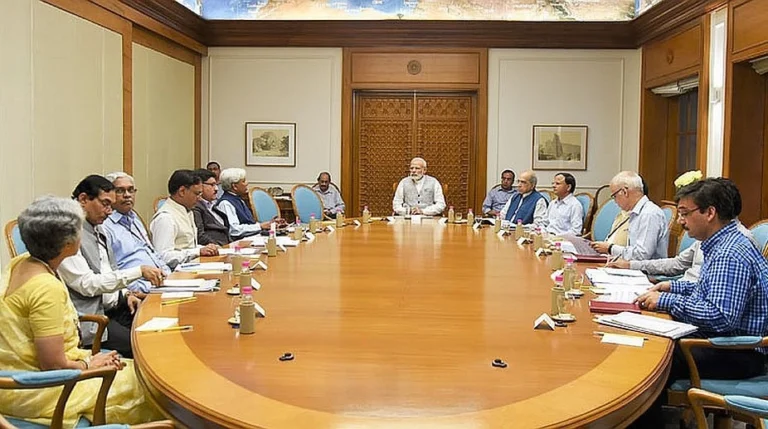
As Prime Minister Narendra Modi embarks on his third term, the latest cabinet reshuffle reveals a clear message: continuity. The portfolios assigned under Modi 3.0 heavily favor the incumbents of Modi 2.0, signaling a commitment to the strategies and policies that have defined the previous administration. The Centre’s four heavyweight ministries—home, defence, external affairs, and finance—remain in the hands of seasoned leaders Amit Shah, Rajnath Singh, S. Jaishankar, and Nirmala Sitharaman, respectively. Nitin Gadkari continues to helm the Ministry of Road Transport and Highways, while Piyush Goyal retains his position as the Minister of Commerce. This consistent leadership suggests a strategic decision to maintain stability and build on the successes of the past five years.

### The Strategic Significance of Continuity

The decision to retain key ministers in their previous roles can be seen as a move to ensure policy continuity at a time when India faces several critical challenges and opportunities. By keeping experienced leaders in place, the Modi government aims to leverage their expertise and established relationships, both domestically and internationally.

#### Amit Shah: Steadfast at the Helm of Home Affairs

As the Home Minister, Amit Shah has been a pivotal figure in Modi’s administration, known for his decisive actions and bold policies. His tenure in Modi 2.0 saw significant developments, including the abrogation of Article 370, the enactment of the Citizenship Amendment Act, and a strong stance on internal security. Shah’s continuity in this role suggests a continuation of his hardline approach to national security and domestic policy. His leadership will be crucial in navigating the complexities of India’s internal security landscape, including counter-terrorism, insurgency, and the ongoing challenges in Jammu and Kashmir.

#### Rajnath Singh: A Steady Hand in Defence

Rajnath Singh’s reappointment as the Defence Minister underscores the importance of experienced leadership in a domain critical to national security. During his previous term, Singh oversaw significant initiatives such as the modernization of the armed forces, strengthening of defense infrastructure, and bolstering of India’s strategic partnerships, particularly with the United States, Russia, and France. His continued presence in this role will likely focus on further enhancing India’s defense capabilities, indigenization of defense production, and addressing emerging threats in the Indo-Pacific region.

#### S. Jaishankar: Diplomacy with Continuity

As the External Affairs Minister, S. Jaishankar has been instrumental in shaping India’s foreign policy during a time of significant geopolitical shifts. His tenure has been marked by efforts to deepen ties with key global players, manage complex relationships with neighboring countries, and navigate the challenges posed by the COVID-19 pandemic. Jaishankar’s reappointment signals a continuation of a pragmatic and strategic foreign policy, aimed at positioning India as a key player on the global stage. His expertise and diplomatic acumen will be vital in managing India’s external affairs, particularly in the context of rising tensions with China and the evolving dynamics of the US-India partnership.

#### Nirmala Sitharaman: Steering the Economic Ship

Nirmala Sitharaman’s continuation as the Finance Minister highlights the government’s confidence in her ability to steer the economy through turbulent times. Her previous term was marked by significant economic reforms, including the implementation of the Goods and Services Tax (GST), measures to boost foreign investment, and various initiatives to revitalize the economy in the wake of the pandemic. Sitharaman’s role will be crucial in driving economic recovery, managing inflation, and implementing policies aimed at achieving sustainable growth. Her experience and understanding of the economic landscape will be key assets as India navigates the challenges of a global economic slowdown and seeks to capitalize on new opportunities.

### Nitin Gadkari and Piyush Goyal: Engines of Infrastructure and Commerce

#### Nitin Gadkari: Building the Nation’s Arteries

Nitin Gadkari’s reappointment as the Minister for Road Transport and Highways is a testament to his success in transforming India’s infrastructure landscape. Under his leadership, the ministry has undertaken ambitious projects to expand and modernize the country’s road network, improve connectivity, and boost economic growth. Gadkari’s continued leadership is expected to drive forward major infrastructure projects, enhance the efficiency of the transportation network, and contribute to the government’s goal of creating a $5 trillion economy.

#### Piyush Goyal: Champion of Commerce

Piyush Goyal’s retention as the Minister of Commerce reflects his crucial role in shaping India’s trade and commerce policies. His previous term saw efforts to enhance trade relations, promote exports, and attract foreign investment. Goyal’s ongoing tenure will be pivotal in navigating the complexities of global trade, securing favorable trade agreements, and promoting India as a manufacturing and investment hub. His strategic approach will be vital in achieving the government’s vision of a self-reliant India (Aatmanirbhar Bharat).

### The Broader Implications of Continuity

The continuity in key ministerial positions under Modi 3.0 carries broader implications for India’s governance and policy landscape. It suggests a commitment to the strategic goals outlined in the previous term and an intention to build on the foundations already laid. This approach can provide much-needed stability and predictability, both for domestic stakeholders and international partners.

### Challenges and Opportunities Ahead

While continuity offers several advantages, it also comes with its set of challenges. The reappointed ministers will need to address ongoing issues and deliver on the high expectations set by their previous tenures. They must navigate a complex and rapidly changing global environment, address domestic economic and social challenges, and ensure that India remains on a path of sustainable development and growth.

On the flip side, the continuity in leadership provides an opportunity to implement long-term strategies and policies without the disruptions that often accompany changes in leadership. It allows for a more coherent and consistent approach to governance, enabling the government to tackle deep-rooted issues and pursue ambitious reforms with greater confidence.

The mantra of continuity under Modi 3.0 reflects a strategic choice to rely on experienced and proven leaders in key ministerial positions. By retaining Amit Shah, Rajnath Singh, S. Jaishankar, Nirmala Sitharaman, Nitin Gadkari, and Piyush Goyal, the Modi administration aims to build on past successes and ensure stability in governance. This approach provides a strong foundation for addressing the challenges and seizing the opportunities that lie ahead. As India navigates a complex and dynamic global landscape, the continuity in leadership could prove to be a critical asset in achieving its strategic objectives and fostering sustained national progress.

Intelligent Bet: Can Nvidia Keep Up Its Swift Rise?

n a stunning display of financial muscle and strategic prowess, Nvidia briefly overtook Apple last week to become the second most valuable company in the world, valued at an astonishing $3.01 trillion. This milestone was met with jubilation by Nvidia shareholders and its charismatic CEO, Jensen Huang, who has been the visionary architect behind the company’s meteoric rise. However, amid the celebrations, a chorus of analysts and industry watchers has emerged, cautioning that the future may not be as smooth or as predictable as Nvidia’s recent trajectory suggests.

Nvidia’s ascent is a testament to its strategic pivot from a company best known for high-end gaming graphics cards to a dominant player in the artificial intelligence (AI) and data center markets. This transformation has been driven by the explosive growth of AI applications, where Nvidia’s graphics processing units (GPUs) have become the gold standard. The company’s GPUs are essential for training AI models, which has created insatiable demand from tech giants, research institutions, and an ever-growing number of industries looking to harness AI’s potential.

The success of Nvidia is also a story of technological foresight and relentless innovation. Under Huang’s leadership, Nvidia invested heavily in developing its AI capabilities long before the technology became mainstream. This foresight allowed the company to capture a significant share of the AI hardware market, outpacing competitors who were slower to recognize the paradigm shift. Nvidia’s acquisition of Mellanox Technologies in 2019 further bolstered its data center offerings, making it a formidable force in the infrastructure that underpins modern computing.

However, despite these impressive achievements, the road ahead for Nvidia is fraught with challenges that could threaten its continued dominance and high valuation. One of the most pressing concerns is the intense competition from other tech giants and semiconductor companies. Rivals like AMD and Intel are not sitting idle; they are investing heavily in their own AI and data center technologies. Moreover, tech behemoths like Google, Amazon, and Microsoft are developing proprietary AI hardware, reducing their reliance on Nvidia’s GPUs. This trend could erode Nvidia’s market share and slow its growth in the AI sector.

Another critical issue is the geopolitical landscape, particularly the tension between the United States and China. Nvidia’s business is highly globalized, with significant revenue coming from Chinese customers. However, the ongoing trade war and potential sanctions on technology exports to China pose a significant risk. Restrictions on selling advanced chips to Chinese companies could severely impact Nvidia’s revenue and growth prospects. Additionally, the broader semiconductor supply chain, already strained by pandemic-induced disruptions, remains vulnerable to further geopolitical shocks.

Nvidia’s valuation also raises questions about the sustainability of its stock price. While the company’s fundamentals are strong, a $3.01 trillion valuation reflects not just its current performance but also a high level of expectation for future growth. Any slowdown in growth, whether due to increased competition, regulatory challenges, or market saturation, could lead to a sharp correction in its stock price. Investors, buoyed by the company’s recent successes, may need to temper their expectations and be prepared for more volatile market behavior.

Furthermore, Nvidia faces the perennial challenge of technological innovation. The semiconductor industry is characterized by rapid advances and intense pressure to maintain a competitive edge. Nvidia’s leadership in GPUs for AI is a significant advantage, but it must continue to innovate to stay ahead. This includes not only improving the performance and efficiency of its GPUs but also exploring new frontiers such as quantum computing, edge AI, and other emerging technologies. Failure to stay at the cutting edge could see Nvidia’s dominance wane as new players and technologies emerge.

Despite these challenges, there are reasons to remain optimistic about Nvidia’s future. The company has a proven track record of innovation and strategic execution. Its investment in AI has paid off handsomely, and it continues to lead in this critical field. The acquisition of Arm Holdings, although still subject to regulatory approval, could further strengthen Nvidia’s position by expanding its reach into mobile and embedded systems, markets with enormous growth potential.

Nvidia’s culture of innovation and its ability to adapt to changing market dynamics are significant strengths. The company’s focus on research and development, coupled with strategic acquisitions and partnerships, positions it well to navigate the challenges ahead. Moreover, the broader trends in AI, cloud computing, and digital transformation are likely to continue driving demand for Nvidia’s products and services.

Nvidia’s remarkable rise to briefly become the world’s second most valuable company is a testament to its visionary leadership, strategic foresight, and relentless innovation. However, maintaining this position will require navigating a complex landscape of competition, geopolitical risk, market expectations, and technological change. While the challenges are formidable, Nvidia has demonstrated an ability to adapt and thrive in a rapidly evolving industry. Whether it can sustain its swift rise will depend on its continued innovation, strategic agility, and ability to manage the risks and opportunities that lie ahead. As the company moves forward, the intelligent bet is on its capacity to not only keep pace with change but to shape the future of technology itself.


Disclaimer: The thoughts and opinions stated in this article are solely those of the author and do not necessarily reflect the views or positions of any entities represented and we recommend referring to more recent and reliable sources for up-to-date information.

Unveiling the Hidden Aspects of India’s Monetary Policy

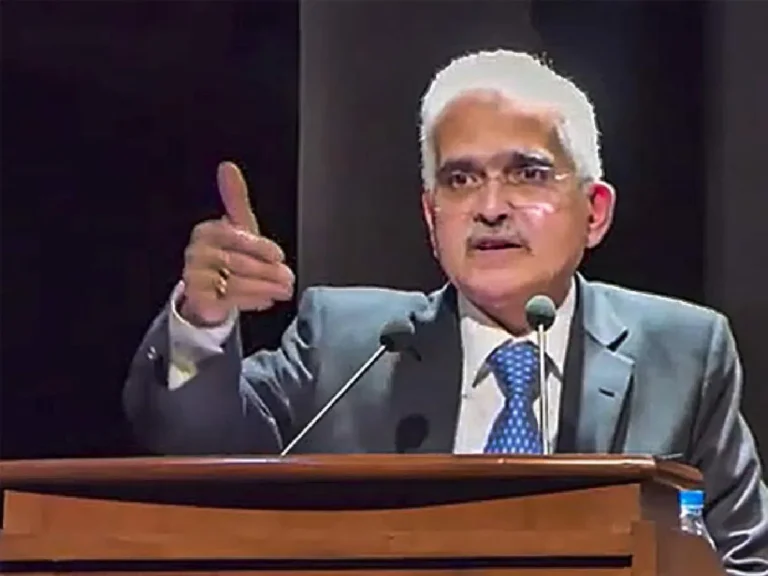
The Reserve Bank of India (RBI) recently concluded its monetary policy committee (MPC) meeting, marking the eighth consecutive time the central bank has left key policy rates unchanged. With the stance maintained as ‘withdrawal of accommodation’, the policy decision and the subsequent statements by the RBI governor appeared to follow predictable patterns. However, beneath the surface lie hidden aspects of India’s monetary policy that warrant closer examination.

A Policy of Stability

Unchanged Rates

The RBI’s decision to keep key policy rates unchanged reflects a commitment to stability amid ongoing economic uncertainties. With inflationary pressures persisting and growth prospects clouded by global headwinds, maintaining the status quo on interest rates is seen as a prudent move to support economic recovery while guarding against inflationary risks.

Stance on Withdrawal of Accommodation

The RBI’s stance as ‘withdrawal of accommodation’ signals a gradual shift towards a less accommodative monetary policy stance. While the central bank remains committed to supporting growth, it also recognizes the need to unwind stimulus measures introduced during the height of the pandemic. By gradually tightening monetary conditions, the RBI aims to strike a balance between supporting growth and containing inflation.

Hidden Aspects of Monetary Policy

Inflation Dynamics

One of the hidden aspects of India’s monetary policy is the nuanced understanding of inflation dynamics. While headline inflation remains elevated, driven primarily by supply-side disruptions and rising commodity prices, underlying inflationary pressures are more subdued. Core inflation, which excludes volatile food and fuel prices, has remained relatively benign, suggesting that demand-side factors may not be contributing significantly to inflationary pressures.

Liquidity Management

Another key aspect of India’s monetary policy is liquidity management. Despite maintaining a neutral stance on interest rates, the RBI has employed various liquidity management tools to ensure adequate liquidity in the financial system. By conducting open market operations (OMOs) and adjusting the cash reserve ratio (CRR), the central bank aims to maintain orderly conditions in money markets while signaling its intent to tighten liquidity conditions gradually.

Exchange Rate Dynamics

The RBI’s monetary policy decisions also have implications for exchange rate dynamics. With the Indian rupee facing downward pressure amid global uncertainties and capital outflows, the central bank’s interventions in the foreign exchange market play a crucial role in stabilizing the currency. By striking a delicate balance between supporting export competitiveness and managing inflationary pressures, the RBI seeks to maintain exchange rate stability while preserving macroeconomic stability.

Implications for Stakeholders

Borrowers and Savers

For borrowers, the RBI’s decision to keep interest rates unchanged provides a reprieve from potential rate hikes, thereby supporting affordability and access to credit. However, for savers reliant on fixed income instruments, the prolonged period of low interest rates presents challenges in generating adequate returns on investments, underscoring the importance of diversification and risk management.

Businesses and Investors

From a business and investor perspective, the RBI’s monetary policy stance signals continuity and predictability, which are essential for making informed decisions and planning future investments. However, rising inflationary pressures and tightening liquidity conditions may pose challenges for businesses operating in inflation-sensitive sectors, highlighting the importance of prudent risk management and cost optimization strategies.

While the RBI’s monetary policy decisions may appear straightforward on the surface, a deeper analysis reveals hidden aspects that shape the trajectory of India’s economy. From inflation dynamics and liquidity management to exchange rate dynamics and implications for stakeholders, the central bank’s policy choices have far-reaching implications that extend beyond interest rates.

As India navigates the challenges of economic recovery and inflation management, a nuanced understanding of the hidden aspects of monetary policy is essential for policymakers, businesses, investors, and savers alike. By shedding light on these hidden dimensions, we can gain a deeper appreciation of the complexities of India’s monetary policy landscape and chart a course towards sustainable economic growth and stability.


Disclaimer: The thoughts and opinions stated in this article are solely those of the author and do not necessarily reflect the views or positions of any entities represented and we recommend referring to more recent and reliable sources for up-to-date information.

The Curious Case of Drop-In Pitches: A Conundrum for Cricket

In the world of cricket, the pitch is often referred to as the great equalizer—a surface that can turn a match on its head with its unpredictable behavior. From spin-friendly tracks to fast and bouncy wickets, the characteristics of the pitch play a crucial role in shaping the outcome of a game. However, in recent years, the introduction of drop-in pitches has added a new layer of complexity to the sport, raising questions about their impact on the game and the integrity of competition.

The Evolution of Cricket Pitches

From Turf to Drop-In

Traditionally, cricket pitches were meticulously prepared by groundsmen, who carefully tended to the grass and soil to create surfaces tailored to suit the home team’s strengths. These natural pitches, with their undulating contours and varying degrees of bounce and turn, posed a formidable challenge for batsmen and bowlers alike, demanding skill, patience, and adaptability.

In contrast, drop-in pitches are pre-fabricated wickets that are installed and removed from the ground as a single unit, allowing for greater consistency and control over playing conditions. While drop-in pitches offer certain advantages, such as ease of maintenance and the ability to host multiple events on the same ground, they also present unique challenges that can impact the quality and fairness of play.

The Risks of Untested Pitches

A Gamble for the ICC

The decision by the International Cricket Council (ICC) to hold T20 World Cup matches on untested drop-in pitches in New York was met with skepticism and concern from players and fans alike. While the move was intended to ramp up viewership in the US and promote the sport in new markets, it also carried inherent risks, as the performance of drop-in pitches can vary significantly depending on factors such as weather, pitch preparation, and maintenance.

The spectacle witnessed in the opening game, where Sri Lanka was bowled out by South Africa for a paltry 77 runs on an underdone pitch, underscored the potential pitfalls of playing on untested surfaces. Even the victorious team struggled to reach the target, facing difficulties with the uneven bounce and unpredictable behavior of the pitch. The sight of Indian skipper Rohit Sharma and other batsmen grappling with sharply rising deliveries in the India-Ireland encounter only served to highlight the challenges posed by drop-in pitches.

Balancing Innovation and Tradition

The Future of Cricket Surfaces

As cricket continues to evolve and expand its global footprint, the debate surrounding drop-in pitches and their impact on the game is likely to intensify. While innovation is essential for the growth and development of the sport, it must be balanced with respect for tradition and a commitment to preserving the integrity of competition.

Moving forward, cricket authorities must prioritize the testing and evaluation of drop-in pitches to ensure their suitability for international matches. This includes conducting thorough assessments of pitch conditions, consulting with players and groundsmen, and implementing measures to address any concerns or inconsistencies.

The curious case of drop-in pitches presents a conundrum for cricket—a sport steeped in tradition yet constantly seeking to innovate and adapt to changing times. While drop-in pitches offer certain benefits in terms of convenience and consistency, they also pose risks in terms of pitch quality and playing conditions.

As cricket grapples with the challenges posed by drop-in pitches, it must remain vigilant in safeguarding the essence of the game and upholding the principles of fair competition. By striking a balance between innovation and tradition, cricket can ensure that drop-in pitches enhance the spectator experience while maintaining the integrity and spirit of the sport.


Disclaimer: The thoughts and opinions stated in this article are solely those of the author and do not necessarily reflect the views or positions of any entities represented and we recommend referring to more recent and reliable sources for up-to-date information.

India vs. Pakistan: Big Cricket in the Big Apple

If cricket were a work of fiction, the clash between India and Pakistan would undoubtedly be its grand finale—a spectacle of epic proportions, steeped in history, rivalry, and unbridled passion. As two cricket-mad nations with a storied pedigree and a shared love for the game, India and Pakistan’s encounters transcend sport, evoking emotions that run deep and memories that endure for generations. With the stage set in the heart of the Big Apple, the world awaits with bated breath for the latest chapter in this timeless saga of competition, camaraderie, and controversy.

A Rivalry Like No Other

A Tale of Two Nations

The rivalry between India and Pakistan is unlike any other in the world of cricket. Born out of decades of historical, political, and cultural tensions, the rivalry extends far beyond the boundaries of the cricket field, reflecting the complex relationship between two neighboring nations with intertwined destinies. From Partition to Kashmir, from wars to diplomatic standoffs, the history of India-Pakistan relations is as tumultuous as it is enthralling, providing the backdrop for every encounter between the two cricketing giants.

The Spirit of Cricket

Despite the simmering tensions and fierce competition, there is a deep-seated respect and admiration between Indian and Pakistani cricketers, born out of a shared love for the game and a mutual understanding of its power to unite and inspire. Over the years, players from both sides have forged enduring friendships and iconic rivalries, creating moments of magic and drama that have etched themselves into the annals of cricketing history.

The Big Apple Showdown

A Clash of Titans

As the cricketing world converges on the iconic city of New York, anticipation reaches fever pitch for the highly anticipated showdown between India and Pakistan. In the hallowed grounds of the Big Apple, amidst the towering skyscrapers and bustling streets, cricket’s fiercest rivals will lock horns once again, vying for supremacy in a contest that transcends sport and captivates millions around the globe.

The Weight of Expectation

For both teams, victory in the India-Pakistan clash carries a significance that extends far beyond the cricket field. It is a matter of national pride, a chance to assert dominance and assert superiority over their arch-rivals. Every run scored, every wicket taken, and every boundary struck is met with raucous cheers and fervent celebrations, as fans on both sides of the border rally behind their respective teams with unwavering passion and unwavering support.

Beyond the Boundary

A Platform for Unity

While the India-Pakistan rivalry is often portrayed as a battle of titans, it also serves as a powerful platform for unity and reconciliation. In an increasingly polarized world, cricket has the unique ability to bridge divides and foster goodwill between nations, transcending barriers of language, religion, and politics. Through moments of sportsmanship and camaraderie, players and fans alike demonstrate the unifying power of the game, offering hope for a future marked by peace and cooperation.

Embracing the Spirit of the Game

As cricket enthusiasts around the world tune in to witness the spectacle of India vs. Pakistan in the Big Apple, let us not lose sight of the true essence of the game. Beyond the rivalries and the rivalries lies a spirit of camaraderie, sportsmanship, and mutual respect that defines cricket at its core. In celebrating the passion and intensity of the India-Pakistan rivalry, let us also celebrate the values of inclusivity, diversity, and unity that unite us as cricketing nations and as global citizens.

As the stage is set for India vs. Pakistan in the Big Apple, let us embrace the excitement and anticipation that comes with this iconic clash of cricketing titans. Let us revel in the passion, drama, and spectacle of the game, while also recognizing the deeper significance of this rivalry in the context of our shared history and humanity. In the end, whether it’s Indian blue or Pakistani green that emerges victorious, let us come together as one cricketing community to celebrate the spirit of the game and the enduring bond that unites us all.


Disclaimer: The thoughts and opinions stated in this article are solely those of the author and do not necessarily reflect the views or positions of any entities represented and we recommend referring to more recent and reliable sources for up-to-date information.

Fashion’s Big Contradiction: Navigating the Complexities of Sustainability in the Industry

As the calendar flips to June, the fashion industry is once again abuzz with proclamations of sustainability. Publicists flood reporters’ inboxes with pitches about “5 homegrown sustainable fashion brands you should know” and announcements of design brands celebrating sustainable fashion with new collections. Amidst the flurry of press releases and social media campaigns, one cannot escape the pervasive narrative that sustainability is at the heart of every fashion brand’s strategy. Yet, behind the veneer of eco-consciousness lies a complex reality fraught with contradictions and challenges.

The Rise of Sustainable Fashion

A Growing Trend

In recent years, sustainability has emerged as a dominant theme in the fashion industry, driven by growing consumer awareness and demand for ethically produced and environmentally friendly clothing. Fashion brands, eager to capitalize on this trend, have scrambled to position themselves as champions of sustainability, touting their eco-friendly practices and green initiatives to appeal to conscious consumers.

Greenwashing or Genuine Commitment?

Amidst the proliferation of sustainability claims, questions arise about the authenticity of fashion brands’ commitment to environmental and social responsibility. Critics argue that many brands engage in “greenwashing,” using superficial or misleading marketing tactics to portray themselves as sustainable without implementing meaningful change. In reality, the fashion industry remains one of the most resource-intensive and polluting sectors, with widespread issues of overproduction, textile waste, and exploitation of labor.

Navigating the Complexities

The Paradox of Fast Fashion

At the heart of fashion’s sustainability dilemma lies the paradox of fast fashion. While the industry pays lip service to sustainability, the relentless pursuit of trends and the pressure to churn out new collections at breakneck speed perpetuate a cycle of overconsumption and waste. Fast fashion brands, known for their disposable and mass-produced garments, often prioritize profit margins over environmental and social concerns, perpetuating a culture of excess and disposability.

The Challenge of Supply Chain Transparency

Another key challenge facing the fashion industry is supply chain transparency. Many brands struggle to trace the origins of their materials and ensure ethical labor practices throughout their supply chains. The global nature of fashion production, with garments often passing through multiple countries and subcontractors, makes it difficult to monitor and regulate working conditions, leading to issues of exploitation and human rights abuses.

Towards Genuine Change

Embracing Circular Fashion

To truly address the sustainability crisis in the fashion industry, a paradigm shift is needed towards circular fashion—a model that prioritizes resource efficiency, waste reduction, and closed-loop systems. Circular fashion seeks to extend the lifespan of garments through repair, reuse, and recycling, thereby minimizing the environmental impact of clothing production and consumption. Brands that embrace circularity are leading the charge towards a more sustainable and regenerative fashion ecosystem.

Empowering Consumers

Empowering consumers with information and tools to make informed choices is crucial in driving demand for sustainable fashion. By raising awareness about the environmental and social implications of their purchasing decisions, consumers can exert pressure on brands to adopt more responsible practices and hold them accountable for their actions. Initiatives such as eco-labeling, transparency platforms, and ethical fashion campaigns play a pivotal role in empowering consumers to make ethical and sustainable choices.

Fashion’s big contradiction—its simultaneous embrace of sustainability and perpetuation of unsustainable practices—highlights the complexities and challenges inherent in the industry’s transition towards a more sustainable future. While many brands tout their eco-friendly credentials, genuine change requires more than just lip service—it demands a fundamental reimagining of the fashion system, from production and consumption to disposal.

As consumers, activists, and industry stakeholders continue to push for greater accountability and transparency, the fashion industry stands at a crossroads. Will it continue down the path of greenwashing and token gestures, or will it embrace genuine transformation and adopt a holistic approach to sustainability? The answer lies in collective action, bold leadership, and a commitment to redefining fashion’s role in shaping a more equitable, regenerative, and sustainable world for future generations.


Disclaimer: The thoughts and opinions stated in this article are solely those of the author and do not necessarily reflect the views or positions of any entities represented and we recommend referring to more recent and reliable sources for up-to-date information.

Embracing the Era of “Gig-Tripping”: Luxury Hotels Cater to Swifties

As the fervor surrounding Taylor Swift’s concert tours continues to captivate fans worldwide, luxury hotels are seizing the opportunity to cater to the desires of Swifties by offering exclusive “gig-tripping” perks and packages. From bespoke experiences to tailored amenities, these five-star establishments are rolling out the red carpet for fans looking to elevate their concert- going vacations to new heights of luxury and indulgence.

The Swiftie Phenomenon

A Global Fanbase

Taylor Swift’s immense popularity transcends borders and generations, drawing fans from all walks of life to her electrifying live performances. Known for her chart-topping hits, captivating stage presence, and unwavering connection with her audience, Swift has cultivated a dedicated fanbase affectionately referred to as “Swifties.” These ardent supporters spare no expense to attend her concerts, traveling far and wide to experience the magic of her music firsthand.

The Allure of Concert-Going Vacations

For Swifties, attending a Taylor Swift concert is more than just a musical experience—it’s a pilgrimage, a celebration, and a chance to connect with fellow fans from around the world. Concert- going vacations have become a cherished tradition among Swifties, offering an opportunity to immerse themselves in the excitement and camaraderie of live music while exploring new cities and creating lasting memories.

Courting the Sequin Set: Luxury Hotels Enter the Fray

Elevating the Experience

Recognizing the allure of concert- going vacations and the discerning tastes of Swifties, luxury hotels are raising the bar by offering exclusive “gig-tripping” perks and packages tailored to fans attending Taylor Swift concerts. One such establishment leading the charge is the Four Seasons Hotel London at Park Lane, renowned for its opulent amenities and impeccable service. In anticipation of Swift’s upcoming Eras Tour shows at Wembley Stadium, the hotel has unveiled a bespoke “gig-tripping package” designed to cater to the needs and preferences of Swifties.

The Four Seasons Experience

Nestled in the heart of London, the Four Seasons Hotel London at Park Lane epitomizes luxury and sophistication, boasting a range of world-class amenities and services. From its lavish 10th-floor spa offering panoramic views of the city to its acclaimed destination restaurant, Pavyllon, helmed by star chef Yannick Alléno, the hotel exudes elegance and refinement at every turn. With the introduction of its “gig-tripping package,” the hotel aims to enhance the concert- going experience for Swifties, providing them with unparalleled comfort, convenience, and indulgence during their stay.

Unveiling the Gig-Tripping Package

Tailored Amenities and Experiences

The Four Seasons Hotel London at Park Lane’s “gig-tripping package” is curated to cater to the unique needs and preferences of Taylor Swift fans attending her concerts at Wembley Stadium. In addition to luxurious accommodations in the heart of Mayfair, guests will enjoy a range of exclusive amenities and experiences designed to enhance their concert- going vacation. From VIP transportation to and from the venue to curated dining experiences featuring Swift-inspired dishes and cocktails, every aspect of the package is carefully crafted to delight and surprise guests.

Personalized Service and Attention to Detail

What sets the “gig-tripping package” apart is the hotel’s commitment to personalized service and attention to detail. From the moment guests arrive, they are greeted with warm hospitality and impeccable service, ensuring a seamless and memorable stay. Whether it’s arranging for pre-concert pampering at the hotel’s spa or organizing a private meet-and-greet with Taylor Swift herself, the hotel’s dedicated team goes above and beyond to fulfill every guest’s wishes and create unforgettable moments.

The Future of Concert-Going Vacations

A New Paradigm of Luxury Travel

As luxury hotels continue to embrace the era of “gig-tripping,” the future of concert- going vacations looks brighter than ever for Swifties and music lovers alike. With a growing demand for bespoke experiences and personalized service, luxury hotels have the opportunity to redefine the concert- going experience and elevate it to new heights of luxury and indulgence. By catering to the unique needs and preferences of fans, these establishments are not only enhancing the concert- going experience but also setting a new standard for luxury travel in the digital age.

Embracing the Magic of Live Music

At its core, “gig-tripping” is about more than just attending a concert—it’s about immersing oneself in the magic of live music, creating unforgettable memories, and forging connections that transcend borders and generations. As Swifties embark on their concert- going vacations, luxury hotels play a pivotal role in shaping their experiences and ensuring that every moment is nothing short of extraordinary. With the allure of Taylor Swift’s music as their guide, fans can look forward to a future filled with excitement, adventure, and the promise of more unforgettable concerts to come.


Disclaimer: The thoughts and opinions stated in this article are solely those of the author and do not necessarily reflect the views or positions of any entities represented and we recommend referring to more recent and reliable sources for up-to-date information.

Menstrual Leave: A Catalyst for Women’s Labor Participation

On December 13, 2023, India’s Upper House of Parliament ignited a contentious debate on menstrual leave in workplaces, sparking widespread discussion on the importance of this policy in empowering individuals across various job roles and workplaces. The deliberations shed light on the pressing need to address gender disparities in labor participation and create inclusive work environments that accommodate the diverse needs of women employees.

Contextualizing Menstrual Leave

A Global Perspective

Globally, women continue to face significant barriers to full and equal participation in the labor force. According to statistics from 2023, men outnumber women heavily among the 3.4 billion global employees. In India, women constitute approximately 40% of the service sector’s staff, reflecting a growing presence of women in organized workplaces. However, despite this progress, the female labor force participation (FLFP) rate in India stood at a mere 37% in 2023, highlighting persistent challenges in achieving gender parity in the workforce.

Breaking the Taboo

Menstrual leave, long considered a taboo topic, has emerged as a crucial policy intervention to address the unique needs and challenges faced by women in the workplace. By recognizing menstruation as a legitimate reason for leave, employers can promote gender equality, foster inclusivity, and support women’s health and well-being. Moreover, menstrual leave policies can help destigmatize menstruation, challenge societal norms, and pave the way for more open and supportive conversations around women’s reproductive health.

The Case for Menstrual Leave

Promoting Women’s Health and Well-being

Menstrual leave policies acknowledge the physical and emotional toll of menstruation on women’s health and well-being. By providing women with the flexibility to take time off during their menstrual cycles, employers can mitigate the impact of menstrual symptoms, such as pain, fatigue, and discomfort, and support women in managing their health more effectively. Moreover, menstrual leave can contribute to reducing stress and improving productivity among women employees, ultimately benefiting both individuals and organizations.

Enhancing Workforce Diversity and Inclusion

Menstrual leave policies play a crucial role in fostering diversity and inclusion in the workplace. By accommodating the needs of women employees, employers can create a more supportive and inclusive work environment that values and respects the contributions of all employees, regardless of gender. Moreover, menstrual leave policies can attract and retain female talent, enhance employee morale and engagement, and contribute to building a more diverse and dynamic workforce.

Overcoming Challenges and Implementation

Addressing Concerns and Misconceptions

Despite the potential benefits of menstrual leave, concerns and misconceptions persist regarding its feasibility and impact on productivity and organizational efficiency. Critics argue that menstrual leave may lead to increased absenteeism, disruptions to workflow, and unequal treatment of male and female employees. However, such concerns can be addressed through clear and transparent policies, effective communication, and proactive measures to manage workload and ensure continuity of operations.

Implementing Supportive Policies and Practices

Effective implementation of menstrual leave policies requires a holistic approach that integrates legal protections, workplace accommodations, and supportive practices. Employers can take proactive steps to raise awareness about menstrual health issues, provide access to menstrual products and facilities, and offer flexible work arrangements to accommodate the diverse needs of women employees. Moreover, fostering a culture of openness, empathy, and respect can create an enabling environment where women feel comfortable discussing their menstrual health and accessing the support they need.

The Way Forward

Advancing Gender Equality and Empowerment

Menstrual leave represents a critical step towards advancing gender equality and empowerment in the workplace. By recognizing and addressing the unique challenges faced by women, employers can promote inclusivity, support women’s health and well-being, and create opportunities for women to thrive and succeed in their careers. Moreover, menstrual leave policies can contribute to breaking down barriers to women’s labor participation, narrowing gender gaps, and building a more equitable and prosperous society for all.

Collaboration and Advocacy

Achieving meaningful change requires collaboration and advocacy from all stakeholders, including employers, policymakers, civil society organizations, and women’s rights advocates. By working together to promote menstrual leave policies, raise awareness about menstrual health issues, and challenge stigma and discrimination, we can create a more inclusive and supportive environment where women can realize their full potential and contribute to the socio-economic development of our communities and nations.

Menstrual leave has the potential to serve as a catalyst for women’s labor participation, health, and empowerment. By recognizing menstruation as a legitimate reason for leave and implementing supportive policies and practices, employers can create inclusive work environments that prioritize women’s well-being and enable them to thrive in their careers. As we strive towards achieving gender equality and empowerment, let us embrace menstrual leave as a positive step towards building a more inclusive and equitable future for women in the workplace and beyond.


Disclaimer: The thoughts and opinions stated in this article are solely those of the author and do not necessarily reflect the views or positions of any entities represented and we recommend referring to more recent and reliable sources for up-to-date information.

A Comprehensive Approach Could Boost India’s Exports

India’s trade performance in the fiscal year 2023-24 has raised significant concerns, with the latest figures revealing trade deficits with nine out of its top 10 trading partners. This glaring imbalance underscores the urgent need for a comprehensive approach to bolster India’s exports and enhance its competitiveness in the global market. While the country maintains a trade surplus with the United States, its deficits with key partners like China, the UAE, and Singapore highlight areas for improvement and strategic intervention.

Assessing India’s Trade Imbalance

The Challenge of Trade Deficits

India’s trade deficits with nine of its top 10 trading partners signify a structural imbalance in its trade relationships. Import reliance on countries like China, the UAE, and Russia, coupled with lower export competitiveness, has contributed to widening trade deficits and increased dependence on foreign goods. Addressing this challenge requires a multi-faceted strategy aimed at diversifying export markets, promoting value-added exports, and reducing import dependency.

Implications for Economic Growth

Persistent trade deficits can have adverse implications for India’s economic growth and stability. Relying heavily on imports for essential goods and commodities not only strains the country’s foreign exchange reserves but also undermines domestic industries’ competitiveness. Additionally, trade imbalances can exacerbate macroeconomic vulnerabilities, including currency depreciation, inflationary pressures, and balance of payments challenges. Addressing trade imbalances is essential for fostering sustainable economic development and strengthening India’s position in the global economy.

Strategies to Boost Exports

Diversification of Export Markets

Expanding India’s export footprint beyond traditional markets is critical for mitigating trade deficits and promoting sustainable growth. Targeting emerging economies in Asia, Africa, and Latin America offers untapped opportunities for Indian exporters to diversify their customer base and reduce reliance on a few key markets. Moreover, leveraging free trade agreements (FTAs) and regional economic partnerships can provide preferential access to new markets and facilitate export growth across diverse sectors.

Promotion of Value-Added Exports

Shifting focus from commodity-based exports to value-added products is essential for enhancing India’s export competitiveness and capturing higher value in global supply chains. Investing in research and development, innovation, and technology adoption can enable Indian industries to upgrade product quality, design, and branding, thereby commanding premium prices in international markets. Moreover, fostering collaboration between industry and academia can drive innovation and promote the development of high-value export sectors such as pharmaceuticals, information technology, and engineering goods.

Support for Small and Medium Enterprises (SMEs)

Small and medium enterprises (SMEs) play a crucial role in India’s export ecosystem, contributing significantly to employment generation and economic growth. Providing targeted support and incentives to SMEs, including access to finance, technology, and export facilitation services, can enhance their export capabilities and competitiveness in global markets. Additionally, streamlining export procedures, reducing regulatory burden, and improving infrastructure connectivity can lower transaction costs and enhance SMEs’ participation in international trade.

Policy Reforms and Institutional Support

Streamlining Trade Policies

Rationalizing trade policies and regulatory frameworks is essential for creating an enabling environment for export growth. Simplifying export-import procedures, reducing bureaucratic red tape, and eliminating trade barriers can lower transaction costs and enhance the ease of doing business for exporters. Moreover, aligning trade policies with global standards and best practices can improve India’s attractiveness as a trade and investment destination, fostering greater participation in global value chains.

Strengthening Trade Promotion Institutions

Enhancing the capacity and effectiveness of trade promotion institutions, such as the Export Promotion Councils (EPCs) and the Indian Trade Promotion Organization (ITPO), is critical for supporting export-oriented industries and facilitating market access. Providing targeted assistance in market research, product promotion, and buyer-seller matchmaking can help Indian exporters identify export opportunities, penetrate new markets, and forge strategic partnerships with foreign counterparts.

Investing in Trade Infrastructure

Developing robust trade infrastructure, including ports, airports, roads, and logistics networks, is essential for facilitating seamless trade flows and reducing transaction costs. Investing in modernizing and upgrading trade infrastructure can enhance India’s connectivity with global markets, improve supply chain efficiency, and expedite the movement of goods across borders. Additionally, enhancing digital connectivity and leveraging technology solutions, such as e-commerce platforms and digital trade facilitation tools, can further streamline trade processes and enhance export competitiveness.

Addressing India’s trade imbalances and boosting exports requires a coordinated and concerted effort involving policymakers, industry stakeholders, and trade promotion agencies. By adopting a comprehensive approach focused on diversifying export markets, promoting value-added exports, supporting SMEs, and implementing policy reforms, India can unlock its export potential and emerge as a competitive player in the global market. With strategic interventions and sustained commitment, India can harness the transformative power of exports to drive economic growth, create jobs, and enhance its position as a leading global exporter.


Disclaimer: The thoughts and opinions stated in this article are solely those of the author and do not necessarily reflect the views or positions of any entities represented and we recommend referring to more recent and reliable sources for up-to-date information.

The Evolution of Travel: From Revenge to Realignment

The phenomenon of “revenge travel” emerged as a defining trend in the wake of pandemic-era restrictions, as pent-up wanderlust and a yearning for exploration propelled travelers to book trips with unprecedented fervor. However, as the world gradually transitions into a post-pandemic reality, the allure of revenge travel appears to be waning. A confluence of factors, including soaring fares, protests against tourism, travel fatigue, and economic pressures, is reshaping the travel landscape and prompting a shift towards a more sustainable and considered approach to travel.

The Rise and Fall of Revenge Travel

A Surge in Demand

In the aftermath of pandemic-induced lockdowns and travel restrictions, the desire to break free from confinement and rediscover the world fueled a surge in travel bookings. From exotic getaways to cross-country road trips, travelers seized the opportunity to fulfill their long-dormant wanderlust and make up for lost time. The euphoria of liberation and the novelty of exploring new destinations propelled the trend of revenge travel to unprecedented heights.

Challenges and Setbacks

However, the initial euphoria of revenge travel has given way to a more sobering reality, marked by a host of challenges and setbacks. Sharply higher fares, fueled by a combination of increased demand and reduced capacity, have made travel prohibitively expensive for many. Moreover, protests against overtourism and concerns about the environmental impact of travel have prompted a reevaluation of travel priorities and preferences. Additionally, travel fatigue, exacerbated by endless hours spent in airports, long queues, and stringent health protocols, has dampened enthusiasm for spontaneous and impulsive travel.

Signs of a Shift

A Return to Normalcy

While travel demand remains resilient, there are discernible signs that the frenetic pace of revenge travel is giving way to a more measured and sustainable approach to exploration. Rather than succumbing to the allure of never-ending travel, consumers are opting for a more balanced and intentional approach, prioritizing quality over quantity and seeking meaningful experiences over fleeting indulgences. This shift reflects a broader realignment of values and priorities in a post-pandemic world, where sustainability, mindfulness, and authenticity take precedence over excess and extravagance.

The Crucial Months Ahead

For airlines, tour operators, and hospitality providers, the next few months will be crucial in determining the trajectory of travel recovery. If demand remains robust, they stand to benefit from selling leftover capacity at premium prices. However, if consumers exhibit caution and hold off on travel plans, providers may be forced to resort to discounting, a practice that has been largely absent in the travel industry for the past three years. The outcome of this delicate balancing act will shape the future of travel and hospitality in the months and years to come.

Navigating the Path Forward

Embracing Sustainability

As the travel industry navigates the transition towards a post-pandemic reality, sustainability emerges as a guiding principle for future growth and resilience. Embracing sustainable practices, reducing carbon footprints, and promoting responsible tourism are imperative for mitigating the environmental impact of travel and preserving destinations for future generations. By prioritizing sustainability, stakeholders can build a more resilient and equitable travel ecosystem that balances economic prosperity with environmental stewardship.

Fostering Innovation

Innovation emerges as a catalyst for transforming the travel experience and addressing the evolving needs and preferences of travelers. From contactless check-ins and digital health passports to immersive virtual experiences and eco-friendly accommodations, innovative solutions hold the key to enhancing convenience, safety, and sustainability in travel. By embracing technology and fostering innovation, the travel industry can adapt to changing dynamics and create value for both travelers and providers.

The era of revenge travel may be losing its appeal, but the evolution of travel continues unabated. As travelers recalibrate their priorities and preferences in a post-pandemic world, the focus shifts towards sustainability, mindfulness, and authenticity. By embracing a more balanced and intentional approach to travel, stakeholders can unlock new opportunities for growth and innovation while safeguarding the planet and enriching the travel experience for all. As we navigate the path forward, let us embrace the transformative power of travel to inspire, connect, and enrich lives, while ensuring a brighter and more sustainable future for generations to come.


Disclaimer: The thoughts and opinions stated in this article are solely those of the author and do not necessarily reflect the views or positions of any entities represented and we recommend referring to more recent and reliable sources for up-to-date information.