Home Blog Page 740

Enjoy the benefits of dating a mature woman

Enjoy the benefits of dating a mature woman

old woman hook up woman may be a rewarding experience for both events. here are a few of advantages of dating an older woman:

1. older women are more capable and learn more about life. this may lead to a more interesting and stimulating date. 2. older women are frequently more financially secure. this could easily give you the protection you’ll need in a relationship. 3. older women usually have more life experience than younger ladies. this may alllow for an even more interesting discussion and an improved understanding of your lover. 4. older females often have an abundance of real information and experience that they can share with you. this can be a valuable asset in a relationship. 5.

Find your soulmate and live happily ever after

Finding your soulmate the most considerations you are able to do in your life. it may make all the difference worldwide, and if that you don’t find your soulmate, you might end up residing a lonely and unhappy life. there are a great number of things you must do and discover your soulmate, but the most essential things is to be open to finding them. you have to be ready to put your self around, and also you need to be prepared to tune in to exactly what your instinct is letting you know. there is a large number of steps you can take to locate your soulmate, plus some the best way to complete it are through dating and online dating sites. you should use online dating sites to find individuals who are like you, or perhaps you may use online dating sites discover people who are different from you. you can utilize online dating services to locate individuals who are suitable for you. compatibility is essential if you are wanting your soulmate, as you desire to find somebody who will likely to be good match for you personally.

Get started with old woman hook up today

Old woman hook up is a well known subject for singles looking to find a new relationship. it can be a daunting task, however with the proper approach, it may be an enjoyable and rewarding experience. listed below are five suggestions to get started doing old woman hook up:

1. be open and honest. old woman hook up could be a lot of fun, but it’s crucial that you be upfront by what you are considering. if you are maybe not enthusiastic about a long-term relationship, be upfront about this too. 2. be respectful. old woman hook up is a time-honored tradition, and you should treat your date with the same respect. 3. prepare yourself. old woman hook up is of work, and you ought to anticipate to place in the time and effort. 4. show patience. old woman hook up does take time, and you should have patience while you are waiting for the proper person ahead along. 5. be imaginative. old woman hook up is a lot of fun, and you should be creative within approach.

Enjoy enjoyable and exciting dates with mature women

General subject: enjoy fun and exciting dates with mature women

if you should be searching for a night out together that is a little more exciting compared to average date, then you must look into dating a mature woman. these women are experienced and learn how to have a great time. plus, they’re usually more than happy to assist you in any way they can. if youare looking for a romantic date that is going to be fun and exciting, then dating a mature woman is the approach to take. there is a large number of items that you are able to do on a date with a mature woman. you’ll head out to dinner, go on a hike, or simply go out in the home. what you may choose, you are sure to have a very good time. plus, these times are often much more interesting than dates with younger ladies. younger women can be usually too busy trying to figure out their life currently. mature women, having said that, have previously determined a lot of things. they know very well what they desire and they are perhaps not afraid to follow it.

Take the first step and indication up for old woman hook up today

Old woman hook up is an excellent method to get back in to the dating scene and fulfill brand new individuals. it could be a lot of enjoyment and start to become a great way to satisfy someone who you might be thinking about dating. there are a lot of various old woman hook up web sites available, so it is vital that you find the right one for you personally. some of the best old woman hook up internet sites are the ones that are focused on dating. these websites need plenty of various relationship options for you to pick from. you can find old woman hook up internet sites which can be dedicated to solitary men or single ladies. additionally, there are a lot of old woman hook up web sites that are focused on conference new buddies. these sites are superb for people who want to satisfy brand new individuals while making new friends. there is old woman hook up internet sites which are focused on conference people from many different backgrounds. these sites are excellent for those who wish to find buddies who share their same interests. you will find old woman hook up sites being focused on relationship, meeting brand new buddies, or dating individuals who have comparable passions.

Can Ayushman Bharat Fulfill Its New Promise?

In a significant policy shift, the Indian government has recently expanded the Ayushman Bharat health insurance scheme to include all citizens aged 70 and above, irrespective of income level. This decision, announced last week, was one of the most notable updates in the latest cabinet meeting. Previously, the Pradhan Mantri Jan Arogya Yojana (PM-JAY), which operates under the broader Ayushman Bharat umbrella, provided a health cover of ₹5 lakh per family annually, but only to the bottom 40% of India’s population. The extension of coverage to senior citizens across all income groups marks a pivotal shift in the country’s approach to healthcare.

While this expansion promises to provide much-needed relief to India’s aging population, concerns remain about whether Ayushman Bharat, in its current form, can meet the expectations and effectively manage this new challenge. India’s healthcare system already faces various structural issues, and the rising demands of elderly care only add to these complexities. This journal explores the potential and challenges of this new promise and examines whether Ayushman Bharat is equipped to fulfill its expanded role.

Ayushman Bharat’s Vision: Past Achievements

Launched in 2018, Ayushman Bharat PM-JAY was envisioned as a means to bring affordable healthcare to the most vulnerable segments of the population. With a primary focus on the economically weaker sections, the scheme targeted 500 million individuals across the country, providing them with an annual health insurance cover of ₹5 lakh per family. The idea was to help alleviate the burden of catastrophic healthcare costs, which frequently push low-income families into poverty.

The initiative has achieved notable success in increasing healthcare accessibility for low-income households. By offering coverage for secondary and tertiary healthcare, it helped reduce out-of-pocket expenditures and improved access to expensive treatments such as surgeries and hospitalization. Ayushman Bharat also placed a spotlight on public healthcare facilities, driving improvements in infrastructure and quality of care.

However, from its inception, the scheme faced hurdles such as inadequate hospital infrastructure, inconsistent quality of care, and a lack of awareness among beneficiaries. These limitations, coupled with the financial constraints faced by the public healthcare system, left much to be desired in terms of the scheme’s efficiency and reach. Nevertheless, the introduction of Ayushman Bharat remains a milestone in India’s quest for Universal Health Coverage (UHC).

A Bold Move: Expanding to Senior Citizens

India’s elderly population is growing at a rapid rate, with government projections estimating that the number of senior citizens will more than double by 2050, reaching around 319 million. With life expectancy increasing and healthcare needs becoming more complex, this demographic shift poses significant challenges to the country’s healthcare system.

The government’s decision to extend Ayushman Bharat to all citizens aged 70 and above is a recognition of the unique healthcare needs of the elderly. Unlike younger populations, senior citizens are more prone to chronic illnesses such as diabetes, hypertension, cardiovascular diseases, and cancer, which require frequent and costly medical attention. The rising cost of healthcare, especially for these conditions, often places a significant financial strain on families.

By offering a health insurance cover of ₹5 lakh to senior citizens, regardless of their income, the government aims to ease this burden and ensure that the elderly receive the medical care they need. For many, particularly those in the middle-income group who may not qualify for previous welfare schemes, this extension of benefits could be a crucial safety net.

The Challenges Ahead

While the government’s decision to extend the scheme to all elderly citizens is laudable, several challenges could undermine its success. These challenges include financial sustainability, infrastructural constraints, and logistical complexities.

1. Financial Strain on the Government

One of the most immediate concerns is the financial strain that this expansion could place on government resources. By extending health coverage to all citizens aged 70 and above, the pool of beneficiaries will expand significantly. Healthcare costs for the elderly are generally much higher due to their increased need for medical care, leading to the possibility of a sharp rise in the cost of the scheme.

The current Ayushman Bharat scheme is funded jointly by the central and state governments. Adding millions of elderly individuals to the scheme may require a substantial increase in funding. To maintain financial sustainability, the government may need to explore new revenue sources or adjust the scope of services covered under the scheme. Failure to manage the financial aspect effectively could lead to reduced quality of care or rationing of services, thereby diminishing the scheme’s impact.

2. Inadequate Healthcare Infrastructure

Another major challenge is India’s existing healthcare infrastructure, which is already under pressure. Many public hospitals, especially in rural areas, lack the necessary equipment, facilities, and trained personnel to deliver high-quality care. For the scheme to be effective in reaching elderly citizens, it must address the issue of healthcare infrastructure, particularly in underserved regions.

India’s healthcare system also faces a shortage of specialized care for the elderly. Geriatric care, which involves the treatment and management of age-related diseases, is still a relatively underdeveloped field in the country. Without investing in building the infrastructure and workforce needed to support geriatric care, the government may struggle to deliver on its promise of providing effective healthcare for the elderly.

3. Private Sector Participation

While Ayushman Bharat allows beneficiaries to seek treatment in private hospitals, there have been reports of reluctance from private healthcare providers to fully participate in the scheme. Many private hospitals have raised concerns about the reimbursement rates offered under the program, claiming that they are too low to cover their costs, particularly for high-end medical procedures.

With the expansion of the scheme to the elderly, who often require more complex and expensive treatments, private sector participation will become even more crucial. The government may need to reassess its reimbursement structure to ensure that private hospitals are willing to offer services under the scheme. Without sufficient participation from private hospitals, especially in urban areas where many specialized treatments are available, the effectiveness of the scheme could be compromised.

Addressing the Needs of the Elderly Population

To fulfill its new promise of providing healthcare to all citizens aged 70 and above, the government will need to adopt a multi-pronged approach that addresses both immediate and long-term challenges.

1. Investing in Preventive Healthcare

Preventive care is critical for reducing healthcare costs in the long run. Many chronic diseases that affect the elderly can be managed or delayed with early detection and proper lifestyle interventions. The government should consider expanding preventive health services under Ayushman Bharat, such as offering free or subsidized health checkups, screenings, and wellness programs for senior citizens.

2. Expanding Geriatric Care Capacity

India will need to significantly enhance its capacity for geriatric care by training more healthcare professionals in the field and improving the quality of care available to the elderly. This could include expanding medical education programs focused on geriatrics, investing in the development of age-friendly healthcare facilities, and increasing the number of healthcare workers trained in elderly care.

3. Leveraging Technology for Healthcare Delivery

Innovative technologies, such as telemedicine, can help overcome the challenges of limited infrastructure and healthcare personnel, particularly in rural areas. Telemedicine services could allow elderly patients to access medical consultations and receive treatment without needing to travel long distances. This approach could also help bridge the gap between urban and rural healthcare access.

A Positive Step with Much Work Ahead

The extension of Ayushman Bharat to all citizens aged 70 and above represents a significant step in India’s journey toward more inclusive healthcare. However, the success of this expansion will depend on the government’s ability to address financial, infrastructural, and logistical challenges. Investments in healthcare infrastructure, especially in geriatric care, along with policy adjustments to ensure private sector participation, will be crucial for the scheme to fulfill its new promise.

By tackling these issues, Ayushman Bharat can provide meaningful healthcare support to India’s elderly population, ensuring that they have access to quality medical services in their later years. This expansion, if implemented effectively, could serve as a vital component of India’s broader push toward Universal Health Coverage, benefiting not just the elderly but society as a whole.


Disclaimer: The thoughts and opinions stated in this article are solely those of the author and do not necessarily reflect the views or positions of any entities represented and we recommend referring to more recent and reliable sources for up-to-date information.

More EV Subsidies: India’s Bold Step Toward Electric Mobility

India’s push toward sustainable transportation has gained fresh momentum with the recent launch of the PM Electric Drive Revolution in Innovative Vehicle Enhancement (PM-DRIVE) subsidy initiative. This new policy aims to accelerate the adoption of electric vehicles (EVs) across the country by offering a subsidy of ₹10,000 for every electric two-wheeler sold and ₹150,000 for every battery-powered three-wheeler, valid until March 2025. These incentives are a significant development in the country’s ongoing efforts to decarbonize its road transport sector.

With air pollution levels worsening and fossil fuel dependency posing economic risks, these subsidies are timely. They hold the potential to make EVs more affordable and accessible, particularly in segments that make up the bulk of Indian traffic—two- and three-wheelers. While the announcement of these subsidies has generated optimism, a successful transition to electric mobility will depend on overcoming several challenges, including infrastructure development, battery technology, and market readiness.

The Case for Electric Vehicles in India

India’s transportation sector is responsible for a significant portion of the nation’s greenhouse gas emissions, contributing approximately 13% to the country’s overall emissions profile. With rapid urbanization and rising vehicular traffic, especially in metropolitan areas, the resulting pollution has become a major public health and environmental concern. Studies conducted by environmental agencies have shown that air pollution in Indian cities is primarily driven by vehicle emissions, which also contributes to the climate crisis.

The adoption of electric vehicles presents a critical opportunity to mitigate these issues. Since EVs run on electricity rather than gasoline or diesel, they produce zero tailpipe emissions, significantly reducing air pollution in congested urban areas. Moreover, transitioning to EVs can help reduce India’s reliance on imported crude oil, a key factor in maintaining economic stability amid fluctuating global oil prices. By accelerating the transition to electric vehicles, India can achieve multiple objectives: cleaner air, reduced carbon emissions, and enhanced energy security.

How the PM-DRIVE Subsidy Works

The PM-DRIVE subsidy scheme targets the most widely used forms of transportation in India—two- and three-wheelers. These vehicle categories account for a large portion of the country’s overall vehicle sales. According to industry data, two-wheelers alone represent about 80% of all vehicles sold in India, while three-wheelers, especially auto-rickshaws and delivery vehicles, are vital to urban mobility and the growing logistics sector.

The scheme’s financial incentives are designed to reduce the upfront costs of purchasing electric two- and three-wheelers. A ₹10,000 subsidy for electric two-wheelers and a hefty ₹150,000 subsidy for battery-operated three-wheelers are expected to narrow the price gap between electric and traditional internal combustion engine (ICE) vehicles. This reduction in cost is particularly crucial, as high initial prices have historically been a barrier to the adoption of electric vehicles in India.

These subsidies aim to make EVs more affordable for middle- and lower-income consumers, who constitute the majority of two- and three-wheeler buyers. By lowering the entry price, the scheme is expected to drive demand, leading to a faster uptake of electric vehicles, which will contribute significantly to reducing urban pollution and emissions from the transportation sector.

Decarbonizing India’s Road Transport Sector

The PM-DRIVE scheme represents a key element of India’s broader decarbonization strategy, especially as the country seeks to fulfill its commitments under the Paris Agreement. India has pledged to reduce its emissions intensity (the amount of carbon dioxide emitted per unit of GDP) by 33-35% by 2030. Transportation, a major source of carbon emissions, is at the heart of this effort.

Focusing on two- and three-wheelers as the initial target for EV subsidies is a smart approach. These vehicles, which make up the majority of road traffic in urban India, are relatively easier and cheaper to electrify compared to cars and buses. Electrifying two- and three-wheelers can deliver immediate benefits in terms of reducing pollution and improving urban air quality. This is especially critical in densely populated cities where air pollution has reached hazardous levels.

Additionally, as India expands its renewable energy capacity, the electricity that powers EVs can increasingly come from clean sources such as solar and wind. This will create a virtuous cycle where electric vehicles are powered by renewable energy, further enhancing the environmental benefits of electric mobility.

Key Challenges to EV Adoption

While the PM-DRIVE scheme is a step in the right direction, several obstacles could hinder the widespread adoption of electric vehicles. One of the most pressing challenges is the lack of adequate charging infrastructure. Without a reliable and accessible network of charging stations, consumers may hesitate to invest in electric vehicles due to concerns about “range anxiety,” or the fear that their vehicle could run out of charge before reaching a charging point. This issue is particularly pronounced in rural areas, where infrastructure development is slower.

Another significant barrier is the high cost and limited life span of electric vehicle batteries. While battery costs have been declining globally, they remain a significant portion of the overall cost of electric vehicles. Battery degradation over time also affects the long-term viability of EVs, making consumers wary of the technology. Addressing this will require continued investment in research and development to improve battery technology, extend battery life, and reduce costs.

Furthermore, although two- and three-wheelers are a good starting point, electrifying larger vehicles such as buses, trucks, and commercial vehicles will be essential for India to fully decarbonize its transportation sector. These heavier vehicles contribute significantly to emissions and fuel consumption. However, electrifying them presents greater technical and economic challenges, and the government will need to develop targeted policies to encourage this transition as well.

Aligning Policies for Success

For the PM-DRIVE subsidy scheme to be successful, it must be accompanied by a broader set of policies and investments. Local manufacturing of electric vehicle components, especially batteries, is crucial for bringing down costs and ensuring supply chain resilience. The government’s production-linked incentives (PLI) scheme for advanced chemistry cell (ACC) batteries is a positive step in this direction. By encouraging domestic production, India can reduce its dependence on imports and create jobs in the EV sector.

Cooperation between the central and state governments is also essential. State-level policies, such as tax exemptions or additional subsidies for EVs, can complement the central government’s initiatives. However, discrepancies in tax structures and EV policies across states can create confusion and hinder adoption. Therefore, a more harmonized approach across states will be necessary to maximize the benefits of the PM-DRIVE scheme.

Finally, raising consumer awareness about the benefits of electric vehicles is critical. Many consumers remain unfamiliar with the advantages of EVs, or they have misconceptions about the technology. Public awareness campaigns, combined with financial incentives, can help overcome this information gap and encourage more people to switch to electric mobility.

Driving Toward a Cleaner Future

The PM-DRIVE subsidy scheme represents a bold move in India’s journey toward a sustainable transport future. By making electric two- and three-wheelers more affordable, the government is taking a crucial step in addressing pollution, reducing carbon emissions, and promoting energy security. However, for India to realize its ambitious electric mobility goals, it must continue addressing the challenges of infrastructure development, battery costs, and policy coordination.

With sustained efforts, the PM-DRIVE scheme can serve as a catalyst for the wider adoption of electric vehicles in India, helping the country meet its climate goals while also providing a cleaner and healthier environment for its citizens.


Disclaimer: The thoughts and opinions stated in this article are solely those of the author and do not necessarily reflect the views or positions of any entities represented and we recommend referring to more recent and reliable sources for up-to-date information.

Global Crude Oil Falls to $72: Will Petrol Prices Drop in India?

Global crude oil prices have experienced a sharp decline of 20% since March 2024, dropping below the $75 per barrel mark and settling at around $72 per barrel. This reduction has sparked hope in many oil-importing nations, including India, that the falling global crude prices could lead to cuts in petrol and diesel prices domestically. For a country like India, where fuel prices have been stable for months—last revised prior to the general elections—this dip in oil prices may offer much-needed relief to consumers grappling with high inflation.

However, the link between global crude oil prices and domestic fuel prices in India is complex. A variety of factors—including taxes, currency fluctuations, and global oil supply disruptions—can limit how much of this decline in crude oil prices is passed on to consumers at the pump. This article delves into these dynamics and explores whether Indian consumers can expect a significant reduction in fuel prices anytime soon.

Global Crude Prices and Domestic Fuel Costs

As the world’s third-largest consumer of crude oil, India imports over 80% of its oil needs. As such, global oil prices play a critical role in determining the cost of petrol and diesel within the country. It is natural to assume that when crude prices fall, retail fuel prices should follow suit. However, the reality is more nuanced.

In India, fuel prices are not just determined by the cost of crude oil but also by a substantial portion of taxes imposed by both central and state governments. These include excise duties levied by the central government and Value Added Tax (VAT) collected by states. These taxes are fixed and do not automatically fluctuate with global crude prices. Consequently, even when crude oil prices decrease, the impact on retail fuel prices tends to be limited because of the high tax component.

The Role of Taxes in Fuel Pricing

One of the key reasons why petrol and diesel prices may not see a significant drop in India is the government’s heavy reliance on fuel taxes for revenue generation. Taxes on petroleum products constitute a major chunk of government revenues. In the financial year 2022-23, for example, the Indian government earned over ₹3 lakh crore through excise duty on fuel. For many state governments, VAT on fuel is also a crucial source of income, contributing significantly to their total tax revenue.

With India’s fiscal deficit under pressure due to increased public spending in sectors such as infrastructure and social welfare programs, there is limited appetite within the government to reduce taxes on fuel. Reducing taxes could result in a substantial loss of revenue, which would either require cuts in public expenditure or an increase in borrowing—neither of which is desirable in the current economic climate.

This fiscal dependence on fuel taxes means that any cut in petrol and diesel prices might be modest at best. The government may prefer to use this revenue buffer, especially with general elections coming up in 2024.

Exchange Rate Pressures

In addition to taxes, the exchange rate between the Indian rupee and the US dollar also plays a key role in determining fuel prices. Since crude oil is priced in dollars, any depreciation in the value of the rupee against the dollar increases the cost of oil imports, even when global crude prices are falling.

In recent months, the Indian rupee has been relatively weak, trading around ₹82-83 to the US dollar. This depreciation offsets some of the benefits of lower global crude prices. As a result, the cost of oil imports for India remains relatively high, limiting the extent to which domestic fuel prices can be reduced. If the rupee continues to weaken, consumers are unlikely to see much relief at the pump, even with falling global oil prices.

Geopolitical Tensions and Oil Supply Volatility

The global oil market is notoriously sensitive to geopolitical events, and the current decline in crude oil prices could easily reverse due to supply disruptions or rising tensions in key oil-producing regions. The Middle East, Russia, and North Africa—major suppliers of crude—remain volatile, and any escalation in conflicts or sanctions could lead to a spike in oil prices.

Moreover, the Organization of the Petroleum Exporting Countries (OPEC) and its allies, known as OPEC+, play a critical role in managing global oil supply. In recent months, OPEC+ has agreed to maintain production cuts, which has kept a floor under oil prices despite weaker demand from economies like China. If OPEC+ decides to further reduce output, it could halt the current downward trend in crude prices, preventing any significant fuel price cuts in India.

While the current dip in crude prices is promising, the global oil market is far from stable. Any sudden changes in supply or geopolitical conditions could negate the potential benefits of falling prices for Indian consumers.

Domestic Political Considerations

Fuel pricing in India is deeply influenced by domestic politics. The last major revision in petrol and diesel prices occurred just before the previous general elections, reflecting the political sensitivity of fuel costs. As India heads into another round of general elections in 2024, there is speculation that the government may intervene to lower fuel prices in a bid to win voter support.

High fuel costs have a direct impact on inflation and household budgets, making it a key electoral issue in India. A reduction in fuel prices would be a popular move among voters, and the government may be tempted to reduce excise duties or encourage state governments to lower VAT on fuel as a pre-election gesture.

However, any reduction would likely be politically timed and may not fully reflect the decrease in global crude prices. The government will have to weigh the benefits of a fuel price cut against the potential hit to its revenues, especially in light of its broader fiscal challenges.

Outlook: Will Petrol Prices Drop?

While the recent drop in global crude oil prices has raised hopes for a reduction in petrol and diesel prices in India, several factors stand in the way of a significant price cut. High levels of taxation, currency depreciation, and the volatility of global oil markets all complicate the direct translation of lower crude prices to lower fuel costs for consumers.

Moreover, with upcoming elections and the government’s dependence on fuel taxes for revenue, any potential cut in petrol and diesel prices is likely to be modest. While there may be some relief at the pump, particularly as the elections approach, consumers should temper their expectations. Unless crude oil prices continue to fall significantly and the rupee stabilizes, Indian motorists may not see a steep reduction in fuel prices in the near term.

while the drop in global crude oil prices is encouraging, the likelihood of a major reduction in petrol and diesel prices in India remains uncertain. The complex interplay of taxation, exchange rates, geopolitical risks, and domestic politics means that any cut in fuel prices will likely be limited, and much will depend on the government’s approach to balancing fiscal pressures with public sentiment.


Disclaimer: The thoughts and opinions stated in this article are solely those of the author and do not necessarily reflect the views or positions of any entities represented and we recommend referring to more recent and reliable sources for up-to-date information.

Mostbet App Download Can Be Your Gateway To Immersive Casino Gaming

Mostbet in India is safe and lawful because you can find no federal laws that prohibit online gambling. We aim to make our Mostbet com brand the very best for all those players who value convenience, security, and a richness of gaming options. On the Mostbet site, gamers can enjoy a variety of sports betting platform and casino options. We also offer competitive odds on sports events so players can potentially win additional money than they would get at other platforms. Live betting at Mostbet brings a supplementary thrill to the betting experience.

  • These games come in different variations, allowing players to find the one that suits their preferences.
  • This is a popular mode where there are almost always very powerful bonuses, and you could win a large sum at any time.
  • Each of the studios has specific advantages — lower costs, better tech quality, or greater game variety.
  • The average speed of receipt of a deposit will not exceed quarter-hour.

This implies that Mostbet is a legal and legitimate betting platform under the laws of the united states where it really is licensed. The maximum withdrawal amount on Mostbet India is just about INR 500,000 (approximately $6,700 USD) each day. It’s important to note that there might be additional withdrawal limits or restrictions imposed by the payment method. Information regarding the founder and owner of Mostbet isn’t readily available as the platform is owned by a company registered in Curacao called Venson Ltd. It can be done that there are multiple owners or investors mixed up in company.

Free Bets

For customers from Bangladesh, Mostbet provides the opportunity to open an account in local currency and receive a welcome bonus of up to BDT 32,500 for sports betting. Mostbet Aviator is one of the most popular modern games in online casinos, including among users from Pakistan. At once, the game is characterized by simple rules and has an excellent go back to player (RTP) of 97%. Yes, Mostbet offers live betting choices for many sports events, enabling you to place bets during the game. In addition to slots, Mostbet also offers a variety of table games such as for example blackjack, roulette, baccarat, and poker.

  • It is safe to play at Mostbet – the slots are certified, there is no outcome influence at the spins reels.
  • For each kind of bonus wagering has its own value, that you can find out when activating the bonus at MostBet.
  • MostBet can be an established online betting and casino platformrenowned because of its extensive selection of sports betting markets and diverse casino gaming options.
  • Stylized banners near the top of the page provided by Mostbet Casino will introduce players to the most recent news and current promotional offers.
  • The clients can watch online video streams of high-profile tournaments such as the IPL, T20 World Cup, The Ashes, Big Bash League, among others.

A live betting feature could be found on the MostBet webpage by hitting the ‘Live’ button after login into your account. [newline]This offers you an insight into the proceedings at any given time. Mostbet offers referral codes to users through various promotions and bonuses. However, it’s worth noting that a betting exchange is a different kind of betting platform than a traditional sportsbook. In a betting exchange, users can bet against other users, instead of betting contrary to the bookmaker. This creates the chance for users to provide their very own odds and potentially get better value because of their bets. Additionally, betting exchanges often charge lower commission rates than traditional sportsbooks.

Mostbet India – Your Ultimate Guide To Online Betting And Gambling

Just just like the welcome offer, this bonus is only valid once on your first deposit. After receiving the promo funds, you will have to ensure a 5x wagering on cumulative bets with at least 3 events with odds from 1.4. If there is no verification, the bookmaker gets the right to require the account holder to endure an identification procedure before accepting participation in the bookmaking program. For over a decade of existence, we’ve implemented every up-to-date feature possible for the players from Bangladesh. We have already been studying every review for several these years to improve a fine reputation and let millions of bettors and casino game lovers enjoy our service. In the table below, you can read the main information regarding Mostbet Bd in 2023.

To confirm your account, you should follow the hyperlink that came to your email from the administration of the resource. The portal administration proclaims fair and equitable business principles. The financial stability of the site guarantees each client a full-size payment obtainment. The institution complies with the provisions of the online privacy policy, responsible gambling. The casino and bookmakers use modern technologies for personal data encoding.

Support For Indian Players

The casino administration can initiate the verification procedure anytime. Experienced players recommend beginners to confirm their identity soon after registering a profile. Since there is no possibility to download scans/copies of documents in the non-public account of Mostbet Casino, they are sent via online chat or e-mail of tech support https://moz222.org team. Beginners of Mostbet casino should start their acquaintance with the gaming club with the training version of bets. For risk-free spins, novice players can be found classic and themed slot machines. These can be slots with fruit symbols and 1-3 reels or modern simulators with 3D graphics, spectacular special effects and unusual mechanics.

  • Thus, registration of mostbet india is becoming even easier, there is no need to enter repeated data, come up with passwords and remember them.
  • The mobile applications have the same features and functions as the desktop version, but with a more convenient and user-friendly interface.
  • Network providers may, however, restrict usage of the website, typically at the request of local authorities.
  • Step in to the vibrant world of slots at Mostbet Casino, where each spin is a story waiting to unfold.
  • Mostbet kazino welcomes every player from Azerbaijan and only the best conditions for online casino games.

This casino is packed to the brim with great offers for players from everywhere. Thousands of video slots, table games, and lucrative Mostbet casino bonuses await you. And if you experience any problems, you can always count on attentive support that will help you. Mostbet online casino is a modern gambling site that is adapted to the requirements of different types of players. It sticks out with its high-quality design, a variety of games, and generous bonuses.

License

In this case, they’ll be able to take almost all special deals from bets and promotions. The process is simple to accomplish, so new bettors will understand how to use this opportunity as well. In addition, betting gives the most bonus points free of charge oftentimes. Mostbet Online Betting offers many bonuses for different customers from different status, including new customers, active customers and VIPs. Peartors prefer to bet more when many bonuses and opportunities can be found.

  • Choose the poker version you prefer best and begin winning your first sessions now.
  • You access bonus funds, free spins, insurance along with other nice gifts.
  • Mostbet has ensured that smartphone and tablet users have a seamless experience by creating a mobile version and apps for Android and iOS.

\e

Mostbet App Download Is Your Gateway To Immersive Casino Gaming

What is nice for gamblers in this genre may be the availability of broadcasts on key events directly during gameplay on the bookmaker’s platform. Broadcasting parameters are similar in feel to a standalone game. Enjoy the best of the best of fully content at Mostbet during online tourneys and betting options. Here are the categories that may be within the mixed martial arts market. For tennis fans, Mostbet has prepared a shedule of competitions on which players should be able to bet.

  • This streamlined process auto-fills your details, slicing through the signup time and getting you into the action in no time flat.
  • The app works great on smaller screens, allowing you to browse through the overall game library and start using the touchscreen controls.
  • Experience the ease of joining a platform where entertainment and simplicity go together.

Mostbet Bangladesh accepts adult (over 18+) gamblers and betters. It is essential to indicate reliable information about yourself – identification could be required at any time. Live betting is among Mostbet’s stellar features, permitting you to bet as the action unfolds. Please remember mostbet online that you need to meet the bonus conditions and terms before you can withdraw the Mostbet casino PK bonus. This great-looking app with convenient navigation and an accessible interface will fulfill the needs of each and every bettor.

Players Levels

Our extensive selection includes everything from classic slots and progressive jackpots to skill-based table games like Blackjack and Poker. Each game is crafted with stunning graphics and engaging soundtracks, ensuring an immersive experience. Whether you’re spinning the reels in search of a large win or testing your skills at the card tables, MostBet offers a diverse range of games to suit every taste and style. Perfect for casual fun or serious play, our Casino Games section can be your gateway to an environment of entertainment and potential rewards. This implies that you can manage your account without having to be connected to a computer. In addition, the mobile application works even during website blocking or maintenance.

At Mostbet you will see numerous different games introduced by Evolution Gaming, Pragmatic Play Live, BetGames, TVBet, Ezuqi, Vivo Gaming, HollywoodTV, etc. At any moment of your day or night, you’re guaranteed to find an exciting match to bet on. Each event comes with numerous markets you can choose from.

Онлайн-казино Mostbet

Although there is absolutely no chance of winning anything, there is also no danger. Additionally, playing the slots in demo mode can be done even without registering. Additionally, you can mimic the environment of a live institution as closely as possible in the Live part. Here are all the well-known table games, but the player in control and the ball player against him are actual people. Yes Mostbet betting company and casino operates under a license and is regulated by the Curacao Gambling Control Board.

  • That’s why our customer support team is focused on offering you swift and effective solutions.
  • And it doesn’t stop there—bonuses galore await newcomers and veterans alike, ensuring everyone gets a piece of the action.
  • The withdrawal time depends upon the provider you select, banking choices are usually prompt, but some strategies could trigger funds to be delayed by around three days.
  • Providers like Super Spade involve some cool Asian games that you won’t find anywhere else.

Whether you’re waiting for a bus or on a lunch time break, an environment of entertainment is a few taps away. There is more to Mostbet casino than just the most common slots and table games. There are also specialty games, like bingo and keno, which give a completely new experience.

Новости, События, Блоги И Статьи О Mostbet Casino

If the site is blocked in your country, you can contact customer support to find the correct mirror to use. It’s vital that you download it from official sources to avoid fraudsters. A combination bet is one that covers multiple positions simultaneously. This betting option is only going to be successful if each of the players’ predictions are correct. As a result, this can be a hazardous wager, but if your forecast is correct, it might pay well. Starting with the Youth Team Player level, users will get free bets.

  • An elaborate bet at Mostbet provides a victory and you may take the winnings.
  • It is essential to indicate reliable information regarding yourself – identification could be required at any time.
  • The Mostbet online platform and mobile app provide a vast selection of casino games from renowned providers.
  • There may also be deposit no deposit bonuses, referral bonuses, birthday promotions, promo codes, a VIP program, and many more.
  • Engage in real-time with professional dealers across various classic games, including Blackjack, Roulette, Baccarat, and much more.

Furthermore, the chances will fix after placing a bet so that you don’t need to make new selections after adding an outcome to the bet slip. With over 400 outcome markets, you can benefit from your Counter-Strike experience and the data of the strengths and weaknesses of different teams. You can choose between winners, handicaps, odd/even totals, and kill makers on the list of market types. An accidental knockout can completely override the umpires’ fight and scoring, providing risky bettors with an increase of than x2 winnings. On average, each event in this category has over 40 fancy markets. You can place bets on a lot more than 20 matches per day within the same league.

Payment Methods At Mostbet 27 In Bangladesh

To navigate Mostbet site for iOS, download the application from the website or App Store. Install the Mostbet app iOS on the device and open it to gain access to all sections. Any questions about Mostbet account apk download or Mostbet apk download latest version?

  • Moreover, you can actually increase the bonus offer to 125% if you replenish your account within a quarter-hour as soon as of registration.
  • Mostbet includes a separate team monitoring payments to ensure you can find no glitches.
  • There are many additional table games besides blackjack that you may play at Mostbet Casino.
  • These versions are optimized for smooth performance and a user-friendly experience, fitting perfectly to various smartphone screen sizes.
  • But in the event that you don’t have a merchant account but, faucet the red “Register” button at the upper left section of your Mostbet app.
  • By just how, you may use the practical search function to easily find the desired slot.

It is advisable to utilize the same method for deposits and withdrawals. Mostbet protects your individual data with appropriate security measures to avoid unauthorized access, illegal processing, and accidental lack of your individual information. Evolution Gaming is considered to be the number one provider in the live casino industry, but other software companies aren’t too far behind. In any case, the transmission is made to the screens of all players, who can then interact with the dealers via chat and video.

\e

Everyone, Chip In: India’s Ambition to Lead in Semiconductor Manufacturing

In today’s fast-paced digital world, semiconductors are the foundation of modern technology. These tiny chips power everything from smartphones to medical devices, serving as the engines of innovation. During a recent industry summit, Prime Minister Narendra Modi unveiled a bold vision—he dreams of seeing an India-made chip in every global device. This proclamation signals India’s intent to become a significant player in the global semiconductor industry, a sector vital not only for economic growth but also for national security and technological independence.

Prime Minister Modi’s vision comes at a critical juncture. The global chip shortage, intensified by the COVID-19 pandemic and geopolitical tensions, has exposed vulnerabilities in the global supply chain. Industries worldwide have been hit hard, leading major economies to push for control over their own chip production. While the U.S., China, and the EU are scrambling to boost domestic semiconductor capabilities, India is also positioning itself to play a pivotal role. But can India turn this vision into reality? What will it take for India to make a mark in the competitive global chip industry?

The Crucial Role of Semiconductor Manufacturing

Semiconductors, often referred to as chips, are integral to modern electronics. These small components are the brains behind most digital devices, making the semiconductor industry one of the most important sectors in the global economy. The manufacture of semiconductors is a highly specialized process, with several stages such as design, fabrication, and packaging, each requiring advanced technology and precision engineering.

Countries around the world are racing to secure their own chip production capabilities, not only to ensure economic competitiveness but also to maintain national security. For India, establishing a domestic semiconductor manufacturing industry is crucial. Not only would it help reduce reliance on foreign suppliers, but it would also create a more resilient economy, especially in the face of global supply chain disruptions.

Prime Minister Modi’s vision for India aligns with the country’s broader goals of technological self-reliance. Having the ability to produce chips domestically would reduce the country’s dependency on imports while strengthening its position in the global market. Furthermore, the development of a semiconductor industry has the potential to create millions of high-skill jobs and fuel innovation across sectors such as electronics, telecommunications, and defense.

India’s Strengths in the Chip Sector

India is not starting from ground zero in its semiconductor journey. The country has long been a global player in technology, particularly in the fields of software development, IT services, and chip design. Leading global semiconductor companies like Intel, Qualcomm, and Texas Instruments have already established significant operations in India, capitalizing on the country’s talent pool of engineers and designers. Cities like Bengaluru, Hyderabad, and Pune are known for their expertise in chip design, where engineers develop cutting-edge microchips used by top international companies.

However, India’s Achilles’ heel has been the lack of semiconductor fabrication, often referred to as “fab.” This is the most capital-intensive stage of chip production and requires significant investment in infrastructure, equipment, and raw materials. Despite these challenges, the Indian government has recognized the potential and is making efforts to reverse the trend. Recent policy initiatives and financial incentives aim to attract foreign and domestic investment into chip fabrication, including tax breaks, subsidies, and the establishment of special economic zones dedicated to semiconductor manufacturing.

In his speech, Prime Minister Modi emphasized India’s stable business environment and ongoing efforts to make the country an attractive destination for semiconductor firms looking to diversify their supply chains. This approach has already started to bear fruit, with major companies such as Vedanta-Foxconn and Tata Group making substantial investments in India’s semiconductor ecosystem.

Challenges to Becoming a Semiconductor Hub

While India’s aspirations are lofty, several challenges stand in the way of realizing them. Semiconductor manufacturing is one of the most capital-intensive industries, requiring billions of dollars in investment. Establishing a cutting-edge fab facility can cost between $10 billion to $20 billion, depending on the technological complexity involved. While initial investments have begun to flow, India must still secure much more to meet global standards.

Another challenge is the availability of raw materials. Chip manufacturing requires a steady supply of silicon wafers, gases, and chemicals, which India does not yet produce domestically in large quantities. This makes India reliant on imports, which could complicate its ability to establish a self-sufficient semiconductor supply chain. Additionally, the fabrication process demands vast amounts of water and a reliable energy supply, which could pose logistical challenges in some parts of the country.

Furthermore, while India boasts a large pool of skilled engineers in chip design, the country lacks specialized talent in semiconductor fabrication. Developing this expertise will require substantial investments in education, research, and training. India’s academic institutions will need to collaborate with industry leaders to create a talent pipeline that can support the growth of a domestic semiconductor industry.

Geopolitical factors also play a significant role in the global semiconductor landscape. The chip industry is deeply intertwined with international trade and strategic considerations. As India ramps up its efforts to build a semiconductor industry, it will need to carefully navigate the complexities of global trade policies, intellectual property concerns, and strategic partnerships. Achieving technological self-reliance while maintaining beneficial trade relationships will require diplomatic finesse.

The Importance of Private Sector Participation and International Collaboration

Prime Minister Modi’s vision of seeing an Indian chip in every global device cannot be realized by government initiatives alone. The private sector will play a crucial role in driving the semiconductor industry forward. Major Indian companies such as the Tata Group, Reliance, and Vedanta have already expressed interest in investing in chip manufacturing and supply chain development. However, much more investment and innovation will be required to bring the vision to fruition.

India cannot afford to go it alone in this endeavor. The semiconductor industry thrives on global collaboration, with various countries specializing in different parts of the supply chain. While the U.S. leads in advanced chip design, Taiwan and South Korea dominate the fabrication market. In this context, India should focus on integrating into the global semiconductor ecosystem rather than seeking complete self-sufficiency.

India has the potential to carve out a niche in areas like chip packaging and testing, where it can leverage its cost advantages and existing expertise. By forming strategic alliances with global semiconductor leaders, India can accelerate its development while benefiting from knowledge transfer and cutting-edge technologies.

Prime Minister Modi’s dream of seeing an India-made chip in every global device is an ambitious yet achievable goal—if India takes the right steps. The global semiconductor landscape is evolving, and India has a unique opportunity to position itself as a major player in this critical industry. Through significant investments in infrastructure, talent development, and international collaboration, India can overcome the challenges it faces.

As the world becomes more dependent on technology, semiconductors will remain at the heart of progress and innovation. Now is the time for India to step up and seize its moment. To turn Modi’s vision into reality, everyone—from government bodies to private enterprises and educational institutions—must chip in and contribute to the nation’s semiconductor journey.


Disclaimer: The thoughts and opinions stated in this article are solely those of the author and do not necessarily reflect the views or positions of any entities represented and we recommend referring to more recent and reliable sources for up-to-date information.

Millets are Good, But Is a Millet Burger Healthy?

Last week, as India celebrated Nutrition Week, a significant and symbolic nod to the growing importance of balanced diets, McDonald’s unveiled a new innovation—its “multi-millet bun” for burgers. The move was marketed as offering “extra goodness” and boasted of a healthier option amidst the fast food chain’s regular menu. This was particularly striking given the global surge in millet consumption, especially in India, where millets have been positioned as an antidote to the nutritional deficits of modern diets. However, nutritionists were quick to criticize this move, suggesting that it may mislead consumers. They also expressed concern over a partnership between a leading public research institute and McDonald’s, raising questions about whether fast food could ever truly be “healthy.”

The launch of McDonald’s millet burger is emblematic of a broader tension between the rising popularity of millets, the health-conscious consumer, and the industrial food system that dominates our lives. Are millets, despite their many benefits, being commercialized in a way that dilutes their nutritional advantages? Can a fast-food burger, even with a millet-based bun, actually be healthy? To answer these questions, we need to look at millets themselves, the fast food industry, and the consequences of combining the two.

Millets: An Ancient Superfood Making a Modern Comeback

Millets are a group of small-seeded grains that have been cultivated for thousands of years, particularly in Asia and Africa. In recent years, they’ve enjoyed a resurgence due to their nutritional benefits and resilience to climate change. Varieties such as pearl millet (bajra), finger millet (ragi), foxtail millet, and barnyard millet are particularly popular in India.

Millets are high in fiber, rich in essential amino acids, and packed with vitamins and minerals such as magnesium, potassium, and iron. They also have a low glycemic index, which means they release sugar slowly into the bloodstream, making them ideal for people with diabetes or those seeking to maintain stable energy levels throughout the day.

In the context of India’s rising cases of lifestyle diseases—such as obesity, hypertension, and diabetes—millets have been touted as a remedy. They’re a nutrient-dense alternative to refined grains like wheat and rice, which are heavily processed and stripped of many of their nutrients.

 The Millet Burger: A Nutritional Leap or Marketing Gimmick?

With all the praise surrounding millets, it’s easy to see why McDonald’s may have seized the opportunity to ride the wave of the millet revolution. The promise of a multi-millet bun sounds appealing on paper. However, nutritionists and health advocates argue that this might be a superficial attempt to capture the health-conscious demographic without providing substantial benefits.

One of the core issues is that while millets themselves are nutritious, the other components of the fast-food burger—high-fat patties, sugary sauces, and processed cheese—can negate these benefits. Fast food by its very nature is often high in trans fats, sodium, and refined sugars, all of which contribute to obesity, heart disease, and other lifestyle-related ailments.

Moreover, the bun itself is unlikely to consist solely of millets. In most processed products, millets are mixed with refined flours, sugar, and preservatives to ensure shelf stability and taste. The multi-millet bun might only contain a small proportion of millets, while the rest could be made of refined wheat flour. This mix dilutes the benefits that millets can offer when consumed in their whole, unprocessed form.

Nutritionist Dr. Shreya Vohra remarks, “Introducing millets in fast food items is a classic case of health-washing. It gives the illusion of a healthier option when, in reality, the core of fast food remains unhealthy.”

The Public Research Institute Controversy

Beyond the nutritional value of the millet burger, there is also controversy surrounding the involvement of a top public research institute in endorsing this product. Public institutions, especially in India, are tasked with promoting public health and guiding citizens toward better food choices. By partnering with a fast-food chain like McDonald’s, critics argue that these institutions risk compromising their integrity and sending mixed signals to the public.

Dr. Anjali Jain, a leading food policy expert, expressed her concerns: “This partnership between a fast-food giant and a respected public research body undermines years of work promoting traditional, nutritious diets. It confuses the public. We should be encouraging people to eat real, whole foods like millets in their natural form, not processed versions marketed by multinational corporations.”

The debate brings to light the ethical responsibilities of public institutions and their role in promoting genuine health and nutrition. It raises questions about whether such collaborations prioritize corporate interests over public well-being.

Understanding the Broader Context: Fast Food and the Health Epidemic

The millet burger launch needs to be seen in the larger context of the ongoing global health crisis related to diet. The rise of fast food consumption worldwide has coincided with an alarming increase in chronic diseases such as diabetes, cardiovascular disease, and obesity.

The fast food industry, with its highly processed, calorie-dense, and nutrient-poor offerings, has long been blamed for these health trends. While efforts have been made to reformulate products, introduce “healthier” options, and provide nutritional information, the core business model remains largely unchanged. Fast food chains are designed to deliver food that is quick, tasty, and affordable—qualities often achieved through the use of processed ingredients, additives, and unhealthy fats.

In this environment, the introduction of a millet burger might be seen as a step forward, but only in a superficial sense. Unless it represents a broader shift toward less processed, more wholesome ingredients across the entire menu, the millet burger is unlikely to make a significant impact on public health.

What Consumers Need to Know

For the health-conscious consumer, the millet burger presents a dilemma. On one hand, millets are a highly nutritious grain with numerous health benefits. On the other hand, when incorporated into a fast-food item, those benefits are likely diluted by the other unhealthy ingredients.

The introduction of millets into mainstream food culture is certainly a positive development. However, it is important for consumers to remain discerning. A millet bun does not automatically make a burger healthy, just as adding a few vegetables to a pizza doesn’t turn it into a health food. It’s essential to look beyond the marketing and understand the full nutritional profile of what you’re eating.

For those genuinely interested in the benefits of millets, the best way to incorporate them into your diet is through traditional, whole-food meals like millet-based porridges, rotis, or even salads. When consumed in their natural, minimally processed form, millets offer an array of health benefits that simply can’t be matched by a fast-food product.

The millet burger launched by McDonald’s is emblematic of a larger trend where food companies seek to capitalize on health trends without fundamentally changing their unhealthy offerings. While millets are indeed nutritious, their inclusion in fast food is unlikely to deliver the same benefits as when they are consumed in their whole, unprocessed form. Consumers should be cautious of health claims made by fast food chains and prioritize whole, real foods over processed alternatives.


Disclaimer: The thoughts and opinions stated in this article are solely those of the author and do not necessarily reflect the views or positions of any entities represented and we recommend referring to more recent and reliable sources for up-to-date information.

Are Investments in Customer Experience Paying Back?

In today’s competitive business landscape, organizations increasingly recognize that investing in customer experience (CX) is not just a strategic choice but a necessity for sustainable success. The advent of digital transformation and heightened consumer expectations have made CX a pivotal element of business strategy. Companies across various sectors are allocating substantial resources to enhance CX, aiming to drive customer satisfaction, loyalty, and ultimately, financial performance. But are these investments yielding the expected returns? This article delves into the impact of CX investments, examines the metrics for evaluating their effectiveness, and explores case studies to understand whether these efforts are indeed paying off.

The Importance of Investing in Customer Experience

1. Changing Consumer Expectations: Modern consumers expect more personalized, seamless, and responsive interactions with brands. As technology evolves, so do customer expectations, which now include real-time support, personalized recommendations, and consistent omnichannel experiences. Investing in CX is crucial for meeting these expectations and differentiating a brand in a crowded marketplace.

2. Competitive Advantage: CX can serve as a significant competitive differentiator. Organizations that deliver exceptional experiences often gain a competitive edge over those that do not. Positive customer experiences can lead to increased brand loyalty, reduced churn, and the creation of brand advocates who drive word-of-mouth referrals.

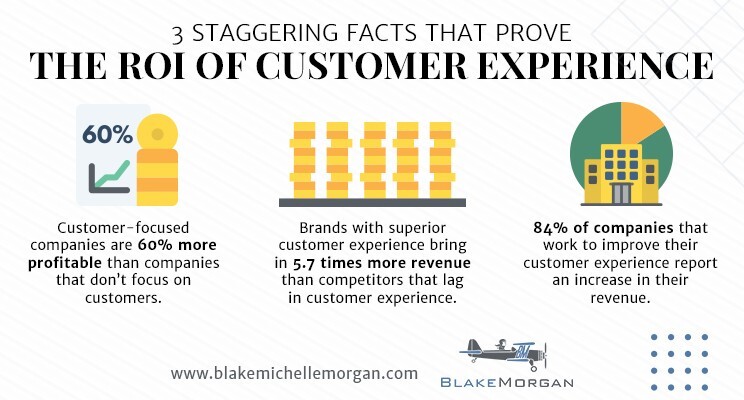
3. Financial Impact: Numerous studies have shown that superior CX can lead to tangible financial benefits. For instance, according to a report by Forrester Research, companies that excel in customer experience can achieve revenue growth rates 5 to 10 times higher than their competitors. Additionally, the Customer Experience Professionals Association (CXPA) suggests that businesses with strong CX practices see higher profitability and revenue growth.

Measuring the Return on Investment (ROI) in Customer Experience

1. Customer Satisfaction (CSAT): One of the most direct metrics for evaluating CX investments is customer satisfaction. CSAT scores, typically gathered through post-interaction surveys, measure how satisfied customers are with their experience. High CSAT scores often correlate with positive outcomes such as repeat business and customer loyalty.

2. Net Promoter Score (NPS): NPS is another crucial metric used to gauge customer loyalty and the likelihood of customers recommending a brand to others. A high NPS indicates that customers are not only satisfied but also willing to act as brand advocates, which can drive organic growth through referrals.

3. Customer Retention and Churn Rates: Investments in CX can influence customer retention and reduce churn rates. Retained customers are valuable as they contribute to stable revenue streams and often become repeat buyers. Tracking changes in retention and churn rates following CX initiatives can provide insight into the effectiveness of these investments.

4. Lifetime Value (LTV): Customer lifetime value measures the total revenue a business can expect from a customer over their entire relationship. Improvements in CX often lead to increased LTV as satisfied customers tend to spend more and remain loyal for longer periods.

5. Revenue and Profit Margins: Ultimately, the impact of CX investments on revenue and profit margins is a critical measure of ROI. Enhanced CX can lead to increased sales, higher average order values, and improved profit margins. Analyzing financial performance pre- and post-CX improvements helps quantify the return on investment.

Case Studies Illustrating ROI from CX Investments

1. Apple: Apple Inc. is renowned for its commitment to exceptional customer experience. The company invests heavily in creating seamless, high-quality interactions through its products, retail stores, and customer support. Apple’s focus on CX has resulted in strong customer loyalty, high NPS scores, and substantial revenue growth. The company’s customer-centric approach has not only enhanced brand equity but also translated into significant financial returns.

2. Amazon: Amazon’s investment in CX, including its user-friendly website, efficient delivery system, and responsive customer service, has been a key driver of its success. The company’s emphasis on CX has led to increased customer satisfaction, high retention rates, and impressive revenue growth. Amazon’s ability to continually innovate and enhance the customer experience has positioned it as a leader in the e-commerce space.

3. Zappos: Zappos, an online shoe and clothing retailer, is known for its exceptional customer service. The company’s commitment to CX, including a generous return policy and 24/7 customer support, has earned it a loyal customer base and high NPS scores. Zappos’ investment in CX has resulted in strong customer loyalty, repeat business, and positive word-of-mouth, contributing to its long-term success.

4. Starbucks: Starbucks has invested significantly in enhancing customer experience through initiatives such as personalized rewards programs, mobile ordering, and a focus on store ambiance. These efforts have contributed to increased customer loyalty, higher spending per visit, and consistent revenue growth. Starbucks’ investment in CX has proven to be a strategic asset in maintaining its competitive position in the coffee industry.

Challenges and Considerations in Evaluating CX ROI

1. Long-Term vs. Short-Term Returns: Measuring the ROI of CX investments can be challenging due to the long-term nature of their benefits. While some improvements may yield immediate results, others may take time to manifest. It is important for organizations to consider both short-term and long-term impacts when evaluating the effectiveness of CX initiatives.

2. Attribution Complexity: Determining the direct impact of CX investments on financial performance can be complex due to the interplay of various factors. Organizations must use a combination of metrics and data analysis to accurately attribute improvements in revenue and profitability to specific CX initiatives.

3. Customer Feedback and Expectations: Continuous monitoring of customer feedback and evolving expectations is essential for ensuring that CX investments remain relevant and effective. Organizations must stay attuned to changing customer preferences and adapt their CX strategies accordingly.

4. Cost vs. Benefit Analysis: While investing in CX can yield substantial returns, it is important to conduct a cost-benefit analysis to ensure that resources are allocated effectively. Organizations should evaluate the potential benefits of CX improvements against the costs of implementation to determine the overall value of their investments.

Strategies for Maximizing ROI from CX Investments

1. Align CX Initiatives with Business Goals: Ensuring that CX initiatives align with broader business objectives and strategic goals can enhance their impact and effectiveness. Organizations should define clear goals for their CX investments and track progress toward achieving these objectives.

2. Leverage Data and Analytics: Utilizing data and analytics to gain insights into customer behavior, preferences, and pain points can inform CX strategies and improvements. Analyzing customer data helps organizations make informed decisions and prioritize initiatives that will deliver the greatest impact.

3. Foster a Customer-Centric Culture: Building a customer-centric culture within the organization is essential for maximizing the benefits of CX investments. Ensuring that all employees are aligned with the company’s CX vision and are empowered to deliver exceptional experiences can drive long-term success.

4. Continuously Innovate and Improve: CX is an ongoing process that requires continuous innovation and improvement. Organizations should regularly assess and refine their CX strategies to address emerging trends, technological advancements, and evolving customer expectations.

5. Monitor and Measure Effectiveness: Implementing robust measurement and monitoring systems is crucial for evaluating the effectiveness of CX investments. Regularly tracking key metrics, such as CSAT, NPS, and financial performance, helps organizations gauge the impact of their CX initiatives and make data-driven decisions.


Disclaimer: The thoughts and opinions stated in this article are solely those of the author and do not necessarily reflect the views or positions of any entities represented and we recommend referring to more recent and reliable sources for up-to-date information.

Gen AI Scientists Could Expand the Frontiers of Our Knowledge

Artificial Intelligence (AI) has already begun to transform numerous fields, from healthcare to finance to entertainment. As we stand on the brink of a new era in AI, the advent of Generative AI (Gen AI) scientists—AI systems capable of generating novel hypotheses, designs, and discoveries—promises to further expand the frontiers of human knowledge. This article explores the potential of Gen AI scientists, their implications for research and discovery, and the challenges and ethical considerations that come with their development and deployment.

Understanding Generative AI Scientists

1. Definition and Capabilities: Generative AI scientists refer to AI systems designed to create new knowledge, theories, or designs through processes similar to human scientific inquiry. Unlike traditional AI, which primarily analyzes existing data or performs specific tasks, Gen AI scientists have the ability to generate innovative hypotheses, experimental designs, and even new scientific theories. These systems leverage advanced machine learning techniques, including deep learning and natural language processing, to explore and expand scientific frontiers.

2. How They Work: Gen AI scientists utilize vast amounts of data from scientific literature, experimental results, and other sources to identify patterns, generate new ideas, and propose novel solutions. They employ algorithms that mimic cognitive processes, such as reasoning, creativity, and problem-solving, to produce original insights. By analyzing data at an unprecedented scale and speed, these AI systems can propose hypotheses and designs that might not be immediately apparent to human researchers.

Expanding Frontiers of Knowledge

1. Accelerating Discovery: Gen AI scientists can significantly speed up the process of discovery. By analyzing complex datasets and generating hypotheses rapidly, they can identify potential breakthroughs much faster than traditional methods. For example, in drug discovery, AI systems can generate and test thousands of potential compounds in a fraction of the time it would take human researchers, leading to faster development of new treatments.

2. Enhancing Interdisciplinary Research: The ability of Gen AI scientists to integrate and analyze data from multiple disciplines can foster interdisciplinary research. By synthesizing information from various fields, these AI systems can uncover connections and insights that might be missed by researchers focusing solely on their specific domain. This interdisciplinary approach can lead to innovative solutions and new avenues of exploration.

3. Discovering Novel Materials and Technologies: Gen AI scientists have the potential to revolutionize material science and technology development. For instance, AI-driven models can predict the properties of new materials or optimize designs for advanced technologies, such as renewable energy systems or nanotechnology. This capability can lead to the creation of novel materials with tailored properties for specific applications.

4. Personalized and Precision Medicine: In healthcare, Gen AI scientists can drive advancements in personalized and precision medicine. By analyzing genetic data, patient records, and medical literature, AI systems can generate insights into individual health conditions and recommend personalized treatment plans. This approach can lead to more effective and targeted therapies, improving patient outcomes.

5. Advancing Theoretical Science: Gen AI scientists can contribute to theoretical science by generating and testing new theories and models. In fields such as physics and cosmology, where traditional experimentation may be challenging or impossible, AI-driven simulations and theoretical models can offer valuable insights and advance our understanding of fundamental principles.

Challenges and Ethical Considerations

1. Data Quality and Bias: The effectiveness of Gen AI scientists depends heavily on the quality and diversity of the data they are trained on. Poor-quality or biased data can lead to inaccurate or misleading results. Ensuring that AI systems are trained on high-quality, representative data is essential for producing reliable and unbiased insights.

2. Transparency and Interpretability: One of the challenges with AI-generated discoveries is the lack of transparency and interpretability. Understanding how Gen AI scientists arrive at their conclusions can be difficult, which may pose challenges for validation and acceptance within the scientific community. Developing methods to explain and interpret AI-generated results is crucial for their integration into scientific practice.

3. Ethical and Social Implications: The use of Gen AI scientists raises ethical and social questions, such as the implications of AI-driven discoveries on society, intellectual property issues, and the potential impact on employment within research fields. Addressing these concerns requires careful consideration and the development of ethical guidelines for the use of AI in scientific research.

4. Accountability and Responsibility: As AI systems take on more prominent roles in research and discovery, questions of accountability and responsibility arise. Determining who is responsible for AI-generated findings, particularly in cases of errors or unintended consequences, is an important consideration. Clear frameworks for accountability and oversight are necessary to address these issues.

5. Integration with Human Research: The integration of Gen AI scientists with traditional human research practices presents its own set of challenges. Ensuring that AI systems complement rather than replace human expertise, and fostering collaboration between AI and human researchers, is key to maximizing the benefits of AI-driven scientific advancements.

Strategies for Harnessing Gen AI Scientists

1. Developing Robust Frameworks: Establishing robust frameworks for the development, deployment, and oversight of Gen AI scientists is essential. This includes creating standards for data quality, ethical guidelines, and mechanisms for transparency and interpretability. Collaborating with interdisciplinary teams to develop these frameworks can ensure comprehensive and balanced approaches.

2. Promoting Collaboration: Encouraging collaboration between AI researchers, domain experts, and ethicists can facilitate the effective integration of Gen AI scientists into research practices. Interdisciplinary partnerships can help address challenges, validate findings, and ensure that AI-generated insights are relevant and actionable.

3. Investing in Education and Training: Providing education and training for researchers and practitioners on the use and implications of Gen AI scientists is important for fostering a knowledgeable and skilled workforce. This includes training in AI technologies, ethical considerations, and best practices for integrating AI into research.

4. Ensuring Inclusivity and Diversity: Promoting inclusivity and diversity in the development and application of Gen AI scientists can enhance the quality and relevance of AI-generated discoveries. Diverse perspectives can help identify and address biases, ensure that research benefits a broad range of stakeholders, and contribute to more equitable outcomes.

5. Monitoring and Evaluating Impact: Implementing systems for monitoring and evaluating the impact of Gen AI scientists is crucial for understanding their contributions and addressing potential risks. Regular assessments can help ensure that AI-driven research aligns with ethical standards, societal needs, and scientific goals.


Disclaimer: The thoughts and opinions stated in this article are solely those of the author and do not necessarily reflect the views or positions of any entities represented and we recommend referring to more recent and reliable sources for up-to-date information.