
Home Blog Page 726

Climate Change and Its Toll on Marginal Farmers: Battling Uncertainty on the Frontlines

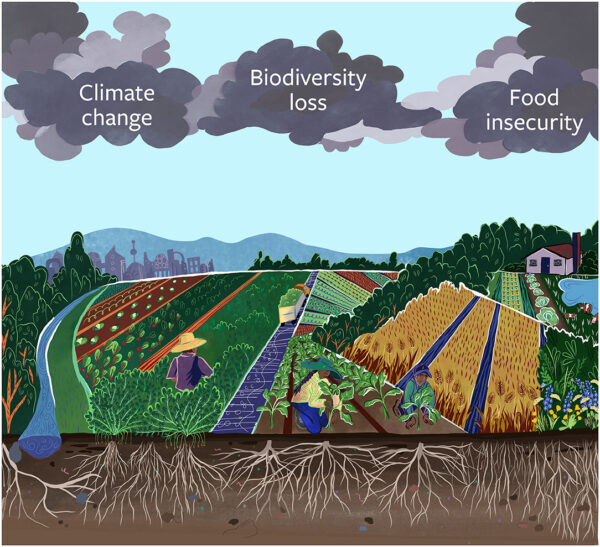
In the vast expanse of global climate change impacts, perhaps nowhere are the effects more acutely felt than among marginal farmers. These small-scale agriculturalists, often operating on the fringes of subsistence, bear the brunt of increasingly erratic weather patterns, rising temperatures, and environmental degradation. For them, climate change is not just a scientific phenomenon but a daily struggle for survival, challenging their traditional livelihoods and threatening food security in vulnerable regions worldwide.

The Vulnerability of Marginal Farmers

Marginal farmers, typically defined as those with limited land holdings and minimal resources, form the backbone of rural economies in many developing countries. Often dependent on rain-fed agriculture, they lack the means to invest in advanced irrigation systems or resilient crop varieties. Their vulnerability is compounded by geographical factors such as proximity to coastlines, arid landscapes, or deforested areas where environmental degradation accelerates the impact of climate change.

Erratic Weather Patterns and Crop Failure

One of the most immediate and devastating consequences of climate change for marginal farmers is the unpredictability of weather patterns. Erratic rainfall, prolonged droughts, or unseasonal floods can decimate crops, leading to significant economic losses and food insecurity. In regions where agriculture is rain-fed, such as parts of sub-Saharan Africa, South Asia, and Latin America, even a slight deviation from normal weather patterns can have catastrophic consequences for communities already on the edge of poverty.

Economic Instability and Debt Cycles

Climate-induced crop failures perpetuate cycles of economic instability among marginal farmers. Dependence on successful harvests for income and sustenance means that a single season of poor yields can plunge families into debt. Desperate measures to cope, such as borrowing at exorbitant rates or selling productive assets like livestock, further erode their resilience and perpetuate a cycle of poverty. In extreme cases, farmers may be forced to migrate to urban areas in search of alternative livelihoods, exacerbating rural depopulation and social disintegration.

Water Scarcity and Access Challenges

Rising temperatures and altered precipitation patterns also exacerbate water scarcity, a critical issue for agriculture. Marginal farmers, lacking access to reliable irrigation systems, rely heavily on local water sources such as rivers, ponds, and shallow wells. As these sources diminish or become contaminated due to climate impacts like drought and saltwater intrusion, farmers face increased competition and conflicts over water rights. Women, who often bear the responsibility for water collection and management, are disproportionately affected by these challenges, further exacerbating gender inequalities in rural communities.

Adaptation Efforts and Resilience Building

In the face of these challenges, efforts to build resilience among marginal farmers are crucial. Climate-smart agriculture practices, such as the use of drought-resistant crops, water-efficient irrigation techniques, and agroforestry, can help mitigate the impact of climate change. Extension services and farmer cooperatives play a vital role in disseminating knowledge and facilitating access to sustainable agricultural practices and technologies.

Governments and international organizations also play a pivotal role in supporting adaptation efforts through policy interventions, investment in rural infrastructure, and social safety nets. Initiatives that promote diversified livelihoods, such as eco-tourism or non-farm income generation activities, offer alternative pathways to economic stability for marginalized farming communities.

The Role of International Cooperation and Advocacy

Addressing the challenges faced by marginal farmers requires concerted global action and solidarity. International cooperation is essential in tackling climate change at its roots by reducing greenhouse gas emissions and promoting sustainable development pathways. Advocacy efforts aimed at raising awareness about the plight of marginal farmers and mobilizing support for climate adaptation and mitigation measures are also critical.


Disclaimer: The thoughts and opinions stated in this article are solely those of the author and do not necessarily reflect the views or positions of any entities represented and we recommend referring to more recent and reliable sources for up-to-date information.

Assange Set Free: A Controversial Figure in the Eye of the Storm

On any given day, the release of a high-profile individual from legal entanglements would typically be cause for celebration or relief. However, the case of Julian Assange, founder of WikiLeaks, is anything but typical. For over a decade, Assange has been at the center of a global debate on freedom of speech, government transparency, and the limits of journalistic integrity. His legal battles have traversed multiple jurisdictions, spanning accusations of espionage, cybercrime, and sexual misconduct. The question of Assange’s freedom transcends mere legal proceedings; it touches upon fundamental principles of democracy, human rights, and the power dynamics between states and individuals.

The Rise of WikiLeaks

Julian Assange rose to prominence in the late 2000s with the establishment of WikiLeaks, a platform dedicated to leaking classified documents and exposing government and corporate wrongdoing. The organization’s mission, encapsulated in its slogan “We Open Governments,” resonated with whistleblowers and transparency advocates worldwide. WikiLeaks’ disclosures, including the release of the Iraq and Afghanistan War Logs and diplomatic cables, sparked international uproar and debate.

Legal Challenges and Asylum

Assange’s troubles began in 2010 when Sweden issued a European Arrest Warrant for allegations of sexual misconduct. Fearing extradition to Sweden and potentially to the United States, where he faced espionage charges related to WikiLeaks’ activities, Assange sought asylum in the Ecuadorian Embassy in London in 2012. For seven years, he remained confined to the embassy, his asylum status a focal point of diplomatic tensions and legal maneuvering.

Arrest and Extradition Proceedings

In April 2019, Ecuador revoked Assange’s asylum, and British authorities promptly arrested him for breaching bail conditions. Subsequently, the United States requested his extradition to face charges under the Espionage Act—a move critics argue sets a dangerous precedent for press freedom and the protection of whistleblowers. Assange’s legal team countered that his actions were journalistic in nature, akin to those of traditional media outlets publishing classified information in the public interest.

Global Reactions and Advocacy

Assange’s case has ignited passionate advocacy campaigns worldwide. Supporters view him as a champion of free speech and transparency, likening his plight to that of whistleblowers who expose corruption and misconduct. Human rights organizations have raised concerns about the implications of his prosecution on press freedom and the right to information. Conversely, critics accuse Assange of endangering lives by indiscriminately releasing sensitive information and argue that he should be held accountable for his actions.

The Impact on Journalism and Democracy

The Assange saga underscores broader concerns about the state of journalism in the digital age. As traditional media grapple with declining trust and financial pressures, platforms like WikiLeaks have emerged as alternative voices challenging established narratives. The tension between national security imperatives and the public’s right to know remains unresolved, raising critical questions about the balance between transparency and accountability in democratic societies.

The Road to Freedom

On the hypothetical day of Assange’s release, the reactions would likely be as polarized as the case itself. Advocates would hail it as a victory for press freedom and human rights, while critics would decry it as a setback for national security and the rule of law. The ramifications of such a decision would reverberate globally, influencing perceptions of justice, governance, and the role of the media in shaping public discourse.

Looking Ahead

As the legal proceedings unfold, the Assange case serves as a litmus test for the principles we hold dear in democratic societies. It challenges us to confront uncomfortable truths about power, accountability, and the sometimes uneasy relationship between journalism and national security. Whatever the outcome, the Assange saga will leave an indelible mark on the landscape of global media and freedom of expression—a reminder that the quest for truth is often fraught with complexity and controversy.

In the end, Assange’s fate rests not only in courtrooms but also in the court of public opinion. His story is a testament to the enduring struggle for transparency and justice in an increasingly interconnected world, where information is both a weapon and a shield. As we navigate the complexities of the digital age, the lessons learned from Assange’s journey may well shape the future of journalism, democracy, and the pursuit of truth for generations to come.

Disclaimer: The thoughts and opinions stated in this article are solely those of the author and do not necessarily reflect the views or positions of any entities represented and we recommend referring to more recent and reliable sources for up-to-date information.

Have You Ever Seen the Rain? The Price of Truant Monsoons

In the ever-changing tapestry of nature’s rhythms, few phenomena capture the human imagination like the monsoon. An annual climatic event in many regions across the globe, the monsoon heralds both bounty and challenge. From Asia to Africa, from the Americas to Australia, these seasonal winds bring life-sustaining rain but also unpredictable chaos. The metaphorical and literal weight of the monsoon is felt deeply by those who depend on its blessings for their livelihoods and by those who must contend with its destructive power.

The Dance of Rain and Drought

“Have You Ever Seen the Rain?” asks the iconic song by Creedence Clearwater Revival, echoing the sentiment of many who witness the cycle of rain and drought. This sentiment resonates with communities whose fortunes are tied to the monsoon’s whims. In regions like South Asia, where agriculture is the backbone of the economy, the arrival of the monsoon can mean the difference between abundance and scarcity, prosperity and poverty.

For farmers, the monsoon dictates planting and harvesting schedules. A timely monsoon ensures crops flourish, contributing to food security and economic stability. Conversely, delayed or erratic rains can lead to crop failures, food shortages, and economic hardship. The price of truant monsoons becomes tangible as communities grapple with the fallout of unpredictable weather patterns exacerbated by climate change.

The Human Impact

Beyond agriculture, the monsoon shapes everyday life in profound ways. In urban areas, inadequate infrastructure often buckles under the pressure of heavy rains, leading to flooding, waterlogging, and disruptions in daily routines. The human toll of such events is stark, with loss of lives, displacement, and damage to property underscoring the vulnerability of communities to nature’s fury.

In recent years, rapid urbanization and environmental degradation have exacerbated the impacts of the monsoon. Deforestation and improper land use practices diminish the soil’s ability to absorb water, increasing runoff and the risk of flash floods. Poor drainage systems in cities amplify the effects of heavy rainfall, compounding the challenges faced by urban dwellers.

Conservation and Adaptation

In response to these challenges, efforts to conserve water and promote sustainable practices have gained traction. Rainwater harvesting, watershed management, and afforestation programs aim to bolster natural resilience to the monsoon’s extremes. Community-led initiatives foster awareness and resilience, empowering individuals and organizations to mitigate the impact of erratic weather patterns.

At the policy level, governments are increasingly recognizing the imperative of climate adaptation and disaster risk reduction. Investments in resilient infrastructure, early warning systems, and emergency preparedness bolster communities’ ability to weather the storm, quite literally. International collaboration and knowledge sharing play a crucial role in addressing the global dimensions of climate change and its impact on monsoon-dependent regions.

Cultural Significance

Beyond its ecological and economic dimensions, the monsoon holds cultural significance in many societies. Festivals celebrating the onset of the rains are common, symbolizing renewal, fertility, and hope. Traditional knowledge systems rooted in generations of observation and adaptation offer insights into navigating the complexities of monsoon dynamics.

In literature, art, and music, the monsoon has inspired countless expressions of awe and introspection. From ancient texts to contemporary works, writers and artists capture the monsoon’s duality—its capacity to nourish and destroy, to unite and divide. Through storytelling and symbolism, communities transmit their collective memory of monsoons past, enriching our understanding of humanity’s enduring relationship with the natural world.

Looking Ahead

As we confront the realities of a changing climate, the need for sustainable practices and resilient communities becomes ever more pressing. The monsoon, with its capricious temperament, serves as a poignant reminder of our interconnectedness with nature and our responsibility to steward its resources wisely.

“Have You Ever Seen the Rain?” remains a poignant question, prompting reflection on the fragility and resilience of ecosystems shaped by the monsoon’s ebb and flow. In seeking answers, we are called to embrace innovation, collaboration, and compassion. Together, we can navigate the uncertainties of the future, mindful of the lessons embedded in every drop of rain that falls.

In the tapestry of existence, the monsoon weaves a narrative of adaptation and transformation—a testament to the enduring spirit of resilience in the face of nature’s majestic and unfathomable power.

World Cup Spices Up T20 in Unexpected Ways

The T20 World Cup this year has been a revelation, not just for the fans but for the sport itself. In a format known for its high scores and power-hitting, this year’s tournament has brought a fresh twist with bowler-friendly pitches producing intriguing results. Low scores, close contests, and several upsets have spiced up the competition, leveling the playing field between power-hitters and bowlers in ways previously unseen.

The Impact of Bowler-Friendly Pitches

The T20 format, traditionally a batsman’s game, saw a remarkable shift this year. Bowler-friendly pitches transformed the nature of the matches, bringing a new dimension to the game. Only three teams out of 20 managed to cross the 200-run mark in the group stage: Australia against England, Sri Lanka against the Netherlands, and the West Indies against Afghanistan. Interestingly, the last two matches were inconsequential as the Super 8 spots had already been determined.

In fact, a score of 160, which equates to just 8 runs per over, was breached only 11 times in 40 matches. This statistic highlights the significant influence of the pitches on the tournament, making it one of the most balanced T20 World Cups in recent memory.

Close Contests and Thrilling Upsets

The low-scoring nature of the matches resulted in numerous close contests and thrilling upsets. Teams that traditionally relied on their batting prowess found themselves challenged, as the bowlers took center stage. Matches were often decided in the final over, keeping fans on the edge of their seats.

The tournament saw underdog teams rise to the occasion, capitalizing on the conditions to outplay their more fancied opponents. The unpredictability added an extra layer of excitement, with no team being a guaranteed winner. For instance, Afghanistan’s stunning victory over Pakistan and Scotland’s narrow win against Bangladesh were standout moments that encapsulated the essence of this year’s tournament.

The Balance Between Bat and Ball

The T20 format has often been criticized for being too skewed in favor of batsmen. Flat pitches, short boundaries, and power plays have traditionally tipped the scales towards high-scoring games. However, this World Cup has demonstrated that a balance between bat and ball can create a more compelling and unpredictable spectacle.

Bowler-friendly pitches ensured that even the best batting line-ups had to work hard for their runs. Dot balls, maidens, and low-scoring power plays became common, bringing a renewed focus on strategy and skill. The importance of building partnerships, rotating the strike, and playing risk-free cricket was highlighted, adding depth to the tactical aspects of the game.

Standout Performances by Bowlers

With conditions favoring bowlers, several individuals emerged as standout performers. Spinners and seamers alike took advantage of the pitches, delivering match-winning performances.

Spinners like Rashid Khan of Afghanistan and Wanindu Hasaranga of Sri Lanka mesmerized batsmen with their guile and precision. Their ability to extract turn and bounce from the pitches made them formidable opponents. Rashid’s spell against Pakistan, where he took 4 wickets for just 12 runs, was a masterclass in T20 bowling.

Seamers also had their moments of glory. Australia’s Pat Cummins and India’s Jasprit Bumrah consistently bowled with pace and accuracy, exploiting the conditions to trouble the batsmen. Cummins’ 5-wicket haul against England, which included a hat-trick, was one of the highlights of the tournament.

The Evolution of T20 Cricket

This year’s T20 World Cup has shown that the format is still evolving. The emphasis on bowler-friendly pitches has challenged preconceived notions about T20 cricket being a batsman’s game. It has demonstrated that with the right conditions, bowlers can dominate and produce thrilling, competitive cricket.

The tournament has also underscored the importance of adaptability. Teams that quickly adjusted their strategies to suit the conditions were the ones that succeeded. This adaptability was evident in the way teams approached their batting innings, with a greater focus on accumulating runs through singles and doubles rather than relying solely on boundaries.

Fan Engagement and Spectator Experience

The unpredictability and close contests have significantly enhanced fan engagement. Spectators have relished the nail-biting finishes and the emergence of new cricketing heroes. The diversity of match results and the prominence of underdog victories have made for compelling viewing, drawing in fans from across the globe.

Moreover, the tournament has sparked numerous debates and discussions among cricket enthusiasts. The impact of bowler-friendly pitches, the performances of individual players, and the tactical acumen of teams have all been hot topics, adding to the overall buzz and excitement surrounding the World Cup.

The Future of T20 Cricket

The success of this year’s World Cup raises interesting questions about the future of T20 cricket. Will bowler-friendly pitches become more common in future tournaments? How will teams adapt their strategies to cope with varied conditions? These are questions that cricketing authorities and teams will need to consider.

One thing is clear: the balance between bat and ball adds a rich layer of complexity to T20 cricket. It forces teams to be more versatile and strategic, making for a more engaging and unpredictable tournament. This year’s World Cup has set a new benchmark, proving that T20 cricket can be much more than just a batsman’s game.

The T20 World Cup this year has spiced up the format in unexpected ways, primarily through the introduction of bowler-friendly pitches. This shift has led to low scores, close contests, and several upsets, making for a highly engaging and unpredictable tournament. The balance between bat and ball has highlighted the importance of strategy, adaptability, and skill, providing a refreshing take on T20 cricket.

As fans, we have witnessed a tournament where every match could swing either way, where underdogs had their moments of glory, and where bowlers shared the spotlight with batsmen. This year’s World Cup has not only entertained but also redefined what T20 cricket can be, setting the stage for an exciting future for the format.


Disclaimer: The thoughts and opinions stated in this article are solely those of the author and do not necessarily reflect the views or positions of any entities represented and we recommend referring to more recent and reliable sources for up-to-date information.

A Case for CTC and Dust Teas

“Are they saying we are drinking substandard tea?” asked Manoj Archibald, a planter from the Nilgiris, last week. He was reacting to an advertisement that promoted whole leaf teas while deriding CTC (crush, tear, and curl) and dust teas. When tea brands promote whole leaf tea as the superior choice, couldn’t they do so without putting down other types of tea? This question is not just about marketing but also about appreciating the diverse world of tea. Not long after that conversation, I read about Assam’s Hookhmol Tea fetching record prices of 1,500 rupees per kilo at the Kolkata tea auction for their CTC tea, achieving specialty status. This is notable, especially considering that the average price at auction for Assam CTC tea is under 1,300 rupees per kilo.

Understanding CTC and Dust Teas

CTC tea is named after the process it undergoes: crush, tear, and curl. This method was developed in the 1930s to meet the growing demand for tea bags and quick-brewing tea. The leaves are processed by machines that crush, tear, and curl them into small, hard pellets. Dust tea, on the other hand, consists of the finest particles left over after processing. Both types of tea are often used in commercial tea bags.

The Case for CTC Teas

1. Consistency and Convenience

CTC teas are known for their consistency in flavor and strength, making them ideal for mass production. This consistency ensures that each cup of tea tastes the same, which is a significant advantage for everyday tea drinkers who prefer a reliable flavor profile. Additionally, CTC teas brew quickly and produce a robust cup of tea, perfect for those who enjoy a strong, invigorating beverage without a long steeping time.

2. Economic Value

CTC teas offer excellent value for money. They are generally more affordable than whole leaf teas, making them accessible to a broader audience. This affordability does not equate to lower quality; instead, it reflects the efficiency of the production process. For many tea drinkers, especially in countries like India and Kenya, CTC tea is the staple choice, providing a daily dose of comfort and familiarity.

3. Cultural Significance

In many tea-drinking cultures, CTC tea holds a special place. In India, for instance, chai—made with CTC tea, milk, sugar, and spices—is more than just a beverage; it is a daily ritual and an integral part of social life. The robust nature of CTC tea makes it perfect for brewing chai, ensuring that the tea’s flavor stands out even when mixed with other strong ingredients.

The Specialty Status of CTC Teas

The recent auction of Assam’s Hookhmol Tea, fetching 1,500 rupees per kilo, highlights the potential for CTC teas to achieve specialty status. This record price reflects not only the quality of the tea but also the growing recognition of CTC teas as a product with its own merits. High-quality CTC teas are being crafted with the same care and attention as premium whole leaf teas, demonstrating that CTC can be a mark of excellence.

The Case for Dust Teas

1. Potency and Quick Brewing

Dust teas, despite their name, are prized for their potency. They brew quickly and yield a strong, flavorful cup of tea, which is why they are often used in tea bags. This quick brewing time makes dust teas convenient for busy individuals who want a satisfying cup of tea without waiting.

2. Affordability and Accessibility

Like CTC teas, dust teas are affordable and accessible. They provide a cost-effective option for tea drinkers, ensuring that quality tea is available to a wide range of consumers. In many developing countries, dust teas are the primary form of tea consumed, playing a crucial role in daily nutrition and hydration.

3. Versatility

Dust teas are highly versatile and can be used in various tea blends and recipes. Their strong flavor makes them an excellent base for chai and other spiced teas. Additionally, dust teas can be infused into cooking and baking, adding a unique tea flavor to both sweet and savory dishes.

Challenging the Stigma

The perception that whole leaf teas are inherently superior to CTC and dust teas is rooted in a misunderstanding of the different processing methods and their intended purposes. Each type of tea has its own unique characteristics and benefits, catering to different preferences and needs. It is important to appreciate the diversity within the world of tea and recognize that quality can be found across all types of tea, from whole leaf to CTC and dust.

The Role of Marketing

Tea brands have a responsibility to promote their products without undermining others. Marketing strategies should celebrate the uniqueness of each type of tea rather than perpetuate hierarchies that devalue certain kinds. By educating consumers about the various types of tea and their respective qualities, brands can foster a more inclusive appreciation of tea

In defending CTC and dust teas, we acknowledge the richness and diversity of the tea world. These teas offer consistency, convenience, economic value, and cultural significance. They cater to a broad audience and hold a special place in many tea-drinking traditions. High-quality CTC teas, like Assam’s Hookhmol, demonstrate that excellence is not confined to whole leaf teas.

Rather than viewing tea types hierarchically, we should celebrate their differences and the unique experiences they offer. Whether you enjoy the robust strength of a CTC tea, the quick brew of a dust tea, or the delicate nuances of a whole leaf tea, each type of tea has its place in the vast tapestry of tea culture. By appreciating this diversity, we can elevate our tea-drinking experience and honor the craft of tea-making in all its forms.


Disclaimer: The thoughts and opinions stated in this article are solely those of the author and do not necessarily reflect the views or positions of any entities represented and we recommend referring to more recent and reliable sources for up-to-date information.
Revise Competitive Exams for a Better Educated Country

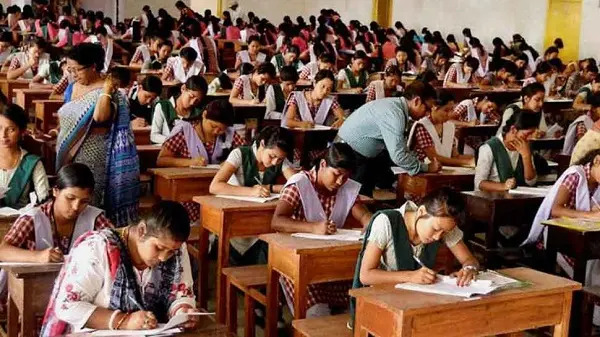
The central premise of prestigious institutions like the Indian Institutes of Technology (IITs) is their reputation for excellence. This reputation is upheld by their ability to attract what they term the ‘best’ students, those who excel in highly competitive entrance exams. These students are typically characterized by their hard work, focus, and proficiency in specific types of testing. While these qualities are valuable, they represent only a small subset of the skills necessary for success in life. To truly advance as a better-educated country, we must re-examine and revise our competitive exams to foster a broader spectrum of abilities and knowledge.

The Current Paradigm of Competitive Exams

Competitive exams in India, such as the Joint Entrance Examination (JEE) for IITs, are known for their rigorous and challenging nature. They primarily test students on their proficiency in subjects like mathematics, physics, and chemistry. The preparation for these exams is intense, often starting years in advance and involving extensive coaching and study hours.

1. Emphasis on Memorization:
The current exam system often emphasizes rote learning and the ability to solve complex problems quickly. While these skills are important, they do not necessarily reflect a student’s overall intellectual capability or potential for innovation.

2. Limited Skill Set:
The exams are designed to filter students based on a narrow set of criteria, primarily their ability to perform under pressure in a highly specific context. This excludes many other essential skills, such as critical thinking, creativity, emotional intelligence, and practical problem-solving.

3. Coaching Industry Influence:
The rise of the coaching industry further skews the playing field, as students from affluent backgrounds can afford extensive tutoring, giving them an edge over their less privileged peers. This not only perpetuates inequality but also places undue stress on students and their families.

 The Need for a Holistic Approach

To build a truly educated country, it is crucial to adopt a more holistic approach to competitive exams. This involves designing assessments that evaluate a broader range of skills and knowledge, ensuring that students are well-rounded individuals capable of contributing meaningfully to society.

1. Emphasize Critical Thinking and Creativity:
Exams should include sections that test critical thinking, creativity, and the ability to apply knowledge in novel situations. These skills are crucial for innovation and problem-solving in the real world.

2. Practical and Project-Based Assessments:
Incorporating practical assessments and project-based evaluations can provide a more accurate measure of a student’s abilities. These methods encourage hands-on learning and the application of theoretical knowledge to real-world problems.

3. Emotional Intelligence and Communication:
Assessments should also consider emotional intelligence, communication skills, and teamwork. These attributes are essential for personal and professional success, yet they are often overlooked in traditional exam settings.

4. Reducing the Coaching Dependence:
Reforming the exam structure to reduce the reliance on rote learning can help level the playing field, diminishing the disproportionate advantage held by students who can afford expensive coaching. This can be achieved by designing questions that require deeper understanding and original thinking rather than memorization.

Case Studies and Global Examples

Looking at global examples can provide valuable insights into how competitive exams can be revised to foster a more holistic education system.

1. Finland:
Finland’s education system is renowned for its focus on holistic development and student well-being. Instead of high-stakes exams, Finland emphasizes continuous assessment, project work, and collaborative learning. This approach has consistently produced students who excel in various fields and are well-prepared for the complexities of modern life.

2. United States:
In the United States, college admissions take into account a wide range of factors, including standardized test scores, extracurricular activities, personal essays, and letters of recommendation. This multi-faceted approach ensures that students are evaluated not just on their academic abilities but also on their leadership qualities, creativity, and community involvement.

3. Singapore:
Singapore has implemented changes in its education system to reduce the emphasis on rote learning and high-stakes testing. The country now focuses more on developing critical thinking and problem-solving skills, recognizing that these are essential for success in the 21st century.

Implementing Changes in India

Revising competitive exams in India will require a concerted effort from policymakers, educators, and institutions. Here are some steps that can be taken to move towards a more holistic assessment system:

1. Curriculum Reform:
The curriculum should be revised to emphasize critical thinking, creativity, and practical skills. Subjects like ethics, communication, and emotional intelligence should be integrated into the curriculum from an early age.

2. Diverse Assessment Methods:
Incorporate a variety of assessment methods, including written exams, practical projects, oral presentations, and group work. This diversity will ensure that different types of intelligence and skills are recognized and nurtured.

3. Teacher Training:
Invest in training teachers to adopt new teaching methods that focus on holistic development. Teachers should be equipped to foster creativity, critical thinking, and emotional intelligence in their students.

4. Policy Support:
Government policies should support the transition to a more holistic education system. This includes funding for curriculum development, teacher training, and the creation of new assessment tools.

To create a better-educated country, it is imperative to move beyond the narrow focus of current competitive exams and adopt a more holistic approach to education. By emphasizing a broader range of skills and knowledge, we can ensure that students are well-prepared for the challenges of the modern world. Revising competitive exams is a crucial step in this direction, fostering a generation of well-rounded individuals capable of driving innovation, solving complex problems, and contributing positively to society. The journey towards a more holistic education system will require collective effort and sustained commitment, but the rewards will be well worth it.


Disclaimer: The thoughts and opinions stated in this article are solely those of the author and do not necessarily reflect the views or positions of any entities represented and we recommend referring to more recent and reliable sources for up-to-date information.

AI Whistleblowers Are Getting a Chance to Speak Up: Let’s Listen

Artificial Intelligence (AI) has rapidly transformed various aspects of our lives, bringing significant advancements and conveniences. However, like any powerful technology, AI also comes with potential risks and unintended consequences. The algorithms that power AI systems can spread misinformation, take over jobs, hallucinate erroneous outputs, and enable new forms of surveillance. Recognizing these dangers, it is becoming easier for AI developers to warn the world about the harms their algorithms can cause. This editorial discusses the importance of listening to AI whistleblowers and the emerging structures supporting them.

The Growing Need for AI Whistleblowers

As AI technology becomes more pervasive, the stakes associated with its deployment continue to rise. AI systems are now integral to critical sectors such as healthcare, finance, law enforcement, and national security. The potential for misuse or unintended consequences in these areas can have far-reaching and possibly devastating impacts.

1. Misinformation:
AI algorithms, particularly those used in social media and news aggregation, can amplify false information. This can distort public perception, influence elections, and exacerbate social divisions.

2. Job Displacement:
Automation driven by AI threatens to displace millions of workers, leading to significant economic and social upheaval. The rapid deployment of AI in industries without adequate planning for workforce transitions can result in widespread unemployment and social instability.

3. AI Hallucinations:
AI systems, especially those based on deep learning, can sometimes produce outputs that are bizarre and entirely disconnected from reality. These so-called “hallucinations” can be problematic in critical applications, such as medical diagnosis or autonomous driving, where accuracy is paramount.

4. Surveillance:
AI-driven surveillance technologies pose significant privacy concerns. The ability to track and monitor individuals in real-time can lead to abuses of power, erosion of civil liberties, and the establishment of authoritarian regimes.

Encouraging AI Whistleblowers

Recognizing the importance of whistleblowers in safeguarding against these risks, several key developments are making it easier for AI developers to speak out:

1. Changes in Compensation Policies:
Tech companies are revising their compensation policies to protect whistleblowers from retaliation. These changes often include financial incentives, legal support, and career protection measures for individuals who raise concerns about unethical AI practices.

2. Growing Momentum Among Engineers:
There is a renewed momentum among engineers and AI professionals to speak out against the harmful applications of their work. High-profile cases of whistleblowers exposing unethical practices have inspired others in the field to follow suit. This cultural shift within the tech community is crucial for fostering an environment where ethical concerns can be raised without fear.

3. Government-Backed Safety Groups:
The establishment of government-backed safety groups, such as the British AI Safety Initiative, provides a formal channel for whistleblowers to report their concerns. These organizations offer legal protection, anonymity, and a structured process for investigating and addressing the reported issues. Their growing influence helps ensure that whistleblowers’ voices are heard and acted upon.

The Role of the British AI Safety Initiative

The British AI Safety Initiative (BASI) has emerged as a pivotal organization in the global effort to regulate AI. Backed by the UK government, BASI aims to promote the safe and ethical development of AI technologies. The initiative provides a platform for whistleblowers to report potential abuses or risks associated with AI systems, ensuring that these concerns are thoroughly investigated and addressed.

1. Legal Protection:
BASI offers legal protection to whistleblowers, safeguarding them from retaliation by their employers. This legal framework encourages more individuals to come forward with their concerns.

2. Anonymity:
The initiative ensures the anonymity of whistleblowers, protecting their identity and minimizing the risk of personal or professional repercussions. This is particularly important in a field where the stakes are high, and the power dynamics can be intimidating.

3. Investigative Authority:
BASI has the authority to investigate reported issues and take appropriate action. This includes conducting independent audits of AI systems, recommending changes to algorithms, and imposing penalties on organizations that violate ethical standards.

The Importance of Listening

While the structures supporting whistleblowers are essential, their effectiveness ultimately depends on whether their warnings are heeded. Listening to AI whistleblowers is crucial for several reasons:

1. Preventing Harm:
Whistleblowers provide early warnings about potential risks and harms associated with AI systems. By listening to them, we can take proactive measures to prevent these issues from escalating.

2. Enhancing Accountability:
Encouraging whistleblowers to speak out fosters a culture of accountability within the tech industry. It ensures that companies prioritize ethical considerations and are held responsible for their actions.

3. Building Public Trust:
Transparency and accountability in AI development are essential for building public trust. When the public sees that concerns about AI are taken seriously and addressed, confidence in the technology and its applications increases.

4. Promoting Ethical AI Development:
Listening to whistleblowers helps ensure that AI development aligns with ethical standards and societal values. This promotes the creation of AI systems that benefit humanity and mitigate potential risks.

The ability for AI whistleblowers to speak up and be heard is a significant advancement that benefits society as a whole. With changes in compensation policies, increased willingness among engineers to raise concerns, and the support of organizations like the British AI Safety Initiative, the tech industry is taking important steps towards ethical AI development. However, these efforts will only be successful if we collectively listen to and act on the warnings provided by whistleblowers. By doing so, we can harness the potential of AI while safeguarding against its risks, ensuring a future where technology serves the greater good.


Disclaimer: The thoughts and opinions stated in this article are solely those of the author and do not necessarily reflect the views or positions of any entities represented and we recommend referring to more recent and reliable sources for up-to-date information.

A 100-Day Agenda for Statistics to Aid Data-Driven Policymaking

The newly elected government recently announced its plan to have ministries and departments implement a 100-day action agenda. This initiative aligns with the BJP’s election manifesto, which promised to “further strengthen the capacity of statistical institutions to give impetus to data-driven policy making.” Here, I outline a series of measures that government statistical agencies can take over the next 100 days to achieve this goal.

Days 1-10: Assess Current Capabilities and Identify Gaps

1. Comprehensive Audit:
Conduct an in-depth audit of the current statistical capabilities within all government departments. This audit should identify existing resources, expertise, and data collection methods.

2. Gap Analysis:
Pinpoint gaps in data collection, analysis, and dissemination. Determine where data is outdated, insufficient, or lacking. This should include assessments of infrastructure, technology, and human resources.

 Days 11-20: Enhance Data Collection Methodologies

3. Standardization:
Develop and implement standardized data collection protocols across all ministries and departments to ensure consistency and reliability.

4. Modernize Tools:
Invest in modern data collection tools and technologies, such as digital surveys, real-time data collection methods, and big data analytics.

5. Training Programs:
Launch training programs for government employees on modern data collection techniques, ensuring data integrity and effective use of statistical software.

Days 21-30: Strengthen Data Analysis Capabilities

6. Establish Data Analytics Units:
Create dedicated data analytics units within key ministries, staffed with skilled data scientists, statisticians, and analysts.

7. Advanced Analytics:
Encourage the use of advanced analytical techniques, including machine learning, predictive analytics, and artificial intelligence, to extract actionable insights from data.

8. Collaboration with Academia:
Partner with academic institutions and research organizations to leverage their expertise in data analysis and statistical methodologies.

Days 31-40: Improve Data Dissemination and Transparency

9. Open Data Initiative:
Launch an open data initiative to make government data accessible to the public, promoting transparency and allowing external entities to use the data for research and innovation.

10. User-Friendly Platforms:
Develop user-friendly platforms for data dissemination, enabling easy access, visualization, and interpretation of data by policymakers, researchers, and the public.

Days 41-50: Foster a Culture of Data-Driven Decision Making

11. Awareness Campaigns:
Conduct awareness campaigns emphasizing the importance of data-driven decision making, targeting policymakers, government employees, and the public.

12. Success Stories:
Highlight success stories where data-driven policies have led to significant improvements in public services, economic growth, or social welfare.

Days 51-60: Strengthen Statistical Institutions

13. Capacity Building:
Invest in capacity building for statistical institutions such as the National Statistical Office (NSO) and the Ministry of Statistics and Programme Implementation (MoSPI).

14. Autonomy and Funding:
Ensure that statistical institutions have the necessary autonomy and funding to operate effectively and independently.

 Days 61-70: Enhance Inter-Ministerial Coordination

15. Data Sharing Framework:
Develop a framework for data sharing and collaboration among different ministries and departments, facilitating the use of comprehensive datasets for holistic policymaking.

16. Inter-Ministerial Committees:
Establish inter-ministerial committees to oversee the implementation of data-driven initiatives, ensuring coordination and cooperation.

 Days 71-80: Leverage Technology for Better Governance

17. Digital Governance:
Promote the use of digital governance tools that integrate data analytics for efficient service delivery and policy implementation.

18. E-Governance Platforms:
Enhance existing e-governance platforms to include data analytics capabilities, providing real-time insights into policy outcomes and public service performance.

 Days 81-90: Focus on Priority Sectors

19. Health and Education:
Prioritize data collection and analysis in critical sectors such as health and education to improve service delivery, track progress, and address gaps.

20. Economic Indicators:
Enhance the collection and analysis of economic indicators to provide accurate and timely information for economic planning and policy formulation.

 Days 91-100: Evaluate Progress and Plan for the Future

21. Progress Review:
Conduct a comprehensive review of the progress made during the 100-day period, identifying successes, challenges, and areas needing further improvement.

22. Future Roadmap:
Develop a long-term roadmap for sustaining and expanding data-driven policymaking, including continuous capacity building, technology upgrades, and policy reforms.

The next 100 days present an opportunity for the newly elected government to establish a robust foundation for data-driven policymaking. By enhancing the capacity of statistical institutions, modernizing data collection and analysis, and fostering a culture of data-driven decision making, the government can ensure more effective, transparent, and accountable governance. These measures will not only improve policy outcomes but also build public trust in the government’s ability to address national challenges through informed and evidence-based decisions.


Disclaimer: The thoughts and opinions stated in this article are solely those of the author and do not necessarily reflect the views or positions of any entities represented and we recommend referring to more recent and reliable sources for up-to-date information.

Google Suspends Online Gaming Trial on Play Store

On Friday, Google announced the suspension of its ongoing pilot program that allowed fantasy sports and rummy games to be listed on its mobile applications marketplace, the Google Play Store. However, the company has extended a “grace period” for India, providing a temporary reprieve for developers and users of these apps.

This decision halts the expansion of real-money games on the Play Store, which was originally scheduled to take place in January. For now, apps already live on the Play Store will remain accessible. This move has sparked significant discussion within the gaming industry, among developers, and among the millions of users who engage with these platforms daily.

The Pilot Program’s Objectives

Launched earlier this year, the pilot program aimed to assess the feasibility and regulatory compliance of real-money games on the Play Store. By allowing fantasy sports and rummy games, which enjoy immense popularity in India, Google sought to create a more controlled environment where these apps could be monitored for adherence to local laws and Google’s policies. Additionally, the program was intended to tap into the rapidly growing online gaming market in India.

Reasons for the Suspension

While Google has not provided detailed reasons for the suspension, several factors likely influenced the decision:

1. Regulatory Challenges

India’s regulatory framework for real-money gaming is intricate and varies by state. Different states have distinct laws regarding gambling, making it difficult for platforms like the Play Store to ensure nationwide compliance. Navigating these diverse regulations poses a significant challenge.

2. Public and Legal Scrutiny

The surge in online real-money games has attracted considerable public and legal scrutiny in India. Concerns about gambling addiction, financial losses, and the impact on youth have led to calls for stricter regulations. Such scrutiny can pose reputational risks for a global entity like Google.

3. Market Dynamics

The Indian online gaming market is highly competitive, with numerous local and international players. The trial period may have highlighted challenges related to competition, user acquisition, and retention, influencing Google’s decision.

4. Technical and Operational Issues

Ensuring a seamless and secure user experience for real-money gaming requires robust technical and operational frameworks. Implementing such frameworks within Google’s policy guidelines and the Play Store’s operational standards may have presented significant challenges.

Impact on Developers and Users

The suspension of the pilot program has notable implications for developers and users:

1. Developers

For developers of fantasy sports and rummy games, this suspension halts the momentum gained from being listed on the Play Store. Access to Google’s vast user base and the credibility associated with the Play Store are invaluable assets. Now, developers face uncertainty about the future of their apps on this platform.

2. Users

Users who enjoy these games may experience disruptions or changes in their gaming experience. While current apps remain available, future developments or enhancements may be delayed or complicated by this suspension. Users also face uncertainty about the long-term availability of their favorite gaming apps on the Play Store.

The “Grace Period” for India

Google’s decision to extend a “grace period” for India reflects an understanding of the unique and rapidly evolving Indian market. This grace period allows developers and users to adjust to the new situation and gives Google time to reassess and potentially refine its approach.

During this period, developers can continue to operate and innovate while adhering to existing guidelines. This time can also serve as an opportunity for Google to engage with stakeholders—developers, regulators, and users—to better understand market dynamics and address concerns.

The Future of Real-Money Gaming on Play Store

Although the current suspension halts the expansion plans, it does not necessarily signal a permanent end to real-money gaming on the Play Store. Google’s decision to extend a grace period for India suggests a cautious approach, with the possibility of revisiting and refining its policies.

1. Revised Policies and Guidelines

Google may use this time to develop more comprehensive policies and guidelines that address the specific challenges of real-money gaming. Enhanced measures for user protection, clearer compliance requirements, and more robust monitoring mechanisms could be on the agenda.

2. Stakeholder Engagement

Engaging with regulators, industry bodies, and developers will be crucial. Collaborative efforts can help create a regulatory framework that balances industry growth with the need to protect users from potential harms.

3. Technological Solutions

Investing in technological solutions to address operational and security challenges can pave the way for a more controlled and secure environment for real-money gaming. Advanced analytics, AI-driven monitoring, and secure payment gateways are potential areas of focus.

Google’s suspension of the online gaming trial on the Play Store is a significant development in the Indian gaming landscape. While it presents immediate challenges for developers and users, it also offers an opportunity for a more thoughtful and structured approach to real-money gaming.

The grace period for India underscores Google’s commitment to understanding and addressing the unique aspects of this market. As the industry continues to grow, collaborative efforts involving regulators, developers, and platforms like Google will be essential to creating a sustainable and user-friendly ecosystem for real-money gaming.

For now, developers and users will need to navigate this period of uncertainty while remaining hopeful for a future where real-money gaming can thrive under a well-defined and secure framework on platforms like the Google Play Store.


Disclaimer: The thoughts and opinions stated in this article are solely those of the author and do not necessarily reflect the views or positions of any entities represented and we recommend referring to more recent and reliable sources for up-to-date information.

So Long, No. 11

Goodbyes are never easy. Overwhelmed by the occasion, Sunil Chhetri is unable to hold back the tears. One of India’s greatest sporting sons is walking off the pitch, his captain’s armband on proud display, for the very last time. The fans at Kolkata’s Salt Lake Stadium on 6 June, where India is hosting Kuwait in a FIFA World Cup qualifier, are roaring as Chhetri passes through an emotional guard of honour formed by his teammates and coaching staff. It’s time to pass the baton—and his famous No. 11 shirt—on to the next generation, and call time on a remarkable, record-breaking career spanning 19 years. At 39, Sunil Chhetri has retired from international football.

The Beginning of a Legend

Sunil Chhetri’s journey in football began in New Delhi, where he showed early promise as a talented youngster. Born on August 3, 1984, Chhetri’s passion for the sport was evident from a young age. He made his debut for the Indian national team in 2005 against Pakistan and quickly established himself as a formidable forward, known for his agility, sharpness, and uncanny ability to score goals.

A Career of Highlights

Over the years, Chhetri has amassed numerous accolades and records. He is India’s all-time top scorer and the second-highest international goal-scorer among active players, only behind Cristiano Ronaldo. His contribution to Indian football goes beyond just numbers. Chhetri has been the face of Indian football, inspiring countless young athletes to take up the sport and dream big.

Leading by Example

Chhetri’s leadership on and off the pitch has been exemplary. As captain, he has led India to numerous victories and has been a unifying force for the team. His work ethic, discipline, and dedication to the sport have set a benchmark for future generations. Chhetri’s humility and approachability have made him a beloved figure among fans and peers alike.

A Farewell in Kolkata

Kolkata’s Salt Lake Stadium, a venue steeped in footballing history, provided a fitting backdrop for Chhetri’s farewell. The stadium has witnessed many memorable moments in Indian football, and Chhetri’s final match added another chapter to its storied legacy. The crowd’s outpouring of love and respect was a testament to Chhetri’s impact on the sport and the nation.

As Chhetri walked off the pitch for the last time, emotions ran high. The guard of honour, the standing ovation, and the chants of “Chhetri, Chhetri” were not just a tribute to a footballer but to a man who has given his heart and soul to the sport and the country.

The Impact on Indian Football

Chhetri’s retirement marks the end of an era for Indian football. His career has been a beacon of hope and progress for the sport in a country where cricket has traditionally dominated. Chhetri’s success has shown that with hard work and determination, Indian football can achieve greatness on the global stage.

His legacy will be felt in the grassroots development of football in India. Chhetri has often spoken about the importance of nurturing young talent and providing them with the necessary infrastructure and support. His career serves as a blueprint for aspiring footballers, demonstrating that it is possible to reach the pinnacle of the sport with perseverance and passion.

The Next Generation

With Chhetri’s retirement, the focus now shifts to the next generation of Indian footballers. The responsibility of carrying forward Chhetri’s legacy rests on their shoulders. Players like Anirudh Thapa, Sahal Abdul Samad, and Manvir Singh are expected to step up and fill the void left by Chhetri. These young talents have shown promise, and under the guidance of experienced coaches, they have the potential to take Indian football to new heights.

Chhetri’s mentorship and influence will continue to play a crucial role in their development. His journey from a young boy with a dream to an international football icon provides invaluable lessons for these rising stars.

 A Global Influence

Chhetri’s impact extends beyond Indian borders. He has been an ambassador for Indian football on the global stage, representing the country in various international tournaments and leagues. His performances have garnered respect and admiration from footballing communities worldwide. Chhetri’s success has paved the way for other Indian players to explore opportunities in international leagues, helping to raise the profile of Indian football globally.

 The Road Ahead

As Sunil Chhetri hangs up his boots, Indian football stands at a crossroads. The progress made during Chhetri’s career must be built upon to ensure sustained growth and success. Investment in youth development programs, improved training facilities, and exposure to high-level competition are essential for the future of Indian football.

The All India Football Federation (AIFF) and other stakeholders must work together to create a robust ecosystem that nurtures talent from the grassroots to the professional level. The focus should be on creating pathways for young players to transition smoothly through various stages of their careers, ensuring that the country’s best talents reach their full potential.

A Personal Tribute

For many, Chhetri’s career has been a source of personal inspiration. His dedication, resilience, and unwavering commitment to excellence resonate with fans across the globe. Chhetri’s story is a testament to the power of dreams and the rewards of hard work. His journey has shown that greatness is not just about talent but about character, perseverance, and the willingness to push beyond one’s limits.

Sunil Chhetri’s retirement from international football is a poignant moment for Indian sport. It marks the end of a glorious chapter but also the beginning of a new era. As we bid farewell to No. 11, we celebrate the extraordinary career of a true legend. Chhetri’s legacy will continue to inspire generations of footballers and fans alike.

Thank you, Sunil Chhetri, for the memories, the goals, and the pride you have brought to Indian football. Your contribution to the sport will never be forgotten, and your legacy will live on in the hearts of millions. So long, No. 11.


Disclaimer: The thoughts and opinions stated in this article are solely those of the author and do not necessarily reflect the views or positions of any entities represented and we recommend referring to more recent and reliable sources for up-to-date information.