

Home Blog Page 530

Data Dive: Worrisome Impact of Excess Rain on India’s Kharif Crops

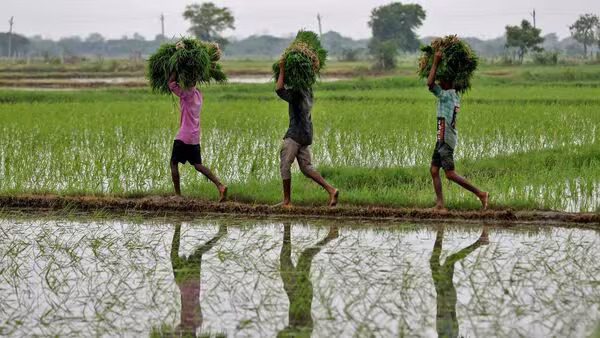
India experienced abundant rainfall this year, particularly during July and August, which played a critical role in helping farmers sow kharif crops. After last year’s erratic monsoon and reduced production, the timely rains brought much-needed relief to the agricultural sector. However, what began as a blessing has now become a cause for concern. The September rains have been excessive, creating serious risks for crops nearing harvest. Data from the India Meteorological Department (IMD) indicates that September has seen 8% more rain than normal, with several states recording “large excess” or “excess” rainfall.

Monsoon Blessing Turns into a Challenge

The Indian monsoon, which runs from June to September, is essential for the country’s agricultural activities. Roughly half of India’s cultivated land depends on these rains, especially for water-intensive kharif crops like rice, maize, pulses, and oilseeds. This year, the rains arrived on time, ensuring that sowing activities went smoothly, particularly in regions that experienced drought-like conditions in previous years. This promising start had farmers and policymakers hopeful for a successful harvest season.

However, the situation has taken a concerning turn with September’s excessive rainfall. IMD reports that 12 states have received more rain than the long-period average (LPA), a climatological benchmark used to gauge normal monsoon behavior. States like Telangana, Andhra Pradesh, Maharashtra, and Gujarat are among the worst affected, with rainfall levels exceeding the LPA by 20-60% or more. This excess has jeopardized crop health and raised alarms about the upcoming harvest.

The Science Behind Excess Rainfall and Crop Damage

While moderate rains are necessary for healthy crop growth, excessive rainfall can severely harm crops. The problems arise mainly because of the soil’s inability to drain large amounts of water quickly. This leads to several complications:

1. Waterlogging: One of the most immediate effects of excess rain is waterlogged soil. Crops, particularly those with shallow roots like pulses and rice, suffer from a lack of oxygen. Root rot and fungal infections become prevalent, which can sharply reduce yields. Kharif crops, which are now in their late growth stages, are particularly vulnerable to such conditions.

2. Harvest Delays: For crops like rice and sugarcane, heavy rains during the ripening period can delay harvesting. Waterlogged fields can make mechanical harvesting nearly impossible, and the delays often result in crops over-maturing or becoming prone to diseases, further reducing yields.

3. Pest and Disease Proliferation: High moisture levels create ideal conditions for the spread of pests and fungal diseases. For instance, standing water in paddy fields can lead to fungal diseases like blast or bacterial leaf blight. The more time crops spend in soggy conditions, the greater the chance they will be attacked by diseases, diminishing both the quantity and quality of the harvest.

4. Lodging: In crops like maize and sugarcane, heavy rainfall, sometimes combined with strong winds, can cause lodging, where the plants are knocked over or bent. Lodging affects yield by damaging the plants and making them harder to harvest.

5. Post-Harvest Issues: After crops are harvested, excessive moisture can still cause issues, particularly in storage. High humidity can lead to mold and rot, especially if crops are not dried adequately before being stored. This reduces their market value and can lead to significant post-harvest losses.

State-Wise Impact: A Closer Look at Affected Regions

The impact of excess rainfall is not uniform across the country, with certain states experiencing more severe consequences. A closer examination of the hardest-hit regions provides insights into the challenges faced by farmers.

Telangana and Andhra Pradesh

Both Telangana and Andhra Pradesh, key rice-producing states, have suffered from heavy rains in September. While paddy fields initially benefited from the monsoon, the excess rains during the crop’s ripening stage pose a serious threat. Rice, which can tolerate water during its early growth, is vulnerable to fungal diseases and grain discoloration if rains persist during its final stages. This could lead to reduced market prices and lower income for farmers. Additionally, delayed harvests could further reduce productivity and increase the risk of crop loss.

Maharashtra

Maharashtra, a major producer of pulses, oilseeds, and sugarcane, has also seen the detrimental effects of heavy rainfall. The state’s farmland has been inundated, causing significant waterlogging in several districts. Pulses, which are sensitive to excess water, are particularly at risk of fungal infections that can destroy crops. Meanwhile, sugarcane, a critical cash crop in the state, has been impacted by the inability of waterlogged soil to support the plants properly. Delays in the harvest of soybeans, another major crop in Maharashtra, could lead to substantial yield reductions.

Gujarat

Gujarat, traditionally a cotton and groundnut-growing state, has experienced a mix of outcomes. While some areas have benefited from the rains, helping boost cotton production, others have faced crop losses due to waterlogged fields. Excessive rain has slowed down the maturation process of crops, making them more vulnerable to disease. Farmers in this region are now concerned that if the rains continue, their produce may not make it to the market in time.

The Economic Fallout

The excess rainfall in September is likely to have far-reaching economic implications, especially for rural areas heavily dependent on agriculture. Crops nearing harvest have been directly affected, which could reduce overall production levels and lead to price hikes for essential commodities like rice, pulses, and oilseeds.

The potential reduction in output also poses a challenge for the government, which may need to provide financial relief through crop insurance or subsidies to offset the losses incurred by farmers. This could put a strain on public finances, especially if widespread crop failures occur across multiple states.

Higher prices for staple crops, like rice, would also contribute to inflation, further squeezing the budgets of consumers, particularly in rural India. A decline in agricultural income, coupled with rising food costs, could dampen rural demand, slowing the pace of overall economic growth. The agricultural sector, which contributes a significant portion to India’s GDP, plays a vital role in keeping the economy afloat, particularly during times of global economic uncertainty.

Steps to Mitigate Damage

While the threat of excess rainfall cannot be entirely eliminated, several measures can be taken to mitigate its impact on agriculture in the future. Both immediate and long-term actions need to be implemented by the government, agricultural experts, and farmers themselves.

1. Enhanced Drainage Systems: To prevent waterlogging, investment in efficient drainage systems is critical. Creating water channels that can quickly remove excess water from fields would help crops survive heavy rains.

2. Weather Alerts and Early Warnings: Timely weather forecasts and early warning systems provided by the IMD and other meteorological agencies can help farmers prepare for excessive rainfall. This might include preventive measures such as adjusting the planting calendar or building ridges around fields to avoid water retention.

3. Crop Diversification: Encouraging farmers to adopt crop diversification would reduce their vulnerability to monsoon fluctuations. Growing a variety of crops, including those more resilient to heavy rains, can safeguard farmers from complete crop failure.

4. Post-Harvest Support: Improving post-harvest infrastructure such as drying facilities and storage units is essential for reducing moisture-induced losses. Government support in setting up cold storage units can help prevent spoilage and ensure crops retain their market value.

The abundant monsoon rains this year initially raised hopes for a bountiful kharif harvest, but the excess rainfall in September has complicated matters for farmers across India. With major agricultural states like Telangana, Andhra Pradesh, Maharashtra, and Gujarat receiving above-normal rainfall, the risk of crop damage looms large.

As farmers prepare for harvest, the effects of the excess rains will become more apparent. If corrective measures are not taken swiftly, the combination of reduced yields, post-harvest losses, and higher prices could ripple through the economy, impacting both rural and urban populations. In the face of a changing climate, India’s agricultural sector will need to adapt and implement resilient strategies to withstand such extreme weather events.


Disclaimer: The thoughts and opinions stated in this article are solely those of the author and do not necessarily reflect the views or positions of any entities represented and we recommend referring to more recent and reliable sources for up-to-date information.

Kejriwal’s Surprise: Resignation Amidst Corruption Charges and Political Uncertainty

Arvind Kejriwal, the dynamic leader of the Aam Aadmi Party (AAP), has once again thrown Indian politics into turmoil with his unexpected resignation as the Chief Minister of Delhi. In a move that has shocked both supporters and critics alike, Kejriwal handed over his duties to cabinet minister Atishi, who will serve as the interim Chief Minister until elections, expected in early 2025. This resignation, tied closely to corruption allegations against Kejriwal, marks a critical moment in his political journey and raises important questions about his future, the stability of AAP, and the broader political landscape in India.

While resignations amid corruption charges are not new to Indian politics, the timing and manner of Kejriwal’s exit reflect a calculated political strategy. By stepping down, emerging from jail on bail, and passing the leadership to Atishi, Kejriwal has placed himself at the center of attention. His move ensures that he remains in the political spotlight as he prepares to seek a fresh mandate from the public. It’s a gambit that has drawn envy from other state leaders who have struggled to maintain relevance when embroiled in controversy.

Kejriwal’s Resignation and Atishi’s Rise

Kejriwal’s resignation was met with surprise and speculation across the political spectrum. His decision comes at a moment when he faces corruption charges, raising the stakes for his political future. Known for his astute political instincts, Kejriwal’s resignation is not an admission of guilt but rather a strategic retreat. By stepping aside, he gains time and space to clear his name while ensuring that AAP continues to function smoothly under trusted leadership.

Choosing Atishi as the interim Chief Minister is a significant move. Atishi, widely respected for her contributions to improving Delhi’s education system, has long been seen as one of AAP’s rising stars. Her reputation as a technocrat with a focus on governance makes her an ideal choice to lead the government during this critical period. With Atishi at the helm, Kejriwal ensures continuity in Delhi’s governance, signaling that AAP remains committed to its development agenda, particularly in the areas of education, health, and public services.

By placing Atishi in the spotlight, Kejriwal has also sent a strong message about AAP’s future. Her appointment reinforces the party’s narrative that it values merit and performance, while also indicating that Kejriwal is not indispensable to the functioning of the government. This move strengthens AAP’s position as a party of reformers, even as its leader deals with legal challenges. For Atishi, this is an opportunity to showcase her leadership abilities on a larger stage, potentially positioning herself as a more prominent figure in AAP’s future.

The Corruption Allegations and Political Implications

Kejriwal’s resignation is directly linked to the corruption allegations that have clouded his political career in recent months. Accusations of financial irregularities and mismanagement of government funds have put him under intense scrutiny. These charges have the potential to damage Kejriwal’s image as an anti-corruption crusader, a role that propelled him to power in Delhi and earned him national prominence.

For Kejriwal, the corruption charges present both a legal and a political challenge. The stakes are high, as any damage to his reputation could weaken AAP’s electoral prospects in Delhi. However, Kejriwal has faced adversity before. Early in his political career, he built a reputation as a fighter who challenges the status quo, and he has consistently positioned himself as a leader who stands against corruption and cronyism.

By resigning, Kejriwal can frame himself as a leader willing to step aside to fight these allegations without compromising the governance of Delhi. This move also allows him to claim the moral high ground, positioning himself as a victim of political vendetta rather than a guilty politician. This narrative plays well in the media and with his base, as it allows Kejriwal to remain in the public eye while deflecting some of the immediate political pressure.

For the Aam Aadmi Party, the corruption allegations against Kejriwal are a critical test. While AAP has built its brand on clean governance and transparency, any conviction or sustained controversy surrounding its leader could damage its credibility. Kejriwal’s decision to step aside may be a strategic attempt to shield the party from immediate fallout, while also buying time to fight the legal battles ahead.

A Calculated Political Gamble

Kejriwal’s resignation, although risky, appears to be part of a larger political calculation. Stepping down allows him to focus on his legal defense while maintaining a strong media presence. This tactic is not new for Kejriwal, who has often used unconventional methods to keep himself relevant. Throughout his career, Kejriwal has thrived on bold, sometimes dramatic, moves that differentiate him from other political figures.

In resigning, Kejriwal has also created a buffer between himself and the daily operations of the Delhi government. This distance allows him to navigate the corruption charges without the added pressure of running the capital. It’s a move that could help him come back with renewed political strength, should he successfully defend himself in court.

Moreover, by appointing Atishi as the interim leader, Kejriwal has ensured that AAP’s governance model remains intact. Atishi’s leadership in key areas like education and infrastructure means that AAP can continue to highlight its achievements, even in the absence of its founding leader. This move not only secures the party’s future but also allows Kejriwal to test the waters and see how voters respond to a new face at the top.

Another aspect of Kejriwal’s gamble is the impact it will have on voter perception. His resignation, rather than being seen as a weakness, could be portrayed as a mark of integrity. In Indian politics, where clinging to power is often the norm, Kejriwal’s decision to step aside could resonate with voters who view him as a leader committed to higher principles. By voluntarily stepping down to fight corruption charges, Kejriwal may be able to regain public trust ahead of the 2025 elections.

The Path to 2025

As Delhi heads toward elections, expected in early 2025, Kejriwal’s resignation has reshaped the political landscape. While AAP has dominated Delhi politics in recent years, the upcoming elections will be a referendum on both the party’s governance and Kejriwal’s leadership. The corruption allegations against him will likely be a central issue in the campaign, and how the party handles the interim period under Atishi’s leadership will be crucial to its success.

Atishi, now tasked with leading the Delhi government, faces the challenge of maintaining stability while continuing AAP’s ambitious policy agenda. Her performance during this period will be closely watched, both by supporters of the party and by its critics. If she can demonstrate effective leadership, it could boost AAP’s prospects in the 2025 elections, while also opening the door for her to play a larger role in the party’s future.

For Kejriwal, the road ahead is fraught with legal and political challenges. His ability to successfully clear his name of the corruption charges will be critical to his return to power. In the meantime, his resignation has ensured that he remains in the public eye, positioning himself as a leader who is not afraid to take risks and fight back against adversity.

Arvind Kejriwal’s surprise resignation is not an act of retreat but a strategic political maneuver. By stepping down, he has managed to stay in the spotlight, while also giving himself the space to defend against corruption charges. Whether this gamble pays off will depend on how Kejriwal handles the legal challenges ahead and how effectively AAP navigates the transition under Atishi’s leadership. As the 2025 elections approach, one thing is clear: Kejriwal’s political story is far from over, and his resignation may be just another chapter in a long and tumultuous journey.


Disclaimer: The thoughts and opinions stated in this article are solely those of the author and do not necessarily reflect the views or positions of any entities represented and we recommend referring to more recent and reliable sources for up-to-date information.

Will Farm Trade Policy Tweaks Boost Farmer Incomes?

India’s agricultural landscape has recently witnessed significant changes with the government introducing new farm trade policies across key crops like oilseeds, onions, and basmati rice. These adjustments, coupled with abundant rains this year, have sparked optimism for an increase in rural incomes as the kharif harvest season approaches in October. The potential rise in agricultural productivity and improved trade prospects is expected to not only benefit farmers but also stimulate consumer demand, particularly in rural areas, and drive broader economic recovery.

However, the real impact of these policy tweaks on farmer incomes depends on a complex mix of factors, including global market dynamics, domestic price inflation, supply chain infrastructure, and how well farmers can adapt to these policy shifts. This article delves into the key elements of these policy changes and examines their potential to uplift rural incomes.

Recent Changes in India’s Farm Trade Policies

India’s agricultural trade policies have long been shaped by the need to balance food security, rural income growth, and inflation control. Over the years, the government has employed a combination of export controls, minimum support prices (MSPs), and subsidies to achieve these goals. The most recent policy changes, however, aim to enhance the competitiveness of Indian agricultural products in both domestic and international markets while protecting farmer livelihoods.

1. Oilseed Import Duties: Oilseeds such as soybeans and groundnuts are crucial to India’s agricultural economy, particularly in states like Madhya Pradesh, Maharashtra, and Rajasthan. With India being the world’s largest importer of edible oils, domestic oilseed farmers often face challenges due to lower prices influenced by cheaper imports. To address this, the government recently increased import duties on crude palm oil, soybean oil, and sunflower oil. This move is designed to encourage the consumption of domestically produced oilseeds, potentially raising market prices and improving the incomes of oilseed farmers.

2. Onion Export Policies: Onions are a staple food item in Indian households and have historically been subject to export restrictions to manage domestic price fluctuations. Recently, the government set a minimum export price (MEP) for onions, which is aimed at stabilizing domestic prices while allowing some level of exports to proceed. This approach tries to strike a balance between farmers, who seek higher incomes from international markets, and consumers, who are vulnerable to rising prices. While this policy may benefit farmers by opening up export opportunities, its success hinges on maintaining adequate domestic supply and price stability.

3. Basmati Rice Export Liberalization: Basmati rice, a premium export product, has seen growing demand in global markets. In a move to capitalize on this trend, the Indian government has relaxed export restrictions on basmati rice, providing rice farmers in key producing states like Punjab, Haryana, and Uttar Pradesh the opportunity to benefit from higher international prices. By promoting basmati rice exports, the government hopes to increase farmer incomes while ensuring that sufficient quantities remain available for the domestic market.

Impact of Monsoons on Agricultural Productivity

The Indian agricultural sector is deeply reliant on the annual monsoon rains, which are critical for crop cultivation, particularly during the kharif season. This year’s monsoon has been favorable, with most regions receiving adequate rainfall. Crops such as rice, oilseeds, and pulses, which are primarily sown during the kharif season, are expected to benefit from these favorable weather conditions.

Ample rainfall generally translates into higher crop yields, and this year is no exception. The positive impact of monsoons not only boosts overall production but also lowers the cost of inputs such as water and energy, leading to greater profitability for farmers. Additionally, higher yields often result in an increased surplus for the market, providing farmers with more opportunities to benefit from price increases, particularly in light of recent policy changes.

However, the unpredictable nature of climate change remains a significant risk for Indian agriculture. Irregular monsoon patterns and extreme weather events could diminish the gains from these policy changes. While this year’s rains have been plentiful, long-term strategies to mitigate climate risks will be essential to sustaining these benefits.

Challenges in Implementing the Policy Changes

While these policy reforms are designed to enhance farmer incomes, there are several obstacles that could limit their effectiveness. One of the most pressing issues is the lack of adequate infrastructure for storage and transportation. Perishable crops like onions and oilseeds are particularly vulnerable to post-harvest losses due to inadequate cold storage facilities and inefficient supply chains in rural areas.

Additionally, many small and marginal farmers, who make up the majority of the agricultural workforce in India, struggle to access larger, more profitable markets. These farmers are often more exposed to price volatility, both in domestic and international markets, and face challenges in realizing the benefits of government policies such as MSPs and subsidies. While the recent policy tweaks aim to provide better market opportunities, structural issues like poor infrastructure and limited market access continue to hinder smallholder farmers from fully benefiting.

Another critical factor is global competition. For example, the global market for edible oils is highly competitive, with countries like Indonesia and Malaysia dominating the palm oil trade. Similarly, India faces strong competition in the international rice market from producers such as Thailand and Vietnam. In order for Indian farmers to maximize their gains from these policy reforms, they must not only have government support but also the means to remain competitive on the global stage. This will require investments in agricultural technology, supply chain improvements, and farmer education programs.

Will Rural Incomes and Consumer Demand Rise?

Despite these challenges, the recent trade policy adjustments, coupled with favorable monsoon conditions, are likely to have a positive impact on rural incomes. Higher returns on oilseeds, onions, and basmati rice are expected to benefit farmers in major agricultural regions, potentially leading to increased spending power in rural areas.

Rural demand plays a crucial role in India’s overall economic growth, as it drives consumption in sectors like consumer goods, automobiles, and real estate. When farmer incomes rise, the ripple effect is often felt throughout the economy, as higher rural spending boosts demand for products and services. This, in turn, can lead to broader economic growth, benefiting both rural and urban populations.

However, the full impact of these policy changes on rural demand will depend on how effectively they are implemented and whether the benefits reach small and marginal farmers. In many cases, larger landowners and commercial farmers are better positioned to take advantage of new market opportunities, while smallholders may struggle to access the same benefits. Additionally, factors such as inflation, rising input costs, and global price fluctuations could dampen the anticipated income gains for farmers, thus affecting rural consumer demand.

The recent tweaks in India’s farm trade policies offer a promising opportunity to boost rural incomes, particularly given the favorable monsoon season this year. By raising import duties on edible oils, relaxing restrictions on basmati rice exports, and adjusting onion export policies, the government has taken steps to create a more favorable environment for farmers.

However, these policy changes must be supported by efforts to address structural challenges such as inadequate infrastructure, market access for small farmers, and global competition. If these issues are tackled effectively, the potential for raising farmer incomes and stimulating consumer demand in rural areas is significant. The success of these policies will ultimately depend on their implementation and the ability of India’s agricultural sector to adapt to an evolving global marketplace.


Disclaimer: The thoughts and opinions stated in this article are solely those of the author and do not necessarily reflect the views or positions of any entities represented and we recommend referring to more recent and reliable sources for up-to-date information.

Harris vs. Trump Debate: A Surreal Take on Climate Issues

The recent debate between U.S. Vice President Kamala Harris and former President Donald Trump provided plenty of drama and heated exchanges. Yet, one of the most striking and disconcerting aspects was the discussion on climate change. If I had to evaluate the debate’s handling of climate issues, I’d reluctantly give it a “C”—and that’s being generous. The debate was marked by a disheartening disconnect from the reality of the climate crisis, with each candidate offering responses that felt out of touch or insufficiently informed.

Trump’s Fossil Fuel Reverie

During the debate, Donald Trump’s approach to climate issues was firmly rooted in the past. He emphasized a nostalgic view of fossil fuels, glorifying America’s energy independence achieved through oil and gas production. Trump’s rhetoric echoed his previous stance, portraying fossil fuels as vital to economic prosperity and job creation. He touted his administration’s achievements in increasing domestic energy production and dismissed concerns about climate impacts.

This perspective, however, is increasingly at odds with current scientific consensus and global policy trends. The climate crisis is well-documented, with rising temperatures, severe weather events, and environmental degradation attributed to fossil fuel emissions. Trump’s emphasis on traditional energy sources seemed disconnected from the urgent need for climate action. His focus on historical energy policies, rather than addressing the pressing need for a transition to renewable energy, left many climate advocates dismayed.

Harris’ Mixed Message on Renewables

Kamala Harris offered a contrasting view, highlighting the Biden administration’s commitment to tackling climate change. She outlined plans for investing in renewable energy sources like wind and solar, and discussed the benefits of transitioning away from fossil fuels. Harris emphasized job creation in green sectors and mentioned the Inflation Reduction Act, which aims to bolster clean energy initiatives.

Despite her more forward-looking stance, Harris’ performance on climate issues was not without flaws. One notable misstep was her mention of the spatial requirements for solar panels. While the concern about land use is valid, it seemed like a distraction from the broader, more critical discussion about scaling up renewable energy. Additionally, her overall message lacked the urgency and specificity needed to address the climate crisis effectively.

Trump’s Tangents and the Climate Disconnect

The debate took an unusual turn when Trump veered off-topic to discuss unrelated issues, including peculiar references to the mayor of Moscow’s wife. This distraction highlighted a troubling aspect of Trump’s approach: a reluctance to engage seriously with the climate crisis. His detour into irrelevant subjects underscored his disinterest in addressing one of the most critical issues facing the planet today.

This divergence from the topic was particularly alarming given the context. The climate crisis demands focused, informed discussion and decisive action. Trump’s tendency to sidestep the issue and engage in unrelated rhetoric only served to further obscure his stance on climate policy.

The Broader Implications

The debate underscored a significant divide between the two candidates on climate policy. For those concerned about the environment, the discussion was a stark reminder of how climate issues remain politically charged and inadequately addressed. The inability of the candidates to engage meaningfully with the topic reflects broader challenges in U.S. politics regarding climate action.

Climate change is a global crisis requiring immediate and comprehensive solutions. As one of the world’s largest economies and major polluters, the U.S. has a critical role to play in leading international efforts to combat climate change. The debate should have been an opportunity to explore each candidate’s vision for a sustainable future and their plans for reducing greenhouse gas emissions.

A Missed Chance for Climate Leadership

Ultimately, the Harris-Trump debate on climate issues was a missed opportunity for meaningful discourse. Harris’ attempts to address the crisis were overshadowed by a lack of urgency and an unfortunate focus on less critical details. Trump’s adherence to outdated fossil fuel rhetoric and his detours into irrelevant topics further diminished the potential for a substantive climate conversation.

For those invested in climate action, the debate was a reminder of the ongoing need for strong leadership and clear policy commitments. The stakes are high, and the consequences of inaction are severe. As the U.S. navigates its role in the global effort to address climate change, it is essential that candidates engage with the issue in a way that reflects its importance and urgency. The debate, in its surreal and fragmented handling of climate issues, highlighted the pressing need for more robust and focused climate leadership.


Disclaimer: The thoughts and opinions stated in this article are solely those of the author and do not necessarily reflect the views or positions of any entities represented and we recommend referring to more recent and reliable sources for up-to-date information.

Industrial Strategy Could Lead to a New Global Herd of White Elephants

Despite past experiences with costly, underperforming ventures—dubbed “white elephants”—governments around the world are once again resorting to subsidies, regulation, and protectionist policies. The aim is to ensure that their domestic industries and job markets remain competitive, but this approach brings with it the familiar risks of inefficiency and wastefulness. Industrial strategy, while sometimes yielding success, has historically been fraught with challenges. As governments prioritize domestic firms and employment over market-driven efficiencies, they risk repeating the failures of the past.

A new wave of industrial policy is being deployed to tackle modern economic concerns, but the question remains: Can the world afford to make the same mistakes again, or should alternative, more sustainable strategies be considered?

A Resurgence of Industrial Policy

Industrial policy—government intervention to promote specific sectors or industries—has been a common tool in economic governance. While some countries have used it to great effect, others have seen it fail disastrously. Nations like Japan and South Korea used strategic interventions to transform their economies into global powerhouses. However, other nations have poured resources into industries that never delivered the promised returns, leaving a trail of failed projects and squandered public funds.

Today, industrial policy is making a comeback in response to several global issues. Developed nations, particularly in Europe, the United States, and China, are facing concerns over job losses, geopolitical competition, and dependence on global supply chains. In a bid to counter these pressures, governments are turning to industrial policies that aim to support key sectors, create jobs, and ensure economic sovereignty.

Several factors are driving this renewed interest in industrial strategy. The COVID-19 pandemic exposed vulnerabilities in global supply chains, highlighting the risks of economic overdependence on foreign suppliers. In addition, emerging technologies—such as artificial intelligence (AI), green energy, and advanced manufacturing—have created a new arena for global competition. Governments are racing to ensure that their economies are at the forefront of these developments, using industrial policies to foster domestic leadership in critical sectors.

The Lessons from Past Failures

The concept of “white elephants” in the context of industrial strategy refers to large-scale, expensive ventures that fail to generate the returns expected of them. These projects drain resources and become burdens rather than engines of growth. Despite their inefficiency, they are often kept afloat by government support.

One of the most notorious examples of industrial policy gone wrong is the Concorde supersonic jet, a joint venture between the United Kingdom and France. While the Concorde was a technological achievement, it ultimately failed to become commercially viable, due to high operating costs and limited demand. The project, sustained by taxpayer money, became a symbol of industrial strategy that failed to deliver on its economic promises.

Brazil’s attempt to create a domestic computer industry in the 1980s provides another cautionary tale. The country imposed strict import restrictions and trade barriers to protect its nascent computer sector. However, these measures stifled competition and innovation, leaving Brazil’s technology sector outdated and uncompetitive. This strategy eventually backfired, causing economic setbacks as local firms struggled to keep pace with global advancements.

These examples underscore the risks of overreliance on government intervention in the economy. When governments attempt to pick winners and control market outcomes, they often end up misallocating resources, creating inefficiencies, and leaving the economy less competitive in the long run.

The Tools of Industrial Strategy: Subsidies and Protectionism

In modern industrial policy, subsidies are a key tool used by governments to support industries they view as strategically important. These subsidies can take various forms, including grants, tax incentives, or low-interest loans. While subsidies are meant to foster innovation, job creation, and economic growth, they can distort market dynamics by encouraging uncompetitive behavior.

For instance, the solar energy sector has received significant subsidies in countries like the United States and China. Although subsidies helped reduce the cost of solar panels, they also led to market oversupply and price competition so fierce that many companies failed to remain profitable. In some cases, subsidies propped up inefficient companies, preventing the market from weeding out underperformers.

Protectionism—another common feature of industrial policy—involves using tariffs, quotas, and trade restrictions to shield domestic industries from foreign competition. While this can protect local jobs in the short term, it often leads to inefficiency by stifling competition. Industries sheltered by protectionist policies may become complacent, failing to innovate or improve productivity.

The global steel industry is a prime example. Countries such as the U.S., the EU, and China have implemented protectionist measures to shield their steel sectors from foreign competition. While these policies may have saved jobs, they have also led to overproduction, declining profits, and trade disputes. Instead of fostering a competitive and dynamic steel industry, protectionism has prolonged the life of inefficient enterprises, to the detriment of long-term economic growth.

Rethinking Industrial Policy for the Future

Given the history of industrial policy failures, it is crucial for governments to rethink their approach. Rather than trying to pick winners and control market outcomes, policymakers should focus on creating the conditions for innovation, competition, and long-term growth.

One alternative is to invest in human capital, research, and infrastructure, which can empower domestic industries to grow organically. This strategy encourages entrepreneurship and innovation without the distortions caused by direct subsidies or protectionist measures. By fostering a competitive environment, governments can ensure that only the most dynamic and efficient industries succeed, without creating white elephants that require ongoing government support.

Another approach is to embrace globalization and encourage open markets, rather than shielding domestic industries from foreign competition. While competition may initially be painful for some sectors, in the long run, it drives efficiency and innovation, ensuring that industries remain competitive on a global scale. Open markets also give consumers access to a wider variety of goods and services at lower prices.

A flexible and adaptable industrial strategy is essential in a fast-changing global economy. Policymakers must be willing to adjust their strategies in response to new developments, rather than locking themselves into rigid plans that may become obsolete. This means regularly evaluating the effectiveness of policies and being open to change when necessary.

The Risk of New White Elephants

As governments around the world return to industrial policy to address modern economic challenges, the risk of creating a new generation of white elephants remains real. If policymakers fail to learn from past mistakes, they may inadvertently divert resources into unproductive ventures that offer little economic benefit. In the race to protect domestic jobs and industries, governments could end up nurturing inefficiencies that weigh down their economies in the long term.

While industrial policy can be a valuable tool in shaping a nation’s economic future, it must be used carefully. Governments should prioritize policies that create a competitive and dynamic business environment, rather than trying to micromanage the economy. By avoiding the pitfalls of past failures, policymakers can prevent a new generation of white elephants from stalling global economic growth.

As governments consider the path forward, it’s essential that they strike a balance between supporting critical industries and maintaining a flexible, competitive market environment. Only then can industrial strategy contribute to sustainable growth, without repeating the mistakes of the past.


Disclaimer: The thoughts and opinions stated in this article are solely those of the author and do not necessarily reflect the views or positions of any entities represented and we recommend referring to more recent and reliable sources for up-to-date information.

Why Success Sometimes Requires Indulging in Unhealthy Behavior

Success is often portrayed as a straightforward path, marked by hard work, talent, and determination. However, the journey is more nuanced than it seems. Beneath the glossy surface lies a reality where success sometimes demands behavior that may be detrimental to one’s physical, emotional, and mental well-being. Throughout history, many successful individuals have sacrificed their health, personal lives, and values to achieve their goals.

Young, talented individuals often hold the belief that their skills and abilities will exempt them from these difficult aspects. They assume that their talent alone will guarantee success, sparing them the need to engage in the compromises or sacrifices often required. However, as they navigate the world, they come to realize that success is rarely achieved without some form of personal cost—whether it involves overwork, navigating social politics, or sacrificing personal relationships.

The Allure and Danger of Overwork

One of the most common and unhealthy behaviors linked to success is overwork. In today’s competitive world, particularly in corporate or entrepreneurial spaces, working long hours is not only encouraged but celebrated. The belief that the more hours you put in, the greater your chances of success, has led to the rise of “hustle culture.” This mentality often glorifies burnout, presenting it as an inevitable part of achieving greatness.

The reality, however, is far more damaging. Overworking can result in severe physical consequences, including sleep deprivation, chronic stress, and an increased risk of heart disease and other serious conditions. Mentally, the effects are equally harmful, as it can lead to anxiety, depression, and burnout. Despite knowing these risks, many people feel trapped by the belief that hard work alone is the key to success. For young professionals, the pressure to prove themselves early in their careers can amplify the temptation to overwork.

While hard work is undoubtedly important, overwork does not guarantee success. In fact, consistently pushing oneself beyond reasonable limits can erode productivity, creativity, and, ultimately, job satisfaction. Striking a balance between working hard and taking time for rest is crucial, though often overlooked.

Social Politics and Compromised Integrity

Navigating social politics is another crucial element of success that can lead to unhealthy behaviors. Networking and relationship-building are often as important—if not more so—than technical skill or hard work in many industries. The need to “play the game” often results in individuals engaging in behaviors that go against their values, such as dishonesty, manipulation, or adopting a persona that is not authentic.

Many talented young individuals enter the workforce believing they can rise to success based solely on merit. However, they soon find out that social dynamics often play a significant role. In many cases, success is not just about being the best but being in the right place, with the right people, at the right time. Those who fail to navigate these social politics may find themselves stuck or even sidelined, regardless of their talent.

The pressure to conform can also lead to unhealthy behaviors outside the workplace, such as indulging in excessive drinking at networking events or pretending to share interests to fit in. These may seem like small sacrifices at first, but over time, they can contribute to a sense of disconnection or dissatisfaction, especially if individuals find themselves betraying their true selves for the sake of success.

The Sacrifice of Personal Time and Relationships

A significant but often overlooked cost of success is the sacrifice of personal time and relationships. Many high achievers are so focused on their goals that they neglect the importance of maintaining relationships with family, friends, or partners. The unrelenting pursuit of success often leaves little room for leisure, hobbies, or meaningful personal connections.

This imbalance can have long-term consequences. Relationships require time, attention, and care, and when they are neglected, they can deteriorate. While many young professionals may believe that they can make up for this lost time later in life, the damage to relationships may be irreversible. This can lead to feelings of loneliness and isolation, even among those who are professionally successful.

The unhealthy mindset that personal sacrifice is a necessary part of success is pervasive. Many individuals are taught that success requires them to put their goals ahead of everything else, including their own well-being. However, personal fulfillment and meaningful relationships are just as important to a well-rounded, happy life. Success in one area of life should not come at the expense of all others.

The Weight of External Pressure

Success also comes with immense external pressure, whether it be from societal expectations, family ambitions, or personal goals. This pressure can drive individuals to make unhealthy choices in the pursuit of their ambitions. Fear of failure or falling behind can lead to shortcuts, unethical decisions, or pushing oneself too hard in the name of achievement.

Young people, in particular, often feel the pressure to succeed quickly. Whether it’s meeting the expectations of family or trying to keep up with peers, the need to prove oneself can lead to unhealthy patterns. This pressure can manifest in various ways, such as substance abuse, disordered eating, or extreme perfectionism, all of which have long-term negative consequences.

It is important to recognize that much of the pressure to succeed is self-imposed. While external factors certainly play a role, individuals have the power to set their own definitions of success. Recognizing that success is a personal journey rather than a societal standard can help alleviate some of the pressure and allow for a healthier, more balanced approach to achieving goals.

Finding Balance: The Path to Sustainable Success

Despite the many unhealthy behaviors that can accompany success, it is possible to achieve one’s goals without sacrificing well-being. The key lies in striking a balance between ambition and self-care. Success does not have to mean overworking, neglecting relationships, or compromising personal values. In fact, those who take a more balanced approach often find greater long-term success and fulfillment.

Setting boundaries is crucial. For example, defining limits on work hours, making time for personal relationships, and practicing regular self-care are all essential to maintaining mental, physical, and emotional health. Additionally, it’s important to remember that success is a marathon, not a sprint. Many young professionals feel the need to reach the top quickly, but pacing oneself is essential to long-term success and avoiding burnout.

Equally important is redefining success itself. Instead of chasing an external idea of success that is based on wealth, status, or social approval, individuals should focus on what brings them personal satisfaction and meaning. This might include fostering deep relationships, pursuing hobbies, or finding work that aligns with their values.

Redefining the Journey to Success

Success is often glamorized as a straightforward journey marked by hard work, talent, and perseverance. However, the truth is that success frequently requires unhealthy behaviors like overworking, navigating social politics, or sacrificing personal well-being. Many young, talented individuals believe that their abilities will exempt them from these sacrifices, but the reality is that no one is immune from the pressures that come with the pursuit of success.

While the path to success may involve difficult choices, it is essential to remember that long-term fulfillment comes from balance. By recognizing the dangers of overwork, protecting personal relationships, and managing external pressure, individuals can create a definition of success that enhances their lives rather than diminishes it. Success is not just about reaching a destination; it’s about enjoying the journey and staying true to oneself along the way.


Disclaimer: The thoughts and opinions stated in this article are solely those of the author and do not necessarily reflect the views or positions of any entities represented and we recommend referring to more recent and reliable sources for up-to-date information.

Artificial Intelligence Will Never Turn Human Labor Redundant

As the 2024 general elections approach, discussions surrounding income inequality and labor displacement have intensified. The COVID-19 pandemic accelerated the use of digital technologies across various sectors, leading to new efficiencies in production and service delivery. This rapid digital shift has given rise to concerns about widening income disparities and, more recently, the potential for artificial intelligence (AI) to displace human workers.

While the fear that AI will replace human labor is understandable, it misinterprets the broader implications of technological advancements. AI, though powerful and transformative, will not render human labor obsolete. Instead, AI will serve as a tool that complements human work, enhancing productivity while also creating new job opportunities. To fully grasp the relationship between AI and labor, it’s essential to explore how AI is currently being utilized, the unique aspects of human labor, and the evolving landscape of work.

The Role of AI Today

AI is already widely integrated into numerous industries, where it is used to optimize processes, enhance decision-making, and improve customer experiences. For instance, AI-driven chatbots have taken over many routine customer service tasks, while AI algorithms analyze data in fields ranging from healthcare to finance. In manufacturing, AI systems help streamline operations, reducing costs and improving efficiency by optimizing supply chains and automating quality control processes.

The entertainment and creative industries have also embraced AI. Platforms like Netflix and Spotify leverage AI to recommend content based on user preferences, while AI tools help designers and creators develop personalized solutions faster. Even academia has seen the rise of AI-powered research tools that assist in data analysis, helping researchers sift through vast amounts of information.

However, despite its capabilities, AI has limitations. While it excels in data processing and repetitive tasks, AI lacks the creativity, critical thinking, and emotional intelligence that human labor provides. These qualities are essential for tasks that require innovation, problem-solving, and personal interactions—areas where AI cannot yet compete with human workers.

The Strengths of Human Labor

The core of the debate over AI replacing human labor centers on what humans bring to the table that AI cannot. First, human creativity is irreplaceable. While AI can mimic certain patterns and even generate new ideas based on existing data, it cannot replicate the human ability to think creatively or make intuitive leaps. Whether it’s in the arts, science, or business, human innovation often comes from the ability to synthesize ideas in new and unexpected ways—something AI cannot easily replicate.

Judgment and ethical decision-making are other areas where human input remains vital. AI systems operate within the confines of their programming and can make decisions based on pre-set rules and algorithms. However, in complex situations that require ethical considerations or nuanced social understanding, human judgment is essential. In fields like law, healthcare, and education, where decisions can have significant consequences, human oversight ensures that the right moral and ethical considerations are taken into account.

Another critical area where AI falls short is empathy. Whether in customer service, healthcare, or counseling, emotional intelligence is key to building relationships, understanding individual needs, and offering compassionate support. AI might be able to handle routine queries or tasks, but it lacks the ability to empathize or provide comfort in the same way a human can.

AI as a Complement, Not a Replacement

The rise of AI should not be viewed as a threat to human jobs but as an opportunity to enhance and transform the workforce. Rather than replacing workers, AI can take over routine, repetitive tasks, freeing human employees to focus on more complex, creative, and strategic aspects of their jobs. For instance, in the medical field, AI can help doctors by analyzing scans and test results, but it is still the doctor who interprets these results, develops treatment plans, and interacts with patients.

In manufacturing, AI can improve productivity by automating certain processes, but humans are still needed to monitor systems, troubleshoot problems, and innovate ways to improve production. Similarly, in education, AI can help personalize learning and track student progress, but teachers will always be necessary for guiding students, offering mentorship, and fostering critical thinking.

Moreover, the integration of AI is expected to generate new job opportunities. Historically, technological advancements have led to the creation of entirely new industries and job roles. The rise of the internet, for example, created sectors like e-commerce, digital marketing, and social media management, which didn’t exist just a few decades ago. Similarly, AI will likely give rise to new industries, such as AI development, ethical AI governance, data science, and AI-focused cybersecurity, among others.

The Challenge of Transition

While AI will not make human labor redundant, it does present challenges, particularly in the short term. As with any technological shift, there will be a period of transition where certain job roles are disrupted. Some tasks and roles that are currently labor-intensive may become automated, leading to a demand for new skills and expertise. Governments, businesses, and educational institutions must prepare for this transition by investing in upskilling and reskilling programs. Ensuring that workers have access to the training needed to thrive in an AI-augmented economy will be crucial.

Furthermore, AI raises important ethical and societal questions. The issue of data privacy, for example, becomes more critical as AI systems collect and analyze vast amounts of personal information. Algorithmic bias, where AI systems unintentionally reflect societal prejudices, is another concern that must be addressed. Finally, the rise of deep fake technology—AI-generated content that can mimic real people and events—poses significant challenges in terms of authenticity and trust.

Governments and organizations must implement robust regulatory frameworks to ensure that AI is used ethically and responsibly. Transparency, accountability, and fairness should be at the core of AI deployment to prevent unintended consequences and to ensure that the benefits of AI are distributed equitably across society.

Embracing an AI-Augmented Future

AI is undoubtedly transforming industries and reshaping the nature of work. However, the notion that AI will render human labor obsolete is overly simplistic. While AI will continue to take over repetitive tasks, human creativity, judgment, and empathy remain irreplaceable qualities that are central to the workforce. Rather than replacing workers, AI will augment human labor, allowing workers to focus on higher-value tasks that require innovation and critical thinking.

To navigate this transition successfully, societies must embrace AI as a tool for progress while ensuring that workers are equipped with the skills needed for the jobs of tomorrow. By fostering a collaborative approach between AI and human labor, we can build an economy that leverages the strengths of both, creating new opportunities for growth and innovation.


Disclaimer: The thoughts and opinions stated in this article are solely those of the author and do not necessarily reflect the views or positions of any entities represented and we recommend referring to more recent and reliable sources for up-to-date information.

Investors Are Watching the Fed for Good Reason

In the ever-shifting landscape of global finance, few events are as closely monitored as a U.S. Federal Reserve meeting. This week, all eyes are on the Fed, with a strong expectation that the central bank may announce a rate cut. This anticipation is not just a routine market reaction but signifies a deeper shift in economic conditions that have evolved over the past two years. Investors worldwide are keenly observing, understanding that any decision by the Fed has far-reaching implications beyond the American economy.

The Fed’s Recent Policy Path

To understand the potential impact of a rate cut, it’s important to revisit the Fed’s recent policy trajectory. The central bank’s aggressive rate hikes from early 2022 saw the federal funds rate rise from a historically low range of 0-0.25% to 5.25-5% by mid-2023. These hikes were a response to rising inflation, which had been fueled by a combination of pandemic-related supply chain disruptions, heightened consumer demand, and geopolitical tensions.

Initially, the Fed had deemed the inflationary pressures as temporary, but as these pressures proved persistent, the central bank was forced to adopt a more aggressive stance. The intent behind these hikes was to cool the overheated economy by making borrowing more expensive, thus slowing down consumer spending and business investments.

Current Economic Indicators

Today, the economic landscape has shifted, with inflation showing signs of moderation and edging closer to the Fed’s 2% target. This development is a crucial indicator for the central bank, suggesting that the aggressive rate hikes may have achieved their intended effect of curbing price increases.

At the same time, the labor market is experiencing signs of slowing down. Job growth has weakened, which adds another layer of complexity to the Fed’s decision-making process. With inflationary pressures easing and employment figures showing signs of distress, the central bank faces the challenging task of balancing these dynamics.

Implications of a Potential Rate Cut

A decision to cut rates would represent a significant change in the Fed’s approach, moving from a strategy focused on curbing inflation to one aimed at supporting economic growth. For investors, this shift carries multiple implications:

1. Impact on Financial Markets:

A rate cut is likely to affect various asset classes. Lower interest rates generally reduce borrowing costs, which can stimulate both investment and consumer spending. This could have a positive effect on stock markets, as businesses benefit from cheaper capital and potentially higher earnings. Conversely, a rate cut might also indicate that the economy is weaker than expected, which could raise concerns about future growth prospects. Investors will closely monitor how this decision impacts market sentiment and asset valuations.

2. Currency and Global Effects:

A reduction in U.S. interest rates could lead to a weaker dollar. Lower rates may diminish the attractiveness of U.S. assets to international investors, leading them to seek higher yields elsewhere. This could affect global trade dynamics, making U.S. exports more competitive while potentially influencing capital flows across borders. Emerging markets, particularly those with dollar-denominated debt, might benefit from a weaker dollar, easing some financial pressures.

3. Consumer Behavior and Economic Activity:

Lower interest rates typically lead to reduced costs for loans and mortgages, which can boost consumer spending and stimulate economic activity. This could help support economic growth and offset some of the negative effects of previous rate hikes. How consumers respond to a rate cut will be a key factor in determining its overall impact on the economy.

The Fed’s Balancing Act

The Federal Reserve’s decision-making process involves careful consideration of multiple economic factors. While combating inflation is a primary goal, the Fed must also address broader economic conditions, including employment and growth. A rate cut at this juncture would reflect the Fed’s assessment that inflation pressures have eased and that the economy needs additional support to maintain growth.

The central bank’s approach must be measured to avoid reigniting inflation while providing the necessary support to bolster economic activity. How the Fed communicates its decision and future policy direction will be critical in guiding investor expectations and market reactions.

The Path Forward

As the Federal Reserve approaches its decision, the key questions are how substantial the rate cut will be and how it will influence future policy. A cautious and gradual approach may be preferred to ensure that the economy remains on a stable trajectory without reversing progress on inflation control.

The Fed’s guidance on future policy will also play a crucial role. Clear communication regarding the central bank’s outlook and intentions will help investors navigate the implications of the rate cut and adjust their strategies accordingly.

In summary, the anticipation of a rate cut by the Federal Reserve is more than just a numerical adjustment; it reflects significant changes in economic conditions and expectations. For investors, the Fed’s upcoming decision is a pivotal moment that will impact financial markets, investment strategies, and global economic interactions. As the central bank deliberates, the global financial community remains attentive, understanding that the Fed’s actions will have far-reaching consequences for economies and markets around the world.


Disclaimer: The thoughts and opinions stated in this article are solely those of the author and do not necessarily reflect the views or positions of any entities represented and we recommend referring to more recent and reliable sources for up-to-date information.

Can Faith-Tech Startups Answer Investor Prayers?

As technology continues to evolve and disrupt various industries, spirituality and faith practices are also being transformed. In India, where ancient traditions like astrology are deeply ingrained in the culture, new-age tech entrepreneurs are finding innovative ways to modernize these practices, creating what is now being called “faith-tech” startups. These companies are attracting a growing number of urban professionals like Sahil Aggarwal, a 28-year-old from Bengaluru. Despite not having strong personal beliefs in astrology, Sahil has used Astrotalk, a digital astrology consultation service, twice in the last year. The convenience and accessibility of such services are winning over people who might not have sought spiritual advice through traditional means.

However, the big question for these faith-tech startups is whether they can turn their growing user base into sustainable business models that can satisfy both users and investors.

Faith Meets Technology

The rise of faith-tech startups in India reflects a broader trend where technology is transforming almost every industry, from health to finance. With the growing number of Indians connected to the internet and smartphones, spiritual practices, once bound by geography and personal relationships, are now moving online. Companies like Astrotalk, Guruji, and Yodha are at the forefront of this transformation. They provide digital platforms that allow users to access astrologers, spiritual guides, and other advisors from anywhere at any time.

Traditionally, astrology has been an integral part of Indian society, influencing decisions on marriage, business, and even health. Many people consult astrologers and spiritual gurus to gain insight into their future or make important life choices. But visiting an astrologer often required time, effort, and in many cases, a recommendation from friends or family. Faith-tech startups have removed these barriers, offering an online marketplace where users can select from hundreds of verified astrologers and have their consultations through chat or video calls.

Platforms like Astrotalk are particularly popular among younger professionals who might not strongly believe in astrology but still seek guidance during moments of uncertainty. By combining the accessibility of technology with the appeal of ancient practices, these startups have tapped into a growing market.

The Market Potential: Why Investors Are Interested

Investors are showing increasing interest in faith-tech startups, and for good reason. The market for spiritual services in India is vast, with astrology alone being a multi-billion-dollar industry. It is estimated that the astrology market in India is worth nearly $10 billion annually. For faith-tech startups, even a small slice of this market could translate into significant revenues.

One of the most attractive aspects of these startups is their potential for high user engagement and retention. Many users consult astrologers regularly, sometimes even daily, for horoscopes or advice on important decisions. This level of consistent engagement is a strong draw for investors who are looking for high-growth sectors with loyal customer bases.

Additionally, faith-tech startups have the opportunity to scale globally. Astrology and spiritual services are not limited to India. They have appeal across many countries, particularly in regions with large Indian diaspora populations, such as the United States, the United Kingdom, and Southeast Asia. Moreover, there is a rising interest in Eastern spiritual practices worldwide, offering faith-tech startups a global audience. By adapting their services to local cultures and languages, these companies can expand their reach far beyond India.

Trust and Credibility: The Major Challenge

Despite the promising market potential, faith-tech startups face several challenges, the most significant being trust and credibility. Astrology and spiritual guidance are subjective fields, and the accuracy of predictions can vary greatly. One of the key factors that will determine the success of these startups is their ability to build and maintain trust with their users.

Astrotalk and similar platforms have implemented verification processes to ensure the credibility of the astrologers on their platform. However, maintaining a high standard of quality across a large and growing pool of advisors can be difficult. Negative experiences or inaccurate readings can lead to dissatisfied users, which could damage the reputation of the platform.

Furthermore, there is a broader skepticism surrounding astrology, especially among the more scientifically-minded portions of the population. For every person who believes in astrology, there are likely several who view it as pseudoscience. Faith-tech startups will need to find a way to appeal to believers while also addressing concerns from skeptics. Striking the right balance between tradition and modernity will be crucial for their long-term success.

Regulation may also become an issue as these platforms grow in popularity. Spiritual services, particularly astrology, are largely unregulated in India, but as these startups become more mainstream, there may be increased scrutiny over consumer protection, data privacy, and the ethical practices of astrologers. Faith-tech startups will need to stay ahead of these potential regulatory challenges to ensure they remain compliant and trustworthy.

The Role of Technology in Faith-Tech

At the heart of these startups is the technology that allows them to scale and improve the user experience. Artificial intelligence (AI), machine learning, and data analytics are being integrated into faith-tech platforms to offer personalized services. AI-driven horoscope readings, for instance, can provide users with customized predictions based on their birth charts, analyzing large data sets to offer insights that were once only possible through personal consultations with an astrologer.

Chatbots driven by AI are another innovation being used by faith-tech startups. These bots can provide users with real-time responses to simple questions or even perform initial readings before a user connects with a live astrologer. This offers a low-cost and convenient entry point for users who are curious but not yet ready to invest in a full consultation.

Additionally, many platforms offer features such as daily push notifications with horoscope readings, live video consultations, and even the option to perform virtual religious rituals. By incorporating these technological advancements, faith-tech startups are making spiritual services more interactive, personalized, and accessible than ever before.

What Lies Ahead for Faith-Tech?

The future of faith-tech startups seems promising, especially as more people adopt digital services in their daily lives. However, the sector is still in its early stages, and it remains to be seen whether these companies can deliver the returns investors are hoping for. For startups, the key will be in maintaining high levels of trust and quality while scaling their services to meet growing demand.

The global expansion of faith-tech platforms will be another major factor in determining their success. Companies that can adapt to international markets, offering services that resonate with different cultures and beliefs, stand to benefit from a growing global interest in spiritual practices. However, they will also need to navigate regulatory challenges and concerns over privacy and ethics as they expand.

Ultimately, faith-tech startups are attempting to bridge the gap between tradition and technology. By doing so, they are creating new opportunities for both users and investors alike. While the road ahead may be uncertain, the potential for these platforms to answer investor prayers—and provide spiritual guidance in the digital age—is real.

As Sahil Aggarwal’s experience with Astrotalk shows, even those with a casual interest in astrology are turning to digital platforms for guidance. If faith-tech startups can continue to innovate while maintaining the trust of their users, they may just be able to deliver on the promise of a modern spiritual revolution.


Disclaimer: The thoughts and opinions stated in this article are solely those of the author and do not necessarily reflect the views or positions of any entities represented and we recommend referring to more recent and reliable sources for up-to-date information.

Elon Musk’s Quest to Redefine Masculinity: A Bro Culture in the Spotlight

Elon Musk, the billionaire entrepreneur, has developed a distinctive presence in the worlds of both technology and pop culture. As the driving force behind companies like Tesla, SpaceX, and now X (formerly Twitter), Musk wields influence far beyond the business world. His social media activity, public statements, and behavior have turned him into a cultural figure whose actions spark debate, curiosity, and sometimes outrage. Recently, Musk has presented himself as a symbol of a particular brand of masculinity—one rooted in bravado, irreverence, and the rejection of conventional social norms.

One of Musk’s latest antics, which involved tweeting a suggestive remark about pop star Taylor Swift, further reinforced his persona as a provocateur who flirts with controversy. His subsequent decision to share an inappropriate joke about male and female anatomy intended for a national television appearance also stirred reactions, shedding light on how Musk’s behavior aligns with a broader discussion on masculinity, power, and societal expectations.

Musk’s “Big Time Bro” Persona

From his relentless pursuit of innovation to his workaholic lifestyle, Musk has consistently set himself apart from other tech leaders. However, in addition to his ambitious projects, Musk has cultivated a personal brand that extends beyond his entrepreneurial accomplishments. Over time, he has adopted what many refer to as a “Big Time Bro” persona, characterized by boldness, unfiltered commentary, and disregard for political correctness.

Musk uses his platform on X not only for corporate announcements but to crack jokes, provoke reactions, and engage in online debates. He has garnered a significant following for this very reason—many admire him for being candid and speaking his mind in a manner that contrasts with the carefully managed images of other business moguls. For his supporters, Musk embodies a version of masculinity that values freedom of expression, audacity, and rebellion against the norms of “polite society.”

At the same time, Musk’s behavior has often veered into territory that critics find problematic. His tweet about Taylor Swift, suggesting a desire to impregnate her, wasn’t simply an offhand joke. It was a blatant display of an old-fashioned, patriarchal concept of male dominance—suggesting that his status and wealth afford him the right to comment on, or claim, a female celebrity in this manner.

The Taylor Swift Incident and Assertion of Alpha Masculinity

When Musk’s remark about Taylor Swift appeared on social media, it not only raised eyebrows but also reignited conversations about power dynamics, especially in relation to public figures. Taylor Swift, an artist who has often been under the public microscope for her relationships and personal life, became the latest subject of Musk’s online behavior. By involving himself in this conversation, Musk positioned himself as a type of “alpha male,” reinforcing a trope where wealthy, powerful men casually make declarations about women.

Such actions project an image of a man who is above criticism and who doesn’t concern himself with modern conversations around gender and respect. Musk’s words resonated with certain online communities that embrace similar “alpha male” ideals, where success and dominance are celebrated at the expense of sensitivity and inclusiveness. However, the remark also attracted a significant backlash, particularly from Swift’s fan base, who accused Musk of objectifying women and overstepping boundaries.

For critics, Musk’s behavior represented the worst of what has been dubbed “bro culture”—a mentality where women are viewed as objects of male pursuit, and where brashness is mistaken for confidence. Musk’s tweet about Swift was more than a joke—it was an example of how influential men can still perpetuate outdated views of masculinity that reduce women to symbols of status.

The Raunchy Joke: Pushing the Boundaries of Humor

Musk’s inappropriate comment about anatomy, which he mentioned wanting to share on national television, was yet another instance of him using humor to challenge the limits of what’s considered acceptable. For Musk, humor appears to be a tool for asserting his contrarian worldview. While he has made a name for himself as someone who isn’t afraid to offend, critics argue that this approach often crosses the line into insensitivity and reinforces toxic cultural norms.

It’s worth noting that Musk has been criticized in the past for comments and actions that some view as tone-deaf. He has been called out for making light of disabilities, body-shaming, and generally pushing humor that is seen as dismissive of certain marginalized groups. This most recent incident, involving a joke about anatomy, fits into a pattern of using provocative humor as a means of asserting dominance over public discourse.

There’s a fine line between humor that challenges social norms and humor that reinforces harmful stereotypes. In an era where conversations around respect, gender dynamics, and social justice are at the forefront of public consciousness, Musk’s reliance on crude jokes seems increasingly out of touch with the times.

Bro Culture vs. New Masculinity: The Changing Face of Male Identity

The kind of behavior Musk exhibits is emblematic of what some refer to as the resurgence of “bro culture.” This culture is marked by hyper-masculine behavior, camaraderie among men, and a disregard for social etiquette or political correctness. Historically, this form of masculinity has been idealized in various parts of popular culture, particularly in sports, entertainment, and certain business circles.

However, there’s been a noticeable shift in recent years toward a more inclusive and empathetic definition of masculinity. Terms like “toxic masculinity” have become common as society reckons with the ways traditional male behavior can be harmful, not just to others but to men themselves. This evolving narrative encourages men to embrace emotional intelligence, vulnerability, and collaboration, rejecting the old model of competitiveness, dominance, and bravado.

Musk’s behavior stands in stark contrast to this newer vision of masculinity. His “bro” persona represents a rejection of this shift, embracing a more traditional, unapologetically aggressive male archetype. For his followers, Musk’s approach is a refreshing pushback against the perceived “softening” of society. However, for his critics, Musk’s brand of masculinity is harmful, perpetuating stereotypes that many are trying to move past.

Musk’s Influence and Responsibility

Given his global stature, Musk’s behavior has significant influence. His followers, many of whom are younger men, look up to him not just as a successful entrepreneur but as a symbol of modern manhood. This raises questions about the responsibility that comes with such a platform. By embracing and promoting bro culture, Musk risks reinforcing outdated notions of gender and power that can have real-world consequences.

The challenge for Musk, and for society more broadly, is in navigating the fine line between humor, personal expression, and the need for respect and inclusivity. Musk’s quest to redefine masculinity is an attempt to make men feel empowered in a rapidly changing world, but it may also contribute to a cultural regression that hinders the progress made in recent years toward a more compassionate and inclusive society.

A New Vision for Masculinity?

As Elon Musk continues his trajectory as one of the world’s most influential figures, his quest to redefine what it means to be a man will remain a key part of his legacy. While some will see him as a bold, unfiltered leader who refuses to be constrained by political correctness, others will view his behavior as a troubling symbol of outdated gender roles. In the end, Musk’s attempt to “make men great again” may end up highlighting the tension between the traditional and evolving views of masculinity in the 21st century.


Disclaimer: The thoughts and opinions stated in this article are solely those of the author and do not necessarily reflect the views or positions of any entities represented and we recommend referring to more recent and reliable sources for up-to-date information.