
Home Blog Page 522

Why RBI Hasn’t Cut Rates Despite Lacking Control of Food Inflation

India’s economic environment has raised several questions in recent months, especially concerning the Reserve Bank of India’s (RBI) approach to managing interest rates amid persistent food inflation. Despite high food prices and significant stock market volatility, the RBI has chosen to maintain its interest rate levels, sparking debates among investors, economists, and policymakers. The ongoing economic pressures, such as foreign institutional investors (FIIs) pulling out substantial investments and the downward revision of expected earnings growth, have added to the complexity of the situation.

The fall of approximately 8% in stock prices since their peak in late September has sent jitters through the markets. In October alone, foreign institutional investors withdrew a significant ₹94,017 crore (around $11.2 billion) from India’s markets. This pullback reflects growing concerns about the country’s future economic trajectory, as companies—especially those targeting consumers—are reporting weaker-than-expected growth. This backdrop raises the question: Why has the RBI refrained from cutting interest rates, especially in light of food inflation and stock market challenges? To understand the rationale behind the central bank’s decision, it is necessary to look at the broader economic picture, the limits of monetary policy, and the RBI’s dual mandate of inflation control and economic growth.

The RBI’s Mandate: Controlling Inflation and Stimulating Growth

The primary role of the RBI is to ensure the stability of India’s economy through sound monetary policy. This includes controlling inflation and fostering economic growth. In its inflation management role, the RBI is tasked with maintaining the Consumer Price Index (CPI) within a targeted range of 4%, with a tolerance of 2% on either side. While high food inflation might suggest a need for action, the RBI is often faced with a delicate balancing act—managing overall inflation without triggering further economic instability.

RBI’s decision-making process regarding interest rates involves assessing the economy’s inflationary pressures, which go beyond food prices. While food inflation remains a key concern, other factors—such as fuel prices, core inflation, and overall demand—also influence the central bank’s choices. By keeping interest rates steady, the RBI aims to contain inflation across all sectors, rather than focusing on just one component like food prices.

The Challenge of Food Inflation

Food inflation has emerged as one of the dominant forces driving India’s overall inflation in recent years. Factors such as unpredictable weather patterns, supply chain disruptions, and global price trends often lead to sharp increases in food prices, putting pressure on consumers. The RBI’s challenge in this context is that food inflation is primarily driven by supply-side issues, which are largely beyond the reach of monetary policy. The central bank can influence demand-side inflation by adjusting interest rates, but it cannot directly control factors like poor harvests or international price swings that affect food costs.

Given that food inflation is difficult for the RBI to manage through interest rate adjustments, the central bank must prioritize controlling broader inflationary trends, especially in sectors like housing, fuel, and services. If the RBI were to reduce rates to counteract sluggish economic growth, it could inadvertently worsen food inflation by increasing demand for already scarce food supplies. This would make it even harder for the RBI to meet its inflation target.

The Outflow of Foreign Institutional Investments

The recent exodus of foreign institutional investments (FIIs) from India has added another layer of complexity to the RBI’s policy considerations. In October, FIIs withdrew around ₹94,017 crore, signaling growing concerns about the country’s economic outlook. This large-scale withdrawal not only affects market sentiment but also puts pressure on the Indian rupee, which is susceptible to depreciation as capital flows decrease.

When the rupee weakens, the cost of imports rises, including the price of essential goods like oil and food. A declining rupee could, therefore, contribute to an increase in inflation, particularly in the energy and food sectors. If the RBI were to cut interest rates during this period of capital outflows, it might worsen the rupee’s depreciation, making imported goods more expensive and pushing inflation even higher. Thus, the RBI must carefully consider the external factors, like currency depreciation, when deciding whether to adjust interest rates.

Slowing Growth and Market Sentiment

India’s economic growth has been weaker than anticipated in recent months, with companies across sectors revising their growth projections downward. This slowdown in growth, particularly in consumer-facing industries, has raised concerns about the future earnings potential of companies. Lower-than-expected growth has prompted management teams to adopt a more cautious stance, and many have warned about the ongoing impact of rising input costs, including food inflation.

While the slowing economic activity could, in theory, justify a rate cut to stimulate growth, the RBI is mindful that easing monetary policy could result in higher inflationary pressures, especially in the food sector. With food prices already high, any stimulus aimed at boosting demand could increase inflation, making the RBI’s job even more challenging. Moreover, the central bank’s priority remains containing inflation within its target range, even if that means tolerating slower growth in the short term.

The RBI’s Cautious Approach

Given the complexity of the economic situation, the RBI has opted for a cautious approach to interest rate cuts. While economic growth is slowing, and stock market sentiment is fragile, the central bank is hesitant to take aggressive steps that might further destabilize the economy. It recognizes that the challenges faced by the Indian economy are multifaceted, with inflation being driven by both domestic and global factors.

Reducing interest rates in response to slowing growth and food inflation could risk overstimulating demand, further driving up prices. Additionally, rate cuts could place additional pressure on the rupee, which is already struggling due to capital outflows. Therefore, the RBI is likely to maintain its current stance on rates until there is more clarity about inflationary trends and broader economic conditions.

A Delicate Balance: Monetary Policy and External Pressures

The RBI’s decision to hold rates steady is an effort to balance multiple economic pressures. While food inflation remains a major concern, the central bank must also consider the broader implications of its policies, including the impact on market sentiment, investor confidence, and the stability of the rupee. In the face of external pressures, such as FII withdrawals and global inflationary trends, the RBI must take a long-term view, ensuring that its actions support price stability without exacerbating economic instability.

The RBI’s primary focus remains on maintaining price stability while fostering sustainable growth. In this context, it is unlikely to make major adjustments to its policy until inflationary trends show more clarity and external economic pressures subside. For now, the central bank is choosing to stay cautious, recognizing that any action it takes on interest rates must consider both domestic inflation and the external environment.

The RBI’s decision to maintain interest rates despite food inflation and stock market volatility reflects its broader focus on maintaining monetary stability in a complex economic environment. While food prices continue to put pressure on consumers, the central bank’s reluctance to cut rates is driven by the need to balance inflation control with economic growth. As India navigates these turbulent times, the RBI’s cautious approach highlights the challenges of managing an economy facing both external and internal pressures. The coming months will reveal whether the central bank’s strategy will succeed in addressing inflation while supporting long-term growth and market stability.


Disclaimer: The thoughts and opinions stated in this article are solely those of the author and do not necessarily reflect the views or positions of any entities represented and we recommend referring to more recent and reliable sources for up-to-date information.

Corporate Pay Disparity Must Pass Two Key Tests

The issue of corporate pay disparity has emerged as a prominent topic in discussions about business ethics and corporate governance. The gap between the earnings of top executives and the average employee has been steadily increasing, raising concerns about fairness, sustainability, and long-term growth. In countries like India, this disparity has become particularly noticeable, especially within large corporations, where the difference between the CEO’s compensation and that of the average worker has reached significant levels. As corporate pay packages continue to grow, the question arises: can such disparities be justified? For corporate pay inequality to be deemed acceptable, it must pass two critical tests: fairness and performance-based justification.

The Growing Pay Gap

The difference between the highest and lowest earners in companies has seen considerable growth, especially in large, multinational corporations. Top executives often receive vast compensation packages, including salaries, performance bonuses, stock options, and other benefits. The disparity in pay between CEOs and their employees is now so large that, in some cases, the CEO’s salary is hundreds of times higher than that of an average employee, leading to a growing sense of inequality.

In India, the pay gap has been particularly noticeable, with executive compensation in industries like technology, banking, and manufacturing soaring. While companies have been achieving remarkable growth and profits, the disparity in pay between executives and lower-level workers has been questioned. Some reports indicate that the annual salary of a CEO at a major Indian company can be 300-400 times greater than the salary of the average worker. This growing divide has sparked debates about whether such disparities are justifiable and sustainable in the long run.

Test 1: Fairness in Pay Distribution

The first key test for corporate pay disparity is fairness. This test seeks to evaluate whether the pay disparity between top executives and the rest of the workforce is justifiable based on their respective contributions to the organization. While it is often argued that executives should be compensated well for their leadership roles and the pressures they face in running large organizations, there are concerns about whether such large pay packages are fair, particularly when the employees who are the backbone of the company receive far less.

Critics argue that pay disparities reflect an underlying systemic issue where the benefits of corporate success disproportionately favor top executives while workers, who play an equally important role, receive little in comparison. This imbalance creates a sense of injustice and inequality, which can erode morale and contribute to discontent among employees. In countries like India, where income inequality is already a significant concern, the widening pay gap exacerbates social tensions and fuels resentment toward the corporate elite.

Moreover, fairness also entails ensuring that compensation is commensurate with the actual contributions of individuals. While executives are certainly crucial to the success of a company, employees at all levels—from production workers to customer service representatives—play an essential part in the business’s operations and overall performance. If the pay gap becomes too wide, it can raise questions about whether the compensation structure is truly just.

Test 2: Performance-Based Justification

The second key test for corporate pay disparity is performance-based justification. This test assesses whether the pay given to top executives is directly tied to the long-term performance and success of the company. Many corporate pay packages include performance-related components, such as bonuses, stock options, and shares, with the aim of aligning the interests of executives with those of the company and its shareholders. The idea is that executives should be incentivized to make decisions that will drive sustainable growth, maximize shareholder value, and improve the overall financial health of the company.

However, this pay-for-performance model is often criticized for failing to achieve its intended goals. Many executives receive substantial bonuses and stock options based on short-term metrics, such as quarterly earnings or short-term stock price fluctuations. This focus on short-term performance can incentivize executives to prioritize immediate gains over long-term strategic planning, innovation, and employee welfare.

Furthermore, the performance metrics used to justify large compensation packages are often broad or poorly defined, allowing for subjective interpretations of success. In some cases, executives are rewarded for actions that may not lead to sustainable growth or long-term profitability, such as aggressive cost-cutting measures or boosting short-term earnings through stock buybacks. This misalignment of incentives can result in a business model that focuses on quick profits at the expense of long-term stability and broader corporate responsibility.

For performance-based pay to be truly effective, it should be based on long-term, sustainable measures that consider not just financial performance, but also employee satisfaction, ethical business practices, and environmental sustainability. By focusing on these broader criteria, companies can ensure that their executives’ compensation is tied to outcomes that create value for all stakeholders—employees, shareholders, customers, and society at large.

The Societal Impact of Pay Disparity

Corporate pay disparity does not only affect individual organizations but also has significant implications for society. Within companies, a large pay gap can lead to decreased morale, reduced loyalty, and lower productivity among employees. When workers perceive the compensation structure as unjust, it can create a sense of division within the company, affecting teamwork and overall performance. Employees may feel undervalued, which could lead to higher turnover rates, especially among top talent.

On a larger scale, the growing income inequality between corporate leaders and the general workforce contributes to the broader issue of wealth disparity within society. In countries like India, where inequality is already a prominent concern, the concentration of wealth among a small group of corporate executives deepens the divide. This growing wealth gap can lead to social unrest and a loss of faith in both corporate institutions and the political system. When the majority of people struggle to meet basic needs while a small elite amasses unprecedented wealth, it creates tensions that can destabilize both the economy and society.

Striking a Balance in Executive Compensation

For corporate pay disparity to pass both the fairness and performance-based tests, companies need to strike a better balance in their compensation structures. First, companies should consider narrowing the pay gap between executives and employees, ensuring that all employees are compensated fairly for their contributions. A fair distribution of rewards can help improve morale, loyalty, and productivity, ultimately benefiting the company in the long run.

Second, companies should ensure that executive pay is closely tied to long-term performance metrics that align with the interests of all stakeholders. By adopting a more holistic approach to performance-based pay, which includes not only financial goals but also employee welfare, ethical governance, and sustainability, companies can create a compensation structure that benefits both executives and the broader workforce.

Finally, there is a growing need for greater transparency and regulation in executive compensation. Governments and regulatory bodies can play a role in enforcing standards that ensure executive pay is justified and equitable. This could include requiring companies to disclose the ratio of CEO pay to that of the average employee or mandating that compensation packages include performance metrics tied to long-term business success and social responsibility.

Corporate pay disparity is not just a matter of compensation; it is a fundamental issue that touches on fairness, ethics, and the sustainability of business practices. While high executive pay can be justified in some cases, it must pass two essential tests: fairness in the distribution of rewards and performance-based justification. Companies that fail to meet these standards risk damaging their corporate culture, alienating employees, and contributing to broader societal inequality. By adopting more responsible compensation practices, companies can foster a culture of fairness, encourage long-term growth, and create value for all stakeholders.


Disclaimer: The thoughts and opinions stated in this article are solely those of the author and do not necessarily reflect the views or positions of any entities represented and we recommend referring to more recent and reliable sources for up-to-date information.
Can Sector Rotation Funds Offset Sector Downturns?

Sectoral and thematic mutual funds have experienced significant growth in India’s financial market, allowing investors to focus their money in specific industries or investment themes. Over the past decade, the number of such funds has tripled to more than 180, demonstrating their increasing appeal. In the current financial year, sectoral and thematic funds now represent almost 50% of total net equity inflows, up from 16% in 2021-22. This rapid expansion has led to a key question: can sector rotation funds—a dynamic subset within these sectoral funds—truly protect against sector-specific downturns while providing a stable return?

What Are Sector Rotation Funds?

Sector rotation funds are specialized mutual funds that regularly shift their investment focus among sectors based on expected performance trends. Unlike traditional sector funds that focus solely on one industry, sector rotation funds use a more flexible strategy, allocating capital to sectors predicted to thrive at different points in the economic cycle.

The primary goal is to adapt to changing economic conditions by investing in sectors projected to perform well, while avoiding or reducing exposure to sectors facing headwinds. This adaptive strategy seeks to deliver returns with less sensitivity to downturns in any one sector, aligning more closely with the broad economic environment.

The Growth of Sectoral and Thematic Funds in India

India has seen a notable rise in sectoral and thematic funds due to various factors:

1. Growing Investor Sophistication: Investors are increasingly well-informed and keen to leverage high-growth sectors like technology, healthcare, and infrastructure. Sectoral and thematic funds provide a focused investment strategy that appeals to this growing sophistication.

2. Interest in Strategic Diversification: Many investors see sectoral and thematic funds as a means to diversify beyond general market funds, offering the potential for high returns by concentrating on growing sectors.

3. Structural Economic Shifts: India’s economy is transforming rapidly with changes in technology, consumer habits, and policy reform. Sectoral funds offer investors an opportunity to benefit from specific sectors that may gain disproportionately from these shifts.

4. Increased Net Inflows: Sectoral and thematic funds are seeing more net inflows, as investors look to diversify their portfolios with a more targeted approach. With contributions nearing 50% of total equity inflows, sector-focused funds have become a prominent feature in India’s mutual fund space.

Can Sector Rotation Funds Offset Sector Downturns?

Sector rotation funds are structured to address some risks inherent in sector-specific investments, but they present both benefits and limitations.

Benefits of Sector Rotation Funds

1. Flexibility in Investment Strategy: Sector rotation funds have the advantage of reallocating investments among sectors as market conditions shift. This can offer protection against downturns in any one sector. For example, during a downturn, these funds might increase allocations to sectors like utilities or consumer staples, which are less affected by economic cycles.

2. Potential for Enhanced Returns: By shifting investments to sectors with favorable outlooks, sector rotation funds aim to capture emerging growth, possibly yielding higher returns. For instance, a fund might increase its tech investments during periods of technological growth.

3. Lower Volatility: Sector rotation funds are less exposed to the ups and downs of a single sector. This broader allocation can reduce overall volatility, leading to a more balanced performance for investors.

4. Alignment with Economic Cycles: Many sector rotation funds adjust to economic cycles, increasing investment in growth sectors during economic expansion phases and shifting to defensive sectors during downturns. This alignment aims to enhance returns in expanding markets while providing stability during recessions.

Challenges of Sector Rotation Funds

1. Execution and Timing Risks: Success in sector rotation depends heavily on fund managers accurately predicting economic trends. Poor timing or market misinterpretation can lead to missed opportunities or potential losses.

2. Sector Concentration Risks: Despite having exposure to multiple sectors, sector rotation funds tend to concentrate investments in a few sectors at a time. If multiple sectors struggle concurrently or if fund managers over-invest in a weak sector, returns can suffer.

3. Higher Management Fees: Because of active management, sector rotation funds often come with higher fees than passive funds. These fees can impact net returns, especially if the rotation strategy fails to meet expectations.

4. Unpredictable Market Conditions: Factors like policy changes, global economic events, and unexpected crises (e.g., the COVID-19 pandemic) can make it challenging for even skilled fund managers to predict economic cycles accurately.

How Sector Rotation Funds Compare to Traditional Sector Funds

Traditional sectoral funds remain committed to a single sector, regardless of economic conditions, and have their own set of pros and cons.

Pros of Traditional Sector Funds:
Focused Exposure: They provide dedicated exposure to high-growth sectors, which can be advantageous if the investor has a strong conviction in a sector’s long-term outlook.
Lower Portfolio Turnover: Since they don’t shift from sector to sector, traditional sector funds typically have lower turnover and, in some cases, lower management fees than actively managed rotation funds.

Cons of Traditional Sector Funds:
Higher Volatility: Concentration in one sector makes these funds vulnerable to downturns within that sector, which can result in higher volatility.
Limited Flexibility: These funds lack the flexibility to pivot when economic or sector conditions change, making them less adaptable than sector rotation funds.

Choosing Between Sector Rotation and Traditional Sectoral Funds

Investors face a key decision in choosing between sector rotation and traditional sector funds based on individual goals, risk tolerance, and economic outlook. Sector rotation funds may appeal to those seeking a dynamic approach to managing risk, while traditional sector funds may be more appropriate for those with high conviction in a specific sector’s long-term growth.

Future Prospects for Sector Rotation Funds in India

India’s economic landscape is expected to continue evolving, potentially strengthening the relevance of sector rotation funds in the market. The fast-paced development in sectors like technology, manufacturing, and renewable energy creates opportunities that sector rotation funds are well-equipped to leverage. Additionally, these funds may play a growing role in helping investors navigate complex economic environments as they mature and adapt to structural shifts.

A Promising Yet Imperfect Strategy

Sector rotation funds hold promise for managing sector-specific risks through adaptive reallocation, offering investors a unique balance of flexibility and targeted exposure. However, these funds are not without challenges, including timing risks, higher fees, and potential misjudgments by fund managers.

While sector rotation funds provide a valuable strategy for investors looking to adapt to economic shifts, they are not a fail-safe solution. They depend greatly on the skill of fund managers and the unpredictability of economic cycles. Investors should evaluate their own risk tolerance, investment goals, and confidence in fund management when considering sector rotation funds as part of their portfolio. As India’s market continues to mature, these funds are likely to become even more essential for investors seeking both stability and growth across various economic phases.


Disclaimer: The thoughts and opinions stated in this article are solely those of the author and do not necessarily reflect the views or positions of any entities represented and we recommend referring to more recent and reliable sources for up-to-date information.

70-Plus? Here’s How You Can Enroll for the PMJAY Health Plan

On October 29, the Union government introduced a transformative update to the Ayushman Bharat Pradhan Mantri Jan Arogya Yojana (AB-PMJAY) by extending it to include all Indian citizens aged 70 and above, regardless of income or socioeconomic status. This expansion of the PMJAY health insurance scheme aims to address the unique healthcare needs of seniors, offering them significant coverage without the financial burden of out-of-pocket costs. For older adults who frequently face health challenges, this initiative provides a vital safety net to support better quality of life in their later years.

In this guide, we’ll walk through the enrollment process to help eligible seniors and their families take full advantage of this valuable benefit. We’ll also explore the scheme’s benefits and services, as well as the impact this expansion could have on healthcare accessibility for India’s elderly population.

Overview of PMJAY and Its New Reach

The AB-PMJAY was launched in 2018 as part of the Ayushman Bharat mission, designed to provide healthcare access to economically disadvantaged families across India. The scheme offers annual health insurance coverage of up to ₹5 lakh per family for a variety of medical services, including secondary and tertiary care. With a network of both government and private hospitals, PMJAY has made healthcare more accessible to millions by reducing financial barriers for essential services.

This recent expansion to include all Indian citizens aged 70 and above marks a significant policy change, as the program now covers seniors regardless of income level, addressing an important gap in healthcare access for elderly citizens. Now, families and individuals who previously did not qualify due to income criteria can access crucial healthcare support without financial strain.

Key Advantages of PMJAY for Seniors

Expanding PMJAY eligibility to all seniors has multiple benefits that aim to enhance their overall health and well-being:

1. Extensive Medical Coverage: The scheme covers an array of medical treatments, from major surgeries and cancer treatment to heart care and emergency medical services. This broad coverage allows seniors to access the medical support they need without facing prohibitive costs.

2. No Premium and Cashless Service: PMJAY is entirely government-funded, so seniors are not required to pay any premiums. It’s also a cashless system, meaning that services at empaneled hospitals are accessible without needing to pay upfront.

3. Widespread Hospital Network: With over 24,000 empaneled hospitals across the country, PMJAY offers beneficiaries a broad choice of facilities, ensuring that healthcare is available within reasonable proximity for most citizens. This network includes private hospitals, making quality healthcare accessible to seniors from various regions.

4. Emphasis on Preventive Care: The scheme encourages preventive check-ups and screenings, helping seniors detect health issues early on. By catching potential problems sooner, seniors are more likely to experience better health outcomes and improved quality of life.

5. Improved Well-Being: PMJAY empowers seniors to seek timely medical assistance without the worry of high out-of-pocket expenses. As a result, they can prioritize their health, ultimately leading to a better, healthier life as they age.

How to Enroll in the PMJAY Scheme

Enrolling in PMJAY is straightforward, and seniors or their family members can complete the process either online or by visiting any PMJAY empaneled hospital. Here are the steps to get started:

Step 1: Confirm Eligibility

Although the scheme is open to all seniors aged 70 and older, it is helpful to confirm eligibility to ensure a smooth registration process. Visit the official PMJAY website (https://pmjay.gov.in/) and enter details like name, age, and address. For those without internet access, PMJAY empaneled hospitals and Common Service Centers (CSCs) provide in-person assistance for eligibility verification.

Step 2: Collect Necessary Documents

Having the necessary documents on hand will streamline the enrollment process. Key documents include:

Proof of Age: Any government-issued ID, such as a birth certificate, voter ID, Aadhaar card, or PAN card, that verifies the individual is 70 years or older.
Identity Proof: An Aadhaar card is usually preferred, but voter IDs, PAN cards, and passports can also serve as identity proof.
Address Proof: Proof of residence can be a utility bill, ration card, or any other document showing a valid address.

Step 3: Register at an Empaneled Hospital or CSC

With the documents in hand, seniors or their families should visit a nearby empaneled PMJAY hospital or CSC. There, officials will guide applicants through the registration process. Staff will verify the provided documents, complete registration details, and issue a unique Ayushman Bharat ID.

Step 4: Receive the Ayushman Bharat Health Card

Once the registration is finalized, the applicant will receive an Ayushman Bharat Health Card. This card contains a unique ID that the beneficiary can use to access cashless treatment at empaneled hospitals. Family members or caregivers should keep this card safe and bring it to all medical visits for verification.

Step 5: Use Benefits at Empaneled Hospitals

After enrollment, beneficiaries can receive treatment at any empaneled hospital under PMJAY’s cashless arrangement. Present the Ayushman Bharat Health Card and Aadhaar card for verification at the hospital’s Ayushman Bharat desk, which will handle the administrative steps for cashless services covered by the scheme.

Services and Treatments Covered for Seniors Under PMJAY

The PMJAY scheme provides comprehensive medical services, which are especially beneficial for seniors requiring regular or specialized care. Key services include:

1. Hospitalization: PMJAY covers both secondary and tertiary care hospitalizations, including treatments like major surgeries, heart procedures, and cancer therapies.

2. Emergency Medical Services: Seniors can access emergency care, ensuring they receive timely assistance during critical situations without financial barriers.

3. Post-Operative Care: Coverage includes post-surgery follow-up treatments, providing complete care during recovery periods.

4. Mental Health Services: The scheme includes mental health support, recognizing the importance of psychological well-being for seniors.

5. Diagnostics and Medications: Routine diagnostics, lab tests, and essential medications are also covered, making it easier for seniors to access preventive healthcare.

6. Annual Preventive Health Check-Ups: Encouraging annual check-ups aids in the early detection of potential health issues, which can prevent more severe health conditions later.

Societal Benefits of PMJAY’s Expanded Access

Expanding PMJAY to include all seniors is a transformative step, enhancing healthcare access and financial protection for one of India’s most vulnerable age groups. This policy change helps mitigate healthcare-related poverty among the elderly, particularly in rural and low-income areas where healthcare is either unaffordable or inaccessible.

By reducing out-of-pocket expenses, PMJAY allows seniors to prioritize health without fearing financial instability. Preventive care provisions also encourage a proactive approach to health, helping reduce severe conditions that could be prevented with timely intervention.

A Milestone in Elderly Healthcare Access

The recent expansion of PMJAY to all seniors above 70, irrespective of income, represents a major advancement in India’s healthcare landscape. This initiative allows elderly citizens to access essential healthcare services without the burden of costs, ultimately leading to a better quality of life.

As the PMJAY scheme continues to evolve, it may set an example for future healthcare policies aimed at ensuring equitable and accessible healthcare for all ages across India. This policy milestone paves the way for a more inclusive healthcare system, helping seniors to age with dignity and financial security.

Boeing Factory Strike Ends as Workers Accept Contract: A Turning Point for Aerospace Production and Labor Relations

Following over seven weeks of labor disruptions, factory workers at Boeing voted to accept a new contract, effectively ending a standoff that halted production and posed potential delays in the company’s high-demand airliner manufacturing. This outcome marks a key moment for Boeing, as it allows the company to resume work on one of its most profitable aircraft models, regain production momentum, and address critical backlogs. Beyond Boeing’s immediate operations, this event offers insight into current trends in labor relations within both the aerospace and broader U.S. manufacturing industries.

This piece explores the background of the Boeing factory strike, examines the workers’ primary concerns, discusses the terms of the new agreement, and considers the broader implications for Boeing, its workforce, and the labor landscape in manufacturing.

Boeing’s Strike: Background and Drivers

The strike began over seven weeks ago, when Boeing factory workers walked out to demand better compensation, healthcare provisions, and retirement security. At the heart of the dispute were concerns that worker wages and benefits had not kept pace with rising living costs, even as Boeing posted strong financial recoveries following several difficult years of regulatory challenges, aircraft grounding issues, and the effects of the COVID-19 pandemic.

While Boeing navigated various operational setbacks, it continued to report profitability, sparking frustration among employees who felt that their own compensation had stagnated despite the company’s financial success. Union representatives emphasized that, although workers had made sacrifices during downturns, they had not benefited proportionately during profitable periods. Unable to reach an agreement through initial negotiations, workers ultimately resorted to a strike to advocate for their demands.

Workers’ Concerns and Negotiation Points

The strike centered on three main areas: wages, healthcare costs, and retirement benefits.

1. Wages: Workers argued that stagnant wages failed to match both inflation and cost-of-living increases. The union pushed for wage increases that would allow for consistent income growth over the life of the contract, providing employees with a fair share of the economic gains they help create.

2. Healthcare Costs: Healthcare expenses emerged as another major issue. Workers contended that contributions toward healthcare premiums were steadily rising, consuming a significant portion of their earnings. Union representatives requested that Boeing either limit healthcare cost increases or take on a larger share of the financial burden.

3. Retirement Benefits: Retirement security was also a key demand, as many workers sought greater assurances for their financial futures. Shifts in U.S. labor practices have seen companies reduce traditional pension offerings in favor of defined contribution plans, often at the expense of employee retirement stability. Boeing’s workers wanted the company to increase retirement benefits to offer greater financial security.

Following weeks of negotiations and mediation, Boeing presented a new contract that included concessions on each of these points. Although the proposal did not satisfy all original demands, the revised terms were accepted by a majority of workers, signaling the end of the strike and their return to work.

Key Provisions of the New Contract and Worker Reactions

The contract’s provisions addressed the primary concerns that sparked the strike:

Wage Increases: The contract establishes periodic wage increases throughout the contract term, allowing workers’ earnings to keep pace with inflation. Workers saw this as an essential step in closing the wage gap and ensuring that their pay remained competitive.

Healthcare Contributions: Boeing agreed to assume a larger share of healthcare costs, reducing the financial strain on employees. By capping out-of-pocket healthcare contributions, Boeing provided employees with some relief from the rising cost of medical coverage, which was positively received by workers.

Retirement Benefits: Although the contract did not fully reinstate traditional pension plans, it improved the company’s contributions to retirement savings, creating a more balanced approach that offers workers increased security for their future. Many workers and union representatives viewed this as an acceptable compromise, reflecting a shift towards greater support for long-term financial planning.

The final agreement may not have addressed every initial demand, but it does reflect significant progress in the areas that mattered most to employees. Many workers returned to their posts feeling that the strike had yielded improvements in their conditions and demonstrated the strength of collective action.

Impact on Boeing and the Aerospace Industry

With the strike resolved, Boeing can turn its attention back to producing high-demand models, especially given the extensive order backlog for its airliners. The disruption risked straining relationships with clients and supply chain partners who depend on Boeing’s production consistency. The end of the strike enables the company to tackle this backlog, sustain customer trust, and secure much-needed revenue.

In a fiercely competitive aerospace market, resuming production promptly is crucial to maintaining Boeing’s position against rivals like Airbus. The strike’s resolution should enable Boeing to meet contractual obligations and regain its footing after a challenging period of regulatory and production issues in recent years.

From a labor relations perspective, the Boeing strike and its resolution will likely serve as a blueprint for other manufacturing industries. Workers across sectors are calling for fairer compensation, comprehensive healthcare, and more secure retirement benefits, often citing rising living costs. The successful strike at Boeing may embolden workers in other industries to organize and advocate for similar concessions.

 Broader Labor Trends and Lessons from the Strike

The Boeing strike reflects broader shifts in U.S. labor relations:

1. Rising Collective Bargaining Power: The success of Boeing’s workers highlights a trend of increased bargaining power across various industries. With skilled labor shortages giving workers more leverage, they are increasingly willing to advocate for improved compensation and conditions.

2. Costly Consequences of Work Stoppages: The strike’s seven-week duration likely cost Boeing millions in lost production and revenue. Prolonged labor disputes not only disrupt company operations but can also damage client relationships. For companies, this underscores the importance of addressing worker concerns quickly to avoid costly strikes.

3. Focus on Healthcare and Retirement Security: Rising healthcare costs and a shift away from traditional pensions make these issues central to labor negotiations across the U.S. The outcome of Boeing’s negotiations highlights the importance of companies addressing these concerns to retain skilled workers in competitive sectors.

A New Era in Labor Relations for Aerospace

With production back underway, Boeing is poised to address its backlog, fulfill customer commitments, and generate revenue. The contract agreement represents a milestone for workers, who gained improved wages, healthcare provisions, and retirement security through collective action. This resolution underscores the changing nature of labor relations in the U.S., where workers are increasingly determined to secure fair compensation and benefits that reflect both corporate profitability and rising living costs.

The Boeing strike may signal a new chapter in U.S. labor relations, demonstrating that labor organizing can lead to meaningful changes in workplace conditions. As industries continue to recover from economic disruptions and adjust to the challenges of a post-pandemic workforce, companies will need to balance profitability with the fair treatment of their employees. The resolution of Boeing’s strike is likely to influence how other companies approach labor relations, making it a significant moment in the ongoing evolution of worker rights and corporate accountability.


Disclaimer: The thoughts and opinions stated in this article are solely those of the author and do not necessarily reflect the views or positions of any entities represented and we recommend referring to more recent and reliable sources for up-to-date information.

SC Secures Prosperity: The Supreme Court’s Role in Upholding Private Property Rights for Economic Growth

Private property rights form a fundamental pillar of national prosperity, freedom, and economic stability. Across the globe, the stark differences between economies with strong private ownership rights and those that reject them illustrate the importance of this principle. In countries with state-controlled economies or communist regimes that abolished private ownership, we often see inefficient markets, stagnant growth, and economic dissatisfaction. India, however, chose a distinct path, opting for a mixed economy that balanced state intervention with individual ownership to promote equitable development.

In recent times, India’s Supreme Court (SC) has emerged as a crucial defender of private property rights, reaffirming these rights as essential to the country’s economic health. As the highest judicial body, the SC’s protection of these rights not only upholds individual freedom but also lays a solid foundation for India’s future growth. This editorial examines how the SC has shaped the nation’s approach to property rights, their significance in India’s development, and the broader implications for India’s economic landscape.

India’s Mixed Economy and Property Rights

At independence, India’s economic model was designed to be a mixed economy, aiming to balance the benefits of both socialism and capitalism. Early leaders, inspired by socialist principles, were wary of unchecked capitalism and feared it might foster economic disparity. To address this, the government took an active role in key industries, regulated economic sectors, and led development initiatives through planned economic strategies.

In line with this socialist influence, India’s Constitution initially recognized property rights as a fundamental right under Article 31 but allowed the state to acquire private property for public purposes with appropriate compensation. Over the years, however, amendments gradually eroded these protections to facilitate land redistribution and social equity. The most significant shift came with the 44th Amendment of 1978, which removed property rights from the list of fundamental rights, making them instead a legal right under Article 300A.

This constitutional change allowed the government more flexibility in acquiring private land for projects aimed at public welfare, though it also created some ambiguity about individual property protections. This set the stage for more state acquisitions, often sparking lengthy legal battles and creating tension between development goals and property rights. Over time, as India’s economic model evolved and began opening up in the 1990s, the SC increasingly recognized the importance of property rights as essential to economic growth and individual security.

The Supreme Court’s Changing Perspective on Property Rights

With the onset of economic liberalization in the 1990s, India experienced a shift in understanding the value of property rights. Secure property ownership began to be seen as crucial for wealth generation, entrepreneurship, and overall economic dynamism. The SC, too, has evolved its perspective on property rights, emphasizing their role in economic development and citizens’ well-being.

Recent landmark rulings by the SC reflect its firm commitment to upholding property rights, underscoring the importance of fairness, transparency, and accountability in land acquisition processes. For example, in the case of Indore Development Authority v. Shailendra, the SC ruled that property acquisitions must include fair compensation for the owner, reiterating the principle that individual rights should not be disregarded even for state interests.

The SC’s rulings show that while the court respects the government’s need for land in development projects, acquisitions should be handled with integrity and fairness. These decisions align with India’s transition toward a more market-oriented economy, where secure property rights provide the foundation for innovation, investment, and stability.

Why Property Rights Are Crucial for Economic Growth

Private property rights are a cornerstone of economic growth because they give individuals the confidence to invest in their businesses, homes, and communities. Secure ownership rights encourage people to make long-term investments in their property, leading to increased productivity, job creation, and a stronger economy. When people feel confident their assets are protected, they are more likely to engage in economic activities that drive national growth.

For India, where poverty reduction and wealth generation remain vital objectives, ensuring strong property rights can play a significant role in achieving inclusive growth. For lower-income individuals, the ability to leverage property as collateral can open doors to credit, enabling them to start businesses, improve their quality of life, and contribute more significantly to the economy. Without reliable property rights, these opportunities become limited, and economic stagnation may follow.

Additionally, foreign investors often prioritize countries with robust property protections, as these offer assurance that their investments will not be arbitrarily seized. By upholding property rights, India signals to the world that it respects business rights and the rule of law, making it a more attractive destination for investment.

Geopolitical and Social Implications of Upholding Property Rights

The SC’s commitment to private property rights has social and geopolitical significance as well. By upholding these rights, India differentiates itself from authoritarian regimes where the state retains control over individual assets, which often leads to economic inefficiencies and citizen discontent. The SC’s decisions reinforce India’s democratic values, demonstrating that it values both personal freedoms and property rights.

This contrast is particularly evident when compared to countries where property rights are restricted. In centrally planned economies like North Korea or the former Soviet Union, the abolition of private ownership has typically led to inefficiencies, reduced innovation, and poverty. Even in China, where economic reforms have spurred growth, property rights remain uncertain under a government that can reclaim assets at any time. India’s SC has shown that private property rights can coexist with efforts toward social equity, creating a distinctive model of balanced growth.

Socially, the SC’s defense of property rights also promotes justice. Although the government still retains the authority to acquire land for public projects, recent SC rulings ensure fair compensation for affected citizens, protecting them from undue displacement. This approach helps maintain social stability by ensuring that development is pursued in a way that respects individual rights.

Remaining Challenges and the Path Forward

Despite these advances, several challenges remain in ensuring property rights are consistently protected across India. State governments at times acquire land without fair compensation or due process, citing public interest as justification. Such practices lead to prolonged legal battles and can tarnish the state’s reputation among investors and citizens alike.

Inconsistent land records, bureaucratic inefficiencies, and a lack of transparency in the acquisition process further complicate matters. Addressing these issues requires comprehensive legal reforms to improve land records, standardize compensation practices, and streamline acquisition processes.

In this regard, the SC’s oversight remains crucial. As the guardian of constitutional rights, the SC can continue to hold the state accountable for property rights violations, ensuring acquisitions are transparent and conducted fairly. Legislators must also take responsibility by enacting laws that strengthen property protections while balancing the need for public development.

Property Rights as a Pillar of India’s Economic Future

In a nation with diverse development challenges, private property rights are essential not only for economic growth but also for individual freedom and social stability. By safeguarding these rights, the SC reinforces India’s economic foundation, paving the way for sustainable and inclusive prosperity.

The SC’s recent rulings affirm that a thriving economy is possible when individual rights are respected. As India continues to pursue growth and establish itself as a global economic player, the protection of property rights will be essential in building a stable, equitable, and prosperous future. Through its commitment to property rights, the SC underscores a vision for India that supports both democratic values and economic empowerment, ensuring that prosperity benefits all.


Disclaimer: The thoughts and opinions stated in this article are solely those of the author and do not necessarily reflect the views or positions of any entities represented and we recommend referring to more recent and reliable sources for up-to-date information.

Flight Scare: Why Hoax Calls are Difficult to Trace

The aviation industry faces a disturbing rise in hoax calls that threaten flights, disrupt schedules, and raise security concerns. Just last month, numerous flights were delayed or canceled due to false alarms, revealing how challenging it has become to trace and stop these internet-driven threats. Hoax calls have shifted from traditional methods to more elusive, encrypted online channels, making them incredibly difficult to trace. When compounded with international jurisdictional challenges, these threats are becoming a serious security risk.

This article explores why tracing these hoax calls has grown so complicated, focusing on the technological, legal, and geopolitical obstacles that hinder response efforts.

The Shift to Internet-Driven Hoax Calls

In the past, hoax calls usually came through landlines or mobile devices, which allowed authorities to track the origin with relative ease. However, digital technology has drastically changed this, allowing perpetrators to use internet-based channels to initiate their threats. With access to anonymity tools and encrypted platforms, hoaxers can now hide their identities and locations, making it nearly impossible to trace their calls accurately.

Today, these internet-driven calls use technologies that mask the caller’s identity through several layers. Virtual private networks (VPNs), Voice over Internet Protocol (VOIP) services, and encrypted messaging apps all contribute to concealing a caller’s location and identity. By using these techniques, callers can reroute their calls through multiple servers worldwide, making it difficult to pinpoint the actual source of the threat.

Key Reasons Why Tracing Hoax Calls is Challenging

Tracking down the source of hoax calls, particularly those that threaten the aviation sector, has become an incredibly complex task due to a combination of technological advancements, logistical challenges, and legal barriers. Below are some of the main reasons why identifying these callers has become so challenging:

1. Widespread Use of Encryption and Anonymity Tools

One of the most significant obstacles to tracing hoax calls is the use of encryption. Tools like VPNs, Tor (The Onion Router), and encrypted messaging platforms such as Telegram and Signal are designed to protect privacy, but they also provide a shield for perpetrators. When hoaxers route calls through encrypted services, tracking down the original location becomes a monumental task, even for advanced cyber forensic teams.

2. VOIP and Caller ID Spoofing

VOIP allows calls to be made over the internet rather than through traditional phone networks, offering users a cost-effective communication option. However, it also enables callers to spoof, or falsify, their caller ID information, making it appear as if the call originates from a different location or device. Spoofing creates a deceptive trail, leading investigators on a wild chase across multiple, often irrelevant locations. This feature is particularly useful to hoaxers who want to avoid detection and make their calls seem to originate from various countries or regions.

3. Geopolitical and Jurisdictional Challenges

One of the unique complexities of hoax calls in aviation is that they are often international. A hoax call might originate in one country and impact flights in another, creating legal and logistical challenges for investigators. Different countries have different laws, and the level of international cooperation varies widely. For instance, some countries prioritize data privacy and restrict information-sharing across borders, while others lack cybersecurity laws altogether, creating gaps that hoax callers can exploit.

Moreover, political relationships between nations can further complicate investigations. Countries with strained diplomatic relations may be reluctant to cooperate on investigations or may withhold critical information, hindering effective cross-border law enforcement.

4. The Dark Web’s Role in Concealing Threats

The dark web has also created a thriving marketplace for anonymity tools and hoax services, which are sold to those looking to evade detection. Software, guides, and services designed to assist in placing anonymous calls can all be found on the dark web. This access has given hoaxers even more sophisticated resources to carry out their activities, knowing that detection is unlikely.

5. Lack of Real-Time Tracking Capabilities

Another challenge in tracing hoax calls is the lack of real-time tracking for internet-based communication. Traditional phone networks allow for monitoring and tracing in real time, but encrypted online communications do not offer this ability. By the time authorities are alerted to a potential hoax call, it’s often too late to track it effectively. Investigators must then work backward, sorting through layers of IP addresses, VPNs, and proxies that the caller has used, creating a time-consuming process that often fails to identify the perpetrator.

International Complications and Legal Barriers

While the aviation sector is a global industry, laws governing internet-based threats vary from one country to another. A hoax call affecting a flight in one country may have originated from another, leaving authorities reliant on international collaboration. However, the varying degrees of cybersecurity regulations, data privacy laws, and willingness to share information across borders complicate matters significantly.

For example, the European Union’s GDPR prioritizes data privacy and restricts information-sharing across borders without proper cause, potentially limiting cooperation on cyber investigations. In contrast, other countries may not have strict privacy regulations, creating an inconsistent approach to handling cross-border threats.

Intelligence and law enforcement agencies must work closely with one another to address this challenge, but geopolitical tensions can obstruct cooperation. A hoax call targeting a Western airline but originating in a nation with strained relations might result in delayed cooperation or even outright refusal to assist with the investigation. Without an international framework for responding to internet-driven threats, responses remain fragmented, limiting their effectiveness.

Psychological and Financial Toll on the Aviation Industry

The psychological impact of hoax calls on passengers and airline staff is significant. Passengers may experience increased anxiety and fear when traveling, particularly if they’re aware of prior incidents of hoax threats. Repeated hoaxes erode public confidence in aviation security, casting doubt on the industry’s ability to ensure safe travel.

The financial impact of these calls is equally serious. Airlines and airports face massive costs associated with delayed or canceled flights, additional security checks, and other reactive measures. When flights are grounded or security heightened due to hoax calls, airlines incur substantial costs, while passengers face inconvenience and missed connections. Over time, these disruptions also lead to lost revenue and can harm an airline’s reputation, causing further financial strain in an already competitive industry.

Potential Solutions to Combat Hoax Calls

Although tackling hoax calls is complex, several measures can mitigate their impact and improve the industry’s resilience. These include:

Enhanced Cyber Forensics: Cyber forensics tools need to be upgraded to navigate through layers of encryption and proxies to locate perpetrators more efficiently. Real-time monitoring systems may help authorities quickly respond to suspicious activity.

Strengthening International Partnerships: Countries should establish stronger international agreements for information-sharing and collaborative response to internet-based threats. An international organization focused on addressing cyber threats to aviation could coordinate these efforts and help develop standardized protocols.

Improving Threat Response Systems at Airports: Airports and airlines can benefit from using artificial intelligence and machine learning to analyze patterns and identify potential threats early on. These technologies can detect unusual communication patterns and help security teams respond before a hoax call leads to major disruptions.

Internet-driven hoax calls represent a new era of security challenges for the aviation industry. As perpetrators leverage advanced technology to evade detection, tracing the origins of these threats becomes increasingly challenging. With a global industry affected by fragmented legal systems and geopolitical dynamics, the path to effective solutions requires a combination of advanced technology, improved international cooperation, and strengthened airport security measures.

Until comprehensive measures are widely implemented, hoax calls will remain a costly and disruptive problem for aviation, posing risks to both the safety and stability of air travel worldwide.

As Economic Models Shift, So Must Corporate Strategies: Traditional Standards Face Pressure to Evolve

In a world of rapidly changing economic paradigms, corporate business models that once relied on established benchmarks and performance metrics are facing pressure to adapt. With traditional strategies such as liberalization, privatization, and globalization (the LPG model) under scrutiny, there is a growing call to rethink economic measurement tools and corporate governance standards. Even the financial industry’s staple benchmark, the London Interbank Offered Rate (Libor), has been retired, signaling the start of a broader re-evaluation of performance measurement both at macroeconomic and firm levels.

As companies grapple with these evolving economic foundations, many industry experts and economists argue that a shift in management ethos is also needed. Companies that focus narrowly on shareholder returns and short-term financial gains have often sacrificed operational integrity and quality in pursuit of ever-growing margins. But recent high-profile corporate challenges, particularly at Boeing and Starbucks, underscore the risks of this outdated approach and illustrate the potential benefits of prioritizing long-term stability and sustainable practices.

The Legacy of Short-Termism and Its Consequences

Over the past several decades, the rise of institutional investors and high-net-worth individuals with leveraged funds has led to a greater presence of shareholder representatives on corporate boards. These board members frequently measure CEO performance based on narrow metrics like gross margins, net margins, and market capitalization. The obsession with maximizing shareholder returns and achieving immediate financial results has often crowded out other critical aspects of business, such as quality control, safety, and employee well-being.

For Boeing and Starbucks, the consequences of short-term-focused strategies have been especially stark. Both companies, though operating in vastly different industries, have struggled under management strategies that prioritized quarterly financial gains at the expense of their foundational missions. Boeing, for instance, has been marred by safety concerns, including issues with its 737 Max aircraft and Starliner space capsule, while Starbucks has faced criticism for drifting from its community-focused roots.

Boeing’s emphasis on cost-cutting measures, particularly outsourcing to reduce labor and production expenses, has severely impacted product safety. The tragic crashes of two 737 Max planes in Indonesia and Ethiopia between 2018 and 2019, resulting in 350 deaths, revealed deep-seated flaws in Boeing’s MCAS (Maneuvering Characteristics Augmentation System) and underscored the dangers of prioritizing financial engineering over product reliability. Even after internal investigations highlighted the risks associated with MCAS, then-CEO Dennis Muilenburg publicly assured investors that the planes were “as safe as any airplane that has ever flown the skies,” showing how financial imperatives took precedence over transparency and safety.

A Growing Call for Performance Metrics Beyond Shareholder Value

As these issues have come to light, some industry leaders and policymakers are calling for new standards in corporate performance measurement. The ongoing introspection at Boeing and Starbucks exemplifies the broader trend of reassessing how corporate success is defined and evaluated. The narrowly focused, shareholder-centric model that has dominated corporate governance for decades may no longer be sufficient in a world where sustainability, transparency, and ethical management are increasingly important.

Economists have long debated the relevance of gross domestic product (GDP) as a measure of a country’s economic health, arguing that it fails to capture factors like income inequality, environmental sustainability, and quality of life. Similarly, business leaders are now beginning to question whether traditional corporate metrics—primarily focused on financial performance—truly reflect a company’s value to society. There is a growing sentiment that corporate success should also consider factors like employee satisfaction, environmental impact, and long-term resilience.

Revisiting the “Chainsaw Al” and “Neutron Jack” Legacy

The modern emphasis on shareholder returns has its roots in the corporate practices of leaders like “Chainsaw Al” Dunlap and Jack Welch, whose aggressive cost-cutting tactics became industry standards. In the 1990s, Dunlap famously laid off thousands of workers at Scott Paper, significantly boosting short-term profitability before selling the company to Kimberly-Clark. Welch, the CEO of General Electric from 1981 to 2001, similarly gained a reputation for his policy of cutting the bottom 10% of the workforce annually, earning him the moniker “Neutron Jack” for his ruthless focus on profit margins.

While these strategies were highly effective at improving stock performance in the short term, their impact on long-term corporate health has been questioned. Welch’s formula, in particular, became a template for maximizing shareholder value globally, yet it also contributed to job insecurity, high employee turnover, and in some cases, diminished product quality and corporate ethics. As stock markets rewarded companies with rising margins due to shrinking wage bills, the Welch model became accepted practice. However, its limitations have become increasingly apparent as companies struggle to balance profitability with ethical and operational responsibilities.

An Opportunity for Re-Evaluation in Business Schools

Given the current challenges, many experts believe that a re-evaluation of corporate governance standards and business education is necessary. Business schools, which have historically emphasized maximizing shareholder returns as a primary goal, may need to incorporate new paradigms that value long-term stability, ethical practices, and societal impact. The model of corporate governance that prioritizes shareholder value at the expense of other stakeholders is being questioned, as it often leads to unsustainable practices that harm employees, communities, and the environment.

This shift toward a more holistic approach to business management is gaining traction. Younger generations of managers and leaders are more likely to consider environmental, social, and governance (ESG) factors in their decision-making processes. Companies that prioritize ethical labor practices, sustainable sourcing, and environmental responsibility are increasingly seen as attractive investments. As a result, many forward-thinking companies are reorienting their business models to account for these broader measures of success.

Boeing, Starbucks, and the Path Forward

At Boeing and Starbucks, recent management changes indicate an openness to revisiting the short-term-focused strategies that have proven harmful. Kelly Ortberg, CEO of Boeing, and Brian Niccol, CEO of Starbucks, have both acknowledged that their companies’ intense focus on delivering positive cash flows every quarter led them away from their core missions. For Boeing, this has meant prioritizing safety and quality over immediate financial gains; for Starbucks, it involves re-establishing its role as a “community coffeehouse” rather than merely a high-volume, profit-driven operation.

These examples signal a shift away from the shareholder-primacy model, as companies increasingly recognize the need to balance financial performance with other important metrics. The role of CEOs, traditionally defined by their ability to boost shareholder value, is evolving to include responsibilities that address long-term corporate resilience and social impact.

Moving Toward a Sustainable Corporate Model

As the LPG economic model comes under review, it’s a fitting time to reassess the prevailing corporate governance model as well. The ongoing re-evaluation of performance metrics within Boeing, Starbucks, and other corporations could mark the beginning of a larger transformation in business. This movement, fueled by changing investor priorities and a growing societal focus on corporate responsibility, encourages a more sustainable approach to management—one that aligns with broader economic changes and meets the demands of an increasingly informed and conscientious public.

If business schools, policymakers, and corporate leaders embrace this shift, the next generation of CEOs may lead with an ethos of balance, valuing long-term stability and stakeholder engagement over short-term gains. By rethinking performance metrics, companies may ultimately contribute to a more resilient, equitable, and sustainable economy. In this way, the re-evaluation of traditional standards and benchmarks could help foster a new corporate paradigm that benefits businesses, employees, and society alike.

Disclaimer: The thoughts and opinions stated in this article are solely those of the author and do not necessarily reflect the views or positions of any entities represented and we recommend referring to more recent and reliable sources for up-to-date information.

Are CMOs Prioritizing Short-Term Wins Over Long-Term Brand Building?

In today’s marketing landscape, classic campaigns that created memorable brand identities are becoming increasingly rare. Iconic slogans like “Hamara Bajaj” from Bajaj Auto, Cadbury’s “Kya swaad hai zindagi mein,” and Airtel’s tune by A.R. Rahman have demonstrated the power of long-term brand building. However, as Chief Marketing Officers (CMOs) are increasingly pushed to deliver quick results, some industry leaders are warning that this shift to short-term strategies could compromise brand loyalty and erode long-term value.

With financial pressures intensifying, CMOs now face a critical choice: achieve quick, measurable outcomes or prioritize building enduring brand identity. Experts argue that a relentless focus on instant returns could have lasting consequences on brands and customer loyalty.

Shift from Long-Term Brand Building to Immediate Results

Today’s marketing environment is more fast-paced and results-oriented than ever, and CMOs are feeling the pressure to keep up. Marit Nagpal, CEO of Tata Play, reflects on a noticeable shift in marketing strategy over the years. “A brand that is built in a hurry, with weak bonds to customers, risks being dislodged just as quickly by someone offering a better deal,” he explained. Nagpal, who previously served as marketing director at Vodafone, recalls a time when brands invested deeply in building emotional connections with consumers. Campaigns like “Har ghar kuch kehta hai” by Asian Paints struck a chord with audiences because they prioritized connection over short-term reach.

In the past, brands adhered to the AIDA model—Attention, Interest, Desire, Action—nurturing consumer loyalty through gradual engagement. Campaigns were considered long-term investments, not projects to generate immediate returns. “Early in my career, I was never asked to provide instant bottom-line impact for a campaign, let alone quarterly results,” Nagpal shared. The push from “Tell, Tell, Tell” to “Sell” has led to campaigns focused exclusively on metrics, often at the expense of building a strong, memorable brand identity.

Financial Pressure and the Focus on Short-Term Metrics

The shift toward immediate results is partly driven by the influence of financial investors who prioritize fast outcomes over sustained growth. Unlike strategic investors who understand the value of brand building, financial investors push for quick returns. According to Nagpal, this pressure has trimmed the AIDA model down to “Action,” bypassing the storytelling that once forged strong customer loyalty.

Sandeep Goyal, chairman of advertising agency Rediffusion, emphasizes that CMOs today often have limited freedom to pursue long-term brand building due to financial constraints. “CEOs are bound by quarterly performance demands, which shape both company and brand agendas,” Goyal explained. This constant push for quick results leaves little room for the slow cultivation of brand identity. He compares brand building to a “nine-month gestation period,” where rushing compromises depth and distinctiveness.

Evolving Role of the CMO

As companies become more results-driven, the role of CMOs has evolved from being brand stewards to performance-focused executives. Sreeraman Thiagarajan, co-founder of Agrahyah Technologies, notes that CMOs, once the voice of the customer, are now largely growth-driven. “CMOs today are constantly chasing consumers across platforms, often through influencer marketing or AI-driven initiatives,” he said. However, in the drive to stay current, some brands may adopt trends that don’t align with their core values, diluting their message and weakening customer connections.

Brand equity, a valuable asset built over years, is increasingly sacrificed in today’s marketing cycles. When campaigns focus more on instant sales than on storytelling, they risk undermining the emotional connection that fosters loyalty. Nagpal points to this risk, noting that today’s campaigns, while generating high click-through rates, often lack the enduring appeal of taglines like “Hamara Bajaj.” This scarcity of lasting slogans underscores the current trend of prioritizing short-term sales over brand building.

Balancing Immediate Gains with Brand Equity

The shift toward quick results has created a challenge for CMOs: how to achieve short-term wins without sacrificing long-term brand health. Some brands are adopting hybrid approaches that combine calls to action with storytelling to create campaigns with lasting impact. “Nailing the balance is essential,” says a CMO from a two-year-old startup. “While many focus solely on brand building or immediate results, we’re committed to both. Performance marketing drives quick wins, but brand equity is our foundation, and that’s non-negotiable.”

Sidharth Shakdher, CMO and business head at Paytm, explains that the emphasis on short-term wins reflects the environments in which many CMOs operate. “Organizations today are often racing for valuations, where fast growth and ‘winner-takes-all’ narratives dominate,” he said. Additionally, executive compensation is often tied to short-term financial goals, reinforcing the focus on quarterly metrics over long-term brand health. Shakdher noted that many CMOs prioritize short-term wins as their outcomes are now more closely linked to immediate business results than before.

Can CMOs Reclaim Their Role in Brand Building?

Despite the pressure to deliver quick wins, some CMOs are rethinking their approach to balance immediate goals with long-term brand equity. Brands that successfully balance both often rely on hybrid strategies that blend data-driven insights with traditional storytelling. For example, an automotive company might launch a performance-driven campaign to boost sales while simultaneously running an ad that emphasizes brand values like safety and tradition.

Brands committed to balancing immediate and long-term goals are beginning to see the value in focusing on trust, authenticity, and connection over fleeting metrics. Creating a memorable brand, Goyal believes, requires patience and time—qualities that are in short supply today. However, CMOs who prioritize brand equity find that the rewards—loyalty, resilience, and strong consumer affinity—outweigh the fleeting benefits of short-term gains.

The Future of Marketing: Quick Wins or Lasting Brand Value?

With financial pressures intensifying, the emphasis in marketing often skews toward immediate returns. However, the debate over short-term wins and long-term brand building raises important questions about the sustainability of current practices. Today’s CMOs face a pivotal choice: prioritize short-term victories or focus on building a brand that resonates with consumers for years to come.

Ultimately, balancing quick results with long-term brand equity may prove to be the winning strategy. For CMOs willing to invest in both, the enduring benefits of strong brand identity—loyalty, resilience, and lasting appeal—suggest that a balanced approach could serve brands best. In the words of a CMO from a prominent tech company, “Performance marketing is essential, but in the end, brand equity is the bedrock on which we build lasting relationships with our customers.”

As the marketing landscape evolves, the question remains: can CMOs navigate the pressure for quick wins without compromising the enduring value of their brands? For those willing to resist the pull of instant metrics, the path forward may lie in blending the best of both worlds, crafting campaigns that drive immediate results while strengthening brand identity for the long haul.

Disclaimer: The thoughts and opinions stated in this article are solely those of the author and do not necessarily reflect the views or positions of any entities represented and we recommend referring to more recent and reliable sources for up-to-date information.

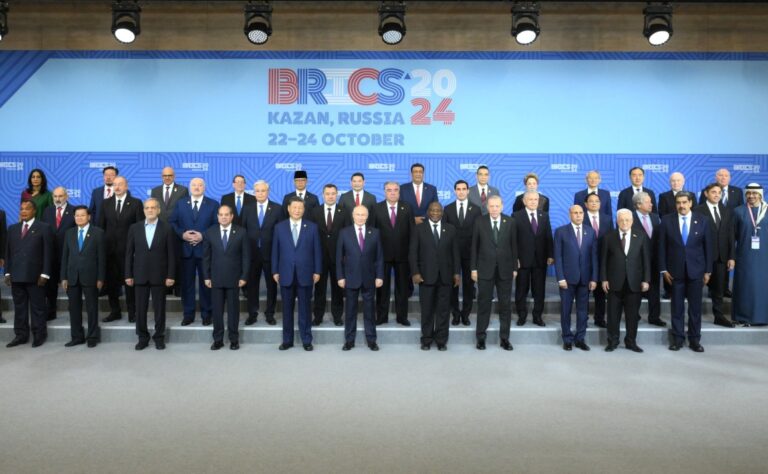
Xi Jinping Calls for Stronger BRICS Cooperation and Leadership in Global Governance

Kazan, Russia: In a speech emphasizing solidarity, innovation, and sustainable development, Chinese President Xi Jinping urged BRICS nations to become a driving force in global governance reform, calling on member states to “forge ahead with one heart and one mind.” Addressing fellow BRICS leaders at the 16th BRICS Summit held in Kazan, Russia, Xi presented a comprehensive vision for the grouping’s role in advancing peace, economic innovation, green development, and people-to-people exchanges among Global South nations.

The summit, hosted by Russian President Vladimir Putin, concluded with the adoption of the Kazan Declaration and outlined new criteria for BRICS partner country status, marking a significant moment for BRICS expansion. “The enlargement of BRICS is a major milestone in its history, and a landmark event in the evolution of the international situation,” Xi remarked, underscoring the importance of collaboration among emerging economies to counterbalance traditional Western-led institutions.

Key Themes from Xi’s Address: Peace, Security, and Cooperation

Xi’s speech called for BRICS countries—Brazil, Russia, India, China, and South Africa—to unify efforts in promoting global stability and addressing international conflicts. He proposed that BRICS act as “defenders of common security,” while adhering to the principles of “common, comprehensive, cooperative, and sustainable security.” This vision aligns with China’s broader foreign policy strategy, which stresses diplomacy and peaceful coexistence, particularly in regions experiencing conflict.

Regarding the ongoing Ukraine crisis, Xi reiterated the need to limit the expansion of battlefields, avoid escalation, and seek swift de-escalation. Addressing the humanitarian crisis in Gaza and the hostilities in Lebanon, Xi urged immediate ceasefires to halt further bloodshed. “We must make unremitting efforts toward a comprehensive, just, and lasting resolution of the Palestinian question,” he emphasized, demonstrating China’s commitment to advocating for diplomatic solutions in the Middle East.

Innovation and Green Development as Pillars of BRICS Collaboration

In a bid to position BRICS as a hub for technological advancement and sustainable practices, Xi announced several initiatives aimed at fostering innovation across member states. These include the establishment of a BRICS Deep-Sea Resources International Research Center, a BRICS Industrial Competencies Center, and a BRICS Digital Ecosystem Cooperation Network. By promoting research in fields like deep-sea exploration, digital infrastructure, and green industries, these initiatives are expected to enhance member countries’ technological capabilities and drive economic growth in emerging sectors.

“China is willing to expand cooperation with BRICS countries in green industries, clean energy, and green mining,” Xi said, stressing the importance of embedding green development practices across industrial sectors. He highlighted the need for BRICS nations to adopt sustainable approaches in every aspect of production, which he believes will help mitigate the effects of climate change and boost economic resilience.

Xi further proposed that the New Development Bank (NDB), a financial institution established by BRICS, be expanded and strengthened to better reflect shifts in the global economic landscape. This suggestion aligns with BRICS’ broader goal of reforming international financial institutions to offer developing countries more equitable representation and influence.

Boosting Digital Education and Cultural Exchanges

Xi also outlined steps to enhance digital education within BRICS nations, announcing a new capacity-building program and the establishment of ten learning centers across member countries over the next five years. The program aims to provide training opportunities for 1,000 local education administrators, teachers, and students, equipping them with digital skills essential for a modern workforce. These initiatives reflect a commitment to increasing educational access, particularly in areas that are underserved.

Highlighting the importance of cultural collaboration, Xi encouraged the exchange of governance practices and knowledge across BRICS members, especially in education, sports, and the arts. “Our diverse cultures can inspire one another and illuminate the path forward for BRICS,” he stated, suggesting that cultural exchange can strengthen bonds among BRICS nations and foster mutual understanding.

Expanding BRICS Membership: A Call to the Global South

At the summit, Xi also expressed support for expanding BRICS membership to include more nations from the Global South. This call for expansion resonates with BRICS’ mission to amplify the voice of developing countries on the global stage. “In light of the rise of the Global South, we should respond favorably to the calls from various countries to join BRICS,” Xi said, emphasizing that a larger coalition could increase BRICS’ influence in shaping global governance.

Expanding membership could enhance the representation of emerging economies in international decision-making processes, thereby balancing global power dynamics that have traditionally favored Western powers. With these changes, Xi envisions BRICS as a primary platform for countries in the Global South to collaborate and advocate for fairer and more inclusive global policies.

Russia and South Africa Support BRICS Vision

The summit saw alignment between Xi’s goals and statements from other BRICS leaders. Russian President Vladimir Putin endorsed the vision of a cooperative BRICS, highlighting the need to boost collaboration in areas such as technology, education, efficient resource development, and finance. “We must significantly increase the scale of investments,” Putin asserted, calling for further integration of the BRICS economies to foster collective prosperity.

South African President Cyril Ramaphosa echoed the sentiment, emphasizing the role of BRICS in building a fairer world. “The Kazan summit serves as an opportunity to harness our collective strength to build a safer, more prosperous, and equitable world,” he said. Ramaphosa pointed out that challenges faced by one BRICS nation affect all members, reinforcing the need for solidarity among emerging economies in the face of global instability.

BRICS’ Commitment to a New Era of Global Governance

The Kazan summit reflected BRICS’ commitment to redefining international cooperation and governance structures. As power dynamics shift and emerging economies gain influence, BRICS is positioning itself as an alternative to traditional Western-led organizations like the World Bank and the International Monetary Fund (IMF). The New Development Bank, in particular, is seen as a symbol of this alternative—a financial institution that prioritizes the needs of developing countries over the interests of developed nations.

Xi’s speech underscored BRICS’ mission to act as a force for stability, inclusivity, and growth for emerging economies. His call for cooperation in green industries, digital innovation, and education serves as a roadmap for the BRICS nations to adapt to the challenges of the 21st century, from climate change to digital transformation. As the world continues to face unprecedented challenges, BRICS leaders are unified in their belief that a collaborative, multi-polar approach to global governance is essential.

Looking Forward: BRICS’ Role in a Changing World

The outcomes of the 16th BRICS Summit mark a pivotal moment for the organization, signaling its readiness to play a more active role in global affairs. The adoption of the Kazan Declaration and the new partner country criteria reflect BRICS’ commitment to inclusivity and growth. By prioritizing issues like peace, sustainable development, and cultural exchange, BRICS is evolving into a platform that not only serves its member states but also advocates for the interests of the broader Global South.

With the expansion of membership and a focus on pressing global issues, BRICS is poised to become a central figure in international governance reform. The vision set forth by President Xi and other leaders at the Kazan summit reaffirms BRICS’ dedication to fostering a balanced, multipolar world order—one where emerging economies have a say in shaping their futures.

Disclaimer: The thoughts and opinions stated in this article are solely those of the author and do not necessarily reflect the views or positions of any entities represented and we recommend referring to more recent and reliable sources for up-to-date information.