Home Blog Page 511

‘Observing Martyrdom Day of Sahibzadas as ‘Veer Bal Diwas’ a Welcome Move’: Parminder Singh Brar Thanks Prime Minister

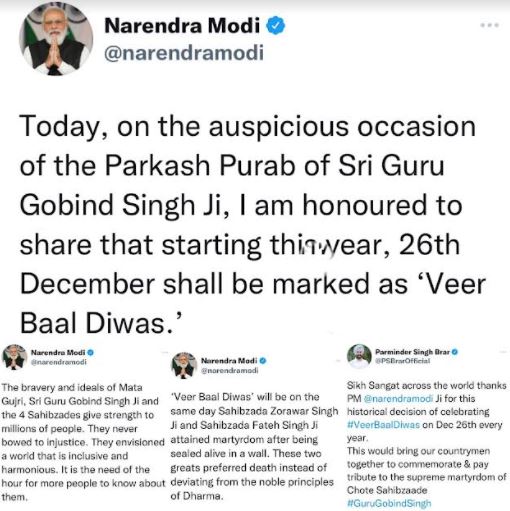
BJPs leader Parminder Singh Brar has welcomed Prime Minister Narendra Modis announcement to observe the martyrdom day of the Chhotte Sahibzade of Guru Gobind Singh Sahib ji as Veer Bal Diwas and thanked the Prime Minister for this announcement.

Veer Bal Diwas

In a statement issued here today, Brar said that the Prime Minister has announced that every year on 26th December, Veer Bal Diwas will be observed in the name of Sahibzadas of Guru Gobind Singh Sahib. He said that for a long time there was a demand from the country and abroad from the Sikh community that the martyrdom day of Sahibzadas should be celebrated as Bal Diwas.

He said that the story of the martyrdom of Chhotte Sahibzade and Mata Gujri ji is very important and every child of the country should know about. He said that there is no such example in the world where children of 7 and 9 years old did not care about coercion and oppression, did not leave their religion and opted for martyrdom. He said that every year lakhs of devotees gather in the Shaheedi Jod Mela held at Fatehgarh Sahib to have a glimpse of the wall, foundation of which Sahibzadas were martyred.

Brar said that after 75 years of the countrys independence, Modi ji is the only Prime minister who felt the need to recognise the sacrifice of those Sahibzade, and why it is important to remember them, and read about them.

He thanked the Prime Minister for his gesture and added that for a long time Sikh community has been demanding the same, which has finally been fulfilled. He said that the saga of Sahibzadas will now reach our children because of this decision and will bring our countrymen together to commemorate and pay tribute to the supreme martyrdom of Chhotte Sahibzade.

He also lauded the Prime Minister for all his decisions with respect to the Sikh community, which included reopening of the Kartarpur Corridor, which connects Gurdwara Darbar Sahib in Pakistan to the border with India, justice for 1984 riot victims and reopening of cases for a probe by SIT, release of postage stamp to commemorate 550th parkash utsav, observing the 400th parkash utsav of Guru Tegh Bahadur by organising several events, securing safe exit of over 457 Sikhs in Afghanistan, among several other decisions in support of the Sikh community.

Prajatantra’s Groundbreaking Study Unveils the Best Methods to Enter into Indian Politics

Launched just over last year, Prajatantra, a vanguard organization committed to fostering a more inclusive and representative democracy, has unveiled a pioneering study that delves into the intricate web of privilege, gatekeepers, and the pathways to political power in India. This comprehensive research, spanning three diverse states – Telangana, Chhattisgarh, and Punjab – highlights the often-opaque barriers that obstruct the entry of grassroots candidates and independent voices into the hallowed halls of governance.

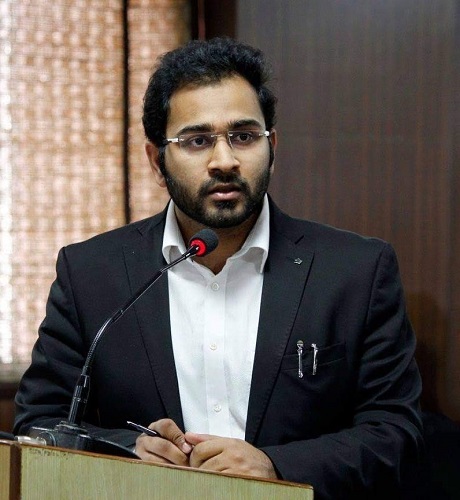
Ritwick Shrivastav, Founder & CEO of Prajatantra

Prajatantra, a non-profit and non-partisan organization established to encourage, educate, and empower governance-centric Indians to contest elections, has conducted this groundbreaking study to comprehensively understand the extent of gatekeeping in Indian politics, the various methods employed by Elected Representatives to enter the political arena, the relationship between family and financial backgrounds, and the age at which individuals embark on their political careers, among other pertinent aspects. With a steadfast commitment to empowering ordinary citizens, Prajatantras research aims to unravel the complexities that often impede the participation of ordinary citizens in shaping the nations political landscape.

The findings underscore the urgency of dismantling the gatekeepers that prevent deserving candidates from entering the political arena,” observes Ritwick Shrivastav, Founder & CEO of Prajatantra. “If we can incubate and provide a platform for grassroots leaders, there is a higher chance of bringing about real change in our governance system.”

Privilege and Gatekeepers
According to the study, 91.7% of MLA seats are occupied by gatekeepers (dynasts, criminals, or wealthy individuals). Among privileges, Money holds a significant influence (82.5%), followed by criminal backgrounds (48.7%) and dynast (20.2%). Womens representation mirrors similar trends, with 47% from dynastic backgrounds. Alarmingly, Non-privileged/ grassroot politicians get 5 years disadvantage compared to privileged/grassroots politicians.


Method of Political Entry
Avenues for political entry primarily comprise Local politics (29.4%), Party organizational politics (26.4%), and family legacy (20.2%), constituting over 70% of entry paths. Meanwhile, only 4.3% of the people enter politics through student politics, which is further highly gatekept (over 85%) by criminals and wealthy politicians. Local and party organizational politics offer comparatively lower gatekeeping (39%) but demand substantial time (4-6 years) for state-level ascension.

First-Time MLAs
First-time MLAs largely emerge from privileged backgrounds (85%), with only 5.7% overcoming all entry barriers on their first attempt. Party organizational politics was the most favored among first-time elected representatives at 39.2%, followed by local politics at 21.7% and family legacy at 20%. Student politics and social service were 5.3% and 3.3%, respectively. Over the years, entering politics has become more challenging as the age of entry for first-time elected representatives increased by 2 years, with people entering politics at 46 instead of 44.

Demographics of Political Entry
Demographically, the study reveals that 32.5% lack a college degree, while 30.7% hold graduate degrees, favoring arts (46.5%), law (17.8%), and engineering (10.9%) qualifications. Moreover, the educational degree does not affect elected representatives’ chances of entering politics. A person with a Graduation degree and no degree enters politics at the same age of 44. Professionals, especially from business backgrounds (38%) and doctors (7%), are increasingly venturing into politics.


Details of the study and data are available at prajatantra.org.

Prajatantras study highlights the need for reforms and interventions to level the playing field where the organizations mission comes into force. They drive this through a 3E approach: Encourage – celebrating self-made politicians and inspiring Indians to join electoral politics; Educate – educating aspirants about electoral processes, entry methods, and political strategies; Empower – providing aspirants with necessary tools, teams, and ecosystems to help them contest elections successfully.

First-Time Voters Show Strong Engagement and Optimism in 2024 Elections

In an unprecedented look into the minds of Indias first-time voters, a recent survey by MyResearch, a public opinion firm led by Ranabir Sen, a market research veteran, sheds light on the sentiments and behaviors of these young citizens as they navigate their inaugural participation in the democratic process. Conducted across the Top 6 metros in India, this survey highlights a vibrant, hopeful, and highly engaged segment of the electorate.

A Demographic Snapshot The survey included a balanced representation of genders, with 48% female and 52% male respondents. Equally split between those still in education or not working (50.5%) and those employed either full or part-time (49.5%), these young voters bring diverse perspectives to the polling booths.

Election Day: A Tapestry of Emotions Election Day stirred a mix of emotions among first-time voters:

  • Pride: The predominant feeling, with 22% of respondents expressing pride in participating in the countrys governance.

  • Hope: 18% felt optimistic that the election results would bring about positive changes.

  • Ritualistic/Ceremonial Feelings: 20% viewed the day as a significant traditional event.

  • Anxiety: 9% experienced nervousness about the outcomes and their implications.

  • Doubt: 8% harbored doubts about the fairness or impact of the election.

Engagement in the Campaign Process First-time voters demonstrated a keen interest in the election process, marked by high levels of media consumption and participation:

  • Media Engagement:

  • 80% watched campaign commercials.

  • 65% sought information through social media.

  • 56% watched candidates speeches.

  • 48% viewed candidates interviews.

  • Direct Participation:

  • 28% attended rallies or yatras.

  • 30% created or pasted campaign posters.

Despite their enthusiasm for staying informed, fewer engaged in direct campaign activities, suggesting constraints such as time or opportunity might limit their involvement.

Belief in the Power of Elections The survey reveals a robust belief in the efficacy of elections among first-time voters:

  • 81% believe elections matter and can lead to significant changes.

  • 65% are confident that their vote can significantly influence the future direction of the country.

Perception of Government Responsiveness The majority of first-time voters feel valued by the government, yet a notable minority remains skeptical:

  • 75% believe the government cares about their opinions.

  • 24% feel that the government does not care about what people like them think.

Reactions to Potential Election Outcomes First-time voters display a mature approach to the election results:

  • 34% would feel disappointed if their chosen candidate lost, but an equal percentage would remain calm and accept the outcome.

  • Very few express extreme reactions, such as anger or depression, indicating a general readiness to respect the democratic process.

A Hopeful Yet Cautious Electorate Overall, the sentiments of first-time voters in Indias 2024 elections paint a picture of an engaged, hopeful, and responsible young electorate. While pride and optimism are the dominant emotions, the presence of anxiety and doubt highlights areas for improvement in the electoral process. Ensuring greater transparency and responsiveness from government institutions could further strengthen the faith and participation of these young voters in the democratic process.

Conclusion First-time voters are not just passive participants but active contributors to the democratic process, eager to make their voices heard and influence the future. By addressing their concerns and fostering a more inclusive environment, electoral and governmental institutions can harness the full potential of these young citizens, ensuring a vibrant and dynamic democracy.

For more information, please visit www.linkedin.com/feed/update/.

KSMSCL to Focus on Improving its Efficiency

Given its importance and responsibilities, Karnataka State Medical Supplies Corporation Limited (KSMSCL) is one of the key government agencies. Despite all the challenges especially during the pandemic and its aftermath, KSMSCL wants to stay focussed on its job as mandated by its vision “To provide universal and equitable access to quality drugs and state of the art medical equipment & supplies to all and converge efforts with the larger goal of the State to provide quality healthcare services for all.

The main objective of KSMSCL is procurement/storage/supply of essential drugs and consumables. Sources in KSMSCL said there is transparency while procuring medicines from various pharma industries. “It is open to all. We take stakeholders’ opinions before arriving at a decision. We also have committees (comprising senior officials) to evaluate bidding process.”

They said, “To ensure quality, we test samples selected randomly from all batches of drugs supplied to ware houses. It is our sincere efforts to ensure there is transparency in our day-to-day dealings so that there are no allegations.”

Elaborating further, officials said, “We are streamlining all the procurement process and documentation, quality control and supply of essential drugs without any obstacles based on Tamil Nadu Medical Supplies Corporation Ltd. Our team visited TNMSCL for first-hand information. E-payment system is in the pipeline and should be operational in the days to come.”

Officials said, “There were some issues during 2020-21 and 2021-22 as far as supply of drugs was concerned. To avoid any confusion, we have already issued purchase orders for more than 200 drugs for the year 2022-23. We want to ensure supply of drugs without any obstacles and we are working on it.”

They emphasised the fact that their organisation follows administrative procedures before finalising bids and they have a dedicated grievances’ redressal application and currently they are strengthening this and working towards removing any gaps whatsoever in this application.

The other area, according to them, is HR department which will be upgraded to meet the changing scenario. “We can say we are not fully equipped to meet the expectations but our sincere endeavour is to achieve the set targets in the days to come.”

KSMSCL wants to ensure it is recognised for its quality service in the days to come so that its mission objective which is to ensure the reach of quality and affordable healthcare services in a transparent and equitable manner to all; by delivering essential drugs, medical equipment and lab consumables in a timely manner to public healthcare systems by efficient procurement, storage and supply chain management is fulfilled.

eGov Foundation and Compliance Professionals Plc Collaborate to Enhance Governance in Nigeria through the DIGIT Technology Platform

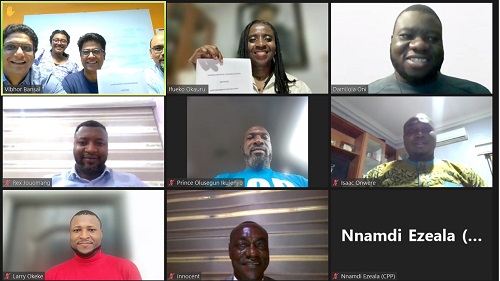
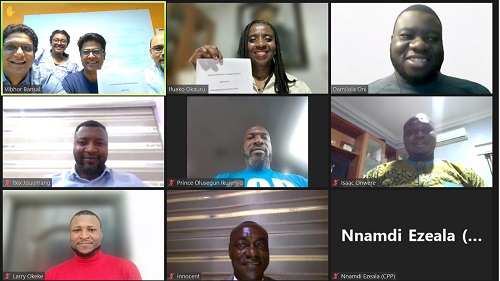
eGov Foundation, a not-for-profit organization and Compliance Professionals has today announced the partnership to improve governance in Nigeria through open digital public infrastructure (DPI) deployments.

eGovernments Foundation and Compliance Professionals Plc collaborates to deploy DIGIT, a digital public good, for governance

The strategic collaboration between eGov Foundation and Compliance Professionals Plc will facilitate the implementation of eGov Foundations DIGIT, an open-source service delivery and governance platform, across federal, state, and public sector organizations in Nigeria. The primary objective of this partnership is to promote e-governance, ensure statutory compliance, optimize revenue generation, and enhance government performance.

Commenting on the partnership, Viraj Tyagi, CEO, eGov Foundation, said, “We are excited about the digital transformation possibilities in Nigeria leveraging the DIGIT platform and we are committed to providing the necessary support, documentation, and knowledge to facilitate this journey.”

Ms. Ifueko M. Omoigui Okauru, Managing Partner of Compliance Professionals Plc, added, “It is our belief that this partnership will foster a strong bond between eGov Foundation and Compliance Professionals Plc, and together, we will successfully achieve our common goal of improving governance in Nigeria. We will drive the transformative and institutional change required by government bodies in adopting the DIGIT Platform for effective e-governance.”

DIGIT is an open, interoperable, free-to-use platform that offers solutions for citizens, first-mile employees, administrators, commercial players and policymakers for delivering Citizen Services and improving Governance. The platform has been adopted by Government departments, Urban Local bodies and gained recognition as the platform of choice for delivering citizen services and enhancing governance. India’s National Urban Digital Mission (NUDM) also relies on the power of DIGIT to drive its initiatives.

Transform Rural India Helped Generate Awareness About Sickle Cell Anaemia Ahead of PM Modi’s Elimination Mission Announcement

Prime Minister Narendra Modi recently launched the National Sickle Cell Anaemia Elimination Mission aimed at saving the lives of 2.5 lakh affected families. This mission has seen collective efforts and a series of impactful activities that were conducted by Transform Rural India in collaboration with various frontline health workers, women collectives, and health officials in the heart of Madhya Pradesh. Conducted in Shahdol, Madhya Pradesh, this was a joint initiative of the Ministry of Tribal Affairs and the Ministry of Health and Family Welfare. A report by The Ministry of Health and Family Welfare (MoHFW) has listed sickle cell disease as one of the 10 problems in Indias tribal health with Madhya Pradesh having the highest prevalence. Estimated 961,492 Madhya Pradesh residents are reported to be sickle cell carriers, while 67,861 have sickle cell disease.

Sickle-cell anaemia is a congenital form of anaemia acquired during foetal development. Characterized by crescent-shaped red blood cells and an abnormal form of haemoglobin, the disorder can lead to various health complications, including episodes of severe pain, organ damage, and a shortened life expectancy. Transform Rural India (TRI), a grassroots organization that works towards devising solutions for issues faced by marginalized rural communities is taking a proactive stance to manage and mitigate the disease and improve the health of tribal populations in Madhya Pradesh.

Says Shyamal Santra, Associate Director of Public Health and Nutrition at Transform Rural India, “These activities are aimed at generating awareness of the disease within the tribal community. And to that effect, we are supporting conducting SCA screening camps and offering technical assistance to the State Haemoglobinopathy Mission and District Administrations. Health camps have successfully carried out for sickle cell anaemia screening in twenty tribal-dominated districts of Madhya Pradesh and high-performance liquid chromatography (HPLC) tests have been carried out to analyse blood samples while positive cases underwent additional evaluation.”

The data collected was analysed daily, providing valuable insights into the span of the disease in multiple districts. Says Shyamal, “Our team members also extended support to health workers and helped optimize the screening process. What made this process challenging was the lack of awareness within the tribal population. However, it was important to gain their trust and then mobilize them to address this disease that only affects their well-being but the health of future generations.”

To disseminate critically valuable information, the initiative harnessed the power of self-help groups (SHGs) and women collectives and also held weekly meetings, carried out targeted household visits, organised community-level events, and also leveraged health and nutrition services effectively to bring their benefit to communities most in need. Shyamal adds, “We worked towards breaking the mutually reinforcing drag of low demand-supply equilibrium, by building a “community-public system compact” where a community responsibility system consisting of women collectives was augmented and the public health and nutrition services delivery system was strengthened.”

To address the challenges posed by high migration rates and scattered geography in the Barwani district, TRI also focused on building a responsive system by linking the existing social infrastructure of SHGs through a digital interface. This system provided a rapid response mechanism during emergencies and facilitated robust communication and coordination among stakeholders. “The battle against sickle cell anaemia is arduous, especially for the people living in tribal districts with limited access to health infrastructure and services. However, we hope that proactive collective measures will go a long way in improving the lives of those affected by sickle cell anaemia not just in Madhya Pradesh but in different parts of the country and the learnings can be replicated around the globe,” concludes Shyamal.

Government of India Mission Aims to bring Recruitment Agencies Across India under One Umbrella

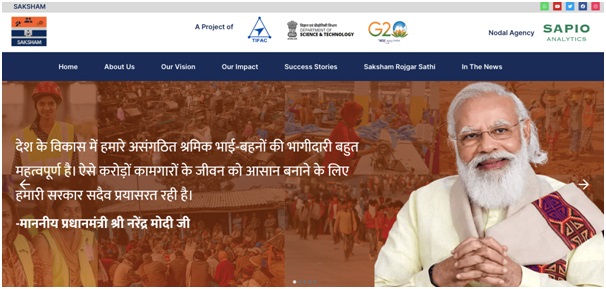
Recruitment agencies and consultants are invited by Saksham, an apex Government of India mission to solve the problem of unemployment in India, to apply and become a Saksham Empanelled Vendor or a Saksham Rojgar Sathi.

Saksham website showing Hon Prime Minister’s message for ending unemployment

Such empanelled vendors shall be given exclusive access to mandates from job providing companies, an AI powered technology platform to manage the low income workforce hiring, and the right guidelines for increased growth. The mission by TIFAC, a government of India body under the Department of Science and Technology, is currently focusing on onboarding of agencies from the state of Maharashtra, and an RFP for the same has been issued.

By creating an umbrella to guide recruitment agencies of all levels, include single person companies, and empowering them with our IPs and brand value, we are taking a major step towards increasing revenues for recruitment agencies, while solving the problem of unemployment step by step,” says Dayal Kalyan Kangne, Lead Coordinator of the mission in Maharashtra.

The mission has already touched lives of more than 40 lac unemployed workforce and is aiming to empower more than 50 crore workforce in India that is employed in the low income segment.

India’s blue collared recruitment industry is largely unorganised, and was expected to remain so, without appropriate intervention of technology. With our intervention, we hope to empower recruitment agencies to serve more jobseekers, and play a role in reducing unemployment,Dr Pradeep Srivastava, Executive Director, TIFAC, was quoted as saying.

There are said to be more than 100,000 recruitment agencies or independent consultants in India, who are eligible to apply to this program, when it opens for the rest of India. Currently, agencies from Maharashtra have started applying to become Saksham Rojgar Sathi. The first round of announcement of selected consultants shall be made soon.

The Government of India mission is inviting all such agencies and consultants to apply, irrespective of their existing strength and turnover. Selection shall be based on genuinity and credibility, and the aim is to make every credible organisation a Saksham Rojgar Sathi.

We are speaking to companies across India, advising them to recruit through credible agencies only, especially for the low income workforce. There have been a number of cases of frauds as well as incompetencies, leading to lack of enough employment opportunities for the right candidates. Hence, this movement is critical,” adds Prashant Nikam, former IRAS officer and Chairman of Sapio Analytics, nodal agency for Saksham.

Sapio Analytics is a partner of multiple governments in their missions related to livelihood, and also works with organisations in enhancing the performance of their low income workforce. TIFAC is the apex technology forecasting body of India focused on solving issues of national importance using technology.

Delhi Government Joins Rut3 and Rotary Club to Uplift Lives of PWDs with Cutting-Edge Wheelchair Technology

  • Indias first suspension wheels-driven technology, reducing spinal vibration by 60%, thereby enhancing the comfort of wheelchair users making it one the most innovative technologies today

  • Rut3 marks a monumental step towards independent living for persons with disabilities by collaborating with Rotary Club, and the Delhi Government,

  • This is the first ever made-in-India technology to be introduced to PWDs in this category

  • Rut3’s patented technology aligns with Indian infrastructure, aiming to reduce Disability Adjusted Life Years (DALY) by up to 11 years.

Rut3 Engineering Pvt. Ltd., a technology driven startup, unveils its first landmark initiative in cutting-edge wheelchair driven technology. In partnership with Rotary Club and the Department of Social Welfare, Government of NCT of Delhi Rut3 have launched Indias first ever suspension wheels-driven technology at the General Disability Camp. This groundbreaking technology is poised to revolutionize the independent living of persons with disabilities in India.

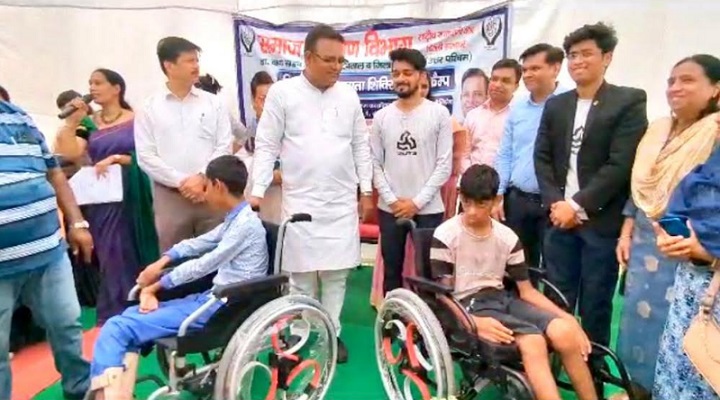
Cabinet Minister for Social Welfare, Labour, Employment-Raaj Kumar Anand, Mitesh Rasal, Founder Rut3, Shubham Sutar, Co-founder & CTO Rut3 at the General Disability Camp Delhi handing PWDs wheelchairs

Designed and patented with Indian infrastructure in mind, Rut3s unique wheel design features suspensions within the wheels rim, significantly reducing the unwarranted vibrations impacting wheelchair users. Tested rigorously in partnership with IIT Madras innovation centre, this Made in India innovation reportedly reduces spinal vibration by an impressive 60% and can cut Disability Adjusted Life Years (DALY) by up to 11 years.

At the heart of this innovation is a compassionate understanding of the daily challenges faced by wheelchair users, who often endure discomfort akin to truck drivers. Rut3s technology focuses on reducing both the physical strain and the economic burden, significantly decreasing chronic medical expenses, maintenance costs, and the overall economic loss,” said Shubham Sutar, Co-founder & CTO Rut3.

Rut3, the Delhi Government and the Rotary Club together distributed state-of-the-art wheelchairs to end users. Rut3 will be seeking real-time feedback from PWDs about their experience using the Rut3 wheelchairs in coming months. Shri Raaj Kumar Anand, Delhi Cabinet Minister for Social Welfare, Labour, Employment lauded Mitesh Rasal, Founder of Rut3 for his active participation and contribution towards PWDs and endorsed the companys efforts towards the cause and the Make In India initiative undertaken by the Rut3 technology team.

Rut3 Founder, Mitesh Rasal, stated, “Wheelchair users face a tremendous amount of fatigue, stress, and discomfort due to the absence of suspensions, leading to chronic backache, spine injury, and issues with neck ache. Our unique suspensions help focus on the healthcare and mental state of the PWDs and on reducing out-of-pocket expenses for users. The Rut3 wheelchair is an innovative product which will help PWDs save precious income and also enable them to participate in many more in daily activities like a job, family events, etc. Thus alleviating both the familys and the governments health burden.”

The impact of this unique technological advancement extends far beyond mere comfort. One user at the event highlighted how inadequate last-mile infrastructure had restricted his movement, leading to feelings of isolation, depression, and substantial economic loss. With the helps of Rut3 technology he will be able to overcome these challenges in the future.

Rotarian Mukesh G Gupta, speaking at the event, reinforced Rut3s commitment to uplifting the lives of people with disabilities and the elderly; by allowing them to travel confidently across diverse terrains. “With the Rut3 aesthetic design, the wheelchair appeals to the end users. It is focused on encouraging PWDs to embrace life and use wheelchairs in public. Thus it helps PWDs bypass the social stigma around wheelchair use in society,” he said.

According to studies conducted by Rut3, the data collected paints a staggering picture, suggesting that an average person in an ill-suited wheelchair tends to lose 11 economic years, equivalent to a loss of 57 million years across India. Rut3 aims to turn this grim statistic around with its cutting-edge technology. Supported by the Government, Rut3s product development involves extensive research, including inputs from over 200 users, rehabilitation centres, and wheelchair manufacturers.

Rut3 is one of Indias top startups and a winner of prestigious awards like the Atal New India Challenge 1.0 and the Prosus SICA Challenge 2022 (India), in partnership with Social Alpha. By marrying technology with empathy, Rut3 are crafting a path towards an inclusive and compassionate world.

BPCL Launches “Silent Voices” Initiative on India’s 77th Independence Day

Marked by the celebration of Indias 77th Independence Day, Bharat Petroleum Corporation Limited (“BPCL”) joined forces with Youth4Jobs to launch the “Silent Voices” initiative. This program aims to foster socioeconomic independence by championing inclusivity and diversity, providing equal opportunities for specially-abled youth within the mainstream workforce.

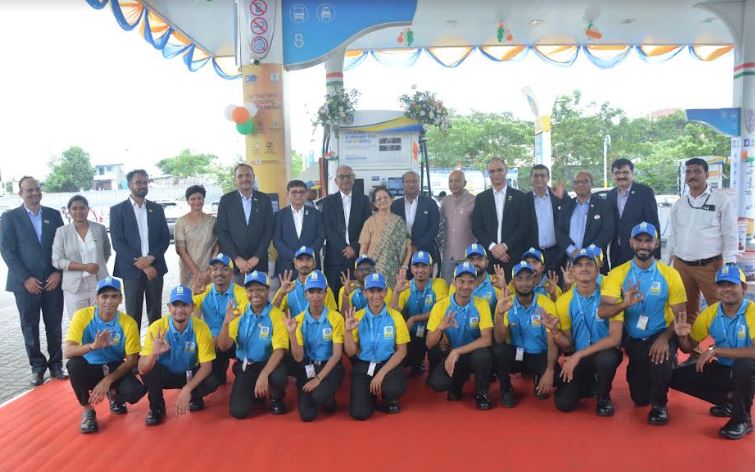
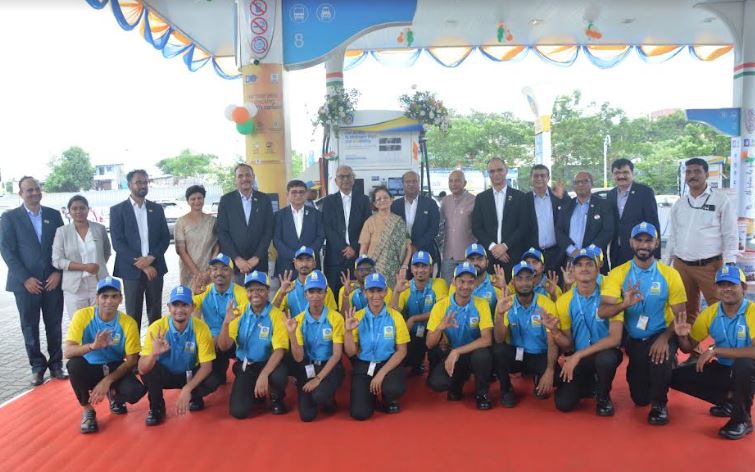
Team BPCL with especially abled Fuel Station Staff

With a vision to ignite hope and prosperity, Silent Voices aims to offer more than 250 hearing and speech-impaired young minds the chance to shine at 90 BPCL fuel stations nationwide. In bustling cities such as Delhi, Mumbai, Navi Mumbai, Pune, Bengaluru, Hyderabad, Gurgaon, Noida, and Kolkata, these talented individuals will utilize signs and gestures to provide customer service, ensuring fuelling experience.

The program was inaugurated at the Police Fuel Station in Ghatkopar, Mumbai, with the esteemed presence of Mr. G. Krishnakumar, Chairman & Managing Director of BPCL. Joining hands with Mr. Krishnakumar were Mr. Sukhmal Kumar Jain, Director (Marketing), Mr. Vetsa Ramakrishna Gupta, Director (Finance), Mr. Raj Kumar Dubey, Director (HR), and Mr. Sanjay Khanna, Director (Refineries), alongside Mr. Santosh Kumar, Executive Director I/c (Retail). The event garnered further grandeur with the esteemed presence of senior officials from BPCL, Youth4Jobs, and members of the dealer fraternity.

Silent Voices solidifies BPCLs commitment to creating workplaces that recognize, respect, and nurture the potential of every individual. BPCL firmly believes in the untapped abilities of all, regardless of personal challenges. Embracing inclusivity and diversity bolster a better tomorrow by infusing workplaces with renewed vigor and vitality.

Mr. G. Krishnakumar eloquently encapsulated the initiatives essence, saying, “BPCL continues to foster diversity and to bring about socioeconomic inclusion. Through #SilentVoices, we hope to appreciate the value of these gifted youth, who are also an integral cog in the wheel of nation building.”

Mr. Sukhmal Kumar Jain, Director (Marketing) at BPCL, shared his vision for the endeavor by stating, “This initiative while fostering inclusivity, unfolds many possibilities by providing these youth opportunities that they deserve. Empowering this vibrant demographic will not only strengthen our communities but also our nation. Let us rally together, accelerating this noble cause throughout our zone of influence.”

Recently, BPCL and Youth4Jobs formalized their partnership through a memorandum of understanding. Youth4Jobs, a respected organization dedicated to empowering specially-abled youth and promoting their economic inclusion, is set to collaborate closely with BPCL to realize the shared goal of celebrating true equality.

As Silent Voices roars into action, breaking through the barriers of perception and prejudices, these incredible opportunities will empower youth, offering them unparalleled equality, empowerment, and dignity.

About Bharat Petroleum Corporation Ltd. (BPCL)

Fortune Global 500 Company, Bharat Petroleum is the second largest Indian Oil Marketing Company and one of the premier integrated energy companies in India, engaged in refining of crude oil and marketing of petroleum products, with a significant presence in the upstream and downstream sectors of the oil and gas industry. The company attained the coveted Maharatna status, joining the elite club of companies having greater operational & financial autonomy.

Bharat Petroleum’s Refineries at Mumbai, Kochi and Bina Refinery have a combined refining capacity of around 35.3 MMTPA. Its marketing infrastructure includes a network of installations, depots, energy stations, aviation service stations and LPG distributors. Its distribution network comprises over 21,000 Energy Stations, over 6,200 LPG distributorships, 525 Lubes distributorships, 123 POL storage locations, 53 LPG Bottling Plants, 70 Aviation Service Stations, 4 Lube blending plants and 4 cross-country pipelines.

Bharat Petroleum is integrating its strategy, investments, environmental and social ambitions to move towards a sustainable planet. The company has chalked out the plan to offer electric vehicle charging stations at around 7000 energy stations over next 5 years.

With a focus on sustainable solutions, the company is developing a vibrant ecosystem and a road-map to become a Net Zero Energy Company by 2040, in Scope 1 and Scope 2 emissions. Bharat Petroleum has been partnering communities by supporting innumerable initiatives connected primarily in the areas of education, water conservation, skill development, health, community development, capacity building and employee volunteering. With ‘Energising Lives’ as its core purpose, Bharat Petroleum’s vision is to be the most admired global energy company leveraging talent, innovation & technology.

For more information, please visit www.bharatpetroleum.com

Next Tech Destination: Emergence of Odisha as The Silicon Coast of India

Positioned at the cusp of a technological revolution, Odisha has swiftly emerged as a formidable contender in Indias Information Technology (IT) landscape, captivating the attention of startups, tech behemoths, and global investors alike. Spearheaded by the visionary leadership of Hon’ble Chief Minister Shri Naveen Patnaik, and propelled by a series of progressive policies, the state has positioned itself as the Silicon Coast of India, rivalling the renowned innovation hub of Silicon Valley.

Deloitte Indias new tech talent hub, BMC Tower, Janpath Road, Bhubaneswar

Bhubaneswar, the pulsating heart of Odishas tech industry, stands on the brink of eclipsing traditional tech powerhouses like Bangalore, Hyderabad, and Mumbai, to ascend as Indias premier IT centre.

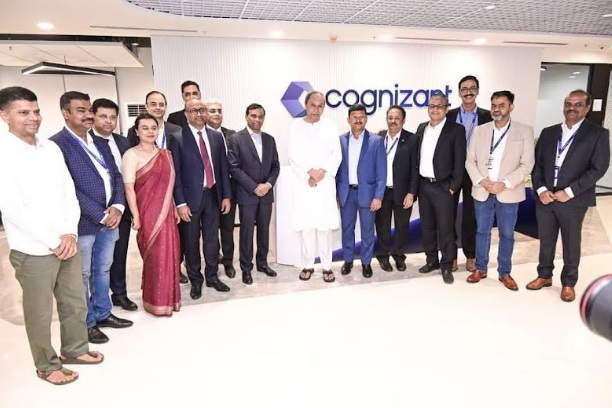
Cognizants new technology centre inaugurated by Honble Chief minister Shri Naveen Patnaik in Bhubaneshwar. Anchoring Odishas position as Silicon Coast of India

Bhubaneswar distinguishes itself from other cities with its conducive environment for tech innovation and business growth, free from the infrastructure challenges, high living costs, and traffic congestion often found elsewhere. Recognised as one of Indias emerging technology hubs by Nasscom and Deloitte, the city boasts a skilled talent pool, cost-effective operations, and robust infrastructure, all backed by unwavering government support, rendering it an attractive destination for IT investments. Its strategic coastal location, combined with lower operational costs, positions Bhubaneswar as an irresistible hub for tech ventures. Moreover, proactive government initiatives in quality IT education and skill development ensure a continuous influx of skilled professionals to fuel industry expansion. As the city emerges as a centre for semiconductor innovation, bolstered by successful diplomatic endeavours and global collaborations, Bhubaneswars trajectory towards becoming the Silicon Coast of India appears inevitable, ushering in a new era of technological prowess and economic prosperity.

Odisha proudly hosts over 200 IT firms, including tech giants such as Infosys, TCS, Wipro, and Tech Mahindra, driving opportunities and technological advancements. Cognizants state-of-the-art facility in Bhubaneswar, spanning a sprawling 52,000 sqft, marks a pivotal moment, set to accommodate 1000 associates initially and expand to over 5000 in two years. Accentures most awaited inauguration further enriches the tech ecosystem. The presence of consulting giants like PwC, Deloitte, and EY underscores Odishas appeal, attracting more industry leaders to establish offshore centres. The states proactive talent development strategy ensures a high-calibre IT workforce, fueling sustained industry growth.

In the last four years, Bhubaneswar has witnessed a remarkable influx of over 50 new IT companies, catapulting the city into the forefront of Indias tech revolution. This surge in investments has not only diversified the IT landscape but has also led to a doubling of employment opportunities within the sector. Alongside established industry giants like Infosys, TCS, and Wipro, the city now proudly hosts an array of innovative startups and global corporations, all drawn by its conducive business environment, skilled workforce, and robust infrastructure. This exponential growth not only underscores Bhubaneswars emergence as a vibrant technology hub but also solidifies its position as the Silicon Coast of India, poised to lead the nations digital transformation journey.

Forward-thinking policies like the IT Policy 2022 and Odisha Semiconductor and Fabless Policy 2023 foster innovation and investment. Odishas strategic location enables seamless trade with Southeast Asia, while lower operational costs and improved air connectivity enhance its attractiveness to businesses.

A recent diplomatic mission to the USA, led by Minister for Electronics and IT, Shri. Tusharkanti Behera, in collaboration with Shri. Kartik Pandian, Chairman of 5T and Naveen Odisha, has significantly advanced Odishas ambitions in the electronics and IT sector. By engaging with investors and stakeholders in Silicon Valley, the delegation adeptly showcased Odishas potential as the new Silicon Coast for semiconductor manufacturing and chip design, garnering widespread international acclaim and attention.

As the technological landscape of India evolves, Odisha emerges as the next frontier in the realm of innovation. Government-backed IT enclaves such as Infocity, Info valley, and O-Hub, fortified by supportive policies, underscore Odishas steadfast commitment to nurturing an environment conducive to IT investment and development. The resounding success of the Silicon Valley mission unequivocally solidifies Odishas standing as a burgeoning hub for semiconductor innovation. With unwavering government support, the state is primed for exponential growth in the IT sector, positioning itself to carve a lasting legacy as the Silicon Coast of India.