Home Blog Page 410

Dr. Ashok Kumar Mittal in Madrid as Indian Delegation Advances Operation Sindoor Diplomacy

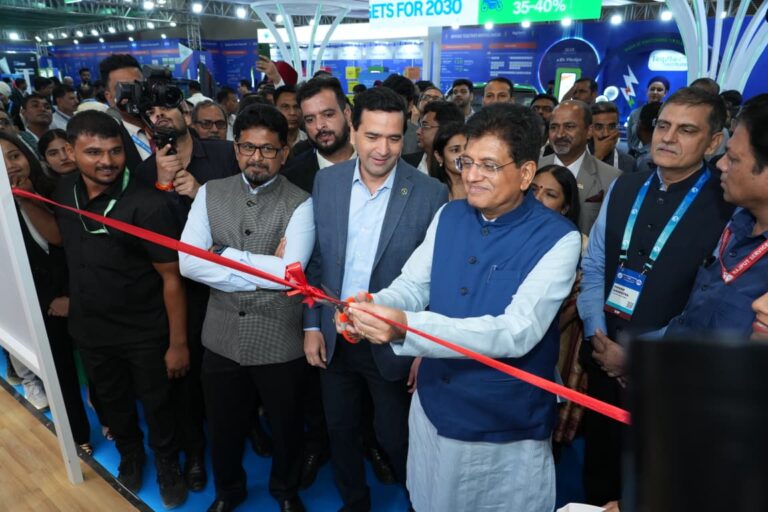
Dr. Ashok Kumar Mittal, Hon’ble Member of Parliament (Rajya Sabha) and Founder Chancellor of Lovely Professional University, is visiting the Kingdom of Spain as part of an All-Party Parliamentary Delegation from India from May 31 to June 2, 2025.

Dr. Ashok Kumar Mittal in Madrid as Indian Delegation Advances Operation Sindoor Diplomacy

The delegation, led by Ms. Kanimozhi Karunanidhi (Member of Parliament, Lok Sabha), is part of India’s diplomatic initiative Operation Sindoor, which reinforces global solidarity against terrorism. It comprises senior Members of Parliament across party lines, reflecting India’s united stance following the recent Pahalgam terror attacks.

During the visit, Dr. Mittal and fellow delegates are engaging with Spanish parliamentarians, senior officials, thought leaders, and the Indian diaspora to advance bilateral relations and strategic cooperation on counter-terrorism, underscoring a shared commitment to peace and democratic values.

Dr. Mittal stated, “Terrorism is a global challenge that demands a unified response. Through this visit, we reaffirm India’s commitment to zero tolerance and seek deeper cooperation with Spain on matters of global security.

India and Spain share a steadily strengthening partnership grounded in shared democratic values, economic cooperation, and vibrant cultural exchanges. Bilateral trade between the two nations reached USD 8.78 billion in 2024, reflecting robust growth in sectors such as technology, renewable energy, education, tourism, and defence.

BHARAT 2030: Tier-II & III Cities Will Shape India’s Rs. 10 Lakh Crore Real Estate Future

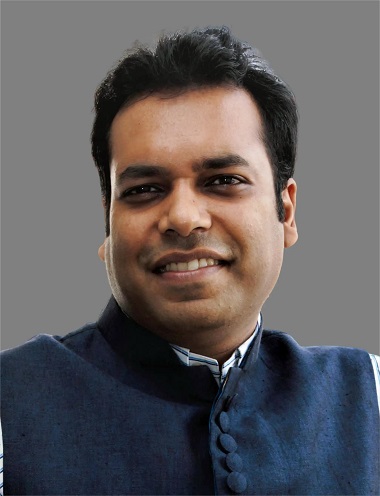
As India’s real estate growth enters a new phase, a silent but significant transformation is underway that is shifting the centre of gravity away from the countrys traditional metros. In his latest strategic report titled “BHARAT 2030: The Silent Surge of Tier-II and Tier-III Cities“, Ashwinder R. Singh-Chairman of the CII Real Estate Committee (North), Vice Chairman of BCD Group, and Advisor to NAR India- maps the future trajectory of growth and inclusion in Indian real estate.

Ashwinder R. Singh

As per the report, the new wave of expansion is not driven by temporary demand overflow, but by long-term structural shifts in aspirations, affordability, and accessibility. Tier II cities like Raipur, Salem, Belagavi, Hosur, Jabalpur, Aurangabad, Tirunelveli, Siliguri, Baddi, Udaipur, and Warangal are emerging as the real engines of India’s next growth story.

Tier III cities like Ayodhya, Dharwad, Sangli, Haldwani, Ajmer, Barshi, Kharagpur, Nanded, Agartala, and Kollam have historically remained under the radar but are now stepping into the spotlight, building the next Rs. 10 lakh crore of India’s real estate economy.

Ashwinder R. Singh – Chairman of the CII Real Estate Committee (North), Vice Chairman of BCD Group, and Advisor to NAR India, states, “For decades, India’s real estate narrative revolved around the top 7-8 metro cities. But that story is being rewritten. What we’re witnessing is not just spillover from saturated metros; it’s a fundamental reshaping of the growth landscape. Cities once considered peripheral are now emerging as vibrant hubs for housing, employment, infrastructure, and investment.”

The report identifies this shift not as a cyclical deviation from the dominance of metros like Delhi, Mumbai, or Bengaluru, but as a deeper reordering of India’s urban development model. It pinpoints the specific growth corridors that exemplify this transformation.

Bhubaneswar is leading the way with walkable neighbourhoods rooted in smart city design and cultural context. Jabalpur and Gwalior are witnessing township-led growth spurred by improved highway networks and air connectivity. Cities like Salem and Tirunelveli are becoming health-tech magnets, following the lead of Coimbatore.

In central India, warehousing hubs are emerging in Raipur, Siliguri, and Belagavi, driven by their strategic locations and enhanced connectivity. Industrial corridors in Hosur, Aurangabad, and Pithampur are evolving into EV manufacturing zones, generating demand for both workforce and executive housing.

Even the knowledge suburbs of Chandigarh, such as Baddi, Barotiwala, and Derabassi, are transforming from industrial satellites into integrated living ecosystems. Meanwhile, cities like Lucknow and Ayodhya are undergoing a renaissance, fuelled by government investment, institutional development, and spiritual tourism.

One of the most powerful insights from Singh’s report is that infrastructure in these cities is leading development. Infrastructure in Tier-II and Tier-III cities is becoming the new imperative for Indian real estate, with expressways, regional airports, railways, and metro lines laying the groundwork for expansion. Corporates are entering early, drawn by cost advantages and access to local talent. Land remains both affordable and available, enabling large-scale, community-led developments. Rising household incomes, improved education, and digital reach are driving aspirations upward. Besides, local governments are offering faster approvals and policy support, making these cities more investor-friendly. The growing trend of reverse migration is further accelerating this shift, as people return home in search of a better quality of life.

In terms of strategy, the report encourages developers to enter early, focusing on plotted developments, affordable housing, and township models, while partnering with local players and ensuring timely delivery to build trust and value. Investors need to look beyond the herd, identifying locations where infrastructure aligns with policy intent, signalled by upcoming highways, GCCs, rail links, and institutional projects. Policymakers must treat these cities as testing grounds for reform, enabling faster digital approvals, promoting sustainable urban mobility, and incentivising ESG-led development for long-term impact.

India@2030 will not be defined solely by the skylines of Delhi, Mumbai, or Bengaluru. It will take shape in the quieter, determined rise of Tier II and III cities. This transformation is about more than just economic growth; it’s about achieving balance, enabling inclusion, and unlocking opportunity across geographies.

About the Author

Ashwinder R. Singh is Chairman – of the CII Real Estate Committee (North), Vice Chairman & CEO – BCD Group, and Advisor – NAR India. He has authored three leading industry books, regularly delivers keynotes at top real estate forums, and is widely regarded as one of India’s strongest advocates for channel partners and broker networks.

P4s Go Phygital with EQUIPPP & SMAAX

EQUIPPP (Expression of Equity Interest in Public and Private Partnerships) facilitates the evolution of Public-Private-People Partnerships (P4s), as the name suggests, between governments, organizations, local bodies, social impact investors, CSR foundations, and others by offering suitable and customized solutions powered by technology and finance.

https://www.newsvoir.com/images/article/image1/32150_Equipp_image.png

EQUIPPP partners with SMAAX to evolve P4s in entertainment, sports & rural creator economy, leveraging expertise from operating SIIMA, CCL, INCA, Streaming Awards

SMAAX Digitech Pvt. Ltd. (“SMAAX”) is a high-impact IP-led media-tech company and the exclusive operator of South Indian International Movie Awards (SIIMA), Celebrity Cricket League (CCL), and several upcoming initiatives, including INCA and the Streaming Academy Awards.

EQUIPPP and SMAAX have partnered to combine their respective strengths to foster and evolve Public-Private-People Partnerships (P4s) in the domains of entertainment, sports, and the rural creator economy, further augmenting EQUIPPP’s ongoing efforts in the social impact ecosystem.

To strengthen this relationship-approved in principle by EQUIPPP’s Board at its meeting held on 30th May 2025-EQUIPPP will acquire a 51% equity stake in SMAAX and initiate a strategic infusion of ₹15 crore. This will help consolidate ownership and establish strategic control over SMAAX’s growing media-tech portfolio, which includes SIIMA, CCL, INCA (Indian National Cine Academy), and the Streaming Academy Awards. The enterprise value of SMAAX post-consolidation is capped at ₹150 crore, ensuring a structured and aligned growth roadmap for both entities.

EQUIPPP is now synonymous with P4, a framework that is gaining national momentum. Both the Telugu states, which boast a successful diaspora across the globe, are adopting the P4 approach to advance their holistic development goals. This is evident from Telanganas recent “by the industry, for the industry” BFSI skill development program implemented in P4 mode and shaped by EQUIPPP, as well as initiatives like leveraging philanthropic and CSR capital through T-Fiber to connect 26,000 schools with internet access.

The Government of Andhra Pradesh has adopted P4 as a policy to alleviate poverty, while the Government of Madhya Pradesh is actively pursuing outcome-based funding models.

This partnership will initially focus on co-developing P4s across sectors such as entertainment, sports, and the rural creator economy through a Phygital model.

Vindhya Dronamraju, Wholetime Director, EQUIPPP said, “EQUIPPP was registered as a trademark with GOI in 2015 as an online platform connecting people to intercommunicate and post interests and intentions regarding equity participation, grants, or donations for common social causes. Further, in 2019, we collaborated with Columbia University Press’s Social Value Investing Framework authors and launched their book in India, which explains the cross-sector collaboration approach.”

Further she noted that “I am happy to see that, after 10 years, there is finally light for this collaboration framework of P4 which is synonymous to EQUIPPP in thought and spirit. We are excited to join hands with SMAAX, as the verticals of sports and entertainment will bring greater visibility to P4s and make them truly Phygital.”

Vishnu Vardhan Induri, Director, SMAAX said, “This partnership with EQUIPPP enables us to turn powerful ideas into tangible impact using the P4 model. We will jointly launch Balloon Theatres under the P4 framework where the cinema spaces will be operated in collaboration with local entrepreneurs and CSR partners, offering revenue-sharing models and community ownership.”

He further said that “In parallel, we will use the P4 approach to establish Rural Sports Leagues, in sports such as Kabaddi, Cricket, Volleyball, and Athletics. These leagues will be co-owned by private partners, supported by local governments, and managed by rural entrepreneurs.

Together, EQUIPPP and SMAAX aim to build the new operating system for P4s-powered by creativity, collaboration, and cultural capital-enabling sector-wise and geography-wise participation through truly Phygital formats.”

Kaapi Solutions Secures Exclusive Distribution Rights for Rocket Espresso’s Sotto Banco and Doppia Machines in India

Kaapi Solutions, a leading provider of premium coffee equipment and solutions, proudly announces its exclusive distribution rights for Rocket Espresso’s latest commercial espresso machines – Rocket Sotto Banco and Rocket Doppia – in India. This partnership marks a significant milestone in bringing world-class espresso craftsmanship to the Indian coffee industry.

Mr Vikram Khurana, CEO at Kaapi Solutions

Renowned for its meticulous craftsmanship, Rocket Espresso is a premium espresso machine brand that upholds the Italian tradition of ‘Fatto a Mano’ – meaning ‘made by hand.’ With its manufacturing base in Milan, Italy, Rocket Espresso effortlessly combines artisanal expertise with cutting-edge technology, delivering exceptional espresso machines for both home and commercial use.

The Rocket Sotto Banco is a state-of-the-art under-counter espresso machine that redefines modern coffee brewing. With a sleek design featuring raised groups that elegantly emerge from the counter, it seamlessly combines aesthetic appeal with operational efficiency, making it an ideal choice for contemporary cafes and coffee bars.

This advanced machine features a standard configuration with two or three groups and offers flexibility for expansion with additional modules. It supports USB drive compatibility, enabling seamless software updates that keep the system current and adaptable to evolving needs.

Designed with performance in mind, the Sotto Banco features a dry steam system for enhanced milk frothing, providing superior texture and consistency. Its touchpad and separate water keys give baristas precise control, while an OLED timer and a 4.3-inch TFT display on the under-counter module ensure intuitive operation and real-time monitoring.

The Rocket Doppia integrates advanced technology with a robust feature set to deliver an unparalleled brewing experience. Engineered for high-performance cafes, this machine combines innovation, precision, and user-friendly design to meet the demands of professional baristas.

At the core of the Doppia is a 4.3-inch TFT front panel display, offering an intuitive interface and USB connectivity for seamless software updates. A built-in Wi-Fi module enables programming and control directly through a web browser, allowing for easy remote management and customisation. The machine features pressure transducer-regulated service and brew boilers, ensuring rapid steam recovery-perfect for high-volume operations. With precise temperature control, the Doppia guarantees consistency in every shot.

To accommodate a variety of cup sizes, the Rocket Doppia includes an adjustable drip tray with a range of 8.5cm to 12.5cm, providing flexibility and convenience without compromising on performance or design.

By securing exclusive distribution rights for Rocket Sotto Banco and Rocket Doppia, Kaapi Solutions reinforces its commitment to revolutionizing India’s specialty coffee landscape. These espresso machines set new benchmarks for efficiency, innovation, and craftsmanship, catering to the needs of premium coffee establishments and passionate baristas across the country.

“We are proud to bring a world-class espresso experience to India,” said a spokesperson for The Rocket Espresso. “Our aim is to inspire and empower a new generation of coffee enthusiasts and industry professionals to explore and embrace the art of premium espresso through our high-performance machines.”

“We are thrilled to partner with Rocket Espresso to introduce these world-class machines in India,” said Mr Vikram Khurana, CEO at Kaapi Solutions. “Both Sotto Banco and Doppia embody superior engineering and user-centric design, ensuring exceptional coffee quality for professionals and coffee connoisseurs alike.”

About Kaapi Solutions
Kaapi Solutions, with a robust pan-India presence, brings the finest imported coffee machines to elevate your coffee service and deliver a premium experience to your customers. The brand partners with top-tier global names, offering not only automatic coffee and espresso machines but also high-quality roasters, grinders, ice blenders, cleaning solutions, and a full range of barista tools and accessories. Riding the wave of India’s thriving specialty coffee movement, Kaapi Solutions empowers cafe entrepreneurs and hospitality leaders with an elite portfolio that includes Astoria, Rocket, Hamilton Beach, Diedrich, and more. Its cutting-edge equipment has redefined coffee craftsmanship at India’s most luxurious five-star properties, including the Taj, Roseate, Marriott, and several others.

TVS Motor Company’s May 2025 Sales Registers 17% Growth

TVS Motor Company registered a sales growth of 17% increasing from 369,914 units in May 2024 to 431,275 units in May 2025.

Two-Wheeler

Total two-wheelers registered a growth of 16% with sales increasing from 359,590 units in May 2024 to 416,166 units in May 2025. Domestic two-wheeler registered growth of 14% with sales increasing from 271,140 units in May 2024 to 309,287 units in May 2025.

Motorcycle registered sales growth of 22% with sales increasing from 173,627 units in May 2024 to 211,505 units in May 2025. Scooter sales registered a growth of 15% with sales increasing from 145,305 units in May 2024 to 166,749 units in May 2025.

Electric Vehicle

Electric vehicles grew by 50% with sales increasing from 18,674 units in May 2024 to 27,976 units in May 2025. While EV sales continue to grow steadily, disruptions in the EV supply chain, particularly concerning magnet availability is expected to pose challenges in the short to medium term.

International Business

The Companys total exports grew by 22% with sales increasing from 96,966 units in May 2024 to 118,437 units in May 2025. Two-wheeler exports grew by 21% with sales increasing from 88,450 units in May 2024 to 106,879 units in May 2025.

Three-Wheeler

Three-wheeler of the Company registered a growth of 46% with sales increasing from 10,324 units in May 2024 to 15,109 units in May 2025. Three-wheeler EV registered sales of 1,829 units in May 2025.

About TVS Motor Company

TVS Motor Company (BSE:532343 and NSE: TVSMOTOR) is a reputed two and three-wheeler manufacturer globally, championing progress through sustainable mobility with four state-of-the-art manufacturing facilities located in India and Indonesia. Rooted in our 100-year legacy of trust, value, and passion for customers, it takes pride in making internationally accepted products of the highest quality through innovative and sustainable processes. TVS Motor is the only two-wheeler company to have won the prestigious Deming Prize. Our products have led in their respective categories in the J.D.Power IQS & APEAL surveys and J.D.Power Customer Service Satisfaction Survey. Our group company Norton Motorcycles, based in the United Kingdom, is one of the most emotive motorcycle brands in the world. Our subsidiaries in the personal e-mobility space, Swiss E-Mobility Group (SEMG) and EGO Movement have a leading position in the e-bike market in Switzerland. TVS Motor Company endeavours to deliver the most superior customer experience across 80 countries in which we operate.

For more information, please visit www.tvsmotor.com.

DhanSafal Finserve Limited Reports Strong Retail MSME Lending Growth, achieves 339 percent AUM Growth and Expands Geographical Footprint

DhanSafal Finserve Limited, formerly known as Luharuka Media & Infra Limited (“DhanSafal”/ “the Company“) today announced its financial and operational results for the financial year ended March 31, 2025, showcasing a strong performance across key growth parameters.

Annual performance snapshot of DhanSafal Finserve Limited – driven by growth, backed by trust

The company reported a remarkable 339% year-on-year growth in Assets Under Management (AUM), reaching Rs. 43.43 crore (as on 31.03.2025) from Rs. 9.9 crore (as on 31.03.2024), fueled primarily by robust demand for secured MSME loans. Fresh Loan disbursements totalled Rs. 38.07crore during the year, reinforcing DhanSafal’s position as a reliable credit partner for small businesses and emerging entrepreneurs.

Retail operations have gained significant traction, leading to the opening of new locations. DhanSafal currently operates from 5 locations across Maharashtra, Madhya Pradesh, and Rajasthan. Strategic investments in infrastructure, digital systems, and skilled personnel have enhanced operational efficiency and customer experience, enabling the company to effectively meet the rising demand for retail and MSME lending.

Serving over 300 customers predominantly from the retail MSME segment including small traders, micro-industrialists, service providers, and rural entrepreneurs – DhanSafal is expanding financial inclusion by providing formal credit access to many borrowers.

Interest income has more than doubled, supported by a strengthened net worth through capital infusion and retained earnings. The company remains committed to deepening its footprint in semi-urban and rural markets by offering practical loan structures that promote grassroots economic activity and support livelihoods.

Looking ahead, DhanSafal aims to disburse Rs. 200 crore in loans and target an AUM exceeding Rs. 250 crore by the end of FY 25-26.

FY2024-25 marked significant progress for DhanSafal, reinforcing our role as a trusted credit partner. We are committed to scaling our impact through disciplined growth, innovation, and unwavering customer focus,” said Bobby Singh Chandel, CEO, DhanSafal Finserve Limited.

Performance Numbers

FY’2024-25

FY’2023-24

Y-o-Y Change

Assets Under Management

43.43cr

9.9cr

339%

Interest Income

4.6cr

1.5cr

207%

Net worth

53.53cr

15.48cr

246%

About DhanSafal Finserve Limited
DhanSafal Finserve Limited is a digitally driven, well-diversified financial services company focused on simplifying credit access across India. With a strong presence in the retail loan sector, we offer flexible and competitive lending solutions stailored to individual needs from personal and business loans to income-generating credit. Our mission is to bridge the gap between traditional banking and underserved communities through ethical practices, innovative digital platforms, and a relentless customer-first approach. At DhanSafal, we believe that financial empowerment should be accessible to all because with the right support, success is possible for everyone.

Website: www.DhanSafal.com

DhanSafal Finserve Limited

Forward Looking Statement
Some statements in this report related to the future growth of DhanSafal Finserve Limited are forward-looking in nature. These statements are subject to risks and uncertainties that could lead to actual results differing significantly from those anticipated. Any statements that may look like forward looking statements are just estimates and do not constitute an assurance or indication of any future performance result.

Chandigarh University Uttar Pradesh to Play Key Role in FinTech & Banking Education with Industry Collaborations for Practical Learning: TCS Sr. Consultant, Ambrish Srivastava

The Faculty of Business and Commerce at Chandigarh University, Uttar Pradesh organised a panel discussion focused on India’s transformation through education and its goal to become a $7 trillion economy by 2030. The event witnessed participation from industry leaders, academicians and expert panellists. Held in two sessions, the discussion delved into themes such as changes in education, the future of the economy, and the roadmap for achieving the $7 trillion economic goal.

https://www.newsvoir.com/images/article/image1/32144_chandi_uni_UP_image.jpg

Experts participating in the panel discussion India @2030 organized by Chandigarh University Uttar Pradesh

The panel also explored how AI will impact employment in the coming years. Speakers highlighted that AI-based jobs are likely to witness a 40 percent rise over the next five years. According to the India Skills Report 2024, the AI industry in India is expected to reach USD 28.8 billion by the end of 2025. Additionally, as per a report by ServiceNow and Pearson, AI is projected to generate 2.8 million new jobs in India by 2028. Under the Uttar Pradesh governments newly launched UP AI City Project, a target has been set to create 50,000 direct and indirect jobs over the next five years, reflecting the promising future of AI in India.

Dr. Ajay Yadav, Registrar, Chandigarh University, Uttar Pradesh said, “It is a proud moment for us to host the first business school panel discussion at Chandigarh University Uttar Pradesh in the presence of esteemed dignitaries. This institution is not merely a project-it is a dream to create one of the finest educational spaces in India, with an investment of over ₹2,500 crore. Our vision is to build an iconic learning environment in the state capital region-one that parallels global standards and fulfills the aspirations of students who otherwise seek education abroad. We look forward to continued support and collaboration from academia and industry alike as we shape this dream into reality.”

The Chief Guest, Prof. Manuka Khanna, Pro Vice-Chancellor, University of Lucknow said, “It was a delight to visit Chandigarh University Uttar Pradesh and witness the energy and vision shaping this emerging institution. The integration of AI across disciplines, coupled with a strong focus on skill development and incubation, reflects the future of higher education. Initiatives like these will empower students with real-world capabilities and position India as a global hub for innovation and talent. As the National Education Policy gains momentum, such models will play a vital role in transforming the educational landscape.

According to the Stanford AI Index 2024, India ranks first globally in AI skill penetration and has recorded a 263 percent growth in this sector since 2016. Moreover, India has now emerged as the world’s third-largest startup ecosystem, having generated over 1.6 million jobs through 1.57 lakh startups. These statistics indicate that India is becoming a global power in AI skills, innovation, and entrepreneurship.

While speaking on the role of AI in the finance and commerce sectors, speakers pointed out how AI is making processes such as data analysis, customer service, fraud detection and investment advisory faster, more accurate, and more secure than ever before. AI-powered chatbots and automated tools are not only improving customer experience but also enhancing critical functions like risk management and credit scoring. This is making banking and financial services more transparent and efficient.

Speakers also emphasized that cyber fraud has become a major challenge in the digital era, and AI is proving to be an effective tool in combating it. AI-based systems can identify suspicious transactions in real-time. Thus, AI technology is playing a significant role not only in economic and educational development but also in strengthening cybersecurity. The event was graced by Prof. Manuka Khanna, Pro Vice Chancellor of Lucknow University as the chief guest, and by special guests including Prof. Neel Mani Verma, former Vice Chancellor of BBAU Lucknow, Prof. Amarendra Pratap Singh from IGNTU Amarkantak, and Mr. Ambarish Srivastava, Senior Consultant, TCS Lucknow.

During the discussion, experts also stressed that aligning education with innovation, industry needs, and the vision of Digital India can not only make Indian youth globally competitive but also help India become economically self-reliant and prosperous. The discussion underlined that long-term thinking and an inclusive approach in education policies are essential to ensure that every section of society is integrated into the mainstream of economic development.

In the first session, titled “Future of Education and Economy,” in-depth discussions were held on changes in education and the future of the economy. The session was moderated by Prof. Alka Singh from the Faculty of Business and Commerce, Chandigarh University UP. Key speakers included Prof. Manuka Khanna, Pro Vice Chancellor, University of Lucknow; Prof. Neel Mani Verma, former Vice Chancellor, Babasaheb Bhimrao Ambedkar University, Lucknow; Prof. Amarendra Pratap Singh, Professor, Indira Gandhi National Tribal University, Amarkantak; and Mr. Ambarish Srivastava, Senior Consultant, Tata Consultancy Services, Lucknow.

This session saw a deep exchange of ideas on Indias new education policy, technology-driven education systems, the relationship between industry and academia, and the role of education in economic growth. A key thought that emerged was that adopting innovation and industry-oriented vision in education systems can make India’s economy stronger and more inclusive.

In the second session titled “Roadmap to a $7 Trillion Economy“, the speakers discussed the necessary steps to take India’s economy to the next level. This session was moderated by Prof. Ashutosh Bajpai from the Faculty of Business and Commerce, Chandigarh University UP. Key speakers included Prof. Manoj Agrawal, Professor, Department of Economics, Lucknow University; Prof. Saurabh, Dean, Siddharth University, Kapilvastu; and CA Anurag Pandey, Chairman of the Lucknow Branch of ICAI. All the speakers, being experts in their respective fields, shared valuable insights on the role of education, policy and investment in India’s economic advancement.

Mr. Ambrish Kumar Srivastava, Senior Consultant, TCS said, “With nearly 60% of our population under the age of 35, India has a vast talent pool ready to be empowered through technology-driven education. Chandigarh University Uttar Pradesh is leading this transformation by integrating AI across disciplines and building a future-ready curriculum. Its strong industry collaborations and focus on innovation are preparing students for diverse roles-from fintech and manufacturing to defence-making them truly industry-ready.”

CA Anurag Pandey, Chairman, Lucknow Branch of ICAI said, “Financial discipline, tax reforms, and a strong regulatory framework are crucial for sustainable national growth. As financial professionals, we play a vital role in shaping this journey. I appreciate Chandigarh University Uttar Pradesh’s beautiful campus and its commitment to practical, industry-aligned education. With a strong focus on AI and global collaborations, the university is empowering students with the skills needed to become future-ready professionals.”

About Chandigarh University Uttar Pradesh (Lucknow)
Envisioned to foster a culture of sustainability and empower future global leaders, Chandigarh University, Uttar Pradesh, immerses 21st-century learners in a personalised and experiential learning experience, integrating an AI-powered academic model and a multidimensional, futuristic perspective on education.
Our Uttar Pradesh campus carries forward the venerable legacy of more than a decade of Chandigarh University, Punjab, which has established itself as Indias No. 1 Private University and a torchbearer of groundbreaking pedagogy and research-driven innovation. The AI-augmented new campus offers a broad spectrum of industry-driven futuristic academic programs encompassing data-driven insights, virtual reality experiences, real-world simulations, corporate mentorship, international perspective, interdisciplinary research, cultivation of entrepreneurial spirit, and professional competencies.

For more information, please visit www.culko.in.

चंडी?-ढ़ यूनिवर्सिटी उत्तर प्रदेश फिनटेक ?”र बैंकिं?- एजुकेशन में निभाए?-ी अहम रोल, इंडस्ट्री कोलैबोरेशन से स्टूडेंट्स को मिले?-ा प्रैक्टिकल लर्निं?- का फायदाः अम्बरीश कुमार श्रीवास्तव, सीनियर कंसल्टेंट, टीसीएस

लà¤-नऊ, उत्तर प्रदेश, भारत

चंडीà¤-ढ़ यूनिवर्सिटी, यूपी की बिज़नेस और कॉमर्स फैकल्टी ने 2030 में शिक्षा के द्वारा भारत में होने वाले परिवर्तन व देश को सात ट्रिलियन डॉलर इकोनॉमी बनाने के लक्ष्य को लेकर एक पैनल चर्चा का आयोजन किया जिसमें इंडस्ट्री लीडर्स, शिक्षाविद समेत एक्सपर्ट पैनलिस्ट ने भाà¤- लिया। इस दौरन दो सत्रों में शिक्षा में बदलाव और इकॉनॉमी का फ्यूचर व सात ट्रिलियन डॉलर इकॉनॉमी का रोडमैप जैसे विषयों पर विस्तृत चर्चा की à¤-ई। इस अवसर पर भारत में एआई का प्रभाव आने वाले वर्षों में कैसे युवाऔं के लिए रोजà¤-ार के नए अवसर पैदा करेà¤-ा इस पर भी मंथन किया à¤-या। वक्ताऔं ने बताया की आने वाले पाँच वर्षों में एआई आधारित नौकरियों में 40 प्रतिशत तक वृद्धि होने की संभावना है। दरअसल इंडिया स्किल्स रिपोर्ट 2024 के अनुसार, भारत में एआई इंडस्ट्री का आकार वर्ष 2025 के अंत तक 28.8 बिलियन अमेरिकी डॉलर तक पहुँच सकता है। वहीं, सर्विसनाउ और पियर्सन की एक रिपोर्ट के अनुसार, वर्ष 2028 तक एआई से भारत में 28 लाà¤- नई नौकरियाँ उत्पन्न होने की उम्मीद है। वहीं उत्तर प्रदेश सरकार द्वारा शुरू किए à¤-ए यूपी एआई सिटी प्रोजेक्ट के अंतर्à¤-त अà¤-ले पाँच वर्षों में 50,000 प्रत्यक्ष और अप्रत्यक्ष रोजà¤-ार सृजित किए जाने का लक्ष्य रà¤-ा à¤-या है। जो भारत में एआई के उज्जवल भविष्य को दर्शाता है।

चंडीà¤-ढ़ यूनिवर्सिटी यूपी द्वारा आयोजित India@2030 पैनल चर्चा में भाà¤- लेते एक्सपर्ट

स्टैनफोर्ड एआई इंडेक्स 2024 की रिपोर्ट के अनुसार, भारत एआई स्किल पेनिट्रेशन में पूरे विश्व में पहले स्थान पर है और 2016 से अब तक इस क्षेत्र में 263 प्रतिशत की वृद्धि भी दर्ज की à¤-ई है। इसके अतिरिक्त, भारत अब दुनिया का तीसरा सबसे बड़ा स्टार्टअप इकोसिस्टम भी बन चुका है, जहाँ 1.57 लाà¤- स्टार्टअप्स के माध्यम से अब तक 16 लाà¤- से अधिक नौकरियाँ उत्पन्न हुई हैं। यह सभी आँकड़े दर्शाते हैं कि भारत एआई स्किल्स, इनोवेशन और एंटरप्रेन्योरशिप के क्षेत्र में एक वैश्विक शक्ति बनकर उभर रहा है।

स्पीकर्स ने फाइनेंस और कॉमर्स सेक्टर में एआई की भूमिका पर बोलते हुए कहा की, कैसे एआई की मदद से डेटा एनालिसिस, कस्टमर केयर, धोà¤-ाधड़ी की पहचान और निवेश सलाह जैसे कार्य पहले से कहीं अधिक तेज़, सटीक और सुरक्षित हो à¤-ए हैं। एआई आधारित चैटबॉट्स और ऒटोमेटेड टूल्स न केवल à¤-्राहक अनुभव को बेहतर बना रहे हैं, बल्कि जोà¤-िम प्रबंधन और क्रेडिट स्कोरिंà¤- जैसे महत्वपूर्ण क्षेत्रों को भी अधिक प्रभावी बना रहे हैं। इससे बैंकिंà¤- और वित्तीय सेवाएँ और भी पारदर्शी और कुशल हो रही हैं।

स्पीकर्स ने बताया की डिजिटल युà¤- में साइबर फ्रॉड एक à¤-ंभीर चुनौती बन चुका है और इस दिशा में एआई एक प्रभावी हथियार साबित हो रहा है। एआई आधारित सिस्टम संदिà¤-्ध लेन देन को रियल टाइम में पहचान सकते हैं। इस प्रकार, एआई तकनीक न केवल आर्थिक और शैक्षणिक विकास में बल्कि साइबर सुरक्षा के क्षेत्र में भी अहम भूमिका निभा रही है। इस अवसर पर बतौर मुà¤-्य अतिथि लà¤-नऊ यूनिवर्सिटी की प्रो वाइस चांसलर प्रो. मनुका à¤-न्ना व विशिष्ट अतिथि के तौर पर पूर्व वाइस चांसलर, बीबीआरएयू, लà¤-नऊ प्रो. नील मणि वर्मा, व अम्बरीश श्रीवास्तव सीनियर कंसल्टेंट, टीसीएस, लà¤-नऊ मौजूद रहे।

इस दौरान एक्सपर्ट्स ने इस बात पर भी जोर दिया की यदि शिक्षा को इनोवेशन, इंडस्ट्री की आवश्यकताऔं और डिजिटल इंडिया की सोच के अनुरूप ढाला जाए, तो न केवल युवाऔं को वैश्विक स्तर पर प्रतिस्पर्धी बनाया जा सकता है, बल्कि भारत को आर्थिक रूप से आत्मनिर्भर एवं समृद्ध राष्ट्र बनाने के लक्ष्य को भी प्राप्त किया जा सकता है। चर्चा में इस बात पर भी बल दिया à¤-या कि शिक्षा नीतियों में दीर्घकालिक सोच और समावेशी दृष्टिकोण अनिवार्य है, ताकि हर वर्à¤- को आर्थिक विकास की मुà¤-्यधारा से जोड़ा जा सके।

चर्चा के प्रथम सत्र में शिक्षा में बदलाव और इकॉनॉमी का फ्यूचर विषय पर विस्तृत चर्चा की à¤-ई। इस सत्र का संचालन प्रो. अलका सिंह, फैकल्टी ऒफ बिज़नेस एंड कॉमर्स, चंडीà¤-ढ़ यूनिवर्सिटी, यूपी द्वारा किया à¤-या। इस दौरान भारत की नई शिक्षा नीति, तकनीक आधारित शिक्षा प्रणाली, इंडस्ट्री और शिक्षा के आपसी संबंध तथा शिक्षा के ज़रिए आर्थिक विकास की संभावनाऔं पर अपने विचार मंथन किया à¤-या। सत्र के दौरान यह विचार प्रमुà¤-ता से उभरा कि यदि शिक्षा प्रणाली में इनोवेशन और इंडस्ट्री औरिएंटेड विज़न को अपनाया जाए, तो भारत की अर्थव्यवस्था को सशक्त और समावेशी बनाया जा सकता है।

वहीं दूसरे सत्र में “भारत को सात ट्रिलियन डॉलर इकॉनॉमी बनाने का रोडमैप”, जिसमें भारत की अर्थव्यवस्था को अà¤-ले स्तर तक पहुँचाने के लिए आवश्यक कदमों पर चर्चा की à¤-ई। इस चर्चा का संचालन प्रोफेसर आशुतोष बाजपेयी ने किया, जो चंडीà¤-ढ़ यूनिवर्सिटी, यूपी में बिज़नेस और कॉमर्स फैकल्टी से हैं। इस सत्र में सभी ने भारत की आर्थिक प्रà¤-ति में शिक्षा, नीति और निवेश की भूमिका पर महत्वपूर्ण विचार साझा किए।

कार्यक्रम के उद्घाटन सत्र को संबोधित करते हुए चंडीà¤-ढ़ यूनिवर्सिटी यूपी के रजिस्ट्रार डॉ. अजय यादव ने कहा की,”हमारे लिए यह à¤-र्व की बात है कि चंडीà¤-ढ़ यूनिवर्सिटी उत्तर प्रदेश में पहली बार बिज़नेस स्कूल पैनल चर्चा का आयोजन हो रहा है, वह भी सम्मानित अतिथियों की उपस्थिति में। यह संस्थान केवल एक प्रोजेक्ट नहीं, बल्कि एक सपना है भारत के सबसे बेहतरीन शैक्षणिक स्थानों में से एक को बनाने का, जिसमें 2,500 करोड़ रुपये से अधिक का निवेश किया जा रहा है।

हमारा उद्देश्य राज्य की राजधानी क्षेत्र में एक ऐसा शिक्षा केंद्र बनाना है, जो अंतरराष्ट्रीय मानकों के बराबर हो और उन छात्रों की उम्मीदों को पूरा करे जो उच्च शिक्षा के लिए विदेश जाना चाहते हैं। हम आà¤-े भी शिक्षा जà¤-त और उद्योà¤- जà¤-त से इसी तरह सहयोà¤- और समर्थन की अपेक्षा करते हैं, ताकि हम इस सपने को साकार कर सकें।

एआई, स्किल डेवलपमेंट और इनोवेशन के ज़रिए भविष्य की शिक्षा में बड़ा बदलाव लाएà¤-ी चंडीà¤-ढ़ यूनिवर्सिटी यूपी, भारत बनेà¤-ा प्रतिभा का वैश्विक केंद्र: प्रो. मनुका à¤-न्ना, प्रो वाइस-चांसलर, लà¤-नऊ यूनिवर्सिटी

चीफ़ à¤-ेस्ट प्रो. मनुका à¤-न्ना , प्रो वाइस-चांसलर, लà¤-नऊ यूनिवर्सिटी ने कहा की, “चंडीà¤-ढ़ यूनिवर्सिटी उत्तर प्रदेश आकर बहुत à¤-ुशी हुई। यहां की ऊर्जा और दूरदृष्टि को देà¤-कर साफ पता चलता है कि यह संस्था तेज़ी से आà¤-े बढ़ रही है। अलखअलà¤- विषयों में एआई को शामिल करना, स्किल डेवलपमेंट और इनक्यूबेशन पर ज़ोर देना, आने वाले समय की उच्च शिक्षा का रास्ता दिà¤-ाता है। ऐसे प्रयासों से छात्र व्यावहारिक दुनिया के लिए तैयार होंà¤-े और भारत नवाचार और प्रतिभा का वैश्विक केंद्र बन सकेà¤-ा। राष्ट्रीय शिक्षा नीति के तेजी से लाà¤-ू होने के साथ, इस तरह के मॉडल शिक्षा व्यवस्था में बड़ा बदलाव ला सकते हैं।

चंडीà¤-ढ़ यूनिवर्सिटी उत्तर प्रदेश फिनटेक और बैंकिंà¤- एजुकेशन में निभाएà¤-ी अहम रोल, इंडस्ट्री कोलैबोरेशन से स्टूडेंट्स को मिलेà¤-ा प्रैक्टिकल लर्निंà¤- का फायदाःअम्बरीश कुमार श्रीवास्तव, सीनियर कंसल्टेंट, टीसीएस

अम्बरीश कुमार श्रीवास्तव, सीनियर कंसल्टेंट, टीसीएस ने कहा, “भारत की लà¤-भà¤- 60% आबादी 35 साल से कम उम्र की है, जो तकनीक आधारित शिक्षा से सशक्त बनने के लिए तैयार है। चंडीà¤-ढ़ यूनिवर्सिटी उत्तर प्रदेश इस बदलाव की अà¤-ुवाई कर रही है, जहां अलखअलà¤- विषयों में एआई को शामिल किया जा रहा है और भविष्य को ध्यान में रà¤-कर कोर्स तैयार किए जा रहे हैं। उद्योà¤-ों के साथ मजबूत साझेदारी और नवाचार पर फोकस की वजह से यहां के छात्र फिनटेक, मैन्युफैक्चरिंà¤- से लेकर डिफेंस जैसे कई क्षेत्रों के लिए अच्छी तरह तैयार हो रहे हैं, जिससे वे असली इंडस्ट्री की ज़रूरतों को पूरा कर सकें।

इस अवसर पर सीए अनुराà¤- पांडेय, चेयरमैन, आईसीएआई लà¤-नऊ ब्रांच ने कहा की स्थायी राष्ट्रीय विकास के लिए वित्तीय अनुशासन, टैक्स सुधार और मजबूत नियम व्यवस्था बहुत जरूरी हैं। एक इकोनॉमिक प्रेफेशनल के रूप में हम सभी इस दिशा में अहम भूमिका निभाते हैं। मैं चंडीà¤-ढ़ यूनिवर्सिटी उत्तर प्रदेश के सुंदर कैंपस और इंडस्ट्री से जुड़ी प्रैक्टिकल ऐजुकेशन के प्रति इसकी प्रतिबद्धता की सराहना करता हूं। एआई और वैश्विक सहयोà¤- पर इसका फोकस छात्रों को भविष्य के लिए तैयार पेशेवर बनने के जरूरी कौशल दे रहा है।

वेबसाइट: www.culko.in

Sector 89 is Gurugram’s Hottest Property Destination in 2025

In the ever-expanding real estate landscape of Gurugram, Sector 89 is fast emerging as a future-ready destination that offers the perfect blend of urban convenience, infrastructure growth, and investment potential. Tucked within the citys evolving sectors, this locality is being quietly transformed into a hub of modern living and long-term promise.

Sector 89, Gurugram: A Rising Star in the New Urban Core

Poised at the Heart of Connectivity

One of Sector 89′s greatest strengths lies in its strategic location. Flanked by major thoroughfares, including the NH-48 and NH-352W, and located parallel to the Dwarka Expressway, the sector is at the crossroads of some of Gurugram’s most important infrastructure networks. The presence of the Multi Utility Corridor (MUC) ensures quick access to neighboring business and residential districts, reducing travel time and boosting daily convenience.

It’s this web of connectivity that places Sector 89 just 15 minutes from IMT Manesar and within easy reach of key employment zones like DLF Corporate Greens, making it a preferred choice for working professionals and families alike.

Sector 89 has transformed significantly over the past few years, and its strategic location places it right at the center of Gurugram’s next phase of development. What makes it stand out is the seamless connectivity it offers-not just to employment hubs and industrial zones, but also to upcoming social infrastructure. This combination of accessibility, affordability, and future potential is what today’s homebuyers and investors are truly looking for. We are seeing a rising interest from families seeking long-term stability and professionals who want to stay close to their workplaces without compromising on lifestyle,” said Mr. Vikas Garg, Joint Managing Director, Ganga Realty.

An Investment Hotspot in the Making

Sector 89 is part of Gurugram’s new growth blueprint-an area set to witness significant infrastructure development, real estate activity, and civic upgrades. As Gurugram expands outward, the focus is shifting to well-planned sectors like this, where plotted developments, low-rise floors, and integrated communities are set to redefine suburban living.

With land parcels still available and property prices currently in the appreciation phase, Sector 89 offers strong potential for capital growth and rental returns in the years to come. Real estate experts consider it one of the most promising sectors for both end-users and long-term investors.

The demand in Sector 89 is being fueled by a strong desire among today’s buyers to live in well-planned neighborhoods that offer both peace of mind and modern conveniences. This sector is attracting attention not just because of its current infrastructure but also due to the clear roadmap for future development. Whether it’s the presence of wide arterial roads, the proximity to expressways, or the planning of educational and lifestyle amenities – all indicators suggest that Sector 89 is poised to become a cornerstone in Gurugram’s urban evolution. It represents a new wave of growth where development meets thoughtful planning,” said Mr. Neeraj K Mishra, Executive Director, Ganga Realty.

Promising Social Infrastructure

The foundation for quality living is being laid with proposed educational institutions, healthcare facilities, retail outlets, and lifestyle amenities planned in and around the area. Several upcoming developments in adjacent sectors are also expected to bring shopping centers, entertainment zones, and recreational parks that will further elevate the lifestyle quotient.

Future-Ready Urban Design

Sector 89 is expected to benefit from a new generation of urban planning that prioritizes sustainability, organized layouts, and better civic amenities. Wide roads, drainage systems, power and water supply upgrades, and planned public transport links are on the horizon, making it one of the few sectors where development is being shaped with long-term vision in mind.

Conclusion

Whether youre a homebuyer looking for a peaceful yet connected neighborhood, or an investor scouting the next growth corridor in NCR, Sector 89, Gurugram offers an unbeatable value proposition. As infrastructure advances and urban planning unfolds, this sector is set to be a beacon of balanced, modern, and aspirational living in the coming decade.

Beyond the Borders: How Sonipat’s Metro and Mega-Projects Are Redefining NCR Real Estate

Long seen as an industrial backyard of Delhi, Sonipat is rewriting its identity as one of the promising real estate frontiers in NCR. Located just 20 km from the capital, this Haryana town is now riding a powerful wave of infrastructure-driven growth. With expressways, metro extensions, and industrial mega-projects converging, Sonipat today echoes the early transformation stories of Gurugram and the more recent boom along the Dwarka Expressway. Strategic location, affordability, and a forward-looking master plan are together turning Sonipat from a peripheral player into a key growth engine in NCR’s real estate landscape.

https://www.newsvoir.com/images/article/image1/32140_Iccpl_new_image.PNG

How Sonipat’s Metro and Mega-Projects Are Redefining NCR Real Estate

The Expressway Web Connecting Sonipat to NCR & Beyond
A layer of infrastructure is quietly but decisively pulling Sonipat into the NCR mainstream. The UER-II stretching from IGI Airport to Alipur with a dedicated spur to Sonipat is slated for completion by June 2025, and will stitch the city directly into Delhi’s expressway circuit. Already in place is the Western Peripheral Expressway (KMP), giving Sonipat a smooth link to Palwal and other industrial zones. Meanwhile, the Eastern Peripheral Expressway (EPE) begins at Kundli and now extends via a fresh 11-km spur to the Yamuna Expressway. Together, these corridors form a strategic expressway web, connecting Sonipat effortlessly to Noida, Gurugram, Faridabad, IGI Airport, and even Jewar. Hence, the connectivity repositions Sonipat from a quiet neighbour to a central player in NCR’s growth map.

Next-Gen Connectivity: Metro, RRTS, and Freight Corridors
Sonipat is stepping into a new era of connectivity, driven by transformative rail, metro, and freight infrastructure. On March 25, 2025, the Ministry of Housing and Urban Affairs gave in-principle approval for the much-anticipated extension of Delhi Metro’s Yellow Line from Samaypur Badli to Nathupur in Sonipat. In response, DMRC initiated the Detailed Project Report (DPR), examining the technical and financial roadmap. Part of Delhi Metro’s Phase IV, the 26.5 km stretch will add 21 stations and is expected to serve around 50,000 daily commuters, cutting travel times, decongesting roads, and connecting key residential, industrial, and commercial zones. With Haryana committing 80% of the funding and the Centre covering the rest, the project is moving through crucial stages like land acquisition and topographical surveys.

Gurpal Singh Chawla, Managing Director, TREVOC Group, says, “Peripheral areas of NCR have gone beyond the label of satellite towns. Tier 2 cities of Haryana, like Sohna, Sonipat, Panipat, Kundli, Karnal, and more, are becoming the talk of the town in terms of the growth they project. While Sohna is becoming a key node on the Delhi-Mumbai Industrial Corridor, propelled by the Gurugram-Sohna Elevated Road and the proposed metro extension, Sonipat is preparing for a game-changing metro link to Delhi and direct access via the UER-II. Meanwhile, Panipat is on the cusp of transformation with the Delhi-Panipat RRTS slashing travel time significantly. These aren’t isolated upgrades; they’re stitching together a new growth arc that’s giving the region a new face where people can live, work, and invest across NCR.”

Meanwhile, on the regional transport front, the Delhi-Sonipat-Panipat RRTS corridor promises to slash travel time to under an hour, offering fast, reliable intercity movement. Sonipat also finds itself strategically placed on the Dedicated Freight Corridor and within the Delhi-Mumbai Industrial Corridor’s Phase II-A under the KSIR zone, aligning the city with India’s national logistics backbone via the KMP and NH-44. Together, these projects don’t just improve access; they position Sonipat as a vital, future-ready hub at the intersection of mobility and growth.

Sonipat Master Plan 2031

Sonipat’s growth is being carefully mapped out through the Sonipat Master Plan 2031 that charts the city’s evolution across 20,220 hectares, divided into 92 well-planned sectors. Of this, 7,092 hectares are earmarked for residential use, 4,940 hectares for industrial development, and 606 hectares for commercial zones, striking a balance between liveability and economic activity. Wide 65-metre roads, upcoming transit hubs, green belts, and eco-buffer zones reflect a modern approach to city-making, rooted in sustainability. Much like Noida or Navi Mumbai in their formative years, Sonipat is embracing greenfield urbanism, with infrastructure laid out ahead of demand.

Honeyy Katiyal, Founder, Investors Clinic Infratech Pvt Ltd, says, “Beyond connectivity, Sonipat’s growth also lies in its industrial surge. Driven by the Rs 18,000-crore Maruti Suzuki plant and the development push under the Delhi-Mumbai Industrial Corridor, the region is turning into an economic engine, introducing a structural growth in the city. When industries move in, jobs follow, and with that comes the sustained demand for housing, retail, and commercial infrastructure. Reputed developers like Godrej Properties, Hero Realty, Eldeco Group, and more have started their expansion into the Sonipat market. This demand positions the region as a self-sufficient growth centre, and those who invest now, we believe, could ride a long-term upward curve in both value and demand.”

Real Estate Growth: Land Prices, Demand & Developer Action
Amidst the developments, Sonipat’s real estate market is riding a wave of investor confidence, driven by infrastructure upgrades, industrial momentum, and rising end-user demand. As per data from 99 acres and MagicBricks, land prices in Kundli have surged by 190% between 2020 and 2025, with current rates hovering around ₹61,216 per sq yd. Projections suggest a potential 3x jump by 2030, making Sonipat one of the most promising emerging destinations in NCR.

Mr. Akshay Taneja, MD, TDI Infratech Ltd. says, “For homebuyers, connectivity is one of the prominent aspects when choosing where to live. Easy access to public transport saves time and adds everyday convenience – and that’s a huge value-add. Hence, metro line extensions have such a strong impact on real estate, especially in Kundli and the broader Sonipat region. With construction beginning on the metro line, Kundli is set for a major upswing, particularly among North Delhi residents looking for better value without compromising on access. Further, upcoming developments like the RRTS are changing the game for the region and promise to slash commute times to Gurgaon and Noida to under an hour. Moreover, the connectivity offered by the Delhi-Mumbai Industrial Corridor (DMIC) has turned Sonipat into a growth hub. Therefore, as demand rises, so do property values. TDI City Kundli, with its 1,100-acre expanse, stands to benefit significantly as residential demand surges. Hence, we’re expecting a strong wave of interest as people look to lock in homes ahead of the price escalation.”

The Decade of Sonipat (2020-2030)
In 2020, Sonipat was still under the radar, offering affordable land and untapped potential. From 2023-25, it has rapidly evolved; metro and RRTS projects are in motion, expressways are becoming operational, and industrial giants like Maruti Suzuki have made their bets. By 2030, as per Colliers, land values are projected to triple, marking Sonipat’s arrival as a fully integrated urban hub. Thus, with infrastructure, industry, and investment aligning, the incoming growth belongs to Sonipat.