Home Blog Page 34

iKure Hosts Global Healthcare Workshop in Kolkata, Announces Japan Partnership and Healthcare Living Lab

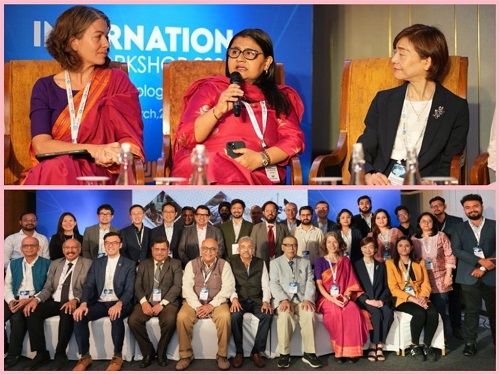
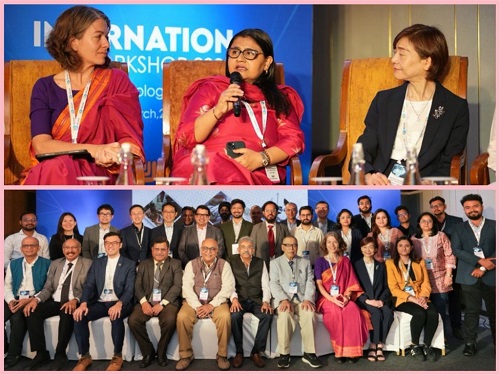
Global healthcare leaders, policymakers, researchers, and innovators from nine countries convened in Kolkata for the International Workshop 2026 on the Future of Healthcare Systems, organised by iKure Techsoft Pvt. Ltd. The two-day dialogue brought together experts from healthcare delivery, academia, technology, financing, and public health ecosystems to explore how health systems must evolve to address rising disease burdens and improve access to care. The workshop focused on practical pathways for strengthening healthcare systems, including non-communicable disease management, healthcare financing and outpatient access, med-tech innovation, resilient supply chains, and responsible data governance in digital health ecosystems.


https://www.newsvoir.com/images/article/image1/34902_iKure_image.jpg

iKure Global Healthcare workshop


A key highlight of the workshop was the signing of a Memorandum of Understanding (MoU) between iKure and Japan-based METORI Inc. to advance technology-enabled eye screening and prevention of avoidable blindness in India. The collaboration will integrate portable ophthalmic diagnostic technologies with iKure’s network of iCHAs (iKure Community Health Activists)—digitally enabled community health workers who support screening, early diagnosis, and referral services across underserved populations. Through this partnership, early detection programs will support the identification of conditions such as diabetic retinopathy and other vision-threatening disorders, enabling timely treatment and reducing preventable vision loss.


Another major announcement during the workshop was the digital launch of the Healthcare Living Lab, a district-scale multi-collaborative platform designed to accelerate the transition of healthcare solutions from proof-of-concept to real-world implementation. The Living Lab- designed by iKure and Jhpiego, with support from other collaborators will enable innovators to test and validate healthcare technologies and service models within real health system environments. Beginning in Maharashtra, the initiative will initially focus on strengthening maternal and newborn health pathways, generating evidence, and developing scalable solutions that can be adopted across India while also supporting local employment.


Across the sessions, participants emphasized that innovation alone is not sufficient to transform healthcare systems. For meaningful and lasting impact, solutions must be designed with scalability in mind and supported by sustainable financing, strong operational systems, and effective community-level delivery models.


Several key themes emerged from the discussions. Experts stressed the importance of shifting healthcare systems from hospital-centric models toward prevention, primary care, and outpatient services, particularly as non-communicable diseases continue to rise. The discussions also highlighted the growing need of predictive supply chains, data-driven decision making, and responsible governance of health data to strengthen trust and reliability within health systems.


The conversations over these two days reaffirmed that the future of healthcare will not be built in hospitals alone — it will be built in communities. Strengthening healthcare systems requires innovation, financing, and technology to work together with frontline delivery models that ensure continuity of care. At iKure, our vision is to continue building scalable, technology-enabled primary healthcare models that can strengthen health systems across India and other emerging markets, ensuring quality care reaches the last mile,” said Mr. Sujay Santra, Founder and CEO of iKure Techsoft Pvt. Ltd.


iKure is exploring the possibility of developing a learning program in partnership with an international university to translate the discussions into structured knowledge and practical learning for healthcare leaders.


About iKure Techsoft Pvt. Ltd
iKure Techsoft Pvt. Ltd. is a technology-enabled healthcare company focused on strengthening primary healthcare systems through digitally empowered community health workers, integrated care pathways, and preventive health programs. Through its network of iCHAs (iKure Community Health Activists), iKure delivers screening, early diagnosis, and continuity of care across underserved populations. The organisation has impacted more than 34 million lives and treated over 4.5 million patients across 12 Indian states, developing scalable healthcare models designed for emerging markets.


For more information visit: www.ikuretechsoft.com.

Ladies Who Lead Celebrates International Women's Day 2026 with 'Give to Gain' Leadership Series

Celebrating the spirit of International Women’s Day 2026, Ladies Who Lead (LWL), India’s premier leadership and networking platform for women professionals, is hosting a series of high-impact, exclusive leadership conversations across Delhi, Mumbai, and Bengaluru under the theme “Give to Gain.” The initiative is bringing together an influential cross-section of leaders from business, entrepreneurship, and public life in curated high-trust conversations, reiterating the importance of knowledge-sharing, mentorship, and collective progress in shaping the future of women’s leadership in India.


https://www.newsvoir.com/images/article/image1/34887_LWL_image.JPG

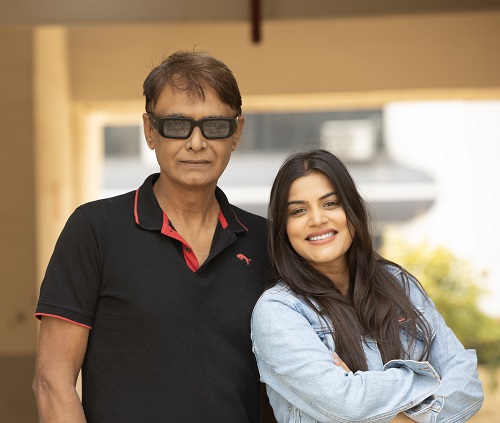
L to R – D.Y. Chandrachud (former Chief Justice of India), Aabha Bakaya (Founder of Ladies Who Lead)


These member-exclusive conversations features a distinguished line-up of leaders shaping India’s economic and institutional landscape, including D. Y. Chandrachud, former Chief Justice of India; Shefali Goradia, Chairperson of Deloitte South Asia; Ipsita Dasgupta, Senior Vice President and Managing Director at HP India; Vibha Padalkar, Managing Director and CEO of HDFC Life; Manisha Girotra, CEO of Moelis India; and Radhika Gupta, Managing Director and CEO of Edelweiss Mutual Fund. Through candid discussions and personal reflections, the leaders highlight insights on navigating complex leadership journeys, building resilient organisations, and the importance of women supporting and mentoring one another.


Anchored around the theme “Give to Gain,” the series emphasises the power of women leaders paying their knowledge and experiences forward. The conversations explore how mentorship, access to networks, and community-led learning can unlock opportunities for the next generation of women leaders and entrepreneurs.


‘Give to Gain’ reflects the spirit of what our community stands for. When women leaders openly share their journeys, insights, and networks, they create pathways for many more women to step into leadership with confidence. At Ladies Who Lead, our goal is to build spaces where these conversations happen with honesty, generosity, and purpose. The collective power of women lifting each other up is what truly moves the needle,” said Aabha Bakaya, Founder of Ladies Who Lead.


Founded by Aabha Bakaya in 2021, Ladies Who Lead, today, is one of India’s most influential platforms for women professionals and entrepreneurs, creating high-trust rooms for dialogue between women leaders and corporate changemakers. Through curated leadership dialogues, mentorship sessions, and community-driven learning experiences, LWL continues to strengthen a growing ecosystem where women can connect, collaborate, and accelerate their professional journeys.


As the community continues to expand its footprint, including its recent international chapter launch in Dubai, Ladies Who Lead is building an exclusive global network of women leaders committed to sharing knowledge, opening doors, and enabling each other to succeed. By bringing together leaders across sectors and industries, the platform continues to play a meaningful role in advancing conversations around women’s leadership and building a stronger, more connected professional community.


About Ladies Who Lead
Ladies Who Lead (LWL) is a premium, members-only leadership and networking platform committed to empowering women professionals across India. Founded in 2021 by veteran business journalist Aabha Bakaya and business leader Aditya Ghosh, LWL brings together a diverse community of over 1,500 women leaders across 50+ industries. With curated events, high-intent networking, mentorship, and a robust digital platform, LWL enables women to connect, collaborate, and grow. The platform’s vision is to see more women in leadership roles and to create an ecosystem where women can lead boldly, drive impact, and inspire change.


For more information, please visit www.ladieswholead.in.

Bajaj Housing Finance Limited's Sambhav Home Loan Offers Eligible Homebuyers to Explore PMAY-U 2.0 Benefits

Pradhan Mantri Awas Yojana – Urban 2.0 (PMAY-U 2.0) aims to expand access to homeownership for eligible urban families, particularly those who do not own a permanent home. The scheme is designed around inclusion, transparency, and improved ease of access through a structured eligibility and beneficiary identification framework. In parallel, Bajaj Housing Finance Limited’s Sambhav Home Loan offers housing loan solutions for homebuyers from the unorganised sector, including micro-entrepreneurs and low-income households, designed for customers with cash-based incomes or limited formal documentation.


A key component of PMAY-U 2.0 is the Interest Subsidy Scheme (ISS), under which eligible beneficiaries can receive an interest subsidy of up to Rs. 1.80 Lakh over a period of 5 years on their housing loan. This helps reduce the effective cost of borrowing and supports more manageable monthly repayments. The subsidy is applicable on home loans sanctioned and disbursed after 1 September 2024, subject to eligibility and scheme norms.


Eligible homebuyers who opt for Bajaj Housing Finance Limited’s Sambhav Home Loan can apply for PMAY-U 2.0 interest subsidy benefits, subject to the scheme’s eligibility framework, verification, and allotment process, among other factors. Final allotment under PMAY-U 2.0 is determined based on preference categories outlined in the official guidelines.


Eligible applicants can also check their eligibility and register for PMAY-U 2.0 benefits through the Unified Web Portal of PMAY 2.0, launched by the Ministry of Housing and Urban Affairs, as per the scheme’s eligibility criteria and process.


As urban India continues to expand, widening access to housing remains central to building stronger communities. PMAY-U 2.0, through its interest subsidy framework, helps eligible households reduce the cost of borrowing, while lending solutions such as Sambhav Home Loan expand access to home loans for customers with varied income profiles. Together, these efforts contribute to a more inclusive housing ecosystem for eligible homebuyers.


Sambhav Home Loan is designed for homebuyers from the unorganised segment, including micro-entrepreneurs, self-employed individuals, and households with cash-based incomes. The product framework is structured to consider varied income profiles and, where applicable, supports assessment through alternative income and repayment indicators. The product framework also follows a simplified documentation approach for eligible applicants, subject to internal verification and credit norms.


Borrowers can read PMAY-U 2.0 scheme details and registration information on the Unified Web Portal of PMAY 2.0.

BHFL is a facilitator of the PMAY-U 2.0 application and does not guarantee any receipt of the subsidy.


About Bajaj Housing Finance Limited

Classified as an ‘Upper-Layer NBFC’ by the RBI pursuant to Scale Based Regulations, Bajaj Housing Finance Limited (BHFL) is a subsidiary of Bajaj Finance Limited — one of the most diversified NBFCs in the Indian market, catering to more than 110.64 million customers across the country. Headquartered in Pune, BHFL offers finance to individuals as well as corporate entities for the purchase and renovation of homes, or commercial spaces. It also provides loans against property for business or personal needs as well as working capital for business expansion purposes. BHFL also offers finance to developers engaged in the construction of residential and commercial properties as well as lease rental discounting to developers and high-net-worth individuals. The Company is rated AAA/Stable for its long-term debt programme and A1+ for its short-term debt programme from CRISIL and India Ratings.


For more queries, visit www.bajajhousingfinance.in

New Report Identifies USD 220 Billion Economic Opportunity from Clean Air Action in India

A new report, ‘The Business Case for Clean Air: Unlocking Economic Opportunities for India’, by Dalberg Advisors in collaboration with the Clean Air Fund reveals that India can unlock USD 220 billion in economic gains by implementing a focused set of clean air solutions across priority sectors.


The report lays out solutions that could reduce PM2.5 levels significantly, mitigate business losses and support the creation of new jobs


Air pollution continues to create a significant burden for the economy through reduced productivity, unplanned absences, lower consumer activity, and increasing healthcare expenditure.


This report follows a previous study from 2021 by Dalberg Advisors, Air Pollution in India and the Impact on Business, which quantified the economic losses due to particulate matter (PM2.5) pollution levels in India. The 2021 study estimated these economic losses at USD 95 billion annually, equivalent to 3% of India’s GDP.


Despite recent improvements due to initiatives by national and state governments and city authorities, average PM2.5 levels in many cities remain significantly above national standards.


The new report evaluates high-impact solutions across key economic sectors: transport, industry, agriculture, waste, power, construction, and residential combustion. If implemented effectively, these solutions could:

  • reduce PM2.5 levels by ~20% by 2030 from current levels;

  • generate USD 220 billion in economic opportunity;

  • avert USD 85 billion in business losses by 2030;

  • avoid nearly 10 million Disability-Adjusted Life Years (DALYs) annually

  • support approximately 1.4 million job transitions and new jobs


Speaking on the launch of the report, Jagjeet Sareen, Partner and India Head, Dalberg Advisors said, “Clean air is not only a public health priority but also an economic imperative. This analysis highlights where targeted investments can deliver measurable returns for businesses, workers, and the broader economy.”


Clean Air Fund’s recent report, The State of Global Air Quality Funding 2025, shows an increase in air quality investments from development finance institutions flowing to South Asia. This growing priority for development donors is an opportunity for South Asian countries to unlock further public and private capital that will deliver economic, health and environmental benefits.


Shirish Sinha, Executive Director of Programmes at Clean Air Fund added, “Asia’s development financial institutions and agencies are some of the biggest players in international public finance, and countries across the continent are working to tackle air pollution. Development donors recognise that funding clean air measures is an opportunity to see multiple returns on investment through climate and health co-benefits, while catalysing private capital in South Asian countries. India has demonstrated significant progress through the National Clean Air Programme. The next step is to scale proven solutions and align clean air more closely with India’s economic and development priorities.


The report also outlines five enabling actions critical for scale:

  1. crowding in private capital;

  2. prototyping solutions in priority regions;

  3. building a skilled green workforce;

  4. strengthening community participation; and

  5. investing in digital public infrastructure.

Together, these steps can help position clean air as a driver of growth and resilience. Integrating clean-air action into India’s economic planning can improve public health, enhance productivity, and strengthen long-term competitiveness.


For the full report, see here: dalberg.com/our-ideas/the-business-case-for-clean-air-unlocking-economic-opportunities-for-india/


About Dalberg Advisors

Dalberg Advisors is a strategic advisory firm that combines the best of private sector strategy skills and rigorous analytical capabilities with deep knowledge and networks across emerging and frontier markets. We work collaboratively across the public, private and philanthropic sectors to fuel inclusive growth and help clients achieve their goals.


About Clean Air Fund

Clean Air Fund is a global philanthropic organisation working with governments, funders, businesses and campaigners to create a future where everyone breathes clean air.

Raw Action, Elite Precision: The Iconic NSG Calendar Marks Its 10th Edition

The 10th edition of the NSG Calendar, created by trailblazing visual storytellers Pravin Talan & Rupali Talan, was released online yesterday by the Director General, National Security Guard, and has already begun circulating rapidly across WhatsApp groups and digital platforms nationwide-once again fast approaching viral status, as with previous editions. 


Epic NSG Action Calendar 2026


In a world cluttered by AI-generated imagery, this calendar stands apart-because nothing replaces raw action and real grit. Link to download more images of the calendar 


Pravin Talan & Rupali Talan – creators of the NSG Calendar


What began in 2016 as a deeply personal tribute has, over a decade, evolved into one of India’s most recognisable and trend-setting visual properties, with a strong cult following, particularly among the youth. The NSG Calendar has consistently redefined how India’s elite counter-terror force is visually represented-combining authenticity, cinematic intensity, and operational realism. 


The project was shaped by the lived experience of the 26/11 Mumbai terror attacks-when counter-terror operations unfolded in the heart of the city, not at distant borders-leaving a lasting imprint on a generation that witnessed courage in real time. 


The 2026 edition features 16 carefully curated images, each documenting a distinct operational capability of the National Security Guard. Together, the images present a rare, comprehensive visual overview of the force’s multi-domain readiness-ranging from heliborne aerial insertions, high-rise vertical assaults, metro and mass-transit interventions, to women commandos in frontline combat roles, K9-led building interventions, precision bomb disposal operations, and sniper overwatch. 


The calendar also highlights the NSG’s expanding maritime and inland waterway counter hijack capabilities, including combat diving operations, sea-based rapid response, and vessel intervention scenarios, alongside post-assault clearance operations and close-protection evacuations using ballistic shield formations-each image reflecting discipline, preparedness, and the ability to operate decisively across land, air, and water. 


Released annually in mid-January, the NSG Calendar aligns organically with the Republic Day period-when national focus turns toward the armed forces and internal security institutions that safeguard the Republic. 


Speaking on the evolution of the force, the Director General, NSG, noted that since its establishment in 1984, the organisation has evolved into a technologically advanced and highly adaptive counter-terror unit, integrating personnel from the Army, Police, and CAPFs, while continuously enhancing its capabilities to address emerging threat environments, including inland water operations. 


This calendar was never about spectacle,” said Pravin Talan. “It began as a tribute-born from lived experience-and grew into a responsibility. If imagery shapes perception, then India’s elite forces deserve to be seen with the same honesty, intensity, and respect with which they operate every day.” 


Conceived as a tribute rather than a commercial exercise, the calendar emerged from a simple belief: in a digital age where imagery shapes perception, India’s elite forces deserve representation that reflects their true capability and resolve. 


Over nearly two decades, the award-winning duo has created calendars, cinematic short documentaries, and coffee table books documenting a wide cross-section of India’s defence and CAPF ecosystem, including organisations such as CRPF, CoBRA, CISF, and multiple State Police forces. Their work has been featured globally and recognised with numerous awards. 


Beyond defence-focused visual storytelling, Pravin Talan and Rupali Talan continue to expand into cinematic films, documentaries, and new-age vertical storytelling. Their recent vertical series Naina: The Hunt, currently streaming on Amazon MX Player (MX Fatafat), has drawn attention for setting new benchmarks in high-intensity digital-first storytelling. Rupali Talan is also set to launch her podcast Magic Moments with Rupali, featuring candid conversations with leading actors and sportspersons including Jaideep Ahlawat, Kavita Kaushik, and Sangram Singh. 


As the 10th edition of the NSG Calendar travels rapidly across screens and conversations nationwide, it stands as a milestone—a decade-long visual commitment to honouring India’s elite forces through authentic access, cinematic discipline, and unwavering respect. 
 

Blog: pravintalan.blogspot.com/2026/01/from-tribute-to-icon-nsg-calendar-2026.html?m=1

Union Budget 2026: Policy Continuity and Capex Boost Accelerate India's Urbanisation Story

The Union Budget signals more than incremental spending — it reinforces a long-term policy direction that places urbanisation at the core of India’s growth strategy. By raising public capital expenditure to Rs. 12.2 lakh crore and maintaining a clear infrastructure-first approach, the government is strengthening the physical and economic foundations that allow cities to expand, new urban centres to emerge and regional economies to mature.


https://www.newsvoir.com/images/article/image1/34525_Urbanisation_story.png

Policy Continuity and Capex Boost Accelerate India’s Urbanisation Story


Industry leaders say the continuity in infrastructure investment, regional connectivity and urban development policies creates the structural conditions required for the next phase of India’s urban transformation — where Tier-2 and Tier-3 cities evolve into strong economic nodes rather than satellite extensions of metros.


Manoj Gaur, CMD, Gaurs Group says, “The budget, with its focus on infrastructure-led growth and financial stability along with an increase in public capex to Rs. 12.2 lakh crore carries forward the momentum witnessed in the real estate sector in the last few years. The continued thrust on infrastructure spending will also boost office, retail, and mixed-use project, while also strengthening the ecosystem for job creation and demand generation, consequently boosting residential development. The setting up of the Infrastructure Risk Guarantee Fund will also accelerate further expansion. The focus on infrastructure expansion and economic activity in tier 2 and tier 3 cities will accelerate urban growth and unlock new real estate markets beyond major metros.”


Urbanisation is being shaped not only by physical infrastructure but also by improved financing mechanisms that reduce risk and enable large-scale development.


Sahil Agrawal, CEO, Nimbus Group, says, “The sector welcomes the Budget’s pragmatic approach, which combines strong capital expenditure with targeted policy measures to strengthen the infrastructure ecosystem. The increased capex provides visibility and confidence for developers and investors, particularly for long-gestation projects in metros and emerging Tier-2 and Tier-3 cities. The introduction of dedicated REITs for public sector assets is a positive step towards unlocking capital, enabling reinvestment into new infrastructure and creating a more efficient funding cycle. Complementing this, the Infrastructure Risk Guarantee Fund will mitigate execution and financing risks, making large-scale projects more viable and predictable. Together, these measures are likely to improve project delivery timelines, enhance asset quality, and support sustainable, infrastructure-driven growth across the sector.”


Higher allocations toward urban infrastructure and stronger fiscal transfers to states are expected to accelerate both housing and commercial development in emerging urban regions.


Deepak Kapoor, Director, Gulshan Group, says, “The budget creates a stable and enabling framework for sustained real estate development. Its singular focus on infrastructure-led growth will be highly critical for the expansion of the real estate sector. The rise in capital expenditure, along with the emphasis on urban development, will lead to a conducive environment for the growth of residential and commercial segments. Moreover, the higher allocations for urban infrastructure and increased resource transfers to states will accelerate growth in tier 2 and tier 3 cities, expanding housing and commercial opportunities beyond metros.”


Connectivity upgrades are emerging as some of the most powerful drivers of urbanisation, reshaping commuting patterns and development corridors.


Uddhav Poddar, CMD, Bhumika Group, says, “The Budget’s continued thrust on infrastructure development, particularly across Tier-2 and Tier-3 cities, is a positive step for the real estate sector in the medium to long term. The announcement of seven high-speed rail corridors will act as powerful growth connectors, improving accessibility between major cities and emerging urban centres, and unlocking new residential and commercial micro-markets along these corridors. Equally important is the proposed scheme to enhance construction and infrastructure equipment, which can improve execution efficiency, reduce project timelines and bring greater predictability to delivery. With public capital expenditure raised to Rs. 12.2 lakh crore for FY27, the multiplier effect on roads, utilities and urban infrastructure is likely to accelerate planned developments beyond metros. As economic reforms also work towards easing financing conditions, we can expect increased developer confidence and institutional interest, translating into more organised, well-planned real estate growth across India’s next-generation cities.”


As infrastructure creates new job centres, commercial ecosystems are expected to deepen beyond traditional CBDs.


Harinder Singh Hora, Founder Chairman, Reach Group says, “Increased government capital spending, focus on infrastructure creation, and development of urban areas will act as demand drivers for offices, business parks, logistics, and mixed-use commercial property. Further, the thrust on City Economic Regions with Rs. 5,000 crore allocation per region over five years and the focus on Tier 2 and 3 cities will also lead to the development of new job centres outside the metropolitan areas, thus aiding demand in emerging markets.”


Improved infrastructure quality and longevity are also expected to reduce development risk and strengthen institutional participation.


B.K. Malagi, Vice Chairman, Experion Developers says, “Through Budget 2026, the government sends a strong signal of continuity and long-term commitment to infrastructure-led growth. Sustained public capital expenditure, combined with improved construction capabilities, enhances the viability of large-scale real estate developments across metros as well as Tier-2 and Tier-3 cities. Better infrastructure reduces risk, improves asset longevity, and makes emerging markets more attractive to institutional investors. As connectivity improves, we can expect stronger demand for residential projects, office parks, logistics hubs and mixed-use developments along new growth corridors. The broader reform push, including efforts to improve financing frameworks, further supports capital flow into real estate-linked infrastructure. Overall, this Budget lays the groundwork for a more mature, fiscally disciplined real estate market aligned with India’s evolving urbanisation story.”


While the sector continues to seek tax and approval-related reforms, many view the Budget as favouring structural enablers of urbanisation over short-term demand triggers.


Sandeep Chhillar, Founder & Chairman, Landmark Group, says, “While the sector had hoped for measures around tax rationalisation, enhanced buyer incentives and faster approval mechanisms to further improve project viability, the Budget 2026 has clearly doubled down on infrastructure as the primary growth lever for real estate. Improved mobility has a direct impact on how cities expand, commute patterns evolve, and new economic zones emerge, and the announcement of seven high-speed rail corridors is set to be transformative. For metro regions, faster inter-city travel can unlock peripheral residential markets and ease pressure on core urban areas, while enhanced connectivity will also attract businesses, talent and institutional capital. The focus on upgrading construction and infrastructure equipment is equally important, as execution efficiency and quality delivery are critical for large-scale developments. Backed by a capital expenditure outlay of Rs.12.2 lakh crore, these measures strengthen the ecosystem for long-term, infrastructure-led real estate growth rather than speculative demand.”


Emerging cities are expected to transition from peripheral growth centres into independent, self-sustaining urban economies.


Bhupindra Singh, COO, RISE Infraventures says, “The Budget marks a decisive push towards strengthening India’s next growth engines, the Tier-2 and Tier-3 cities, through sustained infrastructure investment. High-speed rail corridors will dramatically improve accessibility, making these cities more attractive for businesses looking for cost-efficient expansion. As connectivity improves, we are likely to see increased demand for new commercial hubs and stronger office and retail ecosystems developing beyond metros. The proposed scheme to enhance construction and infrastructure equipment will further support faster project execution, which is critical in emerging markets where delivery timelines shape buyer trust. With capital expenditure raised to Rs.12.2 lakh crore, infrastructure-led urbanisation is expected to gather pace. This creates a strong runway for organised real estate development, allowing smaller cities to evolve into self-sustaining urban centres rather than satellite extensions of metros.”


Overall, policy continuity and sustained capex are not just supporting real estate — they are actively shaping India’s urbanisation trajectory, expanding the country’s city network and laying the groundwork for more balanced, infrastructure-backed urban growth.


Aditya Birla Housing Finance Strengthens Commitment to 'Housing for All' Under PMAY 2.0

Aditya Birla Housing Finance Limited (“ABHFL”), a wholly owned subsidiary of Aditya Birla Capital Limited, India’s leading and diversified financial services company, is deepening its engagement under the Government of India’s Pradhan Mantri Awas Yojana – Urban (PMAY-U) 2.0 and reinforcing its commitment to the national vision of ‘Housing for All’.
 

ABHFL makes first-time home ownership more accessible with PMAY
 

Through its PMAY-linked home loan offerings, ABHFL is facilitating affordable and accessible homeownership for eligible first-time homebuyers by providing repayment tenures of up to 30 years, funding of up to 90% of the property’s market value, flexible eligibility assessment frameworks, and minimal documentation, thereby streamlining the home-buying process and enhancing ease of access to housing finance.
 

Key Benefits

  1. Loan amount: Up to Rs. 25 lakhs OR 90% of the property market value

  2. Tenure flexibility: Up to 30 years, ensuring smaller EMIs.

  3. Minimal documentation: Tailored for EWS, LIG & MIG

  4. Interest Subsidy: Rs. 1.8 lakhs in 5 annual instalments

  5. Doorstep service: Guidance and support at the customer’s convenience

  6. Digital onboarding + Track My Loan: Seamless loan journey with transparency.

Eligibility

  • Property Value: Up to ₹35 lakhs

  • Carpet Area: Maximum 120 sq.mt (1291 Sq.ft)

  • Ownership: Women must be owner/co-owner of the property

The scheme, applicable to only first-time home buyers clearly defines income-based beneficiary segments as follows:

  • Economically Weaker Section (EWS): Annual household income up to Rs. 3 lakh

  • Low Income Group (LIG): Annual household income between Rs. 3 lakh and Rs. 6 lakh

  • Middle Income Group (MIG): Annual household income between Rs. 6 lakh and Rs. 9 lakh

Why it Matters?

India’s affordable housing momentum reflects a strong growth outlook, with GDP projected at 7.3% in FY26. This creates favourable conditions for first-time homeownership. As PMAY-U 2.0 advances India’s affordable housing agenda, ABHFL continues to expand formal housing finance. This supports the Government of India’s Housing for All mission and enables more households to move into organised homeownership.
 

To know more click onAditya Birla Housing Finance- PMAY 2.0


Aditya Birla Housing Finance, a subsidiary of Aditya Birla Capital, India’s leading diversified financial services provider, stands as one of the fastest-growing housing finance companies in the country. The company is backed by the highest level of creditworthiness, holding a long-term AAA (Stable) rating and a short-term A1+ rating from CRISIL, ICRA & India Ratings. As of September 30, 2025, Aditya Birla Housing Finance manages assets under management of over Rs. 38,270 Crore with a footprint of 167 pan-India branches.

India-France Economic Report 2026 Unveiled at the India-France CEOs Forum in New Delhi

The India–France Economic Report 2026, the latest flagship assessment of bilateral trade and economic engagement, was unveiled on the sidelines of the India–France CEOs Forum in New Delhi, in the context of the India–France Year of Innovation 2026.
 

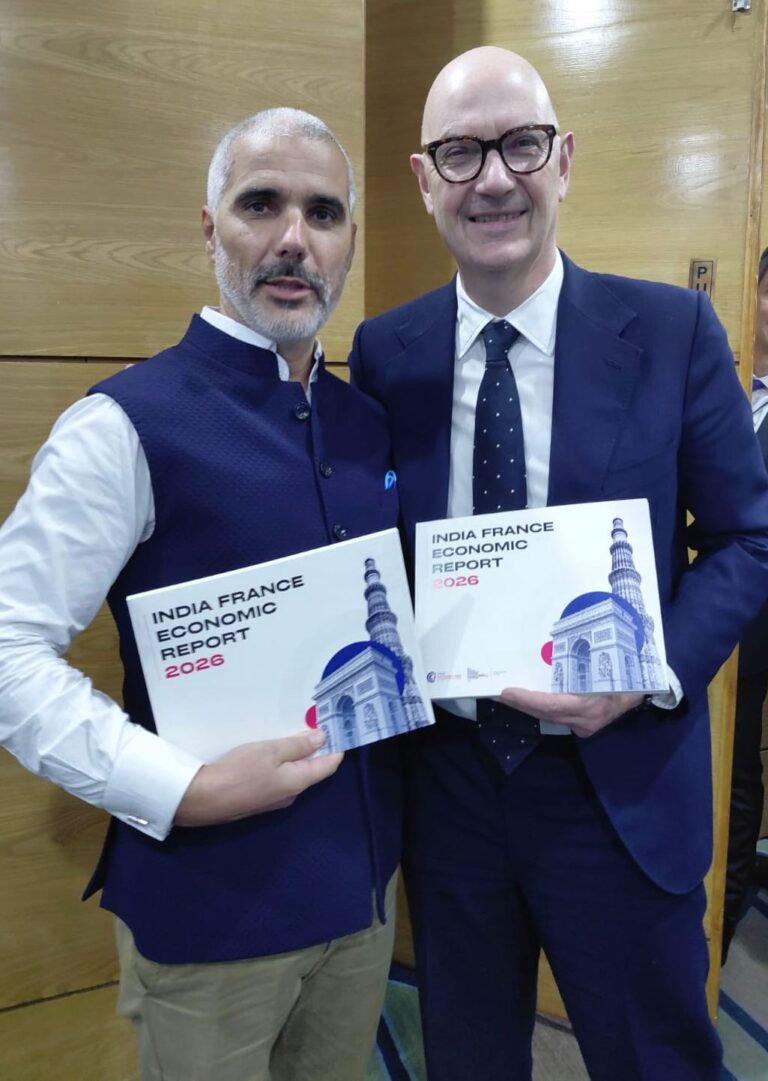
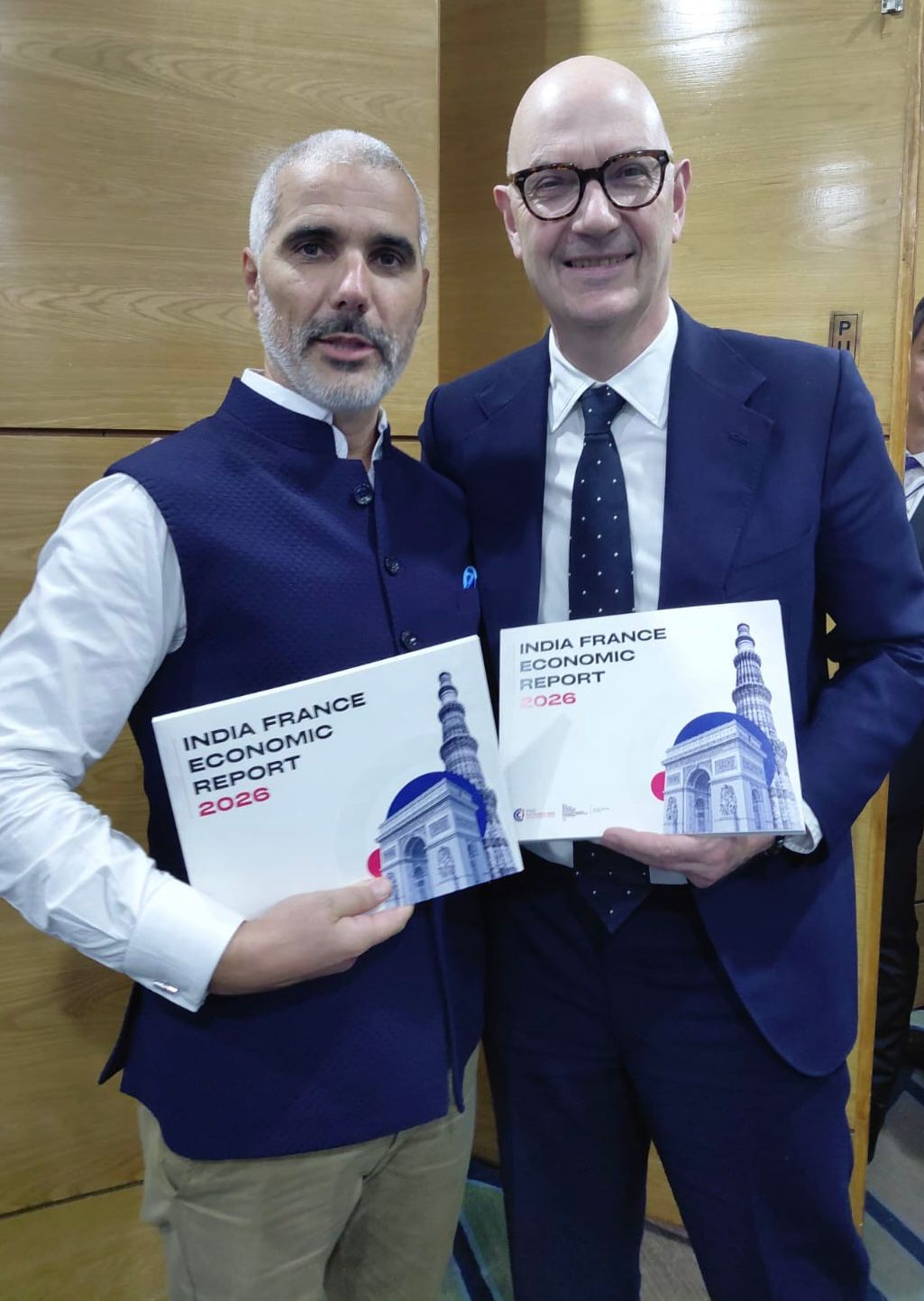
French Minister Mr. Roland Lescure with IFCCI President Mr. Jean Touboul holding the India-France Economic Report 2026 at the India France CEOs Forum
 

Prepared over the past year by the Indo-French Chamber of Commerce and Industry (IFCCI) in partnership with the Regional Economic Department (SER) of the French Embassy in India, with contributions from Team France, Ministry of Commerce & Industry, the Embassy of India in Paris, Invest India, and in close coordination with the Department for Promotion of Industry and Internal Trade (DPIIT), the India–France Economic Report 2026 reaffirms the strong institutional alignment and strategic depth of the bilateral economic partnership.
 

The report was presented to Mr. Roland Lescure, Minister for Economy, Finance, Industry, Energy and Digital Sovereignty, Government of the French Republic, on the sidelines of the India-France CEOs forum by Mr. Jean Touboul, IFCCI’s President and CEO of Pernod Ricard India.
 

The report features a Special Message each, by the French Minister, Mr. Roland Lescure and Shri Piyush Goyal, Minister of Commerce & Industry, Government of India respectively, and provides a comprehensive analysis of bilateral trade and investment flows, sectoral cooperation, employment generation, and the regional footprint of businesses across both economies.
 

It also highlights that bilateral trade reached approximately €17 billion in 2024, more than doubling over the past decade. France remains among India’s top ten foreign investors, with over €12.8 billion in FDI stock and more than 700 French companies operating in India, collectively supporting over 450,000 direct jobs.
 

Conversely, more than 150 Indian companies are established in France, contributing to employment generation and strengthening India’s industrial and technological presence within the European market.
 

The report highlights the expanding sectoral engagement between the two countries, particularly in civil aviation and aerospace, renewable energy and green hydrogen, urban mobility and infrastructure, digital technologies and AI, automotive manufacturing, and advanced industrial systems.
 

Speaking on the occasion, H.E. Mr. Thierry Mathou, Ambassador of France to India, stated, “The India–France economic partnership has matured into a strategic and future-oriented relationship. Our cooperation today spans innovation, sustainability, digital transformation, and industrial resilience. This report reflects the confidence of French enterprises in India’s long-term growth trajectory and our shared ambition to shape global solutions together.”
 

Mr. Jean Touboul, President, IFCCI, remarked, “The India–France Economic Report demonstrates the structural depth of the India–France economic and trade relationship. Beyond trade volumes, we are witnessing sustained industrial integration, expanding research collaboration, and growing two-way investments that firmly anchor this partnership for the future.”
 

Ms. Payal S. Kanwar, Director General, IFCCI, added, “The India–France Economic Report 2026 captures not only economic metrics but the institutional strength and industrial complementarity of this partnership. The scale of employment supported, the geographic spread of French companies across Indian states, and the increasing Indian footprint in France reflect a forward-looking bilateral relationship.”
 

Regional Footprint and Innovation Ecosystem

The report documents a strong French business presence across Maharashtra, Karnataka, Tamil Nadu, Delhi-NCR, and Gujarat, with growing engagement in emerging states such as Telangana, Andhra Pradesh, Rajasthan, Uttar Pradesh, and Kerala, reflecting deeper regional integration and alignment with state-level industrial policies. It also highlights India’s position as a strategic R&D and innovation hub for French enterprises, hosting advanced engineering centres, digital hubs, and Global Capability Centres serving global markets.


Outlook

As India and France advance toward the India–France Year of Innovation 2026, the report concludes that the partnership is well-positioned for its next phase of growth, driven by sustainability, digital transformation, advanced manufacturing, and strategic industrial collaboration. The full report is available through IFCCI. Please write to contact@ifcci.org.in a copy of the report.
 

About IFCCI
The Indo-French Chamber of Commerce and Industry (IFCCI) is the official bilateral business chamber dedicated to promoting trade and investments between India and France. With a network of over 800 member companies, IFCCI facilitates strategic dialogue, sectoral cooperation, and institutional engagement across key industries.

Destination Tripura – Business Meet 2026 Investors' Roadshow Successfully Held in New Delhi

The Department of Industries & Commerce, Government of Tripura, successfully organised Destination Tripura – Business Meet 2026, an Investors’ Roadshow, on 24 February 2026 in collaboration with Federation of Indian Chambers of Commerce and Industry (FICCI) at Federation House, New Delhi. The programme witnessed strong participation from industry stakeholders, investors, policymakers, and members of the diplomatic community.
 

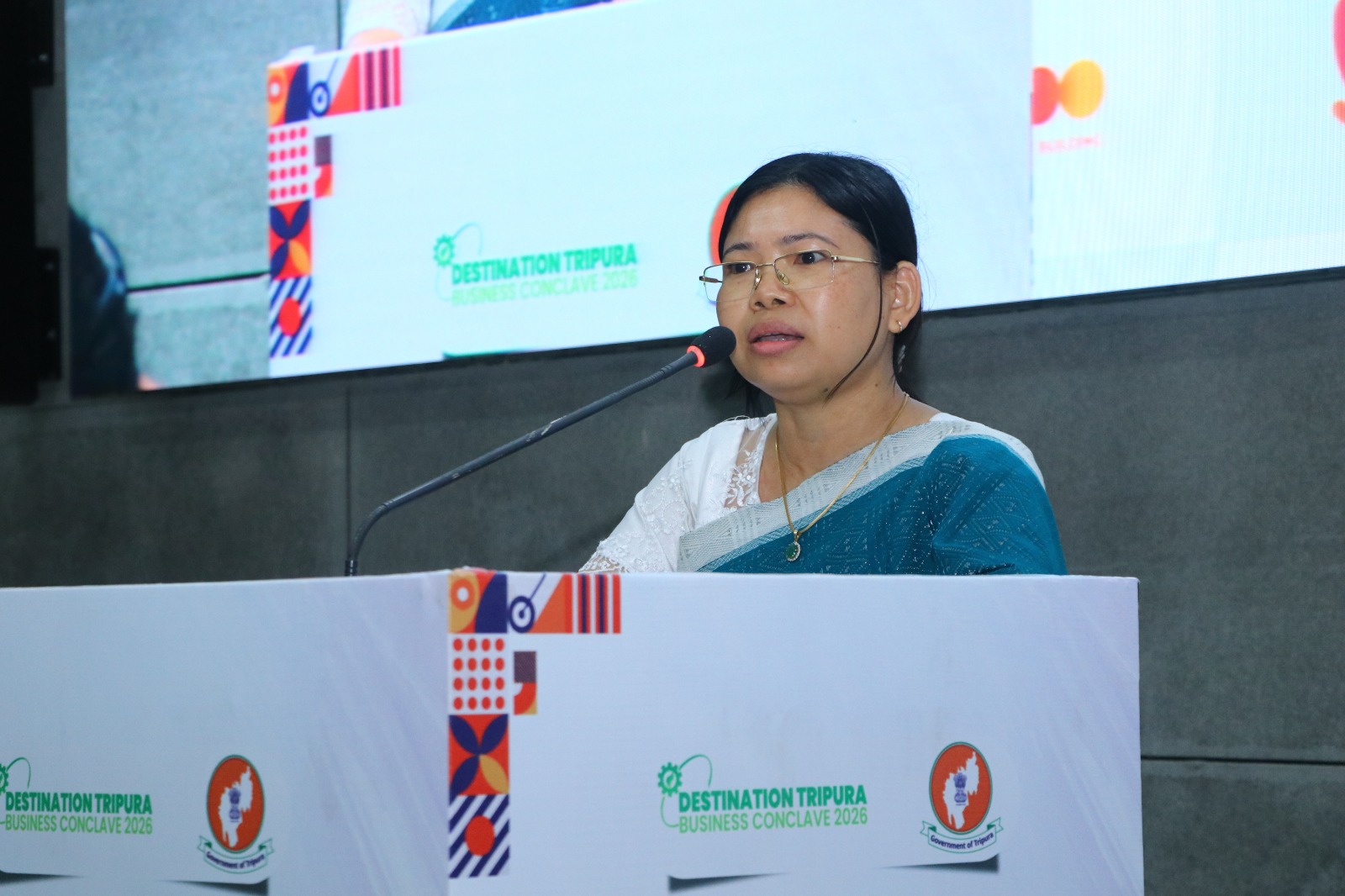
Smt. Santana Chakma, Hon’ble Minister for Industries & Commerce, Government of Tripura, with senior officials of the State Government and FICCI at the Delhi Roadshow
 

The Roadshow was organised as a precursor to Destination Tripura: Business Conclave 2026, scheduled to be held later this year in Agartala. The programme effectively showcased Tripura’s evolving industrial ecosystem, ongoing infrastructure initiatives, and emerging opportunities across priority sectors. The event facilitated meaningful engagement between the State Government and industry representatives, reinforcing Tripura’s position as an emerging investment destination.
 

The Hon’ble Minister for Industries & Commerce, Government of Tripura, Mrs. Santana Chakma, graced the event. She briefed participants on the vast potential of investing in Tripura across multiple sectors. The Minister also highlighted the progressive reforms being undertaken by the State Government to ensure hassle-free investment processes and to strengthen further the Ease of Doing Business ecosystem in Tripura.
 

Senior officials of the State Government were also present and actively engaged with participants on policy initiatives, sector-specific incentives, and investment facilitation mechanisms being implemented across the State.
 

Smt. Santana Chakma, Hon’ble Minister for Industries & Commerce, Government of Tripura, addressing the Delhi Roadshow on Destination Tripura: Business Conclave 2026 in New Delhi
 

Highlighting the Government’s focus on multiple service-sector industries and investor-friendly policies, Kiran Gitte, IAS, Secretary, Industries & Commerce, urged the business community to explore untapped opportunities in skilled human resources, Information Technology, Artificial Intelligence, Tourism, Food Processing, Rubber, and other emerging sectors. He also emphasised opportunities for public-private partnerships in various sectors in the State. Dr Deepak Kumar, Director, Industries & Commerce, Government of Tripura, also gave a presentation highlighting the immense opportunities in the State.
 

V R Sharma, Vice Chairman, Jindal Advisory Service, shared the experience of investing in Tripura and said that his company had already invested Rs. 250 crore and looks forward to investing more in the State.
 

The event witnessed the signing of Memoranda of Understanding and Letters of Intent worth over Rs. 2000 crore across multiple sectors.
 

An exclusive interactive Ambassador & High Commissioner Meet was also held in the evening, bringing together members of the diplomatic fraternity and the senior representatives of bilateral chambers and trade bodies. The discussions were focused on strengthening international partnerships, enhancing trade linkages, and exploring new avenues for investment and cooperation with Tripura and the Northeastern region.

Maharashtra Launches PULSE 2026 with Strategic Curtain Raiser

Maharashtra formally set the stage for PULSE 2026 as Hon. Chief Minister Devendra Fadnavis chaired the Curtain Raiser at the Maharashtra Vidhan Bhavan on Tuesday, outlining a comprehensive vision to position the state at the forefront of healthcare innovation, medical education, and related investments.


https://www.newsvoir.com/images/article/image1/34843_Pvluse_image_new.jpg

Hon’ble Chief Minister Devendra Fadnavis at the Curtain Raiser of PULSE 2026, convening leaders from healthcare, academia and industry


More than a ceremonial opening, the Curtain Raiser underscored how the Government of Maharashtra is reframing healthcare not only as a social imperative, but also as strategic infrastructure central to the state’s economic, innovation and research agenda. Headlined by the Chief Minister, the event was graced by Minister for Medical Education Shri Hasan Mushrif, Minister of Water Resources Girish Mahajan, Minister of State for Medical Education Smt Madhuri Misal, Secretary, Medical Education and Pharmaceuticals Shri Dheeraj Kumar (IAS), and Commissioner, Medical Education Shri Anil Bhandari (IAS).


Leaders from healthcare institutions including Sir H. N. Reliance Foundation Hospital and Lilavati Hospital, alongside Swapnali Kadam of Bharati Vidyapeeth, and diagnostics major Agilus Diagnostics participated in the discussions. They were joined by Prashant Desai, longevity and health span educator; integrative health expert Luke Coutinho; actor and women’s health advocate Soha Ali Khan, associated with UNFPA India; and representatives from the Ramky Group, which is involved in bulk drug park development in Maharashtra. Many of the participants also joined the initiative as Champions for PULSE, committing to support the platform’s long term vision of strengthening healthcare innovation, research collaboration and health systems transformation in the state.


The composition of the gathering reflected the ambition of PULSE 2026 as a convergence of clinical medicine, preventive wellness, diagnostics, policy and investment. Importantly, the state confirmed that PULSE 2026 will be held on March 27 to 28, 2026, at the Jio World Convention Centre in Mumbai, reflecting the scale and ambition of the summit.


In his address, the Chief Minister articulated a clear vision for the sector’s evolution.


Healthcare must be viewed as both a social responsibility and a driver of long term economic growth. Maharashtra has the institutional depth, medical expertise, and innovation capacity to emerge as a national leader in healthcare transformation. Through PULSE 2026, we aim to create a structured platform that brings together policy, capital, research and clinical excellence to strengthen our health ecosystem,” said Chief Minister Devendra Fadnavis.

The Chief Minister also highlighted the importance of building affordable healthcare models and strengthening Maharashtra’s health and medtech ecosystem. He emphasised that the state’s expanding digital health infrastructure and public health data systems can play a catalytic role in enabling innovation, research and technology development, while creating new opportunities for collaboration between government institutions, healthcare providers and private sector innovators.


Beyond infrastructure and innovation, PULSE 2026 will place strong emphasis on preventive healthcare, early diagnostics and community awareness as foundational pillars of long term health resilience. By aligning public policy with private sector participation and institutional expertise, the state aims to catalyse investment into healthcare infrastructure, medtech manufacturing, digital health platforms, biotechnology research, wellness, medical tourism and healthcare expansion.


Research and academic collaboration will form another central pillar of the conclave, with a focus on competency based medical education, global university partnerships, translational research and technology enabled learning environments.


Mumbai’s status as a medical, financial and educational hub gives the initiative natural momentum. The broader vision, however, is more expansive: to position Maharashtra as a gateway for healthcare innovation, research excellence and global capital participation. 


PULSE 2026 is expected to bring together more than 130 national and international speakers across 20 sessions over two days, with an estimated 2,900 delegates representing government, academia, clinicians, industry leaders, investors and multilateral institutions. Conceived not as a one time event but as part of a sustained five year charter for healthcare transformation, the initiative will also explore how emerging technologies and digital platforms are reshaping healthcare delivery, medical education and innovation ecosystems.


As momentum builds toward March 27 to 28 at the Jio World Convention Centre, PULSE 2026 is being framed not merely as a conference, but as a strategic platform to shape the future of healthcare delivery, investment and research in India.