Home Blog Page 3

Akkodis Recognized in HFS Horizons 2026 Report for Enterprise Ready Agentic AI Services

Akkodis, a global leader in digital engineering consulting and part of the Adecco Group, has been recognized in the HFS Horizons: Agentic Services, 2026 report, which evaluated 36 of the world’s leading service providers on their ability to operationalize agentic AI in real-world enterprise environments.


Akkodis recognized in HFS Horizons Agentic Services, 2026 report


The report positions Akkodis as an Enterprise Innovator, citing its strengths in delivering agentic services grounded in strong data foundations and governed execution. HFS Research notes Akkodis’ ability to support enterprise-level transformation, helping organizations scale agentic AI across core workflows while maintaining governance, traceability and operational control, with demonstrated production deployments and measurable business outcomes.


From agentic AI pilots to enterprise production
Agentic AI represents a shift from AI-assisted productivity to autonomous, goal-driven execution embedded into end-to-end workflows. While adoption is accelerating, many enterprises continue to struggle to scale beyond pilots due to challenges related to data readiness, governance, trust and accountability. The HFS Horizons: Agentic Services, 2026 report examines which service providers are closing this gap by moving agentic AI from experimentation into enterprise production.


In its assessment, HFS Research highlights Akkodis’ focus on governance, data foundations and execution at scale, emphasizing several strengths:


  • Governed agentic services with measurable impact – Akkodis delivers agentic services that embed governed AI agents into enterprise workflows, improving employee engagement, productivity, and business performance with measurable P&L impact.

  • Platform-anchored delivery and adoption at scale – AI-Core, Akkodis’ industrial AI and agent orchestration platform, together with a productized data architecture, enable context-aware agent execution across enterprise environments, supporting production-scale use cases backed by global AI labs and structured adoption programs.

  • Data-led architecture with enterprise governance – Akkodis’ data-led agentic architecture is operationalized through a structured, multi-phase data pipeline with built-in governance gates, run-time approvals, auditability, and ROI-led use-case prioritization.

  • Services-as-Software progression – Akkodis is shifting toward Services-as-Software, citing autonomous, reusable agentic components that reduce execution time, increase throughput and accelerate delivery without scaling delivery effort.


Demonstrated outcomes cited by HFS Research
HFS Research highlights production-level outcomes delivered through Akkodis’ agentic services, underscoring the real-world impact of governed agentic execution. In the public sector, the report cites Akkodis’ work with an Australian education authority where specialized AI agents cut lesson-plan creation time by 50-60%, reducing administrative effort and enabling educators to focus on higher-value work. In manufacturing, HFS points to deployments where Akkodis’ agentic intelligence helped a global client reduce take-back orders by 20-30%, cut scrap by 30-40%, and achieve greater than 90% forecasting accuracy, driving meaningful gains in efficiency, quality and decision-making at scale.


We’re proud to be recognized by HFS Research as an Enterprise Innovator in agentic services,” said Jo Debecker, President & CEO of Akkodis. “As organizations move from AI experimentation to real execution, the challenge isn’t ambition – it’s delivering agentic AI that can run reliably in production.


At Akkodis, we focus on engineering-led, governed execution that helps enterprises scale agentic AI responsibly across core workflows with trust, accountability and measurable impact.


“Akkodis brings a distinctive engineering-led approach to agentic services, combining deep technical expertise with industry knowledge to embed intelligent agents into complex product and operational environments, enabling enterprises to move from experimentation to scalable, real-world AI impact,” said David Cushman, Executive Research Leader, HFS.

Media contacts
Anne Friedrich
SVP, Global Head of Communications, Akkodis
M. +4915174633470
E. anne.friedrich@adeccogroup.com


Lisa Bushka
VP, External Communications, Akkodis
M. +18604630770
E. lisa.bushka@adeccogroup.com


About Akkodis
Akkodis is a global digital engineering consulting company that enables organizations to innovate and accelerate by applying technology to redefine how processes and products are developed, powered and optimized. With deep expertise across AI, data, cloud, edge and software engineering, we offer best-in-class technology consultancy. Through our strong, scalable delivery models and specialized talent, we provide end-to-end solutions, from strategy and consulting through implementation. Our commitment to Akkodis Intelligence helps businesses connect the exponential power of technology with the irreplaceable strengths of human thinking and collaboration. Part of the Adecco Group and headquartered in Switzerland, Akkodis brings together 40,000 engineers and digital experts in over 30 countries, with services that span Consulting, Solutions and Academy. With deep experience across the world’s major industries, Akkodis empowers businesses to solve complex challenges and achieve sustainable impact. akkodis.com | LinkedIn | Instagram | Facebook | X


About the Adecco Group
The Adecco Group is the world’s leading talent company. Our purpose is making the future work for everyone. Through our three global business units – Adecco, Akkodis and LHH – across 60 countries, we enable sustainable and lifelong employability for individuals, deliver digital and engineering solutions to power transformation and empower organisations to optimise their workforces. The Adecco Group leads by example and is committed to an inclusive culture, fostering sustainable employability, and supporting resilient economies and communities. The Adecco Group AG is headquartered in Zurich, Switzerland (ISIN: CH0012138605) and listed on the SIX Swiss Exchange (ADEN). www.adeccogroup.com


About HFS
HFS Research is a leading research and advisory authority on enterprise transformation, serving Fortune 500 companies with fearless insights and actionable strategies. With unparalleled access to Global 2000 executives and deep expertise in AI, automation, and digital business models, HFS empowers organizations to make confident decisions that create sustainable competitive advantage. For more information, visit www.hfsresearch.com.

Indo-French Investment Dialogue Strengthens Opportunities in Madhya Pradesh

The Indo-French Chamber of Commerce & Industry hosted a new edition of Indo-French Investment Conference in Bhopal, strengthening regional economic partnerships and advancing collaboration between French companies and the state of Madhya Pradesh.
 

Indo-French Investment Dialogue Strengthens Opportunities in Madhya Pradesh
 

Hon’ble Chief Minister of Madhya Pradesh, Dr. Mohan Yadav welcomed the delegation for a Roundtable Meeting at his residence and emphasised that India and France share a strong and trusted strategic partnership, which can be further strengthened through deeper collaboration in sectors such as defence, technology, innovation, and skill development. He highlighted Madhya Pradesh’s immense potential for global investors, supported by its central location, strong connectivity, industrial peace, skilled workforce, and transparent, industry-friendly governance. He further reiterated the State Government’s commitment to creating a conducive environment for sustainable industrial growth and long-term partnerships.


Organised in association with MP Industrial Development Corporation (MPIDC) and supported by the Embassy of France in India, the Conference witnessed the presentation of seven Expressions of Interest (EoIs) and two Memorandums of Understanding (MoU) between leading French companies and the Government of Madhya Pradesh across key sectors. The presenting companies and focus areas included:

  • POMA Ropeways: development and operation of ropeway and cable mobility systems for urban transport, tourism, and pilgrimage connectivity

  • AIVancity and Medicaps University: establishment of a higher-education institution focused on technology, innovation, and applied sciences

  • Dassault Systèmes: deployment of virtual twin technologies across industrial development, urban planning, water management, and skill development

  • Soufflet: development of a contract-farming ecosystem for malting-grade barley, including farmer capacity building and storage infrastructure

  • SYSTRA: collaboration opportunities in transport infrastructure, mobility planning, and engineering initiatives

  • ENGIE: exploration of renewable energy, energy storage, green industrial energy solutions, and green hydrogen initiatives

  • Tesca Textiles: proposed manufacturing facility for advanced textiles and automotive seat components in Madhya Pradesh

  • Sanofi: signed an MoU with the National Health Mission, Madhya Pradesh for capacity building and strengthening the public health system in the areas of diabetes and rare diseases, including knowledge-sharing, training, and healthcare support initiatives.

  • An MoU was also signed between IFCCI and MPIDC to strengthen institutional collaboration and facilitate greater Indo-French business engagement in the state.


The ceremony took place in the presence of Mr. Chetanya Kasyap, Hon’ble Minister for Micro, Small and Medium Enterprises (MSME), Government of Madhya Pradesh and H.E. Mr. Thierry Mathou, Ambassador of France to India.


The event brought together nearly 150 senior delegates, including CEOs and CXOs of French and Indian companies, industry leaders, diplomats, government officials, and policymakers, to explore new avenues for Indo-French collaboration. It saw participation from both existing and prospective French investors keen to tap into Madhya Pradesh’s expanding industrial and economic landscape, with investment discussions expected to contribute significantly to industrial growth and job creation in the region by 2030 and beyond.


The conference commenced with a presentation on Doing Business in Madhya Pradesh: Policy, Incentives & Ease of Access by Mr. Raghwendra Singh, Principal Secretary, Department of Industrial Policy and Investment Promotion, Government of Madhya Pradesh. Discussions throughout the day focused on facilitating investments, strengthening ease of doing business, and fostering partnerships across priority sectors such as energy, infrastructure, defence, communications, IT/ITeS, food and agribusiness, logistics, and supply chain.


Addressing the gathering, Mr. Chetanya Kasyap, Hon’ble Minister for Micro, Small and Medium Enterprises (MSME), Government of Madhya Pradesh expressed confidence that deeper collaboration between France and Madhya Pradesh would create new opportunities for industrial growth, innovation, and shared economic progress.


Speaking at the event, H.E. MrThierry Mathou, Ambassador of France to India, said, “I am pleased that French large and small companies are leveraging their expertise in key sectors to increase their footprint in the State of Madhya Pradesh, a region with a sustainable growth of 8% that represents close to 5% of India’s domestic product. The Indo-French Innovation Network, a flagship initiative of the India-France Year of Innovation, will drive more French investments in this region enabling companies from France and Madhya Pradesh to further synergise their business to double its GDP before 2030.”  


A key highlight of the event was a panel discussion on Unlocking Madhya Pradesh: Policy, Partnerships & Pathways for Sustainable Investment”, which explored how policy support, infrastructure readiness, and cross-border collaboration can position the state as a hub for Indo-French innovation and business growth. The panel featured leaders from Soufflet Malt, Sanofi, EDF Nuclear Projects and Dassault Systèmes, moderated by Ms. Axelle Blanchard, Deputy head of the French Regional Economic Department for India and South Asia, Embassy of France in New Delhi.


Speaking at the conference, Ms. Payal S. Kanwar, Director General, IFCCI said, “IFCCI is proud to bring its first Investment Conclave to Madhya Pradesh, an emerging growth hub with immense potential for French investments. Our objective is to strengthen Indo-French ties by unleashing new avenues for trade, innovation, and sustainable development across the region.”


Senior state Government officials Mr. Anurag Jain, IAS, Chief Secretary, Mr. Neeraj Mandloi, IAS, Additional Chief Secretary, Mr. Manu Srivastava, IAS, Additional Secretary for the New & Renewable Energy Sources Department, Mr. Raghwendra Singh, IAS, Principal Secretary, DIPIP and Mr. Chandramauli Shukla, MD, MPIDC also joined the interactions. Another key highlight of the event was the series of B2G and B2B meetings held on the sidelines of the conference, facilitating targeted discussions and potential collaborations.


To further boost bilateral trade and French investments across India, IFCCI has been actively organising Investment Conclaves in states including Maharashtra, Karnataka, Goa, Tamil Nadu, Andhra Pradesh, Telangana, and Assam. The Madhya Pradesh edition marks another significant step in IFCCI’s ongoing efforts to deepen state-level collaboration, foster innovation-led growth, and create long-term economic value through Indo-French partnerships.


About IFCCI
Established in 1977, the Indo-French Chamber of Commerce & Industry (IFCCI) is part of a global network of 124 French Chambers (CCIFI) across 94 countries, representing over 37,000 companies. One of India’s most active bilateral chambers, IFCCI promotes trade and investment between India and France through a network of 800 member companies and over 6,500 business leaders. Headquartered in Mumbai, IFCCI has offices in New Delhi, Bengaluru, Chennai, Pune, and Hyderabad.

Vedam School of Technology Expands to Gurgaon with Sushant University After Strong Early Outcomes in Pune

Vedam School of Technology has announced the launch of its Gurugram campus in collaboration with Sushant University on Golf Course Road, marking its first major expansion beyond its founding campus in Pune, which was launched in 2025. With this move, Vedam brings its AI-first engineering model to Gurugram—one of India’s biggest technology and startup hubs, and the largest IT hub in North India.


Vice Chancellor of Sushant University, Prof. (Dr.) Rakesh Ranjan with Piyush Nangru, Founder of Vedam School of Technology


The Gurugram campus will offer a four-year undergraduate programme in Computer Science and Artificial Intelligence, where students will study under Vedam’s industry-driven academic model while earning a Bachelor of Technology (B.Tech) degree from Sushant University, a UGC-recognised and NAAC-accredited institution.


Speaking on the collaboration, Prof. (Dr.) Rakesh Ranjan, Vice Chancellor of Sushant University, Gurugram, said, “Sushant University continues to invest in building an education ecosystem centred on technology and innovation. Through this partnership with Vedam, we are enabling students to explore, build, and engage with cutting-edge technologies in a structured academic environment.”
 

The partnership brings together Sushant University’s academic foundation and Vedam’s industry-led learning model, with a shared focus on making engineering education more practical, application-driven, and aligned with how technology is evolving in the real world. By combining academic structure with hands-on learning, the collaboration aims to create an environment where students don’t just study concepts, but actively apply them in real-world contexts from an early stage.

“We chose Gurgaon for a reason, it’s where the best tech opportunities already exist. At the Vedam Gurgaon campus, students don’t just prepare for top companies, they grow right next to them,” said Piyush Nangru, Founder, Vedam School of Technology. With Gurugram, we’re placing students right in the middle of an active tech ecosystem, where they don’t just study concepts, but see how those concepts are applied in real companies, on real problems, every single day. Our goal is simple — to build engineers who can contribute from day one, not just graduate with a degree.


Vedam’s expansion into Gurugram is a strategic step aligned with its focus on industry proximity. The city is part of the Delhi-NCR corridor, home to over 10,000 startups, 600+ MNCs, and a significant concentration of Global Capability Centres (GCCs). According to industry reports, India had over 1,580 GCCs as of FY2023, with NCR emerging as a key hub. For students, this means greater exposure to real-world problem environments and closer access to companies shaping modern engineering work.


At the core of Vedam’s offering is an AI-first, build-oriented curriculum designed to move beyond theoretical learning. Students begin hands-on work from the first year, with a strong emphasis on real-world systems, open-source contributions, and problem-solving across domains such as AI/ML, cybersecurity, NLP, blockchain, robotics, and DevOps.


The team behind Vedam comes with a proven placement expertise of 7+ years of experience in higher education, upskilled 20,000+ students & has a 1000+ strong hiring partners network. Last year more than 1000 students were placed across. 


The curriculum is designed and led by Subhesh Kumar (Head of Academics at Vedam), a former Google engineer and a five-star coder from Delhi Technological University. The academic team at Vedam have mentored over 5,000 students and got them selected to top tech companies like Google, Amazon and Atlassian. The learning model includes regular project reviews, one-on-one mentorship, and structured guidance to ensure consistent skill development.


This approach is already translating into early outcomes. In the first year itself, 8+ students have secured paid internships. Some students have also started building real-world credibility at a global level — Mohammad Sharief has earned over Rs. 4.5 lakh through bug bounties on platforms like HackerOne, while Krishiv secured a Rs. 2.7 lakh LFX mentorship with The Linux Foundation. Notably, all of this has been achieved within the first year of the programme.


Students at the Gurugram campus will benefit from Sushant University’s infrastructure, including modern lecture theatres, computer labs, a networked library, high-speed internet, amphitheatre and auditorium spaces, along with sports facilities such as tennis courts, basketball courts, volleyball courts, cricket nets, and a football ground. This is complemented by Vedam’s build-focused ecosystem, which includes innovation labs, coding clubs, collaborative workspaces, and dedicated doubt-solving environments designed to support continuous learning and experimentation.


Vedam’s expansion is backed by early outcomes from its Pune campus and students have also engaged directly with industry leaders through mentorship and visiting faculty sessions, working on real-world AI products and systems.


For students exploring a future in Computer Science and Artificial Intelligence, the Gurugram campus brings together Vedam’s application-driven learning model with the advantages of studying in one of India’s most active technology ecosystems. More information is available on Vedam School of Technology’s official website www.vedam.org.

Admissions for the Vedam Gurugram campus are now open. Entry is through VSAT — a national-level online assessment — followed by a personal interview and counselling. Only the top 5% earn a place.


Vedam isn’t for everyone. It’s for those who are ready to build, push limits, and lead in the age of AI.

VinFast Advances Global Aftersales Strategy, Expanding its International Service and Partnership Network

As part of the VinFast Global Business Conference held from May 4 to May 10, 2026, VinFast announced the signing of Memoranda of Understanding (MOUs) with 29 aftersales partners at the 2026 Global Business Conference. Organized by VinFast, the event marked the first time more than 200 investors and partners who have accompanied and will accompany VinFast across North America, Europe, the Middle East, India, Indonesia, the Philippines, and Kazakhstan have gathered together, representing another milestone in the company’s strategy to expand its global service network.


Mr. Tapan Ghosh (third from left), CEO of VinFast India, signs an MOU with after-sales partners in India


Under the MOUs, international partners are expected to establish EV service workshops that meet VinFast’s global standards in their respective markets. VinFast will ensure uniform, high-quality service through globally-standardized technician training and certification programs, consistent operating procedures and quality control systems, as well as a parts supply network targeting delivery of common spare parts within 24 hours in key markets.


The new agreements are part of VinFast’s long-term strategy to develop a comprehensive EV ecosystem aligned with its international standards, covering aftersales services, charging infrastructure, and customer support. This expansion is expected to further accelerate the transition to electric mobility while ensuring VinFast customers receive support throughout the entire product lifecycle.


VinFast’s international strategy is built on the operational foundation and aftersales capabilities it has already proven in Vietnam. By the end of 2025, VinFast had developed nearly 400 service workshops nationwide, bringing its total global network to nearly 800 facilities.


Building on this foundation, VinFast aims to expand to more than 1,100 service workshops globally in 2026, spanning North America, Europe, the Middle East, and Asia. The network will be deployed through multiple models, including dealerships serving retail customers, fleet and transportation business clients, and third-party local service workshop partners.


At the same time, VinFast is implementing a range of customer support policies, including repair time commitments in Vietnam, replacement vehicle support in international markets, as well as battery inspection, software updates, and technical support throughout the ownership experience.


As part of the conference, international partners also visited VinFast’s manufacturing complex and the broader Vingroup ecosystem to gain deeper insights into VinFast’s production capabilities, operational scale, and global growth strategy.


Mr. Bui Viet Hung, Deputy CEO of Global Aftersales of VinFast, said, “Our goal is not simply to expand the network, but to build a customer-centric aftersales ecosystem that delivers an outstanding experience on a global scale. Through partnerships with experienced local operators and the application of VinFast’s global standards, we aim to provide aftersales services that are exceptional, responsive, and reliable. We also aspire to bring Vietnam’s five-star service culture and spirit of dedication to the world, creating a unique experience for international customers. That is VinFast’s long-term commitment to the transition to electric mobility.”


In addition to expanding its aftersales operations, VinFast continues to develop an integrated EV ecosystem that includes products, services, and charging infrastructure through partnerships with strategic partners such as V-Green and local charging infrastructure operators. Through this partner network, VinFast aims to develop a system of more than 1.5 million charging ports globally, helping expand access to charging infrastructure and deliver a seamless, convenient EV ownership experience for customers in international markets.

About VinFast
VinFast (NASDAQ: VFS), a subsidiary of Vingroup JSC, one of Vietnam’s largest conglomerates, is a pure-play electric vehicle manufacturer with the mission of making electric mobility more accessible to everyone. VinFast’s current product portfolio includes a wide range of electric SUVs, electric motorcycles, electric bicycles, and electric buses.


VinFast is entering its next phase of growth by rapidly expanding its global distribution and dealer network while strengthening manufacturing capabilities, with a focus on key markets in North America, Europe, the Middle East, and Asia.


Learn more at: vinfastauto.com


Akums Reports Q4 FY26 and Full Year FY26 Results with Healthy Top Line and Strong EBITDA Growth; Board Recommends Dividend

Akums Drugs & Pharmaceuticals Ltd., India’s largest Contract Development and Manufacturing Organisation (CDMO), announced its financial results for the fourth quarter and the full year ended March 31, 2026. The company delivered a steady performance during Q4 FY26, with healthy revenue growth and improved operating profitability driven by its core domestic CDMO business.


For Q4 FY26, Akums reported an operating revenue of Rs. 1,158 crore, reflecting a 9.7% year- on-year growth compared to Rs. 1,056 crore in Q4 FY25. Adj EBITDA stood at Rs. 152 crore, registering a 61.6% year-on-year increase from Rs. 94 crore in the same quarter last year. Adj EBITDA margin improved to 13.1% from 8.9%. Adj PAT stood at Rs. 83 crore, compared to Rs. 35 crore in Q4 FY25, reflecting a 135% year-on-year growth, with Adj PAT margin improving to 7.0% from 3.3%.


On a full-year basis, FY26 operating revenue stood at Rs. 4,359 crore, growing 5.9% year-on- year over Rs. 4,118 crore in FY25. Adj EBITDA increased 13.3% year-on-year to Rs. 522 crore, while Adj PAT grew 27.3% year-on-year to Rs. 276 crore.


The CDMO segment was the key growth driver for Akums during Q4FY26. CDMO revenue grew to Rs. 952 crore, compared to Rs. 840 crore in Q4 FY25. CDMO EBITDA increased 54.9% year-on-year to Rs. 137 crore, while EBITDA margin improved to 14.4% from 10.6%. This performance was driven by continued customer engagement, better capacity utilisation and focused execution.


The Domestic Branded Formulations business remained stable during the quarter, with Q4 FY26 revenue at Rs. 102 crore compared to Rs. 104 crore in Q4 FY25. EBITDA remained steady at Rs. 22 crore. For the full year, the segment showed improved profitability, with revenue growing 2.9% year-on-year to Rs. 446 crore and EBITDA increasing 17.0% to Rs. 90 crore.


The International Branded Formulation business saw some moderation in quarterly revenue, with Q4 FY26 revenue at Rs. 36 crore compared to Rs. 40 crore in Q4 FY25. For FY26, revenue remained flat at Rs. 143 crore, though EBITDA increased 32.3% year-on-year to Rs. 36 crore.


Trade generics turned a corner with EBITDA becoming positive at Rs 1.4 crore in Q4 FY 26. For FY26, EBITDA loss decreased sharply to Rs 10 crore from Rs 28 crore in FY25.


During FY26, Akums achieved significant progress towards becoming a global pharmaceutical company. The company made its first commercial supply of formulations to Europe, strengthened its regulated market presence with EU GMP certifications for its Oral Solids and Oral Liquids facilities, and received its first UK MHRA approval for Rivaroxaban. Akums injectable plant also received Brazil ANVISA. The ground-breaking of the Zambia pharmaceutical plant marked an important milestone in the company’s international journey.


The Board also recommended final dividend for the year FY25-26 of INR 1 per equity share (50% of the face value of INR 2) and a special dividend of INR 2 per equity share (100% of the face value of INR 2).


Commenting on the performance, Mr. Sanjeev Jain, Managing Director, Akums Drugs & Pharmaceuticals Ltd., said, “FY26 has been a year of steady progress for Akums. We delivered healthy growth in revenue and profitability while continuing to build capabilities for the long term. Our regulatory milestones, international developments and strong domestic performance reflect our focus on building Akums as a global pharmaceutical company and a trusted partner for our clients.”


Mr. Sandeep Jain, Managing Director, Akums Drugs & Pharmaceuticals Ltd., added, “The Q4FY26 and full year performance showed improvement across key operational parameters. Our CDMO business continued to perform well as we remain focused on better capacity utilisation, cost discipline and future growth. We are working on multiple digitization and automation initiatives which will deliver long-term value for the organization.


While the overall performance remained positive, the API business continued to face pricing pressure. During Q4 FY26, API revenue was Rs. 41 crore compared to Rs. 50 crore in Q4 FY25, with an operating loss of 12 crore. On a full-year basis, API revenue was lower year-on-year, though the EBITDA loss marginally reduced from Rs. 44 crore in FY25 to Rs. 40 crore in FY26. The company continues to focus on portfolio optimization, cost control and operational efficiency to support sustainable growth going forward.


Results are as under:

Particulars (Rs Cr)

Q4 FY 26

Q3 FY 26

Q4 FY 25

FY 26

FY 25

Revenue

1,158

1,160

1,056

4,359

4,118

Cost of goods sold

660

679

639

2,514

2,433

Employee Cost

199

189

184

754

716

Other Expenses

147

145

139

570

508

Adj EBITDA

152

147

94

522

461

Adj EBITDA Margin

13.1%

12.7%

8.9%

12.0%

11.2%

Adj PAT

83

86

35

276

217

Adj PAT Margin

7.0%

7.2%

3.3%

6.2%

5.2%


2026 Sun Life Hong Kong International Dragon Boat Races Celebrates 50 Years with Hong Kong's Biggest-Ever 13-Day Dragon Boat Festival in June

Hong Kong

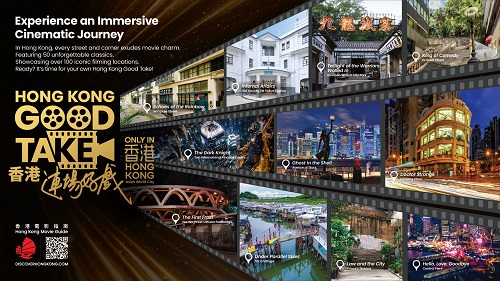
One of Hong Kong’s most iconic summer traditions is set to make waves once again as the Sun Life Hong Kong International Dragon Boat Races, organised by Hong Kong Tourism Board, return to Victoria Harbour this June, celebrating a landmark 50th anniversary with a spectacular edition.


World-class racing, live entertainment, cultural experiences and a gourmet carnival take over Tsim Sha Tsui 


Running from 19 June to 1 July, the Hong Kong Dragon Boat Festival will bring a festive programme to the Tsim Sha Tsui Promenade, spanning 13 days through the Dragon Boat Festival and featuring traditional culture, interactive workshops and performances. Set against Hong Kong’s world-famous skyline, the Sun Life Hong Kong International Dragon Boat Races will bring together teams from around the globe on 27-28 June, transforming the Tsim Sha Tsui waterfront into a vibrant hub of culture, sport and entertainment.


From Local Ritual to World Stage: Hong Kong’s Dragon Boat Legacy

The grand scale of the event belies its humble beginnings. What started five decades ago as a competitive extension of a local cultural ritual has evolved into a dynamic, citywide celebration that blends heritage with sports. Dragon boat racing in Hong Kong traces its roots to traditional rituals performed by fishing communities, where vessels were once used to dispel bad luck and pray for peace and safety. In 1976, the city hosted its first international race in Shau Kei Wan Typhoon Shelter, welcoming just 10 teams and marking the birth of modern international dragon boat racing.


Fast forward to today, and the event has grown into a truly global phenomenon and a competitive sport in the Asian Games. This year’s races will welcome over 220 elite teams from 16 countries and regions over the two-day race schedule on 27-28 June, reinforcing Hong Kong’s position as the Events Capital of Asia.


Beyond the Finish Line: A Harbourfront Party for All

What sets the Hong Kong International Dragon Boat Races apart is the way the celebration brings together culture, sports and entertainment on water and land. In addition to the exhilarating racing action, the event extends into the 13-day Hong Kong Dragon Boat Festival, running from Fridays to Wednesdays from 19 June to 1 July, with immersive experiences designed to appeal to visitors of all ages and interests.


From daytime discoveries to after-dark energy, the Avenue of Stars and Salisbury Garden in Tsim Sha Tsui are set to come alive with an all-day, diverse lineup of activities. The programme spans intangible cultural heritage workshops alongside contemporary highlights, including VR dragon boat paddling game, live music and stage performances. The hands-on sessions in particular spotlight time-honoured crafts passed down for centuries while adding a modern harbourfront buzz to the carnival experience.


A dedicated food-and-beverage offering will showcase festive favourites alongside Hong Kong street-food classics at the Dragon Boat Food Lane, while the harbourfront beverage Garden will add to the celebratory atmosphere. Tourists can enjoy a complimentary beverages and iced rice dumplings while soaking up the festive summer breeze. The display of a 22-meter dragon boat and themed photo spots will further transform the precinct into a colourful, festival-like playground.


Together, these elements reimagine the dragon boat tradition for a new generation, turning a sporting event into a multi-sensory cultural experience. The combination of thrilling racing and immersive programming reflects Hong Kong’s signature “east-meets-west” identity, where centuries-old traditions sit comfortably alongside the city’s modern energy. 


Experience the Dragon Boat Festival Across Hong Kong

Beyond Victoria Harbour, the spirit of the Dragon Boat Festival can be felt across the city. In Tai O, the centuries-old Dragon Boat Water Parade continues a unique ritual tradition, where sacred sampans carrying deity statues are towed through the village waterways—a practice recognised as part of China’s national intangible cultural heritage in 2011.


Meanwhile, local dragon boat races will take place in neighbourhoods across Hong Kong, from the scenic seaside of Stanley and the bustling fishing village of Aberdeen to the verdant landscapes of Sai Kung and the serene Shing Mun River in Sha Tin. Each offers its own distinct character and community atmosphere, welcoming visitors from near and far to discover Hong Kong’s diverse charm.


About Hong Kong Tourism Board (HKTB)

The Hong Kong Tourism Board (HKTB) is a government-subvented body tasked to market and promote Hong Kong as a travel destination worldwide and enhance visitors’ experience once they arrive. These include making recommendations to the Government and other relevant bodies on the range and quality of visitor facilities. The HKTB’s missions are to maximise the social and economic contribution made by tourism to the community of Hong Kong and to consolidate Hong Kong’s position as a unique, world-class, and most desired destination.


Alta School of Technology Appoints Navdeep Sandhu as Head of Academics

Alta School of Technology, an AI-first computer science program focused on building industry-relevant technology talent, today announced the appointment of Navdeep Sandhu as Head of Academics.
 

From left: Harshit Agarwal, Founding Director; Ashish Munjal, Founder; and Navdeep Sandhu, Head of Academics, at Alta School of Technology’s leadership announcement
 

With grit and extensive experience across technology, learning ecosystems, and academic strategy, Navdeep aims to advance its mission of developing engineers equipped to solve real-world problems through hands-on, innovation-driven education.
 

Navdeep’s attitude of always being a learner first is aligned with the new role of building dynamic academic strategy, curriculum development, faculty alignment, and learner experience initiatives. He will collaborate closely with leadership and product teams to enhance the program’s AI-first curriculum, ensuring students receive practical exposure aligned with evolving industry demands.
 

Navdeep Sandhu was the co-founder of Pepcoding, where he helped create structured outcomes-focused programming education models for aspiring software engineers. His career also includes key roles at Scaler, Coding Ninjas, and EY, where he gained deep expertise in curriculum design, engineering education, learner engagement, and academic operations at scale. He brings over a decade of experience across the edtech and technology ecosystem, with a track record of building scalable learning systems and industry-aligned academic programs.
 

The program is steadily strengthening its academic leadership, building a modern learning ecosystem rooted in AI-focused education, real-world projects, mentorship, and practical problem-solving
 

Ashish Munjal, Founder of Alta School of Technology, commented, “Alta’s mission is to build engineers who can think critically, build confidently, and adapt continuously in an AI-first world. Navdeep brings a rare combination of academic vision and outcome-driven execution, with a proven track record of designing programs that deliver not just meaningful learning experiences, but strong placement outcomes at scale. That makes him the right leader to shape and drive Alta’s academic vision as we grow.”
 

Harshit Agarwal, Founding Director at Alta School of Technology, said, “Navdeep Sandhu’s arrival marks a pivotal moment for Alta. Having transformed learning in his previous roles, he brings battle-tested expertise in crafting curricula that turn novices into industry-ready engineers from day one. With Navdeep leading academics, we’re accelerating our mission to make every Alta student code like a pro and solve real AI challenges that companies crave.”
 

Navdeep Sandhu shared, “What attracted me to Alta was its willingness to rethink engineering education from first principles for the AI era. In a world where AI increasingly writes, reads, and reviews code, the real challenge is designing learning experiences that prepare students to think critically, solve problems, and build with technology not just code.”
 

This appointment underscores Alta School of Technology’s commitment to academic excellence, innovation-driven learning, and building an education ecosystem that’s truly future-ready.

About ALTA School of Technology
ALTA School of Technology is an AI-first computer science program redefining higher education through a skill-first approach. It integrates academic learning with hands-on experience, access to industry tools, and mentorship from experienced professionals. Students do coding from day one, preparing them for dynamic careers. This AI-first computer science program emphasizes innovation, employability, and practical knowledge to bridge the gap between education and industry needs.

DCDC Kidney Care Sets Global Benchmark with AACI Accreditation for Badarpur Dialysis Centre

DCDC Kidney Care announced that its Badarpur Centre in Delhi has become the first standalone dialysis centre globally to receive accreditation from the American Accreditation Commission International (AACI) under the AACI Standards Version 6.0 framework. Operational since July 2025, the centre currently serves nearly 70 active patients and conducts approximately 500-550 dialysis sessions every month.


DCDC Kidney Care receiving AACI Accreditation


The accreditation was awarded following a comprehensive evaluation of the centre’s clinical protocols, patient safety standards, infection prevention and control measures, dialysis care processes, staff competency, quality management systems, operational workflows, and continuous quality improvement mechanisms. The recognition highlights DCDC Kidney Care’s commitment to delivering internationally benchmarked renal care through advanced dialysis technology, standardized treatment protocols, and a strong patient-centric approach.


Aseem Garg, Founder, DCDC Kidney Care, said, “This achievement is a proud milestone not only for DCDC Kidney Care but also for India’s standalone dialysis ecosystem. “It reflects our unwavering commitment towards clinical excellence, patient safety, and globally benchmarked quality care. We remain focused on expanding access to affordable, high-quality dialysis services through technology integration, workforce development, and our growing network across India. This recognition supports our long-term goal of bolstering the nation’s dialysis infrastructure via workforce development, technological integration, quality-driven systems, and scalable service delivery models. As we continue to raise standards for patient experience, safety, and infection control throughout our network, we are dedicated to broadening our reach through both public-private partnerships and freestanding centers.”


This global AACI accreditation for the Badarpur centre reinforces DCDC Kidney Care’s position as one of India’s leading dialysis networks and underscores its role in making advanced, affordable renal care accessible across the country. Building on its expanding footprint of centres operated through both standalone clinics and public–private partnerships, DCDC Kidney Care will continue to invest in technology, training, and quality systems that improve clinical outcomes and enhance the overall experience for patients and their families.


Through its growing network of facilities, technology-enabled monitoring systems, and organized worker training programs, the company has consistently concentrated on enhancing accessibility to reasonably priced dialysis care throughout the years, that offers both enhanced patient satisfaction and clinical excellence.


About DCDC Health Services Pvt. Ltd. (DCDC)
DCDC is a leading operator of dialysis centers across India, working through Public-Private Partnership (PPP) models with state governments to provide treatment for economically disadvantaged populations. With over 250 centers nationwide — including PPP clinics, standalone centers, and units within private hospitals — DCDC continues to expand its reach every year.


A pioneer in quality dialysis delivery, DCDC is India’s first organization to receive NABH accreditation for both standalone and PPP dialysis centers, reaffirming its commitment to safe, accessible, and patient-centric care.

Galgotias University Upgrades Dadha Community Health Centre, Boosts Rural Healthcare Access

Rehabilitation support, preventive care, and access to essential healthcare services are critical for semi-urban and rural communities, particularly where patients often need to travel long distances to access specialised treatment and physiotherapy support. Recognising the importance of academic-community partnerships in strengthening public healthcare systems, Galgotias University has extended support towards modernising healthcare and rehabilitation services at Community Health Centre Dadha in Greater Noida.


https://www.newsvoir.com/images/article/image1/35582_Galgotiya_image_.jpg

Galgotias University’s initiative strengthens rural healthcare services and improves access to rehabilitation support


The initiative has been undertaken in coordination with the Office of the Chief Medical Officer, Gautam Buddha Nagar, and Community Health Centre Dadha. As part of the collaboration, the University is supporting the strengthening of the physiotherapy and rehabilitation unit at the Centre through the provision of modern therapy and rehabilitation equipment, trained physiotherapy support, and operational assistance aimed at improving patient care delivery.


The support includes equipment and rehabilitation infrastructure such as cervical traction systems, gait training support equipment, therapeutic exercise systems, shortwave diathermy, TENS and IFT systems, walkers, shoulder wheels, pulleys, and related physiotherapy support infrastructure. The University will also support trained manpower and associated operational requirements for the functioning of the rehabilitation unit.


The collaboration is also expected to contribute towards broader healthcare systems strengthening at the Centre, including support for healthcare outreach, preventive health engagement, patient support services, quality assurance processes, and community-centred healthcare activities. The initiative aims to improve access to rehabilitation and physiotherapy care closer to people’s homes, reducing the burden on patients who otherwise need to travel significant distances for treatment and follow-up care.


Dr. Dhruv Galgotia, CEO, Galgotias University, said, “Access to healthcare remains one of the most important social challenges across many communities, particularly where rehabilitation and preventive care infrastructure is limited. Universities today have a larger responsibility beyond classrooms and campuses. Institutions with academic expertise, healthcare capability, and social commitment must actively contribute towards strengthening public systems that directly impact people’s lives. Our support towards Community Health Centre Dadha is an effort in that direction, where institutional resources and expertise can help strengthen healthcare access, rehabilitation support, and community health delivery for people who need it the most.”


The initiative is in sync with Galgotias University’s continued engagement with efforts focused on societal impact, public systems strengthening, and community-centred development across healthcare, education, innovation, and social outreach.

Art Basel Hong Kong 2026: Where The World Comes To See

Between the harbour and the convention hall, between tradition and the digital frontier, Art Basel Hong Kong set the tone for a new era. Robb Report India was there — with two of India’s most compelling creative voices, artist Siddharth Kerkar and sculptor Jayesh Sachdev.


https://www.newsvoir.com/images/article/image1/35577_Robb_image.jpg

Art Basel Hong Kong 2026


Inside the Hong Kong Convention and Exhibition Centre—its glass façade staring out over Victoria Harbour like an eye fixed on the horizon—the art world had once again gathered for its annual communion starting March 25, 2026. Art Basel Hong Kong, now in its 13th edition, returned with 240 galleries from 42 countries and territories. Over half of participating galleries operate spaces within the Asia-Pacific region, a fact that underscores how regional voices are echoing louder than ever before.


Preview days on March 25 and 26 drew a high-density turnout of collectors, curators, institutional buyers, and the curious. By the time the public doors opened on March 27, Asia’s largest art fair had already closed many deals. Robb Report India visited the fair grounds on the preview day for a closer look.


The fair offered a particularly immersive, almost educational vantage point. Robb Report India exclusively covered Art Basel through the lens of two artists whose relationship with art is anything but passive or touristic: Siddharth Kerkar, the Goa-based artist, restaurateur, and founder of India’s largest affordable art festival; and Jayesh Sachdev, the Pune-based sculptor and founder of Quirk Box, who recently collaborated with Zara—the first Indian artist to do so, across an art-fashion-sculpture partnership.


New Sectors, New Conversations
The 2026 edition introduced Echoes, a sector dedicated entirely to works made within the past five years. At Double Q Gallery’s Hong Kong debut, Polish Minimalist Natalia Załuska transformed the booth into an immersive work of geometric abstraction. Picture edges dissolving between two- and three-dimensions. At Max Estrella, Madrid, Tiffany Chung’s embroidered maps of ancient spice routes hung alongside Miler Lagos’ astonishing sculptures of books carved into dense, geological forms. Hyun Nahm’s work at Whistle fused classical East Asian aesthetics with digital materiality, drawing on the Korean concept of chukgyeong—encompassing nature’s vastness into miniature forms—to compress ideas about telecommunication infrastructure and global digital consumption into compact sculptural form.


Encounters, the sector dedicated to monumental installations, underwent a transformation. For the first time, this section was curated collectively by four Asia-based curators led by Mami Kataoka, alongside Isabella Tam, Alia Swastika, and Hirokazu Tokuyama. Their organising framework was the Five Elements, the cosmological system found across Asian traditions, with each element—space/ether, water, fire, wind, earth—assigned to specific areas throughout the convention halls.


Perhaps no addition to the 2026 fair generated as much conversation as Zero 10, Art Basel’s global initiative dedicated to art of the digital era, making its Asia debut after launching at Art Basel Miami Beach in December 2025. Named for Kazimir Malevich’s seminal 1915 exhibition, it featured 14 exhibitors and asked a simple, urgent question: How can digital art be exhibited, contextualised, and collected within today’s art economy?


Curated by Eli Scheinman and featuring 14 exhibitors including Art Blocks, bitforms gallery, and Silk Art House, the sector asked hard questions about provenance, and community in an age where digital culture evolves faster than institutional frameworks.


One moment stood out: DeeKay’s digital animations that traced psychological states through vivid, almost hallucinatory movement. The work was unabashedly algorithmic and yet unmistakably emotional, a combination that felt like a precursor of where image-making is headed.


Hong Kong Art Basel 2026: Through Indian Eyes
Sachdev, whose practice moves between painting, sculpture, mythology-driven installations, and works rooted in ancient Indian iconography and rendered in chrome, glass, and reflective contemporary surfaces, arrived in Hong Kong attuned to a frequency the city answered immediately.“What I like about cities like this—which are really modern—is that you can still find the contrast of them being so deeply rooted culturally. These are ancient cultures which have now built into contemporary architectural and urban spaces. That dichotomy is very interesting,” he says.


Inside the fair’s halls, he found his own reflections in unexpected places, including the work of Fung Studios, a Singapore-based design agency whose graphic work, carrying both Japanese and Southeast Asian influences, had long been a reference in his own practice. “It was very interesting to see some of that here,” he said while speaking to Robb Report India. The fair’s embrace of multimedia, mixed media, and architectural installation formats also sat well with an artist who refuses to be categorised by medium alone. “My work is not bound to one medium,” he noted. “I don’t just work with paint or sculpture alone, so this place having a mix of all those different mediums was something I quite enjoyed.”


Kerkar, a Central Saint Martins alumnus who has navigated art fairs since childhood—accompanying his father, the celebrated Goan artist Subodh Kerkar, to exhibitions across Europe and as far as the Venice Biennale—arrived with practised eye. By the time Art Basel’s halls had been traversed, his tally included at least 10 museums and well over 100 gallery booths.
What he came away with was not a list though. “You don’t know what stays with you or where inspiration comes from,” he says in conversation with Robb Report India. For Kerkar, the act of absorbing is slow and cumulative, a process that often only reveals itself later alone, scrolling back through photographs taken in the heat of the fair.


What Kerkar absorbed at the fair was less any single work than a cumulative shift in material sensibility—the reappearance of textile, of slow craft, of the handmade in contexts where one might have expected the digital to dominate. The Encounters sector, in particular, gave him pause: the yarn and fibre works by Tandel and Kang representing a return to matter, to touch, that he found both unexpected and necessary.


Between Kerkar’s patient, cumulative absorption and Sachdev’s immediate, parallel-drawing responsiveness, what emerged was a portrait of two very different artistic temperaments arriving at the same conclusion: that Hong Kong, in this particular week, was worth every hour of attention it demanded.


For Indians, Art Basel Hong Kong is no longer simply a fair to watch from a distance. With Indian artists appearing in Encounters, Indian institutions making acquisitions, and collectors from the subcontinent increasingly visible on the floor, the conversation has shifted from observation to participation. If this edition proved anything, it is that the week belongs as much to India as it does to any other nation at the table. The only question worth asking now is whether you’ll be in the room when it happens again.