
Home Blog Page 2

From Soil Crisis to Sustainable Growth: JagPaavani by Sri Sri Naisargik, Fuels Nature-Led Farming for Tomorrow's Harvests

Healthy soil is the foundation of food security. Soil degradation threatens agricultural productivity, disrupts farming cycles, and reduces crop yields. This World Food Day, promoting sustainable farming practices is essential to protecting soil health and ensuring food security for future generations.


JagPaavani, offered by The Art of Living – Sri Sri Naisargik, is a fermented plant-based extract designed to support plant nutrition, enhance soil fertility, and improve crop productivity. Enriched with beneficial microorganisms, essential nutrients, organic acids, and bioactive metabolites, it supports soil biological activity and plant growth. By encouraging efficient nutrient utilisation and reducing dependence on chemical inputs, JagPaavani aims to support resilient farming systems and the gradual restoration of soil vitality.

 

From Chemical Inputs to Natural Growth: JagPaavani Empowers Farmers, Revives Soil, and Nurtures Tomorrow’s Harvests


Modern agriculture has significantly improved crop productivity, but prolonged dependence on synthetic fertilisers and chemical inputs has raised concerns about soil health and long-term farm sustainability. Repeated chemical applications can affect soil organic carbon, beneficial microorganisms, and natural nutrient cycles, gradually increasing farmers’ dependence on external inputs to maintain yields.

 

JagPaavani by Sri Sri Naisargik: Reviving Soil, Nourishing Plants, Enriching Harvests Naturally


Healthy soil is a living ecosystem that depends on organic matter, balanced nutrition, and microbial diversity. As awareness of sustainable agriculture grows, natural farming solutions are gaining attention for their potential to restore soil vitality, improve nutrient availability, and support resilient crop production.


JagPaavani, a fermented plant-based formulation offered under Sri Sri Naisargik, is designed to support plant nutrition, enhance soil fertility, and promote crop growth through natural biological processes. Rich in beneficial microorganisms, essential nutrients, organic acids, and bioactive metabolites, the formulation serves as a natural fertiliser and plant growth promoter, supporting farmers seeking sustainable approaches to cultivation.


Supporting Plant Growth Through Soil Biology

JagPaavani’s effectiveness lies in its biologically active composition, which supports multiple processes involved in plant development. Natural growth-promoting substances, including auxins, gibberellins, and cytokinins, play important roles in root development, flowering, and fruit formation.


Beneficial microorganisms help improve nutrient availability by supporting processes such as atmospheric nitrogen fixation and the solubilisation of minerals, including phosphorus, potash, and zinc. Organic acids contribute to soil structure, moisture retention, and microbial activity, while enzymes support the decomposition of organic matter and composting processes.


Together, these biological mechanisms help create favourable conditions for plant growth and contribute to soil fertility. Such formulations can complement balanced nutrient management practices, particularly for farmers looking to gradually reduce their dependence on synthetic agricultural inputs.


Strengthening Soil Vitality and Crop Resilience

Regular use of JagPaavani as part of an appropriate crop nutrition programme can support nutrient absorption, root development, and overall crop vigour. By encouraging beneficial microbial activity, the formulation supports natural nutrient cycling and the long-term improvement of soil quality.


Improved soil structure and moisture retention can also help create better growing conditions, while healthy root systems support more efficient nutrient uptake. These benefits are particularly relevant as farmers face challenges associated with changing climatic conditions, water availability, and declining soil fertility.


Biological inputs also play a role in supporting ecological balance by encouraging natural soil processes. Their integration into farming practices can contribute to more sustainable nutrient management and help farmers transition towards cultivation methods that prioritise soil health alongside crop productivity.


Integrating Natural Solutions into Farming Practices

JagPaavani can be incorporated into existing farming systems as part of a balanced soil and crop management approach. Its application across cereals, pulses, fruits, and vegetables offers farmers a natural biological input that can complement other sustainable farming practices.


Under Sri Sri Naisargik, JagPaavani forms part of a broader approach to promoting agricultural solutions rooted in natural processes and an understanding of soil biology. The initiative focuses on improving soil vitality, supporting nutrient availability, and encouraging cultivation practices that work in harmony with nature.


By integrating biological formulations with appropriate agronomic practices, farmers can work towards improving soil health while maintaining productive agricultural systems. Results may vary depending on crop type, soil conditions, climate, and application practices.


Building a Sustainable Agricultural Future

Sustainable agriculture begins with recognising soil as a living resource that requires continuous care. Restoring microbial diversity, strengthening soil organic matter, and improving nutrient cycling are important steps towards building resilient farming systems.


Through JagPaavani, Sri Sri Naisargik seeks to support this transition by promoting natural biological processes that nurture soil health and plant development. By placing soil vitality at the centre of agricultural decision-making, such solutions contribute to the broader goal of productive, environmentally responsible, and future-ready farming.


About The Art of Living – Sri Sri Naisargik

As a flagship initiative of The Art of Living, Sri Sri Naisargik is an innovation-led enterprise developing sustainable, nature-based and technology-enabled solutions for environmental protection, resource recovery, rural development and climate resilience. Its portfolio addresses land, water, air and odour pollution mitigation, along with solid waste management through practical solutions that combine innovation with measurable environmental, economic and social impact.


Web: srisrinaisargik.com 

Email: executiveoffice@projects.artofliving.org  

Phone: +91 9036 254 532

Follow: www.instagram.com/artofliving.ssn

Like: www.facebook.com/srisrinaisargikssn

Message: www.linkedin.com/company/sri-sri-naisargik

YouTube: www.youtube.com/@SriSriNaisargikSSN
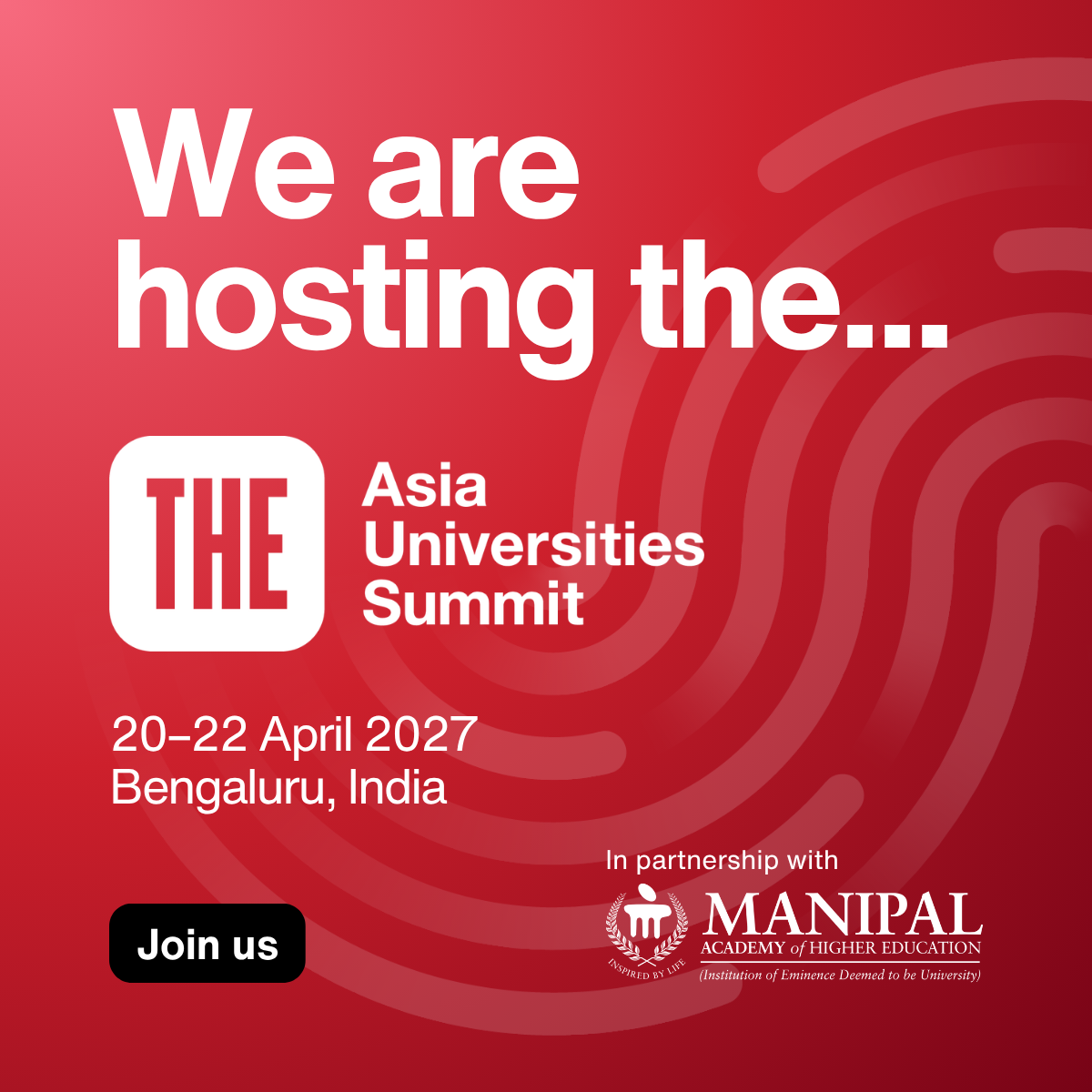
MAHE to Host First India Edition of Times Higher Education Asia Universities Summit 2027 in Bengaluru

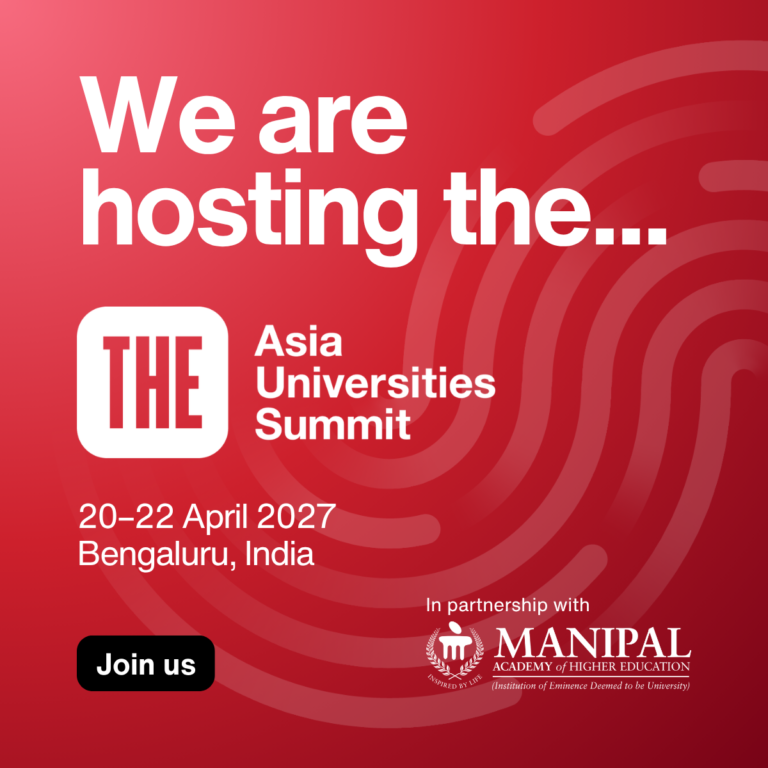
Manipal Academy of Higher Education (MAHE), an Institution of Eminence Deemed to be University, will host the Times Higher Education Asia Universities Summit 2027 at the MAHE Bengaluru Campus from 20 to 22 April 2027. This prestigious summit will be held in India for the first time. It will provide a forum for university leaders, scholars, policymakers, researchers and industry representatives to exchange ideas and discuss the evolving priorities of higher education across Asia and beyond.
 

Times Higher Education Asia Universities Summit 2027
 

The 2027 summit will focus on “Talent, transition and scale: Leading in an era of expansion,” with discussions on the opportunities and challenges shaping higher education, including talent development, technological transformation, internationalisation, research and innovation, demographic change and climate resilience.
 

The summit will also feature the live reveal of THE Asia University Rankings 2027 and the winners’ ceremony for THE Asia Awards 2027, bringing together leading institutions and higher-education professionals from across the region.
 

Dr H S Ballal, Pro Chancellor, MAHE, said, “Hosting the Times Higher Education Asia Universities Summit in India highlights the nation’s growing role in global higher education. MAHE is proud to host this international event at our Bengaluru campus and to participate in discussions that could shape the future of universities, education, and research across Asia.”
 

Speaking about the summit, Dr Sharath K. Rao, Vice Chancellor, MAHE, said, “Hosting the Times Higher Education Asia Universities Summit 2027 at MAHE Bengaluru is an important opportunity to promote meaningful dialogue about the future of higher education in Asia. As the summit comes to India for the first time, MAHE looks forward to welcoming university leaders, academicians, policymakers and industry representatives to Bengaluru and to creating opportunities for knowledge exchange, collaboration and innovation.”
 

The summit will showcase MAHE Bengaluru’s technology and innovation environment and provide international delegates with an opportunity to engage with the university’s academic and research ecosystem.
 

About Manipal Academy of Higher Education

Manipal Academy of Higher Education (MAHE) is an Institution of Eminence Deemed to be University. MAHE offers over 400 specialisations across the Health Sciences (HS), Management, Law, Humanities & Social Sciences (MLHS), and Technology & Science (T&S) streams through its constituent units at campuses in Manipal, Mangalore, Bengaluru, Jamshedpur, and Dubai. With a remarkable track record in academics, state-of-the-art infrastructure, and significant contributions to research, MAHE has earned recognition and acclaim both nationally and internationally. In 2020, the Ministry of Education, Government of India, awarded MAHE the prestigious Institution of Eminence status. Currently ranked 3rd in the National Institutional Ranking Framework (NIRF) 2025 rankings, MAHE is the preferred choice for students seeking a transformative learning experience and enriching campus life, as well as for national and multinational corporations seeking top talent.
 

Event: THE Asia Universities Summit 2027
Dates: 20-22 April 2027
Venue: MAHE Campus, Govindapura, Yelahanka, Bengaluru
Theme: Talent, transition and scale: Leading in an era of expansion
Host: Manipal Academy of Higher Education (MAHE)
Organiser: Times Higher Education (THE)


For more information, please click the link: shorturl.at/oOQRi

LIBA's PGDM Sees Rising Interest from Children of Gulf-Based Indians

With admissions for the 2027–29 academic year now underway, LIBA is witnessing a notable increase in enquiries and applications from eligible students exploring the Children of Indian Workers in Gulf Countries (CIWG) category. The admission pathway, mandated by the Indian government, enables eligible candidates to apply under the prescribed CIWG provisions, subject to applicable eligibility requirements, selection criteria and documentation.


Loyola Institute of Business Administration (LIBA)


Elaborating on the exclusive opportunity and the gradual increase in numbers, Rev. Dr C. Joe Arun, SJ, Director of LIBA, stated, “We have consistently seen interest from students whose parents are working in the Gulf, and this year the level of enquiries around the CIWG category has been particularly encouraging. For eligible candidates, the category provides an opportunity to explore LIBA’s PGDM programme while availing themselves of the applicable domestic fee structure, subject to the prescribed eligibility and admission criteria.”


LIBA, a Jesuit business school in Chennai, combines industry-oriented management education with its philosophy of “Excellence with Ethics”. Its experiential approach to learning has also attracted students from Indian families based overseas, including the Gulf region. Students admitted under the CIWG category account for approximately 15% of each PGDM batch.


“Over the last few years, we have seen growing interest from students from Gulf-based Indian families. Many of these students have already completed or are pursuing their undergraduate education in India, making a PGDM a natural next step as they prepare for careers in a competitive global business environment,” added Rev. Dr. C. Joe Arun, SJ.


While candidates under the CIWG category are required to meet the prescribed eligibility and admission criteria, including applicable entrance-test requirements, the category provides eligible children of Gulf-based Indians with a distinct pathway to apply to LIBA’s PGDM programme. Final selection remains subject to the institution’s admission process and verification of the required documents.


Admissions for LIBA’s 2027–29 PGDM programme are now open. Eligible students interested in exploring the CIWG category can contact LIBA’s admissions team for information on eligibility, documentation and the application process. Further details are available at LIBA’s official website.


About LIBA

A Jesuit business school, LIBA (Loyola Institute of Business Administration) is known for its industry-oriented approach to management education, combining academic rigour with experiential learning. Its Post Graduate Diploma in Management (PGDM) programme is designed to equip aspiring business leaders with the knowledge, skills and ethical perspective needed to navigate a dynamic global business environment. Guided by its philosophy of “Excellence with Ethics”, LIBA continues to nurture responsible leaders who can create meaningful impact across industries.

Asia's No. 1 Business School Uses AI to Sharpen Judgement in Leaders

As businesses across Indonesia and Southeast Asia accelerate their use of artificial intelligence (AI), NUS Business School is exploring a different question: as AI gets better at providing answers, how can leaders get better at asking questions?


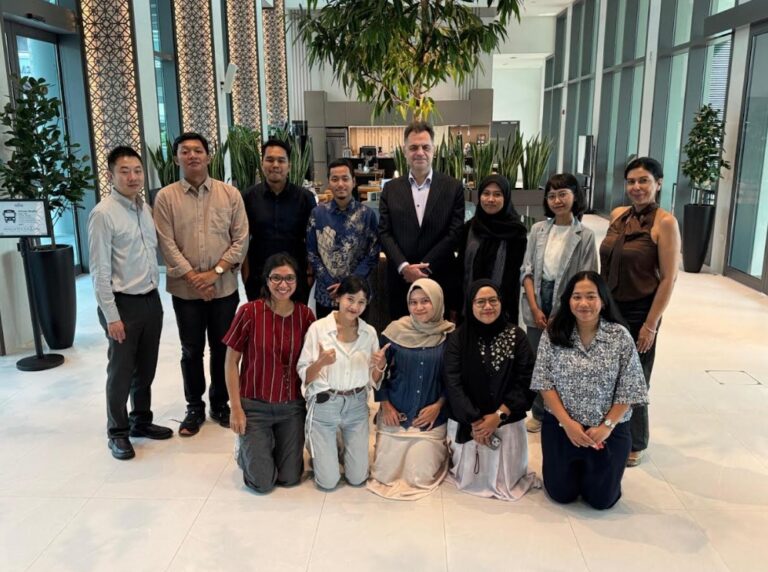
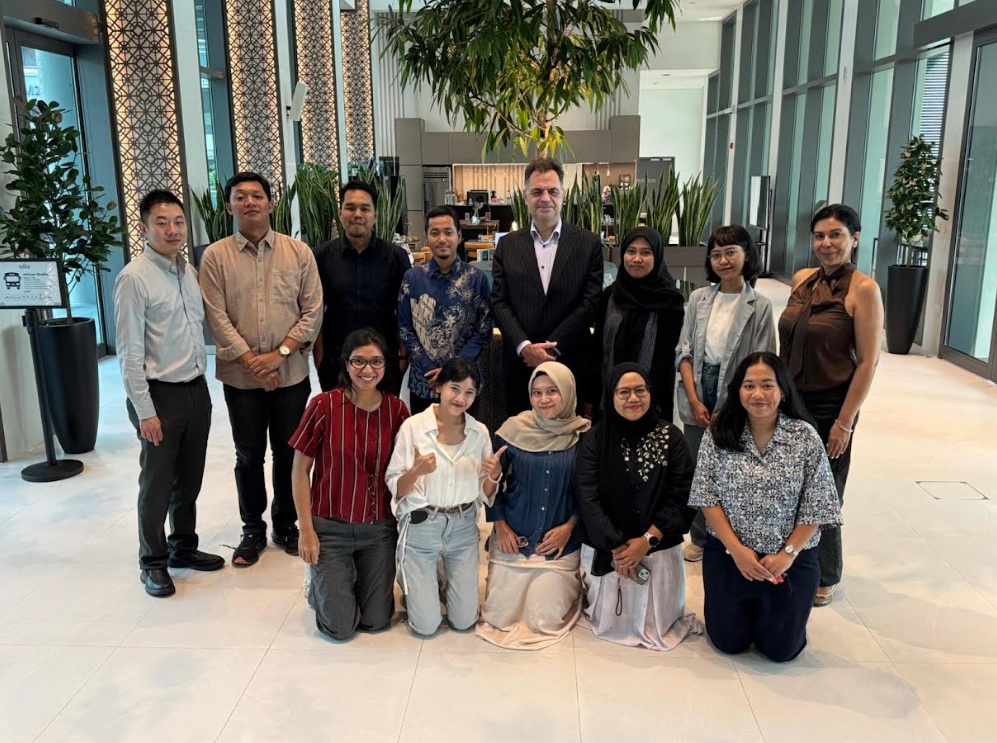
Dr. Emir Hrnjic, Senior Lecturer in Finance, NUS Business School (fifth from left), at a media engagement with Indonesian media in Singapore


For more than a century, case-based learning has put students in the shoes of business leaders by giving information they need to analyse a problem, and then ask them how they would solve it.

Now, artificial intelligence (AI) is changing what it means to solve a case. Since January 2026, NUS Business School has been piloting an AI-enabled approach in which students are given an AI-simulated problem where they must determine what information they need, decide whom to ask, evaluate the answers they receive and make a recommendation under uncertainty.

The simulation is built on ScholAIstic, a generative AI platform developed by the NUS AI Centre for Educational Technologies (AICET) to support roleplaying and simulation-based learning.

Dr Emir Hrnjic, a Senior Lecturer in Finance at NUS Business School, has been working with AICET to adapt and refine these capabilities for management education, developing executive personas around the business case.

To date, the tool has now been used by close to 100 MBA and Executive MBA students across Singapore and Jakarta, many of whom are senior executives.


Sharpening the human instinct behind good decisions
In the pilot, students interview AI-simulated executives, including a Chief Executive Officer, Chief Financial Officer and Chief Product and Technology Officer, each offering a different perspective to the same business situation. Students must navigate these perspectives, assess the information they gather and reach their own conclusions.


After each interview, students receive personalised feedback on on their questioning, allowing them to reflect and adapt their approach in subsequent interviews.

Dr Hrnjic said: “Students must decide what they need to know, ask the right questions, challenge what they hear and exercise judgement without having the complete picture. The aim is not to replace that human instinct with AI, but to sharpen in by helping students become more discerning about what to ask and trust. That is much closer to how leaders make decisions in the real world.”

Early findings suggest that effective use of AI is not about asking more questions but about asking the right ones. Analysis of interview transcripts showed found that stronger interviews had more targeted questions, follow-ups and adaptation as new information emerged, rather than simply working through a prepared list.

The findings point to a broader role for generative AI in management education. Rather than using AI primarily to search for information or generate answers, the technology can recreate the real-world scenarios, sharpening executives’ judgement to better navigate uncertainty and competing perspectives they face in real organisations.

NUS Business School sees potential for similar AI-simulated tools to be applied to other areas of business education where students need to question stakeholders, negotiate competing interests and make decisions under uncertainty. The ambition is to move beyond the largely static information environment of the traditional case towards a dynamic one where students actively acquire information, pursue emerging lines of inquiry, challenge assumptions and exercise judgement as the problem unfolds.


The simulation is one part of NUS Business School’s broader approach to integrating AI into education. The school is exploring how AI can enhance, rather than replace, meaningful learning, thereby helping students develop the judgement, critical thinking and adaptability needed to navigate an increasingly AI-enabled workplace.

This becomes increasingly important as AI takes on a greater role in business. Companies across Asia, including Indonesia, are rapidly adopting AI across their operations, making the ability to question and assess AI-generated information an increasingly important leadership skill. For Indonesia, the economic stakes are significant. A 2020 study by Kearney and EDBI projected that AI could contribute USD 366 billion to the country’s GDP by 2030, equivalent to 12 per cent of projected GDP.


www.linkedin.com/school/nus-business-school
x.com/NUSBizSchool
www.facebook.com/NUSBusinessSchool
www.instagram.com/nusbizschool/?hl=en


About National University of Singapore (NUS)

The National University of Singapore (NUS) is Singapore’s flagship university, which offers a global approach to education, research and entrepreneurship, with a focus on Asian perspectives and expertise. We have 15 colleges, faculties and schools across three campuses in Singapore, with more than 40,000 students from 100 countries enriching our vibrant and diverse campus community. We have also established around 15 NUS Overseas Colleges entrepreneurial hubs around the world.

Our multidisciplinary and real-world approach to education, research and entrepreneurship enables us to work closely with industry, governments and academia to address crucial and complex issues relevant to Asia and the world. Researchers in our faculties, research centres of excellence, corporate labs and more than 30 university-level research institutes focus on themes that include energy; environmental and urban sustainability; treatment and prevention of diseases; active ageing; advanced materials; risk management and resilience of financial systems; Asian studies; and Smart Nation capabilities such as artificial intelligence, data science, operations research and cybersecurity.

For more information on NUS, please visit nus.edu.sg.


About NUS Business School

With 50,000 alumni and 60 global chapters, the National University of Singapore (NUS) Business School is known for providing management thought leadership from an Asian perspective, enabling its students and corporate partners to leverage global knowledge and Asian insights.

The school has consistently ranked first in Asia by independent publications and agencies, such as The Financial Times and Quacquarelli Symonds, in recognition of the quality of its programmes, faculty research and graduates.

The school is accredited by AACSB International (Association to Advance Collegiate Schools of Business) and EQUIS (European Quality Improvement System), endorsements that the school has met the highest standards for business education.

For more information about NUS Business School, please visit bschool.nus.edu.sg.

To discover our MBA, MSc or Executive Education courses, visit mscbiz.nus.edu.sg, mba.nus.edu.sg or executive-education.nus.edu.sg

Big Bang Boom Solutions Announces Ambitious Plan to Build a Sovereign Quantum Radar at IEEE MILCOM 2026

Big Bang Boom Solutions (BBBS), an Indian deep-tech company, organized QuantEW 2026, a workshop on quantum technologies for electronic warfare, at IEEE MILCOM 2026, the IEEE Military Communications Conference, held in the Washington, DC area. At the workshop on 12 October, BBBS Co-founder and Chief Technology Officer Dr. Shivaraman Ramaswamy delivered the opening keynote. In it, he unveiled the company’s plans to build quantum radars and presented a technology assessment and development roadmap.
 

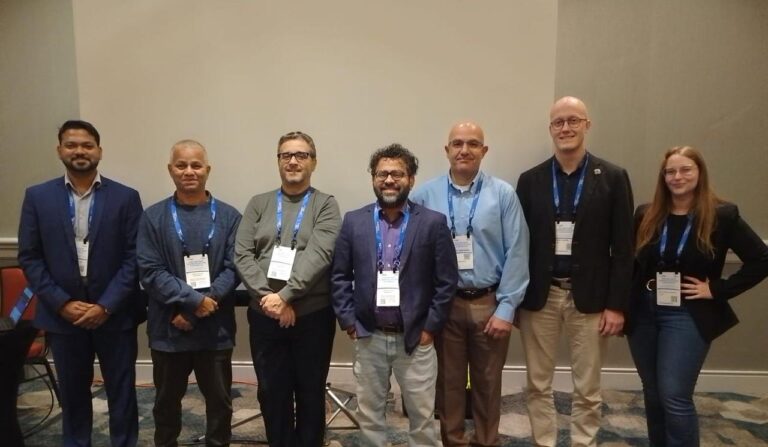
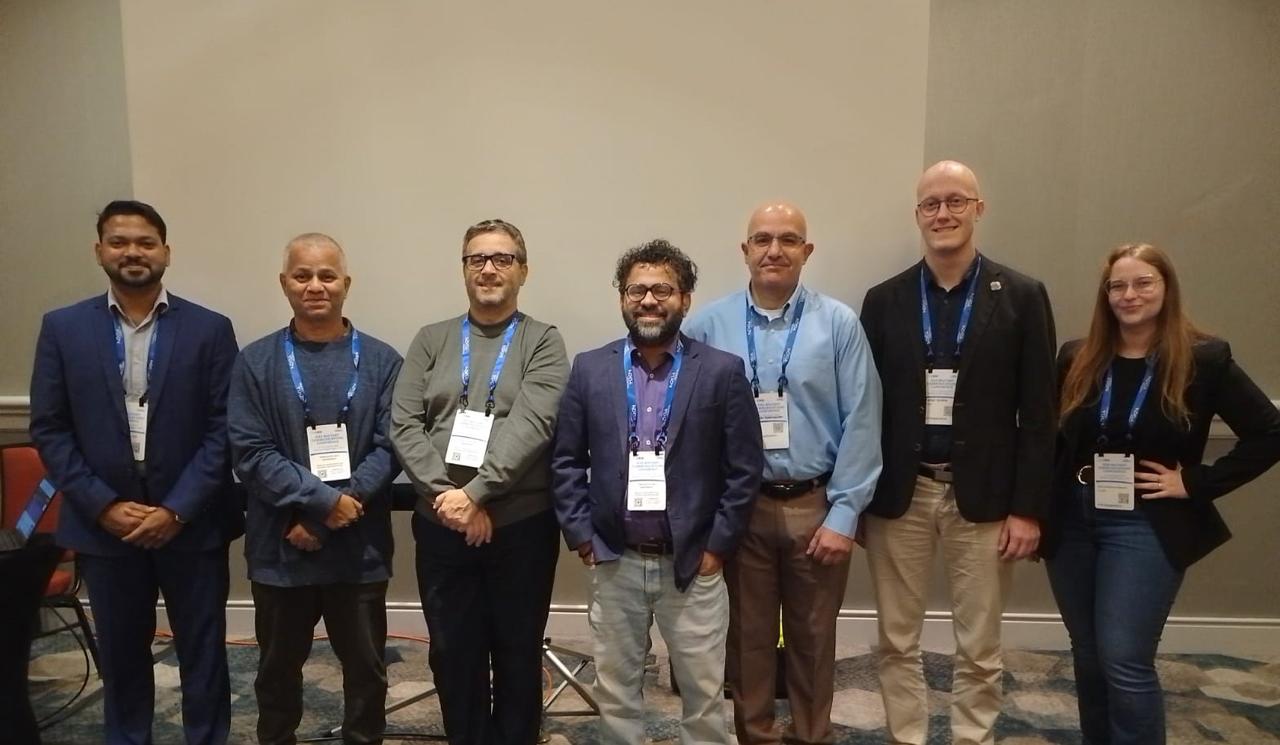
Dr. Shivaraman Ramaswamy (centre) with attendees at QuantEW 2026, organized by BBBS at IEEE MILCOM 2026
 

A dedicated quantum-EW forum at IEEE MILCOM

IEEE MILCOM is one of the world’s leading conferences on military communications, bringing together researchers, defence agencies, armed forces and industry. Hosting a workshop in its official technical programme is a significant milestone for an Indian company, especially a young startup such as BBBS.
 

QuantEW 2026 created a forum devoted entirely to the point where quantum technologies and electronic warfare meet. Submitted papers went through peer review, and accepted papers presented at the workshop will be published in the IEEE MILCOM 2026 workshop proceedings and IEEE Xplore.
 

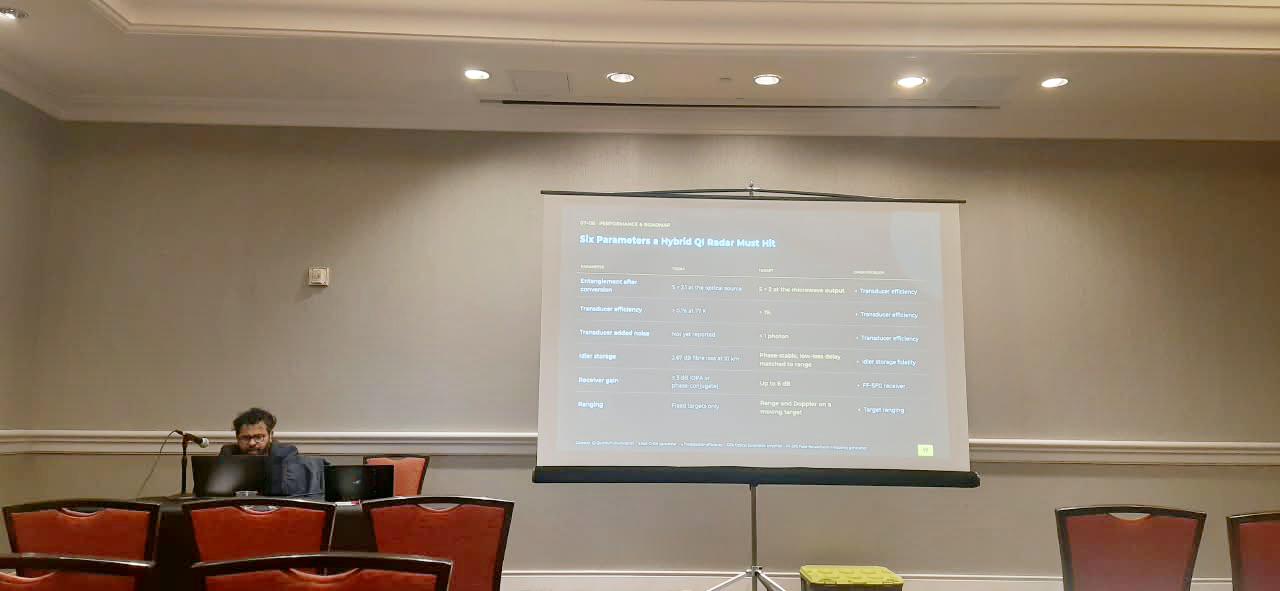
Dr. Shivaraman Ramaswamy, Co-founder and CTO of BBBS, delivering the opening keynote on quantum radar at QuantEW 2026
 

Keynote: the case for quantum radar

Dr. Shiva’s keynote focused on cutting edge tech around quantum illumination radar. This technique uses entangled signal and idler photons to detect low-observable targets against strong background noise. In such conditions, conventional radar is limited by stealth shaping, thermal noise and spoofing from digital radio frequency memory (DRFM) jammers. Theory shows that quantum illumination can give up to a significant advantage in the detection error exponent over the best classical scheme with the same transmitted energy. That advantage applies in the low-signal, high-noise regime where conventional sensors have the most trouble. The keynote then mapped the gap between this theoretical advantage and what can be built in practice, noting that no field-deployable quantum radar exists today and that cryogenic requirements remain a critical barrier while outlining BBBS’ plans for the same supported by National Quantum Mission.
 

“Bringing the quantum and electronic warfare communities together at MILCOM was a milestone for BBBS. Quantum Radar is moving from the laboratory toward engineering reality. Our approach is designed to deliver measurable advantage in the contested, noise-dominated environments where it matters most,” said Dr. Shiva.
 

Roadmap and collaboration

BBBS currently places its quantum radar programme at technology readiness level (TRL) 3 and targets TRL 4-5 in about 24 months, with platform-mounted demonstrators and an operational prototype as longer-term goals. The company welcomes collaboration with academia, government laboratories and industry on the open research problems the keynote highlighted.
 

About QuantEW 2026

QuantEW 2026: Quantum-Enhanced Electronic Warfare and Secure Military Communications was held on Monday, 12 October 2026, as part of IEEE MILCOM 2026, which runs from 12 to 16 October in the Washington, DC area. The workshop was organized by BBBS.
 

About Big Bang Boom Solutions

Big Bang Boom Solutions Private Limited is a Chennai-based deep-tech company, founded in 2018, building defence, homeland security and strategic technologies. Its work spans AI, electronic warfare, autonomous systems and counter-UAS, supported by in-house R&D, engineering and manufacturing and a 20,000 sq. ft. SHAKTI R&D Hub in Chennai. BBBS has won eight iDEX (Innovations for Defence Excellence) projects.

The Foundery Opens Cohort 2: The Search for India's Next Generation of Entrepreneurs Begins

The Foundery has opened applications for Cohort 2 of its 90-day residential venture build, sharpening its search for people who have already demonstrated the ability to build, whether teams, products, categories, communities or businesses and are now ready to create something of their own.


The Foundery, founded by Kishore Biyani, Nikhil Kamath and Ronnie Screwvala, opens applications for Cohort 2


Founded by Kishore Biyani, Nikhil Kamath and Ronnie Screwvala, The Foundery is a venture builder that creates new companies alongside the entrepreneurs who will run them. Cohort 2 will begin on 15 January 2027 at The Foundery Sanctum in Alibaug, bringing a new group of co-founders into an intensive 90-day build environment.


The Foundery does not begin with a pitch competition or require founders to arrive with a fully formed business plan. Co-founders explore opportunities from The Foundery’s Idea Vault and are matched around experience, strengths, conviction and category fit. From there, they build moving from thesis to product, consumer validation and an operating business, with capital, practitioners, operators and shared infrastructure around them from the start.


The model reflects the way companies increasingly get built today. Product, consumer insight, brand, distribution, technology, culture and capital rarely move in a neat sequence; a decision in one area can quickly reshape another. The Foundery is designed to bring those disciplines together around the entrepreneur, rather than leaving founders to assemble them one piece at a time.


Ronnie Screwvala, Co-founder, The Foundery, said, “Capital alone has never built anything that lasts. Founders can lose their first year assembling all the pieces they need to get moving. At The Foundery, those pieces are around them from day one, a head start that helps them move faster, get to market sooner and keep pace with how quickly the world is changing.”


Cohort 1: From Thesis to 18 Companies in 90 Days

The first cohort put that model to work. Over 90 days in Alibaug, matched co-founders moved from early theses to 18 companies ready to face investors at The Foundery FWD in Mumbai in July 2026.


The residency brought founders into close proximity with entrepreneurs, investors, operators, creators and cultural voices including Santosh Desai, Rajan Anandan, Aakash Chaudhry, Prasoon Joshi, Garima D. Bahl, Aditya Sehgal, Harsh Mariwala, Diipa Khosla, Rana Daggubati, Jonty Rhodes, Ranveer Singh, Falguni Nayar and Anil Agarwal, among others — bringing perspectives across consumer behaviour, leadership, design, capital, culture, media and company-building into the room.


At The Foundery FWD, the 18 companies generated more than Rs. 550 crore in non-binding expressions of investment interest, with indicated valuations of over Rs. 1,400 crore. For businesses that had begun taking shape only months earlier, it was an early signal of investor conviction in both the companies and the model behind them.


The work has continued well beyond the residency. Cohort 1 companies are now moving full steam toward market, with launches planned through the remainder of 2026 as founders continue building products, teams, distribution and go-to-market plans.


Cohort 2 builds on that foundation, bringing the same concentration of people, capital, expertise and infrastructure around a new set of co-founders — while raising the bar on the kind of entrepreneurial experience and operating muscle entering the room.


Kishore Biyani, Co-founder, The Foundery, said, “India is changing fast, and so is its consumer. After three decades of building consumer businesses, one thing I have learnt is that understanding the Indian consumer cannot be inherited as instinct, it has to be relearned continuously. The next generation of entrepreneurs will need to build for where India is going, not where it has been.”


Nikhil Kamath, Co-founder, The Foundery, said, “Everyone in China says ‘ecosystem, ecosystem, ecosystem.’ Foundery is a small attempt at trying to build that for consumer brands in India. It’s not about how many of the 20 brands per batch succeed or what valuations they achieve, but about the fact that, in 10 years, we would have built the rails and the ‘ecosystem’ by attempting to create 200 Indian brands with the potential to sell globally.”


About The Foundery

A venture builder that forges entrepreneurs into co-founders and builds companies with them from the ground up. Every co-founder is matched with an idea from our Idea Vault, aligned with their strengths, experience, and conviction. Over a 90-day venture build at The Foundery Sanctum in Alibaug, they move from thesis to operating company, backed by capital, operators, mentors, and the execution infrastructure needed to build from day zero.

Crizac Launches Partner Growth Program to Help Counselling Partners Grow

Crizac Limited, an AI-native student mobility platform partnering with international universities and education counsellors globally, today announced the Partner Growth Program (PGP), an initiative to help counselling partners grow their businesses.


Crizac launches Partner Growth Program to support counselling partners with marketing, training, and branding


Built especially for small and medium counselling businesses, PGP equips partners with ready-to-use marketing, structured counsellor training and certification, and professional branding under their own name, all through their existing Crizac login. The program is open to Crizac’s network of 17,400+ registered counselling partners across 85+ countries.


Helping partners build stronger businesses

Counsellors devote their days to guiding students, managing applications, and handling the steady rhythm of follow-ups. As a result, they seldom have the bandwidth to work consistently on marketing and branding, which can mean missed opportunities to generate new leads and grow their business.


At the same time, they must stay abreast of destination policies, admissions processes, and industry shifts that rarely pause. Finding the time and resources for regular training and certification becomes a challenge of its own.


Crizac believes a platform is only as strong as the counselling partners it works with, and that its role is to contribute to their growth. PGP gives that belief practical form.


“Students trust their counsellor before they trust any university or any platform. That trust is earned one conversation at a time, and it is the most valuable thing in our industry,” said Dr Vikash Agarwal, Managing Director, Crizac Limited. “Yet the counselling partners that earn it often have the least time and support to grow. A platform should grow with the partners that trust it, and PGP is our commitment to doing exactly that. When counselling partners grow stronger, students get better advice, and the whole system works better.”


How PGP helps the Counselling Partners

  • Stay visible without a marketing team. Through the Marketing Studio, partners get ready-to-post content designed by Crizac and branded with their own name and contact details. A small business can keep its channels active and look as professional as a much larger one, at no cost.

  • Stay current without losing time. Counsellors can earn Crizac-issued counselling certifications across study destinations at substantial discounts. Each one builds a substantial understanding of a country, from application to visa to loan and beyond, so partners can guide students and families through every step with clarity.


Together, these let partners spend less time on marketing and training logistics, and more time counselling.


“Small and growing education consultancies should not have to choose between serving their students and investing in their own growth,” said Nikhil Jain, Chief Product and Marketing Officer, Crizac Limited. “Through the Partner Growth Program, we are making professional marketing support, branding resources, and destination-specific training more accessible to our counselling partners. Ultimately, stronger brands and better-trained counsellors help build student confidence and give education consultancies more opportunities to grow.”


“AI will not replace the counsellor. It will separate the counsellors who use it from those who do not,” added Dishant Kharbanda, Chief Innovation Officer, Crizac Limited, and the author of Hacked by History: Seven secrets of Dominating the age of AI. “Students now arrive having already asked an AI where to study, what it will cost, and whether they will get a visa. A counsellor’s value no longer lies in holding information. It lies in judgment, empathy, and accountability. We are building tools that handle the routine work for our partners, so they can spend more time on what only a human can do.“


Today’s launch is the first chapter of PGP, not the full story. Crizac intends to keep adding new tools, training, and benefits to PGP, each shaped by what partners say they need most. Every addition will follow one simple test: if it helps a counsellor win a family’s trust, serve a student better, or run a stronger business, it belongs in PGP. Partners who sign in today will get early access to new features.


Crizac partners can sign in to PGP at Link using their existing partner account. Counselling partners new to Crizac can register using the same link.


About Crizac Limited

Crizac Limited is an AI-native student mobility platform partnering with international universities and education counsellors globally, with 450+ institutions across the UK, Canada, Ireland, Australia, New Zealand, the USA, and Europe. Headquartered in Kolkata and listed on the NSE and BSE, Crizac is committed to ethical recruitment and tech-driven student success.


Disclaimer

Statements in this release about Crizac’s future plans and direction, including the development of PGP and its work in technology and AI, are forward-looking, reflect current expectations, and are subject to change. They are not guarantees of any specific feature, offering, or timeline.

Best-Selling Used Hatchbacks in India in 2026: Why These Five Still Lead the Market

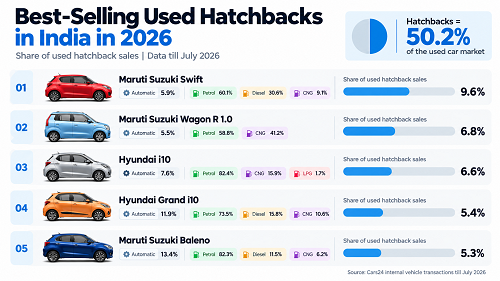
Five hatchbacks alone account for roughly one in every three used hatchbacks sold through one of India’s largest organised resale platforms. The Maruti Suzuki Swift, Wagon R 1.0, Hyundai i10, Hyundai Grand i10 and Maruti Suzuki Baleno together take 33.7% of sales, and the Swift alone accounts for 9.6%, the largest share of any single model.


Best Selling Used Hatchbacks  in India in 2026


Hatchbacks still hold the bulk of India’s used car market, accounting for 50.2% of all used cars sold. That share has been slipping, though, as demand for SUVs keeps rising and more buyers look for extra ground clearance and a commanding road presence. Even so, a hatchback remains the most practical way into car ownership for first-time buyers, small families and city drivers. The same five names keep showing up at the top of used hatchback sales, and each one earns its place for a slightly different reason.


These figures are based on data derived from Cars24’s internal vehicle transactions till July 2026, covering the best-selling used hatchbacks in 2026. Within that dataset, Maruti Suzuki’s three models account for 21.7% of used hatchback sales, with Hyundai’s two at 12.0%. Petrol leads on every model, and manual transmissions still dominate across the board, at 86.6% or more on each one. All shares below are a model’s share of used hatchback sales.
 

Maruti Suzuki Swift
The Swift leads the list at 9.6%, well clear of the Wagon R at 6.8%. It looks sporty, drives with some energy and has stayed within reach of young buyers and small families for two decades. That long history matters on the used side too: because so many people want a Swift, resale is rarely a worry, and that confidence is half the reason people buy one. Fuel choice is varied, with petrol at 60.1%, diesel at 30.6% and CNG at 9.1%. Manual variants account for 94.1% of used Swift sales.


Maruti Suzuki Wagon R 1.0
The Wagon R 1.0 takes second place at 6.8%, and its fuel mix is the most unusual on the list: 41.2% of used sales are CNG, with the remaining 58.8% petrol. CNG buyers tend to be daily commuters who care about cost per kilometre above all else, and the tall-boy body adds generous headroom and an easy driving position. If you’re looking at a CNG one, check the cylinder’s test date and remember that it eats into boot space. Budget helps too, since older examples often turn up among second hand cars under 2 lakhs, depending on age, kilometres and city. Manual variants make up 94.5% of used Wagon R 1.0 sales.


Hyundai i10
The i10 holds 6.6%, a strong showing for a car that’s no longer sold new. Its small size is the draw: it fits tight parking spots, threads through narrow lanes and costs little to maintain, which suits drivers who spend most of their time in dense city traffic. That mix of low upkeep and easy parking is a big part of why older i10s are still bought in such large numbers. Petrol dominates at 82.4%, followed by CNG at 15.9% and LPG at 1.7%. Automatics are rare here, at 7.6% of sales, so 92.4% of buyers chose the manual.


Hyundai Grand i10
The Grand i10 sits at 5.4% and often appeals to buyers who like the i10’s footprint but want a roomier, more modern cabin. It’s also the only Hyundai on the list with a diesel option, taken by 15.8% of buyers, while petrol leads at 73.5% and CNG makes up 10.6%. Automatic uptake is higher than on the i10, at 11.9%, which makes sense for buyers stepping up from a first car. Before you commit to either Hyundai, it’s worth reading a used Hyundai i10 buying guide for the checks that matter on older small cars, from service history to clutch feel.


Maruti Suzuki Baleno
Rounding out the list at 5.3% is the Baleno, the premium pick here. That shows up in transmission choice: 13.4% of buyers go automatic, the highest share of the five. Petrol makes up 82.3% of used Baleno sales, with diesel at 11.5% and CNG at 6.2%. Even so, manual still wins comfortably at 86.6%.


What do these five hatchbacks have in common?
Looked at together, these five are built around low running costs, easy servicing and resale confidence rather than outright features. Manual transmissions dominate every model on the list, while CNG has carved out a place on every one of them, most visibly on the Wagon R. Hatchbacks may be losing share to SUVs, but none of these five is chasing novelty, and that’s arguably the point: buyers here are backing cars that have already proven themselves over years of real-world use.

India's Next Growth Story is Being Built in Bharat: Sankalp Bharat Returns to Lucknow

India’s next generation of entrepreneurs is emerging from its smaller cities, towns and villages, building businesses that solve local problems and serve national markets. Bringing this ecosystem together, Aavishkaar Foundation and Intellecap will host the third edition of Sankalp Bharat on October 28 at Clarks Avadh, Lucknow. 


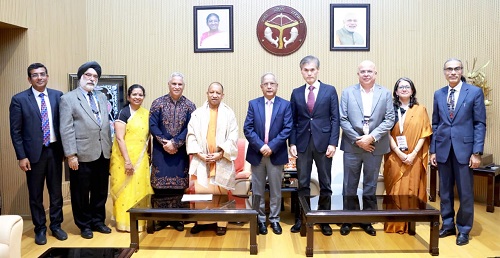
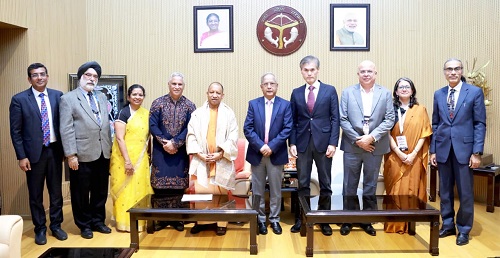
 A delegation from Aavishkaar Group and Intellecap, led by Vineet Rai and U.K. Sinha, met the UP Chief Minister during the 2nd Sankalp Bharat Summit in Lucknow on Dec. 12, 2025


Themed “The Bharat Story: Climate, Culture & Compute”, the summit will convene over 600 founders, investors, institutions and policymakers to explore the opportunities shaping India’s next growth story. 


Entrepreneurs building Bharat 
The summit opens with Manu Nair, founder of reusable-rocket company EtherealX. Bharat Bol, the founder series, will feature Surya Prakash Yadav (UnORG, Lucknow), Tanutejas Saraswat (ShopKirana, Indore, acquired by Udaan), Divya Hegde (Baeru, Udupi), Prof. Nagaraja Prakasam (Nativelead, Madurai), Mausmi Ambastha (Shifu Foundation, Patna) and Tushar Suhalka (Regrip, Jaipur/Gurugram). 


Vineet Rai, Founder and Vice Chairman, Aavishkaar Group, said, “The people closest to a problem are building India’s best solutions, in climate, space tech, AI and livelihoods alike. Our job is to bring them the capital, markets and institutions to turn a good idea from a small town into a national company.” 


Rooted in Uttar Pradesh’s entrepreneurial ecosystem 
Aavishkaar Foundation’s programmes across 25 districts of Eastern Uttar Pradesh have reached 30,000+ students in 500+ government schools and colleges. Its Entrepreneur Investment Programme has backed 40 first-generation entrepreneurs, 80% women, including Pravidhaan Farmer Producer Company in Gorakhpur, supporting 2,000 farmers, and Shiksha Saathi in Varanasi, connecting 237+ schools and 6,700+ learners. 


At Sankalp Bharat, the EIP’s young entrepreneurs will also present their ideas before a jury of investors, policymakers and established founders. 


Lisa Rodricks, CEO, Aavishkaar Foundation, said, “What is exciting is the problems these entrepreneurs are choosing to solve. They are building businesses around real needs in manufacturing, agriculture, skilling and livelihoods. Sankalp Bharat gives us a chance to put these stories and their potential on a larger stage as we create the next phase of India’s entrepreneurial growth.” 


Making capital flow 
Sessions spanning impact investing, venture capital, capital markets and CSR will examine how appropriate financing can reach underserved enterprises, particularly women-led businesses. 


The programme includes an angel investing primer for Uttar Pradesh, an NSE-led Social Stock Exchange masterclass, Ajay Sharma of Edelweiss Public Alternatives speaking on “The Two Indias: Which One Are You Building?”, and a UN Women ARISE workshop helping women SME owners access finance. 


Climate, Culture & Compute 
Climate: GIZ and Intellecap will convene government and financial institutions for a closed-door roundtable on Financing Climate Adaptation, identifying opportunities for GIZ’s i-Adapt: The Climate Adaptation & Innovation Hub, which connects adaptation innovation, financing and implementation. 


Culture: A mainstage discussion, Climate-Informed, Culturally Relevant: Building Liveable Cities for All India, will examine climate-responsive, culturally rooted urban planning, particularly as Uttar Pradesh plans 100 new townships over five years. 


Compute: EkStep Foundation, Caret Capital and JanAI will explore how open digital infrastructure, job-matching platforms and local-language voice AI can expand access to identity, employment and services beyond metropolitan India. 


Syna Dehnugara, Director, Sankalp, said, “Climate, culture and compute may seem like three different conversations, but they are deeply connected in Bharat. How we build our cities, preserve livelihoods and deploy technology will determine whether India’s next phase of growth is truly inclusive and sustainable. These are the questions we want Sankalp Bharat to confront.” 


Together, these conversations will examine how innovation, capital and opportunity can reach entrepreneurs building solutions for Bharat and taking them to the world. 


The detailed summit agenda is attached and can also be accessed here 


About Intellecap
Intellecap, a part of the Aavishkaar Group, is a pioneer in building enabling ecosystems and channeling capital to create and nurture a sustainable & equitable society. Founded in 2002, Intellecap works across critical sectors like Agriculture, Livelihoods, Climate Change, Clean Energy, Financial Services, Gender & Inclusion, Healthcare, Water and Sanitation, and has delivered over 800+ global engagements across 70+ countries and syndicated investments of over USD 2 Billion USD in Capital. Intellecap, through its presence in India and Africa, provides a broad range of Consulting, Research and Investment Banking Services, to Multilateral Agencies, Development Finance Institutions, Social Enterprises, Corporations, Investors, Policy Makers and Donors. Our common action platform, Sankalp Forum, one of the largest global inclusive development platforms, brings together the ecosystem to shape the way markets work for delivering the SDGs 2030. For more details please visit www.intellecap.com


About Aavishkaar Foundation
The Aavishkaar Foundation is the Aavishkaar Group’s Section 8 arm, focused on mass entrepreneurship in Eastern Uttar Pradesh. We currently work across 25 districts, taking entrepreneurship education into government schools and colleges. The Foundation’s belief is that focused intervention in a concentrated geography will help build a thriving entrepreneurial ecosystem in a shorter time and deliver measurable impact. aavishkaarfoundation.in

The VinFast MPV 7 Gives the Last Row The Love It Deserves

The VinFast MPV 7 combines flexible seating, dedicated third-row air-conditioning controls and multi-link rear suspension to make family journeys more comfortable for everyone, including those furthest from the driver.


https://www.newsvoir.com/images/article/image1/37124_vinfast_15-10_2026.JPG

The MPV 7 lets the cabin adapt, rather than making the family adapt to the cabin


A flexible second row gives the third row room to stretch

If you’ve ever owned a seven-seater, you’ll know that a family trip with grandparents, parents and children calls for all three rows. And when the last row is occupied, those passengers deserve more than just a seat and a wish for good luck.


With its 2,840-mm wheelbase, the VinFast MPV 7 offers the foundation for a spacious three-row cabin, giving even those furthest from the driver room to settle in.


The trick is in the second row. Its seats slide forwards and backwards, while the backrests can be adjusted to suit different preferences. Rather than leaving the space between rows set in stone, families can rearrange it according to who is travelling.


If the grandparents are sitting in the third row, for instance, the second row can slide forward to give them extra legroom. Those in the middle row can still adjust their own seating position, so making room for one passenger does not have to mean asking another to sit like a well-cooked shrimp.


That flexibility comes in handy when the passenger list changes from one trip to the next. A drive with just the parents and children may call for one seating arrangement; a family outing with grandparents or relatives may call for another. The MPV 7 lets the cabin adapt, rather than making the family adapt to the cabin.


And when the third row is not needed, the seats can fold away to create more luggage space. A stroller, suitcases or those mysteriously bulky bags that seem to accompany every family holiday can then have their turn taking up room.


The point is that an MPV’s value is not simply about fitting seven people inside. It is about making those seven seats work for the people using them, and knowing when to trade a couple of seats for a little extra luggage space.


Dedicated air vents and multi-link suspension: the last row gets its share of care

Legroom is a good start, but nobody wants to sit at the back waiting for the air-conditioning to remember they exist. With a full cabin on a hot Indian day, getting cool air to the third row is a practical necessity, not a luxury reserved for those sitting closer to the dashboard.


The VinFast MPV 7 addresses this with dedicated air-conditioning vents and controls for the third row, helping passengers at the back stay comfortable when all seven seats are occupied. In other words, the last row need not be the last to feel the breeze.


There are other details to make the journey more comfortable, such as adjustable headrests in the third row that provide support for passengers and a PM2.5 air filter that helps keep the cabin air cleaner. Small considerations, perhaps, but useful when the journey is long and the destination is still a few hours away.


For those sitting at the back, bumps can sometimes feel rather more personal. The MPV 7’s multi-link trailing-arm rear suspension is designed to help manage wheel movement and deliver a more composed ride over speed bumps and uneven roads. Indian roads may have their surprises, but passengers in the last row should not have to experience every one of them quite so enthusiastically.


Ultimately, a seven-seat family car should offer more than enough places to sit. It should make room for different passengers, different luggage loads and the small adjustments that turn a crowded trip into a comfortable one. With its flexible seating, dedicated third-row air-conditioning, adjustable headrests and multi-link rear suspension, the VinFast MPV 7 gives the people at the back more reasons to enjoy the journey, even if they are furthest from the front seat and the music controls.


About VinFast

VinFast (NASDAQ: VFS), a subsidiary of Vingroup JSC, one of Vietnam’s largest conglomerates, is a pure-play electric vehicle (“EV”) manufacturer with the mission of making EVs accessible to everyone. VinFast’s product lineup today includes a wide range of electric SUVs, e-scooters, and e-buses. 


VinFast is currently embarking on its next growth phase through rapid expansion of its distribution and dealership network globally and increasing its manufacturing capacities with a focus on key markets across North America, Europe, the Middle East and Asia.


Learn more at: www.vinfastauto.in.