Home Blog Page 25

18th BML Munjal Awards for 'Business Excellence Through Learning and Development'

The 18th edition of the BML Munjal Awards was presented today at the Mindmine Summit 2026 in New Delhi, recognising organisations that have demonstrated excellence in learning and development while delivering measurable impact for business, customers and society.


https://www.newsvoir.com/images/article/image1/35927_Photo_BML_Munjal_Awards_2026.JPG

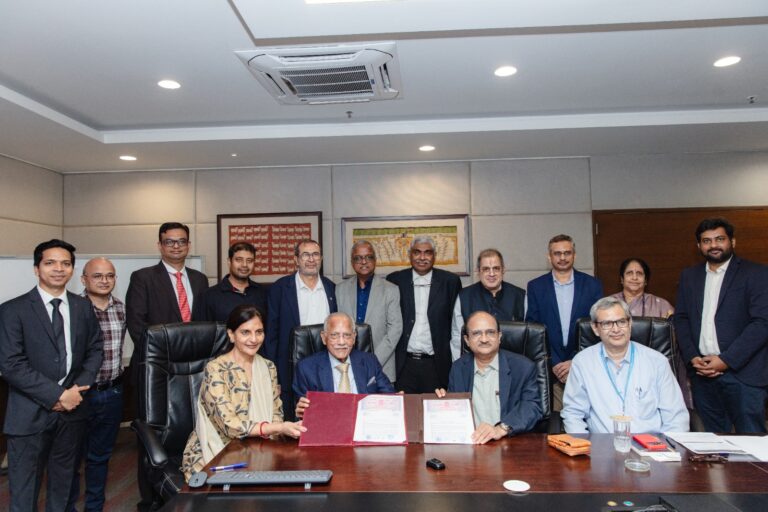
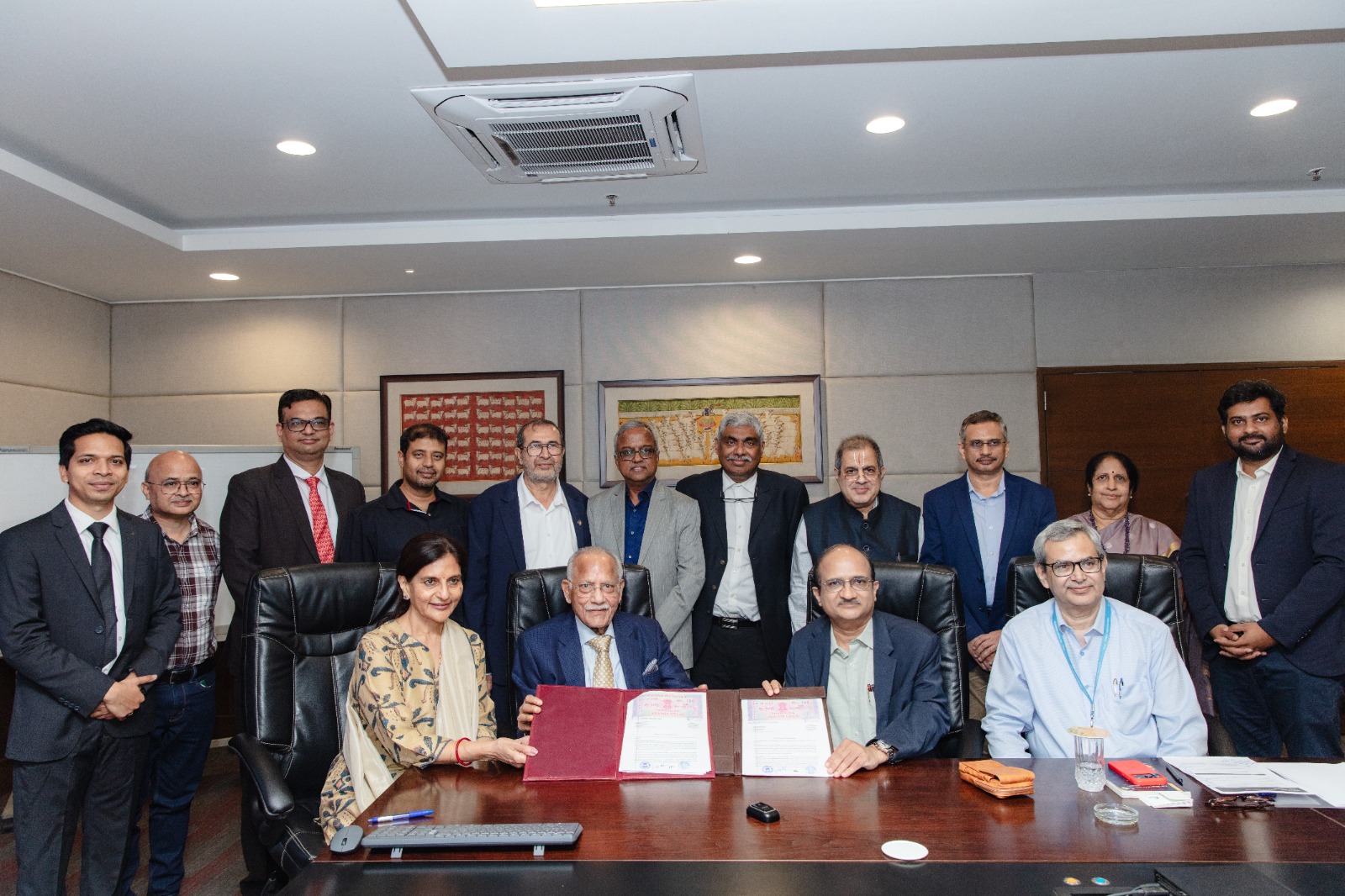
Unveiling of Braille (English) Edition of The Making of Hero at the 18th BML Munjal Awards Ceremony


The winners of the 18th BML Munjal Awards were:

  • Sustained Excellence: Tata Power

  • Public Sector Undertaking (PSU): Engineers India Limited

  • Private Sector Manufacturing: Minda Corporation

  • Emerging Stars: Sagar Defence Engineering


The Jury’s Special Mention Awards were presented to Artificial Limbs Manufacturing Corporation of India (ALIMCO) and Aravind Eye Care System for their outstanding contributions and impact.


Instituted in memory of Dr. Brijmohan Lall Munjal, Founder and Chairman Emeritus of the Hero Group, the Awards honour organisations that view learning as a strategic driver of performance, innovation and long-term growth.


The Awards ceremony was presided over by Shri Mohan Bhagwat, Sarsanghchalak of the Rashtriya Swayamsevak Sangh (RSS), who presented the honours to the winners before delivering a keynote address on “Bharat ka Nirmaan: Roots, Values, Future.”


In his address, Shri Mohan Bhagwat, Sarsanghchalak of RSS spoke about the importance of teaching future generations about taking pride in their work. He highlighted the importance of values-based leadership, social responsibility and institution-building in shaping India’s future. He underscored the need for collective efforts towards national development while remaining rooted in India’s cultural ethos.


Speaking on the occasion, Sunil Kant Munjal, Chairman, Hero Enterprise said, “The BML Munjal Awards were established to recognise organisations that understand a simple but powerful truth: sustainable success is built on people. As businesses navigate rapid technological, economic and social change, the ability to continuously learn, adapt and develop talent has become a defining competitive advantage. The growing participation in these Awards reflects the increasing commitment of Indian organisations to building cultures of learning, excellence and purpose.”


A special highlight of the evening was the unveiling of the Braille edition of ‘The Making of Hero‘ by Shri Mohan Bhagwat and Sunil Kant Munjal. Authored by Sunil Kant Munjal, the book chronicles the inception, growth and evolution of the Hero Group from a family-led enterprise into a globally recognised conglomerate. The Braille edition reflects a commitment to making inspiring stories of entrepreneurship and nation-building accessible to a wider audience.


Over the years, the BML Munjal Awards have emerged as one of India’s most respected recognitions for organisational excellence in learning and development. Participation has grown from 35 companies in the inaugural edition to nearly 300 organisations in 2026, reflecting the increasing importance businesses place on talent development, capability building and continuous learning.


The Awards follow a rigorous multi-stage evaluation process, with assessments conducted by Grant Thornton Bharat, the Awards’ knowledge partner, and final selections made by an eminent jury comprising some of India’s most distinguished business leaders.


The BML Munjal Awards continue to champion learning and development as a cornerstone of organisational excellence, innovation and nation-building, while recognising institutions that are creating meaningful impact through investments in people and capability building.

How Saya Gold Avenue Became One of NCR's Most Coveted Residential Addresses

The residential real estate landscape of NCR has undergone a remarkable transformation over the past decade. As homebuyers increasingly seek premium lifestyles, better connectivity, and world-class amenities, a handful of developments have emerged as benchmark projects in the region. Among them, Saya Gold Avenue, by Saya Homes, Indirapuram on NH24 has established itself as one of the most sought-after residential destinations in the region.


https://www.newsvoir.com/images/article/image1/35923_01_%20Saya_Gold_Collage_4.jpeg

Premium lifestyle and recreational facilities at Saya Gold Avenue have helped establish it as one of NCR’s most sought-after residential destinations


Today, Saya Gold Avenue is not merely a residential project; it is a landmark development by Saya Group that has redefined luxury living in Ghaziabad. From its towering skyline and strategic location to its extensive lifestyle amenities and thriving community, the project has become the preferred choice for discerning homebuyers, business leaders, senior professionals, and successful entrepreneurs.


A Landmark That Redefined Ghaziabad’s Skyline
Standing tall in the heart of Indirapuram, Saya Gold Avenue has emerged as one of Ghaziabad’s tallest residential developments, creating a distinct identity on the city’s skyline. The project comprises eight iconic towers rising up to 39 floors, reflecting contemporary architecture and premium urban living.


Its scale, design, and premium positioning have made it one of the most recognized residential addresses in the region, setting new benchmarks for high-rise living in Ghaziabad.


https://www.newsvoir.com/images/article/image2/35923_Saya_Gold.jpeg

Designed for holistic living, Saya Gold Avenue combines wellness, fitness, recreation, and community spaces in a premium residential environment


Location: The Biggest Advantage
For most homebuyers, location remains the single most important factor while purchasing a home, and this is where Saya Gold Avenue enjoys a significant advantage.


Strategically located in Indirapuram, adjacent to Shipra Mall (now North India Mall) and with seamless access to NH-9, the project offers excellent connectivity to Noida, Delhi, Central Noida, Sector 62, and major commercial hubs across NCR. Residents benefit from proximity to schools, hospitals, shopping destinations, business districts, and public transportation networks.


This combination of accessibility and urban convenience has made the project particularly attractive to working professionals, senior executives, and business families seeking a well-connected lifestyle.


A Lifestyle Centered Around Experiences
One of the defining features of Saya Gold Avenue is its expansive clubhouse and lifestyle infrastructure.


The project boasts an approximately 80,000 sq. ft. clubhouse, among the largest lifestyle facilities in the region, complemented by a wide range of recreational and wellness amenities. Residents enjoy access to a semi-Olympic swimming pool, fitness facilities, indoor and outdoor sports infrastructure, jogging tracks, yoga spaces, children’s play areas, landscaped gardens, and multiple community engagement zones.


In an era where homebuyers increasingly prioritize lifestyle and well-being, these amenities have played a key role in enhancing the project’s appeal.


A Community Preferred by the City’s Achievers
A residential address often derives its value not only from its physical infrastructure but also from the quality of the community it nurtures.


Over the years, Saya Gold Avenue has attracted a diverse mix of accomplished residents, including entrepreneurs, corporate leaders, senior government officials, professionals, and successful business families. This vibrant community has contributed to creating a premium living environment that appeals to like-minded homebuyers seeking a sophisticated urban lifestyle.


The Trust Factor
Real estate is ultimately built on trust. Homebuyers invest their lifetime savings with the expectation that developers will deliver on their promises.


Saya Group’s focus on quality construction, customer-centric development, and project delivery has helped establish confidence among buyers. Over the years, the Saya builder has delivered multiple residential and commercial projects across NCR, creating a strong reputation among homebuyers and investors alike.


This trust has been a key driver behind the success of Saya Gold Avenue and has contributed significantly to its standing as one of the most preferred residential developments in Ghaziabad.


Capital Appreciation
Real estate has always been a strong asset class, helping families create and preserve generational wealth. Saya Gold Avenue has proven to many homebuyers and investors that a property located in the right location, offering world-class amenities, superior construction quality, and developed by a trusted developer, can generate significantly better returns than comparable properties in the vicinity. Over the past few years, property values at Saya Gold Avenue have appreciated three to four times, rewarding homeowners and investors with exceptional returns on their investment.


The project has emerged as a landmark development, with the final few units being sold at prices exceeding Rs. 15,000 per square foot, reflecting strong buyer confidence and its premium positioning in the market. This trend further underscores a broader movement where affluent buyers are choosing established locations like Indirapuram over purely emerging corridors.


Setting New Benchmarks for Urban Living
As Ghaziabad continues to evolve into a mature residential market, projects that combine location, connectivity, architecture, lifestyle amenities, and community living will continue to command strong demand.


Saya Gold Avenue embodies these attributes. With its iconic towers, prime location, extensive lifestyle offerings, and established resident community, the project has emerged as much more than a residential development—it has become a symbol of aspirational living in Ghaziabad.


For many homebuyers, the choice is no longer just about buying a house. It is about choosing a lifestyle, a community, and a long-term address. In that regard, Saya Gold Avenue has successfully positioned itself among the most desirable residential destinations in NCR.

Blue Dart Marks 30 Years of Aviation Operations, Powering Speed, Reliability and Network Certainty

Blue Dart marks 30 years of aviation operations, a milestone that reinforces its leadership in India’s time-definite express logistics industry. Built as a core part of Blue Dart’s integrated express network, its dedicated air express capability has strengthened the company’s promise of speed, reliability and network certainty, while supporting businesses, institutions and consumers with dependable connectivity across India.


Since 1996, Blue Dart’s aviation operations have played a pivotal role in powering its time-definite delivery network, supporting the growth of critical sectors including life sciences, banking and financial services, manufacturing, automobiles, e-commerce and SMEs, while strengthening supply chain resilience across the country.


Over the past 30 years, Blue Dart’s aviation operations have supported more than 2.15 lakh flights and handled over 20.5 lakh tonnes of air cargo, reflecting the scale, consistency and reliability of its air express network. Behind this strength is a dedicated ecosystem of pilots, engineers, operations, safety, security and support teams, whose commitment has helped sustain Blue Dart’s service discipline over three decades.


The company’s aviation network has also played a critical role during times of national need, including the transportation of vaccines, PPE kits and other essential supplies during the COVID-19 pandemic. As India advances toward its vision of becoming a $5 trillion economy, Blue Dart remains committed to driving air cargo momentum, strengthening supply chains, and enabling faster movement of goods across markets.


Commenting on the milestone, Balfour Manuel, Managing Director, Blue Dart Express Limited, said, “Blue Dart’s aviation capability has been a key enabler of our time-definite delivery promise, supporting next-day and under-24-hour delivery commitments across India. It has strengthened the speed, reliability and certainty that customers associate with Blue Dart, while connecting businesses, markets and communities across the country. This capability continues to set Blue Dart apart in India’s logistics landscape and remains central to our commitment to service excellence.”


Speaking on the occasion, Capt. Nikhil B. Ved, Managing Director, Blue Dart Aviation Limited, said, “Completing 30 years of aviation operations is a significant milestone in Blue Dart’s journey. This journey has been defined by operational excellence, safety, trusted collaboration and a relentless focus on customer needs. Above all, it reflects the dedication of our employees and stakeholders, along with the continued support of regulatory authorities, airport partners and service providers. As we enter the next decade, our focus remains on strengthening capabilities, leveraging technology and building a future-ready aviation network that supports India’s evolving logistics ecosystem.”


Today, Blue Dart operates a dedicated fleet of eight Boeing 737 and 757 cargo freighters, forming a critical component of its integrated logistics network and supporting the company’s continued leadership in express logistics. Over the past three decades, this capability has helped build one of India’s most reliable air express networks, supporting the movement of millions of shipments and enabling faster access to markets across metropolitan and emerging growth centres.


As Blue Dart’s air operations enter their fourth decade, the company remains focused on enhancing network resilience, strengthening operational efficiencies, leveraging technology and automation, and supporting the future growth of India’s logistics ecosystem.

IBA Highlights Beverage Industry's Growing Role in Waste Management and Recycling

Moving fast towards becoming a USD 40 billion market by 2030, Indian non-alcoholic beverage industry has taken up the responsibility of ensuring effective waste management as its core operational strategy and is championing the need and necessity of sustainable business by not only meeting the compliance requirements set by the government agencies but by going beyond and planning for the future.


C K Jaipuria, President, Indian Beverage Association (IBA)


Outlining the industry’s initiative and focus on sustainable development, President of the Indian Beverage Association (IBA), Mr. C K Jaipuria said, Driven by the strict mandates under India’s amended Plastic Waste Management Rules and Extended Producer Responsibility (EPR) targets requiring 100% recovery and recycling – the industry is constantly working on driving unprecedented efficiency in the circular economy. The three core pillars to optimize waste management are — lightweight engineering, institutionalized digital collection networks, and the fast-tracked adoption of Food-Grade Recycled PET (r-PET).”


The most efficient way to manage waste is to rationalize material entering the ecosystem in the first place. In this regard, Indian bottling giants have engineered aggressive material reduction programs at the production level,” added Mr. Jaipuria.


The stress on preforming optimization has led to refinement in injection-molding technology, which has allowed companies to reduce the weight of standard PET preforms by 10% to 20% across high-volume packs ranging from 600ml to 2.25L.


Along with this, the closure downsizing is leading to the neck profiles and plastic cap closures for Carbonated Soft Drinks (CSD), juices, and packaged water witnessing weight reductions of 20% to 25%, which is significantly curbing upstream raw polymer consumption,” said Mr. Jaipuria.


The IBA President further outlined that, “The urgency of meeting the central government’s scaling EPR targets has been taken up by the beverage industry in the form of formalizing India’s historically fragmented, informal waste-picking ecosystem. This has been catalysed by the Producer Responsibility Organizations (PROs) and the industry leaders are executing nationwide reclamation strategies via deep joint ventures with specialized PROs such as GEM Enviro and Saahas Zero Waste.”


This socio-economic formalization through these networks is systematically mapping and incentivizing thousands of local kabadiwalas and waste-pickers. By offering guaranteed buy-back pricing, digital weight verification, and direct-benefit payouts, the system is guaranteeing a high-velocity, clean inflow of post-consumer waste.


Adoption of technology through data intelligence platforms by utilizing specialized circular economy platforms like Race Eco Chain and Banyan Nation, beverage brands now track plastic waste digitally from the initial collection point to the processing mill, generating audit-ready, CPCB-compliant (Central Pollution Control Board) plastic credits with absolute traceability.


Mr. Jaipuria added that while the above measures are streamlining the waste management efforts, the goal of the industry and the committed efficiency drive is to transition from downcycling — turning bottles into low-value textile fibers — to a true bottle-to-bottle circular economy.


In this backdrop, to enhance availability of food-grade r-PET access, major players have established large-scale joint ventures with global polymer processors like Indorama to set up advanced washing and resin-manufacturing units. This has unlocked the massive commercial rollout of 100% recycled PET bottles for select flagship product lines, with industry-wide targets aiming for 30% r-PET integration across core portfolios,” he said.


Another step is to bring in sustainable multi-layer cartons for non-carbonated segments and major packaging partners such as Tetra Pak have integrated certified recycled polymers into their multi-layer carton lines in India, which is successfully matching strict FSSAI food-safety standards while mitigating multi-layered plastic disposal challenges.


The efficiency metrics are no doubt climbing, but maintaining this momentum requires mitigation of two critical challenges, said Mr. Jaipuria.


First is the Quality-Grade Deficit. It needs to be understood that producing food-grade r-PET requires highly efficient and pure post-consumer collection streams. The hard reality is if the plastic is contaminated at the municipal dumping stage, it loses its structural integrity for bottle-to-bottle recycling. The industry needs to invest deeper in source-segregation awareness and smart collection kiosks at the consumer touchpoint, and it requires local government and consumers’ support to achieve this objective,” he added.


According to the IBA President, above all, navigating state-level disparities adds to unnecessary hassle and compliance burden. “While the central CPCB portal provides a unified framework, actual municipal infrastructure and waste-handling fees vary drastically across states. Beverage manufacturers need standardized, single-window municipal access frameworks to optimize their reverse-logistics networks across differing geographies.”


The Indian non-alcoholic beverage industry is marching ahead and taking the lead in the waste management march under the sustainable growth paradigm with full understanding that the effort will gain further momentum with the support of all the stakeholders – consumers, government and civil society,” said Mr. Jaipuria

NeoSapien Launches Premium India-Built AI Wearable Neo 1 in the US Market

India’s first AI-native wearable is entering the United States, marking a major milestone in NeoSapien’s ambition to build a globally scaled AI business from India. With the company expecting the US to contribute up to 30% of future revenue over time, the launch represents both a significant commercial opportunity and a key milestone in its international expansion journey.


The entry places NeoSapien in one of the world’s largest and most competitive consumer technology markets, where demand for AI-powered productivity and personal intelligence tools continues to grow. By launching through Amazon, the company gains access to a broad consumer base while accelerating awareness, adoption, and distribution in a market that is expected to play a central role in its long-term growth strategy.


At the centre of the expansion is Neo 1, India’s first AI-native wearable, powered by NeoSapien’s proprietary Second Brain Operating System. Designed to help users capture conversations, organise information, and access contextual assistance throughout the day, the device transforms real-world interactions into structured, actionable insights through an ambient AI experience.


India’s first AI wearable launches in the US, helping you remember what matters from real conversations so nothing is forgotten, Now available on Amazon US


Neo 1 will be available in the United States at a price point of USD 189. The pricing reflects NeoSapien’s conviction that Indian-built AI products can compete in premium global markets on innovation, product experience, design, and trust – not cost alone.


The launch also reflects a broader shift in India’s technology ecosystem. For decades, India has been recognised as a major market for global technology products and a source of engineering talent. NeoSapien’s US entry signals the next phase of that evolution – one where Indian companies are increasingly building proprietary technology, creating intellectual property, and exporting products to international markets.


Traditionally, AI platforms and products have flowed from the United States to India and other global markets. NeoSapien’s launch reverses that narrative, bringing an AI product conceived, built, and commercialised in India directly to American consumers. It highlights the growing maturity of India’s AI ecosystem and the increasing ability of Indian startups to compete in premium global markets.


India has often been associated with technology talent and cost-efficient execution. We believe the next chapter is very different: Indian companies building premium, proprietary products that can stand on their own in the world’s most competitive markets. Neo 1’s US launch at USD 189 reflects that conviction. This is not a value-led entry into the market; it is a premium AI product built from India for global consumers,” said Dhananjay Yadav, Co-founder of NeoSapien.


As AI moves from experimentation to everyday adoption, NeoSapien is focused on building products that help people think, remember, organise, and work more effectively. Its US launch marks an important step in the company’s evolution into a global AI brand while reinforcing India’s growing role in shaping the future of AI products.


About NeoSapien

Founded in 2024 by Aryan Yadav and Dhananjay, NeoSapien is a next-generation AI company shaping the future of wearable intelligence. The brand’s flagship innovation, Neo 1, is India’s first AI-native wearable, designed to transform everyday conversations into actionable insights. NeoSapien is building a new category in personal technology – one that blends adaptive intelligence with human intuition. With its proprietary Second Brain OS and a privacy-first approach, NeoSapien is on a mission to make ‘Second Brain’ technology a global standard, redefining how people think, work, and live in the age of AI.


To know more about the brand, please visit: Website | Instagram


Wibmo Unveils Agentic Risk Intelligence Assistant – an AI Assistant for Financial Crime Operations

Wibmo, a PayU company and leading provider of payment security solutions, unveiled Wibmo Agentic Risk Intelligence Assistant (ARIA), an AI-powered platform designed to transform financial crime operations, at its flagship industry event ‘Securing Digital Payments: Innovation, Intelligence & Trust’ held at Jio World Convention Centre, Mumbai.


Unveiling ARIA in Mumbai: Wibmo’s Agentic Risk Intelligence Assistant brings the power of AI to fraud, AML, KYC, and dispute operations


ARIA is designed to support risk teams at banks and PSPs, combining AI-driven analysis with human decision-making and accountability. This is highly relevant now, as digital payment fraud challenges becoming increasingly complex. With the sustained growth in the payments ecosystem, financial institutions are focused on improving operational risk efficiency while maintaining strong governance and oversight.


Early modelling shows ARIA achieving over 70% reduction in investigation time through agents acting in real-time, enabling teams to process significantly more cases per FTE per day. ARIA targets delivering recommendation accuracy close to 90%, designed to improve quality metrics across risk operations teams.


ARIA represents a fundamental shift in how financial institutions approach risk operations by introducing specialized AI agents that support data aggregation, analysis, and draft recommendations, while preserving human decision-making authority and governance controls at every critical juncture.


ARIA combines capabilities across investigation, decision support, and operational actioning. The platform gathers signals from transactions, risk models, customer and merchant history, linked transactions, and historical fraud patterns to automate data aggregation that typically consumes significant analyst bandwidth. Using frontier AI models, ARIA generates evidence-referenced verdicts, identifies emerging patterns through multi-signal reasoning, and provides transparent, auditable recommendations. The platform also enables SOP-driven resolutions, customer and merchant communications, reduction of false alerts, and proactive defence mechanisms against emerging anomalies.


Shailesh Paul, CEO, Wibmo, said, “As fraud becomes more sophisticated and regulatory expectations continue to evolve, risk operations teams must manage growing complexity with limited resources. ARIA is designed to help institutions scale intelligently by combining the speed and analytical capabilities of AI with the judgment, oversight, and accountability of human expertise. While AI agents assist with data analysis and recommendations, every critical decision continues to remain firmly under human control.”


Unlike fully autonomous AI systems, ARIA is built with a governance-first architecture designed for enterprise financial institutions. Every recommendation continues to flow through existing approval mechanisms without autonomous production actions, while all analyses are supported by transparent reasoning chains and comprehensive audit trails. The platform brings together specialized agents across fraud, AML, KYC, and disputes within a unified framework, alongside replayable audits and complete operational provenance for every agent action.


The launch event brought together more than 50 senior leaders from banks, fintechs, payment networks, and technology organizations to discuss evolving challenges in digital payment security and the future of AI-led fraud prevention. Speakers from PayU, NPCI Bharat Billpay, Visa, Mastercard, Flipkart, CSB Bank, Jio Payment Solutions, and Network International participated in discussions around acquiring fraud risk management, authentication technologies, and risk-based decisioning.


About Wibmo

Wibmo, a PayU company, operates across entities in India, the US, and Indonesia. As a global full-stack PayTech company and an industry leader in payment security and digital payments in emerging markets, Wibmo stands out for its innovation and impact.


In addition to being India’s largest authentication service provider in one of the leading digital payment markets globally, Wibmo offers comprehensive fraud and risk management solutions, digital financial services, prepaid solutions, and a broad range of merchant-acquiring services.


Learn more at: wibmo.com.

Kauvery Hospitals Launches Advanced Pulsed Field Ablation Systems in Chennai for Atrial Fibrillation Treatment in Tamil Nadu

Kauvery Hospital Chennai has launched two of the world’s most advanced Pulsed Field Ablation (PFA) programme in Tamil Nadu, marking a significant milestone in the treatment of heart rhythm disorders (arrhythmias).


Kauvery Hospital launched world’s advanced Pulsed Field Ablation systems to treat heart rhythm disorders


The programme introduces two of the world’s most advanced PFA technologies-Medtronic PulseSelect™ at Alwarpet and Biosense Webster Varipulse™ at Vadapalani, the latter integrated with an advanced 3D cardiac mapping system.


This is the first time that both PulseSelect™ and Varipulse™, along with a 3D mapping-integrated PFA platform, have been introduced in Tamil Nadu. This milestone further reinforces Kauvery Hospitals’ position at the forefront of innovation in cardiac electrophysiology and advanced heart rhythm care.


To mark the launch, leading international electrophysiology experts from the United States visited Chennai and collaborated with the Kauvery Hospitals team to initiate the PFA programme and support the first procedures.


Pulsed Field Ablation (PFA) is a next-generation treatment for heart rhythm disorders, particularly atrial fibrillation (AF), one of the most common cardiac arrhythmias. Unlike conventional ablation techniques that use heat (radiofrequency ablation) or extreme cold (cryoablation), PFA uses precisely controlled electrical pulses to selectively target and eliminate the cells responsible for abnormal heart rhythms.


This process, known as electroporation, enables targeted treatment of affected heart tissue while minimising impact on surrounding structures such as the oesophagus, phrenic nerve, and blood vessels. As a non-thermal technology, PFA represents a significant advancement in both safety and procedural efficiency.


With growing global clinical experience, PFA is increasingly being recognised as one of the most important recent advances in the management of cardiac arrhythmias.


The launch event was attended by Dr. N.S. Sivakadaksham, veteran cardiologist and Chief Guest, who welcomed the introduction of this transformative technology and highlighted its potential to improve outcomes for patients with heart rhythm disorders.


During the event, he also inaugurated Kauvery Hospitals’ new “Heart Rhythm Package”—a specially designed, affordable evaluation programme aimed at enabling early diagnosis and expert care for patients experiencing symptoms such as palpitations, breathlessness, dizziness, unexplained fatigue, or episodes of rapid heartbeat.


The package has been developed to promote early detection and timely treatment, which can significantly improve long-term outcomes and quality of life.


Speaking on the occasion, Dr. Deep Chandh Raja, Director of Cardiac Electrophysiology, Kauvery Hospitals, said, “Three patients were successfully treated at both centers with these procedures. One of the patients is a 69-year female with recurrent palpitations for 2 years. She tried different medicines for her irregular heart beats without any success. PFA procedure was performed within one hour through a key hole access in the right groin. She got discharged the very next day on minimum medicines. The safety, efficacy and fastness makes PFA a unique technology. We are proud to bring this next-generation treatment to Tamil Nadu.”


In addition to Pulsed Field Ablation, Kauvery Hospitals’ Department of Cardiac Electrophysiology offers comprehensive heart rhythm care, including advanced diagnostic services such as ECG, Holter monitoring, and electrophysiology studies, along with specialised arrhythmia clinics. The team also performs a wide range of complex ablation procedures and device therapies such as pacemakers, defibrillators, and cardiac resynchronisation therapy. Supported by state-of-the-art 3D mapping systems and a multidisciplinary team, the department delivers end-to-end care for even the most complex heart rhythm disorders. 


Dr. Aravindan Selvaraj, Co Founder and Executive Director, Kauvery Group of Hospitals, added, “At Kauvery Hospitals, we are committed to bringing proven, evidence-based innovations to our patients. Technologies that simplify procedures, enhance safety, and improve outcomes are central to our approach. The introduction of PFA reflects our continued commitment to delivering world-class cardiac care and ensuring access to the latest global advancements.”


With the simultaneous launch of both PulseSelect™ and Varipulse™ platforms, Kauvery Hospitals continues to strengthen its leadership in advanced cardiac care, offering patients across Tamil Nadu, neighbouring states, and international destinations access to some of the most innovative heart rhythm treatments available today.

Truecaller Ads Launches 'Call-to-Cart', a New Commerce Surface Built on the Communication Layer

Today, Truecaller Ads announced the global launch of Call-to-Cart, an AI-backed intelligent commerce solution that transforms everyday communication moments into seamless commerce experiences.


Truecaller Call-to-Cart: A brand-new AI-driven solution that enables direct advertisers on Truecaller to move consumers from discovery to checkout in just two steps


Every additional click between ad exposure and checkout increases the likelihood of consumer drop-off. Yet most mobile commerce journeys still require users to navigate multiple screens, search for products, and switch between apps before completing a purchase.


Built around Truecaller’s unique position as the world’s leading communication platform, Call-to-Cart enables brands to connect with consumers during two of mobile’s most attentive moments: when a user receives a call and immediately after a call ends. By combining these high-attention touchpoints with AI-powered targeting and commerce integrations, Call-to-Cart reduces the path from discovery to purchase to just two steps.


“Millions of purchase decisions begin outside shopping environments. Communication moments represent an effective commerce surface, and through Call-to-Cart we enable that opportunity. It is a product purpose-built for our largest advertiser category base of FMCG, D2C beauty, pharma, fintech, and mobility, where relevance and timing play a significant role in consumer journey across the full funnel,” said Hemant Arora,VP & Global Head, Truecaller Ads.


What makes Call-to-Cart work is the proprietary technology powering it. “Behind every Call-to-Cart experience is adVantage, an intelligence platform developed in-house by Truecaller to power relevance across the entire journey. Combining an advanced recommendation engine, AI driven personalization and relevant first party signals, adVantage helps connect users with the right offers at the right moment. The result is a commerce experience that feels seamless for consumers and delivers stronger outcomes for advertisers, turning communication moments into measurable commerce opportunities,” said Liniker Seixas, Engineering Director, adVantage, Truecaller Ads.


A Global Launch for a Global Advertiser Base
Call-to-Cart is the first Truecaller Ads solution to launch globally for direct advertisers across its 150+ countries user base. With over 500 million active users worldwide & billions of daily advertising opportunities across its platform, Truecaller offers brands access to communication-driven moments at an unmatched scale.


Exclusive access
Call-to-Cart is highly customisable. In its first phase, Truecaller has whitelisted a select group of ‘always-on’ direct advertisers across key markets to participate in the program. These partners benefit from dedicated onboarding support, bespoke integrations, direct access to the adVantage program, and priority privileges across the platform’s full suite of customization capabilities. This access enables direct advertisers to tailor the experience to their specific business objectives.


About Truecaller and Truecaller Ads
Truecaller is an essential part of everyday communication for over 500 million active users, with more than a billion downloads since launch and 68 billion spam and fraud calls identified in 2025 alone. The company has been headquartered in Stockholm since 2009 and has been publicly listed on Nasdaq Stockholm since October 2021. Advertising is the primary revenue stream for Truecaller. Truecaller Ads serves over 5 billion impressions every day and is trusted by over 10,000 brands.


Visit advertisers.truecaller.com for more information.

The Caravel Group's 5th Annual ESG Report Outlines Strategic Resilience in Global Shipping

Hong Kong SAR
The Caravel Group, a diversified global conglomerate with core businesses in maritime services, commodity trading and investment management, today released its fifth annual Responsibility Report, Encompass. The report details the Group’s progress, key achievements and future targets in running a sustainable and resilient business, with a particular focus on its ship management subsidiary, Fleet Management Limited.


The Caravel Group’s 5th Annual ESG Report Outlines Strategic Resilience in Global Shipping
 

Guided by the four core pillars of the Encompass strategy—Navigating Responsibly, Evolving Environmental Stewardship, Safeguarding People and Working Together—the 2025 report demonstrates how the Group has successfully translated high-level ESG ambitions into measurable, accountable day-to-day operational practices across ship and shore.


Dr. Harry S. Banga, Founder & Executive Chairman of The Caravel Group, said, “Five years ago, we established Encompass as our guiding compass. This fifth annual report is a testament to how we have built a business trusted to perform responsibly, adapt with discipline and remain relevant in a volatile maritime industry. By formally embedding ESG metrics into performance reviews for all onshore employees and establishing strategic initiatives like our LNG bunkering joint venture, we have ensured that responsibility and performance are no longer separate conversations.”


Key Sustainable Milestones in 2025

1. Evolving Environmental Stewardship & Accelerated Decarbonisation

  • The Group achieved a 42% reduction in managed ship GHG emission intensity from its 2008 baseline, significantly exceeding its established 2030 target of a 30% reduction.

  • Currently, 74% of the managed fleet is equipped with advanced Energy Saving Devices (ESDs), including high-performance hull paint, Propeller Boss Cap Fins (PBCFs) and variable speed motors, keeping the Group firmly on track to equip 100% of its fleet by 2030.

  • The Caravel Group entered a strategic joint venture with Celsius Shipping to co-own and operate a new fleet of high-specification LNG bunkering vessels, supporting the maritime sector’s wider transition towards cleaner fuels.


2. Navigating Responsibly & Digital Innovation

  • The Group continued the active pilot deployment of Captain’s Eye, an AI-powered maritime safety solution using onboard CCTV to detect smoke, leaks and safety hazards in real-time.

  • Upgrades to PARIS (integrated fleet management platform) and NOVA (data analytics) provided vessel owners with real-time financial, EU ETS and FuelEU Maritime compliance reporting, bolstering transparency and proactive risk management.


3. Safeguarding People & Safety Excellence

  • Port State Control (PSC) detentions across the fleet plummeted from 22 in 2023 to just 5 in 2025, driven by the Group’s increasingly rigorous safety protocols and strengthened reporting discipline.

  • The Group recorded an exceptional 91% wellbeing score in its annual employee survey, surpassing its 78% target set for 2028 ahead of schedule.
     

4. Working Together, Talent & Community Engagement

  • Following its landmark acquisition of the International Maritime Institute (IMI) in India, the Group integrated a highly reliable, Group-aligned talent channel, welcoming over 500 job-ready cadets to Fleet Management in 2025.

  • The Caravel Group recorded a 92% employee engagement score and a 93% Diversity, Equity and Inclusion (DEI) score.

  • In line with its pledge to commit at least 2% of average net profits over the previous three years to social causes, the Group contributed USD 1,529,993 to community partnerships, education initiatives and disaster relief programmes.


Mr. Angad Banga, Group Chief Executive Officer of The Caravel Group, added, “In today’s market, sustainability is no longer a future consideration—it is an active operating condition. Regulatory frameworks like FuelEU Maritime and EU ETS carry real economic consequences, and our clients look to us for the systems, judgment and commercial depth to navigate this landscape. By pairing digital tools with a robust talent pipeline through the IMI, we are building organisational capability before the moment it is needed, creating a lasting competitive advantage.


To explore the detailed performance data, future targets, and the full version of the Encompass: Responsibility Report 2025, please visit The Caravel Group Website: www.caravel-group.com/our-impact/responsibility-reports


About The Caravel Group Limited

The Caravel Group, headquartered in Hong Kong, is a privately held and globally diversified group with operations across maritime services, dry bulk commodity trading, institutional investment management, and philanthropy. Its maritime division includes Fleet Management Limited, one of the world’s largest third‑party ship managers, with more than 500 vessels under management, and strategic investments, including a major stake in Pacific Basin (HKEX: 2343). Caravel also owns the International Maritime Institute (IMI) in India, reinforcing its commitment to maritime talent development. Through Caravel Asset Management, the Group invests globally across public markets and private equity, while its philanthropic arm, The Caravel Foundation, supports the education and well-being of underprivileged youth across Hong Kong, China, and India.
 

Learn more: www.caravel-group.com.


About Fleet Management Limited

Fleet Management Limited, part of The Caravel Group, is one of the world’s largest third‑party ship managers, with more than 500 vessels under management. This scale bears testament to the resilience and commitment of thousands of seafarers and onshore maritime professionals serving shipowners worldwide.
 

Fleet manages a range of vessels, including bulk carriers, containers, car carriers, oil tankers, gas carriers and chemical tankers from 600 to 320,000 DWT in size – with many being young and energy-efficient with an age profile below the industry average. The company also has a dynamic newbuilding supervision department.
 

Learn more: www.fleetship.com.

Three in Ten U.S. Employers Lose a Full Workday Every Week to Skills Gaps, Chegg Research Finds

  • Three in ten employers (30%) spend more than eight hours each week compensating for workforce skills gaps.

  • More than half (56%) of employers say entry-level workers aren’t prepared for work.

  • 77% of employers in frontline-heavy industries say their skills training is effective – but 71% of employees say it had no impact on their pay or role.

  • 45% of employers and more than one-third (35%) of employees say they have considered quitting due to stress caused by understaffing or skills gaps.

  • More than one-quarter (26%) of employers say the skills gap in their sector is “serious” or at “crisis level.”


New research from Chegg, a global learning and workforce skilling company, reveals a significant skills gap that is placing pressure on employers and employees in frontline-heavy industries across the U.S. The consequences are already being felt: three in ten employers (30%) say they spend more than eight hours every week compensating for workforce skills gaps.


Chegg’s Frontline Workers Skills Index is based on a survey of 1,000 U.S. employers and 1,005 U.S. employees


Chegg’s Frontline Workers Skills Index, based on a survey of 1,000 U.S. employers and 1,005 U.S. employees across ten frontline-heavy industries, including retail, manufacturing, and finance, uncovers a widening perception gap between employers and employees on skills gaps, AI adoption, and training effectiveness, suggesting that traditional approaches are no longer enough. By employers, the survey refers to respondents who are fully or partly involved in hiring decisions at their organization; employees refer to those with no responsibility for hiring.

The most important finding in this research is that employers and employees are often looking at the same workforce challenges but diagnosing completely different problems,” said Dan Rosensweig, Chief Executive Officer of Chegg. “Employers are focused on AI readiness, adaptability, and operational performance, while employees are focused on career mobility, leadership, and advancement. Neither side is wrong – but most training programs were never designed to bridge that gap.”

What workers are telling us very clearly is that generic training without practical application or measurable career impact no longer works. At a time when AI is rapidly reshaping the workplace, organizations need training that helps employees perform better in the roles they have today, while building the capabilities needed for tomorrow. That is exactly the problem Chegg Skills was built to solve.”

The Business Costs of Skills Gaps
The research shows that workforce skills shortages are already creating significant operational and human costs across industries. Nearly one-third of employers (30%) say they spend more than eight hours per week, the equivalent of a full working day, compensating for workforce skills gaps. In manufacturing, that figure rises to 46%.

The consequences are being felt across day-to-day operations. Employers identified increased mistakes and rework (34%), increased stress and burnout (33%), heavier workloads or covering for others (31%), and overtime or longer shifts (29%) as some of the most common impacts of skills shortages at their organization.


The strain is also affecting morale and retention. Nearly half of employers (45%) and more than one-third of employees (35%) say they have considered quitting due to stress caused by understaffing or workforce capability gaps. In food service and hospitality, 57% of employers and 43% of employees reported they had considered leaving their role, the highest among all sectors surveyed.

Training Programs Are Failing Workers – And Employees Know It
The workforce skills shortages begin before employees even enter the workplace. More than half of employers (56%) say entry-level workers are not adequately prepared for work, while more than one-quarter (26%) describe the skills gap in their sector as either “serious” or at “crisis level.”

Once employees enter the workforce, the picture does not improve. While employers overwhelmingly believe workforce training programs are working, employees are less convinced, pointing to a deeper problem in how training is designed and delivered.


More than three-quarters of employers (77%) say training programs are effective overall, compared to 58% of employees. However, most employees (71%) say that training has led to no change in their pay or role.

The findings suggest the issue is not a lack of investment or motivation, but a lack of relevance and practical impact. From those who say it was not effective, 51% of employees say their training is too general or not connected closely enough to their day-to-day responsibilities. Employees also cite not enough hands-on practical learning (39%), insufficient coaching (34%), and weak managerial support (27%) as barriers to successful training outcomes.

Employers and Employees Agree There’s a Skills Problem, But Not on What It Is
The research reveals a growing perception gap between employers and employees about which skills are most urgently needed in today’s workplace.

While both groups agree that workforce capability gaps exist, they differ significantly on where the problem lies. Employers identified AI and automation skills (36%) and digital or IT capabilities (24%) as the most lacking in their workforce, reflecting the growing pressure to adapt to rapidly changing technologies.

Employees, however, pointed to leadership and people management (25%) as the biggest deficiency in their workplace, followed by communication and teamwork skills (24%). The findings suggest many workers see the challenge not only as a technical skills issue but also as a management and workplace culture issue.

At the same time, employers ranked problem-solving and critical thinking (36%) and communication and teamwork (34%) as the two most important skills for long-term success – highlighting demand for both durable human skills and technical fluency.
 

AI Is Accelerating Faster Than Workers Are Adapting
The report also reveals a disconnect between how quickly employers are embracing AI and how slowly employees are adapting to it in their day-to-day work.

While 83% of employers say they feel confident using AI tools in their current role, only 44% of employees say the same. The divide is even more striking when it comes to career urgency: surprisingly, just 3% of employees believe AI proficiency is becoming critical to advancement in their role, compared to 18% of employers who say the same.

The findings suggest the biggest challenge may not simply be an AI skills gap but an awareness gap. Many employees do not yet recognize how rapidly workplace expectations are changing around them. More than half of employees (52%) say AI is not currently used in their role at all, meaning they have little opportunity to build practical fluency with the technology on the job.

At the same time, employers are integrating AI into workplace operations and decision-making. Only 14% of employers say AI is not currently used in their role at all, and one-quarter (25%) say AI use is already becoming expected in their role.