Home Blog Page 16

The South Buys Newer, the North Holds Longer: India Is Three Used Car Markets in One

Cars24 and Team BHP’s Gears of Growth 2025 report finds that preference for car age has significant regional differences. Southern markets are skewed towards 2019 and newer vehicles, western markets churn steadily across 2017 to 2021 model years, and North and Central India hold on to cars the longest.


National statistics flatten India’s used car market into one number. The Cars24 and Team BHP Gears of Growth 2025 report, drawn from over 33 million users, pulls it apart and finds three distinct markets running on three different clocks. The variable that separates them is not the models people buy, but how old the car is when it changes hands.


Southern markets show a higher concentration of vehicles from 2019 and later. Western India trades across a balanced spread of 2017 to 2021 model years. North and Central India carry a greater share of 2017 to 2019 and pre-2017 vehicles. The report’s conclusion is direct: regional economics and buyer preferences shape inventory age profiles more than most buyers realise.


Three regions, three ownership clocks

The regional split in the Gears of Growth 2025 report:


Source: Cars24 x Team BHP Gears of Growth 2025 Report


In the South, the report points to faster upgrade cycles and higher car adoption, which keeps inventory young. For a buyer in Bengaluru, Chennai or Hyderabad, the practical effect is a shelf weighted toward 2019 and newer cars. A three to four year old vehicle is mainstream stock here, not a premium find. The same report finds Tamil Nadu’s share of national demand rising from 6.1 percent to 6.5 percent and Karnataka’s from 10 percent to 10.4 percent in 2025, a steady climb consistent with markets where cars circulate quickly.


Western India behaves like the market’s metronome. Maharashtra, the country’s single largest used car market at 15.1 percent of national demand, and Gujarat, which posted the largest state-level gain of 2025 at 8.7 to 10.2 percent, both trade across an even spread of 2017 to 2021 model years. In Mumbai, Pune or Ahmedabad a buyer finds roughly equal odds of a five-year-old or a two-year-old car. The report calls this stable ownership churn: cars enter and exit ownership at a consistent rhythm rather than in waves.


North and Central India run the longest clock. The region’s higher share of 2017 to 2019 and pre-2017 vehicles points to owners who keep cars well past the national norm, and to what the report describes as value-driven resale behaviour. A buyer in Delhi NCR or across Uttar Pradesh, which alone holds 11.7 percent of national demand, will see more six to eight year old cars on the shelf than a southern buyer does. A car in this market is held, maintained, and sold late in its life, often to a buyer who intends to do exactly the same.


Why the clocks run at different speeds

The report attributes the divergence to regional economics and buyer preferences rather than any single cause. Southern states lead the country in adopting newer automotive technology: Karnataka and Maharashtra together account for 68 percent of all used EV purchases nationally. Markets comfortable buying the newest category of vehicle are, predictably, also the markets where recent model years dominate.


Longer holding in the North reads as strategy, not lag. An owner who runs a car for eight or nine years extracts the maximum use from a depreciating asset before selling it into a deep pool of value-focused buyers. The report’s non-metro data reinforces this: demand there concentrates in low-maintenance, affordable models such as the Swift Dzire, Wagon R and Alto, exactly the cars built to be owned long and sold late.


What this means for used car buyers and sellers

For buyers, geography now shapes the shelf. Someone buying a second-hand car in Chennai will encounter a younger inventory mix, weighted to 2019 and newer, than someone shopping in Lucknow, where six to eight-year-old cars are common, even on the same platform on the same day.


For sellers, the same car meets different demands depending on where it is sold. A 2020 vehicle is mid-life stock in a southern market that skews to 2019 and newer, and comparatively fresh inventory in a northern market dominated by older cars. Timing a sale against the regional clock, not the national average, is the more informed move.


All figures in this article are sourced from the Cars24 Team BHP Gears of Growth 2025 report, based on Cars24 internal transaction data comprising over 33 million users as of December 2025. 

Azim Premji University Launches Realising Rights: A Handbook of Welfare in India

India has built one of the world’s largest welfare systems, covering a majority of its population through programmes focused on food security, health, education, nutrition, employment, and social protection. Welfare measures such as the Public Distribution System (PDS), MGNREGA, and social security transfers played a critical role in protecting vulnerable households during the COVID-19 pandemic.
 

Delhi Event – Azim Premji University Launches Realising Rights A Handbook of Welfare in India
 

To examine the strengths, gaps, and future of India’s welfare architecture, Azim Premji University has released Realising Rights: A Handbook of Welfare in India. Developed by the Centre for the Study of the Indian Economy (CSIE), the Handbook brings together 27 authors across 18 chapters and offers a rights-based analysis of India’s welfare policies and public systems.
 

Key messages from the Handbook include:

  • State governments account for nearly 90% of India’s social sector spending, while the Union government’s share has declined from 23.6% in 2008-09 to 8.5% in 2024-25.

  • Governments collectively spend about 7% of GDP and 21% of total public expenditure on welfare sectors and schemes covered in the volume.

  • Public spending on education remains around 4% of GDP and health below 2% of GDP, both below policy targets.

  • Rights-based interventions have significantly expanded welfare coverage:

  • Anganwadi centres increased from 6 lakh to 14 lakh following Supreme Court orders.

  • The National Food Security Act expanded subsidised foodgrain coverage from 36.3 crore to over 81 crore people.

  • MGNREGA generated 200–300 crore person-days of employment annually, with women accounting for over 55% of employment generated.

  • The rapid expansion of cash transfer programmes is reshaping welfare delivery, while increasing digitisation is creating new challenges around exclusion and accountability.

  • Key programmes continue to face gaps in coverage, funding, and implementation, including maternity benefits, nutrition programmes, pensions, and healthcare.
     

Indu Prasad, President, Azim Premji University, said “India’s Constitution embodies a commitment to dignity, opportunity, and justice for every citizen. We hope this Handbook contributes to informed public dialogue and strengthens collective efforts to build a more equitable and inclusive India, advancing the aspiration of a Viksit Bharat that leaves no one behind.”
 

Dipa Sinha, Centre for the Study of the Indian Economy, Azim Premji University, said, “The Handbook provides a comprehensive view of India’s welfare landscape through an analysis of major rights-based interventions of the Union government. We hope it serves as a valuable resource for academics, journalists, practitioners, and students, while helping translate research into action.”
 

By bringing together evidence from across sectors, Realising Rights: A Handbook of Welfare in India contributes to informed debates on welfare policy, governance, and social justice, and underscores the importance of strengthening universal and accountable public services.
 

The Handbook is available online at: azimpremjiuniversity.edu.in/publications/2026/book/realising-rights.


About Azim Premji University

Azim Premji University, Bengaluru, was established under the Azim Premji University Act 2010 of the Government of Karnataka. Azim Premji University, Bhopal, was established under the provisions of Madhya Pradesh Niji Vishwa Vidyalaya (Sthapana Avam Sanchalan) Dwitiya Sanshodhan Adhiniyam, 2022. Azim Premji University in Ranchi has been established under the Azim Premji University Act, 2022, enacted by the Government of Jharkhand.


Azim Premji Foundation, the sponsoring body, set up all three Universities as fully philanthropic entities, with a clear social purpose of contributing to the realisation of a just, equitable, humane, and sustainable society.

Check Credit Score on Bajaj Finance in Just 2 Minutes with a Free and Secure Online Process

Understanding one’s credit health has become an important part of financial planning. A strong credit profile can help individuals make informed borrowing decisions, prepare for future financial needs, and stay aware of their overall financial standing.


Check Credit Score on Bajaj Finance in Just 2 Minutes with a Free and Secure Online Process


As consumers increasingly manage their financial journeys digitally, having easy access to credit information can help them make timely and informed decisions. To make credit monitoring more accessible, Bajaj Finance has introduced a simple and convenient way for customers to access their credit information through the Bajaj Finance Credit Pulse Report.


The digital platform enables users to check their credit score online through a secure verification process, helping them understand their credit profile and stay informed about their financial health.


What is a credit score and why does it matter?

At its core, a credit score is a three-digit numerical representation of an individual’s creditworthiness, generated by licensed credit bureaus such as Experian, TransUnion CIBIL, Equifax, and CRIF High Mark. In India, the score operates on a scale from 300 to 900.


A credit score is influenced by several factors, including:

  • Repayment history: Timely payment of EMIs and credit card dues plays an important role in building a healthy credit profile.

  • Credit utilisation ratio: This reflects how much of the available credit limit is being used and indicates credit management behaviour.

  • Length of credit history: A longer and consistent credit history can provide greater insights into repayment patterns.

  • Credit mix: Maintaining a balanced combination of secured and unsecured credit can contribute to a well-rounded credit profile.

  • Recent credit enquiries: Multiple credit applications within a short period may impact how lenders view credit behaviour.


Understanding what is credit score forms the essential first step towards building financial awareness. Acting on this knowledge — by checking score regularly and managing credit behaviour responsibly — can help borrowers make informed decisions and avoid challenges during their financial journey.


How to check credit score through Bajaj Finance Credit Pulse Report

Customers can follow a few simple steps to access their credit information:


Step 1: Visit the Bajaj Finance Credit Pulse Report page

Customers can begin the process by visiting the Bajaj Finance Credit Pulse Report page and selecting the option to check their credit score.


Step 2: Complete mobile number verification

Users need to enter their registered mobile number and authenticate their identity using an OTP.


Step 3: Provide basic details

Customers may need to share details such as their name, date of birth, PAN details, email address, mobile number, and residential PIN code to complete verification.


Step 4: View credit score instantly

After successful verification, users can view their credit score and understand their current credit profile.


Step 5: Access detailed credit insights

Customers can also review their credit report details, including credit accounts, repayment history, and credit enquiries, helping them better understand their financial profile.


Why regularly checking credit score matters

Regular credit monitoring is an important financial habit. It allows individuals to stay updated about their credit profile, identify inaccuracies, and take timely steps to maintain healthy credit behaviour.


Many consumers believe that checking their own credit score frequently can reduce it. However, checking one’s own credit information through a personal credit check does not negatively impact the score.


Understanding this difference can encourage consumers to monitor their credit profile regularly without hesitation. By staying aware of their credit information, individuals can make better-informed decisions while planning their financial goals.


The Bajaj Finance Credit Pulse Report enables customers to access their credit information conveniently, helping them build greater awareness about their credit profile.


Supporting smarter financial decisions through digital innovation

With financial services becoming increasingly digital, customers today expect solutions that are simple, secure, and accessible. Digital tools that provide greater visibility into financial information can help individuals become more confident in managing their financial journeys.


With a quick, secure, and user-friendly process, customers can now check their credit score and gain deeper insights into their credit profile with ease.


*Terms and conditions apply.


About Bajaj Finance Limited

Bajaj Finance Ltd. (‘BFL’, ‘Bajaj Finance’, or ‘the Company’), a subsidiary of Bajaj Finserv Ltd., is a deposit taking Non-Banking Financial Company (NBFC-D) registered with the Reserve Bank of India (RBI) and is classified as an NBFC-Investment and Credit Company (NBFC-ICC). BFL is engaged in the business of lending and acceptance of deposits. It has a diversified lending portfolio across retail, SMEs, and commercial customers with significant presence in both urban and rural India. It accepts public and corporate deposits and offers a variety of financial services products to its customers. BFL, a thirty-five-year-old enterprise, has now become a leading player in the NBFC sector in India and on a consolidated basis, it has a franchise of 69.14 million customers. BFL has the highest domestic credit rating of AAA/Stable for long-term borrowing, A1+ for short-term borrowing, and CRISIL AAA/Stable & [ICRA]AAA(Stable) for its FD program. It has a long-term issuer credit rating of BB+/Positive and a short-term rating of B by S&P Global ratings.

DTU and Esri India Join Hands to Advance GeoAI Education and Research

Esri India, the market leader in Geographic Information System (GIS) software, location intelligence, and mapping solutions in India, today announced the signing of a Memorandum of Understanding (MoU) with Delhi Technological University (DTU) to establish a Centre of Excellence (‘CoE’) in Geospatial Technologies with a focused thrust on GeoAI. The partnership marks a significant step in bridging the gap between industry’s expectations for geospatial skills and academic programs, equipping the next generation of engineers, researchers and data scientists with cutting-edge GIS and GeoAI capabilities through world leading Esri technology.


DTU and Esri India Join Hands to Advance GeoAI Education and Research


Under the MoU, Esri India will support DTU’s Department of Geospatial Science & Technology in establishing the ‘CoE’ with globally renowned ArcGIS software. The Center will have access to learning resources and geospatial content through ArcGIS Living Atlas.  The company aims to enable applied GeoAI solutions, conduct Faculty Development Programs (FDPs), and facilitate merit-based internships for the students.


DTU, one of India’s premier technological universities, has a strong foundation in Geospatial Sciences and Technologies, Computer Science, Electronics and Communication Engineering, Civil Engineering and Space Applications etc. With the collaboration with Esri India, DTU aims to develop new curricula, particularly for its new upcoming UG, PG and Executive programs and enhancement of existing courses using the Indo ArcGIS platform.


Agendra Kumar, Managing Director, Esri India, said, “Geospatial intelligence and AI are converging rapidly, and India needs a skilled workforce that can harness this power for real-world impact. Our partnership with DTU through this Centre of Excellence reflects Esri India’s commitment to embedding GeoAI thinking into the mainstream academia. We look forward to working alongside DTU’s faculty and students to build capabilities that will shape how India plans its cities, manages its resources, and prepares for the future.”


Prof. Prateek Sharma, Vice Chancellor, DTU expressed his happiness on the signing of an MoU between DTU and Esri India. He expressed hope that this MoU will turn out to be a milestone in the saga of industry-academia collaboration and will get emulated by many others in the coming years. He laid the vision for the Department of Geospatial Science and Technology (DGST) at DTU. He mentioned that DGST, DTU aspires to be a global leader in Geospatial Education, Research and Consultancy. DGST intends to launch not only executive Master’s Programs in Geoinformatics but also UG programs in Geospatial Science and Geoinformatics. DTU believes that the Geospatial segment not only needs to develop a technology vertical but also focus on Geospatial and Space Sciences. DTU aims to be a leader in the county in establishing Geospatial Science and Technology as an independent discipline.         


With Esri’s ArcGIS at the heart of the ‘CoE’, DTU students and researchers will gain hands-on exposure to technologies that are new and upcoming, but also to the technologies which are actively being used by government agencies, urban planners, defence establishments and environmental organizations across the country.

Ai+ Smartphone Begins Sales of Nova 2 Pro and Nova 2 Neo Starting 26th June

Ai+ Smartphone today announced the commencement of sales of its latest devices, Nova 2 Pro and Nova 2 Neo, as part of the newly launched Nova Series. Designed to cater to a broad spectrum of users, from first-time smartphone owners to performance-focused upgraders, the Nova 2 Neo and Nova 2 Pro will be available exclusively on Flipkart and select retail outlets starting June 26 at 12 noon. 


Nova2 Neo 5G and Nova2 Pro 5G


The launch of Nova 2 Neo and Nova 2 Pro builds on the strong momentum of the Nova Series, which has witnessed exceptional consumer demand and growing affinity among Indian smartphone buyers since its inception.


The units will be available at the following pricing (Day 1 of Sales):


Nova 2 Neo 5G
 4GB + 128GB | Rs. 12,999
 6GB + 128GB |
Rs. 13,999


Nova 2 Pro 5G
 6GB + 128GB |
Rs. 14,999* onwards
 8GB + 128GB |
Rs. 16,999* onwards


**Including Rs. 1,000 Bank Offer on all Banks (Debit/Credit)


Commenting on the commencement of sales, Madhav Sheth, CEO, Ai+ Smartphone and Founder, NxtQuantum Shift Technologies said, “The Nova 2 Neo and Nova 2 Pro reflect our effort to make capable, well-designed and dependable smartphone experiences accessible to a wider set of consumers. We have focused on the things that matter most in daily use – performance, battery life, imaging, software quality and privacy so that users do not have to compromise based on budget. With sales beginning today, we are excited to bring the next chapter of the Nova Series to more users across India.” 


Nova 2 Neo: Built for Everyday Reliability
The Nova 2 Neo is powered by the MediaTek Dimensity 6300 5G chipset and features a 6.745-inch HD+ display with a 120Hz refresh rate for smooth everyday use. It runs on Android 16-based NxtQuantum OS, offering a clean software experience backed by the NxtPrivacy Dashboard and AI Key support. The device houses a 48MP Sony IMX582 AI camera and an 8MP front camera for everyday photography and video calls. A 6000mAh battery with 18W charging support ensures all-day usage, while a side-mounted fingerprint scanner, IP65 dust and water resistance, dual SIM 5G, expandable storage of up to 2TB, and a slim 8.5mm profile round out a highly practical package.


Nova 2 Pro: Built for Performance and Creativity
The Nova 2 Pro is powered by the MediaTek Dimensity 7100 chipset and features a 6.9-inch FHD+ punch-hole display with a 144Hz refresh rate, up to 800 nits HBM brightness, and a multi-layer cooling system for sustained performance. It runs on Android 16-based NxtQuantum OS with the NxtPrivacy Dashboard and advanced AI Key customisation. Its camera setup includes a 48MP Sony IMX582 AI main camera, an 8MP ultra-wide camera, and a 13MP front camera built for content creation and video communication. The device features customisable lights in the back panel for calls, messages, and notifications, a premium 2.5D glass finish, dual stereo speakers, dual microphones, UFS storage with expandable memory of up to 1TB, and a 6000mAh battery with 33W fast charging.


With the Nova 2 Neo and Nova 2 Pro, Ai+ Smartphone continues to make trusted technology more accessible, combining reliable performance, user privacy, and meaningful innovation for everyday users. 


About Ai+ Smartphone
Ai+ Smartphone is a next-generation brand built in India, delivering reliable and high-performance mobile experiences. Powered by NxtQuantum OS, India’s first sovereign mobile operating system. The brand focuses on delivering a clean design, ensuring long battery life, and maintaining trusted software performance, all while keeping prices accessible without compromising the user experience.


From redefining smartphones to pioneering AIoT products as part of the company’s Connected Ecosystem, Ai+ Smartphone is creating a new standard for trust, immersive experience, and accessibility. Rooted in a privacy-first architecture and a commitment to equitable access, Ai+ Smartphone stands for more than specs — it stands for India’s next era of user-owned, future-ready technology.


About NxtQuantum Shift Technologies
NxtQuantum Shift Technologies is a deep-tech Indian company building secure, sovereign digital platforms for a digital-first world. Founded by Madhav Sheth, the company develops NxtQuantum OS, India’s first sovereign operating system, and is committed to building technology that is authored in India and globally competitive.


Experience Hong Kong's Most Exciting Summer Yet with World-Class Events, Attractions and Seasonal Offers

Hong Kong

This summer, Hong Kong is turning up the energy with a citywide celebration packed with festivals, family attractions, sporting spectacles and limited-time offers. The “Hong Kong Summer Fun” campaign brings together some of the city’s biggest seasonal events alongside exclusive “Summer Deals,” creating even more reasons to plan a summer escape to the Events Capital of Asia. From dragon boat racing and family fun to immersive exhibitions and world-class football, there’s something for everyone.


Enjoy Hundreds of Thousands of Summer Deals and an Exciting Citywide Events Experience


To make a summer getaway even more rewarding, the “Summer Deals” programme is now rolling out in phases through 31 August, unlocking rewards and savings at every step of the visitor journey — across attraction offers, transport discounts, shopping rewards and dining perks. The initiative helps travellers make the most of their Hong Kong getaway with exclusive seasonal savings from planning to departure.


Unlock Hundreds of Thousands of Deals Across the City All Summer Long


Earn Double Rewards Even Before You Arrive in Hong Kong
In partnership with Trip.com Group, HKTB is launching more than HK USD 20 million worth of offers across 19 attractions and three transport operators. From now on until 31 August, eligible visitors who book a participating Hong Kong hotel stay through Trip.com  for the period from 1 July–14 September, with a single transaction of HK
USD 1,500 or above, can unlock a “Summer Getaway Pack” featuring one attraction and one transport discount of up to 50 percent off. Rewards drop in two summer waves on 15 June and 14 July on a first-come, first-served basis, allowing travellers to experience more of Hong Kong for less.


Some highlighted participating experiences in the first wave include:


  • Up to 50% off on Roundtrip Standard Cable Car Ticket by Ngong Ping 360

  • Up to 50% off on Essential Ticket by Big Bus Tours

  • 30% off on Sha Tin Racecourse & Happy Valley Racecourse F&B Experience + Guided Tour by The Hong Kong Jockey Club


Collect Multiple Rewards Throughout Your Stay in Town 
From 1 July–31 August, visitors can access “Summer Instant Rewards” through a collaboration with AlipayHK, Alipay and Alipay+. By leveraging Alipay+’s international partner e-wallet user base, visitors can scan designated QR codes at nearly 100 participating shopping malls across the city, including Central Market, Festival Walk, Hysan Place, ifc mall, Hong Kong International Airport, K11, Mira Place, New Town Plaza, Olympian City, Peak Galleria, SOGO, Stanley Plaza, Times Square, Windsor House, and more—to receive a random spending rewards of up to HK
USD 500 or RMB500 to be used at any merchant displaying the AlipayHK, Alipay or Alipay+ payment acceptance mark. 


In addition, more than 150 exciting merchant offers will be available across participating malls. Highlights include


  • AIRSIDE – Admission Ticket to the “The Cha Chaan Teng Codex — Tales of Invisible Designs” exhibition;

  • Central Market – Redeem a premium butterfly pastry gift box for HK USD 58 upon spending HK USD 200 or above at Imperial Patisserie; 

  • Festival Walk – Enjoy a buy-one-get-one-free ice rink offer at Glacier and complimentary 2D movie tickets at Festival Grand Cinema; 

  • MegaBox – Enjoy an extra 30% off at the i.t Outlet; 

  • Mira Place – Enjoy HK USD 100 off upon spending HK USD 400 at Mira Dining;

  • Nina Mall – Enjoy bonus gaming tokens, with HK USD 200 purchase receiving an additional HK USD 140 at Jumping Gym; 

  • The Peak – Enjoy 15% off all regular-priced menu items at Bubba Gump; 

  • T Town / Kai Tin Shopping Centre / Temple Mall / Lok Fu Plaza – Enjoy HK USD 100 off upon spending HK USD 500 at SKECHERS


All of which are open to both local residents and visitors. What’s more, visitors can also enjoy a citywide collection of shopping and dining offers delivered in partnership with the Quality Tourism Services Association (QTSA) and the Hong Kong Retail Management Association (HKRMA), with buy-one-get-one free offers and some hot picks from HK USD 1 or HK USD 10 at various merchants. Rewards are on a first-come, first-served basis. Some of the rewards are limited to registered users on Discover Hong Kong one-stop travel information platform only. Stay tuned for more details.

Highlighted rewards include:


  • Buy 1 Get 1 Free Black Pearl Tasting Menu at Chinesology (original price HK USD 3,054)

  • Buy 1 Get 1 Chef’s signature Tasting Set at restaurants under Lubuds group, including Sushi Zushi & Toriten (original price HK USD 588 for one)

  • HK USD 1 for a selected flavor of Abalone Bites (12 pcs) at On Kee (original price HK USD 99)

  • HK USD 1 for a Winter Melon Pastry (Wife Cake) at Kee Wah Bakery (original price HK USD 12)

  • HK USD 10 for BBQ Pork with Egg and Rice at Men Wah Bing Teng (original price HK USD 72)

  • HK USD 10 for Big Mac® at McDonald’s (original price from HK USD 25.5)


Dive into a Packed Programme of Events Throughout the City
Alongside the unmissable “Summer Deals,” visitors can look forward to a packed programme of exciting events, dragon boat thrills and summer festivities, experiencing the vibrant charisma of the Events Capital of Asia.


Sun Life Hong Kong International Dragon Boat Festival: Experience a Uniquely Hong Kong Celebration of Dragon Boat Heritage, Festive Treats and Fun
19 June–1 July 2026 | Tsim Sha Tsui promenade


Kicking off the season is the “Sun Life Hong Kong International Dragon Boat Festival”, running from 19 June–1 July. At its heart is the 50th-anniversary edition of the “Sun Life Hong Kong International Dragon Boat Races”, organised by the Hong Kong Tourism Board (HKTB), co-organised by the Hong Kong China Dragon Boat Association (HKCDBA) and proudly title-sponsored by Sun Life. It will transform the Tsim Sha Tsui waterfront into one of the city’s most thrilling annual spectacles on 27–28 June. More than 220 teams from 16 countries and regions will compete across 21 races in Victoria Harbour.
 

For the first time, the celebration expands into a 13-day festival extending far beyond the races. Along the Avenue of Stars, visitors can explore a Dragon Boat Food Lane, and discover themed photo spots, including Sun Life HK Dragon Boat Co-Creation Zone, a 22-metre traditional wooden dragon boat, a dragon boat-themed installation in collaboration with the new film Minions & Monsters, etc. A programme of intangible cultural heritage workshops will also offer hands-on experiences such as fishing net plaiting, blown sugar making and traditional lye rice dumpling making. Tourists can partake in a uniquely Hong Kong celebration that blends sport, culture and a lively waterfront atmosphere.
 

Pixar Summer Fest: Step Into the Bigger World of Pixar from Day to Night
12 June–31 August 2026 | Hong Kong Disneyland Resort


Hong Kong Disneyland Resort invites guests into its first-ever “Pixar Summer Fest,” transforming the resort into a colourful world filled with beloved Pixar characters and immersive experiences. The centrepiece is the all-new “Pixar Pals Spectacular”, an eight-minute nighttime experience combining glowing drones, shimmering fountains, projections across the Castle of Magical Dreams and Main Street, U.S.A., and giant inflatables. It’s a vibrant celebration of Pixar’s most-loved stories of friendship. The new show debuts before the resort’s signature “Momentous” nighttime spectacular.
 

Guests can also cool off at the returning “Pixar Water Play Street Party!”, dance and cheer at the park’s largest-ever “Friendtastic!” parade, meet characters from Toy Story, Inside Out, Turning Red, Coco and more, enjoy Pixar-themed food and merchandise, and extend the experience with themed hotel stays and activities across the resort.


Pandastic Summer Birthday Celebration – Let the Fun Begin!: Join the Festivities with Hong Kong’s Favourite Giant Pandas
26 June–31 August 2026 | Ocean Park Hong Kong


This summer, Ocean Park’s beloved giant panda twins, Elder Sister Jia Jia and Little Brother De De, are turning two! Together with their August-born parents Ying Ying and Le Le, as well as the popular June stars, An An and Ke Ke, they are ready to throw a pandastic birthday party. Snap with the giant installation at the main entrance and visit our Pandastic happy moment zone in the park, all six adorable giant pandas will transform into lively Panda Friends characters, showing off their vibrant, playful sides! Come with family and friends to shower the giant pandas at Ocean Park with tons of birthday love and pan-tastic blessings!


Design Ah!: Discover the Wonder of Everyday Design at M+
27 June 2026–10 Jan 2027


Curious minds of all ages can experience design in an entirely new way at “Design Ah! Experience the Wonder of Everyday Design,” opening at M+ from 27 June. This family-friendly exhibition explores the hidden design behind everyday actions — from walking to eating and sitting — revealing how thoughtful design quietly shapes the world around us. Through hands-on games, interactive installations and immersive audiovisual environments, visitors are invited to observe familiar objects and behaviours from new perspectives, sparking curiosity, creativity and plenty of unexpected “Ah!” moments.


Bubble Planet Hong Kong: Explore an Extraordinary Multi-Sensory World of Bubbles 
From 29 June 2026 | Kai Tak Cruise Terminal


Launching from 29 June, Bubble Planet will make its Hong Kong debut at Kai Tak Cruise Terminal. The globally acclaimed immersive experience transforms the simple concept of bubbles into a large-scale interactive adventure featuring digital art, optical illusions, virtual reality experiences and multi-sensory installations. Visitors can move through a series of playful environments designed to inspire wonder and imagination, making it one of the city’s newest family-friendly attractions this summer.


Hong Kong Football Festival 2026: See Football Giants Take the Field
31 July–5 August 2026 | Kai Tak Stadium


Sports fans have another major reason to visit Hong Kong this summer with the return of the Hong Kong Football Festival from 31 July–5 August. The series will bring four of Europe’s most decorated clubs to Kai Tak Stadium: Manchester City, FC Internazionale Milano, Chelsea FC and Juventus. Two blockbuster fixtures will take place at the state-of-the-art 50,000-seat venue, while Manchester City and Chelsea will also hold Open Training sessions for fans. Building on the success of last year’s festival, the event features a rare gathering of Champions League-winning clubs, reinforcing Hong Kong’s position as one of Asia’s premier destinations for international sport and live entertainment.


About Hong Kong Tourism Board (HKTB)
The Hong Kong Tourism Board (HKTB) is a government-subvented body tasked to market and promote Hong Kong as a travel destination worldwide and enhance visitors’ experience once they arrive. These include making recommendations to the Government and other relevant bodies on the range and quality of visitor facilities. The HKTB’s missions are to maximise the social and economic contribution made by tourism to the community of Hong Kong and to consolidate Hong Kong’s position as a unique, world-class, and most desired destination.

DTU and Esri India Join Hands to Advance GeoAI Education and Research

Esri India, the market leader in Geographic Information System (GIS) software, location intelligence, and mapping solutions in India, today announced the signing of a Memorandum of Understanding (MoU) with Delhi Technological University (DTU) to establish a Centre of Excellence (‘CoE’) in Geospatial Technologies with a focused thrust on GeoAI. The partnership marks a significant step in bridging the gap between industry’s expectations for geospatial skills and academic programs, equipping the next generation of engineers, researchers and data scientists with cutting-edge GIS and GeoAI capabilities through world leading Esri technology.


DTU and Esri India Join Hands to Advance GeoAI Education and Research


Under the MoU, Esri India will support DTU’s Department of Geospatial Science & Technology in establishing the ‘CoE’ with globally renowned ArcGIS software. The Center will have access to learning resources and geospatial content through ArcGIS Living Atlas.  The company aims to enable applied GeoAI solutions, conduct Faculty Development Programs (FDPs), and facilitate merit-based internships for the students.


DTU, one of India’s premier technological universities, has a strong foundation in Geospatial Sciences and Technologies, Computer Science, Electronics and Communication Engineering, Civil Engineering and Space Applications etc. With the collaboration with Esri India, DTU aims to develop new curricula, particularly for its new upcoming UG, PG and Executive programs and enhancement of existing courses using the Indo ArcGIS platform.


Agendra Kumar, Managing Director, Esri India, said, “Geospatial intelligence and AI are converging rapidly, and India needs a skilled workforce that can harness this power for real-world impact. Our partnership with DTU through this Centre of Excellence reflects Esri India’s commitment to embedding GeoAI thinking into the mainstream academia. We look forward to working alongside DTU’s faculty and students to build capabilities that will shape how India plans its cities, manages its resources, and prepares for the future.”


Prof. Prateek Sharma, Vice Chancellor, DTU expressed his happiness on the signing of an MoU between DTU and Esri India. He expressed hope that this MoU will turn out to be a milestone in the saga of industry-academia collaboration and will get emulated by many others in the coming years. He laid the vision for the Department of Geospatial Science and Technology (DGST) at DTU. He mentioned that DGST, DTU aspires to be a global leader in Geospatial Education, Research and Consultancy. DGST intends to launch not only executive Master’s Programs in Geoinformatics but also UG programs in Geospatial Science and Geoinformatics. DTU believes that the Geospatial segment not only needs to develop a technology vertical but also focus on Geospatial and Space Sciences. DTU aims to be a leader in the county in establishing Geospatial Science and Technology as an independent discipline.         


With Esri’s ArcGIS at the heart of the ‘CoE’, DTU students and researchers will gain hands-on exposure to technologies that are new and upcoming, but also to the technologies which are actively being used by government agencies, urban planners, defence establishments and environmental organizations across the country.

Reo.Dev Crosses 100M+ Developer Profiles, Launches World's Largest Developer Knowledge Graph for Technical GTM

Reo.Dev, the world’s only intent platform purpose-built for DevTools companies, today announced a major milestone with its Developer Knowledge Graph surpassing 100 million technical profiles, establishing what it believes is the largest and most comprehensive database of technical personas in the world. Built over nearly three years, the platform represents a fundamental shift in how DevTool and software companies identify, understand, and engage with technical buyers.


https://www.newsvoir.com/images/article/image1/36018_Gaurav_Jain.png

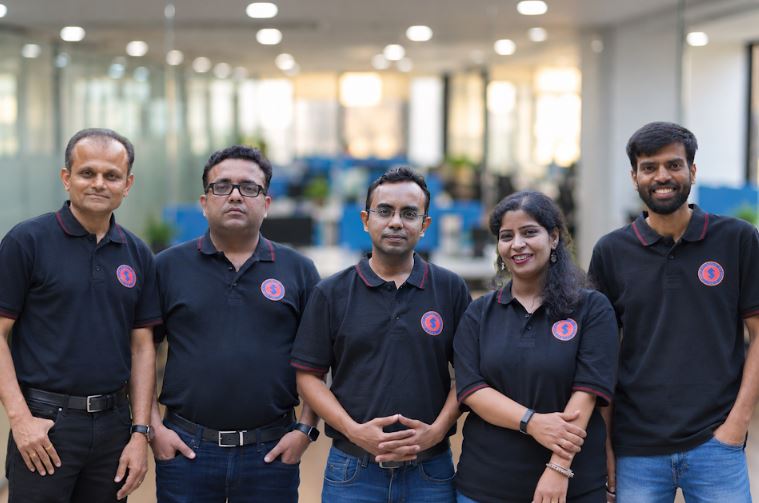
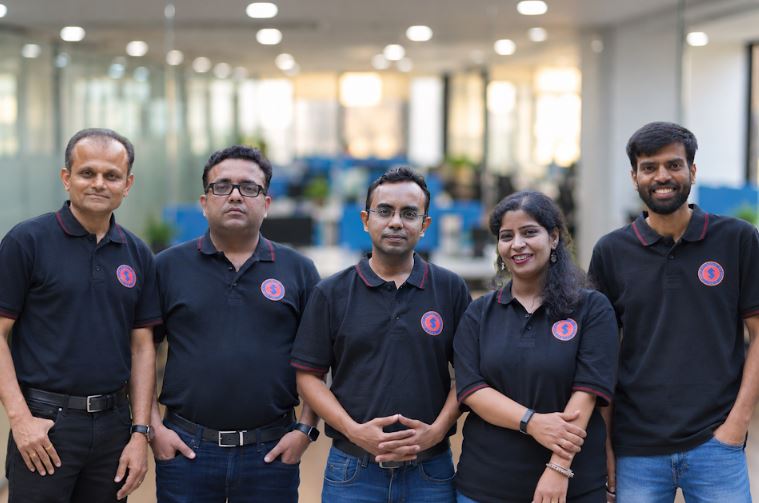
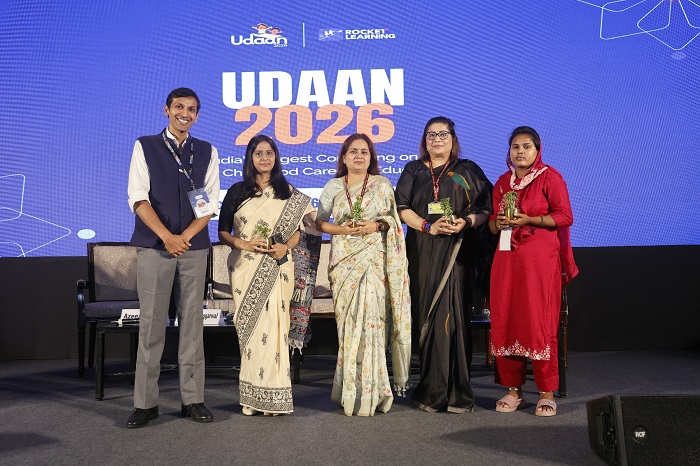
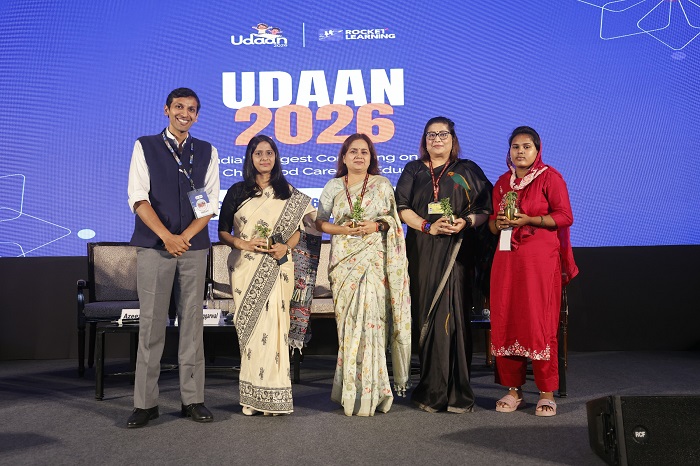
L to R: Gaurav Jain, Achintya Gupta and Piyush Agarwal


Unlike traditional datasets that rely on static job titles or company-level segmentation, Reo.Dev’s Developer Knowledge Graph maps engineers based on what they are actively building, the technologies they use, the projects they contribute to, and the signals they leave across the internet. The system unifies fragmented developer footprints into a continuously evolving intelligence layer that reflects real technical behavior rather than inferred roles.


Today, the Developer Knowledge Graph includes 100M+ engineers, 30,000+ technologies, and 250+ tech functions, built by aggregating and correlating data from sources such as GitHub, Stack Overflow, LinkedIn, X, and specialized technical datasets. This enables DevTool companies to move beyond outdated outbound models and instead target developers based on real-time technical context and intent.


At the core of the platform is a fundamentally new approach to B2B technical intelligence: instead of relying on titles like “backend engineer” or “platform architect,” Reo.Dev builds a living map of engineering activity, capturing what systems developers are building, what frameworks they are adopting, and what technical problems they are actively solving. This allows go-to-market teams to identify audiences with far greater precision and relevance.


Building and selling into technical audiences has always been difficult because the right data simply didn’t exist in one place,” said Achintya Gupta, Co-founder and CEO of Reo.Dev. “For example, if you’re an observability platform, you don’t just want to reach engineers with certain titles, you want to reach the ones actively building in the environments you support. That level of clarity was missing. With the Developer Knowledge Graph, we’ve brought together signals from across GitHub, Stack Overflow, LinkedIn, X, and technical ecosystems to finally make that possible.”


Achintya added, “Today, we’re at over 100 million developer profiles mapped across 30,000 technologies and 250+ technical functions. And this is just the beginning—the graph deepens with every developer action, making it more accurate and more powerful over time. For companies selling into technical teams, this changes the probability of reaching the right audience strongly.”


The platform is designed to solve one of the most persistent challenges in technical go-to-market strategy: building accurate, high-intent audience lists. By understanding the technologies developers are using, the projects they are contributing to, and the problems they are solving, Reo.Dev enables companies to align outreach with real engineering context, whether that involves LLM infrastructure, observability, DevOps, or application performance optimization.


The announcement comes as part of “Launch Month” at Reo.Dev, with the Developer Knowledge Graph serving as the foundational layer for a broader suite of upcoming capabilities aimed at redefining how DevTool companies’ approach GTM intelligence.


Reo.Dev continues to position itself at the intersection of AI-native intent systems and developer-first go-to-market infrastructure. Founded in 2023 and backed by Heavybit, the platform is already trusted by over 100 leading DevTool companies worldwide.


As the company puts it, the goal is simple: to build a living universe of developers—one where every signal brings go-to-market teams closer to the right engineer, at the right time, with the right context.


Nine Climate-Tech Start-ups to Deploy Urban Sustainability Solutions Across 10 Indian Cities

  • The initiative is led by Social Alpha and the University of Toronto India Foundation through the Innovations in Sustainable Urban Transition Program.

  • The selected start-ups to address urban sustainability challenges in construction, waste management, water, sanitation and renewable energy.

  • To receive grants of up to INR 35 lakh to support the deployment

  • Technology deployments will be undertaken in partnership with 11 private and six public organisations, including industry partners, educational institutions, healthcare providers and urban local bodies.


Nine climate-tech start-ups are set to deploy solutions addressing critical urban sustainability challenges across 10 Indian cities, including Chennai, Kozhikode, Bengaluru, Khammam, Hyderabad, Mumbai, Pune, Nashik, Bhavnagar and New Delhi. Under the Innovations in Sustainable Urban Transition Program, led by Social Alpha and the University of Toronto India Foundation (UTIF), these start-ups will deploy solutions that support low-carbon transitions across these cities. The selected start-ups will receive grants of up to INR 35 lakh to support the deployment of their innovations and help de-risk their adoption in urban environments.


The selected start-ups will deploy innovations across sectors critical to urban sustainability, including low-carbon construction materials, renewable energy, waste management, water efficiency and sanitation. 


The nine startups include:

  • Carbon Strong, whose proprietary fly ash-based binder replaces 35-40% of cement in concrete, cutting embodied carbon and costs with no process change for producers.

  • Satiq Concrete Manufacturer, which develops low-temperature, waste-derived binders and engineered composites that deliver lightweight, high-strength, thermally efficient concrete with significantly lower emissions.

  • Go Do Good Studio, which creates home-compostable food packaging using proprietary plant-based coatings and inks that eliminate plastic from urban food delivery and catering.

  • Vivifica Sustainable Solutions, whose patented WENERATOR integrates process optimisation, IoT-based monitoring and multi-stage digestion to convert mixed organic waste into clean biogas at source, designed for institutional kitchens and canteens.

  • Apeiro Energy, which develops vertical small wind turbines optimised for low wind speeds, paired with smart controllers, monitoring systems, energy management systems and an AI micrositing tool for wind-solar hybrid microgrids.

  • Trinano Technologies, whose patented nano coating for solar panels increases energy output by 4%+, extends panel life by 2-3 years, and cuts cleaning requirements by 50%, addressing inefficiencies that reduce energy production.

  • Smart Terra, whose AI-driven SaaS creates a digital twin of water networks to detect leaky pipes and faulty meters and predict operational inefficiencies in water networks with under 100-metre precision, and is agnostic to hardware, sensor or database technologies.

  • Vayujal Technologies, whose atmospheric water generators can produce 43 to 3,000 litres of drinking water per day from air for homes, offices, institutions, industries and communities, in an energy-efficient manner, with zero water wastage and adherence to BIS 10500.

  • Xpredict Labs, whose HiDrEC is a decentralised, packaged wastewater treatment system that runs on electrochemical principles with no external chemicals, requiring lower land footprints while producing reusable CPCB-compliant water.


The technologies will be deployed through 17 partnerships spanning 11 private and six public organisations across 10 Indian cities, with expected outcomes spanning emissions reduction, waste diversion, production of energy from clean sources, energy efficiency, reduction in non revenue water losses, reduced dependence on groundwater, and increased access to clean drinking water.


The pilot partners include ready-mix concrete manufacturers (RMCs) such as Veera Concrete and PCS Industries, schools under the Government of Maharashtra and Government of Tamil Nadu, research institutions such as the Central Road Research Institute, hospitals including Kilpauk Medical College Hospital and Meitra Hospital, original equipment manufacturers (OEMs) such as Contendre Solar and Boson Whitewater, industries such as Ashapura Saltworks and Yashpoly, real estate companies such as DRA Homes, and urban local bodies and utilities including the Khammam Municipal Corporation and Chennai Metropolitan Water Supply and Sewerage Board.


On the Program, Ganesh Neelam, Co-founder, Social Alpha, said, “By 2036, India’s towns and cities are expected to be home to 600 million people. As urban populations grow, pressure on the systems that support everyday life will intensify. Cities will need to rethink how they design and construct infrastructure, manage resources, deliver essential services and build resilience to climate risks. Addressing these challenges requires solutions that are practical, reliable and deployable at scale. Our aim is to support a growing pipeline of innovators addressing urban sustainability challenges and support the deployment of these solutions across Indian cities.”


Gauravi Lobo, Director, U of T India Foundation, said, “What this program has surfaced is that the constraint isn’t the technology. It’s the distance between a working solution and a public system ready to absorb it. The nine start-ups in this cohort are being tested against that distance, with pilots designed around what urban local bodies and civic institutions actually need to make adoption decisions. For UTIF, that is where the research question lives – and what we carry back to the University of Toronto is not just the outcome, but the institutional logic of how Indian cities are learning to integrate innovation at scale.”


The Innovations in Sustainable Urban Transition Program was first launched in 2024. Its first cohort of eleven start-ups deployed innovations in 11 cities addressing air quality, sanitation, waste management, clean mobility and low-carbon construction materials. The Program demonstrated that deep-tech innovations can be contextualised, de-risked and deployed through structured public and private partnerships, generating measurable outcomes in emissions avoidance (105.99 tonnes of CO2e), waste diversion (407.15 tonnes), water savings (16,896 kilolitres) and improved air quality (between 20% – 94% reduction in PM 2.5 and 10 across four locations).


For further information on the Program or the start-ups, please contact urban@socialalpha.org.


About Social Alpha
Social Alpha is an operating philanthropy dedicated to taking breakthrough science from lab to the last mile. Social Alpha’s full-stack, multistage innovation and venture development platform is designed to develop, de-risk and deploy frontier innovations to advance affordable healthcare, resilient livelihoods and climate action, prioritising the most critical challenges for people and planet. Founded in 2016, Social Alpha has supported over 450 innovations focused on socio-economic and environmental impact. For more information, please visit www.socialalpha.org.


About University of Toronto India Foundation
The University of Toronto India Foundation, based in Mumbai, serves as a dynamic bridge connecting the University of Toronto with India’s academic institutions, innovators, non-profits, social enterprises and governments. Bringing together research, innovation and impact, UTIF works to address sustainability challenges faced by Indian cities through co-created solutions.


For more information, visit www.uoftindiafoundation.com.

Homes That Think Ahead: The Future of Smart Luxury Living in Noida-Greater Noida

Luxury housing is entering a new phase in which exclusivity is no longer defined solely by expansive layouts, prestigious addresses, or lavish clubhouses. Today’s affluent homebuyers are bringing a more evolved set of expectations to the table, placing equal emphasis on convenience, security, sustainability and holistic well-being. As lifestyles become increasingly digital, technology is emerging as an inseparable element of premium living rather than an optional enhancement. In markets such as Noida and Greater Noida, this shift is becoming particularly visible, with developers weaving intelligent systems into the very fabric of residential design.


Luxury living in Noida-Greater Noida is evolving beyond aesthetics, with smart technologies, sustainability, and wellness shaping the homes of the future


This transformation is being propelled by a new generation of affluent buyers—millennials, startup founders, senior corporate leaders and globally exposed Indians whose lifestyles have been shaped by digitally connected ecosystems and international experiences. The profile of wealth creation itself is evolving rapidly. According to Knight Frank’s Wealth Report 2026, India’s ultra-high-net-worth population grew by 63% between 2021 and 2026, rising from just over 12,000 individuals to nearly 20,000, underscoring the emergence of a new class of wealth creators driven by technology, entrepreneurship and capital markets. For these buyers, exclusivity is as much about intelligence and convenience as it is about aesthetics. App-based controls, contactless experiences, AI-enabled security, energy-efficient solutions and wellness-centric environments are increasingly finding a place on their checklist. More importantly, they are seeking residences that can evolve with changing lifestyles and technological advancements, making future-readiness as integral to premium living as design and prestige.


In NCR, particularly in Noida-Greater Noida, luxury homes are being shaped by how intelligently they respond to the evolving expectations of modern residents. At Gulshan Dynasty in Sector 144, digital smart homes and a seven-tier security ecosystem underscore how convenience and safety are becoming integral to luxury living. In Sector 150, Prateek Canary offers a different expression of future-ready living, blending low-density planning, expansive private decks and panoramic green views with a highly connected environment suited to health-conscious families.


Meanwhile, CRC Maesta in Greater Noida West is being shaped around holistic living with vehicle-free landscapes and wellness-oriented spaces, while Ivory County in Sector 115 integrates home automation and smart access features to create a more seamless residential experience.


For today’s buyers, smart living is not about owning the latest gadgets. It is about how effortlessly technology fits into everyday life. Features such as app-controlled lighting and air conditioning, voice-enabled automation, intelligent parking systems, EV charging infrastructure, digital concierge services and high-speed connectivity are increasingly being seen as essentials rather than upgrades.


At SKA Destiny One, sustainability-led technologies such as solar-powered basement lighting and rainwater harvesting reflect the growing emphasis on efficient living. Collectively, these projects underline a broader shift underway across the region.


Security, in particular, has become one of the biggest factors shaping buyer preferences. AI-enabled surveillance, smart access systems, contactless entry, RFID-enabled movement and visitor management platforms are helping create living environments that offer both convenience and peace of mind. According to Mordor Intelligence, India’s smart home market is expected to expand at a CAGR of over 15% in the coming years, underlining the growing demand for connected lifestyles.


Technology is also making luxury homes more efficient and environmentally conscious. Smart energy monitoring, motion-sensor lighting, advanced air quality systems, and efficient HVAC solutions are enabling residents to optimise consumption without compromising comfort.


At the same time, wellness is emerging as an equally important consideration. Air and water purification systems, touchless elevators, intelligent ventilation and temperature-controlled environments are finding their way into premium residences. The modern home, therefore, is evolving into a personal wellness ecosystem rather than merely a residential address.


Thus, premium homes are no longer valued solely for their scale or opulence, but for how intuitively they enhance everyday life. As expectations around convenience, wellness and sustainability continue to evolve, Noida-Greater Noida is at the intersection of technology and luxury. In this new paradigm, smart homes are becoming the benchmark of modern luxury living and a reflection of changing aspirations.