

Home Blog Page 819

Exploring the Neuroscience of Addiction: Understanding the Biological and Environmental Factors Contributing to Addiction

Addiction is a complex and chronic disorder that affects millions of people worldwide. According to the World Health Organization, addiction is characterized by the repeated use of substances or engagement in behaviors despite negative consequences. Addiction affects individuals’ physical, psychological, and social well-being and can lead to a range of health problems.  In the worst-case scenario addiction can lead to overdose and even death. In recent years, research into the neuroscience of addiction has made significant strides. Which is providing us with a better understanding of the biological and environmental factors that contribute to addiction. In this article, we will provide a comprehensive analysis of current research on addiction neuroscience.

The Brain and Addiction

The brain is a complex and intricate organ that plays a crucial role in addiction. Addiction is a disease of the brain, which alters the brain’s reward system. Which leads to the continued use of substances or behaviors despite negative consequences. The basic principles of neuroscience help us understand how addiction affects the brain. Addiction is associated with changes in brain structure and function, which affect the brain’s communication pathways. These changes include the neurotransmitters responsible for communication between neurons.

Different sections of Neuroscience on Addiction

There are two main sections of neuroscience that directly showcase and effect of addiction on the Brain Neurochemistry and Neurobiology.

The Neurochemistry of Addiction

The dopamine system is one of the most important neurotransmitter systems in addiction. Dopamine is a neurotransmitter associated with pleasure and reward, and its release in the brain is triggered by rewarding stimuli. While in a healthy scenario, it is released as a reward for work. It can release in large amounts even through the use of drugs and other addictive substances. Another important neurotransmitter system in addiction is the glutamate system. Which is responsible for the regulation of the brain’s reward system. Other neurotransmitter systems, including serotonin and norepinephrine, also play a role in addiction.

The Neurobiology of Addiction

Addiction is associated with changes in the brain’s reward pathways, including the mesolimbic dopamine pathway. The prefrontal cortex, which is responsible for executive functions such as decision-making, is also implicated in addiction. The amygdala, which plays a role in emotional processing, is also involved in addiction. Our brain uses different parts of itself to automate different complicated tasks to increase efficiency. But the same changes in biological structure also lead to addiction.

Genetics and Addiction

Research has shown that genetic factors contribute to addiction. Studies have identified specific genes associated with addiction susceptibility, including genes that regulate dopamine and other neurotransmitter systems. However, genetics alone cannot fully explain addiction, and it is essential to understand how genes interact with the environment to influence addiction. And it has been found in quite a few the presence of certain genes can lead to an increased chance of developing addictions.

Environmental Factors and Addiction

Environmental factors, including stress, social and cultural factors, and learning and memory, also play a role in addiction. Chronic stress can lead to changes in the brain’s reward system, making individuals more susceptible to addiction. Social and cultural factors, including peer pressure, can also influence the development of addiction. Learning and memory processes also play a role in addiction, with addictive behaviors becoming habitual over time.

Treatment and Recovery

The current state of addiction treatment involves a range of therapies, including behavioral therapies and medications. However, there are limitations to current addiction treatments, and more research is needed to develop more effective treatments. The future of addiction treatment and recovery may involve personalized treatment approaches, including precision medicine and neuromodulation therapies.

Conclusion

In conclusion, addiction is a complex and chronic disease that affects millions of people worldwide. The neuroscience of addiction provides us with a better understanding of the biological and environmental factors that contribute to addiction. Future research in addiction neuroscience is essential to developing more effective treatments and improving recovery outcomes. By continuing to study the neuroscience of addiction, we can gain a better understanding of the underlying mechanisms of addiction and develop more effective treatments to help those struggling with addiction.

And as always folks if you would like to read some of the latest articles covering a wide range of topics that are both interesting and informative be sure to check out the Global Growth Forum. Also, folks if you would like to read some of the latest articles in Hindi be sure to check out the Mojo Patrakar.

The Pros and Cons of Social Media: Benefits and Drawbacks You Need to Know

Social media has become something that is just as important as breakfast for people around the Globe. It is a platform that allows us to connect with people, share information, and express ourselves in various ways. From its inception in the early 2000s, social media has revolutionized the way we interact with the world around us. However, like anything else, social media has its benefits and drawbacks. In this article, we will explore these benefits and drawbacks and ways to mitigate their negative impacts.

Benefits of Social Media

Social media has brought with it quite a few benefits, here are some of the best ones:

Connectivity and Communication: Social media platforms allow us to connect with people from all over the world. Whether it’s through messaging, video calls, or group chats, social media has made it easier for us to communicate. And it has helped us be more connected with friends and family members who are far away. This has helped to maintain relationships and even form new ones.

Networking and Career Opportunities: Social media platforms such as LinkedIn have made it easier for people to network and connect with professionals in their field. This has opened up new career opportunities and even helped people land jobs.

Information Sharing and Access: Social media has made it easier for people to share information and access it. This has led to an increase in awareness of important issues, such as social justice and environmental concerns.

Promoting Creativity and Self-Expression: Social media platforms have given people an outlet to express their creativity and showcase their talents. This has led to the discovery of new artists, musicians, and even writers.

Increased Awareness and Activism: Social media has become a platform for activism and social change. It has allowed people to come together and fight for causes they believe in. 

Drawbacks of Social Media

Just like anything despite the benefits social media brings to the table does not mean there are not things to be varry of. Here are some of the drawbacks of social media to keep in mind:

Addiction and Time-Wasting: Social media addiction is a real problem. People often spend hours scrolling through their feeds, which can lead to wasted time and decreased productivity.

Cyberbullying and Harassment: Social media has also given rise to cyberbullying and harassment. People hide behind anonymous profiles to harass and bully others, which can have serious mental health consequences.

Disinformation and Fake News: Social media has made it easier for disinformation and fake news to spread. This can lead to confusion and even have real-world consequences, such as the spreading of misinformation during the COVID-19 pandemic.

Privacy Concerns: Social media platforms collect data on their users, which can be sold to advertisers. This has raised concerns about privacy and the potential misuse of personal information.

Comparison and Self-Esteem Issues: Social media can also lead to comparison and self-esteem issues. People often compare their lives to others, which can lead to feelings of inadequacy and low self-esteem.

Mitigating the Drawbacks of Social Media

To address the potential negative impacts of social media, there are several actions individuals can take. These include taking breaks from it and setting personal boundaries, reporting and blocking abusive behavior, verifying information and fact-checking sources, adjusting privacy settings and being mindful of data usage, cultivating a positive mindset, and using social media in moderation. By implementing these strategies, individuals can help reduce the potential harm of these platforms and maximize their benefits.

Conclusion

In conclusion, social media has both benefits and drawbacks. It has allowed us to connect with people from all over the world, access and share information, and even fight for social change. However, it has also led to addiction, cyberbullying, disinformation, privacy concerns, and comparison issues. To mitigate the negative impacts of social media, it’s important to be mindful of our use and take steps to protect ourselves from its negative impacts. By doing so, we can continue to enjoy the benefits of social media without falling victim to its drawbacks. It’s up to us to use it responsibly and make it a positive force in our lives.

And as always folks be sure to check out the Global Growth Forum and read some of the latest articles on similar subjects that are both interesting and informative. Also, if you would like to read some of the latest articles in Hindi be sure to check out the Mojo Patrakar.

Stoic Philosophy: An Exploration of the Virtues, Ethics, and Practical Applications for Achieving Inner Tranquility and Fulfillment

Stoicism is a school of philosophy that has its roots in ancient Greece and Rome. It is a way of life that emphasizes the importance of cultivating wisdom, courage, justice, and temperance. And use them in order to achieve a fulfilling and meaningful existence. Stoicism teaches that by mastering our thoughts and emotions, we can learn to live in accordance with nature and achieve a state of inner tranquility, despite the chaos and uncertainty of the world around us. In this article, we will explore the stoic philosophy as it relates to different aspects of Human experience. We will also have a look at some of the most prominent stoic philosophers.

The Nature of Reality

The Stoics believed that everything in the universe was interconnected and guided by a divine force they called the “logos.” This concept encompasses the idea that there is a rational and coherent order in the universe. And also that everything happens for a reason. Stoicism emphasizes the importance of accepting this order and living in harmony with it, rather than resisting it. Often stoics mention all that is natural is full of providence.

Ethics and Virtue

For the Stoics, the ultimate goal of human existence was to live a virtuous life. Virtue was defined as the cultivation of wisdom, courage, justice, and temperance. These virtues were considered to be essential for living a fulfilling and meaningful life. And they were seen as the key to achieving inner peace and happiness. 

Emotions and Passions

The Stoics believed that emotions and passions were often the source of suffering and turmoil in our lives. They taught us that we should strive to live in a state of emotional tranquility. And cultivate a sense of detachment from our feelings. This did not mean that we should suppress our emotions or deny them altogether. But rather that we should learn to control them and use them in a constructive manner.

Practical Applications of Stoicism

Stoicism has many practical applications in our daily lives. By practicing self-control and cultivating a sense of detachment from our emotions. We can learn to cope with difficult situations and find a sense of inner peace. Stoicism can also be applied to personal development, as it encourages us to constantly strive to improve ourselves. And cultivate virtues such as wisdom, courage, and justice.

Most Famous Stoic Philosophers

Epictetus was a former slave who became a renowned Stoic philosopher. His teachings focused on the idea that we should focus on what is within our control and let go of what is not. He emphasized the importance of accepting the natural order of the universe and cultivating a sense of inner peace and contentment, regardless of external circumstances.

Seneca was a Roman statesman and philosopher who lived during the first century AD. His writings focused on the importance of living a virtuous life and maintaining emotional equilibrium. He believed that the key to a happy life was to cultivate wisdom, courage, justice, and temperance, and to avoid excess and self-indulgence.

Marcus Aurelius was a Roman emperor who lived during the second century AD. He is perhaps best known for his series of personal meditations on Stoic philosophy, which have become known as “Meditations.” In these writings, he reflects on the importance of living a virtuous life and maintaining emotional equilibrium, despite the challenges of his position as emperor. He emphasizes the importance of accepting the natural order of the universe and living in accordance with it, rather than resisting it.

Conclusion

In conclusion, Stoic philosophy provides a timeless framework for achieving a fulfilling and meaningful existence. By emphasizing the importance of cultivating virtues such as wisdom, courage, justice, and temperance, Stoicism provides us with practical tools for managing our thoughts and emotions, coping with adversity, and achieving inner tranquility. Through the teachings of Stoic philosophy and the wisdom of its most famous practitioners, we can learn to live in harmony with the natural order of the universe and find a sense of purpose and meaning in our lives. In the midst of the chaos and uncertainty of the modern world, Stoic philosophy remains a powerful source of guidance and inspiration for anyone seeking to live a virtuous and fulfilling life.

And as always folks be sure to check out the Global Growth Forum and read some of the latest articles on similar topics. Also, if you wanna read some of the latest articles in Hindi be sure to check out Mojo Patrakar.

Mushroom Cultivation: A Beginner’s Guide to Growing Your Own Mushrooms

Mushroom cultivation is an exciting and rewarding hobby that can provide a sustainable source of fresh and nutritious food. In addition to their culinary value, mushrooms have also been used for medicinal purposes for centuries. In this article, we will explore the basics of mushroom cultivation. Including the different types of mushrooms, the steps involved in growing mushrooms, popular mushroom species to cultivate, and the benefits of mushroom cultivation.

Types of Mushrooms

Mushrooms can be broadly classified into three categories: edible mushrooms, medicinal mushrooms, and poisonous mushrooms. Edible mushrooms are those that are safe to consume and are commonly used in cooking. Examples of edible mushrooms include white button mushrooms, oyster mushrooms, and shiitake mushrooms. Medicinal mushrooms are those that have therapeutic properties and are used to treat various ailments. Reishi mushrooms and cordyceps are examples of medicinal mushrooms. Poisonous mushrooms, on the other hand, are those that can cause serious illness or even death if consumed. Examples of poisonous mushrooms include the death cap and the destroying angel.

Growing Mushrooms

Mushrooms can be grown using a variety of methods, including outdoor and indoor cultivation. Outdoor cultivation involves growing mushrooms in the ground or on logs. While indoor cultivation involves growing mushrooms in a controlled environment such as a grow room. Regardless of the method used, the process of growing mushrooms involves several steps.

The first step in growing mushrooms is selecting the substrate. The substrate is the material on which the mushrooms will grow. Common substrates include straw, sawdust, and compost. The next step is inoculating the substrate with mushroom spores or mycelium. Mycelium is the vegetative part of the mushroom that grows underground. Once the substrate has been inoculated, it is placed in a warm and humid environment to incubate. This allows the mycelium to colonize the substrate and form a network of threads called the mycelial mat. Finally, the mushrooms are allowed to fruit, which involves exposing the mycelial mat to light and fresh air. This triggers the formation of mushroom caps, which can then be harvested.

Common challenges in mushroom cultivation include contamination, temperature and humidity control, and lighting. Contamination can occur when unwanted fungi or bacteria colonize the substrate and prevent the growth of mushrooms. To prevent contamination, it is important to maintain strict hygiene practices and use sterilized equipment. Temperature and humidity control are also important factors in mushroom cultivation. Different mushroom species have different temperature and humidity requirements, and it is important to maintain these conditions within the optimal range. Lighting is also important, as mushrooms require light to trigger the formation of mushroom caps.

Popular Mushroom Species to Cultivate

Some of the most popular mushroom species to cultivate include white button mushrooms, oyster mushrooms, shiitake mushrooms, and reishi mushrooms. White button mushrooms are one of the most commonly cultivated mushrooms and have a mild flavor that pairs well with a variety of dishes. Oyster mushrooms are known for their delicate texture and earthy flavor, while shiitake mushrooms have a meaty texture and a rich, umami flavor. Reishi mushrooms are highly prized for their medicinal properties and are used to boost immunity and reduce stress.

Benefits of Mushroom Cultivation

Mushroom cultivation has several benefits, including nutritional, medicinal, and economic benefits. Mushrooms are low in calories and high in fiber, protein, and essential nutrients such as potassium, selenium, and vitamin D. Medicinal mushrooms have been used for centuries to treat a variety of ailments, including cancer, diabetes, and high blood pressure. Mushroom cultivation can also provide an additional source of income, as mushrooms can be sold at farmers’ markets, grocery stores, and restaurants.

Conclusion

Mushroom cultivation is a fascinating and rewarding hobby that offers a range of benefits, from providing a sustainable source of fresh and nutritious food to offering medicinal properties and economic opportunities. With the right equipment and knowledge, anyone can start cultivating their own mushrooms, regardless of their level of experience. By understanding the basics of mushroom cultivation, selecting the right substrate, controlling temperature and humidity, and overcoming common challenges, you can successfully grow a variety of mushroom species and enjoy the benefits of this exciting hobby. So, whether you’re a seasoned gardener or a beginner looking for a new challenge, why not give mushroom cultivation a try and experience the many rewards it has to offer.

And as always folks be sure to check out the Global Growth Forum and read some of the latest articles that are both informative and interesting. Also, if you wanna read some of the latest articles in Hindi be sure to check out the Mojo Patrakar.

Teaching Conflict Resolution: Strategies for Fostering Positive Communication and Building Stronger Relationships in Students

As children grow and develop, they are bound to encounter conflicts with others. Whether it be with classmates, friends, or family members. Conflicts can be a natural part of life considering each and every person is different from another. But the way in which individuals handle and resolve conflicts do not come naturally to everyone and can have a significant impact on their relationships and overall well-being. This is why teaching conflict resolution skills to students is crucial in promoting positive communication and relationship building. In this article, we will explore different aspects of conflict resolution. Including Strategies for teaching conflict resolution, implementation into the curriculum, some common challenges, and their possible solutions.

Understanding Conflict

Before delving into strategies for teaching conflict resolution, it’s important to understand what it is and its common causes. Conflict can be defined as a disagreement or argument between two or more people. The disagreement rises due to having differing opinions, beliefs, or values. Common causes of conflict can include misunderstandings, competition, power struggles, and personality differences. It’s important for students to recognize the different types of conflict. Such as interpersonal conflict, group conflict, and intrapersonal conflict, in order to identify the best strategies for resolving each type.

Strategies for Teaching Conflict Resolution

There are numerous strategies that educators can utilize to teach conflict resolution skills to students. Active listening, communication skills, perspective-taking, emotional intelligence, problem-solving, negotiation and compromise, mediation, and role-playing are all effective techniques.

Active listening involves paying attention to what the other person is saying, validating their feelings, and showing empathy. Communication skills, such as using “I” statements and avoiding accusatory language, can prevent conflicts from escalating. Perspective-taking is the ability to understand and see things from another person’s point of view, which can lead to increased empathy and understanding. Emotional intelligence involves being aware of one’s own emotions and being able to regulate them in order to effectively handle conflicts. Problem-solving skills can help students identify the root cause of a conflict and work toward a resolution. Negotiation and compromise are important skills in finding a solution that works for everyone involved. Mediation involves a neutral third party facilitating a conversation between conflicting parties. Role-playing can be an effective way to practice these skills in a safe and supportive environment.

Implementation of Conflict Resolution into Curriculum

Incorporating conflict resolution into the curriculum can take many forms. Such as classroom discussions, interactive activities, and individual and group projects. Creating a safe and supportive learning environment is essential in encouraging students to speak openly and honestly about their conflicts. Addressing individual student needs and collaborating with parents and caregivers can also enhance the effectiveness of teaching those skills. Including and involving the guardians and parents can also help students open up and have a better relationship with their parents.

Challenges and Solutions

Teaching conflict resolution can come with its own set of challenges. For example, some students may be resistant to participating in conflict resolution activities or may not feel comfortable sharing their feelings. To overcome these challenges, educators can work to create a positive and inclusive learning environment, and provide students with individualized attention and support.

Evaluation

It’s important to evaluate the effectiveness of conflict resolution education. One way to measure learning outcomes is through pre and post-assessments. Such as surveys or quizzes, to track students’ knowledge and understanding of conflict resolution skills. We can even gather feedback from the guardians and parents as to how the students are doing outside the school.

Conclusion

Teaching conflict resolution skills to students is crucial in promoting positive communication and relationship building. By understanding the different types of conflict and utilizing effective strategies, educators can equip students with the tools they need to handle conflicts in a healthy and constructive way. With practice and guidance, students can develop lifelong conflict-resolution skills that will benefit them in all areas of their lives. It’s time for educators to prioritize teaching these skills and equipping our students with the tools they need to succeed.

And as always folks be sure to check out the Global Growth Forum and read some of the latest articles on similar topics that are both interesting and informative. Also, if you would like to read some of the latest articles in Hindi be sure to check out the Mojo Patrakar.

The Importance of Indoor Air Quality in Healthcare: Impact on Patient Outcomes and Healthcare Worker Health

Air quality is an essential aspect of healthcare settings that is often overlooked. However, the impact of air quality on healthcare outcomes and healthcare worker health is significant. Poor air quality can lead to respiratory, cardiovascular, and mental health problems, which can increase healthcare costs and decrease productivity. In this article, we will explore the impact of air quality on healthcare outcomes and healthcare worker health. While at the same time, we will explore some strategies to improve air quality in healthcare settings.

Air Quality and Healthcare Outcomes

Studies have shown that poor air quality in healthcare settings can have negative impacts on patient outcomes. Exposure to indoor air pollution, such as mold, dust, and volatile organic compounds (VOCs), can increase the risk of health issues such as respiratory infections, exacerbate asthma, and cause allergic reactions. Additionally, exposure to high levels of airborne particles has been linked to cardiovascular disease and premature death. Poor air quality can also have a negative impact on mental health, leading to symptoms of mental disorders. The most common of these symptoms are things such as depression, anxiety, and cognitive decline.

In addition to negatively affecting patient outcomes, poor air quality can also increase healthcare costs. Patients who experience negative health outcomes due to poor air quality may require additional medical treatment. Which can result in increased healthcare costs due to patients requiring breathing equipment and cleaner air to expedite recovery. Furthermore, healthcare facilities with poor air quality may experience a decrease in patient satisfaction. Which can affect their reputation and lead to a decrease in revenue.

Air Quality and Healthcare Worker Health

Healthcare workers are also at risk of negative health outcomes due to poor air quality. Healthcare workers are exposed to a variety of indoor air pollutants, such as particulate matter, biological contaminants, and chemicals. Exposure to these pollutants can increase the risk of respiratory infections, exacerbate asthma, and cause other respiratory problems. Additionally, exposure to high levels of airborne particles has been linked to cardiovascular disease and premature death in healthcare workers.

Poor air quality can also affect the mental health of healthcare workers, leading to symptoms such as depression, anxiety, and burnout. Healthcare workers who experience poor indoor air quality may also experience decreased productivity and increased absenteeism. In big cities where outdoor pollution is also a prevalent problem having to face indoor pollution can lead to the deterioration of cognitive ability.

Strategies to Improve Air Quality in Healthcare Settings

Improving air quality in healthcare settings is essential for protecting patients’ and healthcare workers’ health. Some strategies that can be used to improve air quality in healthcare settings include:

  • Ventilation systems: Healthcare facilities should have proper ventilation systems that can help to remove pollutants from the air and ensure proper airflow.
  • Air purifiers and filters: Air purifiers and filters can help to remove pollutants from the air and improve indoor air quality.
  • Reduction of indoor air pollution sources: Healthcare facilities should take steps to reduce indoor air pollution sources, such as chemical cleaners and disinfectants.
  • Implementation of air quality monitoring systems: Healthcare facilities should implement air quality monitoring systems to track indoor air quality and ensure that it meets appropriate standards.
  • Education and training of healthcare workers: Healthcare workers should be educated on the importance of indoor air quality and trained on strategies for improving air quality in healthcare settings.

Conclusion

The impact of air quality on healthcare outcomes and healthcare worker health cannot be understated. Poor air quality can lead to negative health outcomes, increased healthcare costs, decreased productivity, and decreased patient satisfaction. It is essential that healthcare facilities take steps to improve indoor air quality, including proper ventilation, air purifiers and filters, reduction of indoor air pollution sources, implementation of air quality monitoring systems, and education and training of healthcare workers. By improving indoor air quality, healthcare facilities can help to protect the health and well-being of both patients and healthcare workers.

And as always folks be sure to check out the Global Growth Forum if you would like to read some of the latest articles on similar topics that are both interesting and informative. Also, if you are interested in reading some of the latest articles in Hindi be sure to check out the Mojo Patrakar.

Bioreactor Farming: A Sustainable Solution for Efficient Crop Production

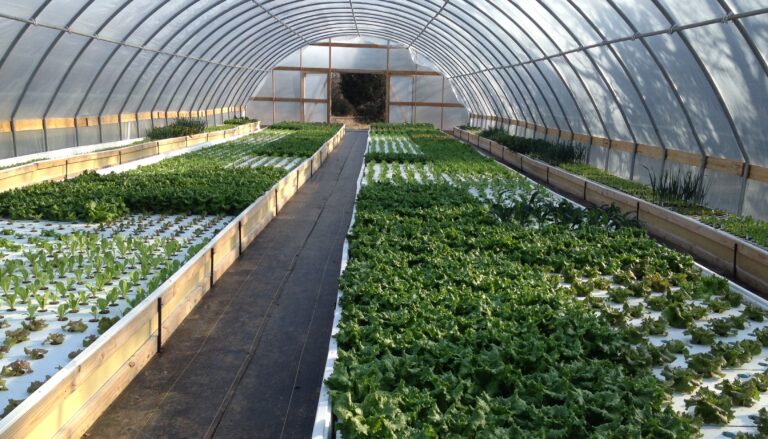
Bioreactor farming is a new and innovative way of growing crops and producing food, fuel, and other products. We do so using a controlled environment. Bioreactors are used to create a micro-environment that allows for efficient and sustainable farming practices. This article will provide an overview of bioreactor farming, including its definition, advantages, challenges, applications, and future prospects.

What is Bioreactor farming?

Bioreactor farming is the cultivation of crops and other organisms in a controlled environment using a bioreactor. Bioreactors are vessels that use microorganisms, enzymes, or other biological agents to carry out a specific chemical process. There are different types of bioreactors, including photo-bioreactors, membrane bioreactors, and continuous stirred-tank bioreactors. Bioreactor farming is different from traditional farming in that it allows for precise control of temperature, pH, light, nutrients, and other environmental factors, resulting in increased efficiency and productivity.

Advantages of Bioreactor Farming

Bioreactor farming has several advantages over traditional farming. One advantage is increased efficiency and productivity. Bioreactor farming allows for year-round production, higher crop yields, and faster growth rates. Another advantage is sustainable farming practices. Bioreactor farming uses less water, energy, and other resources than traditional farming. Thus resulting in reduced resource consumption and lower carbon footprints. Bioreactor farming also offers protection against pests and diseases, as the controlled environment reduces the risk of contamination.

Applications of Bioreactor Farming

Bioreactor farming has many applications, including the cultivation of various crops, the production of biofuels and bioproducts, aquaculture and fish farming, and waste treatment and bioremediation. Bioreactor farming can be used to grow high-value crops such as algae, micro greens, and medicinal plants. It can also be used to produce biofuels and bioproducts such as bioethanol, biodiesel, and bioplastics. Bioreactor farming can be used in aquaculture and fish farming to control water quality, improve fish health, and increase production. In the coming future, there is a very good chance that it would be used for farming during space travel. Finally, bioreactor farming can be used in waste treatment and bioremediation to clean up contaminated soil, water, and air.

Challenges to Adress

Bioreactor farming also has several challenges. One challenge is the high initial costs of setting up and maintaining these complicated systems. Bioreactors require specialized equipment and technical expertise, which can be expensive. Another challenge is the potential environmental risks associated with bioreactor farming. Bioreactors can produce waste products, and if not managed properly, these waste products can harm the environment. Bioreactor farming also faces public acceptance issues, as some people may be skeptical of the safety and efficacy of bioreactor-grown crops and products. The environment for bioreactor farming needs to be highly controlled making it necessary to bring in professionals.

Future of Bioreactor Farming

Despite these challenges, the future of bioreactor farming looks promising. Bioreactor farming has the potential for growth and development, as research and development in the field continue to advance. This type of farming is also expected to play a significant role in sustainable agriculture. As it offers a more efficient and eco-friendly alternative to traditional farming practices. Also, it has the potential as a method of farming during long space missions or even on Mars. With new developments, it might be used as either a stand-alone method or be combined with other methods to grow the necessary food for Space Travelers.

Conclusion

In conclusion, bioreactor farming is a promising solution for sustainable agriculture that offers several benefits over traditional farming practices. Bioreactors enable farmers to control environmental factors and optimize crop yields, reduce resource consumption, and mitigate environmental risks. Bioreactor farming has a wide range of applications, from producing high-value crops and biofuels to waste treatment and bioremediation. While bioreactor farming faces challenges such as high initial costs and public acceptance, its future looks bright as research and development in the field continue to progress. By adopting bioreaction farming, we can achieve a more sustainable, efficient, and eco-friendly agriculture system that can help us address food security and environmental challenges.

And as always folks be sure to check out the Global Growth Forum and read some of the latest articles that are both interesting and informative on a wide range of topics. Also, if you would like to read some of the latest articles in Hindi be sure to check out the Mojo Patrakar.

Indoor Aquaponics: The Sustainable and Space-Efficient Way to Grow Your Own Food All Year Round

Aquaponics is a sustainable and innovative way of growing plants and fish together in a closed-loop system. It involves using the waste produced by fish as a natural fertilizer for plants. Which in turn, purifies the water for the fish. While traditionally, aquaponics has been practiced in outdoor systems, indoor aquaponics has become increasingly popular. Primarily due to its year-round growing capabilities, and the ability to control growing conditions. In this article, we will explore the benefits of indoor aquaponics. Plus we will see how to set up your system, and tips for success.

Understanding Indoor Aquaponics

Indoor aquaponics is similar to traditional aquaponics, but with one significant difference; it is done indoors. This makes it ideal for people living in urban areas with limited outdoor space. The system consists of a fish tank, a grow bed, and a pump that circulates water from the fish tank to the grow bed. The plants in the grow bed absorb the nutrients from the fish waste and purify the water. Which is then recirculated back to the fish tank. This closed-loop system is incredibly sustainable, as it requires very little water and no harmful chemicals or fertilizers.

Advantages of Indoor Aquaponics

One of the most significant advantages of indoor aquaponics is that it allows for year-round growing. It is also completely independent of the climate and season. You can grow a wide variety of vegetables, fruits, and herbs all year round. And that too without the need for soil or pesticides. Additionally, indoor aquaponics provides you with complete control over the growing conditions, including light, temperature, and humidity levels. By optimizing those we can help optimize plant growth.

Indoor aquaponics is also highly sustainable, as it uses up to 90% less water than traditional agriculture. And on top of that, it does not produce any harmful chemical runoff. Moreover, it is space-efficient, making it an excellent option for small apartments or homes with limited outdoor space.

Setting Up Your Indoor Aquaponics System

To set up your indoor aquaponics system, you will need to select the right space, choose the fish and plants, and gather the necessary equipment and materials. The ideal space for an indoor aquaponics system is a room with a couple of different characteristics. Such as plenty of natural light, a stable temperature, and good ventilation. You will also need to select fish and plants that are well-suited for the conditions in your area. As well as the size of your system.

The equipment and materials needed for an indoor aquaponics system include a fish tank, a grow bed, a water pump, tubing, and grow lights. The step-by-step process for setting up your system involves filling the fish tank with water, adding fish, adding grow bed media, and planting your plants.

Tips for Success

To ensure the success of your indoor aquaponics system, it is crucial to monitor and adjust a few things. Such as pH levels, maintaining water quality, providing proper lighting, and harvesting and replanting your plants regularly. Monitoring the pH levels of your water is crucial as it can impact the health of your fish and plants. It is also important to maintain water quality by testing for ammonia, nitrite, and nitrate levels regularly. Providing your plants with proper lighting is essential for healthy growth and is achieved through natural light or grow lights.

Common Challenges and Solutions

While indoor aquaponics is a relatively straightforward system, there are some common challenges that you may encounter. Algae overgrowth, fish health issues, and plant nutrient deficiencies are all common problems. However, with regular monitoring and troubleshooting, you can prevent or fix these issues quickly.

Conclusion

Indoor aquaponics is an innovative and sustainable way of growing your own food all year round, regardless of where you live. By providing complete control over growing conditions, year-round growing capabilities, and space efficiency, indoor aquaponics is an ideal option for anyone interested in sustainable agriculture. Setting up your own system may seem daunting, but with the right space, fish and plant selection, and equipment and materials, anyone can successfully grow their own food using this method. Remember to monitor pH levels, maintain water quality, provide proper lighting, and troubleshoot any issues that may arise. With these tips and strategies, you’ll be on your way to growing healthy, sustainable food in no time.

As always folks be sure to check out the Global Growth Forum and read some of the similar latest articles. Also, if you wanna read some of the latest articles in Hindi be sure to check out the Mojo Patrakar.

The School of Athens: A Masterpiece Celebrating Philosophy and Learning

The School of Athens is a famous painting created by the Italian artist Raphael during the Renaissance period. The painting is considered one of the greatest works of art in history. The painting is admired around the world for its beauty, complexity, and symbolism. In this article, we will take a closer look at the School of Athens painting, its historical context, and its significance.

Background of the Painting School of Athens

Raphael was commissioned to create the School of Athens painting in 1508. He was commissioned by Pope Julius II for the Vatican Palace in Rome. The painting was intended to decorate the walls of the Stanza della Segnatura. It is a room in the palace that was used for official business. The painting is one of four frescoes that Raphael created for the room, each representing a different theme.

Analysis of the painting

The School of Athens painting depicts a gathering of some of the greatest philosophers, scientists, and thinkers from ancient Greece and Rome. The figures in the painting are arranged in a grand hall with arches and columns. Which is creating a sense of depth and perspective. At the center of the painting are two figures, Plato and Aristotle, who are engaged in a deep discussion.

The figures in the painting are all dressed in the clothing of the Renaissance period. But their faces and gestures are based on the portraits and sculptures of ancient Greek and Roman figures. The painting is a tribute to the wisdom and learning of the ancient world and its influence on the Renaissance period.

The Historical Context of the Painting

The Renaissance was a period of great intellectual and artistic activity in Europe. It was marked by a renewed interest in ancient Greek and Roman culture. The period was characterized by a fascination with humanism, the belief that humans are capable of achieving greatness. Primarily through their efforts, and a renewed interest in classical learning and philosophy.

The School of Athens painting is a perfect representation of this fascination with classical learning and philosophy. And The painting celebrates the wisdom and knowledge of the ancient world and the importance of education and learning.

The Figures in the Painting School of Athens

The School of Athens painting features many notable figures from ancient Greece and Rome, including Pythagoras, Euclid, and Zoroaster. However, the most prominent figures in the painting are Plato and Aristotle. Plato is shown pointing towards the heavens, symbolizing his belief in the existence of a higher reality. While Aristotle points toward the earth, symbolizing his belief in the importance of empirical observation and reason.

The placement of these figures in the center of the painting reflects the Renaissance emphasis on the importance of philosophy and learning. The painting is a tribute to the great thinkers of the past and their continued influence on the present.

Reception and Legacy of the Painting School of Athens

The School of Athens painting was immediately recognized as a masterpiece when it was completed. And it has remained an important work of art to this day. The painting has been praised for its beauty, complexity, and symbolism. And it has been studied by scholars and artists for centuries.

The School of Athens painting has had a profound influence on the world of art, inspiring generations of artists to create works that celebrate the wisdom and learning of the past. The painting is a testament to the enduring power of art to inspire and enlighten.

Conclusion

In conclusion, the School of Athens painting is a masterpiece of art and a celebration of the wisdom and learning of the ancient world. The painting is a tribute to the great thinkers of the past and their continued influence on the present. The School of Athens painting has had a profound impact on the world of art, inspiring generations of artists to create works that celebrate the power of education and learning. The painting is a timeless work of art that continues to inspire and enlighten people today.

And as always folks be sure to check out The Global Growth Forum and read some of the latest articles that are both informative and interesting. Also, if you looking to read some articles that are in Hindi be sure to check out the Mojo Patrakar.
Smart Waste Management Systems: Revolutionizing Waste Reduction and Recycling

Waste management is a pressing global issue, with the world producing over 2 billion tonnes of waste every year. Traditional waste management systems have struggled to keep up with this volume of waste. This is leading to overflowing landfills and environmental degradation. However, the development of smart waste management systems presents a promising solution to this problem. In this article, we will explore the potential of technology to improve waste reduction and recycling, specifically through the development of smart waste management systems.

The Current State of Waste Management

The limitations of traditional waste management systems are well known. These systems are often manual and require significant human intervention to sort, collect, and dispose of waste. This results in a high risk of human error and inefficiency. Furthermore, many developing countries lack the necessary infrastructure to support traditional waste management systems, leading to widespread environmental damage. On top of that, the amount of waste produced is rising at a rapid rate each year. This is straining the already barely functioning current waste management system even more.

The Role of Technology in Waste Management

Technology has played a crucial role in improving waste management systems. For example, recycling plants use advanced technology to sort and process waste materials efficiently. However, traditional waste management systems are still limited in their ability to handle the sheer volume of waste produced globally. This is where smart waste management systems come in. These systems employ the latest technologies like AI and machine learning to make the overall waste management process much more efficient.

The Development of Smart Waste Management Systems

Smart waste management systems are a new type of waste management system that leverages the power of technology to improve waste collection, sorting, and disposal. These systems use sensors, data analytics, and automation to optimize waste management processes. Some of the benefits of smart waste management systems include improved efficiency, increased accuracy, and increased public participation. These systems also have a very good chance of reducing costly errors by decreasing the dependency on Human labor.

How Smart Waste Management Systems Work

Smart waste management systems work by using sensors to collect data about waste levels, recycling rates, and other metrics. This data is then analyzed using advanced data analytics tools to make decisions about waste collection and disposal. For example, these new waste management systems can automatically reroute garbage trucks to avoid congested areas.  Or even increase collections during periods of high demand.

The Potential for Technology to Improve Waste Reduction and Recycling

The development of smart waste management systems presents a significant opportunity to improve waste reduction and recycling. These systems can increase the efficiency of waste collection and disposal, and reduce the risk of human error. And most importantly these systems can increase the accuracy of waste sorting and recycling. Furthermore, these new waste management systems can increase public participation and awareness about waste reduction and recycling.

Challenges and Limitations of Smart Waste Management Systems

Despite the many benefits of smart waste management systems, there are also some challenges and limitations. One of the main challenges is cost. These newer waste management systems require significant investment in technology and infrastructure, which may be prohibitive for many municipalities. Additionally, there are concerns about data privacy, as smart waste management systems collect and store significant amounts of personal data. Now these challenges do seem scary but they can be overcome through the collaboration of the people of communities and the government.

Conclusion

In conclusion, smart waste management systems have emerged as a promising solution to the challenges posed by traditional waste management systems. By leveraging technology to automate and optimize waste collection, sorting, and disposal processes, these systems offer numerous benefits, including improved efficiency, accuracy, and public participation. However, the cost of implementing Better waste management systems and concerns about data privacy remain significant challenges that need to be addressed. Nevertheless, with further research and development, smart waste management systems have the potential to transform waste reduction and recycling efforts and contribute to a more sustainable future for all.

And as always folks if you are interested in reading some similar articles on a wide range of topics be sure to check out the Global Growth Forum and read some articles that are both interesting and informative. Also, if you looking to read some of the latest articles in Hindi be sure to check out the Mojo Patrakar.