

Home Blog Page 763

Google’s Acquisition Failure: The Big Picture

Two weeks ago, the tech industry was abuzz with the news of Alphabet, Google’s parent company, attempting to acquire cloud security startup Wiz for around $23 billion. This move was set to be Alphabet’s largest acquisition, surpassing the $12.5 billion purchase of Motorola Mobility in 2011 and being more than four times the amount paid for the cybersecurity firm Mandiant in March 2022. For Wiz, the proposed price was almost twice its most recent valuation. However, Wiz turned down the offer, and the deal collapsed. This drama highlighted not only the strategic interests of Google but also some of the significant issues facing the tech industry.

Google’s Strategic Motives

Google’s attempt to acquire Wiz underscores its intention to solidify its position in the cloud computing market. With cloud security becoming increasingly critical as more businesses shift to cloud services, Wiz’s innovative approach and rapid growth represented a significant opportunity for Google Cloud to bolster its security capabilities and compete more effectively with industry giants like AWS and Microsoft Azure.

Strengthening Cloud Security

Google Cloud has been diligently working to build a robust security infrastructure to protect its clients’ data and operations. Acquiring Wiz would have integrated advanced tools for detecting and mitigating cloud vulnerabilities, thus enhancing Google Cloud’s security offerings. Wiz’s state-of-the-art technology, particularly its ability to provide real-time visibility into cloud environments, would have been a substantial addition to Google Cloud’s portfolio.

Competitive Edge

The cloud market is intensely competitive, with AWS and Microsoft Azure dominating significant shares. By acquiring Wiz, Google aimed to distinguish itself by offering superior security features. This move could have attracted more customers to Google Cloud, particularly those in sectors where security is paramount, such as finance, healthcare, and government.

Talent Acquisition

Acquiring Wiz would not only have meant obtaining valuable technology but also gaining access to Wiz’s talented team. In the tech industry, acquisitions often provide companies with top-tier engineers and developers who can drive innovation. Wiz’s team, known for their expertise in cloud security, would have enhanced Google’s capabilities and potentially led to the development of new products and services.

Reasons Behind Wiz’s Rejection

Despite the lucrative offer, Wiz chose to decline. Several factors likely influenced this decision, including valuation, the desire for independence, and long-term strategic goals.

Valuation and Market Potential

Wiz’s decision to turn down Google’s offer indicates that the startup believes its market potential surpasses the proposed valuation. The cloud security market is expanding rapidly due to increasing cyber threats and the growing adoption of cloud services. Wiz likely sees substantial growth opportunities and possibly a higher valuation in the future, whether through continued expansion or a more lucrative acquisition offer.

Independence and Control

Startups often cherish their independence, especially when they have a clear vision for their future. Being acquired by a giant like Google could lead to changes in company culture, strategy, and operational autonomy. Wiz’s leadership may have preferred to maintain control over their trajectory and continue building their brand independently.

Strategic Vision

Wiz’s founders and investors might have a strategic focus that aligns with long-term goals rather than immediate financial gain. By remaining independent, Wiz can pursue partnerships and initiatives that align closely with its mission without being constrained by the broader objectives of a parent company.

Broader Implications for the Tech Industry

The collapse of the Google-Wiz deal has broader implications for the tech industry, shedding light on several key issues and trends.

Increasing Valuations and Investments

The tech industry has seen a surge in valuations, particularly for startups in high-growth sectors like cloud security. Investors are willing to inject significant capital into promising companies, driving up valuations. This trend reflects the immense potential of these startups but also raises concerns about sustainability and market bubbles.

Importance of Cloud Security

The increasing frequency and sophistication of cyberattacks have underscored the critical importance of cloud security. Companies like Wiz are at the forefront of developing solutions to protect cloud environments, making them highly attractive targets for acquisition. The focus on cloud security is expected to intensify as more businesses migrate to the cloud and the threat landscape evolves.

Big Tech’s Influence on the Market

Google’s attempt to acquire Wiz highlights how big tech companies are continually looking to shape the market through strategic acquisitions. These companies have the resources to make significant offers, but the willingness of startups to remain independent indicates a dynamic market where innovation and strategic vision can sometimes outweigh immediate financial gains.

Talent Wars

The tech industry is experiencing a talent war, with companies vying for skilled professionals who can drive innovation. Acquisitions are one way to secure talent, but Wiz’s rejection of Google’s offer shows that talented teams are confident in their abilities to create value independently. This confidence could lead to more startups choosing to stay independent or seek more favorable terms in acquisition deals.

The failed acquisition of Wiz by Google is a significant event in the tech industry, reflecting the strategic interests of major companies, the ambitions of startups, and the evolving landscape of cloud security. While Google aimed to bolster its cloud security capabilities and competitive positioning through this acquisition, Wiz’s decision to remain independent underscores the startup’s confidence in its market potential and strategic vision.

This episode also sheds light on broader industry trends, such as rising valuations, the critical importance of cloud security, and the ongoing talent wars. As the tech industry continues to evolve, the dynamics between big tech companies and innovative startups will remain a focal point, shaping the future of technology and business.

The collapse of the Google-Wiz deal serves as a reminder that in the fast-paced world of technology, strategic decisions are influenced by a complex interplay of market potential, independence, and long-term vision. It highlights the challenges and opportunities facing both established companies and emerging startups as they navigate an ever-changing landscape.


Disclaimer: The thoughts and opinions stated in this article are solely those of the author and do not necessarily reflect the views or positions of any entities represented and we recommend referring to more recent and reliable sources for up-to-date information.

The Olympics: What India Should Be Talking About

The Olympics, a global spectacle of athletic prowess and international unity, captivates audiences worldwide every four years. For India, the Olympics represent a platform for national pride, showcasing the country’s burgeoning sports talent and cultural diversity. However, beyond the medals and accolades, there are several deeper and more pressing issues that India should address in its ongoing Olympic journey. This article delves into key areas that India should focus on to harness the full potential of its Olympic endeavors, improve its sports infrastructure, and foster a more robust and inclusive sporting culture.

 Developing a Robust Sports Infrastructure

 Investment in Grassroots Sports

  1. Youth Programs and Talent Identification: India needs to invest in grassroots programs that identify and nurture young talent. This includes creating accessible sports facilities at the local level and supporting school and community sports programs. Early identification and development of talent can build a strong foundation for future Olympic success.
  2. Coaching and Training Facilities: Enhancing the quality of coaching and training facilities is crucial. World-class facilities and experienced coaches play a significant role in developing elite athletes. Investment in these areas can improve performance and increase the chances of winning medals at the Olympics.

 Infrastructure Development

  1. Modern Sports Facilities: Building and maintaining modern sports complexes equipped with state-of-the-art equipment is essential. This includes facilities for both indoor and outdoor sports, ensuring that athletes have access to the best resources for training and competition.
  2. Maintenance and Upgrades: Existing facilities should be regularly maintained and upgraded to meet international standards. Ensuring that athletes train in top-notch environments can enhance their performance and overall experience.

 Promoting Sports Education and Career Opportunities

 Integration into School Curricula

  1. Comprehensive Sports Education: Integrating sports education into school curricula can foster a culture of physical fitness and sportsmanship from an early age. This approach helps in developing not only athletic skills but also essential life skills such as teamwork, discipline, and perseverance.
  2. Scholarships and Incentives: Providing scholarships and incentives for talented young athletes can motivate them to pursue sports seriously. Financial support for education and training can alleviate the burden on families and encourage more students to excel in sports.

 Career Pathways for Athletes

  1. Professional and Support Roles: Developing career pathways for athletes beyond their playing years is important. This includes opportunities in coaching, sports management, and sports medicine. Providing career support can help athletes transition smoothly after their competitive careers.
  2. Public Recognition and Support: Recognizing and celebrating the achievements of athletes publicly can inspire others and build a supportive community around sports. Media coverage and public acknowledgment of athletes’ successes play a crucial role in boosting morale and interest in sports.

 Enhancing Sports Governance and Administration

 Transparent and Effective Governance

  1. Administrative Reforms: Implementing reforms in sports governance to ensure transparency and accountability is vital. This includes streamlining decision-making processes and addressing corruption or inefficiencies within sports organizations.
  2. Strategic Planning and Development: Developing long-term strategic plans for sports development can help in setting clear goals and measuring progress. This involves coordinating efforts between various stakeholders, including government bodies, sports federations, and private organizations.

Support for Athletes’ Well-being

  1. Mental Health and Support Services: Providing mental health support and counseling services for athletes is essential. The pressure of competition and the demands of training can take a toll on athletes’ mental well-being, and addressing these issues can improve performance and overall quality of life.
  2. Health and Injury Prevention: Ensuring access to top-notch medical care and injury prevention programs can help athletes stay healthy and perform at their best. Regular health check-ups and preventive measures are crucial for maintaining peak physical condition.

 Encouraging Inclusivity and Diversity in Sports

 Supporting Underrepresented Groups

  1. Gender Equality: Promoting gender equality in sports is essential. Supporting female athletes, addressing disparities in funding and opportunities, and ensuring equal representation in various sports can contribute to a more inclusive sports environment.
  2. Disability Sports: Encouraging and supporting athletes with disabilities is equally important. Investing in disability sports programs and facilities can help in fostering a culture of inclusivity and providing equal opportunities for all.

 Regional and Cultural Diversity

  1. Encouraging Participation Across Regions: Ensuring that sports programs and facilities are accessible across different regions of the country can help in identifying and nurturing talent from diverse areas. This approach can contribute to a more balanced and representative national team.
  2. Cultural Representation: Embracing and celebrating cultural diversity in sports can enhance the overall sports experience. Recognizing and supporting athletes from different cultural backgrounds can enrich the sports landscape and promote unity.

 Leveraging the Olympics for National Unity and Pride

 National Campaigns and Initiatives

  1. Olympic Awareness Campaigns: Launching national campaigns to raise awareness about the Olympics and its significance can enhance public interest and support for sports. These campaigns can include educational programs, media coverage, and community events.
  2. Building National Pride: The Olympics provide an opportunity to build national pride and unity. Celebrating athletes’ achievements and promoting a sense of national identity through sports can foster unity and strengthen the country’s image on the global stage.

b. Long-Term Vision and Legacy

  1. Olympic Legacy Projects: Developing legacy projects that leverage the success of the Olympics can create lasting benefits for the country. This includes using the Olympics as a catalyst for long-term sports development, infrastructure improvements, and community engagement.
  2. Sustaining Interest and Investment: Ensuring that the enthusiasm and investment generated by the Olympics are sustained over time is crucial. Continued support for sports programs and infrastructure can maintain momentum and drive future successes.

Case Studies and Lessons from Other Countries

 Success Stories from Emerging Sports Nations

  1. China’s Sports Revolution: China’s investment in sports infrastructure, talent development, and international competition has led to significant Olympic successes. Their approach emphasizes strategic planning, targeted investment, and comprehensive support for athletes.
  2. Kenya’s Long-Distance Running Dominance: Kenya’s success in long-distance running is attributed to its focus on grassroots development, community support, and a culture of running. The country’s emphasis on nurturing talent from a young age has produced world-class athletes.

 Lessons for India

  1. Tailoring Approaches to Local Context: While learning from other countries, it is essential for India to tailor approaches to its unique context, including regional diversity, socio-economic factors, and cultural considerations.
  2. Collaborative Efforts: Successful sports development often involves collaboration between government bodies, private sector organizations, and community stakeholders. Building partnerships and coordinating efforts can enhance the effectiveness of sports programs.


Disclaimer: The thoughts and opinions stated in this article are solely those of the author and do not necessarily reflect the views or positions of any entities represented and we recommend referring to more recent and reliable sources for up-to-date information.


Why the Fed Risks Falling Behind: An In-Depth Analysis

The Federal Reserve (Fed), the central bank of the United States, plays a pivotal role in shaping the nation’s monetary policy, influencing economic stability, and guiding fiscal policy through its actions on interest rates and money supply. As the U.S. economy faces a series of complex and rapidly evolving challenges, there is growing concern that the Fed may risk falling behind in its mandate to manage inflation, employment, and financial stability. This article explores the reasons behind this concern, examining the factors that contribute to the Fed’s potential lag in effectively addressing current economic conditions and the implications for the broader economy.

The Fed’s Mandate and Challenges

The Federal Reserve’s dual mandate is to promote maximum employment and stable prices, which are achieved through managing monetary policy. The Fed utilizes various tools, including setting interest rates, conducting open market operations, and adjusting reserve requirements, to influence economic conditions. However, several factors have emerged that may hinder the Fed’s ability to fulfill its mandate effectively.

1. Persistent Inflationary Pressures

a. Supply Chain Disruptions

One of the significant challenges the Fed faces is persistent inflation, driven by ongoing supply chain disruptions. The COVID-19 pandemic has exacerbated these disruptions, leading to shortages of goods and services, increased production costs, and higher prices. While the Fed can influence demand through monetary policy, supply-side issues require different solutions, such as improving logistics and production processes.

b. Rising Commodity Prices

Rising commodity prices, including those for energy and raw materials, have contributed to inflationary pressures. The Fed’s ability to control inflation through interest rate adjustments is limited when external factors, such as geopolitical tensions and natural disasters, drive up commodity prices.

c. Wage Inflation

Wage inflation is another component of the broader inflationary picture. As labor markets tighten and demand for skilled workers increases, wages are rising. While higher wages can boost consumer spending, they also contribute to overall inflation. The Fed must balance the need to control inflation with the potential impact on employment.

2. Lagging Monetary Policy Response

a. Delayed Reaction to Economic Data

The Fed’s monetary policy decisions are based on economic data, including inflation rates, employment figures, and GDP growth. However, economic data is often subject to revisions and can lag behind real-time conditions. This delay in data reporting can result in the Fed reacting to outdated information, potentially causing policy responses that are either too late or insufficiently targeted.

b. The Risk of Policy Overreach

In response to inflationary pressures, the Fed may be tempted to implement aggressive monetary tightening. However, rapid increases in interest rates could risk stifling economic growth and potentially lead to a recession. The challenge for the Fed is to calibrate its policy responses carefully to avoid overreach while addressing inflationary concerns.

3. Uncertainty in Global Economic Conditions

a. Geopolitical Tensions

Geopolitical tensions, including trade disputes and conflicts, have introduced uncertainty into the global economy. These tensions can impact U.S. economic performance through trade channels, investment flows, and financial markets. The Fed must navigate these uncertainties while implementing monetary policy, complicating its efforts to achieve economic stability.

b. Global Supply Chain Dependencies

The global nature of supply chains means that disruptions in other parts of the world can affect the U.S. economy. For example, disruptions in major manufacturing hubs or key suppliers can lead to shortages and higher prices in the U.S. The Fed’s ability to address these issues through domestic monetary policy is limited when external factors are involved.

4. Financial Market Volatility

a. Asset Price Inflation

The Fed’s monetary policies, including low interest rates and quantitative easing, have contributed to significant asset price inflation in markets such as real estate and equities. While these policies aim to stimulate economic growth, they can also lead to financial market imbalances and bubbles, which may pose risks to financial stability.

b. Market Reactions to Fed Policies

Financial markets are highly sensitive to changes in Fed policy. Rapid or unexpected shifts in monetary policy can lead to increased market volatility, affecting investor confidence and potentially leading to adverse economic outcomes. The Fed must carefully manage its communication and policy adjustments to avoid causing unnecessary market disruptions.

5. The Impact of Technological and Structural Changes

a. Digital Currencies and Financial Innovation

Technological advancements, including the rise of digital currencies and financial innovations, present new challenges for monetary policy. The introduction of central bank digital currencies (CBDCs) and the growth of fintech can alter traditional financial dynamics and complicate the Fed’s role in managing the economy.

b. Structural Shifts in the Labor Market

The labor market is undergoing significant structural changes, including shifts towards remote work and gig economy employment. These changes affect wage dynamics, productivity, and overall economic activity. The Fed must adapt its policy tools to address these evolving labor market conditions effectively.

6. The Communication Challenge

a. Managing Expectations

Effective communication is crucial for the Fed to manage market expectations and guide economic behavior. Clear communication helps ensure that the public and financial markets understand the Fed’s policy objectives and actions. However, miscommunications or inconsistent messaging can lead to confusion and undermine the Fed’s credibility.

b. Balancing Transparency and Flexibility

While transparency is essential, the Fed must also maintain flexibility in its policy approach. Overly rigid communication or commitment to specific policy paths can limit the Fed’s ability to respond adaptively to changing economic conditions.

The Implications of Falling Behind

If the Fed risks falling behind in addressing economic challenges, several implications may arise:

  1. Inflationary Pressures Persisting
    • Economic Distress: Persistent inflation can lead to higher living costs and economic distress for households. If the Fed is unable to effectively manage inflation, it may erode consumer purchasing power and impact overall economic stability.
  2. Economic Slowdown or Recession
    • Growth Impact: Aggressive monetary tightening or delayed policy responses could stifle economic growth and potentially lead to a recession. Balancing inflation control with economic growth is crucial to avoid negative economic outcomes.
  3. Market Volatility
    • Investment Risks: Financial market volatility resulting from unexpected policy changes can create uncertainty for investors and businesses. This volatility can impact investment decisions and economic confidence.
  4. Challenges to Financial Stability
    • Asset Bubbles: Persistent asset price inflation and financial market imbalances could pose risks to financial stability. The Fed must address these risks to prevent potential financial crises.

The Path Forward

To address the risk of falling behind, the Fed can consider several strategies:

  1. Enhanced Data Analysis
    • Real-Time Monitoring: Improving the speed and accuracy of data analysis can help the Fed make more informed policy decisions. Real-time monitoring and predictive analytics can provide better insights into economic conditions.
  2. Adaptive Policy Framework
    • Flexible Approach: Adopting a more flexible and adaptive policy framework can help the Fed respond effectively to evolving economic conditions. This includes calibrating monetary policy tools to address specific challenges and avoiding one-size-fits-all approaches.
  3. Strengthening Communication
    • Clear Messaging: Enhancing communication strategies to clearly convey policy objectives and responses can help manage market expectations and improve transparency.
  4. Global Coordination
    • Collaborative Efforts: Engaging in global economic coordination and collaboration can help address cross-border challenges and uncertainties. Working with international partners can enhance the Fed’s ability to navigate global economic dynamics.


Disclaimer: The thoughts and opinions stated in this article are solely those of the author and do not necessarily reflect the views or positions of any entities represented and we recommend referring to more recent and reliable sources for up-to-date information.

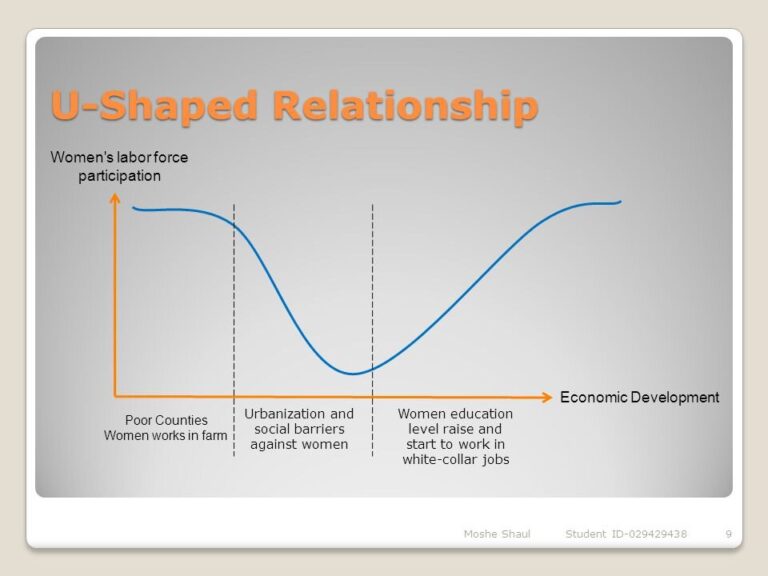
Women’s Labor Participation: Lower for Longer in the Upswing

The labor participation rate of women has long been a critical indicator of economic progress and gender equality. Despite significant strides in recent decades, women’s participation in the labor force remains lower than that of men, and the recovery from economic downturns often sees slower gains for women compared to their male counterparts. As economies rebound from recessions and recover from the impacts of global crises, the issue of women’s labor participation is increasingly under scrutiny. This article explores the factors contributing to the persistent gap in women’s labor participation, the implications of a slower recovery, and the potential pathways for achieving more equitable outcomes in the workforce.

The Current State of Women’s Labor Participation

Women’s labor participation has seen considerable fluctuation over recent years. The COVID-19 pandemic, in particular, highlighted and exacerbated existing disparities. As economies have begun to recover, the trend of lower female labor participation persists, raising concerns about the long-term implications for gender equality and economic growth.

1. Factors Contributing to Lower Female Labor Participation

a. Persistent Gender Disparities in Employment

  1. Occupational Segregation: Women are often concentrated in lower-paying, part-time, or less secure jobs compared to men. Occupations dominated by women, such as caregiving and service roles, tend to offer lower wages and fewer benefits, impacting overall labor participation.
  2. Wage Gap: The gender wage gap remains a significant issue, with women earning less than men for similar work. This disparity can discourage women from entering or staying in the workforce, particularly if they perceive limited financial returns relative to the cost of childcare or other responsibilities.

b. Impact of Caregiving Responsibilities

  1. Childcare and Family Responsibilities: Women disproportionately bear the burden of caregiving and household responsibilities. The high cost of childcare and lack of flexible work arrangements can force women to make difficult choices between employment and family care.
  2. Work-Life Balance: Many women face challenges in balancing work with family responsibilities, leading to higher rates of part-time work or career interruptions. This issue has been further exacerbated by the pandemic, which has increased caregiving responsibilities for many families.

c. Economic and Structural Barriers

  1. Access to Affordable Childcare: The availability and affordability of quality childcare significantly impact women’s ability to participate in the labor force. Inadequate childcare options can limit women’s employment opportunities and career advancement.
  2. Education and Training: Access to education and career training can influence labor participation. Women may face barriers to pursuing higher education or vocational training, impacting their ability to compete for higher-paying jobs.

2. The Slow Recovery and its Implications

a. Impact of Economic Downturns

  1. Recessions and Economic Crises: Economic downturns often hit women’s employment disproportionately hard. Women’s jobs are frequently in sectors that are more susceptible to economic fluctuations, such as hospitality and retail.
  2. Pandemic Effects: The COVID-19 pandemic resulted in a substantial decline in women’s labor force participation due to job losses, increased caregiving responsibilities, and disruptions in education and training. As economies recover, women face a slower and more uneven return to pre-crisis employment levels.

b. Long-Term Economic Consequences

  1. Economic Growth: Lower female labor participation can have significant implications for overall economic growth. When women are underrepresented in the workforce, economies miss out on the full potential of their labor force, which can hinder productivity and economic expansion.
  2. Wage Inequality: Persistent disparities in labor participation contribute to broader wage inequality. If women continue to face barriers to full workforce participation, wage gaps may remain entrenched, affecting long-term earnings and economic security.

3. Policy Responses and Interventions

a. Promoting Gender Equity in the Workplace

  1. Equal Pay Initiatives: Implementing policies to address the gender pay gap is crucial. This includes enforcing equal pay legislation, promoting transparency in compensation, and addressing biases in hiring and promotion practices.
  2. Workplace Flexibility: Encouraging flexible work arrangements, such as remote work and flexible hours, can help women balance work and family responsibilities, increasing their participation in the labor force.

b. Supporting Caregiving and Family Needs

  1. Affordable Childcare: Expanding access to affordable, high-quality childcare is essential for supporting women’s labor force participation. Policies that subsidize childcare costs or provide universal childcare options can make a significant difference.
  2. Family Leave Policies: Comprehensive family leave policies, including paid parental leave, can support both parents in balancing caregiving responsibilities and employment. This can help reduce the career penalties associated with taking time off for family care.

c. Enhancing Education and Training Opportunities

  1. Career Training Programs: Investing in education and training programs for women can help bridge the skills gap and improve their access to higher-paying, secure jobs. Vocational training, mentorship programs, and career development initiatives are critical components.
  2. STEM Education: Promoting female participation in science, technology, engineering, and mathematics (STEM) fields can open doors to higher-paying careers and address gender imbalances in these growing sectors.

4. Case Studies and Success Stories

a. Countries with Successful Gender Equity Policies

  1. Nordic Models: Countries like Sweden, Norway, and Finland have implemented progressive policies that support gender equality in the workforce. Their approaches include generous parental leave, affordable childcare, and strong anti-discrimination laws.
  2. Employer Initiatives: Some private companies have pioneered successful policies to enhance gender equity, such as implementing pay equity audits, offering flexible work options, and creating supportive workplace cultures.

b. Impact of Local and Community-Based Programs

  1. Community Support Programs: Local initiatives, such as community-based childcare centers and family support services, have demonstrated the potential to increase women’s labor participation by addressing specific local needs.
  2. Nonprofit and Advocacy Efforts: Nonprofit organizations and advocacy groups play a vital role in promoting policies and programs that support women’s workforce participation, including lobbying for legislative changes and providing direct support services.

5. The Path Forward

To address the challenges of lower female labor participation, a multi-faceted approach is required:

  1. Holistic Policy Frameworks: Governments and organizations need to develop comprehensive policy frameworks that address the various barriers to women’s labor participation. This includes combining efforts in childcare, education, workplace flexibility, and equal pay.
  2. Stakeholder Collaboration: Collaboration between public and private sectors, as well as between governments and civil society, is essential for implementing effective solutions. Engaging employers, educators, and community leaders can enhance the impact of policy interventions.
  3. Continuous Monitoring and Evaluation: Regular monitoring and evaluation of policies and programs are crucial for assessing their effectiveness and making necessary adjustments. Data-driven approaches can help identify gaps and areas for improvement.
  4. Cultural Change: Promoting a cultural shift towards valuing and supporting women’s contributions in the workforce is essential. This includes challenging traditional gender roles and stereotypes and fostering an inclusive work environment.


Disclaimer: The thoughts and opinions stated in this article are solely those of the author and do not necessarily reflect the views or positions of any entities represented and we recommend referring to more recent and reliable sources for up-to-date information.

The Era of Rapidly Rising Food Prices is Over: An In-Depth Analysis

For several years, the global food industry has been grappling with unprecedented volatility, characterized by rapidly rising food prices that have strained household budgets and sparked international concern. Factors such as supply chain disruptions, climate change, and geopolitical tensions have driven food costs to new heights, impacting millions of people worldwide. However, recent developments suggest that this era of escalating food prices may be coming to an end. This article explores the factors contributing to the stabilization of food prices, the potential long-term impacts, and the broader implications for consumers, producers, and policymakers.

The Factors Driving the Era of Rising Food Prices

To understand why the era of rapidly rising food prices might be over, it’s essential to revisit the key factors that fueled this trend:

  1. Supply Chain Disruptions
    • Pandemic Impact: The COVID-19 pandemic caused significant disruptions in global supply chains, affecting everything from production to transportation. Lockdowns, labor shortages, and restrictions led to delays and increased costs.
    • Logistical Challenges: The pandemic also highlighted vulnerabilities in logistics, including port congestion and transportation bottlenecks, which further exacerbated food price inflation.
  2. Climate Change
    • Extreme Weather Events: Climate change has led to an increase in the frequency and severity of extreme weather events, such as droughts, floods, and hurricanes. These events have negatively impacted crop yields and food production.
    • Unpredictable Growing Seasons: Shifts in temperature and precipitation patterns have made agricultural production less predictable, contributing to price volatility.
  3. Geopolitical Tensions
    • Trade Disputes: Trade wars and tariffs have disrupted global food trade, leading to higher prices for imported goods. Disputes between major agricultural producers and consumers have affected market stability.
    • Sanctions and Conflicts: Political conflicts and sanctions in key agricultural regions have also contributed to supply shortages and price increases.
  4. Economic Factors
    • Rising Input Costs: Increased costs for inputs such as fuel, fertilizers, and labor have driven up production expenses for farmers, which in turn has led to higher food prices.
    • Inflation: Broader economic inflation has impacted food prices, as rising costs in other sectors have led to increased expenses for food production and distribution.

The Turning Point: Factors Stabilizing Food Prices

Recent developments indicate that the rapid rise in food prices may be coming to an end. Several factors are contributing to the stabilization of food prices:

  1. Supply Chain Recovery
    • Post-Pandemic Adjustment: As economies recover from the pandemic, supply chains are gradually returning to normal. Improvements in logistics, reduced shipping delays, and the resumption of global trade have alleviated some of the supply chain disruptions that drove up food prices.
    • Increased Production Capacity: Investments in infrastructure and technology are helping to enhance production capacity and efficiency, which contributes to more stable food prices.
  2. Climate Adaptation and Innovation
    • Advances in Agriculture: Technological advancements in agriculture, such as precision farming and drought-resistant crop varieties, are helping to mitigate the impacts of climate change on food production.
    • Sustainable Practices: The adoption of sustainable farming practices and improved water management techniques are contributing to more resilient agricultural systems and reducing the risk of supply shortages.
  3. Geopolitical Stability
    • Trade Agreements: Recent trade agreements and diplomatic efforts have helped to ease trade disputes and reduce tariffs, improving the stability of global food markets.
    • Conflict Resolution: Efforts to resolve political conflicts and stabilize key agricultural regions are contributing to more consistent food supply and pricing.
  4. Economic Adjustments
    • Decreased Input Costs: A decline in the prices of key inputs such as fuel and fertilizers has alleviated some of the cost pressures on food production.
    • Economic Stabilization: Stabilization in broader economic conditions, including reduced inflation rates, is helping to moderate food price increases.

The Long-Term Implications

The end of the era of rapidly rising food prices has significant implications for various stakeholders:

  1. Consumers
    • Affordability: Stabilized food prices will bring relief to consumers who have been struggling with high grocery bills. This could improve household budgets and overall financial well-being.
    • Access to Nutrition: More stable food prices can enhance access to nutritious food, benefiting public health and reducing food insecurity.
  2. Producers
    • Market Stability: For farmers and producers, stabilized food prices can provide a more predictable and stable market environment. This can facilitate better planning and investment in production.
    • Profit Margins: While lower prices may reduce profit margins for some producers, improved efficiency and reduced input costs can help offset these impacts.
  3. Policymakers
    • Policy Focus: Policymakers can shift their focus from managing food price inflation to addressing other critical issues, such as improving food security, supporting sustainable agriculture, and mitigating climate change impacts.
    • Regulatory Frameworks: The stabilization of food prices may lead to a reevaluation of regulatory frameworks and policies related to food production and trade.
  4. Global Trade
    • Trade Flows: Stabilized food prices may lead to more consistent global trade patterns, reducing volatility in international markets and fostering more predictable trade relationships.

Challenges and Considerations

While the stabilization of food prices is a positive development, several challenges and considerations remain:

  1. Regional Disparities
    • Uneven Impact: The benefits of stabilized food prices may not be evenly distributed across all regions. Developing countries and vulnerable populations may still face challenges related to food security and affordability.
  2. Long-Term Sustainability
    • Environmental Impact: Ensuring that food price stabilization is achieved through sustainable practices is crucial. Environmental degradation and resource depletion must be addressed to maintain long-term agricultural productivity.
  3. Policy Adaptation
    • Responsive Policies: Policymakers need to remain responsive to changing conditions and adapt policies to address emerging challenges in the food system, including those related to climate change, trade, and technology.


Disclaimer: The thoughts and opinions stated in this article are solely those of the author and do not necessarily reflect the views or positions of any entities represented and we recommend referring to more recent and reliable sources for up-to-date information.

Meta’s Controversy: The Implications of Hundreds of Ads for Cocaine, Opioids, and Other Drugs

In recent years, Meta, formerly known as Facebook, has been at the center of numerous controversies regarding its handling of content and advertisements on its platforms. The latest scandal to surface involves the alarming discovery that the social media giant has run hundreds of advertisements promoting cocaine, opioids, and other illicit substances. This revelation has sparked a significant backlash from users, policymakers, and public health advocates, raising serious questions about the effectiveness of Meta’s content moderation systems and the broader implications for public health and safety.

The Nature of the Ads

The advertisements in question were found to promote a range of illegal drugs, including cocaine and prescription opioids, which are subject to stringent regulations and are often associated with severe health risks. These ads were reportedly displayed on Meta’s platforms, including Facebook and Instagram, exploiting the company’s extensive user base to reach potentially vulnerable individuals. The ads often used coded language and euphemisms to evade automated detection systems, making it challenging for Meta’s algorithms to identify and remove them promptly.

The Path of Discovery

1. Investigative Reports and Exposés

The issue came to light through investigative reports and exposés by journalists and watchdog organizations. These reports revealed how drug dealers and traffickers have increasingly turned to social media platforms to advertise their products. By utilizing Meta’s vast advertising infrastructure, these individuals have been able to reach a large audience with relative ease.

2. User Complaints and Whistleblower Testimonies

In addition to investigative journalism, user complaints and whistleblower testimonies have played a crucial role in uncovering the extent of the problem. Users who encountered these ads reported them to Meta, but the responses were often slow or inadequate. Whistleblowers within the company have also provided insights into the challenges Meta faces in policing its advertising platform.

Meta’s Response and Challenges

1. Meta’s Initial Reaction

Upon learning about the advertisements, Meta issued statements asserting that it has strict policies against the promotion of illegal drugs and is committed to removing such content. The company has also claimed that it is continuously improving its content moderation systems to better detect and prevent the circulation of illicit ads. However, critics argue that these assurances are insufficient given the scale of the problem.

2. The Limitations of Automated Moderation

One of the significant challenges in addressing this issue is the limitations of automated content moderation systems. Meta relies heavily on algorithms and machine learning models to detect and remove prohibited content. However, these systems often struggle with the nuances of coded language and the rapidly evolving tactics used by those seeking to evade detection.

3. The Role of Human Moderators

While automated systems are crucial, human moderators play an essential role in the content review process. The scale of Meta’s platform, with billions of users and vast amounts of content being generated daily, presents a significant challenge for human moderators. Ensuring that every instance of illicit advertising is identified and addressed promptly is a daunting task.

Implications for Public Health

1. The Risk of Increased Drug Use

The presence of drug advertisements on social media platforms can have dire public health implications. These ads can normalize drug use, potentially leading to increased experimentation and addiction, particularly among younger users who may be more susceptible to such influences.

2. The Spread of Misinformation

Drug advertisements on social media can also contribute to the spread of misinformation about substance use. For instance, ads may falsely promote the supposed benefits of certain drugs or downplay their risks, misleading users about the dangers associated with drug use.

3. Challenges for Law Enforcement

The proliferation of drug ads on social media complicates efforts by law enforcement agencies to combat drug trafficking and distribution. Social media platforms offer a degree of anonymity and can be used to coordinate illegal activities in ways that are difficult to trace and intercept.

Regulatory and Policy Responses

1. Calls for Increased Regulation

The controversy surrounding Meta’s handling of drug ads has intensified calls for increased regulation of social media platforms. Policymakers are advocating for stricter regulations to ensure that companies like Meta are held accountable for the content published on their platforms.

2. Potential Legislative Measures

In response to the issue, several legislative measures have been proposed or are under discussion. These include stricter requirements for content moderation, increased transparency about advertising practices, and enhanced penalties for platforms that fail to comply with regulatory standards.

3. Industry-Wide Standards

There is also a push for industry-wide standards to address the broader issue of illicit drug advertising on social media. Collaboration between tech companies, public health organizations, and regulatory bodies could lead to the development of best practices and guidelines for managing and preventing the promotion of illegal substances online.

The Way Forward for Meta

1. Strengthening Content Moderation

To address the issue effectively, Meta must invest in strengthening its content moderation systems. This includes enhancing both automated and human moderation processes to better identify and remove illicit ads. Increased transparency about these efforts and their effectiveness will be crucial in rebuilding public trust.

2. Enhancing User Reporting Mechanisms

Improving user reporting mechanisms can also play a vital role in addressing the problem. Ensuring that users have an easy and efficient way to report illicit ads and that these reports are acted upon promptly can help mitigate the spread of illegal drug content.

3. Engaging with Public Health Experts

Meta should consider engaging with public health experts and organizations to better understand the implications of drug ads and to develop strategies for addressing them. Collaboration with experts can provide valuable insights into the risks associated with drug promotion and help in crafting effective solutions.


Disclaimer: The thoughts and opinions stated in this article are solely those of the author and do not necessarily reflect the views or positions of any entities represented and we recommend referring to more recent and reliable sources for up-to-date information.

Virtual Bravado: Billionaire Elon Musk Offers to Leap into the Ring for a Slugfest with Venezuelan President Nicolás Maduro

In an unprecedented twist of modern celebrity and political drama, billionaire entrepreneur Elon Musk has once again made headlines for his larger-than-life persona. This time, the tech mogul and SpaceX founder has proposed a provocative challenge that transcends the typical realms of business and innovation. Musk has publicly offered to engage in a “slugfest” with Venezuelan President Nicolás Maduro, a move that has both bewildered and fascinated the public. This article explores the implications, motivations, and potential outcomes of Musk’s audacious offer, delving into the intersecting worlds of high-stakes celebrity, politics, and global affairs.

The Context of the Challenge

Elon Musk, known for his groundbreaking ventures in space exploration, electric vehicles, and neural technology, has never been one to shy away from controversy. His previous ventures into the realm of public spectacle include Twitter feuds, unconventional tweets, and even a daring underwater rescue mission in Thailand. However, his recent offer to engage in a physical confrontation with Nicolás Maduro, a leader who has faced intense scrutiny and criticism, takes his public bravado to a new level.

The Proposal: Musk vs. Maduro

Musk’s proposal came amidst ongoing political and economic turmoil in Venezuela, where Nicolás Maduro’s presidency has been marred by accusations of corruption, human rights abuses, and economic mismanagement. The Venezuelan leader has been a controversial figure on the global stage, and his tenure has seen significant international condemnation and economic sanctions. Against this backdrop, Musk’s challenge appears to be a provocative attempt to draw attention to both himself and the dire situation in Venezuela.

Why Such a Challenge?

1. The Musk Factor: A Pattern of Provocative Behavior

Elon Musk’s public persona is characterized by a blend of visionary ambition and provocative behavior. His ventures have often been accompanied by statements and actions that attract significant media attention. Musk’s challenge to Maduro fits this pattern, reflecting his penchant for blending his high-profile status with provocative public gestures. The challenge could be seen as a way for Musk to further cement his position as a boundary-pushing figure in the tech and business world.

2. Spotlight on Venezuela: A Critique of Global Inaction

Musk’s offer may also be interpreted as a statement about the international community’s response to Venezuela’s crisis. By challenging Maduro in such a dramatic fashion, Musk draws attention to the suffering and political turmoil in the country. The move could be seen as a critique of the global community’s failure to effectively address the humanitarian and political issues facing Venezuela. Musk’s challenge, while unconventional, highlights the need for increased international focus on the Venezuelan crisis.

3. The Appeal of a Media Circus

In the age of social media and sensational news cycles, high-profile challenges and spectacles generate significant media coverage. Musk’s offer to fight Maduro is likely to attract substantial media attention, generating buzz and discussion across global platforms. The potential for such an event to capture public imagination and media frenzy cannot be underestimated, further fueling Musk’s public profile and influence.

Potential Implications and Reactions

1. Political and Diplomatic Reactions

The proposal has elicited a range of reactions from political and diplomatic quarters. While some view Musk’s challenge as a daring stunt that highlights serious issues, others see it as an irresponsible and frivolous gesture. International leaders and diplomats may respond to the challenge with caution, emphasizing the importance of addressing Venezuela’s issues through diplomatic and humanitarian means rather than through sensationalism.

2. Public and Media Responses

Public and media responses to Musk’s offer have been varied. Some view it as a bold and entertaining move that adds an element of drama to global politics, while others criticize it as a distraction from the real issues at hand. The media coverage of Musk’s challenge has been extensive, reflecting the public’s fascination with both Musk’s unconventional behavior and the ongoing Venezuelan crisis.

3. The Impact on Venezuela’s Crisis

While Musk’s challenge may bring temporary attention to Venezuela, it is unlikely to address the underlying issues that have led to the country’s current crisis. The real impact of the challenge will depend on whether it spurs meaningful action or simply serves as a media spectacle. The international community’s response to Venezuela’s plight will ultimately be shaped by diplomatic efforts, humanitarian aid, and economic sanctions rather than by high-profile public challenges.

The Futility of Physical Confrontation

It is crucial to recognize that a physical confrontation between Musk and Maduro is highly unlikely to materialize. The proposal, while attention-grabbing, is not a viable solution to the complex political and humanitarian issues facing Venezuela. The real solutions to Venezuela’s crisis lie in diplomatic negotiations, international cooperation, and targeted humanitarian efforts.


Disclaimer: The thoughts and opinions stated in this article are solely those of the author and do not necessarily reflect the views or positions of any entities represented and we recommend referring to more recent and reliable sources for up-to-date information.

Landslides: Why They Are More Frequent and Lethal

Landslides, characterized by the movement of rock, soil, and debris down a slope, are natural phenomena that have been affecting landscapes and communities for centuries. While they have always been a part of the Earth’s geophysical processes, recent years have witnessed an increase in both their frequency and lethality. This alarming trend raises critical questions about why landslides are becoming more frequent and deadly. Understanding the underlying factors contributing to this shift is crucial for mitigating their impact and enhancing community resilience.

Understanding Landslides

A landslide occurs when gravitational forces overcome the resisting forces of a slope, causing soil, rock, and debris to move downward. Landslides can vary in size, from small rockfalls to massive, catastrophic events that reshape entire landscapes. They are categorized into several types, including:

  • Debris Slides: Rapid movement of loose material.
  • Rockfalls: Sudden falls of rock from a cliff or steep slope.
  • Mudslides: Flow of water-saturated soil and debris.
  • Earthflows: Slow, continuous movement of soil down a slope.

Increasing Frequency: Contributing Factors

Several factors have contributed to the rising frequency of landslides, each interacting in complex ways:

  1. Climate Change
    • Increased Rainfall: One of the most significant contributors to landslides is the increase in intense rainfall events linked to climate change. Heavy rainfall can saturate soil, reducing its cohesion and increasing the likelihood of landslides. Regions experiencing more frequent and severe storms are particularly vulnerable.
    • Melting Glaciers and Snow: The melting of glaciers and snowpack due to rising temperatures can destabilize slopes. The rapid influx of water from melting ice can lead to increased erosion and landslides.
  2. Deforestation and Land Use Changes
    • Loss of Vegetation: Trees and vegetation play a crucial role in stabilizing slopes by anchoring the soil with their root systems. Deforestation, whether due to logging, agriculture, or urban expansion, removes this natural support, making slopes more susceptible to landslides.
    • Urbanization: Expanding urban areas often involve altering natural landscapes, including cutting into hillsides and altering drainage patterns. These changes can increase the risk of landslides, particularly in hilly or mountainous regions.
  3. Geological and Geotechnical Factors
    • Soil and Rock Conditions: Some regions are naturally more prone to landslides due to their geological conditions. Areas with loose, unconsolidated soils or fractured rock are more susceptible to instability.
    • Human Activities: Activities such as mining, construction, and road building can weaken slopes. Excavation and loading of material on slopes often destabilize them, increasing the risk of landslides.

Increased Lethality: Reasons for Greater Impact

The lethality of landslides has also increased due to a combination of human and environmental factors:

  1. Population Growth and Urban Expansion
    • Proximity to Hazard Zones: As urban areas expand, more people live in proximity to hazardous slopes. This increased population density in vulnerable areas means that landslides have a greater potential to cause loss of life and property damage.
    • Infrastructure Development: The development of infrastructure, including roads, buildings, and pipelines, often occurs in areas susceptible to landslides. When landslides occur, they can cause significant damage to these structures and the people using them.
  2. Inadequate Preparedness and Response
    • Lack of Awareness: In many regions, there is a lack of awareness and preparedness for landslides. Communities may not have adequate warning systems or evacuation plans in place, leading to higher casualties when landslides occur.
    • Emergency Response Limitations: In areas prone to landslides, emergency response infrastructure may be insufficient to handle the scale of the disaster. This can delay rescue efforts and exacerbate the impact of landslides.
  3. Environmental Degradation
    • Soil Erosion and Degradation: Environmental degradation, including soil erosion and loss of natural vegetation, can exacerbate the impacts of landslides. Weakened soil structures are less able to withstand the forces that trigger landslides, leading to more severe outcomes.

Mitigation and Adaptation Strategies

Addressing the growing frequency and lethality of landslides requires a multifaceted approach involving prevention, preparedness, and adaptation:

  1. Improved Land Use Planning
    • Zoning Regulations: Implementing and enforcing land use regulations that restrict development in high-risk areas can help reduce the impact of landslides. Effective zoning can prevent construction on unstable slopes and protect vulnerable areas.
  2. Reforestation and Vegetation Management
    • Restoration Projects: Reforestation and vegetation management projects can help stabilize slopes and reduce the risk of landslides. Planting trees and maintaining healthy ecosystems contribute to slope stability and erosion control.
  3. Monitoring and Early Warning Systems
    • Technological Solutions: Advances in technology allow for better monitoring of slope stability and early warning systems. Tools such as satellite imagery, ground sensors, and weather forecasting can provide valuable information to predict and mitigate landslide risks.
  4. Community Education and Preparedness
    • Public Awareness Campaigns: Educating communities about landslide risks and preparedness measures is essential for reducing casualties and property damage. Awareness campaigns and training can help individuals and communities respond effectively to landslide threats.
  5. Infrastructure Improvements
    • Engineering Solutions: Investing in engineering solutions such as retaining walls, drainage systems, and slope stabilization techniques can help protect infrastructure and communities from landslide impacts.


Disclaimer: The thoughts and opinions stated in this article are solely those of the author and do not necessarily reflect the views or positions of any entities represented and we recommend referring to more recent and reliable sources for up-to-date information.

Married Women: Opting Out of Work or Being Pushed?

In recent years, discussions around women in the workforce have gained considerable traction. A noticeable trend has emerged where a significant number of married women are either opting out of work or being pushed out of their careers. This phenomenon raises important questions about the dynamics of work, family life, and societal expectations. Are married women voluntarily choosing to leave their jobs, or are systemic pressures and biases driving them away? This article delves into the multifaceted reasons behind this trend, examining both personal choices and external factors.

1. Understanding the Trend

a. Statistical Overview

Recent studies and surveys have highlighted that a substantial number of married women are stepping away from their careers. According to data from the U.S. Bureau of Labor Statistics and various international labor organizations, women, particularly those with families, are more likely to experience career interruptions or leave the workforce entirely compared to their male counterparts.

b. Factors Contributing to the Trend

  • Work-Life Balance: The challenge of balancing professional responsibilities with family obligations is a key factor influencing women’s decisions to leave the workforce.
  • Career Progression: Women may experience slower career advancement compared to men, leading to dissatisfaction and eventual departure.
  • Cultural Expectations: Societal norms and cultural expectations regarding gender roles can impact women’s career choices and opportunities.

2. Opting Out: Personal Choices

a. Voluntary Decisions

Many married women choose to leave the workforce voluntarily due to personal and family considerations:

  • Family Priorities: For some women, prioritizing family and child-rearing responsibilities becomes more appealing than continuing in a demanding career. The desire to be more present for their children and manage household responsibilities can lead to a decision to opt out of work.
  • Career Satisfaction: Some women may opt out if they find their current job unsatisfying or incompatible with their personal values and goals. The decision may be driven by a desire to pursue other interests or to find a role that offers better work-life balance.

b. Financial Considerations

  • Cost-Benefit Analysis: Women may assess the financial implications of continuing to work versus staying at home. In some cases, the cost of childcare and other work-related expenses may outweigh the benefits of a dual-income household.
  • Partner’s Income: The decision to leave work can also be influenced by the income level of the partner. In households where the partner earns a sufficient income, the financial necessity for the woman to work may diminish.

c. Personal Fulfillment

  • Pursuing Passions: Some women choose to leave their jobs to explore other passions, such as starting their own businesses, engaging in community work, or pursuing further education.
  • Health and Well-being: For women facing health issues or needing to manage stress, stepping away from a high-pressure job may be a conscious decision to improve their overall well-being.

3. Being Pushed: Systemic Pressures

a. Workplace Challenges

Married women may face systemic pressures and biases that push them out of the workforce:

  • Gender Bias: Women often encounter gender biases in the workplace, which can impact their career progression. Discriminatory practices, such as unequal pay and lack of promotion opportunities, can contribute to dissatisfaction and eventual departure.
  • Workplace Flexibility: Many workplaces lack sufficient flexibility for employees with family responsibilities. The absence of flexible working arrangements, such as remote work or flexible hours, can make it challenging for women to balance work and family life.

b. Cultural and Societal Norms

  • Traditional Gender Roles: Societal expectations regarding gender roles can exert pressure on women to prioritize family over career. Cultural norms often place the burden of household and caregiving responsibilities primarily on women, influencing their career decisions.
  • Social Stigma: Women who choose to prioritize their careers over family may face social stigma or judgment. This societal pressure can impact their decision-making and career trajectory.

c. Institutional Barriers

  • Lack of Support: Institutions and organizations may lack adequate support systems for working parents. Inadequate parental leave policies, limited childcare support, and insufficient family-friendly policies can push women to leave the workforce.
  • Career Interruptions: Career interruptions due to maternity leave or family caregiving can negatively impact women’s career trajectories, making it difficult for them to re-enter the workforce at the same level.

4. The Impact of Opting Out

a. Personal and Family Implications

  • Financial Impact: Opting out of work can have significant financial implications for the individual and the family. Reduced income and the potential loss of retirement savings can affect long-term financial stability.
  • Identity and Self-Esteem: For some women, stepping away from a career can impact their sense of identity and self-esteem, especially if their professional role was a significant part of their personal fulfillment.

b. Societal and Economic Consequences

  • Workforce Diversity: The departure of women from the workforce can impact diversity and inclusivity in the workplace. A lack of diverse perspectives can limit innovation and growth within organizations.
  • Economic Growth: Women’s participation in the workforce contributes to economic growth and productivity. The trend of women opting out can have broader economic implications, including reduced overall economic output.

5. Strategies for Addressing the Issue

a. Promoting Work-Life Balance

  • Flexible Work Arrangements: Organizations can offer flexible working arrangements, such as remote work and flexible hours, to support employees in balancing work and family responsibilities.
  • Family Support: Providing family support services, such as on-site childcare and parental leave, can help employees manage their dual roles effectively.

b. Addressing Gender Bias

  • Equal Opportunities: Ensuring equal opportunities for career advancement and addressing gender biases in promotions and pay can improve job satisfaction and retention.
  • Diversity and Inclusion: Promoting diversity and inclusion initiatives can create a more supportive and equitable workplace environment.

c. Supporting Career Continuity

  • Return-to-Work Programs: Implementing return-to-work programs and offering re-skilling opportunities can help women re-enter the workforce after career interruptions.
  • Mentorship and Networking: Providing mentorship and networking opportunities can support women in navigating career challenges and advancing professionally.

Disclaimer: The thoughts and opinions stated in this article are solely those of the author and do not necessarily reflect the views or positions of any entities represented and we recommend referring to more recent and reliable sources for up-to-date information.

EV Laggard: Honda’s Two-Wheel Rivals Are Leaving It in the Dust

As the automotive industry shifts towards electrification, the spotlight is increasingly focused on electric vehicles (EVs) and their impact on traditional manufacturers. In the two-wheeler segment, this transformation is particularly pronounced. Honda, a historic leader in the motorcycle and scooter markets, is facing intense competition from its rivals, who are rapidly advancing in the electric vehicle domain. This article explores why Honda is lagging in the EV race, the competitive landscape of electric two-wheelers, and the potential paths Honda could take to catch up.

1. The Growing Importance of Electric Two-Wheelers

Electric two-wheelers, including scooters and motorcycles, are gaining momentum for several reasons:

a. Environmental Concerns

  • Reduction in Emissions: Electric two-wheelers offer a significant reduction in greenhouse gas emissions compared to their gasoline-powered counterparts.
  • Urban Air Quality: They contribute to improved air quality in urban areas, addressing pollution concerns.

b. Technological Advancements

  • Battery Technology: Innovations in battery technology are enhancing the range, performance, and affordability of electric two-wheelers.
  • Charging Infrastructure: Expanding charging networks are making electric two-wheelers more practical for everyday use.

c. Regulatory Pressures

  • Government Incentives: Many governments offer incentives for electric vehicles, including subsidies, tax breaks, and reduced registration fees.
  • Emission Regulations: Stricter emission regulations are pushing manufacturers to accelerate their transition to electric vehicles.

2. Honda’s Lag in the EV Market

Despite being a prominent player in the two-wheeler market, Honda has struggled to make a significant impact in the electric two-wheeler segment. Several factors contribute to this lag:

a. Slow Adoption of Electric Technology

  • Limited EV Portfolio: Honda has been slow to expand its electric two-wheeler offerings. While other manufacturers have launched a range of electric models, Honda’s electric lineup remains relatively limited.
  • Delayed Investments: Honda’s investments in electric two-wheeler technology and research and development have lagged behind its competitors, resulting in slower product development and market entry.

b. Competitive Pressure from Rivals

  • Aggressive Competitors: Companies like Zero Motorcycles, Gogoro, and NIU have aggressively entered the electric two-wheeler market with innovative designs, advanced technologies, and competitive pricing.
  • Market Leadership: Rivals have established themselves as leaders in the electric two-wheeler space, capturing market share and setting industry standards.

c. Perception and Brand Positioning

  • Traditional Image: Honda’s strong association with traditional internal combustion engine (ICE) vehicles may impact its brand perception in the electric vehicle market.
  • Consumer Expectations: Consumers increasingly expect cutting-edge technology and performance from electric two-wheelers, and Honda’s current offerings may not meet these expectations.

3. Analysis of Rivals Leaving Honda Behind

Several key players in the electric two-wheeler market have outpaced Honda. Here’s an analysis of why they are leading the charge:

a. Zero Motorcycles

  • Innovative Technology: Zero Motorcycles is known for its high-performance electric motorcycles with advanced battery technology and impressive range.
  • Strong Market Presence: The company has established a strong presence in both consumer and commercial markets, setting benchmarks for electric motorcycle performance.

b. Gogoro

  • Swappable Battery System: Gogoro’s innovative swappable battery system addresses range anxiety and reduces downtime, making electric scooters more practical.
  • Urban Focus: Gogoro has focused on urban mobility solutions, aligning with the needs of city commuters and building a robust charging infrastructure.

c. NIU Technologies

  • Affordable and Stylish: NIU offers stylish, affordable electric scooters with competitive features, appealing to a broad consumer base.
  • Global Expansion: The company has expanded rapidly into international markets, gaining traction with its cost-effective and reliable electric scooters.

4. Potential Strategies for Honda to Catch Up

To close the gap with its rivals and strengthen its position in the electric two-wheeler market, Honda can consider several strategies:

a. Accelerate EV Development and Investment

  • Expand Product Lineup: Honda should accelerate the development of its electric two-wheeler lineup, including both scooters and motorcycles, to meet diverse consumer needs.
  • Increase R&D Investment: Investing heavily in research and development will enable Honda to innovate and improve its electric vehicle technology.

b. Leverage Existing Strengths

  • Brand Reputation: Honda can leverage its strong brand reputation for quality and reliability to build trust in its electric offerings.
  • Global Distribution Network: Utilizing its extensive global distribution network can help Honda quickly reach new markets and increase its electric vehicle presence.

c. Collaborate and Innovate

  • Partnerships: Collaborating with technology partners and startups can accelerate the development of advanced battery technologies and charging solutions.
  • Innovation: Embracing innovative approaches in design, technology, and user experience will differentiate Honda’s electric two-wheelers from competitors.

d. Enhance Consumer Experience

  • Customer Support: Providing excellent customer support and after-sales service can enhance the ownership experience and build customer loyalty.
  • Educational Campaigns: Educating consumers about the benefits and features of Honda’s electric two-wheelers can help shift perceptions and drive adoption.

5. The Future of Electric Two-Wheelers

The electric two-wheeler market is poised for significant growth, driven by technological advancements, environmental concerns, and changing consumer preferences. As the market evolves, the following trends are likely to shape its future:

a. Increased Adoption of Electric Vehicles

  • Growing Market Share: Electric two-wheelers are expected to capture an increasing share of the overall two-wheeler market as technology improves and costs decrease.
  • Consumer Acceptance: Greater consumer acceptance and awareness of the benefits of electric vehicles will drive demand.

b. Technological Advancements

  • Battery Improvements: Continued advancements in battery technology will enhance range, performance, and charging speed.
  • Smart Features: Integration of smart features and connectivity will enhance the functionality and appeal of electric two-wheelers.

c. Regulatory Support

  • Incentives and Policies: Ongoing government incentives and supportive policies will encourage the adoption of electric vehicles and facilitate market growth.
  • Infrastructure Development: Expansion of charging infrastructure will improve the practicality and convenience of owning an electric two-wheeler.


Disclaimer: The thoughts and opinions stated in this article are solely those of the author and do not necessarily reflect the views or positions of any entities represented and we recommend referring to more recent and reliable sources for up-to-date information.