

Home Blog Page 762

Why Inflation Targets Minus Food Won’t Work

The most stringent monetary policy in decades has failed to curb food prices. In 2023-24, the consumer food price index (CFPI) surged by 7.5%, and by the June quarter of 2024, the pace of increase had risen to 8.9%. The reason is simple: food prices are typically driven by supply, rendering them largely immune to monetary policy actions. This phenomenon exposes the inherent limitations of inflation targeting when food prices are excluded, leading to broader economic and social implications.

The Disconnect Between Monetary Policy and Food Prices

Monetary policy primarily operates through demand-side mechanisms, influencing interest rates to control borrowing, spending, and investment. By adjusting these rates, central banks aim to either stimulate or cool down economic activity, thereby influencing inflation. However, food prices are largely determined by supply-side factors, such as agricultural productivity, weather conditions, and global commodity prices. This fundamental disconnect makes traditional monetary policy tools ineffective in addressing food price inflation.

In the past year, despite aggressive rate hikes, food prices have continued to soar. Factors such as poor harvests due to adverse weather conditions, disruptions in global supply chains, and geopolitical tensions have all contributed to higher food prices. These supply-side shocks cannot be mitigated by raising interest rates, highlighting the inadequacy of excluding food prices from inflation targets.

The Importance of Food in Inflation Measures

Food constitutes a significant portion of household expenditure, especially in developing economies. Ignoring food prices in inflation measures can lead to a misleading understanding of the cost of living and the economic well-being of the population. When central banks focus on core inflation, which excludes food and energy prices, they may overlook significant inflationary pressures experienced by households.

For example, a family’s budget is heavily influenced by food costs. If food prices rise sharply while overall inflation remains within target ranges, the real impact on living standards can be severe. This disconnect can erode public trust in monetary policy and the institutions that implement it, as people feel the pinch of higher living costs despite official inflation figures suggesting otherwise.

The Case for Including Food Prices in Inflation Targets

1. Realistic Economic Assessment: Including food prices in inflation targets provides a more accurate reflection of the economic environment. It ensures that monetary policy is aligned with the actual experiences of households and businesses, leading to more informed policy decisions.

2. Public Trust and Credibility: When central banks consider food prices, they demonstrate an understanding of the issues affecting ordinary people. This can enhance the credibility of monetary policy and foster greater public trust in economic management.

3. Comprehensive Policy Approach: Addressing food price inflation may require a blend of monetary, fiscal, and structural policies. By acknowledging the role of food prices, policymakers can design more holistic strategies that address both demand and supply-side factors, leading to more effective economic management.

Challenges in Targeting Food Prices

While including food prices in inflation targets has its merits, it also presents significant challenges. Food prices are highly volatile and subject to seasonal variations, making them difficult to predict and manage. Central banks would need to balance the need for accurate inflation measures with the potential for short-term volatility to distort the overall picture.

Moreover, the tools required to address food price inflation differ from those used in traditional monetary policy. Supply-side interventions, such as improving agricultural infrastructure, enhancing storage facilities, and promoting technological advancements in farming, are essential. These measures fall more within the realm of fiscal policy and require coordinated efforts across various government departments.

Alternative Approaches

Given the complexities of targeting food prices, alternative approaches may offer a more balanced solution. One such approach is the adoption of dual inflation targets that consider both core inflation and a broader measure that includes food and energy prices. This dual targeting system allows central banks to maintain focus on long-term price stability while also addressing immediate inflationary pressures affecting households.

Additionally, incorporating food price stabilization mechanisms, such as strategic reserves and import-export controls, can help mitigate extreme price volatility. Governments can play a proactive role in managing food supplies to cushion the impact of supply shocks and ensure a more stable price environment.

The Role of Technology and Innovation

Technological advancements and innovation in agriculture can play a crucial role in mitigating food price inflation. Precision farming, improved irrigation techniques, and genetically modified crops can enhance agricultural productivity and reduce vulnerability to weather-related disruptions. Investing in agricultural research and development is essential for creating a resilient food supply chain that can withstand various shocks.

Furthermore, digital platforms can improve market access for farmers, reduce intermediaries, and enhance price transparency. By leveraging technology, policymakers can address structural inefficiencies in the agricultural sector and create a more robust and stable food supply system.

The persistent rise in food prices despite stringent monetary policy measures highlights the limitations of excluding food from inflation targets. Food prices, driven predominantly by supply-side factors, remain largely unaffected by traditional demand-side interventions. Ignoring these prices in inflation measures can lead to a disconnect between official figures and the lived experiences of households, undermining public trust in monetary policy.

Including food prices in inflation targets, while challenging, offers a more realistic assessment of economic conditions and can enhance the credibility of monetary policy. A dual targeting approach, coupled with supply-side interventions and technological advancements, can provide a more comprehensive and effective strategy for managing inflation.

In an increasingly interconnected and volatile world, a nuanced approach that considers both demand and supply-side factors is essential. Policymakers must adapt their strategies to address the unique challenges posed by food price inflation, ensuring economic stability and improving the quality of life for all citizens.


Disclaimer: The thoughts and opinions stated in this article are solely those of the author and do not necessarily reflect the views or positions of any entities represented and we recommend referring to more recent and reliable sources for up-to-date information.

Manic Monday: A Day of Turmoil and Uncertainty

This week began with a cascade of tumultuous events. The subcontinent was in turmoil with news that Bangladesh’s Prime Minister Sheikh Hasina had fled the country amidst mounting unrest against her regime. Meanwhile, global investors were stunned as stock markets plunged dramatically. The chaos of this Manic Monday has left a profound impact, underscoring the fragile nature of political stability and economic confidence in our interconnected world.

Political Upheaval in Bangladesh

The sudden departure of Prime Minister Sheikh Hasina from Bangladesh has sent shockwaves through the nation and beyond. Hasina, a long-serving and controversial figure, has led Bangladesh through significant economic growth but has also faced accusations of authoritarianism. Her tenure has been marked by heavy-handed measures against dissent, including crackdowns on opposition parties and media.

The unrest leading to her exit has been simmering for some time. Economic challenges such as rising inflation and unemployment have heightened public dissatisfaction. Additionally, allegations of electoral fraud and corruption have further eroded trust in her government. The situation reached a boiling point when mass protests erupted in major cities, demanding her resignation and calling for a caretaker government to oversee fair elections.

Hasina’s exit leaves Bangladesh in a volatile state. The power vacuum generates uncertainty about the nation’s immediate future. Opposition groups, galvanized by their recent success, will likely push for rapid political reforms. However, there is a significant risk of factional violence and instability as various political and social factions vie for power in the absence of a strong central authority.

Economic Repercussions

The political crisis in Bangladesh has had immediate and widespread economic impacts. Uncertainty over the country’s leadership and governance has unnerved investors, causing a steep decline in the stock market. The Dhaka Stock Exchange experienced one of its worst days ever, with major indices plummeting as investors rushed to pull out of Bangladeshi assets.

This financial turmoil is not confined to Bangladesh alone. Global markets have also been affected by the political upheaval. Investors are concerned about the potential ripple effects, particularly in neighboring countries with close economic ties to Bangladesh. Consequently, the Indian and Pakistani stock markets have also seen significant drops, reflecting worries about regional stability and economic interdependence.

Furthermore, the disruption in Bangladesh could have broader implications for global supply chains. Bangladesh is a key player in the global textile and garment industry, and prolonged instability could disrupt production and exports, affecting retailers and consumers worldwide. This scenario highlights the interconnected nature of today’s global economy, where political instability in one country can trigger far-reaching consequences across multiple sectors and regions.

A Wake-Up Call for Global Investors

The market meltdown on this Manic Monday serves as a stark reminder of the vulnerabilities inherent in global financial systems. While the immediate trigger was political instability in Bangladesh, the underlying causes of the market’s reaction are more complex. It underscores the delicate balance investors must strike between seeking high returns in emerging markets and managing the associated risks.

Emerging markets have long been attractive to investors due to their growth potential. However, these markets often come with higher political and economic volatility. The events in Bangladesh emphasize the importance of due diligence and risk management when investing in such markets. Investors must be prepared for sudden shifts in political landscapes and their potential impact on financial markets.

 Lessons for Political Leaders

The crisis in Bangladesh also offers important lessons for political leaders worldwide. It highlights the critical need for good governance, transparency, and respect for democratic principles. Authoritarian practices, electoral fraud, and corruption can only suppress dissent for so long. Eventually, public frustration reaches a boiling point, leading to unrest and instability.

Leaders must recognize the importance of inclusive and participatory governance. Addressing economic challenges, ensuring fair elections, and respecting human rights are essential for maintaining political stability. The situation in Bangladesh serves as a cautionary tale for other nations where similar dynamics are at play. Ignoring the voices of the people and clinging to power through undemocratic means can lead to disastrous consequences.

The Path Forward

As Bangladesh navigates this period of uncertainty, the international community has a role to play. Diplomatic efforts and support from global institutions can help facilitate a peaceful transition and the establishment of a stable government. Additionally, economic aid and investment will be crucial in stabilizing the economy and rebuilding investor confidence.

For Bangladesh, this crisis presents an opportunity to reset and rebuild. It is a chance to address long-standing issues of governance and transparency, and to chart a course towards a more inclusive and democratic society. The path forward will undoubtedly be challenging, but with the right leadership and support, Bangladesh can emerge stronger from this crisis.

Manic Monday has been a day of upheaval and uncertainty, with far-reaching implications for Bangladesh and the global economy. The political crisis in Bangladesh has underscored the fragility of political stability and economic confidence in our interconnected world. As the country navigates this turbulent period, the importance of good governance, transparency, and respect for democratic principles has never been more apparent.

Global investors have been reminded of the risks inherent in emerging markets, highlighting the need for diligent risk management. The international community must now step in to support Bangladesh in its time of need, facilitating a peaceful transition and providing economic aid to stabilize the situation.

Ultimately, the events of Manic Monday serve as a wake-up call for political leaders and investors alike. It is a reminder that stability and prosperity are not guaranteed, and that the actions of today can have profound implications for the future.


Disclaimer: The thoughts and opinions stated in this article are solely those of the author and do not necessarily reflect the views or positions of any entities represented and we recommend referring to more recent and reliable sources for up-to-date information.

Food Delivery Apps Ignite Growth for Small-City Eateries

When Priya Sharma launched her pizza outlet, Bonfire Pizza, in Rishikesh in 2018, her vision was to blend Indian flavors with traditional Italian pizza. After nearly a year of struggling to attract customers, Sharma decided to partner with food delivery platforms. Six years later, she’s found tremendous success. Her story is part of a larger trend where food delivery apps are revolutionizing small-city eateries across India.

The Surge of Food Delivery Platforms

Food delivery platforms like Zomato, Swiggy, and Uber Eats have transformed the dining landscape in India. These apps have connected restaurants with customers, especially in smaller cities where dining options were previously limited. For small-city eateries, these platforms offer vital visibility and access to a broader customer base.

The widespread use of smartphones and affordable internet has accelerated this transformation. As more people embrace technology, the convenience of ordering food online has become standard practice. This shift is particularly significant in smaller cities where traditional dining out may not be as common or accessible.

The Journey of Bonfire Pizza

Priya Sharma’s Bonfire Pizza exemplifies this transformation. Initially, Sharma faced challenges attracting customers in Rishikesh, a city better known for its spiritual tourism than its culinary offerings. Listing her restaurant on food delivery platforms changed everything. By offering a fusion of Indian and Italian flavors, Bonfire Pizza quickly gained popularity among locals and tourists alike.

Sharma attributes her success to food delivery apps. “Listing on these platforms gave us exposure that we couldn’t have achieved otherwise. Our unique menu reached a wider audience, and our sales skyrocketed,” she says. Today, Bonfire Pizza thrives, serving thousands of customers each month, thanks to the reach provided by food delivery platforms.

Economic Impact on Small-City Eateries

The success of Bonfire Pizza is part of a larger economic shift. Food delivery apps are fueling growth for small-city eateries by giving them access to a broader customer base. This growth extends beyond established restaurants to include home-based food businesses and cloud kitchens.

In smaller cities, where dining out options are limited, food delivery platforms enable eateries to expand their operations. These platforms manage delivery logistics, allowing restaurant owners to focus on cooking delicious food. This division of labor is particularly beneficial for small businesses with limited resources.

Furthermore, food delivery apps provide valuable data and insights to restaurant owners. By analyzing customer preferences and feedback, eateries can refine their menus and marketing strategies. This data-driven approach helps small-city eateries stay competitive and adapt to changing consumer trends.

Employment and Entrepreneurship

The boom in food delivery has also created employment opportunities in small cities. Delivery personnel, often from local communities, benefit from flexible job options and a steady income. Additionally, the rise of food delivery has spurred entrepreneurship, with many individuals starting their own food businesses from home.

In cities like Dehradun and Jaipur, home chefs are using food delivery platforms to reach customers without needing a physical storefront. This trend is democratizing the food industry, allowing anyone with culinary skills to turn their passion into a profitable venture.

Challenges and Opportunities

While the rise of food delivery apps presents numerous opportunities, it also brings challenges. Small-city eateries must navigate issues like high commission fees charged by platforms, competition from larger brands, and the need to maintain quality and consistency in delivery.

Commission fees, in particular, can be a significant burden for small businesses. Some platforms charge up to 30% per order, which can reduce the already thin margins of small eateries. To address this, some restaurant owners are exploring alternative delivery models, such as partnering with local delivery services or establishing their own delivery networks.

Maintaining quality and consistency in food delivery is another challenge. Food must be prepared and packaged to ensure it reaches customers in perfect condition. This requires investment in better packaging materials and training staff to handle delivery orders efficiently.

Despite these challenges, the opportunities far outweigh the drawbacks. The exposure and reach provided by food delivery platforms can transform small-city eateries, helping them grow and thrive in an increasingly competitive market.

The Future of Small-City Eateries

Looking ahead, the future of small-city eateries in India appears bright, thanks to the continued growth of food delivery platforms. As these platforms expand their reach and improve their services, more eateries in smaller cities will benefit from increased visibility and customer engagement.

Technological advancements will further enhance the food delivery experience. Features like AI-driven recommendations, real-time tracking, and personalized offers will make ordering food even more convenient and enjoyable for customers. For restaurant owners, advanced analytics and marketing tools will provide deeper insights into customer behavior and preferences.

Additionally, the trend of cloud kitchens is expected to grow. These kitchens, which operate exclusively for delivery, offer a cost-effective way for entrepreneurs to enter the food industry. By reducing overhead costs associated with physical storefronts, cloud kitchens enable small businesses to compete with larger players.

The story of Bonfire Pizza and Priya Sharma is a testament to the transformative power of food delivery apps. In small cities across India, these platforms are igniting growth for eateries, providing them with unprecedented opportunities for success. As technology continues to evolve and consumer preferences shift, the future looks promising for small-city eateries, which are now better equipped to reach and delight their customers.


Disclaimer: The thoughts and opinions stated in this article are solely those of the author and do not necessarily reflect the views or positions of any entities represented and we recommend referring to more recent and reliable sources for up-to-date information.

A Four-Point Action Plan for Our Investment Charter to Consider

During the ninth Governing Council Meeting of the Niti Aayog on July 27, Prime Minister Narendra Modi stressed the need for an “investment-friendly charter.” This proposed charter aims to define policies, programs, and procedures to attract more investments into India. Despite its vast potential, foreign direct investment (FDI) data shows that India has not fully capitalized on its opportunities. To enhance its appeal to global investors, strategic reforms are essential. Here is a four-point action plan for the proposed investment charter.

1. Streamlining Regulatory Processes

Simplification and Standardization

India’s intricate regulatory environment often deters potential investors. Simplifying and standardizing regulatory processes can significantly improve the ease of doing business. This involves reducing bureaucratic red tape, ensuring transparency in approvals, and creating a single-window clearance system for investors. Simplifying these processes can make India a more attractive investment destination.

Digital Transformation

Leveraging digital technologies to streamline regulatory processes can make a substantial difference. Implementing e-governance solutions for registrations, licensing, and compliance can reduce the time and effort required for investors to start and operate businesses in India. An integrated digital platform that provides real-time updates and status tracking can enhance investor confidence and satisfaction.

Legal and Policy Reforms

Revisiting and reforming outdated laws and regulations that hinder investment is crucial. Labor laws, land acquisition policies, and environmental regulations should be modernized to balance investor interests with social and environmental considerations. Ensuring clear and consistent communication of these reforms will help build trust among global investors.

2. Enhancing Infrastructure and Connectivity

Developing World-Class Infrastructure

Robust infrastructure is essential for creating an investment-friendly environment. Investing in world-class infrastructure—such as transportation networks, logistics hubs, and industrial parks—can significantly boost investor confidence. Public-private partnerships (PPPs) can be an effective model for developing and maintaining high-quality infrastructure.

Improving Connectivity

Enhancing both physical and digital connectivity is essential for facilitating business operations. Upgrading transportation networks, including roads, railways, and ports, will improve the movement of goods and reduce logistics costs. Additionally, expanding digital connectivity through high-speed internet and 5G networks can support the growth of technology-driven industries and attract high-tech investments.

Urban Development

Developing smart cities and industrial corridors can create conducive environments for investment. These areas can offer integrated infrastructure, efficient utilities, and a favorable business climate. Focusing on sustainable urban development can also attract investments from companies committed to environmental, social, and governance (ESG) criteria.

3. Promoting Sector-Specific Policies

Identifying Key Sectors

Identifying and promoting key sectors where India has a competitive advantage can attract targeted investments. Sectors such as information technology, pharmaceuticals, renewable energy, and manufacturing hold significant potential. By creating sector-specific policies and incentives, the government can attract investments tailored to these high-growth areas.

Incentives and Subsidies

Providing targeted incentives and subsidies can stimulate investment in priority sectors. These could include tax breaks, grants, and low-interest loans for businesses that set up operations in identified sectors. Ensuring that these incentives are competitive with those offered by other countries is crucial for attracting global investors.

 Fostering Innovation and R&D

Encouraging innovation and research and development (R&D) through favorable policies can attract investments in technology-driven sectors. Establishing innovation hubs, providing grants for R&D projects, and facilitating collaboration between academia and industry can create a thriving ecosystem for innovation. This, in turn, can attract multinational companies looking to invest in cutting-edge technologies.

4. Building Investor Confidence and Transparency

Ensuring Policy Stability

Policy stability and predictability are critical for building investor confidence. Sudden changes in policies or regulations can create uncertainty and deter investment. Establishing clear and consistent policies, with mechanisms for stakeholder consultation, can reassure investors and encourage long-term investments.

Enhancing Transparency

Transparency in government processes and decision-making is vital for creating an investment-friendly environment. Implementing open data initiatives, ensuring transparency in public procurement, and providing clear guidelines for regulatory compliance can enhance trust among investors. Additionally, regular audits and evaluations of investment policies can help identify and address potential issues.

Strengthening Investor Protection

Protecting investor rights and interests is crucial for attracting and retaining investments. Establishing robust legal frameworks for dispute resolution, ensuring the enforcement of contracts, and protecting intellectual property rights are essential steps. Additionally, setting up dedicated investor grievance redressal mechanisms can provide timely and effective resolution of issues, further building investor confidence.

The creation of an investment-friendly charter, as proposed by Prime Minister Narendra Modi, is a timely and necessary initiative to boost India’s attractiveness as an investment destination. By focusing on streamlining regulatory processes, enhancing infrastructure and connectivity, promoting sector-specific policies, and building investor confidence and transparency, India can create a conducive environment for both domestic and foreign investments.

Implementing these strategic reforms will not only help India capitalize on its vast potential but also position it as a global investment hub. The government’s commitment to these reforms, coupled with active collaboration with the private sector and other stakeholders, will be crucial in realizing this vision. With the right policies and initiatives, India can unlock new opportunities for growth and development, driving economic prosperity for years to come.


Disclaimer: The thoughts and opinions stated in this article are solely those of the author and do not necessarily reflect the views or positions of any entities represented and we recommend referring to more recent and reliable sources for up-to-date information.

Digital Rupee: It Needn’t Be Just an E-Payments Also-Ran

At present, 134 countries and currency unions, representing 98% of global GDP, are exploring central bank digital currencies (CBDCs). India has been at the forefront. The Reserve Bank of India (RBI) launched a CBDC pilot project for a ‘digital rupee.’ As part of its test run, it launched two kinds of CBDC in late 2022: a CBDC-W (wholesale) for settlement of secondary market transactions and a CBDC-R (retail) to be used as a digital version of fiat money.

Understanding the Digital Rupee

The CBDC-W and CBDC-R

The two forms of the digital rupee introduced by the RBI have distinct purposes. The CBDC-W (wholesale) is aimed at facilitating the settlement of secondary market transactions, targeting financial institutions and interbank dealings. Its goal is to enhance the efficiency of the financial system by minimizing settlement risks and speeding up transactions.

The CBDC-R (retail), meanwhile, is designed for everyday use by the general public, functioning as a digital equivalent of physical cash. This form of digital currency is expected to complement traditional paper money, providing an additional payment option for consumers and businesses.

Advantages of the Digital Rupee

Efficiency and Speed

One of the most notable benefits of the digital rupee is its potential to increase efficiency and speed in transactions. Traditional banking and payment systems can be slow and cumbersome, particularly for cross-border transactions. A digital currency can facilitate instant payments, reducing the time and cost associated with transferring money.

Financial Inclusion

The digital rupee has significant potential to enhance financial inclusion in India. Despite considerable progress in recent years, a substantial portion of the population remains unbanked or underbanked. The digital rupee could offer a convenient and accessible payment method, particularly for those in rural and remote areas where traditional banking infrastructure is limited.

Reduced Costs

Digital currency can help lower the costs associated with physical cash. The production, distribution, and management of paper currency involve significant expenses. Conversely, a digital currency can be managed electronically, potentially resulting in substantial cost savings for the RBI and other financial institutions.

Enhanced Security

Digital currencies can offer superior security features compared to physical cash. Advanced encryption and blockchain technology can help prevent counterfeiting and reduce fraud risks. Additionally, digital currencies can provide greater transparency and traceability, aiding in the fight against money laundering and other illicit activities.

Challenges and Concerns

Cybersecurity Risks

While digital currencies offer enhanced security features, they also present new cybersecurity risks. Ensuring the security of digital wallets and transactions will be crucial to prevent hacking and other cyber threats. The RBI will need to implement robust security measures and continuously monitor for potential vulnerabilities.

Privacy Issues

The introduction of a digital rupee raises concerns about privacy. Digital transactions can be easily tracked and monitored, potentially compromising the privacy of individuals. The RBI will need to strike a balance between ensuring security and protecting the privacy of users.

Technological Infrastructure

The successful implementation of the digital rupee will require robust technological infrastructure. Ensuring widespread access to digital wallets and payment systems, particularly in rural and remote areas, will be a significant challenge. The RBI will need to work closely with other stakeholders, including banks and technology providers, to ensure the necessary infrastructure is in place.

Beyond E-Payments: Expanding the Use Cases of the Digital Rupee

To ensure that the digital rupee is not just an e-payments also-ran, the RBI should explore and promote additional use cases for the digital currency. By leveraging the unique features and capabilities of digital currencies, the RBI can unlock new opportunities and drive innovation in the financial system.

Smart Contracts

One potential use case for the digital rupee is in the area of smart contracts. Smart contracts are self-executing contracts with the terms of the agreement directly written into code. They can automatically execute and enforce contractual agreements without the need for intermediaries. By integrating the digital rupee with smart contract platforms, the RBI can facilitate automated and efficient transactions in various sectors, including finance, supply chain management, and real estate.

Programmable Money

The digital rupee can also enable the concept of programmable money. Programmable money allows for specific conditions to be attached to digital transactions. For example, funds can be programmed to be released only when certain conditions are met, such as delivery of goods or completion of a service. This capability can enhance the efficiency and security of transactions, particularly in complex and multi-party agreements.

Cross-Border Payments

Cross-border payments are often slow and costly due to the involvement of multiple intermediaries and different currencies. The digital rupee can streamline cross-border payments by enabling direct and instant transactions between countries. By collaborating with other central banks and international organizations, the RBI can promote the use of digital currencies for cross-border transactions, reducing costs and improving efficiency.

Financial Inclusion and Social Benefits

The digital rupee can play a crucial role in enhancing financial inclusion and delivering social benefits. For example, the digital currency can be used to distribute government benefits and subsidies directly to beneficiaries, reducing the risk of fraud and ensuring timely and efficient delivery. Additionally, the digital rupee can facilitate access to financial services for the unbanked and underbanked populations, promoting greater financial inclusion and economic empowerment.

Reducing the Shadow Economy

The digital rupee can help reduce the size of the shadow economy by increasing the transparency and traceability of transactions. By promoting the use of digital payments, the RBI can discourage the use of cash for illicit activities and improve tax compliance. This can result in increased government revenue and a more robust and transparent economy.

The Road Ahead

The introduction of the digital rupee represents a significant milestone in India’s journey toward a digital economy. However, its success will depend on the ability of the RBI and other stakeholders to address the challenges and leverage the opportunities presented by digital currencies.

Collaboration and Innovation

Collaboration and innovation will be key to the successful implementation of the digital rupee. The RBI will need to work closely with banks, technology providers, and other stakeholders to ensure the necessary infrastructure is in place and to promote the adoption of the digital currency. Additionally, continuous innovation will be essential to address emerging challenges and unlock new opportunities.

Regulatory Framework

A robust regulatory framework will be crucial to ensure the security, stability, and integrity of the digital rupee. The RBI will need to develop and enforce regulations that address the risks and challenges associated with digital currencies, including cybersecurity, privacy, and anti-money laundering measures. Additionally, the regulatory framework should promote innovation and competition, fostering a dynamic and resilient digital economy.

Public Awareness and Education

Public awareness and education will play a crucial role in the adoption and success of the digital rupee. The RBI and other stakeholders should invest in initiatives to educate the public about the benefits and risks of digital currencies and to promote the use of the digital rupee. This includes developing user-friendly digital wallets and payment systems, as well as providing resources and support to help individuals and businesses transition to digital payments.

The digital rupee has the potential to revolutionize the Indian economy by enhancing efficiency, promoting financial inclusion, and driving innovation. However, to realize this potential, the RBI and other stakeholders must address the challenges and leverage the opportunities presented by digital currencies. By expanding the use cases of the digital rupee and promoting collaboration, innovation, and education, India can ensure that its digital currency is not just an e-payments also-ran, but a transformative force for economic growth and development.


Disclaimer: The thoughts and opinions stated in this article are solely those of the author and do not necessarily reflect the views or positions of any entities represented and we recommend referring to more recent and reliable sources for up-to-date information.
Baby Reindeer and the New Compassion for Frail Men

The hit Netflix show “Baby Reindeer” has captivated audiences with its chilling and true-to-life story. It tells the tale of a young man who becomes the target of an older woman’s obsessive fixation. Initially flattered by her attention and the affectionate nickname “Baby Reindeer,” he soon realizes her interest is anything but benign. The show, written and created by Richard Gadd, who also portrays the lead character Donny Dunn, delves into this unsettling narrative, exploring the psychological impact of such experiences on men.

The Premise of Baby Reindeer

“Baby Reindeer” is more than just a compelling drama; it offers a raw look at the reality of male victimization and the complexities of obsession. Donny, the protagonist, encounters Martha, an older woman whose initial fascination with him spirals into a relentless and invasive obsession. What starts as a series of flattering interactions quickly turns into a barrage of emails and messages, each more disturbing than the last. As Martha’s behavior becomes increasingly erratic and threatening, Donny’s life is turned upside down.

The True Story Behind the Show

What makes “Baby Reindeer” particularly gripping is its basis in real events. Richard Gadd, the creator and star of the show, draws from his own harrowing experiences. By presenting his story through this dramatic lens, Gadd brings much-needed attention to the issue of stalking and harassment faced by men. This narrative challenges traditional gender stereotypes, encouraging a broader understanding of vulnerability and victimhood.

The Psychological Impact on Male Victims

“Baby Reindeer” vividly portrays the psychological toll that stalking and harassment can take on male victims. Donny’s ordeal is marked by fear, confusion, and a profound sense of helplessness. As Martha’s obsession deepens, Donny’s mental health deteriorates, highlighting the severe emotional distress such situations can cause. The show captures his struggle to maintain normalcy while grappling with the constant threat posed by Martha’s unrelenting pursuit.

Shifting Perspectives on Male Vulnerability

The portrayal of Donny’s experience in “Baby Reindeer” signifies a broader cultural shift towards acknowledging and addressing male vulnerability. Traditionally, societal norms have depicted men as stoic and resilient, often downplaying their emotional and psychological struggles. However, there is a growing recognition of the need to understand and support men’s mental health.

 Breaking the Silence

“Baby Reindeer” acts as a catalyst for conversations about the stigma surrounding male victimhood. Richard Gadd’s openness about his own experiences helps break the silence that often envelops men who suffer from harassment and abuse. This transparency encourages other men to share their stories, fostering a sense of solidarity and support within the community.

The Role of Media

Media plays a crucial role in shaping societal perceptions of gender and vulnerability. “Baby Reindeer” contributes to a more nuanced and compassionate portrayal of male experiences, challenging the traditional narrative that men are always strong and unaffected by emotional distress. By highlighting the psychological impact of stalking on a male victim, the show encourages viewers to empathize with and support men in similar situations.

The Importance of Compassion and Support

“Baby Reindeer” underscores the need for compassion and support for all victims of harassment, regardless of gender. It calls for a more inclusive approach to addressing psychological trauma and providing resources for those in need.

Mental Health Awareness

Raising awareness about men’s mental health is crucial in fostering a more supportive and understanding society. Men who experience harassment and stalking often face unique challenges, including societal expectations of masculinity that discourage them from seeking help. By promoting mental health awareness and offering targeted resources, society can better support men in their healing journeys.

Legal and Social Support Systems

Effective legal and social support systems are essential in addressing the needs of male victims of harassment. This includes ensuring that men feel comfortable reporting incidents to authorities and have access to counseling and support services. “Baby Reindeer” highlights the importance of creating an environment where all victims, regardless of gender, can seek help without fear of judgment or stigma.

Education and Prevention

Education plays a vital role in preventing harassment and supporting victims. By incorporating discussions about male victimhood and mental health into educational curricula, society can challenge harmful stereotypes and promote a culture of empathy and understanding. Additionally, awareness campaigns and community programs can help educate the public about the realities of stalking and harassment, encouraging proactive measures to support victims.

“Baby Reindeer” is a powerful narrative that sheds light on the often-overlooked issue of male victimization and the complexities of obsession. Through the true story of Donny Dunn, Richard Gadd challenges societal norms and encourages a broader understanding of vulnerability and victimhood. The show serves as a reminder that compassion and support are essential for all victims of harassment, regardless of gender.

By raising awareness about the psychological impact of stalking on male victims and promoting mental health support, “Baby Reindeer” contributes to a more inclusive and empathetic society. It calls for a collective effort to break the silence surrounding male victimhood and to create a world where all individuals feel safe, supported, and understood. The journey toward recognizing and addressing male vulnerability is ongoing, but with continued dialogue and awareness, meaningful progress can be made.


Disclaimer: The thoughts and opinions stated in this article are solely those of the author and do not necessarily reflect the views or positions of any entities represented and we recommend referring to more recent and reliable sources for up-to-date information.

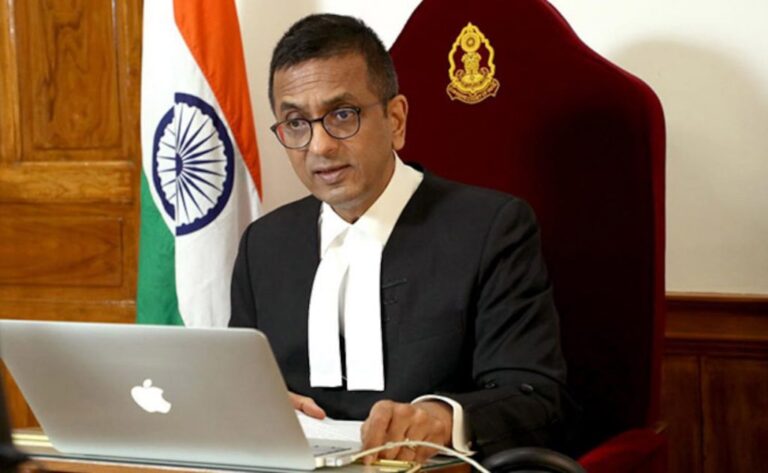
Delays in Justice Delivery Should Not Hold the Country Back

Delays in justice delivery are among the most significant obstacles in India to making it easier to do business and improving people’s ease of living. Union Law Minister Arjun Ram Meghwal recently informed Parliament that over 50 million cases are pending in various courts across India, with nearly 90% of these in district and subordinate courts. This backlog not only burdens the judicial system but also denies timely justice to millions of citizens. The cost of this inefficiency is borne not just by the economy but by society as a whole.

The Scope of the Problem

The staggering number of pending cases highlights a systemic issue within India’s judicial framework. The judicial backlog creates a bottleneck that affects both individuals and businesses. For citizens, this means prolonged disputes, delayed justice, and continued uncertainty. For businesses, it translates into a challenging environment where contractual disputes, property rights, and other legal matters remain unresolved, discouraging investment and economic growth.

Impact on Individuals

For ordinary citizens, the delay in justice delivery means a prolonged wait for resolutions to personal disputes, whether they pertain to property, marital issues, or civil rights. This delay exacerbates stress and frustration among those seeking justice, often leading to a loss of faith in the judicial system. Moreover, for individuals who cannot afford prolonged litigation, justice delayed often translates to justice denied.

Impact on Businesses

For the business community, the judicial backlog creates an environment of uncertainty that is detrimental to investment and economic activity. Companies are wary of entering into contracts and business agreements that might end up in prolonged legal battles. This hesitation stifles innovation and growth, as businesses prefer to operate in environments where disputes can be resolved efficiently and predictably.

Root Causes of Judicial Delays

Understanding the root causes of judicial delays is crucial to addressing the problem. Several factors contribute to the backlog, including insufficient judicial infrastructure, a shortage of judges, and procedural inefficiencies.

Insufficient Judicial Infrastructure

The physical and technological infrastructure of many courts in India is outdated and inadequate. Many courts lack the necessary facilities to handle the volume of cases efficiently. The adoption of technology in the judicial process, which could expedite case handling and management, has been slow and inconsistent.

Shortage of Judges

India faces a significant shortage of judges, which exacerbates the backlog. According to various reports, the judge-to-population ratio in India is significantly lower than in many developed countries. This shortage means that existing judges are overburdened, leading to slower case processing and increased delays.

Procedural Inefficiencies

The judicial process in India is often bogged down by procedural inefficiencies. These include frequent adjournments, lengthy procedures for filing and hearing cases, and a lack of streamlined processes for case management. These inefficiencies slow down the resolution of cases and contribute to the growing backlog.

Consequences of Delayed Justice

The consequences of delayed justice are far-reaching and impact various aspects of society. They undermine the rule of law, erode public trust in the judicial system, and hinder economic development.

Erosion of Rule of Law

When justice is delayed, it undermines the fundamental principle of the rule of law. Citizens begin to lose faith in the legal system, perceiving it as inefficient and incapable of delivering timely justice. This erosion of trust can lead to an increase in vigilantism and extrajudicial measures, as people seek alternative means of resolving disputes.

Economic Implications

The economic implications of delayed justice are significant. A judicial system that cannot resolve disputes efficiently deters both domestic and foreign investment. Businesses are less likely to invest in a market where legal disputes cannot be resolved in a timely manner. This reluctance to invest can stifle economic growth and development, affecting the overall prosperity of the country.

Social Impact

The social impact of delayed justice is profound. Individuals involved in prolonged legal battles experience increased stress and anxiety, which can affect their mental and physical health. Moreover, delayed justice in criminal cases means that victims and their families have to endure extended periods of uncertainty and distress, while accused individuals remain in a state of limbo.

Steps to Address Judicial Delays

Addressing the issue of judicial delays requires a multifaceted approach that involves improving judicial infrastructure, increasing the number of judges, and streamlining judicial processes.

Improving Judicial Infrastructure

Investing in judicial infrastructure is crucial to reducing the backlog of cases. This includes upgrading court facilities, adopting modern technology for case management, and implementing e-courts. The use of digital tools can streamline case filing, tracking, and management, making the judicial process more efficient.

Increasing the Number of Judges

Increasing the number of judges is essential to addressing the shortage and reducing the burden on the existing judiciary. This requires not only appointing more judges but also ensuring that they are adequately trained and equipped to handle the complexities of modern legal cases.

Streamlining Judicial Processes

Reforming judicial processes to eliminate inefficiencies is vital. This includes reducing the number of adjournments, simplifying procedural requirements, and introducing alternative dispute resolution mechanisms. Mediation and arbitration can provide quicker resolutions for many civil and commercial disputes, easing the burden on courts.

Leveraging Technology

Leveraging technology can significantly enhance the efficiency of the judicial system. The implementation of e-filing, virtual hearings, and automated case management systems can reduce delays and improve access to justice. During the COVID-19 pandemic, many courts adopted virtual hearings, demonstrating the potential for technology to transform the judicial process.

Enhancing Legal Aid Services

Improving access to legal aid services can also help address judicial delays. Providing legal assistance to those who cannot afford it ensures that everyone has the opportunity to pursue justice without being hindered by financial constraints. This can help reduce the number of unrepresented litigants, which often contributes to delays.

Delays in justice delivery are a significant barrier to India’s progress, affecting individuals, businesses, and society as a whole. The judicial backlog undermines the rule of law, erodes public trust, and hinders economic development. Addressing this issue requires a comprehensive approach that includes improving judicial infrastructure, increasing the number of judges, streamlining processes, leveraging technology, and enhancing legal aid services.

By taking these steps, India can create a more efficient and responsive judicial system that delivers timely justice to its citizens. This, in turn, will contribute to a more conducive environment for business, foster economic growth, and improve the overall quality of life for its people. The time for action is now; delays in justice should not be allowed to hold the country back any longer.


Disclaimer: The thoughts and opinions stated in this article are solely those of the author and do not necessarily reflect the views or positions of any entities represented and we recommend referring to more recent and reliable sources for up-to-date information.

Central Bank Rate Calls: To Each Its Own, Please

“There is more than one way to skin a cat,” goes an old English proverb, implying there are various ways to accomplish a task. In central bank parlance, the equivalent might be: “There is more than one way to effect a soft landing,” the elusive goal of central banks worldwide. As global economies navigate post-pandemic recovery, each central bank is charting its own path to manage inflation, stimulate growth, and maintain financial stability. The diversity in approaches underscores the complexities of economic management and the unique challenges faced by different countries.

The Global Landscape of Monetary Policy

Central banks globally are at a crossroads, with divergent paths emerging in their monetary policy decisions. The aftermath of aggressive rate hikes in response to the pandemic-induced economic slump and subsequent inflation surge has left central banks with a delicate balancing act.

The Fed’s Cautious Pause

The Federal Reserve (Fed) in the United States has opted for a cautious pause after a series of rapid rate hikes. Faced with slowing inflation and signs of cooling economic growth, the Fed is assessing the impact of its previous actions. The decision to hold rates steady reflects a cautious optimism that inflationary pressures are easing while recognizing the need to avoid pushing the economy into recession.

The ECB’s Gradual Approach

In contrast, the European Central Bank (ECB) has taken a more gradual approach. While it has also raised rates to combat inflation, the ECB has been more measured in its pace, balancing concerns over economic growth in the Eurozone’s more fragile economies. The ECB’s policy reflects the diverse economic conditions across its member states, requiring a more nuanced approach to rate changes.

The Bank of England’s Policy Reversal

The Bank of England (BoE) recently made headlines by reversing its course and lowering rates. This decision was driven by a significant slowdown in economic activity and inflation showing signs of moderation. The BoE’s move underscores the dynamic nature of monetary policy, where central banks must remain flexible and responsive to changing economic conditions.

The Bank of Japan’s Unique Stance

Meanwhile, the Bank of Japan (BoJ) continues to chart its unique course with an ultra-loose monetary policy. Despite global trends toward tightening, the BoJ maintains its focus on achieving sustainable inflation after decades of deflationary pressures. This divergence highlights the distinct economic challenges faced by Japan, where deflation remains a more significant concern than overheating.

Emerging Markets: A Mixed Bag

Emerging markets present a varied picture, with central banks responding to a mix of inflationary pressures, currency volatility, and growth concerns. Countries like Brazil and Turkey have aggressively cut rates to stimulate growth, while others, like Russia and Indonesia, have increased rates to combat inflation and stabilize their currencies.

Brazil’s Aggressive Cuts

Brazil’s central bank has been on an aggressive rate-cutting spree, aiming to boost an economy that has been sluggish post-pandemic. With inflation appearing to be under control, the focus has shifted to stimulating growth and job creation. This proactive stance reflects confidence in the central bank’s ability to manage inflationary expectations.

Turkey’s Volatility-Driven Strategy

Turkey, on the other hand, has faced significant economic volatility, leading to a series of unconventional monetary policy decisions. The central bank has opted for sharp rate cuts to spur growth despite high inflation, a strategy fraught with risks. This approach underscores the challenges faced by countries with high levels of economic instability and currency devaluation.

Russia’s Defensive Hikes

In contrast, Russia has been increasing rates to defend the ruble amidst geopolitical tensions and economic sanctions. The central bank’s priority has been to stabilize the currency and manage inflationary pressures, reflecting the unique economic and political challenges facing the country.

Indonesia’s Balancing Act

Indonesia’s central bank has also raised rates, albeit more cautiously. The focus has been on maintaining currency stability and managing inflation while supporting economic recovery. This balanced approach reflects the need to navigate external vulnerabilities and domestic economic priorities.

The Case of India

India’s central bank, the Reserve Bank of India (RBI), has opted for a status quo approach in recent months. With inflation moderating and economic growth showing signs of resilience, the RBI has chosen to hold rates steady. This decision reflects a cautious optimism about the economy’s trajectory while acknowledging the need to remain vigilant against inflationary pressures.

Inflation Management

India has faced significant inflationary pressures, driven by both global factors and domestic supply constraints. The RBI’s primary focus has been on managing inflation expectations through a combination of rate hikes and liquidity management. The recent decision to hold rates steady suggests confidence in the effectiveness of these measures while remaining prepared to act if inflationary pressures re-emerge.

Supporting Growth

Supporting economic growth remains a key priority for the RBI. With the economy gradually recovering from the pandemic-induced slowdown, maintaining accommodative monetary conditions is crucial. The status quo on rates reflects a balance between managing inflation and supporting growth, a delicate act that requires constant monitoring and flexibility.

Financial Stability

Financial stability is another critical consideration for the RBI. The banking sector has shown resilience, but the central bank remains cautious about potential risks from global economic uncertainties and domestic financial market volatility. Maintaining the status quo on rates helps ensure stability while providing the flexibility to respond to emerging challenges.

Lessons from Divergent Approaches

The diverse approaches taken by central banks globally highlight the complexity of monetary policy in a post-pandemic world. Several key lessons emerge from these divergent strategies.

Flexibility is Key

Monetary policy must remain flexible and responsive to changing economic conditions. Central banks need to be prepared to adjust their strategies as new data emerges and economic conditions evolve. The ability to pivot quickly and effectively is crucial in managing both inflationary pressures and growth concerns.

Context Matters

Economic conditions and challenges vary significantly across countries, and there is no one-size-fits-all approach to monetary policy. Central banks must tailor their strategies to their unique economic contexts, considering factors such as inflation, growth, financial stability, and external vulnerabilities.

Communication is Crucial

Effective communication is essential for managing market expectations and ensuring transparency in monetary policy decisions. Central banks must clearly articulate their policy rationale, objectives, and future guidance to build credibility and maintain confidence in their actions.

Collaboration and Learning

Central banks can benefit from collaboration and learning from each other’s experiences. While each country faces unique challenges, sharing insights and strategies can provide valuable perspectives and inform more effective policy decisions.

The adage “There is more than one way to skin a cat” aptly applies to the realm of central banking. As global economies navigate the complex post-pandemic landscape, central banks are charting their own paths to achieve the delicate balance of controlling inflation, stimulating growth, and maintaining financial stability. The diversity in approaches underscores the importance of flexibility, context-specific strategies, effective communication, and collaboration in the ever-evolving field of monetary policy.

In this dynamic environment, central banks must remain vigilant, adaptive, and innovative to navigate the challenges ahead and ensure sustainable economic recovery and stability.


Disclaimer: The thoughts and opinions stated in this article are solely those of the author and do not necessarily reflect the views or positions of any entities represented and we recommend referring to more recent and reliable sources for up-to-date information.

Climate Crisis is Coming for Your Sambar

Taiyamma, 35, runs a humble eatery in Raichur town, Karnataka. The menu is simple: fluffy dumplings made of rice and black gram—locally known as paddu—served at breakfast, sambar-rice for lunch, and mirchi bajjis (chilli fritters) as an evening snack. She has been running this micro-business for five years now, supporting her three children and their education. Taiyamma’s husband, a driver in a neighbouring state capital, earns just enough to repay monthly loan instalments on a newly acquired pick-up van.

The Heart of the Matter

The climate crisis, often discussed in abstract terms or linked to distant events, is now knocking on the door of every household, including Taiyamma’s. The beloved sambar, a staple in South Indian cuisine, is under threat. The ingredients that go into this delicious dish—pulses, vegetables, and spices—are becoming victims of climate change. Rising temperatures, erratic rainfall, and increasing instances of extreme weather events are drastically impacting agriculture, leading to decreased yields and increased prices.

The Impact on Agriculture

Pulses

Pulses, such as the black gram used in Taiyamma’s paddu and lentils in sambar, are highly sensitive to climatic changes. The major pulse-growing regions in India have been experiencing erratic weather patterns. For instance, in the past few years, regions like Madhya Pradesh and Maharashtra, which are significant producers of pulses, have faced severe droughts followed by unexpected heavy rains. This has led to poor yields and crop failures, resulting in a sharp rise in prices.

Vegetables

Vegetables, crucial for sambar, are also not spared. The unpredictable weather has hit the cultivation of essential vegetables like tomatoes, onions, and okra. The Kharif season, which relies heavily on monsoon rains, has seen significant disruptions, affecting the overall vegetable output. In Tamil Nadu and Andhra Pradesh, excessive rainfall has damaged crops, leading to a scarcity of fresh produce in the market and skyrocketing prices.

Spices

The spices that give sambar its unique flavor—turmeric, coriander, and cumin—are facing the brunt of climate change. For instance, turmeric cultivation in Andhra Pradesh has suffered due to unseasonal rains and pest attacks, exacerbated by changing climate conditions. This has not only affected the availability of these spices but also their quality and price.

Taiyamma’s Struggle

For Taiyamma, these changes translate into everyday challenges. The cost of raw materials has increased significantly, putting a strain on her finances. Her eatery, which serves budget-friendly meals, cannot easily pass these increased costs onto her customers, many of whom are daily wage workers and students. This dilemma forces her to absorb the costs, reducing her already thin profit margins.

Rising Costs

The rising cost of ingredients means that Taiyamma often has to make tough decisions. She might have to reduce the quantity of sambar served or opt for lower-quality ingredients, which could affect the taste and nutritional value of the food. In some cases, she might even have to remove certain items from the menu, affecting her business and customer satisfaction.

Financial Strain

The financial strain extends beyond the eatery. Taiyamma’s family relies on her income for daily expenses and her children’s education. The increasing costs of food production squeeze her budget, making it harder to save or invest in her business. Her husband’s earnings are already tied up in repaying the loan for their pick-up van, leaving little room for financial maneuvering.

A Broader Picture

Taiyamma’s story is a microcosm of a larger issue. Across India, small businesses and households are feeling the pinch of climate change. The food security of millions is at risk as staple foods become more expensive and harder to grow. This situation not only threatens livelihoods but also the cultural fabric of communities where food plays a central role.

Economic Implications

The economic implications of the climate crisis are far-reaching. The agricultural sector, which employs a significant portion of India’s population, is particularly vulnerable. Reduced agricultural productivity leads to loss of income for farmers, increased prices for consumers, and greater volatility in food markets. This can create a vicious cycle of poverty and food insecurity, particularly in rural areas.

Social Implications

Socially, the climate crisis exacerbates existing inequalities. Small-scale farmers and business owners, who lack the resources to adapt to changing conditions, are disproportionately affected. Women, who often manage household food security, bear a significant burden. The increased stress on food systems can lead to malnutrition and health issues, particularly among children and the elderly.

Environmental Implications

Environmentally, the overexploitation of land and water resources to meet food demand further degrades ecosystems. Unsustainable farming practices, driven by the need to maximize short-term yields, lead to soil erosion, water scarcity, and loss of biodiversity. These changes, in turn, make agricultural systems more vulnerable to climate change, creating a feedback loop of environmental degradation and food insecurity.

The Way Forward

Addressing the climate crisis requires a multifaceted approach. Policymakers, businesses, and communities must work together to create resilient food systems that can withstand the impacts of climate change.

Policy Measures

Governments need to implement policies that support sustainable agriculture. This includes providing subsidies for climate-resilient crops, investing in irrigation infrastructure, and offering financial support to farmers affected by extreme weather events. Additionally, policies should promote the use of renewable energy and sustainable farming practices to reduce the carbon footprint of agriculture.

Technological Innovations

Technological innovations can play a crucial role in mitigating the impacts of climate change on agriculture. Advances in precision farming, drought-resistant crops, and efficient irrigation systems can help farmers adapt to changing conditions. Research and development in these areas should be prioritized and supported through public and private investment.

Community Initiatives

Community initiatives can also make a significant difference. Local organizations can promote awareness about sustainable practices and provide training and resources to farmers and small business owners. Community-supported agriculture (CSA) models, where consumers directly support local farmers, can create more resilient and sustainable food systems.

Consumer Awareness

Consumers have a role to play as well. By making informed choices and supporting sustainable food practices, individuals can help drive demand for environmentally friendly products. Reducing food waste and opting for locally sourced and seasonal produce can also alleviate some of the pressure on food systems.

The climate crisis is not a distant threat; it is already impacting our daily lives, as seen in Taiyamma’s struggle to keep her eatery running. The beloved sambar, a staple in South Indian cuisine, is under threat due to the rising costs of ingredients driven by climate change. Addressing this crisis requires concerted efforts from all sectors of society to create sustainable and resilient food systems.

Policymakers must implement supportive measures, technological innovations should be prioritized, and communities need to come together to promote sustainable practices. Consumers can also make a difference through informed choices. Only by working together can we mitigate the impacts of the climate crisis and ensure food security for future generations.


Disclaimer: The thoughts and opinions stated in this article are solely those of the author and do not necessarily reflect the views or positions of any entities represented and we recommend referring to more recent and reliable sources for up-to-date information.

MPC May Not Change Rates; Time for RBI to Step Up Liquidity Support

Globally, monetary policy is at an interesting crossroads. In contrast to the rising interest rates during 2022 and 2023, central banks in several developed and emerging economies have recently lowered policy rates (e.g., UK, Eurozone, Canada, Sweden, Switzerland, China, Brazil). Some have even increased rates (e.g., Japan, Russia, Indonesia, Egypt), while many countries have maintained the status quo in 2024 (e.g., US, Norway, Australia, New Zealand, India, South Africa).

Against this backdrop, the Reserve Bank of India’s (RBI) Monetary Policy Committee (MPC) faces a crucial decision. The consensus among analysts suggests that the MPC may opt to keep rates unchanged. However, while maintaining the status quo on interest rates might be prudent, it is imperative for the RBI to step up liquidity support to ensure sustained economic growth and stability.

Global Monetary Policy Trends

To understand the significance of the RBI’s forthcoming decision, it is essential to examine global monetary policy trends. The past two years have seen a series of aggressive rate hikes by central banks worldwide in response to soaring inflation. However, the tide appears to be turning.

Easing Monetary Policy

Countries like the UK, Eurozone, Canada, Sweden, Switzerland, China, and Brazil have begun lowering their policy rates. This shift is driven by signs of slowing economic growth and easing inflationary pressures. For instance, the Bank of England recently cut rates in response to lower inflation expectations, while the European Central Bank has signaled a more accommodative stance to support the Eurozone’s fragile recovery.

Mixed Approaches

Conversely, some countries have continued to raise rates, reflecting their unique economic conditions. Japan, for example, has maintained its ultra-loose monetary policy for years but has recently taken steps toward normalization. Russia and Egypt, grappling with inflationary pressures, have opted for rate hikes to stabilize their economies.

Status Quo

A significant number of countries, including the US, Norway, Australia, New Zealand, India, and South Africa, have maintained their policy rates. The Federal Reserve, after a series of rate hikes, has paused to assess the economic impact of its actions. Similarly, the RBI’s MPC has chosen to wait and watch, given the mixed signals from the global economy and domestic indicators.

The Case for Keeping Rates Unchanged

Given the global context and domestic economic conditions, there are compelling reasons for the MPC to maintain the current interest rates.

Inflation Concerns

Inflation remains a critical concern for the RBI. Although there have been signs of moderation, core inflation (which excludes volatile food and energy prices) remains sticky. Raising rates could curb inflation further but at the cost of stifling economic growth. Conversely, lowering rates might spur growth but risks reigniting inflationary pressures.

Economic Growth

India’s economic growth, while robust, faces headwinds. The global economic slowdown, geopolitical uncertainties, and domestic challenges like weak consumer demand and sluggish investment growth necessitate a cautious approach. Keeping rates unchanged would provide stability, allowing the economy to navigate these challenges without the added uncertainty of changing borrowing costs.

Financial Stability

Financial stability is another crucial consideration. The banking sector, which has shown resilience, could face stress if rates are altered abruptly. Maintaining the status quo would support the sector’s stability, ensuring that credit flow to productive sectors of the economy is not disrupted.

The Need for Enhanced Liquidity Support

While maintaining the current interest rates is justifiable, the RBI must recognize the need for enhanced liquidity support. Here are several reasons why stepping up liquidity measures is essential.

Supporting Credit Growth

Credit growth is vital for economic expansion. Enhanced liquidity would encourage banks to lend more, supporting businesses, especially small and medium enterprises (SMEs), which are the backbone of the economy. Targeted liquidity measures, such as long-term repo operations (LTROs) or sector-specific lending incentives, could be instrumental in this regard.

Easing Financial Conditions

Improving liquidity conditions would ease financial stress across the economy. This is particularly important for sectors that are still recovering from the pandemic’s impact, such as hospitality, tourism, and retail. Easier access to credit would facilitate recovery and growth in these sectors.

Addressing External Pressures

The global economic environment remains uncertain, with geopolitical tensions and trade disruptions posing risks. Enhanced liquidity would act as a buffer, providing the necessary support to weather external shocks. This is crucial for maintaining investor confidence and ensuring economic stability.

Promoting Investment

Investment is the cornerstone of sustainable economic growth. With improved liquidity, businesses would find it easier to finance capital expenditures, leading to increased productive capacity and job creation. The government’s focus on infrastructure development would also benefit from enhanced liquidity, ensuring the timely execution of projects.

Policy Recommendations

To effectively step up liquidity support, the RBI can consider several measures:

Open Market Operations (OMOs)

The RBI can conduct open market operations to inject liquidity into the banking system. By purchasing government securities, the central bank can increase the money supply, making it easier for banks to extend credit.

Long-Term Repo Operations (LTROs)

LTROs allow banks to borrow from the RBI at a fixed rate for an extended period. This measure would provide banks with long-term liquidity, encouraging them to lend more aggressively to productive sectors.

Sector-Specific Lending

Targeted liquidity measures aimed at specific sectors, such as MSMEs, agriculture, and infrastructure, would ensure that credit flows to areas that need it the most. This could include lower reserve requirements for loans extended to these sectors.

Reducing the Cash Reserve Ratio (CRR)

Lowering the CRR would free up more funds for banks to lend. While this measure needs to be carefully calibrated to avoid inflationary pressures, it could provide a significant liquidity boost.

Special Liquidity Windows

Creating special liquidity windows for non-banking financial companies (NBFCs) and housing finance companies (HFCs) would support these critical intermediaries in extending credit to underserved segments of the economy.

As the RBI’s MPC prepares to make its decision, the global and domestic economic landscape presents a compelling case for maintaining the current interest rates. However, the need for enhanced liquidity support cannot be overstated. By stepping up liquidity measures, the RBI can ensure that the economy continues to grow, navigate external pressures, and support sectors that are crucial for recovery and expansion.

In an era of global economic uncertainty, proactive liquidity management will be key to sustaining India’s economic momentum. The RBI’s actions in this regard will not only bolster financial stability but also lay the groundwork for a more resilient and dynamic economy.


Disclaimer: The thoughts and opinions stated in this article are solely those of the author and do not necessarily reflect the views or positions of any entities represented and we recommend referring to more recent and reliable sources for up-to-date information.