
Home Blog Page 745

Bull Semen Imports: A Pragmatic Experiment to Boost India’s Dairy Potential

India’s journey to becoming the largest producer of milk in the world has been nothing short of remarkable, especially considering the modest supply the country had post-independence. The White Revolution, marked by the formation of cooperative networks among rural dairy farms, propelled India’s dairy industry to new heights. In the fiscal year 2022-23, the nation achieved a staggering milk production of 230.6 million tonnes. Yet, with the entire production being consumed domestically, the dairy sector faces the challenge of scaling up to meet burgeoning local demand and explore overseas markets. The government’s ambitious target of reaching 330 million tonnes of annual milk output by 2033-34 necessitates innovative approaches. The recent import of 40,000 doses of Gir bull semen from Brazil by the National Dairy Development Board (NDDB) marks a strategic initiative to enhance the milk-producing capacity of existing livestock—a pragmatic experiment that merits exploration.

The Indian Dairy Landscape: Scaling Up for the Future:

India’s status as the global leader in milk production underscores the critical role of the dairy sector in the country’s agricultural and economic landscape. The cooperative model, which evolved through the White Revolution, has been a cornerstone of this success. However, with a growing population and changing consumption patterns, the demand for dairy products is on the rise. To meet these demands and potentially explore international markets, the dairy farming sector faces the imperative to scale up efficiently.

Government’s Ambitious Targets: A Vision for 2033-34:

The government’s vision of achieving an annual milk output of 330 million tonnes by 2033-34 signifies an ambitious target. This would require a substantial increase of over two-fifths within a decade. While enlarging the bovine count is one approach, the National Dairy Development Board (NDDB) is spearheading an innovative strategy to enhance the milk-producing capacity of existing livestock. The recent import of Gir bull semen from Brazil is a testament to the proactive measures being taken to leverage global expertise and genetic diversity for the benefit of India’s dairy industry.

Gir Bull Semen Import: A Strategic Move by NDDB:

The National Dairy Development Board’s decision to import 40,000 doses of Gir bull semen from Brazil is a strategic move aimed at augmenting the genetic diversity of India’s dairy cattle. The Gir breed, known for its high milk-producing capacity, offers a valuable genetic resource. By introducing this genetic material into the domestic cattle population through insemination, the NDDB seeks to enhance the overall productivity of Indian dairy farms.

Efficiency in Dairy Production: Enhancing Existing Livestock:

While India is far from facing a methane crisis comparable to the oversized cattle farms in America, the focus on efficiency in dairy production is essential. Enlarging the bovine count is an option, but enhancing the milk-producing capacity of existing livestock through genetic interventions presents a more targeted and resource-efficient approach. The import of Gir bull semen aligns with this strategy, aiming to maximize the potential of India’s dairy cattle without exponentially increasing the overall herd size.

Global Collaboration: Leveraging Genetic Diversity:

The collaboration between NDDB and Brazil for the import of Gir bull semen reflects a global approach to addressing the challenges and opportunities in India’s dairy sector. By tapping into the genetic diversity of the Gir breed, which has demonstrated high milk yields, India seeks to enhance its own dairy breeds. This collaborative effort is not just about importation but signifies a knowledge exchange that can contribute to the sustainable growth of India’s dairy industry.

Challenges and Considerations: Ethical and Environmental Impacts:

While the import of Gir bull semen holds promise for boosting milk production, it is not without challenges and ethical considerations. The impact on the environment, particularly in terms of methane emissions, needs to be carefully monitored. Additionally, ethical considerations regarding the well-being of the animals involved in the insemination process and the long-term implications for the indigenous cattle breeds in India must be addressed transparently. Striking a balance between genetic enhancement and the preservation of native breeds is crucial for the sustainability of the initiative.

Economic Implications: Balancing Costs and Benefits:

The economic implications of importing Gir bull semen also warrant attention. While the initial costs associated with the import may be substantial, the potential benefits in terms of increased milk production and improved genetic traits could outweigh these expenses in the long run. A comprehensive cost-benefit analysis considering both short-term and long-term impacts will be crucial in evaluating the economic viability of this innovative approach.

Public Awareness and Engagement: Communicating the Initiative:

As with any pioneering initiative, public awareness and engagement are key components. Communicating the goals, methods, and expected outcomes of the Gir bull semen import to the public can help build understanding and support. Transparent communication regarding the potential benefits for farmers, the dairy industry, and the country as a whole will foster a positive perception of the initiative.

A Forward-Thinking Approach to Dairy Farming:

The import of Gir bull semen from Brazil by the National Dairy Development Board is a forward-thinking approach to addressing the challenges of scaling up India’s dairy sector. By leveraging global expertise and genetic diversity, the initiative aims to enhance the milk-producing capacity of existing livestock in a targeted and efficient manner. While challenges and considerations exist, the potential benefits for India’s dairy industry make this pragmatic experiment a noteworthy step toward achieving the ambitious targets set for the future. As the initiative unfolds, careful monitoring, ethical considerations, and economic evaluations will be essential to ensure its success and sustainability in the long run.


Disclaimer: The thoughts and opinions stated in this article are solely those of the author and do not necessarily reflect the views or positions of any entities represented and we recommend referring to more recent and reliable sources for up-to-date information.


Companies Battle for Small Pool of IT Employees: A Struggle for Talent Dominates India Inc.

In the ever-evolving landscape of India’s corporate sector, a fierce competition is unfolding for a limited pool of skilled IT employees. This battle is not confined to the traditional realm of IT companies but extends across diverse industries, creating a talent gap that poses challenges for India Inc. at large. A recent Mint+Shine Talent Insights Report sheds light on the escalating struggle as companies grapple with each other to secure a share of the same cohort of IT professionals, leading to a scarcity that is testing the resilience of businesses across sectors.

The Talent War: IT and Non-IT Companies in the Fray:

The traditional boundaries between IT and non-IT sectors are blurring as both find themselves vying for the expertise of skilled IT professionals. This unique talent war is not only reshaping recruitment strategies but is also indicative of the pervasive role that technology plays in the modern business landscape. Companies, regardless of their industry, are recognizing the critical need for IT skills to navigate the complexities of the digital era, creating an intense competition for a relatively small pool of qualified individuals.

Alignment Challenges: Skills vs. Job Requirements:

One of the significant hurdles identified by the Mint+Shine Talent Insights Report is the alignment of candidate skills with job requirements. Nearly half of the respondents, constituting HR professionals and job seekers, highlighted this challenge during the October-December quarter. The evolving nature of technology, especially in domains like artificial intelligence (AI) and machine learning (ML), demands candidates with up-to-date skill sets. The struggle lies not just in attracting talent but in ensuring that their skills seamlessly align with the demands of the roles.

Campus Hiring Dilemma: The Quest for Technological Acumen:

Campus hiring, once considered a prime avenue for securing fresh talent, is now fraught with challenges. According to the report, almost half of the respondents expressed difficulty in finding candidates through campus hiring who possess the latest IT skill sets, particularly in AI and ML. The gap between academic curricula and the rapidly evolving requirements of the industry is widening, presenting a dual challenge for both educational institutions and businesses seeking competent professionals.

Pervasive Impact of Technology: A Cross-Industry Imperative:

The increasing reliance on technology is not exclusive to the IT sector. Industries ranging from manufacturing and healthcare to finance and retail are integrating advanced technologies into their operations. As a result, the demand for IT professionals has expanded beyond the tech-centric domains, creating a scenario where companies find themselves competing for a limited talent pool. This phenomenon reflects a broader transformation where technological literacy becomes a fundamental requirement for professionals across various sectors.

Strategic Importance of IT Skills: A Competitive Edge:

In an era where digital transformation is a strategic imperative, possessing advanced IT skills has become synonymous with maintaining a competitive edge. The ability to harness artificial intelligence, machine learning, data analytics, and other technological tools is not just an asset for IT companies but a necessity for any organization aspiring to thrive in the modern business landscape. The battle for IT talent underscores the recognition of these skills as a linchpin for sustained success and innovation.

Navigating the Skill Gap: Challenges and Solutions:

The Mint+Shine report emphasizes the pressing need to address the skill gap that is causing this talent crunch. Companies must adopt multifaceted approaches, collaborating with educational institutions to align curricula with industry demands, investing in continuous training and upskilling programs, and fostering a culture of innovation within their organizations. Additionally, creating an employer brand that emphasizes professional development and a stimulating work environment can enhance the appeal of companies in the eyes of prospective IT talent.

The Role of HR Professionals: Orchestrating Talent Acquisition:

HR professionals find themselves at the forefront of this talent war, tasked with navigating the complexities of recruitment in a competitive landscape. Beyond traditional hiring practices, HR departments must adopt strategic approaches, leveraging technology for candidate sourcing, employing data-driven insights to understand talent trends, and devising comprehensive talent acquisition strategies that go beyond immediate needs to address long-term organizational goals.

The Collaborative Imperative: Bridging Gaps for Mutual Growth:

As the battle for IT talent intensifies, there is an imperative for collaboration. Companies, educational institutions, and the government must collaborate to bridge the gaps between academic learning and industry requirements. Industry-academia partnerships, apprenticeship programs, and initiatives that promote continuous learning can foster an ecosystem where the workforce is equipped with the skills needed to drive technological innovation and business success.

Navigating the Talent Landscape in the Digital Era:

The Mint+Shine Talent Insights Report serves as a stark reminder of the challenges that businesses face in securing skilled IT professionals in the digital era. As companies grapple with each other to access a limited talent pool, the onus is on them to proactively address the skill gap and foster an environment where technology becomes an enabler rather than a constraint. Navigating the talent landscape in the digital era demands a strategic, collaborative, and forward-thinking approach that recognizes the transformative power of IT skills in shaping the future of business across industries.

Cheaper Venezuelan Crude May Return to India from Feb: Navigating the Shifting Dynamics of Global Oil Trade

In a noteworthy shift in the complex chessboard of global oil trade, reports indicate that cheaper Venezuelan crude oil may once again find its way to Indian shores starting next month. This potential resurgence comes after a hiatus of three years, driven by Indian refiners pivoting away from Russian imports due to Moscow’s reduced discounts, a consequence of the sanctions imposed on the nation. As India seeks economical energy solutions, the prospect of renewed ties with Venezuela prompts us to explore the intricate dynamics at play in the ever-evolving world of oil trade.

Background: The Russian Factor and Sanctions Impact:

The imposition of sanctions on Russia has sent shockwaves through the global energy market, particularly affecting Indian refiners who traditionally sourced a significant portion of their crude oil from Moscow. As geopolitical tensions escalated, Russia, grappling with the impact of sanctions, notably slashed the discounts offered to India, making the import of Russian crude less economically viable for the Indian market. In response to this challenging scenario, Indian refiners are now considering the re-entry of Venezuelan crude into their energy portfolios.

The Return of Venezuelan Crude: A Strategic Shift:

Venezuelan crude, known for its competitive pricing, was once a staple in India’s energy imports. However, due to a combination of political and economic uncertainties in Venezuela, coupled with the allure of discounts from Russia, Indian refiners had gradually reduced their dependence on Venezuelan oil over the past few years. The potential return signals a strategic shift driven by the need for cost-effective alternatives amid the current geopolitical landscape.

Economic Considerations: Navigating the Price-Discount Nexus:

The heart of this renewed interest in Venezuelan crude lies in the economic considerations facing Indian refiners. As Moscow scaled back its discounts, Indian refineries were confronted with rising operational costs, prompting a quest for more economical sources of crude oil. Venezuela, historically offering competitive pricing, has become an attractive proposition once again, aligning with India’s pursuit of energy security while maintaining fiscal prudence.

Geopolitical Diplomacy: Balancing Alliances and Dependencies:

The return to Venezuelan crude also underscores the intricate dance of geopolitical diplomacy. As nations grapple with global tensions and shifting alliances, the choice of energy partners becomes a diplomatic chess move. While India seeks to diversify its sources and reduce dependency on any single nation, the rekindling of ties with Venezuela speaks to the nuanced diplomacy required to navigate the complex web of global relationships.

Challenges and Opportunities: The Venezuelan Conundrum:

The reintegration of Venezuelan crude into India’s energy mix is not without challenges. The economic and political instability in Venezuela, coupled with the possibility of renewed U.S. sanctions on the South American nation, adds a layer of uncertainty. Navigating this complex landscape requires a delicate balance, where opportunities for cost-effective energy must be weighed against potential geopolitical repercussions.

Environmental Considerations: Sustainable Energy in Focus:

While the economic aspects of importing cheaper crude are compelling, it is crucial not to lose sight of environmental considerations. As the global community intensifies efforts to transition towards sustainable energy, India, as one of the largest consumers of crude oil, must strike a balance between cost-effectiveness and environmental responsibility. The decision to embrace Venezuelan crude should align with India’s broader commitment to sustainable and cleaner energy solutions.

Infrastructure Preparedness: The Logistics of Importing Venezuelan Crude:

The revival of Venezuelan crude imports necessitates a close examination of India’s refining infrastructure. Refineries need to be equipped to process the specific characteristics of Venezuelan crude, ensuring efficiency and optimal utilization. Adequate infrastructure preparedness is vital to reap the full benefits of this strategic shift in crude oil sourcing.

International Response and Market Dynamics: A Ripple Effect:

India’s move towards Venezuelan crude is likely to reverberate across the international oil market. It may influence the strategies of other major consumers and alter the dynamics of global crude pricing. The response from other oil-producing nations, particularly in the wake of geopolitical complexities, will shape the future landscape of energy trade.

Navigating the Future of Indian Energy Security:

As India contemplates the return of cheaper Venezuelan crude to its energy portfolio, it stands at a crossroads in shaping the future of its energy security. The decision encompasses economic considerations, geopolitical diplomacy, environmental responsibilities, and infrastructural preparedness. The ability to navigate these multifaceted aspects will determine not only the cost-effectiveness of energy sourcing but also India’s resilience and adaptability in the ever-evolving global energy landscape. The journey from Russian dominance to a potential revival of Venezuelan ties represents a strategic pivot that underscores the intricate nature of India’s quest for energy security in the 21st century.


Disclaimer: The thoughts and opinions stated in this article are solely those of the author and do not necessarily reflect the views or positions of any entities represented and we recommend referring to more recent and reliable sources for up-to-date information.

Health Authorities Recommend WHO-Backed Vaccine as Flu Cases Rise: A Prudent Response to Evolving Threats

As influenza infections surge across the nation, health authorities are stepping up their efforts to curb the spread and protect the population. The National Centre for Disease Control (NCDC) has recently issued an official notice, recommending the cautious adoption of the Southern Hemisphere’s 2024 quadrivalent influenza vaccine. This decision comes in response to a report by the NCDC, indicating the presence of various flu strains, including A(H1N1) pdm09, A(H3N2), and Type B Victoria lineage, in India. The alignment of these strains with the World Health Organization’s (WHO) recommendations highlights the significance of a unified and globally endorsed approach to combatting the seasonal flu.

The NCDC Advisory: Addressing the Growing Influenza Threat:

With a palpable increase in influenza cases sweeping across the country, the NCDC has assumed a proactive role by advocating for the prudent use of the Southern Hemisphere’s 2024 quadrivalent influenza vaccine. This advisory is rooted in the center’s commitment to public health and aligns with the evolving landscape of flu viruses present in India. The strains identified, including A(H1N1) pdm09, A(H3N2), and Type B Victoria lineage, closely mirror those recognized by the WHO, forming the foundation for the recommended vaccine.

The Global Relevance: WHO’s Backing of Southern Hemisphere 2024 Vaccine:

The WHO’s endorsement of the Southern Hemisphere’s 2024 quadrivalent influenza vaccine serves as a testament to the global collaborative efforts in addressing influenza threats. The WHO, through extensive surveillance and analysis, identifies prevalent strains worldwide and tailors its recommendations to provide the most effective defense against the flu. The alignment of India’s flu strains with WHO-recommended types underscores the interconnected nature of global health and the need for unified strategies to combat infectious diseases.

Understanding the Identified Flu Strains in India:

The NCDC report highlights the presence of A(H1N1) pdm09, A(H3N2), and Type B Victoria lineage strains in India. A(H1N1) pdm09, commonly known as swine flu, has been a recurring concern in recent years. A(H3N2) is another influenza A subtype, and Type B Victoria lineage represents a type of influenza B virus. The identification of these strains emphasizes the dynamic nature of influenza viruses and the necessity for adaptive vaccination strategies to effectively tackle the evolving landscape of infectious diseases.

Southern Hemisphere 2024 Quadrivalent Influenza Vaccine: A Tailored Defense:

The recommendation to use the Southern Hemisphere’s 2024 quadrivalent influenza vaccine is grounded in the principle of tailoring defenses to match the circulating strains. Quadrivalent vaccines are designed to protect against four influenza viruses – two influenza A strains and two influenza B strains. The specific inclusion of strains prevalent in the Southern Hemisphere for the 2024 vaccine aligns with the global circulation patterns of flu viruses, providing a targeted and effective defense against the identified threats.

Rationale for Prudent Use: Balancing Vaccine Availability and Targeted Protection:

The term “prudent use” in the advisory emphasizes a strategic approach to vaccine distribution. Balancing the availability of vaccines with the need for targeted protection is crucial, especially considering the dynamic nature of influenza viruses. Prudent use ensures that the vaccines are deployed where they are most needed, optimizing the impact on public health.

Public Awareness and Vaccination Campaigns: A Crucial Component:

An essential aspect of the response to rising flu cases is public awareness and vaccination campaigns. Communicating the importance of getting vaccinated, dispelling myths surrounding flu vaccines, and ensuring accessibility to vaccines play pivotal roles in the success of any vaccination program. Health authorities should actively engage with communities, healthcare professionals, and media to disseminate accurate information and encourage vaccine uptake.

Challenges in Implementation: Addressing Hurdles to Effective Vaccination:

The successful implementation of the recommended vaccination strategy faces challenges that need addressing. Ensuring an adequate supply of the Southern Hemisphere’s 2024 quadrivalent influenza vaccine, establishing efficient distribution channels, and overcoming logistical hurdles are critical aspects. Collaborative efforts between health authorities, vaccine manufacturers, and healthcare providers are essential to overcome these challenges and ensure a seamless vaccination process.

Global Lessons: Strengthening Pandemic Preparedness:

The current focus on influenza vaccination and the alignment with WHO recommendations offer valuable lessons for global pandemic preparedness. The interconnectedness of health threats emphasizes the need for a collaborative and coordinated approach at the international level. Strengthening surveillance systems, enhancing vaccine research and development capabilities, and fostering global partnerships contribute to a more resilient response to emerging infectious diseases.

A United Front Against Influenza:

As health authorities recommend the WHO-backed Southern Hemisphere 2024 quadrivalent influenza vaccine in response to the rise in flu cases, India stands at the forefront of a concerted effort to protect public health. The alignment with global recommendations underscores the interconnected nature of infectious diseases and the importance of a united front in the face of health threats. As the vaccination campaigns unfold, the success of this initiative will not only be measured in the number of vaccines administered but in the collective resilience and adaptability demonstrated by healthcare systems, communities, and individuals in the fight against influenza.


Disclaimer: The thoughts and opinions stated in this article are solely those of the author and do not necessarily reflect the views or positions of any entities represented and we recommend referring to more recent and reliable sources for up-to-date information.

Ram Temple Opens, Set to Spark a Boom: A Transformative Chapter in India’s History

In a historic moment that reverberated across the nation, Prime Minister Narendra Modi inaugurated the grand Ram Temple in Ayodhya on Monday. This monumental event not only marks the realization of a longstanding promise by the Bharatiya Janata Party (BJP) but also signifies a profound shift in the religious, political, and tourism landscape of India. The opening of the Ram Temple is more than just a structural accomplishment; it’s a catalyst for transformative change with far-reaching implications.

The Ayodhya Dispute:

The construction of the Ram Temple in Ayodhya has been at the heart of one of India’s most contentious and longstanding disputes. The site, believed to be the birthplace of the Hindu deity Lord Ram, has been a focal point of religious and political tensions for decades. The resolution of the Ayodhya dispute not only fulfills a significant electoral promise but also brings a sense of closure to a chapter that has, at times, strained the fabric of the nation.

Religious Significance:

The opening of the Ram Temple holds immense religious significance for millions of Hindus in India. Ayodhya, considered the birthplace of Lord Ram, becomes a symbol of spiritual sanctity and pilgrimage. The completion of the temple is not merely a construction project; it is the embodiment of faith and devotion for a substantial portion of the population, offering a place for worship and reflection that goes beyond the physical structure.

Political Implications:

The political ramifications of the Ram Temple inauguration are equally profound. The BJP, with its roots in the Rashtriya Swayamsevak Sangh (RSS), has championed the cause of the Ram Temple for decades. The fulfillment of this promise strengthens the party’s credibility among its voter base and consolidates its position as a political force that can translate its ideological commitments into tangible actions. However, it also raises questions about the delicate balance between religion and politics in a diverse and secular democracy like India.

National Unity or Divisiveness:

While the completion of the Ram Temple is seen by many as a symbol of national unity and the resolution of a contentious issue, it also raises concerns about potential divisiveness. India, with its rich tapestry of religions and cultures, prides itself on its secular identity. The challenge lies in ensuring that the inauguration of the Ram Temple fosters unity and inclusivity rather than deepening existing fault lines. The government’s responsibility extends beyond construction; it involves nurturing an environment where diverse beliefs coexist harmoniously.

Economic Boom and Tourism:

Beyond the realms of religion and politics, the inauguration of the Ram Temple has the potential to ignite an economic boom, particularly in the tourism sector. Ayodhya, now synonymous with the grandeur of the Ram Temple, is expected to witness a surge in pilgrim tourism. The influx of devotees and tourists not only benefits the local economy but also creates opportunities for job creation and infrastructure development. The Ram Temple could become a beacon for cultural and religious tourism, contributing significantly to the region’s economic growth.

Cultural Heritage and International Recognition:

The Ram Temple stands not only as a religious symbol but also as a testament to India’s rich cultural heritage. Its completion has garnered international attention, showcasing the nation’s ability to preserve and celebrate its diverse history. The temple adds to India’s cultural narrative, attracting interest and admiration from global audiences. This recognition has the potential to position India as a custodian of its historical and cultural treasures.

Challenges of Inclusivity:

As the Ram Temple opens its doors, the challenge lies in fostering an inclusive environment that embraces diversity. The celebration of Hindu heritage should not overshadow the rights and identities of other communities. Ayodhya is home to a mosaic of religious and cultural identities, and it is essential to navigate this delicate balance with sensitivity and respect. The success of the Ram Temple project should be measured not only in bricks and mortar but in the harmonious coexistence of diverse beliefs.
The opening of the Ram Temple in Ayodhya is undeniably a transformative chapter in India’s history. It marks the end of a protracted and often contentious dispute, offering a sense of closure to a chapter that has shaped the country’s socio-political landscape. Beyond the immediate religious and political implications, the Ram Temple has the potential to spark a boom in tourism, cultural heritage, and economic development. However, the true measure of success lies in how this landmark achievement contributes to the unity, inclusivity, and harmonious coexistence of India’s diverse populace. As the doors of the Ram Temple swing open, they beckon not only to the faithful but to a future where progress is synonymous with understanding, tolerance, and shared prosperity.


Disclaimer: The thoughts and opinions stated in this article are solely those of the author and do not necessarily reflect the views or positions of any entities represented and we recommend referring to more recent and reliable sources for up-to-date information.

Tolls on Indian Roads Will Take a Greater Toll: Balancing Progress with Public Pockets

The recent inauguration of the Atal Setu or Mumbai Trans Harbour Link marked a milestone in India’s infrastructure development, connecting Mumbai to Navi Mumbai. However, as the dust settles on the newly built bridge, commuters are left grappling with the weighty tolls imposed on their journeys. With toll charges becoming an increasingly prevalent aspect of Indian road travel, the question arises – will the tolls on Indian roads take a greater toll on the citizens, and what are the implications of this burgeoning trend?

The Rise of Pay-and-Ride:

The concept of pay-and-ride has permeated the Indian road infrastructure landscape, bringing with it a wave of toll booths and charges that commuters must contend with. The Atal Setu, spanning 22 kilometers, demands a toll of 250 for a one-way journey, offering a glimpse into the evolving dynamics of road financing in the country. This trend, however, is not isolated; it reflects a broader strategy employed by the government to fund infrastructure projects through user charges.

The Revenue Surge:

India has witnessed a substantial surge in road toll revenues over the past few years, with the bulk stemming from national highways. From 17,759 crores in the fiscal year 2015-16, the toll revenues catapulted to a staggering 48,028 crores in 2022-23. Union Minister for Road Transport, Nitin Gadkari, envisions an even grander trajectory, targeting revenues of 1.3 trillion by 2030, implying an average annual growth rate of 15%. While this financial aspiration signifies progress and development, it raises concerns about the economic burden imposed on the common citizen.

The Cost of Connectivity:

Infrastructure development, including the construction of roads and bridges, undoubtedly contributes to the economic growth of a nation. Improved connectivity facilitates trade, enhances regional development, and fosters economic activities. However, the burgeoning toll charges threaten to transform the concept of progress into a luxury that only a few can afford. For the average commuter, the toll expenses can significantly impact their monthly budget, questioning the inclusivity of the very infrastructure meant to benefit all.

The Socioeconomic Ramifications:

As toll charges escalate, it is imperative to consider the socioeconomic ramifications. The burden of tolls disproportionately affects lower-income individuals who rely heavily on road transport for their daily commute. For many, the toll charges represent a substantial portion of their disposable income, limiting their financial flexibility. This socioeconomic disparity raises concerns about equitable access to essential services and opportunities for all segments of society.

Government’s Revenue Target:

Nitin Gadkari’s ambitious target of generating 1.3 trillion in toll revenues by 2030 reflects the government’s commitment to financing infrastructure projects. While such aspirations are commendable, striking a balance between revenue generation and ensuring affordability for the masses is crucial. As tolls become a significant source of funding, it is essential to explore alternative models that distribute the financial burden more equitably.

Public Sentiment and Protests:

The imposition of tolls has not gone unnoticed by the public, leading to sporadic protests and expressions of discontent. Commuters and advocacy groups argue that the toll charges often seem disproportionate to the benefits derived. As toll plazas multiply across the country, there is a growing demand for transparency in how toll revenues are utilized and a call for a fairer system that considers the economic realities of the diverse population.

Exploring Alternatives:

To address the concerns surrounding toll charges, it is imperative to explore alternative financing models for road infrastructure. Public-private partnerships (PPPs), value capture financing, and innovative funding mechanisms can be explored to diversify revenue streams. Additionally, transparent communication about the utilization of toll revenues and periodic reviews of toll charges can help build public trust and ensure that citizens perceive tolls as a fair contribution to the nation’s progress.

As India races towards a future of enhanced connectivity and infrastructure development, the tolls on its roads serve as a financial checkpoint for its citizens. While the government’s revenue targets indicate a commitment to progress, it is vital to tread carefully, considering the socioeconomic implications of escalating toll charges. A nuanced approach that balances the financial aspirations of the government with the economic realities of the citizens is crucial to ensure that the tolls on Indian roads do not take a greater toll on the pockets and well-being of the people they are meant to serve. As the nation marches forward, the tolls must become a tool for inclusive development rather than a barrier for the masses.


Disclaimer: The thoughts and opinions stated in this article are solely those of the author and do not necessarily reflect the views or positions of any entities represented and we recommend referring to more recent and reliable sources for up-to-date information.
Shipping Cover May Get an India Flavour

In a significant move, the Reserve Bank of India (RBI) has recently unveiled a draft framework, outlining the pivotal roles, governance standards, and eligibility criteria for establishing a self-regulatory organization (SRO) tailored for fintech companies. This proactive step prompts us to ponder the crucial question – why is such a regulatory body needed for the fintech sector?

*The Fintech Boom:*

The last decade has witnessed an unprecedented surge in fintech innovations, transforming the landscape of financial services. From digital payments and lending platforms to blockchain technology and robo-advisors, fintech companies have disrupted traditional financial models, providing consumers with efficient and convenient alternatives. However, this rapid evolution has also brought forth new challenges, demanding a comprehensive regulatory framework to safeguard the interests of all stakeholders.

*Ensuring Consumer Protection:*

One of the primary reasons for advocating self-regulation in the fintech sector is to fortify consumer protection. As fintech services become an integral part of everyday life, ensuring the security and privacy of user data and financial transactions becomes paramount. A self-regulatory organization can establish industry-wide standards that prioritize consumer protection, instilling confidence in users and fostering long-term trust in fintech services.

*Balancing Innovation and Risk:*

Fintech, by its nature, is synonymous with innovation. While innovation is essential for progress, it also introduces new risks and challenges. The presence of a self-regulatory body can strike a delicate balance between fostering innovation and mitigating risks. Through collaboration with industry stakeholders, the SRO can develop guidelines that encourage innovation while establishing safeguards against potential pitfalls, creating a conducive environment for sustainable growth.

*Building Credibility in the Fintech Ecosystem:*

Credibility is the cornerstone of any financial system. The establishment of a self-regulatory organization for fintechs aims to enhance credibility within the ecosystem. By adhering to industry-wide standards and best practices, fintech companies can demonstrate their commitment to ethical business conduct, fostering a positive perception among consumers, investors, and regulatory authorities.

*Streamlining Compliance:*

Navigating through the complex web of regulatory compliance is a daunting task for fintech startups and established players alike. A self-regulatory organization can play a pivotal role in streamlining compliance processes. By offering clear guidelines and a standardized framework, the SRO can help fintech companies ensure that they adhere to regulatory requirements, reducing the regulatory burden and facilitating smoother operations.

*Enhancing Collaboration:*

The fintech industry is characterized by a diverse range of players, including startups, established companies, and traditional financial institutions. A self-regulatory organization provides a platform for collaboration, allowing industry players to come together, share insights, and address common challenges. This collaborative approach not only fosters innovation but also facilitates the creation of a robust and interconnected fintech ecosystem.

*Global Competitiveness:*

In an era of globalization, the competitiveness of a nation’s fintech industry is closely tied to its regulatory framework. A well-regulated environment attracts investment, talent, and innovation. By proactively establishing a self-regulatory organization, India’s fintech sector can position itself as a global leader, setting high standards that resonate with international best practices and demonstrating its commitment to responsible and sustainable growth.

*Adaptability to Rapid Changes:*

The financial technology landscape is dynamic, with technological advancements and market trends evolving at an unprecedented pace. Traditional regulatory frameworks often struggle to keep up with these rapid changes. A self-regulatory organization, being more agile and adaptable, can respond quickly to emerging trends, ensuring that the fintech sector remains resilient and can effectively navigate the challenges posed by technological disruptions.

The need for a self-regulatory organization in the fintech sector is not just a response to current challenges but a forward-thinking approach to foster sustainable growth. As the RBI’s draft framework progresses, it is essential for all stakeholders – fintech companies, regulators, and consumers – to actively participate in shaping the regulatory landscape. The establishment of an SRO is not just a regulatory requirement; it is an opportunity to shape the future of fintech in India, ensuring that innovation goes hand in hand with responsibility and accountability. Ultimately, a well-regulated fintech sector is not just a boon for the industry; it is a positive force that benefits the economy and society as a whole.

Disclaimer: The thoughts and opinions stated in this article are solely those of the author and do not necessarily reflect the views or positions of any entities represented and we recommend referring to more recent and reliable sources for up-to-date information.

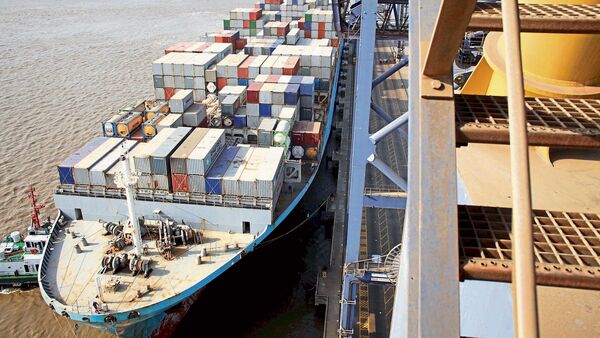
Shipping Cover May Get an India Flavour

In a strategic move to fortify its maritime interests, India is gearing up to establish its own Protection and Indemnity (P&I) entity, aptly named India Club. This initiative aims to offer comprehensive third-party maritime insurance exclusively for Indian ships operating in the nation’s coastal regions and inland waterways. While the primary focus is on providing coverage for local shipping activities, the possibility of extending this protective umbrella to global waters remains a prospective consideration for the future.

A senior government official has disclosed that India Club is envisioned to serve as a pivotal player in safeguarding the interests of the country’s shipping industry. By addressing the unique challenges faced by Indian vessels navigating through domestic waters, this initiative seeks to enhance the resilience and sustainability of the maritime sector.

Local Maritime Insurance: The Need of the Hour

The decision to establish a dedicated P&I entity for local shipping arises from the recognition of the distinctive risks associated with maritime operations in India’s coastal regions and inland waterways. These areas pose specific challenges, ranging from environmental factors to potential damages during cargo carriage. The India Club aims to bridge the existing gaps in insurance coverage by providing financial protection against unforeseen circumstances.

Traditionally, marine insurance has predominantly covered the hull and machinery of ships. However, the intricacies of maritime trade demand a more nuanced approach. By extending coverage to include damages caused to cargo during transit, impacts of war, and exposure to environmental risks, India Club seeks to offer a comprehensive solution tailored to the specific needs of the Indian shipping industry.

Future Prospects: Venturing into Global Waters

While the immediate focus is on securing the interests of local shipping, there is a contemplation about expanding the scope of India Club to cover international waters in the future. This strategic evolution would position India as a key player in the global maritime insurance landscape.

The decision to potentially extend coverage to global waters underscores the ambitions of India to assert itself as a formidable force in international maritime trade. It aligns with the broader vision of fostering self-reliance and mitigating external dependencies in critical sectors.

However, venturing into global waters involves navigating a complex web of regulatory frameworks, international agreements, and collaboration with other P&I clubs. The roadmap for this expansion would require meticulous planning, coordination, and adherence to global standards. Nevertheless, the prospect of India Club extending its protective umbrella to international waters holds immense potential for bolstering the nation’s maritime standing on the global stage.

Navigating Challenges: Unforeseen Situations and Comprehensive Coverage

The maritime industry is inherently susceptible to a myriad of risks, ranging from natural disasters to geopolitical tensions. India Club aims to provide a safety net for ship operators by addressing these challenges comprehensively. Unforeseen situations, such as damages caused to cargo during carriage, can have significant financial implications. The provision of insurance coverage for such scenarios not only safeguards the financial interests of ship operators but also contributes to the overall resilience of the shipping ecosystem.

Furthermore, the inclusion of coverage for damages resulting from war and environmental risks reflects a proactive approach to risk management. As geopolitical uncertainties continue to shape the global landscape, having a robust insurance mechanism becomes imperative for ensuring the continuity of maritime operations.

Collaborative Efforts: Strengthening the Maritime Ecosystem

The establishment of India Club signifies a collaborative effort involving the government, maritime stakeholders, and the insurance industry. This collaboration is essential for creating a robust framework that aligns with the evolving needs of the shipping sector. By fostering a sense of self-reliance, the initiative not only addresses immediate concerns but also lays the foundation for long-term sustainability.

The success of India Club hinges on effective collaboration with existing P&I clubs, regulatory bodies, and international partners. Learning from global best practices, incorporating technological advancements, and staying attuned to the dynamic nature of the maritime industry will be crucial for the seamless integration of India Club into the global maritime insurance landscape.

Charting a Course for Maritime Self-Reliance

The establishment of India Club marks a significant stride towards enhancing the self-reliance and resilience of the Indian maritime sector. As the initiative focuses on local shipping needs, it also holds the promise of contributing to India’s prominence in global waters in the future.

Navigating the complex waters of maritime insurance requires a careful balance between addressing immediate challenges and envisioning future possibilities. India Club, with its focus on comprehensive coverage and potential expansion into global waters, signifies a strategic approach to fortifying the nation’s maritime interests.

In the evolving landscape of international trade and maritime activities, India’s foray into establishing its P&I entity is a testament to the nation’s commitment to shaping its destiny on the high seas. As India Club sets sail, it is poised to become a beacon of stability and security for the nation’s vibrant and dynamic maritime ecosystem.


Disclaimer: The thoughts and opinions stated in this article are solely those of the author and do not necessarily reflect the views or positions of any entities represented and we recommend referring to more recent and reliable sources for up-to-date information.

Data Recap: GST, Car Sales, Shipping Costs

Every Friday, Plain Facts takes a comprehensive dive into the data landscape, offering readers a chance to explore the week’s news stories through the lens of numbers and statistics. This week’s data recap highlights the significant growth in Goods and Services Tax (GST) collections, explores the trends in car sales, and investigates the impact of recent attacks on shipping costs in the Red Sea.

GST Collections Surge by 10.3%

One of the standout data points this week revolves around the Goods and Services Tax (GST) collections in December. The data released indicates a substantial 10.3% year-on-year growth, reaching a total of 1.65 trillion. This surge in GST collections not only showcases the resilience of the Indian economy but also suggests positive momentum in various sectors.

The growth in GST collections is a crucial indicator of economic health, reflecting increased consumer spending and business activities. A closer look at the data breakdown reveals specific sectors that contributed significantly to this rise, providing valuable insights for policymakers and businesses alike.

The government’s efforts in implementing and streamlining GST procedures seem to be paying off, fostering a conducive environment for businesses to thrive. As we move forward, monitoring these trends will be essential in gauging the overall economic trajectory and planning for future policies.

Fluctuations in Car Sales: A Market Overview

Another intriguing aspect of this week’s data recap centers around the trends in car sales. The automotive industry, a key barometer of consumer confidence and economic stability, has witnessed fluctuations in recent months. While the overall sentiment remains positive, certain challenges and opportunities are evident from the data.

A closer analysis of the data reveals that while sales of electric and hybrid vehicles continue to rise, traditional internal combustion engine (ICE) vehicles are experiencing a more modest growth rate. This shift in consumer preferences aligns with global efforts towards sustainability and eco-friendly transportation.

Furthermore, regional variations in car sales highlight the importance of understanding local markets. Some areas exhibit a higher affinity for electric vehicles, while others still rely heavily on conventional fuel-driven cars. Manufacturers and policymakers can use this data to tailor their strategies, catering to the unique demands of different regions.

As we navigate through the evolving landscape of the automotive industry, tracking these sales patterns will be instrumental for stakeholders in making informed decisions and staying ahead of market dynamics.

Shipping Costs Surge Amidst Red Sea Attacks

In a stark contrast to the positive economic indicators, recent attacks on vessels in the Red Sea have sent shockwaves through the shipping industry, leading to a surge in shipping costs. This unforeseen disruption has immediate consequences for global trade, affecting businesses involved in import and export activities.

The data reflects a sharp increase in shipping costs, raising concerns among companies reliant on international trade routes. The ripple effects of these incidents extend beyond the immediate financial implications, impacting supply chains, delivery schedules, and overall operational efficiency.

In response to these challenges, businesses are likely to reassess their logistics strategies, exploring alternative routes and reinforcing security measures. This situation underscores the vulnerability of global supply chains to geopolitical events and the importance of having contingency plans in place.

Navigating the Data Landscape

this week’s data recap sheds light on the multifaceted nature of the current economic landscape. The growth in GST collections signals a robust economy, while fluctuations in car sales reveal the dynamic shifts in consumer preferences. Simultaneously, the spike in shipping costs serves as a stark reminder of the interconnectedness of global trade and the potential impact of geopolitical events.

As we navigate through these data-driven insights, it becomes evident that staying informed is paramount for individuals, businesses, and policymakers alike. The ability to adapt to changing circumstances and make data-driven decisions will be crucial in charting a course through the uncertainties of the modern world.

Plain Facts will continue to unravel the stories behind the numbers, providing a comprehensive understanding of the data that shapes our lives. Join us every Friday as we delve deeper into the data landscape, uncovering trends, patterns, and implications that go beyond the headlines.


Disclaimer: The thoughts and opinions stated in this article are solely those of the author and do not necessarily reflect the views or positions of any entities represented and we recommend referring to more recent and reliable sources for up-to-date information.

Revolutionizing Transactions: The UPI Phenomenon and the Dawn of e-Rupee in India

In the rapidly evolving landscape of digital payments, India has emerged as a trailblazer, and at the forefront of this revolution is the Unified Payments Interface (UPI). As we delve into the realms of 2023, the UPI stands as a resplendent symbol of India’s digital success, maintaining an impressive upward trajectory. National Payments Corporation of India (NPCI) data reveals a staggering 118 billion UPI transactions in the past year, marking a remarkable 60% increase from the preceding year. This monumental surge prompts us to explore the nuances of UPI’s success and the potential implications of the impending introduction of the e-Rupee.

The success story of UPI is deeply intertwined with the broader digital transformation that India has been undergoing. UPI, launched in 2016, has evolved into a versatile and user-friendly platform that facilitates real-time, seamless transactions across a myriad of use cases. Its simplicity, interoperability, and accessibility have played pivotal roles in its widespread adoption, transcending urban and rural divides.

The year 2023 witnessed a meteoric rise in UPI transactions, showcasing the platform’s resilience and adaptability in the face of evolving consumer needs. The 60% surge in transactions from the previous year is a testament to the growing confidence of users in digital payment solutions. The UPI’s ability to facilitate transactions with a mere mobile number and a secure PIN has made it a preferred choice for individuals, businesses, and even the government.

One of the key drivers of UPI’s success is the government’s push towards a cashless economy and financial inclusion. The demonetization drive in 2016 acted as a catalyst, compelling individuals and businesses to explore digital payment alternatives. UPI, with its low transaction costs, ease of use, and widespread acceptance, seamlessly filled the void created by the reduced reliance on cash.

Moreover, the UPI ecosystem has witnessed continuous innovation, with various players introducing features and services to enhance user experience. From peer-to-peer transactions to bill payments, merchant transactions, and even investments, UPI has expanded its scope, becoming a comprehensive financial tool for users across demographics. The integration of UPI into popular apps and platforms has further fueled its ubiquity, embedding it into the daily lives of millions.

As UPI continues to redefine the payments landscape, another development is on the horizon – the e-Rupee. The e-Rupee, a digital version of the Indian Rupee, is poised to complement and potentially transform the digital payments space. The concept aligns with the global trend of central bank digital currencies (CBDCs), and India is set to join the league of nations exploring this transformative financial technology.

The e-Rupee is not merely a digital representation of physical currency but a leap into the future of monetary transactions. Expected to be issued by the Reserve Bank of India (RBI), the e-Rupee aims to combine the benefits of digital payments with the stability and security associated with traditional currency. While UPI relies on existing bank accounts, the e-Rupee has the potential to provide financial inclusion to those without access to traditional banking services.

The introduction of the e-Rupee is likely to reshape the dynamics of digital transactions in India. With its digital nature, the e-Rupee can streamline financial processes, reduce transaction costs, and enhance transparency. Additionally, the programmability of digital currencies opens avenues for smart contracts and other innovative financial products, paving the way for a more sophisticated financial ecosystem.

However, the advent of the e-Rupee also raises questions and challenges. Concerns about privacy, security, and the potential impact on traditional banking systems need careful consideration. Striking the right balance between innovation and regulatory safeguards will be crucial to ensure the seamless integration of the e-Rupee into the financial fabric of the nation.

In this dynamic landscape, the synergy between UPI and the e-Rupee becomes a critical focal point. UPI has laid the groundwork for digital transactions, fostering a culture of trust and familiarity among users. The e-Rupee, building on this foundation, can leverage the existing digital infrastructure to provide a comprehensive and secure digital currency experience.

Moreover, the interoperability between UPI and the e-Rupee will be a key determinant of success. Seamless integration and collaboration between these two digital payment solutions can create a unified ecosystem that caters to the diverse needs of individuals, businesses, and the government. The potential for synergies between UPI and the e-Rupee lies not only in facilitating transactions but also in driving financial literacy and inclusion.

As India strides into this new era of digital finance, stakeholders, including regulators, financial institutions, and technology providers, must collaborate to ensure a smooth transition. Addressing regulatory frameworks, cybersecurity concerns, and user education will be pivotal in realizing the full potential of both UPI and the e-Rupee.

the spectacular ascent of UPI in 2023 exemplifies India’s prowess in digital innovation and financial inclusion. The surge in transactions underscores the growing confidence in digital payment solutions, setting the stage for the next chapter – the introduction of the e-Rupee. As these two forces converge, India stands on the cusp of a transformative period in its financial history, one that promises greater efficiency, accessibility, and inclusivity in the realm of digital transactions.

Disclaimer: The thoughts and opinions stated in this article are solely those of the author and do not necessarily reflect the views or positions of any entities represented and we recommend referring to more recent and reliable sources for up-to-date information.