

Home Blog Page 712

A Move to Water Down Retail Frenzy: Understanding the Implications

In the realm of retail, frenzy often translates to excitement, enthusiasm, and sometimes, chaos. The phenomenon of retail frenzy can manifest in various forms: from Black Friday sales that see shoppers lining up for hours before dawn, to online shopping events like Cyber Monday where websites crash under the weight of traffic. However, recent trends suggest a shift in how retailers approach these frenzies, leading to discussions about potentially “watering down” these events.

The Rise of Retail Frenzy

Retail frenzies have long been a hallmark of consumer culture, particularly in the Western world but increasingly globally. These events are typically characterized by deep discounts, limited-time offers, and marketing campaigns designed to create a sense of urgency among consumers. They often result in a surge of sales for retailers, sometimes accounting for a significant portion of their annual revenue.

One of the most well-known retail frenzies is Black Friday, traditionally the day after Thanksgiving in the United States. What started as a single-day sales event has now expanded to include Cyber Monday and even weeks-long promotions leading up to the holidays. In recent years, other regions and countries have adopted similar practices, albeit with varying degrees of intensity.

The Changing Landscape

Despite their profitability, retail frenzies have faced criticism on several fronts. Critics argue that these events encourage excessive consumerism, contribute to environmental degradation through increased waste and emissions, and place undue stress on retail workers who often face extended hours and heightened pressure to meet sales targets.

Moreover, the rise of e-commerce has reshaped consumer behavior and expectations. Online shopping has enabled retailers to extend frenzies beyond physical stores, creating a 24/7 shopping environment where consumers can access deals at any time. This shift has prompted some to question the necessity of traditional frenzies like Black Friday, especially as online sales continue to grow year-round.

The Response from Retailers

In response to these challenges, some retailers have begun to reevaluate their approach to retail frenzies. Strategies vary widely: from scaling back on the intensity of discounts to spreading promotions throughout the year rather than concentrating them in a single event. This approach not only aims to reduce the negative impacts associated with frenzies but also seeks to create a more sustainable and predictable sales cycle.

For example, instead of concentrating all promotional efforts on a single day or weekend, retailers may opt for periodic sales events tied to different seasons or consumer needs. This strategy not only distributes consumer spending more evenly throughout the year but also allows retailers to better manage inventory, logistics, and staffing.

A Move to Water Down Retail Frenzy: Understanding the Implications

In the realm of retail, frenzy often translates to excitement, enthusiasm, and sometimes, chaos. The phenomenon of retail frenzy can manifest in various forms: from Black Friday sales that see shoppers lining up for hours before dawn, to online shopping events like Cyber Monday where websites crash under the weight of traffic. However, recent trends suggest a shift in how retailers approach these frenzies, leading to discussions about potentially “watering down” these events.

The Rise of Retail Frenzy

Retail frenzies have long been a hallmark of consumer culture, particularly in the Western world but increasingly globally. These events are typically characterized by deep discounts, limited-time offers, and marketing campaigns designed to create a sense of urgency among consumers. They often result in a surge of sales for retailers, sometimes accounting for a significant portion of their annual revenue.

One of the most well-known retail frenzies is Black Friday, traditionally the day after Thanksgiving in the United States. What started as a single-day sales event has now expanded to include Cyber Monday and even weeks-long promotions leading up to the holidays. In recent years, other regions and countries have adopted similar practices, albeit with varying degrees of intensity.

The Changing Landscape

Despite their profitability, retail frenzies have faced criticism on several fronts. Critics argue that these events encourage excessive consumerism, contribute to environmental degradation through increased waste and emissions, and place undue stress on retail workers who often face extended hours and heightened pressure to meet sales targets.

Moreover, the rise of e-commerce has reshaped consumer behavior and expectations. Online shopping has enabled retailers to extend frenzies beyond physical stores, creating a 24/7 shopping environment where consumers can access deals at any time. This shift has prompted some to question the necessity of traditional frenzies like Black Friday, especially as online sales continue to grow year-round.

The Response from Retailers

In response to these challenges, some retailers have begun to reevaluate their approach to retail frenzies. Strategies vary widely: from scaling back on the intensity of discounts to spreading promotions throughout the year rather than concentrating them in a single event. This approach not only aims to reduce the negative impacts associated with frenzies but also seeks to create a more sustainable and predictable sales cycle.

For example, instead of concentrating all promotional efforts on a single day or weekend, retailers may opt for periodic sales events tied to different seasons or consumer needs. This strategy not only distributes consumer spending more evenly throughout the year but also allows retailers to better manage inventory, logistics, and staffing.

Consumer Response and Market Dynamics

The response from consumers to these changes has been mixed. While some shoppers appreciate the convenience and reduced stress associated with less frenzied shopping experiences, others lament the potential loss of deep discounts and the thrill of hunting for bargains during traditional retail frenzies.

Market dynamics also play a crucial role in shaping the future of retail frenzies. Economic conditions, consumer confidence, and competitive pressures all influence how retailers approach pricing and promotions. Moreover, the ongoing shift towards digital shopping channels continues to reshape the retail landscape, forcing traditional brick-and-mortar stores to adapt or face declining foot traffic.

The response from consumers to these changes has been mixed. While some shoppers appreciate the convenience and reduced stress associated with less frenzied shopping experiences, others lament the potential loss of deep discounts and the thrill of hunting for bargains during traditional retail frenzies.

Market dynamics also play a crucial role in shaping the future of retail frenzies. Economic conditions, consumer confidence, and competitive pressures all influence how retailers approach pricing and promotions. Moreover, the ongoing shift towards digital shopping channels continues to reshape the retail landscape, forcing traditional brick-and-mortar stores to adapt or face declining foot traffic.


Disclaimer: The thoughts and opinions stated in this article are solely those of the author and do not necessarily reflect the views or positions of any entities represented and we recommend referring to more recent and reliable sources for up-to-date information.

India’s Old Tax Regime Gets a Long Goodbye: Understanding the Transition and Implications

In a significant move aimed at simplifying the tax system and promoting transparency, India has bid farewell to its old tax regime, marking a pivotal moment in the country’s economic landscape. The transition away from the traditional tax structure, which included a myriad of exemptions and deductions, towards a streamlined and comprehensive tax regime has far-reaching implications for taxpayers, businesses, and the economy at large. This article delves into the reasons behind the transition, its impact on various stakeholders, and strategies for navigating the new tax landscape effectively.

Evolution of India’s Tax Regime

India’s tax system has undergone several reforms over the years, with the Goods and Services Tax (GST) being one of the most significant changes implemented in recent times. The old tax regime, characterized by complex tax structures, numerous exemptions, and varying rates across different sectors, posed challenges for both taxpayers and the government in terms of compliance, administration, and revenue collection.

Introduction of the New Tax Regime

The introduction of the new tax regime represents a paradigm shift towards a simpler and more transparent tax framework. Key features of the new regime include:

  • Lower Tax Rates: The new regime offers lower tax rates with reduced tax slabs, aimed at reducing the tax burden on individuals and promoting compliance.
  • Removal of Exemptions: Many deductions and exemptions under the old regime have been eliminated in favor of a straightforward tax structure.
  • Optional Choice: Taxpayers have the option to choose between the old and new tax regimes based on their financial circumstances and tax planning strategies.

Impact on Individual Taxpayers

1. Simplified Tax Filing: The new regime simplifies the tax filing process by eliminating the need to claim deductions and exemptions, thereby reducing paperwork and compliance burdens for individual taxpayers.

2. Tax Planning Considerations: Individuals need to assess whether opting for the new regime aligns with their financial goals, investment strategies, and overall tax liability.

3. Financial Management: With fewer deductions available under the new regime, individuals may need to reconsider their financial planning and investment decisions to optimize tax efficiency.

Impact on Businesses

1. Compliance and Administration: The new regime streamlines tax compliance for businesses by reducing complexities associated with claiming exemptions and deductions.

2. Cash Flow Management: Businesses may benefit from lower tax rates under the new regime, enhancing cash flow and profitability.

3. Transition Challenges: Businesses transitioning from the old regime to the new regime need to carefully assess the impact on their financial statements, tax liabilities, and operational strategies.

Economic Implications

1. Revenue Collection: The shift towards a simplified tax regime aims to broaden the tax base and enhance revenue collection, which is crucial for funding infrastructure projects, social welfare programs, and economic development initiatives.

2. Investment Climate: A transparent and predictable tax regime fosters a favorable investment climate, attracting both domestic and foreign investors seeking stable regulatory environments.

3. Consumer Spending: Lower tax rates under the new regime may boost disposable income and consumer spending, stimulating economic growth across various sectors.

Strategies for Navigating the Transition

1. Evaluate Tax Liability: Assess the tax implications of opting for the new regime versus continuing under the old regime to determine the most tax-efficient approach.

2. Review Investments: Review existing investments and financial plans to align with the provisions of the new tax regime and maximize tax benefits available.

3. Consultation: Seek advice from tax professionals or financial advisors to understand the nuances of the new tax regime and develop a customized tax strategy.


Disclaimer: The thoughts and opinions stated in this article are solely those of the author and do not necessarily reflect the views or positions of any entities represented and we recommend referring to more recent and reliable sources for up-to-date information.

Investors of All Hues Hit by Capital Shock: Understanding the Impact and Strategies

In the dynamic world of finance, sudden market shocks can send ripples through global economies, affecting investors of every background and experience level. The term “capital shock” refers to unexpected and significant fluctuations in financial markets, often triggered by economic, geopolitical, or systemic factors. This article explores the implications of capital shocks on various types of investors and discusses strategies to mitigate risks and capitalize on opportunities during such volatile times.

Defining Capital Shock

A capital shock typically manifests as a sharp decline in asset prices across multiple markets, such as stocks, bonds, commodities, and currencies. These events can be caused by a variety of factors:

  • Economic Indicators: Poor economic data or unexpected changes in interest rates can spook investors.
  • Geopolitical Events: Wars, political instability, trade disputes, or natural disasters can unsettle markets.
  • Financial System Risks: Bank failures, liquidity crises, or regulatory changes can undermine investor confidence.

Impact on Different Types of Investors

1. Individual Investors

Individual investors, ranging from novice traders to seasoned stock pickers, often feel the immediate impact of capital shocks. Their portfolios may experience sharp declines, leading to anxiety and uncertainty about future financial security. For those nearing retirement or relying on investments for income, these shocks can be particularly concerning.

2. Institutional Investors

Large institutional investors, including pension funds, insurance companies, and hedge funds, manage substantial amounts of capital. Capital shocks can trigger massive portfolio losses or liquidity problems, prompting these entities to adjust their investment strategies and risk management practices swiftly.

3. Corporate Investors

Corporations with investment portfolios or exposure to financial markets can face challenges during capital shocks. Market volatility may affect their cash flow, funding costs, and profitability, influencing strategic decisions such as expansion plans, mergers, or capital expenditures.

4. Global Investors

International investors with diversified portfolios across multiple countries and asset classes are not immune to capital shocks. Cross-border economic linkages and currency fluctuations amplify the impact, requiring them to adopt hedging strategies and closely monitor geopolitical developments.

Strategies for Mitigating Risks

During periods of capital shock, prudent investors can take several measures to safeguard their portfolios and capitalize on opportunities:

  • Diversification: Spread investments across different asset classes (stocks, bonds, commodities), sectors, and geographic regions to reduce risk exposure.
  • Asset Allocation: Adjust portfolio allocations based on risk tolerance, investment goals, and market conditions. Maintain a balanced mix of assets to cushion against volatility.
  • Risk Management: Implement stop-loss orders, use hedging instruments (e.g., options, futures), or invest in defensive assets (e.g., gold, treasury bonds) to protect against downside risk.
  • Stay Informed: Stay abreast of market trends, economic indicators, and geopolitical events that could impact investments. Timely information can help in making informed decisions.
  • Long-Term Perspective: Maintain a long-term investment horizon and avoid making hasty decisions based on short-term market fluctuations. Historically, markets have rebounded from shocks, rewarding patient investors.

Capitalizing on Opportunities

While capital shocks pose risks, they also create opportunities for astute investors:

  • Buying Opportunities: Market downturns often present attractive buying opportunities for undervalued assets. Deploying cash reserves during downturns can yield significant returns when markets recover.
  • Sector Rotation: Shift investments towards sectors poised to benefit from changing market dynamics or government policies emerging from the shock.
  • Income Generation: Seek investments offering stable income streams, such as dividend-paying stocks or bonds, to mitigate volatility and generate passive income.


Disclaimer: The thoughts and opinions stated in this article are solely those of the author and do not necessarily reflect the views or positions of any entities represented and we recommend referring to more recent and reliable sources for up-to-date information.

Budget 2024: What It Means for You

The unveiling of a national budget is a pivotal moment for any country, setting forth the financial blueprint that will influence economic policies, social initiatives, and individual finances for the year ahead. As citizens, understanding the implications of Budget 2024 is crucial for navigating personal financial decisions, anticipating changes in taxation, and assessing the government’s priorities in spending. This article delves into the key aspects of Budget 2024 and explores how it might impact individuals and households.

Overview of Budget 2024

Budget 2024 represents the government’s financial plan for the fiscal year, detailing revenue projections, expenditure allocations, and policy initiatives aimed at stimulating economic growth, addressing social issues, and promoting sustainable development. It reflects the culmination of economic assessments, consultations with stakeholders, and strategic planning to achieve national objectives.

Key Highlights and Implications

1. Taxation Changes

One of the most anticipated aspects of any budget is changes to taxation policies. Budget 2024 may introduce reforms in income tax rates, deductions, and credits to either stimulate consumer spending, incentivize savings and investments, or bolster government revenue. Understanding these changes is vital for individuals to plan their finances effectively.

2. Social Spending and Welfare

Budgets often allocate significant funds towards social welfare programs, healthcare, education, and infrastructure. For citizens, this translates into potential improvements in public services, healthcare accessibility, and educational opportunities. Budget 2024’s allocations in these areas will directly impact the quality of life and access to essential services for individuals across various demographics.

3. Economic Growth and Job Creation

Policies aimed at boosting economic growth and creating employment opportunities are fundamental components of Budget 2024. Whether through investment incentives, infrastructure projects, or industry-specific initiatives, these measures can influence job markets, business conditions, and overall economic stability, affecting individuals’ career prospects and income potential.

4. Environmental and Sustainability Initiatives

Increasingly, budgets are also focusing on sustainability and environmental conservation. Budget 2024 might introduce measures such as carbon taxes, subsidies for green technologies, or incentives for renewable energy projects. For individuals, these initiatives could impact household expenses, influence consumer behavior, and present opportunities in eco-friendly sectors.

Planning Your Personal Finances

Given the potential impacts of Budget 2024 on your finances, it’s essential to take proactive steps:

  • Review and Adjust: Stay informed about changes in taxation and government policies that affect your income and expenses. Adjust your financial plan accordingly to optimize savings and investments.
  • Utilize Benefits: Take advantage of any new social welfare programs or tax incentives introduced in Budget 2024 that align with your financial goals.
  • Diversify Investments: Consider diversifying your investments based on economic forecasts and sectoral opportunities arising from budget allocations.
  • Budgeting and Savings: Maintain a robust budgeting strategy to ensure financial resilience amidst potential economic fluctuations or changes in living costs.

The Budget: A Crucial Blueprint for Financial Planning

In the realm of personal finance, few documents hold as much importance and significance as the budget. Whether you’re a seasoned financial guru or someone just starting to take control of their finances, understanding and implementing a budget is paramount to achieving financial stability and success. A budget serves as a roadmap, guiding your financial decisions and helping you achieve your short-term and long-term goals.

What is a Budget?

At its core, a budget is a detailed plan that outlines your income and expenses over a specific period—typically monthly. It provides a clear picture of where your money comes from (income) and where it goes (expenses). By tracking these financial flows, a budget allows you to identify patterns, prioritize spending, and make informed decisions about saving and investing.

Why is a Budget Important?

  1. Financial Awareness: A budget forces you to confront your financial reality. It highlights areas where you may be overspending or where you have opportunities to save more.
  2. Goal Setting: Whether you aim to pay off debt, save for a down payment on a house, or build an emergency fund, a budget helps you allocate funds towards your goals systematically.
  3. Expense Control: Without a budget, it’s easy to lose track of your spending. A budget provides discipline by setting limits on discretionary spending categories.
  4. Emergency Preparedness: Having a budget ensures you have a financial safety net in place. It helps you anticipate future expenses and manage unexpected financial challenges.

How to Create a Budget

Creating a budget doesn’t have to be daunting. Follow these steps to get started:

  1. Calculate Your Income: Determine your total income from all sources, including salary, freelance work, investments, etc.
  2. List Your Expenses: Track all your expenses from the past few months to get an accurate picture. Categorize expenses into fixed (rent, utilities) and variable (groceries, entertainment).
  3. Set Financial Goals: Decide what you want to achieve with your money—whether it’s saving for retirement, paying off debt, or taking a vacation.
  4. Allocate Income to Categories: Assign specific amounts of your income to each expense category based on your priorities and goals. Make sure your total expenses do not exceed your income.
  5. Monitor and Adjust: Review your budget regularly (monthly is recommended) to see if you’re sticking to your plan. Adjust as needed to accommodate changes in income or expenses.

Tips for Budgeting Success

  • Be Realistic: Don’t set overly ambitious goals that are difficult to achieve. Start small and gradually increase your savings and debt payments.
  • Track Your Spending: Use apps or spreadsheets to track your expenses and compare them against your budgeted amounts.
  • Emergency Fund: Prioritize building an emergency fund to cover unexpected expenses without derailing your budget.
  • Stay Disciplined: Stick to your budget even when faced with temptations to overspend. Remember, financial discipline pays off in the long run.


Disclaimer: The thoughts and opinions stated in this article are solely those of the author and do not necessarily reflect the views or positions of any entities represented and we recommend referring to more recent and reliable sources for up-to-date information.

 

The Strike at Samsung: A Sign of What Our AI Future May Hold

The recent strike at Samsung, one of the world’s largest technology conglomerates, has ignited discussions about the implications of artificial intelligence (AI) and automation on the future of work. As advancements in AI continue to reshape industries and economies, the intersection of technology and labor rights becomes increasingly pertinent. The strike at Samsung serves as a critical juncture to examine the challenges, opportunities, and ethical considerations surrounding AI adoption, workforce automation, and the evolving dynamics of labor in the era of digital transformation.

The Context of the Samsung Strike

  1. Labor Dispute: The strike at Samsung centers on concerns over job security, working conditions, and the company’s accelerated adoption of AI and automation technologies. Workers fear potential job displacement, changes in job roles, and the erosion of traditional labor rights amidst technological advancements.
  2. Technological Advancements: Samsung, a global leader in electronics, semiconductor manufacturing, and AI research, continues to innovate and integrate AI-driven solutions across its operations. From robotics and automated assembly lines to AI-powered decision-making systems, the company’s technological investments aim to enhance productivity, efficiency, and competitiveness in the global market.

Implications for the Future of Work and AI

  1. Job Displacement vs. Upskilling: The rapid deployment of AI and automation technologies raises concerns about job displacement across various sectors. While automation streamlines processes and reduces labor costs, it also necessitates workforce upskilling and reskilling initiatives to equip employees with new competencies and prepare them for evolving job roles.
  2. Ethical Considerations: The ethical implications of AI adoption encompass issues such as algorithmic bias, data privacy, transparency in decision-making, and the socio-economic impact of automation on livelihoods. Balancing technological innovation with ethical frameworks and regulatory oversight is crucial to mitigate risks and ensure responsible AI deployment.
  3. Labor Rights and Collective Bargaining: As AI-driven technologies reshape organizational structures and workflows, ensuring labor rights, fair wages, job security, and collective bargaining rights remains paramount. Workers’ unions and advocacy groups play a pivotal role in negotiating equitable terms of employment and safeguarding workers’ interests amidst technological disruptions.

Opportunities and Challenges

  1. Innovation and Productivity: AI holds promise in driving innovation, improving operational efficiency, and fostering economic growth. Automation of repetitive tasks frees up human capital for higher-value activities, innovation-driven endeavors, and creative problem-solving.
  2. Skills Development: Investing in lifelong learning, skills development programs, and vocational training prepares the workforce for AI-enabled jobs and emerging industries. Collaborative efforts between governments, educational institutions, and private sectors are essential to bridge the skills gap and promote inclusive growth.
  3. Policy and Regulation: Developing comprehensive AI policies, ethical guidelines, and regulatory frameworks promotes responsible AI development, protects consumer rights, and ensures equitable distribution of AI benefits. Policymakers must foster a conducive environment for innovation while addressing societal concerns and safeguarding public interests.

Shaping a Human-Centered AI Future

  1. Education and Awareness: Promoting AI literacy, digital skills, and ethical awareness empowers individuals to navigate the complexities of AI-driven technologies responsibly. Public engagement, interdisciplinary research, and knowledge sharing foster informed decision-making and shape public discourse on AI ethics and governance.
  2. Collaborative Governance: International cooperation, multi-stakeholder dialogues, and industry standards-setting initiatives facilitate consensus-building on AI governance, data privacy, and cybersecurity. Encouraging transparency, accountability, and inclusivity in AI policy-making enhances trust in technology and promotes global adoption.


Disclaimer: The thoughts and opinions stated in this article are solely those of the author and do not necessarily reflect the views or positions of any entities represented and we recommend referring to more recent and reliable sources for up-to-date information.
 

Small Companies Gain in Profit Pie: Will the Party Last?

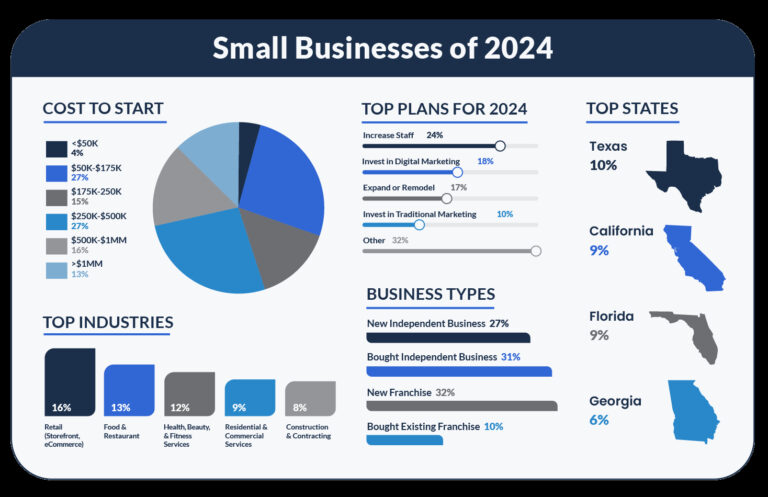
Small companies have recently enjoyed significant profit increases, stirring excitement in the business community. With many of these firms reporting substantial earnings growth, the pressing question is: Can this prosperity endure? This journal explores the factors behind the profitability of small companies, the challenges they face, and the prospects for sustained success.

The Rise of Small Companies

In recent years, small companies have claimed a larger share of the profit pie. Several factors have contributed to this trend, including technological advancements, favorable market conditions, and strategic agility. These firms have utilized their nimbleness and innovation to capture market share from larger, more established competitors.

Technological Advancements

One of the primary drivers of increased profitability for small companies is technological advancement. Innovations in digital marketing, e-commerce, and cloud computing have leveled the playing field, allowing small firms to compete with larger enterprises. These technologies have reduced barriers to entry and enabled small companies to reach a global audience with minimal investment.

For instance, e-commerce platforms like Shopify and digital marketing tools such as Google Ads and Facebook Ads have empowered small businesses to market their products and services effectively. Additionally, cloud-based solutions like Amazon Web Services (AWS) and Microsoft Azure provide scalable infrastructure that supports growth without the need for significant upfront capital.

Favorable Market Conditions

The market conditions of the past few years have also favored small companies. Economic recovery post-pandemic, coupled with strong consumer demand, has created a conducive environment for growth. Small businesses have been quick to capitalize on these opportunities, particularly in niche markets where they can offer specialized products and personalized services.

Moreover, supply chain disruptions faced by larger companies have often worked to the advantage of smaller firms. With their localized supply chains and greater flexibility, small businesses have been able to adapt more swiftly to changing market dynamics.

Strategic Agility

Small companies benefit from their ability to pivot quickly in response to market changes. Unlike large corporations, which may be bogged down by bureaucratic processes, small firms can make rapid decisions and implement new strategies. This agility has been crucial in navigating the uncertainties of the modern business landscape.

For example, during the COVID-19 pandemic, many small businesses swiftly transitioned to online sales and delivery models. This adaptability not only helped them survive but also thrive in a challenging economic environment. Their ability to innovate and respond to consumer needs in real-time has been a significant advantage.

The Challenges Ahead

While the recent success of small companies is commendable, several challenges could impact their ability to sustain this growth. These challenges include increased competition, resource constraints, and economic uncertainties.

Increased Competition

As small companies continue to grow and capture market share, they attract attention from larger competitors. Big companies with substantial resources may seek to reclaim lost ground through aggressive pricing strategies, acquisitions, or by enhancing their own offerings. This increased competition can pressure small firms to continually innovate and differentiate themselves.

Furthermore, new entrants into the market can intensify competition. As barriers to entry continue to decrease, more startups are likely to emerge, vying for the same customer base. Small companies must therefore remain vigilant and proactive in maintaining their competitive edge.

Resource Constraints

Small companies often operate with limited resources compared to their larger counterparts. This includes financial resources, human capital, and access to advanced technologies. While technological advancements have reduced some of these barriers, resource constraints can still hinder growth and scalability.

Securing funding remains a significant challenge for many small businesses. Although venture capital and angel investment have become more accessible, not all companies can attract such funding. As a result, many small firms rely on personal savings, loans, or reinvested profits to fuel their growth, which can limit their expansion capabilities.

Additionally, attracting and retaining talent is often more difficult for small companies. They may not be able to offer the same level of compensation and benefits as larger firms, making it harder to compete for top talent. Developing a strong organizational culture and offering unique value propositions to employees are crucial for overcoming this challenge.

Economic Uncertainties

The broader economic environment plays a crucial role in the success of small companies. Economic downturns, changes in consumer spending, and fluctuations in interest rates can all impact profitability. Small businesses are particularly vulnerable to economic uncertainties due to their limited financial buffers and reliance on stable market conditions.

Inflationary pressures, rising interest rates, and geopolitical tensions can create headwinds for small businesses. These factors can increase operational costs, reduce consumer spending power, and create supply chain disruptions. Small companies must remain resilient and adaptable to navigate these economic uncertainties.

Prospects for Sustained Success

Despite the challenges, there are several reasons to be optimistic about the sustained success of small companies. By leveraging their strengths and addressing potential hurdles, these firms can continue to thrive in the long term.

Continued Innovation

Innovation remains a key driver of success for small companies. By continuously innovating and adapting to changing market trends, small businesses can maintain their competitive edge. Embracing emerging technologies, exploring new business models, and staying attuned to consumer needs will be crucial for sustained growth.

Strategic Partnerships

Forming strategic partnerships can provide small companies with access to resources and expertise that would otherwise be out of reach. Collaborating with other businesses, both large and small, can help them expand their market reach, share risks, and leverage complementary strengths. Partnerships can also open doors to new opportunities and markets.

Focus on Customer Experience

Providing exceptional customer experience is a significant advantage for small companies. Personalized service, attention to detail, and building strong customer relationships can differentiate them from larger competitors. Investing in customer experience initiatives, such as loyalty programs, personalized marketing, and responsive customer support, can foster long-term customer loyalty.

Government Support

Governments worldwide recognize the importance of small businesses to economic growth and job creation. Many governments offer support programs, grants, and incentives to foster small business development. By taking advantage of these initiatives, small companies can access additional resources and support for their growth endeavors.

Sustainable Practices

In an era of increasing environmental awareness, adopting sustainable practices can be a competitive advantage for small companies. Consumers are increasingly prioritizing sustainability and ethical business practices when making purchasing decisions. By incorporating sustainability into their operations and marketing, small businesses can attract environmentally conscious consumers and differentiate themselves in the market.

Small companies have demonstrated remarkable resilience and agility in capturing a larger share of the profit pie. Technological advancements, favorable market conditions, and strategic agility have contributed to their success. However, challenges such as increased competition, resource constraints, and economic uncertainties loom on the horizon.

To sustain their growth, small companies must continue to innovate, form strategic partnerships, focus on customer experience, leverage government support, and adopt sustainable practices. By doing so, they can navigate the challenges ahead and thrive in an ever-evolving business landscape. The future of small companies holds promise, and with the right strategies and resilience, the party may indeed last.


Disclaimer: The thoughts and opinions stated in this article are solely those of the author and do not necessarily reflect the views or positions of any entities represented and we recommend referring to more recent and reliable sources for up-to-date information.

Trillions in Hidden Debt Drove China’s Growth. Now It Threatens Its Future

In early 2019, officials in a thriving factory town in China were optimistic about the future. The local economy was booming, a new industrial district was on the horizon, and an elevated light-rail system was taking shape. “The achievements of the past year have not come easily,” Mayor Wu Wei declared in a city report. He credited the hard work of local party leaders but notably left out a significant factor: the vast amount of hidden debt that had fueled these developments. While this concealed debt helped propel China’s rapid growth, it now looms as a significant threat to the country’s economic stability and future prospects.

The Role of Hidden Debt in China’s Growth

China’s economic growth over the past few decades has been remarkable. Transitioning from a largely agrarian economy, China has become the world’s second-largest economy, driven by manufacturing, infrastructure development, and urbanization. A significant but often overlooked component of this growth has been extensive borrowing, much of which is hidden from official statistics.

Local Government Financing Vehicles (LGFVs)

One of the primary mechanisms for this hidden debt is Local Government Financing Vehicles (LGFVs). These entities allow local governments to borrow money for infrastructure projects without directly appearing on their balance sheets. This off-the-books borrowing has enabled local authorities to undertake massive construction projects, fueling economic growth and urban development.

However, this borrowing spree has led to an accumulation of trillions of dollars in hidden debt. According to estimates, China’s local governments may have amassed debts totaling as much as $8 trillion through LGFVs and other opaque financial arrangements. This hidden debt has provided the financial muscle for the country’s rapid development, but it also represents a significant risk.

Shadow Banking System

China’s shadow banking system, comprising non-bank financial institutions, trust companies, and wealth management products, has also played a crucial role in financing growth. These entities operate outside the traditional banking sector, offering credit to businesses and local governments. While they have provided much-needed liquidity, they have also contributed to the accumulation of hidden debt, often at higher interest rates and with less regulatory oversight.

Corporate Debt

In addition to local government and shadow banking debt, Chinese corporations have also taken on significant levels of debt. State-owned enterprises (SOEs), in particular, have borrowed heavily to finance expansion and modernization efforts. While this has driven growth and employment, it has also increased financial vulnerabilities within the corporate sector.

The Consequences of Hidden Debt

The extensive use of hidden debt has allowed China to sustain high levels of economic growth, but it has also created several critical vulnerabilities that now threaten the country’s economic future.

Financial Instability

The sheer scale of hidden debt in China poses a significant risk to financial stability. Much of this debt is short-term and subject to refinancing risks. In a scenario where lenders become more risk-averse or interest rates rise, local governments and corporations may struggle to roll over their debts, leading to defaults and financial distress. The opacity of the debt also makes it challenging for regulators to assess and mitigate these risks effectively.

Diminished Economic Returns

The heavy reliance on debt has led to diminishing returns on investment. Many infrastructure projects funded by hidden debt have not generated the expected economic benefits. Ghost cities, underutilized highways, and redundant industrial parks are evidence of over-investment and misallocation of resources. As the productivity of new investments declines, the debt burden becomes increasingly unsustainable.

Strain on Local Governments

Local governments in China are under significant financial strain due to their hidden debts. Many rely heavily on land sales to generate revenue, but the real estate market has shown signs of cooling. As revenues decline, local governments face difficulties in servicing their debts and maintaining essential public services. This financial strain has led to a slowdown in infrastructure investments and public sector wages, impacting overall economic growth.

Social and Political Implications

The economic challenges posed by hidden debt also have social and political implications. As growth slows and financial pressures mount, the risk of social unrest increases. Unemployment, wage stagnation, and cuts in public services can lead to public discontent, challenging the social contract that the Chinese Communist Party relies on to maintain its legitimacy.

Navigating the Debt Challenge

Addressing the hidden debt problem is critical for China’s future economic stability and growth. However, it is a complex task that requires careful balancing of short-term economic needs and long-term structural reforms.

Enhancing Transparency and Regulatory Oversight

Improving transparency and regulatory oversight of local government and corporate debt is essential. The Chinese government has already taken steps in this direction, such as curbing shadow banking activities and imposing stricter regulations on LGFVs. However, more needs to be done to ensure comprehensive monitoring and accurate reporting of all forms of debt.

Debt Restructuring and Risk Mitigation

Restructuring existing debt and mitigating risks associated with hidden debt are crucial steps. This may involve extending maturities, reducing interest rates, or converting debt into equity. The government may also need to provide targeted financial support to local governments and SOEs facing severe financial distress.

Fiscal Reforms and Revenue Diversification

Implementing fiscal reforms to reduce reliance on land sales and diversify revenue sources is vital for local governments. This could include introducing property taxes, improving tax collection efficiency, and promoting alternative revenue streams such as municipal bonds. Diversifying revenue sources will help local governments achieve more sustainable fiscal positions and reduce their dependence on debt financing.

Promoting Sustainable Growth

Shifting the focus from debt-driven growth to sustainable economic development is essential for China’s long-term stability. This involves promoting innovation, improving productivity, and encouraging private sector investment. By fostering a more balanced and resilient economic structure, China can reduce its reliance on debt and achieve more sustainable growth.

Social Safety Nets and Public Services

Strengthening social safety nets and maintaining essential public services are crucial for social stability. As local governments face financial strain, ensuring that basic public services such as healthcare, education, and social security are adequately funded is critical. Enhancing social safety nets can help mitigate the social impact of economic adjustments and maintain public trust.

China’s rapid economic growth, driven in part by trillions in hidden debt, has propelled the country to global prominence. However, this hidden debt now poses a significant threat to China’s future economic stability. Addressing this challenge requires a multifaceted approach, including enhancing transparency, restructuring debt, implementing fiscal reforms, promoting sustainable growth, and strengthening social safety nets.

The path forward will not be easy, but with careful planning and decisive action, China can navigate the risks associated with hidden debt and build a more resilient and sustainable economy. The future of China’s economic miracle depends on its ability to manage and overcome the challenges posed by its hidden debt burden.


Disclaimer: The thoughts and opinions stated in this article are solely those of the author and do not necessarily reflect the views or positions of any entities represented and we recommend referring to more recent and reliable sources for up-to-date information.

Data Recap: Corporate Profit and Rural Housing Trends

In the realm of economic analysis, two critical indicators often shape the narrative of a nation’s economic health: corporate profits and rural housing trends. These metrics provide insights into the performance of businesses and the state of rural communities, reflecting broader economic trends and societal well-being. This article delves into recent data concerning corporate profits and rural housing, examining their implications and significance in the contemporary economic landscape.

Corporate Profit Trends

Corporate profits serve as a barometer of business vitality and economic activity. They are pivotal in assessing the financial health of companies across various sectors, influencing investment decisions, shareholder returns, and overall economic policies. The data on corporate profits provide a snapshot of how well businesses are performing and their ability to contribute to economic growth.

Recent Trends:

  1. Post-Pandemic Recovery: Following the economic disruptions caused by the COVID-19 pandemic, corporate profits witnessed a resurgence as economies reopened and businesses adapted to new market conditions. Sectors such as technology, healthcare, and consumer goods showed robust recovery, driven by shifts in consumer behavior and digital transformation.
  2. Sectoral Variations: Notably, the energy sector experienced fluctuating profits due to geopolitical factors and volatile commodity prices. Meanwhile, technology companies continued to dominate profit margins, buoyed by increased digital adoption and innovation.
  3. Global Perspectives: Internationally, multinational corporations navigated through geopolitical tensions and supply chain challenges, influencing their profitability and strategic decision-making.
  4. Policy Impact: Government policies, including tax reforms and fiscal stimulus measures, played a pivotal role in shaping corporate profit trends. Stimulus packages aimed at supporting businesses during economic downturns had varying degrees of success in different regions.

Implications:

  • Investment Climate: High corporate profitability often signals a favorable investment climate, attracting capital inflows and fostering business expansion. However, sustained profitability hinges on factors such as regulatory environments, market competition, and technological advancements.
  • Employment and Wages: Corporate profits influence employment dynamics and wage growth. Profitable companies are more likely to invest in workforce development and offer competitive compensation packages, contributing to economic stability and social welfare.
  • Market Sentiment: Stock market performance correlates closely with corporate profitability, influencing investor sentiment and market valuations. Upswings in profits can bolster investor confidence, while downturns may trigger market volatility and investor caution.

Rural Housing Trends

Rural housing trends reflect the housing market dynamics specific to rural areas, encompassing aspects such as affordability, infrastructure development, and community sustainability. These trends offer insights into demographic shifts, housing preferences, and socio-economic conditions in rural communities.

Recent Developments:

  1. Affordability Challenges: Rural areas often face unique affordability challenges compared to urban centers, exacerbated by limited housing supply, stagnant wages, and demographic trends. Affordable housing initiatives and public-private partnerships play a crucial role in addressing these challenges.
  2. Population Dynamics: Migration patterns influence rural housing demand, with some regions experiencing population growth due to lifestyle preferences or employment opportunities in sectors such as agriculture, forestry, and tourism.
  3. Infrastructure Investments: Government investments in rural infrastructure, including transportation networks and broadband connectivity, impact housing development and community resilience. Improved infrastructure enhances access to housing, healthcare, education, and economic opportunities.
  4. Environmental Considerations: Sustainability and environmental stewardship increasingly shape rural housing trends. Practices such as eco-friendly construction, energy efficiency, and land conservation are gaining traction, reflecting broader societal values and regulatory frameworks.

Implications:

  • Community Vitality: Housing trends affect community vitality and quality of life in rural areas. Access to affordable, quality housing fosters social cohesion, attracts new residents, and supports local businesses.
  • Economic Diversification: Housing developments often catalyze economic diversification by creating employment opportunities in construction, real estate services, and related industries. Sustainable housing projects contribute to long-term economic growth and resilience.
  • Policy Interventions: Government policies, such as zoning regulations, land use planning, and housing subsidies, shape rural housing markets. Effective policy interventions are essential to balancing housing affordability, environmental conservation, and community development goals.


Public Spending Must Pivot to Building Human Capital

China’s impressive economic growth over the past three decades has been largely driven by its emphasis on exports and substantial investments in domestic infrastructure. At its peak, China enjoyed a consistent 8% net export surplus, which contributed to a significant accumulation of foreign reserves. Simultaneously, high domestic savings were channeled into infrastructure development and industrial expansion. While these strategies facilitated rapid growth, they also led to some imbalances, such as the development of ‘ghost cities’ and an oversupply in sectors like electric vehicles.

As we look to the future, it’s clear that the focus of public spending needs to shift from infrastructure and industrial output to the development of human capital. This transition is critical for sustaining long-term economic growth, enhancing societal well-being, and effectively navigating a rapidly evolving global landscape.

The Historical Context of Capital-Driven Growth

China’s growth strategy involved leveraging a robust export sector and directing high levels of domestic savings into infrastructure and industry. This approach fueled significant economic expansion and urbanization. However, the focus on capital investment also led to problems such as overdevelopment and mismatches between supply and demand.

The creation of numerous ‘ghost cities’—urban areas with extensive, unused infrastructure—illustrates the excesses of this approach. Similarly, the oversupply of electric vehicles reflects a misalignment between investment and market needs. These issues highlight the limitations of a growth model overly reliant on physical capital and infrastructure.

The Imperative for a Shift in Public Spending Priorities

As global economies evolve, it’s becoming increasingly evident that a new focus is needed. Shifting public investment towards human capital—encompassing education, health, and skills development—is essential for fostering sustainable and inclusive growth. Here’s why this shift is so important:

1. Adapting to Technological Advancements

The rise of automation, artificial intelligence, and digital technologies is reshaping the job market and economic landscape. Workers need to continuously update their skills to stay relevant in a technology-driven economy. Public spending should prioritize educational reforms and vocational training to prepare individuals for the changing demands of the labor market.

2. Boosting Productivity and Innovation

Investing in human capital enhances productivity and drives innovation. A skilled and educated workforce is crucial for research and development, which in turn leads to technological breakthroughs and competitive advantages. By investing in higher education and research institutions, governments can foster innovation and improve their global economic standing.

3. Promoting Social Equity

Investments in human capital can help address social disparities by providing equitable access to education and healthcare. Reducing inequalities ensures that individuals from diverse backgrounds have opportunities to improve their lives and contribute to economic growth. Prioritizing human capital development helps build a more inclusive society.

4. Addressing Demographic Changes

Many countries are facing aging populations, which can challenge economic stability and growth. Enhancing the health and productivity of older workers through targeted investments can help mitigate these challenges. Additionally, focusing on the education and development of younger generations ensures a steady flow of talent to support future economic growth.

Strategies for Investing in Human Capital

To effectively pivot public spending towards human capital, governments should consider the following strategies:

1. Enhancing Educational Systems

Education is fundamental to human capital development. Governments should invest in improving educational quality at all levels, from early childhood through higher education. This includes modernizing curricula, investing in teacher training, and equipping schools with necessary technologies.

2. Expanding Healthcare Access

Health is a critical aspect of human capital. Investments should focus on expanding access to quality healthcare, including preventive care, mental health services, and medical research. Ensuring that individuals are healthy and able to work effectively contributes to overall productivity and economic well-being.

3. Supporting Lifelong Learning and Vocational Training

Lifelong learning and vocational training are essential for adapting to changing job market demands. Governments should fund programs that provide opportunities for skill development and career advancement. This includes supporting vocational schools, apprenticeships, and ongoing education initiatives.

4. Fostering Public-Private Partnerships

Public-private partnerships can enhance the effectiveness of human capital investments. Collaborations between governments, businesses, and educational institutions can lead to innovative training programs, research projects, and skills development initiatives. These partnerships help ensure that investments are aligned with market needs and have a meaningful impact.

5. Promoting Research and Development

Investing in research and development (R&D) is crucial for driving innovation. Governments should support R&D by funding research institutions, offering grants for scientific research, and encouraging collaboration between researchers and industry. This investment helps create new technologies and solutions that contribute to economic progress.

China’s success in leveraging exports and capital investment highlights the power of strategic public spending. However, as global dynamics shift, the need for a focus on human capital becomes increasingly clear. By prioritizing investments in education, healthcare, vocational training, and research, governments can foster sustainable growth, enhance productivity, and build a more equitable society.

Embracing this shift in public spending priorities is essential for long-term prosperity. Investing in human capital not only supports economic development but also promotes social well-being and resilience in the face of evolving global challenges. By adopting a human-centric approach to public spending, governments can ensure that their economies remain vibrant and inclusive in the years to come.


Disclaimer: The thoughts and opinions stated in this article are solely those of the author and do not necessarily reflect the views or positions of any entities represented and we recommend referring to more recent and reliable sources for up-to-date information.