
Home Blog Page 806

From Duty to Destruction: Robert Oppenheimer and the Bhagavad Gita – A Funny Take on Human Behavior

Introduction:

Hey there, folks! Today, we’re diving into a fascinating story about a brilliant scientist, Robert Oppenheimer, and his connection with the Bhagavad Gita – an ancient Indian text that influenced his thoughts on duty and destruction. We promise to keep it funny, easy, and relatable, so buckle up for a unique journey into human behavior!

Who was Robert Oppenheimer?

Picture this – a brilliant scientist who played a pivotal role in developing the atomic bomb during World War II. Yes, that’s Robert Oppenheimer! Genius-level IQ, but also someone who faced some serious moral dilemmas.

Enter the Bhagavad Gita:

Now, here’s where things get interesting. The Bhagavad Gita is an ancient Indian scripture, part of the epic Mahabharata. It’s like a superhero manual mixed with a philosophical rollercoaster! It deals with the battle of Kurukshetra, where our hero, Arjuna, is torn between his duty as a warrior and the horrors of destruction.

Oppenheimer and Arjuna: Twinsies?

Believe it or not, Oppenheimer saw himself in Arjuna’s shoes! Just like Arjuna, he grappled with the weight of his duty to create a weapon that could bring unprecedented destruction. The ethical struggle was real!

The Iconic “I Am Become Death” Moment:

Okay, picture this – Oppenheimer, after witnessing the successful test of the atomic bomb, quoted a line from the Bhagavad Gita: “I am become Death, the destroyer of worlds.” Talk about being dramatic! But hey, we get it – creating a world-ending weapon isn’t your everyday job.

Human Behavior 101 – Balancing Duty and Conscience:

Oppenheimer’s deep connection with the Bhagavad Gita teaches us a valuable lesson. As humans, we often face tough choices between our obligations and our conscience. Should we stick to our duty, even if it means destructive consequences? #DeepStuff

The “Oops, I did it again” Effect:

Now, let’s address the elephant in the room. We, humans, have this weird fascination with pushing boundaries. Oppenheimer couldn’t resist the challenge of creating the bomb. We can’t resist that extra slice of pizza. See the connection? #OopsIDidItAgain

The Bhagavad Gita Selfie Challenge:

You know how everyone is obsessed with taking selfies? Let’s give it a spiritual twist! Strike your best Arjuna pose, post it with #GitaSelfie, and ponder your life’s most profound questions. The likes will pour in!

Duty + Destruction = Trouble:

Oppenheimer’s story is a reminder that combining duty and destruction can be a recipe for trouble. As we advance technologically, it’s crucial to weigh the consequences of our actions. It’s like mixing Mentos and soda – fun, but explosive! #HandleWithCare

From Oppenheimer to Oppa-nheimer:

Who doesn’t love a good wordplay? Let’s turn Oppenheimer into a K-pop star – Oppa-nheimer! Let’s dance to the tunes of duty and destruction, and maybe we’ll learn a thing or two about human behavior.

Conclusion:

There you have it, folks! Robert Oppenheimer’s connection with the Bhagavad Gita is a quirky tale of duty begat destruction. It sheds light on the complexities of human behavior and reminds us to tread carefully when balancing our responsibilities and moral compass. So, the next time you face a tough choice, channel your inner Oppa-nheimer and make a decision that’ll make both science and spirituality proud! #OppaOppenheimerRocks #ScienceMeetsSpirituality

Disclaimer: The thoughts and opinions stated in this article are solely those of the author and do not necessarily reflect the views or positions of any entities represented and we recommend referring to more recent and reliable sources for up-to-date information.

India’s Wacky Smartphone Fiesta

Unraveling the Hilarious Econo-Comedy of the Smartphone Market! Hey there, folks! Get ready to dive into the vibrant world of India’s smartphone market and how it spills the beans on its economy and consumer behavior. Brace yourselves for a rollercoaster ride filled with giggles, memes, and pocket-friendly wisdom!

Alright, picture this: India’s economy is like a Bollywood dance sequence. It’s fast-paced, filled with colorful twists, and has a sprinkle of drama! Now, the smartphone market is the main dancer stealing the show, and boy, it’s got some moves!

First off, India’s love affair with smartphones is hotter than a spicy curry! Everyone wants a piece of the action, from big-city hipsters to small-town aunties. It’s like a tech fever that has taken over the entire nation. Smartphones have become the cool kids in the digital town, and every Indian wants to show off their fancy new gadget.

But hey, there’s a serious side too. You see, these smartphones are not just for selfies and cat videos. They’re like mini ATMs in your pocket! Yep, you heard that right. In a country where cash used to rule, now it’s all about the virtual moolah. People are buying stuff, transferring money, and even paying bills with a few taps on those shiny screens. It’s a total fintech fiesta!

Now, let’s talk about our dear Prime Minister’s dream of a “Digital India.” Smartphones are the knights in shining armor fulfilling that dream. From farmers in rural fields to college students in bustling cities, everyone’s embracing the digital revolution. The government loves it too because it’s like an economic turbocharger, speeding up growth and pumping more money into the economy.

But wait, there’s more to this tech tale! The smartphone market also spills the beans on consumer behavior, and trust us, it’s a hilarious revelation. Indians are a thrifty bunch, always on the lookout for a good deal. Picture this: a smartphone sale announcement is like a wild shopping festival, with people camping online, fighting over discounts, and crashing websites. It’s like a techno version of “The Hunger Games”!

And it doesn’t stop there! Indians are masters of “jugaad,” which basically means finding ingenious workarounds. So, if they can’t afford a brand new flagship smartphone, no worries! They’ll go for a “pre-loved” phone, with a few scratches and a quirky history, but still working like a charm. It’s like adopting a lovable stray dog – unique and budget-friendly!

But here comes the plot twist! The smartphone market also reflects the changing priorities of Indian consumers. It’s not just about the megapixels and gigabytes; it’s about being “woke” and socially responsible. Green is the new black, my friends! Eco-friendly smartphones made from recycled materials are gaining popularity faster than a viral TikTok dance challenge. Indians are ready to save the planet, one gadget at a time!

Now, let’s take a detour to the online world, where social media rules with its own share of funny antics. You’ve got influencers and YouTubers promoting smartphones like they’re the latest magic potions! It’s like they’ve discovered the elixir of life, and all you need is a phone to unlock the secrets of the universe. #Blessed

But don’t be fooled by the flashy ads and hashtags. Indians are smart cookie-crunchers; they do their research! Reviews, comparisons, unboxings – they leave no stone unturned. They know the specs better than the tech nerds! And when they finally decide on their perfect match, it’s like a match made in digital heaven.

So, my dear readers, what have we learned from India’s smartphone market? It’s a wild party of economic growth, financial freedom, and tech-savvy consumers. From “cash is king” to “tap is the new cool,” the smartphone market shows us that India’s economy is on the expressway to greatness.

And amidst all the laughs and memes, there’s a serious message: India’s journey is just beginning. As long as there are smartphones to swipe, dreams to chase, and memes to share, this country will keep on dancing to its own beat.

So, here’s to India, the land of smartphones, spices, and everything nice. Keep shining, keep swiping, and keep laughing! Cheers!

Disclaimer: The thoughts and opinions stated in this article are solely those of the author and do not necessarily reflect the views or positions of any entities represented and we recommend referring to more recent and reliable sources for up-to-date information.

Middle Class Magic: How Urbanization is Turning India’s Economy into a Hilarious Adventure!

Hey there, fellow common people! Guess what? India’s middle class is booming like never before, all thanks to the urbanization rollercoaster! And let me tell you, this incredible expansion is not just reshaping the economy, it’s giving consumer behavior a wacky makeover too!

Picture this: bustling cities filled with quirky characters dashing around like headless chickens in a race to success. Yep, that’s the urbanization magic at work! As more folks leave their rural roots and embrace the city hustle, there’s an explosion of job opportunities, creating a comedy circus of careers.

With the middle class growing like a superhero with an all-you-can-eat buffet, their pocketbooks are bulging too! Cha-ching! More money to spend means more spending sprees on everything from fancy gadgets to trendy clothes – and, of course, plenty of scrumptious street food.

And oh, the housing saga! As people flock to cities like a stampede of giggling elephants, the demand for homes reaches hilarious heights. Cue the rise of quirky apartment complexes that defy the laws of gravity, making it look like an architect’s daydream gone wild!

Now, let’s talk about the impact on the economy. Hold on to your hats – this is where the laughter erupts! The middle class is throwing money around like confetti at a comedy show. Their spending spree has companies grinning like Cheshire cats, enjoying record-breaking sales and profits.

Investments are like comedy clubs these days – everyone wants a piece of the action! The stock market is a rollercoaster ride of emotions, with investors switching between excitement and panic faster than a jackrabbit on a sugar rush. But hey, that’s just the thrill of the financial comedy circus!

And guess who’s taking center stage in this grand comedy spectacle? Startups! They’re popping up like mushrooms after a monsoon rain. Innovative ideas are flowing like a stand-up comedian’s jokes, attracting investors with their quirky charm. It’s like a comedy roast for the corporate world!

But let’s not forget the effects on consumer behavior. Oh boy, things have gone bonkers! As the middle class gets a taste of urban goodies, they’ve become hardcore shopaholics. Window shopping is out – impulse buying is in! Cue the “Shop Till You Drop” theme song!

Brands are cracking jokes left and right to win hearts (and wallets). They’re tickling the funny bone with witty ads and quirky campaigns. Who can resist a good chuckle while reaching for their wallets? Clever marketing is the name of the game, and boy, it’s working like a charm!

Meanwhile, e-commerce is having a field day with this comedy extravaganza. Online shopping has become a national pastime. With just a few taps, you can have anything delivered to your doorstep faster than a pizza in a pizza-eating contest!

But wait, there’s more! The urbanization magic is transforming lifestyles too. Say goodbye to long, lazy afternoons – the city never sleeps! It’s like a giant party, and everyone’s invited. You’ll find late-night cafes buzzing with folks sipping coffee like it’s a comedy fuel!

In a nutshell, India’s middle class expansion is the laugh riot that’s reshaping the economy and consumer behavior. Urbanization is like a magic potion, turning the mundane into the extraordinary, and the predictable into the utterly hilarious!

So, here’s to India’s urbanization adventure – may it keep us giggling and growing for years to come! After all, who said economics can’t be funny? Cheers to the middle class magic!

Disclaimer: The thoughts and opinions stated in this article are solely those of the author and do not necessarily reflect the views or positions of any entities represented and we recommend referring to more recent and reliable sources for up-to-date information.

Vegetable Price Surge Predicted to Cause Inflation Overshoot in July and August

Effects on Indian Economy and Consumers

Oh, boy! It looks like the pesky inflation monster is back to give the Reserve Bank of India (RBI) a hard time. Brace yourself, folks, because it’s predicted to overshoot RBI’s target in July and August! And you know what’s to blame? Those sneaky veggies!

Yes, you heard it right, folks! It’s not aliens or a hidden treasure causing this mess. It’s just our good old vegetables playing tricks on us. Apparently, they’ve decided to throw a party of skyrocketing prices, leaving us all scratching our heads and wallets.

Now, you might wonder, what does this mean for the Indian economy? Well, picture this: inflation is like a mischievous monkey swinging on the branch of the economy tree. When it gets out of control, it starts shaking things up, causing ripples of chaos. Prices of everything from rice to chocolates start dancing to its wild tune, making life harder for us ordinary folks.

But, hey, it’s not all gloom and doom. High inflation also means the value of our money shrinks faster than ice cream on a hot day. So, while you might have enough to buy a fancy burger today, next month, it could be nothing more than a sad-looking pickle on a bun.

As for consumer behavior, well, we humans are quite a bunch of weirdos. When prices soar, we tend to tighten our purse strings and become experts at bargain-hunting. Suddenly, we transform into Sherlock Holmes, sniffing out discounts and sales like a bloodhound chasing a scent.

But, hold your horses! Before you go all detective mode, let’s remember that this inflation surge is mostly because of those mischievous veggies. So, it’s not like everything on your shopping list has turned into gold overnight. That’s a relief, right?

Oh, and let’s not forget the impact on the big shots of the economy. Businesses, investors, and the government get a headache too! When inflation rears its ugly head, borrowing money becomes costlier than ordering a pizza with extra toppings. It’s a tough pill to swallow for those who love to splurge and invest.

So, what’s the RBI’s plan to tackle this veggie-fueled inflation fiesta? Well, they’ll probably roll up their sleeves, tighten their belts, and whip out some fancy economic tools. Think of it as a magic show where they try to pull off tricks to bring inflation back in line. But let’s hope they have more success than a magician pulling rabbits out of hats!

Now, you might be wondering, what can we do as consumers to survive this inflation rollercoaster? Fear not, my friends, for I have some easy-peasy survival tips. Firstly, track those sneaky vegetable prices and plan your meals accordingly. Embrace your inner Gordon Ramsay and cook up some budget-friendly, delicious dishes.

Secondly, be a smart shopper! Look out for sales, discounts, and coupons like a treasure hunter seeking gold doubloons. Trust me, the joy of snagging a good deal is like finding a hidden oasis in a desert of price hikes.

Lastly, let’s all join hands and hope for the best. Inflation, like a summer storm, can be fierce but also short-lived. So, keep your spirits high, and remember, even in tough times, we can find humor in the strangest places (like those laughing cucumbers).

In conclusion, the Indian economy is navigating through a bumpy ride with inflation on the loose, thanks to those mischievous vegetables. But fear not, my fellow adventurers, for we shall brave this storm with our wit, humor, and savvy shopping skills. And who knows, maybe someday we’ll look back and chuckle at the time when veggies tried to outsmart the RBI! Till then, stay wise, stay funny, and stay economically awesome!

Disclaimer: The thoughts and opinions stated in this article are solely those of the author and do not necessarily reflect the views or positions of any entities represented and we recommend referring to more recent and reliable sources for up-to-date information.

The G20: Origin, Importance, and India’s Role in Global Governance

The Group of Twenty (G20) is an international forum comprising the world’s major advanced and emerging economies. This research paper delves into the origin and historical development of the G20, its importance in global governance, and India’s role as a significant participant. Spanning over three decades, the G20 has evolved to address global economic challenges and foster international cooperation. India’s involvement in the G20 reflects its growing economic stature and the recognition of its role in shaping the world’s economic and financial landscape.

The G20 was established in 1999 as a response to the Asian financial crisis, aiming to foster dialogue and cooperation between advanced and emerging economies. Initially, the group consisted of finance ministers and central bank governors. However, following the 2008 global financial crisis, it was elevated to the level of heads of state and government, solidifying its significance in global economic governance.

Origin and Evolution of G20: The G20 emerged as a platform for discussing international financial stability and economic cooperation. It represented a broader array of countries than the G7 or G8, encompassing major advanced economies like the United States, Japan, Germany, and France, as well as significant emerging economies such as China, India, Brazil, and others. This diverse composition acknowledged the changing global economic landscape and the need for inclusivity in decision-making processes.

Importance of G20: The G20 plays a pivotal role in shaping global economic policies. As a premier forum for international economic cooperation, it enables dialogue and coordination between countries with different economic strengths and challenges. Key functions of the G20 include financial regulation, trade policy, sustainable development, climate change mitigation, and addressing global inequalities. Additionally, its non-binding commitments can exert considerable influence on national policies.

India and G20: India’s involvement in the G20 has been instrumental in representing the interests of developing economies. As a major emerging market and one of the world’s fastest-growing economies, India’s role in the G20 carries significant weight. It provides India with a platform to engage with global economic decision-makers, advocate for its priorities, and seek collaborations on issues of mutual interest.

India’s Role in the G20:

a. Economic Significance: India’s robust economic growth and increasing consumer market make it a crucial player in the global economy. As one of the world’s largest emerging markets, India’s growth trajectory influences the overall global economic outlook.

b. Policy Advocacy: India has actively contributed to the G20’s policy discussions, advocating for inclusive and sustainable growth, financial reforms, and measures to address poverty and inequality.

c. Global Development Agenda: India has been an advocate for the inclusion of developmental issues in the G20 agenda, focusing on areas such as infrastructure, digitalization, and skill development.

d. Climate Change and Sustainable Development: As a signatory to the Paris Agreement, India has engaged in discussions on climate change and sustainable development within the G20 framework.

e. Collaboration and Engagement: India has engaged in various bilateral and multilateral meetings on the sidelines of G20 summits, strengthening its economic ties and cooperation with other member nations. India’s Contributions: India’s contributions to the G20 have been diverse and impactful. It has actively participated in discussions on global financial reforms, calling for increased transparency and accountability in international financial institutions. India has also advocated for fair trade practices, reducing trade barriers, and fostering a conducive environment for global commerce.

Challenges and Prospects for India: Despite its active involvement, India faces several challenges within the G20. Balancing its domestic priorities with global responsibilities, achieving consensus among diverse member states, and addressing the differing needs of advanced and developing economies pose significant hurdles. Moreover, India must navigate the evolving geopolitical landscape and address climate change concerns while promoting economic growth.

G20 and Global Economic Governance: The G20’s role in global economic governance cannot be overstated. By facilitating multilateral cooperation and dialogue, the group helps address economic and financial challenges that transcend national borders. This collaborative approach is especially crucial during times of crisis, as demonstrated during the 2008 global financial crisis and the COVID-19 pandemic.

G20 and Sustainable Development: Sustainable development is a vital component of the G20’s agenda. The group recognizes the need to balance economic growth with environmental protection and social equity. Through initiatives and commitments, the G20 seeks to address issues like poverty, inequality, and climate change, supporting the United Nations’ Sustainable Development Goals (SDGs).

Conclusion: The G20 has evolved from a crisis response mechanism to a significant global economic governance forum. As a member of the G20, India plays a crucial role in advancing inclusive and sustainable development policies while navigating challenges related to domestic priorities and global responsibilities. By fostering cooperation and dialogue, the G20 remains a key platform for addressing complex global issues and shaping a more equitable and prosperous world.


Disclaimer: The thoughts and opinions stated in this article are solely those of the author and do not necessarily reflect the views or positions of any entities represented and we recommend referring to more recent and reliable sources for up-to-date information.

The Lull in Office Space Demand in India and its Impact on the Real Estate Industry

The Indian real estate sector has been one of the key drivers of economic growth, accounting for a significant share of the country’s GDP and employment generation. The commercial office segment, in particular, has been a major contributor to the real estate industry’s growth. However, over the past few years, India has experienced a lull in office space demand, leading to significant challenges for the real estate sector.

Factors Behind the Lull in Office Space Demand:

a) Global Economic Slowdown: The global economic slowdown in the wake of the COVID-19 pandemic has had a profound impact on India’s economy. Many businesses, both domestic and international, faced financial hardships, leading to a cautious approach towards expansion plans and new office space requirements.

b) Remote Work Trends: The pandemic necessitated a sudden shift towards remote work, with companies adopting work-from-home policies to ensure business continuity. As a result, the traditional office space demand witnessed a decline as organizations reassessed their spatial requirements.

c) Technological Advancements: Rapid advancements in technology have enabled efficient remote collaboration, video conferencing, and virtual meetings. Companies have realized that remote work arrangements can be successful, thereby reducing the immediate need for physical office spaces.

d) Government Regulations: The introduction of policies promoting remote work, flexible work hours, and digitization initiatives by the government has influenced companies to embrace alternative work arrangements, leading to a decreased demand for traditional office spaces.

Impact on the Real Estate Industry:

a) Decreased Rental Yields: With reduced demand for office spaces, landlords and developers are facing challenges in leasing out properties. This has put downward pressure on rental yields, impacting the profitability of existing commercial office assets.

b) Sluggish Construction Activity: The decline in demand has led to a slowdown in new construction projects. Developers are cautious about launching new office projects, resulting in a decrease in construction activity and affecting allied industries such as cement, steel, and construction equipment.

c) Impact on Employment: The real estate sector is a significant employer in India, providing jobs to millions of workers directly and indirectly. The slowdown in demand has led to job losses in construction, property management, and related industries, exacerbating the overall unemployment situation.

d) Reduced Revenue for Governments: The real estate sector contributes substantially to the government’s revenue through taxes and fees. The slowdown in office space demand has impacted the government’s ability to generate funds for public welfare and infrastructure development.

The Road to Recovery:

a) Hybrid Work Model: As the situation improves, businesses are likely to adopt a hybrid work model, blending remote work and office-based work. This may create a demand for smaller, flexible, and technology-enabled office spaces that cater to specific needs.

b) Focus on Technological Integration: Developers and landlords will need to integrate smart technologies into office spaces to attract tenants. Features like touchless entry systems, air quality monitoring, and advanced communication tools will become essential.

c) Tier-2 and Tier-3 Cities: While major metros may see a slower recovery, smaller cities could witness an increase in office space demand. Factors like lower costs, better work-life balance, and government incentives might attract businesses to set up operations in these cities.

d) Government Initiatives: To stimulate demand in the real estate sector, the government may offer incentives to businesses to establish physical offices. This could include tax benefits or subsidies to encourage companies to invest in office spaces.

Conclusion:

The lull in office space demand in India has been primarily driven by global economic conditions, remote work trends, and technological advancements. The real estate industry is facing significant challenges, with decreased rental yields, sluggish construction activity, and an impact on employment. However, the road to recovery lies in embracing the hybrid work model, focusing on technological integration, exploring opportunities in tier-2 and tier-3 cities, and government initiatives to revitalize the sector. As the Indian economy bounces back, the real estate industry will need to adapt and innovate to meet the evolving demands of the post-pandemic workplace.


Disclaimer: The thoughts and opinions stated in this article are solely those of the author and do not necessarily reflect the views or positions of any entities represented and we recommend referring to more recent and reliable sources for up-to-date information.
The Impact of Rice Export Ban on India’s Economy and the Need for Sustainable Production Models

Rice plays a vital role in India’s economy, culture, and food security. However, in recent times, the Government of India has taken the bold step of temporarily banning non-basmati rice exports due to rising domestic prices. This move aims to alleviate the pressure on local markets, but it also raises concerns about the long-term sustainability of the rice export market. As the largest exporter of non-basmati rice, particularly varieties like sona masuri, India must carefully consider the impacts of rice export on its economy and the environment.

The Current Rice Export Market in India

Before delving into the implications of the rice export ban, it is essential to understand the significance of India’s role in the global rice market. As the world’s largest exporter of non-basmati rice, India holds a prominent position in meeting the rising global demand for this staple food. Droughts, crop failures, and changing agricultural practices in other rice-producing countries have led to increased demand for Indian rice in the international market.

However, this surge in exports comes with its challenges, especially considering the environmental toll that rice cultivation takes on the country’s water resources.

Environmental Impact of Rice Cultivation

Rice cultivation is notoriously water-intensive, with each acre of production requiring a substantial amount of water. In India, rice consumes about 60 lakh liters or 6,000 cubic meters of water per acre, and it accounts for over 45% of the country’s total water usage in agriculture. The water footprint of producing one ton of rice is approximately 1848 cubic meters, making it a highly water-consuming crop.

The export of rice, in essence, means exporting vast quantities of water along with the grain. For instance, if India exports 22 million tons of rice, it translates to a staggering water footprint of 40.674 billion cubic meters. This level of water usage is unsustainable in the long run, especially considering the growing water scarcity and ecological impact it brings.

Ecological, Economic, and Social Costs of Water Intensive Rice Cultivation

Ecological Impacts: The excessive extraction of water for rice cultivation leads to a depletion of groundwater levels, which affects the availability of water for other purposes. This imbalance can cause severe environmental consequences, such as subsidence and land degradation. Additionally, large-scale irrigation projects and dams often require deforestation, leading to habitat loss and reduced biodiversity.

Economic Costs: Meeting the irrigation demands of rice cultivation puts pressure on the government to subsidize water, provide free electricity for pumping, and offer fertilizers at subsidized rates. These financial incentives can strain the national budget and create economic disparities between states in terms of subsidies and agricultural support.

Social Costs: The heavy focus on rice cultivation can lead to inequalities in agricultural support, where other crops receive less attention and assistance. This imbalance can result in regional disparities and hinder the diversification of agriculture, affecting food security and livelihoods.

The Need for Sustainable Production Models

To mitigate the ecological crisis and maintain the balance between export demands and domestic needs, India must shift towards more sustainable rice production models. Encouraging farmers to adopt low water use methods such as the System of Rice Intensification (SRI), Alternate Wetting and Drying (AWD), and Direct Seeded Dry Rice Production is crucial.

System of Rice Intensification (SRI): SRI promotes organic practices, reduced water usage, and improved crop yields through innovative planting techniques and soil management. By encouraging farmers to adopt SRI, India can significantly reduce its water consumption and environmental impact while maintaining productivity.

Alternate Wetting and Drying (AWD): AWD is a water-saving technique that involves periodically allowing the fields to dry out between irrigations. This approach can substantially decrease water consumption without compromising on crop yield.

Direct Seeded Dry Rice Production: By directly sowing rice seeds in dry fields, farmers can minimize water usage significantly. This method not only saves water but also reduces greenhouse gas emissions associated with traditional rice transplanting practices.

Conclusion

The temporary ban on non-basmati rice exports in India highlights the urgent need to address the ecological, economic, and social implications of rice cultivation. While exporting rice plays a crucial role in meeting global demand, it also means exporting vast amounts of water and exacerbating water scarcity issues domestically. Emphasizing sustainable production models like SRI, AWD, and Direct Seeded Dry Rice Production can help India strike a balance between export commitments and ecological responsibility, ensuring a more sustainable future for its rice sector and the overall economy.

Disclaimer: The thoughts and opinions stated in this article are solely those of the author and do not necessarily reflect the views or positions of any entities represented and we recommend referring to more recent and reliable sources for up-to-date information.

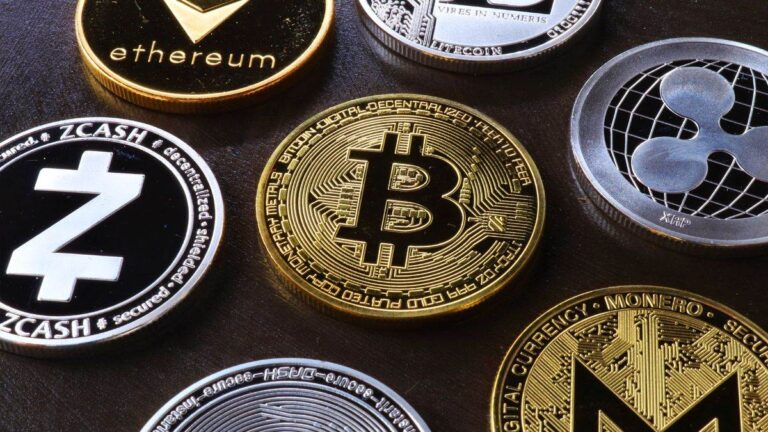
Bitcoin its origin, implication and impact in India and its economy

Bitcoin is a decentralized digital currency that operates on a technology called blockchain. It was created in 2009 by an anonymous person or group using the pseudonym Satoshi Nakamoto. Bitcoin’s primary goal was to provide an alternative financial system that didn’t rely on traditional financial institutions like banks and was not controlled by any central authority.

Origin of Bitcoin

The exact identity of Satoshi Nakamoto remains unknown, but the whitepaper outlining the concept of Bitcoin was published in October 2008. The first Bitcoin software was released in January 2009, marking the birth of the cryptocurrency. The system was designed to be secure, transparent, and immutable, allowing peer-to-peer transactions without the need for intermediaries.

Implications and Impact in India

Legality and Regulation: In India, the legal status of cryptocurrencies like Bitcoin has been a subject of debate. The Reserve Bank of India (RBI), India’s central bank, has expressed concerns about the potential risks associated with cryptocurrencies and issued a circular in April 2018, prohibiting banks from providing services to individuals or businesses dealing with cryptocurrencies. However, this circular was overturned by the Supreme Court of India in March 2020, lifting the ban and allowing crypto trading to resume.

Investment and Speculation: Bitcoin and other cryptocurrencies have gained popularity in India as an investment and speculative asset. Many Indians have shown interest in the potential for high returns, which has led to increased trading volumes and investments in the crypto market.

Remittances: Cryptocurrencies like Bitcoin have been utilized for cross-border remittances, allowing individuals to send money internationally more quickly and with potentially lower fees compared to traditional money transfer methods.

Technology and Blockchain Adoption: The rise of Bitcoin has also sparked interest in blockchain technology, the underlying technology behind cryptocurrencies. Companies in India are exploring blockchain solutions for various industries, including supply chain management, healthcare, finance, and more.

Volatility and Risks: Bitcoin’s extreme price volatility poses risks for investors, as the value can fluctuate significantly over short periods. This unpredictability has led to warnings from regulatory authorities about the potential for financial losses.

Black Economy Concerns: Bitcoin and other cryptocurrencies have been associated with illicit activities, including money laundering and tax evasion, due to their pseudonymous nature. It is crucial to note that while cryptocurrencies can be used for illegal purposes, they are also used for legitimate transactions.

It is essential to differentiate between the technology itself (blockchain) and its potential use for illegal activities. Many countries, including India, are working on implementing regulations to mitigate the risks associated with cryptocurrency while fostering innovation and legitimate use cases.

In conclusion, Bitcoin and cryptocurrencies have had a significant impact in India, influencing investment patterns, technology adoption, and discussions around financial regulations. While there are concerns about their potential use in illicit activities, they also offer various benefits, such as faster cross-border transactions and increased interest in blockchain technology. As with any financial instrument, caution and awareness are necessary for individuals and businesses engaging with cryptocurrencies.

Disclaimer: The thoughts and opinions stated in this article are solely those of the author and do not necessarily reflect the views or positions of any entities represented and we recommend referring to more recent and reliable sources for up-to-date information.

Do you know the facts of Manipur Violence, and its effect on the Indian economy

As of my last knowledge update in September 2021, I don’t have specific information on any recent developments or incidents that may have occurred after that date, including any events related to Manipur violence or its impact on the Indian economy up to 2023. However, I can provide you with a general overview of Manipur violence and its potential effects on the Indian economy based on historical context and past events. Please note that the information presented here is based on data available up to September 2021, and I recommend referring to more recent and reliable sources for up-to-date information.

Overview of Manipur Violence

Manipur, a state in Northeast India, has a history of insurgency and violence that dates back to the early post-independence period. The state has witnessed various armed movements seeking greater autonomy, independence, or ethnic rights. The major groups involved in the conflict include outfits like United National Liberation Front (UNLF), People’s Liberation Army (PLA), and National Socialist Council of Nagaland-Isak-Muivah (NSCN-IM), among others. The root causes of the conflict are complex and often intertwined with issues of identity, territorial disputes, political marginalization, and economic disparities.

Effects on Indian Economy

Disruption of Trade and Commerce: Persistent violence and insecurity in Manipur can disrupt trade routes and economic activities in the region. The state serves as a vital link to Southeast Asia through the ‘Look East’ policy. Ongoing violence may hinder the development of necessary infrastructure, such as roads, railways, and ports, leading to a negative impact on trade and commerce between India and Southeast Asian nations.

Investment and Business Climate: Prolonged unrest can create an unfavorable environment for both domestic and foreign investment. Businesses may hesitate to set up operations in the region due to security concerns and uncertainties about the safety of their investments. This lack of investment can hamper job creation, economic growth, and industrial development in Manipur.

Security Expenditure: The government allocates substantial resources to combat insurgency and maintain law and order in conflict-affected regions. These expenditures divert funds from essential development projects and social welfare initiatives, which may adversely affect the overall economic growth of the country.

Human Capital and Brain Drain: Ongoing violence may force skilled professionals and educated youth to seek opportunities elsewhere in India or abroad, leading to a “brain drain” effect. The loss of human capital can have a detrimental impact on the state’s economic potential and future growth.

Tourism Industry: Manipur’s natural beauty and cultural heritage have the potential to drive tourism. However, the security situation and the negative perception of violence can deter tourists from visiting the state. A decline in tourism can impact the livelihoods of people involved in the hospitality industry and related sectors.

Agriculture and Productivity: The prolonged conflict may disrupt agricultural activities and decrease productivity. Farmers may face difficulties in accessing markets for their produce, leading to economic losses and food insecurity for the region.

Central Government Expenditure: The central government often allocates additional funds for counterinsurgency operations and rehabilitation programs in violence-affected areas. This puts a strain on the national budget and diverts resources from other essential sectors like education, healthcare, and infrastructure development.

Conclusion:

The ongoing violence in Manipur poses significant challenges to the state’s socio-economic development and has potential implications for the Indian economy. It is crucial for the government and stakeholders to address the underlying causes of the conflict through inclusive dialogue and sustainable development initiatives to foster lasting peace and prosperity in the region. However, please keep in mind that the situation may have evolved since my last update, and I recommend consulting recent and credible sources for the most up-to-date information on Manipur violence and its impact on the Indian economy in 2023.

Disclaimer: The thoughts and opinions stated in this article are solely those of the author and do not necessarily and we recommend referring to more recent and reliable sources for up-to-date information.

The Battle of Brilliant Minds: Exploring the World of Competitive Chess

Chess has captivated minds for centuries, serving as a testament to strategic brilliance and intellectual prowess. Originating in ancient India and evolving over time, chess has become not just a game. But also a highly competitive sport that challenges players to outwit their opponents. Known as the “Game of Kings,” chess transcends boundaries, cultures, and generations, uniting people from all walks of life in a battle of wits and foresight.

The Chess Tournament Circuit

Competitive chess thrives through a vast tournament circuit that provides players with opportunities to showcase their skills. Tournaments are held on both national and international stages. Major tournaments such as the FIDE World Chess Championship, Candidates Tournament, Grand Chess Tour, and Chess Olympiad attract elite players from around the globe, vying for the ultimate title and recognition.

Additionally, regional and national championships offer a platform for emerging talent. Allowing them to prove their mettle and establish themselves within their respective chess communities.

The Chess Grandmasters

The title of Grandmaster is the highest achievement in chess. Renowned players who have etched their names in chess history include Garry Kasparov, Anatoly Karpov, Magnus Carlsen, and Judit Polgar. These exceptional individuals possess unparalleled strategic acumen, creativity, and an innate ability to calculate positions with precision.

Earning the prestigious Grandmaster title requires meeting specific rating criteria and achieving norms through exceptional tournament performances. Thus making it a lifelong pursuit for many aspiring chess players.

Strategies and Tactics in Competitive Chess

Competitive chess revolves around a deep understanding of opening theory, middle-game dynamics, and endgame mastery. Players spend countless hours studying openings, analyzing variations, and formulating plans to gain an advantage in the critical initial stages of the game. Tactical combinations, sacrifices, and positional understanding play crucial roles in shaping the outcome of the middle game. Meanwhile, the endgame demands a profound understanding of key principles and techniques to convert advantages into victory.

Psychological Aspects of Chess

Chess is not merely a battle of moves but also a test of mental fortitude. Concentration, focus, and time management are essential qualities that players must cultivate to succeed. The pressure and stress of competitive play can be overwhelming, requiring players to handle expectations and make critical decisions under time constraints. Visualization, calculation, and intuition are psychological techniques that aid players in their pursuit of improvement and success.

The Impact of Technology on Chess

Technology has revolutionized the world of chess. Chess engines have become invaluable tools for analysis, providing players with insights and evaluations of positions that were once inaccessible. Online chess platforms have democratized the game, allowing players from all corners of the world to compete and learn from each other. Human-computer matches have demonstrated the immense power of artificial intelligence, pushing the boundaries of what is possible in the game.

Chess and Education

Chess has found its place in schools and educational programs worldwide, offering a range of benefits beyond its entertainment value. Studies have shown that chess enhances critical thinking, problem-solving abilities, and logical reasoning. It serves as a powerful tool for teaching life skills such as patience, perseverance, and sportsmanship, instilling values that extend beyond the chessboard.

The Future of Competitive Chess

As chess continues to evolve, the future holds exciting prospects. Emerging talents and rising stars bring new dimensions to the game, showcasing innovative strategies and playing styles. The interplay between human intelligence and artificial intelligence opens up new avenues for exploration and development. Innovations in tournament formats and broadcasting make the game more engaging and accessible to a wider audience.

Conclusion

The world of competitive chess is a vibrant and intellectually stimulating realm. Aspiring chess players can draw inspiration from the rich history, strategic brilliance, and psychological depth of the game. Chess offers a timeless pursuit that challenges the mind, builds character, and fosters a sense of community. Whether you are a novice or a seasoned player, the game of kings invites you to embark on a journey of mastery and discovery.

And as always folks if you are interested in reading some interesting articles in Hindi be sure to check out the Mojo Patrakar. Also, if you enjoyed this article be sure to check out some of the other articles on GGF such as Unveiling the Power of Probiotics: The Science Behind Fermentation.