
Home Blog Page 584

Behind The Bar, The Robots Who Want To Draw Your Next Pint

If the personnel in a pub or bar are nice and helpful, it really enhances your pleasure of the experience. Having to deal with a grumpy individual serving your pint or margarita, on the other hand, has the potential to drastically lower your happiness levels. The guy behind the bar can even become a buddy and confidant for those who have a favourite drinking place. “The greatest success of a bartender resides in his ability to perfectly suit his customer,” stated noted Canadian economist Harry Gordon Johnson.

Those bartenders, on the other hand, may soon cease to be human. Cecilia is a robotic bartender who mixes and serves cocktails and communicates with clients using artificial intelligence (AI) in the same manner as Alexa on an Amazon Echo speaker or Siri on an iPhone can. The machine resembles a tall fruit machine, but it has an animated female barmaid named Cecilia on a huge, upright television screen. You may either tell her what cocktail you want or order it on the touch-screen below and pay with your credit card or phone. After that, your drink is blended and prepared within the machine before being delivered into a glass at the vending machine.

“Cecilia works on speech recognition and AI technology,” explains Elad Kobi, CEO of Cecilia.AI, the Israeli company that developed the technology. “She can converse with clients and, if they request a certain drink, she can prepare it in real time.” According to the business, each machine can hold up to 70 litres of various spirits and can serve up to 120 cocktails every hour. At least, assuming customers don’t hang around for long periods of time.

The robot was initially introduced on World Bartender Day, February 24th, this year. Microsoft, accounting company KPMG, and IT giant Cisco have all utilised it at business gatherings since then. Customers have the option of purchasing a Cecilia for $45,000 (£34,000) or renting one at $2,000 each month. Mr. Kobi believes that, in order to “wow” clients and stand out from the throng, the typically change-resistant pub and bar industry will increasingly resort to such technologies. “Companies are realising that they need to do things differently than others to attract individuals,” he adds. “That is something that technology and innovation can do.” Celilia. The device will also be used in hotels, airports, stadiums, casinos, and cruise ships, according to AI.

Bartending robot proponents also point out that they can help bars become more efficient, which boosts their bottom line. “When you have a venue, the major concern is ongoing workforce difficulties,” Alan Adojaan explains. He is the CEO of Yanu, an Estonian startup that just debuted a competing bartender robot. “There is always a labour shortage. You must train them, but they will then depart. There is a lot of personnel turnover.” He claims that robot bartenders may assist address this issue while also putting a stop to other concerns like overly liberal pouring of measures or delivering free drinks to friends, which he claims many venue owners take for granted.

“If someone wants a gin and tonic on a Yanu, for example, you [the bar owner] may specify that the robot pours four centimetres of gin, as well as the correct amount of tonic and lemon juice,” Mr Adojaan explains. Another advantage of a Yanu (cost: $150,000) is that it can serve beverages faster – and to a larger number of people – than human bartenders could. “We’re looking for venues with a lot of foot traffic, like sporting events, festivals, or nightclubs,” he explains. “The machine is extremely rapid, producing 100 cocktails each hour at the rate of three and a half bartenders. It has a capacity of 1,200 drinks.” Furthermore, bartending robots can provide 24-hour service in situations where hiring a human bartender would be prohibitively expensive and impractical.

“Consider a hotel lobby or an airport that is open 24 hours a day. You’d need to engage three shifts of personnel for such a facility, which is pretty costly “Mr. Adojaan explains. “So, for the most part, that will be our playing fields.” At the World Expo in Dubai, one of its Yanu robots is now preparing alcohol-free drinks at the Estonian exhibit. The emergence of bartending robots, like that of other sectors, is likely to create worries about job losses. While some bartenders and waitresses will lose their employment, Emanuele Rossetti, the CEO of Italian robot bartender firm Makr Shakr, believes that they will be able to find new work in the larger hospitality sector. In order to assist impacted human bartenders, it introduced a campaign in the United States in 2019 in which it promised to compensate a bartender or waitress $1,000 (£747) for each unit sold to help them retrain. Toni and Bruno, two robot models designed by Mark Shakr, have been put on nine Royal Caribbean cruise ships. They start at 99,000 euros ($114,000; £85,000) and go up from there.

While some robotics experts believe the technology will become more widely used, others in the hospitality industry believe that human bartenders would not be affected. “Robots will not be able to take the position of traditional [human-staffed] bars,” says Jan Hiersemenzel, head of marketing at F&P Robotics, which develops the Barney Bar robot bar server. “Instead, standalone robot bars are being put up in entertainment and hospitality facilities, as well as at events where a regular bar would not have been set up.” JD Wetherspoon, a British pub business, has no plans to purchase a fleet of robots to operate behind its bars. “In a word, no,” says a company representative. “Wetherspoons would never do something like that.” Mr Adojaan of Yanu, on the other hand, is optimistic about future sales to regular establishments, particularly nightclubs.

“For starters, having a conversation with a bartender is a cinematic cliché, at least in Europe,” he explains. “And you don’t have a discussion in a nightclub. You yell at the bartender to hurry up with your drink.” He goes on to say that bartenders frequently have the onerous chore of dealing with “obnoxious inebriated customers.” “They’ll be replaced by machines, just like other vocations that aren’t pleasurable or artistic on a regular basis,” he adds. Customers who want to converse with their bartender or waitress will find that the robots will develop more human-like characteristics over time, according to Mr Adojaan. “We’re attempting to design something,” he adds, “that can conduct a conversation, make a joke, ask whether you liked your drink, or recommend another.” “The endeavour to make it [look] alive, or have character, is the most exciting element of the project.”
West Bengal: Improve Tourism Infrastructure In The Sundarbans

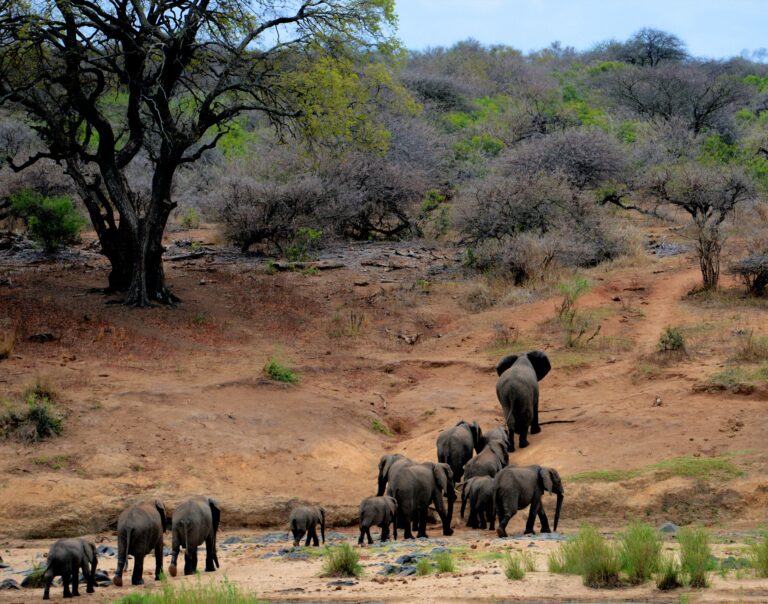
Sundarbans National Park is well renowned for its beautiful tangle of mangrove trees, which encompasses the world’s biggest mangrove forest and is a UNESCO World Heritage Site. The park is 10,000 square kilometres (3,861 square miles) in size and is located at the confluence of the Ganges and Brahmaputra Rivers, which divide India and Bangladesh and border the Bay of Bengal. Approximately 35% of the park is located in India, with the remaining in Bangladesh. Sundarbans contains 102 islands on the Indian side, with just over half of them inhabited. In the native Bengali dialect, “sundarban” means “beautiful forest.” A unique breed of Royal Bengal Tigers known to be strong swimmers calls this marshy woodland home. Because it’s the only spot in the world where tigers still pursue humans for food, long stretches of nylon net fencing have been built on forest edges to keep the tigers out of the communities. However, don’t expect to see one because the park’s native tigers are normally hidden within the tiger reserve, a core zone where commercial and tourist activity are restricted. Visitors visiting the Sajnekhali Wildlife Sanctuary on the outskirts can expect to see a variety of reptiles, monkeys, wild boar, unusual birds, and deer.

The true pleasure of visiting Sundarbans National Park is in appreciating its unspoiled natural beauty. Unfortunately, some visitors are let down by their visit, mainly because they had high expectations of seeing tigers. The fact that you can’t explore the national park on foot or by car makes wildlife spotting difficult. Inside the national park, there are no jeep safaris and boats are not permitted to land anywhere along the riverbanks. Instead, spend your time wandering around beautiful towns, learning about the local culture, and participating in cultural acts. In the Sundarbans region, you can even sample honey harvested by local villagers. Tourists can also visit the game watchtowers, the most popular of which are Sajnekhali, Sudhanyakhali, and Dobanki due to their vicinity. Alternatively, spend the day on a wager-guided adventure cruising the rivers in search of monkeys, crocodiles, water monitor lizards, wild boar, otter, spotted deer, and birds.

Visitors may safely see animals from watchtowers positioned around the park. For independent tourists, three conveniently accessible towers provide DIY, hassle-free wildlife watching. Birdwatchers go to Sajnekhali, Sudhanyakhali has a good possibility of spotting tigers and spotted deer, and Dobanki has a 20-foot-high covered canopy that provides panoramic views of the park and its animals. Other isolated watchtowers need a full day of boat travel to reach, but the trek is rewarded with a clean nature experience away from the throng. On the Raimangal River, the Burir Dabri watchtower may be found. It’s particularly beautiful, with a canopy walk that leads to a perspective through the mangroves. At Netidhopani watchtower, you can see the remnants of a 400-year-old temple. The number of visitors is limited, and special permits are necessary. With a height of 50 feet, Bonnie Camp is the tallest watchtower in the Sundarbans. The journey from Sajnekhali to this picturesque watchtower takes around six hours, but there is a rest house where you may spend the night. Jhingekhali is a small village on the eastern edge of the Sundarbans National Park that is sometimes neglected due to its isolated location. Nonetheless, this watchtower provides the highest opportunity of spotting a tiger as well as numerous uncommon bird species.

The West Bengal government is considering methods to strengthen tourism infrastructure in the Sundarbans, according to West Bengal State Tourism Minister Indranil Sen. According to Sen, the state government is working with the private sector to build a slew of new infrastructure projects in the Sundarbans. The RT-PCR Test is not required for fully vaccinated travellers. Infrastructures including as eco-friendly hotels, entertainment, and several other measures are planned to be developed and investigated in the Sundarbans woods. West Bengal currently provides a variety of trips for visitors, ranging from the metropolis to the Sundarbans. Jungle ferries have also been developed by the government. The administration is now considering different options for infrastructure development. According to rumours, the West Bengal government plans to launch houseboat services in the Sundarbans within the next six months. A situation like this would be quite similar to one in Kashmir. The Sundarbans are the country’s largest mangrove forest attraction. It is home to Bengal Tigers and other rare animals. There are over 400 magnificent tigers present. Sundarbans must be on your itinerary if you are visiting West Bengal.

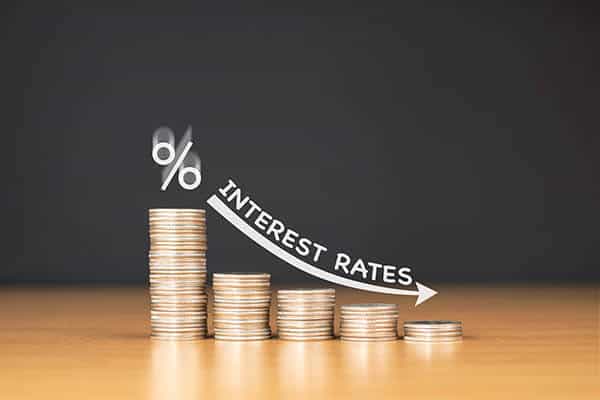
RBI Decision’s on key policy According to Realtors, the low interest rate regime on home loans will continue:

RBI decision According to property developers and consultants, the Reserve Bank’s decision to maintain key policy rates will result in continued low-interest rates on home loans and support the ongoing recovery of housing demand.

According to property developers and consultants, the Reserve Bank’s decision to maintain key policy rates will result in continued low-interest rates on home loans and support the ongoing recovery of housing demand. “RBI’s accommodating stance on keeping the repo and reverse repo rates unchanged is undeniably a progressive and cautious move,” CREDAI President Harshvardhan Patodia said, “, especially in times when the entire industry is carefully assessing the possible impact of the new Omicron wave.”

He added that the continuation of low home-loan interest rates is likely to boost home buyers’ confidence and support the ongoing market and economic recovery, which has been promising following a successful holiday season. The real estate sector will benefit from the low home loan interest rates that will continue as a result of the RBI MPC’s decision, according to Niranjan Hiranandani, Vice Chairman of NAREDCO and MD of the Hiranandani Group.

“Buyers should take advantage of historically low home loan interest rates,” he said. The home loan interest rate will remain below 7% per year, according to Amit Goyal, CEO of India Sotheby’s International Realty. “We expect the housing market to continue to improve. The upcoming budget has everyone’s attention. If the government increases deductions for home loans in Budget 2022, it will boost the real estate sector.” The low mortgage rates, according to Sandeep Runwal, President of NAREDCO-Maharashtra, will last at least until the end of the year. “This will provide the necessary fuel for the economy’s and real estate industry’s growth.”

RBI

The RBI’s decision to keep key policy rates unchanged as expected, according to Dhruv Agarwala, Group CEO of Housing.com, Makaan.com, and Proptiger.com. “Much of the improvement in home sales over the last couple of quarters can be attributed to the record low-interest-rate environment. It would have been highly detrimental to the overall economic recovery to disrupt the current momentum “he stated According to Ashwinder R Singh, CEO Residential, Bhartiya Urban, this will ensure that healthy residential real estate sales continue shortly, as long as home loan rates remain low.

The unchanged repo rates, according to Anarock Chairman Anuj Puri, will help keep the current low-interest-rate regime in place for a while longer. “This is good for all home loan borrowers because the affordability environment will continue,” Puri said. The low-interest-rate regime, according to Shishir Baijal, Chairman and Managing Director of Knight Frank India, has been instrumental in reviving the real estate sector in the last six quarters.

“The RBI’s efforts, combined with other demand-stimulating measures, have helped to resurrect demand that had been stagnant for nearly seven years before 2020. The sector’s cause will be furthered if the accommodating stance is maintained “Added he. The unchanged repo rate, according to Colliers India CEO Ramesh Nair, will continue to improve sentiment in the real estate sector. “The housing sector is already experiencing a resurgence in sales, owing to low home loan rates, pent-up demand, and stable prices,” Nair said.

The low home loan interest rate regime, according to Ram Raheja, Director of S Raheja Realty, has played a significant role in stimulating India’s real estate sector, particularly during the festive season. While rising commodity prices have put upward pressure on input material costs, the economy’s low interest rate has been a major contributor to the housing sector’s recovery, according to Rohit Poddar, Managing Director, Poddar Housing and Development. Lower home loan interest rates, according to Pradeep Misra, MD of New Modern Buildwell, will help the real estate sector, particularly in tier 2 and 3 cities.

RBI

“Because interest rates, along with house pricing, are two of the most important factors influencing people’s buying decisions,” he said, “we expect reasonable demand for housing in the coming months.” The RBI’s policy stance, according to Investors Clinic founder Honey Katiyal, has been supportive of residential real estate, allowing realtors to clear inventory. According to Kaushal Agarwal, Chairman of The Guardians Real Estate Advisory, “the all-time low-interest rate regime has boosted housing demand and helped the economy get back to pre-Covid levels.” The decision, according to Shiv Parekh, founder of hits, a company that facilitates fractional property ownership, will benefit the real estate sector.

The unchanged repo rate, according to Harresh Mehta, Chairman and Managing Director of Rohan Life Capes, will benefit home loan borrowers and the real estate market in general.


Kerala’s Cochin International Airport will be powered by a new solar facility.

A solar power plant is any form of facility that converts sunshine into energy, either directly (photovoltaics) or indirectly (solar thermal plants). They come in a range of shapes and sizes, each utilising somewhat different methods to harness the sun’s energy. If electricity costs Rs. 18 per kWh but the plant costs Rs. 8 crore, a 1 MW plant can profit Rs. 1.6 crore per year for the next 25 years! There is an additional level of uncertainty with rooftop solar because there are so few solar installations on rooftops in India. However, the solar panels that generate that energy do not survive indefinitely. Because the industry typical life lifetime is roughly 25 to 30 years, some panels installed at the start of the present boom aren’t far from being replaced.

In an hour and a half, the amount of sunshine that touches the earth’s surface is enough to power the entire world’s energy usage for a year. Photovoltaic (PV) panels or mirrors that concentrate solar radiation are used in solar technologies to convert sunlight into electrical energy. This energy can be converted into electricity or stored in batteries or thermal storage.

Solar radiation is light emitted by the sun, also known as electromagnetic radiation. While every area on Earth receives some sunlight over the course of a year, the amount of solar energy reaching any given spot on the planet’s surface fluctuates. Solar technologies absorb this radiation and convert it to energy that may be used.

The two primary types of solar energy technology (CSP) are photovoltaics (PV) and concentrating solar-thermal power (CSTP): – Photovoltaics Fundamentals
When the sun shines on a solar panel, the PV cells in the panel absorb the energy from the sun. This energy causes electricity to flow by forcing electrical charges to shift in response to an internal electrical field in the cell.

Basics of Solar-Thermal Power Concentration

Mirrors reflect and focus sunlight onto receivers, which collect solar energy and convert it to heat, which can subsequently be utilised to generate electricity or stored for later use in concentrated solar-thermal power (CSP) systems. It’s mostly found in very large power plants.

With the commissioning of its new solar power plant near Payyannur in the district of Kannur, the Cochin International Airport Limited (CIAL) in the state of Kerala, the first airport in the world to be totally powered by solar energy, would become power-positive. CIAL Managing Director S Suhas was quoted in a PTI article as saying that Kerala Chief Minister Pinarayi Vijayan would launch the 12 MWp solar power facility on March 6. According to CIAL, the power plant has a 12 megawatt capacity and is located on 35 acres of land. CIAL presented a concept of terrain-based installation, in which the geographical characteristics of the area are preserved and no modifications in the gradient are made.

According to Suhas, the Cochin International Airport Limited’s cumulative installed capacity of solar plants has been scaled up to 50 MWp with the new plant. CIAL’s solar facilities produce two lakh units of power per day, whilst the Cochin airport consumes 1.6 lakh units per day. According to CIAL, this takes the Cochin International Airport Limited one step closer to becoming a power-positive airport, from its existing status of being a power-neutral airport. The emphasis, according to Cochin International Airport Limited, was on constructing the plant while maintaining the land’s gradient. It went on to say that this may contain 35% more solar panels, resulting in increased energy generation. CIAL claimed that the carbon impact would be decreased by 28,000 metric tonnes per year. According to the research, Cochin International Airport became the first airport in the world to be totally powered by solar energy in 2015.

On 6 November 2021, the CM opened CIAL’s Arippara Hydroelectric Power Project, which is expected to generate 14 million units of electricity annually.

Glenbarra Art Museum’s Gaitonde painting achieves a new benchmark for Indian art.

Vasudeo S. Gaitonde (V. S. Gaitonde) was an Indian abstract painter who lived from 1924 until 2001. In 1971, he was awarded the Padma Shri Award. Gaitonde, who has the air of an intellectual, literally seething with some undiscovered notion, is best described as “a quiet man and a painter of the quiet realms of the imagination,” as one of his admirers once called him. He has never considered himself an abstract painter and is resentful of the label. In fact, he claims that abstract painting does not exist, instead referring to his work as “non-objective,” a kind of personalised hieroglyphics and calligraphic inventions, evoking the surface painted on with the most astounding intuitions, which he has realised in his inevitable meeting, in discovering Zen. The meditative Zen quality that pervades his speech, evoking silence, is best exemplified in his work, as silence is eternal and meaningful in and of itself. From this vantage point, one tends to associate the mysterious motifs, the highly personalised hieroglyphs in Gaitonde’s canvasses with the manifestation of intuitions, invested in their expression. Zen Buddhism and antique calligraphy have impacted his art.

On Thursday evening, an untitled oil on canvas by V S Gaitonde sold for Rs 42 crore, the highest price ever paid for a work of modern or contemporary Indian art anywhere in the world. The painting was one of 57 pieces that went under the hammer at Pundole’s auction house in Mumbai. Other Indian performers, such as Tyeb Mehta, Akbar Padamsee, Arpita Singh, Somnath Hore, and Jagdish Swaminathan, made records as well.

Masanori Fukuoka, a Japanese fish processing tycoon, owns Gaitonde’s bluish picture, which is reminiscent of wide expanses of sky or water. In 1991, Fukuoka established the Glenbarra Art Museum in Himeji, Japan, including works from 60 Indian painters. Artists including Gaitonde, Tyeb Mehta, K K Hebbar, M F Husain, Jogen Chowdhury, Ganesh Pyne, and Arpita Singh have notable works in the collection. The auction book includes numerous photographs of Fukuoka with the artists and the artworks he acquired as a tribute to the collector.

The museum deaccessions (removes and sells) items from its collection on a regular basis. As art critic Ranjit Hoskote writes in the catalogue, these pieces represent “peak moments and turning points” in the careers of the artists. Fukuoka is known for carefully considering his alternatives before deaccessioning by exhibiting the works for a period of time to see which ones he is drawn to.

“The depth of bidding across the sale achieved Masanori’s aim of bringing a broad spectrum of Indian artists into the arena of world notice and recognition,” stated Dadiba Pundole, owner of Pundole’s. The auction saw a high level of bidding from international institutions, indicating that there is a growing interest in Indian art around the world.”

A sculpture, a sketch, and a painting by Tyeb Mehta, all themed around a bovine figure, drew fierce bidding during the auction. Mahishasura (1995) is a work from the artist’s Mahisha series, which dates from the late 1990s. The fabled struggle between goddess Durga and the shapeshifting buffalo-demon Mahishasura serves as the inspiration for Mehta’s painting, which is unique for conveying both combat and embracing at the same time. Mahishasura, now among the most valuable Indian pieces of art, sold for Rs 32 crore, breaking the artist’s previous record of Rs 32 crore set in 2018 with Kali (1989). With the triptych titled ‘The Altar,’ from 1988, Jagdish Swaminathan broke his own record, selling for Rs 22 crore. ‘Wild Boar,’ a bronze sculpture by Somnath Hore, sold for Rs 1.6 crore, and ‘My Lily Pond,’ a canvas by Arpita Singh, sold for Rs 9 crore, breaking records for both artists.

A previous sale of works from the Glenbarra collection at Pundole’s in 2020 set a new record for Gaitonde. An untitled work from 1974 was the highest-selling Indian artwork globally at the time, selling for Rs 32 crore. In recent years, Gaitonde has constantly shattered records. Farah Siddiqui Khan, an art adviser, called this particular 1969 work “extraordinary” because of its history, rarity, and auction debut. “Gaitonde’s work has increased in terms of its value over a substantial length of time,” she remarked. It’s hardly surprising, though, given he’s regarded as a modern master pioneer. His art was delicate and abstract, yet it resonated widely around the world.” “It also goes to illustrate that top quality art offerings always have collectors on a day when the globe is in disarray and global markets have gone into fear,” she added.


Haryana Chief Minister wants skill development to be made a compulsory subject in classes 9-12.:

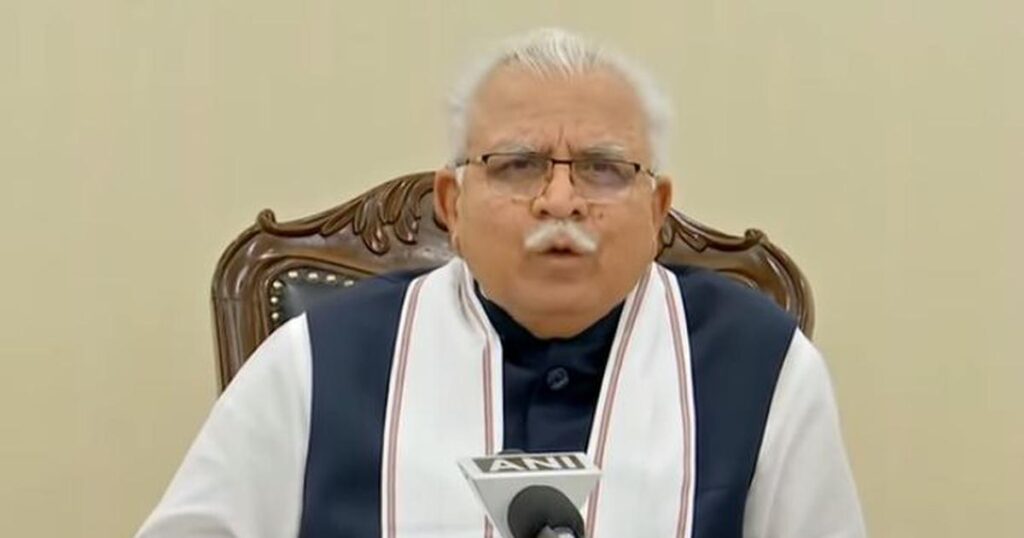
Haryana Chief Minister Manohar Lal Khattar announced on Sunday that skill development will be made a mandatory subject for students in grades 9 to 12 so that the state’s youth can become self-sufficient in all areas. Khattar stated that his government is working tirelessly to provide the state’s students with high-quality, employable educational opportunities. He was speaking at the Haryana School Education Board’s Bhiwani campus. According to the chief minister, skilled universities are essential in today’s world, and the state government has established Haryana’s first such university in Palwal. He went on to say that the National Education Policy (NEP) 2020 would usher in radical changes.

According to an official statement, “the main goal of this policy, along with education and employment, is to make the students cultured and self-reliant so that they can make significant contributions in making India a global leader again.” He stated that, in addition to technical education, artificial intelligence is being emphasized to make education more industry-oriented. “The subject of skill development will be mandatory from grades 9 to 12 so that the state’s youth are self-sufficient in all aspects,” Khattar said.

Haryana


After that, the chief minister opened astronomy labs at the Government Model Sanskriti Senior Secondary School and the Government Girls Senior Secondary School in Bhiwani. He interacted with students after inaugurating the labs. Prime Minister Narendra Modi, according to Khattar, has emphasized instilling a scientific mindset in children. “In most cases, children in government schools are restricted to the general curriculum. Children from the poorest of families will be able to learn about the mysteries of the universe thanks to the establishment of these labs “he stated

Later, while speaking to reporters at the 38th State Level Livestock Exhibition in this city, he reiterated that the Centre was making every effort to evacuate Indians trapped in the conflict-torn Ukraine. According to him, the Haryana government is in constant contact with the Union Ministry of External Affairs to bring back residents of the state from Ukraine, including students.

Khattar appealed to farmers to reduce their use of chemical fertilizers and pesticides while speaking at the livestock exhibition, where he also took a camel ride and said his government would soon hold a conference on zero-budget farming.

Zero-budget Natural farming lowers agricultural costs by relying on traditional field-based technologies that improve soil health. Farmers’ expenses can be reduced by connecting the agricultural sector to scientific and new technology, according to Khattar. “Apart from that, we can fertilize the land by using dung manure, cow urine, and so on. The government will launch a public awareness campaign to promote the concept of zero-budget farming “Added he. Many loans and grant schemes, he said, were being run to encourage allied agriculture businesses such as beekeeping, dairy, mushroom production, and so on, to boost farmers’ income.

Haryana School Timings Will Be Changed Starting Tomorrow For All Classes:

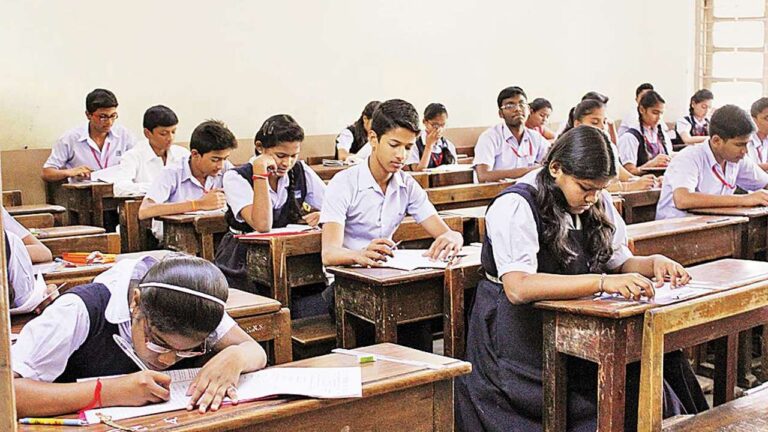
Haryana’s Directorate of School Education has issued a notice about the change in school hours. Haryana’s schools will now operate from 8 a.m. to 2:30 p.m., with the change taking effect on Tuesday, March 1, 2022. The school schedules for both teachers and students will remain unchanged, according to the statement. Haryana’s Directorate of Information, Public Relations, and Languages Department announced the decision in a tweet.

The tweet, which was written in Hindi, said: “From March 1, 2022, the Haryana government has changed school hours. Schools will now be open from 8:00 a.m. to 2:30 p.m. All District Education Officers and District Elementary Education Officers have received instructions from the Directorate of School Education in this regard.”

Haryana schools reopened on February 10 for classes 1 to 9, while offline sessions for students in classes 10, 11, and 12 started on February 1.

Haryana

Haryana’s schools will reopen in the physical mode for classes on Mar 1. Students must adhere to strict Covid-19 guidelines, including SOPs when attending physical classes. Mandatory thermal screening, alternate seating arrangements, and students wearing face masks and carrying hand sanitizers are among the Covid-19 SOPs.

While announcing the reopening of Haryana schools in offline mode for students in Classes 1 to 9, Education Minister Kanwar Pal stated that parents who want to send their children to school can do so; however, online classes will continue.

“Schools in Haryana will reopen for all classes on Mar 1. In the classrooms, COVID-19 appropriate behavior will be strictly enforced. Parents who want to send their children to school have the option to do so. Online classes will also be offered in the future “In Hindi, the Minister said in his social media account.

In four months Niti Aayog would implement an EV battery swapping strategy

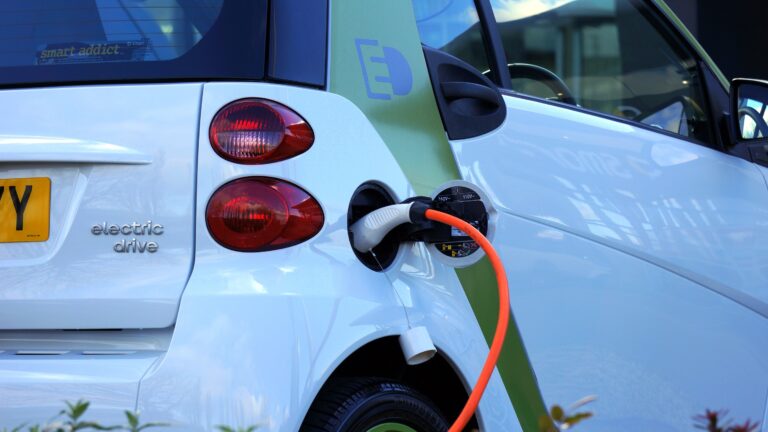
Additional charging stations, tax breaks, and financial incentives have been provided by the government to encourage the use of electric vehicles. The government stated its intention to implement a national battery swapping scheme for electric vehicles in the budget for 2022.

The world’s largest producer of motorcycles and scooters, Hero MotoCorp, has partnered with Bharat Pertroleum Corp (BPCL) to establish charging infrastructure for two-wheeled electric vehicles across the country. The firms stated in a statement that they will first install charging infrastructure at existing petrol stations and then “may widen the relationship to achieve more synergies within the EV ecosystem and related business verticals.”

Charging stations will be installed in nine cities in the first phase, beginning with Delhi and Bengaluru. A Hero MotoCorp mobile app will manage the charging experience for users. BPCL intends to install electric vehicle charging stations at 7,000 of its gas stations. In the next 3-4 months, public policy think tank Niti Aayog aims to implement a ‘EV battery swapping policy,’ which will allow electric vehicle customers to opt out of owning the car’s battery, lowering the upfront cost and speeding up EV adoption.

“In the near future, I am convinced that electric vehicles would be cheaper than ICE engine vehicles,” Niti Aayog CEO Amitabh Kant stated. According to Kant, the proposed policy will introduce disruptive business models such as battery as a service (BaaS), leasing, and others so that electric two-wheeler and three-wheeler customers do not have to own the battery, which accounts for about half of the total vehicle cost, lowering the upfront vehicle cost significantly below that of ICE counterparts.

According to those familiar with the situation, the regulation will allow EV owners to replace batteries at swap stations in minutes and charge them at home. “Initially targeting shared mobility and delivery vehicles, this policy will take care of the upfront cost and the ‘range anxiety’ (fear that the battery charge will run out before reaching the destination or a charging point),” said Chetan Maini, co-founder and chairman of Sun Mobility, a company that develops and operates energy infrastructure for electric mobility. The battery swapping legislation must be adopted within the next 2-3 months in order to expand the EV ecosystem and encourage the adoption of electric vehicles in the country, according to Maini.

“The client should have options, and both fixed and swappable solutions should coexist,” he stated. The initial focus, according to Aayog’s Kant, will be on light electric vehicles, with easy plug-and-play batteries from the vehicles to the battery swapping stations.
“We have a proven test bed, thanks to firms like Sun Mobility (and) Battery Smart, among others, who have demonstrated the practicality of battery switching for electric two and three-wheelers,” Kant said. “For practically all segments, this growing technology of battery swapping will operate as an alternative to decoupling the cost of the battery from the vehicle.”

Vehicle OEMs, battery OEMs, financiers, think tanks, multimodal agencies, and independent experts and consultants attended the first pre-draft stakeholder meeting on the proposed policy earlier this month.

After the Fame-2 and state incentives to bring down EV prices, as well as the performance-linked incentive (PLI) schemes for original equipment manufacturers (OEMs) and component makers, the focus is now shifting to the ecosystem for faster EV deployment, according to Sulajja Firodia Motwani, CEO of electric two- and three-wheeler maker Kinetic Green Energy & Power Solutions. Even once the Fame-2 incentives expire, the upfront cost of an electric vehicle to the user should be minimal, according to Motwani.

While battery swapping is still in its infancy around the world, it is gaining traction, particularly in commercial and fleet operations, and India is poised to lead the way with its new regulation. The regulation aims to level the playing field for all battery service providers by opening up new investment opportunities in novel business models like BaaS.

Experts say that battery standardisation is critical, and that EV makers will have to build vehicles in such a way that swappable batteries may be used. With a clear regulatory path, battery makers, OEMs, charge-point operators, and, most crucially, consumers would have more trust, they stated. According to experts, battery swapping will reduce recharging time to roughly two minutes, which is less than the time it takes to fill up an ICE (internal combustion engine) vehicle’s gasoline tank. The battery’s life will be extended if it is charged under the supervision of the manufacturer or service provider, according to Kant.

Latest land holding news in Mumbai know what’s going in the real estate world.

All new buildings in Mumbai over 2,000 square metres may soon be required to have rooftop gardens. It also urges builders to use vertical gardens instead of tin sheets to enclose their projects on construction sites. This is part of the BMC’s soon-to-be-implemented new rooftop/terrace and vertical garden policy.

As part of an effort to compensate for the city’s lack of open green spaces. The BMC has suggested that all new buildings with a plot size of more than 2,000 square metres be required to plan rooftop or terrace gardens. It encourages builders to use vertical gardens instead of tin sheets to protect their projects on construction sites. This is part of the BMC’s new rooftop/terrace and vertical garden policy, which will be implemented in the near future.

The BMC’s Gardens Department produced the draught policy, and municipal commissioner Iqbal Chahal has asked the BMC’s Development Plan (DP) department, which controls buildings in the city, to review it and provide feedback. The BMC will hold meetings with builders groups such as the Maharashtra Chamber of Housing Industry (MHCI) and the National Real Estate Development Council (NARRDCO) in the near future to see how the policy can be implemented.

“The traditional method of tree planting necessitates a large amount of space, which is not available in Mumbai. As a result, other options for providing Mumbai with the requisite green cover must be devised. Some of the strategies for biodiversity protection in Mumbai include vertical gardening, terrace/rooftop gardening, and vertical gardens “The superintendent of Gardens, Jitendra Pardeshi, noted in the policy document.

According to the policy document, when establishing a terrace/rooftop garden, the builders must ensure structural safety and leave enough working area for building/structure maintenance. The structure’s stability must not be jeopardised, and no watering system should be installed.

The policy also suggests making it mandatory for every builder/developer to establish vertical gardens during the construction phase of a project, at least on the side facing the major road, in order to reduce air and noise pollution. “The policy document measures have received in-principle approval,” Pardeshi said, adding that they will be finalised after consultation with stakeholders and the DP department.

The strategy would make podium gardens necessary for large projects, allowing native tree species with shallow root systems or medium canopy sizes to be accommodated while maintaining structural integrity.

In Mumbai’s BKC, the Boston Consulting Group has leased a space of one lakh square feet. The company has leased eight floors of Maker Maxity’s North Avenue 2 for a total of ten years, with a six-year lock-in term.

According to persons with firsthand knowledge of the situation, Boston Consulting Group (BCG) has signed a long-term contract for roughly 100,000 square feet of office space at the Maker Maxity commercial complex in Mumbai’s financial area Bandra-Kurla Complex (BKC). The firm has leased eight floors of Maker Maxity’s North Avenue 2 for a total of ten years, with a six-year lock-in term.

BCG would pay approximately Rs 560 crore in rent and deposits over the course of the leasing term, based on an average starting rent of Rs 450 per sq ft per month, which will increase every year. With this space acquisition, the consulting firm is consolidating and expanding its office. Its current office in Nariman Bhavan in South Mumbai’s Nariman Point is 29,000 square feet. Maker Maxity is also home to the firm, which has approximately 18,000 square feet of office space.

“In Mumbai, they’re more than doubling the amount of office space they have.” ‘Since Nariman Bhawan is also their registered office, that would eventually relocate to Maker Maxity once the office is active here,’ said one of the individuals mentioned above. “In Mumbai, they’re more than doubling the amount of office space they have.” ‘Since Nariman Bhawan is also their registered office, that would eventually relocate to Maker Maxity once the office is active here,’ said one of the individuals mentioned above.

“BCG has rented a new facility in BKC at North Avenue 2 in accordance with our organization’s historic expansion and significant growth aspirations going forward,” stated Rahool Pai Panandiker, managing director and partner at BCG Indian. “We will be developing a one-of-a-kind place that combines the new paradigm of working methods with our commitment to climate action, all while remaining deeply imbued with the essence of Mumbai, India, and our legacy.” Until the time of publication, ET’s email to Maker Group had gone unanswered. JLL India, the transaction advisor, declined to comment for this storey. This is the largest single space ever taken up in any Maker Maxity multi-tenanted building, as well as the largest rental and deposit commitment in the complex’s history. Maker Group, the project’s developer, and a few other property investors have leased the space to BCG.

While Maker Group created the project, which is advantageously placed only at the beginning of the BKC business zone, it was ultimately sold, and the offices are now owned by a number of investors and property firms. In the fourth quarter of 2021, another renowned global management consulting business, McKinsey and Company, leased almost 45,000 square feet in Maker Maxity.

Across markets, office spaces are being extended, and businesses are preparing for a cautious return to work for their workers. Several prominent corporations are increasing their office premises in order to make adaptations to social distancing. Facebook also recently renewed and signed new lease agreements with Blackstone Group for 90,000 square feet of office space at One BKC, a commercial tower in the Bandra-Kurla Complex.

Across India’s major markets, office demand in suburban areas or secondary business districts is outpacing that in central business districts. According to analysts, the trend that started in Mumbai with the shift in preference from Nariman Point to Bandra-Kurla Complex over the last few years has spread to other cities and is beginning to manifest in the rental prices demanded by these areas.


With the dwindling pandemic-induced internet shopping surge eBay’s holiday prediction appears to be less than sunny.

In the third quarter of 2021, eBay Inc.’s total gross merchandise volume (GMV), which includes sales on its overseas marketplaces, decreased 10% to $19.45 billion. As the contagion fades, buyers are returning to in-store purchases, according to the marketplace. “The macro benefits of mobility to our business were significantly diminished in Q3 as restrictions faded across the globe, where we continue to see modestly positive underlying growth in our business,” said Steve Priest, senior vice president and chief financial officer of eBay, in an earnings call on Oct. 27. On an FX-neutral basis, GMV increased by 9% in the third quarter of 2019.

Revenue in the third quarter of 2021, which ended on September 30, was $2.50 billion, up 11% from the previous quarter. The fees paid by eBay’s sellers on the marketplace, which range from 12 percent to 13 percent, are reflected in eBay’s revenue figures. In the 2021 Digital Commerce 360 Top 100 Online Marketplaces study, eBay is placed No. 5. The number of active users on the online marketplace fell 5.5 percent to 154 million from 163 million a year ago, considerably below Wall Street analysts’ expectations of 166 million. The number of active users on the platform has decreased for the third quarter in a row. The company previously stated that it wanted to reduce the number of low-value purchasers on the marketplace. In the third quarter, the average spend per buyer fell to $126 from $142 in the previous quarter.

Managed Payments are gaining popularity:

  •  eBay also said that its managed payments project, which aims to reduce friction for sellers while simultaneously giving the corporation more control over payments on the marketplace, completed more than 90% of its global sales in Q3. Sellers who use managed payments use a consolidated platform that allows them to cash out their payment balances in one spot. Buyers will also have more payment options, including Apple Pay, Google Pay, PayPal, and PayPal Credit, thanks to the initiative.
  • By the conclusion of the quarter, more than 18 million vendors had switched to managed payments all across the world. As part of the programme, the marketplace said it has accelerated reimbursements to trustworthy sellers in the United Kingdom, who will now be paid the next business day once the buyer’s payment has been confirmed.
  • eBay claims that the move to managed payments will be completed this year. “Our team delivered another strong quarter, meeting or exceeding our expectations for all key business metrics, making further progress on our multi-year strategy,” eBay CEO Jamie Iannone said in a written statement. “Our Q3 results, driven by the near completion of our managed payments migration, expansion of our advertising portfolio, and volume growth in our focus categories, demonstrate that our strategic playbook continues to work.”
  • Sales of $2.57 billion to $2.62 billion are expected in the fourth quarter, which includes the holiday season. According to Bloomberg, this is less than the $2.65 billion projected by analysts. The market’s gloomy outlook suggests that the corporation, which benefited from a boom in internet shopping during the COVID-19 outbreak, is afraid that customers are returning to in-store shopping.
  • “Management’s Q4 projection implies lower-than-normal holiday season sequential growth (low single-digit) despite eBay presumably being somewhat shielded from larger supply chain difficulties,” Colin Sebastian, senior research analyst at Baird Equity Research, said in a written statement.

Annual active sellers were steady in Q3 at 19 million global active sellers, according to eBay’s third quarter report, which concluded 30th September:

  • Non-GAAP net income from continuing operations increased 1.19 percent to $591 million from $584 million a year ago.
  • Promoted Listings, the marketplace’s paid ad programmes for top performers, generated more than $207 million in income in Q3, up 12 percent from $184 million in Q3 2020.
  • In Q3, eBay also introduced Promoted Listings Advanced, a cost-per-click approach that allows sellers to choose their own daily budget. During the third quarter, the online marketplace expanded its Authenticity Guarantee and debuted sneaker authentication in Germany. In addition, eBay has added 30 new sneaker brands to its collection.
  • Price Guide and Collection for trading cards were released by eBay, new services that allow collectors to browse, manage, and track the worth of their trading card portfolios in one spot. To far, eBay customers have contributed approximately 4 million cards to their collections, both on and off the site.

eBay reported the following in the first nine months:

  • Net revenue of $7.80 billion, increasing 21.6 percent year over year from $6.41 billion.
  • $11.64 billion in net income, up 58.9% from $4.82 billion in the first nine months of 2020.

Due to rounding, percentage changes may not match dollar values exactly.

The science is incredible, but there is no global coordination WHO’s top scientist on the Covid-19 pandemic

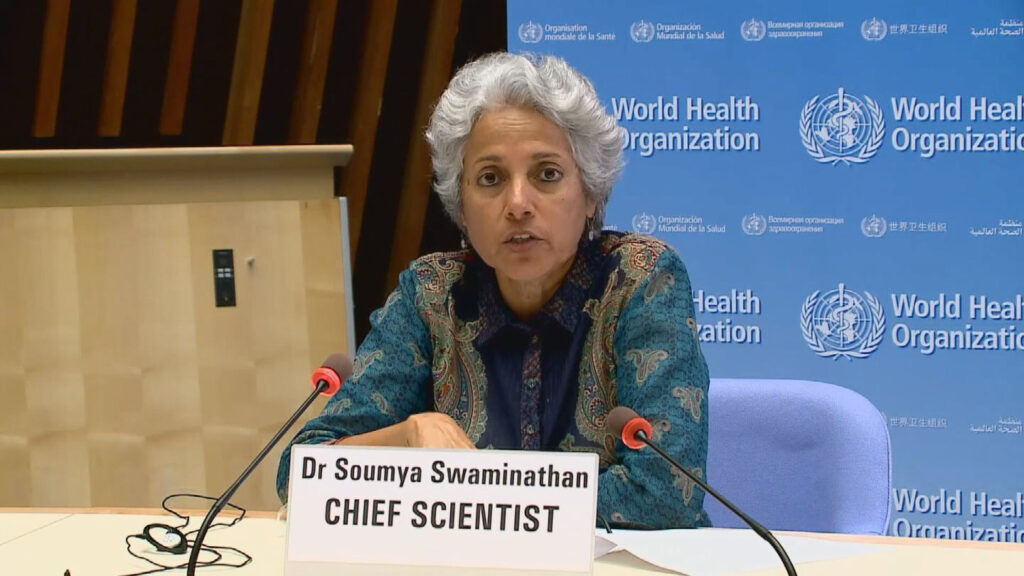
During a panel of WHO discussion as part of Bio Asia 2022, she said that while several high-end countries have completed vaccination to the extent of 90%, some African countries have only completed 10% inoculation, despite global vaccine supply ease. Though the scientific achievement in combating the COVID-19 pandemic is commendable, there was no global coordination on some issues, and several countries did not follow the World Health Organization’s framework. On Thursday, the WHO’s Chief Scientist, Soumya Swaminathan, stated.

During a panel discussion as part of BioAsia 2022, she said that while several high-end countries have completed vaccination to the extent of 90%, some African countries have only completed 10% inoculation, despite global vaccine supply ease. “While the scientific achievements have been outstanding, the fact that we have a vaccine in less than a year; where we fell short was on truly global coordination and harmonized ways of approaching pandemics, whether it is travel rules; That doesn’t help actually in the pandemic,” she said, referring to the reaction to travel restrictions imposed on South Africa after a new variant of COVID-19 was discovered.

WHO

Even though the world has moved on from the acute supply shortage that plagued the world in 2021, the challenge will be massive because many countries are unable to implement large-scale vaccination programs, according to the WHO chief scientist. She also stated that the WHO is working on scenarios in which variant-proof vaccines are developed, as well as the need for a globally distributed manufacturing network.

Amitabh Kant, CEO of NITI Aayog, who also spoke on the panel, believes that the government should heavily incentivize research and development, as well as sectors like Biopharma, to help India transition from a low-value, high-volume player in the global pharma market to a high-value, high-volume player. “We’re looking into ways to improve the system and encourage more industry-academy academic collaborations.” “Our scientific community needs to promote innovation, global partnerships, and knowledge sharing,” he said.

Some regulatory processes should be simplified, according to Krishna Ella, chairman and managing director of Bharat Biotech International Limited, to act quickly on product development.

Despite flattening, don’t lower your guard after WHO. Vice President M Venkaiah Naidu’s covid curve

On Wednesday, Vice President M Venkaiah Naidu emphasized the importance of basic amenities like safe drinking water and sanitation in preventing diseases and contributing to people’s overall well-being. He also warned that, despite the flattening of the COVID-19 pandemic curve, people should not relax their guard and should continue to wash their hands frequently.

WHO

The vice president, speaking at the National WASH Conclave-2022 after virtually inaugurating it from Chennai, said that children should grow up in a healthy physical and emotional environment. According to an official statement from the Vice President Secretariat, he wanted preventive healthcare measures such as safe water, sanitation, and hygienic practices to begin in anganwadis and primary schools.

The National Institute of Rural Development and Panchayati Raj (NIRDPR), Hyderabad, is hosting a three-day virtual conclave on water, sanitation, and hygiene (WASH) in collaboration with the Ministry of Jal Shakti, Ministry of Panchayati Raj, UNICEF, and other development partners. The theme of the conclave is ‘improving water, sanitation, and hygiene in panchayats.’
Observing that bringing the WASH agenda to gram panchayats is critical because they are at the heart of rural water supply, Naidu emphasized the importance of institutionalizing panchayats to ensure effective service delivery to the last mile.

“Effective last-mile delivery of services in every field — this is a key aspect of governance that I always emphasize — holds the key to fast-tracking all-around development,” he asserted. The vice president stated that as a country, we must ensure that every household has access to all basic services, the most important of which is WASH.
Recognizing that providing safe drinking water and sanitation to every rural household is a monumental task, Naidu stated that it can only be accomplished if a diverse group of players bands together with “singular focus and determination.” There is bound to be a positive spinoff as rural water supply networks are expanded across the country, according to Naidu.

“There will be a huge demand for plumbers, electricians, and people trained in water chlorination,” he predicted, calling for lessons to be learned from Scandinavian countries, where local governments use hub-and-spokes models to meet the demand for skilled manpower to handle any breakdowns or maintenance work.