Home Blog Page 569

Import duties on some raw materials for the steel sector are being waived by the government.

The government has exempted import tariffs on  some commodities such as coking coal and ferronickel used in the steel industry. This will reduce the cost and price of the domestic industry.   Tariffs on iron ore exports have also been raised to 50% and some steel brokers have been raised to 15% to increase domestic availability.

This service will be from Sunday  today .

Import tariffs on ferronickel, coking coal and PCI coal have been reduced from 2.5%, and import tariffs on coke and semi-coke have been reduced from 5% to zero. The export tax on  iron ore and concentrate has been raised from 30% to 50% and a 45% tariff has been levied on iron pellets.

Taxes on ingots, blocks, or other major forms of pig iron and Spiegel. Flat-rolled iron or non-alloy steel products, width  600 mm or more, hot rolled, Unplated, uncoated. Flat-rolled iron or non-alloy steel products from 600 mm wide, cold-rolled (cold-rolled), unclad, clad or coated  flat-rolled iron or non-alloy steel products from 600 mm wide, clad, clad or coated Things have now been raised from “zero” to 15%.

In addition, a 15% tariff was levied on flat-rolled stainless steel products with a width of more than 600 mm, other steel bars and stainless steel bars. Angles, shapes and profiles of stainless steel; rods and rods, hot rolled  irregularly wound coils of other alloy steels.

Nirmala Sitharaman, the present finance minister, said tariff changes on commodities and steel brokers would “lower prices.”

In addition, import taxes on  raw materials used in the plastics industry have been reduced, reducing domestic manufacturing costs. Import tariffs on naphtha has been reduced, reducing domestic manufacturing costs. Import tariffs on naphtha has been reduced from 2.5% to 1%, while tariffs on propylene oxide have been halved to 2.5%. Import duties on polymers made of

Vinyl chloride (PVC) has been reduced from the current 10 percent to 7.5 percent. In announcing a reduction in tariffs on plastics.

Sitaraman  said tariffs on raw materials and brokers would be reduced if import dependence was high.

“This will reduce the cost of the final product,” she tweeted.  Also  said the government has decided to reduce tariffs on raw materials and intermediates for India’s highly import-dependent plastic products. This will reduce the cost of the final product, the minister said.

Earlier this month, India  announced a ban on wheat exports as grain prices soared in the heat of northern India.

Apart from this, the government is also taking steps to improve the availability of cement. The minister added that this would be done through better logistics to reduce cement costs and that orders would be placed on Saturday itself.  On Friday

Sitaraman expressed concern about the potential impact of rising  construction costs on infrastructure creation as the government calls for an infrastructure investment-led economic recovery.

“Today, the world is in a difficult time. Even when the world is recovering from the Covid 19 pandemic, the conflict in Ukraine  has caused supply chain problems and a shortage of various commodities. It causes inflation and financial difficulties in many countries. ”

Retail price inflation measured by Consumer Price Index (CPI) and inflation measured by the wholesale price index (WPI) have been surging in recent months mainly driven by a surge in global commodity price.

AMRG & Associates Senior Partner Rajat Mohan said steep reduction in import duty on these products would help arrest high inflation.

“Global economies are failing due to rising debt and high inflation. In light of collapsing weak developing economies due to high inflation, the Indian government has taken multiple measures to provide relief from the high prices of petrol, diesel, coal, iron, steel and plastic,” Mohan said.

What Is The Relationship Between Data And Economy?

Data is the driving force behind the digital frugality. While data handling norms will inescapably differ from country to country, it’s critical to ask Can we reduce obstacles tocross-border data flows to address common enterprises and profit society? Erecting a system to record carbon- related information on products throughout entire global force chains, for illustration, is needed to produce an environmentally sustainable indirect frugality. As a result, every country’s data- related rules must be coordinated — a massive and delicate task. How can this be fulfilled?

The Osaka Track, a major worldwide action on data flows, was launched by heads of government in Davos in 2019 under Japan’s G20 leadership.

In several nations, the DFFT paradigm has affected data- related rulemaking. Since also, countries each over the world have been trying to apply digital trade regulations that are harmonious with the DFFT principle. For case, in two trade agreements, the Japanese government agreed to high-standarde-commerce rules the Japan-US Digital Trade Agreement and the Japan-UK Economic Partnership Agreement (EPA). In addition, early addresses between Japan and the EU on data- related legislation are underway. The Regional Comprehensive Economic Partnership (RCEP) is part of this trend at the indigenous position, and Japan, Singapore, and Australia are concertedly easing multinational conversations one-commerce at the World Trade Organization (WTO).


Consensus Issues With Data

The DFFT effort is now experiencing various obstacles. Most importantly, worldwide harmonisation is incredibly challenging because each country approaches data protection and trust differently. Because national interests and opinions differ greatly, reaching a worldwide consensus on norms involving security and privacy, in particular, will take time. The problem of government access to private-sector data is an excellent illustration. Access by the government can range from purchasing data from the private sector to seeking information for national security purposes.

Categorizing different types of government access in a way that policymakers and other stakeholders in a variety of nations can understand is a key step in reconciling perceptions and establishing a platform for conversation, and it is a component of our work on the subject. The OECD has been working on this issue and has made steady progress, but reaching a global agreement is expected to take some time. Finally, each country must take responsibility for clarifying its policies and ensuring that its trading partners understand them.

This awareness of the concerns is reflected in the DFFT Roadmap, which was developed during the G7 Digital and Technology Ministerial Meeting in 2021.


DFFT: A bottom-Up Strategy

One argument against DFFT is that a country’s data assets could be stolen by foreign companies if it joins a cross-border data transfer system before its domestic data ecosystem is well developed

However, sitting on the bench comes at a heavy price. According to the World Economic Forum’s white paper, Advancing Data Flow Governance in the Indo-Pacific: Four Country Analyses and Dialogues, cross-border data flows can have major benefits for local economic growth.

In order to address the needs of business, a pragmatic and bottom-up approach to DFFT is essential. This means that efforts to develop high-level and comprehensive intergovernmental rules can run concurrently with public-private collaborations to address specific concerns.

Categorizing different types of government access in a way that policymakers and other stakeholders in a variety of nations can understand is a key step in reconciling perceptions and establishing a platform for conversation, and it is a component of our work on the subject. The OECD has been working on this issue and has made steady progress, but reaching a global agreement is expected to take some time. Finally, each country must take responsibility for clarifying its policies and ensuring that its trading partners understand them.


A recent research by Japan’s Ministry of Economy, Trade, and Industry (METI) examined cross-border data flows at the company level, categorising the problem into six categories (see below) of specific difficulties and solutions, and making suggestions.

Some IoT manufacturers, according to the survey, confront the following problem: they sell IoT equipment globally and provide maintenance services, including failure forecasts based on real-time data regarding operating conditions.

However, data management regulations differ from nation to country and are often updated. A clear and consistent approach for determining what types of data can cross borders would enable increased use of IoT capabilities, such as real-time monitoring.

Professor Tatsuhiko Yamamoto, chair of the panel that published the paper, remarked, “Few talks regarding DFFT have investigated specific instances in which ‘data does not flow’ in corporate settings.” “We used private sector voices and genuine instances to gather and analyse cases on the lifespan of global data transfer.”

These issues could be addressed by implementing a method based on RegTech, which are technologies that automate compliance and process monitoring.

In this context, the Forum published a white paper in April 2022 that highlights seven common success characteristics that aid in defining best practises in RegTech deployment.

The G7 in 2023, which will be hosted by Japan, the country that suggested the notion in 2019, is expected to be a future milestone for DFFT. “Three years ago at Davos, our country promoted DFFT,” Japanese Prime Minister Kishida Fumio said at the Davos Agenda 2022. The DFFT is being advanced further

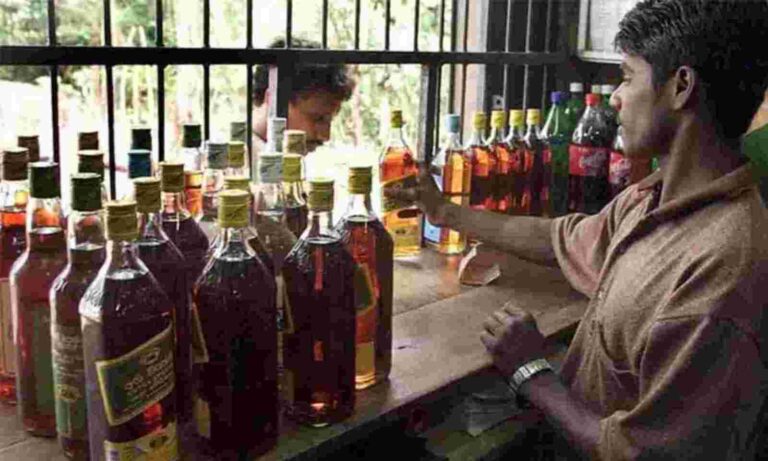
Telangana Administration Has Raised Liquor Prices By 20-25 Percent

Telangana and Andhra Pradesh are the states with the highest alcohol consumption rates

While the government has been successfully dealing with the deadly coronavirus threat, the lockdown has now exacerbated an alcoholic problem. With all wine shops in the state closed, persons accustomed to consuming alcohol are now experiencing acute withdrawal symptoms and are alleged to be behaving in an unruly manner, with suicide attempts reported in some cases. The Erragadda Mental Hospital, which has had almost no out-patients since the lockdown, is suddenly receiving around 100 OP cases.

With 19.8 percent, Andhra Pradesh and Telangana ranked fifth in the country. According to the National Institute of Nutrition’s Urban Nutrition Report, urban men in Andhra Pradesh and Telangana state consume alcohol at the second highest rate in the country (37.3%). According to a poll conducted in the country’s urban areas, urban men in the Andaman & Nicobar Islands drink the most alcohol (51.3%). In terms of risk behaviour components, it was discovered that 16% of adult men used tobacco in some form or another, and 30% of men drank alcohol.

West Bengal has the highest rate of smoking (40.6%). With 19.8 percent, Andhra Pradesh and Telangana ranked fifth in the country. Scientists discovered that consuming foods heavy in fat, salt, and sugar with alcohol resulted in a higher connection of hypertension in men.

According to nutritionist Dr. U. Sree, “high cholesterol and triglyceride levels imply that males are engaging in dangerous behaviour, which is shown in annual health check-ups.” Professionals are secretive about their habits. The only option is to abstain completely from alcohol, but few people are willing to do so. People in this category are given dietary adjustments and medicines to treat grade 2 fatty liver issues.”

The Telangana administration has raised liquor prices in the state by 20-25 percent, with the new rates taking effect on Thursday. While this change, the first after May 2020, is intended to increase income, the state prohibition and excise agency believes it will lead to more moderate liquor consumption in the state.

According to the director of the prohibition and excise department, the new rates will apply even to goods with the previous maximum retail price (MRP) printed on them.

The tariffs for foreign liquor, Indian-made foreign liquor, and beer have been altered in the current order. The retail price of all beer brands in all sizes has been raised by Rs 10. Similarly, all wine brands’ MRPs have been raised by Rs 10 for a quarter (180ml), Rs 20 for a half (375ml), and Rs 40 for a full (750ml) bottle.

In the case of hard liquor, the price increase is divided into two categories: for brands with an MRP of less than Rs 200 for a full bottle, the price is increased by Rs 20, Rs 40, and Rs 80 for quarter, half, and full bottles, respectively. For brands with MRPs greater than Rs 200, the price is increased by Rs 40, Rs 80, and Rs 160 for quarter, half, and full bottles, respectively. According to booze sellers, the move to sell old stock at the new MRP is sure to confuse tipplers and cause mayhem at liquor stores.

“We are the ones who deal with the general public. Who will accept it if we sell old bottles at a new MRP without even putting new stickers on them? Furthermore, the consumer has the right to spend no more than the MRP label on the bottle. “The people would just blame the shopkeepers,” a senior retailer told indianexpress.com, adding that the government should have first educated and sensitised liquor consumers.

According to statistics, the state earned more than Rs 30,000 crore from the sale of booze from roughly 3,000 retail outlets last year. Whether the government move “moderates” liquor use in the state or not, wine shop owners believe government income will not fall at any moment. They claim that even if sales fall, the price increase will ensure that revenues remain constant.

Sixty percent of a retailer’s revenue comes from the sale of inexpensive liquor. Its rates have risen to Rs 120 from Rs 65 in pre-Covid era. “If you keep raising the rates, he/she would resort to illegal options,” a dealer said. He stated that when the rates in Andhra Pradesh were raised, there was an increase in incidences of smuggling of liquor from other states.

Several wine shops remained shuttered or partially open on Thursday, after officers from the department had sealed them the night before. These would be permitted to open only after officials assessed the available stock to determine the taxes to be paid in accordance with the new MRP. Dealers warned that a lack of personnel in the department could further stall the process.

What impact would the Supreme Court’s decision have on the GST framework?

In a ruling, a good way to have the most important implications on the GST framework and Centre-State economic relations, the Supreme Court of India on Thursday stated the pointers of the council aren’t binding on the Centre and State governments

The commentary accompanied a judgement over the applicability of Goods and Services Tax beneath neath the Reverse Charge Mechanism on transportation of imported items via the ocean route. The apex courtroom docket brushed off an appeal with the aid of the Centre towards an in advance Gujarat High Court judgement that stated that Integrated GST on ocean freight is unconstitutional. The Supreme Court held that GST Council’s pointers will most effectively have a persuasive value, including that the Parliament and national legislatures own identical powers to legislate on GST. Abhishek A Rastogi, a companion at Khaitan & Co, who argued on behalf of importers, stated there could be a realistic method to the provisions which can be the situation to judicial evaluate with the aid of using manner of assignment to the constitutionality of such provisions primarily based totally on GST Council pointer choices in the GST Council are taken through a majority of now no longer much less than three-fourths of the weighted votes solid. The Centre has one-1/3 weightage of the whole votes solid and all of the states taken collectively have two-thirds of the weightage.

In the remaining 5 years of GST, the Council has taken all choices on the premise of consensus, apart from the levy on lotteries, wherein vote casting passed off in December 2019.   Abhishek A Rastogi, Partner, Khaitan & Co says GST Council’s pointers are unconstitutional and can’t be implemented. The process of vote casting withinside the GST Council stays intact. States having special GST prices will defeat the goal of GST and the states will need to debate in the event that they need to deviate from the harmonised device.  The Finance Minister of Tamil Nadu Palanivel Thiaga Rajan welcomed the court’s observation, pronouncing it clarifies troubles that he had raised in the remaining year. He had stated the GST device and the Council feature with an all-encompassing mandate now no longer estimated withinside the Constitution of India. He stated the vesting of massive de-facto energy in our bodies now no longer immediately related with the GST Council, which includes the Tax Research Unit of the Central Board of Indirect Taxes and Customs, GST Secretariat and the GST Network, is fraught with questions of constitutional legitimacy.   What might the Supreme Court’s comments suggest for Centre-State family members going forward?   Speaking to Business Standard, Jatin Arora, Partner, Phoenix Legal, says this could result in interpretational troubles with reference to states’ powers. Tamil Nadu government says maximum of the powers associated with levy of taxes relaxation with the Centre. It says the schedule set with the aid of using the Centre is observed usually in the GST Council. The SC ruling offers greater enamel to states to elevate their concerns. Arora says it’ll be worrisome if states legislate on GST topics out of doors of the GST Council. The Centre will need to be more accommodative of states’ troubles.    Another prison professional says that yesterday’s ruling does now no longer extrade the manner wherein the GST Council functions.   According to Rajat Bose, Partner, Shardul Amarchand Mangaldas & Co, there’s no extrade in provisions associated with GST Council. The GST Council can planned on variations of opinion among states and  centre and it is empowered to determine on the ones variations.

Meanwhile, Revenue Secretary Tarun Bajaj said the ruling is unlikely to materially impact the one-nation-one-tax regime as it is only a reiteration of the existing law that gives States the right to accept or reject the council’s recommendations – a power that

The states have also gained some bargaining power and can put forward their concerns before the GST Council more strongly.


The PM Panel features a local government employment guarantee system Basic Income.

After years of adjusting to this idea, perhaps before 2024, it’s finally time for India’s basic income. The Prime Minister’s Monetary Advisory Board suggested that India should spend more on the social sector to build a safety net for the poor in the city so as not to shock the labor market. In the pandemic and uncertain war in Ukraine, economists seem to be warmed up by UBI’s ideas.

As the Prime Minister’s Monetary Advisory Board condemns India’s income inequality and urban unemployment, major changes in the labor market may be imminent. The PM Panel proposes safety nets such as the local government employment guarantee system, minimum wage, and basic income (UBI) modeled on MGNREGA. A report entitled “India’s Inequality”, produced by the Gurgaon-based Institute for Competitiveness, was released  Wednesday by EACH President Vibeck Debroy.

The report states: “Most importantly, governments need to allocate a larger proportion of their spending to social welfare and the social sector to make the most vulnerable people tolerate sudden shocks and stop their lineage into poverty.”

The report insists on economic reforms amid pandemics and war-related shocks. Some of these reforms, such as UBI, have split economists, but with caution, we have found that the number of hires is increasing as the experiments on the ideas prove to be successful.

The potential of  UBI was also introduced in 2016 Economic Survey 17 by Arvind Subramanian, then Chief Economic Adviser of the Government of India. The author of the study added a chapter on UBI, stating that it was “a powerful idea that was not yet proficient in action at that time, but proficient in serious debate.”

Is it finally the right time for UBI, along with other benefits for the working class?

2016- 17  Economic Survey

Subramania-led 2016 Economic Survey 17 proposed a quasi-basic income of Rs 7,260 per year for 75% of India’s population. Subramanian has set UBI’s economic cost at 4.9% of GDP.

The late Arun Jaitley, the then finance minister, supported the idea, but said it might not be politically feasible in India.”Current” requires a subsidy and beyond (UBI). ”


With the pandemic driving many people into unemployment and the Ukrainian war pinching their pockets, is it possible to shift the paradigm ahead of the next election?

Remember that before the 2019 Lok Sabha election, then-Chairman Rahul Gandhi promoted basic income and sparked a  debate about the risks and benefits of such guarantees.

 Is UBI useful for India?

India has various welfare systems for people below certain income levels, but the Public Distribution System (PDS), which provides subsidized food, fuel, and fertilizer to citizens, remains a gap. It’s full of leaks. In many cases,  subsidies (especially grains) are of poor quality and are not intended for consumers who cannot reach the beneficiaries and can afford the benefits. The system is also full of corruption. However, it is undeniable that PDS has helped save Indians from poverty and improve their calorie deficiency over time.

 The direct transfer of profits

As advertised as the first step toward UBI, the Government of India began experimenting with Direct Benefit Transfers (DBT) in 2017. This idea was also proposed by economists under the United Progressive Alliance Government. The three union areas of Chandigarh, Pondicherry, Dadra, and Haveli were part of the pilot and sent cash directly to the beneficiary’s account instead of subsidies. Success was limited because not all beneficiaries have banking privileges. However, it was thought that improved banking infrastructure could consolidate such DBTs into a single remittance to households, paving the way for UBI.  The center currently operates a minimum income system for farmers under PM Kisan. Before this, a national program was held, for example in Telangana.

Spending the money

Strictly universal UBI includes all Indians regardless of income level. However, quasi-BGE will be the selected path in India. UBI is also a non-obligatory remittance. In other words, beneficiaries are free to spend their money as they please.

UBI, on the other hand, reveals some annoying problems that have divided economists. Opponents say  UBI can reduce the incentives to work. In Finland, in 2017, Europe’s first state-sponsored basic income experiment was conducted18. Results released in 2020 during a pandemic showed that stable income improved mental well-being and life satisfaction, and, unlike controls, employed a small percentage of beneficiaries.

Some economists claim that basic income diverts resources from public schools, hospitals, and even basic rural infrastructure. But so far, while there may be debate over which subsidies should be continued and which should be phased out, none of UBI’s proposals suggest a reduction in public spending.

In a 2015 experiment conducted by the  New Delhi and Madhya Pradesh Self-employed Women’s Association (SEWA) in collaboration with UN agencies, households receiving basic income spent it on food and wealth accumulation and several livelihoods. It was shown that it worked better.

Many skeptics now seem to be warmed up by UBI’s idea as a tool for social and economic justice. Concerns are about implementation, not theory. If India introduces UBI and the program is successful, it could become a model for low- and middle-income countries.

Lal Bahadur Shastri: A Towering Figure As The Third Prime Minister

Prime Minister Narendra Modi, who has been in government for eight years, recently intimated that he is ready for a third term. Speaking virtually at a conference of beneficiaries of several federal government projects in Bharuch, he said a “very senior” Opposition leader once asked him what else he had left to accomplish after being Prime Minister twice. Modi stated that he would not rest until the country had “100%” coverage of government programmes.

Modi, 71, is the first Prime Minister to be born after independence. Over the course of seven decades, the country has had 15 Prime Ministers, with social, political, and economic developments. The tenures of India’s prime ministers are examined by the Indian Express. Lal Bahadur Shastri, India’s third Prime Minister, was one of the prominent figures who always took on the country’s many obligations. Shastri was sworn in as Prime Minister on June 9, 1964, and served for 581 days — till his death on January 11, 1966, in Tashkent.

When the country faced severe food shortages in the mid-1960s, Shastri led from the front, introducing new ideas such as fixing foodgrain prices for producers – known as the minimum support price (MSP) – and establishing a Prices Commission, which is now known as the Commission for Agricultural Costs and Prices (CACP), which recommends the MSP.

Shastri was critical of his own government at times, but when it came to accountability, he always led from the front. He was Jawaharlal Nehru’s Railway Minister, and he was so diligent that he resigned after a train catastrophe in Ariyalur, Tamil Nadu, in 1956. His gesture was applauded by everyone, including Nehru, whom he regarded as his “idol.”

Nehru then told Parliament that he was accepting Shastri’s resignation because it would set a good example of constitutional propriety, not because he was guilty for the train accident. As Prime Minister, Shastri carried Nehru’s policy of “democratic socialism” forward. He used to tell members of his Council of Ministers and top officials to visit communities and interact with locals and farmers.

When the Opposition introduced a vote of no-confidence against his government in September 1964, Shastri openly acknowledged both its triumphs and failings. When then Praja Socialist Party leader JB Kriplani recommended to Treasury Bench members on September 18, 1964, that they use Nehru’s name “sparingly to defend their conduct,” Shastri replied: “We shall attempt to work on our own as far as feasible.” We do not wish to invoke Pandit Jawaharlalji’s name to cover up our flaws and inefficiency. That will never happen. We must accept full responsibility for what we do.”

Shastri did not spare his own government in this argument, criticising the lack of coordination amongst several departments. Citing the water-logging problem in Punjab, Shastri stated, “I am merely expressing the view of an expert or a great engineer; he has said that because of the canals that have been constructed in the last few years, and some of the railway bridges or culverts that have been built, and also because of some roads that have been built, many areas have been affected, and because there is no coordination between different departments, the water-logging problem has occurred.”

“I am sorry I am critical of the government or the administration, but I can state from personal experience that no department is equipped to take the duty,” he continued. When you bring it up with the railways, they say, “We have nothing to do with it; the bridges or culverts were erected a long time ago.” If you go to the transport ministry, they will tell you, “Well, the roads are fine, so there should be no problem.” If you’re talking about the irrigation department, they’re a law unto themselves.”

Then Shastri continued, “I accept it; I have said that; I should be held accountable for that.” But what I want to emphasise is that the administration must accept responsibility for this situation. This type of operating in watertight cubicles across departments must end.” Shastri was born in Moghalsarai on October 2, 1904. He served in various roles in the Uttar Pradesh administration and at the Centre as a freedom fighter and Mahatma Gandhi disciple. He was also the Congress party’s general secretary. His interests were swimming and badminton. In addition, he had translated Marie Curie’s autobiography into Hindi.

Karnataka: Sanskrit & Yoga Helped Amit Madar To Achieve Perfect Score in SSLC Board Exams

Sloka, the primary verse form of Sanskrit epics. The sloka has a fluid metre that lends itself easily to improvisation, with two verse lines (a distich) of 16 syllables each or four half lines (hemistichs) of 8 syllables each. Indo-Aryan literature is the body of texts in the Indo-Aryan language family.

It’s difficult to say when the Indo-Aryan dialects initially became distinct as languages. Around the 10th century CE, Sanskrit was still the language of high culture, serious writing, and ritual. At the start of the millennium, the languages today known as the regional languages of the subcontinent began to appear at various times throughout the next two or three centuries Hindi, Bengali, Kashmiri, Punjabi, Rajasthani, Marathi, Gujarati, Oriya, Sindhi (which did not develop an appreciable literature), and Assamese. Urdu did not develop until much later.

In their early stages, the literatures exhibit three characteristics: first, a debt to Sanskrit, which can be seen in their use of Sanskrit lexicon and imagery, their use of myth and story preserved in that refined language, and frequently in their conformity to ideals and values put forward in Sanskrit texts of poetics and philosophy; second, a less obvious debt to their immediate Apabhramsha past (dialects that are immediate predecessors of the modern Indo-A.

The narratives in the early stages of language development are mostly mythological tales borrowed from classical Hindu epics and Puranas. However, secular romances and heroic tales were also portrayed in narrative poems in the 17th and 18th centuries. Although the narratives’ themes are based on Purana tales, they frequently include components unique to the place in which the narrative was penned.

Regional literatures frequently adopted forms from Sanskrit, in addition to themes. The Ramayana, for example, appears in Tulsidas’ Ramcharitmanas (“Sacred Lake of Rama’s Acts”), a 16th-century Hindi rendition. This poem follows the same format as the Sanskrit poetry, but with a different emphasis. The stylized forms and imagery of Sanskrit court poetry occur as well, but with a different focus, in the work of the 15th-century Maithili (Eastern Hindi) lyric poet Vidyapati, for example. Even the sometimes enigmatic rhetorical musings of the Sanskritic poetic schools of analysis were used as formulas for the creation of 17th-century Hindi court poetry. Keshavadasa’s Rasikapriya (“Beloved of the Connoisseur”) is a good example of this type of tour de force.

Other traits are shared by regional literatures, some of which are derived from Apabhramsha rather than Sanskrit. Many northern Indian languages, for example, have two poetic forms: the barahmasa (“12 months”), in which 12 beauties of a girl or 12 attributes of a deity are extolled by relating them to the characteristics of each month of the year; and the chautis (“34”), in which the 34 consonants of the northern Indian Devanagari alphabet are used as the initial letters of a poem of 34 lines or stanzas, describing 34 joys.

Finally, there are certain shared traits that may have emerged from Apabhramsha or from the transmission of stories and texts from one language to another. Even in the early period, stories of Gopichandra, the cult figure of the Natha religious movement, a school of mendicant sannyasis, were known from Bengal to Punjab. And the original romance of the Rajput heroine Padmavati was eloquently portrayed with a Sufi (mystic) twist by 16th-century Hindi Muslim poet Malik Muhammad Jayasi and later by 17th-century Bengali Muslim poet Alaol.

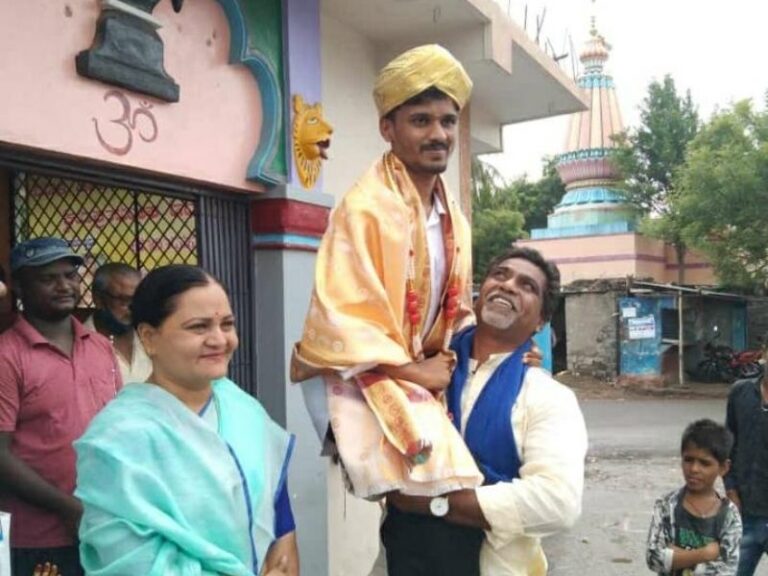
Amit Madar was bathing in success after scoring 626/626 in the SSLC board exams with sweets, firecrackers, and a shower from the rain Gods. Madar was hailed by all, from panchayat members to education authorities, and was celebrated with garland, shawls, and sweets once the results were declared.

The 16-year-old from Jumanaala village in the Vijayapura district enrolled in the Government High School in his village with one goal in mind: to become a state topper. According to his eldest brother Kenchappa, Madar was inspired after seeing the school’s topper’s board and decided he wanted to be on that list.

“Madar is a quiet man. However, his work speaks volumes. We both talk in Sanskrit at home because I am getting a B.Ed in Sanskrit. He has memorised over 100 Sanskrit verses and believes it has improved his memory. He is also a yoga practitioner. This has substantially improved his academic performance,” adds Kenchappa, who assisted his brother by providing the majority of his educational resources. He was raised by a single mother after his father died seven years ago. In Vijayapura, his mother works as a labourer.

Madar, who is also a district-level volleyball player, won first place in a district-level Sanskrit competition. “I enjoy playing volleyball, but I lack the financial resources and facilities to continue.” I normally devote my complete attention to studies and study for 6-8 hours per day. I was very concerned about my Science grade because understanding this topic was difficult for me. “In the future, I’d like to study engineering or medicine,” Madar says. While concentrating on his studies, Madar helped out around the house by getting water, milk, and other necessities. His family also provided him with a private study space in which to study.

Amit Madar is a very bright and promising kid in both academics and extracurricular activities, according to C A Rudragoudar, retiring headmaster of the government high school in Jumanaala. “He hails from a very poor background,” Rudragoudar explained. However, he excels in both academics and extracurricular activities. He began practising for volleyball while he was in seventh grade. Mathematics is his favourite subject.”

Supreme Court allows OBC quota for Madhya Pradesh Local Bodies

Following the order’s passage, Maharashtra’s governing Maha Vikas Aghadi (MVA) argued that different laws were applied to various states, and requested that if the Supreme Court had authorised OBC reservations in Madhya Pradesh, the same should be allowed in Maharashtra.

On the basis of a second report filed by the state backward classes commission, the Supreme Court permitted local body elections in Madhya Pradesh with reservations for OBCs on Wednesday. The court so changed its May 10 ruling, which had instructed that the polls be notified without a quota for OBCs since the state had failed to meet the “triple standard” set forth by the court in March 2021 for giving such reservation.

Following the order’s passage, Maharashtra’s governing Maha Vikas Aghadi (MVA) argued that different laws were applied to various states, and requested that if the Supreme Court had authorised OBC reservations in Madhya Pradesh, the same should be allowed in Maharashtra.

Since 2010, the Supreme Court has emphasised that, unlike reservation for OBCs (together with SCs and STs) in education and employment, OBC quotas in elections should be supported by actual facts. In the absence of current empirical data on OBC groups, local body elections in at least three states, Maharashtra, Karnataka, and Madhya Pradesh, have been halted.

On what grounds has the Supreme Court approved Madhya Pradesh’s local body elections?
Madhya Pradesh had filed an appeal to have the court’s May 10 ruling modified, claiming that the backward classes commission had written a second report that met the triple-test criterion based on the court’s remarks. On May 12, a revised report was filed. The Bench said it concentrated on the local body-by-local body reserve for OBCs, bearing in mind the Supreme Court’s maximum reservation restriction of 50%. “We authorise the Madhya Pradesh State Election Commission to notify the election programme for the respective local bodies,” the court stated. “We may not be interpreted to have issued a definitive view either way on the validity and truth of disclosed Reports,” says the statement, and “as and when a challenge is made up…that may have to be assessed on its own merits…”

Why did the Supreme Court in Maharashtra reject the interim report of the state backward classes commission?
The Maharashtra government was ordered by the Supreme Court in January to provide data on OBCs to the Maharashtra State Commission for Backward Classes (MSCBC), which would evaluate it and make recommendations on their representation in local elections. The MSCBC was also ordered by the highest court to provide an interim report to the relevant authorities within two weeks of obtaining information from the state government.

Following that, the government gave the data to the MSCBC and demanded an interim report as soon as possible. After analysing the statistics, the MSCBC suggested that OBCs be awarded up to 27% quota in its 35-page interim report released in February. The SC, on the other hand, rejected it, claiming that it was written in the “lack of scientific facts.” “The report states that it is being developed in the absence of empirical investigation and study by the Commission. The Commission should not have issued the interim report after failing to do so, according to Justices A M Khanwilkar and C T Ravikumar. “As a result, it is impossible to allow any authority, much alone the State Election Commission, to act on the abovementioned report’s recommendations.” For the time being, we will refrain from debating the validity of each of the commission’s remarks in the interim report. The court, on the other hand, directs all parties involved not to act on the interim report as provided.”

What is the current legal situation in Maharashtra?
The Maharashtra State Election Commission was ordered by the Supreme Court on May 4 to publish the election timetable for local governments within two weeks based on the previous delimitation procedure, rejecting the argument that it could only be done after new delimitation.

The Bench stated that the procedure “cannot bear any delay” because the five-year terms of roughly 2,486 local bodies in the state had ended and elections were necessary to be held under the provisions of the Constitution and the Maharashtra Municipal Corporation Act. The state election commission then submitted an affidavit claiming that polls could not be held owing to the monsoon and informing the top court that elections for urban and rural local bodies would be held in September and October, respectively. After the SC requested that the elections be held in areas with less rainfall, the SEC stated before the SC that it would “commence the process forthwith in respect of areas/ districts which may not be affected by monsoon and even if after the notification, the schedule can be modulated appropriately district-wise and local body-wise if the situation warrants so.” The next hearing date has been set on July 12.

What was the “triple test” that the Supreme Court mandated, and when did it apply?
The Supreme Court interpreted Section 12(2)(c) of the Maharashtra Zilla Parishads and Panchayat Samitis Act, 1961, as an enabling clause that may be used only if three requirements are met before notifying the seats designated for OBCs in local bodies. Section 12(2)(c) deals with OBCs being given 27% of seats in Zilla Parishads.

  • A state commission must “conduct contemporaneous rigorous empirical inquiry into the nature and implications of backwardness qua local bodies, within the state”;
  • specify the proportion of reservation required to be provisioned local body wise in light of commission recommendations
  • total “reservation (must) not exceed”

Why are governments so eager to have these polls, and what is the issue in gathering OBC information?
Elections to five municipal corporations in Maharashtra were postponed for over two years owing to the Covid-19 outbreak. In March and April of this year, the periods of ten municipal corporations, 25 Zilla Parishads, municipal councils, Panchayat Samitis, and Gram Panchayats came to an end. The MVA administration is eager to organise OBC quota elections for these local bodies.

According to government sources, a door-to-door survey is not viable for obtaining empirical evidence for awarding OBC quotas since it might result in a host of social concerns in the future in the state. “When the Karnataka government’s caste census data was leaked, dominating communities questioned the findings and objected to the state government’s decision to make it public. As a result, the same thing may happen in our state, pitting communities against one another for no cause. It might disrupt the state’s social fabric,” a source added.

In 2016, information from the Karnataka government’s socioeconomic study was released, suggesting that the number of Vokkaligas and Lingayats was lower than previously thought. Following that, both groups protested the findings, casting doubt on its accuracy. “The union government has the authority to undertake a caste census, but it has refused.” If the Centre, while having the ability, refuses to conduct the caste census, any group would dispute the state government’s conduct if the survey finds that the number of any community is smaller than what they believe or expect. “The whole thing will be a waste of time,” the person continued.

Where does this issue move from here?
On the model of the Madhya Pradesh government, the MVA government plans to present an empirical data report. “In Madhya Pradesh, the Supreme Court has approved OBC reservation.” As a result, we have begun urgent activities throughout the state. The Jayant Banthia Committee has been formed and is now working. When the Committee’s report is out in June, we will present our case before the Supreme Court along the same lines as Madhya Pradesh,” Deputy Chief Minister Ajit Pawar said.

Following the rejection of the MSCBC’s interim report by the Supreme Court, the MVA government formed a six-member commission in March, led by former chief secretary Banthia, to prepare a report on the state’s political backwardness of the OBCs in order to provide them with reservation in local bodies. The commission has been granted three months to present its findings by the administration.

Reliance Launches Onslaught Against HUL, Nestle, and P&G

Mukesh Ambani’s Reliance Group has begun selling food staples such as flour, lentils, and edible oil in Mumbai’s open market through a new company, testing the waters before venturing into the consumer products business. Reliance Home Products, a new company, has introduced wheat flour, cooking oil, and pulses under the brand name Healthy Life, as well as a mango drink under the brand name Good Life, a company spokesman said, adding that soaps, shampoo, tea, coffee, noodles, and ketchup will follow shortly.

The fast-moving consumer goods (FMCG) business in India is projected to be valued over Rs 1 lakh crore, with significant players such as Unilever, P&G, ITC, and Dabur dominating. Reliance Retail and Reliance Home Products are subsidiaries of Reliance Industries, India’s largest private-sector enterprise.
Reliance Home Products is in charge of sourcing, quality control, branding, distribution, and marketing of these products, which are sold at the same price to all retailers, including Reliance Retail. The Reliance name will not appear on products sold on the open market. We just launched it in Mumbai and will expand it to other markets based on the reception, according to the executive.

For the time being, the company is promoting its brand through shop activations in local stores. When its brands’ reach reaches a national level, it may decide to market them through advertising. Another top company executive stated that Reliance’s entry into FMCG is because the business is very solid and revenues do not suffer in a downturn. He further stated that the company is sure that its 900 retail outlet chain will serve as a solid foundation for Reliance to sell its FMCG items.

The FMCG sector has fared better than most others, rising by 18-20 percent over the last 5-6 quarters, owing primarily to price increases, greater consumer promotions, new product releases, and smaller packaging. This article reported last month that Reliance Retail had made offers to acquire two of Henkel India’s soap products, the male deodorant soap Aramusk and the Moloy sandalwood soap, indicating the company’s large ambitions in the FMCG sector.

According to Reliance, the FMCG sector is the next large development area, and the company plans to create up 2-3 subsidiaries to oversee the business. With over $100 billion in annual sales, the country’s largest firm is poised to compete with global multinationals in the consumer products sector. Reliance Industries, which currently controls India’s largest retail chain and has over a dozen private label brands, intends to swiftly grow its consumer essentials sector by acquiring over 50 brands.

According to sources, the conglomerate led by billionaire Mukesh Ambani is aiming for the vast consumer goods market, which has been dominated for nearly a century by American and European multinational corporations such as Procter & Gamble, Unilever, Nestle, Reckitt Benckiser, L’Oreal, and Colgate-Palmolive, among others. Reliance has put aside Rs 50,000 crore for the acquisition of a stake in the country’s over Rs 7,500,000 crore consumer goods and retail industry, the third largest in the world.

The company’s interest in consumer goods is not new. The group has expanded its position in the organised retail industry over the last decade through its two subsidiaries, Reliance Retail Ltd (RRL) and Reliance Strategic Business Ventures Ltd. (RSBVL). While RRL has grown its retail base to over 15,000 physical locations, created several digital properties such as Ajio, and increased omni-channel play, RSBVL has been the arm responsible for strategic investments and acquisitions.

The group has actively introduced new brands and grown its consumer goods portfolio in packaged foods and beverages, personal and home care and fashion, consumer durables and garments during the last few years. Its foray into the rapidly growing branded F&B space through in-house brands such as Snactac (a range of snacks, biscuits, instant noodles, and so on), Goodlike (pulses, rice, and edible oil), Yeah, and Desi Kitchen (instant mixed, flours, pickles, and blended masalas) has been aimed in this direction.

Netplay (formal office wear), Performax (specialised activewear), Fusion (fusion-wear for women), AVAASA (ethnic wear for women), and Rio (fashion wear for working women) have all contributed to the company’s success in the fashion and apparel industry. In recent years, it has also collaborated with at least 47 prominent global companies, including Armani Exchange, Diesel, Gas, Hamleys, Hugo Boss, Marks & Spencers, Steve Madden, and Tiffany & Co. Furthermore, a slew of acquisitions aided its rapid expansion. The group purchased or invested in fashion labels such as Abu Jani Sandeep Khosla, Abraham & Thakore, ak-ok, Rahul Mishra, and women’s intimate wear brand Clovia in FY2021-22 alone.

According to corporate management, the company is concentrating on establishing “its own brand portfolio in sectors such as health and immune boosting foods in supermarket, and productivity devices and appliances in consumer electronics.” In addition, the company is “building a portfolio of own brands for new commerce,” with an emphasis on “exclusive brand licences and own brand products through Reconnect, JioPhone, and LYF,” according to its annual report. In FY2021, Reliance Retail derived more than 75% of its sales from its ‘own brands’ through its fashion and apparel chain Reliance Trends. Private labels contributed more than 60% of the revenue at (Reliance) Trends Footwear.

Reliance constructed 75 new warehouses and fulfilment centres in FY2021-22 to support its expanding retail and consumer goods portfolio. The fashion and clothing segment increased revenue by 55%, established 750 labels, and expanded its presence in small towns. It not only owns one of the major retail chains in the consumer electronics and durables industry, Reliance Digital, but it is also promoting in-house products through private brands such as Reconnect, resQ, Kelvinator, and BPL. During the January-March fiscal year of FY22, it increased by 50% sequentially over the previous quarter. According to the firm, “merchant partners throughout the country, including small towns, offering a wide range of gadgets and home appliances across categories” were in full swing.

It has been preparing for an all-out invasion of the consumer products space for some time. Reliance Retail acquired more than 150,000 new employees during FY22 to bolster its workforce, bringing the overall headcount to 361,000. “In accordance with the company’s rapid growth, a large majority of these roles will be in non-metros, tier 2 and 3 towns, and beyond, where the company is rapidly expanding its physical store network as well as digital and new commerce platforms,” it stated.

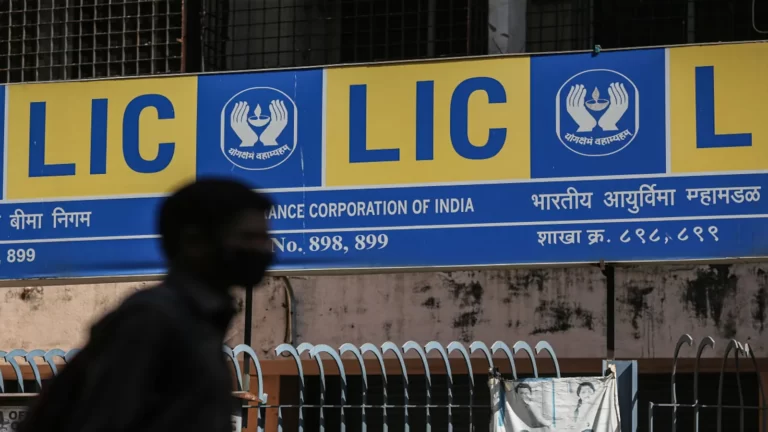
The LIC stock has a Lukewarm Market Debut!

Shares of the state-owned Life Insurance Corporation (LIC) debuted on the market today at an 8.62 percent discount to the IPO issue price. The company’s shares were priced between Rs 902 and Rs 949. The stock was floated on the BSE at Rs 867.20. LIC’s market capitalization was Rs 5.48 lakh crore.

On the BSE, 1.5 lakh shares of the company changed hands, resulting in a turnover of Rs 13.03 crore. The stock was launched on the NSE for Rs 872, 8.11 percent cheaper than the IPO price. The company’s market capitalization was Rs 5.51 lakh crore. On the NSE, 44.20 lakh shares of the company changed hands, resulting in a turnover of Rs 385.4 crore.The LIC IPO’s grey market premium (GMP) was minus Rs 12, indicating a listing at a discount to the issue price today. LIC’s GMP has dropped from Rs 85 on May 3 to Rs 75 today. The IPO began on May 4 and ended on May 9.

On the last day, the IPO was subscribed to 2.95 times (May 9). The share offer got bids for more than 47.83 crore (47,83,67,010) shares, with a total issue size of more than 16.20 crore (16,20,78,067) shares. While the amount intended for policyholders was subscribed to 6.1 times, the piece intended for employees was booked 4.4 times.

The insurer received Rs 5,620 crore from anchor investors a day before the share sale on May 2 (as the market was closed on May 3), indicating substantial interest. The anchor book’s subscribers included the Norwegian wealth fund Norges Bank Investment Management and the Singapore government.

In addition to other global funds, domestic mutual fund firms such as HDFC Mutual Fund, SBI, ICICI, and Kotak participated in the LIC anchor issue. According to estimates, over 20 investors have showed interest in subscribing to the anchor book. Anchor investors are institutional investors who buy into an IPO before it becomes public. Anchor investors typically invest in an issue the day before the IPO. They must bid on the shares within the price range set for the IPO. During the offering, each anchor investor must contribute a minimum of Rs 10 crore.

Meanwhile, the IPO raised Rs 20,557 crore for the government. Through the IPO, it sold a 3.5 percent stake in the insurance, or 22,13,74,920 shares. The government’s stake, which stood at 100% prior to the IPO, has been reduced to 96.50% following the IPO. At 10:49 a.m., LIC was trading at Rs 900.55, down Rs 48.45, or 5.11 percent. It reached an intraday high of Rs 920 and a low of Rs 860.10.


MAY 17, 2022 / 10:55 AM IST
Mohit Nigam, Head of PMS at Hem Securities, comments on the LIC listing:As has been noticed, the bulk of large IPOs have not provided high listing debut gains. Considering recent trends, LIC has remained on the same road, listing at an 8.8 percent discount from 949 to 872 on the NSE on its listing day and is currently trading at Rs 900-905 levels. We anticipate that personal savings and insurance knowledge will rise, allowing the sector to succeed in the long run and benefiting LIC indirectly as the market leader in this area. Long-term investors should continue to hold the stock, while short-term investors should wait for a lower price to enter.MAY 17, 2022 / 10:46 AM IST
LIC was selling at Rs 900.55, down Rs 48.45, or 5.11 percent, at the time of writing. It reached an intraday high of Rs 920 and a low of Rs 860.10.

MAY 17, 2022 / 10:41 AM IST
Parth Nyati, Founder of Tradingo, comments on LIC listing:

The company’s poor listing can be ascribed to market volatility and unfavourable market sentiment. In India, the corporation is connected with insurance and has a remarkable brand recall. We believe India’s highly underserved life insurance market is still in its infancy and is well positioned to capitalise on the enormous growth opportunities. LIC has many competitive advantages, such as a strong brand value, an extremely large scale of operations, a massive network of agents, and an enviable distribution network. Additionally, the company’s issue was priced at a Price to Embedded value of 1.1x, providing valuation comfort, so we recommend investors stay with the company for the long term, despite the negative listing. Those who applied for listing gains can keep a Rs. 800 stop loss. New investors might take advantage of price drops to buy this stock for the long term. We’d like to point out that the company’s additional fall will be constrained due to the minimal float after listing.

MAY 17, 2022 / 10:33 AM IST
Motilal Oswal Financial Services’ Hemang Jani, Head of Equity Strategy, Broking, and Distribution:

Though the LIC listing has been below the issue price of Rs 949, given the excellent values and market stability, we anticipate some purchasing interest in the shares from both retail and institutional investors. Because a considerable quantity of money has been released following the listing of LIC, some of this money may be redirected into equity markets.

MAY 17, 2022 / 10:18 AM IST
Swastika Investmart’s Head of Research, Santosh Meena:

The current market is not conducive to primary issues, and LIC, the largest IPO, has seen a negative listing as a result of the current market volatility. However, the prospects for the insurance market in India are promising due to low insurance penetration and a long growth runway; thus, LIC, as the largest participant, will benefit in the long run. Insurance is a scale business, and there is no company with the scale of LIC, thus investors should ignore the unfavourable listing and stick with the company for the long term. Those who applied for listing gains can keep a Rs 800 stop loss. New investors might take advantage of price drops to buy this stock for the long term. Another thing to keep in mind is that LIC did not pay any dividends in the previous fiscal year, so there is a significant probability that the firm would declare a good payout this year, making it a good dividend play.

MAY 17, 2022 / 09:35 AM IST
Dipam Secretary on LIC: LIC embedded value will be made available to investors on a regular basis. Our website’s response time for allocation was less than 10 milliseconds. To facilitate allotment, phone centres answered 16500 calls.

MAY 17, 2022 / 09:30 AM IST
LIC: Yash Gupta, Equity Research Analyst at Angel One:

LIC shares will be launched today, and retail investors who must obtain the allotment can hold the list for the short to medium term. LIC will trade at a P/EV (embedded value) ratio of 1.1x at an upper price band of Rs 949, a significant discount to other listed private life insurance companies such as HDFC Life, ICICI Pru Life, and SBI Life. Because all retail investors have been allotted shares in the LIC IPO, there may be some selling pressure at first. Given LIC’s low values in comparison to other publicly traded companies, investors with a longer time horizon can hold or buy more.