
Home Blog Page 536

SME IPOs: A Growth Engine or a Bubble Waiting to Burst?

In recent years, India’s small and medium enterprises (SMEs) have made a significant impact on the stock market, seizing attention with an unprecedented surge in initial public offerings (IPOs). These companies, which form the backbone of the Indian economy, have been using the stock market to raise billions in capital, capturing both retail and institutional investors’ interest. While the wave of SME IPOs points to growing investor confidence in the sector, some analysts warn of a possible bubble, raising concerns about market manipulation, lofty valuations, and sustainability. The key question remains: is this SME IPO boom a sign of robust economic strength, or is it a financial bubble that could soon burst?

The Rise of SME IPOs: Why Are Investors So Enthusiastic?

The surge in SME IPOs can be attributed to several factors, starting with regulatory reforms that have made it easier for smaller companies to list on public exchanges. In 2012, both the Bombay Stock Exchange (BSE) and the National Stock Exchange (NSE) introduced SME platforms, designed to accommodate businesses that may not meet the more rigorous listing requirements imposed on large corporations. This development opened the floodgates for SMEs to raise funds directly from public markets, a shift that was warmly welcomed by both businesses and investors.

At the same time, Indian retail investors are increasingly drawn to equities, with a strong interest in high-growth opportunities. SMEs represent a unique investment opportunity, offering the possibility of outsized returns, especially for investors willing to take on higher risks. These smaller companies often operate in high-potential sectors such as technology, healthcare, manufacturing, and renewable energy, which have seen growing demand.

In 2023 alone, more than 100 SME IPOs launched in India, collectively raising billions of rupees. This remarkable uptick in activity reflects strong market sentiment and investor confidence in SMEs. For retail investors, these companies present an opportunity to invest in India’s growth story from the ground up, where potential rewards can be far greater than from mature, established companies.

Confidence or Exuberance: Are Investors Caught Up in the Hype?

Despite the booming market for SME IPOs, there are growing concerns among market experts that investor optimism may be overblown. Many worry that the rapid increase in IPOs and the aggressive valuations of some SMEs indicate signs of speculative behavior. Some investors might be participating in the market not because of a thorough understanding of the business models but due to fear of missing out (FOMO) on quick returns.

Valuations of newly listed SMEs are raising eyebrows, with some companies being priced at levels disproportionate to their actual financial performance. While some sectors, such as technology, may justify higher valuations due to rapid growth potential, others seem to have been swept up in the broader market enthusiasm. The impressive price jumps of many SME stocks after their IPOs only add fuel to the speculative frenzy.

Concerns around corporate governance also emerge, as some SMEs face questions over their financial transparency. While regulators have put controls in place to oversee SME listings, these companies are still subject to less scrutiny than their larger counterparts. As a result, there have been instances where revenues were inflated or financial figures misrepresented, casting doubt on the credibility of some listings. These factors raise concerns about whether some IPOs are being driven by genuine investor confidence or speculative manipulation.

The biggest risk is that retail investors, who often lack access to in-depth market analysis, may be particularly vulnerable to the consequences of a market correction. Many are investing in SMEs in the hope of rapid gains, without fully understanding the risks associated with smaller, less established companies. SME stocks can be highly volatile and suffer from limited liquidity, making it difficult for investors to exit positions if the market takes a downturn.

Will the SME IPO Surge Last?

On the other side of the debate, supporters of SME IPOs argue that the boom is not a bubble but an indication of the market’s maturation. They point to several factors suggesting that the growth in SME listings is sustainable and could become a permanent feature of India’s financial landscape.

For one, SMEs are crucial contributors to India’s economy, especially in sectors like manufacturing, services, and technology. The government’s push for initiatives like “Make in India” and infrastructure development is encouraging SMEs to grow and expand, and these companies are taking advantage of IPOs to raise the capital they need for their business expansions. This trend is expected to continue as the economy grows, and SMEs are viewed as vital drivers of job creation, innovation, and overall economic growth.

Another factor supporting the sustainability of SME IPOs is the formalization of the sector. Recent government initiatives, such as the Goods and Services Tax (GST), have brought many previously informal businesses into the formal economy. This formalization has made it easier for SMEs to access financing, including public markets, which in turn strengthens their ability to scale up and compete.

Institutional investors are also showing more interest in SME IPOs, which could bring greater stability to the market. Historically, retail investors dominated SME stocks, but as more institutions recognize the growth potential of these companies, their involvement brings a level of professionalism and risk management that was previously missing. Institutional backing can help mitigate the volatility associated with SME stocks and provide a more long-term perspective to the market.

Regulatory authorities have also played a critical role in supporting the SME IPO market’s growth. The Securities and Exchange Board of India (SEBI) has implemented a range of measures to ensure transparency and protect investors. These include stricter disclosure requirements, improved corporate governance practices, and the establishment of market makers to provide liquidity in SME stocks. These measures are designed to build trust in the SME market, making it more attractive to a broader base of investors.

The Risks of Overconfidence

Despite these positive signs, the risk of overconfidence in the SME IPO market cannot be ignored. The possibility of a speculative bubble remains a legitimate concern, particularly if valuations continue to rise at unsustainable rates. In financial history, bubbles often form during periods of irrational exuberance, when investors disregard fundamentals in pursuit of short-term gains.

SMEs, especially those in capital-intensive industries, face the risk of financial strain once the capital raised from IPOs is exhausted. Many companies may find it difficult to maintain the growth expectations set by the market, especially in sectors that require significant ongoing investment. If a significant number of SMEs fall short of their growth projections, it could lead to a sharp correction in the market, shaking investor confidence and prompting a wave of sell-offs.

Retail investors could suffer the most from such a downturn. Many of them may not have the financial literacy or tools to evaluate the risks associated with smaller companies, and in the event of a market correction, they may find themselves stuck with illiquid stocks, unable to exit their positions at favorable prices.

Growth or Bubble?

The rise of SME IPOs represents an exciting development for India’s financial markets, offering both opportunities and challenges. On the one hand, the surge in listings signals the growing importance of SMEs in India’s economy and their ability to access much-needed capital to scale their operations. On the other hand, the risks of speculative bubbles, inflated valuations, and potential market manipulation cannot be ignored.

For now, the SME IPO market continues to flourish, driven by a combination of investor enthusiasm, regulatory support, and the growth potential of smaller companies. However, as the market matures, both investors and regulators will need to remain vigilant. A balance between optimism and caution is essential to ensure that India’s SME sector can continue to thrive without succumbing to the pitfalls of a speculative bubble.


Disclaimer: The thoughts and opinions stated in this article are solely those of the author and do not necessarily reflect the views or positions of any entities represented and we recommend referring to more recent and reliable sources for up-to-date information.


Google Wins Fight Over €1.5 Billion EU Ads Fine: A Milestone in Ongoing Antitrust Struggles

In a landmark legal victory, Google successfully overturned a €1.5 billion fine imposed by the European Union (EU) for allegedly obstructing competition in the online advertising space. This ruling marks a crucial win for the tech giant as it continues to grapple with intense regulatory scrutiny worldwide. The decision by the General Court of the European Union offers much-needed relief for Google, especially following recent defeats in other antitrust cases related to the company’s monopoly on digital services. It also highlights the ongoing tension between regulators and big tech companies over market competition in the digital economy.

Background: Google’s Legal Tussle with the EU

Google’s confrontations with European regulators have been ongoing for years, often focused on allegations of anti-competitive behavior. This particular case centers on a €1.5 billion fine imposed in 2019 by the European Commission, accusing Google of misusing its dominance in online search advertising through its AdSense for Search platform. The Commission argued that Google had unfairly restricted third-party websites from displaying ads from rival companies, thus eliminating competition in the online ad market.

AdSense for Search allows website publishers to include a Google search bar on their sites, showing ads alongside search results and sharing the revenue generated. The Commission found that Google’s exclusivity agreements with publishers effectively prevented competitors like Microsoft and Yahoo from placing their ads on these sites, giving Google an unfair advantage.

The penalty was part of a broader crackdown by EU antitrust authorities on tech giants suspected of leveraging their market dominance to marginalize competitors. This case marked the third major fine levied against Google by the European Commission in just three years, with total fines surpassing €8 billion.

Google’s Defense: Challenging the Commission’s Claims

Google promptly challenged the 2019 ruling, arguing that its advertising agreements did not harm competition as claimed. Google maintained that its contractual terms were intended to maintain quality and consistency across its services, not to block competitors. The company also asserted that the online advertising market remained competitive, with several strong players like Amazon, Facebook, and other advertising networks continuing to thrive.

One of Google’s key arguments in its appeal was that its agreements with publishers were not exclusive and that publishers could still display ads from other networks alongside Google’s ads. Additionally, Google pointed to the Commission’s lack of evidence demonstrating that these agreements had a significant, harmful impact on its competitors or on market competition as a whole.

The Court’s Verdict: A Win for Google

In a notable victory for the tech giant, the General Court of the European Union ruled in favor of Google, annulling the €1.5 billion fine. The court found that the European Commission did not present sufficient evidence to prove that Google’s practices constituted a significant barrier to competition. While acknowledging that Google’s contractual restrictions may have had some competitive impact, the court determined that they were not severe enough to warrant the substantial penalty imposed.

The court’s decision pointed to several weaknesses in the Commission’s case. It emphasized that Google’s actions, while potentially limiting in some areas, did not rise to the level of abuse of market dominance as defined under EU competition law. Furthermore, the court ruled that the Commission had not effectively demonstrated that these actions had a substantial negative effect on Google’s rivals or on the competitive landscape of online advertising.

This ruling provides a significant boost to Google, both financially and reputationally, as it continues to face antitrust scrutiny across the globe. Though the decision doesn’t fully absolve the company of concerns over its market dominance, it demonstrates the difficulties regulators face in proving complex antitrust violations in rapidly evolving digital markets.

Broader Implications for Google’s Antitrust Issues

Despite the relief offered by this ruling, Google’s legal challenges are far from over. The company remains the target of numerous antitrust investigations and cases in Europe and beyond, many of which revolve around similar accusations of monopolistic behavior in various sectors of its sprawling business.

Just days before this favorable ruling, Google suffered a major setback in another high-profile antitrust case. In that case, the same court upheld a €4.34 billion fine levied against Google for its use of the Android mobile operating system to suppress competition. The court ruled that Google had improperly leveraged its dominance in the mobile market by forcing device manufacturers to pre-install Google’s search and browser apps, thereby strengthening its monopoly over search engines.

The juxtaposition of these two rulings underscores the complexity of regulating global tech giants like Google. While Google successfully fought off one fine, it continues to face steep penalties and legal scrutiny in other aspects of its business. These cases illustrate the evolving nature of antitrust enforcement, particularly in fast-moving digital industries, where defining and proving anti-competitive practices remains a challenging task for regulators.

Google’s recent win in the online ads case may also embolden other tech companies currently facing antitrust challenges. It sends a clear signal that tech giants can, under the right circumstances, push back successfully against regulatory actions, especially if the evidence provided by authorities is not robust enough to substantiate claims of market abuse.

The EU’s Regulatory Stance on Big Tech

The European Union has been one of the most aggressive jurisdictions in the world when it comes to regulating large tech companies, especially regarding competition law. EU officials, led by Commissioner Margrethe Vestager, have spearheaded a series of antitrust investigations into companies like Google, Amazon, Apple, and Facebook, imposing heavy fines and implementing strict rules to ensure fair competition.

However, the EU’s approach has been met with mixed reactions. Proponents argue that these regulatory measures are essential for curbing the excessive power of tech behemoths and ensuring a level playing field for smaller businesses and new market entrants. Critics, on the other hand, caution that excessive regulation may stifle innovation and hinder growth in the technology sector, potentially harming consumers in the long run.

Google’s victory may prompt a reassessment of the EU’s approach to enforcing antitrust laws, particularly in how it builds its cases against tech companies. While the court upheld the EU’s efforts to regulate anti-competitive behavior, the ruling in Google’s favor suggests that proving market abuse in such a dynamic industry requires meticulous evidence and careful consideration of market realities.

What Lies Ahead for Google?

Although Google has escaped this particular fine, its regulatory battles are far from over. The company is still facing ongoing investigations in both Europe and the United States over alleged anti-competitive practices in its advertising business, search engine dominance, and mobile operating systems.

In the United States, Google is under scrutiny from the Department of Justice and a coalition of state attorneys general, who have filed lawsuits accusing the company of monopolistic behavior in its search and ad businesses. These cases are likely to unfold over the coming years and could result in additional fines, sanctions, or structural changes to Google’s business model.

Moreover, the EU is working on new legislation, such as the Digital Markets Act (DMA), which aims to impose stricter regulations on major digital platforms like Google. The DMA seeks to prevent dominant companies from using their market power to suppress competition, requiring them to adhere to a set of rules designed to ensure fairness in the digital marketplace.

Google’s successful appeal against the €1.5 billion fine is a significant legal win that provides temporary relief in the company’s broader fight against antitrust allegations. While this decision eases some of the regulatory pressure, Google remains entangled in a web of legal challenges around the globe. As regulators and lawmakers continue to focus on the power dynamics of the digital economy, the broader battle over tech company dominance is far from settled. This win represents a pivotal moment for Google, but the road ahead remains fraught with legal and regulatory obstacles as it navigates the evolving landscape of global competition laws.


Disclaimer: The thoughts and opinions stated in this article are solely those of the author and do not necessarily reflect the views or positions of any entities represented and we recommend referring to more recent and reliable sources for up-to-date information.

Hezbollah Pager Attack Points to Israeli Supply-Chain Infiltration

A significant shift in the ongoing conflict between Israel and Hezbollah came to light on Wednesday when new details emerged about an audacious and highly coordinated attack, allegedly orchestrated by Israel. On Tuesday, thousands of pagers used by Hezbollah members exploded almost simultaneously. These communication devices, essential for Hezbollah’s internal coordination, had been compromised, suggesting a deep infiltration of the group’s supply chain. The attack represents not only a technological blow but a psychological one, exposing vulnerabilities Hezbollah likely believed were secure.

As intelligence reports trickle in, it is clear that this was no random act but part of a broader strategy to destabilize Hezbollah’s operations. Supply-chain infiltration appears to be at the heart of the attack, marking a new chapter in covert warfare where strategic victories are achieved through precision infiltration rather than direct military engagement. This incident has raised significant questions about the extent of Israeli intelligence operations and the future of asymmetrical conflict in the region.

A Well-Executed Attack on Hezbollah’s Communication Network

The sudden detonation of thousands of pagers used by Hezbollah operatives sent shockwaves through the group’s ranks. These devices, vital for secure communication, were seemingly sabotaged, creating chaos among Hezbollah members. The sheer scale and synchronization of the explosions point to a meticulously planned operation, likely months in the making.

Hezbollah’s communications network has always been a critical target for Israel, as the group relies on these systems for operational coordination, particularly in areas where digital communications are heavily monitored. The ability to disrupt this system not only cripples Hezbollah’s day-to-day operations but also exposes gaps in its internal security protocols.

The attack highlights the use of supply-chain manipulation, where devices were likely compromised before they even reached Hezbollah members. This raises questions about Hezbollah’s procurement process and the security of its supply chains. For Israel, the operation represents a major intelligence success, demonstrating their ability to penetrate a heavily guarded system and exploit vulnerabilities.

Supply-Chain Infiltration: A New Frontier in Warfare

Infiltrating the supply chains of an adversary has become a critical tool in modern covert warfare, and the Hezbollah pager attack serves as a prime example. By inserting compromised devices into Hezbollah’s communication network, Israeli intelligence was able to orchestrate a highly targeted, non-lethal strike with significant operational consequences.

The logistics of this type of infiltration are complex, requiring a detailed understanding of Hezbollah’s procurement routes, manufacturing sources, and distribution channels. Whether Israeli agents compromised the devices at the manufacturing stage or during transport is unclear, but either scenario points to a sophisticated operation.

This type of attack allows for precision without physical confrontation, creating the opportunity to undermine the enemy from within. By targeting Hezbollah’s communication equipment, Israel managed to disrupt their operational flow, likely causing confusion and mistrust within the group. Such attacks can also lead to long-term damage, as Hezbollah may now question the security of all its supplies, leading to operational delays as the group reviews its procurement processes.

Israeli Intelligence Capabilities on Display

This attack is emblematic of Israel’s well-known prowess in intelligence and cyber operations. Hezbollah has long prided itself on its security measures, especially in terms of keeping its communication and logistics networks safe from prying eyes. However, this attack reveals that Israeli intelligence services, including Mossad and Unit 8200, may have infiltrated Hezbollah at multiple levels.

The synchronized nature of the pager explosions suggests not only infiltration but real-time control over Hezbollah’s communication network. Whether the pagers were triggered by a remote signal or pre-programmed to detonate remains unclear, but either scenario points to deep knowledge of Hezbollah’s operational procedures.

This level of intelligence gathering implies that Israel has, for some time, been monitoring Hezbollah’s supply lines, possibly with the help of on-the-ground operatives or sophisticated cyber tools. The attack also shows Israel’s willingness to invest in long-term infiltration operations, a hallmark of its broader strategy to weaken Hezbollah without resorting to large-scale military confrontations.

Psychological and Operational Impact on Hezbollah

The immediate effect of the pager explosions is clear: a massive disruption in Hezbollah’s ability to communicate securely. This alone is a significant victory for Israel, as it forces Hezbollah to recalibrate its operations in the midst of uncertainty. However, the psychological toll on Hezbollah may be just as damaging, if not more so.

The group now faces the reality that its supply chains—once believed to be secure—are vulnerable. The idea that Israel was able to manipulate devices that were used by trusted operatives will likely breed suspicion within Hezbollah’s ranks. This could lead to internal investigations, delayed operations, and a loss of morale. Moreover, Hezbollah will need to reconsider its reliance on external suppliers, potentially disrupting its entire procurement process.

This attack may force Hezbollah to adopt more stringent security measures, which could slow down its operations and make it more difficult to acquire essential equipment. The longer-term impact is likely to include a reevaluation of all internal processes, which could have ripple effects across the organization.

 Israel’s Strategy: Avoiding Direct Conflict While Gaining Strategic Ground

For Israel, this attack aligns with a broader strategy of weakening Hezbollah through intelligence operations and cyber warfare, rather than engaging in open military conflict. Supply-chain infiltration offers a low-cost, low-risk method of undermining the capabilities of adversaries like Hezbollah, while minimizing the risk of retaliation.

By attacking Hezbollah’s infrastructure from within, Israel avoids the political and diplomatic fallout that often accompanies military strikes. Covert operations like this one allow Israel to send a powerful message without resorting to overt violence. The success of this attack also sends a warning to other groups in the region: Israeli intelligence capabilities are far-reaching, and even seemingly secure supply chains can be compromised.

This operation is likely to be part of a broader, long-term campaign by Israel to destabilize Hezbollah. Rather than striking at Hezbollah’s military assets, Israel is targeting the softer underbelly of the group’s logistical and operational networks. The result is a weakened Hezbollah, struggling to maintain operational efficiency in the face of repeated, targeted disruptions.

Broader Implications for Regional Conflict

The attack on Hezbollah’s pagers is a stark reminder of how modern conflict is evolving. Traditional military engagements are increasingly being supplemented, or even replaced, by intelligence-driven operations aimed at disrupting the enemy’s infrastructure. As supply chains become more global and more complex, they also become vulnerable to infiltration and manipulation.

This incident may inspire other nations or non-state actors to adopt similar tactics. Supply-chain infiltration allows for precision strikes that can have wide-ranging effects, all while avoiding the costs associated with conventional warfare. For countries like Israel, which face numerous non-state actors and militant groups in the region, this type of warfare represents a new way to fight without the need for tanks and planes.

The incident also raises important questions for other groups that rely on third-party suppliers for critical equipment. Whether it’s Hezbollah or other organizations, the integrity of supply chains is now in question. The future of conflict may hinge not just on who has the better military forces, but on who can secure their supply lines from infiltration.

The pager attack against Hezbollah marks a significant milestone in the use of covert warfare tactics, where supply-chain infiltration and intelligence operations take center stage. Israel’s ability to penetrate Hezbollah’s supply chain and manipulate its communication devices demonstrates the growing sophistication of modern intelligence operations. For Hezbollah, the attack is a wake-up call, exposing vulnerabilities in its procurement and communication networks.

As the dynamics of warfare continue to evolve, this incident serves as a clear example of how covert, intelligence-driven operations can yield strategic victories without the need for direct military engagement.


Disclaimer: The thoughts and opinions stated in this article are solely those of the author and do not necessarily reflect the views or positions of any entities represented and we recommend referring to more recent and reliable sources for up-to-date information.

E-Commerce and Delivery Companies Roll Out Festive Incentives for Gig Workers

As India’s festive season approaches, e-commerce platforms and delivery companies are gearing up for a surge in consumer demand. Behind the scenes, a critical part of ensuring timely deliveries is the vast network of gig workers who facilitate last-mile logistics. This year, companies are introducing an array of attractive incentives to retain these workers and handle the seasonal rush. From bonuses and immediate payouts to attendance rewards and prizes like smartphones and motorbikes, delivery firms are going above and beyond to maintain a motivated workforce.

For gig workers, this presents a lucrative opportunity, as earnings during the festive period could see a significant boost thanks to these incentives. With the festive season serving as a high-demand period for consumer goods and services, companies are focused on keeping their workforce happy and productive.

The Seasonal Demand Surge

Festivals such as Diwali, Dussehra, and Christmas mark a time of high consumer spending in India, driving e-commerce platforms and delivery services to their operational limits. The sharp rise in orders pushes companies to bolster their delivery capacities to avoid bottlenecks. Whether it’s delivering last-minute gifts, groceries, or electronics, the pressure to meet consumer expectations peaks during this period.

E-commerce companies such as Amazon, Flipkart, and various quick commerce platforms have witnessed rapid growth in India over recent years. As this trend continues, the festive period presents a golden opportunity for businesses to cash in on the shopping spree. However, to fulfill millions of orders in a matter of weeks, companies are increasingly dependent on their gig workforce, who manage the deliveries.

This seasonal spike in demand has made gig workers essential to the operation of these platforms. Their flexibility and availability ensure that platforms can offer speedy deliveries, a crucial factor in meeting customer satisfaction. In response to the surge, companies are incentivizing gig workers through additional perks that could significantly raise their take-home earnings during the festive months.

A Host of Incentives for Gig Workers

To attract and retain gig workers during this crucial period, companies are providing a series of financial and non-financial benefits. One of the most prominent schemes is the introduction of daily bonus structures, where workers can earn more by completing a set number of deliveries. This daily bonus is often coupled with quick payouts, meaning that gig workers can receive their earnings immediately, bypassing the typical end-of-the-week or monthly payment cycles.

Another incentive being introduced is the “100% attendance bonus,” which rewards workers for showing up consistently during peak periods. Companies have recognized that absenteeism during the festive rush could slow down their operations, so additional payouts for workers who maintain high attendance are a way to mitigate this risk.

In addition to monetary rewards, many companies are offering non-cash incentives, such as smartphones and motorbikes. These prizes are awarded to top-performing gig workers who not only complete the highest number of deliveries but also demonstrate punctuality, commitment, and efficiency over the course of the festive season. These non-cash rewards are especially attractive to workers looking to upgrade their tools, such as mobile phones, which are essential for managing delivery orders and communication.

The prize structure and additional bonuses, tailored to workers’ daily and weekly performance, also foster healthy competition among gig workers. This competitive environment helps to keep productivity high and reduces the turnover rate, a challenge that many delivery platforms face, especially during busy seasons.

Enhancing Worker Retention

In the highly competitive gig economy, retaining a reliable workforce can be a challenge. Gig workers, by definition, enjoy flexibility and often switch between multiple platforms in search of better pay or working conditions. To retain their workforce, especially during peak periods, companies are employing these festive rewards to create a more attractive working environment.

The introduction of incentive packages is part of a larger strategy to not only attract but also retain gig workers for the long term. For many workers, the festive season is a time when they can maximize their earnings, but they are more likely to stay loyal to companies that offer consistent perks and competitive compensation year-round. The combination of daily bonuses, performance-based rewards, and non-cash incentives ensures that gig workers see the benefits of sticking with one platform, at least for the duration of the festival season.

Moreover, many companies are working to foster a sense of engagement and loyalty among gig workers. By creating clear pathways for workers to earn rewards and recognition, platforms are increasing workforce satisfaction and commitment. The festive season might be a short-term event, but the goodwill generated through these incentives could have long-lasting effects on worker retention.

Challenges Faced by Gig Workers

Despite the financial and non-cash incentives on offer, the festive season also brings additional challenges for gig workers. The spike in demand means longer working hours, which can be physically and mentally exhausting. While companies have increased payouts, many workers still face the stress of handling multiple deliveries in high-traffic areas during peak shopping times.

Additionally, gig workers in India operate in a sector that lacks the formal protections provided to regular employees, such as healthcare benefits, retirement savings, or paid time off. The festive bonuses might be enticing, but they do not resolve the deeper structural issues that gig workers face year-round. The absence of health insurance or job security continues to be a concern for many who rely on this form of employment to make a living.

Labor advocates have long argued that while these temporary bonuses are beneficial, they don’t address the core issues related to the status of gig workers in India. Platforms may be able to provide short-term financial gains during festive periods, but the long-term sustainability of gig work as a viable employment option remains uncertain.

Intense Competition Among Platforms

The e-commerce and quick commerce sectors have become increasingly competitive. Companies are constantly racing to offer better services, faster delivery times, and deeper discounts to win over consumers. This competition has trickled down to the workforce, as platforms compete to attract the best delivery personnel through higher pay, better rewards, and more flexible schedules.

Some companies have gone a step further by offering customized reward systems that allow workers to choose what best suits their needs. Whether it’s cash rewards, gadgets, or improved equipment, these personalized incentives cater to workers who may prioritize different aspects of compensation. For instance, a worker using an outdated smartphone may find an incentive offering a brand-new mobile phone far more valuable than a cash bonus.

This rising competition not only benefits gig workers but also signals a shift in how companies perceive the gig economy. By offering more generous rewards and ensuring timely payments, platforms are working to enhance their reputation as favorable employers in a field notorious for high worker turnover.

The Path Forward

As the gig economy continues to grow in India, e-commerce and delivery platforms will need to address the long-term welfare of their workers. While the festive season provides opportunities for increased earnings, the lack of job security and access to benefits continues to be a significant concern.

In the coming years, companies may look toward providing more permanent solutions to gig workers’ issues, such as offering healthcare packages, insurance coverage, and improved working conditions. For now, however, the festive incentives offer a temporary reprieve, making it a rewarding time for those working to meet the seasonal demand.


Disclaimer: The thoughts and opinions stated in this article are solely those of the author and do not necessarily reflect the views or positions of any entities represented and we recommend referring to more recent and reliable sources for up-to-date information.

ISRO’s Boosters: A Leap Towards Space Leadership

This week, the Indian government made a significant move by approving an ambitious program for the Indian Space Research Organisation (ISRO). This decision could propel ISRO into a new era, bolstering its ability to compete in the growing global space industry. As space exploration becomes increasingly commercial and geopolitically strategic, India is positioning itself as a key player. This approval is a pivotal moment in India’s space journey, and it signals a long-term commitment to advancing its space capabilities.

ISRO’s Legacy of Success

To grasp the importance of this latest government support, it’s vital to acknowledge ISRO’s achievements. Established in 1969, ISRO has built a reputation for delivering impressive results on a limited budget, standing alongside larger space agencies such as NASA, the European Space Agency (ESA), and China’s CNSA. Despite financial constraints, ISRO has consistently broken new ground.

The Mars Orbiter Mission (Mangalyaan) in 2014, which successfully placed a satellite in Martian orbit on the first attempt, cost a mere $74 million. This mission positioned India as the first Asian nation to achieve this feat and the fourth globally. ISRO’s reputation for cost-effective, high-impact missions has grown steadily over the years.

In addition to exploration, ISRO has also become a vital player in commercial satellite launches. India’s capability to launch foreign satellites at competitive prices has drawn international clients. ISRO’s 2023 launch of the heaviest payload to date on the LVM3 rocket is an indication that India is ready for larger commercial opportunities.

However, ISRO’s current capabilities, while impressive, need to be scaled up. The new cabinet-approved program aims to address this, positioning India as a strong competitor in a rapidly evolving space race. But what exactly will this program bring to the table?

The New Government Program

This newly endorsed initiative aims to strengthen ISRO’s capacity across three main areas: (1) the development of cutting-edge technologies to ensure competitiveness in satellite launches, (2) infrastructure investment to enable deeper space missions, and (3) the expansion of partnerships between ISRO and private sector companies, enhancing innovation.

The satellite and payload launch market is booming, driven by the increasing demand for satellite constellations that enable internet services, global communications, and climate tracking. ISRO’s new program is designed to tap into this growing market by improving its existing technologies and increasing the frequency and scale of launches.

A major focus will also be on advancing infrastructure to support future deep-space missions. ISRO’s upcoming Gaganyaan mission, which aims to send Indian astronauts into space, is the most immediate example. With the new program, ISRO will be able to expand its ambitions beyond Earth’s orbit, potentially laying the groundwork for missions to the Moon or Mars in the coming years.

Another crucial element of the program is the drive to foster public-private partnerships. This shift is vital for creating an ecosystem where private companies can collaborate with ISRO, contributing to the growth of India’s space industry. By emulating successful models seen in the US, where companies like SpaceX and Blue Origin are transforming the industry, India can attract investment and foster innovation through collaboration between ISRO and private enterprises.

Encouraging Privatization and Innovation

The most transformative aspect of the global space sector in recent years has been the rise of private sector involvement. Companies like SpaceX have demonstrated how private ventures can accelerate technological advancements and reduce costs. India’s space industry is now poised to follow suit, with the government encouraging greater private participation in space activities.

The establishment of NewSpace India Limited (NSIL), ISRO’s commercial arm, is one of the key steps toward facilitating this collaboration. NSIL enables the transfer of ISRO’s technologies to private companies, empowering them to take charge of satellite launches, space exploration, and even human spaceflight.

This latest initiative is likely to expand NSIL’s role, allowing private companies to contribute even more to India’s space program. India’s tech industry already boasts a wealth of talent, and with the right support, space-related start-ups and established firms can drive innovation in areas such as satellite communications, Earth observation, and space exploration.

Several Indian companies are already making headway in the space sector. For instance, Skyroot Aerospace, which successfully tested India’s first privately developed rocket engine, and Pixxel, which is working on launching a constellation of Earth observation satellites. These firms, with access to ISRO’s resources and government support, could become key players in the global space industry. The new program has the potential to accelerate the growth of this ecosystem, helping India claim a larger share of the global space market, projected to reach $1 trillion by 2040.

Expanding Global Collaborations

International cooperation will also be an important component of ISRO’s growth. While ISRO has collaborated with organizations like NASA, ESA, and Roscosmos, the new program could open doors to even more partnerships. This will be especially important as space becomes an increasingly critical area of geopolitical competition.

By working with other countries, ISRO can help strengthen India’s position in global diplomacy. Collaborating on joint space missions, sharing satellite technology, or participating in human spaceflight programs can increase India’s role on the world stage. These partnerships will also enable the use of satellite data to address shared global challenges such as climate change, disaster management, and scientific research.

Additionally, India has taken the lead in space cooperation within the South Asian region. ISRO has helped neighboring countries develop their space capabilities and has shared satellite data with them. The new program could further solidify India’s leadership in the region, allowing it to support the space ambitions of its neighbors while strengthening regional ties.

Challenges Ahead

Despite the optimism surrounding ISRO’s new initiatives, challenges remain. The global space industry is fiercely competitive, with nations like China and the US investing heavily in next-generation space technologies. To remain competitive, India will need to stay at the cutting edge of technology, particularly in areas like reusable launch vehicles, advanced satellite systems, and deep-space missions.

Furthermore, with the increase in commercial activity comes the need for regulatory oversight. As more private companies enter the space sector, India will need to develop a robust legal framework to ensure sustainable, ethical practices. Space debris management, data sharing, and intellectual property rights are just a few areas that will require attention as the industry grows.

Additionally, India’s space ambitions will be contingent on securing sufficient funding. While ISRO has operated efficiently on a modest budget, future missions—especially those involving human spaceflight or interplanetary exploration—will require more significant investment. Balancing the need for space development with other national priorities, such as infrastructure and healthcare, will be crucial.

ISRO’s Next Frontier

The cabinet’s approval of ISRO’s new program represents a bold step forward for India’s space sector. With the right focus on innovation, privatization, and international collaboration, ISRO can strengthen its position as a global space leader. However, the path ahead is full of challenges that will require careful planning and strategic investment.

As ISRO continues to push the boundaries of space exploration and technology, its success will have far-reaching implications—not only for India’s position in the global space race but also for the country’s broader economic and scientific ambitions. If the agency can navigate these challenges successfully, the next decade could see ISRO emerge as a key player in shaping the future of space exploration.


Disclaimer: The thoughts and opinions stated in this article are solely those of the author and do not necessarily reflect the views or positions of any entities represented and we recommend referring to more recent and reliable sources for up-to-date information.
How Long Before IndiGo Can Fly Its Grounded Fleet?

IndiGo, India’s largest airline by market share, is facing a significant operational challenge with over 70 of its aircraft grounded. The issue stems from problems with the Pratt & Whitney (P&W) engines that power a large part of its fleet. This grounding is a major roadblock for the airline’s growth plans, which include expanding both domestically and internationally. The situation not only affects IndiGo but also has wider implications for the aviation industry, particularly in terms of rising airfares and capacity constraints. With no immediate resolution in sight, this has become a pressing concern for the airline and its passengers.

The Engine Issues: A Closer Look

The main issue revolves around Pratt & Whitney’s Geared Turbofan (GTF) engines, which power a substantial portion of IndiGo’s Airbus A320neo and A321neo fleet. These engines, despite being lauded for their fuel efficiency and reduced emissions, have encountered recurring technical problems. The issues include rapid wear of components, overheating, and general durability concerns. Frequent maintenance has become necessary, and in some cases, complete engine replacements are required, leading to the grounding of several aircraft.

This situation is further complicated by global supply chain disruptions, which have slowed down the delivery of replacement engines and spare parts. The pandemic-induced manufacturing delays, logistical challenges, and shortages of raw materials have exacerbated the issue. As a result, IndiGo has found itself unable to return a large portion of its fleet to service, significantly limiting its operational capacity.

The Numbers Behind the Grounding

With a fleet of over 300 aircraft, the grounding of more than 70 planes means IndiGo has lost nearly a quarter of its capacity. This is a substantial hit for any airline, but particularly for IndiGo, which dominates the Indian aviation market with a nearly 60% share. The reduction in available aircraft has led to a corresponding decrease in the number of flights IndiGo can operate, affecting both domestic and international routes.

The timing of this grounding couldn’t be worse for IndiGo. With air travel rebounding strongly post-pandemic, demand for flights is surging, especially during peak travel seasons. However, IndiGo’s ability to meet this demand is severely constrained, leading to reduced availability of seats and higher airfares. The airline has been forced to cancel or reschedule numerous flights, causing significant disruption for passengers and adding to operational challenges.

Impact on the Aviation Sector and Airfares

The grounding of IndiGo’s fleet has had a ripple effect across the Indian aviation sector. As the largest carrier, IndiGo’s reduced capacity has created a supply-demand imbalance, particularly on key domestic routes. Fewer available seats have driven up airfares, making it more expensive for passengers to book flights. This is particularly true for routes where IndiGo had a dominant presence, as other airlines have been unable to fully compensate for the capacity shortfall.

In the absence of IndiGo’s full operational strength, rival airlines like Air India, Vistara, and Go First have stepped in to fill the gap. However, these carriers are also facing challenges in scaling up their operations quickly. The overall aircraft shortage, combined with limitations on crew availability and airport infrastructure, means that the industry as a whole is struggling to meet the surge in demand.

The increased airfares resulting from IndiGo’s grounding have not gone unnoticed. Passengers, already dealing with rising inflation and other economic pressures, are feeling the pinch of higher ticket prices. This could have longer-term consequences for the aviation industry, as sustained high fares may dampen demand, especially in price-sensitive markets like India.

What’s the Solution?

The big question is: When can IndiGo return to full capacity and fly its grounded fleet again? Unfortunately, the answer remains unclear, as it depends on several factors beyond the airline’s control. The primary challenge is Pratt & Whitney’s ability to provide replacement engines and fix the underlying issues with the GTF engines.

P&W has acknowledged the problems with its engines and has committed to resolving them. The company is working on redesigning faulty components and improving engine reliability. However, these fixes take time, especially with ongoing supply chain disruptions. While P&W has ramped up its production of replacement engines, it is expected to take several months—possibly well into 2024—before all the grounded aircraft can be returned to service.

In the meantime, IndiGo is exploring several options to mitigate the impact of the grounding. One approach has been leasing aircraft from other operators to temporarily fill the gap in its fleet. The airline is also optimizing its flight schedules, prioritizing key routes and reducing frequencies on less popular ones to make the best use of its available planes. Additionally, IndiGo is in talks with other engine manufacturers, such as CFM International, to diversify its engine supply for future aircraft orders, reducing its reliance on Pratt & Whitney.

Long-Term Impact on IndiGo

The grounding of a significant portion of its fleet presents both short- and long-term challenges for IndiGo. In the short term, the airline faces operational inefficiencies, increased costs, and customer dissatisfaction due to canceled or rescheduled flights. The longer the grounding persists, the more these issues will erode IndiGo’s competitive advantage.

One of IndiGo’s key strengths has been its ability to offer affordable airfares through its cost-efficient operations. However, with reduced capacity and higher operational costs, the airline is finding it difficult to maintain its low-cost model. This has opened the door for competitors to capture market share, particularly on routes where IndiGo has had to cut back on flights.

Moreover, the engine crisis highlights the risks of over-reliance on a single supplier for critical components. Going forward, IndiGo may need to rethink its fleet strategy, ensuring that it has the flexibility to switch between different engine suppliers or aircraft types if similar issues arise in the future. The airline’s growth plans, both domestically and internationally, may also need to be adjusted to account for potential delays in aircraft deliveries and engine replacements.

A Waiting Game for IndiGo and the Aviation Industry

IndiGo’s grounded fleet is a significant challenge, not just for the airline but for the Indian aviation industry as a whole. While Pratt & Whitney is working to resolve the engine issues, the timeline for a full resolution remains uncertain. In the meantime, IndiGo will need to continue managing its operations with a reduced fleet, which could limit its ability to capitalize on the booming demand for air travel.

For passengers, the impact is already being felt in the form of higher airfares and fewer flight options. For the industry, the grounding has exposed vulnerabilities in the supply chain and highlighted the importance of having contingency plans in place for unforeseen challenges. Until the engine crisis is fully resolved, both IndiGo and its passengers will need to prepare for further disruptions. However, given the airline’s strong market position and its efforts to navigate this crisis, there is hope that IndiGo will eventually be able to fly its grounded fleet and regain its momentum.


Disclaimer: The thoughts and opinions stated in this article are solely those of the author and do not necessarily reflect the views or positions of any entities represented and we recommend referring to more recent and reliable sources for up-to-date information.

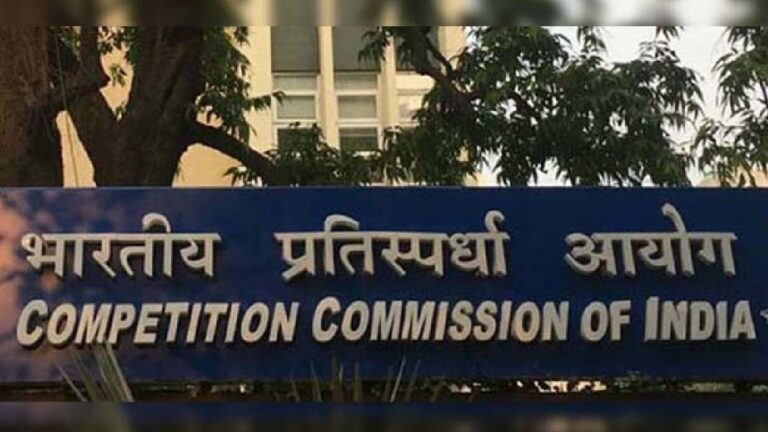
Tighter CCI Scrutiny of High-Value Deals: A Justified Move

On September 10, 2024, India made a landmark decision by mandating competition-law reviews for deals valued over ₹2,000 crore, regardless of whether they meet the turnover or asset-based thresholds. This amendment brings India into a select group of countries that require a value-based review of mergers and acquisitions (M&A) under competition law. With the Competition Commission of India (CCI) now required to review high-value transactions, the move is expected to have wide-reaching implications for ensuring fair competition and protecting consumer interests in India.

The shift from a turnover or asset-based threshold to a value-based criterion reflects the evolving nature of the global economy, particularly in sectors such as technology, e-commerce, and pharmaceuticals. In these industries, market influence doesn’t always align with company size. The introduction of the ₹2,000 crore threshold represents a recognition that deal value, rather than just company assets, can be an essential marker for competition concerns. The CCI’s tighter scrutiny is both necessary and timely, ensuring that the regulatory framework keeps pace with rapidly changing market dynamics.

Why the Shift Was Necessary

The new competition-law review mechanism is grounded in the changing nature of business deals. Traditional competition law has focused primarily on the size of the entities involved in a merger, typically measured by turnover or asset value. However, many sectors, especially the tech and digital economy, have companies that can wield significant market influence despite having relatively low turnover or assets.

In the tech industry, for example, a company’s market dominance is often linked to its user base, intellectual property, or its ability to access large amounts of data rather than physical assets or revenue. Therefore, a deal could have a substantial impact on market competition, even if it doesn’t meet traditional asset thresholds. By using deal value as a criterion, the CCI can capture these high-value, high-impact transactions that would have previously gone unnoticed under the earlier system.

Moreover, the move addresses the growing concern over “killer acquisitions,” where dominant firms acquire smaller competitors to eliminate future threats to their market position. These deals, often involving startups with little revenue or assets, might have flown under the radar of competition regulators. Now, such transactions will be subject to scrutiny if their deal value crosses the ₹2,000 crore mark, potentially preventing monopolistic behavior before it occurs.

Protecting Market Integrity and Consumer Welfare

The core mission of competition law is to preserve market competition and protect consumers from the adverse effects of monopolies or oligopolies. By tightening the review process for high-value transactions, the CCI can intervene before a deal distorts market dynamics or harms consumer welfare. This is particularly important in sectors such as telecommunications, e-commerce, and pharmaceuticals, where consolidation could reduce competition, increase prices, or stifle innovation.

For instance, mergers in the pharmaceutical industry can have far-reaching consequences for the availability and pricing of essential medications. When two large firms merge, there is often a reduction in competition, leading to higher drug prices or less incentive to innovate. Similarly, in the tech sector, large acquisitions can stifle new entrants and limit consumer choice. With a mandatory review of deals crossing ₹2,000 crore, the CCI is better equipped to prevent such outcomes, ensuring that consumers benefit from competitive prices, higher-quality goods, and more choices.

The move also helps address concerns over the growing concentration of power in certain industries. By scrutinizing high-value deals, the CCI is positioning itself to protect smaller players in the market and ensure that larger corporations do not dominate sectors through unchecked acquisitions. This is vital for fostering a competitive marketplace where innovation can thrive and where smaller companies have the opportunity to grow.

Challenges Ahead

While the move is undoubtedly a step in the right direction, it does come with its own set of challenges. One immediate concern is the potential delay in deal approvals. Mergers and acquisitions are often time-sensitive, and the additional regulatory scrutiny could slow down the process. This might be particularly frustrating for businesses that are pursuing legitimate mergers aimed at improving efficiency or expanding into new markets. For these companies, the costs of waiting for CCI approval could add up, especially if their deals are ultimately cleared without any modifications.

Another challenge is the strain this new policy may place on the CCI itself. With more deals requiring mandatory review, the commission will need to increase its capacity to conduct thorough and timely assessments. The CCI must ensure it has the resources, both in terms of personnel and expertise, to handle the anticipated rise in workload. A backlog of cases could emerge if the commission is unable to manage the surge in deal reviews, leading to further delays and potentially impeding the business environment.

Furthermore, there is the risk of overregulation. While it is critical to scrutinize large deals, it is equally important to allow businesses the freedom to grow and innovate. If the CCI becomes too stringent in its reviews or imposes excessive conditions on mergers, it could discourage both domestic and foreign investment in India. Striking the right balance between protecting competition and fostering a pro-business environment will be key to the success of this new regime.

The Global Context

India is not the first country to adopt a value-based threshold for competition review. Countries such as Germany and Austria have already introduced similar criteria, recognizing the limitations of turnover-based thresholds in certain sectors. The European Union is also increasingly using value-based metrics to review deals, especially in the tech industry, where traditional measures often fail to capture the market power of companies.

By aligning its competition law framework with global best practices, India is demonstrating its commitment to creating a modern, transparent, and efficient regulatory environment. This is particularly important as the country seeks to attract more foreign investment and position itself as a leading player in the global economy. A robust competition law regime not only protects domestic consumers but also enhances India’s credibility on the international stage.

A Balanced Approach to Market Regulation

The decision to impose mandatory competition-law reviews on deals valued over ₹2,000 crore is a timely and necessary step to safeguard competition in an increasingly complex market landscape. As the Indian economy continues to grow and evolve, particularly in digital and high-tech sectors, traditional competition law thresholds no longer suffice. The value-based threshold ensures that high-impact deals are subject to appropriate scrutiny, preventing anti-competitive behavior before it takes root.

While the move is not without its challenges—such as potential delays in deal approvals and the increased burden on the CCI—the long-term benefits of enhanced market regulation outweigh these concerns. A more proactive approach to competition law will protect consumers, foster innovation, and ensure a level playing field for businesses.

Ultimately, tighter CCI scrutiny of high-value deals is justified. It reflects the changing nature of business and competition in the modern economy, ensuring that the Indian market remains competitive, dynamic, and open to innovation.


Disclaimer: The thoughts and opinions stated in this article are solely those of the author and do not necessarily reflect the views or positions of any entities represented and we recommend referring to more recent and reliable sources for up-to-date information.

Let’s Shape the Future of AI and Biotech for Universal Healthcare

Three years ago, Google’s AlphaFold made waves in the scientific community by achieving a monumental artificial intelligence (AI) breakthrough in biological research. In just 18 months, AlphaFold deciphered the structure of almost every known protein cataloged by scientists, cracking a challenge that had puzzled biologists for decades. This achievement demonstrated the transformative potential of AI in science and set the stage for a new era of biotechnology, with profound implications for healthcare. As we look forward, AI’s evolving relationship with biotechnology holds the promise of revolutionizing healthcare, potentially bringing about universal, equitable solutions that can benefit all of humanity.

However, for AI and biotech to truly fulfill their potential, we must guide their development thoughtfully. Ensuring these innovations are accessible to everyone, and not just a select few, is critical. The synergy between AI, biotech, and healthcare has the potential to tackle both present and future challenges in global health, but we must be proactive in shaping this future to guarantee equitable outcomes.

AI’s Transformative Power in Healthcare

AI has rapidly expanded its role in healthcare, pushing the boundaries of medical science and practice. From enhancing diagnostic accuracy to tailoring personalized treatment plans, AI is reshaping how medical professionals approach patient care. The success of AlphaFold in solving protein structures is just one of many breakthroughs demonstrating AI’s capability to accelerate scientific discovery. By enabling the swift analysis of vast and complex biological datasets, AI has the potential to dramatically reduce the time it takes to develop new therapies, vaccines, and medical solutions.

AI-powered diagnostic systems, for instance, can now analyze medical images with a level of precision comparable to, and in some cases better than, human specialists. Machine learning algorithms are capable of detecting patterns and identifying abnormalities in radiology, pathology, and other medical imaging fields, leading to earlier detection of diseases such as cancer, heart conditions, and neurological disorders. Early diagnoses enabled by AI not only improve patient outcomes but also alleviate the strain on healthcare systems, potentially saving countless lives.

Moreover, AI is playing a pivotal role in the advancement of personalized medicine. Through sophisticated data analysis, AI can generate individualized treatment plans based on a patient’s genetic profile, lifestyle, and medical history. This precision approach to medicine offers more effective treatments while reducing the likelihood of adverse reactions, making healthcare more personalized and patient-centered.

Biotech: AI’s Crucial Partner

While AI is proving transformative, its true potential in healthcare will be unlocked when it works in tandem with biotechnology. Biotech advancements have already yielded groundbreaking treatments, from gene therapies to advanced biologics and immunotherapies. When combined with AI, these technologies can revolutionize drug discovery, optimize clinical trials, and expedite the development of new therapies in a way that was previously unimaginable.

The development of COVID-19 vaccines, particularly the mRNA vaccines produced by Pfizer-BioNTech and Moderna, is a prime example of how AI and biotech can work together to achieve unprecedented results. AI models were instrumental in accelerating the vaccine development process, allowing scientists to design, test, and produce these vaccines in record time. What usually takes years was accomplished in just months, underscoring the potential of AI and biotech to transform how we respond to global health crises.

In drug discovery, AI can significantly reduce the time and cost associated with bringing new treatments to market. Traditionally, drug development is a lengthy and costly process, often taking a decade or more. AI, however, can analyze massive datasets of molecular and biological information, predicting how different compounds interact with the human body. This capability allows researchers to identify promising drug candidates more quickly and efficiently, accelerating the discovery and development of new treatments.

Moreover, AI is essential in processing the vast amounts of data generated by biotech research, such as genomic sequencing and proteomics. The complexity of these datasets exceeds human capacity to analyze them in a timely manner. AI’s ability to rapidly identify patterns and correlations within this data can lead to breakthroughs in our understanding of diseases and the development of more effective therapies.

Democratizing Healthcare through AI and Biotech

The integration of AI and biotechnology into healthcare holds immense potential to democratize access to quality medical care. Despite global advances in medical science, healthcare disparities remain a significant challenge, particularly in low- and middle-income countries where access to basic medical services is limited. AI and biotech, when leveraged effectively, can help bridge this gap by making healthcare more accessible, affordable, and efficient.

One way to expand healthcare access is through AI-powered telemedicine solutions. AI-driven tools can assist healthcare providers in diagnosing and treating patients remotely, helping to overcome geographic barriers and bring quality care to underserved populations. Mobile health applications equipped with AI can also monitor chronic conditions, providing real-time data to patients and healthcare providers. This can enable earlier interventions, improving health outcomes and reducing hospitalizations.

In addition to improving access, AI and biotech can also lower healthcare costs. AI’s ability to streamline drug discovery and optimize clinical trials can reduce the cost of developing new treatments. This, in turn, could lead to more affordable therapies and medications for patients around the world. By democratizing cutting-edge healthcare technologies, we can reduce global health disparities and improve outcomes for underserved populations.

However, for AI and biotech to achieve these goals, there must be a concerted effort from policymakers, healthcare providers, and industry leaders to ensure that these technologies are distributed equitably. Governments and regulatory bodies will play a critical role in establishing frameworks that incentivize innovation while ensuring that AI-driven healthcare advancements are accessible to all.

Ethical and Regulatory Challenges

As AI and biotechnology continue to revolutionize healthcare, ethical and regulatory challenges must be addressed to ensure the responsible development and deployment of these technologies. Data privacy is a key concern, as AI systems rely on large amounts of personal health data to function effectively. Ensuring that this data is protected from misuse or breaches will be critical in building public trust.

Moreover, there are concerns about algorithmic bias in AI systems, which could lead to unequal healthcare outcomes if not properly addressed. Transparency in AI algorithms and the datasets used to train them will be essential to mitigate the risk of biased or inaccurate diagnoses and treatment recommendations.

Regulatory bodies will also need to adapt to the rapid pace of AI and biotech innovation. Ensuring the safety and efficacy of AI-driven medical devices, diagnostics, and treatments will require updated standards and oversight mechanisms. At the same time, regulation must strike a balance between protecting patients and encouraging innovation, fostering an environment where AI and biotech can continue to thrive.

Shaping the Future of Universal Healthcare

The future of healthcare is being shaped by the convergence of AI and biotechnology, with the potential to revolutionize how we diagnose, treat, and prevent disease. AlphaFold’s breakthrough is just one example of how AI can accelerate scientific discovery and enable medical advancements that were once thought impossible. When combined with biotech, AI can create a healthcare system that is not only more efficient but also more inclusive and accessible.

To shape this future effectively, we must prioritize collaboration between governments, healthcare providers, and industry leaders. By working together, we can ensure that AI and biotech innovations are harnessed to benefit all of humanity, creating a healthcare system that is truly universal. Through responsible innovation and equitable distribution, AI and biotech have the potential to improve global health outcomes and transform the future of healthcare for generations to come.


Disclaimer: The thoughts and opinions stated in this article are solely those of the author and do not necessarily reflect the views or positions of any entities represented and we recommend referring to more recent and reliable sources for up-to-date information.

India’s Unified Lending Interface Can Spur Innovation

One of my most cherished childhood memories is visiting the Amul factory in Anand, Gujarat. As a guest of my grand-uncle Verghese Kurien, the architect of India’s White Revolution, I had the privilege of witnessing firsthand how innovation can transform industries and uplift communities. This experience instilled in me a profound appreciation for initiatives that empower individuals, and today, as I consider the potential of India’s Unified Lending Interface (ULI), I see exciting opportunities for similar transformation in the financial sector.

What Is the Unified Lending Interface?

The Unified Lending Interface represents a significant leap forward in streamlining the lending process in India. Its primary objective is to create a standardized platform that connects borrowers with various lending institutions, thereby enhancing accessibility to credit. By simplifying the application process, ULI aims to cater to underserved demographics, aligning with the broader goal of promoting financial inclusion across the country.

Essentially, ULI allows borrowers to apply for loans through a single interface while enabling lenders to tap into a diverse pool of potential clients. This innovation is set to reduce the complexities typically associated with obtaining credit, fostering competition among lenders and ultimately benefiting consumers.

Promoting Financial Inclusion

One of the most promising aspects of ULI is its potential to promote financial inclusion. India has long faced the challenge of a substantial unbanked population, particularly in rural areas where access to credit is limited. ULI can help bridge this divide by providing a more accessible platform for securing loans.

By simplifying the application process and leveraging technology for credit assessments, ULI can empower a new wave of borrowers. This includes small farmers, artisans, and micro-entrepreneurs who have previously struggled to obtain financing. In this way, ULI echoes the cooperative model that Verghese Kurien successfully implemented in the dairy sector, where farmers were given the resources and infrastructure needed to thrive.

Fostering Innovation in Lending Practices

Beyond enhancing accessibility, ULI is poised to encourage innovation within lending practices. Traditional lending models often lack flexibility and can be slow to adapt to market changes. The introduction of ULI will likely compel lenders to innovate their financial products and services to meet the diverse needs of borrowers.

Fintech companies, in particular, stand to gain significantly from this new framework. Utilizing data analytics and machine learning, these companies can create customized loan offerings that cater to individual borrower profiles. This shift towards personalized lending is not only beneficial for customer satisfaction but can also lead to improved repayment rates.

As lenders vie for business on a unified platform, we can anticipate a surge of creativity in product development. From adaptable repayment plans to tailored loan structures designed for specific sectors, the potential for innovation is vast. This competitive environment can ultimately yield better terms for borrowers, similar to how cooperative societies empowered dairy farmers to negotiate better prices and resources.

Enhancing Financial Literacy

Another important dimension of ULI is its potential to boost financial literacy among borrowers. The platform can serve as an educational resource, providing users with comprehensive information on various loan products, interest rates, and repayment options. By demystifying the borrowing process, ULI can empower individuals to make well-informed financial decisions.

This focus on education mirrors the initiatives that accompanied the White Revolution, where Kurien understood that empowering farmers went beyond merely providing resources; it required equipping them with knowledge about dairy farming and market dynamics. ULI has the potential to foster a more financially literate population, enabling individuals to navigate the lending landscape with confidence.

The Role of Technology in Transformation

The success of ULI hinges on effective technological integration. India has made impressive strides in digital payments and financial services through initiatives like the Unified Payments Interface (UPI). ULI can capitalize on this momentum by utilizing advanced technologies to enhance the lending process.

For instance, blockchain technology could significantly improve transparency and security in lending transactions. By establishing a decentralized ledger of loan agreements, all parties involved can access accurate information, reducing the risks associated with fraud and disputes. This innovation can build trust between lenders and borrowers, encouraging more individuals to engage with the formal lending ecosystem.

Challenges to Address

While the prospects of ULI are promising, several challenges must be addressed to ensure its success. One significant concern is data privacy and security. As borrowers share their financial information on a unified platform, it is crucial to implement robust measures to protect this data from breaches and misuse. Establishing regulatory frameworks will be essential to safeguard user information and instill confidence in the system.

Additionally, the infrastructure required to support ULI must be robust and widespread. Internet connectivity remains a challenge in many rural regions, and efforts must be made to ensure that all potential borrowers can access the platform. Collaborations between government entities, the private sector, and non-governmental organizations will be vital in addressing these infrastructural challenges.

A New Era of Lending

As we embark on this new era in lending, the Unified Lending Interface has the potential to fundamentally reshape India’s financial landscape. Similar to the cooperative movement in the dairy industry, ULI can empower individuals and small enterprises, fostering innovation, promoting financial inclusion, and stimulating economic growth.

The vision behind ULI resonates with the broader objective of creating a more equitable financial system for all. By embracing technology, fostering innovation, and prioritizing financial education, India can establish a lending ecosystem that is both efficient and inclusive.

Reflecting on my experiences at the Amul factory, I am reminded of the profound impact that visionary leadership can have on millions of lives. Just as Verghese Kurien’s legacy continues to inspire generations of farmers, the Unified Lending Interface has the potential to transform the financial landscape, enabling individuals and businesses to pursue their aspirations and contribute to national progress. As we move forward, it is essential for all stakeholders—government, financial institutions, and technology innovators—to work together to realize the promise of ULI for the benefit of everyone involved.


Disclaimer: The thoughts and opinions stated in this article are solely those of the author and do not necessarily reflect the views or positions of any entities represented and we recommend referring to more recent and reliable sources for up-to-date information.

Drone Security: Localize Supply from End to End

India’s move to bolster its domestic drone industry is both timely and strategic. Unmanned aerial vehicles (UAVs), or drones, are increasingly becoming an essential part of modern life, serving roles in agriculture, logistics, surveillance, and defense. However, as their use becomes more prevalent, ensuring a secure and self-reliant supply chain is critical. The government’s push for indigenous drone production aims not just to boost economic growth but to address significant security concerns as well.

The integration of drones across sectors requires a comprehensive ecosystem that can meet both operational needs and security requirements. Building a fully localized supply chain from end to end, which includes everything from hardware manufacturing to software development, is necessary to safeguard India’s interests. This shift towards self-reliance in the drone industry is not just about advancing technology; it’s about ensuring national security.

Why Indigenous Production Is Essential

The global drone market is expanding at a fast pace, with applications stretching across industries like agriculture, infrastructure, disaster management, e-commerce, and defense. In India, drones are being actively encouraged for a wide array of purposes, and regulations have been eased through the “Drone Rules, 2021,” which have fostered growth in this sector.

Despite these advancements, much of India’s drone technology still relies on imports, especially for critical components such as sensors, GPS modules, and communication systems. Dependence on foreign suppliers not only drives up costs but also exposes the country to potential security risks. By focusing on indigenous production, India can mitigate these vulnerabilities and create a more resilient and secure drone industry.

Global Supply Chains and Security Threats

Today’s global supply chains are intricate, involving multiple countries and manufacturers. While globalization has provided access to advanced technologies and lowered costs, it has also introduced security risks, particularly when critical components come from countries that may not share India’s strategic interests. For instance, imported sensors, communication modules, or software can potentially have security loopholes that make drones vulnerable to hacking, espionage, or operational sabotage.

This risk is especially high in military applications. If foreign-made or foreign-sourced drones are compromised, adversaries could exploit them for surveillance, disrupt communication channels, or even hijack them. In the context of defense, such vulnerabilities could have far-reaching and dangerous consequences. Therefore, building a domestically sourced and secure drone ecosystem is essential for safeguarding national security.

Building a Strong Domestic Ecosystem

Localizing the drone supply chain involves developing a secure infrastructure for hardware, software, and critical components. This will require investment in research and development (R&D), strong collaboration between public and private sectors, and regulations that promote innovation without compromising security.

One of the most critical aspects of drone development is creating sophisticated components like sensors, GPS modules, communication systems, and AI-based software. These elements enable drones to perform complex tasks, including autonomous flight, real-time data collection, and communication. India must enhance its R&D efforts to create these capabilities in-house, encouraging collaboration between academic institutions, government agencies, and private firms to spur innovation.

Public-Private Partnerships: A Way Forward

The Indian government alone cannot develop a competitive and secure drone industry. It will require strong partnerships between the public and private sectors to bridge the gap between policy initiatives and market realities. Public-private partnerships (PPPs) are essential to ensuring that private players can bring their innovative capacities to the table, while government bodies ensure security standards are met.

Agencies like the Defense Research and Development Organisation (DRDO) and Bharat Electronics Limited (BEL) can work alongside private manufacturers to develop cutting-edge, secure drone components. In addition, Indian startups that specialize in AI, machine learning, and data analytics should be encouraged to collaborate with established players, bringing their expertise to help the country’s drone industry flourish. Incentives like tax breaks, subsidies, and grants can also boost innovation in this space.

Cybersecurity Challenges for Drones

As drones become more integrated into everyday life and critical operations, cybersecurity becomes a key area of concern. With many drones relying on digital communication networks, they are exposed to potential cyberattacks. Bad actors can exploit software vulnerabilities, intercept communications, or hack into drones, leading to data breaches, stolen information, or even hijacked drones.

To address these risks, stringent cybersecurity protocols are essential for both drone manufacturers and operators. Drones should be equipped with encrypted communication systems, secure channels, and real-time monitoring features that can detect threats and neutralize them. Manufacturers must also undergo regular security assessments to identify vulnerabilities in their hardware and software before deploying drones for commercial or military use.

Enhancing Regulatory Measures

India has made significant progress in creating a regulatory environment that encourages drone adoption. However, the existing framework must evolve to address growing security concerns alongside promoting economic growth. The Drone Rules, 2021, streamlined the process of drone registration and licensing, but further refinements are necessary to safeguard both civilian and military applications.

Future regulations should establish stringent criteria for drone use in sensitive areas, such as government buildings, military bases, and critical infrastructure. Additionally, regulatory bodies must enforce stringent standards for the production of secure components like communication modules, GPS systems, and software. By instituting a certification process, India can ensure that only drones that meet high security standards are permitted to operate.

Achieving Self-Reliance: A National Imperative

The government’s focus on indigenous drone production is in line with its broader mission of making India more self-reliant, or “Atmanirbhar Bharat.” Building a fully localized drone supply chain will not only enhance security but also create jobs, drive technological innovation, and position India as a global leader in UAV technology.

Achieving this vision requires a coordinated and sustained effort from all stakeholders. The government must lead in terms of policy, while private firms and startups bring their expertise in technology and innovation. Public and private sector collaboration, investment in infrastructure, and prioritization of cybersecurity measures are key to ensuring India’s success in the drone industry.

The Path Forward

Drones are set to become an integral part of India’s economic, commercial, and defense landscape. Ensuring the security of these devices is paramount. The government’s initiative to localize the entire drone supply chain—from design and manufacturing to software and operations—is not only an economic strategy but also a crucial security measure.

By focusing on domestic production, enhancing public-private partnerships, and strengthening cybersecurity, India can build a resilient and secure drone industry. As drones continue to play vital roles in everything from agriculture to military operations, localizing supply from end to end will safeguard Indian skies and support the country’s broader technological and economic ambitions.


Disclaimer: The thoughts and opinions stated in this article are solely those of the author and do not necessarily reflect the views or positions of any entities represented and we recommend referring to more recent and reliable sources for up-to-date information.