Home Blog Page 28

Art of Living's Jalyukt Shivar 2.0: A Bold Blueprint for Water-Secure Maharashtra

Jalyukt Shivar 2.0 is redefining Maharashtra’s water future. Anchored by a formal MoU between The Art of Living Social Projects and the Government of Maharashtra, the initiative is driving large-scale desilting, groundwater recharge and community-led execution across drought-prone regions.
 

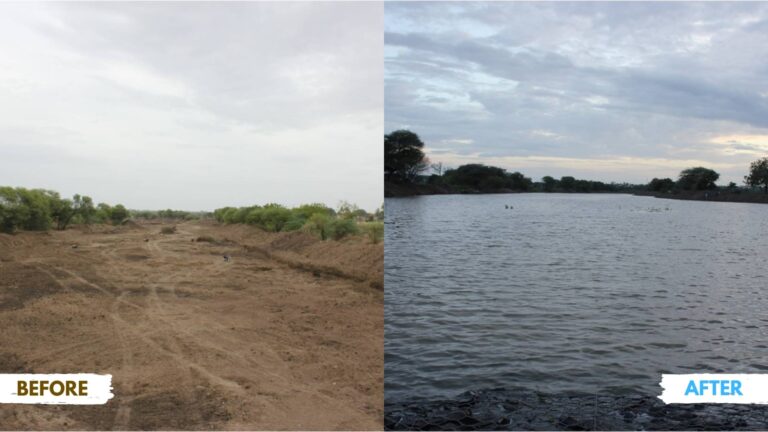
Gharni River: Desilted. Revived. Alive
 

With groundwater declining and monsoons often turning rogue, the response is bold, structured, ambitious, and practical – building resilience, restoring water bodies, and securing long-term water stability for the state.
 

A Nation Running on Empty

India’s water crisis is no longer a distant warning – it’s an everyday challenge. Nearly 80% of the country’s agricultural and domestic water needs rely on groundwater, while only about 20% come from rainfall and surface sources like rivers, lakes, and reservoirs. For more than two decades, extraction has outpaced natural recharge, causing water tables to fall. Disruptions in the hydrological cycle and increasingly erratic rainfall have intensified stress.
 

The imbalance is stark: an estimated 239 trillion litres of groundwater is extracted each year, yet only around 6% of rainfall is effectively stored, while nearly 78% flows into rivers and eventually the sea. Aquifers remain under severe strain, highlighting the urgent need for structured conservation, storage, and recharge systems.
 

Between Drought and Flood

For years, large parts of Maharashtra have swung between extremes – drought and flood. Failed or uneven monsoons bring acute scarcity, while heavy rainfall rushes away unchecked, causing damage instead of relief. Streams and rivers that once held water longer are now shallow and silted, reducing storage and weakening groundwater recharge. Increasing reliance on borewells and deeper wells further lowers water tables.
 

Communities face frequent droughts, declining agricultural productivity, crop losses, flood damage, and dependence on tanker water. This cycle – scarcity, over-extraction, runoff, and loss – reveals that the problem is not rainfall alone, but how water is managed. Structured, long-term conservation became not just necessary, but urgent.
 

Jalyukt Shivar 2.0: Turning Rain into Security

The initiative is driven by a single, practical goal: make Maharashtra drought-resilient through systematic water management. Its core objectives:

  • Capture and store rainwater efficiently

  • Strengthen groundwater recharge

  • Stabilise and improve agricultural productivity
     

By rebuilding natural water-holding systems, Jalyukt Shivar 2.0 converts short-lived monsoons into year-round security – benefiting farmers, villages, and future generations.
 

Reviving Maharashtra’s Waterways

Jalyukt Shivar 2.0 revitalises rivers, streams, ponds, and lakes by desilting, deepening, and widening channels. Pond and lake silt is reused on marginal farms, improving soil fertility.
 

Maharashtra faces a challenging reality: 80–90% of rainfall falls within just a few months, and most of it runs off without recharging groundwater. Jalyukt Shivar 2.0 changes this, raising infiltration from 6% to 25–35% through scientific, phased interventions:
 

  • Phase I (2013 – 2019): Focused on drought-prone regions, desilting, stream deepening, and water storage

  • Phase II (2024 – 2026): Expands coverage, consolidates long-term water security
     

Scale & Impact

  • 2,90,64,668 cubic metres of silt removed from rivers, including Gharni, Tavarja, Jana, Mudgul, and more

  • 16,716 million litres of water conserved since 2013

  • 12,38,175 total beneficiaries

Farm-Level Benefits:

  • Higher yields: Consistent water and soil moisture support better cultivation and crop rotation.

  • Stronger incomes: Multiple crop cycles and diversified farming reduce risk and stabilise earnings.

  • Flood resilience: Wider, desilted streams prevent waterlogging, erosion, and crop loss.

  • Lower drought risk: Recharged aquifers provide water even during dry spells.
     

National Recognition

In November 2025, The Art of Living Social Projects was honoured by the Ministry of Jal Shakti with two national awards – Best Civil Society at the 6th National Water Awards 2024 (for the second consecutive year) and Best NGO award under Jal Sanchay Jan Bhagidari (JSJB 1.0).
 

These accolades recognise the scale, innovation, and measurable impact of Jalyukt Shivar 2.0 – a model for science-driven, community-led, long-term water resilience across India. As Gurudev Sri Sri Ravi Shankar has said, “Our survival depends on water; it is the basis of our life force. We need to protect and nurture the sources of water.” This insight underlines the very ethos of Jalyukt Shivar 2.0: protecting water is protecting life.


About The Art of Living Social Projects

The Art of Living, a non-profit, educational and humanitarian organisation founded in 1981 by world-renowned spiritual leader and humanitarian Gurudev Sri Sri Ravi Shankar, is deeply committed to addressing India’s pressing water challenges. Through large-scale water conservation initiatives, the organisation works to alleviate water scarcity, restore ecosystems and enhance the quality of life for communities across the country.
 

To learn more about the initiative or explore CSR partnerships, visit: Best NGO for CSR projects in India.
 

Follow: www.instagram.com/artofliving.sp/

Like: www.facebook.com/artoflivingsocialprojects

Post: x.com/artofliving_sp

Message: www.linkedin.com/showcase/artofliving-sp

Indraprastha Apollo Hospitals Performs India's First Leadless Pacemaker Implantation Through a Metallic Prosthetic Tricuspid Valve

In a significant advancement in cardiac care, specialists at Indraprastha Apollo Hospitals successfully performed a complex leadless pacemaker implantation in a 65-year-old patient with a metallic prosthetic tricuspid valve. The procedure, performed by Dr Vanita Arora, marks the first time in India that a leadless pacemaker has been implanted through a metallic prosthetic valve, offering a safer, non-surgical treatment option for patients with similar complex cardiac histories.


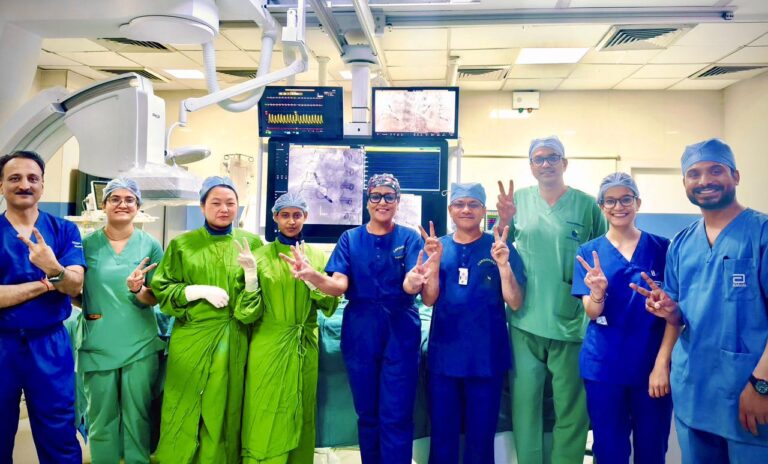
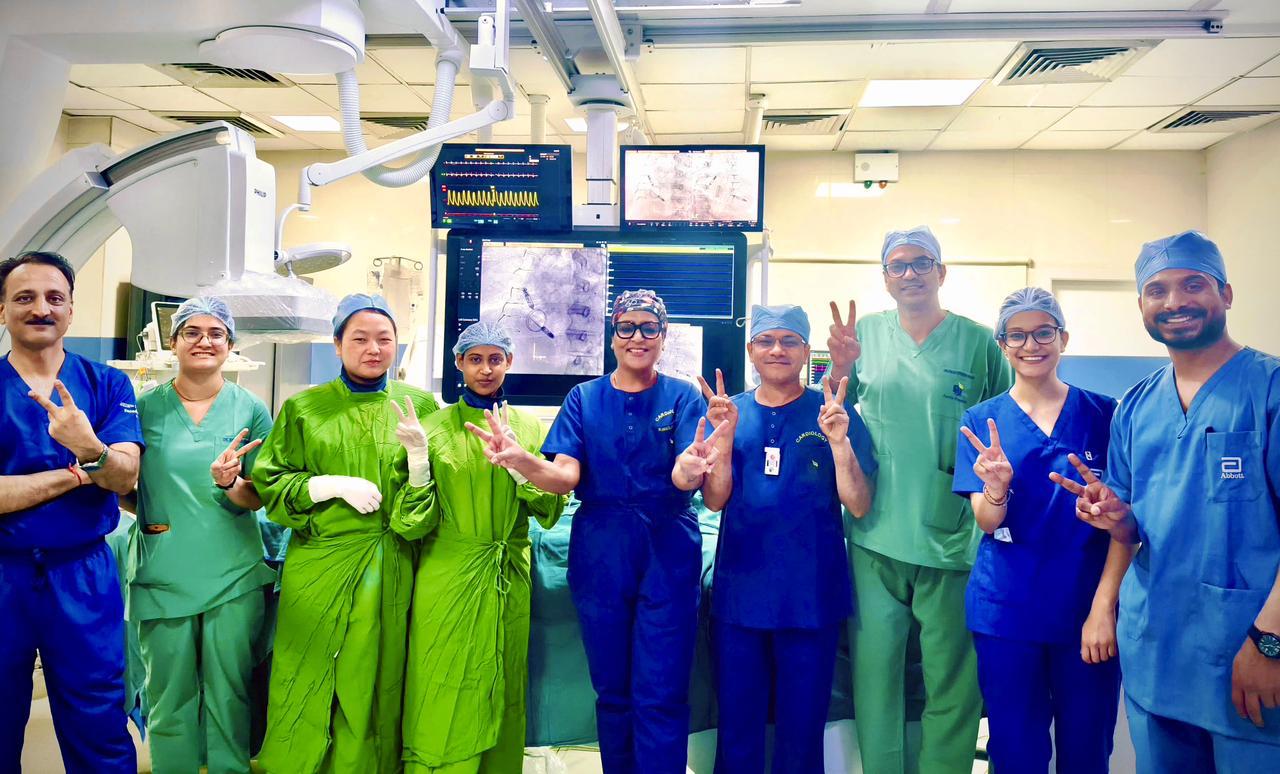
Dr Vanita Arora (centre) with the cardiac electrophysiology team after performing India’s first leadless pacemaker implantation through a metallic prosthetic tricuspid valve


The patient had a long and complicated medical journey. He underwent pancreaticojejunostomy (surgical procedure that connects the pancreas to the jejunum (small intestine) to drain pancreatic enzymes), in 1998, after which he developed fungal infective endocarditis affecting the tricuspid valve. In 2000, he required cardiac surgery with debridement of the tricuspid valve. Over time, he developed severe tricuspid regurgitation that led to symptoms of right-sided heart failure. In 2018, his condition required tricuspid valve replacement with a 31 mm metallic bileaflet mechanical prosthesis (Artivion On-X valve).


Recently, the patient developed dizziness and episodes of presyncope. Evaluation revealed symptomatic sinus node dysfunction along with atrioventricular conduction disease, making permanent pacemaker implantation necessary.


However, conventional pacemaker implantation was not feasible because pacing leads cannot safely pass through a mechanical tricuspid valve, as this may damage the prosthesis and increase the risk of valve dysfunction, thrombosis and lead failure. In addition, repeat open-heart surgery to place epicardial leads was considered high risk because the patient had already undergone multiple cardiac procedures.


The cardiac electrophysiology team led by Dr Vanita, therefore opted for a leadless pacing system. Unlike traditional pacemakers that require leads placed through veins into the heart, a leadless pacemaker is a small self-contained device that is delivered directly into the heart through a catheter inserted via a vein in the leg. This approach eliminates the need for leads and avoids interference with the prosthetic valve.


In this case, a dual-chamber Aveir leadless pacemaker capable of maintaining atrioventricular synchrony was implanted. The procedure required careful planning, including detailed mapping of the heart, safe navigation across the mechanical valve and precise fixation of the device within the right ventricle. The successful implantation restored normal heart rhythm while preserving the function of the prosthetic valve.


Dr Vanita Arora, Clinical Lead – Cardiac Electrophysiology, Indraprastha Apollo Hospitals, said, “Patients with mechanical tricuspid valves who require pacing present a unique challenge because conventional pacemaker leads cannot be passed across the valve. Leadless pacing technology allowed us to safely restore heart rhythm without repeat open-heart surgery, offering an important option for patients with complex surgical histories.”


The patient recovered well after the procedure and has been discharged in stable condition. Dr. Vanita Arora’s pioneering work in this case not only demonstrates the potential of innovative electrophysiology techniques but also opens the door for safer and less invasive treatment options for high-risk cardiac patients across India.


This landmark procedure highlights the growing role of leadless pacing technology in managing complex cardiac cases and opens new possibilities for patients with prosthetic tricuspid valves who previously had limited treatment options.


About Indraprastha Apollo Hospitals

Indraprastha Apollo Hospitals, India’s first JCI accredited hospital, is a joint venture between the Government of Delhi and Apollo Hospitals Enterprise Limited. Commissioned in July 1996, it is the third super-specialty tertiary care hospital set up by the Apollo Hospitals Group. Spread over 15 acres, it houses 57 specialties with more than 300 specialists and more than 700 operational beds, 19 operation theatres, 138 ICU beds, round-the-clock pharmacy, NABL accredited laboratories, 24-hour emergency services and an active air ambulance service. Apollo Hospitals Delhi has the leading programme in kidney and liver transplant in the country. The first successful paediatrics and adult liver transplants in India were performed at Indraprastha Apollo Hospitals. The hospital is at the forefront of medical technology and expertise. It provides a complete range of latest diagnostic, medical and surgical facilities for the care of its patients. The Hospital has introduced the most sophisticated imaging technology to India with the introduction of 64 slice CT and 3 Tesla MRI, Novalis Tx and the integrated PET Suite.


In a groundbreaking advancement, Indraprastha Apollo Hospitals has recently introduced the ZAP-X Gyroscopic Radiosurgery Platform, revolutionizing brain tumor treatment across South Asia. This state-of-the-art technology offers a non-invasive alternative to traditional brain surgery, promising improved patient outcomes and comfort. Backed by the experience and expertise of Radiation Oncologists and technical team, Indraprastha Apollo also brings the revolutionary RADIXACT – X9 that combines imaging and treatment delivery to precisely target a wide variety of Cancers.


Indraprastha Apollo has pioneered the concept of preventive health check programmes and has created a satisfied customer base over decades. The Hospital has been consistently ranked amongst the best 10 hospitals in India by The Week survey for the past few years.


Hospital website – www.apollohospdelhi.com                       


Twitter: @HospitalsApollo

Asian Paints Unveils ColourNext 2026: Mapping Culture, Material, and the Futures We Are Building

  • Unveils IRL, Solarpunk, Pastoral and Daydream as the four design directions for the 2026

  • Announces ‘Moonlit Silk’ as Colour of the Year and ‘Zanskar’ as Wallpaper of the Year


Asian Paints today unveiled ColourNext 2026, its annual forecast that decodes the cultural, material, and emotional shifts shaping the future of design. Now in its 23rd year, ColourNext continues to be South Asia’s most authoritative intelligence on colour, materials, textures, and finishes offering insights that are globally relevant yet deeply rooted in cultural context.


https://www.newsvoir.com/images/article/image1/34906_Asian_Paints_Image.jpeg

Asian Paints ColourNext 2026 – Daydream – Design Trend


Since 2003, Asian Paints has studied colour not merely as an aesthetic choice, but as a cultural and material force that shapes how we live, build, and imagine. Each year, the ColourNext team collaborates with leading voices across architecture, art, interiors, fashion, sociology, media, and FMCG to develop a rigorous, interdisciplinary forecast. Over time, it has evolved into a trusted framework for designers, architects, and brands navigating change through design foresight.


The ColourNext 2026 report traces how shifts emerging across science labs, digital culture, architecture, craft, media, and everyday life translate into new design languages and material futures.


Speaking on this forecast, Amit Syngle, MD and CEO of Asian Paints Ltd. said, “Culture today is being shaped in moments of transition where certainty gives way to curiosity, and new ways of living begin to emerge. ColourNext 2026 maps these shifts through colour, material, and design, offering a lens into how people are reimagining presence, progress, and value in a changing world. Rather than treating trends as surface aesthetics, ColourNext 2026 approaches them as cultural movements – systems of thought, behaviour, and imagination that shape how the world is being rebuilt.”


This year’s forecast identifies four interconnected design directions:


IRL, which responds to the absence of choice in algorithmic digital worlds we inhabit where we are the user, product and consumer, and bravely takes a step out into an unpredictable IRL world through presence, tactility, intention, and connection – prioritising attention over acceleration.


Solarpunk, which expresses a post-capitalist desire for regenerative futures, where nature and technology operate in symbiosis and optimism becomes a design strategy, aesthetics an outcome of design, not the intention of design.


Pastoral, which redefines luxury through lineage, locality, and inherited craft. In an age where it’s easy to impersonate authenticity online with the right tools, non-visual cultural capital in land, memory, and ancestral knowledge become true markers of luxury.


Daydream, which offers a soft suspension of time – romantic, translucent, and quietly surreal, where the mind overlays daily reality with poetry, emotion, and light.


At the centre of this cultural landscape is the Colour of the Year 2026: Moonlit Silk. A warm, luminous neutral, Moonlit Silk reflects a collective longing for slowness, familiarity, and emotional grounding in an overstimulated world. Radiant yet restrained, it evokes the softness of worn pages and the comfort of everyday rituals, offering presence without performance and optimism without excess. In a world that often feels overly curated, this colour captures a quiet longing to reconnect with what is real, tactile, and memory-washed. It is the tone of unperformed moments: the soft light of home at dusk, laughter that doesn’t require an audience, comfort that arrives without spectacle. Moonlit Silk becomes a calming anchor for contemporary spaces seeking warmth, quiet confidence, and enduring relevance.


Alongside this, the Wallpaper of the Year 2026, Zanskar, extends the narrative of quiet depth and cultural memory. Inspired by the high-altitude landscape of the Himalayas, the design weaves a trellis of blooming roses across the surface, drawing from the language of traditional pastoral embroidery. Hand-block printed gilver details shimmer softly like moonlight on mountain ridges, adding warmth and subtle luminosity. Both grounded and intricate, Zanskar reflects a renewed appreciation for craft, provenance, and storytelling within the home. 


The details to ColourNext 2026 forecast report can be viewed and downloaded from the link below: www.asianpaints.com/colour-next.html


The films to each of the ColourNext 2026 design directions, as well as the colour and wallpaper of the year can be viewed in the link: www.youtube.com/playlist?list=PL2BHpqroisHbOOS89nhiSVRFjYhG5NDXB


This year also marks the introduction of the ColourNext Lab, a dedicated platform for material research, experimentation, and dialogue unfolding slowly, through intentional inquiry. Extending beyond a single form of output, the ColourNext Lab explores how colour and material intelligence can take many shapes, from experimental surfaces and finishes, to systems of care such as heritage conservation, palettes for historic cities, spatial frameworks, and works of art. Rooted in months of hands-on experimentation, the Lab presents research-based inquiry shaped by time, skill, and intent. The ethos is deliberately non-commercial with a priority to explore future possibilities through curiosity rather than ready-made solutions. The Lab reflects a deeper engagement with craft, process, and material intelligence, inviting architects and designers to encounter evolving systems, not final answers.


The ColourNext Lab marks Asian Paints’ commitment to research-led innovation, with the introduction of a limited-edition range of experimental finishes developed exclusively for ColourNext 2026. These surfaces emerge from foresight and the desire to explore what materials might become.


Together, these directions signal a deeper cultural shift: from consumption to connection, from spectacle to meaning, and from speed to presence. The ColourNext 2026 report chronicles their triggers and manifestations across colour, material, texture, space, product, and lifestyle offering a future-facing framework for those shaping the worlds we will inhabit next.


About Asian Paints Limited
Since its founding in 1942, Asian Paints has become India’s leading and Asia’s second-largest paint company, with a consolidated turnover of ₹33,797 crores (₹338 billion). It continues to uplift spaces, transcend the boundaries of colour and design, creating a positive impact in the lives of customers. The organization operates in 14 countries and has 26 paint manufacturing facilities globally, servicing consumers in over 60 countries.


Asian Paints has always been a leader in the paint industry, innovating and introducing new concepts in India like Colour Ideas, Beautiful Homes Painting Service, Colour Next, and Asian Paints Beautiful Homes Stores. Asian Paints manufactures a wide range of paints and coatings for Decorative and Industrial use and also offers specialized painting and interior decor solutions. The decorative business portfolio also includes the SmartCare range for waterproofing, WoodTech products for wood finishes, and the Adhesives range for all surfaces.


Asian Paints also offers a wide range of Home Décor products and is one of the leading players in the integrated decor space in India, offering Modular Kitchens and wardrobes, Bath Fittings and Sanitaryware, Decorative Lightings, uPVC windows and doors, Wall coverings, Furnitures, Furnishings, Rugs, etc.


For our email disclaimer please visit www.asianpaints.com/disclaimer.html#email.

Axis Max Life and Saarathi Finance Announce Strategic Partnership to Strengthen Financial Security for India's MSMEs

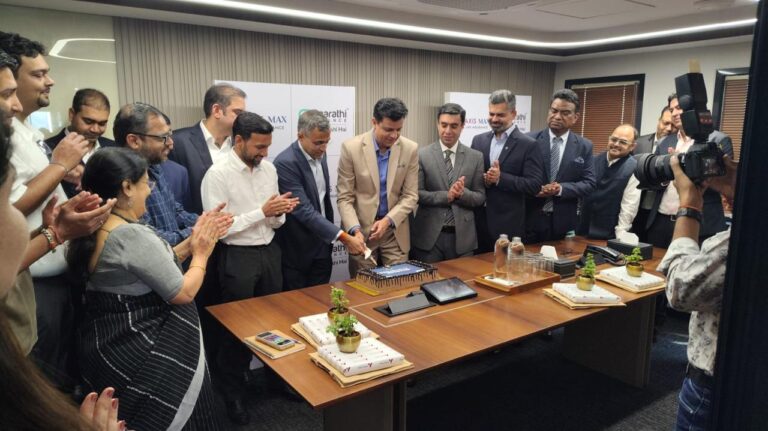
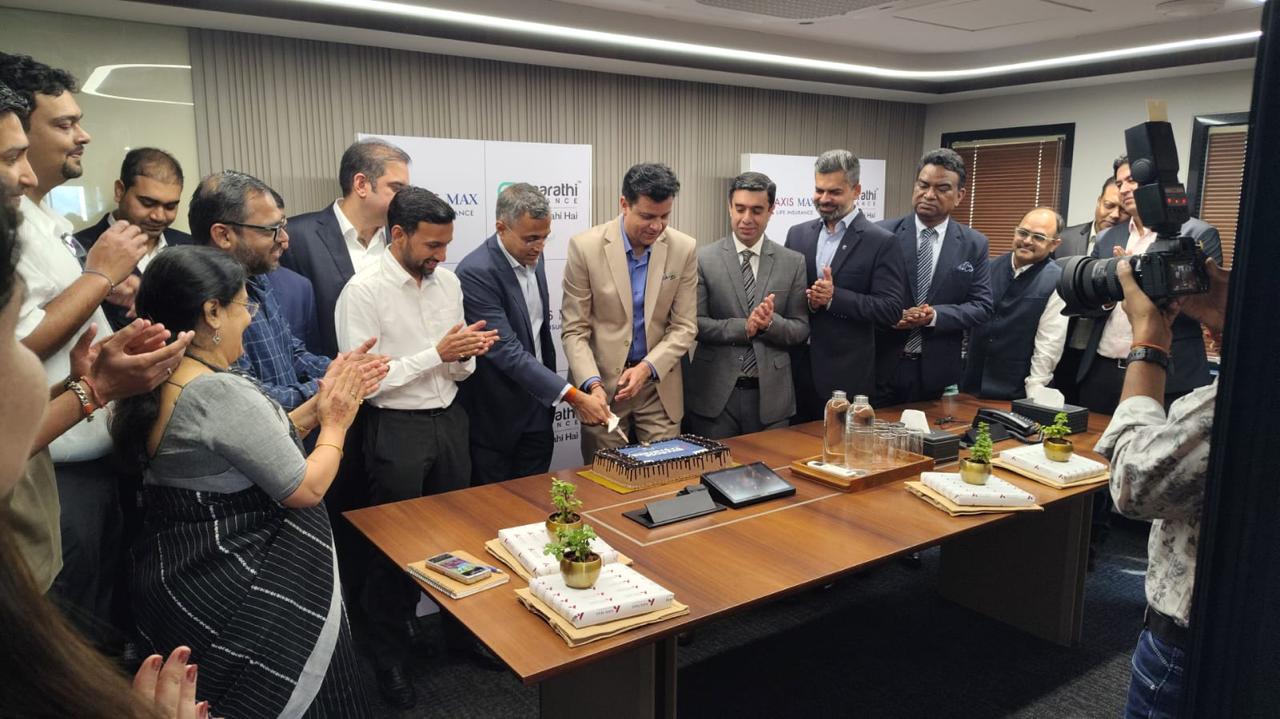
Axis Max Life Insurance Limited, formerly known as Max Life Insurance Company Limited (“Axis Max Life”/ “Company”) has entered into a strategic Corporate Agent partnership with Saarathi Finance and Credit Private Limited (“Saarathi Finance”), a next-generation greenfield non-banking financial company (NBFC) focused on bridging the credit gap for India’s Micro, Small, and Medium Enterprises (MSMEs).
 

Axis Max Life and Saarathi Finance Announce Strategic Partnership to Strengthen Financial Security for India’s MSMEs
 

By leveraging Saarathi’s last-mile reach, this partnership will provide Axis Max Life’s insurance product – Group Credit Life Secure (GCLS) (UIN: 104N072V04), to safeguard the interests of micro and nano-entrepreneurs. This product will act as a “security shield,” ensuring that in the event of an unfortunate incident, the debt burden does not fall on the family or the business.


Sumit Madan, Managing Director and Chief Executive Officer, Axis Max Life, said, “Our partnership with Saarathi Finance is a step toward securing the entrepreneurial heart of India. By combining Saarathi Finance’s seamless digital-first lending with Axis Max Life’s consistent industry-leading claims settlement, we are bridging the MSME credit gap with a safety net that makes protection an accessible reality for thousands of entrepreneurs. This partnership strengthens our commitment to fueling growth in India’s vibrant local markets by merging technological innovation with a deep-rooted understanding of small business dynamics. By integrating simple, relevant protection directly into the digital credit journey, we are ensuring that for every MSME, financial progress remains resilient, safeguarding the livelihoods of those who power our economy.”


Vivek Bansal, Founder and Chief Executive Officer, Saarathi Finance, said, “In India, over 90% of MSMEs operate with thin capital buffers, and a single disruption can wipe out years of effort. Saarathi Finance is providing the right credit solutions to support the growth of these MSMEs. The partnership with Axis Max Life acts as an enabler by providing protection through embedded insurance into lending that helps turn loans into long-term security frameworks and remove uncertainties. With this, the businesses can focus on growth instead of worrying about what might go wrong.” 


This partnership also marks a significant milestone toward the national vision of “Insurance for All by 2047,” driving financial inclusion for MSMEs across Tier 3 and Tier 4 towns of India. By combining Axis Max Life’s protection expertise with Saarathi’s focus on the “Bottom of the Pyramid,” the partnership addresses the critical insurance gap. Through a commitment to long‑term value instead of short‑term lending, both entities intend to position financial protection as an essential enabler for India’s rising entrepreneurs.


About Axis Max Life Insurance Limited (www.axismaxlife.com)

Axis Max Life Insurance Limited, formerly known as Max Life Insurance Company Ltd., is a Joint Venture between Max Financial Services Limited (“MFSL”) and Axis Bank Limited. Axis Max Life offers comprehensive protection and long-term savings life insurance solutions through its multi-channel distribution, including agency and third-party distribution partners. It has built its operations over two decades through a need-based sales process, a customer-centric approach to engagement and service delivery and trained human capital. As per annual audited financials for FY2024-25, Axis Max Life has achieved a gross written premium of INR 33,223 Cr.


IRDAI Registration. No – 104

Company Information Number – U74899PB2000PLC045626


About Saarathi Finance

Saarathi Finance & Credit Pvt Ltd. is an NBFC focused on providing accessible and tailored credit solutions to MSMEs across semi-urban and rural India. With a mission to bridge the ₹44 lakh crores credit gap in the MSME sector, Saarathi combines technological innovation with a deep understanding of local markets to offer loans that meet the unique needs of small business owners. With a rapidly growing footprint of 60+ branches across 6 states, Saarathi Finance operates with the guiding principle: “Aap Akele Nahi Hai”- You are not alone.


For more information, visit www.saarathifinance.com.

Parawheel Survey Predicts TVK as Third Major Force in Tamil Nadu Politics, after DMK and AIADMK

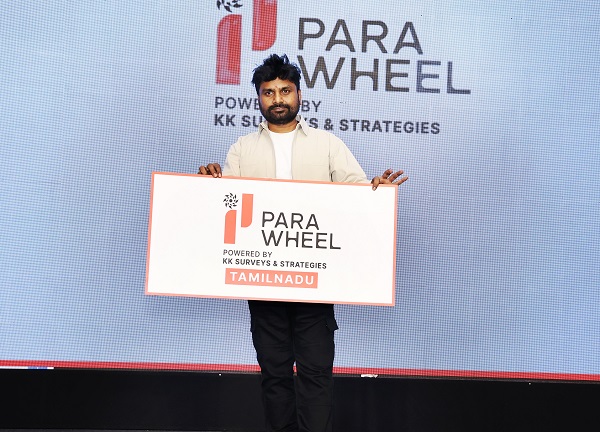
Parawheel, a tech-driven political intelligence research and election forecasting firm powered by KK Surveys & Strategies Pvt Ltd, has entered the Tamil Nadu political research landscape with a large-scale booth-level scientific opinion survey across all 234 Assembly constituencies in the state. Based on the survey conducted to date, covering over 70 lakh voters, the organisation’s preliminary findings project DMK with a 41.5% vote share, AIADMK with 36.2%, and TVK emerging as the third major political force with 13.6%, according to the current assessment.
 

Mr. Kiran Kondeti, CEO, Parawheel
 

Specialising in voter behaviour analysis, booth-level field research, and data-driven political intelligence, Parawheel has conducted large-scale opinion surveys across Tamil Nadu with a minimum sample size of around 30,000 respondents per constituency. Based on its preliminary election assessment and current survey findings, Parawheel’s early electoral projections indicate DMK at 41.5%, AIADMK at 36.2%, TVK at 13.6%, and NTK at 7.9% vote share in the upcoming election scenario in the state.


In Chennai, Parawheel’s survey findings indicate that TVK shows significant strength across several constituencies, emerging as the second strongest political force after DMK in many parts of the city. The data suggests that while DMK continues to hold the leading position in most constituencies, TVK has been gaining notable traction, particularly among youth and first-time voters, positioning it ahead of other parties in several urban segments of the Chennai region.


Speaking at the press conference, Mr Kiran Kondetti, CEO, Parawheel said, “Our research is focussed on voter sentiment studies across key regions including Chennai, Coimbatore, the Delta districts, and Southern, Northern, and Western Tamil Nadu, along with detailed analysis of caste coalitions, governance perception, and anti-incumbency trends. Our study examines the role of first-time voters, women voters, and swing constituencies in shaping electoral outcomes. A special area of analysis was done for TVK–Vijay factor, studying the transition of fan bases into voters, youth mobilisation, and its potential impact on the vote share of major parties such as DMK and AIADMK.”


“We have extended the war room model that is traditionally limited to party headquarters, to individual candidates through our ‘One Candidate – One War Room’ initiative. Under this model, we will provide dedicated campaign war rooms across all 234 Assembly constituencies in Tamil Nadu. These war rooms will deliver real-time voter data, booth analytics, and campaign strategy support to every registered candidate throughout the election period. Also, as part of our constituency-level political intelligence services, Parawheel can provide candidates with a database of a minimum of 5,000 neutral voters in each constituency. This will help candidates better understand swing voter segments and design targeted outreach strategies during election campaigns,” he added.


Furthermore, “At Parawheel, we have strong confidence in the credibility and accuracy of our research and data. If the projections or data provided to candidates are found to be inaccurate, or if there is a variation of more than 1% in the projections or data shared, the full amount paid by candidates who purchase the data will be refunded. This reflects our organisation’s commitment to transparency, reliability, and confidence in the scientific methodology behind our research,” he said.


From Andhra Pradesh to Maharashtra- Parawheel’s Proven Accuracy in Major Election Predictions


In the 2019 Andhra Pradesh Assembly Elections, Parawheel accurately forecast electoral trends ahead of the results.


In the 2024 Andhra Pradesh Assembly Elections, it precisely predicted the sweeping victory of the TDP–Jana Sena–BJP alliance at a time when several national pollsters failed to capture the trend. Parawheel also delivered accurate political trend analysis ahead of the final results in the 2024 Maharashtra Assembly Elections, further strengthening its reputation for reliable election research and forecasting.


For more details, please visit www.parawheel.com.


About Parawheel

Parawheel, a tech-driven political intelligence research and election forecasting firm powered by KK Surveys & Strategies Pvt Ltd, has entered the Tamil Nadu political research landscape. Conceived and developed by KK Surveys & Strategies Pvt Ltd, the organisation has demonstrated a strong track record in political forecasting across key Indian elections. It aims to bridge the gap between citizens and decision-makers by leveraging deep field insights, AI-driven analytics, and structured data reporting.


The organisation specialises in voter behaviour analysis, booth-level field research, and data-driven political intelligence. By combining advanced data analytics with on-ground field intelligence, Parawheel seeks to better understand evolving voter behaviour and political trends. It maps historical voting data against current voter sentiment to generate high-fidelity projections for every polling booth. Using advanced analytical tools, the organisation identifies swing booths and fortress booths, enabling precise micro-targeting and more efficient campaign resource allocation.


As part of its Tamil Nadu initiative, the organisation proposes to undertake large-scale scientific opinion surveys across all 234 Assembly constituencies in the state. Its analysis also highlights the role of leadership influence, referred to internally as the ‘Sir Impact’—which acts as a significant force multiplier in electoral outcomes.

Parawheel Survey Predicts TVK as Third Major Force in Tamil Nadu Politics, after DMK and AIADMK

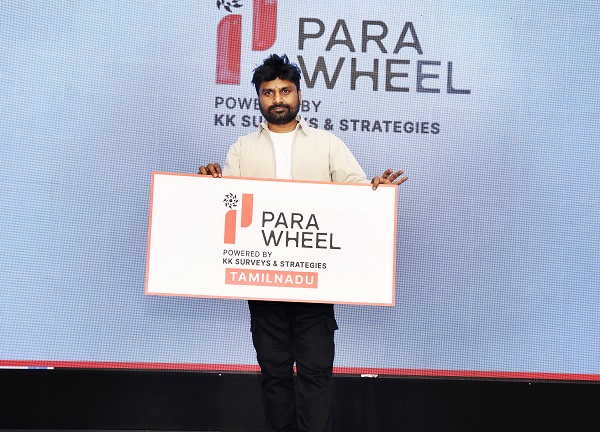
Parawheel, a tech-driven political intelligence research and election forecasting firm powered by KK Surveys & Strategies Pvt Ltd, has entered the Tamil Nadu political research landscape with a large-scale booth-level scientific opinion survey across all 234 Assembly constituencies in the state. Based on the survey conducted to date, covering over 70 lakh voters, the organisation’s preliminary findings project DMK with a 41.5% vote share, AIADMK with 36.2%, and TVK emerging as the third major political force with 13.6%, according to the current assessment.
 

Mr. Kiran Kondeti, CEO, Parawheel
 

Specialising in voter behaviour analysis, booth-level field research, and data-driven political intelligence, Parawheel has conducted large-scale opinion surveys across Tamil Nadu with a minimum sample size of around 30,000 respondents per constituency. Based on its preliminary election assessment and current survey findings, Parawheel’s early electoral projections indicate DMK at 41.5%, AIADMK at 36.2%, TVK at 13.6%, and NTK at 7.9% vote share in the upcoming election scenario in the state.


In Chennai, Parawheel’s survey findings indicate that TVK shows significant strength across several constituencies, emerging as the second strongest political force after DMK in many parts of the city. The data suggests that while DMK continues to hold the leading position in most constituencies, TVK has been gaining notable traction, particularly among youth and first-time voters, positioning it ahead of other parties in several urban segments of the Chennai region.


Speaking at the press conference, Mr Kiran Kondetti, CEO, Parawheel said, “Our research is focussed on voter sentiment studies across key regions including Chennai, Coimbatore, the Delta districts, and Southern, Northern, and Western Tamil Nadu, along with detailed analysis of caste coalitions, governance perception, and anti-incumbency trends. Our study examines the role of first-time voters, women voters, and swing constituencies in shaping electoral outcomes. A special area of analysis was done for TVK–Vijay factor, studying the transition of fan bases into voters, youth mobilisation, and its potential impact on the vote share of major parties such as DMK and AIADMK.”


“We have extended the war room model that is traditionally limited to party headquarters, to individual candidates through our ‘One Candidate – One War Room’ initiative. Under this model, we will provide dedicated campaign war rooms across all 234 Assembly constituencies in Tamil Nadu. These war rooms will deliver real-time voter data, booth analytics, and campaign strategy support to every registered candidate throughout the election period. Also, as part of our constituency-level political intelligence services, Parawheel can provide candidates with a database of a minimum of 5,000 neutral voters in each constituency. This will help candidates better understand swing voter segments and design targeted outreach strategies during election campaigns,” he added.


Furthermore, “At Parawheel, we have strong confidence in the credibility and accuracy of our research and data. If the projections or data provided to candidates are found to be inaccurate, or if there is a variation of more than 1% in the projections or data shared, the full amount paid by candidates who purchase the data will be refunded. This reflects our organisation’s commitment to transparency, reliability, and confidence in the scientific methodology behind our research,” he said.


From Andhra Pradesh to Maharashtra- Parawheel’s Proven Accuracy in Major Election Predictions


In the 2019 Andhra Pradesh Assembly Elections, Parawheel accurately forecast electoral trends ahead of the results.


In the 2024 Andhra Pradesh Assembly Elections, it precisely predicted the sweeping victory of the TDP–Jana Sena–BJP alliance at a time when several national pollsters failed to capture the trend. Parawheel also delivered accurate political trend analysis ahead of the final results in the 2024 Maharashtra Assembly Elections, further strengthening its reputation for reliable election research and forecasting.


For more details, please visit www.parawheel.com.


About Parawheel

Parawheel, a tech-driven political intelligence research and election forecasting firm powered by KK Surveys & Strategies Pvt Ltd, has entered the Tamil Nadu political research landscape. Conceived and developed by KK Surveys & Strategies Pvt Ltd, the organisation has demonstrated a strong track record in political forecasting across key Indian elections. It aims to bridge the gap between citizens and decision-makers by leveraging deep field insights, AI-driven analytics, and structured data reporting.


The organisation specialises in voter behaviour analysis, booth-level field research, and data-driven political intelligence. By combining advanced data analytics with on-ground field intelligence, Parawheel seeks to better understand evolving voter behaviour and political trends. It maps historical voting data against current voter sentiment to generate high-fidelity projections for every polling booth. Using advanced analytical tools, the organisation identifies swing booths and fortress booths, enabling precise micro-targeting and more efficient campaign resource allocation.


As part of its Tamil Nadu initiative, the organisation proposes to undertake large-scale scientific opinion surveys across all 234 Assembly constituencies in the state. Its analysis also highlights the role of leadership influence, referred to internally as the ‘Sir Impact’—which acts as a significant force multiplier in electoral outcomes.

South Tamil Nadu First: Nonsurgical Interventional Radiology Therapy Successfully Treats Uterine Fibroids at Kauvery Hospital, Tirunelveli

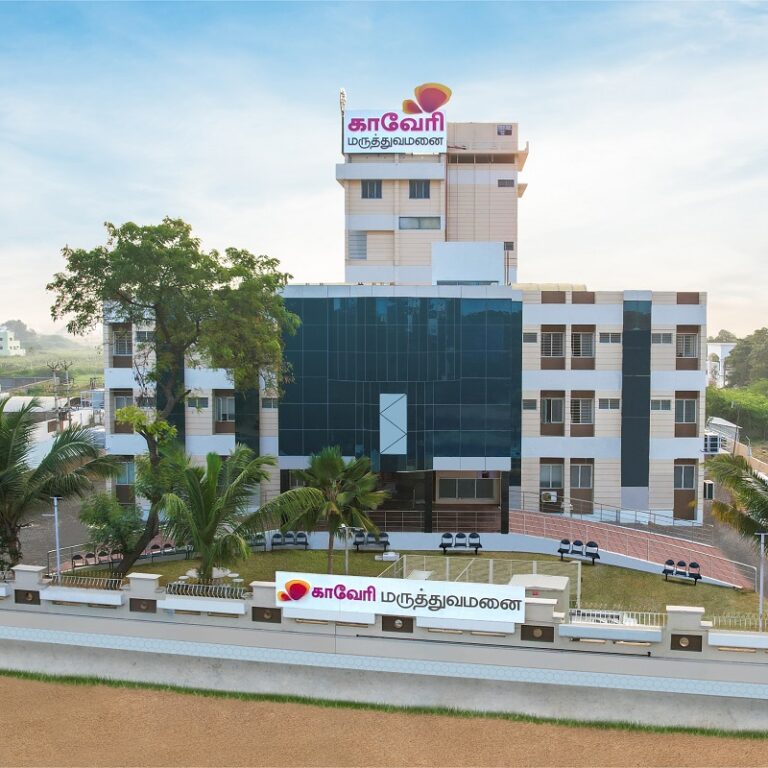
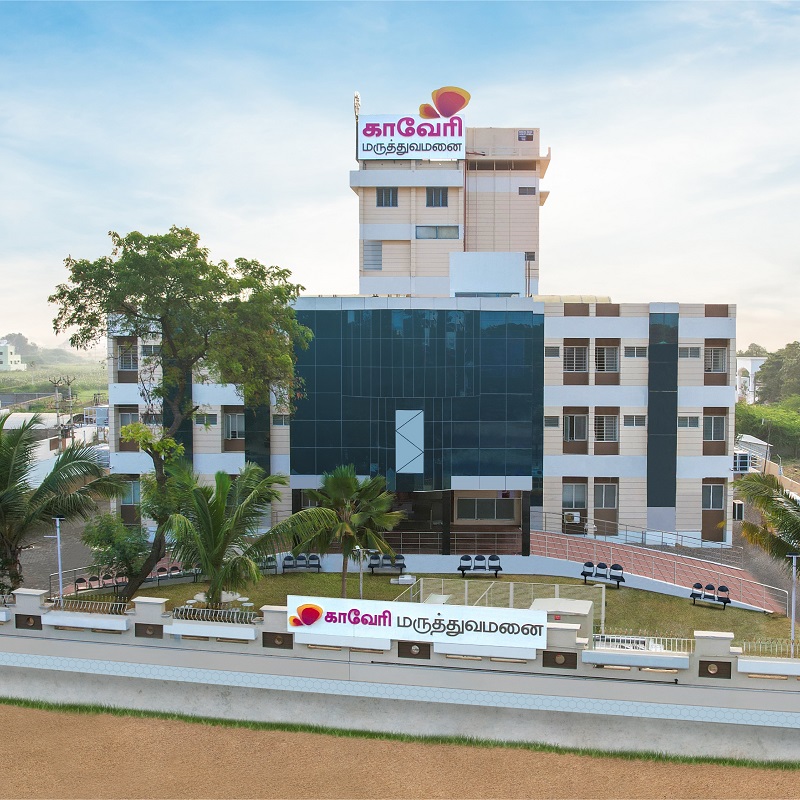
Marking a significant medical milestone and a first in South Tamil Nadu, Kauvery Hospital has successfully treated a 51-year-old woman with severe symptomatic uterine fibroids using a minimally invasive procedure known as Bilateral Uterine Artery Embolisation (UAE). This advanced treatment enabled preservation of the uterus while ensuring rapid recovery. The patient was discharged within 24 hours, and at her seven-day follow-up, imaging confirmed complete absence of blood flow to the fibroid, with no pain and no per vaginal bleeding.
 

Kauvery Hospital, Tirunelveli
 

The patient had been suffering from symptomatic fibroids since 2019, resulting in heavy menstrual bleeding and chronic blood loss anaemia. She required multiple blood transfusions and intravenous iron sucrose injections over the years to manage severe anaemia. While these treatments temporarily improved her hemoglobin levels, they did not address the root cause – the fibroid’s blood supply. As her symptoms persisted and she wished to avoid hysterectomy, the hospital opted for a uterus-conserving alternative.


The multidisciplinary team at Kauvery Hospital performed Bilateral UAE, a minimally invasive interventional radiology procedure that blocks the blood supply to fibroids, causing them to shrink over time. The procedure involved inserting a small catheter through an artery, identifying the uterine arteries supplying the fibroid, and injecting tiny particles to selectively stop blood flow. By addressing the root cause, UAE provided effective symptom relief without the need for major surgery.


The treatment was led by Dr. Amalan Ignatius, Consultant Interventional Radiologist, along with Dr. Faizal Basheer, Consultant General Medicine & Diabetologist; Dr. Lakshmanan, Senior Consultant Anesthesiologist; and Dr. Yogesh Kumar, Consultant Anesthesiologist.


Dr. Amalan Ignatius said, “We were able to successfully treat the fibroid while preserving the uterus, thereby avoiding major surgery. This is the first time UAE has been performed at Kauvery Hospital, Tirunelveli, and represents a major advancement in fibroid care in South Tamil Nadu. By cutting off the fibroid’s blood supply, we addressed the root cause, stopped the bleeding, and prevented recurrence of severe anemia. The patient recovered quickly with a short hospital stay.”

India Poised to Become a Global Manufacturing Hub for Smart Protein Processing Equipment, Finds Landmark GFI India and NIFTEM-T Study

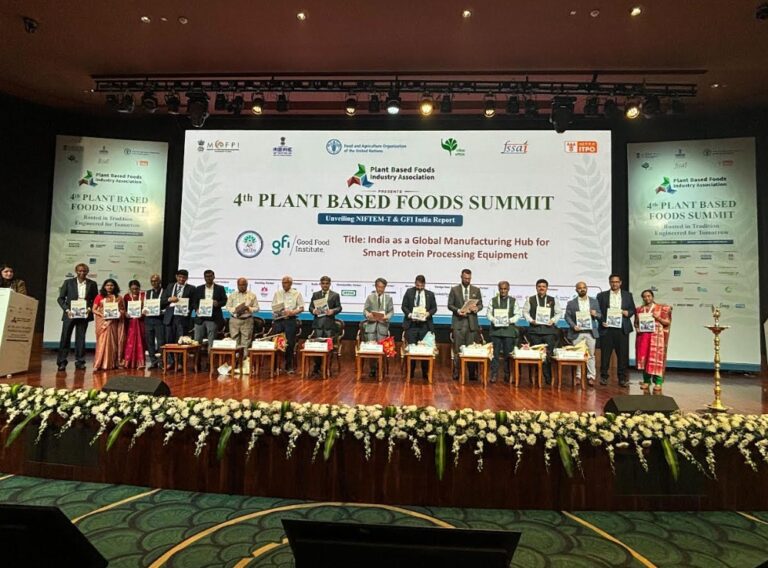
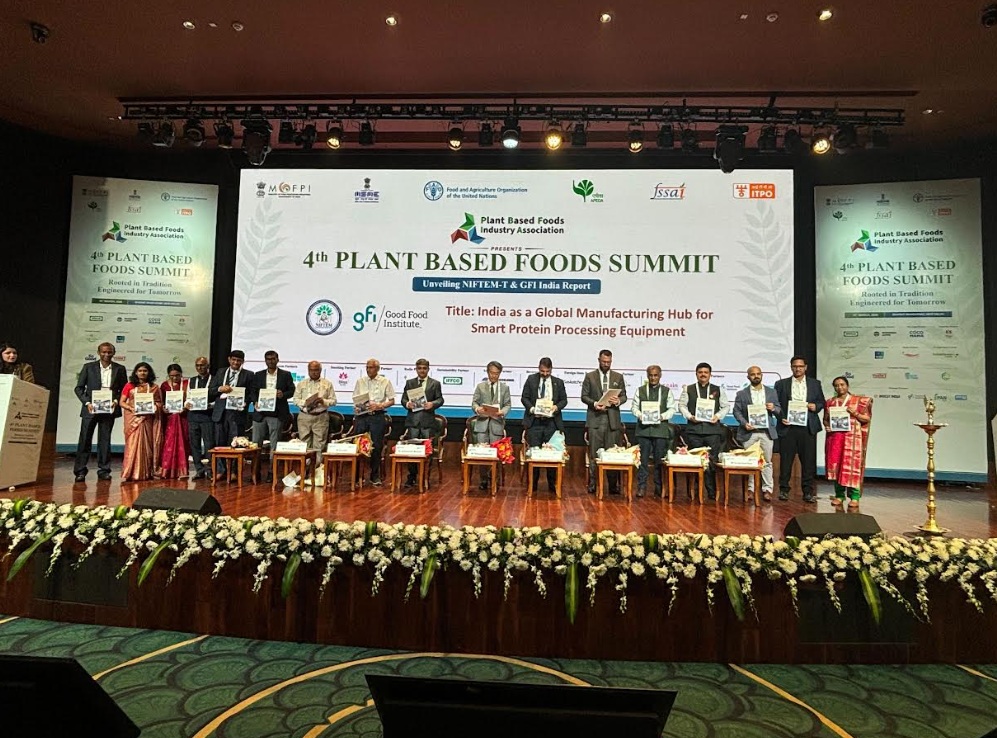
The Good Food Institute India (GFI India), in collaboration with the National Institute of Food Technology, Entrepreneurship and Management, Thanjavur (NIFTEM-T), released a landmark study titled India as a global manufacturing hub for smart protein processing equipment at the 4th Plant Based Foods Summit held on the sidelines of AAHAR 2026. This first-of-its-kind report delivers a comprehensive assessment of India’s current manufacturing capabilities for plant-based smart protein processing equipment, offering strategic recommendations for government, industry, and research institutions to accelerate domestic production and reduce costly import dependence.


GFI and NIFTEM-T launch report on India as a Global Manufacturing Hub for Smart Protein Processing Equipment at AAHAR 2026


The study, led by NIFTEM-T, with valuable contributions from a broad range of academic experts and industry stakeholders in equipment manufacturing, process engineering, and food and agri-processing domains, examines three critical equipment categories at the heart of the plant-based smart protein supply chain: extruders, dryers, and separators. As demand for sustainable protein sources grows, these specialised processing systems are essential for extracting plant protein concentrates and isolates to produce plant-based meat, dairy, eggs, and seafood, among other high-protein plant foods.


According to the report, India imported approximately USD 1.6 billion worth of centrifuges and filtration equipment in 2024–25, while exports stood at just over USD 1 billion, highlighting a significant opportunity to strengthen domestic manufacturing capacity and reduce reliance on foreign suppliers.


The report also highlights technical gaps across key processing technologies such as high-moisture extrusion, drying, and separation systems, which are critical for scaling plant-based meat and other alternative protein products. Addressing these gaps will require investment in shared R&D infrastructure, testing facilities, and technical skill development.


Key Findings:

  • India has 150–200 OEMs in these equipment categories that are cost-competitive and mechanically robust but lack the capability for high-performance, precision manufacturing at scale.

  • Domestic extruders fall short on key performance metrics, such as screw speeds and torque, limiting their use for advanced plant-based meat applications.

  • India has no indigenous manufacturers of food-grade ultrafiltration membranes, as high-end freeze dryers and centrifuges remain almost entirely imported.

  • Priority export opportunities exist in Russia, Southeast Asia, the Middle East, and African markets, where India’s price-performance ratio is a competitive advantage.


Dr. Padma Ishwarya S., Senior Scientist (Plant-based), GFI India, adds, “Smart protein innovation depends not only on novel ingredients but also on the sophisticated processing technologies that transform them into consumer-ready foods. Through academia and industry collaboration and By investing in R&D infrastructure and equipment testing facilities, India can develop high-performance food-grade processing equipment that serves both domestic manufacturers and global markets.”


The report recommends recognising smart protein equipment as strategic capital goods under Make in India, establishing cluster-based shared manufacturing infrastructure, aligning Indian standards with international norms, and creating dedicated R&D funding pathways for the sector.


Prof. V. Palanimuthu, Director, NIFTEM, Thanjavur, commented, This report provides a roadmap for strengthening India’s smart protein processing equipment ecosystem by identifying critical technological gaps and opportunities. The insights presented will guide policymakers, industry, and researchers in propelling India toward becoming a global hub for plant-based protein equipment manufacturing. I congratulate the teams from NIFTEM-T and GFI India for their commendable joint efforts in refining and analysing all the data on state-of-the-art facilities and developing actionable recommendations that can significantly accelerate the alternative protein sector.”


The launch of the report in the presence of Takayuki Hagiwara, Food and Agriculture Organisation (FAO) Representative in India, representatives from the Ministry of Health and Family Welfare, and representatives from the governments of Germany and Saskatchewan, among other key dignitaries, was a key highlight of the 4th Plant Based Foods Summit. Held alongside the 40th AAHAR in the capital, the summit convened policymakers, scientists, entrepreneurs, investors, and food industry leaders to discuss the future of plant-based foods in India and the broader smart protein ecosystem.


Commenting on the report launch, Arghadeep Saha, Head of Policy, GFI India, said, “This study addresses a foundational constraint that has long held back India’s smart protein sector, the availability of advanced, affordable, and locally serviceable processing equipment. Our analysis shows that India has the manufacturing DNA to close these gaps. What’s needed now is a targeted, coordinated push from government and industry to act on these recommendations and turn India’s engineering strength into a global competitive advantage.”


Through the findings of the report, GFI India and NIFTEM-T aim to support the development of a robust manufacturing ecosystem, making Indian machines the low-risk choice both in India and for export markets and positioning India as a leader in the global alternative protein market.


About Good Food Institute India (GFI India)

The Good Food Institute India (GFI India) is the leading organisation and expert convening body for India’s emerging smart protein sector—the ecosystem of plant-based, cultivated, and fermentation-derived meat, eggs, and dairy. As part of an international network of organisations across the U.S., Brazil, Europe, Israel, Japan, and APAC, we are on a mission to build a secure, sustainable, and equitable global food system for all. Working alongside scientists, businesses, and policymakers, GFI India’s team focuses on making alternative proteins delicious, affordable, and accessible. Leveraging India’s unique strengths—indigenous crops and agrarian economy, low-cost technologies and infrastructure, abundant talent pool, and biomanufacturing prowess—we are pioneering an ecosystem that can put smart protein on every plate.


About National Institute of Food Technology, Entrepreneurship and Management, Thanjavur (NIFTEM-T)

National Institute of Food Technology, Entrepreneurship and Management, Thanjavur (NIFTEM-T) is an Institute of National Importance functioning under the aegis of the Ministry of Food Processing Industries, Government of India. NIFTEM-T has premier research and academic capabilities in the field of food technology and has been consistently ranked among the top agri- and allied-discipline institutions in the country. NIFTEM-T provides services to different segments of the food processing sector, spanning innovation, consultancy, incubation, quality testing, outreach, and awareness. The Institute offers BTech, MTech and PhD in Food Technology. With excellent national and international networking, the institute is open for collaborations and partnerships.

Salesforce Supercharges Impact: Launches Agentic AI Accelerator for Indian Nonprofits

Salesforce, the world’s #1 AI CRM*, today announced the India cohort of its global Salesforce Accelerator — Agents for Impact, a transformative initiative designed to empower nonprofits to harness Agentforce to drive impact. Through the Accelerator program, four nonprofit organizations in India will receive grants, cutting-edge technology, and pro-bono expertise to build and customize AI agents, enabling them to improve operational efficiency and scale community impact in the AI-driven future. The initiative champions a future where humans and AI agents work together to drive impact at scale.


As nonprofits across India work with lean teams to serve large and often geographically dispersed communities, many are looking for new ways to scale their impact amid rising demand, talent constraints, and operational complexity. AI agents present a powerful opportunity to extend their reach by autonomously handling routine tasks like program management, volunteer management, donor communications, and tailored fundraising support. This allows teams to focus on what matters most: direct beneficiary engagement and program delivery across India’s vast and diverse landscape. The challenge lies in accessing the technology and expertise needed to make this vision a reality.


The Salesforce Accelerator — Agents for Impact addresses this need by providing nonprofits with technology, grants, and pro bono expertise to build and deploy AI-powered agent solutions. Through a customized six-month program, selected organizations receive comprehensive support including one-on-one and group coaching from Salesforce experts and flexible grants of up to INR 6.8 crores, distributed across a cohort of four nonprofit organizations. Additionally, the selected nonprofits will receive free access to Salesforce technology for up to 18 months, and technical consulting from employee volunteers.


India Cohort Pioneering AI Solutions

The inaugural India cohort brings together four pioneering organizations developing innovative AI agent solutions to address critical social challenges:

  • Antarang Foundation is developing a Career Facilitator Agent that generates personalized career counseling sessions with specific next steps based on each student’s profile data, enabling scalable, customized career guidance.

  • Foundation For Excellence is creating a Scholarship Agent that supports review  and processing of student applications for scholarships, helping more students get access to critical funding.

  • Latika is building a Legal Navigator Agent (Asli Intelligence) that generates clear, step-by-step roadmaps for individuals to acquire disability certificates, pensions, scholarships, and tax relief—making complex legal processes accessible to all.

  • Teach for India is implementing a Teaching Assistant agent that will be trained on resources from its teacher training platform, Firki. It will serve as a personal assistant to answer queries and guide teachers to relevant courses through intuitive chats and clicks.


Comments on the news:

Arundhati Bhattacharya, President & CEO, Salesforce, South Asia, said, “We believe organizations closest to India’s most pressing challenges shouldn’t be furthest from the tools that multiply their impact. Nonprofits are drowning in admin work when they should be focused on transformation. AI agents represent a fundamental shift: technology that doesn’t just optimize workflows but reclaims human capacity for what matters most.


At Salesforce, we’ve long believed that business is the greatest platform for change.  That belief guides how we build and deploy AI as a force for good that strengthens communities. Through the Salesforce Accelerator — Agents for Impact, we’re proving a new equation: when intelligent systems handle complexity, people multiply impact. Not by working harder, but by working on what only humans can do — building trust, making judgment calls, and showing up with empathy where it counts. The future of impact isn’t choosing between humanity and scale. It’s architecting them together.”


*Salesforce, the #1 CRM, powered by AI technology and capabilities.


About Salesforce

Salesforce helps organizations of any size become agentic enterprises – integrating humans, agents, apps, and data on a trusted, unified platform to unlock unprecedented growth and innovation.


Visit www.salesforce.com/in for more information.

iKure Hosts Global Healthcare Workshop in Kolkata, Announces Japan Partnership and Healthcare Living Lab

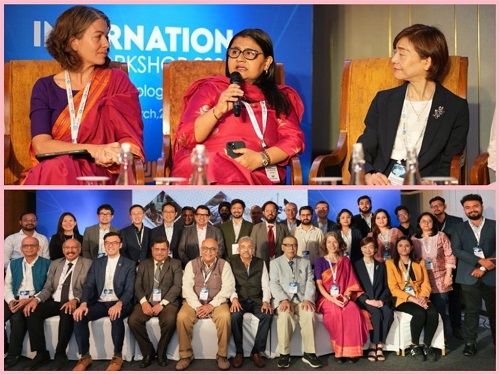
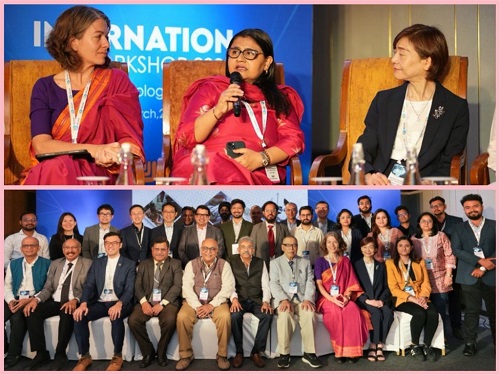
Global healthcare leaders, policymakers, researchers, and innovators from nine countries convened in Kolkata for the International Workshop 2026 on the Future of Healthcare Systems, organised by iKure Techsoft Pvt. Ltd. The two-day dialogue brought together experts from healthcare delivery, academia, technology, financing, and public health ecosystems to explore how health systems must evolve to address rising disease burdens and improve access to care. The workshop focused on practical pathways for strengthening healthcare systems, including non-communicable disease management, healthcare financing and outpatient access, med-tech innovation, resilient supply chains, and responsible data governance in digital health ecosystems.


https://www.newsvoir.com/images/article/image1/34902_iKure_image.jpg

iKure Global Healthcare workshop


A key highlight of the workshop was the signing of a Memorandum of Understanding (MoU) between iKure and Japan-based METORI Inc. to advance technology-enabled eye screening and prevention of avoidable blindness in India. The collaboration will integrate portable ophthalmic diagnostic technologies with iKure’s network of iCHAs (iKure Community Health Activists)—digitally enabled community health workers who support screening, early diagnosis, and referral services across underserved populations. Through this partnership, early detection programs will support the identification of conditions such as diabetic retinopathy and other vision-threatening disorders, enabling timely treatment and reducing preventable vision loss.


Another major announcement during the workshop was the digital launch of the Healthcare Living Lab, a district-scale multi-collaborative platform designed to accelerate the transition of healthcare solutions from proof-of-concept to real-world implementation. The Living Lab- designed by iKure and Jhpiego, with support from other collaborators will enable innovators to test and validate healthcare technologies and service models within real health system environments. Beginning in Maharashtra, the initiative will initially focus on strengthening maternal and newborn health pathways, generating evidence, and developing scalable solutions that can be adopted across India while also supporting local employment.


Across the sessions, participants emphasized that innovation alone is not sufficient to transform healthcare systems. For meaningful and lasting impact, solutions must be designed with scalability in mind and supported by sustainable financing, strong operational systems, and effective community-level delivery models.


Several key themes emerged from the discussions. Experts stressed the importance of shifting healthcare systems from hospital-centric models toward prevention, primary care, and outpatient services, particularly as non-communicable diseases continue to rise. The discussions also highlighted the growing need of predictive supply chains, data-driven decision making, and responsible governance of health data to strengthen trust and reliability within health systems.


The conversations over these two days reaffirmed that the future of healthcare will not be built in hospitals alone — it will be built in communities. Strengthening healthcare systems requires innovation, financing, and technology to work together with frontline delivery models that ensure continuity of care. At iKure, our vision is to continue building scalable, technology-enabled primary healthcare models that can strengthen health systems across India and other emerging markets, ensuring quality care reaches the last mile,” said Mr. Sujay Santra, Founder and CEO of iKure Techsoft Pvt. Ltd.


iKure is exploring the possibility of developing a learning program in partnership with an international university to translate the discussions into structured knowledge and practical learning for healthcare leaders.


About iKure Techsoft Pvt. Ltd
iKure Techsoft Pvt. Ltd. is a technology-enabled healthcare company focused on strengthening primary healthcare systems through digitally empowered community health workers, integrated care pathways, and preventive health programs. Through its network of iCHAs (iKure Community Health Activists), iKure delivers screening, early diagnosis, and continuity of care across underserved populations. The organisation has impacted more than 34 million lives and treated over 4.5 million patients across 12 Indian states, developing scalable healthcare models designed for emerging markets.


For more information visit: www.ikuretechsoft.com.