
Home Blog Page 218

Octanom Tech’s Hedged.in Wins ‘WealthTech of the Year’ Two Times in a Row at the Business World Festival of FinTech 2025

Octanom Tech, a leading innovator in the WealthTech space, has been awarded the prestigious ‘WealthTech of the Year’ title at the Business World Festival of FinTech 2025. The award recognises Octanom Tech’s commitment to redefining digital wealth management and making smart & safe investing accessible to India’s underserved, first-time as well as savvy investors.

https://www.newsvoir.com/images/article/image1/32596_Collecting_award.JPG

Octanom Tech winning the ‘WealthTech of the Year’ at the BW Festival of FinTech 2025

The recognition was part of the ‘India’s Fintech Game Changers’ showcase, which honoured 35 standout fintech leaders across key verticals including lending, insurance, infrastructure, and digital banking. Octanom Tech was acknowledged for its machine learning driven, behaviour-ally intelligent platform Hedged.in, which offers investment solutions that are agnostic to market directions.

Rahul Ghose, Founder and CEO, Octanom Tech & Hedged.in said, “Receiving this recognition is a significant milestone-not just for me, but for the mission we’ve set out to achieve at Octanom Tech. Our goal has always been to level the playing field by making financial planning truly inclusive, data-driven and customer-first. We believe every Indian should have the tools to create wealth without having the fear of market direction-no matter what capital size they start from.

With its technology-led model, Octanom Tech is transforming the way retail investors, HNI’s & Family offices engage with capital markets. They are one of the only firms in the country who offer Investing & structured products which are not direction dependent, meaning that the alpha generation process is not dependent on the markets going up.

The 5th edition of the BW Festival of FinTech brought together leading fintech visionaries, investors, and regulators to explore the future of financial services and honour the trailblazers building a more inclusive financial ecosystem.

About Octanom Tech
Octanom Tech is a leading WealthTech firm based out of Bombay and Bangalore dedicated to leveraging advanced technology to create innovative investment solutions. The company’s flagship platform, Hedged, is designed to empower investors with lower-risk solutions, AI-driven investment strategies, helping them navigate the financial markets with confidence.

Average Home Prices in Thane Up 46% in Last 3 Years, 2BHKs Dominate New Supply

  • Residential prices in Thane stand at INR 19,800 per sq. ft. as of Q2 2025-end, against INR 13,550 per sq. ft. in Q2 2022

  • 2BHKs comprise approx. 45% of overall new supply b/w FY 2020 and FY 2025; 42% is 1BHKs (strong demand for smaller homes); 3BHK share – 11%, 4BHKs – just 2%; dominant budget range – INR 80 lakh to INR 1.6 Cr

  • Thane’s skyline now has 89 residential skyscrapers of 40+ floors: vertical growth imperative amid reducing land availability

  • Thane housing market significantly changed b/w FY 2020 & FY 2025; post-COVID-19, new supply rose approx. 103% in FY 2023 over FY 2020; absorption rose approx. 78% in FY 2024 vis–vis FY 2020

  • 47% supply share by Grade A developers, leading to high confidence & demand

  • Top 5 micro markets based on highest new supply – Panchpakhadi & Naupada (Thane Central), Pokhran Road, Majiwada-Balkum, Kolshet Road & Kasarvadavali

Thane, once seen as a supporting suburb, now headlines the Mumbai Metropolitan Region residential real estate revolution, riding on rapid infrastructure upgrades, surging buyer interest, and a hot housing market. A report by ANAROCK titled ‘Thane: The Rising Star of MMR Real Estate highlights the city’s explosive housing price growth – a whopping 46% leap in average residential

prices in just three years, from INR 13,550/sq. ft. in Q2 2022 to INR 19,800/sq. ft. in Q2 2025.

Aayush Puri, Head – ANAROCK Channel Partners (ACP) & ANACITY

Aayush Puri, Head – ANAROCK Channel Partners (ACP) & ANACITY, points out that prices in Thane have rocketed up 60% since 2020, when the average was around INR 12,400 per sq. ft. “Thane is not just a hot residential destination – it has also played a key role in redefining the MMR housing landscape. “Thane’s steady capital values growth has largely been fuelled by infrastructure upgrades that have ignited homebuyer interest. Demand for under-construction homes outperforms ready-to-move-in units in 2025 so far, largely because the city offers luxury homes at relatively affordable prices in contrast to Mumbai’s prime markets.

A total of 65,800 units were launched in Thane between FY 2020 to FY 2025, finds the report. Nearly 45% of the overall new supply in this period comprises of 2BHKs, followed by 42% of 1BHKs. 3BHKs comprise a 11% share, and 4BHKs just 2%.

Affordability is a major keyword in Thane’s housing market,” says Aayush Puri. “We are seeing a strong market inclination towards smaller residential units. On that front, Thane is at least 78% more affordable than suburban Mumbai. For instance, a 2BHK home with an average carpet area of 650 sq. ft. costs about INR 1.25 Cr, while in Mumbai’s central suburbs it will cost around INR 2.11 Cr. In the western suburbs, it goes as high as INR 2.36 Cr – and this is just the BSP, not factoring in GST, registration, and other charges.

Amid core Mumbai’s skyrocketing property values, Thane is increasingly becoming the destination of choice for homebuyers and investors seeking better value without compromising on quality. The report adds that Thane’s residential skyline currently boasts of 89 skyscrapers of 40+ floors, mirroring the land scarcity-driven vertical growth imperative of Mumbai City.

There have been some notable changes on the Thane real estate market, finds the report. Between COVID-struck FY 2020 and FY 2025, FY 2023 saw new housing supply there grow by almost 103% when compared to FY 2020, while absorption rose a dizzying 78% – to 19,600 units in FY 2024 from FY 2020. In Q1FY 2026, Thane saw approx. 3,130 residential units sold, while new supply stood at 2,910 units.

Other Report Highlights:

  • Panchpakhadi and Naupada in Thane Central, Pokhran Road, Majiwada-Balkum, Kolshet Road and Kasarvadavali are the top five micro-markets based on maximum new supply. 47% of the new supply being delivered by Grade A developers

  • Around 44% of Thane’s residential supply is in the INR 80 lakh to INR 1.6 Cr. budget segment, which will likely dominate the market going forward given the prevailing capital value trends in the region

  • Thane, being in the heart of MMR, is assured of sustained growth real estate growth thanks to large-scale planned and ongoing infrastructure enhancements worth INR 59,000 Cr

MinEMI: Giving Borrowers the Power to Take, Manage & Close Loans Smartly

More than half of India’s urban salaried class now spends between 30% to 50% of their monthly income on EMIs. Whether it’s a new vehicle, a child’s education, or the latest smartphone, credit has become the default mode of payment. However, while loans are easier to access than ever, most borrowers still operate in the dark, unaware that they could negotiate better terms, switch lenders, or restructure loans to their advantage.

Many accept the first offer from a bank or lending app without checking eligibility elsewhere or understanding if better options exist. Over time, this leads to overpayment, missed benefits, or even a damaged credit score, issues that are often preventable with the right guidance.

The consequences of this lack of insight are real. A salaried professional managing Rs. 50,000 in EMIs may not know that a balance transfer could lower their monthly outgo by Rs. 4,000. A young borrower who applies to multiple banks and faces repeated rejections may see their credit score drop, unaware that the rejections themselves contribute to the decline. A self-employed individual juggling multiple loans may never discover that they can consolidate them into a secured top-up loan at a significantly lower interest rate.

Moreover, the credit boom has also triggered broader systemic concerns. The Reserve Bank of India (RBI) has flagged the sharp rise in unsecured personal loans and high-interest credit card debt. In response, it has increased risk weights for personal loans, tightened lender norms, and pushed for unified borrower IDs, all to improve transparency and reduce over-leveraging.

The MinEMI Layer: Smart, Guided, and Borrower-Led
MinEMI functions as a smart, data-driven layer between borrowers and lenders, designed to make the entire credit journey more transparent and manageable. From the moment a borrower considers a loan to the day they close it, MinEMI acts as a digital co-pilot, guiding decisions, highlighting better alternatives, and helping borrowers stay in control of repayments.

The platform supports borrowers across three key stages:

  • Before Applying: MinEMI evaluates real approval chances based on credit bureau data, FOIR (fixed obligation to income ratio), repayment history, and lending criteria. This eliminates the guesswork, helping users avoid unnecessary rejections.

  • While Choosing: Just as MakeMyTrip offers side-by-side flight comparisons, MinEMI compares loan offers, personal vs. secured, balance transfer vs. top-up, providing detailed cost breakdowns and total savings.

  • After Disbursal: Where many borrowers lose track, MinEMI continues to monitor repo rate changes, lender spreads, and switching opportunities. The system nudges users when action, like refinancing or closing, is beneficial.

A Familiar Tech Analogy: IRCTC, Google Maps, MakeMyTrip-For Loans
MinEMI draws inspiration from trusted platforms that have transformed everyday consumer experiences:

  • Like IRCTC, it shows real-time approval probabilities before applying.

  • Like MakeMyTrip, it aggregates and compares multiple offers to simplify decision-making.

  • Like Google Maps, it continuously tracks better routes, suggesting more efficient, lower-cost credit options when available.

  • India’s credit system may be complex, but with MinEMI, borrowers no longer have to navigate it blindly. The platform simplifies every step.

Real People. Real Fixes.
Across the country, borrowers are already experiencing tangible improvements with MinEMI:

  • A 35-year-old salaried professional in Pune switched from a 12.5% personal loan to a 9% secured top-up, saving Rs. 6,000 every month.

  • In Bengaluru, a tech employee detected a delayed repo rate adjustment by her lender and successfully claimed the benefit retroactively.

  • A freelancer in Delhi avoided costly credit card debt by unlocking an overdraft against a fixed deposit, a feature they didn’t know was available to them.

Thus, small interventions, driven by smart insights, can lead to significant savings and improved financial control.

Why This Matters Now
With the Reserve Bank of India tightening regulatory norms, implementing risk-based weightings, and pushing for daily updates from credit bureaus, India is transitioning toward a more accountable credit ecosystem. Unified borrower IDs and stricter lending criteria are part of this transformation.

But regulatory action needs a consumer-facing counterpart. That is where MinEMI steps in, converting complex credit data into simple, actionable steps that help individuals avoid unnecessary costs and make better choices.

Rather than selling loans, MinEMI promotes smarter borrowing behavior. It lowers friction, improves financial awareness, and ensures users don’t get stuck in outdated loan terms or overpay out of ignorance.

The UPI Moment for Credit
Unified Payments Interface (UPI) changed how India transacts, making payments seamless and transparent. MinEMI aims to bring that same clarity to the world of borrowing.

Loans are a fact of life, but uninformed borrowing, hidden charges, and missed opportunities to renegotiate terms should not be. MinEMI gives control back to the borrower, not just by providing information, but by offering a structured way to act on it.

In an economy where EMIs drive most financial decisions, platforms like MinEMI are necessary. Just as UPI made transactions smarter, MinEMI is shaping a future where credit works better for every borrower.

A New Chapter Begins: State Street Moves into IndiaLand Tech Park, Strengthening Coimbatore’s Rise as a Global Tech Hub

In a major boost to Coimbatore’s commercial real estate landscape, IndiaLand Tech Park, a LEED Platinum-rated IT SEZ campus in Saravanampatti, has welcomed global financial giant State Street as its newest tenant. Known for its eco-conscious infrastructure and premium business environment, IndiaLand continues to attract multinational corporations seeking sustainable and future-ready workspaces in India’s tier-2 cities.

State Street officially inaugurates its Centre of Excellence at IndiaLand Tech Park, Coimbatore, occupying 2.1 lakh sq. ft. across four floors in Tower D

State Street, a global leader in financial services and asset management, has taken up 2.1 lakh sq. ft. of office space across four floors in Tower D of IndiaLand Tech Park. The official inauguration of the Centre of Excellence took place today, July 16, 2025.

With global corporations such as Accenture, Hexaware, Amazon, Bosch, Cognizant, and now State Street operating out of IndiaLand Tech Park, this collaboration marks a significant milestone in the city’s economic development. It underscores the growing trend of multinational companies embracing sustainable, Grade-A infrastructure in India’s tier-2 cities-positioning Coimbatore as a compelling destination for long-term growth and strategic expansion.

This move underscores the growing momentum of Coimbatore as a preferred destination for IT, BFSI, and technology firms. With its robust infrastructure, abundant talent pool, and favorable cost structure, the city is rapidly emerging as a high-potential alternative to traditional metros. Areas like Saravanampatti-an established IT and SEZ corridor in Coimbatore-are witnessing a surge in Grade-A commercial developments, increased demand, and rising occupancy rates.

Mr. Harish Fabiani, a visionary entrepreneur and Group Chairman of IndiaLand Corporation, is passionately committed to developing world-class, sustainable infrastructure across India. Under his leadership, IndiaLand has delivered high-performance campuses in key cities including Mumbai, Pune, Chennai, and Coimbatore-each reflecting his forward-looking vision of environmentally responsible and globally competitive business destinations.

Salai Kumaran, CEO, IndiaLand Tech Park, expressed his excitement, “A growing number of global IT giants are choosing to be part of the Platinum-rated, eco-friendly IndiaLand Tech Park community. Their decision to establish a base here reinforces the strategic value of Coimbatore and validates our continued investment in sustainable, future-ready campuses. These partnerships are a proud moment for us.”

With operations commencing today, State Street’s entry marks a defining moment in Coimbatore’s economic development. It also highlights how international enterprises are increasingly turning to sustainable office spaces in India’s tier-2 cities to drive long-term growth.

This partnership sets a compelling example of how world-class companies, when paired with green infrastructure, can unlock economic potential beyond metro markets-firmly positioning Coimbatore as a rising global business hub.

Bangalore Watch Company™ Enters GPHG 2025, the Oscars of Luxury Watches

Bangalore Watch Company™, a luxury watch brand based in India, has entered the 2025 edition of the Grand Prix d’Horlogerie de Genve (GPHG) – widely regarded as the most prestigious award in the world of watchmaking.

Two watches in Agumbe

Two watches from the brand’s Peninsula Professional collection, launched earlier this year, have been submitted for consideration: Peninsula Agumbe in the Sports category, and Peninsula Mannar in the Challenge category. Before the formal nomination was submitted, the GPHG jury independently put forward the Peninsula collection – an early and significant recognition for the brand.

This is an incredibly proud moment for us,” said Nirupesh Joshi, Co-Founder of Bangalore Watch Company. “Since we founded the brand in 2018, our aim has always been to elevate watchmaking from India to global standards, and this recognition by the GPHG jury is a huge pat on the back for the work that the team has put in over the years. It shows that our work is being noticed globally!

The Peninsula Professional collection was launched in April 2025 as a celebration of India’s geographic diversity. With watches celebrating the Himalayas, the Oceans, and the Western Ghats, the brand has positioned the Peninsula collection as an all-purpose outdoor watch. The watches are built for 200 Meters of water resistance, made of a unibody surgical-grade steel case, with Sapphire crystal housing. The watches are also powered by highly accurate Swiss Automatic movements.

The Agumbe with its deep green dial draws from the dense rainforests of the Western Ghats. And the Mannar is a limited-edition with a dial made from a rare black mother-of-pearl, inspired by the ancient pearl diving tradition of the Gulf of Mannar. We’re really thrilled to present these watches to the GPHG jury this year.” said Mercy Amalraj, Co-Founder of the brand. “India is becoming a fast-growing market for Swiss luxury watches; it almost feels like a coming of age when Indian customers appreciate luxury watches. All eyes are on India at the moment. However, this recognition for a small brand like ours is a sign that India should not just be viewed as a consumer of luxury watches but has the potential to produce brands that can be appreciated globally for our storytelling, design, and world-class craftsmanship,” added Joshi.

About Bangalore Watch Company™

Bangalore Watch Company™ produces world-class, luxury wristwatches from India. Each collection, produced in limited numbers, tells stories from the Indian Air Force, Indian space program and others from modern-India. Founded in India’s watchmaking ground-zero in 2018, the brand has built an enthusiastic following around the world with patrons in over 30 countries.

Can an Event Think for Itself The Role of Autonomous AI in Managing Live Consumer Interactions

Picture this: Youre at a product launch. The energy in the room is shifting. People checking phones, conversations getting louder, attention drifting. Then something interesting happens. The lighting subtly adjusts, the background music changes tempo, and the presenter seamlessly pivots to a more engaging story. No one signalled for these changes. The event seemed to know what was needed.

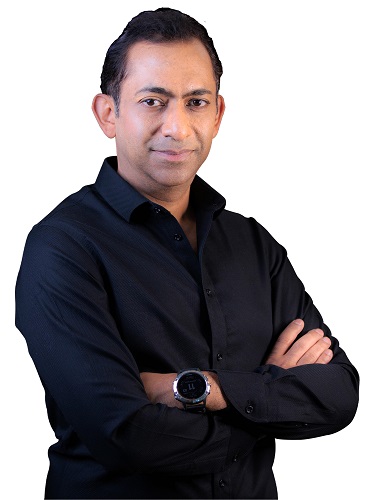
Krishna Anand – Co-founder of Bread Butter Jamm

This isnt science fiction anymore. Were entering an era where autonomous AI can read a room and respond in real-time. But heres what Ive learned after two decades of building experiences: technology might tell us whats happening, but only humans can decide what it means.

What Does It Mean for an Event to “Think”

When we talk about events thinking, were not suggesting they become sentient. Were asking whether they can:

  • Respond dynamically to whats happening in real-time

  • Adapt based on audience behavior and sentiment

  • Predict what people might need before they realize it themselves

This represents a fundamental shift from rigid, pre-programmed experiences to intelligent systems that learn and evolve. Instead of one-size-fits-all productions, were moving toward events that feel more like living organisms, are reactive, intuitive, and alive to context.

The Technology Behind the Magic

Autonomous AI in events isnt about adding chatbots or fancy registration systems. Its about layered intelligence working across the entire experience lifecycle.

Emotion and Engagement Detection uses smart cameras and sensors to track facial expressions, movement patterns, and dwell time, providing real-time insights into audience interest levels.

Predictive Crowd Management analyzes flow patterns to anticipate bottlenecks before they happen, automatically adjusting signage or staff deployment to keep things moving smoothly.

Personalized Experiences adapt in real-time-digital displays change based on whos approaching, booth presentations adjust to visitor profiles, even catering options can shift based on group preferences.

But heres the crucial point: AI provides the data, not the decisions. It can tell us that energy is dropping in section B, but it takes human insight to understand why and what to do about it.

Real-World Applications Today

This isnt theoretical. Ive seen these systems in action across different event types:

Luxury Weddings are using facial recognition to identify VIP guests at entry, triggering personalized welcome messages and photo auto-tagging. Playlists adapt based on crowd mood sensors, creating moments that feel perfectly timed without obvious intervention.

Corporate Events leverage AI-powered engagement tracking that goes beyond simple headcounts. Gaze tracking and dwell time provide insights into actual interest levels, helping organizers understand what content resonates and what falls flat.

Retail Activations employ emotion-recognition tools to adjust lighting, product displays, and even scent diffusion based on real-time audience mood data.

The pattern is clear: AI excels at observation and pattern recognition. But the creative interpretation – the spark that transforms data into meaningful moments – thats still uniquely human.

The Indian Context: Innovation Meets Human Connection

In India, our events industry is fundamentally people-driven. We thrive on emotion, controlled chaos, and human connection. From wedding decorators to stagehands to caterers, its a labor-intensive ecosystem that creates livelihoods for millions.

This doesnt mean we should resist innovation. It means we need to innovate thoughtfully.

AI can handle repetitive tasks such as guest flow optimization, logistics coordination, technical cue management, which frees our creative teams to focus on what they do best: crafting emotional and aesthetic experiences that resonate.

The technology enables scale and efficiency. The human touch creates value and meaning.

As I often say to my team: “AI might do the heavy lifting, but its design that makes the difference. Without the human pulse, everything starts feeling the same.”

This balance might be our biggest competitive advantage. While global markets rush toward full automation, we can pioneer a model that amplifies human creativity rather than replacing it.

Sector-Specific Opportunities

The majority of my experience has been in corporate events – where we can use autonomous systems to re-sequence sessions based on real-time engagement data or suggest speaker adjustments.

But understanding what message will actually move a business audience That requires human insight into industry dynamics and organizational culture.

The common thread: AI provides patterns and possibilities. Meaning comes from the people designing the experience.

The Trust Factor

As events become smarter, we must address some uncomfortable questions:

Do attendees know theyre being tracked Where does personalization end and surveillance begin Are we designing for human agency or just operational efficiency

Building trust requires transparency, consent, and intentionality at every level. No matter how intelligent our systems become, trust remains fundamentally human.

We need clear protocols about data collection and usage. Attendees should understand what information is being gathered and how it enhances their experience. The goal should always be empowerment, not manipulation.

Looking Forward: Events as Living Experiences

The metaphor of events as living organisms is powerful-experiences that sense, respond, and evolve in real-time. They listen before they speak.

AI can help us build this capability. But what happens next, what each moment becomes, remains in human hands.

Ive seen too many technology implementations fail because they prioritized efficiency over experience, data over emotion. The most successful integrations Ive witnessed started with a simple question: “How does this make people feel more connected, not less”

The Human-AI Partnership

Autonomous AI isnt a replacement for human experience-its a tool that sharpens our view, speeds up decisions, and manages complexity. It can tell us that attention is waning in section C or that traffic flow is backing up at entrance 2.

But the creative response – dimming lights to create intimacy, opening alternate pathways that feel natural rather than forced, timing the perfect musical transition – that synthesis of observation and intuition remains uniquely human.

The future isnt about events that think independently. Its about events where human creativity is amplified by intelligent systems that handle technical complexity, leaving us free to focus on what we do best: creating moments that matter.

As someone whos built experiences across multiple sectors, Im excited about a future where technology handles the logistics so we can focus on the magic. Where AI provides the insights and humans create the meaning.

The event might notice whats happening. But only we can make it matter.

*Krishna Anand is a multi-venture entrepreneur and Co-founder of Bread Butter Jamm, a 360 marketing communications firm. He has over two decades of experience creating experiences across events, marketing, and brand management.*

Article by: Krishna Anand- Co-founder of Bread Butter Jamm

One Prastha Realty LLP Launches Luxury Villa Community in Sector 87, Sonipat – Redefining Heritage-Inspired Living

One Prastha Realty LLP, a real estate company inspired by the ancient Indian concept of Prasthas, proudly announces the launch of its latest premium residential offering, a boutique gated community nestled across 8.7 acres in Sector 87, Sonipat. The development features G+2 luxury villas and spacious freehold plots, thoughtfully designed for aspirational families seeking a harmonious blend of affordable luxury and culturally rooted living.

Strategically located just minutes from key urban infrastructure including GT Road, upcoming metro connectivity, reputed hospitals, educational institutions, and shopping destinations this project reflects One Prastha’s commitment to building community-first spaces in fast-growing micro-markets.

One Prastha Sector 87 Sonipat

Developed under the Deen Dayal Jan Awas Yojna, One Prastha’s new project offers spacious 4,000 sq. ft. villas and registry-ready freehold plots ranging from 120 to 175 sq. yards. This gated community is thoughtfully designed with 24×7 CCTV surveillance, pollution-free surroundings, Vastu-compliant layouts, and wider 12-meter roads, ensuring both security and comfort.

The township also features smart infrastructure, including underground water storage, LED street lighting, and reliable power backup, along with an upcoming commercial complex to enhance everyday convenience. Recognising Sonipat’s emerging potential as a rising real estate destination, One Prastha is committed to building long-term, meaningful communities that seamlessly blend modern comforts with ancient Indian sensibilities.

“We believe Sonipat is poised for a real estate transformation, driven by its strategic proximity to Delhi, upcoming infrastructure developments, and increasing residential demand. With this project, we’ve aimed to create more than just homes. We have crafted a lifestyle that is deeply rooted in Indian values and thoughtfully built for the future,” said Somesh Mittal, Co-founder, One Prastha Realty LLP.

Aditya Goel, Co‒founder, One Prastha Realty LLP said, ‘”Our belief at One Prastha is that a true home must inspire a deep sense of belonging. Our Sonipat development embodies that vision, uniting thoughtful design, Vastu principles, and community‒centric living in perfect harmony.”

As part of its long-term vision, One Prastha is also developing a 65-acre integrated township in Sonipat, while actively exploring future ventures across farmhouse communities, industrial parks, and high-rise residential formats. Backed by a strong track record of early project delivery, competitive pricing, and a multi-generational planning approach, the brand is rapidly emerging as a trusted force redefining real estate in North India.

About One Prastha
One Prastha Realty LLP, founded in 2023, draws inspiration from the ancient Indian concept of Prasthas – historic settlements rooted in community living. The company aims to recreate these timeless values through modern, meticulously planned ecosystems across residential, commercial, industrial, and farmhouse segments. After successfully delivering its first 8.5-acre boutique project ahead of schedule, One Prastha is now developing a 65-acre integrated township in Sonipat and expanding into farmhouse communities, industrial parks, and high-rise residential formats.

Subhankar Sen Takes Over as Director (Marketing) At Bharat Petroleum Corporation Limited

Bharat Petroleum Corporation Limited (BPCL), a Fortune Global 500 company and one of India’s leading integrated energy companies, has announced that Shri Subhankar Sen has taken over as Director (Marketing) of the company.

Subhankar Sen, Director (Marketing) BPCL

Shri Sen, a veteran of BPCL with over three decades of experience, has played a pivotal role in driving strategic transformation across key business verticals. His appointment marks a significant milestone in BPCL’s journey towards innovation, customer-centricity and sustainable growth.

Over the years, Shri Sen has held several critical leadership roles within the organisation. As Business Head – Retail (West), he led a major overhaul of BPCL’s retail operations across fuel stations. Under his leadership, BPCL introduced new-age formats and enhanced customer engagement through digital-first initiatives. The launch of BeCafe, a modern caf concept at fuel stations, added a fresh dimension to non-fuel retailing and enhanced the overall consumer experience.

In the lubricants business, Shri Sen played a key role in expanding the MAK Lubricants brand across India and overseas markets, including Nepal, Bangladesh, Sri Lanka, UAE, and Africa. He successfully steered the business through a strategic indigenisation initiative aligned with the Atmanirbhar Bharat mission. The introduction of the MAK Lubricants Solutions program under his leadership enabled customers to improve operational efficiency and reduce total cost of ownership.

Shri Sen has been at the heart of BPCL’s brand and loyalty journey, shaping not just products but the very way the company connects with its customers. As part of the core Strategy Team, he contributed to the development and execution of several flagship brands and customer-focused platforms, including Pure for Sure, Speed, PetroBonus, SmartFleet, BPCL-SBI Card, In&Out Stores, and UFill. His efforts in fostering strategic collaborations across banking, retail, QSR, and automotive sectors, has helped BPCL stay relevant and deeply connected to the evolving needs and aspirations of its consumers and has impacted significantly in strengthening BPCL’s market positioning and consumer reach.

As Oil Industry Coordinator, Shri Sen played a significant role in advancing the Government of India’s clean mobility agenda. He was instrumental in the rollout of Doorstep Diesel Delivery and led BPCL’s eDrive initiative focused on building EV Fast Charging Corridors across the country, aimed at supporting the electric vehicle ecosystem. His collaborative approach with industry bodies and policymakers has contributed to tangible outcomes in India’s energy transition landscape.

Recognized for his people-first leadership style, Shri Sen is known for nurturing empowered teams, driving operational excellence, and responding swiftly to evolving market dynamics. His appointment as Director (Marketing) comes at a strategic inflection point as BPCL accelerates its efforts towards a digitally-enabled, sustainable, and consumer-driven future.

BPCL congratulates Shri Subhankar Sen on his new role and looks forward to his continued leadership in steering the company’s marketing strategy towards greater innovation and growth.

About Bharat Petroleum Corporation Ltd. (BPCL):

Fortune Global 500 Company, Bharat Petroleum is the second largest Indian Oil Marketing Company and one of the integrated energy companies in India, engaged in refining of crude oil and marketing of petroleum products, with presence in the upstream and downstream sectors of the oil and gas industry. The company attained the coveted Maharatna status, joining the club of companies having greater operational & financial autonomy.

Bharat Petroleum’s Refineries at Mumbai, Kochi and Bina have a combined refining capacity of around 35.3 MMTPA. Its marketing infrastructure includes a network of installations, depots, fuel stations, aviation service stations and LPG distributors. Its distribution network comprises over 23,500+ Fuel Stations, over 6,200+ LPG distributorships, 500+ Lubes distributorships, 80 POL storage locations, 54 LPG Bottling Plants, 79 Aviation Service Stations, 5 Lube blending plants and 5 cross-country pipelines.

Bharat Petroleum is integrating its strategy, investments, environmental and social ambitions to move towards a sustainable planet. The company has Electric vehicle charging stations at 6500+ Fuel Stations.

With a focus on sustainable solutions, the company is developing an ecosystem and a road-map to become a Net Zero Energy Company by 2040, in Scope 1 and Scope 2 emissions. Bharat Petroleum has been partnering communities by supporting several initiatives connected primarily in the areas of education, water conservation, skill development, health, community development, capacity building and employee volunteering. With ‘Energising Lives’ as its core purpose, Bharat Petroleum’s vision is to be an admired global energy company leveraging talent, innovation & technology.

For more information, please visit www.bharatpetroleum.in.

Thriving in Uncertainty: Building Wealth That Lasts

In recent years, India has experienced a whirlwind of unpredictable events. From the eerie stillness of the first COVID-19 lockdown to repeated waves of the virus, and now global turbulence – AI disruptions, geopolitical tensions, inflation, layoffs – the world has shifted beneath our feet. This is the new normal: a volatile world where, if your money isn’t working for you, it might just work against you.

Shiv Bidani- Co-founder of National Finance Olympiad

In conversations ranging from college students starting their first SIPs to founders of billion-dollar firms, one truth keeps surfacing: those who succeed long-term are those who respect the long term.

Let me explain with a story.

The $5 Billion Compounding Lesson
Not long ago, I had lunch with a legendary investor – promoter of a company valued at over $5 billion. I asked, “What’s one concept people think they understand but don’t

Without pause, he replied, “Compounding.” I laughed. “But we all learned that in 8th grade.”

He smiled, “We learned to calculate it, not understand or apply it.”

That stuck with me. The real power of compounding lies not in math, but in patience and discipline. In an age obsessed with speed – fast food, fast news, fast money – compounding rewards the slow, steady, and consistent.

Why It Matters More Than Ever
When markets tank, fear takes over. Investors stop SIPs, pull out funds, or freeze. But many of these reactions come not from logic, but from panic.

This is where true financial resilience matters. Not just surviving turbulence, but growing through it. Here’s how:

1. Talk About Money
Many of us grew up hearing:
Don’t talk about money at the table.”
Focus on studies – not finances.”

The result We’re highly educated but often financially illiterate. Break the silence. Whether youre 18 or 48, it’s never too late to learn. Understand the basics: budgeting, debt, interest, investments, taxes.

You don’t need to become a finance expert – just an engaged and educated participant.

2. Think Long-Term
Zoom into an index market chart, and it looks chaotic. Zoom out 10-20 years – you see steady upward movement. The same applies to your goals:

  • Buying a home Plan 5-10 years out.

  • Kids’ education Start SIPs early.

  • Retirement The earlier you begin, the less stress later.

Exiting during downturns is sometimes wise – but only if you entered for the wrong reasons. Compounding only works when based on clarity and conviction, not speculation.

3. Expect and Plan for Drawdowns
I firmly believe, “In equity, expect a 40% drawdown at least once in your life. If you cant handle it, reduce your exposure.” Volatility is inevitable. But if a market drop forces you to break investments to pay rent, the issue isnt the market; it’s poor planning.

Design a balanced portfolio:

  • Equity: Long-term growth, short-term risk.

  • Debt: Stability and liquidity.

  • Gold: Hedge against crises.

  • Real Estate: Long-term asset with legal/liquidity risks.

  • Cash/Liquid Funds: Emergency buffer.

Diversification isn’t luxury – it’s protection.

4. Review Finances Like You Review Health
We do annual checkups for health and cars, but what about our finances

Every year, ask yourself:

  • Are my goals still aligned with my investments

  • Has my income grown, but my savings haven’t

  • Are my insurances and emergency funds updated

Make it a yearly ritual to Review, Reflect and Rebalance.

5. Build Mental Strength for Financial Toughness
Morgan Housel wrote: Doing well with money has little to do with intelligence, and a lot to do with behaviour. That’s spot on. Emotional discipline is a huge part of wealth creation.

  • Don’t check your portfolio daily- it creates anxiety.

  • Stay calm during crashes – markets recover.

  • Avoid comparing with others.

  • Sometimes, the smartest move is doing nothing.

Simple in theory. Tough in practice but transformative over time.

6. Learn and Act in Tough Times
Every crisis hides a lesson and an opportunity.

  • COVID Those who stayed invested or entered at lows saw huge returns.

  • AI layoffs Those who reskilled found better jobs and remote options.

In turbulence, ask: What should I learn What should I let go of What should I invest in – be it in markets, skills, or habits

7. Real Assets Matter
In a digital world of apps, cryptos, and NFTs, don’t forget the value of tangible assets:

  • A plot of land

  • A family home

  • Physical gold

  • Even a small brick-and-mortar business

They may not rise fast, but they anchor your wealth in uncertain times.

8. Don’t Just Save – Build Income Streams
Most of us follow:
Income → Spend → Save what’s left.

Flip the script to:
Income → Save/Invest first → Spend the rest.

Go further and create alternate income sources:

  • Freelance using your skills

  • Teach, consult, or mentor

  • Rent your space

  • Start a small side business

The more income streams you have, the more resilient you become.

9. Share What You Learn
If youre reading this, you already care more than most. Go one step further.

  • Teach a friend about SIPs

  • Help your domestic worker open a bank account

  • Start a money discussion circle

Financial literacy spreads like light – share it.

10. Run a Financial Fire Drill
Once or twice a year, live lean for a month. Cut non-essentials-track where the money leaks.

This “mock drill” does two things:

  • Shows you where to optimise

  • Prepares you mentally for real financial shocks

Its a powerful tool for building resilience.

Final Thoughts: The Compounding That Really Matters

A young software engineer I know quietly invests Rs. 40,000 a month in index funds. No gimmicks. No trading. Just disciplined, boring consistency.

In 10 years, that adds up to over Rs. 1 crore at modest returns. But more than the money, he’s built something bigger – a mindset.

Because the most powerful compounding isn’t financial – it’s behavioural.

It’s the habit of:

  • Learning regularly

  • Saving before spending

  • Thinking in decades

  • Reviewing without reacting

  • Staying steady when others panic

That’s the real edge. In the marathon of wealth creation, its not the fastest who wins. Its the ones who stay consistent, calm, and curious – year after year.

Article by: Shiv Bidani, Co-founder of National Finance Olympiad

JECRC University Sets New Benchmark: 62% Students Awarded Scholarships, 74% Average Entry Score, and 35% Female Enrollment

In a bold statement of access, excellence, and inclusion, JECRC University continues to redefine higher education standards in India. For the current academic year, an impressive 62% of newly admitted students at JECRC have been awarded scholarships, reaffirming the institution’s commitment to nurturing talent from all walks of life.

With an average entry score of 74% among this year’s batch, JECRC is fast emerging as the top choice for Rajasthan’s brightest minds. The university’s thriving and diverse campus culture is further enriched by 35% female representation among new admissions – a testament to JECRC’s ongoing efforts to foster gender equity and empower future women leaders.

Capgemini selected JECRC as One of the 2 Campuses across North India for preferential hiring (Partnership)

Numbers that Tell a Story:

  • 25,000+ students on campus, 21,000+ alumni shaping the world.

  • 11 diverse schools – from engineering to design, law to life sciences.

  • India’s largest campus-based startup incubator – 75+ startups, Rs. 26 crore+ funding. MoUs with leading innovation hubs: T-Hub, IIT Jodhpur, MEITY, GENESIS.

  • Over 20,000 blood donations and 2,891+ SDP donations-real impact, beyond academics.

Chairperson Arpit Agrawal credits this culture of merit and inclusivity for making JECRC a launchpad for next-gen leaders, creators, and changemakers, “At JECRC, every student is more than just a score or a statistic. We believe in rewarding merit, nurturing dreams, and empowering voices from every background. Our scholarship program is just one way we open doors to opportunity.”

JECRC University Campus


With world-class faculty-including three professors ranked among Stanford’s Top 2% scientists – and a student-centric approach that puts wellbeing and innovation first, JECRC is not just Rajasthan’s pride, but a national benchmark for what modern education should feel like.

JECRC University

JECRC University in Jaipur is spread across a beautiful 32-acre campus, bringing together students from diverse fields – engineering, design, management, and more – under one roof. It’s a place where innovation meets opportunity, with a Makerspace for hands-on creation, an active entrepreneurial ecosystem, and NCC programs that build discipline and leadership.

The university also prioritizes mental wellness through MPower, an initiative by the Aditya Birla Foundation that offers counseling and emotional support. It’s a campus where ambition feels supported and ideas come alive.

Know more jecrcuniversity.edu.in.