Home Blog Page 166

First-Time Voters Show Strong Engagement and Optimism in 2024 Elections

0

In an unprecedented look into the minds of India’s first-time voters, a recent survey by MyResearch, a public opinion firm led by Ranabir Sen, a market research veteran, sheds light on the sentiments and behaviors of these young citizens as they navigate their inaugural participation in the democratic process. Conducted across the Top 6 metros in India, this survey highlights a vibrant, hopeful, and highly engaged segment of the electorate.
 

A Demographic Snapshot The survey included a balanced representation of genders, with 48% female and 52% male respondents. Equally split between those still in education or not working (50.5%) and those employed either full or part-time (49.5%), these young voters bring diverse perspectives to the polling booths.
 

Election Day: A Tapestry of Emotions Election Day stirred a mix of emotions among first-time voters:

  • Pride: The predominant feeling, with 22% of respondents expressing pride in participating in the country’s governance.

  • Hope: 18% felt optimistic that the election results would bring about positive changes.

  • Ritualistic/Ceremonial Feelings: 20% viewed the day as a significant traditional event.

  • Anxiety: 9% experienced nervousness about the outcomes and their implications.

  • Doubt: 8% harbored doubts about the fairness or impact of the election.
     

Engagement in the Campaign Process First-time voters demonstrated a keen interest in the election process, marked by high levels of media consumption and participation:

  • Media Engagement:

  • 80% watched campaign commercials.

  • 65% sought information through social media.

  • 56% watched candidates’ speeches.

  • 48% viewed candidates’ interviews.

  • Direct Participation:

  • 28% attended rallies or yatras.

  • 30% created or pasted campaign posters.
     

Despite their enthusiasm for staying informed, fewer engaged in direct campaign activities, suggesting constraints such as time or opportunity might limit their involvement.
 

Belief in the Power of Elections The survey reveals a robust belief in the efficacy of elections among first-time voters:

  • 81% believe elections matter and can lead to significant changes.

  • 65% are confident that their vote can significantly influence the future direction of the country.
     

Perception of Government Responsiveness The majority of first-time voters feel valued by the government, yet a notable minority remains skeptical:

  • 75% believe the government cares about their opinions.

  • 24% feel that the government does not care about what people like them think.
     

Reactions to Potential Election Outcomes First-time voters display a mature approach to the election results:

  • 34% would feel disappointed if their chosen candidate lost, but an equal percentage would remain calm and accept the outcome.

  • Very few express extreme reactions, such as anger or depression, indicating a general readiness to respect the democratic process.
     

A Hopeful Yet Cautious Electorate Overall, the sentiments of first-time voters in India’s 2024 elections paint a picture of an engaged, hopeful, and responsible young electorate. While pride and optimism are the dominant emotions, the presence of anxiety and doubt highlights areas for improvement in the electoral process. Ensuring greater transparency and responsiveness from government institutions could further strengthen the faith and participation of these young voters in the democratic process.
 

Conclusion First-time voters are not just passive participants but active contributors to the democratic process, eager to make their voices heard and influence the future. By addressing their concerns and fostering a more inclusive environment, electoral and governmental institutions can harness the full potential of these young citizens, ensuring a vibrant and dynamic democracy.
 

For more information, please visit www.linkedin.com/feed/update/.

KLAY Announces Launch of KLAYEdge – A Curriculum Designed for Future – Blending Academic Readiness with Life Skills, Empathy, and Creativity

KLAY Preschools and Daycare proudly announces the launch of KLAYEdge™, its pioneering early years curriculum designed to prepare children not just for school, but for life and the future. Rooted in over 14 years of expertise in early childhood education, KLAYEdge™ brings together global pedagogical approaches inspired by Multiple Intelligences (Howard Gardner) and the Reggio Emilia philosophy, while being firmly aligned with India’s National Education Policy (NEP) and National Curriculum Framework (NCF). 
 

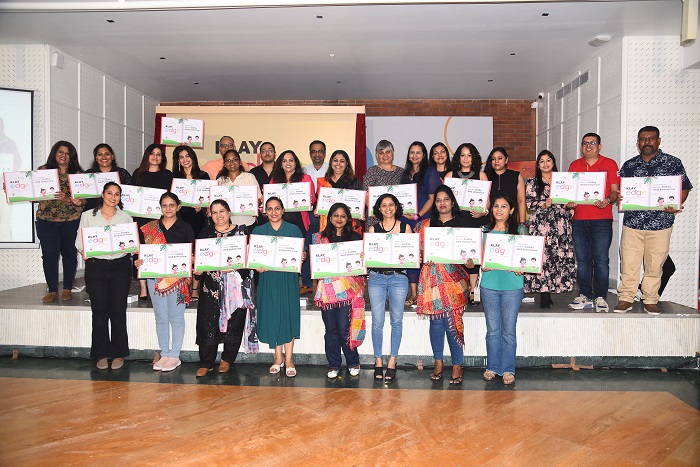
When passion meets purpose, magic happens! Celebrating the launch of our curriculum KLAYEdge with our proud KLAY family
 

The curriculum is crafted to nurture holistic development in a child’s most formative years. It builds strong foundations in early literacy and numeracy, while fostering independence, confidence, and values. At the same time, KLAYEdge™ equips children with essential 21st-century skills, including critical thinking, creativity, collaboration, and problem-solving and ensuring they are both school-ready and life-ready.
 

With particular emphasis on literacy, numeracy, problem-solving, and life skills in the 3–6 years stage, KLAYEdge™ ensures a seamless transition into India’s leading schools. The program has already demonstrated a remarkable success rate, with 99.9% of children securing admissions into top schools across the country.
 

Speaking on the launch, Arshleen Kaur Kalra, Head of Academics at KLAY, said, “With KLAYEdge, we reaffirm our belief that children need more than academic readiness to truly succeed. Our curriculum not only equips them for school but also prepares them for life — nurturing confidence, compassion, and curiosity, along with the skills to thrive in a rapidly changing world. By keeping the child at the heart of every experience, we ensure that learning unfolds naturally while laying strong foundations in academics, values, and essential life skills.”
 

Offering a carefully structured progression across six developmental stages from infants as young as five months to kindergarteners at six years, KLAYEdge directly addresses key parental concerns about their child’s educational journey. The curriculum strikes the perfect balance between structured learning and purposeful play, ensuring that every activity contributes meaningfully to a child’s development. By going beyond academics, it fosters purposeful learning that builds independence, resilience, creativity, and empathy, while integrating STEAM exposure and value-based growth into everyday activities.
 

Incorporating hands-on STEAM learning, value-based education, and socio-emotional skill development from day one, KLAYEdge ensures children develop the confidence and adaptability needed for daily tasks and future challenges. Its future-ready pathways are rooted in the NEP and NCF, aligned with global benchmarks, offering a world-class curriculum that is deeply rooted in Indian excellence yet preparing children for success anywhere in the world.
 

Beyond academic preparation, KLAYEdge anticipates and addresses the holistic needs of modern families by fostering social-emotional growth through guided group activities and collaborative projects. With its premium care and nurturing culture, the curriculum promotes balanced growth and a global outlook, blending academics with values, resilience, and creativity. Parents remain actively engaged through regular progress updates, detailed reports, and app notifications, ensuring complete transparency in their child’s developmental journey.
 

What makes KLAYEdge distinctive is that it is not static, it is a dynamic framework, continuously refined with insights from experts, teachers, and parents to remain relevant and effective in a rapidly evolving world. Trusted by over 70,000 parents across India, KLAYEdge reflects KLAY’s mission to nurture confident learners and bright futures, helping parents find reassurance in their child’s growth journey.
 

About KLAY
KLAY Preschools and Daycare stand apart as more than just a childcare provider — it is a learning institution that nurtures curiosity, creativity, and confidence in every child. With over 14 years of expertise and the trust of 70,000+ parents, KLAY is committed to fostering a lifelong love for learning during the most formative years. 


Today, KLAY has a strong presence with 170+ centres across 20+ cities in India, supported by 400+ corporate partnerships and powered by a passionate workforce of 3,500+ educators and caregivers. Since its inception in 2012, KLAY has been dedicated to creating heartfelt, holistic learning experiences that shape compassionate, confident, and future-ready young learners.

The Fastest Man on Earth, Usain Bolt, Joins Sujay Jairaj for a Fireside Chat at Jamnabai Narsee Campus, Host of DreamSetGo's Dream Dash Finale

Jamnabai Narsee Campus, hosted the DreamSetGo Dream Dash Grand Finale, which had global icon and eight-time Olympic gold medalist, Usain Bolt, as the Guest of Honour.


The Fastest Man on Earth, Usain Bolt, Joins Sujay Jairaj for a Fireside Chat at Jamnabai Narsee Campus, Host of DreamSetGo’s Dream Dash Finale


During the event, Usain Bolt joined Mr. Sujay Jairaj, Trustee of Jamnabai Narsee School, for a fireside chat, sharing insights on his journey, mindset, and career lessons with the students. The initiative, designed to spotlight aspiring athletes, provided a rare opportunity to hear from one of the most celebrated figures in global sport & fastest man on Earth.


“As the official venue partner, Jamnabai Narsee Campus is proud to provide a platform that inspires the younger generationssaid Trustee Mr. Sujay Jairaj. “It is an honour to have Usain Bolt on our campus. Our commitment remains to bring academics and sporting excellence together for our students.”


In conversation with a Jamnabai Narsee School student, Usain shared his advice for the younger generation, “First would be do what you love because when you love something, you put more effort into it and derive more joy and understand that the road won’t be easy. Second, no matter what, never, never let anyone tell you that you can’t make it. Anything is possible.”


www.instagram.com/jamnabai.narsee.school.

Global Education Summit – 2025 at Chandigarh University Brings Together 75 Academic Leaders from 60 Universities Across 35 Countries

Chandigarh University has been leading on the internationalization of education since it’s inception and in these years, the University has been successful in forging global academic alliances with top ranked universities across the world. To maximize their footprints at the global level and providing exposure to it’s students from top ranked institutions from all parts of the world, Chandigarh University is hosting two-day 5th Global Education Summit at their Mohali campus with renowned academic leaders, think tanks, & policy makers from 60 international universities and 35 countries. 


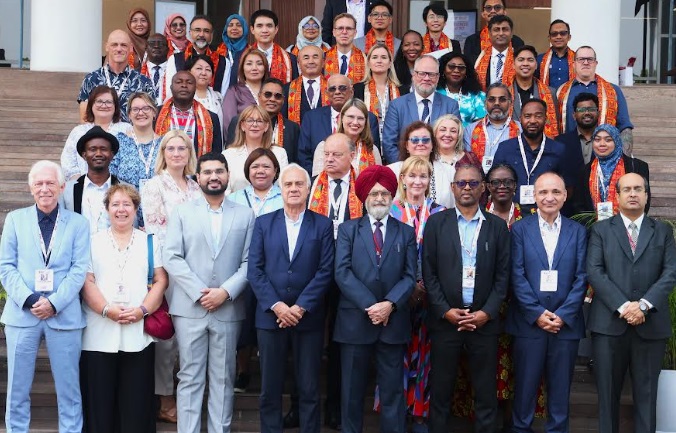
Chandigarh University Senior Management with Juan Antonio March Pujol, Ambassador of Spain to India during Global Education Summit 2025


While addressing a gathering of students during two-day long 5th edition of Global Education Summit Global Collaborations for Shaping the Future of Higher Education: Creating AI Empowered, Technology-Deepening, Inclusive and Sustainable Nations, Juan Antonio March Pujol, Ambassador of Spain to India said, “AI is not a threat but an opportunity, opening new fields and careers. The key is knowing your capacities and delivering what others need, fostering innovation, entrepreneurship and solutions that benefit humanity. But innovation must go hand in hand with peace. The younger generation must be the lobby for peace, not war, while universities help develop the capacities for fulfilling, impactful lives and the progress of humanity. Universities, therefore, have two responsibilities, to nurture talent and innovation and to champion peace in the world”. The Summit at the Chandigarh University campus witnessed participation from 75 renowned academic leaders from 60 international universities and 35 countries.”


The Ambassador of Spain to India, Pujol added, “Humanity has made each individual a masterpiece; our fingerprints and neurons are all unique, offering limitless possibilities. We are on the threshold of extraordinary intelligence and universities must prepare students to contribute meaningfully.”


Speaking during the occasion, Deep Inder Singh Sandhu, Senior Managing Director of Chandigarh University, said, “At Chandigarh University, we believe in giving our students and faculty a truly global experience. With over 515 collaborations with top-ranked universities across more than 100 countries, we are creating opportunities for joint research, academic partnerships, student and faculty exchanges, semester exchange, cultural exchange and industry-innovation partnerships. The Global Education Summit is a unique platform that not only facilitates these exchanges but also enables universities worldwide to come together and sign MoUs to advance higher education. By fostering international collaborations, responsibly integrating emerging technologies and AI, and promoting interdisciplinary research, we are preparing our students to navigate a rapidly changing world and make a meaningful impact globally.


The Guest of Honor, Dr Pontus Warnestal, Deputy Vice Chancellor, Halmstad University, Sweden said, “Universities are being reshaped by forces beyond their walls—AI, disinformation, funding challenges and public skepticism. The question is not how we train students to use AI, but how we prepare them for a world where fluent nonsense is everywhere. Higher education must deepen students’ ability to test claims, critique substance and act as informed citizens. Our task is to redraw education into something more adaptive, humane and grounded in communication, not automation.


Chandigarh University signed five Memorandum of Understandings (MoUs) with top-ranked international universities including American University, Washington DC, Capilano University, Canada, Middlesex University, Mauritius, Sunway University, Malaysia and Mariano Marcos, State University Philippines in the presence of Deep Inder Singh Sandhu, Senior Managing Director of Chandigarh University to strengthen academic cooperation and international engagement. The partnership will enable joint research projects, academic collaborations, capacity building, student exchange and faculty exchange programmes, thereby fostering innovation, cross-cultural learning and global knowledge sharing.


Later, a session was conducted on ‘Enabling and Empowering Students for Technology Deepening in Higher Education’ that focused on equipping students with advanced technological skills, fostering critical thinking, creativity and adaptability, and integrating emerging technologies ethically into curricula. It also highlighted interdisciplinary collaboration and preparing future-ready graduates.


Another session on ‘AI for Inclusiveness and Sustainability’ explored leveraging AI to create inclusive and sustainable higher education ecosystems and discussions were focused on improving accessibility, promoting responsible AI use, supporting sustainable development and fostering collaboration across institutions and countries.


The discussions during the sessions were centered around frameworks for responsible technology and AI integration in education, recommendations for curriculum innovation and student empowerment and strategies for global collaboration, research and societal impact.


Dr Chris Bottrill, Associate Vice President, International, Capilano University, Canada said, “It’s impressive to see 35 countries come together at Chandigarh University to openly discuss tough global issues at a time of rising polarity and conflict. This is the right place to have these conversations and shape our future. AI and quantum fields hold huge opportunities, but the challenge is how we teach and research them well and that’s why forums like this matter.


Prof (Dr) Nola Hewitt-Dundas, Pro Vice-Chancellor, Queen’s University Belfast, Northern Ireland, said, “We meet at a time of great challenges and opportunities as rapid technological changes preparing students for jobs that don’t yet exist and respond to sustainability and inequality. Young people look to universities for skills and adaptability for an uncertain world. As Mahatma Gandhi said the future depends on what you do today and the choices and partnerships we make now will shape both our students lives and our societies.”


Prof Stephen Khehla Ndlovu, Vice-Chancellor and Principal, Vaal University of Technology, South Africa said, “Higher education must do more than impart knowledge, it must empower society, drive innovation, and cultivate compassion and inclusivity. From rethinking the shape of higher education to harnessing technology and AI for sustainability, this summit reminds us that universities are engines of transformation. No university can meet these challenges alone; we need partnerships across borders, disciplines, and traditions, learning from each other’s strengths and mistakes.


On the concluding day, the session ‘Rethinking the Shape of Higher Education to Meet Future Challenges’ explored how universities can adapt to societal, technological, and economic changes, focusing on curriculum innovation, research collaboration, digital transformation, and preparing students for a world shaped by rapid change and misinformation. Another session on ‘Revisiting Learning–Teaching Models for Creating Empowered and Empathetic Societies’ highlighted innovative, learner-centered teaching approaches, social responsibility, and education’s role in fostering inclusive and compassionate communities. In the final session, Technology and Innovation for a Safe, Secure, and Equitable Future for All’ explored how technology and innovation can address global challenges, emphasizing safety, security, inclusivity, and equitable access for a sustainable future.


About Chandigarh University

Chandigarh University is a NAAC A+ Grade University and QS World Ranked University. This autonomous educational institution is approved by UGC and is located near Chandigarh in the state of Punjab. It is the youngest university in India and the only private university in Punjab to be honoured with A+ Grade by NAAC (National Assessment and Accreditation Council). CU offers more than 109 UG and PG programs in the field of engineering, management, pharmacy, law, architecture, journalism, animation, hotel management, commerce, and others. It has been awarded as The University with Best Placements by WCRC.


Website address: www.cuchd.in.

MAHE Establishes ICMR–MAHE Centre for Advanced Research with Rs. 12.84 Crore ICMR Grant

The Manipal Academy of Higher Education (MAHE), an Institution of Eminence Deemed to be University, inaugurated the ICMR–MAHE Centre for Advanced Research (CAR) at the Manipal Hospice and Respite Centre (MHRC), following the award of a Rs. 12.84 crore grant from the Indian Council of Medical Research (ICMR). The Centre is led by Dr Naveen Salins, Professor and Head of the Department of Palliative Medicine and Supportive Care at Kasturba Medical College (KMC), Manipal, as Principal Investigator, with Dr Arun Ghoshal, Assistant Professor, serving as Co-Principal Investigator.


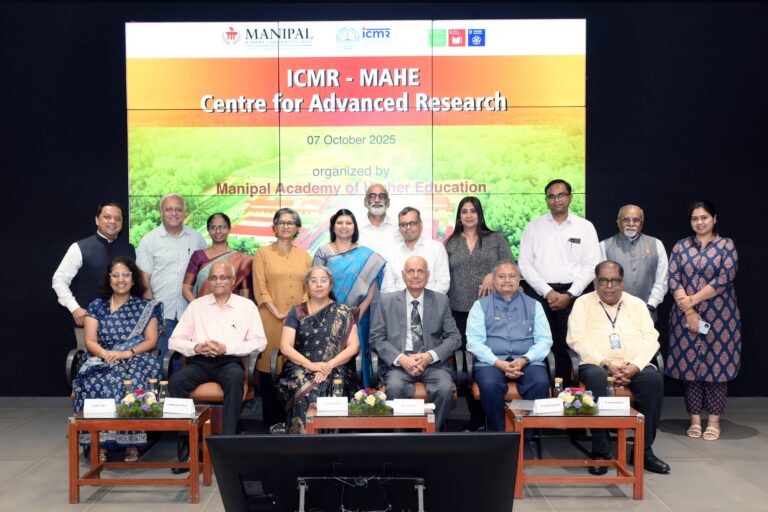
MAHE inaugurates ICMR-MAHE Centre for Advanced Research with Rs. 12.84 crore grant


The inauguration was honoured by Dr Ashoo Grover, Scientist G and Head, Division of Delivery Research, ICMR, who was the Chief Guest, and Dr Roopa Shivashankar, Scientist E (Medical), Division of Delivery Research, ICMR, as the Guest of Honour. The event was presided over by Dr H. S. Ballal, Pro-Chancellor, MAHE, and organised by Dr Sharath K. Rao, Pro-Vice Chancellor (Health Sciences), MAHE. Dr Anil K. Bhat, Dean of KMC Manipal, and Dr Cherian Varghese, Director of the Prasanna School of Public Health, participated in this inauguration. In his address, Dr Ballal emphasised that the partnership between ICMR and MAHE represents “the highest level of national recognition for MAHE’s research culture” and reflects the University’s enduring commitment to “science that heals and research that transforms.” Dr Sharath K Rao outlined the roadmap for health research at MAHE.


The Centre for Advanced Research (CAR) aims to fill a vital gap in India’s healthcare system—the need for ethical, compassionate, and evidence-based care for patients with advanced and terminal illnesses admitted to Intensive Care Units (ICUs). The centre will develop and assess a Multifaceted Comprehensive Appropriate Care Package (MCACP) that incorporates palliative care principles within critical care environments. This initiative builds on MAHE’s pioneering BLUE MAPLE framework, created and implemented at Kasturba Hospital and KMC Manipal, which has shaped national end-of-life care standards. The CAR will now expand this work nationwide, establishing a multi-centre collaborative network comprising ten clinical centres and seven technical partners. 


The Centre’s work spans multiple disciplines—medicine, nursing, bioethics, health economics, law, and public health—reflecting MAHE’s belief in the “One Health–One Humanity” approach to research and innovation. By co-developing and testing a nationally scalable model of appropriate care for ICU patients with advanced illness, the CAR aims to influence policy, improve health-system responsiveness, and generate evidence that aligns with the UN Sustainable Development Goals (SDGs).


MAHE has a longstanding legacy of promoting research, innovation, and translational impact. The establishment of the ICMR–MAHE CAR strengthens MAHE’s position as a leading contributor to India’s health-research ecosystem. It reaffirms its mission to integrate science, ethics, and empathy in healthcare delivery. The Centre for Advanced Research will serve as a national and global reference point for ICU and palliative-care research, setting new benchmarks for interdisciplinary and implementation science in India.


About Manipal Academy of Higher Education

The Manipal Academy of Higher Education (MAHE) is an Institution of Eminence Deemed-to-be University. MAHE offers over 400 specializations across the Health Sciences (HS), Management, Law, Humanities & Social Sciences (MLHS), and Technology & Science (T&S) streams through its constituent units at campuses in Manipal, Mangalore, Bengaluru, Jamshedpur, and Dubai. With a remarkable track record in academics, state-of-the-art infrastructure, and significant contributions to research, MAHE has earned recognition and acclaim both nationally and internationally. In October 2020, the Ministry of Education, Government of India, awarded MAHE the prestigious Institution of Eminence status. Currently ranked 4th in the National Institutional Ranking Framework (NIRF), MAHE is the preferred choice for students seeking a transformative learning experience and an enriching campus life, as well as for national & multi-national corporates looking for top talent.

Anant National University Hosts Editor-in-Chief of ARTIndia, Reema Desai Gehi, for an Insightful Session on Contemporary Art and Media

Anant National University hosted Reema Desai Gehi, the Editor-in-Chief of ARTIndia and the author of the critically acclaimed book, ‘The Catalyst: Rudolf von Leyden and India’s Artistic Awakening’ (2024), for an engaging talk session with Anant faculty and students on 3 October 2025. As part of Anant’s commitment to bring distinguished professionals and thought leaders to campus, the Centre for Visual Arts organised this session to broaden students’ perspectives, strengthen their preparedness to address global challenges and inspire them to design innovative and sustainable solutions for the future.


https://www.newsvoir.com/images/article/image1/33434_ANU_image.JPG

Anant National University Hosts Editor-in-Chief of ARTIndia, Reema Desai Gehi, for an Insightful Session on Contemporary Art and Media


During the sessions, Reema traced the 30-year-old journey and evolution of ARTIndia, one of India’s longest-running contemporary art magazines, and shared useful insights about keeping a publication relevant and flourishing in the digital age.


Reflecting on the changing media landscape, Reema shared, “It is important to keep the content fresh and accessible to all in the social media age, while maintaining editorial integrity. At the same time, it is equally important to choose the content mindfully, especially in today’s age of information overload.”


Commenting on the session, Prof Sharmila Sagara, Professor, Centre for Visual Arts, reflected on the session, saying, “Reema’s session was really insightful as she emphasised the importance of rigorous research to deepen the understanding of contemporary art, making media practices more relevant and enriching classroom learning.”


The evening concluded with an interactive Q&A session with students and faculty.


About Anant National University
Anant National University, India’s premier design university, is dedicated to training students to devise solutions for global problems. Anant follows the DesignX pedagogy, where ‘X’ is the symbol drawn from mathematics, representing enhancement. This new learning approach multiplies traditional design pedagogy with liberal arts disciplines, emerging technologies and knowledge drawn from hands-on community experiences to help understand our world better and to devise impactful solutions.


Our multidisciplinary undergraduate, postgraduate and doctoral programmes in design, architecture, climate action and visual arts harness knowledge from various disciplines and traditional practices to integrate it with cutting-edge technology to address diverse challenges. We train our designers to become solutionaries — revolutionary thinkers with a solution-oriented mindset.


Anant National University has been recognised as the Centre of Excellence by the Government of Gujarat, highlighting our efforts to provide our students with world-class education, innovative pedagogy, high employability and enhanced entrepreneurial and research opportunities. Anant has also received the prestigious ‘5-Star Rating’ in the category of Architecture and a ‘4-Star Rating’ in the University category in the Gujarat State Institutional Rating Framework (GSIRF) 2023-24. These recognitions reinforce our commitment to creating a world-class institution of great eminence and excellence.

School Youth Ideathon 2025 Launched at CBSE to Inspire Young Entrepreneurs for 'Nayi Soch Naya Bharat'

  • Students from Classes 4-12 invited to submit entrepreneurial ideas; Grand Finale at IIT Delhi in December 2025

  • New features include CBSE Studio Pitch, EQ Test, and mentorship by IIT alumni for top teams

  • Teachers to gain entrepreneurial coaching through embedded Faculty Development Programs
     

India’s biggest entrepreneurship festival for school students – the School Youth Ideathon (SYI) – has entered its fifth year, marking a major milestone in nurturing young innovators nationwide. The 2025 edition was launched today at CBSE Headquarters, jointly organised by the Central Board of Secondary Education (CBSE) and the Management & Entrepreneurship and Professional Skills Council (MEPSC) under the Ministry of Skill Development and Entrepreneurship, in collaboration with the ThinkStartup Foundation.


Recognised as the largest K-12 entrepreneurship festival in India, the Ideathon is open to students from Classes 4 to 12 across India and Indian schools abroad. Powered by Tanla Platforms as Title Sponsor, this year’s theme – “Nayi Soch Naya Bharat” – invites students to develop ideas that reflect a bold, self-reliant, and innovative India.


Speaking at the launch, Dr. Biswajit Saha, Director (Skill Education), CBSE, said, “The essence of Youth Ideathon is to encourage entrepreneurial action rooted in real life, which is quite different from typical science projects. In this 5th edition, we have introduced a novel Studio Pitch after the Grand Finale, bringing the entrepreneurial journey of school students closer to real-world and inspiring them to transform their ideas into scalable ventures.”


Idea submissions are open at www.YouthIdeathon.in until 20th November 2025, culminating in a Grand Finale at IIT Delhi on 19th-20th December 2025, where the top 125 teams will showcase their innovations.


New features this year include the CBSE Studio Pitch, where select student teams will pitch live to angel investors in a televised format, and the Entrepreneurial Quotient (EQ) Test. “The EQ Test is being introduced at the school level to assess the current state of entrepreneurial dynamism among students,” explained Col. Anil Pokhriyal, CEO, MEPSC. “The insights gathered will help policymakers identify gaps and implement strategies to strengthen entrepreneurial education, preparing students for the challenges and opportunities of an AI-driven society.”
 

Additionally, the Top 500 Teams will receive structured mentoring from IIT alumni, coordinated through PanIIT Alumni India. “Youth Ideathon is about nation-building through innovation,” said Shivani Singh Kapoor, Founder of ThinkStartup Foundation. “We want every child to feel inspired to innovate for India’s future.”


Supporting the initiative, Uday Reddy, Founder & CEO of Tanla Platforms, noted, “Innovation is the key to solving challenges at scale. This platform enables young minds to think creatively and make real-world impact.”


“Faculty Development Programs are an integral part of School Youth Ideathon. They equip teachers to become entrepreneurial mentors, creating school ecosystems where innovation and creativity thrive every day,” said Sanjeeva Shivesh, Program Director of SYI 2025.


Youth Ideathon is also being supported by SheAtWork, a one-stop knowledge hub for women entrepreneurs.


Over the years, Youth Ideathon has sparked remarkable projects such as Pranvaayu by students of Lilawati School, New Delhi, Safe Spark by Bhartiya Vidyashram Bhawan, Jaipur, SportyCoach by DLDAV School, Pitampura, and Niri by Vidyashilp Academy, Bengaluru – proof that India’s classrooms are brimming with ideas that can change the world.


Registrations for both students and teachers are open at www.YouthIdeathon.in, including upcoming FDPs to strengthen entrepreneurial pedagogy in schools.

Symbiosis International University Champions Global Collaboration at the 20th FICCI Higher Education Summit 2025

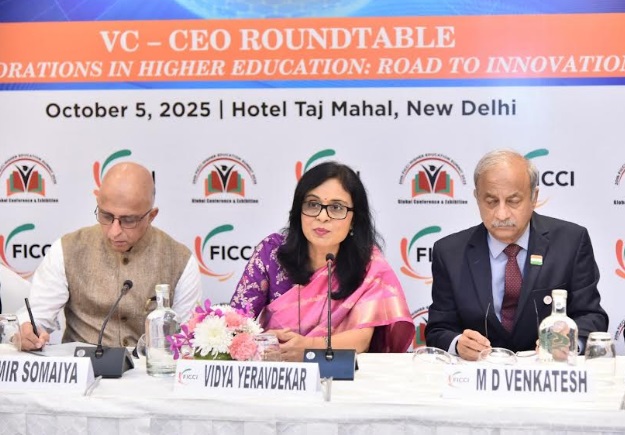
Symbiosis International University, one of India’s most premier higher education institutions, successfully concluded its active participation as a sponsor and key knowledge partner at the 20th FICCI Higher Education Summit 2025, held from October 6-7, 2025, at Bharat Mandapam, Pragati Maidan, New Delhi. The summit was preceded by the Vice Chancellors–CEOs Roundtable on October 5, 2025, at the Taj Mahal Hotel, New Delhi.


Dr. Vidya Yeravdekar, Pro-Chancellor, SIU and Chair, FICCI Higher Education Committee, addressing the Summit


Themed “Higher Education in a Transforming World: Bridging Borders, Building Futures”, the 20th edition of the FICCI Higher Education Summit marked two decades of dialogue and action shaping the global education landscape. Since its inception in 2004, the summit has evolved into India’s foremost platform connecting policymakers, academia, and industry, promoting education as a catalyst for sustainable development and international collaboration.


20th FICCI Higher Education Summit 2025


The milestone edition witnessed participation from over 1,200 delegates and 2,000+ students representing 70+ countries, alongside university leaders, policymakers, Nobel laureates, and industry experts. The Hon’ble Minister of Road Transport and Highways, Shri Nitin Gadkari, graced the occasion as Chief Guest, addressing the inaugural session and conferring the 11th FICCI Higher Education Excellence Awards.


A highlight of the awards ceremony was the Legendary Institution Builder Award conferred upon Prof. (Dr.) S. B. Mujumdar, Founder and Chancellor of Symbiosis International University, in recognition of his pioneering vision and transformative contribution to Indian and global higher education. The honor celebrates his five-decade-long journey of promoting international understanding through quality education, which has positioned Symbiosis as a global brand in academia.


Speaking at the event, Dr. Vidya Yeravdekar, Pro-Chancellor, Symbiosis International University said, “The FICCI Higher Education Summit has become a vital platform to advance India’s higher education diplomacy. As we celebrate two decades of the summit and five years of NEP 2020, the focus must be on creating globally competent institutions through innovation, inclusivity, and international collaboration.”


Dr. Vidya Yeravdekar, Chair, FICCI Higher Education Committee and Pro-Chancellor, Symbiosis International University, played a central role in shaping the summit’s agenda. She was joined by Mr. Samir Somaiya, Co-Chair, FICCI Higher Education Committee and President, Somaiya Vidyavihar Group, Lt Gen (Dr.) M.D. Venkatesh, Co-Chair and Vice Chancellor, Manipal Academy of Higher Education, and Mr. Manab Majumdar, Senior Advisor, FICCI.


The two-day summit featured an array of plenary sessions, policy dialogues, and masterclasses addressing critical issues such as artificial intelligence in education, research innovation, and global mobility. The event also witnessed the release of the FICCI–EY Parthenon Knowledge Report titled “Future-Ready Campuses: Unlocking the Power of AI in Higher Education,” which explores how AI can drive institutional efficiency, enhance learning outcomes, and future-proof campuses.


As a key knowledge partner, SIU led deliberations on internationalization and cross-border collaboration, aligning with India’s education diplomacy agenda. The university leveraged the platform to deepen global linkages with strategic partners such as Deakin University (Australia) and the Shastri Indo-Canadian Institute, further reinforcing India’s leadership in transnational education.


Furthering its commitment to India’s National Education Policy (NEP) 2020 vision, SIU announced the establishment of the Symbiosis Centre for International Education (SCIE) at its Delhi NCR (Noida) campus. The Centre will serve as a hub for engagement with embassies, government agencies, and multilateral organizations, fostering academic diplomacy and international partnerships.


As the FICCI Higher Education Summit 2025 concludes, Symbiosis International University continues to exemplify India’s evolving role as a global education hub – bridging borders, building futures, and empowering learners worldwide.

Springer Nature's India Research Tour 2025 Visits Institutions in Greater Noida, Aims to Strengthen Research and Innovation in Uttar Pradesh

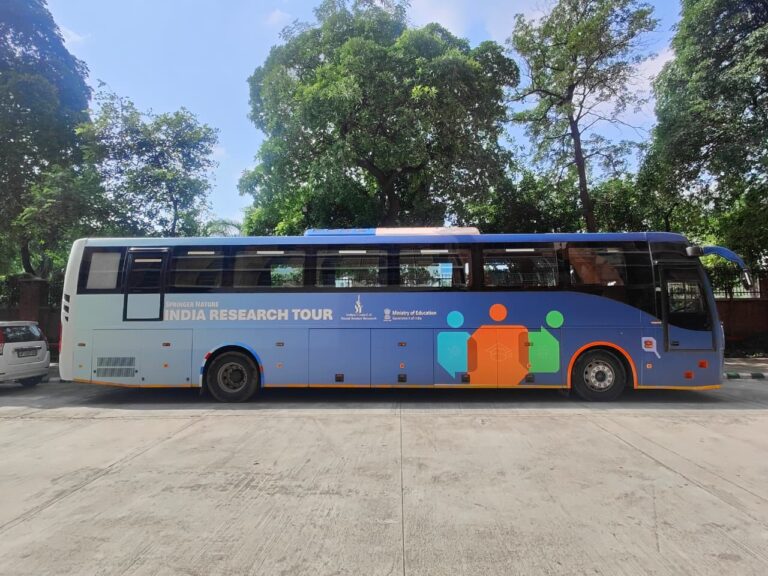
Springer Nature’s India Research Tour 2025, which was flagged off at the Indian Council of Social Science Research (ICSSR) earlier this week, has reached Greater Noida, marking an important milestone in its journey across the country.
 

Springer Nature’s India Research Tour 2025 visits institutions in Greater Noida, aims to strengthen research and innovation in Uttar Pradesh
 

The India Research Tour 2025 is a national initiative led by Springer Nature in collaboration with the Ministry of Education and ICSSR and is set to cover 29 institutions across 15 cities in 7 states between6 October and 13 November 2025.It will engage with researchers, policymakers, and academia enroute focusing on advancing Open Access and Open Science, strengthening research integrity, encouraging e-book adoption, supporting editorial board member recruitment, and promoting diversity and inclusion in research.
 

The team met with academicians, researchers and students at the Bennett University, Sharda University, and Jaypee Institute of Information Technology. Following these engagements in Greater Noida, the tour will travel onwards to Uttar Pradesh’s capital, Lucknow.
 

Speaking on the occasion, Venkatesh Sarvasiddhi, Managing Director, Springer Nature India Private Limited, said, “Greater Noida exemplifies how education, research, and industry can come together to shape India’s future. As this region drives both knowledge creation and manufacturing excellence, the research ecosystem here will be critical to helping India achieve its ambition of becoming a developed nation by 2047. Through the India Research Tour, we aim to support institutions in Greater Noida and across the country in advancing open science, promoting research integrity, and empowering researchers to contribute meaningfully to national growth.”
 

Greater Noida has rapidly emerged as a leading hub of higher education and research in Western Uttar Pradesh, hosting globally connected universities and institutes. The research produced from this region holds the potential to contribute significantly to the overall growth of Uttar Pradesh and to India’s vision of becoming a developed nation by 2047.
 

Located at the heart of the Noida-Greater Noida-Yamuna Expressway industrial belt, this region is also a powerhouse of India’s manufacturing sector. By deepening research collaboration and knowledge sharing, the innovations from these universities can play a vital role in enhancing manufacturing capabilities, boosting industrial output, and fostering technological self-reliance – not just for Uttar Pradesh but for the entire nation.

NGO Smile Train India Wins Doing Good for Bharat Awards 2025 by CSRBOX in the Healthcare Category

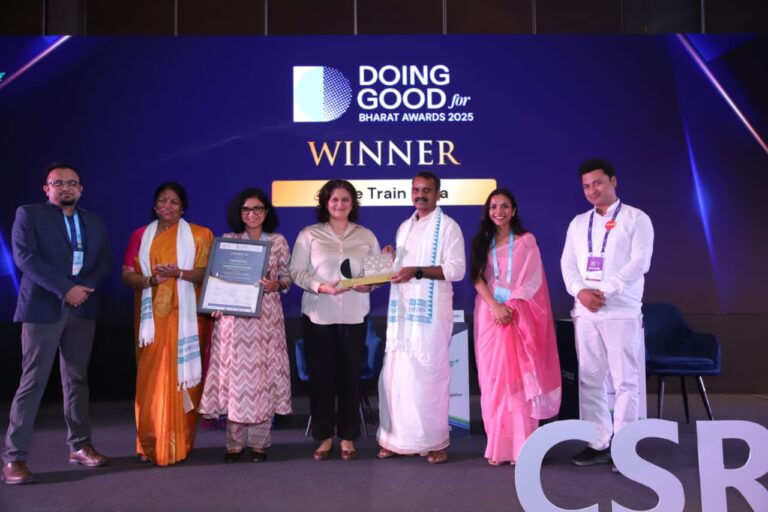
Smile Train, the world’s largest cleft-focused NGO, has been honoured with the “Doing Good for Healthcare” award at the Doing Good for Bharat Awards 2025. The recognition celebrates Smile Train India’s impactful and sustained efforts to empower local medical professionals and to support free, safe, and high-quality cleft treatment across the country.

Smile Train India recognised as one India’s most credible honours in the CSR and sustainability space

The Doing Good for Bharat Awards, a flagship segment of the 12th India CSR and ESG Summit (ICES 2025), took place on 9th October 2025 in New Delhi. Recognised as one India’s most credible honours in the CSR and sustainability space, the “Doing Good for Healthcare” category highlights Smile Train India’s holistic approach to improving access to cleft care, from surgery to speech therapy and comprehensive rehabilitation, ensuring every child born with a cleft has the opportunity to lead a healthy and fulfilling life.

Expressing her gratitude, Mamta Carroll, Senior Vice President and Regional Director, Asia, Smile Train, said, “This recognition is a powerful validation of our work in India and the impact we’re making by creating smiles and changing lives. Our network of partner hospitals and medical professionals across the country continues to make a lasting difference, one child at a time. We share this honour with every partner, donor, and well-wisher who believes in our work.”

With over 35,000 children born with clefts in India each year, many face bullying and isolation due to their facial differences. If left untreated, cleft can lead to difficulties in eating, hearing, speaking, and breathing. However, timely medical interventions can dramatically transform their lives, giving them the opportunity to thrive physically, socially, and emotionally.

Over the past two decades, Smile Train India has supported more than 750,000 cleft surgeries and continues to work with a network of 130+ medical partner hospitals in 30 states and Union Territories in India to support 100%-free and quality cleft surgery and comprehensive cleft care for children in need. Through its “teach a person to fish” model, Smile Train empowers local medical professionals with training, funding, and resources to deliver safe, timely care. This sustainable model strengthens healthcare systems, allowing communities to become self-reliant and continue transforming lives for generations.