
Home Blog Page 791

Unemployment, Inflation Call for Revising Priorities

The newly formed government is facing significant economic challenges that necessitate a reevaluation of budget priorities. The interim budget for 2024-25, crafted in the shadow of ongoing economic difficulties, must address rising unemployment, persistent food inflation, and rural distress. Despite a seemingly robust resource position bolstered by buoyant tax revenues and a substantial Reserve Bank of India (RBI) dividend, certain expenditure cuts in the interim budget warrant reconsideration.

Economic Context and Government Finances

Robust Resource Position

The Centre’s gross tax revenues for 2023-24 stood at ₹1.4 trillion, reflecting a buoyant tax base driven by strong economic activities in certain sectors. Additionally, the RBI’s dividend of ₹2.11 trillion has provided a significant boost to the government’s financial resources. These figures suggest that the government has a solid fiscal footing to maneuver through the economic challenges.

Expenditure Cuts and Fiscal Policy

Despite the robust revenue inflow, the interim budget for 2024-25 incorporated several expenditure cuts aimed at maintaining fiscal discipline. However, given the pressing economic issues, these cuts might need to be revisited. The trend in revenue expenditure growth has been notably restrained, with figures recorded at 3.7%, 7.8%, and 1.2% for 2021-22, 2022-23, and 2023-24, respectively, according to data from the Controller General of Accounts (CGA). This conservative approach to spending may not align with the immediate needs of addressing unemployment, inflation, and rural distress.

Addressing Unemployment

Rising Unemployment Rates

Unemployment has been a persistent issue, exacerbated by the COVID-19 pandemic and subsequent economic disruptions. According to recent data, the unemployment rate has remained stubbornly high, particularly affecting the youth and informal sector workers. This calls for targeted interventions to create jobs and stimulate economic activity.

Job Creation Initiatives

The government must prioritize job creation initiatives, including investment in infrastructure projects, support for small and medium enterprises (SMEs), and incentives for industries with high employment potential. Expanding public works programs, such as the Mahatma Gandhi National Rural Employment Guarantee Act (MGNREGA), can provide immediate relief by creating employment opportunities in rural areas.

Skill Development Programs

Enhancing skill development programs to align with the evolving needs of the economy is crucial. Investments in education and vocational training can equip the workforce with the skills required for emerging industries, particularly in technology and services sectors.

Tackling High Food Inflation

Persistent Inflationary Pressures

High food inflation has been a significant concern, driven by supply chain disruptions, increased input costs, and climate-related impacts on agriculture. Food inflation disproportionately affects lower-income households, exacerbating poverty and food insecurity.

Strengthening Agricultural Supply Chains

To address food inflation, the government should focus on strengthening agricultural supply chains. This includes investing in infrastructure such as cold storage facilities, improving transportation networks, and reducing intermediaries to ensure that farmers receive fair prices while keeping consumer prices in check.

Supporting Farmers

Providing direct support to farmers through subsidies, minimum support prices (MSPs), and crop insurance schemes can help stabilize agricultural production and incomes. Encouraging the adoption of modern farming techniques and technologies can also boost productivity and resilience to climate change.

Alleviating Rural Distress

Rural Economic Challenges

Rural distress remains a critical issue, driven by factors such as declining agricultural incomes, lack of employment opportunities, and inadequate infrastructure. Addressing these challenges requires a multifaceted approach that goes beyond short-term relief measures.

Infrastructure Development

Investing in rural infrastructure, including roads, irrigation systems, and digital connectivity, can stimulate economic activity and improve the quality of life in rural areas. Enhanced connectivity can facilitate access to markets, education, and healthcare services, fostering overall rural development.

Diversifying Rural Economy

Promoting the diversification of the rural economy is essential for sustainable development. Encouraging non-farm activities such as agro-processing, handicrafts, and rural tourism can create additional income streams and reduce dependence on agriculture.

Revising Budget Priorities

Reexamining Expenditure Cuts

Given the pressing economic challenges, the new government must reexamine the expenditure cuts in the interim budget. Allocating more resources to job creation, agricultural support, and rural development is crucial to address unemployment, inflation, and rural distress effectively.

Enhancing Social Welfare Programs

Expanding social welfare programs, including direct cash transfers, food security schemes, and healthcare initiatives, can provide immediate relief to vulnerable populations. Ensuring adequate funding and efficient implementation of these programs is essential for their success.

Fiscal Stimulus and Sustainable Growth

Balancing fiscal discipline with the need for economic stimulus is a delicate task. The government should consider targeted fiscal stimulus measures to boost demand and economic activity while maintaining a sustainable debt level. Investing in green and sustainable projects can promote long-term economic growth and environmental sustainability.

Monitoring and Evaluation

Implementing robust monitoring and evaluation mechanisms can ensure that budget allocations are effectively utilized and intended outcomes are achieved. Transparent and accountable governance can enhance the credibility of government policies and build public trust.

The Road Ahead

Collaborative Approach

Addressing the economic challenges requires a collaborative approach involving the government, private sector, civil society, and international partners. Engaging stakeholders in policy formulation and implementation can lead to more effective and inclusive solutions.

Policy Coherence and Coordination

Ensuring policy coherence and coordination across different government departments and levels is vital for addressing the multifaceted economic issues. Integrated and well-coordinated policies can maximize the impact of government interventions and avoid duplication of efforts.

Long-Term Vision

While addressing immediate economic challenges is crucial, the government must also maintain a long-term vision for sustainable and inclusive growth. Strategic investments in education, healthcare, infrastructure, and technology can lay the foundation for a resilient and prosperous economy.

The new government faces the daunting task of navigating through significant economic challenges, including rising unemployment, high food inflation, and rural distress. Revising budget priorities to address these issues is imperative for ensuring sustainable and inclusive growth. By focusing on job creation, agricultural support, rural development, and social welfare programs, the government can effectively tackle the immediate economic concerns while laying the groundwork for long-term prosperity. Balancing fiscal discipline with targeted stimulus measures, enhancing policy coherence, and engaging stakeholders in a collaborative approach are essential steps towards achieving these goals.


Disclaimer: The thoughts and opinions stated in this article are solely those of the author and do not necessarily reflect the views or positions of any entities represented and we recommend referring to more recent and reliable sources for up-to-date information.

How to Personally Audit Your Financial Life to Ensure You Are on Track

Conducting a personal financial audit is a critical step in ensuring that you are on track to meet your financial goals and maintain financial health. By systematically reviewing your income, expenses, savings, investments, and debts, you can identify areas for improvement and make informed decisions about your financial future. This comprehensive guide will walk you through the steps to audit your financial life effectively.

Understanding the Importance of a Financial Audit
A personal financial audit helps you:

Evaluate Financial Health: Understand your current financial situation.
Identify Problem Areas: Detect any financial issues early.
Set and Achieve Goals: Ensure you are on track to meet your financial objectives.
Improve Financial Habits: Encourage better money management practices.
Plan for the Future: Prepare for long-term financial needs and goals.
Step 1: Gather Financial Documents
The first step in conducting a financial audit is to gather all relevant financial documents. These may include:

Bank Statements: For checking, savings, and any other accounts.
Credit Card Statements : Detailing your spending and any outstanding balances.
Loan Documents: Including mortgages, student loans, auto loans, and personal loans.
Investment Statements: From brokerage accounts, retirement accounts (401(k), IRA), and other investment vehicles.
Income Records: Pay stubs, tax returns, and any other sources of income.
Monthly Bills: Utility bills, rent/mortgage payments, insurance premiums, and other recurring expenses.
Having all these documents organized and accessible will facilitate a thorough review of your financial situation.

Step 2: Assess Your Income
Understanding your income is the foundation of a financial audit. Evaluate all sources of income, including:

Salary/Wages: Your take-home pay after taxes and deductions.
Side Income: Earnings from part-time jobs, freelancing, or gig work.
Investment Income: Dividends, interest, rental income, and capital gains.
Other Income: Child support, alimony, pensions, or any other regular income sources.
Calculate your total monthly and annual income to establish a baseline for budgeting and saving.

Step 3: Analyze Your Expenses
Tracking your expenses is crucial for understanding where your money goes and identifying areas to cut back. Categorize your expenses into:

Fixed Expenses: Regular, unchanging costs such as rent/mortgage, insurance, and loan payments.
Variable Expenses: Costs that can fluctuate each month, such as groceries, utilities, and transportation.
Discretionary Expenses: Non-essential spending, including dining out, entertainment, and hobbies.
Use your bank and credit card statements to tally up your monthly spending in each category. This analysis will highlight your spending patterns and areas where you can reduce expenses.

Step 4: Evaluate Your Savings
Review your savings to ensure you are building an adequate financial cushion. Consider:

Emergency Fund: A fund with 3-6 months’ worth of living expenses for unexpected events.
Short-Term Savings: Money set aside for upcoming expenses, such as a vacation or a large purchase.
Retirement Savings: Contributions to retirement accounts like a 401(k), IRA, or other pension plans.
Other Savings Goals: Funds saved for education, a home down payment, or other long-term goals.
Compare your current savings levels to your goals and assess if you are on track. If not, determine how much more you need to save each month to meet your targets.

Step 5: Review Your Investments
Examine your investment portfolio to ensure it aligns with your risk tolerance and financial goals. Consider:

Asset Allocation: The distribution of investments across stocks, bonds, real estate, and other asset classes.
Diversification: Spreading investments to reduce risk.
Performance: Evaluating the returns on your investments against benchmarks.
Fees: Assessing the costs associated with your investments, such as management fees and commissions.
Ensure your investment strategy is diversified and balanced according to your financial goals and risk appetite. Consider consulting with a financial advisor if needed.

Step 6: Analyze Your Debts
Understanding and managing your debts is critical for financial health. Review:

Outstanding Balances: Total amounts owed on credit cards, mortgages, student loans, auto loans, and other debts.
Interest Rates: The cost of borrowing, which affects how quickly you can repay debts.
Monthly Payments: Amounts due each month and how they fit into your budget.
Calculate your debt-to-income ratio by dividing your total monthly debt payments by your gross monthly income. This ratio helps assess your debt load and financial stability.

Step 7: Evaluate Your Credit Report and Score
Your credit report and score affect your ability to borrow and the interest rates you receive. Obtain your credit report from major credit bureaus and review it for accuracy. Check for:

Errors: Incorrect information or fraudulent accounts.
Payment History: Consistency in making on-time payments.
Credit Utilization: The ratio of your credit card balances to credit limits.
Your credit score should ideally be 700 or higher. If your score is lower, identify areas for improvement, such as paying down debt or correcting errors.

Step 8: Review Your Insurance Coverage
Insurance is essential for protecting your financial well-being. Review your policies to ensure adequate coverage:

Health Insurance: Coverage for medical expenses.
Life Insurance: Financial support for dependents in case of your death.
Homeowners/Renters Insurance: Protection for your home and belongings.
Auto Insurance: Coverage for vehicle-related damages and liabilities.
Disability Insurance: Income replacement if you are unable to work.
Ensure your coverage levels match your needs and update your policies as necessary.

Step 9: Set Financial Goals
Define clear, achievable financial goals based on your audit findings. Goals can be short-term (within a year), medium-term (1-5 years), or long-term (5+ years). Examples include:

Paying Off Debt: Reducing or eliminating credit card or loan balances.
Building an Emergency Fund: Saving 3-6 months’ worth of expenses.
Saving for Retirement: Increasing contributions to retirement accounts.
Buying a Home: Saving for a down payment.
Prioritize your goals and create a plan to achieve them, including specific actions and timelines.

Step 10: Create and Adjust Your Budget
Based on your audit, develop or adjust your budget to align with your financial goals. A budget helps control spending, allocate resources effectively, and ensure you are on track. Steps include:

Track Income and Expenses: Monitor monthly cash flow.
Set Spending Limits: Allocate funds to different categories based on priorities.
Adjust as Needed: Make changes to stay on track with your goals.

Step 11: Monitor and Review Regularly
Financial auditing is not a one-time task. Regularly monitor and review your financial situation to stay on track:

Monthly Check-Ins: Review budget and expenses.
Quarterly Reviews: Assess progress towards goals.
Annual Audit: Conduct a comprehensive review similar to this process.
Regular reviews help you adjust to changes in income, expenses, or goals and keep your financial plans aligned with your current situation.


Disclaimer: The thoughts and opinions stated in this article are solely those of the author and do not necessarily reflect the views or positions of any entities represented and we recommend referring to more recent and reliable sources for up-to-date information.

How Iran-Backed Militia Ties Down U.S. Navy in Red Sea

The strategic waters of the Red Sea, a crucial maritime corridor connecting the Mediterranean to the Indian Ocean, have become a focal point of tension and conflict. Iran-backed militias, leveraging their influence in the region, are increasingly challenging the U.S. Navy’s operations and security efforts. This article delves into the tactics employed by these militias, the implications for U.S. naval operations, and the broader geopolitical context shaping this maritime struggle.

The Strategic Importance of the Red Sea
The Red Sea is one of the world’s most vital maritime passages, hosting the Suez Canal at its northern end, which facilitates about 10% of global trade. This includes a significant portion of the world’s oil shipments. Control over this waterway not only affects global trade but also the strategic military positioning of nations with interests in the Middle East and North Africa.

Iran’s Regional Strategy
Iran has long sought to expand its influence in the Middle East, employing a strategy of asymmetric warfare and proxy alliances. By supporting various militias across the region, Iran aims to project power and counterbalance the presence of the U.S. and its allies. This strategy is evident in Iraq, Syria, Lebanon, and Yemen, where Iran-backed groups have gained significant footholds.

The Role of Iran-Backed Militias in the Red Sea
In the Red Sea, Iran’s primary proxies are the Houthi rebels in Yemen. Since the outbreak of the Yemeni civil war in 2015, the Houthis have received substantial support from Iran, including advanced weaponry, training, and financial aid. This support has enabled the Houthis to control significant portions of Yemen, including key coastal areas along the Red Sea.

Maritime Threats and Tactics
The Iran-backed militias employ various tactics to disrupt U.S. naval operations and threaten maritime security in the Red Sea:

Missile and Drone Attacks: The Houthis have launched multiple missile and drone attacks targeting vessels in the Red Sea, including those belonging to Saudi Arabia and its coalition partners. These attacks are often aimed at oil tankers and commercial ships, creating a ripple effect on global oil prices and trade.

Mining Operations: The deployment of naval mines by Houthi forces poses a significant risk to commercial and military vessels. Mines are difficult to detect and neutralize, and their presence requires constant vigilance and countermeasures from the U.S. Navy and its allies.

Swarm Tactics : Small, fast boats equipped with explosives or armed with light weaponry are used in swarm attacks to harass larger naval vessels. These tactics aim to overwhelm the defenses of warships and create security dilemmas for naval commanders.

Electronic Warfare: Iran has supplied its proxies with electronic warfare capabilities to disrupt navigation and communication systems of ships operating in the Red Sea, complicating the operational environment for the U.S. Navy.

Impact on U.S. Navy Operations
The presence of Iran-backed militias in the Red Sea significantly complicates U.S. Navy operations, necessitating a continuous and robust naval presence to ensure maritime security and freedom of navigation.

Increased Patrols and Escorts
The U.S. Navy has had to increase its patrols and escort missions in the Red Sea to protect commercial shipping lanes and allied vessels. This constant vigilance strains resources and requires a high level of operational readiness, diverting attention from other strategic areas.

Intelligence and Surveillance
Enhanced intelligence, surveillance, and reconnaissance (ISR) operations are critical to detecting and neutralizing threats posed by Iran-backed militias. The U.S. Navy relies on a combination of aerial, maritime, and space-based assets to monitor the Red Sea and gather actionable intelligence.

Joint Operations with Allies
To counter the threat effectively, the U.S. Navy collaborates closely with regional and international partners. Joint operations and exercises with navies from Saudi Arabia, the United Arab Emirates, and other coalition forces are essential for maintaining security and deterring hostile actions by Iran-backed militias.

Broader Geopolitical Implications
The activities of Iran-backed militias in the Red Sea have broader geopolitical implications, affecting regional stability and the global balance of power.

Saudi-Iran Rivalry
The conflict in Yemen is a microcosm of the broader Saudi-Iran rivalry. By supporting the Houthis, Iran seeks to undermine Saudi Arabia’s influence and secure a foothold on the Arabian Peninsula. This proxy war has significant ramifications for regional security and the balance of power in the Middle East.

U.S. Strategic Interests
The U.S. has vital strategic interests in maintaining the security and stability of the Red Sea. Ensuring the free flow of commerce, particularly oil, is crucial for global economic stability. Additionally, the U.S. aims to counter Iran’s influence and prevent the establishment of hostile entities capable of threatening its allies and assets in the region.

International Maritime Security
The disruption of maritime security in the Red Sea has international consequences. The threat to commercial shipping routes affects global trade and energy markets. Consequently, international efforts, including those led by the U.S., are essential to safeguard these vital sea lanes and ensure the security of international maritime operations.


Disclaimer: The thoughts and opinions stated in this article are solely those of the author and do not necessarily reflect the views or positions of any entities represented and we recommend referring to more recent and reliable sources for up-to-date information.

How Will G-7 Nations Counter the Rising Clout of Russia and China

As global power dynamics shift, the G-7 nations—comprising Canada, France, Germany, Italy, Japan, the United Kingdom, and the United States—face the formidable challenge of countering the growing influence of Russia and China. Both countries have expanded their geopolitical and economic reach in recent years, posing strategic challenges to the Western-led international order. This article examines the strategies and initiatives that the G-7 nations may employ to address the rising clout of Russia and China, exploring the economic, political, and military dimensions of this complex issue.

The Geopolitical Landscape
The rise of China and Russia on the global stage has been marked by assertive policies and strategic maneuvers that have reshaped international relations.

China’s Global Ambitions
China’s Belt and Road Initiative (BRI) exemplifies its ambitions to extend its influence through infrastructure investments and economic partnerships across Asia, Africa, Europe, and Latin America. Coupled with its technological advancements and military modernization, China aims to establish itself as a global superpower.

Russia’s Strategic Moves
Russia has pursued a more aggressive foreign policy, particularly in its near abroad. The annexation of Crimea, military involvement in Syria, and cyber activities targeting Western democracies illustrate Russia’s efforts to reassert its influence. Additionally, Russia has strengthened its ties with China, forming a strategic partnership that challenges Western interests.

Economic Countermeasures
The G-7 nations have a range of economic tools at their disposal to counter the rising influence of China and Russia.

Strengthening Economic Alliances
The G-7 can bolster economic alliances with other democratic nations and emerging economies to create a counterweight to China’s economic influence. Strengthening trade agreements, such as the Trans-Pacific Partnership (TPP) and fostering economic cooperation within frameworks like the European Union, can enhance collective economic power.

Promoting Infrastructure Investments
To compete with China’s BRI, the G-7 has launched initiatives like the Build Back Better World (B3W) partnership, aimed at providing high-quality, sustainable infrastructure investments in developing countries. By offering alternatives to Chinese financing, the G-7 can reduce dependency on China and promote transparent and environmentally sustainable development.

Leveraging Sanctions and Trade Policies
Economic sanctions and trade policies are critical tools for the G-7 in addressing Russia’s aggressive actions and China’s trade practices. Coordinated sanctions against key sectors of the Russian economy, coupled with measures to address intellectual property theft and unfair trade practices by China, can exert pressure on both nations to modify their behavior.

Political and Diplomatic Strategies
Diplomatic engagement and political strategies are essential components of the G-7’s efforts to counterbalance Russia and China.

Reinforcing Multilateral Institutions
The G-7 can strengthen multilateral institutions, such as the United Nations, World Trade Organization, and NATO, to uphold international norms and counter unilateral actions by Russia and China. By promoting rule-based order and collective security, the G-7 can enhance global stability and resilience against authoritarian influence.

Building Democratic Coalitions
Forming coalitions of like-minded democracies, such as the Quadrilateral Security Dialogue (Quad) comprising the US, Japan, India, and Australia, can provide a unified front against authoritarianism. These coalitions can coordinate policies on trade, security, and technology to create a robust counterbalance to Russia and China.

Enhancing Public Diplomacy
Public diplomacy efforts, including promoting democratic values, human rights, and the rule of law, are crucial in countering the narrative put forth by Russia and China. Engaging in cultural exchanges, supporting independent media, and leveraging digital platforms can help build positive perceptions and strengthen global support for democratic principles.

Military and Security Measures
Maintaining military readiness and strengthening security alliances are critical for the G-7 nations to deter aggressive actions by Russia and China.

Strengthening NATO
NATO remains a cornerstone of Western security. The G-7 can enhance NATO’s capabilities through increased defense spending, modernization of forces, and expanding its scope to address new threats, such as cyber warfare and space security. Strengthening NATO’s presence in Eastern Europe can deter Russian aggression, while partnerships with Indo-Pacific nations can address the challenges posed by China.

Advancing Military Technology
Investing in cutting-edge military technologies, such as artificial intelligence, cyber capabilities, and missile defense systems, can provide the G-7 with a strategic edge. Collaborative research and development initiatives within the G-7 can accelerate technological advancements and enhance collective security.

Conducting Joint Military Exercises
Regular joint military exercises among G-7 nations and their allies can demonstrate military readiness and enhance interoperability. These exercises can serve as a deterrent to potential aggressors and reassure allies of the G-7’s commitment to collective defense.

Addressing Non-Traditional Threats
The G-7 must also address non-traditional threats that Russia and China exploit to expand their influence.

Cybersecurity and Information Warfare
Both Russia and China have engaged in cyber activities and information warfare to undermine democratic institutions and influence public opinion. The G-7 can strengthen cybersecurity frameworks, enhance information-sharing among member states, and develop countermeasures to combat disinformation and cyber-attacks.

Energy Security
Energy security is another critical area where Russia and China exert influence. Reducing dependency on Russian energy supplies through diversification of energy sources and promoting renewable energy can mitigate the leverage Russia holds over Europe. Similarly, securing critical supply chains for rare earth minerals and other strategic resources can reduce reliance on China.


Disclaimer: The thoughts and opinions stated in this article are solely those of the author and do not necessarily reflect the views or positions of any entities represented and we recommend referring to more recent and reliable sources for up-to-date information.

Stung by Past Mistakes, a Wary Fed Takes Its Time

In the annals of monetary policy, the Federal Reserve (Fed) has a storied history of steering the U.S. economy through turbulent waters, from the Great Depression to the Great Recession. However, the lessons from past mistakes weigh heavily on current decision-making. As the global economy grapples with persistent inflation, geopolitical tensions, and post-pandemic recovery, the Fed’s cautious approach reflects its awareness of past errors and its commitment to avoiding them. This article explores the historical context, current challenges, and strategic considerations shaping the Fed’s measured pace in its monetary policy actions.

Historical Context: Lessons from the Past
The Fed’s history is replete with episodes that offer valuable lessons in monetary policy management. Understanding these past mistakes provides insight into the Fed’s current cautious stance.

The Great Depressio n
During the Great Depression of the 1930s, the Fed’s failure to provide sufficient liquidity exacerbated economic woes. The contraction of the money supply and reluctance to support struggling banks led to widespread bank failures and deepened the economic downturn. This episode underscored the importance of proactive and supportive monetary policy in times of economic crisis.

The 1970s Inflation
The 1970s presented a different challenge: runaway inflation. The Fed, under the leadership of Arthur Burns, initially underestimated the persistence of inflation, which was fueled by oil price shocks and accommodative fiscal policies. The reluctance to raise interest rates aggressively allowed inflation to become entrenched, leading to stagflation—a combination of high inflation and stagnant economic growth. It was only under Paul Volcker’s tenure in the early 1980s that the Fed took decisive action, implementing severe interest rate hikes to tame inflation, albeit at the cost of a deep recession.

The Great Recession
The 2008 financial crisis and subsequent Great Recession brought another critical lesson. The Fed’s initial response was swift, cutting interest rates and implementing unconventional monetary policies such as quantitative easing. However, critics argue that regulatory oversights and a slow recognition of the housing bubble’s severity contributed to the crisis. The Fed’s eventual aggressive actions helped stabilize the financial system and spur recovery, but the experience highlighted the need for vigilant monitoring of financial markets and proactive intervention.

Current Economic Landscape
Today’s economic environment presents a complex set of challenges that the Fed must navigate carefully, informed by its historical experiences.

Persistent Inflation
The most pressing issue is persistent inflation. Driven by a combination of supply chain disruptions, robust consumer demand, and geopolitical factors like the Russia-Ukraine conflict, inflation rates have surged to levels not seen in decades. The Consumer Price Index (CPI) and Producer Price Index (PPI) consistently show elevated inflation, prompting concerns about long-term economic stability.

Labor Market Dynamics
The labor market is another critical factor. Unemployment rates have fallen to near pre-pandemic levels, but labor force participation remains lower, and wage growth has been strong. Labor shortages in key sectors contribute to upward pressure on wages and prices, complicating the Fed’s task of balancing full employment with price stability.

Global Economic Uncertainties
Geopolitical tensions, trade disruptions, and the lingering effects of the COVID-19 pandemic add layers of uncertainty to the economic outlook. These factors influence global supply chains, commodity prices, and overall economic sentiment, necessitating a cautious approach from the Fed.

The Fed’s Cautious Approach
Given this backdrop, the Fed’s measured pace in adjusting monetary policy reflects its wariness of repeating past mistakes.

Gradual Interest Rate Hikes
The Fed has opted for a series of gradual interest rate hikes rather than sudden, sharp increases. This approach aims to avoid shocking the financial markets and the broader economy. By telegraphing its intentions and moving incrementally, the Fed seeks to manage inflation expectations and maintain market stability.

Monitoring Economic Indicators
The Fed places a strong emphasis on data dependency. Key economic indicators such as inflation rates, employment figures, and GDP growth are closely monitored to inform policy decisions. This data-driven approach helps the Fed respond flexibly to changing economic conditions without committing to a predetermined policy path.

Communication and Transparency
Transparency and clear communication are central to the Fed’s strategy. Regular press conferences, detailed minutes of Federal Open Market Committee (FOMC) meetings, and forward guidance help set market expectations and reduce uncertainty. This openness contrasts with past periods when opaque decision-making contributed to market volatility and economic instability.

Strategic Considerations
Several strategic considerations underpin the Fed’s cautious approach, reflecting its commitment to balanced and prudent policy-making.

Avoiding Policy Mistakes
The Fed is keenly aware of the risks of policy mistakes. Overly aggressive tightening could trigger a recession, while insufficient action might allow inflation to spiral further out of control. By taking a measured approach, the Fed aims to calibrate its policy responses to evolving economic conditions, minimizing the risk of significant missteps.

Balancing Dual Mandate
The Fed’s dual mandate—to promote maximum employment and stable prices—requires a delicate balancing act. Rapid interest rate hikes could cool inflation but at the cost of higher unemployment. Conversely, a focus on full employment could exacerbate inflationary pressures. The Fed’s cautious stance seeks to navigate this trade-off effectively.

Financial Stability
Maintaining financial stability is another priority. Rapid policy changes can create volatility in financial markets, affecting asset prices, investor confidence, and broader economic conditions. The Fed’s gradual approach helps mitigate these risks, supporting a stable financial environment conducive to sustained economic growth.

Implications for the Future
The Fed’s cautious approach has significant implications for the future of the U.S. economy and global monetary policy.

Economic Growth and Inflation
The pace and trajectory of economic growth and inflation will be closely linked to the Fed’s policy actions. A measured approach aims to foster sustainable growth while gradually bringing inflation under control. However, external shocks or persistent inflationary pressures could complicate this balance, requiring adaptive and responsive policy measures.

Market Reactions
Financial markets will continue to react to the Fed’s signals and actions. Clear communication and data-driven decisions can help manage market expectations, reducing volatility and fostering a stable investment environment. Investors will need to remain attentive to economic indicators and Fed communications to navigate potential market fluctuations.

Global Monetary Policy
The Fed’s actions influence global monetary policy, given the interconnectedness of the global economy. Other central banks may adjust their policies in response to the Fed’s moves, impacting global interest rates, capital flows, and exchange rates. The Fed’s cautious stance, therefore, has ripple effects beyond U.S. borders, shaping the global economic landscape.


Disclaimer: The thoughts and opinions stated in this article are solely those of the author and do not necessarily reflect the views or positions of any entities represented and we recommend referring to more recent and reliable sources for up-to-date information.

A New Chinese Megaport in South America is Rattling the US

In a significant development that underscores the shifting dynamics of global geopolitics and trade, China is building a massive megaport in South America. This ambitious project, located in the strategically important region of the Southern Hemisphere, has sent ripples through diplomatic and economic circles, particularly in the United States. The port symbolizes China’s expanding influence in Latin America and raises questions about the future balance of power in the Western Hemisphere. This article explores the implications of this new megaport, the strategic motivations behind it, and the potential consequences for the US and the broader global order.

The Strategic Significance of the Megaport
China’s new megaport, reportedly situated in Brazil, is designed to be one of the largest and most advanced in the region. This port will serve as a major hub for maritime trade, capable of handling vast amounts of cargo, including oil, natural gas, and agricultural products. The strategic location of the port provides China with a critical foothold in South America, enhancing its ability to project power and influence across the continent.

Geopolitical Context
The establishment of this megaport is part of China’s broader Belt and Road Initiative (BRI), which aims to create a vast network of trade and infrastructure projects linking Asia, Europe, Africa, and Latin America. By investing heavily in ports, railways, highways, and other infrastructure, China seeks to facilitate trade and strengthen economic ties with partner countries.

In the context of South America, the megaport represents a significant escalation of China’s engagement with the region. South America is rich in natural resources, including oil, minerals, and agricultural products, which are essential for China’s growing economy. By securing direct access to these resources, China can ensure a steady supply to fuel its industrial base.

Economic Implications
The economic ramifications of the new megaport are profound, both for South America and the global trade system.

Boost to South American Economies
For South American countries, the megaport offers substantial economic benefits. The construction and operation of the port are expected to create thousands of jobs, stimulate local economies, and attract further foreign investment. Improved infrastructure will enhance trade efficiency, reduce transportation costs, and open up new markets for South American exports.

Brazil, in particular, stands to gain significantly. As the host country, Brazil will benefit from increased trade flows and improved connectivity with global markets. This could boost its export-driven sectors, such as agriculture and mining, and contribute to sustained economic growth.

Shift in Trade Routes
The megaport is likely to alter global trade routes. Currently, much of South America’s trade with Asia and other regions passes through the Panama Canal. The new port provides an alternative route, potentially diverting significant volumes of cargo away from traditional channels. This shift could reduce congestion and costs associated with the Panama Canal, while also challenging its dominance as the primary conduit for intercontinental trade.

Strategic Motivations Behind China’s Investment
China’s decision to invest in a megaport in South America is driven by several strategic motivations, reflecting its long-term geopolitical and economic ambitions.

Securing Supply Chains
China’s rapid industrialization and urbanization have created an insatiable demand for raw materials and energy resources. By establishing a direct presence in South America, China can secure more reliable and cost-effective supply chains for critical commodities. This reduces its vulnerability to disruptions and fluctuations in global markets.

Expanding Influence
The megaport enhances China’s influence in a region traditionally considered within the US sphere of influence. Latin America has historically been dominated by US political and economic interests, guided by the Monroe Doctrine, which asserts US primacy in the Western Hemisphere. China’s strategic investments challenge this status quo, offering South American countries an alternative partner and reducing their dependence on the US.

Strengthening the Belt and Road Initiative
The megaport is a cornerstone of the Belt and Road Initiative in Latin America. By integrating South America into its global trade network, China strengthens the BRI’s reach and impact. This integration fosters economic interdependence and creates incentives for closer political and diplomatic ties between China and participating countries.

US Concerns and Responses
The US views China’s megaport in South America with growing concern. The project represents a direct challenge to US influence in the region and has significant implications for national security, economic interests, and geopolitical stability.

National Security Implications
From a national security perspective, the megaport enhances China’s capacity to project military power in the Western Hemisphere. While the port is ostensibly for commercial purposes, its infrastructure could potentially be used for military logistics and operations. This possibility raises alarm in Washington, as it represents a potential threat to US naval dominance and security in the region.

Economic Competition
Economically, the megaport intensifies competition between the US and China for influence over South American markets. The US has long been a dominant trading partner and investor in the region. China’s growing presence threatens to erode this dominance, as South American countries may increasingly look to China for investment, technology, and trade opportunities.

Diplomatic Maneuvering
The US response to China’s megaport includes diplomatic efforts to counterbalance China’s influence. This involves strengthening alliances with key South American countries, increasing economic aid, and promoting trade agreements that enhance US-South America economic ties. Additionally, the US may seek to bolster its own infrastructure projects in the region to compete with China’s investments.

Global Implications
The establishment of China’s megaport in South America has broader implications for the global order, highlighting the intensifying competition between the US and China.

Shift in Global Power Dynamics
The megaport is a tangible manifestation of the shifting global power dynamics. As China expands its influence in regions historically dominated by the US, the unipolar world order that emerged after the Cold War is increasingly giving way to a multipolar system. This shift presents both opportunities and challenges for international relations, as countries navigate the complexities of balancing relationships with multiple major powers.

Impact on International Trade
The new megaport could reshape international trade patterns, potentially enhancing global trade efficiency. Diversified trade routes and improved infrastructure can reduce bottlenecks and lower transportation costs. However, these changes also introduce new uncertainties and risks, as geopolitical tensions and competition for influence can disrupt trade flows.

Environmental and Social Considerations
Large infrastructure projects like the megaport also raise environmental and social concerns. The construction and operation of the port can have significant impacts on local ecosystems and communities. Ensuring sustainable development and addressing potential negative consequences will be critical to the long-term success and acceptance of the project.


Disclaimer: The thoughts and opinions stated in this article are solely those of the author and do not necessarily reflect the views or positions of any entities represented and we recommend referring to more recent and reliable sources for up-to-date information.

Data Recap: Inflation, Market Highs, New MPs

The past year has been eventful for the global economy, financial markets, and political landscapes. Key data points on inflation, market highs, and the election of new Members of Parliament (MPs) across various countries offer a comprehensive view of the shifting dynamics. This article delves into these critical areas, examining their interconnectedness and implications for the future.

Inflation: Persistent and Pervasive
Inflation has been one of the most pressing economic issues worldwide. The surge in prices, which started in the aftermath of the COVID-19 pandemic, has continued to pose challenges for policymakers, businesses, and consumers.

Causes of Inflation
Supply Chain Disruptions: The pandemic-induced lockdowns and restrictions led to significant disruptions in global supply chains. Manufacturing slowdowns, shipping delays, and shortages of raw materials contributed to rising production costs, which were passed on to consumers.

Energy Prices: Energy prices have been particularly volatile. The war in Ukraine exacerbated supply constraints, leading to skyrocketing oil and gas prices. This increase affected transportation, heating, and electricity costs, feeding into the broader inflationary environment.

Labor Market Dynamics: Labor shortages in various sectors, combined with rising wages, added another layer of inflationary pressure. Companies faced higher labor costs, which they often transferred to consumers in the form of higher prices.

Impact on Economies
The impact of inflation has been multifaceted:

Consumer Purchasing Power: Elevated prices eroded consumer purchasing power, leading to reduced discretionary spending. This, in turn, affected retail sales and overall economic growth.
Monetary Policy: Central banks, particularly the Federal Reserve and the European Central Bank, have responded with aggressive interest rate hikes to curb inflation. These measures, while necessary, have increased borrowing costs and slowed economic activity.
Investment: Higher interest rates and economic uncertainty have led to a cautious approach in business investments, potentially stalling innovation and expansion plans.
Market Highs: A Volatile Journey
Despite the inflationary pressures, financial markets have experienced significant highs, driven by a combination of factors.

Stock Market Performance
The stock markets in the United States, Europe, and Asia have seen notable gains, although this has been accompanied by heightened volatility.

Corporate Earnings: Strong corporate earnings, particularly in the technology and healthcare sectors, have buoyed investor sentiment. Companies that adapted quickly to the post-pandemic environment, leveraging digital transformation and resilient supply chains, performed exceptionally well.

Monetary Policy: While rising interest rates posed a challenge, central banks’ initial stimulus measures provided liquidity that supported market rallies. Investors flocked to equities in search of higher returns, driving up stock prices.

Innovation and Growth: Sectors such as renewable energy, biotechnology, and fintech attracted significant investment due to their growth potential. This influx of capital propelled market indices to new highs.

Bond Markets
Bond markets have been more subdued. The rising interest rates led to declining bond prices, as investors demanded higher yields to compensate for inflation risks. However, government bonds remained a safe haven for risk-averse investors, providing stability amidst market turbulence.

Real Estate
Real estate markets, particularly in major urban centers, experienced remarkable growth. Low interest rates initially spurred demand for residential and commercial properties. However, as rates increased, the market showed signs of cooling, with price growth slowing and transaction volumes declining.

New Members of Parliament: Political Shifts
The election of new Members of Parliament (MPs) across various countries has introduced fresh dynamics into the political landscape. These changes reflect evolving public sentiment and have significant implications for policy-making and governance.

United Kingdom
In the United Kingdom, recent parliamentary elections resulted in a mix of continuity and change. The Conservative Party maintained a majority, but with notable gains by opposition parties such as Labour and the Liberal Democrats. Key issues that influenced the elections included:

Economic Management: Voters expressed concerns about the handling of inflation and cost-of-living crises.
Brexit Aftermath: The ongoing adjustments to post-Brexit trade and regulatory frameworks remained a focal point.
Health and Social Care: The pandemic underscored the need for robust health and social care systems, influencing voter priorities.
European Union
In several European Union countries, parliamentary elections reflected a shift towards more diverse and fragmented political landscapes. Key trends included:

Green and Progressive Parties: Increased support for green and progressive parties, driven by concerns over climate change and social justice.
Populism and Nationalism: Continued support for populist and nationalist parties, reflecting discontent with traditional political elites and concerns over immigration and sovereignty.
United States
The United States saw significant changes in its congressional makeup, with midterm elections resulting in a more balanced distribution of power between Democrats and Republicans. Key issues included:

Inflation and Economic Policy: Voter concerns about inflation and economic inequality played a central role in the election outcomes.
Healthcare and Education: Debates over healthcare reform and education funding were pivotal in shaping voter preferences.
Climate Policy: Climate policy and energy security emerged as critical issues, influencing the electoral success of candidates with clear stances on these matters.
Interconnected Implications
The interplay between inflation, market highs, and political changes underscores the interconnectedness of economic and political spheres. Policy decisions by new MPs will shape economic outcomes, while economic conditions will influence political stability and public sentiment.

Economic Policy
Newly elected MPs will face the challenge of addressing inflation while fostering economic growth. Balancing fiscal responsibility with the need for social programs and infrastructure investments will be crucial. Effective policy-making can help mitigate the adverse effects of inflation and support long-term economic stability.

Market Confidence
Financial markets will closely monitor political developments, as policy decisions can impact investor confidence and market performance. Stability and predictability in policy-making will be key to maintaining market highs and attracting investment.

Social and Environmental Goals
The rise of green and progressive parties highlights the increasing importance of social and environmental goals. Policies that address climate change, social justice, and economic inequality will be essential for sustainable development and public trust.


Disclaimer: The thoughts and opinions stated in this article are solely those of the author and do not necessarily reflect the views or positions of any entities represented and we recommend referring to more recent and reliable sources for up-to-date information.
Fed Pivot : Not Yet

The financial markets have been abuzz with speculation about a potential pivot by the Federal Reserve (Fed) from its current monetary policy stance. Investors and analysts are eagerly watching for signs of a shift that could indicate a move away from the aggressive interest rate hikes aimed at combating inflation. However, recent signals from the Fed suggest that such a pivot is not imminent. Here’s a closer look at why the Fed is holding its course and what this means for the economy and markets.

The Current Economic Landscape
The U.S. economy has been navigating a complex landscape marked by persistent inflation, fluctuating employment numbers, and mixed signals from various economic indicators. Inflation has remained stubbornly high, driven by factors such as supply chain disruptions, high energy prices, and robust consumer demand. Despite some recent moderation in inflation rates, they remain well above the Fed’s long-term target of 2%.

The labor market has shown resilience, with unemployment rates hovering near historic lows. However, wage growth and labor shortages in certain sectors have added upward pressure on prices. These dynamics have created a challenging environment for the Fed, which is tasked with balancing the dual mandate of promoting maximum employment and ensuring price stability.

The Fed’s Stance
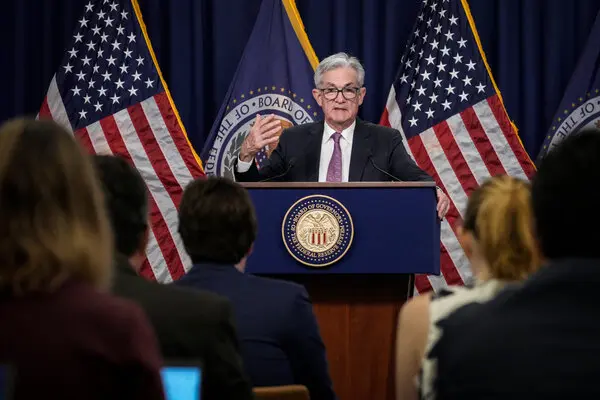
In its recent communications, the Fed has made it clear that it remains committed to its inflation-fighting strategy. Fed Chair Jerome Powell and other officials have repeatedly emphasized that it is too early to declare victory over inflation. The central bank has indicated that it is prepared to continue raising interest rates until there is clear and convincing evidence that inflation is on a sustained downward path.

The Fed’s reluctance to pivot is rooted in the lessons learned from past inflationary episodes. Premature easing of monetary policy could risk reigniting inflationary pressures, undermining the progress made so far. The central bank’s credibility hinges on its ability to manage inflation expectations, and any sign of wavering could destabilize markets and economic decision-making.

Market Reactions
Financial markets have been highly sensitive to the Fed’s signals. Each statement from Fed officials and each piece of economic data is scrutinized for clues about the future direction of policy. The anticipation of a pivot has led to increased volatility, with stock and bond markets experiencing significant fluctuations.

Despite hopes for a more accommodative stance, the Fed’s clear message of “not yet” has tempered expectations. This has led to a reassessment of risk and return across various asset classes. Investors are adjusting their strategies, with a focus on resilience and flexibility in the face of ongoing uncertainty.

Implications for the Economy
The Fed’s commitment to its current policy trajectory has several implications for the economy. Higher interest rates are likely to continue to dampen consumer spending and business investment, as borrowing costs remain elevated. This could slow economic growth in the short term but is deemed necessary to achieve long-term stability.

The housing market, which is particularly sensitive to interest rate changes, may continue to cool. Higher mortgage rates have already led to a decline in home sales and price growth, contributing to a broader moderation in economic activity.

For businesses, the cost of financing new projects and expansions remains high, potentially leading to more cautious investment decisions. However, companies with strong balance sheets and the ability to pass on costs to consumers may navigate this environment more effectively.

Looking Ahead
While the Fed’s current stance is clear, the future path of monetary policy will depend on incoming economic data. Indicators of inflation, employment, and overall economic health will guide the Fed’s decisions in the coming months. A pivot is not off the table, but it will require compelling evidence that inflation is under control and that the economy can withstand a shift in policy.

For now, the message from the Fed is unequivocal: a pivot is not yet on the horizon. Policymakers remain vigilant, ready to adjust their approach as circumstances evolve, but the priority remains firmly on tackling inflation. As the economic landscape continues to evolve, all eyes will be on the data and the Fed’s responses, with the understanding that stability and caution are guiding principles in these uncertain times.


Disclaimer: The thoughts and opinions stated in this article are solely those of the author and do not necessarily reflect the views or positions of any entities represented and we recommend referring to more recent and reliable sources for up-to-date information.

More Rights for Foreign Airlines: Who Will Fly High?

The aviation industry is a dynamic and competitive sector that plays a critical role in global connectivity and economic growth. Recent policy shifts granting more rights to foreign airlines are set to reshape the landscape, raising the question: who will benefit the most and fly high in this evolving environment?

Expanding Horizons: The Policy Shift
Governments worldwide are increasingly recognizing the benefits of liberalizing air travel markets. Bilateral and multilateral air service agreements are being updated to allow greater access for foreign carriers. These changes include more landing rights, open skies agreements, and reduced restrictions on routes and capacities. The goal is to foster competition, improve service quality, and lower prices for consumers.

Winners in the New Sky
1. Consumers
One of the primary beneficiaries of this liberalization is the consumer. More competition often leads to lower fares, better service, and increased flight options. Travelers can expect more direct routes, fewer layovers, and potentially more frequent flights to their destinations. Enhanced competition can also drive airlines to improve their on-board services and overall customer experience to attract and retain passengers.

2. Emerging Markets
Airlines based in emerging markets stand to gain significantly. Countries with growing economies and increasing demand for air travel will benefit from the influx of foreign carriers. This can stimulate local tourism, boost trade, and create jobs. Additionally, partnerships and code-sharing agreements with established foreign airlines can help emerging market carriers expand their global footprint and improve operational efficiencies.

3. Global Airlines
Major global airlines, especially those with strong brand recognition and extensive international networks, are poised to capitalize on expanded rights. These airlines can enter new markets, establish hubs in strategic locations, and attract a broader customer base. For example, carriers from regions such as the Middle East and Asia, known for their high standards of service and modern fleets, are likely to leverage these new opportunities to enhance their competitive edge.

Challenges on the Horizon
While the liberalization of air travel rights presents numerous opportunities, it also brings challenges. Increased competition can pressure local airlines that may not have the resources to compete with well-funded international carriers. There is a risk that some local airlines might struggle to maintain market share, potentially leading to consolidation or exits from the market.

Additionally, there are operational and regulatory challenges. Airports must handle increased traffic, requiring investments in infrastructure and technology. Regulatory bodies need to ensure safety and compliance standards are upheld amid growing competition.

Strategic Responses
To thrive in this new environment, airlines must adopt strategic responses. Local carriers should focus on niche markets, enhance service quality, and form alliances with global partners. Investment in technology and customer service can differentiate them from larger competitors.

Global airlines, on the other hand, should strategically select new markets, optimize route networks, and leverage their scale to offer competitive pricing. Collaboration with local airlines through joint ventures or partnerships can also be a win-win approach.


Disclaimer: The thoughts and opinions stated in this article are solely those of the author and do not necessarily reflect the views or positions of any entities represented and we recommend referring to more recent and reliable sources for up-to-date information.