

Home Blog Page 771

The Blue Wall Disruption: Revealing the Vulnerabilities of Our Digital World

In today’s interconnected world, the sudden incapacitation of approximately 8.5 million computers globally due to the “Blue Wall” disruption has sent shockwaves across the globe. This unprecedented outage, impacting users of the Windows operating system, has raised serious questions about the resilience, security, and reliability of our increasingly interconnected digital infrastructure.

The Scale of the Disruption

The Blue Wall disruption, a term derived from the dreaded “Blue Screen of Death” (BSOD) that Windows users often encounter, represents a significant technological failure. For millions, the unexpected appearance of the blue screen meant not just a halt to their digital activities but also potential losses in productivity, data, and revenue. From individuals to large enterprises, the impact was extensive.

Causes and Immediate Impacts

While Microsoft has been cautious in revealing the exact cause of the outage, initial reports indicate a critical flaw in a recent software update. This flaw, when activated, caused the BSOD to appear on millions of devices simultaneously. For businesses, this meant interrupted workflows, delayed projects, and, in some cases, complete operational shutdowns.

The immediate impacts were particularly severe in sectors that rely heavily on digital tools and connectivity. Financial institutions experienced trading disruptions, manufacturing units faced halts in automated production lines, and healthcare facilities struggled with delays in accessing patient data. Educational institutions, increasingly dependent on digital platforms for remote learning, were also significantly affected.

The Broader Implications

The Blue Wall disruption is a stark reminder of the vulnerabilities in our digitized world. It underscores the critical dependency on technology and the potential for widespread chaos when these systems fail. This incident prompts a deeper examination of several key areas:

1. Reliability of Software Updates

Software updates are intended to enhance functionality, security, and user experience. However, the Blue Wall disruption highlights the risks associated with updates that are not thoroughly vetted. The pressure to release updates quickly must be balanced with rigorous testing protocols to prevent such large-scale failures.

2. Business Continuity Planning

For businesses, this outage serves as a wake-up call to reassess their continuity and disaster recovery plans. Many companies found themselves unprepared for an event of this magnitude, lacking the necessary contingency measures to maintain operations during a prolonged digital outage. Investing in robust backup systems, alternative workflows, and comprehensive recovery strategies is now more crucial than ever.

3. Cybersecurity Concerns

While the Blue Wall disruption appears to have been caused by a software glitch rather than a malicious cyberattack, it nonetheless raises significant cybersecurity concerns. It highlights the potential for software vulnerabilities to be exploited by malicious actors, leading to similar or even more devastating outcomes. The incident underscores the importance of not only securing software but also ensuring that response protocols are in place for swift mitigation.

4. Regulatory Oversight

The magnitude of this disruption may prompt calls for greater regulatory oversight of software development and deployment practices. Regulatory bodies might push for stricter standards and accountability measures to ensure that technology companies prioritize the reliability and security of their products.

The Human Element

Beyond the technical and business ramifications, the Blue Wall disruption also had a profound impact on individuals. For many, the sudden inability to access their computers meant more than just an inconvenience—it was a source of significant stress and anxiety. In an age where digital access is often equated with social and economic participation, being “blue-walled” had tangible human costs.

Students were unable to attend virtual classes, remote workers faced challenges in meeting deadlines, and families were cut off from digital communication channels. This incident serves as a poignant reminder of the human element in our digital ecosystems and the need for tech companies to consider the end-user experience in their contingency planning.

Learning from the Disruption

As the dust settles on the Blue Wall disruption, it is imperative that the tech industry and its stakeholders reflect on the lessons learned. This incident should serve as a catalyst for significant improvements in several areas:

1. Enhanced Testing Protocols

Tech companies must invest in more rigorous testing protocols for software updates. This includes comprehensive testing in varied environments to identify potential issues before they reach the end-user. Simulated stress tests and real-world scenario testing should become standard practice.

2. User-Centric Recovery Solutions

In the aftermath of such disruptions, providing clear, user-friendly recovery solutions is critical. Users need accessible guidance on how to restore their systems and recover lost data. Establishing a responsive support framework can help mitigate the adverse impacts on users.

3. Collaboration and Information Sharing

The tech industry should foster a culture of collaboration and information sharing to collectively improve resilience. Sharing best practices, vulnerabilities, and response strategies can help build a more robust digital ecosystem that is better prepared for future disruptions.

4. Investment in Redundancy

Building redundancy into digital systems can significantly enhance resilience. This includes both technical redundancy, such as backup servers and alternative connectivity options, and operational redundancy, such as diversified supply chains and multi-platform strategies.

The Blue Wall disruption has cast a spotlight on the fragility of our digital world, exposing vulnerabilities that demand immediate attention and action. While the disruption was a wake-up call, it also presents an opportunity for the tech industry, businesses, and policymakers to build a more resilient and secure digital future. By learning from this incident and implementing necessary changes, we can better safeguard against the uncertainties of an increasingly digital world.

As we navigate the aftermath, the focus must be on fortifying our digital infrastructures, enhancing the reliability of our technologies, and ensuring that the human element remains at the forefront of our digital advancements. The Blue Wall disruption may have temporarily brought our digital lives to a halt, but it also paves the way for a more robust, secure, and user-centric digital future.


Disclaimer: The thoughts and opinions stated in this article are solely those of the author and do not necessarily reflect the views or positions of any entities represented and we recommend referring to more recent and reliable sources for up-to-date information.

India’s Budget Must Be Mindful of Bond Market Hawks

As Indian Prime Minister Narendra Modi embarks on his third term, the economic landscape presents both opportunities and challenges. Despite losing seats in the recent general election, Modi’s re-election signals continued leadership. However, his reliance on allied parties for the first time in his career introduces a new dynamic. These allies have been cooperative so far, with Modi managing to keep them out of key ministerial roles without significant backlash.

In this context, the upcoming budget is crucial. It must navigate the complexities of maintaining investor confidence while addressing the economic needs of the nation. Bond market hawks—investors and analysts focused on fiscal discipline and debt sustainability—will be scrutinizing the government’s fiscal policies closely. This journal explores the essential elements that India must address in its budget to maintain economic stability and investor confidence.

Fiscal Prudence and Debt Management

Maintaining fiscal prudence is vital for India, particularly in the eyes of bond market hawks. The fiscal deficit, which represents the gap between government revenue and expenditure, remains a critical focus. High fiscal deficits necessitate increased borrowing, raising concerns about debt sustainability.

To address these issues, the government must present a credible plan for fiscal consolidation. This involves reducing the fiscal deficit through prudent expenditure management and boosting revenue collection. Measures such as rationalizing subsidies, enhancing tax compliance, and eliminating unnecessary spending are crucial for achieving fiscal prudence. Transparent communication about fiscal targets and the government’s commitment to these goals will reassure investors.

Inflation Control

Controlling inflation is another priority for bond market hawks. High inflation erodes the purchasing power of fixed-income investments, making bonds less attractive. The Reserve Bank of India’s (RBI) mandate to maintain price stability means that its monetary policy decisions are closely monitored by the bond market.

The government must align its fiscal policies with the RBI’s inflation targets. Avoiding excessive spending that could fuel inflationary pressures is essential. Additionally, targeted interventions to address supply-side constraints, such as improving agricultural productivity and logistics, can help control food inflation—a significant component of India’s overall inflation.

Interest Rate Environment

The interest rate environment significantly impacts bond yields and investor sentiment. A higher fiscal deficit can lead to increased interest rates as the government borrows more to finance its spending. This crowding-out effect can dampen private investment and slow economic growth.

To maintain a favorable interest rate environment, the government must balance stimulating growth and keeping borrowing costs manageable. Fiscal prudence, combined with structural reforms that enhance productivity and economic efficiency, can help achieve this balance. By demonstrating a commitment to sustainable fiscal policies, the government can instill confidence in bond market participants and mitigate upward pressure on interest rates.

Public Debt Sustainability

Public debt sustainability is a key concern for bond market hawks. India’s public debt-to-GDP ratio has been rising, exacerbated by the economic fallout from the COVID-19 pandemic. High levels of debt can limit the government’s fiscal flexibility and increase vulnerability to economic shocks.

To address these concerns, the government must focus on strategies to stabilize and eventually reduce the debt-to-GDP ratio. This can be achieved through a combination of fiscal consolidation, economic growth, and efficient debt management. By implementing reforms that boost economic growth and revenue generation, the government can enhance its ability to service debt and reduce the debt burden over time.

Structural Reforms and Growth Potential

Structural reforms are essential to unlocking India’s growth potential and addressing the concerns of bond market hawks. Reforms in areas such as labor markets, land acquisition, and ease of doing business can enhance productivity and attract investment. Additionally, initiatives to improve infrastructure, promote digitalization, and foster innovation can drive long-term economic growth.

The government’s commitment to structural reforms signals its intent to create a conducive environment for sustainable growth. By addressing supply-side constraints and enhancing the overall business climate, the government can boost investor confidence and attract both domestic and foreign investment.

Transparency and Communication

Transparency and effective communication are crucial for managing bond market expectations. Clear and consistent communication about fiscal policies, economic priorities, and reform initiatives can help build trust and credibility. Investors value transparency and are more likely to remain confident in the government’s economic management if they have access to reliable information.

Regular updates on fiscal performance, economic indicators, and progress on reform measures can enhance transparency. Additionally, engaging with market participants and addressing their concerns through open dialogue can foster a positive relationship between the government and bond market investors.

Global Economic Environment

The global economic environment also plays a significant role in shaping bond market sentiment. Factors such as global interest rates, commodity prices, and geopolitical developments can impact investor behavior. For instance, rising global interest rates can lead to capital outflows from emerging markets like India, putting pressure on bond yields and exchange rates.

The government must be mindful of these external factors and formulate policies that enhance the resilience of the Indian economy. Building foreign exchange reserves, maintaining a stable macroeconomic environment, and diversifying export markets can help mitigate the impact of global economic fluctuations.

Social and Political Stability

Social and political stability are crucial for maintaining investor confidence. Political uncertainty or social unrest can lead to market volatility and undermine economic stability. The government must address social and economic disparities to ensure inclusive growth and maintain social harmony.

Investing in education, healthcare, and social welfare programs can promote social stability and enhance human capital. Additionally, fostering a stable political environment through effective governance and inclusive policies can reassure investors and contribute to economic stability.

As India prepares its budget, the government must be acutely aware of the concerns of bond market hawks. Fiscal discipline, inflation control, interest rate management, public debt sustainability, structural reforms, transparency, and resilience to global economic fluctuations are all critical factors that will influence investor sentiment.

By presenting a credible and comprehensive budget that addresses these key areas, the government can maintain investor confidence and ensure economic stability. As Prime Minister Narendra Modi navigates the complexities of coalition politics and economic challenges, a well-crafted budget will be essential for steering India towards sustained growth and development.

India stands at a pivotal moment, with the opportunity to build on its economic strengths and address its vulnerabilities. A mindful approach to budgetary planning, attentive to the concerns of bond market hawks, will be crucial in achieving the nation’s economic aspirations and securing a prosperous future for all its citizens.


Disclaimer: The thoughts and opinions stated in this article are solely those of the author and do not necessarily reflect the views or positions of any entities represented and we recommend referring to more recent and reliable sources for up-to-date information.

The Economic Survey Outlines Pathways to a Developed Bharat

India’s economic landscape is currently under intense scrutiny from both domestic and international observers. The nation’s impressive growth is supported by macroeconomic stability, consistent policies, and transformative structural reforms. As India is poised to become a significant contributor to global GDP growth in the coming years, the Economic Survey presents a strategic framework for achieving the vision of a “Viksit Bharat”—a developed India.

Stability and Consistency: Pillars of Growth

India’s economic ascent is underpinned by a foundation of macroeconomic stability. The government’s strategic fiscal management has kept inflation in check while nurturing economic expansion. The stability of the Indian Rupee against major global currencies further reflects the effectiveness of monetary policies administered by the Reserve Bank of India (RBI). This stability has fostered a favorable environment for business and investment.

A key factor in maintaining this economic environment has been policy consistency. Unlike many countries where frequent policy shifts create unpredictability, India’s steady approach has provided a reliable framework for both domestic and foreign investors. This stability has been crucial in sustaining investor confidence and fostering long-term economic planning.

Key Reforms Driving Growth: GST and IBC

Two pivotal reforms have reshaped India’s economic landscape: the Goods and Services Tax (GST) and the Insolvency and Bankruptcy Code (IBC).

 Goods and Services Tax (GST):

Implemented in July 2017, the GST revolutionized India’s tax system by consolidating various indirect taxes into a single framework. This reform aimed to reduce the complexity of the tax structure, eliminate tax cascading, and streamline tax administration. The introduction of GST has enhanced transparency and compliance, broadened the tax base, and simplified interstate trade. This has been instrumental in the formalization of the economy, attracting foreign direct investment (FDI) and making India a more appealing destination for global investors.

Insolvency and Bankruptcy Code (IBC):

The IBC, introduced in 2016, transformed the approach to corporate insolvency. Before its enactment, India’s insolvency procedures were often protracted and inefficient. The IBC has introduced a time-bound process for resolving insolvencies, which has improved the ease of doing business and boosted investor confidence. The streamlined approach under the IBC encourages better credit practices and contributes to a healthier financial ecosystem.

Economic Performance and International Interest

India’s economic performance remains robust, characterized by rapid growth driven by a dynamic workforce, rising consumer demand, and significant investments in infrastructure and technology. As global economic conditions fluctuate, India stands out as a model of stability and growth potential.

The performance of India’s capital markets underscores the country’s attractiveness to investors. The stock markets have delivered strong returns, reflecting positive corporate earnings and investor optimism. The increased participation of international investors highlights India’s growing prominence as a key investment destination.

Rising Global Interest:

India’s global appeal is at an unprecedented level, driven by its economic growth and strategic role in global supply chains. As companies and countries seek to diversify their sources of supply, India presents a compelling alternative due to its vast market, competitive labor force, and improving infrastructure.

India’s active engagement in international trade agreements and its influential role in global forums further enhance its global standing. The nation’s focus on technological innovation aligns with global trends, making it an attractive proposition for multinational corporations and investors.

Pathways to a Developed Bharat

To achieve the vision of a Viksit Bharat, India must focus on several critical areas:

1. Infrastructure Development: Continued investment in infrastructure, including transportation, energy, and digital connectivity, is essential for sustaining economic growth. Enhanced infrastructure will facilitate business operations and improve quality of life.

2. Innovation and Entrepreneurship: Supporting innovation and entrepreneurship is crucial for maintaining a competitive edge. Investment in research and development, technology startups, and higher education will drive future growth and create job opportunities.

3. Inclusive Growth: Ensuring that economic benefits reach all segments of society is vital for social stability. Policies aimed at reducing inequality, enhancing access to education and healthcare, and supporting marginalized communities will contribute to more equitable and sustainable development.

4. Regulatory Improvements: Ongoing enhancements to regulatory frameworks and the reduction of bureaucratic obstacles will further improve the business environment. Streamlined processes and transparent governance will attract investment and foster a more dynamic economy.

5. Sustainable Practices: Addressing environmental challenges and promoting sustainable development practices are critical for long-term prosperity. Balancing economic growth with environmental stewardship, investing in renewable energy, and adopting sustainable practices are necessary steps to mitigate the impacts of climate change.

The Economic Survey lays out a hopeful and ambitious vision for India’s future as a Viksit Bharat. With its strong economic foundation, strategic reforms, and heightened global interest, India is well-positioned to achieve its developmental goals. Realizing this vision will require sustained effort, strategic planning, and a commitment to inclusive and sustainable growth. As India continues to strengthen its role on the global stage, its ability to adapt and innovate will be essential for securing a prosperous future for all its citizens.


Disclaimer: The thoughts and opinions stated in this article are solely those of the author and do not necessarily reflect the views or positions of any entities represented and we recommend referring to more recent and reliable sources for up-to-date information.

Cybersecurity: Microsoft’s Troubles Versus Google’s Strategy

The global repercussions of cybersecurity failures became glaringly apparent on Friday when Microsoft’s Azure experienced a major outage. The disruption, reportedly linked to CrowdStrike—Azure’s primary cybersecurity defense—left countless users facing unresponsive blue screens, halting work across various sectors. This incident notably impacted airlines, media outlets, and financial institutions worldwide, including in India. As cybersecurity becomes increasingly pivotal in the tech industry, Alphabet, Google’s parent company, is reportedly seeking to acquire Wiz, a prominent cybersecurity startup. This move, while potentially exposing Alphabet to antitrust scrutiny, highlights the critical role of acquisitions in driving growth and innovation in the tech world.

The Azure Outage: A Major Disruption

The recent outage of Microsoft’s Azure platform demonstrated how vital cybersecurity is for maintaining the functionality of essential services. The incident, which disrupted operations for numerous industries including airlines, media organizations, and banks, showcased the far-reaching consequences of a cybersecurity failure. In India, a rapidly growing market for digital services, the impact was particularly severe, with companies struggling to maintain operations and incurring significant financial and reputational damage.

This outage underscores the vulnerabilities inherent in even the most advanced systems. It highlights the need for ongoing advancements and robust measures in cybersecurity to prevent such large-scale disruptions. The reliance on external providers like CrowdStrike also raises concerns about accountability and the need for meticulous oversight in cybersecurity partnerships.

Google’s Strategic Move: Acquiring Wiz

In contrast to Microsoft’s struggles, Google’s parent company, Alphabet, is strategically enhancing its cybersecurity capabilities by pursuing an acquisition of Wiz, a leading cybersecurity startup. This potential acquisition reflects Alphabet’s recognition of the critical importance of cybersecurity in today’s tech landscape.

Wiz has garnered attention for its innovative cloud security solutions, making it a valuable addition to Alphabet’s portfolio. The move illustrates a broader trend among technology giants to bolster their cybersecurity infrastructure through mergers and acquisitions. Such strategies not only bring advanced technology and expertise into the company but also help in staying ahead of evolving cyber threats.

Despite the strategic advantages, the acquisition could attract antitrust scrutiny from regulators. The consolidation of power within Alphabet raises concerns about market competition and consumer choice. Navigating these regulatory challenges requires a delicate balance between strategic goals and compliance with antitrust laws.

The Imperative of Cybersecurity for Businesses

Robust cybersecurity is crucial for modern businesses. As cyber threats become more sophisticated, the potential for financial losses, reputational damage, and operational disruptions increases. The recent Azure outage serves as a stark reminder of the financial and operational risks associated with inadequate cybersecurity.

Businesses must invest in advanced security technologies and strategies to mitigate these risks. Integration of artificial intelligence and machine learning for real-time threat detection and response is becoming increasingly common. Additionally, acquiring specialized cybersecurity firms, as demonstrated by Alphabet’s interest in Wiz, is a strategic approach to enhancing a company’s security posture.

Regulatory Considerations

As tech giants like Alphabet pursue acquisitions to strengthen their cybersecurity capabilities, they must navigate complex regulatory environments. Antitrust concerns are a significant factor, particularly when acquisitions result in greater market concentration. Regulators are vigilant about preventing monopolistic practices and ensuring fair competition.

For Alphabet, the acquisition of Wiz could face scrutiny from antitrust authorities, potentially leading to investigations and delays. Addressing these regulatory concerns involves engaging with regulators and demonstrating that the acquisition will not harm market competition or consumer interests.

Despite these challenges, the strategic benefits of acquiring specialized cybersecurity firms often outweigh the regulatory hurdles. For Alphabet, enhancing its cybersecurity capabilities through the acquisition of Wiz represents a critical move to stay competitive and secure in a rapidly evolving digital landscape.

Looking Ahead: The Future of Cybersecurity

The contrasting approaches of Microsoft and Google highlight the evolving nature of cybersecurity in the tech industry. While Microsoft’s Azure outage serves as a cautionary tale of the consequences of cybersecurity failures, Google’s acquisition strategy reflects a proactive approach to strengthening its security capabilities.

As digital transformation continues to accelerate, the importance of cybersecurity will only grow. Businesses must prioritize robust security measures to protect their operations and maintain their competitive edge. This involves adopting advanced technologies, integrating innovative solutions, and considering strategic acquisitions to enhance cybersecurity infrastructure.

In summary, the recent events involving Microsoft and Google underscore the critical role of cybersecurity in today’s tech world. The Azure outage illustrates the far-reaching impact of cybersecurity failures, while Alphabet’s potential acquisition of Wiz highlights a strategic approach to strengthening security capabilities. As the digital landscape evolves, businesses must remain vigilant and proactive in their cybersecurity efforts to safeguard their operations and future-proof their success.


Disclaimer: The thoughts and opinions stated in this article are solely those of the author and do not necessarily reflect the views or positions of any entities represented and we recommend referring to more recent and reliable sources for up-to-date information.

Why Big Budgets Don’t Assure Safe Train Rides

Just five days before the presentation of the Union budget, a train accident in Uttar Pradesh’s Gonda left at least four dead and 31 injured, once again highlighting the critical state of railway safety in India. Despite Indian Railways showcasing new initiatives such as the Vande Bharat trains, record budget allocations, and plans for 100% electrification by the end of the fiscal year, the ongoing safety concerns remain unresolved.

The Illusion of Big Budgets

The Indian government has significantly increased funding for the modernization and expansion of the railway network in recent years. Initiatives like high-speed trains, dedicated freight corridors, and complete electrification are clear indicators of these investments. However, the frequent and severe accidents continue to underscore a critical issue: increased funding does not automatically ensure enhanced safety.

The Realities on the Ground

Despite impressive budget figures and modern initiatives, several factors contribute to the persistent safety challenges faced by Indian Railways:

1. Aging Infrastructure

A significant issue is the aging infrastructure. Many tracks, bridges, and signaling systems are outdated and in dire need of repair or replacement. While new projects receive significant attention and funding, the maintenance and upgrading of existing infrastructure often lag. This results in a high risk of accidents due to track failures, outdated signals, and worn-out rolling stock.

2. Human Error and Training

A substantial number of railway accidents are due to human error. Whether it’s the misjudgment of train drivers, errors in signal operation, or lapses in maintenance procedures, the human factor remains critical. Despite budget increases, there is often insufficient investment in the training and continuous development of railway personnel. Enhanced training programs, regular drills, and the adoption of advanced technologies for monitoring and guiding railway staff are essential to minimize human errors.

3. Overcrowding and Capacity Issues

Indian Railways is one of the busiest rail networks in the world, serving millions of passengers and transporting vast amounts of freight daily. High demand often leads to overcrowding of trains and overloading of tracks, exacerbating the risk of accidents. While budget allocations are directed towards expanding capacity through new trains and tracks, addressing the immediate safety concerns arising from overcrowding requires more than just financial investment; it necessitates efficient management and strategic planning.

4. Delay in Implementation of Safety Measures

Despite announcements and budget allocations for various safety measures, the actual implementation often faces significant delays. Projects such as the installation of anti-collision devices, modernization of signaling systems, and track renewal take years to complete. Bureaucratic red tape, tendering processes, and on-ground execution challenges slow down the pace at which these safety measures are realized, leaving the railways vulnerable in the interim.

5. Inadequate Focus on Safety Culture

A robust safety culture within an organization is critical to preventing accidents. For Indian Railways, instilling a safety-first mindset across all levels of the organization is paramount. This involves not only adhering to safety protocols but also fostering an environment where safety concerns can be openly discussed and addressed without fear of repercussions. Despite budget increases, there is often a lack of focus on developing and maintaining a strong safety culture.

Case Study: The Gonda Accident

The recent accident in Gonda, Uttar Pradesh, serves as a poignant example of these issues. Preliminary investigations suggest that a combination of track failure and human error led to the derailment. Despite high-budget allocations and ongoing modernization projects, the basic safety infrastructure in this area remained deficient. This incident underscores the need for a balanced approach that prioritizes both modernization and the upkeep of existing infrastructure.

International Comparisons

A comparison with rail networks in countries like Japan, France, and Germany reveals stark differences. These countries have successfully maintained high safety standards while modernizing their railways. Key to their success is the consistent and rigorous maintenance of existing infrastructure, comprehensive training programs, and a strong organizational focus on safety. They demonstrate that while financial investment is crucial, it must be accompanied by a systemic and cultural commitment to safety.

Recommendations for Indian Railways

To address the persistent safety issues, Indian Railways needs to adopt a multi-faceted approach:

 1. Prioritize Maintenance

Allocating funds specifically for the maintenance and upgrading of existing infrastructure is crucial. This includes regular track inspections, timely replacement of old tracks, and modernization of signaling systems. A dedicated maintenance budget, separate from funds allocated for new projects, can ensure that existing infrastructure receives the attention it needs.

2. Enhance Training and Accountability

Investing in comprehensive training programs for railway personnel can significantly reduce human errors. Regular refresher courses, simulations, and drills can help staff stay updated on best practices and new technologies. Additionally, establishing clear accountability mechanisms for safety lapses can drive a culture of responsibility and continuous improvement.

3. Implement Safety Technologies

The adoption of advanced safety technologies, such as anti-collision devices, automated signaling systems, and real-time monitoring tools, can enhance safety. Ensuring that these technologies are implemented without delays and are regularly updated is essential for their effectiveness.

4. Foster a Safety Culture

Building a strong safety culture requires consistent effort from the top leadership down to the ground-level staff. This involves creating an environment where safety is prioritized, safety concerns are promptly addressed, and staff are encouraged to report potential risks without fear of reprisal.

 5. Efficient Management of Resources

Efficiently managing the resources allocated through the budget is crucial. This includes not only financial resources but also human resources and time. Streamlining project execution, reducing bureaucratic delays, and ensuring timely completion of safety projects can make a significant difference.

The tragic accident in Gonda, Uttar Pradesh, is a grim reminder that large budgets alone do not assure safe train rides. While financial investment is necessary for the modernization and expansion of the railway network, it must be complemented by a strong focus on maintenance, training, implementation of safety technologies, and fostering a safety culture. Indian Railways must learn from both domestic incidents and international best practices to ensure that its ambitious projects do not come at the cost of passenger safety. The goal should be a railway network that is not only modern and efficient but also fundamentally safe for all its users.


Disclaimer: The thoughts and opinions stated in this article are solely those of the author and do not necessarily reflect the views or positions of any entities represented and we recommend referring to more recent and reliable sources for up-to-date information.

India’s Olympic Games Shame Is Not About Sports At All

Every four years, the global spectacle of the Olympic Games highlights a recurring disappointment for India. This cycle will likely continue at the Paris Olympics, underscoring a persistent issue beyond just athletic performance. While the Winter Olympics draw less scrutiny due to India’s tropical climate, the Summer Games expose a broader inadequacy. Despite potential medal wins, India’s embarrassment stems from being measured against a population of over a billion. However, the real issue isn’t limited to sports mediocrity; it delves deeper into systemic failures.

The Reality of Underperformance

India’s track record in the Olympic Games has long been underwhelming, especially given its vast population. With over 1.4 billion people, one would expect India to excel in sports, yet the nation struggles to make a significant impact on the medal tally. This underperformance is often blamed on inadequate infrastructure, insufficient funding, and a lack of grassroots development.

However, focusing solely on sports misses a larger, more troubling issue. The true shame for India lies not in the medals it doesn’t win but in the systemic and societal challenges that these sporting failures highlight.

Inadequate Infrastructure

One of the most glaring problems is the lack of adequate sporting infrastructure. Despite governmental promises and occasional initiatives, many athletes still train under substandard conditions. Many sports facilities are poorly maintained, and access to quality equipment is limited, especially in rural areas where the majority of India’s population resides.

This issue of inadequate infrastructure is not confined to sports alone. It reflects broader developmental challenges affecting education, healthcare, transportation, and more. Such widespread deficiencies indicate a deeper governance problem, where policies fail to materialize effectively, and the benefits of development do not reach those who need them most.

The Education System

The education system in India is another critical area that casts a shadow on the country. Despite significant strides in increasing literacy rates, the quality of education remains a significant concern. Schools, particularly in rural areas, are often understaffed and under-resourced. The emphasis on rote learning over holistic development stifles creativity and critical thinking, essential traits for excelling not just in academics but also in sports.

The disconnect between education and sports is stark. Physical education is often neglected, and sports are not considered a viable career option by most. This mindset is perpetuated by the lack of support for athletes and the absence of a robust sports culture. Consequently, many talented individuals abandon their sporting dreams or pursue them half-heartedly, knowing the system is not designed to support them.

Socioeconomic Disparities

Socioeconomic disparities in India further contribute to the country’s poor Olympic performance. Sports require investment in terms of infrastructure, time, and money. For many families, especially those from lower-income backgrounds, prioritizing sports over immediate economic needs is not feasible.

This disparity is evident in the backgrounds of many successful Indian athletes, who often come from more privileged backgrounds with access to better facilities and the financial means to dedicate time to training. This not only limits the pool of talent but also perpetuates inequality, where success in sports becomes another marker of social stratification.

Governance and Corruption

Corruption and mismanagement are pervasive issues that affect many sectors in India, and sports are no exception. Funds intended for developing sports infrastructure and supporting athletes often get siphoned off or misused. Bureaucratic red tape and favoritism further hinder the growth of sports.

These issues reflect a broader governance problem, where accountability is lacking, and transparency is minimal. The failure to effectively manage and allocate resources impacts not only sports but also critical areas such as healthcare and education. The result is a cycle of inefficiency and underdevelopment that prevents the country from reaching its full potential.

Cultural Attitudes

Cultural attitudes towards sports in India also play a significant role in the country’s Olympic woes. Despite a rich history of traditional games and a growing interest in sports like cricket, the overall societal support for sports as a career is limited. Academic success is often prioritized over sporting achievements, and sports are viewed more as a recreational activity than a serious pursuit.

Changing this mindset requires a concerted effort at multiple levels, including policy changes, increased investment in sports at the grassroots level, and creating role models who can inspire future generations. It also involves shifting societal perceptions to value sports and recognize the discipline, hard work, and dedication that athletes embody.

The Way Forward

Addressing India’s Olympic shame requires a multifaceted approach. Investing in infrastructure, reforming the education system to integrate sports as an essential part of the curriculum, addressing socioeconomic disparities, ensuring better governance, and changing cultural attitudes are all critical steps.

However, these changes cannot happen in isolation. They require collective will and a long-term commitment from all stakeholders, including the government, private sector, civil society, and the public. It involves creating an environment where sports are seen not just as a means to win medals but as a vital component of personal development and national pride.

India’s shame at the Olympic Games is not about the number of medals won or lost. It is a reflection of deeper systemic issues that impede the country’s progress in multiple areas. By addressing these root causes, India can not only improve its performance in sports but also ensure holistic development that benefits all its citizens. The real victory will come when every child, regardless of their background, has the opportunity to pursue their dreams, be it in sports or any other field. Only then can India truly hold its head high on the world stage.


Disclaimer: The thoughts and opinions stated in this article are solely those of the author and do not necessarily reflect the views or positions of any entities represented and we recommend referring to more recent and reliable sources for up-to-date information.

Mutual Fund Launches: Let’s Not Be Condemned to Repeat History

I began my career in journalism on October 1, 2005, covering personal finance. It was a time of fervent activity in the Indian equity mutual fund (MF) sector, with new schemes being launched at an unprecedented rate. Within just six months, 24 new equity schemes raised a total of ₹22,511 crore. While this might seem modest by today’s standards, it was a substantial amount at the time. The Indian stock market was finally emerging from the shadows of three major scandals: the Harshad Mehta scam of the early 1990s, the Ketan Parekh scam of the late 1990s, and another scandal that has faded from collective memory.

The Boom and Bust Cycles

The launch of these mutual funds was symptomatic of the broader cyclical nature of financial markets. These cycles are often characterized by periods of irrational exuberance followed by sharp corrections. The early 2000s was a period of significant recovery and growth for the Indian stock market, but it was also a time when investors had a short memory of past scams and crises.

The influx of mutual fund schemes during this period was driven by bullish sentiment, with fund houses eager to capitalize on investor optimism. However, history has shown that such frenzies are often followed by market corrections. The challenge for investors and regulators alike is to navigate these cycles without falling into the same traps repeatedly.

Lessons from the Past

Reflecting on the mutual fund boom of the mid-2000s, it’s clear that several lessons can be drawn. First, the importance of due diligence cannot be overstated. Many investors, lured by the promise of high returns, often overlook the fundamental aspects of the funds they invest in. The result is that when market conditions turn, these investors are often left holding the bag.

Second, the role of regulators is crucial. The Securities and Exchange Board of India (SEBI) has made significant strides in improving transparency and protecting investors’ interests. However, the rapid pace of new scheme launches in the mid-2000s highlighted the need for even stricter oversight and regulation.

The Current Landscape

Fast forward to the present day, and we find ourselves in a similar situation. The Indian mutual fund industry is once again witnessing a surge in new scheme launches. The markets have been on a strong upward trajectory, buoyed by factors such as economic reforms, digital transformation, and an influx of retail investors. Mutual fund houses are seizing this opportunity to introduce new products, catering to the diverse needs of investors.

However, the underlying risks remain. The lessons from the past boom-and-bust cycles are still relevant. Investors must be cautious and conduct thorough research before committing their money to new schemes. Regulators, too, must remain vigilant and ensure that fund houses adhere to stringent standards of transparency and accountability.

Investor Education: A Crucial Need

One of the key factors that can help prevent a repeat of past mistakes is robust investor education. Financial literacy in India has made significant progress, but there is still a long way to go. Investors need to understand the basics of mutual fund investing, including the different types of schemes, risk factors, and the importance of diversification.

Educating investors about the long-term nature of equity investments is also crucial. Many investors enter the market with short-term profit expectations, which can lead to panic selling during market downturns. Emphasizing a disciplined, long-term approach can help mitigate these risks and foster a more stable investment environment.

The Role of Fund Houses

Mutual fund houses have a responsibility to act in the best interests of their investors. This means not just launching new schemes to capture market share, but also ensuring that these schemes are well-structured and meet genuine investor needs. Fund houses should focus on providing clear, comprehensive information about their schemes, including their investment objectives, strategies, and associated risks.

Moreover, fund houses should resist the temptation to chase short-term performance at the expense of long-term stability. This involves maintaining a balanced approach to portfolio management and avoiding excessive exposure to high-risk assets.

Regulatory Oversight

SEBI has a critical role to play in maintaining the integrity of the mutual fund industry. While significant progress has been made in recent years, there is always room for improvement. SEBI must continue to enforce strict disclosure requirements and ensure that fund houses operate with transparency and accountability.

Additionally, SEBI should monitor the pace of new scheme launches and intervene if it appears that market exuberance is leading to excessive risk-taking. By setting stringent standards and holding fund houses accountable, SEBI can help protect investors and promote a healthy, sustainable mutual fund industry.

As we witness another wave of mutual fund launches, it is essential to reflect on the lessons of the past. The mutual fund boom of the mid-2000s serves as a reminder of the risks associated with market exuberance and the importance of due diligence, investor education, and regulatory oversight. By learning from history, we can avoid being condemned to repeat it.

Investors must remain cautious and informed, fund houses must prioritize the long-term interests of their clients, and regulators must continue to uphold the highest standards of transparency and accountability. Together, these efforts can help ensure that the mutual fund industry continues to grow in a healthy and sustainable manner, benefiting investors and the broader economy alike.


Disclaimer: The thoughts and opinions stated in this article are solely those of the author and do not necessarily reflect the views or positions of any entities represented and we recommend referring to more recent and reliable sources for up-to-date information.
How to Read the Government Rebuttal of COVID Mortality Claims

A recent study published in the journal Science Advances by researchers from several universities estimates that India experienced 1.19 million “excess deaths” in 2020 compared to 2019. The study also indicates that life expectancy at birth dropped by 2.6 years and mortality increased by 17% in 2020. These alarming figures have prompted a rebuttal from the Indian government, which disputes the study’s findings. Understanding the government’s rebuttal requires a nuanced approach, considering the data sources, methodologies, and potential biases involved.

The Study’s Claims

The study uses various data sources, including civil registration data, surveys, and statistical models, to estimate the excess mortality in India during the first year of the COVID-19 pandemic. Key findings of the study include:

  • Excess Deaths: An estimated 1.19 million more deaths in 2020 compared to 2019.
  • Life Expectancy: A reduction in life expectancy at birth by 2.6 years.
  • Mortality Rate: An increase in overall mortality by 17%.

These findings suggest that the impact of COVID-19 on India was significantly under reported and that the pandemic had a profound effect on the country’s demographic indicators.

The Government’s Rebuttal

In response to the study, the Indian government has issued statements challenging its conclusions. The government’s rebuttal can be broadly categorized into several points:

1. Data Accuracy and Completeness

The government argues that the study’s data sources may not be accurate or complete. Civil registration data, which records births and deaths, may be subject to delays or underreporting, especially in rural areas. The government contends that relying on such data can lead to overestimation or misinterpretation of excess deaths.

2. Methodological Concerns

The government has raised concerns about the methodologies used in the study. Statistical models that estimate excess mortality can be influenced by various assumptions and parameters, which may not accurately reflect the ground realities. The government suggests that the study’s methodology may have inherent biases that skew the results.

3. Comparative Baselines

According to the government, the baseline year (2019) used for comparison may not be appropriate. If 2019 had an unusually low mortality rate due to various factors, comparing it with 2020 could exaggerate the perceived increase in deaths. The government advocates for a more nuanced approach, considering multi-year trends rather than a single year comparison.

4. Policy and Health Infrastructure Interventions

The government also emphasizes the interventions and measures taken to mitigate the impact of COVID-19. These include lockdowns, vaccination drives, and healthcare infrastructure enhancements. The government argues that these efforts have helped manage the pandemic’s impact and should be factored into any assessment of mortality rates.

Assessing the Government’s Rebuttal

To critically evaluate the government’s rebuttal, it is important to consider several aspects:

1. Quality of Data

While it is true that civil registration data may have limitations, researchers often use multiple data sources to triangulate and validate their findings. In the case of the study in question, the use of diverse data sources, including surveys and statistical models, aims to mitigate the limitations of any single data set. However, the accuracy and completeness of these sources are crucial for reliable estimates.

2. Methodological Robustness

Statistical modeling is a common approach in epidemiological studies, especially when direct data may be incomplete or unavailable. While models can have biases, peer-reviewed studies typically undergo rigorous scrutiny to ensure methodological soundness. It is important to review the study’s methodology in detail to understand the assumptions and parameters used, and how they might affect the results.

3. Contextual Factors

Understanding the broader context, including healthcare infrastructure, policy interventions, and demographic factors, is essential. The government’s efforts to manage the pandemic, such as vaccination drives and lockdowns, likely had an impact on mortality rates. However, these factors should be transparently and comprehensively documented to assess their effectiveness accurately.

4. Independent Verification

Independent verification of findings by multiple research groups can add credibility to the estimates. If other studies, using different methodologies or data sources, arrive at similar conclusions regarding excess mortality and its impacts, it strengthens the case for the study’s findings.

The Bigger Picture

The debate over COVID-19 mortality rates in India highlights the challenges of data collection, reporting, and analysis during a global health crisis. The discrepancies between official data and independent estimates underscore the need for robust health information systems and transparent reporting mechanisms.

1. Strengthening Health Data Systems

Improving the accuracy and completeness of health data systems is crucial. This includes enhancing civil registration systems, ensuring timely and comprehensive reporting of births and deaths, and integrating data from multiple sources to provide a holistic view of public health.

2. Transparency and Collaboration

Transparency in data collection, reporting, and analysis is essential for building trust and credibility. Collaborative efforts between government agencies, independent researchers, and international organizations can help ensure that data is accurately reported and analyzed.

3. Public Health Preparedness

The COVID-19 pandemic has highlighted the importance of public health preparedness. Investing in healthcare infrastructure, training healthcare professionals, and developing robust emergency response systems can help mitigate the impact of future health crises.

The government’s rebuttal of the COVID-19 mortality study underscores the complexities of assessing the pandemic’s impact. While challenges in data accuracy, methodology, and contextual factors are valid concerns, it is important to critically evaluate all available evidence to arrive at a comprehensive understanding. Strengthening health data systems, ensuring transparency, and fostering collaboration are key to improving public health responses and ensuring accurate assessments of health crises. As the debate continues, the focus should remain on learning from the pandemic to better prepare for future challenges, ensuring that public health and safety are prioritized.


Disclaimer: The thoughts and opinions stated in this article are solely those of the author and do not necessarily reflect the views or positions of any entities represented and we recommend referring to more recent and reliable sources for up-to-date information.

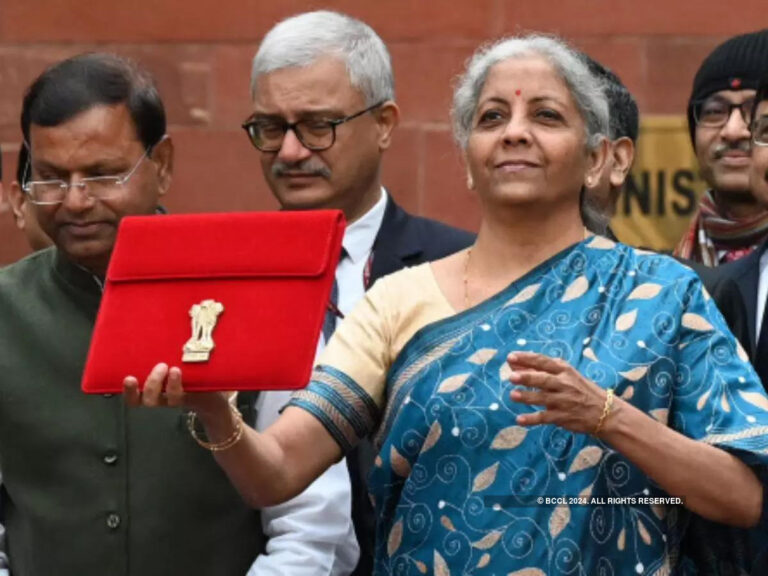
Sitharaman’s Challenge is Steeper Than It Looks

At its core, a budget, whether for a household or a government, operates on the same principle: balancing expenditures with income. However, a significant distinction exists. Governments possess the sovereign authority to print money, a power not available to households. For Finance Minister Nirmala Sitharaman, crafting India’s budget is a complex balancing act that goes far beyond simple arithmetic. It involves navigating a myriad of economic, social, and political challenges, making her task far more daunting than it appears.

 The Macroeconomic Context

India’s economy, like many others, has faced significant disruptions in recent years due to the COVID-19 pandemic. While the nation is on the path to recovery, the scars left by the pandemic are still evident. Unemployment rates remain high, businesses are still rebounding, and inflationary pressures are mounting. Sitharaman’s budget must address these immediate concerns while laying the groundwork for sustainable long-term growth.

Inflation and Monetary Policy

One of the primary challenges for Sitharaman is managing inflation. Rising prices of essential commodities have a direct impact on the cost of living, disproportionately affecting the lower and middle-income segments of society. The Reserve Bank of India (RBI) has a role to play in controlling inflation through monetary policy, but fiscal policy must also support these efforts. This requires careful calibration of public spending to avoid exacerbating inflationary pressures while stimulating economic growth.

Fiscal Deficit and Public Debt

India’s fiscal deficit remains a critical issue. The government’s expenditure consistently outstrips its revenue, leading to an accumulation of public debt. While borrowing is necessary to fund development projects and social programs, excessive debt can lead to higher interest payments and reduced fiscal flexibility in the future. Sitharaman must find ways to boost revenue, either through increased taxation or improved tax compliance, while also rationalizing expenditure.

Stimulating Economic Growth

Economic growth is essential for job creation and improving living standards. Sitharaman’s budget needs to stimulate growth through strategic investments in infrastructure, education, and healthcare. Infrastructure projects can create jobs and improve productivity, while investments in education and healthcare build human capital, essential for a thriving economy. However, these investments require substantial funding, necessitating a delicate balance between stimulating growth and maintaining fiscal discipline.

Addressing Unemployment

The pandemic-induced economic slowdown resulted in significant job losses, particularly in sectors like hospitality, retail, and manufacturing. Addressing unemployment is a top priority. Sitharaman’s budget must focus on policies that promote job creation, such as incentivizing businesses to hire more workers, supporting small and medium enterprises (SMEs), and investing in skill development programs to enhance employability.

Social Welfare and Equity

India’s socio-economic landscape is marked by significant disparities. Ensuring that economic growth translates into inclusive development is a major challenge. Sitharaman must allocate resources to social welfare programs that support the underprivileged and marginalized communities. This includes schemes for affordable housing, healthcare, education, and social security. Balancing the need for social welfare with fiscal prudence is a delicate task that requires careful prioritization of resources.

Revenue Generation and Taxation

Generating adequate revenue to fund government initiatives is another critical challenge. India’s tax-to-GDP ratio is relatively low compared to other emerging economies. Sitharaman needs to address this by broadening the tax base and improving tax compliance. Introducing measures to curb tax evasion and leveraging technology for efficient tax collection can help increase revenue without imposing excessive burdens on taxpayers.

Environmental Sustainability

As the world grapples with climate change, India’s commitment to sustainable development becomes increasingly important. Sitharaman’s budget must incorporate green initiatives that promote environmental sustainability. This includes investments in renewable energy, public transportation, and sustainable agriculture. Balancing economic growth with environmental preservation is crucial for long-term prosperity.

Navigating Political Pressures

Budget formulation is not just an economic exercise; it is also a deeply political process. Sitharaman must navigate the pressures from various political stakeholders, including opposition parties, coalition partners, and interest groups. Each group has its priorities and demands, making consensus-building a complex and often contentious process. Crafting a budget that addresses diverse interests while staying true to economic principles is a significant challenge.

The Way Forward

Sitharaman’s task is to present a budget that addresses immediate economic concerns while setting the stage for long-term growth and development. This requires a multi-faceted approach that balances fiscal prudence with strategic investments, addresses social inequities, and ensures environmental sustainability. Some potential strategies include:

1. Increasing Revenue: Broaden the tax base, improve tax compliance, and introduce measures to curb tax evasion.

2. Rationalizing Expenditure: Prioritize spending on high-impact areas like infrastructure, education, and healthcare while ensuring efficient use of resources.

3. Promoting Job Creation: Implement policies that incentivize hiring, support SMEs, and invest in skill development programs.

4. Enhancing Social Welfare: Allocate resources to social welfare programs that support the underprivileged and marginalized communities.

5. Fostering Sustainable Development: Invest in green initiatives that promote environmental sustainability and reduce carbon emissions.

6. Building Consensus: Engage with political stakeholders and interest groups to build consensus around key budgetary priorities.

Nirmala Sitharaman’s challenge in crafting India’s budget is far steeper than it appears. It requires balancing economic growth with fiscal discipline, addressing social inequities, and ensuring environmental sustainability. The budget must not only address immediate economic concerns but also lay the foundation for long-term prosperity. Sitharaman’s ability to navigate these complex challenges will determine the success of her budget and its impact on India’s economic future.


Disclaimer: The thoughts and opinions stated in this article are solely those of the author and do not necessarily reflect the views or positions of any entities represented and we recommend referring to more recent and reliable sources for up-to-date information.

Gucci’s Owner Lost His Patience: What Came Next Was a Grand Reinvention

Just hours before a highly anticipated runway show at the Tate Modern museum in May, François-Henri Pinault, the billionaire owner of Gucci, convened with his newly appointed leadership team at their London office. This was no ordinary meeting; it marked a critical turning point for one of the world’s most iconic fashion brands. Pinault’s growing frustration with Gucci’s stagnation and underperformance had reached a tipping point. The decisions made that day would lead to a dramatic reinvention of the brand, aimed at reestablishing its position at the forefront of luxury fashion.

The Prelude to Reinvention

Despite its rich history and reputation for opulence, Gucci had been struggling to maintain its market position amidst changing consumer preferences and fierce competition. Recognizing the urgent need for a turnaround, Pinault, the chairman and CEO of Kering, Gucci’s parent company, knew it was time for decisive action. His impatience was not merely about financial performance; it was about revitalizing a cultural icon.

New Leadership Takes Charge

Pinault’s first major step was to restructure the leadership team, appointing Marco Bizzarri as CEO and Alessandro Michele as Creative Director. Bizzarri, known for his strategic expertise, and Michele, celebrated for his creative prowess, were tasked with revitalizing Gucci. Their mission was to honor the brand’s storied past while innovating to captivate a new generation of consumers.

Crafting a Bold New Vision

Leading up to the Tate Modern show, Bizzarri and Michele worked tirelessly to develop a vision that would resonate with both traditional luxury consumers and a younger, more eclectic audience. Michele’s approach was daring and unapologetic, blending historical references with contemporary flair. His goal was clear: Gucci would not just follow trends; it would set them.

The Tate Modern Show: A Symbolic Rebirth

The runway show at the Tate Modern was more than a display of new collections; it was a bold statement of intent. The choice of venue, a contemporary art museum, reflected Gucci’s commitment to innovation and cultural relevance. The collection showcased a mix of vintage-inspired pieces and avant-garde designs, signaling a shift away from the predictable towards the daring and unexpected.

The event, attended by celebrities and fashion icons, received widespread acclaim and set the tone for Gucci’s reinvention. It was evident that the brand was ready to embrace change and redefine luxury for the modern era.

Embracing Digital Transformation

Recognizing the importance of a strong online presence, Bizzarri and Michele prioritized digital transformation. They revamped Gucci’s e-commerce platform, incorporating advanced technology to enhance the online shopping experience. The brand also leveraged social media and digital marketing to create a more interactive and immersive brand narrative, engaging with younger, tech-savvy consumers.

Commitment to Sustainability and Ethical Fashion

With consumers increasingly focused on sustainability and ethical practices, Gucci made significant commitments in these areas. The brand announced ambitious goals for reducing its environmental impact, including a pledge to achieve carbon neutrality. Gucci also emphasized transparency in its supply chain, ensuring that ethical standards were maintained at every stage of production.

Reconnecting with Heritage

While innovation was crucial, Bizzarri and Michele understood the importance of reconnecting with Gucci’s rich heritage. Drawing inspiration from the brand’s archives, Michele reinterpreted classic designs for contemporary tastes. This approach appealed to loyal customers who valued tradition, while also attracting new customers with the timeless elegance of Gucci’s offerings.

Expanding Product Lines

Gucci’s reinvention extended beyond fashion into new product categories. The brand expanded its offerings to include home decor, lifestyle products, and collaborations with other iconic brands. These strategic moves helped diversify Gucci’s portfolio and attract a broader customer base.

Impact on Financial Performance

The impact of Gucci’s reinvention was soon reflected in its financial performance. Sales surged as the brand regained its status as a leader in luxury fashion. The innovative collections, combined with a strong digital presence and a commitment to sustainability, resonated with consumers worldwide. Gucci not only recovered but also surpassed its previous achievements, becoming a model of successful brand reinvention.

Looking Forward

The transformation of Gucci under Pinault’s decisive leadership and the visionary guidance of Bizzarri and Michele is a testament to the power of strategic reinvention. However, the journey is far from over. The fashion industry is continuously evolving, and Gucci must keep innovating and adapting to stay ahead.

Gucci’s grand reinvention story is one of bold decisions and visionary leadership. François-Henri Pinault’s impatience with stagnation catalyzed a transformative era for one of the world’s most iconic brands. With a new leadership team, a clear vision, and a commitment to innovation and sustainability, Gucci has reclaimed its place at the top and set new standards in luxury fashion. The Tate Modern runway show was just the beginning of a remarkable journey, proving that with the right strategy, even the most established brands can reinvent themselves and thrive in a changing world.


Disclaimer: The thoughts and opinions stated in this article are solely those of the author and do not necessarily reflect the views or positions of any entities represented and we recommend referring to more recent and reliable sources for up-to-date information.