
Home Blog Page 571

Logix Insolvent? NCLT initiates insolvency proceedings against Logix City Developers

On May 2, the National Company Law Appellate Tribunal halted the National Company Law Tribunal’s (NCLT) judgement initiating insolvency proceedings against Logix City Developers Private Limited. Homebuyers of Logix Blossom Zest, a project in Noida, filed an appeal against the NCLT judgement. The NCLAT delayed the NCLT order after hearing the arguments. “Learned Counsel for the Appellant submits that the Operational Creditor’s application under Section 9 of the I&B Code, 2016 was both blocked by Section 10A of the Code and barred due to non-compliance with the Rs. 1 million threshold.” He also claims that an amount of Rs. 88,90,740/- was claimed in an email dated 04th March, 2020, and that an amount of Rs. 7,02,100/- and Rs. 4,36,600/- was claimed in two invoices dated 01st April, 2020 and 04th April, 2020, respectively, and that by combining these two invoices, the threshold is sought to be crossed,” the order said.

“It is submitted that the amount claimed, being for March 2020, was obviously impacted by Section 10 A of the Code, and those two invoices could not be combined together, resulting in the amount falling short of the threshold.” The NCLAT order noted that “submissions must be scrutinised.” It gave the respondents four weeks to file their reply affidavits. It said that any rejoinder could be submitted within two weeks following that. The date for the appeal has been set for July 6, 2022. The ruling given by Justice Ashok Bhushan, the chairperson, stated, “In the meanwhile, the Order dated March 22, 2022 challenged in this Appeal shall remain stayed.”

After March 25, 2020, if a party defaulted in clearing its obligation as a result of the COVID-19 pandemic, insolvency cannot be filed for that default under Section 10A. According to Sahil Sethi, Partner, Saikrishna & Associates, who represented the homebuyers in the case, the government instituted this to provide relief to companies. “We argued before the NCLAT that Colliers’ petition is barred by Sections 4 and 10A of the Insolvency and Bankruptcy Code, because the amount claimed by Colliers is less than Rs 1 crore and the payment to Colliers is due after the COVID-19 deadline.” As a result, Colliers’ application cannot be used to start the insolvency process. We are grateful that the NCLAT took notice of our representations and stayed the NCLT order,” he said.

Neither the developer nor Colliers had anything to say about it. NCLT began insolvency proceedings against Logix Blossom Zest in March, when operating creditor Colliers International (India) Property Services filed a petition. The business began working on the project in 2011. The project has 3,400 units split across 14 towers, nine of which are still under construction. Several homeowners have been unable to register their flats due to the developer’s outstanding dues with the Noida Authority.

The Comptroller and Auditor General stated in a study released in December last year that officials in Noida eroded and altered rules to benefit real estate developers, while ignoring the interests of homeowners who had spent their life savings. The anomalies had a financial impact on the authority, with builders owing Rs 18,633 crore against an allocation value of Rs 14,000 crore and no action taken against defaulters. Between 2005 and 2018, three real estate corporations named Wave, Three C, and Logix Group received about 80% of the total allotments of plots in the commercial sector. Despite these companies’ repeated violations in terms of outstanding dues totaling Rs 14,958.45 crore, the authority failed to take any action against them, the CAG had noted.

After Supertech, the Logix group is now in financial trouble, putting the destiny of roughly 2700 property owners in jeopardy. Logic Builder has been sued by Collier International (India) Property Services at the NCLT.
After real estate giant Supertech, another well-known building business in Noida, Logix, has filed for bankruptcy. In the Logix Blossom Zest housing project in Noida’s Sector 143, the fate of around 2700 home owners appears to be in jeopardy. The project, which began in 2011, has yet to be finished and given back to the buyers, who have been waiting for relief for the past 11 years. There are around 3400 units in the society, with nine towers totaling 14 in total. The claimed project’s construction work is yet to be completed. The Noida Authority owes Logix Builders around 500 crores.

Meanwhile, Logix Builder has been brought before the NCLT by Collier International (India) Property Services. The NCLT has assigned an Interim Resolution Professional (IRP) to the case, and buyers must file financial creditor information by April 5. The news comes amid rumours that real estate developer Supertech has filed for bankruptcy. The National Company Law Tribunal (NCLT) declared Supertech insolvent last week, a move that might affect more than 10,000 property buyers in the Delhi and NCR region. The bankruptcy court ordered the beginning of insolvency proceedings against real estate firm Supertech Ltd, one of the firms of the Union Bank of India, based on a petition filed by the Union Bank of India for non-payment of roughly Rs 432 crore in dues.

Several large real estate enterprises, notably Jaypee Infratech and Mumbai-based HDIL, are facing insolvency procedures. Thousands of homeowners have been affected by the Amrapali and Unitech groups’ failure to complete various projects, mainly in Delhi-NCR. Unitech’s management has been taken over by the government, while NBCC is working on Amrapali’s stalled projects under the supervision of the Supreme Court.
Your EMIs are set to go up; why has RBI suddenly raised Repo rate by 40 bps?

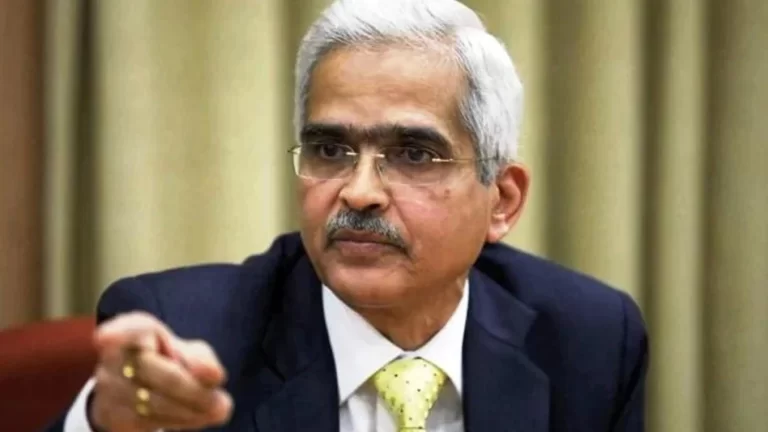
Reserve Bank of India Governor Shaktikanta Das’ unscheduled 15-minute statement today was nothing short of a (thunder)bolt from the blue. And like all thunder, it foretells stormy weather ahead.
First, even at 10 am when the RBI announced that the governor would deliver a statement at 2 pm, the guess by a reluctant 50 percent of the economists polled was a 25 bps hike in repo rate at worst or a CRR (cash reserve ratio) hike. The actual package packed much more dynamite.
It is clear the RBI wants to convey that the inflation situation is very serious, hence the choice of a mid-cycle hike. Heavens wouldn’t have fallen if RBI had waited till the June 7 policy, but the central bank wanted to make a point by announcing the hike mid-cycle — that it is dead serious about inflation.
The critics ask, “Why not in April, then?” Perhaps the RBI was bound by its word. It had been said several times that the turn in the rate cycle would be well-telegraphed. And hence it had to warn in April and then hike in May.
The central bank is conveying the urgency of the surging inflation in several ways: 1) The timing — can’t wait till June; 2) The extent of the repo hike — 25 bps not enough, at least 40 bps was needed for a bang off the first ball; and 3) A rate hike isn’t enough, crunching the quantity of money was also needed — hence the 50 bps hike in CRR to 4.5 percent.
CRR is the percentage of a bank’s deposits that it can’t lend but has to keep idle as cash. CRR hikes, hence, have a higher impact because a bank’s cost of money immediately goes up as it has to keep more cash idle. Also, it has a multiplier impact as banks have to keep an additional 0.5 percent of deposits idle on every new loan. So the net amount drained from the system is not just Rs  87,000 crore, but 2-3 times that number depending on loan growth.
The other reason for this unscheduled action by RBI could be that it is an effort by the central bank and the Monetary Policy Committee (MPC) to show the Parliament that they are doing their job. The inflation targeting Monetary Policy Framework, in vogue since 2016, requires the MPC and the RBI to keep CPI  at 4 percent, give or take two percentage points. That is, CPI cannot go above 6 percent for three quarters in a row. By this measure, most definitely by September, the MPC would have failed this test and would have had to write to the Parliament explaining why it failed and what steps it has taken to remedy the failure. The RBI and the MPC will now be able to explain to the Parliament that they have, indeed, taken timely steps.
Another reason for the outsized hikes could be to send a message to foreign investors — the RBI is serious about inflation targeting. Often the mere narrative of the central bank is behind the curve can trigger higher foreign exchange outflows than warranted.
So what’s the impact of the RBI hike? Firstly, it won’t bring down inflation anytime soon, since much of the price rise in fuel and edible oils and dairy products and wheat is supply-driven. What the RBI’s dramatic hike can do is push up the cost of money and bring down secondary price hikes caused by inflation expectations, though this will take a while to take effect.
More immediately it’s clear that inflation is worse than we thought. RBI usually has a good idea of the CPI by the last day of the month. The RBI’s emphatic action indicates that the April inflation is probably higher than the 7.3-7.5 percent that the street is expecting.

What about growth? Economists worry that all rate hikes will dampen consumption and investment, albeit marginally. But this may not be the case in the initial stages of the rate hiking cycle. Senior bankers point out that salaries are all set to rise at least 10 percent on an average, and much more for IT jobs. As long as the rate of rising in EMI (equated monthly installments) is less than the rate of salary hikes, loan demand is not dampened. So chances are the growth in realty sales and home loan demand may continue.

Likewise, the export growth due to global diversification from China, or still losing of money in major economies, may keep exports ticking. The IT sector may likewise continue its hiring spree given that the demand for digitalization will be unaffected by the rate hikes.
Any immediate hit to growth will come not from the latest rate hikes but inflation, as it drives down company margins and consumption in the lower echelons.
The interest rate hit to growth may come a year or two later, especially if the US Fed rate hikes push up the global cost of money and Indian corporates have to fall back on Indian banks. By then, domestic rates may also have been pushed higher by successive RBI rate hikes and higher government borrowing to meet higher food and fertilizer bills.

PayTm Money is Bringing The LIC IPO to Retail Outlets

Paytm was the catalyst for India’s Digital Revolution. You can recharge your phone, pay your bills, book flights and movie tickets, start a savings account, invest in stocks and mutual funds, and much more. We went on to become India’s most popular payment app. Paytm is now used by over 20 million merchants and companies to accept payments digitally. This is due to the fact that more than 300 million Indians use Paytm to pay for their purchases in stores. Not only that, but the Paytm App is also used to pay bills, recharge mobile phones, send money to friends and family, and book movies and travel tickets. This is only one of the milestones reached toward our mission—to bring 500 million unserved and underserved Indians into the mainstream economy—with financial services and products in the pipeline.

The IPO of the Life Insurance Corporation of India (LIC) is expected to be the largest in the Indian stock market. Meanwhile, the government has reserved 10% of LIC shares, or roughly 3.16 crores, through an initial public offering (IPO). Keep an eye out for more information. The Government of India owns the Life Insurance Corporation of India (LIC). It is the only life insurance firm with a significant presence in both rural and urban settings. It has 8 zone offices and 113 divisional offices.

QR codes for free demat accounts are placed to make investing more accessible to the general public. Paytm Money, a wholly owned subsidiary of Paytm, is ready to take the largest ever public offering in India to retail outlets ahead of the 21,000 crore mammoth LIC IPO. To promote the average man to the power of investing with free lifelong demat accounts, the bargain broker has posted QR codes at kirana outlets around the country. Any individual will be able to simply create their free demat accounts (which are required for stock market trading) and put bids for the LIC IPO using these QR codes, according to a Paytm Money spokeswoman.

“Over the last few years, we’ve witnessed a rise in retail investor participation in the capital markets, and the LIC IPO is expected to add to that trend.” We are displaying our QR codes at Paytm merchant partners’ outlets around the country to give them free demat accounts, as many keen investors will want to start their wealth management journey right now. This highlights Paytm Money’s dedication to empowering small investors by assisting them in beginning their IPO journey in a quick and seamless manner,” said the spokesperson.

Retail participation

The LIC IPO is India’s largest market debut, and because the brand is so well-known, QR codes are being displayed at Paytm-partnered merchant outlets to make it easy for potential investors to apply for the IPO. As a result of the free demat accounts, this move will help to expand retail involvement in the capital markets. Paytm Money has become the first discount broker in India to allow HNIs to submit higher bids of up to Rs 5 lakh using UPI, skipping Bank ASBA flows. It has developed a distinct category for policyholders who are qualified to apply for the LIC IPO, in addition to the retail investor category.

Applications for initial public offerings (IPOs) that are not yet open to the public
Paytm Money has also enabled pre-open IPO applications, which will allow investors to subscribe even before the IPO opens for subscription. As soon as the IPO becomes live, such applications will be registered in Paytm Money’s system and submitted to exchanges. With over 8.5 lakh trading accounts and 9 million registered direct Mutual Fund investors, Paytm Money has grown at a rapid rate organically. Over 75% of the platform’s users are under the age of 35. Paytm Money has an AUM of 11,000 crore and a daily turnover of more than 70,000 crore. Over 16.2 million mutual fund transactions and over 31 million equity orders were executed using the platform in the previous year. With 1L+ registered users, the portal is also among India’s Top 3 digital distributors of NPS on fintech apps.

Economy to require till 2035 to overcome Covid misfortunes: RBI

India is likely to take another 13 years to overcome the losses incurred due to the Covid pandemic that hit the country in March 2020, says a Reserve Bank of India (RBI) report.

Taking the actual growth rate of (-) 6.6 percent for 2020-21, 8.9 percent for 2021-22, and assuming a growth rate of 7.2 percent for 2022-23, and 7.5 percent beyond that, India is expected to overcome Covid-19 losses in 2034-35, according to the RBI’s Report on Currency and Finance in 2021-22.

The central bank said the output losses for individual years have been worked out to Rs 19.1 lakh crore, Rs 17.1 lakh crore, and Rs 16.4 lakh crore for 2020- 21, 2021-22, and 2022-23, respectively.

The pandemic is not yet over,” the RBI said. A fresh wave of Covid has hit China, South Korea, and several parts of Europe. However, various economies are reacting divergently ranging from a no-Covid policy in some jurisdictions (e.g., China, Hong Kong, and Bhutan) on the one hand to those with relatively open borders and removal of internal restrictions (e.g., Denmark and the UK), it said. the report said.

The widespread isn’t however over,” the RBI said. A new wave of Covid has hit China, South Korea, and a few parts of Europe. In any casedifferent economies are responding divergently extending from a no-Covid approach in a few purviews (e.g., China, Hong Kong, and Bhutan) on the one hand to those with generally open borders and expulsion of inner confinements (e.g., Denmark and the UK), it said. the report said. The diagram of reforms proposed within the RBI report rotates around seven wheels of financial advancetotal requesttotal supply, teachmiddle people and markets, macroeconomic solidness and approach coordination, efficiency and innovative advance, and  alter and sustainability. It said a doable extent for medium-term relentless state GDP development in India works out to 6.5–8.5 percent, steady with the outline of changes. “Timely rebalancing of monetary and financial approaches will likely be the primary step in this journey,” the RBI report said. It too

LinkedIn’s Data Appeal is Dismissed

The United States Court of Appeals for the Ninth Circuit has ruled against Microsoft-owned social network LinkedIn in its dispute with hiQ Labs over its right to prevent third parties from scraping publicly available data, the scope of data use legislation, and the potential for anti-competitive behaviour. HiQ is a technology business based in San Francisco that trades in corporate and employee data that has been collected or ‘scraped‘ from publicly available web sources such as LinkedIn and then processed and stored on its own servers.

In May 2017, LinkedIn issued a cease-and-desist order against hiQ, citing illegal data scraping and violations of LinkedIn’s user agreement by reselling or sharing data without express authorisation. The correspondence confirmed that as a result, hiQ’s access to and ability to scrape information from LinkedIn’s website had been restricted, and warned that circumventing such measures could result in violations of statutes such as the Federal Computer Fraud and Abuse Act (CFAA), the Digital Millennium Copyright Act, the California Penal Code, and common law trespass.

Soon after, hiQ’s CEO Mark Weidick issued a statement on the company’s website, claiming that the company’s “whole existence is related to the principle of public data truly being equally accessible to all members of the public.” LinkedIn’s attempt to enclose this public information – which is accessible to anybody with a web browser – poses a threat not only to hiQ, but to any firm that relies on public sources to inform its services.” HiQ obtained an injunction in August 2017 requiring LinkedIn to lift all restrictions on its access to the website, based on the fact that the data at issue was publicly available and not confidential, and that LinkedIn’s actions could constitute a breach of competition law by endangering the viability of similar businesses, with implications for the concept of free speech of a free, open and accessible internet.

An appeal to the Ninth Circuit of the United States Court of Appeals upheld the lower court’s decision, which was later overturned by the Supreme Court in the wake of the Van Buren v US decision, which looked into the meaning of intentionally accessing a computer “without authorization” or “exceeding authorised access,” narrowing the scope of the CFAA. “The Supreme Court didn’t rule on the merits of the [hiQ] case; instead, it directed that it be reconsidered in light of Van Buren,” explains Ashley Shively, a data and class action partner at Holland & Knight in San Francisco. As a result, the Ninth Circuit revisited its earlier decision, which it confirmed this week. “We’re sad, but this was a preliminary judgement, and the case is far from done,” a LinkedIn representative said, hinting at the prospect of another appeal. We’ll keep fighting to defend our members’ freedom to control what information they share on LinkedIn.”

“We are glad to see that the Ninth Circuit has again affirmed, in light of the Supreme Court’s judgement in Van Buren v United States, the preliminary injunction that our firm helped hiQ achieve in the district court,” said Erik Olson of Farella Braun + Martel, who represented hiQ. The panel’s most recent judgement underscores the limits to which major organisations can utilise the Computer Fraud and Abuse Act to hinder competition from new startups whose business relies on access to publicly available data, while not ruling on the merits of the case.”

COUNSEL
Donald Verrilli, Jonathan Blavin, Nicholas Fram, Rosemarie Ring (now at Gibson, Dunn & Crutcher) and Elia Herrera (now an assistant US attorney) of Munger Tolles & Olson, as well as Joshua Rosenkranz, Eric Shumsky, and Brian Goldman (now the California governor’s deputy legal affairs secretary) of Orrick Herrington & Sutcliffe, represented LinkedIn. Renita Sharma and Terry Witt of Quinn provided advice to hiQ. Emmanuel Urquhart & Sullivan, with Kellogg Hansen Todd Figel & Frederick’s Aaron Panner and Gregory Rapawy, Farella Braun + Martel’s Brandon Wisoff, and academic and Harvard professor emeritus Laurence Tribe. “Despite a trip all the way to the US Supreme Court and back down again, and despite the intervening developments and detours, the underlying legal issues and the relevant factual landscape are remarkably unchanged,” said academic and hiQ’s counsel Tribe, adding that he found the judge’s opinion “entirely persuasive.”

IMPLICATIONS
“Decisions in circuit courts could go different ways in determining whether scraping of websites is a violation of the CFAA, but it is obvious that this is not the case in this Ninth Circuit ruling.” So, even if a website’s terms of service forbade scraping, it would probably not constitute a violation of the CFAA,” Shively argues. “Importantly, the Ninth Circuit didn’t decide on the merits, but on the preliminary injunction, which was granted before the court had heard all the evidence,” she says, pointing out that the injunction obtained by hiQ is at the heart of the case and that the issues raised by the broader dispute have yet to be fully examined in court. Thus the dispute is still at a preliminary stage, despite the initial cease and desist having been issued in May 2017. The ruling upholds a limited reading of the CFAA, a 1986 law whose implementation is unlikely to be what it was intended to be, given that it was enacted at a time when today’s technology was unimaginable.

“Companies that store publicly available information on online sites that do not need a login or password may no longer be able to depend on the CFAA to prevent others from scraping data from those web sites,” Shively argues. “Even if the corporation revokes rights to information by blocking internet protocol addresses or issuing cease and desist letters, and even if there is a breach of web site terms and conditions, the CFAA is no longer something that firms can rely on as long as the data is publicly available.” The unusual case trajectory — an injunction followed by an appeal, a Supreme Court vacated ruling, and a further reexamination by the appellate court – does not exclude out another appeal. “Regardless of what occurs, the underlying matter is still on the table, and there is still case law to be made on it, as well as various types of motions that could be filed in district court,” Shively says.

AN INCREASE IN INTEREST
The lawsuit contained a slew of amici curiae submissions, including one from CoStar Group, which hired Williams & Connolly lawyers John Williams and Nicholas Boyle (now at Latham & Watkins), and another from Craigslist, which hired Latham & Watkins’ Perry Viscounty and Gregory Garre.

Organisations that are not for profit Through in-house legal teams, the Electronic Privacy Information Center (EPIC), Electronic Frontier Foundation (EFF), and digital library Internet Archive, as well as internet search company DuckDuckGo and industry group Reporters Committee for Freedom of the Press (RCFP), which represented 30 news media entities, made submissions. Kenneth Wilton and James Harris of Seyfarth Shaw represented data business 3taps, and Thomas Christopher of the Law Offices of Thomas V. Christopher advised data scraping company Scrapinghub (now Zyte).

The EFF’s senior staff lawyer Andrew Crocker said the Ninth Circuit decision “reaffirmed the commonsense notion that scraping data from a public website against the wishes of the website owner is not a violation of the Computer Fraud and Abuse Act,” and praised the decision as “good news for all those who collect, aggregate, and index publicly available information, as well as the work of journalists, researchers, and watchdog organisations who use automated tools to finesse public information.”

“For data journalists, this verdict is a significant recognition that scraping material a website decides to make public isn’t illegal,” said Grayson Clary, RCFP’s legal fellow. We’re pleased that the Ninth Circuit sided with the open flow of information, and we hope that other courts will follow suit.”

“The court’s ruling is a disappointment and a blow for online privacy [and] wrongly discounted the harms that LinkedIn users suffer when firms like hiQ ignore their privacy preferences to scrape and monetise personal information,” says EPIC’s director of litigation John Davisson, adding that “the court endorsed an overbroad injunction that wrongly blocks LinkedIn from imposing technical limits on hiQ’s access to user data.”


Here’s how cybercriminals attack DeFi platforms, from faulty programmes to flash loan attacks

In 2022, cybercriminals made a significant splash, stealing $1.3 billion from cryptocurrency companies, exchanges, and, in particular, Decentralised Finance or DeFi entities. According to a new analysis by data analytics firm Chainalysis, DeFi protocols were responsible for nearly 97 percent of all cryptocurrency stolen in the first three months of 2022, up from 72 percent in 2021 and 30 percent in 2020.

DeFi platforms enable cryptocurrency lending and borrowing via the blockchain network. It makes use of smart contracts to automate crypto lending and borrowing. On the Blockchain, smart contracts are pieces of code that run when a certain condition is met. The largest thefts are frequently carried out by faulty code and flash loan assaults, which are a sort of code exploit involving the manipulation of cryptocurrency prices. Code flaws or exploits can occur for a variety of reasons. It should be emphasised that DeFi is an open-source protocol, which means that anyone can examine the platform’s core code. “Because DeFi protocols move funds without human intervention, customers should be able to audit the underlying code in order to trust the protocol,” according to the company’s research. Cybercriminals, on the other hand, benefit from this because they can analyse the scripts for vulnerabilities and plan exploits ahead of time.

According to Chainalysis, from 2020 to Q1 of 2022, 35% of all cryptocurrency value was stolen due to a security breach. The March 2022 breach of Ronin Network, which resulted in the theft of $615 million in cryptocurrency, demonstrated the technique’s continued effectiveness. Hackers’ second most commonly used technique is flash loan attacks. It’s a smart contract exploit in which an attacker accepts a flash loan (uncollateralized loan) from a DeFi platform, spends the capital they borrowed, and pays it back in the same transaction, causing the crypto asset’s price to rise and then immediately withdrawing their assets. According to the Chainalysis analysis, when a DeFi platform relies on unstable pricing oracles, attackers are more likely to exploit it. Oracles are programmes entrusted with keeping correct pricing data for all cryptocurrencies on a platform, which is difficult given the volatility of cryptocurrency prices.

“Arbitrage is vulnerable to secure but slow oracles; price manipulation is vulnerable to rapid but insecure oracles.” The latter type frequently leads to flash loan attacks, which took $364 million from DeFi platforms in 2021, according to the research.

Regular audits, according to the data analytics business, can help decrease flash loan attacks, but code audits aren’t perfect. Nearly 30% of code exploits and a startling 73% of flash loan assaults were discovered on platforms examined within the last year. “While code audits can undoubtedly assist,” Chainalysis continued, “DeFi protocols that manage millions of users and billions of dollars need to embrace a more rigorous approach to platform security.”

Stolen cryptocurrency is being laundered
DeFi networks have also become a hotspot for fraudsters looking to launder stolen cryptocurrency. In 2021, DeFi platforms received 51% of stolen funds, while centralised exchanges received less than 15% of all stolen funds. “This is likely owing to exchanges’ embracing of AML and KYC protocols, which jeopardise cybercriminals’ anonymity,” according to the research. “The decentralised structure of DeFi networks makes them even more vulnerable to attacks, since hackers target specific weaknesses in the software suites, which are highly visible due to the open source nature of the programmes.” While this uniqueness necessitates even more time and money spent on code audits and stress tests, many DeFi projects nowadays are launched quickly and do not invest heavily in building a robust security team. It can be noted that smart contract audits, senior and experienced teams will be beneficial in preventing hacker assaults for the current security flaws in Defi projects,” stated Johnny Lyu, CEO of KuCoin.

Cyber crooks have stolen at least $1.41 million (about Rs 10 crore) thanks to a “major vulnerability” in Multichain, formerly known as Anyswap, one of the world’s largest crypto token swapping platforms. This breakthrough comes at a time when the security of the decentralised finance (DeFi) ecosystem is being called into question, with billions of dollars in cryptocurrencies stolen from DeFi platforms alone in 2021. DeFi, for the uninitiated, is an alternative finance ecosystem in which people can transfer, trade, borrow, and lend bitcoin without the involvement of traditional financial institutions or the regulatory systems that surround banking. The DeFi movement attempts to “disintermediate” finance by removing the need for trust and middlemen from transactions by using computer code.

In the face of a $1.34 million exploit, Multichain is urging users to take matters into their own hands. “If you have an issue, you must solve it on your own,” the corporation claims. In the face of a $1.34 million exploit, Multichain is urging users to take matters into their own hands. “If you have an issue, you must solve it on your own,” the corporation claims. It should be noted that the vulnerability was first detected by a security firm called Dedaub and was reported to the Multichain team, according to a report by Cointelegraph. Hackers continue to take advantage of the flaw to gain access to users’ cash. At the time of writing, Multichain reports that a total of $1,412,274.25 is affected.

ELCA Cosmetics Private Limited and Nykaa, The Famous Beauty Retailers

Nykaa is an Indian e-commerce startup based in Mumbai and started by Falguni Nayar in 2012. It provides beauty, wellness, and fashion products online, on mobile apps, and in 84 physical locations. It was the first unicorn business in India to be led by a woman in 2020. Nykaa distributes products that are made both in India and around the world. The company transitioned from an online-only to an omnichannel model in 2015, and began selling things other than beauty. It will sell over 2,000 brands and 200,000 products across its channels by 2020. Nykaa was launched in April 2012 by Falguni Nayar, a former managing director at Kotak Mahindra Capital Company. It began as an ecommerce service that curated a selection of beauty and health products. Nykaa is derived from the Sanskrit word nayaka, which means “actor” or “one who is in the spotlight.” The website was first introduced around the time of Diwali in 2012, and it became commercially available in 2013.

The company transitioned from an online-only to an omnichannel model in 2015, and began selling fashion items. Nykaa Man, India’s first multi-brand internet store for men’s grooming, will start in October 2020. Nykaa Design Studio, which was later renamed Nykaa Fashion, was the company’s first foray into the fashion industry. Nykaa released Nykaa PRO in 2020. It’s a premium membership programme that gives Nykaa App users exclusive access to professional beauty products and deals. Nykaa Fashion will open its first store in Delhi in December 2020, making the fashion industry multichannel.

Fundraising and first public offerings
Nykaa has raised money through numerous rounds of fundraising since 2012. It raised 100 crore (US$13 million) from Steadview Capital in March 2020, making it a unicorn startup worth 85 billion rupees (US$1.1 billion). Steadview followed up with another 67 crore (US$8.8 million) fundraising round in May 2020. Through secondary finance, two Bollywood actresses invested in the company. Alia Bhatt invested 4.95 crore (US$650,000) in July 2020, and Katrina Kaif invested 2.04 crore (US$270,000) in 2018. Fidelity Investments, a worldwide asset management organisation, invested in the company in November 2020 after purchasing shares from an existing equity investor.

On October 28, 2021, Nykaa launched its initial public offering (IPO) with a price range of $1,085-1,125 per share. The IPO raised $5,352 crore (US$700 million) at a valuation of US$7.4 billion after being oversubscribed 81.78 times. Nykaa went public on the NSE and BSE on November 10, 2021, with an opening day price increase of 89.2 percent, valuing the firm at over US$13 billion. Falguni Nayar, the company’s founder, became India’s wealthiest self-made female billionaire with a 53.5 percent share.

Aveda salons to be opened by Nykaa and Estee Lauder
AvedaX Nykaa-branded luxury unisex hair care salons will be launched in India by beauty retailer Nykaa and ELCA Cosmetics Private Limited, an India affiliate of global beauty business Estee Lauder Companies. Aveda is a vegan hair, skin, and body care line that is part of the Estée Lauder Companies Inc. in New York. Aveda’s hair and body care products have been available on Nykaa’s online platform since 2018 and are distributed by ELCA, which sells Estée Lauder’s numerous brands. The salons will be launched by ELCA Cosmetics Private Limited and FSN Brands Marketing Private Limited, a subsidiary of FSN E-Commerce Ventures Limited, which operates Nykaa.

Nykaa’s entry into India’s fragmented wellness and beauty services sector, which is peppered with regional chains, is significant. “We feel that India has yet to experience a significant premiumization in the main beauty categories. We’ve seen that happen to a degree in skin care, but it hasn’t happened yet in hair care. As a result, we believe Aveda is the appropriate brand to lead the premiumization of hair care in India,” said Nykaa’s chief executive, e-commerce beauty, Anchit Nayar. In Bengaluru, the first Aveda X Nykaa salon will open. By creating and extending Aveda’s exclusive network of salons while utilising Nykaa’s understanding of the Indian consumer, the salons hope to create new industry standards, according to Nykaa. Besides that, Aveda plans to launch three salons in Delhi-NCR and Mumbai this year. Both firms refused to reveal their investment figures.

“We believe we have a right to win because wellness and services are the inverse of our existing business.” Because of our industry experience, we have a significant and devoted customer base. We believe that the hair care industry, in particular, was ripe for disruption, both in terms of services and product sales “Nayar stated.

“It’s done between the Nykaa team and The Estee Lauder Companies’ team—we go through everything from design to training to brand implementation,” said Rohan Vaziralli, general manager, ELCA Cosmetics. Simply said, The Estee Lauder Companies will handle all aspects of brand equity, while Nykaa will handle all aspects of consumer and retail.”

Delhi–Mumbai Industrial Corridor Project

The Delhi–Mumbai Industrial Corridor Project (DMIC) is a planned industrial development project connecting India’s capital, Delhi, with Mumbai, the country’s financial hub and main port city. The DMIC project was begun in December 2006, following the signing of an MOU between the governments of India and Japan. It is one of the world’s greatest infrastructure projects, with a US$90 billion estimated investment, and is envisioned as a high-tech industrial zone spanning six Indian states as well as Delhi, the national capital and a Union Territory. The investments will be spread out throughout the 1,500-kilometer Western Dedicated Freight Corridor, which will serve as the transportation backbone for the industrial corridor. There are 24 industrial regions, eight smart cities, two international airports, five power projects, two MRT systems, and two logistical centres on the list.

A 1,483 km railway track divided into 9 “Mega Industrial Zones.” The project was launched as a result of a December 2006 agreement between India’s government and Japan. The billion-dollar plan’s major goal is to build a fast and dependable commercial route connecting India’s north and south. According to Amitabh Kant, Secretary of the Department of Industrial Policy and Promotion (DIPP), transferring cargo along this route currently takes 14 days. It will only take 14 hours once the DMIC is completed.

The eight investment regions proposed to be developed in Phase I of DMIC  are Dadri – Noida – Ghaziabad (in Uttar Pradesh), Manesar – Bawal (in Haryana), Khushkhera – Bhiwadi – Neemrana and Jodhpur – Pali – Marwar (in Rajasthan), Pithampur – Dhar – Ambedkar Nagar (in Madhya Pradesh), Ahmedabad – Dholera Special Investment Region (in Gujarat), and Aurangabad Industrial City (AURIC) and Dighi Port Industrial Area in Maharashtra.

Due to an agreement between India and Japan to establish project development fund with an initial capital of 1,000 crore 
(US$131.2 million), the project has gotten big boost. The governments of India and Japan are anticipated to contribute equally. 
The project is moving quickly, with the dedicated freight lane projected to be finished by 2021.
BACKGROUND
The project’s origins may be traced back to China’s preparations for the 2008 Beijing Olympics, which resulted in a diversion of India’s iron ore shipments from Japan to China in order to meet the country’s increasing infrastructure needs for the games. Japan, which imports substantial amounts of iron ore from India, was harmed because it needed to keep a steady supply of iron ore to serve its long-established industrial sector. Attempts to obtain ore from alternative sources in India proved logistically complex and costly. This prompted the then-Japanese Ambassador to India to propose the construction of a freight corridor similar to the Tokyo-Osaka corridor.
BENEFITS AND RETURNS ON INVESTMENT
Investment and financing
The project initially intends for a direct investment of US$100 billion in this programme, ignoring investment in other related projects. Former Commerce and Industry Minister Anand Sharma advocated the creation of a US$90 billion revolving fund with matching contributions from India and Japan to jumpstart the development of the US$90 billion Delhi Mumbai Industrial Corridor Project. The ambitious project will be financed by a public-private partnership as well as foreign investment. This project will have a significant Japanese investment. The corridor will be 1483 kilometres long. The Japanese government initially provided $4.5 billion in the form of a 40-year loan with a nominal interest rate of 0.1 percent. The Delhi-Mumbai Industrial Corridor Development Corporation, an autonomous entity made up of government and private sector representatives, will oversee the project.

Target businesses and companies
A total of 24 special investment nodes are envisioned to be developed by the government to offer impetus to Make in India, supported by Startup India and Standup India, to assist manufacturing, but any form of enterprise could be set up. The major purpose of these hubs is to help firms get their factories up and running rapidly with minimal delays in land acquisition and resource acquisition, as well as to provide low-cost, quick, and efficient transportation to ports and the rest of the country. The government would act as a facilitator, offering a “stable environment” to encourage corporations to invest more.

Employment generation
In five years, the project, which is envisioned as a global manufacturing and commerce centre, is predicted to treble employment potential, triple industrial output, and quadruple exports from the region (citation needed). The project is intended to create 3 million jobs, the most of which will be in manufacturing. In the immediate influence zone, there are around 50 million workers available, with over 250 million available across the states that the project will travel through. Several prestigious educational institutes, such as IIT, IIM, and Birla Institute of Technology and Science, are located throughout the states. Along the corridor, many other institutes, such as the Indian Institute of Information Technology, are planned.

The Western Dedicated Freight Corridor (WDFC), which will run through Delhi, western Uttar Pradesh, southern Haryana, eastern Rajasthan, eastern Gujarat, and western Maharashtra, will be developed with 24 nodes (investment regions and industrial areas), including six large investment regions of 200 square kilometres. The 7th state of Madhya Pradesh will also have an influence zone and nodes.

DMIC INFRASTRUCTURE
Some of the major cities, such as IMT Manesar in Haryana, Gujarat International Finance Tec-City, Dholera SIR, and Vikram Udyog Nagari near Ujjain, are already at various phases of development. The Indian government estimates that at least 100,000 megawatts (MW) will be required by 2012 to meet the energy demands of the corridor’s planned growth. To help fulfil this goal, the DMIC will construct four power plants with a combined capacity of roughly 4000 MW. While the exact number of power plants to be built is yet uncertain, the DMIC intends to use coal, gas, and lignite to fuel them. Due to the success of Singapore’s water management system, India has hired six Singaporean consultants, one of whom is Jurong International, to draught designs for the project new cities involved. 

DMIC CONNECTIVITY
Three of the 14 massive Costal Economic Zones (CEZ) port developments in Sagarmala are along the DMIC corridor. Each CEZ with a surface area of 2,000 to 3000 km2 will be divided into many Costal Economic Units (CEU), and each CEU will be divided into numerous Port-Linked Industrial Clusters (PLIC). Within CEZ, “Costal Economic Units” (CEU) act as nodes; each CEU industrial estate has various industries. There will be many industrial units in each of CEU’s “Port-Linked Industrial Clusters” (PLIC). National GDP growth and ease of doing business benefits include the creation of 150,000 jobs by 2025, a reduction in export cargo transportation costs and time, and greater worldwide competitiveness of Indian exports. India’s 60 million small and medium-sized businesses account for 90% of the country’s total industrial output, and the country’s international trade policy aims to boost India’s share of global exports from under 2% to 3.5 percent (as of November 2017). Inadequate investments in port infrastructure have stifled growth. When compared to other Asian ports, cargo handling at several of the country’s ports is excruciatingly sluggish. Port expansion initiatives worth $2.3 billion are currently underway to increase capacity from 963 million tonnes in 2010 to 3.1 billion tonnes in a few years. Much of this expansion would rely on private sector investment, particularly from big terminal operators with existing operations in India, such as DP World and APM Terminals. Coastal Economic Zones (CEZ) are a component of the Sagarmala scheme, which aims to develop 14 business-friendly Coastal Economic Zones (CEZ) with a total investment of $6,500,000 million (equivalent to $7.7 trillion, US$100 billion, or €92 billion in 2020), centred around ports in India spread across a 7,500-kilometer national coastline, using the Make in India indigenous manufacturing scheme. 

Maritime and inland waterways, water transport, coastal and cruise ships, solar and wind energy generation, auto, telecom and IT, and other sectors are targeted for manufacturing units. Each CEZ will include an economic zone that includes numerous coastal districts with significant ties to the region’s ports. Each CEZ will also benefit from the region’s industrial corridors, such as the Delhi–Mumbai Industrial Corridor Project, the Mumbai–Bangalore Economic Corridor, the Dedicated Freight Corridor, the Chennai Bangalore Industrial Corridor, the Visakhapatnam–Chennai Industrial Corridor, and the Amritsar Delhi Kolkata Industrial Corridor, among others.

Govt Sets December 2024 Deadline For Chardham Road Connectivity

The Ministry has launched a separate connection improvement scheme for Uttarakhand’s Char-Dham (Kedarnath, Badrinath, Yamunothri, and Gangothri). 40 civil works totaling Rs. 9474 crore (including cost of pre-construction works totaling Rs. 491 crore) in a length of 673 km have been sanctioned under the Chardham project, out of a total of 53 civil works covering an entire length of 889 km. 34 works totaling Rs. 7923 crores in length have been granted, of which 30 works totaling Rs. 7679 crores in length of 589 km are ongoing and 78 km have been finished as of March 2019 and 2 works totaling Rs. 141 crores in length of 1.1 km have been completed.

In the Indian state of Uttarakhand, the Char Dham National Highway is a two-lane (in each direction) express National Highway with a minimum width of 10 metres that is currently under development. By connecting the four holy spots in Uttarakhand states of Badrinath, Kedarnath, Gangotri, and Yamunotri, the under-construction highway will complement the under-construction Char Dham Railway. The project involves 900 kilometres of national highways that would connect the whole state of Uttarakhand. In the Indian state of Uttarakhand, the Char Dham National Highway is a two-lane (in each direction) express National Highway with a minimum width of 10 metres that is currently under development. By connecting the four holy spots in Uttarakhand states of Badrinath, Kedarnath, Gangotri, and Yamunotri, the under-construction highway will complement the under-construction Char Dham Railway.

Prime Minister Narendra Modi lay the foundation stone for the project on December 27, 2016, at Parade Ground in Dehradun, at a cost of Rs 12,000 crores. The highway will be known as Char Dham Mahamarg (Char Dham Highway), and the highway development project will be known as Char Dham Mahamarg Vikas Pariyojana (Char Dham Highway Development Project), and it will be built to improve connectivity to the Chota Char Dham, which is nestled in the Himalayas. To reduce accident and slide-prone locations, the road will contain multiple lengthy bridges and tunnels. The Chief Secretary of India has urged Indian Railways and the National Highways Authority of India to ensure that rail and highway routes are integrated on this circuit.

Chardham Rail Line Project
The Chardham rail link has made another step ahead. In Badrinath, Central Railway Minister Suresh Prabhu lay the foundation stone for the 43,000 crore Chardham railway project final location survey. To offer train access to the Chardham pilgrimages of Gangotri, Yamunotri, Kedarnath, and Badrinath. The final location survey for the railine to Chardham will be conducted by Rail Vikas Nigam Ltd.

Uttarakhand would benefit from the futuristic and ambitious Chardham railway line project, which will enhance pilgrimage and tourism. It will also make it easier to get to the state’s major pilgrimages, which are visited by thousands of pilgrims each year. The project will provide a secure and comfortable transportation to Chardham, in addition to tourism and job creation. The project will comprise the construction of 328 kilometres of railway line, 21 new railway stations, 61 tunnels (279 kilometres), and 59 bridges using cutting-edge engineering technologies. Rail Vikas Nigam Ltd conducted a Reconnaissance Engineering Survey (REC) for rail link to Chardham in 2014-2015 and submitted the report in October of that year. It suggests two railheads for the Gangotri-Yamunotri route, one at Doiwala and the other at Karanprayag for the Badrinath-Kedarnath route. The railway line for Gangotri and Yamunotri will begin at Doiwala, near Dehradun, while it will begin in Karnaprayag for Kedarnath and Badrinath. According to Railway Ministry authorities, the Doiwala-Gangotri line will be 131 kilometres long, with another 22 kilometres of track being laid from Maneri to Yamunotri. A 99-kilometer rail link will be built between Karnaprayag and Sonprayag for Kedarnath, and a 75-kilometer track will be built between Karnaprayag and Joshimath for Badrinath.

The government has set a timetable for the Chardham road connectivity project of December 2024. The Supreme Court’s order enabling the widening of the road network has now set the path for the unfinished work to be resumed and expedited. The road transport and highways ministry has yet to construct roughly 229 kilometres of the remaining network, according to the project’s current state. According to sources, construction organisations have finished putting black top (bituminous work) over 561 kilometres of road. The road transport and highways ministry has yet to construct roughly 229 kilometres of the remaining network, according to the project’s current state. According to sources, construction organizations have finished putting the black top (bituminous work) over 561 kilometres of the  road network.

Gaganyaan: Indian Human Spaceflight Programme

Gaganyaan is an Indian crewed orbital spacecraft that will serve as the foundation for the country’s human spaceflight programme. The spaceship will be able to carry three people, and an updated version will be able to rendezvous and dock with other spacecraft. The Indian Space Research Organisation’s (ISRO) mostly autonomous 5.3 metric tonnes spacecraft will circle the Earth at 400 km altitude for up to seven days with a two or three-person crew on board in its debut crewed mission. The first crewed mission was scheduled to launch aboard ISRO’s GSLV Mk III in December 2021, but that date has been pushed back to no earlier than 2023.

The first uncrewed testing flight of this Hindustan Aeronautics Limited (HAL) crew module took place on December 18, 2014. The crew module’s design has been finalised as of May 2019. Critical human-centric systems and technology including as space-grade food, crew healthcare, radiation measurement and protection, parachutes for the safe recovery of the crew module, and a fire suppression system will be supported by the Defence Research and Development Organisation (DRDO). While the first uncrewed Gaganyaan launch has been delayed owing to the COVID-19 epidemic in India, the overall timeframe for crewed launches is projected to remain unaffected, according to an announcement made on June 11, 2020.

Gaganyaan’s preliminary research and development began in 2006 under the generic name “Orbital Vehicle.” The idea was to create a basic capsule with a week in space endurance, a capacity for two astronauts, and a splashdown landing after re-entry. By March 2008, the design had been finalised and had been presented to the Indian government for funding. The Indian Human Spaceflight Programme was approved in February 2009, but due to a lack of developmental money, it fell short. The orbital vehicle’s first uncrewed flight was originally scheduled for 2013, but was then pushed back to 2016. However, it was reported in April 2012 that financing issues had put the project’s future in jeopardy, and in August 2013, it was stated that all Indian crewed spaceflight attempts had been declared as “off ISRO’s priority list.” The project was re-evaluated in early 2014, and it was one of the key beneficiaries of a significant budget increase announced in February 2014. ISRO is basing the Gaganyaan orbital vehicle on their scaled 550 kilogramme Space Capsule Recovery Experiment (SRE), which was launched and recovered in January 2007.

The most recent push for the Indian Human Spaceflight Program occurred in 2017, and Prime Minister Narendra Modi agreed and formally announced it on August 15, 2018. The present plan calls for a three-person crew. During the Gaganyaan mission, ISRO will conduct four biological and two physical research investigations linked to microgravity. ISRO intends to use hydroxylammonium nitrate (HAN), ammonium nitrate, methanol, and water in place of hydrazine in the Gaganyaan mission, for which the Liquid Propulsion Systems Centre (LPSC) is already developing a monopropellant blended formulation consisting of hydroxylammonium nitrate (HAN), ammonium nitrate, methanol, and water. ISRO has chosen five science projects to be carried out on Gaganyaan as of October 2021. Indian Institute of Space Science and Technology (IIST), University of Agricultural Sciences, Dharwad (UASD), Tata Institute of Fundamental Research (TIFR), IIT Patna, Indian Institute of Chemical Technology (IICT), and Jawaharlal Nehru Centre for Advanced Scientific Research (JNCARS) will develop the payloads (JNCASR). Two of the five are biological investigations that will be carried out by IIST, UASD, and TIFR, and will look at kidney stone formation and the impact of the Sirtuin 1 gene marker in Drosophila melanogaster. IIT Patna will conduct research on a heat sink that can withstand high heat flux, IICT will investigate crystallisation, and JNCASR will examine fluid mixing features.

The Gaganyaan mission, which is scheduled to launch in 2023 with three Indian astronauts, will splash down near the Indian shore. New information about the landing zone options, which might be in the Arabian Sea or the Bay of Bengal, has surfaced. In an essay in Manorama Yearbook 2022, Dr Unnikrishnan Nair, Director, Human Space Flight Centre (HSFC), Isro, discusses the mission’s progress, which could see its first uncrewed flight by the end of this year. The Crew Escape System, which will be part of the module, is now being validated by the Human Space Flight Centre.

The Gaganyaan Orbital Module (OM) is made up of two parts: the Crew Module (CM) and the Service Module (SM), and it weighs around 8,000 kg. The OM will orbit the Earth at a speed of around 7,800 metres per second when in orbit. A Human Rated Launch Vehicle (HRLV), a modified variant of the GSLV MK-III launch vehicle, will launch the Orbital module. Dr. Nair points out that the Command Module (CM), a double-walled structure and astronaut home, features an ablative Thermal Protection System (TPS) to shield it from the high aerodynamic heating throughout the flight. The Command Module, which is equipped with a survival packet for each crew that can sustain them for roughly two days, will be recovered by recovery team upon landing in either of the two sites. The crew, which consists of four officers from the Indian Air Force (IAF), has finished the overseas part of their training and is now working on the Indian portion. They had generic space flight training in Russia, and the Indian leg will see them familiarising themselves with all possible scenarios that may arise while in flight.

Development timeline of Gaganyaan
Flight Date Regime Crew Notes Outcome
Re-entry Test 18 December 2014 Sub-orbital N/A Sub-orbital test of scaled down boilerplate Gaganyaan capsule, launched aboard the sub-orbital first test flight of ISRO’s GSLV Mark III rocket. Success
Pad Abort Test 5 July 2018 Atmospheric N/A 4-minute test of Gaganyaan’s Launch abort system from launch pad at Satish Dhawan Space Centre. Success
G1 Q1 2023 LEO N/A First orbital test flight of Gaganyaan capsule. Planned
G2 Q4 2023 LEO N/A Second orbital test flight of Gaganyaan capsule. Planned
H1 2024 LEO  TBA
TBA
TBA
First crewed flight of Gaganyaan, will carry 1-3 Indian astronauts on a short orbital test flight. Planned


The rocket will inject the spacecraft into an orbit 300–400 km (190–250 mi) above Earth around 16 minutes after liftoff from the Satish Dhawan Space Centre (SDSC) in Sriharikota. Before reentry, the spacecraft’s service module and solar panels will be discarded. The capsule would return to the Bay of Bengal for a parachute splashdown.

Vyommitra is a female-looking spacefaring humanoid robot being built by India’s Space Research Organisation for use on the Gaganyaan, a crewed orbital spaceship. Vyommitra was initially shown on January 22, 2020 in Bengaluru at the Human Spaceflight and Exploration symposium. It will travel to space with Indian astronauts and will also participate in uncrewed experimental Gaganyaan missions prior to crewed spaceflight missions.

Unlike other nations that have achieved human space flight, ISRO does not intend to fly animals on experimental missions. Instead, it will fly humanoid robots to learn more about the effects of weightlessness and radiation on the human body over lengthy periods of time in space. Vyommitra will fly onboard uncrewed Gaganyaan missions to conduct microgravity experiments, monitor module parameters, and assist astronauts on crewed trips by imitating human-like activities. It can speak Hindi and English and complete a variety of activities. It has the ability to imitate human behaviour, recognise other humans, and answer to their questions. Technically, it can control the environment and provide life support, as well as operate switch panels and provide environmental air pressure change notifications.