Home Blog Page 557

BRO Has Completed Excavation of Nechiphu Tunnel in Arunachal Pradesh

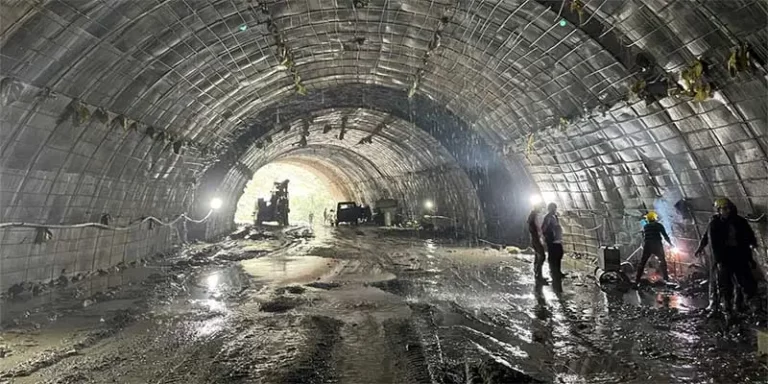
On May 20, 2022, the Border Road Organisation (BRO) performed the final “break through blast” to signal the successful completion of excavation work on the Nechiphu Tunnel in Arunachal Pradesh. Lt Gen Rajeev Chaudhry, Director General of BRO, led it remotely from New Delhi. On October 12, 2020, Raksha Mantri Shri Rajnath Singh laid the project’s foundation stone.

The last blast of the 500-meter Nechiphu Tunnel was initiated through video conference by DG Border Lieutenant General Rajeev Chaudhry. The excavation of the Nechiphu Tunnel in Arunachal Pradesh’s West Kameng district was a great success for the Border Roads Organisation’s project Vartak.

The last blast of the 500-meter Nechiphu Tunnel was initiated through video conference by DG Border Lieutenant General Rajeev Chaudhry. In the previous 18 months, Project Vartak has completed the excavation of the Sela and Nechiphu tunnels on the Balipara-Chariduar-Roaf route, which connects Balipara to Tawang. This D-shaped tunnel will have two-way traffic and will have modern lighting and safety features.

The tunnel was designed to avoid the harsh foggy conditions that prevail around Nechiphu Pass, which have been a burden to general traffic and military convoys for many decades, with many accidents occurring as a result of dense fog. Once operational, the Nechiphu Tunnel will not only allow secure all-weather access, but it will also reduce travel time by 30 minutes and the road distance by 7 kilometres over the highly fogged region.

This is one of many tunnels planned by the Border Roads Organization along border areas to improve existing road geometrics, avoid foggy areas, avoid slide-prone areas, and reduce black spots on the roads in order to provide greater safety and all-weather connectivity to military and civil traffic movement.

“This is one of many tunnels envisioned by BRO along border areas to improve existing road geometrics, avoid foggy areas, circumvent slide prone areas, and reduce black spots on the roads to provide greater safety and all-weather connectivity to military and civil traffic movement,” Lt Col Walia said.

The D-shaped tunnel, excavated as part of ‘Project Vartak,’ will handle two-way traffic. According to Brig Harish Kumar, chief engineer of Project Vartak, which is building the tunnel, it will be outfitted with modern lighting and safety features. “Once operational, the Nechiphu tunnel will not only enable secure all-weather transit, but it will also reduce travel time by 30 minutes and the road route by 7 kilometres of the heavily foggy region.” This environmentally friendly construction and shorter distance will also assist minimise the carbon footprint of the area’s highways,” he stated. The tunnel was built by cutting through fragile Himalayan mountains with heavily fragmented rock and low overburden using strict 3D monitoring and proactive application of the appropriate tunnel support system.

The novel Austrian tunnelling approach was used to complete the project quickly. According to a defence official, BRO personnel set a tunnel record by excavating 100 m in under 40 days. The tunnel will be outfitted with a cutting-edge electro-mechanical system that includes fire fighting equipment, an auto lighting system, and SCADA-controlled monitoring systems. It will also include raised footpaths on both sides for better pedestrian circulation, as well as ducts for power cables, OFC cables, and utility lines to help reinforce the civic amenities infrastructure.

The Sela tunnel, which is also being excavated under the same project and was announced by the government in 2018, will be the world’s longest twin-lane tunnel, cutting travel time to Tawang by at least one hour and providing all-weather access. In 2019, Prime Minister Narendra Modi lay the groundwork for the project. Winter access to Tawang via the 14,000-foot Sela pass presents a logistical problem for the army, with movement of soldiers, weapons, and supplies hampered for at least three to four months.

Parallel to the Nechiphu Tunnel project, BRO’s Project Vartak finished excavation work on another vital tunnel, the Twin Tube (1,555 metre and 980 metre) “Sela Tunnel Project” on the same road, on January 22, 2022. Thus, today’s blast commemorates the completion of more than 4,500 metres of excavation by BRO Karmyogis in less than two years.

Once operational, the Nechiphu Tunnel, in conjunction with the Sela Tunnel, will provide secure, all-weather strategic connectivity on the BCT Road while decreasing carbon footprint in this environmentally sensitive area. The tunnel is now being built by cutting through unstable and heavily fragmented rock strata. The associated issues are addressed on a daily basis by strict 3D monitoring and proactive application of necessary tunnel support systems in accordance with the New Austrian Tunneling Method (NATM).

Over the previous two years, the BRO has constantly achieved success in the execution of infrastructural marvels in the most difficult locations of the country. It has recently taken up tunnelling in a significant way, with the successful completion of High Altitude and Mountainous tunnels, in addition to the Atal Tunnel, Rohtang in Himachal Pradesh, and the Chamba Tunnel in Uttarakhand. The organisation has also begun construction of a series of miniature tunnels, which it will build with its own labour resources.
The Future’s fuel – green hydrogen

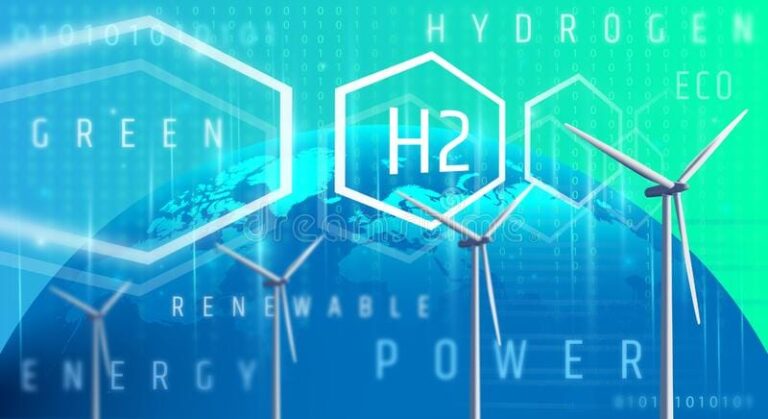
The Ministry of Power issued a Green Hydrogen/Green Ammonia Policy in February 2022 for the production of green hydrogen or green ammonia utilising renewable energy sources.

The National Hydrogen Mission, which began in 2021, aims to assist the government in achieving its climate goals and transforming India into a green hydrogen powerhouse.

There are 3 types of hydrogen available that are Grey hydrogen, Blue hydrogen and Green hydrogen.

Grey hydrogen is formed by splitting of natural gas in hydrogen and carbon dioxide (CO2) . It will affect the environment because in return CO2 is emitted in the environment.

It constitutes India’s bulk production ,extracted from hydrocarbons ( fossils fuel ,natural gas)

Blue hydrogen is formed by splitting natural gas into Hydrogen and Carbon Dioxide ( CO2) originated from fossil fuels.

It will affect the environment in less amount than the Grey hydrogen amount because  the byproducts which release CO and CO2  are stored  and reused.

Green hydrogen is formed by splitting water into hydrogen and oxygen in an electrolyzer utilising renewable energy sources like wind ,water and solar. It will not affect the environment in any way because in this process  the byproducts are water and water vapour no carbon dioxide  is emitted in the environment.

In order to achieve the target of carbon neutral till 2070, Larsen and Toubro ( L&T) ,Indian oil corporation and Renew power

have agreed to form a joint venture and have signed the binding sheet to expand the green hydrogen industry. In addition, a binding term sheet  from  Indian oil and L&T  to form a joint venture with equal participation to make and sell the  electrolyzers which is going to used for the formation of green  hydrogen

The planned JVs are aimed at assisting India’s transition from a grey hydrogen economy to a greener one that produces hydrogen more frequently using electrolysis powered by renewable energy.

The fuel has the potential to transform India’s energy security, as it imports 85 percent of its oil and 53 percent of its gas.

India is considering making it necessary for fertiliser factories and oil refineries to purchase green hydrogen in order to encourage clean fuels.

Currently, nearly all hydrogen produced in India is grey hydrogen made from natural gas ammonia; however, by 2050, over 80% of India’s hydrogen will be green hydrogen.

 What does the Green Hydrogen/Green Ammonia Policy entail?

The government is proposing to establish manufacturing zones, priority connectivity to the ISTS (Inter-State Transmission System), and free transmission for 25 years if the production facility is completed before June 2025, According to the policy, if the production plant is finished before June 2025, the ISTS (Inter-State Transmission System) will provide free transmission for 25 years. This means that a green hydrogen producer in Rajasthan may build a solar power plant to send renewable energy to a green hydrogen plant in Assam without having to pay interstate transmission fees. Additionally, producers will be allowed to build bunkers near ports for the storage of green ammonia for export. The production goal has been increased five times by 2030, from 1 million tonnes (m) to 5 million tonnes (mt). India announced in October 2021 that by 2030, it intends to create approximately 1 million tonnes of renewable hydrogen per year. Renewable energy can be purchased by green hydrogen and ammonia generators.They can use the power exchange or any other developer to install renewable energy capacity wherever. It also permits producers to store any extra renewable energy generated for up to 30 days with discoms (power distribution companies) and use it as needed.

Under the new legislation, discoms may also acquire renewable energy to supply green hydrogen manufacturers, but only at a reduced rate that includes only the cost of procurement, wheeling costs, and a small margin defined by the state commission.

Such purchases would also count against a state’s Renewable Purchase Obligation (RPO), which requires the state to obtain a specific percentage of its energy needs from renewable sources.

MNRE will provide a single gateway for carrying out all activities, including statutory clearances, in a timely manner to ensure ease of doing business (Ministry of New and Renewable Energy) .

Pros: is a low-carbon compound that can help decarbonize industries like steel, chemicals, and transportation.

Renewable energy that cannot be stored or used by the grid can be used to produce hydrogen.

What is e-waste, and what are the different types of consequences?

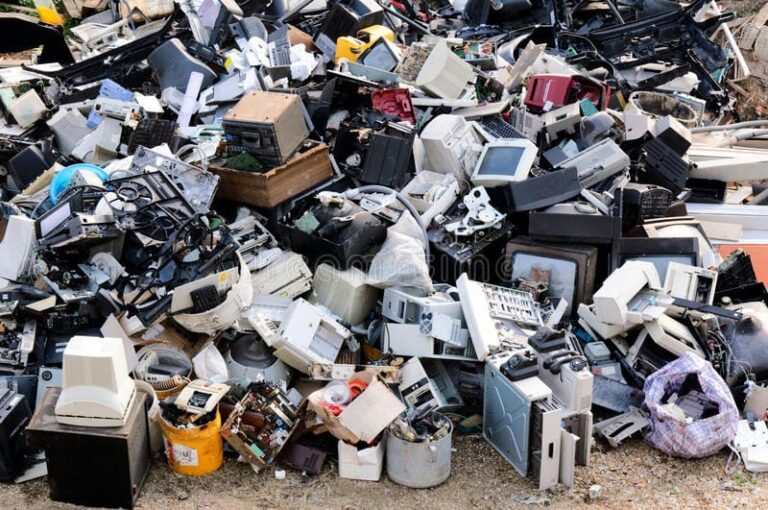
E- waste or Electronic waste belongs to  any  part of electronic devices  either the smallest part of the motherboard that is cheap or the screen which displays different colours of lights discarded by the owner because of some problem or by choice.

In the Era of digitalization everyone is directly or indirectly connected to electronic devices either for the sake of gaining knowledge or for enjoyment. Today these devices have not only become a part of life but it’s actually a way of life. Without them we can’t have aspects to live a single day of our life. It’s true that availability of different kinds of devices like- mobile phones,  laptops,  bulbs  , televisions,  smart watches, etc;  make our life easier  than earlier but along with it it’s also affecting  the life of humans in many ways which is not recognizable at this point of time.

For example- According to data in the financial year 2017-2018  the generation of electronic waste was   7,08,445.00 tonnes  and in the financial year 2019-202 generation was  10,14, 961.21 tonnes which was  collected on national level only . This data is  very dangerous for all the living beings  because  the amount of generation was  much higher than the quality of e- waste collected, dismantled and recycled in the financial year of 2017-18 only 69,414.0 tonnes of e – waste were dismantled which was much less than the generation of products also in the financial year of.2019 – 20 only 2,24,0.41 tonnes were dismantled means total amount recycling of these waste were less than 2% .

There are various forms of consequences of electronic waste for the world, such as :-

Soil  related effects

When wrong disposal of e-waste in ordinary landfills or in locations in which it’s far dumped illegally, each heavy metals and flame retardants can seep immediately from the e-waste into the soil, inflicting infection of underlying groundwater or infection of

plants that might be planted near or within the future region via means of or within the region When the soil is infected via means of heavy metals, the plants come to be at risk of soaking up those toxins, which could cause many ailments and doesn’t permit the farmland to be as effective as possible. When massive debris is launched from burning, shredding or dismantling e-waste, they quickly re-deposit to the floor and contaminate the soil as well, because of their length and weight. The quantity of soil infected relies upon a selection of things along with temperature, soil type, pH ranges and soil composition. These pollution can continue to be withinside the soil for a protracted time period and may be dangerous to microorganisms withinside the soil and plants. Ultimately, animals and flora and fauna counting on nature for survival will become ingesting affected plants, inflicting inner fitness problems.

 Air related effects-

 When e-waste is informally disposed of by dismantling, shredding, or melting the components, dirt debris or chemicals, including dioxins, are released into the environment, causing air pollution and harming respiratory health.

E-waste of little fee is frequently burned, however burning additionally serves a manner to get treasured metallic from electronics, like copper. Chronic illnesses and cancers are at a better threat to arise whilst burning e-waste as it additionally releases exceptional debris, which could tour lots of miles, growing severa poor fitness dangers to people and animals. Higher fee materials, along with gold and silver, are frequently eliminated from rather included electronics through the use of acids, desoldering, and different chemicals, which additionally launch fumes in regions wherein recycling isn’t regulated properly. The poor results on air from casual e-waste recycling are maximum risky for folks that take care of this waste, however the pollutants can increase lots of miles far far from recycling sites The air pollutants because of e-waste affects a few animal species extra than others, which can be endangering those species and the biodiversity of sure areas which might be chronically polluted. Over time, air pollutants can harm water quality, soil and plant species, growing irreversible harm in ecosystems. For instance, an casual recycling hub in Guiyu, China that become shaped through events thrilling in extracting treasured metals from e-waste, and eventually has precipitated the area to have extraordinarily excessive lead ranges withinside the air, which can be inhaled after which ingested whilst again to water and soil. This can cause disproportionate neurological harm to large animals, the natural world and people withinside the area.

Water related  effects-

 Heavy metals from e-waste, such as mercury, lithium, lead, and barium, leach through the earth after soil contamination and reach groundwater in the same way.. When those heavy metals attain groundwater, they subsequently make their manner into ponds, streams, rivers and lakes. Through those pathways, acidification and toxification are created withinside the water, that’s hazardous for animals, plant life and groups even though they may be miles farfar from a recycling site. Clean ingesting water turns out to be difficult to find. Acidification can kill marine and freshwater organisms, disturb biodiversity and damage ecosystems. If acidification is found in water supplies, it could harm ecosystems to the factor wherein recuperation is questionable, if now no longer impossible.

Although there are numerous startups and groups in India which have now commenced to acquire and recycle digital waste.but there is a need for higher implementation methodologies and inclusion guidelines that offer lodging and validation for the casual quarter to step up and assist us meet our recycling goals in an environmentally sound manner.

America’s deadly gun culture, why is it as easy as buying vegetables? 1.5 million lives in 50 years!

An 18-year-old boy opened fire at an elementary school in Texas, USA, killing 21 people, including 19 school children. After this incident, President Joe Biden lashed out at the gun lobby and said that the time has come to stand against this lobby. Gun firing incidents in America have increased rapidly in recent years. The reason for this is believed to be the gun culture there. Buying guns in America is the easiest in the world and America has the largest number of civilian guns in the world.

Buying a gun is like buying fruits and vegetables in America

The history of gun culture in America is about 230 years old. Under the Second Amendment to the Constitution in 1791, American citizens were given the right to keep and buy arms. This culture started in America when the British ruled there. At that time there was no permanent security force, that’s why people were given the right to keep weapons for the safety of themselves and family, but this law of America continues even today.

Gun culture in America is one of the most notorious in the world. It is believed that buying a gun here is like buying vegetables and fruits. There are hundreds of stores, shopping outlets, and small shops in the US that sell guns. Gun exhibitions are held every weekend across America. These guns are sold from the stores of big companies like Walmart to small shops.

Any common man can easily buy a gun in America. There is no investigation in this open transaction of arms. The investigation is done only when the gun is bought from the shop. While purchasing a gun, the buyer has to provide name, address, date of birth and citizenship in a form. The US intelligence agency shares the information of the buyer of the gun seller with the Federal Bureau of Investigation (FBI), which conducts background checks of the gun buyer.

According to The Gun Control Act (GCA) of America, the minimum age to buy a rifle or any small weapon should be 18 years and the minimum age to buy other weapons such as handguns is 21 years. Not only to buy weapons there, but the seller should also be above 21 years of age.

In America only people dangerous to society, fugitive, intoxicated, mentally ill and sentenced to more than 1 year in prison and more than 2 years are not allowed to buy guns.

US alone has 46% of the world’s civilian guns

America is at the forefront of the world in terms of civilian possession of guns. According to the report of Small Arms Survey (SAS) of Switzerland, out of 857 million civilian guns in the world, there are 393 million civilian guns in America alone. The US accounts for 5% of the world’s population, but 46% of the world’s civilian guns are in the US alone.

According to a Gallup survey in October 2020, 44% of American adults live in a home with guns, of which a third of adults have guns.

There are only three countries in the world where having a gun is a constitutional right. America, Guatemala and Mexico. However, people in Guatemala and Mexico have significantly fewer guns than in the US. Also, there is only one gun store in the whole of Mexico, which is controlled by the Army.

More civilian guns than the population there in America

According to the SAS report, more civilians have guns, ie civilian guns, than the population of America. The population of America is about 33 million and there are about 400 million civilian guns.

There are 120 guns available for every 100 people in the US. In 2011, this number was 88 guns per 100 people. Yemen is second in this matter after America, where 53 guns are available for every 100 people.

According to reports, from January 2019 to April 2021, 7.5 million adults in the US bought a gun for the first time. With this, guns reached the homes of 11 million people in America for the first time, including 5 million children. During this period, half of first-time gun buyers were women, while about 40% of guns were bought by blacks.

Gun culture becoming deadly in America

According to reports, more than 1.5 million people have died in the past 50 years due to gun violence in America. This number is more than the total number of soldiers killed in all wars of America in the last nearly 250 years since America’s independence in 1776.

According to the report of the US Centers for Disease Control and Prevention (CDC), on average 53 people die every day in America due to gun. According to this report, 79% of murders in America are caused by guns.

Customs Charge Has Been Decreased on Crude Palm, Soya, and Sunflower Oil

The duty-free import of 20 lakh MT of crude soybean oil and crude sunflower oil will be applicable for two fiscal years, 2022-23 and 2023-24, according to an official announcement from the Ministry of Finance

The Indian government stated on Tuesday that imports of crude soybean oil and crude sunflower oil will be exempt from customs tax and farm infrastructure development cess for 20 lakh metric tonnes per year, easing demand and lowering domestic inflation. , in the last week itself government abolished the import duty on steel and iron products to reduce the cost and price of the domestic industry manufacturing sector which will control the inflation during this tough time when the whole world is trying to rehabilitate from the corona pandemic and the ongoing war between Russia and ukraine.

In October of last year, the government decreased the basic import taxes on edible oil in response to rising fuel prices. The import duty on crude palm oil was reduced from 10% to 2.5 percent, while the levy on crude soya and sunflower oils was reduced from 7.5 percent to 2.5 percent.

As per  the data available  of 2019 (in million metric tonnes ) India is the importing 20% of palm oil  from the different countries and comes on 1st position for importing it, on the 2nd position China (10.1 % )  ,Pakistan (6.4%) comes on 3rd position, on the 4 th position Netherland(5.5)  and on the last but not the least on 5th position italy (3.7%) these are the top 5 countries which is importing palm oil on large amounts.


The countries which are producing most of palm oil in million metric tonnes is

Indonesia( 58% ) , Malaysia( 26%) ,Thailand( 4% ), Colombia( 2%) , Nigeria (1%), Guatemala (0.85%) ,Honduras (0.58%), Papua New Guinea (0.55%).


 Why is there a need for a high amount of palm oil? And why are sunflower and soybean oil facing import problems in India ?


  • The first reason behind dealing with palm oil supply is the Russia and Ukraine war as both the countries together account for nearly 80% of the global trade in sunflower oil,as Ukraine is the world’s largest exporter of sunflower. Which is now quite similar to the trade share of Indonesia and Malaysia which accounts for 90% of palm oil whose demand increased gradually.
  • Due to the invasion of Russia on Ukraine since February 24 , the port has been closed and the exporters avoiding the shipping routes from Black Sea due to which the supply chain has been distributed – man-made and natural in other cooking oils especially sunflower and soybean oil .
  • Also a large amount of sanctions which is underlying on Russia have curtailed the trade of sunflower oil (12.17 Mt) which is the world’s third largest exported vegetable oil after soybean (12.39 MT )and palm (49.63 MT) oil ,according to the estimated of USDA 2021-2022 .
  • According to the report of USDA soybean

output falling by 9.4% for 2021-2022

due to the dry weather in South America including the soybean output of combined Brazil,Argentina, and Paragua which exported the world’s largest amount of soybean.

 The world’s largest edible oil is sunflower ,soybean and palm oil but the amount of decline of these oil for export due to the supply tightness of sunflower because war between Russia and Ukraine and soybean because of the  warm weather or drought create condition to adopt  or increasing demand of palm oil for regular use.

  • Recently in India the ethanol blending method is adopted by the Government for decreasing the amount of pollution and also by doing this need of imported material decline which helped in to save money.

In the same manner the Indonesian government made  30% bending of diesel with the palm oil mandatory as part of a plan to slash fossil fuel imports .Due to which there is less amount of available for both  export and domestic cooking oil  as they are focusing more on the biodiesel and Indonesia produces largest amount of palm oil all over the world.

     As India is the world’s largest vegetable oil importer , the largest amount importe is palm oil followed by soybean and sunflower it faces more problems because Indonesia has been India’s top supplier of palm oil though it was overtaken by Malaysia in 2021-2022 in the last 10 years  crude palm oil but for refined palm oil India is still importing more from Indonesia which is not much beneficial in future because in forming  total palm oil we need refined oil more.

PM Modi in japan take forward the ‘Bharat Chalo, Bharat Se Judo’ campaign.

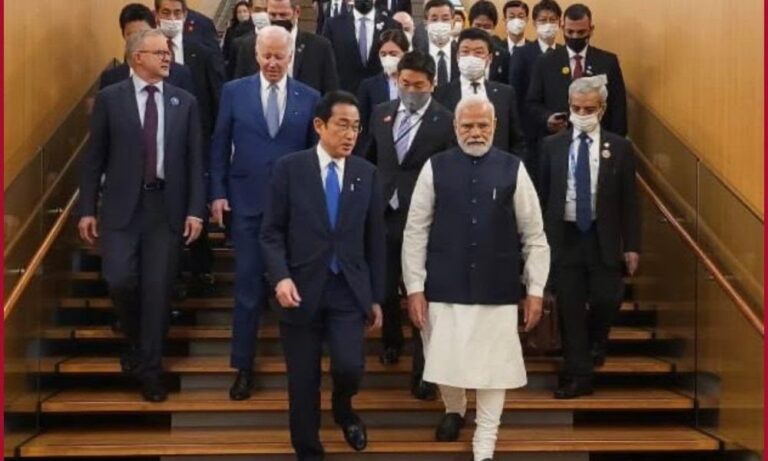
On the invitation of his Japanese counterpart Fumio Kishida, Prime Minister Narendra Modi arrived on Monday at  Tokyo to  address a two-day Quad Leaders Summit. While there, he held separate bilateral conferences with Japanese commercial enterprise leaders, along with SoftBank’s Masayoshi Son and Suzuki Motor Corp’s Osamu Suzuki, to talk about funding possibilities in sectors starting from textiles to automobiles, rising technologies, and startups.

He began to meet with Nobuhiro Endo, Chairman of NEC Corporation, after which with Tadashi Yanai, CEO of Uniqlo, a Japanese garb company.

Meetings with Son and Suzuki to discuss investment options followed.

In his discussion with Endo, Modi praised NEC’s contributions to India’s telecommunications sector, particularly the optical fibre cable projects between Chennai and the Andaman and Nicobar Islands (CANI) and Kochi and the Lakshadweep Islands (KLI), according to an official statement.

He also mentioned the Production Linked Incentive (PLI) scheme, which offers investment prospects.

“They reviewed several reforms being implemented in India to make it easier to do business, especially in the areas of industrial growth, taxation, and labour. They also discussed new and developing technology opportunities in India “According to the release.

Endo said the topics discussed included ways to contribute to India’s Smart Cities and NEC’s ambitions to help the country in the fields of education and logistics, among other things.”We are extremely glad to contribute to those sectors,” he  added, citing Prime Minister Modi’s strong desire to grow and enhance India’s capabilities.

During his discussion with Yanai, the chairman, president, and CEO of Fast Retailing Co Ltd, the parent company of Uniqlo, Modi discussed India’s rapidly rising textile and clothing sector as well as investment potential under the PLI plan for textile projects, according to the statement.

Uniqlo’s enhanced participation in India’s journey to becoming a textile manufacturing hub, particularly the use of technologies in textile manufacturing, was also requested by the Prime Minister, who also asked the Japanese apparel giant to participate in the ‘PM-Mitra’ scheme aimed at further strengthening the textiles sector.”

“They also addressed numerous changes being implemented to make it easier for foreign investors to do business in India, notably in the areas of industrial growth, infrastructure, taxation, and labour,” the statement stated.

Uniqlo is looking into investing in the manufacturing and retail industries in India, according to Yanai “We can focus on end-to-end products, from plant to design to fabric,” he said, adding that the company intends to continue to grow in India, citing the country’s excellent IT talent.

During his discussion with Son, the founder and CEO of Softbank Corporation, Modi praised the company’s contribution to India’s startup sector.

Softbank’s future participation in India in critical areas such as technology, energy, and finance was discussed, according to an official statement.

Various reforms aimed at making it easier to do business in India were also discussed, and “concrete ideas were shared with Softbank on how it could increase its investments in India,” according to the statement.

According to Son, India is “expanding very swiftly with new businesses entering everyday and unicorns emerging very quickly,” making it the world’s third-largest startup and unicorn market.

India has a promising future. “Prime Minister Modi is devoted to India’s success, to assisting startups, to generating more unicorns, and to making India the world’s high-tech hub,” he continued.

During his conversation with Suzuki, the Prime Minister reflected on the veteran Japanese industry leader’s long affiliation with and commitment to India, praising Suzuki Motor Corp’s transformative role in the country’s automotive industry.”They discussed more investment potential in India, including the establishment of manufacturing facilities for electric vehicles and batteries, as well as recycling centres,” according to the official statement. The meeting also reviewed ways for strengthening India’s indigenous innovation system, such as talent development through Japan-India Institutes of Manufacturing (JIM) and Japanese Endowed Courses (JEC), according to the statement.Toshihiro Suzuki, president of Suzuki Motor Corporation, called Modi’s visit to Japan “an important milestone in the 70th year of Indo-Japanese diplomatic relations.”

“Prime Minister Modi’s reforms are indescribable in the sense that he is bringing changes that are altering the entire landscape of India into a model landscape,” Suzuki said, adding that Japanese investors greatly embrace Modi’s self-reliance concept.

Why should we be concerned about fast fashion ? How it’s affecting our climate.

The textile industry’s business approach of copying recent catwalk trends and high-fashion designs, mass-producing them at minimal cost, and bringing them to retail outlets rapidly while demand is high is known as fast fashion. Fast fashion is also a generic word for the things produced under the fast fashion business model.

In the language of Oxford Fast fashion is inexpensive clothing produced rapidly by mass-market retailers in response to the latest trends.”

Fast fashion grew in popularity in the late twentieth century as clothing manufacturing became less expensive as a result of more efficient supply chains and new quick response manufacturing methods, as well as a greater reliance on low-cost labour from South, Southeast, and East Asia’s apparel manufacturing industries. Primark, H&M, Shein, and Zara are among the retailers who use the quick fashion strategy.

The  fast fashion enterprise version in all fairness is new, empowered through the net and mainly through social media posts. In the past, scouts of speedy style manufacturers needed to attend (physically) catwalks to movie and replica high-give up fashion dressmaker creations. Or, recourse to posts on published magazines to duplicate and reflect rare haute couture and restricted version fashion dressmaker creations. Nowadays, speedy style manufacturers have armies of spies scouting celebrities on Instagram 24/7, making sure that the copying manner is nearly instant. As quickly as a superstar wears a completely unique fashion dressmaker piece on social media, speedy style spies spot it and begin the ‘stealing’ manner. Then, the photographs with the superstar sporting the ones designs are accrued and despatched for approval. If the fashion is deemed financially sound, the copying-duplicating manner starts off and evolves immediately.

Thousands of fast-style scouts are hired to discover and imitate the state-of-the-art developments worn through celebrities on social media or fashions at the catwalk. The maximum current and elegant models are then shipped to factories in growing international locations to be heavily produced at a low cost. Unfortunately, the whole commercial enterprise version has a dangerous effect on the environment due to mass production,  increase in Child labor and modern slavery, Using  of Toxic dyes and unsustainable materials

 Problems related to fast fashion-

Fast fashion companies thrive in a “low cost, ultra fast” cycle of copying, manufacturing, shipping and selling. The normal 6-month processing time  from the

The catwalk to the consumer is reduced to  weeks.

However, the fashion business model is very fast, but it brings a world of problems as detailed below.

1.Stealing & Copyright Issues

Fast style businesses thrive in a “low cost, extremely speedy” cycle of copying, manufacturing, transport and selling. The regular 6-month processing time from the catwalk to the customer is decreased to weeks. However, while the style commercial enterprise version could be very speedy, it poses many issues as defined below. In a sense, social media has empowered the short style industry. However, for immediate style brands, social media may be used to scouse borrowing the entirety that sells. No one is safe, from high-give up designers to rising designers. Able to copy, manufacture, and deliver in mass, speedy style giants are the primary to marketplace the contemporary designs, lengthy earlier than the authentic author does. Even worse, as frequently there are numerous speedy style businesses focused on the equal design, the authentic author is misplaced in the work .

2 .Pollution 

Beyond the ripping off of other’s work, fast fashion creates severe ecological and ethical problems.

A recent report highlighted that over 87 percent of fast fashion brands are sourcing materials and labour from China, India, Pakistan, and Turkey, with serious consequences for the environment.

Moreover, of all fast fashion giants investigated, only Zara and H&M have proper waste management and recycling policies in place.

Granted, not everybody can afford to dress like a celebrity, with the price tags straight off the catwalks of London Fashion Week.

But that’s not an excuse to let fast fashion companies deplete, pollute, and destroy the environment with millions of copies that almost always end up in landfills.

The high speed of manufacturing required by fast fashion creates further issues relating to low wages and poor working conditions.

3.Modern slavery Low-price

Modern slavery Low-price production calls for now no longer best low-price substances however additionally reasonably-priced exertions. According to a survey with the aid of using ‘Fashion Checker’, 93% of rapid style manufacturers aren’t paying garment people a living wage. To preserve production prices low, rapid style manufacturers have moved manufacturing to ‘developing’ international locations in which exertions is unethical, inhuman in what the media describes as instances of cutting-edge slavery in rapid style.

According to a former Topshop emblem director: “Girls see a movie star carrying something and need it immediately.” For the short style commercial enterprise version to thrive, the advent of trend-applicable merchandise designed to cause one’s impulsive shopping for conduct is key. Moreover, for the cycle to continue, the short style commercial enterprise version employs a deliberate obsolescence strategy, as defined with the aid of using Guiltinan (2009).

Import duties on some raw materials for the steel sector are being waived by the government.

The government has exempted import tariffs on  some commodities such as coking coal and ferronickel used in the steel industry. This will reduce the cost and price of the domestic industry.   Tariffs on iron ore exports have also been raised to 50% and some steel brokers have been raised to 15% to increase domestic availability.

This service will be from Sunday  today .

Import tariffs on ferronickel, coking coal and PCI coal have been reduced from 2.5%, and import tariffs on coke and semi-coke have been reduced from 5% to zero. The export tax on  iron ore and concentrate has been raised from 30% to 50% and a 45% tariff has been levied on iron pellets.

Taxes on ingots, blocks, or other major forms of pig iron and Spiegel. Flat-rolled iron or non-alloy steel products, width  600 mm or more, hot rolled, Unplated, uncoated. Flat-rolled iron or non-alloy steel products from 600 mm wide, cold-rolled (cold-rolled), unclad, clad or coated  flat-rolled iron or non-alloy steel products from 600 mm wide, clad, clad or coated Things have now been raised from “zero” to 15%.

In addition, a 15% tariff was levied on flat-rolled stainless steel products with a width of more than 600 mm, other steel bars and stainless steel bars. Angles, shapes and profiles of stainless steel; rods and rods, hot rolled  irregularly wound coils of other alloy steels.

Nirmala Sitharaman, the present finance minister, said tariff changes on commodities and steel brokers would “lower prices.”

In addition, import taxes on  raw materials used in the plastics industry have been reduced, reducing domestic manufacturing costs. Import tariffs on naphtha has been reduced, reducing domestic manufacturing costs. Import tariffs on naphtha has been reduced from 2.5% to 1%, while tariffs on propylene oxide have been halved to 2.5%. Import duties on polymers made of

Vinyl chloride (PVC) has been reduced from the current 10 percent to 7.5 percent. In announcing a reduction in tariffs on plastics.

Sitaraman  said tariffs on raw materials and brokers would be reduced if import dependence was high.

“This will reduce the cost of the final product,” she tweeted.  Also  said the government has decided to reduce tariffs on raw materials and intermediates for India’s highly import-dependent plastic products. This will reduce the cost of the final product, the minister said.

Earlier this month, India  announced a ban on wheat exports as grain prices soared in the heat of northern India.

Apart from this, the government is also taking steps to improve the availability of cement. The minister added that this would be done through better logistics to reduce cement costs and that orders would be placed on Saturday itself.  On Friday

Sitaraman expressed concern about the potential impact of rising  construction costs on infrastructure creation as the government calls for an infrastructure investment-led economic recovery.

“Today, the world is in a difficult time. Even when the world is recovering from the Covid 19 pandemic, the conflict in Ukraine  has caused supply chain problems and a shortage of various commodities. It causes inflation and financial difficulties in many countries. ”

Retail price inflation measured by Consumer Price Index (CPI) and inflation measured by the wholesale price index (WPI) have been surging in recent months mainly driven by a surge in global commodity price.

AMRG & Associates Senior Partner Rajat Mohan said steep reduction in import duty on these products would help arrest high inflation.

“Global economies are failing due to rising debt and high inflation. In light of collapsing weak developing economies due to high inflation, the Indian government has taken multiple measures to provide relief from the high prices of petrol, diesel, coal, iron, steel and plastic,” Mohan said.

What Is The Relationship Between Data And Economy?

Data is the driving force behind the digital frugality. While data handling norms will inescapably differ from country to country, it’s critical to ask Can we reduce obstacles tocross-border data flows to address common enterprises and profit society? Erecting a system to record carbon- related information on products throughout entire global force chains, for illustration, is needed to produce an environmentally sustainable indirect frugality. As a result, every country’s data- related rules must be coordinated — a massive and delicate task. How can this be fulfilled?

The Osaka Track, a major worldwide action on data flows, was launched by heads of government in Davos in 2019 under Japan’s G20 leadership.

In several nations, the DFFT paradigm has affected data- related rulemaking. Since also, countries each over the world have been trying to apply digital trade regulations that are harmonious with the DFFT principle. For case, in two trade agreements, the Japanese government agreed to high-standarde-commerce rules the Japan-US Digital Trade Agreement and the Japan-UK Economic Partnership Agreement (EPA). In addition, early addresses between Japan and the EU on data- related legislation are underway. The Regional Comprehensive Economic Partnership (RCEP) is part of this trend at the indigenous position, and Japan, Singapore, and Australia are concertedly easing multinational conversations one-commerce at the World Trade Organization (WTO).


Consensus Issues With Data

The DFFT effort is now experiencing various obstacles. Most importantly, worldwide harmonisation is incredibly challenging because each country approaches data protection and trust differently. Because national interests and opinions differ greatly, reaching a worldwide consensus on norms involving security and privacy, in particular, will take time. The problem of government access to private-sector data is an excellent illustration. Access by the government can range from purchasing data from the private sector to seeking information for national security purposes.

Categorizing different types of government access in a way that policymakers and other stakeholders in a variety of nations can understand is a key step in reconciling perceptions and establishing a platform for conversation, and it is a component of our work on the subject. The OECD has been working on this issue and has made steady progress, but reaching a global agreement is expected to take some time. Finally, each country must take responsibility for clarifying its policies and ensuring that its trading partners understand them.

This awareness of the concerns is reflected in the DFFT Roadmap, which was developed during the G7 Digital and Technology Ministerial Meeting in 2021.


DFFT: A bottom-Up Strategy

One argument against DFFT is that a country’s data assets could be stolen by foreign companies if it joins a cross-border data transfer system before its domestic data ecosystem is well developed

However, sitting on the bench comes at a heavy price. According to the World Economic Forum’s white paper, Advancing Data Flow Governance in the Indo-Pacific: Four Country Analyses and Dialogues, cross-border data flows can have major benefits for local economic growth.

In order to address the needs of business, a pragmatic and bottom-up approach to DFFT is essential. This means that efforts to develop high-level and comprehensive intergovernmental rules can run concurrently with public-private collaborations to address specific concerns.

Categorizing different types of government access in a way that policymakers and other stakeholders in a variety of nations can understand is a key step in reconciling perceptions and establishing a platform for conversation, and it is a component of our work on the subject. The OECD has been working on this issue and has made steady progress, but reaching a global agreement is expected to take some time. Finally, each country must take responsibility for clarifying its policies and ensuring that its trading partners understand them.


A recent research by Japan’s Ministry of Economy, Trade, and Industry (METI) examined cross-border data flows at the company level, categorising the problem into six categories (see below) of specific difficulties and solutions, and making suggestions.

Some IoT manufacturers, according to the survey, confront the following problem: they sell IoT equipment globally and provide maintenance services, including failure forecasts based on real-time data regarding operating conditions.

However, data management regulations differ from nation to country and are often updated. A clear and consistent approach for determining what types of data can cross borders would enable increased use of IoT capabilities, such as real-time monitoring.

Professor Tatsuhiko Yamamoto, chair of the panel that published the paper, remarked, “Few talks regarding DFFT have investigated specific instances in which ‘data does not flow’ in corporate settings.” “We used private sector voices and genuine instances to gather and analyse cases on the lifespan of global data transfer.”

These issues could be addressed by implementing a method based on RegTech, which are technologies that automate compliance and process monitoring.

In this context, the Forum published a white paper in April 2022 that highlights seven common success characteristics that aid in defining best practises in RegTech deployment.

The G7 in 2023, which will be hosted by Japan, the country that suggested the notion in 2019, is expected to be a future milestone for DFFT. “Three years ago at Davos, our country promoted DFFT,” Japanese Prime Minister Kishida Fumio said at the Davos Agenda 2022. The DFFT is being advanced further

Telangana Administration Has Raised Liquor Prices By 20-25 Percent

Telangana and Andhra Pradesh are the states with the highest alcohol consumption rates

While the government has been successfully dealing with the deadly coronavirus threat, the lockdown has now exacerbated an alcoholic problem. With all wine shops in the state closed, persons accustomed to consuming alcohol are now experiencing acute withdrawal symptoms and are alleged to be behaving in an unruly manner, with suicide attempts reported in some cases. The Erragadda Mental Hospital, which has had almost no out-patients since the lockdown, is suddenly receiving around 100 OP cases.

With 19.8 percent, Andhra Pradesh and Telangana ranked fifth in the country. According to the National Institute of Nutrition’s Urban Nutrition Report, urban men in Andhra Pradesh and Telangana state consume alcohol at the second highest rate in the country (37.3%). According to a poll conducted in the country’s urban areas, urban men in the Andaman & Nicobar Islands drink the most alcohol (51.3%). In terms of risk behaviour components, it was discovered that 16% of adult men used tobacco in some form or another, and 30% of men drank alcohol.

West Bengal has the highest rate of smoking (40.6%). With 19.8 percent, Andhra Pradesh and Telangana ranked fifth in the country. Scientists discovered that consuming foods heavy in fat, salt, and sugar with alcohol resulted in a higher connection of hypertension in men.

According to nutritionist Dr. U. Sree, “high cholesterol and triglyceride levels imply that males are engaging in dangerous behaviour, which is shown in annual health check-ups.” Professionals are secretive about their habits. The only option is to abstain completely from alcohol, but few people are willing to do so. People in this category are given dietary adjustments and medicines to treat grade 2 fatty liver issues.”

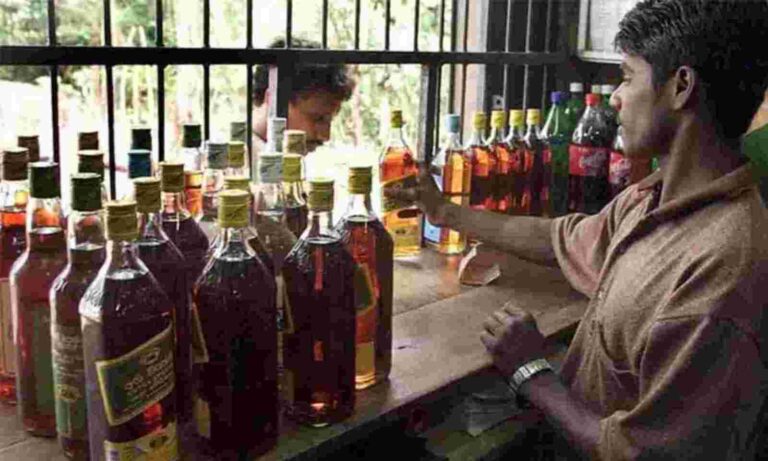
The Telangana administration has raised liquor prices in the state by 20-25 percent, with the new rates taking effect on Thursday. While this change, the first after May 2020, is intended to increase income, the state prohibition and excise agency believes it will lead to more moderate liquor consumption in the state.

According to the director of the prohibition and excise department, the new rates will apply even to goods with the previous maximum retail price (MRP) printed on them.

The tariffs for foreign liquor, Indian-made foreign liquor, and beer have been altered in the current order. The retail price of all beer brands in all sizes has been raised by Rs 10. Similarly, all wine brands’ MRPs have been raised by Rs 10 for a quarter (180ml), Rs 20 for a half (375ml), and Rs 40 for a full (750ml) bottle.

In the case of hard liquor, the price increase is divided into two categories: for brands with an MRP of less than Rs 200 for a full bottle, the price is increased by Rs 20, Rs 40, and Rs 80 for quarter, half, and full bottles, respectively. For brands with MRPs greater than Rs 200, the price is increased by Rs 40, Rs 80, and Rs 160 for quarter, half, and full bottles, respectively. According to booze sellers, the move to sell old stock at the new MRP is sure to confuse tipplers and cause mayhem at liquor stores.

“We are the ones who deal with the general public. Who will accept it if we sell old bottles at a new MRP without even putting new stickers on them? Furthermore, the consumer has the right to spend no more than the MRP label on the bottle. “The people would just blame the shopkeepers,” a senior retailer told indianexpress.com, adding that the government should have first educated and sensitised liquor consumers.

According to statistics, the state earned more than Rs 30,000 crore from the sale of booze from roughly 3,000 retail outlets last year. Whether the government move “moderates” liquor use in the state or not, wine shop owners believe government income will not fall at any moment. They claim that even if sales fall, the price increase will ensure that revenues remain constant.

Sixty percent of a retailer’s revenue comes from the sale of inexpensive liquor. Its rates have risen to Rs 120 from Rs 65 in pre-Covid era. “If you keep raising the rates, he/she would resort to illegal options,” a dealer said. He stated that when the rates in Andhra Pradesh were raised, there was an increase in incidences of smuggling of liquor from other states.

Several wine shops remained shuttered or partially open on Thursday, after officers from the department had sealed them the night before. These would be permitted to open only after officials assessed the available stock to determine the taxes to be paid in accordance with the new MRP. Dealers warned that a lack of personnel in the department could further stall the process.