Home Blog Page 288

Building Trust Brick by Brick: SKA Group's Promise of T3 Philosophy – Transparency, Timely Delivery, and Technology

In the real estate market, the biggest concern for homebuyers today is not aspiration, but assurance. This is where SKA Group stands apart, bringing certainty as a defining differentiator. By focusing on transparent processes, disciplined execution, and delivery accountability, the group addresses buyer concerns through actions rather than assurances.


SKA Group’s Promise of T3 Philosophy – Transparency, Timely Delivery, and Technology


Over the past 15+ years, SKA Group’s journey in NCR has been marked by steady progress and a focus on execution rather than rapid expansion. Its track record includes successfully delivered residential projects such as SKA Arcadia, SKA Orion, SKA Divya Towers, SKA Metro Ville, SKA Green Arch, SKARDI Greens, and SKA Green Mansion. Across projects, the group has consistently developed high-quality residential spaces aligned with evolving urban lifestyles. Design planning has become more refined over time, amenities are practical and future-ready, and sustainability is embedded into project planning rather than treated as an add-on.


At the core of SKA Group’s operating philosophy is T3—Transparency, Timely Delivery, and Technology. This framework brings clarity and predictability to the homebuying process by allowing buyers to track progress, understand construction quality, and rely on clearly defined timelines.
 

Transparency at SKA Group is operational and measurable. The company shares monthly construction updates for every project on its official YouTube channel, enabling customers to see exactly how their project, and even their specific tower or flat, is progressing. These regular updates provide clear visibility into construction milestones and on-ground execution, reducing uncertainty and ensuring buyers remain informed throughout the construction lifecycle.
 

Timely Delivery remains the strongest validation of SKA Group’s commitment. All completed SKA projects have been delivered at least six months before their committed RERA timelines. This consistent performance reflects disciplined project planning, controlled execution, and strict monitoring, ensuring buyers receive possession without delays or uncertainty.
 

Further, Technology plays a central role in SKA Group’s construction approach. Since its inception, the group has adopted 100% Mivan construction technology across all projects. This advanced methodology ensures uniform structural quality, significantly minimises the risk of water seepage or construction defects, and enhances earthquake resistance. Mivan construction also enables faster and more precise execution while maintaining consistency across all floors and towers.


When transparency,  timely delivery, and technology work together, trust becomes a natural outcome. Regular visibility into construction progress builds confidence, advanced building practices ensure long-term structural quality, and early possession reinforces reliability. Together, these elements remove ambiguity from the homebuying journey and replace it with assurance grounded in execution.
 

The strength of SKA Group’s T3 philosophy is evident across its expanding portfolio in Noida, Greater Noida, and Ghaziabad. Ongoing developments such as SKA Estate in Sector ETA-2, Greater Noida; SKA Destiny One in Sector Zeta I, Greater Noida; and SKA Divine in Wave City, NH-24, Ghaziabad reflect a continued focus on planned layouts, strong infrastructure, and premium residential environments. SKA Destiny One, an IGBC Gold Pre-Certified development, integrates sustainability into upscale living, while SKA Divine offers features such as EV charging and a double-height lobby, aligned with the requirements of modern urban households.
 

At a time when buyers prioritise reassurance as much as aspiration, SKA Group’s strength lies in the certainty it delivers. The T3 framework: Transparency, Timely Delivery, and Technology is not driven by market cycles, but by long-term operating principles. In an industry where credibility is built through execution, SKA Group continues to strengthen buyer trust through visibility, structural integrity, and a proven record of early delivery.

An EV Newcomer That Doesn't Behave Like One

On paper, this looked like an underdog story waiting to happen. A young electric vehicle maker from Vietnam, a country better known for speed in textiles than speed on four wheels, stepping into India, the third largest car market in the world. Naturally, observers wondered how this brand would stand out among battle-hardened incumbents and cost-sensitive consumers.


VinFast’s first year in India reveals a playbook built on speed, confidence, and tightly aligned pillars of product, pricing, and aftersales policies


But the underdog never played its part.


Within months of stepping onto Indian soil, VinFast began doing a sequence of moves that made analysts double take. More and more dealers started signing with the brand. Banks shows up to finance both customers and showrooms. And in Tamil Nadu, a factory rose from empty land to a functioning production hub, producing VF 6 and VF 7 units assembled by local workers.


Momentum like this is rarely accidental. It flowed from a playbook VinFast had tested in Vietnam, refined in Southeast Asia, and reinterpreted for India’s unique scale. At the core of this playbook is a trio of commitments that shaped its rise at home and define its ambitions abroad. VinFast refers to them as its three core pillars: high-quality vehicles, inclusive price, and exceptional aftersales policies. These pillars helped VinFast become the top selling automaker in Vietnam, and now they form the spine of its India strategy.


Why VinFast Starts With VF 6 and VF 7

The VF 6 and VF 7 are perharps the clearest expression of how those pillars translate into practice.


VinFast could have chosen to debut with any model, particularly a smaller one to get a low-risk entry. The brand has a wide lineup, from the cute and compact VF 3 that became a phenomenon in Vietnam to the luxury seven-seat VF 9. Yet it chose the VF 6 and VF 7 for India because they embody the company’s core philosophy in a way that feels tailored to Indian consumers.


First, high-quality vehicles. Both models carry European-influenced design and a level of fit and finish that defies the newcomer label. The VF 7 in particular has already captured attention. It was named EV Disruptor of the Year by the Jagran Hi-Tech Awards for its modern styling, spacious interior, and advanced features, which judges viewed as punched far above its expected segment position.


Second, inclusive price. VinFast does not aim to be the cheapest brand in the market. Instead, it positions itself where aspiration meets accessibility. This formula succeeded in Vietnam, where VinFast offered generous equipment levels at competitive pricing, making EV ownership realistic for more households without watering down the premium experience. Even entry models came with features often reserved for higher segments.


The VF 6 and VF 7 follow the same logic in India. They look premium, feel premium, and drive premium, yet remain priced for a segment where buyers are ready to upgrade from combustion vehicles without stepping into luxury territory.


Third, exceptional aftersales policies. VinFast learned in Vietnam that convincing consumers to shift from petrol to electric requires more than technology. It requires confidence. Long warranties, clear maintenance policies, and easy access to service became part of its brand identity. In Vietnam, warranties for several models stretch up to ten years, a signal of engineering confidence that reshaped consumer expectations. Vietnamese users often reported that servicing VinFast models cost dramatically less than comparable petrol cars, sometimes by more than 80% in real world comparisons. These differences helped the brand surge to the top of the Vietnamese market and created a new expectation that a premium EV should also be practical.


In India, the VF 6 and VF 7 arrive with the same class-leading warranty, and VinFast does not stop there. Buyers also get three years of free maintenance and three years of free charging, a little gift made possible through its strategic partner V-Green.


Taken together, the VF 6 and VF 7 represent exactly how the brand intends to flip the script in each market it’s present: Deliver vehicles that feel premium in design and experience, price them within reach of the middle class, and support them with aftersales care that makes EV ownership feel reassuring.


Factory Speaks Louder Than Ads

There is marketing, and then there is a factory rising from the ground in 15 months.


VinFast’s Tamil Nadu plant is the physical expression of the brand’s belief in acting early and acting boldly. When the site was first chosen, there was nothing. The company surveyed fifteen locations across six states, chose Thoothukudi, and began construction with astonishing speed. Soon the plant rolled out the first VF 6 and VF 7, the very models that symbolize VinFast’s aspiration in India.


The pace felt familiar. In Vietnam, the Hai Phong plant had already shown what VinFast’s execution looks like at full throttle. TIME Magazine described the factory floor as a place where “robot arms twirl like pneumatic ballerinas,” welding with 98% automation and producing multiple models on a single line. Even Google Maps could not keep up. The magazine noted that the satellite view still showed half of the 877 acre site sitting under the sea because VinFast built the reclaimed land faster than the satellite could refresh.


Before the year was over, VinFast made another decisive move by signing an MOU with the Government of Tamil Nadu to expand its Thoothukudi facility on roughly 500 acres of newly allocated land. As part of the second phase of its 2 billion dollar commitment, VinFast is expected to invest an additional 500 million dollars to build dedicated production lines for electric buses and e-scooters, expanding beyond its current electric car output.


Beyond the factory, VinFast brings with them a full ecosystem philosophy. Even before sales began, VinFast secured nationwide service and roadside partnerships with myTVS, RoadGrid, and Global Assure. It formed a battery lifecycle agreement with BatX, showing long-term responsibility for sustainability. And it laid the foundation for a charging network through V-Green, the company founded by VinFast founder Pham Nhat Vuong and which has been platform that already anchors Vietnam’s dense EV infrastructure.


In parallel, the support infrastructure extends through financing partnerships. VinFast secured alliances with YES BANK, HDFC Bank, ICICI, Kotak, Axis, and the State Bank of India. These agreements cover retail buyers, dealer inventory, corporate fleets, and even in showroom financing. Banks responded enthusiastically perharps because VinFast arrived with credible scale, local manufacturing, and a commitment to long term presence that made lenders comfortable extending generous limits.


Dealers noticed too. Within months, inquiries poured in daily from dealership groups across India wanting a spot in the network, including cities that were nowhere near VinFast’s initial rollout plan.


This ecosystem approach is not only operational. It is philosophical. It assures customers that buying a VF 6 or VF 7 is not a leap of faith into an untested category, but a move into a supported, well designed EV experience.


The early response from Indian journalists and influencers has been a clear indicator of VinFast’s resonance. During his tour of Vingroup’s ecosystem and the VinFast Hai Phong manufacturing complex, Vishal Ahlawat was immediately struck by the sheer scale on display. As he put it, “The first thing I noticed was the vastness of the land, an enormous facility where they manufacture two wheelers, four wheelers, and even buses.”


Seeing VinFast vehicles everywhere in Vietnam also sparked a sense of possibility for the Indian market. He added, “I would definitely love to see that in India someday.”


A First Year That Reads Like a Mission Statement

Perhaps the most striking part of VinFast’s first year in India is not the size of the factory or the number of banks or even the speed of construction. Rather, it’s the clarity of its intent. The company behaves not like a speculative entrant but like a long-term partner, building not for this quarter, but for the years that follow.


It has already woven India into a production and service ecosystem that spans Vietnam, Indonesia, and other markets in Asia. And it has introduced vehicles that are not stepping stones, but flag bearers. The VF 6 and VF 7 are the embodiment of the company’s three pillars. They prove that VinFast is not trying to sell just electric cars to India, but trying to build a complete, trustworthy EV experience.


In Vietnam, this approach took VinFast from outsider to market leader. In India, it has already begun rewriting expectations of what a newcomer can pull off in a single year.


A first year rarely changes a market, but it can set the mood for what follows. And if this is how VinFast begins its India story, the next chapter for a newcomer that behaves nothing like a newcomer is bound to be worth watching.

Leadership Anchors Powering InnovHer's Institutional Momentum

At the heart of InnovHer’s evolution is a leadership collective that embodies rare depth in execution, capital literacy, governance maturity, and ecosystem intelligence. In an environment where most Tier 2 venture platforms are still chasing relevance, InnovHer is consciously building institutional muscle. What distinguishes the platform is not merely the stature of those who have aligned with its mission, but the clarity of purpose with which they contribute, strengthening InnovHer’s ability to translate ambition into durable institution-building.


L to R: Onkar Bagaria, Mandar Shrikant Joshi, Shweta Choudhary, Anish Maheshwari, Digvijay Singh


Onkar Bagaria: Capital Discipline Meets Capability Building

Strategic Partner for Innovher, Onkar Bagaria brings a distinctive perspective shaped by investment banking, institutional leadership, and generational business wisdom. His grounding in structured finance and capital markets, coupled with his role as CEO at VGU, one of Rajasthan’s leading private university, allows him to bridge the often disconnected worlds of financial discipline and capability creation.


Within InnovHer, he plays a critical role in strengthening investor readiness frameworks, capital structuring confidence, governance orientation, and sustainable long-term planning. His family business legacy adds an important generational lens, focusing not only on growth but on reputation, credibility, and risk stewardship. For Tier 2 ventures aspiring to command serious institutional trust, his involvement ensures that capital aspiration is matched with financial prudence.


Mandar Shrikant Joshi: Aligning Tier 2 Ambitions With Global Standards

As Strategic Partner at Innovher for Global Venture Building and Ecosystem Design, Mandar Shrikant Joshi introduces a powerful international calibration layer to InnovHer’s mission. His experience spans venture building, startup ecosystems, investor readiness, and strategic alignment across multiple geographies and market cycles. He understands how founders evolve, how ecosystems mature, and what separates globally competitive ventures from locally confined aspirations.


At InnovHer, he focuses on aligning venture-building frameworks with international benchmarks, strengthening cross-border linkages, and preparing founders for global markets and capital expectations. His inputs are particularly impactful for sectors such as D2C, luxury, and lifestyle where aspiration must be backed with robust execution structures. Through his lens, InnovHer reinforces a central belief: Tier 2 origin is not a limitation. With the right discipline, founders from emerging ecosystems can build ventures that confidently operate on a global stage.


Anish Maheshwari: Governance Strength and Capital Stewardship

In a startup climate often driven by speed over structure, Anish Maheshwari, Director at VSure Investments, Mumbai, brings the stabilizing force of governance maturity and capital stewardship to InnovHer. As Strategic Partner at InnovHer for Corporate Governance and Capital Stewardship, he anchors the leadership bench with boardroom-grade seriousness.


He contributes deeply to corporate governance frameworks, investment structuring sanity, compliance sophistication, and investor confidence building. He ensures that ambition is supported by institutional safeguards, enabling founders to grow without exposing themselves to avoidable risks. At a time when credible investors increasingly demand transparency, discipline, and ethical capital management, his presence serves as a crucial assurance mechanism. For InnovHer, this balance between growth velocity and governance integrity is not optional. It is foundational.


Digvijay Singh: Architecting Digital Presence and Platform Trust

If InnovHer represents vision and institutional maturity, it also stands for lived mentorship and human evolution. Digvijay Singh, Director at InnovHer, represents that journey. Once mentored by InnovHer’s founder, he has grown into a core execution pillar and narrative custodian of the platform.


With a deep understanding of digital media, content ecosystems, and platform storytelling, he strengthens how InnovHer and its portfolio communicate credibility, trust, and relevance in today’s attention-driven digital economy. His work spans brand architecture, digital strategy, founder communication frameworks, narrative discipline, and media design. Beyond strategy, his journey from being a learner to becoming a leader reflects InnovHer’s belief in compounding human capital, not just financial capital.


A Convergence of Experience with One Aligned Mission

What truly distinguishes InnovHer’s leadership is not individual brilliance, but strategic complementarity. Capital markets expertise, governance strength, global venture wisdom, digital strategy, and institutional vision converge into one coherent operating philosophy: build ventures that are execution ready, capital credible, and institutionally governed from day one. With leaders like Onkar Bagaria, Mandar Shrikant Joshi, Anish Maheshwari, and Digvijay Singh rallying behind Dr. Shweta Choudhary’s vision, InnovHer’s momentum has moved beyond being founder driven. It is now institution anchored.


From Jaipur, InnovHer is quietly rewriting what Tier 2 entrepreneurship can represent in India. Not through noise. Not through rushed scaling. But by earning trust, building discipline, and nurturing a culture of seriousness around entrepreneurship. When experience aligns with purpose and integrity, institutions are not built overnight. They are built to endure. InnovHer stands as a testament to that belief.

National Champion: KSFE Sweeps National Business Awards, Sets Sight on 10 Million Customers Following Rs. 1 Trillion Milestone

Following its historic achievement as the first Miscellaneous Non-Banking Company (MNBC) in India to cross the Rs. 1 Lakh Crore ($12 Billion+) business turnover mark, Kerala State Financial Enterprises (KSFE) has started 2026 on a high note by securing top honors at the 7th Business World Emerging Business Awards.


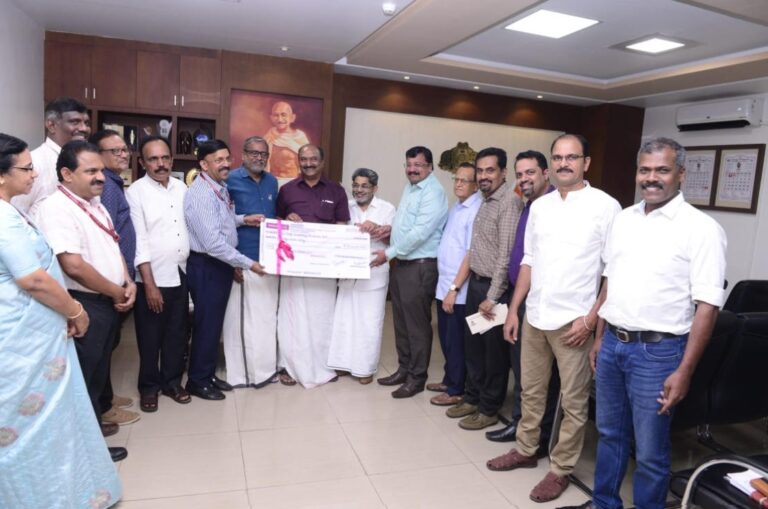
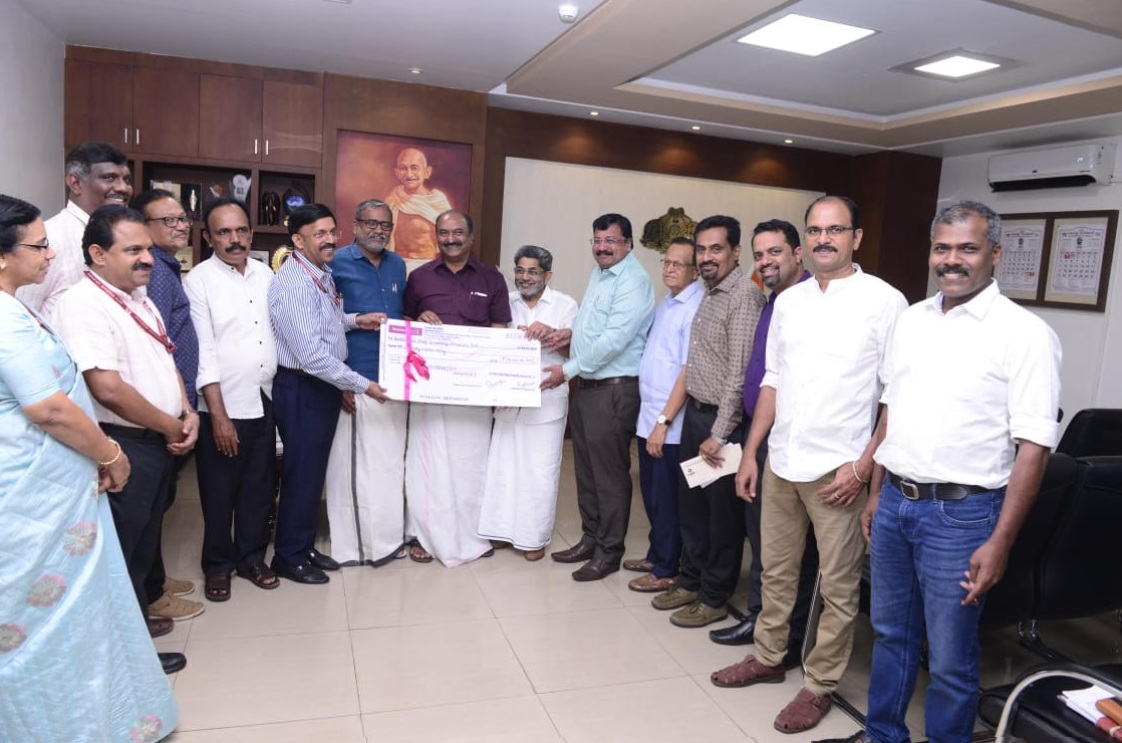
KSFE Dividend Presentation: Finance Minister K.N. Balagopal receiving the Rs. 70 crore dividend for FY 2024-25 from KSFE Chairman K. Varadarajan and MD Dr. S.K. Sanil


Recognized nationally for Excellence in MSME Financing and Leadership in Financial Inclusion, KSFE is now pivoting from a regional powerhouse to a national pillar of trusted finance.


“The achievement of KSFE is not just a success for Kerala, but a resilient model for the entire country. At a time when many financial institutions have faltered due to policy flaws, KSFE has proven that a public sector entity, rooted in transparency and public trust, can become a national leader in the financial sector,” stated Kerala Finance Minister K.N. Balagopal.


The “Mission One Crore” Surge

Entering 2026, KSFE has officially activated “Mission One Crore.” With a current base of 6 million customers, the institution is aggressively expanding its digital footprint and physical presence to reach 10 million customers across India.


Why KSFE is Winning the Trust War:

  • While the private NBFC sector faces volatility, KSFE’s “State-Backed” model has become a safe haven for Non Resident Keralalits

  • Hyper-Growth: Business volume doubled from Rs. 50,000 Cr to Rs. 100,000 Cr in just 48 months.

  • Fiscal Strength: A net profit of Rs. 512 Crore (FY24-25) with Rs. 8,925 Crore in fixed deposits safely held in the state treasury.

  • Social Impact: Unlike private lenders, KSFE returned Rs. 504 Crore to the public through interest waivers and contributed Rs. 920 Crore to state development projects.


Innovation for the New-Age Indian

The 2026 strategy is anchored by two flagship initiatives:


The Fraternity Fund: Rebranding the traditional “Chitty” for Gen Z and Millennials as a peer-to-peer savings-cum-credit tool for high-end education and home-building.


Digital First: The KSFE Power App is now processing thousands of transactions daily from the Malayali diaspora and young professionals in metros like Bangalore, Mumbai, and Delhi.


“KSFE is no longer a Kerala-only secret. We are India’s answer to sustainable, ethical finance. Our win at the BW Emerging Business Awards proves that our model of ‘People over Profits’ is what India wants in 2026,” says Dr. S. K. Sanil, Managing Director, KSFE.


About KSFE

KSFE is a 100% Kerala Government-owned financial institution. Since 1969, it has provided a transparent and secure alternative to private money lenders, now operating 683 branches with a business volume exceeding Rs. 1 Trillion.

InnovHer Enters a New Growth Chapter with Jeet Vijay Joining as Co-Founder

InnovHer has announced a major leadership milestone with Jeet Vijay joining the organization as Co-Founder. The appointment marks a defining moment in InnovHer’s journey as it formally transitions into InnovHer 2.0, its next phase as a full-scale venture institution focused on startups, SMEs, and regional economic development.


Jeet Vijay Joins InnovHer as Co-Founder, Ushering in InnovHer 2.0 and a New Era of Institutional Venture Building


Over the past two years, InnovHer has steadily built credibility as a Tier-2 venture platform—deploying capital, enabling co-investments, facilitating early exits, and positioning Jaipur as an emerging national convergence point for founders and investors. With this transition, InnovHer is sharpening its focus on institutional design, governance rigor, and long-term capital stewardship. The inclusion of Jeet Vijay significantly strengthens this ambition by adding policy depth, national-global perspective, and execution discipline.


A Leader Shaped by Policy, Capital, and Ecosystem Building

Jeet Vijay brings over 18 years of experience across venture capital, private equity, startup policy, and ecosystem leadership. Most recently, he served as the CEO of MeitY Startup Hub, the Government of India’s nodal agency for technology startups. In this role, he operated at the center of India’s innovation architecture—working closely with central ministries, investors, incubators, accelerators, and founders across the country.


His work has spanned national advisory roles, startup funding frameworks, and large-scale ecosystem programs, giving him a rare vantage point on what differentiates activity-driven initiatives from institution building. Beyond domestic policy leadership, Jeet’s international exposure—including collaborations with the University of Texas (USA)—has shaped his understanding of how mature ecosystems integrate universities, capital, and enterprises into long-term economic engines.


Equally significant is Jeet’s strong regional grounding. Hailing from Alwar, Rajasthan, and coming from a business family, he brings first-hand insight into the realities of Tier-2 and Tier-3 India. This perspective aligns closely with InnovHer’s founding belief that regional India requires durable institutions, not episodic programs, to unlock sustainable growth.


Commenting on his decision to join InnovHer, Jeet Vijay said, “Coming from Alwar, Rajasthan, I have always believed that regional India should not just export talent to metros, but build strong institutions at home. Joining InnovHer is my way of contributing back—by bringing policy experience, global exposure, and capital discipline to strengthen startups and SMEs in Rajasthan and other Tier-2 regions. If we want sustainable growth, we must build local economic engines that can compete nationally and globally while remaining rooted in their communities.”


Strengthening InnovHer’s Strategic and Institutional Output

As Co-Founder, Jeet Vijay’s role will focus on sharpening InnovHer’s strategic direction, governance frameworks, and institutional architecture. His presence brings greater rigor to venture selection, capital structuring, and policy alignment—ensuring that InnovHer’s growth is disciplined, auditable, and scalable.


More importantly, his inclusion expands InnovHer’s horizon. With a deep understanding of national policy, global best practices, and regional execution, Jeet strengthens InnovHer’s ability to support startups and SMEs as long-term economic contributors, not merely high-growth bets. This approach is increasingly relevant as India’s next growth cycle is expected to be driven by MSMEs, regional enterprises, and innovation-led local economies.


InnovHer 2.0: Building a Venture Institution from Tier-2 India

InnovHer 2.0 represents a deliberate shift—from a venture platform to a venture institution. The next phase is designed to deliver deeper, more structured support to:

  • SMEs seeking capital readiness and sustainable growth pathways

  • Startups requiring governance-first scaling frameworks

  • Local economies aiming to build durable innovation capacity


With Jeet Vijay joining as Co-Founder, InnovHer reinforces its commitment to institution-grade execution, long-term capital stewardship, and ecosystem accountability. The organization aims to demonstrate that venture institutions built from Tier-2 India can deliver outcomes on par with, or better than, metro-centric models.


A Shared Vision for National Impact

The alignment between InnovHer’s founding leadership and Jeet Vijay is rooted in a shared conviction: India’s most resilient innovation will emerge from regions when supported by strong institutions. InnovHer 2.0 seeks to set a national benchmark by proving that disciplined venture building, policy alignment, and regional grounding can coexist with scale and global competitiveness.


As InnovHer steps into this new chapter, the appointment of Jeet Vijay is not merely a leadership announcement—it is a signal. A signal that InnovHer is building for scale with discipline, for growth with purpose, and for impact with longevity.

2025 a Defining Year for General Insurance Sector; Reforms to Drive Growth in 2026: IFFCO-TOKIO

India’s general insurance industry recorded steady growth in 2025, supported by higher awareness, improved penetration and a strong push towards digital-first solutions, said Mr. Subrata Mondal, Managing Director & CEO, IFFCO TOKIO General Insurance Company Limited.

Rising demand for health insurance, aided by the waiver of GST for retail customers, continued to support growth across health segments. The motor insurance segment also witnessed decent traction following GST reduction in the automobile sector, initiatives by OEMs, and stricter enforcement of mandatory insurance by government agencies.
Commenting on evolving risks, Mondal said, “Ever-growing complexity in risk perceptions and geo-political situation across the globe have resulted in emerging solutions in climate-linked risks, trade uncertainties, cyber-attacks, merger & acquisition and surety in Corporate sector.”
He highlighted the Sabka Bima Sabki Raksha (Amendment of Insurance Laws) Bill, 2025, as a key development for the industry. Proposals such as allowing up to 100% FDI in insurance companies and formal recognition of Managing General Agents (MGAs) are expected to attract fresh capital, improve distribution efficiency and expand coverage to underserved segments.

Growing interest in GIFT City as an international insurance and reinsurance hub is also strengthening India’s position as a regional risk-management centre.
Looking ahead, Mondal said the sector remains optimistic about 2026, which is expected to be a year of consolidation, adaptability and sustainable growth, with insurers focusing on underwriting discipline, data-driven decision-making and customer-centric innovation

Tata Power, London School of Economics and Political Science (LSE) and International Growth Centre (IGC) launches Energy Insights and innovation lab to accelerate India’s clean energy transition

-The Energy Insights and Innovation Lab (EIIL) will leverage data, behavioural science, and AI for smarter power solutions.

-The MoU sets roadmap for demand-side management, and consumer-centric innovation

Mumbai/ National, 30th December,2025 : Tata Power, one of India’s largest vertically integrated power companies, has launched the Energy Insights & Innovation Lab (EIIL) recently at its Mumbai based headquarters.  This strategic research initiative is designed to harness cutting-edge research, data and experimentation to support India’s clean energy transition while improving the quality, reliability, and affordability of electricity services for consumers across India.

The EIIL is a collaboration with the London School of Economics and Political Science (LSE),  and the International Growth Centre (IGC), a global research centre based at LSE. The Lab aims to address pressing challenges in India’s power sector. These range from managing peak electricity demand to enabling deeper renewable energy integration in a way that is reliable, affordable, and aligned with India’s net-zero goals.

The Lab was inaugurated by Dr Praveer Sinha, CEO & MD, Tata Power; Prof. Robin Burgess , Professor of Economics and Director of IGC and EEE Research Program, LSE; Dr. Jonathan Leape, Executive Director, IGC in the august presence of HM Harjinder Kang, Trade Commissioner for South Asia and British Deputy High Commissioner for Western India. Also, present at the ceremony, Dr. Chetan Ghate, Professor, ISI and IGC ISGH.

The inaugural ceremony also marked the signing of an MoU between Tata Power, LSE and IGC to co-develop scalable solutions for the power sector through evidence-based approaches and global best practices.

System-level modelling + consumer-level insight

The Lab will leverage consumer behavioural science, data analytics, and energy systems modelling to test practical solutions at scale. It will focus on applied pilots that use smart meter and IoT data to improve demand-side management and grid resilience.

The initiative will explore how advanced analytics, and behavioural insights can help shift or smooth peak electricity demand in urban households, reducing stress on local networks while maintaining consumer comfort.

The partnership aims to expand the Lab into a full-scale innovation hub with enhanced funding, institutional partnerships, and a broader mandate – including support in tariff designing for regulatory approvals, consumer flexibility, distributed renewables, and energy equity.

 Notes for Editors:

India’s electricity demand is surging, driven by industrial growth, lifestyle requirements (cooling and heating requirements), digital infrastructure like data centres, electric mobility et al. In such a scenario, efficiency and system flexibility are increasingly critical to lower procurement costs and facilitate renewable energy integration. The EIIL is designed precisely for this moment. It brings together consumer behavioural science, data analytics, and systems modelling, to test real-world interventions, measure what works, and help utilities and governments turn those insights into scalable and sustainable energy solutions and strategies.

 New UK–India research partnership – how it works

EIIL will have a dedicated analyst team co-located at Tata Power’s Mumbai headquarters, working closely with LSE and IGC researchers. The collaboration reflects a model of UK–India partnership where global academic expertise is integrated with on-the-ground industrial capability to solve shared development challenges. LSE and IGC bring international research expertise, while Tata Power contributes operational capabilities, a diverse customer base, and a strong commitment to innovation and sustainability.

Gold Winner Introduces #TogetherTastesBetter Campaign to Champion Meaningful Mealtime Connections

Gold Winner, a leading household brand known for its commitment to quality and trust, has launched its latest initiative #TogetherTastesBetter, a campaign that celebrates the simple yet powerful joy of sharing meals with family and friends.


Participants of #Togethertastesbetter campaign


Through this initiative, Gold Winner reinforces the belief that food tastes better when enjoyed together. The campaign encourages people to slow down, be present at the dining table, and prioritise real conversations over digital distractions. By advocating mobile-free mealtimes, the brand highlights the importance of mindful eating and genuine human connection.


Participants of #Togethertastesbetter campaign


At its core, #TogetherTastesBetter promotes spending quality time with loved ones and strengthening bonds through shared experiences. The campaign reflects Gold Winner’s larger philosophy of nurturing togetherness and creating moments that bring families and friends closer, one meal at a time.


As part of the initiative, Gold Winner has also launched a consumer engagement contest inviting participants to share photographs of themselves enjoying a meal with their family or friends. The brand will reward the top 100 entries with attractive vouchers, celebrating authentic moments of togetherness and encouraging people to make shared meals a daily habit.


With #TogetherTastesBetter, Gold Winner continues to go beyond products, inspiring households to rediscover the value of connection, presence, and togetherness—because when people come together, everything, including food, truly tastes better.


For more Information

Contact: 4446143999/4446143991

Instagram: www.instagram.com/kaleesuwari_refinery

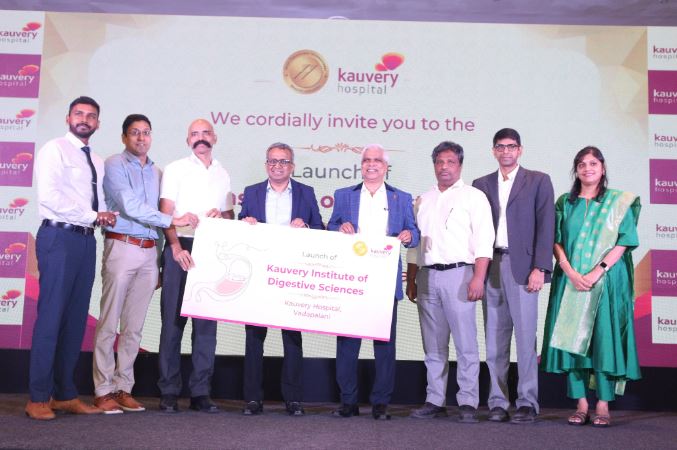
From Rising Digestive Disorders to Comprehensive Care Kauvery Hospital, Vadapalani launches Kauvery Institute of Digestive Sciences

With digestive disorders emerging as one of the most common yet under-addressed health concerns in India, Kauvery Hospital, Vadapalani, announced the launch of the Kauvery Institute of Digestive Sciences, a specialised clinical initiative focused on coordinated, evidence-based care for gastrointestinal and liver diseases, alongside preventive and lifestyle-oriented interventions.


L-R: Dr Sathish Kumar Anandan, Dr M. A. Arvind, Dr Iyappan Ponnuswamy, Dr Aravindan Selvaraj, Dr Pandurangan Basumani, Dr D Thennarasu, Dr T K Anand, Dr Swati Raju


Digestive health issues affect a significant proportion of the Indian population. According to a nationwide survey, nearly 7 in 10 urban Indians (around 70%) experience digestive problems such as acidity, bloating, constipation or indigestion on a regular basis, yet many delay medical consultation until symptoms become severe.


Further studies indicate that over 56% of Indian households report multiple digestive complaints, highlighting the widespread nature of gastrointestinal distress across age groups.


Medical experts attribute this growing burden to changing dietary patterns, high consumption of ultra-processed foods, irregular meal timings, chronic stress, sedentary lifestyles and inadequate sleep. Alarmingly, clinicians are also observing a rise in digestive disorders among younger adults and adolescents, including functional bowel disorders and inflammatory bowel disease (IBD).


The Kauvery Institute of Digestive Sciences has been established to respond to these trends through a multidisciplinary clinical framework that integrates medical gastroenterology, advanced endoscopy, surgical gastroenterology and hepatology, supported by preventive care, nutritional guidance and patient education.


Speaking on the institute’s vision, Dr. Pandurangan Basumani, Senior Consultant Interventional Gastroenterologist and Director, Kauvery Institute of Digestive Sciences, said, “Digestive disorders are no longer isolated clinical problems, they reflect broader lifestyle and public health challenges. Our focus is on building a system that prioritises early diagnosis, evidence-based intervention and long-term disease management. The Kauvery Institute of Digestive Sciences is designed to deliver structured, coordinated care that addresses both the medical and lifestyle dimensions of digestive health.”


India also carries a significant burden of chronic liver disease. A recent study highlights that liver diseases contribute substantially to morbidity and mortality, with non-alcoholic fatty liver disease (NAFLD) affecting up to 25–30% of urban Indian adults, often linked to obesity and metabolic syndrome.


Commenting on changing disease patterns, Dr. T. K. Anand, Senior Consultant – Gastroenterologist and Endoscopist, Kauvery Hospital Vadapalani, said, “We are increasingly seeing gastrointestinal conditions present at younger ages, driven by lifestyle stressors and delayed care. Effective digestive healthcare today must go beyond symptom relief and focus on sustained lifestyle modification, preventive screening and timely intervention.”


In addition to clinical services, the institute will actively promote digestive wellness through awareness initiatives focusing on balanced nutrition, adequate fibre intake, hydration, stress management and sleep hygiene – key factors known to influence gut health outcomes.


Reinforcing Kauvery Hospital’s commitment to specialised, patient-centric care, Dr. Aravindan Selvaraj, Co-Founder and Executive Director, Kauvery Hospital, said, “The Kauvery Institute of Digestive Sciences reflects our continued investment in centres of excellence that respond to real-world health challenges. By combining clinical expertise with preventive care, we aim to improve outcomes and quality of life for patients living with digestive disorders.”


With the launch of the Kauvery Institute of Digestive Sciences, Kauvery Hospital, Vadapalani strengthens its role in addressing one of India’s most prevalent yet often overlooked health concerns through structured, ethical and evidence-driven care.

In One Year, VinFast Went From a Whisper to a Roar in India's EV Market

On a morning in New Delhi, the Bharat Mobility Global Expo buzzed with the familiar hum of India’s automotive giants. Visitors wandered between displays of combustion engines and gleaming show cars, the kind of scene Delhi has hosted for decades. But in one corner of the hall, the crowd slowed. Two premium compact electric SUVs sat under the lights, the VF 6 and VF 7, their sharp V-shaped signatures glowing long before anyone registered the name on the stand.


VinFast has quietly climbed into the ranks of India’s top electric vehicle brands


VinFast’s debut in India on Jan 17 of last year caught even veteran showgoers off guard. The company had brought right-hand drive versions tailored specifically for Indian consumers, a quiet signal that it was here with purpose, not testing the waters. Still, few in the hall recognized the badge. Amid the hum of announcements and clicking shutters, one visitor leaned toward a friend and asked, “Who are these people?”


That question did not hang in the air for long. In the weeks that followed, a group of Indian journalists traveled to Vietnam to see where the cars came from. What they discovered in the northen city of Hai Phong reframed everything.


“I had no idea VinFast is such a big group,” auto journalist Swati Agrawal recalled. “I saw the factory, the manufacturing plant, and not only cars, even scooters, buses, electric buses. Everything is being manufactured in one place. Three lakh cars per year. This is not a small brand.”


Her reaction points to a deeper story. VinFast’s sudden visibility in India is not merely an export push. It is the latest chapter in Vietnam’s own industrial transformation, one that has accelerated quickly enough to catch even Asia’s seasoned automotive observers off guard.


A 400-Acre Factory… From Nothing

By the time the expo lights dimmed, the next act of VinFast’s India story had already begun taking shape in Tamil Nadu months earlier.


To choose a location for its plant, the company surveyed fifteen sites across six states. Tamil Nadu, with its manufacturing-ready infrastructure and active support for green mobility initiatives, rose to the top. What happened next showed how the brand like to act. And it’s right there in the name: Fast.


In late February 2024, when the groundbreaking ceremony began on a sun soaked, low lying tract of land near Thoothukudi, the site was still empty. By Aug 4, 2025, it housed India’s newest electric vehicle factory, a 400-acre complex with body shop, paint shop, general assembly, logistics warehouse, and supplier-ready zones.


“We entered India with nothing,” CEO Pham Sanh Chau said at the inauguration ceremony. “No land. No factory. No team. The only thing we had was a deep resolve and a belief that this area could become a leading hub for electric vehicles and auto components in South Asia.” He gestured to the plant behind him. “In just fifteen months, we transformed this land into a modern, highly-automated factory.”


When the first VF 6 and VF 7 rolled out that morning, they were the first VinFast vehicles to be made-in-India, by the hands and minds of Indian people, for Indian customers. “They are a symbol of the aspirations and resilience of the Indian people as they reach for a better, cleaner future,” Chau said.


The plant is expected to create 3,000-3,500 direct jobs and several thousand more across the supply chain as auxiliary partners move into the region. Suppliers have already expressed readiness to relocate workshops near the factory, a sign of confidence in Thoothukudi’s rise as an automotive production base.


In parallel, VinFast’s India team has moved quickly to build the retail and service backbone that can make or break an EV brand in this market. By end of 2025, the company had opened 35 dealerships, stretching from Delhi, Gurugram and Noida in the north to Mumbai, Pune, Chennai, Bengaluru, Kochi and Hyderabad.


Yet the most unusual part of the ecosystem lies in aftersales support. VinFast partnered with RoadGrid, myTVS and Global Assure with the aim of creating a full-fledged third-party service centers before the first customer deliveries. Global Assure will operate a round the clock helpline, roadside assistance and mobile service. RoadGrid and myTVS will handle charging, maintenance and diagnostics, including support in areas where VinFast does not yet have a showroom.


For a country where questions about EV service often outweigh questions about EV design, this infrastructure may prove decisive.


Financing, long a barrier for EV adoption in India, has also been addressed through agreements with major banks including HDFC Bank, Yes Bank, Axis Bank, and others. These arrangements offer everything from dealer inventory financing to 100 percent on-road customer loans, with bank officers stationed directly in showrooms for simplified approval.


“This is how you support an EV transition,” one banker at the Chennai showroom launch said. “You do not just sell cars. You build systems.”


And in the months since customer deliveries began, VinFast has quietly climbed into the ranks of India’s top electric vehicle brands. Industry registration data shows the company already placing among the country’s top 10 EV brands, a notable shift for a name that was unfamiliar to most Indians at the start of the year. Its early momentum, built on steady deliveries and expanding visibility on the roads, has reinforced what many analysts have begun to observe.


“I love one thing about Vingroup,” Swati says. “They know what they are doing. And if they have a plant in India, people will think you are not going to just sell the product and leave.” She adds, “In India, if you give good price, good range, and good service, the customers are yours.”


Why this first year matters

The rollout of Made-in-India VF 6 and VF 7 has already begun shifting industry perception. In April 2025, ABP Live named the VF 7 “Most Awaited New Car,” praising its design and advanced features. At the Jagran Hi-Tech Awards later in the year, VinFast was named “EV Manufacturer of the Year”, and the VF 7 won “EV Disruptor of the Year”.


“VinFast embodies the spirit of innovation and progress driving India’s EV transformation,” said Jagran’s auto editor Arjit Garg. He commented that the company has displayed a rare clarity of direction for a newcomer and a “people-first vision” that aligns with India’s long-term mobility goals.


VinFast’s long-term commitment became even more visible on Dec 4, 2025, when VinFast signed a new MOU with the Government of Tamil Nadu to expand its Thoothukudi facility by an additional 200 hectares. The second-phase investment will add production lines for electric buses, e-scooters and charging infrastructure, deepening localization and strengthening India’s emergence as a regional manufacturing hub. For many observers, the expansion underscored that the company’s commitment runs far beyond its initial launch.


With the factory inaugurated, dealerships opening, service networks activating and customers already booking, VinFast enters 2026 as a steady companion in India’s electric transition, intent on growing with the country.


Indian visitors to Vietnam say the brand’s trajectory feels familiar yet refreshing. Piyush, a journalist and content creator, thinks back to the sight of VinFast cars filling Vietnam’s streets. “I can imagine something similar happening in India,” he says. “Maybe after five or six years.”