Home Blog Page 2

BPL Medical Technologies Showcases Advanced Imaging and AI Capabilities at IRIA 2026, Hyderabad

  • Completes acquisition of South Korea–based Yozma BMTech, strengthening global precision imaging strategy

  • Unveils BPL Cortex, an AI-powered radiology platform to support faster, smarter diagnosis


BPL Medical Technologies made a strong impact at the 78th Annual Conference of the diagnostics, and women’s health technologies.


During the conference, the company unveiled a suite of next-generation imaging and digital health solutions through expert-led launch sessions conducted alongside BPL’s leadership. These launches reflected the company’s focus on developing scalable, clinically meaningful, and India-centric technologies aligned with real-world healthcare delivery.


BPL Medical Technologies, established in 2013, is India’s leading homegrown medical equipment brand, delivering reliable and innovative solutions


Further strengthening its global imaging and diagnostics capabilities, BPL Medical Technologies completed the acquisition of Yozma BMTech Co., Ltd., in South Korea, in December 2025. The move underscores BPL’s strategic focus on precision imaging, global technology integration, and expanding access to advanced diagnostic solutions within India’s evolving healthcare ecosystem.


The company also announced the launch of BMTech, in the presence of industry expert Mr. Govindarajan, founder & CEO of Aarthi scans highlighting the role of precision imaging and global technology partnerships in strengthening India’s diagnostic ecosystem. This was complemented by focused discussions on women’s health imaging, with emphasis on advancements in bone densitometry and mammography.


Further expanding its AI portfolio, BPL Medical Technologies unveiled BPL Cortex, an AI-powered radiology platform designed to enhance clinical decision-making, streamline workflows, and improve reporting efficiency. The company also announced a strategic partnership with 5C Network, India’s AI-native radiology platform, to jointly develop a groundbreaking OEM-embedded solution within imaging systems for the first time in India.


A key highlight of BPL Medical Technologies’ participation was RIA, a robotic assistant, which hosted multiple expert-led educational sessions across imaging solutions, women’s health, and AI in radiology. The sessions witnessed strong engagement from delegates, reflecting growing interest in intelligent, technology-enabled diagnostic education.


Commenting on the participation, Dr Shravan, Managing Director, BPL Medical Technologies, said, “IRIA provides a valuable platform to engage directly with the radiology community. Our focus remains on building integrated imaging and AI solutions that enhance diagnostic confidence while remaining scalable, affordable, and relevant to India’s healthcare ecosystem.”


BPL Medical Technologies’ participation at IRIA 2026 reaffirmed its commitment to driving innovation that is clinically impactful, technologically advanced, and aligned with the evolving needs of India’s healthcare landscape.


About BPL Medical Technologies

BPL Medical Technologies, established in 2013, is India’s leading homegrown medical equipment brand, delivering reliable and innovative solutions across cardiology, critical care, imaging, and home healthcare. Backed by the legacy of BPL (British Physical Laboratories), founded in 1967, the company pioneered India’s first ECG machine and continues to design and manufacture a wide range of ‘Made in India’ medical devices, including patient monitors, ventilators, ultrasound and X-ray systems, digital health solutions, and consumer health products.


With a nationwide presence through 14 regional offices and a team of over 500 professionals, BPL serves hospitals, clinics, and caregivers across urban and rural India. The company has achieved a CAGR of 16.9% between 2014 and 2024 and is targeting 32% growth in the next fiscal year. Recognized for its customer-centric innovation and manufacturing excellence, BPL has received multiple industry honours, including the Best Healthcare Brand by The Economic Times and Most Leading Brand in Medical Equipment by Medgate Today. BPL Medical Technologies is backed by Claypond Capital, the family office of Ranjan Pai.

IAMAI and WTW India Release India's First Compensation Benchmarking Study for Technology Sector

The Internet and Mobile Association of India (IAMAI) and WTW India have partnered to produce the WTW India & IAMAI Comprehensive Compensation Benchmarking Study for Technology Sector, the first comprehensive report in the country to examine compensation data for unique job roles.


The benchmarking study addresses the growing need for standardized compensation frameworks as industry faces challenges of hiring good talent with proper compensations, evolving employee expectations, and the shift toward hybrid work models. With detailed sub-sector analysis, organizations can now compare their compensation packages against industry peers and understand market positioning within their specific domain.


The study provides critical insights into pay trends across India’s dynamic tech sector. It comprehensively examines compensation data for over 200 unique job roles spanning the entire organizational hierarchy, from entry-level positions to senior leadership. The study offers detailed analysis across four key technology sub-sectors: E-commerce, fintech, large tech and product companies, and media and Gaming.


As India’s technology sector continues its rapid growth trajectory, organizations need reliable compensation data to attract and retain top talent in an increasingly competitive market. The WTW India & IAMAI Comprehensive Compensation Benchmarking Study for Technology Sector provides the transparency and insights necessary for companies to make informed decisions about their compensation strategies.


The collaboration between IAMAI and WTW India represents a significant step forward in establishing industry standards. The granular insights across different technology verticals will help companies structure competitive and equitable compensation programmes.


About Internet and Mobile Association of India  

The Internet and Mobile Association of India (IAMAI) is a not-for-profit industry body with more than 750 members, including Indian and multinational corporations, as well as start-ups. IAMAI has been instrumental in shaping India’s digital economy. IAMAI advocates free and fair competition, and progressive and enabling laws for businesses as well as for consumers. The overarching objective of IAMAI is to ensure the progress of the internet and the digital economy. Its major areas of activities are public policy and advocacy, business to business conferences, research, promotion of start-ups and promotion of consumer trust and safety. 

Primus Senior Living Announces 'Primus Lifestyle Private Limited' as Umbrella Entity to Deliver Holistic 55+ Lifestyle and Wellness Solutions

Primus Senior Living has announced the launch of Primus Lifestyle Private Limited (PLPL), an umbrella legal entity created to house and scale multiple service verticals under the Primus brand. The move signals the company’s evolution from a residential senior living operator to a broader, service-led platform focused on enhancing the quality of life for India’s growing 55+ demographic.


While Primus Senior Living will continue to develop and operate purpose-built residential communities with integrated care and hospitality, Primus Lifestyle will extend the brand’s reach beyond real estate to deliver lifestyle, wellness, and engagement solutions across multiple touchpoints—both within communities and for the wider senior population.


Primus Lifestyle is anchored in the belief that ageing can be positively influenced through preventive care, active living, and meaningful social engagement. The platform is designed for urban adults and seniors seeking a comprehensive lifestyle ecosystem that blends convenience, wellbeing, and community rather than just housing.


Under the new entity, the brand will introduce a curated mix of offerings including concierge and hospitality services, preventive health and fitness programs, social and community engagement initiatives, as well as learning and travel experiences. These services aim to promote independence, extend healthy years, and foster active, socially connected living.


The launch comes amid a significant demographic shift in India, where increasing life expectancy and changing retirement aspirations are driving demand for structured lifestyle and wellness solutions for older adults. Existing Primus residents will gain access to a wider portfolio of services, while customers and partners will benefit from a unified brand delivering consistent quality across experiences.


In the near term, Primus Lifestyle will focus on strengthening its service ecosystem and deepening engagement within the existing Primus network. Over the long term, the company plans to expand into new geographies, introduce additional lifestyle verticals, and build strategic partnerships to serve seniors across multiple life stages.


Commenting on the launch, Mr. Adarsh Narahari, Founder & Managing Director, Primus Senior Living, said, “Primus Lifestyle reflects our vision of moving beyond senior housing to building a comprehensive ecosystem that supports active, healthy and fulfilling later years. As longevity increases, the need is not just for homes, but for services and experiences that enhance independence, wellbeing and social connection. This new structure enables us to innovate faster and deliver meaningful impact across the 55+ segment.


Primus Lifestyle differentiates itself through a service-first, human-centric model that integrates homes, care, community and curated experiences, supported by technology-enabled personalisation and a strong emphasis on preventive healthcare. Backed by investors including Nikhil Kamath and General Catalyst, the brand aims to set new benchmarks in India’s evolving senior lifestyle sector.


About Primus 
Primus is a senior living experience provider operating on the pillars of passionate people, compassionate care, robust processes, and intuitive technology. Established in 2013, Primus specializes in providing dignified, independent, and secure living arrangements for seniors.


With our continued focus on quality and innovation, Primus has become a trusted leader in India’s burgeoning senior living housing segment, delivering unparalleled happiness to elders over the past decade. Across all our projects, we focus on ‘active aging’ and improving the ‘health span’ for seniors. Besides curating premium senior living facilities, we also create intergenerational communities where people from different generations come together to live in harmony and close proximity, without compromising their privacy and freedom. 


Website: www.primuslife.in

CabBazar Redefines Intercity Travel in India with True One-Way Pricing and Deep Tier-2, Tier-3 Reach

In a country where intercity travel is often synonymous with complex pricing, limited availability, and last-minute surprises, CabBazar has steadily emerged as one of India’s most reliable intercity cab platforms. Founded eight years ago as a bootstrapped venture, the company today operates across 3,000+ cities, has completed over 10 lakh rides, and has crossed Rs. 70 crore in annual revenue, marking a significant milestone in India’s mobility ecosystem.


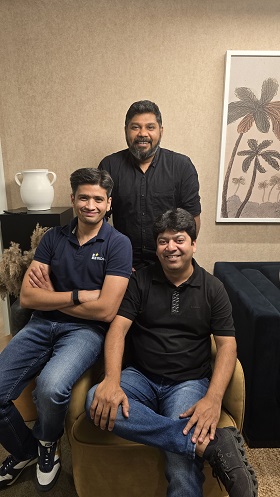
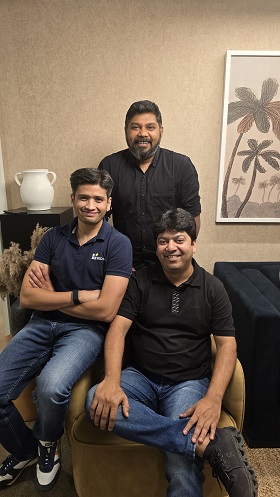
Rishabh Gupta, Amit Dhall & Deepanshu Rustagi identified a gap in one way and outstation mobility & founded CabBazar


CabBazar’s growth story mirrors the evolution of intercity travel in India itself. What began as an attempt to simplify outstation cab bookings has now become a full-stack mobility platform catering to metros, Tier-2 cities, and a vast network of Tier-3 towns that are often underserved by large ride-hailing players.


Outstation Taxi matlab CabBazar


YouTube link: youtu.be/NbJQaDxqgPM?si=3QoUQt7GXhXX3Zj9


Pioneering True One-Way Intercity Cabs

One of CabBazar’s most defining contributions to the industry has been the introduction of true one-way intercity cab pricing in India. At a time when travelers were forced to pay for return journeys even when they didn’t need them, CabBazar challenged the norm by allowing customers to pay only for the distance they actually travel.


Another shift shaping intercity mobility is the changing attitude of Gen Z toward ownership. Increasingly, younger travelers are prioritising experiences over assets, choosing flexibility and freedom instead of long-term commitments such as owning a car. One way pricing perfectly suits such travellers best.


This model not only reduced costs for travelers but also set a new industry benchmark. Over the years, one-way intercity cabs have moved from being a niche offering to an expected feature, a shift that CabBazar was instrumental in driving.

Taking this a step further, the platform now enables one-way, multi-city travel, allowing customers to stop at multiple destinations on a single one-way trip. This flexibility has found strong traction among business travelers, families, and long-distance tourists who prefer customized routes over rigid point-to-point travel.


Transparency Over Surprises: The Rise of All-Inclusive Pricing

Pricing transparency remains a key decision factor in India’s highly price-sensitive travel market. CabBazar offers both tax-inclusive and tax-exclusive pricing, giving users control over how they want to plan their expenses.


Interestingly, internal data shows that nearly 5 out of 10 customers now opt for all-inclusive pricing, preferring a single, upfront fare that covers tolls, taxes, and driver charges. The appeal is simple: no last-minute costs, no confusion, and no uncomfortable conversations at the end of a journey.


This shift reflects a broader consumer trend across India’s digital economy, where predictability and clarity increasingly outweigh marginal price differences.


Speed, Scale, and Reliability

In an era of instant gratification, CabBazar has optimized its platform for speed and simplicity. From selecting cities to completing checkout, a cab can be booked in under 30 seconds, making it one of the fastest booking flows in the intercity segment.


Operationally, the company handles 800 to 1,000 rides daily, supported by a large network of verified driver partners. While many mobility platforms remain metro-centric, CabBazar’s strongest presence lies beyond India’s largest cities. Its deep penetration into Tier-2 and Tier-3 locations aligns with industry estimates that a significant share of India’s next phase of travel demand will come from non-metro regions.


Value-Added Services for Real-World Travel Needs

Beyond pricing and availability, CabBazar has focused on solving everyday travel pain points. Services such as assured luggage carriers and pet friendly options ensure that customers travelling with extra baggage or with their furry family are not left guessing about vehicle suitability or extra baggage.


Coupled with a lowest price guarantee, these features have helped CabBazar build trust among repeat users who often compare multiple platforms before booking.


Building from a Tier-2 City, Creating Inclusive Employment

While many startups centralize operations in metros, CabBazar’s primary operational office is located in a Tier-2 city in Uttar Pradesh. This decision has enabled the company to generate meaningful employment outside traditional startup hubs.


Notably, 50% of CabBazar’s workforce comprises women, with a 24×7 customer support team operating from our support office. The company has actively invested in creating a safe, inclusive, and professional work environment, demonstrating how tech-enabled businesses can decentralize opportunity without compromising service quality.


A Bootstrapped, Profitable Growth Story

CabBazar’s journey has been defined by experimentation and resilience. Over the years, the company tested multiple business models before refining its focus on intercity and outstation mobility. Today, it stands as a bootstrapped and profitable enterprise, with profits growing year on year which is a rarity in a sector often driven by heavy discounting and cash burn.


According to Rishabh Gupta, Founder, CabBazar, “India is a price-sensitive market, and it’s important to deliver genuine value, not just discounts. Every service we build is designed around how India travels today, focusing on transparency, flexibility, and expanding reliable last-mile connectivity across the country.


Co-founder Amit Dhall adds, “Being profitable has allowed us to grow sustainably, invest in our people, and build features that genuinely improve the travel experience, especially for users outside metro cities.”


Looking Ahead: Connecting Drivers and Demand More Efficiently

As part of its next phase of growth, CabBazar is working on a B2B marketplace initiative aimed for travel agents, tour companies, drivers, and fleet owners to work together.


CabBazar has over 2.5 Lakh fleet partners and identified a pressing gap of unorganised communication and networking on Whatsapp. TaxiMarket, as a SaaS platform, helps drivers forward a taxi requirement they can’t fulfill and earn commission, in exchange for a small fee.

India's Retail Sector Rebound: Leasing Volumes Hit a Three-Year Peak in 2025

India’s retail real estate market is showing clear signs of resurgence, with leasing activity touching a three-year high in 2025, underscoring a decisive turnaround for physical retail. As per JLL, the sector’s momentum translated into a 54% year-on-year jump in gross leasing during the year, reaching a total of 12.5 million sq ft. The December quarter emerged as the best performing, with 3.6 million sq. ft of space leased. The sharp uptick reflects renewed consumer confidence and an acceleration in brand expansion plans, as retailers once again prioritise store-led growth to capture footfalls and deepen market presence after years of cautious recovery.


India’s Retail Sector Rebound- Leasing Volumes Hit a Three-Year Peak in 2025


No longer in a defensive mode, the retail sector is entering a phase of measured scale-up, driven by experiential store formats, omnichannel strategies and the steady addition of organised retail supply. More than a real estate statistic, the surge in retail leasing has emerged as a key barometer of India’s broader consumption momentum.


This renewed momentum in retail leasing comes after a prolonged phase of disruption, when pandemic-led restrictions, shifting consumer behaviour and cost pressures kept expansion plans on hold across much of the sector. The rebound is unfolding against a backdrop of improving economic growth, rising disposable incomes and stabilising inflation, which have collectively lifted discretionary spending. At the same time, consumption patterns are evolving, with retailers increasingly recognising the limitations of an online-only approach and leaning towards store-led formats that strengthen brand recall and customer engagement.


Further, the data showed that key markets of Delhi-NCR, Bengaluru, and Hyderabad together accounted for 71% of total leasing, with Delhi NCR and Bengaluru each capturing 24%, and Hyderabad close behind at 23%. The growth was supported by 6.3 million sq. ft of new retail supply and the launch of 15 shopping malls across Delhi-NCR, Hyderabad, and Mumbai, expanding total mall stock in the top seven cities to nearly 92 million sq ft by year-end. Shopping malls captured 45% of leasing activity, while high streets remained in strong demand, accounting for 48%.


Jatin Goel, Executive Director, Omaxe Group, says, “In high-density markets like Chandni Chowk, leasing is about precision. Space here carries both cultural and commercial weight, and data allows us to understand exactly what visitors seek, what’s underrepresented, and how footfall evolves through the day. Our analytics framework tracks category performance to ensure each tenant strengthens the ecosystem’s overall vitality. In a heritage marketplace transitioning toward modern retail, data becomes the bridge, helping us balance legacy traders with new-age brands. The result: a leasing model that feels authentic to Chandni Chowk’s spirit while remaining commercially strong and future-ready.


Pankaj Jain, Founder and CMD, SPJ Group, says, “Gurugram’s retail story in 2026 is no longer limited to marquee destinations. Some of the strongest momentum is coming from high-potential micro-markets like Old Gurgaon, where density, familiarity, and daily consumption patterns are deeply entrenched. These locations benefit from organic footfalls, strong local demand, and faster absorption cycles. High streets anchored by F&B, essential services, and experience-driven brands, are seeing consistent traction here. For developers and investors, this shift reinforces one truth: well-designed retail in lived-in neighbourhoods often delivers more resilient returns than oversized, destination-led formats. These trends are here to redefine the successful transition of retail real estate in the year ahead.”


Harinder Singh Hora, Founder Chairman, Reach Group, says, “Organised retail is shaping the present and future of urban commerce, and it is increasingly expressed through well-planned mixed-use destinations where malls, high streets and commercial spaces come together in one integrated ecosystem. In markets like Gurugram, these organised formats are outperforming fragmented developments because they bring design, consumer demand and capital into alignment—creating environments people choose to visit, brands prefer to lease and investors trust to deliver stable returns. A thoughtfully curated mix of global and home-grown brands across food, fashion, wellness and entertainment drives stronger footfalls, longer dwell time and healthier trading densities. Supported by intelligent design with walkable streets, open plazas and flexible layouts, retail spaces remain adaptable as consumer behaviour evolves. In 2026, successful retail real estate functions as a dynamic extension of urban life.


Siddharth Katyal, CEO, Bhumika Realty, said, “Earlier, tenant curation was based largely on intuition and brand relationships. Today, it’s a quantifiable process. We rely on a blend of demographic analysis and performance mapping to identify which categories resonate most with our visitors. For instance, data may reveal a higher conversion potential in F & B or family entertainment for a specific micro-market. The goal is not just to fill space but to ensure a symbiotic ecosystem where anchor brands pull traffic and smaller stores benefit equally. That’s how leasing becomes a value chain, not a random assortment.


Besides, domestic retailers led the expansion, making up 82% of gross leasing in 2025, with take-up increasing from 6.5 million sq ft in 2024 to over 10 million sq ft. Foreign retailers also expanded, achieving 36% on-year growth, with 29 new brands.


Umang Jindal, CEO, Homeland Group, says, “Retail real estate landscape is at an interesting juncture and witnessing a more disciplined and investor-aligned approach. The growth momentum achieved by tier 2 markets continue to sustain the pace with quality retail space developments. Besides, today’s consumer seeks quality experiences, and likewise, the investor approach is data-driven, relying on the quality brand-mix and consistent footfalls. What’s particularly interesting is to see that the improved infrastructure, residential growth, and limited quality supply are creating a strong case for organized retail. Demand is driven by everyday consumption, family-oriented leisure, and service-led formats rather than luxury indulgence. From an investment standpoint, stable occupancies and predictable rental behavior are restoring confidence in retail assets. As small urban centers continue to evolve, retail will increasingly follow population movement, making integrated, well-located developments the most resilient bets for the next cycle.”


Mohit Batra, regional Director of Realistic Realtors, said, “NCR’s commercial landscape is going through a structural transformation backed by growth in consumption, expansion by corporates, and a preference for organized retail formats. The market has demonstrated resilience even when global conditions were uncertain. The investor community sees footfall, spending power, and high-quality mixed-use developments coming together. As retail-led destinations become community meeting points and offices increasingly see experiential spaces, NCR presents an interesting case for long-term yield-driven investment.


Raj Kumar Sisodia, COO of Biigtech, says, “Retail leasing today goes far beyond simply occupying space; it is about building a well-planned commercial ecosystem. In a rapidly growing market like Greater Noida, leasing strategies are increasingly driven by data that maps consumer demographics, catchment potential, and evolving lifestyle preferences. Curating the right tenant mix from essential retail and strong anchor brands to F&B and entertainment plays a crucial role in driving consistent footfall and improving overall trading performance. A thoughtfully leased retail destination not only enhances customer experience but also ensures long-term rental resilience and stronger asset value in emerging commercial corridors like Greater Noida.”


Thus, the sustainability of this momentum into 2026 will hinge on how effectively retailers and developers adapt to evolving consumption patterns and capital flows. Growing interest in retail-focused REITs could further improve institutional participation and asset quality in the sector, while the next phase of growth is expected to extend beyond metros into select tier-II and tier-III cities backed by improving infrastructure and purchasing power.

With Industry – Academia Interface, Chandigarh University is Preparing Students for Global Opportunities

Even as number of degree holders have been increasing rapidly in India in recent years, the employability outcome has remained stagnant. As per the latest India Skills Report 2025 released by Confederation of Indian Industry (CII) in collaboration with Wheebox and All India Council for Technical Education (AICTE) only 55 per cent of Indian graduates are employable, indicating that nearly half of the country’s graduates are still not industry ready.


Rajnath Singh, Union Minister of Defence along with Chancellor Satnam Singh Sandhu inaugurating Kalpana Chawla Space & Research Centre at Chandigarh University Gharuan


The report clearly highlights a persistent disconnect between academic learning and industry expectations, forcing industries to invest heavily in time-consuming and costly on-the-job training to make new recruits productive. Bridging this widening academia–industry gap, Chandigarh University has built a strong industry-aligned academic ecosystem, where curriculum across engineering, management and sciences among other academic domains are designed by the industry, for the industry and delivered with active participation of the industry.


Chandigarh University offers new-age industry collaborative programmes designed by industry leaders, embedding skills required to thrive in the ever-evolving job market, into academic programs that is guided by Corporate Advisory Boards (CAB) comprising industry experts and CEOs from top Indian and global industry giants.


This unique collaborative teaching–learning model at Chandigarh University has been fueling bright young minds through a broad spectrum of industry-ready, future-oriented academic programmes, enhanced by continuous industry insights and exposure to emerging technologies, while empowering students with corporate mentorship, international exposure, value-centric learning, entrepreneurial spirit and professional competencies, collectively strengthening their employability and shaping them into future-ready industry leaders.


Continuing with its stellar performance in global rankings, Chandigarh University achieved 1st Rank for the third consecutive year in the QS Asia University Rankings 2026. CU also demonstrated a significant rise across key performance indicators in the coveted ranking by securing 1st rank in Employer Reputation and secured 2nd rank in Academic Reputation among private universities in India.


In Employability Rankings which shows universities producing the most employable graduates for the modern workplace, Chandigarh University secured the 1st rank in Engineering and Technology, Computer Science Engineering, Mechanical Engineering and Chemistry among private universities in India in the latest edition of QS World University Rankings 2026 by Subject.


Cultivating Future-ready Engineering Leaders through Cutting-Edge Industry Collaborative Programs with Global Giants like Microsoft, TCS, Virtusa & IBM

Chandigarh University with its world-class, high-tech academic infrastructure has been integrating the latest industry practices and requirements into academic programs by fostering innovation in emerging technologies such as Artificial Intelligence (AI), Machine Learning, Blockchain, Big Data, Analytics and Fintech.


For Engineering students, Chandigarh University has collaborated with tech giant Microsoft to offer BE in Artificial Intelligence and BE CSE (Computer Science & Business Systems) with Tata Consultancy Services (TCS).


Moreover, CU provides six Computer Science Engineering Programs in collaboration with IBM including BE CSE Cloud Computing, BE CSE (AI & IoT), BE CSE Data Science, BE CSE Cyber Security, BE CSE (AI&ML) and BE CSE (Full Stack Development). As part of the collaboration IBM, India’s first advanced information technology lab established at CU that train students in Cloud Computing, Information Security, Big Data and Business Analytics.


Chandigarh University also offers a Master of Engineering Program in Computer Science with a specialization in Cloud Computing in collaboration with Virtusa, making it one of the most in-demand CSE- CC programs in India. CU has collaborated with Coforge and established an innovation center focused on conducting R&D in AI applications within healthcare, addressing agricultural issues globally and developing autonomous vehicle technology. CU was ranked 7th among all private universities in the country in Engineering domain in NIRF Rankings – 2025.


For Automobile Engineering students, CU has tied-up with industry giants that established high-tech labs including Mahindra and Mahindra T-School, Honda Research and Skill Development Centre, Hyundai Professional Development Centre, VE Commercial Training Centre, MG Motors Lab, Eicher – CU Centre of Excellence in Automobile engineering lab, Vehicle Maintenance and Diagnostic Lab, BS-VI engines, EV technologies and intelligent mobility platforms. CU has also collaborated with Coforge and established an innovation center focused on conducting R&D in AI applications within healthcare, addressing agricultural issues globally and developing autonomous vehicle technology.


CU holds the prestigious accreditation from the US-based Accreditation Board for Engineering and Technology (ABET), placing it among the top 0.1 percent of Indian universities with accredited Engineering programs CU is accredited with an A+ rating by NAAC, placing it among the top 5 per cent universities in India to get the coveted accreditation. The varsity also holds National Board of Accreditation (NBA) accreditation for Engineering and Management programs.


These facilities enable students to transition seamlessly from theory to application, cultivate research thinking and develop innovation-driven solutions aligned with real-world industry needs.


Nurturing Future Business Leaders with 17 Industry Collaborative Cutting-Edge Management Programs

To nurture future business leaders through its unique experiential learning model, Chandigarh University has established collaborations with as many as 11 industry giants to offer MBA programs. CU collaborated with global consulting giant KPMG – one amongst ‘Big Four’ consulting firms of the world to offer MBA in Global Business Management and BBA in Financial Technology (FinTech). MBA Data Science & Al with SAS, MBA Business Analytics with IBM, MBA in Applied Finance with PWC, MBA with State Bank of India in Banking & Financial Engineering and MBA Fintech with NSE, MBA in Capital Markets with NISM, MBA Strategic HR with AON and MBA in Healthcare and Hospital Management.


These academic collaborations not only offer a broad spectrum of industry-oriented, futuristic academic programs but also empower students with corporate mentorship, international exposure, value-driven learning, entrepreneurial development and professional skill-building transforming them into dynamic business leaders of tomorrow. CU has also secured 7th place among all private universities in the management domain in NIRF Rankings 2025.


Chandigarh University offers specialized management programs in emerging and high-growth business areas, enabling students to stay ahead of the curve in an ever-evolving global landscape of industry. With these academic collaborations, CU also ensures that students earn globally recognized certifications that enhance their professional credibility and employability. With a strong focus on outcomes, students gain access to excellent employment and placement opportunities with top global organizations and leading multinational companies. Moreover, students benefit from global exposure through immersive international programs and receive continuous mentorship from experienced industry leaders, preparing them to excel in competitive professional environments.


Nurturing Future Leaders with 154 Industry-Oriented Academic Programs, 32 High-Tech R&D Labs, 15 COEs and Mentorship by 980 Industry Stalwarts

Chandigarh University provides its students an environment conducive to innovation and discovery with as many as 32 industry-sponsored high-tech R&D labs and 15 Centers of Excellence others established by leading MNCs and global giants such as Microsoft, Adobe, Cisco, Hyundai, Tech Mahindra, Capgemini, LinkedIn and IBM among others that play a crucial role in elevating capabilities of students and faculty members through exposure to live industry projects.


Chandigarh University continues to set new benchmarks in outcome-driven education by nurturing future leaders across emerging and high-growth domains through its 154 industry-oriented academic programs. Designed in close collaboration with global industry partners, these programs seamlessly integrate cutting-edge curricula, hands-on learning, live industry projects, and real-world problem solving. This unique experiential learning ecosystem is further strengthened with mentorship of 980 seasoned industry stalwarts who bring invaluable insights, practical expertise and market-aligned perspectives into the classroom. This unique combination of academic excellence and industry immersion ensures that students graduate not just with degrees, but with the required skill sets and leadership acumen required to thrive and lead in an ever-evolving global workforce.


CU has tied-up with industry leaders that provide hands-on training to students with high-tech labs including Microsoft Innovation Center, Google Android Lab, Adobe Express Lounge Lab, Cloud Computing Lab, Oracle Academy, Tech Mahindra IMS Academy, Unisys Innovation Lab, EMC Academic Alliance, Microsoft Global Technical Support Center, Red Hat Academy Lab, SAP Next Gen Lab, Infor Lab and Microsoft Azure LAAS (Learning as a Service) platform, BOT lab, Bosch Bridge Centre and Cisco Networking Lab among others.


Over 40 Industry Collaborations in 2025 with Global Tech Leaders like Microsoft, LinkedIn, Capgemini, Adobe, Altium & Intel to Provide Outcome-Oriented Learning and Enhance Employabiliy

Chandigarh University has established India’s first LinkedIn Experience Zone on its campus in association with LinkedIn that empowers students with hands-on access to AI-driven career tools, expert guidance on digital profile building, personal branding and professional networking, while leveraging LinkedIn’s global network of over 1.2 billion professionals to enhance employability and connect students with global career opportunities.


Adobe, the global leader in digital media established India’s first Adobe Express Lounge Lab at CU to empower students with future-ready creative and digital skills. The state-of-the-art lab provides hands-on access to Adobe’s industry-leading tools, including Adobe Express, Creative Cloud applications, and AI-powered platforms like Adobe Firefly, enabling experiential learning across engineering, media, design, fine arts and business disciplines. Designed as a dynamic innovation hub, the initiative bridges academic learning with real-world applications through certified courses, workshops, mentorship, hackathons and portfolio-building support, significantly enhancing students’ employability and preparing them for the evolving digital economy.


The global consulting giant, Capgemini has established academic collaboration with Chandigarh University to equip engineering students, particularly Computer Science Engineering with industry-relevant skills in emerging technology domains and provide professional mentorship, certifications, internships and placement opportunities, aligning academic outcomes with the evolving demands of India’s digital economy and preparing a future-ready workforce.


Similarly, CU has established collaborations with tech giants like Microsoft, Intel and Altium among others to provide outcome-oriented learning and enhance employability prospects of students.


12 Lakh LinkedIn Certifications, 6747 Infosys Springboard, 652 UNESCO Certifications & 99% Paid Internships in 2025

Aligned to the National Education Policy (NEP) guidelines on multidisciplinary approach to education that allow students to combine diverse fields for holistic development, fostering critical thinking and adaptability, Chandigarh University (CU) places strong emphasis on integrated learning that transcends traditional academic boundaries. This approach is strengthened through multidisciplinary courses, focused soft-skills training and continuous enhancement of technical competencies to develop well-rounded, adaptable and future-ready professionals.


CU integrates global digital learning platforms into its curriculum. Through LinkedIn Learning, students across Generic Programmes (GP), University Core (UC), Open Electives (OE) and Value-Added Courses (VAC) accessed short, practical, skill-based modules, resulting in over 12 lakh certifications completed by nearly 60,000 students and faculty in a single year (2025). Infosys Springboard further enabled industry-aligned technical and soft-skills learning, with 6,747 certifications earned, while UNESCO-certified courses under GP strengthened global citizenship and sustainability awareness, leading to 652 value-based certifications.


Moreover, CU leveraged the SWAYAM government portal to promote flexible, self-paced, credit-based learning in technical and soft skills with 6,825 students completing certifications and 29,849 students registering which is supported by curriculum-mapped assignments.


Benchmarking its offerings with global standards, CU has aligned its NEP-driven, outcome-based curriculum with Coursera, where faculty curated 642 multidisciplinary courses mapped to international best practices and integrated into regular teaching. Complementing this academic rigor, CU processed 1,534 internships during the Jan–Dec 2025 cycle across 6 academic clusters and 167 programs, with 99% paid internships and 37 international placements (internship), reinforcing strong industry demand, global exposure and career readiness.


Industry-Curated Curriculum Cultivating Future Technocrats

Core curriculum offered by CU in emerging areas such as Artificial Intelligence, Machine Learning, Virtual Reality, IOT, Bioinformatics, Information Network Security, Grid Computing, Structural Engineering, Geo-Technical Engineering, Transportation Engineering, Construction Technology, Environmental Engineering, GIS, Water Resource Engineering among others is specially designed by industry giants themselves. The industry-oriented curriculum of CU is aligned with leading International Universities and Research Agencies; CSE curriculum is aligned with Stanford University, ISACA, NASSCOM for Civil Engineering, University of Singapore, Imperial College London, ASME and ISTE.


The curriculum is prepared by renowned academicians and subject experts from IITs, NITs and industry experts from top MNCs such as IBM and Quark among others top brands. These engagements not only provide students with practical exposure but also equip them with the latest industry trends and practices, enhancing their employability and readiness for the competitive job market.


This industry-centric experiential learning model of CU has been instrumental in not just nurturing futuristic workforce and make CU students globally-competitive but also ensure their job placements in top national and international firms, provide exposure to live industry projects and enable them to conduct collaborative research projects at industry-sponsored high-end R&D labs and Centre of Excellences, offer internships, conduct workshops, certifications, hands-on training using the cutting-edge technology and futuristic tools, exposure to case studies and corporate mentorship programs to create the next generation technology and business leaders.


About Chandigarh University

Chandigarh University is a NAAC A+ Grade University and QS World Ranked University. This autonomous educational institution is approved by UGC and is located near Chandigarh in the state of Punjab. It is the youngest university in India and the only private university in Punjab to be honoured with A+ Grade by NAAC (National Assessment and Accreditation Council). CU offers more than 109 UG and PG programs in the field of engineering, management, pharmacy, law, architecture, journalism, animation, hotel management, commerce, and others. It has been awarded as The University with Best Placements by WCRC.


Website address: www.cuchd.in.

Driving without Third-party Insurance Can Cost You More than Just Traffic Police Challan

If you drive your vehicle on the road without third-party insurance, you risk far more than just repair bills for your own vehicle. In the event of an accident, you may also be held financially responsible for injuries, loss of life, or damage caused to another person, vehicle, or property—costs that can run into lakhs or even crores.


For any vehicle owner, an accident can bring unexpected expenses such as vehicle repairs, medical treatment, or both. These costs become significantly higher if you are uninsured, as the entire financial burden falls on you. The situation worsens if you do not even have third-party insurance. In such cases, any compensation payable to the affected third party—especially if the accident is your fault—must be paid out of your own pocket, often following lengthy legal proceedings.


There are two types of motor insurance policies. A comprehensive policy covers both your own vehicle damage and third-party liabilities. The other is third-party insurance, which specifically covers claims arising from injury, death, or property damage caused to others due to your vehicle. While comprehensive insurance is optional, third-party insurance is mandatory under Indian law before a vehicle can be driven on public roads.


Despite this legal requirement, a large number of vehicle owners continue to remain uninsured. As India observes Road Safety Week from 11 to 17 January, the Insurance Regulatory and Development Authority of India (IRDAI) has issued an advisory to all general insurance companies to intensify awareness and outreach efforts on motor insurance. The regulator has highlighted that lack of awareness remains a serious concern, with over 50% of vehicles on Indian roads still uninsured.


IRDAI has also emphasised that third-party insurance is not just a legal obligation but a crucial financial safeguard for vehicle owners. Understanding how third-party insurance works and why it should not be ignored can help motorists protect themselves from severe financial and legal consequences.


What is Third-Party Insurance?
As the name suggests, a third party refers to any person, vehicle, or property that suffers injury or damage in an accident involving your vehicle. In a third-party insurance policy, the agreement is between you (the first party) and the insurance company (the second party), under which the insurer compensates losses or claims made by the affected third party arising from the accident.


Explaining this further, Niharika Singh, Executive Director – Marketing, IFFCO TOKIO General Insurance Company Limited, said, “A third party refers to anyone other than the vehicle owner or driver—such as pedestrians, occupants of another car, or riders of another two-wheeler.”


She added that a third-party policy does not cover damage to the insured vehicle itself but focuses entirely on compensating the affected third party. It covers medical expenses, compensation awarded by courts, and legal costs incurred in defending claims. Given India’s high rate of road accidents, third-party insurance plays a crucial role in ensuring that accident victims receive timely financial support.


Why Is Third-Party Insurance Mandatory?
Third-Party Motor Insurance is a mandatory cover under the Motor Vehicles Act, 1988. It protects vehicle owners against legal and financial liabilities arising from injury, death, or property damage caused to a third party due to an accident involving the insured vehicle, Singh explained.


She further said, “By making third-party insurance compulsory, the government aims to ensure financial protection for accident victims, promote responsible driving behaviour, and maintain accountability among vehicle owners.”


Singh also believes that third-party insurance serves a larger social purpose beyond individual protection. “Road accidents often lead to severe injuries, loss of life, and long-term financial hardship for victims and their families. The law ensures that compensation is available regardless of the at-fault driver’s financial capacity,” she noted.


Driving without third-party insurance is a punishable offence and can attract hefty fines, imprisonment, and even vehicle seizure. More importantly, in the absence of insurance, the vehicle owner becomes personally liable for compensation, which can run into several lakhs—or even crores of rupees—in serious cases.


How Much Does Third-Party Insurance Cost for Two-Wheelers and Four-Wheelers?
The base premiums for third-party motor insurance are standardised and regulated under the Motor Vehicles Act and the Motor Third Party Insurance Rules. These premiums are uniform across insurers for basic third-party cover, which is the minimum legal requirement to operate a vehicle on Indian roads.


Two-Wheeler Third-Party Insurance (Annual Premium):

  • Up to 75 cc — approx. INR 538

  • 75 cc to 150 cc — approx. INR 714

  • 150 cc to 350 cc — approx. INR 1,366

  • Above 350 cc — approx. INR 2,804


Four-Wheeler Third-Party Insurance (Annual Premium):

  • Private car up to 1,000 cc — approx. INR 2,094

  • 1,000 cc to 1,500 cc — approx. INR 3,416

  • Above 1,500 cc — approx. INR 7,897


These are statutory base premiums for unlimited third-party liability, covering legal compensation for injury, death, or property damage caused to a third party by the insured vehicle. It is important to note that these represent the minimum mandatory cost for third-party cover.


Singh added, “If a vehicle owner opts for a comprehensive policy that includes own-damage cover along with third-party protection, the overall premium will be higher, as it provides wider coverage beyond statutory requirements.” 

Duroflex Introduces the Next Generation of Sleep Tech in India with Airboost™

A science-led innovation, Airboost by Duroflex designed to deliver deep, restorative sleep by addressing three fundamental pillars of recovery:

  • Pressure: Airboost’s air-matrix structure distributes body weight across 1 lakh+ micro-support points, reducing peak pressure and supporting spinal alignment.

  • Breathability: Designed to enable 3 times more continuous airflow vs existing mattresses in the market, Airboost minimises heat build-up through the night.

  • Energy restoration: Rapid responsiveness of Airboost reduces the energy required to roll over, supporting deeper sleep cycles and overnight recovery.

  • Duroflex Airboost has been exclusively approved by the National Health Academy for effective spinal support and back pain reduction. 

  • The Indian Society of Sleep Research recommends Airboost for enhanced Slow Wave Sleep (Deep Sleep) in India

  • The collection is available through Duroflex Experience Centers pan-India, select retail channels and online at www.duroflexworld.com/pages/Airboost-mattress


https://www.newsvoir.com/images/article/image1/34487_Duroflex_image.jpg

Airboost by Duroflex featuring Virat Kohli


Watch the explainer film here: www.youtube.com/watch?v=H2iwN6a59SQ 
 

Duroflex Airboost™ I Latest in Sleep Tech


Duroflex, one of India’s leading sleep and comfort solutions brands, announces the launch of the Airboost™ Series, a sleep science-led material innovation for the Indian mattress category. The proprietary Airboost™ is built with an open matrix fibre structure offering 3X breathability, and introduces a fundamentally different approach to sleep technology in an industry long defined by foam density, coir firmness and spring counts.


Engineered to adapt hyper-locally to the human body, Airboost™ with 1 lakh+ independent micro-support points continuously contours to the shape and movement of the body while sleeping, helping distribute the body’s pressure evenly. Its 3D open-air structured design enables uninterrupted airflow from all directions, supporting effective heat dissipation away from the body. This temperature regulation is increasingly recognised as critical to sleep quality in India’s hot and humid climate.


After testing various branded mattresses available in India, Duroflex Airboost™ has been exclusively approved by the National Health Authority (NHA) for its ability to support spinal health and the Indian Society for Sleep Research (ISSR) for enabling enhanced N3 sleep (also known as Slow Wave Sleep), the stage of sleep which focuses on physical recovery, tissue repair and immune strengthening of the body. This sleep innovation reinforces Duroflex’s Designed to De-Stress philosophy – using sleep science to solve unmet consumer needs across the sleep and comfort ecosystem.


In India, demanding work schedules, rising lifestyle stress, and environmental factors such as heat and humidity continue to compromise sleep quality. Postural adaptation, temperature regulation and overnight energy restoration play a crucial role in supporting deep restorative sleep. Airboost™ is designed to address these three fundamental sleep requirements simultaneously – in ways that the current mattress offerings in the market struggle to achieve.


Speaking on the launch, Sridhar Balakrishnan, CEO, Duroflex Limited said, “For six decades, Duroflex has been guided by a consumer-first principle, creating solutions that address real problems. We are the makers of Duropedic®, the first ever mattress approved by doctors at NHA and trusted by elite athletes like Virat Kohli, Neuma – India’s first firmness adjustable mattress, and Wave Kinect, a smart bed compatible mattress.”


He added, “Sleep is one of the most important health investments, yet material innovation in the mattress segment was long overdue. Airboost™, our Make-In-India technology, disrupts traditional foam-and-coir approaches with over 1 lakh Airknit fibres by working with the body’s natural physiology. It reduces effort in regulating temperature, maintaining posture, and re-energising during the night. Every fibre, every design choice, is aimed at helping the body truly de-stress and wake up feeling restored. With our new, one-of-its-kind manufacturing facility in Hosur now fully operational, we are confident Airboost will find relevance with Indian consumers seeking deeper, more restorative sleep.


Developed as part of Duroflex’s long-term focus on sleep science and material innovation, Airboost™ reflects a broader shift towards rethinking how mattresses are built for modern lifestyles. As sleep research increasingly establishes connections between sleep quality and long-term health outcomes, materials that can measurably improve sleep architecture play a larger role towards healthier lifestyles.


The Airboost™ range is available in multiple variants under the Duropedic portfolio, offering different comfort configurations and thickness options. The collection is available through Duroflex Experience Centers pan-India, select retail channels and online at www.duroflexworld.com/pages/Airboost-mattress.


About Duroflex
Duroflex, one of the three largest mattress companies in India, offers a wide range of premium mattresses, sofas, recliners and sleep accessories with 60 years of experience and innovation. Backed by research, the brand today offers sleep and comfort solutions for consumers across the country. Its mattress range – Duropedic, one of India’s leading ranges of orthopaedic mattresses – has been recommended by doctors at the NHA.


The brand has an extensive retail distribution network of 73 COCO stores and 5000+ trade partners. With an expanding footprint and strengthened omni-channel presence, Duroflex is introducing solutions in sleep and furniture technology to elevate modern living. The product portfolio has been envisioned to ensure that our customers are provided with quality sleep and comfort solutions.


To know more visit – www.duroflexworld.com and www.mysleepyhead.com | Follow us on @duroflexworld and @sleepyheadhq.

WazirX Integrates Fireblocks to Enhance Digital Asset Custody

WazirX, one of India’s leading crypto exchanges, has announced that it is further strengthening the security of platform assets by integrating Fireblocks, an enterprise platform for secure digital asset custody, settlement, trading operations, and stablecoin payments. Fireblocks’ technology will enable WazirX to scale faster, operate more securely, and expand its blockchain support.


Fireblocks is trusted by more than 2,400 institutions across the largest ecosystem of banks, payment providers, stablecoin issuers, exchanges and custodians, and has secured the transfer of over $10 trillion in digital assets.


What this integration means for WazirX users

  • Stronger custody controls: Digital assets are secured using Fireblocks’ MPC-based wallet infrastructure, eliminating single points of compromise and enhancing institutional-grade protection.

  • Enhanced risk management: Granular transaction policies, approvals, and governance controls provide additional safeguards against unauthorised or anomalous activity.

  • Greater operational resilience: The platform supports secure, scalable operations with real-time transaction monitoring and policy enforcement.


Nischal Shetty, Founder of WazirX, said “Security and asset safety remain a top priority at WazirX. We are continuously reviewing and strengthening our systems to reduce risk and improve resilience as the platform evolves.”


The integration of Fireblocks will improve how assets are stored and protected on the platform, with stronger controls around access and transaction approvals.


About WazirX

WazirX is one of India’s leading crypto exchanges, with over 16 million registered users. The platform offers a user-friendly way to buy, sell, and trade cryptocurrencies like Bitcoin, Ethereum, Solana, Ripple, etc. without any trading fees, at only INR 99 a month. WazirX has partnered with BitGo and integrated Fireblocks’ technology to strengthen digital asset security. WazirX is committed to providing its users with the best possible trading experience, focusing on security, ease of use, and customer support.


For more information about WazirX, please visit: wazirx.com

Using a Step up SIP Calculator to Plan Gradual Increases in SIP Contributions

Planning regular investments often involves balancing present affordability with future income growth. One approach investor explore is gradually increasing their SIP amount over time rather than starting with a higher commitment. This method aligns contributions with changing cash flows and evolving financial priorities. A structured way to visualise this approach is by understanding how step-up features work within an SIP framework.
 

Using a step up SIP calculator to plan gradual increases in SIP contributions
 

Understanding the concept of a step-up SIP

A step-up SIP allows you to increase your SIP contribution at predefined intervals. Instead of investing a fixed amount throughout the tenure, the contribution rises periodically, usually in line with income progression or revised savings capacity. You may choose the frequency and percentage of the increase at the outset, depending on what suits your planning horizon.
 

This structure may suit investors who prefer starting with a manageable amount and adjusting contributions gradually. It is commonly considered in long-term planning where consistency and discipline are prioritised over short-term outcomes.
 

Why investors consider a step-up approach

A gradual increase in SIP contributions may help align investing habits with changing life stages. Early in one’s career, surplus income may be limited, while later years may allow higher allocations. By planning incremental increases, you may avoid the pressure of committing a larger sum at the start.
 

This approach also supports habit-building, as the initial SIP amount remains within comfort levels. Over time, the likelihood of maintaining continuity may increase, provided contributions remain aligned with income changes.
 

How a step up SIP calculator supports planning

A step up SIP calculator helps you estimate how periodic increases in SIP contributions may influence the overall investment journey. By entering variables such as starting amount, step-up rate, and tenure, you may view an indicative projection of how contributions and potential outcomes evolve over time.

The calculator is an aid, not a prediction tool. It may provide only an indicative picture.
 

Using a step-up SIP calculator may assist in comparing different step-up rates and understanding how small increases may affect long-term accumulation. It allows you to explore scenarios without making assumptions about certainty or outcomes.
 

Interpreting outputs with caution

While a step up SIP calculator presents projections, it is essential to interpret these outputs carefully. Any illustration is based on assumed inputs and does not account for market fluctuations or changes in personal circumstances.

Performance: Past performance may or may not be sustained in future.
 

If an example shows a higher accumulated value due to stepped-up contributions, it reflects a mathematical projection rather than an assured outcome.

*For illustrative purpose only
 

You may treat such outputs as a reference point for planning conversations rather than as a basis for expectation-setting.
 

Factors to consider before choosing step-up increments

Before deciding the step-up percentage, you may review income stability, expected changes in expenses, and existing financial commitments. A modest increase that aligns with realistic cash flows may be more suitable than an aggressive step-up that becomes difficult to sustain.
 

Using a step up SIP calculator again with revised assumptions may help you reassess affordability under different conditions. This iterative approach supports informed planning without over-reliance on a single scenario.
 

Where hybrid funds may fit in a broader plan

Within a diversified portfolio, some investors also explore hybrid funds to balance exposure across asset classes. Hybrid funds combine different investment types within a single structure, which may suit those seeking moderated variability alongside growth-oriented components.
 

When considering such options, it is important to view them as part of an overall allocation strategy rather than in isolation. The suitability of hybrid funds depends on individual goals, time horizon, and comfort with variability.
 

Conclusion

A step-up approach to SIP investing focuses on gradual progression rather than immediate scale. Tools such as a step up SIP calculator may help you visualise how incremental increases in contributions interact with time and consistency. While such tools support planning, outcomes remain uncertain and depend on multiple factors. A measured, well-considered approach aligned with personal circumstances may help maintain continuity over the long term.
 

Mutual Fund investments are subject to market risks, read all scheme related documents carefully.