Home Blog Page 164

From Gurugram Homes to Noida Offices: NCR's Real Estate Story in 2025

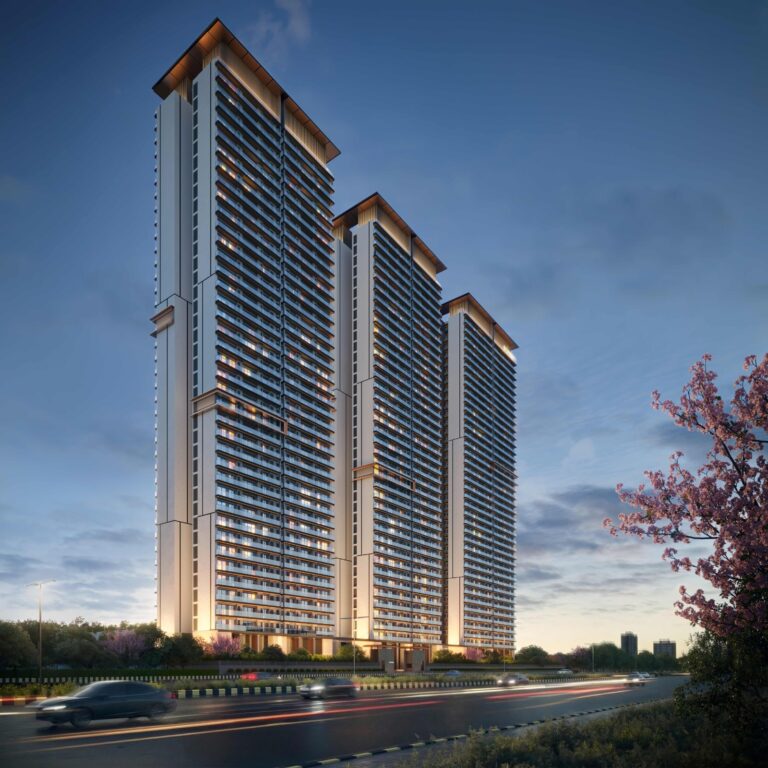
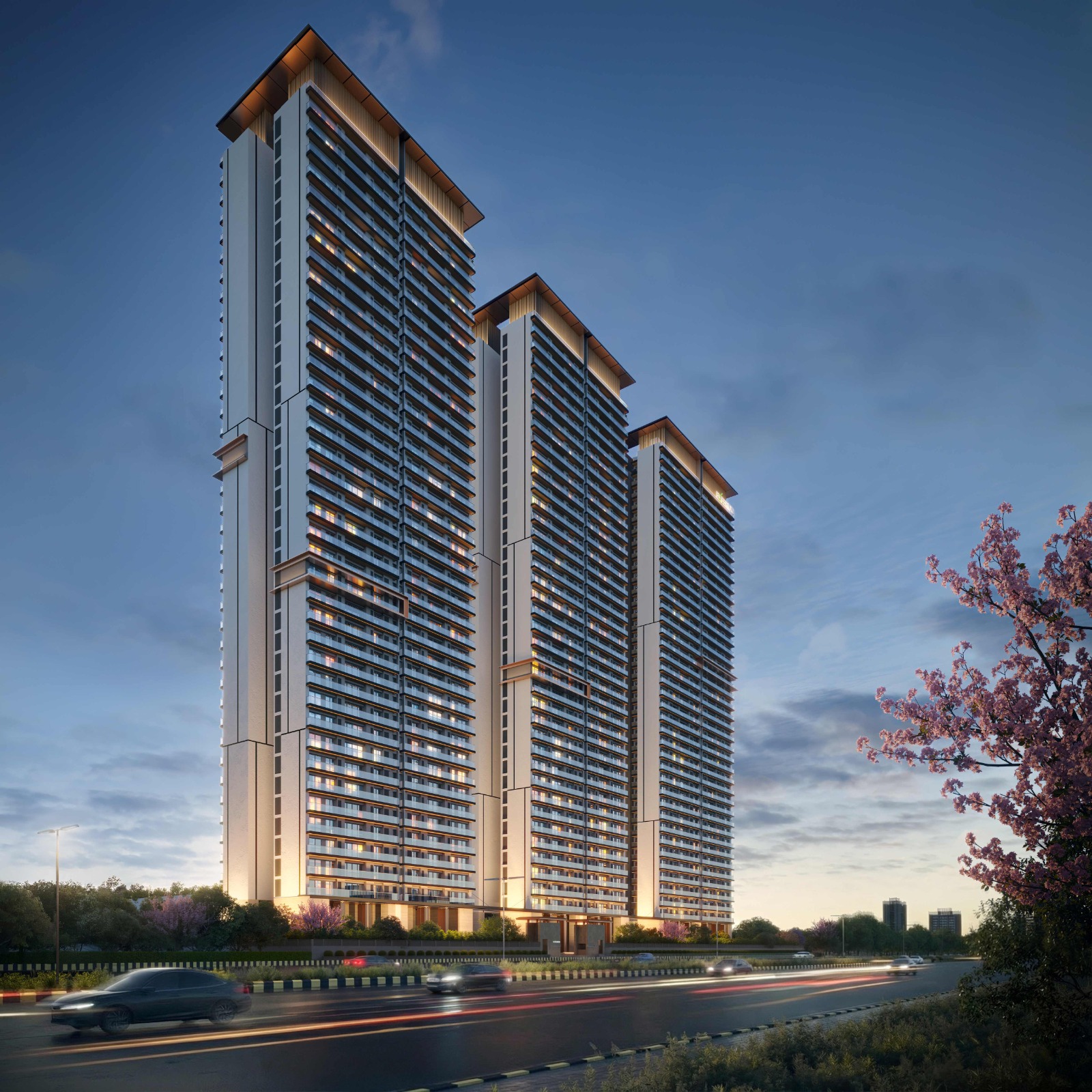
Housing emerged as the defining force behind NCR’s real estate recovery in 2025, setting the tone for a more measured and grounded market cycle. The year marked a clear shift towards end-user–driven demand, with homebuyers prioritising delivery certainty, livability and long-term value over speculative gains.


NCR 2025: Connecting Luxury Living to Corporate Growth


Gurugram remained NCR’s housing anchor in 2025, driven by sustained end-user demand in the luxury and upper-mid segments. In H1 2025, Delhi-NCR recorded over 5,100 luxury home sales, with Gurugram contributing the bulk of premium transactions, underscoring its dominance at the top end. Demand stayed concentrated along infrastructure-led corridors such as the Dwarka Expressway, SPR, and Golf Course Road, as buyers favoured larger, amenity-rich and lower-density homes.


Sandeep Chhillar, Founder & Chairman, Landmark Group, says, “2025 has been a remarkable year for the real estate sector, registering impressive growth numbers across the residential and commercial markets in key cities. Within NCR, Gurugram led the growth, particularly in the luxury housing and Grade-A office segments, benefiting from corridor-led developments along Golf Course Road, Golf Course Extension Road, Dwarka Expressway, and SPR. The city witnessed a steep hike in price appreciation alongside healthy leasing activity for Grade A office space, primarily led by GCCs. The coming year outlook remains positive for the market with sustained demand expected in well-planned micro-markets, continued institutional interest, and infrastructure-led expansion.”


Shyamrup Roy Choudhury, Founder and Managing Director, Aura World, adds, “In 2025, demand in Gurugram stayed strong without feeling overheated. Further, the RBI’s total 125 basis points repo rate cut eased affordability pressures for buyers. More importantly, luxury homes today are being bought with a long-term mindset and not short-term gains. As we look toward 2026, that trend becomes even more relevant. With India’s economy expected to grow steadily, luxury housing will benefit from sustained wealth creation rather than cyclical spikes.”


Ashwinder R Singh, Chair, CII Real Estate; Vice Chair, BCD Group; Advisor, NAR-India, says, “2025 was less about cyclical movement and more about structural transformation. It was not the peak of a cycle but a pivot — from volume to value, speculation to purpose-driven development, and metro-led growth to regional diversification. Premiumisation overtook mass housing as aspirations reshaped demand and supply. Institutional capital remained committed but increasingly selective and disciplined. India’s real estate canvas diversified, with warehousing, data centres, senior housing, and integrated townships moving into the mainstream. The sector demonstrated resilience despite global headwinds such as interest-rate pressures and supply-chain disruptions. Finally, Tier-2 and Tier-3 cities began asserting themselves as the next growth frontiers. Based on 2025 trends and macro indicators, 2026 is likely to be defined by value-driven growth rather than sheer volume. Residential launches may slow in absolute numbers, but average ticket sizes are expected to rise as premium housing dominates supply. Affordable housing could remain under pressure unless supported by targeted policy interventions. Warehousing and industrial real estate are poised to remain the strongest growth engines, driven by manufacturing, logistics expansion, and infrastructure development across new corridors. The office sector is expected to stay in consolidation mode, with occupiers favouring high-quality Grade-A spaces over speculative supply.  If guided by quality, clarity, and discipline, real estate can emerge as one of the foundational pillars of India’s growth story, leading up to 2030.


Sauarbh Saharan, Group Managing Director, HCBS Developments, says, “The demand for luxury housing reached a new peak across NCR, making 2025 an exceptional year for the real estate sector. Improved infrastructure visibility and better access to Delhi played a critical role in this confidence, and corridors like Dwarka Expressway clearly benefited from that shift. The quality of enquiries also improved markedly this year. Heading into 2026, with wealth creation continuing and social infrastructure maturing, we expect these well-connected luxury corridors to remain stable, resilient and strongly preferred.”


Tier-II cities also emerge as aspirational housing destinations, supported by affordability and improving connectivity. Mohali, Chandigarh, Dehradun and Jaipur witnessed steady residential traction for lifestyle housing and plotted developments.  Anarock data shows land transactions in H1 2025 has surpassed full-year 2024 levels, and Tier-II and Tier-III cities accounting for a larger share of overall land deals than Tier-I markets.


Piyush Kansal, Executive Director of Royale Estate Group, says, “In 2025, the Punjab real estate market demonstrated both resilience and maturity. Strong infrastructure momentum from enhanced connectivity around Mohali to expanding urbanisation in Tier-2 cities has underpinned steady residential and commercial demand, particularly in well-planned townships and mixed-use zones. NRI investments in cities like Amritsar surged significantly, reflecting growing confidence in premium and lifestyle properties. Although selective price corrections, such as those seen in Mohali’s industrial land auctions, indicate a more calibrated investment landscape, overall fundamentals remain solid.”


Preksha Singh, CEO of Agrasheel Infratech, says, “One of the most important shifts in 2025 was how Tier-II cities began writing their own housing growth stories, rather than borrowing momentum from metros. Lucknow is a strong example. The city defies the trend with a 25% jump in the sale of residential units, led by the end-users, local businessmen, and professionals moving back to the city owing to the better quality of life on offer. This has ensured a balanced and healthy real estate cycle. Going into 2026, Tier-II cities are set for more growth, due to the economic stability, better connectivity, and the need for lifestyle-driven living options, away from the muddled traffic conditions of the metro cities.”


While Gurugram’s housing-led momentum set the residential tone for NCR in 2025, the region’s commercial confidence found its strongest expression in Noida–Greater Noida with sustained demand from IT services, GCCs, data centres and manufacturing-linked occupiers.


Viren Mehta, Founder & Director- Elite PRO Infra, says, “In 2025, Indian real estate shifted from reactive moves to a more structured and strategic approach. Buyers and occupiers became increasingly selective, focusing on location, long-term value, and operational efficiency. This shift led to certain micro-markets and asset classes outperforming others. Overall, the sector is showing signs of maturity, with greater stability and clearer opportunities for sustainable growth moving into 2026. Demand is now driven by quality and practicality rather than speculation, and stakeholders are making decisions with a long-term perspective. This evolution points to a healthier market where informed choices shape outcomes across segments.”


Sanchit Bhutani, Managing Director, Group 108, said, “2025 marks a clear inflection points for retail growth in the Noida–Greater Noida region. We saw strong interest from both global and domestic brands across well-performing and emerging retail destinations, with many actively establishing and expanding their presence—particularly along the Noida Expressway. The upcoming Noida International Airport is acting as a significant catalyst, reshaping brand perspectives on catchment strength, connectivity, and long-term footfall potential. Consequently, we are seeing rising demand for strategically located, high-quality retail developments.”


As NCR moves ahead, 2025 stands out as a year that marked the region’s transition into a more mature and clearly defined real estate phase. With housing-led stability anchored by end-user demand and commercial-led confidence reinforced by quality leasing, volatility across markets remained contained. Clearer role definition across Gurugram, Noida–Greater Noida and emerging Tier-II cities will continue bringing greater depth and resilience to the region’s property cycle.

Kauvery Hospital Launches One-Tap 'SOS' Feature on Kauvery KARE App to Deliver Faster Emergency Care

Kauvery Hospital today announced the launch of its one-tap ‘SOS’ emergency feature on the Kauvery KARE app, designed to simplify and accelerate access to emergency medical care. The feature enables users to receive immediate medical support with just a single tap, and without the need to remember emergency numbers or explain their location during critical moments.


L – R: Mr Sandeep, Dr Ashok, Dr Mahesh, Dr Iyappan Ponnuswamy, Dr Aravindan Selvaraj, Mr Suresh Sambandam, Dr Meena KKR, Dr Preetha, Mr Aravind Ganesan, during the launch of Kauvery SOS on Kauvery KARE App


In emergency situations, panic, confusion, or unfamiliar surroundings often make it difficult for patients or bystanders to communicate essential details to emergency services. Kauvery Hospital’s SOS feature addresses this challenge by automatically capturing the user’s location through GPS, allowing the nearest ambulance to be dispatched instantly to the exact location.


At the same time, the SOS feature enables the user or bystander to connect with a doctor from Kauvery via a 24/7 video call system, ensuring real-time medical guidance and reassurance until emergency help arrives. This seamless integration of ambulance services and live medical consultation helps bridge the crucial gap between the onset of an emergency and hospital care.


Speaking on the occasion, Mr Suresh Sambandam, Founder and CEO, Kissflow said, “True innovation turns complex problems into simple solutions. Kauvery KARE does exactly that-putting lifesaving care with just one tap away. It is inspiring to see a Tamil Nadu leader using digital innovation to solve real world needs and create a massive impact.


Speaking at the launch, Dr Aravindan Selvaraj, Co-Founder and Executive Director, Kauvery Group of Hospitals, said, “Today, mobile apps have become a natural part of how people manage their daily lives from mobility to basic essentials that reach them within minutes. When convenience and speed are already expected in these areas, healthcare cannot remain an exception. During medical emergencies, every second matters. During such moments it is natural for patient or their attenders to be worried and in times of panic they will be unable to reach out for help or explain their situation which can lead to delays. Our goal is to remove complexity from emergency care. With the Kauvery KARE SOS feature, help is just one tap away.”


Beyond emergency support, the Kauvery KARE app serves as a comprehensive digital healthcare platform. Individuals can book appointments across any Kauvery Hospital unit, opt for video or in-person consultations, access health reports digitally, and manage medical records for multiple family members on a single app. The app is available on iOS and Android.


The launch of Kauvery KARE reflects Kauvery Hospital’s commitment to using technology to enhance accessibility, responsiveness, and continuity of care. By combining emergency response with everyday healthcare services, the app aims to provide patients with a dependable, all-in-one digital health solution—available anytime, anywhere.

Gurudev Sri Sri Ravi Shankar's AOL-SSIAST Rewa Model Farm Project Strengthens Natural Farming in Madhya Pradesh

The Rewa Model Farm Project marked a significant milestone for the advancement of Natural Farming in Madhya Pradesh with its successful inauguration at Basaman Mama Gaushansh Vanyavihar near Semaria in Rewa district.
 

Hon’ble Union Home Minister Shri Amit Shah planting and watering a sapling at the Rewa Model Farm
 

The project was inaugurated in the august presence of Hon’ble Union Home Minister Shri Amit Shah, Hon’ble Chief Minister of Madhya Pradesh Shri Mohan Yadav, Hon’ble Deputy Chief Minister Shri Rajendra Shukla, and Chairman of the Sri Sri Institute of Agricultural Sciences and Technology Trust Shri Prasana Prabhu. The occasion reflected strong institutional commitment towards promoting Natural Farming as a sustainable and farmer-centric agricultural approach in the state.
 

Developed by Art of Living’s Sri Sri Institute of Agricultural Sciences and Technology Trust in collaboration with Basaman Mama Gaushansh Vanyavihar and the Government of Madhya Pradesh, and inspired by the vision of Gurudev Sri Sri Ravi Shankar, the Rewa Model Farm has been established as a live demonstration and training centre for Natural Farming. The project showcases practical, low-cost, and scalable farming practices suitable for small and marginal farmers.
 

Spread across approximately 2.5 to 3 acres, the Rewa Model Farm functions as a working, field-based model rather than a conceptual pilot. The entire plot was developed in a very short period of time due to the dedication, discipline, and sustained efforts of AOL-SSIAST volunteers. Volunteers worked tirelessly on the ground, from land preparation and layout planning to plantation, input preparation, and infrastructure support, often contributing long hours with a strong sense of ownership and service. Their disciplined teamwork and commitment played a critical role in translating the vision of the model farm into a fully functional reality within a limited timeframe.
 

Chairman Shri Prasana Prabhu explaining the Rewa Model Farm and its Natural Farming systems
 

During the inauguration, Chairman Shri Prasana Prabhu guided the dignitaries through the various components of the farm, explaining how the integrated systems operate and how farmers can replicate these practices on their own land.
 

A key highlight of the project is the multilayer farming system, which enables cultivation of multiple crops at different levels within the same plot. This optimises land use, reduces risk through diversification, and is designed to enhance farmers’ income by over five times compared to conventional single-crop farming.
 

The Rewa Model Farm also includes dedicated horticulture and medicinal plant plots. Fruit-bearing saplings, vegetables, and medicinal species have been planted using Natural Farming methods, creating additional income opportunities while supporting nutrition and long-term sustainability.
 

Another important feature inaugurated was the Bio Input Centre, which focuses on preparing natural inputs such as Jeevamrut and Ghanajeevamrut using desi cow dung and cow urine. These inputs enhance soil microbial activity, improve soil structure, and restore long-term soil fertility, while reducing dependence on chemical fertilisers and external inputs.
 

AOL-SSIAST has been working in the field of Natural Farming for over 17 years and has trained more than three million farmers across India. The Rewa Model Farm builds on this experience and serves as a structured training and demonstration hub, where farmers learn through direct observation and hands-on engagement in soil health management, crop planning, natural pest control, and bio-input preparation.
 

Inspired by Gurudev Sri Sri Ravi Shankar’s vision of working in harmony with nature, the Rewa Model Farm reflects the belief that sustainable agriculture strengthens farmer self-reliance, village economies, and long-term rural resilience.
 

The Rewa Model Farm Project now stands as a practical and replicable model for Natural Farming in Madhya Pradesh and beyond, offering a clear roadmap for sustainable and inclusive agricultural development.
 

Donate Now | Support Sustainable Agriculture

Your contribution helps empower farmers, revive indigenous seed systems, and scale Natural Farming across India. Together, we can nurture the soil, strengthen rural livelihoods, and build a healthier future for generations to come.
 

Donate now: ssiast.artofliving.org/donate
 

About AOL-SSIAST
Founded in 2009 under the vision of Gurudev Sri Sri Ravi Shankar, the Art of Living’s Sri Sri Institute of Agricultural Sciences and Technology Trust is a pioneering force in India’s sustainable agriculture movement. AOL-SSIAST has trained over 3 million farmers across 24 states in Natural Farming practices and empowered 1.15 lakh farmers in suicide-prone districts. With a strong network of 2,300+ certified trainers, AOL-SSIAST has transformed over 5,56,000 acres into climate-resilient, chemical-free farmland. Its holistic work spans farmer training, seed banks, Goshalas, afforestation, and regenerative agri-models – driving a future-ready, farmer-centric, and environmentally sustainable India.

RSWM Ends the Year with Multiple Accolades: Wins Three Major Industry Honors for Sustainability

  • RSWM was conferred with the AR Choice Award for Sustainable Textile Manufacturer of the Year at SustainableNXT 2025 recognizing its integrated, sustainability leadership across textile manufacturing.

  • RSWM’s Melange unit, Bhilwara, secured the Silver Medal at the 11th India Green Manufacturing Challenge (IGMC) following a comprehensive sustainability assessment conducted by IRIM.

  • RSWM also won the Bronze Award in the Sustainable Fashion and Textiles category at the FE Green Sarathi Awards 2025, a recognition of its large-scale circularity, renewable energy adoption and ESG-led manufacturing practices.


RSWM Ltd has been conferred with multiple recognitions for its sustainability leadership, winning three prestigious awards that collectively reinforce the company’s commitment to responsible manufacturing and ESG excellence. 


RSWM Limited honoured with multiple sustainability awards at leading industry platforms in 2025


At the 3rd edition of SustainableNXT 2025, RSWM was conferred with the AR Choice Award for Sustainable Textile Manufacturer of the Year, recognizing its integrated approach to sustainability across materials, energy, water stewardship, waste reduction and ethical manufacturing processes.


Also, RSWM’s Melange unit in Bhilwara secured the Silver Medal at the 11th edition of the India Green Manufacturing Challenge (IGMC), following an on-site comprehensive evaluation conducted by the International Research Institute for Manufacturing (IRIM).


Further strengthening its sustainability credentials, RSWM won the Bronze Award in the Sustainable Fashion and Textiles category at the FE Green Sarathi Awards 2025, held on 19th December 2025. The recognition acknowledges RSWM’s end-to-end ESG-driven manufacturing ecosystem, with a strong focus on circular material practices, recycled fibre integration, renewable energy adoption, water conservation and management, and responsible production at scale.


These honours reflect the effectiveness of RSWM’s sustainability framework, driven by Panchtatva, an initiative inspired from five elements of nature, and the RSWM 2.0 transformation, which embed circularity, renewable energy adoption, operational efficiency and people-centric practices into large-scale manufacturing.


Speaking on the achievement, Rajeev Gupta, Joint Managing Director, RSWM Limited, said, “These recognitions reaffirm our belief that sustainability must remain central to business strategy and operational execution. At RSWM, we view responsible manufacturing not as an obligation, but as a pathway to long-term resilience, innovation and shared value creation. Our sustainability endeavors continue to integrate environmental responsibility, efficiency and social responsibility across our value chain. These awards belong to our teams, partners and communities whose collective efforts are enabling us to redefine textiles with purpose while meeting growing global expectations for sustainable products.”


RSWM Ltd was also recognized as Most Preferred Workplace 2025–26 in the Manufacturing Sector by TeamMarksmen, which reflects the company’s strong work culture, values-driven leadership and people-centric ethos. Earlier, in November 2025, RSWM was also recognized at the MATEXIL Technical Textile Export Award, receiving the Hometech Bronze Award for export performance, further reflecting the company’s strong progress across both sustainability leadership and international market performance.


About RSWM Limited

RSWM Limited, the flagship company of LNJ Bhilwara Group, is one of the leading manufacturers and exporters of synthetic, cotton and blended yarns, melange yarns, knitted & denim fabric in India. Under the leadership of Mr. Riju Jhunjhunwala, Chairman, Managing Director and CEO of RSWM Ltd, the textile company exports a wide range of fabrics and yarns to over 70 countries across the globe. Its 12 manufacturing plants with 6.27 lakh spindles, 172 looms, 95 circular and flat knitting machines produce high-quality cotton, melange, synthetic novelty yarns, denim & knitted fabrics. Its annually producing 24,000 MT Melange Yarn, 110973 MT Synthetic Yarn, 32262 MT Cotton Yarn, 32 M Meters Denim Fabric, 9360 MT Knits Fabric, 43,000 MT Green Fibre. RSWM initiatives towards sustainability has helped in saving water 2230734 KL per annum, reduced 8 lac tonnes per annum of CO2 emission and recycling 183 cr PET bottles per annum.


For more information, please visit www.rswm.in.

Gurugram, Noida and Beyond: How NCR's Real Estate Markets Found Their Footing in 2025

After a phase marked by volatility and uneven growth, 2025 emerged as a year of balance for NCR’s real estate market. Instead of chasing short-lived peaks, the region experienced a more measured and role-driven performance, with individual markets beginning to capitalize on their inherent strengths. Gurugram and Noida–Greater Noida emerged as NCR’s two strongest yet distinctly positioned markets in 2025, each anchoring the region’s recovery in different ways.


Delhi-NCR’s real estate market in 2025 saw balanced growth, led by luxury demand in Gurugram and infrastructure-driven momentum in Noida–Greater Noida


H1 2025 data showed Delhi-NCR recording over 5,100 luxury home sales, with Gurugram accounting for the bulk of premium transactions, driven largely by growing preference for lifestyle-led homes. In contrast, Noida–Greater Noida delivered steady, scale-led performance through the year, supported by progress on the Noida International Airport, expanding metro connectivity and the gradual maturation of industrial and IT corridors.


Sahil Agrawal, CEO, Nimbus Group, says, “As we close 2025, one reality stands out clearly- the environment is no longer a peripheral concern; it is the new luxury. Health and air quality must now sit at the core of urban planning and real estate development. Buyers are increasingly prioritising clean air, green spaces and overall well-being over purely aesthetic features. Looking into 2026, lowering AQI levels will require collective accountability. Developers have a responsibility to build healthier spaces with better ventilation, sustainable materials and increased green cover, while governments and citizens must actively support large-scale tree plantation and greener urban behaviour. If all stakeholders move in the same direction, we can create cities that are not just aspirational, but genuinely healthy and future-ready.


Dr. Gautam Kanodia, Founder, KREEVA and Kanodia Group, says, “One of the clearest shifts we noticed in 2025 was how focused luxury buyers became about location within Gurugram. Instead of broad preferences, attention narrowed to specific micro-markets like SPR, New Gurugram, and others. These corridors are benefiting from tangible infrastructure upgrades, better connectivity, and the availability of larger, low-density luxury developments. Buyers and investors are seeking livability factors, access, future value, and community planning. Hence, luxury housing in Gurugram is becoming increasingly corridor-led. Going ahead, demand will continue to concentrate in these micro-markets, offering both lifestyle depth and long-term appreciation.


Umang Jindal, CEO, Homeland Group, says, “We see Gurugram benefiting from a rare combination — strong luxury housing demand, global connectivity, and visible infrastructure progress across key corridors. Buyer conversations this year were far more mature; families and investors are thinking long-term, evaluating livability, access and community planning rather than just pricing. But the real driver has been sustained wealth creation and employment growth.


Ashwani Kumar, Pyramid Infratech, says, “The real estate sector in 2025 delivered a strong and sustained performance, with developing corridors leading the growth graph. The luxury segment, particularly in Gurugram, played a pivotal role, supported by evolving lifestyle preferences, higher disposable incomes, and a clear shift towards spacious, well-planned homes. Improved infrastructure has enhanced connectivity, making previously underserved areas more appealing to luxury buyers. NCR’s real estate market witnessed an exceptional year in 2025, supported by healthy demand, significant price appreciation and new supply. These factors will continue to benefit the city’s real estate market.


Prop Equity data showed a year-on-year rise in residential sales value across leading Tier-II cities in Q1 2025, reflecting sustained end-user and first-time investor participation. Together, these trends positioned Tier-II markets not merely as spillover destinations, but as complementary growth centres contributing meaningfully to NCR’s evolving real estate cycle.


Sehaj Chawla, Managing Director, TREVOC Group, says, “As 2025 comes to a close, India’s real estate sector reveals a highly growth-oriented market. Not only did metro cities and NCR record a massive demand for luxury residential spaces, but tier 2 cities also rose in prominence. 2026 will add further impetus to these developments, and tier 2 cities, especially ones close to the NCR, will share a significant portion of the growth. We also expect the RBI to maintain its pro-active stance, which will further bring down the interest rates and boost the sector. For investors, real estate, especially in emerging cities, will turn into prized assets.


Complementing the residential recovery, commercial and retail real estate emerged as a key validation layer for NCR’s growth in 2025.


Harinder Singh Hora, Founder Chairman, Reach Group, says, “2025 marked a strong phase of expansion for India’s retail real estate, with Q3 emerging as a key inflection point as gross leasing touched nearly 3.2 million sq. ft. Both high-street and enclosed retail formats performed well, supported by rising demand for organised retail as consumers increasingly gravitate towards structured, experience-led destinations in well-connected urban catchments. The year also saw growing traction for mixed-use developments, where the integration of retail with office, residential, and hospitality components. Overall, retail performance is increasingly being defined by catchment depth, location advantage, visibility, design discipline, and tenant curation rather than format alone.


Pankaj Jain, Founder and Chairman, SPJ Group, says, “2025 sharpened the industry’s focus on where commercial retail demand is forming in Gurugram. Beyond established corridors, retail space demand gained traction in micro-markets where residential catchments have matured, but organized retail supply remains limited. Notably, pockets of Old Gurugram—long driven by dense, self-sustained neighbourhoods—re-emerged as strong consumption hubs as infrastructure upgrades, improved road connectivity, and renewed developer interest unlocked latent demand. These locations showed stronger leasing traction and rental stability because consumption was daily-need and lifestyle-led. The year reaffirmed that well-connected, infrastructure-ready micro-markets—including revitalized Old Gurugram zones alongside newer growth belts—will drive Gurugram’s next wave of retail real estate expansion.


Azad Ahmad Lone, President, Business Development and Operations, Biigtech, says, “In NCR, Noida and Greater Noida had one of their strongest commercial years in 2025. Average office rentals in the city have increased 18% between 2019 and 2025, benefiting from a combination of infrastructure readiness, improved connectivity and sustained demand from IT, data centres and manufacturing-linked occupiers. What stood out was the quality of leasing; occupiers were clear about efficiency, compliance and future scalability. As we move into 2026, Noida–Greater Noida is well-positioned to see steady, disciplined growth rather than a short-term spike.


As NCR looks ahead, 2025 stands out as the year the region entered a more mature and clearly segmented phase of its real estate cycle. Together, Gurugram, Noida, and tier 2 markets now operate with sharper roles and clearer demand drivers, reducing volatility and improving depth across the region.

Karnataka Launches India's First AI-Powered Skills Intelligence Unit, Plans District-Level Workforce Revolution in 90 Days

Karnataka is preparing for the next decade of AI-driven growth with two major initiatives: District Skill Groups and the creation of a Karnataka Strategic & Intelligence Unit, a first-of-its-kind AI-powered skills intelligence backbone for the state. This was announced by Sanjeev Kumar Gupta, CEO, Karnataka Digital Economy Mission (KDEM) at the Quest 2 Learn Summit 2025 hosted by Quest Alliance. He was a part of a panel discussion which was focused on the theme “Beyond the AI Hype: Building Radical Futures of Hope with Young People.”


From Right to Left – Madhavi Latha, Faculty, Samagra Shiksha, Andhra, Sanjeev Kumar Gupta, CEO, Karnataka digital Economy Mission, Kaberi MuDuli, Officer, Special Duty Govt. of Odisha


The summit saw nearly 300 people including educators, policymakers, technologists, artists, researchers, civil society leaders, innovators, and young people come together to collectively explore the opportunities and future of AI in Education.


Speaking during the summit titled, “How is the government enabling desired AI futures for young people?”, Mr. Gupta Shifted the focus from student centric discussions to millennials, Gen Z, industry leaders, and government stakeholders across different age groups.


Each district will soon establish a District Skill Group, chaired by the District Collector and comprising industry, academia, students, and entrepreneurs. These groups will design one-year, district-specific skill development plans based on what the local economy actually needs,” he was quoted as saying.


Parallelly, the state’s six regional clusters outside Bengaluru are being strengthened through detailed vision documents, created after multi-stakeholder workshops involving educational institutions, incubators, accelerators, and student communities, outlining what each cluster aims to achieve by 2031–32.


The second major initiative, the Karnataka Strategic & Intelligence Unit, will integrate APIs from universities, colleges, training institutions, and government databases. This unified dataset will be processed by an AI layer to identify emerging opportunities, sectoral gaps, and regional workforce needs. “A small committee including industry leaders recently came together with the unit expected to go live in the next three to four months,” Gupta added.


Gupta noted that these reforms come at a time when Karnataka is witnessing a significant shift in the geography of work. “Karnataka’s youth are saying, I am not going to move from my place. I will serve from where I am. And companies are now going where the talent is,” he said, emphasising how this shift is reshaping corporate hiring strategies and statewide economic planning.


This decentralisation is already visible. The ‘Come Back Tiger’ initiative in Mangalore – encouraging tech professionals from the region to return home – saw 3,000 registrations in under 48 hours, with 250 companies seeking local talent. Cities like Hubli now host more than 3,000 AI professionals serving clients in the US and Europe, demonstrating how innovation is no longer Bengaluru-centric, he stated.


Karnataka attracts 200,000 young professionals every year and is home to 600,000 AI-skilled workers, 2,000+ AI startups, and 53 of India’s 110 unicorns, which collectively raised $2 billion last year. “If the innovation ecosystem is not strong, companies know they cannot grow,” Gupta said. “We want to pursue the concept of co-create, collaborate, and co-innovate – anyone with an idea can walk in and find mentors across industry and academia.”


He also highlighted the emergence of new infrastructure enabling this momentum: a world-class AI & Robotics Centre of Excellence and KEO, a personalized AI computer envisioned to place AI compute power “in the hands of every learner.”


The panel also featured D Madhavi Latha, Faculty, SAMO Wing of Samagra Shiksha, Andhra Pradesh, who detailed how the state’s large-scale Personalised Adaptive Learning (PAL) programme and Atal Tinkering Labs are transforming learning outcomes through adaptive content, and student-led innovation. Kaberi Muduli, OAS, Officer on Special Duty, Panchasakha Sikhya Setu Sangathan, Govt of Odisha outlined how the state has already introduced a 14-chapter AI curriculum in Class 10, alongside classroom tools like Khanmigo, which strengthen critical thinking and support teachers in delivering AI-enabled, local-language learning. The panel was moderated by Manoj Kothari, CEO and Chief Strategist, Turian Labs.


Mr Aakash Sethi, The CEO of Quest Alliance, which works with the government education and skilling ecosystems to equip young people with future-ready skills they need to succeed in their careers, said: “We undertake new learning and re-skilling in the AI era in Government schools by embedding future skills and career exploration in school curricula and pedagogy. We also work with Technical and Vocational Skilling Institutes, enabling them to prepare confident, informed, and career-ready young graduates, facilitating their transition into the world of work.

Customisable Health Insurance Plans: A Lifestyle-based Personalisation Choice

Health insurance has become an essential pillar of financial security in India, enabling individuals and families to manage rising medical costs while protecting long-term savings. As awareness around healthcare planning and financial protection grows, insurance is increasingly seen not as a discretionary expense but as a necessary safeguard against unexpected medical emergencies.
 

A fully customizable health insurance product with industry-first features like 10x Cumulative Bonus, Gym & Sports Injury Cover along with other Special Covers like Endless Sum Insured
 

At the same time, the health insurance landscape is evolving. The industry is gradually moving away from rigid, standardised offerings towards solutions that better reflect individual requirement making it more personal. Customisable health plans allow individuals to pay for what truly matters to them, rather than being locked into features they may never use.
 

How Customisable Health Insurance is redefining Health Coverage

Aligning Coverage with Life Stages
Healthcare needs evolve with age, life stage, and changing lifestyles. Younger individuals may prioritise affordability and accident-related cover, families often seek maternity and child healthcare benefits, while older adults may require enhanced protection for chronic conditions. Customisable plans allow coverage to adapt in line with these changing requirements.


Managing Healthcare Costs More Effectively
By selecting relevant add-ons and opting required features and limits, policyholders can balance coverage and premiums more efficiently. This makes health insurance more accessible while still offering meaningful protection.


Addressing Lifestyle and Preventive Healthcare Needs
With lifestyle-related health concerns becoming more common, customers are increasingly opting for features such as regular health check-ups, wellness benefits, areas that traditional plans may not adequately address.


Keeping Coverage Relevant Over Time
As individuals change jobs, relocate, or experience shifts in family structure, insurance needs also evolve. Customisable health insurance plans make it easier to review and update coverage periodically, without the need to start afresh, ensuring continued relevance over time.


Reflecting this growing preference for flexibility, SBI General Insurance recently introduced “SBI General Health Alpha”, a health insurance solution designed to adapt to customers’ evolving healthcare needs. The product enables policyholders to personalise their coverage through a range of optional benefits, allowing them to build a plan that suits their current priorities while offering the flexibility to adjust it over time.
 

The key features of SBI General Health Alpha includes

  • Up to 10x Cumulative Bonus – This is add-on cover which provides up to 10x cumulative bonus annually, if no claim is made under the policy.

  • Unlimited Sum Insured – Base Sum Insured of the policy will be unlimited. A claim of any amount will become payable, subject to Policy terms and conditions.

  • Endless Sum InsuredCovers hospitalization expenses for a single claim beyond the Base Sum Insured, this benefit can be availed once in lifetime of the policy.

  • Gym & Sports Injury Cover – This is industry’s-first and exclusive add-on which provides OPD benefits for injuries sustained during hobby sports or daily fitness activities, covering specialist consultations, diagnostic tests, prescribed medicines, and physical therapy.

  • Plan Ahead – This unique add-on benefit provides Waiting Period continuity earned by the policyholder to newly married spouse (age up to age 35 years) and/or newborn children (maximum 2 children), provided they are enrolled within 120 days of marriage or birth.

  • Welcome Discount – The product offers distinctive “Welcome Discount” of 5%, if new policy is purchased within 5 days of quote generation.


At SBI General Insurance, the emphasis is on giving customers greater choice and ensuring that health insurance evolves with their needs across different life stages, rather than remaining a fixed, one-time purchase. As India continues to strengthen its healthcare ecosystem, customisable health insurance is emerging as a natural progression, one that places customers at the centre of coverage decisions while supporting long-term health security and financial resilience.


About SBI General Insurance
SBI General Insurance, one of the fastest-growing private general insurance firms, backed by the robust support of SBI, upholds a legacy of trust and security. We position ourselves as India’s most trusted general insurer amidst a dynamic landscape. Since our establishment in 2009, our expansion has been substantial, growing from 17 branches in 2011 to a nationwide presence in 146 branches. In FY 2024-25, SBI General Insurance reported a Gross Written Premium (GWP) of INR 14,140 crores, recording a YOY growth of 11.1%.


The company received numerous prestigious accolades, showcasing its excellence across various domains. Key honors include being named as the Domestic General Insurer of the Year – India and Claims Initiative of the Year – India at Insurance Asia Awards 2025 Singapore, Large General Insurance category at the Mint BFSI Summit & Awards, the 3rd InsureNext Awards 2024 for Best Claims Settlement, and India’s Best General Insurer of the Year at the 7th Insurance Conclave Awards. At the India Insurance Summit & Awards 2024, the company secured titles for General Insurance Company of the Year and Leading Implementer of Analytics Technology in Insurance. Additionally, it was honored as the Best BFSI Brand at the ET NOW Best BFSI Brands Conclave 2024 and included in BW BusinessWorld’s India’s Most Respected Companies. Certified as a Great Place to Work in 2024, the company also excelled at the ETBFSI Exceller Awards 2024 with recognition for Best Claims Management in Insurance and Best CSR Campaign of the Year, further highlighting its commitment to social responsibility and innovation.
 

With a team of over 9,000+ employees and our multi-distribution model covering Bancassurance, Agency, OEM, Broking, Retail Direct Channels, and Digital collaborations, we are committed to providing both Suraksha and Bharosa to all our consumers. Leveraging a vast network that includes over 22000+ SBI branches, plus agents, financial alliances, OEMs, and digital partners, we extend our services to even the most remote areas of India. Our offerings cater to Retail, Corporate, SME and Rural segments, and our diverse product portfolio ensures accessibility through both digital and physical channels.

Cost Comparison of Renting Vs Buying Commercial Vehicles

When it comes to operating a fleet of vehicles for commercial purposes, one of the most significant decisions a business must make is whether to lease or buy. The choice between renting vs buying commercial vehicles can have substantial implications for cash flow, operational efficiency, and long-term profitability. 


Truck vehicle with trailers background 


While purchasing provides ownership and long-term cost savings, leasing offers flexibility, fixed expenses, and ready access to newer models. Understanding the financial and operational impacts of each option is essential for any company looking to minimise cost while ensuring business productivity.


Benefits of Leasing vs. Buying Commercial Vehicles in India  
Buying a commercial vehicle entails complete ownership. The company either pays cash for it or takes a loan, after which the commercial vehicle becomes an asset on the firm’s balance sheet. Additionally, ownership involves total control over usage, maintenance cycles, and possible alterations to meet business requirements.  


On the other hand, leasing is similar to renting a truck for a specified period, typically 2 to 5 years. The company makes periodic fixed monthly payments, possibly with maintenance and repair services, minimising the threat of unforeseen costs. This model offers operating flexibility and low, fixed costs, which attract companies with less cash flow or economic volatility.


Key Cost Components of Owning a Commercial Vehicle
Purchasing one or more commercial vehicles is a major investment. From financing and insurance to maintenance and depreciation, every aspect contributes to shaping the total cost and profitability of running a fleet. Here are the key cost components: 


  • Initial Purchase Price

The initial purchase cost serves as the basis for ownership expenses. It encompasses the total price of the vehicle or down payment when financing with a loan. Although a lower initial price is desirable, one must also consider the vehicle’s reliability, effectiveness, and long-term durability. 


A higher-cost but more effective and reliable vehicle can reduce running costs in the long run. The purchase cost also affects other monetary factors, such as depreciation and insurance premiums.


  • EMI Payments or Loan Interest

Monthly EMI payments and interest have a substantial impact on total spending for businesses that buy commercial vehicles on finance. The loan period, interest rate, and down payment percentage determine the overall cost incurred above the vehicle’s base price. 
For example, a Rs. 10 lakh loan taken at 9% interest for five years incurs an additional interest of around Rs. 2.4 lakh. 


  • Commercial Vehicle Insurance

Insurance is not only mandatory under the Motor Vehicles Act but also an important financial protection. Commercial vehicle insurance guards against damage, theft, and third-party claims. Premiums vary according to vehicle type, usage, engine power, and coverage type. Opting for an insurance plan provides financial stability and peace of mind in the event of mishaps. 


  • Maintenance and Repairs

Maintenance and repair costs form a major portion of recurring ownership expenses. Regular maintenance, component replacement, and unexpected repairs ensure vehicles are running safely and in optimal condition. 


  • Depreciation

Depreciation is the decline in a vehicle’s market value over time and is one of the most significant components of TCO calculation. Commercial vehicles in India usually depreciate by 15–20% in the first few years, depending on usage and maintenance, and after five years, the residual value is typically negotiated between the owner and the insurer. 


  • Taxes and Permits

All commercial vehicles in India are subject to state-specific taxation and permit regulations. Such taxes and permits include road tax, registration charges, and commercial permits, which differ from state to state. In addition, vehicles are subject to periodic costs such as pollution testing, green tax, and fitness certification after 15 years of service. 


Key Cost Components of Renting or Leasing Commercial Vehicles
Discussed below are the primary cost components associated with leasing or renting commercial vehicles:


  • Monthly Lease/Rental Payments

Monthly rental or lease payments constitute the bulk of commercial truck leasing charges. Payments are usually fixed, allowing businesses to better control budgets. However, rates vary depending on vehicle type, lease term, and mileage restrictions. Hence, it is vital to compare prior to agreeing to contracts.


  • Insurance under Rental Agreements

Insurance coverage is generally required under most rental or leasing agreements. Based on the policies of the leasing company, you can go for third-party commercial insurance or comprehensive truck insurance.  


The former covers damages to third-party vehicles and property, while comprehensive insurance provides financial security in case of accidents, theft, or damage to your own vehicle, as well as third-party liability. 


Additionally, in some cases, commercial insurance may be bundled into the leasing costs. Thus, it’s crucial to check the components of your lease payments before opting for an agreement. 


  • Maintenance and Downtime Costs

Maintenance is frequently included in the leasing company, which lessens the financial burden on companies. However, unplanned downtime or slow repair can still affect productivity and contribute to indirect losses. Having a rental partner with effective maintenance assistance and replacement vehicle facilities can reduce these problems.


  • No Depreciation or Market Risk

One of the key financial benefits of leasing or renting commercial vehicles is the lack of depreciation and resale risks. Companies can upgrade or return vehicles at the end of the lease period without concern for asset value decrease or market volatility. This gives way to more agile fleet management and cost predictability.


  • Hidden or End-of-Term Costs

Though leasing might seem economical in the beginning, there can be extra costs in the form of excess mileage charges, wear-and-tear charges, or administration fees that raise the overall bill. Careful reading of the lease contract helps avoid any shocks at the time of renewal and enables more effective management of commercial vehicle rental charges.


Cost Comparison: Renting vs Buying Commercial Vehicles

When deciding between buying and renting commercial vehicles, businesses need to weigh financial flexibility against long-term value. The comparison below highlights the key cost factors for both options in simple terms:


Cost Factor

Buying Commercial Vehicles

Renting Commercial Vehicles

Upfront Costs

Requires a significant initial investment for vehicle purchase, registration, and taxes.

Involves minimal or no upfront payment apart from a monthly rental and a small security deposit.

Depreciation & Resale

Vehicles lose value over time, and resale involves additional effort and uncertainty.

No depreciation or resale concerns, as vehicles are simply returned at the end of the term.

Maintenance & Repairs

The owner is fully responsible for ongoing maintenance, repairs, and servicing expenses.

Maintenance, repairs, and roadside assistance are usually included in the rental agreement.

Hidden or Additional Costs

May include higher long-term maintenance costs, depreciation losses, and administrative effort.

Can include mileage limits, wear-and-tear fees, or renewal charges, depending on the rental agreement.

Tax & Accounting Benefits

Depreciation and interest payments may be tax-deductible depending on local laws.

Rental payments are typically treated as operational expenses, simplifying accounting and cash flow management.


From the above discussions, hopefully, you have gotten your answer on the effectiveness of renting vs buying commercial vehicles. Purchase when your trucks operate set routes every day, and you prefer ownership and long-term retention. On the other hand, lease when flexibility, stable monthly expenses, and access to newer fleets are most important. 

Why Free-to-Play Games Are India's New Tea-Break Entertainment

In India’s fast-evolving digital landscape, free-to-play (F2P) multiplayer games have become the go-to entertainment choice for quick breaks between meetings, travel, or simply to unwind during the day. Their rise is no accident; it’s rooted in how Indians consume content on mobile devices and how perfectly short-session gaming fits into the culture.


https://www.newsvoir.com/images/article/image1/34229_Zupee_image_%20new.png

Why Free-to-Play Games Are India’s New Tea-Break Entertainment


Platforms such as Zupee, Ludo King, Candy Crush, Subway Surfers, and Nostra-style mini-games now compete directly with social media scrolling during chai and office breaks.


The Rise of Micro-Session Gaming
India’s casual gaming boom thrives on short bursts of play that slot neatly into tea breaks, commutes, and queues. More than 70–75% of gaming sessions last just two to six minutes, mirroring the nation’s preference for bite-sized content such as Reels or quick chai chats. With affordable data and over 659 million smartphones, these games are accessible everywhere  from office pantries to small-town homes.


Free-to-Play Games Fit Short-Session Play
Most F2P titles are designed for quick, satisfying interactions. Games built for short bursts  like Ludo matches, puzzle rounds, quick cricket overs, or simple strategy duels  fit naturally between everyday activities. These “bite-sized” gaming sessions are ideal for breaks, meaning players don’t need to commit hours at a time.


For instance, Zupee’s free titles such as Ludo Supreme,  Carrom Ninja, Snakes & Ladders plus, and Trump Cards Mania are designed for short, competitive rounds that can be completed in minutes and played casually throughout the day  perfect for tea-time entertainment.


Familiar, Social, and Competitive
Games that echo classic Indian pastimes board and card games that many grew up with  have immense built-in appeal. Digitally reimagined classics like Ludo, played socially with friends or strangers online, bring both nostalgia and quick fun. Platforms such as Zupee have tapped into this cultural familiarity, helping their games become fixtures in daily entertainment.


Zupee’s Ludo revives the Mughal-era game Pachisi for Gen Z, while hyper-casual titles like stack-ball games add swipe-based excitement for players seeking instant gratification.


Low Barrier, High Engagement
The free-to-play model removes barriers to entry  no download fees, no upfront paywalls making games instantly accessible. Even when titles include in-app purchases or advertisements, the core gameplay remains free, encouraging casual “drop in, drop out” patterns that suit India’s short-break habits.


F2P Games Are Now Everyday Rituals
Whether it’s a quick round of digital Ludo during an office break, a fast cricket mini-game between chores, or a few puzzle levels queued up while waiting for tea to brew, free-to-play games have seamlessly embedded themselves into tiny pockets of time in everyday Indian life. In fact, for many players, a Ludo download is the first step into this growing ecosystem of bite-sized mobile games.


Their success lies in their simplicity, accessibility, cultural resonance, and a mobile-first audience eager for instant entertainment making F2P gaming India’s new tea-break ritual.

One Prastha Launches Elite Residences in Sector 91, Sonipat

Real estate venture One Prastha, which is dedicated to crafting integrated, value-driven communities, recently secured RERA approval for its all-inclusive premium residential plot project in Sector 91, Sonipat, Haryana. This important milestone reaffirms One Prastha’s commitment to transparency, trust, and the timely delivery of projects.


https://www.newsvoir.com/images/article/image1/34226_One_Prastha_image.jpg

Somesh Mittal (Left) and Aditya Goel (Right), Co-Founders of One Prastha


Strategically located, the residential project in Sector 91 is just a 20-minute drive away from the Kundli / Delhi Border and conveniently located 50km away from the IGI Airport. With Care, Comfort and Convenience at its core, the project has clinics, schools, shopping arenas, fitness zones, co-working spaces, restaurants, an amphitheatre and more, all within the township. This high level gated community comes with landscaped avenues, wide internal roads and 24/7 common area power backup; it is a blank canvas with premium infrastructure already in place.


Commenting on this prestigious achievement, Somesh Mittal, Co-founder of One Prastha, said, “Getting RERA approval for our Sector 91 plots is a proud moment that underlines our commitment towards setting the highest standards of quality, compliance, and intent. At One Prastha, we do not just build homes; we build legacies, and we endeavour to create a community-first living experience featuring a well-planned layout with all major facilities that imagine the future in Sonipat. As Sonipat rises as a real estate hub, we at One Prastha are delighted to contribute to its continued growth. With the receival of RERA approval for our project in Sector 91, we invite our patrons to come and step into something that is built for multi-generational living and for the future.”


The RERA approval follows the successful launch of One Prastha’s earlier project, like the residential plots in Sector 87, Sonipat and solidifies its growing legacy of crafting developments that are beyond the ordinary and set new parameters within the real estate horizon of Northern India. These freehold residential plots within the project are planned in a way that integrates sustainable design, smart infrastructure, and Vastu-compliant layouts.


The One Prastha plots on which villas can be made are more than just homes; it is a lifestyle rooted in Indian ethos and aimed towards future living. Backed by a strong track record of early project delivery, competitive pricing, and a multi-generational planning approach, the One Prastha brand is soon emerging as a trusted name redefining real estate in northern India.


About One Prastha
One Prastha, founded in 2023, draws inspiration from the ancient Indian concept of Prasthas: historic settlements rooted in community living. The company aims to recreate these timeless values through modern, meticulously planned ecosystems across residential, commercial, industrial, and farmhouse segments. After successfully delivering its first 8.5-acre boutique project ahead of schedule, One Prastha is now developing a 60-acre integrated township in Sonipat and expanding into farmhouse communities, industrial parks, and high-rise residential formats.