Home Blog Page 164

DuDigital Global Concludes Successful Delhi Partner Activation for Meydan Free Zone

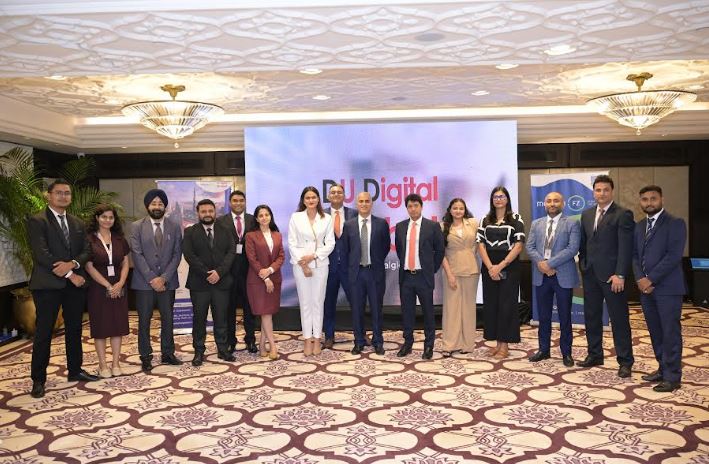
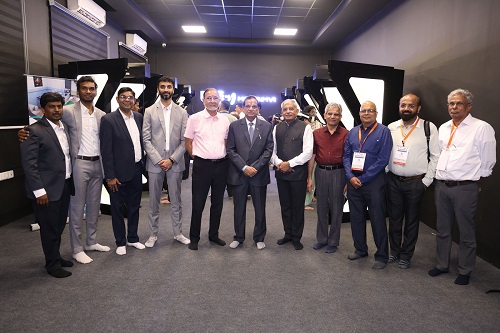
DuDigital Global Limited (NSE: DUGLOBAL) successfully concluded its exclusive partner activation event in Delhi, drawing prominent Chartered Accountants, leading law firm partners, and senior travel industry professionals for a high-impact networking and knowledge-sharing session on UAE company formation and advisory opportunities. The engagement led to multiple partner onboardings, underscoring strong market interest and confidence in DuDigital Global’s end-to-end support model.


Turning visions into ventures: DuDigital Global hosted an advisor-exclusive Delhi session on UAE company formation; strong turnout and new partner onboardings


Hosted in association with Meydan Free Zone, the session focused on actionable pathways for Indian advisors to expand client services into Dubai through streamlined licensing, compliant structures, and concierge-led execution. The discussions emphasized practical use cases, referral workflows, and go-to-market enablement for channel partners.


Manoj Dharmai, Group CEO, DuDigital Global, said, “We are delighted by the response from Delhi’s advisory community. The quality of discussions and immediate sign-ups validate our proposition of trusted execution, transparent processes, and measurable outcomes for clients expanding to the UAE.”


Shivaz Rai, Director, DuDigital Global, added, “This activation was designed for decision-makers like CAs, lawyers, and travel leaders who advise growth-focused clients. We’re pleased to have onboarded several partners and will continue to equip them with training, sales enablement, and on-ground support in Dubai.”


Mohammad Bin Humaidan, Director, Meydan Free Zone, commented, “Our collaboration with DuDigital Global is helping us engage India’s advisory community more effectively. The strong turnout in Delhi and multiple onboardings demonstrate the demand for a simplified, compliant, and growth-oriented pathway to establish businesses in Dubai.


If you missed the session and would like to explore becoming a channel partner, please write to info@dudigitalglobal.com and a concerned associate will connect to guide you through program details and onboarding.


About DuDigital Global

DuDigital Global Limited (NSE: DUGLOBAL), established in 2015, leads digital transformation in global mobility—simplifying international travel, identity, and business establishment for individuals and enterprises. The company manages visa application centres and consular services, offers end-to-end UAE company formation (Free Zone and Mainland), and provides investment-led Residency and PR pathways. DuDigital is a trusted partner to embassies and tourism boards, including the Embassy of India in South Korea and the Korea Tourism Organization, and is the developer of DuVerify, a digital document authentication platform. DuDigital has a strong presence across India, South Korea, UAE, Thailand, and Bangladesh.


About Meydan Free Zone

Meydan Free Zone, centrally located in Dubai, provides entrepreneurs and businesses a premium platform with 100% foreign ownership, tax advantages, multi-activity licensing, and modern infrastructure, supported by streamlined setup and concierge services.

BPCL Kochi Refinery Marks Diamond Jubilee, Unveils Vision for Sustainable Future

Bharat Petroleum Corporation Limited (BPCL), a Fortune Global 500 company and one of India’s leading oil and gas companies, is celebrating sixty years of its Kochi Refinery. From a modest start in 1966 to becoming a powerhouse of energy and innovation today, the refinery has come a long way—and its Diamond Jubilee celebrations set the tone for an even brighter future.


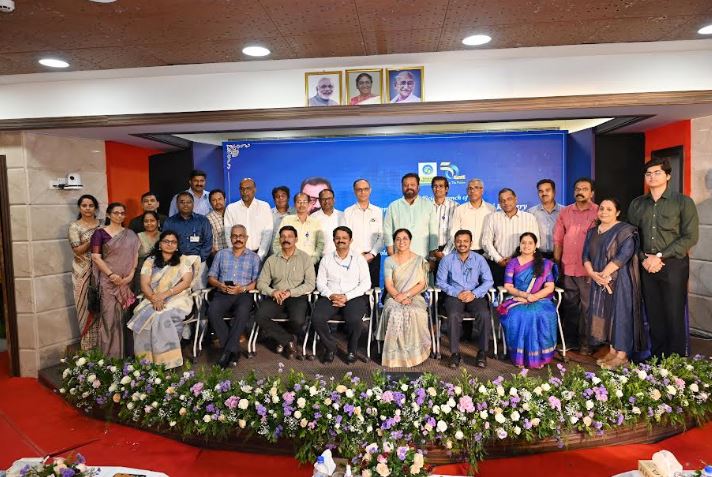
Team Kochi Refinery


To mark the occasion, Shri Suresh Gopi, Hon’ble Minister of State for Petroleum & Natural Gas and Tourism, lit the ceremonial lamp and planted a tree sapling. He lauded Kochi Refinery for its energizing presence in Kerala and recalled the pivotal role it has played in the State’s economy.


Shri Suresh Gopi, Hon’ble MoS for MoPNG and Tourism


Addressing this event he said, “I firmly believe that over the years, Kochi Refinery has become more than just an oil & gas entity. It has grown as an institution of trust, contributing to Kerala’s economic self-reliance, energy security, and sustainable development. The Refinery has played a catalytic role in the socio-economic transformation of Kerala through direct and indirect job creation, empowering thousands of families in and around Kochi.”


Taking the stage at the Diamond Jubilee celebrations, Shri Sanjay Khanna, Director (Refineries) with additional charge of Chairman & Managing Director, BPCL highlighted, “BPCL’s strong Q1 performance and Kochi Refinery’s proactive efforts in reducing the Energy Intensity Index (EII) and cutting raw water consumption by 20–25%. He noted that the refinery achieved this through multiple initiatives, including the maximization of water recycling from Effluent Treatment Plants (ETPs) via the RODM plant, cooling tower make-up optimization, and other water conservation measures. Several technological advancements have also been identified for further reductions in water consumption.”


Shri M. Sankar, Executive Director (Kochi Refinery), welcomed the gathering, while Shri George Thomas, Chief General Manager (HR), proposed a vote of thanks.


Born as Cochin Refineries Limited in collaboration with Phillips Petroleum, USA, the Kochi Refinery began operations in 1966 with a capacity of 50,000 barrels per day. It was later renamed Kochi Refineries Limited and, today, operates as one of BPCL’s three major refineries with a current crude oil refining capacity of 15.5 Million Metric Tonnes Per Annum (MMTPA).


The refinery’s product portfolio includes Liquefied Petroleum Gas, Naphtha, Motor Spirit, Kerosene, Aviation Turbine Fuel, High-Speed Diesel, and Asphalt. Specialty products for domestic markets include Benzene, Toluene, Food Grade Hexane, Propylene, Special Boiling Point Spirit, Mineral Turpentine Oil, Sulphur, Petcoke, and Hydrogen.


In the petrochemicals sector, the Propylene Derivative Petrochemical Project was dedicated to the nation by Hon’ble Prime Minister Shri Narendra Modi on February 14, 2021. BPCL is also investing Rs. 5,044 crore in a new Polypropylene (PP) Unit at Kochi Refinery, with a production capacity of 400 kilo-tonnes per annum (KTPA). This project will utilize the refinery’s propylene feedstock to meet the growing domestic demand for polypropylene, a versatile material used in packaging films, containers, and homeware.


About Bharat Petroleum Corporation Ltd. (BPCL)

Fortune Global 500 Company, Bharat Petroleum is the second largest Indian Oil Marketing Company and one of the integrated energy companies in India, engaged in refining of crude oil and marketing of petroleum products, with presence in the upstream and downstream sectors of the oil and gas industry. The company attained the coveted Maharatna status, joining the club of companies having greater operational & financial autonomy.


Bharat Petroleum’s Refineries at Mumbai, Kochi and Bina have a combined refining capacity of around 35.3 MMTPA. Its marketing infrastructure includes a network of installations, depots, fuel stations, aviation service stations and LPG distributors. Its distribution network comprises over 23,500+ Fuel Stations, over 6,200+ LPG distributorships, 500+ Lubes distributorships, 80 POL storage locations, 54 LPG Bottling Plants, 79 Aviation Service Stations, 5 Lube blending plants and 5 cross-country pipelines.


Bharat Petroleum is integrating its strategy, investments, environmental and social ambitions to move towards a sustainable planet. The company has Electric vehicle charging stations at 6500+ Fuel Stations.


With a focus on sustainable solutions, the company is developing an ecosystem and a road-map to become a Net Zero Energy Company by 2040, in Scope 1 and Scope 2 emissions. Bharat Petroleum has been partnering communities by supporting several initiatives connected primarily in the areas of education, water conservation, skill development, health, community development, capacity building and employee volunteering. With ‘Energising Lives’ as its core purpose, Bharat Petroleum’s vision is to be an admired global energy company leveraging talent, innovation & technology.

CropLife India Maps $1 Trillion Agri Economy Vision

CropLife India; the association of leading domestic and multinational R&D driven crop science companies; on its 45th AGM organized a National Conference. The conference witnessed the presence of Shri Shivraj Singh Chouhan, Hon’ble Union Minister of Agriculture & Farmers Welfare, Government of India; senior Government officials, experts, academia and industry leaders.


Multinational R&D driven crop science companies; on its 45th AGM organized a National Conference. The conference witnessed the presence of Shri Shivraj Singh Chouhan, Hon’ble Union Minister of Agriculture & Farmers Welfare, Government of India; senior Government officials, experts, academia and industry leaders.


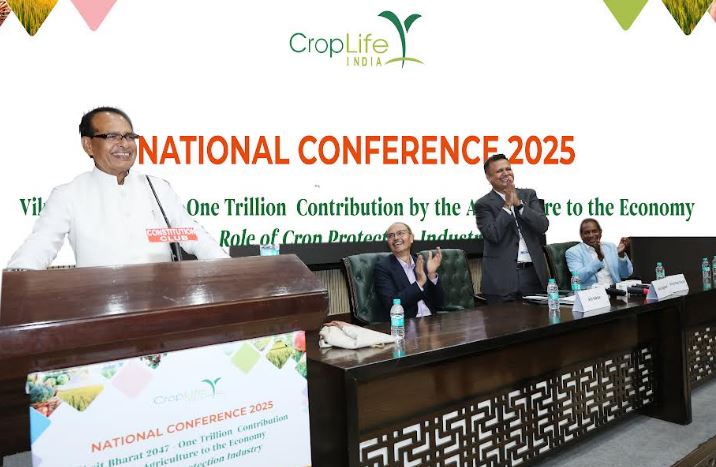
Shri Shivraj Singh Chouhan at CropLife India National Conference


National Conference 2025 opened with the Inaugural Session, setting the vision for Viksit Bharat 2047. This was followed by “The Regulatory Challenges and Opportunities in the Indian Context”, where regulators, policymakers and industry leaders decode India’s framework; Panel Discussion – “Empowering Farmers, Navigating Compliances & Global Standards: A State-wise View of the Agri-input (Crop Protection & Bio-stimulants) Industry & Export”, highlighting state-level complexities and how policy, compliance and innovation can empower farmers and boost exports and the CEO’s Panel – “Pesticides in the Spotlight: Villain, Hero or Scapegoat?”, featuring a candid debate on the future of crop protection.


During his inaugural address Shri Shivraj Singh Chouhan, Hon’ble Union Minister of Agriculture & Farmers Welfare, Government of India, shared that, “For me, the farmer is the soul of our nation and serving them is a gift from God. From the days of food scarcity and dependence on imports, India has today become self-reliant and an emerging exporter—with agriculture growing by 10% in recent months. Yet, with our population set to reach 170 crore by 2050, ensuring food and nutritional security is our foremost duty. Nearly half our people depend on farming, most with less than two acres of land and our policies must reflect this reality. To achieve a $5 trillion economy, we must increase productivity per hectare, embrace new technologies and translate research into solutions for farmers’ real problems. Agriculture is not just an industry—it is a national responsibility. Together, the Government, scientists and industry must ensure prosperity for farmers, sustainability for our land and nourishment for humanity.”


Dr. Trilochan Mohapatra, Chairperson, PPV&FRA, Ministry of Agriculture & Farmers’ Welfare, Government of India said, “India’s agrochemical sector has been key to our food security and growth—from 65 million tons of food grains to nearly 350 million today. As the industry grows at 9–11% CAGR, we must balance productivity with sustainability through responsible use, strong regulation, and science-led innovation, ensuring the protection of farmers, consumers and the environment.


Dr. P. K. Singh, Agriculture Commissioner, Government of India highlighted “India’s agri-input ecosystem is rapidly evolving, and digitalization will be key to its future—from AI-enabled regulatory processes to harmonized Centre–State laws. Responsible pesticide use and promotion of bio-pesticides are vital; farmers should spray only when necessary. By aligning regulation, innovation and good practices, we can empower farmers, safeguard food security and strengthen India’s global competitiveness.


Dr. Vandana Tripathy, Network Coordinator (AINP) & Scheme In-charge (MPRNL), ICAR highlighted, “There is a critical need for harmonized pesticide residue data generation across diverse locations. Only by collecting comprehensive and sensitive health-related data — including pregnancy outcomes — from multiple regions can we ensure reliability and build science-based systems that safeguard public health.


Dr. Poonam Jasrotia, ADG (PP), ICAR shared, “Protecting our traditional fairs and agricultural practices with clear safeguards, while fostering global collaboration, is vital. Partnerships with countries like the US and Japan offer immense opportunities, even as we address critical gaps in regions such as Libya.


Dr. Subhash Chand, Secretary CIB&RC said, “The key challenge in the import-for-export framework is balancing Ease of Doing Business with regulatory safeguards. While flexibility for genuine exporters is important, registration certificates and confirmed international orders are essential to prevent misuse. Where companies provide credible documentation, we are open to supportive, positive solutions.


Shri T. M. Tripathi, Joint Director, Department of Agriculture, Uttar Pradesh said, “There is no blanket ban on crop protection products—only crop-specific restrictions like in Basmati, where farmer training is crucial. The bigger challenge is retailer incentives: they must guide farmers toward correct, judicious use. By improving training, standardizing drone applications, and ensuring pricing transparency, we can create a fairer, more balanced ecosystem that empowers farmers and strengthens the agri-input industry.”


The CEO’s Panel – “Pesticides in the Spotlight: Villain, Hero or Scapegoat?” moderated by Mr Prabhu Chawla focussed on India being the world’s 2nd largest exporter and 4th largest manufacturer of crop protection products facing challenges of perception and the image building. Panellists emphasized that pesticides are medicine for plants—safe, responsible and scientific use is essential to prevent crop losses and ensure food security. With farmer training, innovation and clear communication, India can set a global benchmark in sustainable crop protection.


Mr. Susheel Kumar, MD, Syngenta India said, “Crop protection is medicine for plants—without it, farmers face heavy losses. India can lead globally with integrated, sustainable solutions.”


Mr. Ankur Aggarwal, Managing Director, Crystal Crop Protection shared, “India uses just 400 g/ha of pesticides against the global 8,000 g/ha—our challenge is not overuse, but misuse and misperception.”


Mr. Sahin Ozkan, MD, Adama India reinforced, “Farmer training is the cornerstone of safe crop protection and India is fast emerging as a global agrochemical hub alongside China.”


Mr. Subroto Geed, MD, Corteva Agriscience India emphasised, “Farmers need end-to-end solutions—biologicals, proven chemistries and clear communication in their own language to build trust.”


Mr. Simon Wiebusch, CEO & MD, Bayer CropScience shared, “Pesticides are a necessity, not a luxury—farmers use them only when the benefits outweigh the costs, ensuring food security for billions.”


Mr. Ankur Aggarwal, Chairman, CropLife India said,India is today the fourth-largest producer and the second-largest exporter of agrochemicals, with CropLife India members contributing over 70% of the industry’s business and providing 95% of the world’s molecules and chemistries. Our exports, worth nearly Rs. 40,000 crores, reflect the strength and global relevance of Indian agriculture. Yet, we continue to lose crops worth Rs. 2 lakh crores annually to pests and diseases—even though India’s pesticide use is just 400 grams per hectare compared to the global average of 8,000 grams. This proves that Indian farmers are efficient, not excessive.


With responsible stewardship, we can cut crop losses, raise farmer incomes and help India move towards its $1 trillion agricultural economy goal. Our industry stands committed—to responsible innovation, natural farming support, integrated pest management and research-driven solutions. With government partnership and sustained investment in science, we can empower farmers, feed our 150 crore people and make in India for India and the world.


About CropLife India     

CropLife India is committed to advancing sustainable agriculture and it is an association of 17 R&D driven member companies in crop protection. We jointly represent ~ 70% of the market and are responsible for 95% of the molecules introduced in the country. Our member companies have annual global R & D spend of 6 billion USD and are firmly committed to engaging with the farming community to enable Safe, Secure Food Supply.


Our member companies were established in India as far back as the 1950s; we continue to work hand-in-hand with the Government to build the agriculture sector – from direct investment of building factories, jobs creation, bringing in agriculture innovation and working endlessly over the years with multi-stakeholders to enhance agriculture productivity.

Addressing Regulatory Gaps and High GST, Rodl & Partner Paper Calls for Policy Reforms to Unlock India's $2B Pet Food Industry

Alongside World Food India 2025, organized by the Ministry of Food Processing Industries (MoFPI), Rodl & Partner released a landmark paper outlining strategic pathways to strengthen India’s fast-growing pet food sector. MoFPI and EY also co-hosted a special session on “India’s Pet Food Industry: Scaling for Domestic & Global Growth” at Bharat Mandapam, Pragati Maidan.


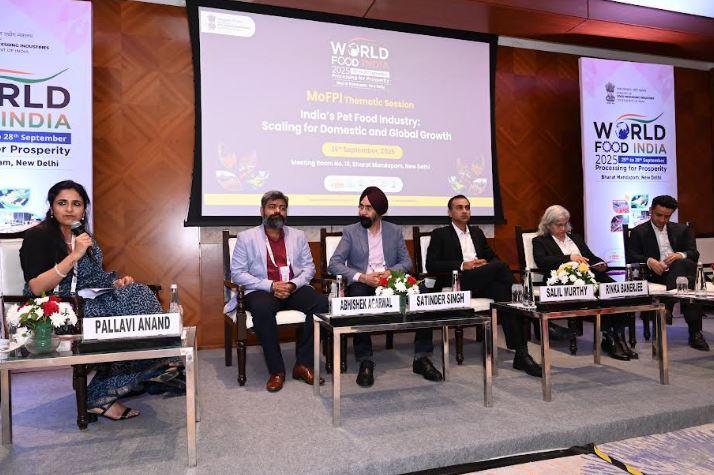
Panel Discussion on India’s Pet Food Industry


The paper highlighted that India’s pet food market is expanding rapidly with the country’s pet population at an estimated 42.2 million in 2024, projected to surpass 100 million by 2035. In revenue terms, the industry was valued at USD 720 million in 2024 and is expected to reach USD 2 billion by 2035. While dog food accounts for over 85% of the market, cat food is the fastest-growing segment, and e-commerce has become a key growth enabler.


Despite this momentum, the sector continues to operate under frameworks not designed for it. The paper calls for a harmonized and science-backed regulatory framework to enable trust, affordability, and access. Recommendations include rationalizing GST to align pet food with essential nutrition categories, adopting BIS standards as enforceable benchmarks, creating a single-window system for compliance, expanding accredited testing infrastructure, and ensuring consistent labelling and product standards across offline and online markets.


In his preface to the paper, Dr. Umesh Kalahalli, Independent Veterinarian, noted, “As veterinarians, we see daily how nutrition impacts pet health. Many pets in India are still fed improvised diets that lack essential nutrients. Dedicated, enforceable regulations would give pet parents confidence, enable vets to guide responsibly, and ensure pets receive the same quality of nutrition as globally.”


The panel discussion at World Food India brought together leading voices from across the industry, including Salil Murthy, Managing Director, Mars Petcare India; Satinder Singh, Managing Director, Royal Canin; Rinka Banerjee, Founder & CEO, Thinking Forks Consulting Pvt. Ltd; Ram Soni, Partner, Food & Agriculture, Praxis Global Alliance; and Abhishek Agarwal, Founder & CEO, Innomalous, moderated by Ms. Pallavi Anand, Business Head, Nestlé Purina Petcare – South Asia Region.


Salil Murthy, Managing Director, Mars Petcare India said, “India is home to over 35 million pets today, a number set to double within the next five to seven years. Yet, penetration of manufactured pet food remains below 10% in Indian households, compared to near-universal adoption in developed markets. Unlocking the true potential of India’s pet food sector requires three structural shifts: First, a responsible and science-aligned regulatory framework to build consumer trust and ensure transparency. Second, rationalizing the current 18% GST on pet food which is essential nutrition — an anomaly while other pet care items like pet shampoos are now taxed at just 5%. Third, a nationwide effort to raise awareness so that pet parents move from home-cooked meals to complete, science-backed nutrition that ensures a longer, healthier life for pets. And finally, recognizing the sector’s ability to create jobs and value across manufacturing, retail, veterinary care, and allied services. Together, these steps can accelerate India’s journey to becoming a truly better nation for pets and a future export hub for pet food.”


Satinder Singh, General Manager, Royal Canin, added, “The sector is already a USD 720 million industry, growing at double digits annually. Despite this growth, pet food is still seen as discretionary and lacks a clear regulatory identity in India. Giving the sector the recognition it deserves through dedicated regulations will provide clarity for companies and veterinarians, strengthen India’s Make in India initiative and establish the country as a key export hub for global markets, as well as reassure millions of pet parents through consistent, quality, safe, and hygienic food for cats and dogs. When policies treat pet nutrition as essential rather than optional, India will be able to close the nutrition gap and align with global best practices.”


On the Day 1 of the WFI event, Ministry of Food Processing Industries highlighted the pet food sector’s strategic alignment with the Make in India initiative. At the CEO roundtable, the Ministry called for a harmonized, science-backed regulatory framework that would secure nutrition and consumer trust. The discussion reinforced that regulation must serve as an enabler, supporting balanced growth and positioning India more confidently in the global pet food landscape.


About World Food India 2025

World Food India is the Ministry of Food Processing Industries’ flagship international event, serving as a premier platform for stakeholders across the food value chain to connect, collaborate, and invest in India. Following successful editions in 2017, 2023, and 2024, the 4th edition will be held from 25–28 September 2025 at Bharat Mandapam, New Delhi.

All India Gem & Jewellery Domestic Council (GJC) Welcomes Maharashtra Government's Landmark Initiative: Formation of State-Level 'Dakshata Committee' for Jewellers' Security

The All India Gem & Jewellery Domestic Council (GJC), the apex body representing over 600,000 jewellers across India, heartily welcomes the Maharashtra Government’s historic step of establishing a state-level ‘Dakshata Committee’ (Vigilance Committee) to ensure the safety and security of jewellers.


For a long time, jewellers have faced harassment during investigations of theft and robbery cases involving gold and silver. In some unfortunate incidents, jewellers even lost their lives during the process. Taking cognizance of these grave concerns, on March 14, 2024, the Government of Maharashtra issued a circular under the Home Department, clearly instructing police officers regarding investigations under BNS 317 (formerly Section 411 IPC). The circular also recommended the establishment of a special Dakshata Committee.


This Vigilance Committee has been constituted by the State Government. Representatives from 36 districts of Maharashtra have been included, and in the near future, district-level committees will also be established with the support of GJC. The key objective of this initiative is to build a secure and reliable bridge between the government and trade bodies, ensuring the safety of jewellers and extending full support to honest business practices.


GJC expresses its sincere gratitude to Hon’ble Chief Minister Shri Devendra Fadnavis for this visionary step. The Council also acknowledges the special efforts of Hon’ble Minister of State for Home Affairs Shri Pankaj Bhoyar and Hon’ble Smt. Chitra Wagh (MLC) in making this reform a reality.


GJC Chairman, Mr. Rajesh Rokde, said, “This decision marks a historic moment for the jewellery industry in Maharashtra. The formation of the Dakshata Committee reflects the government’s commitment to ensuring a safe business environment in a safe state. We are deeply thankful to Hon’ble Shri Devendra Fadnavis for this far-sighted reform and appreciate the tireless efforts of Hon’ble Minister of State for Home Affairs Shri Pankaj Bhoyar and Hon’ble Smt. Chitra Wagh. We congratulate all trade representatives included from various districts of Maharashtra. I urge jewellers across India to make similar efforts in their respective states so that a strong and secure national framework can be created. GJC remains committed to working hand-in-hand with the industry.”


GJC Vice Chairman, Mr. Avinash Gupta, added, “The jewellery sector has long grappled with serious security challenges. The Maharashtra Government’s decision is indeed a revolutionary step, reflecting both sensitivity and strong commitment towards the jeweller community. This initiative will instill confidence among jewellers. We appeal to all our pan-India members to actively engage with their respective state governments for similar committees, so that a safe ecosystem for jewellery business can be built nationwide.


As the national apex body, GJC also invites all state heads across India to replicate such initiatives in their respective states. GJC will extend full support and is preparing a detailed national Plan of Action to help implement this framework across India.


Members of the State-Level Dakshata Committee:

  • Shri Nitin Khandelwal, District Akola – Member

  • Shri Rajesh Rokde, District Nagpur – Member

  • Shri Shailesh Kharote, District Akola – Member

  • Shri Sudhakar Tank, District Nanded – Member

  • Shri Kiran Andilkar, District Pune – Member

  • Shri Mahavir Gandhi, District Solapur – Member

  • Shri Bharat Oswal, District Kolhapur – Member

  • Shri Subhash Vadala (Jain), Mumbai – Member

  • Shri Girish Devrmani, District Solapur – Member

  • Shri Ajit Pendhurkar, Mumbai – Member

  • Shri Rajendra Dindorkar, District Nashik – Member

  • Shri Amol Dhomne, District Wardha – Member


About GJC
The All India Gem & Jewellery Domestic Council (GJC) is a national trade council with the objective of promoting and protecting the interests of the jewellery industry. For over 20 years, GJC has been acting as a strong bridge between the government and the industry, spearheading multiple progressive initiatives to elevate the sector to new heights.

MediSim VR and Himalayan Institute of Medical Sciences (HIMS) Launch Uttarakhand's First Center of Excellence in AI and VR-based Medical Simulation

MediSim VR has launched Uttarakhand’s first Center of Excellence in AI and VR-based Medical Simulation at HIMS. This pioneering initiative reflects India’s progressive approach to integrating immersive technologies into healthcare education and directly supports the transformational vision outlined in the National Education Policy (NEP) 2020.


MediSim VR and Himalayan Institute of Medical Sciences (HIMS) Launch Uttarakhand’s First Center of Excellence in AI and VR-based Medical Simulation


The launch took place during the 10th edition of SIMULUS, the annual flagship simulation event hosted by the Himalayan Institute of Medical Sciences (HIMS), Dehradun, which was held from October 4–7 in collaboration with AIIMS Rishikesh. The event brings together global leaders, educators, and innovators in healthcare simulation and serves as a dynamic platform for advancing dialogue, innovation, and collaboration in medical education.


The Center was inaugurated by Dr. Vinod K. Paul, Member, NITI Aayog, who has also previously chaired many government counseling bodies, experienced a live demonstration, appreciated the initiative, and encouraged the wider adoption of AI and VR in healthcare education.


Artificial Intelligence (AI) and Virtual Reality (VR) are transforming medical training by creating immersive, risk-free, and experiential learning environments. These technologies empower students to build practical clinical skills and decision-making capabilities while complementing their theoretical knowledge. The Center of Excellence will be accessible not only to HIMS students but also to external medical learners and professionals across Uttarakhand, amplifying its reach and impact on capacity building.


Dr. Ashok Kumar Deorari, Pro-Vice Chancellor, Swami Rama Himalayan University, said, “The launch of an AI- and VR-based Center of Excellence in medical simulation at Himalayan Institute of Medical Sciences, Dehradun, marks a significant advancement in medical education. Our students and external learners will benefit from realistic, safe, and highly interactive learning environments that build competence, critical thinking, and innovation—preparing them to excel in global healthcare systems. This initiative will also be highly beneficial for medical, nursing, and allied healthcare professionals, enhancing their training and professional development.


Sabarish Chandrasekaran, Co-Founder & CEO, MediSim VR, said, “We are delighted to launch Uttarakhand’s first Center of Excellence in AI and VR Medical Simulation at HIMS Dehradun—one of India’s most respected medical institutions. This lab bridges the gap between traditional medical training and next-generation experiential learning. At MediSim VR, we believe such initiatives will empower future healthcare professionals with advanced skills, confidence, and global exposure.”


Looking Ahead
Through this partnership, MediSim VR and HIMS are redefining the future of healthcare education by combining innovation with accessibility. As India accelerates toward global leadership in medical sciences, this collaboration sets a precedent for how AI- and VR-driven learning ecosystems can shape the next generation of medical professionals.


Korea-India Economic Co-op Forum Held in Hyderabad to Boost Investment in Telangana

0

The Korea-India Economic Cooperation Forum successfully took place in Hyderabad, fostering enhanced industrial collaboration between the two nations. While inviting Korean companies to invest more in Telangana, the state government not only promised state-of-the-art infrastructure and talent pool, it also offered a dedicated mechanism to handhold Korean investments. The Telangana government promises world-class infrastructure and talent pool and rolls out the red carpet for Korean companies, inviting them to invest more in the state.
 

(L-R) Ambassador Chang Jae-bok, Duddilla Sridhar Babu, Minister of Information Technology, Electronics & Communications (ITE&C) and Industries & Commerce (I&C), Telangana

Organized by the Embassy of the Republic of Korea, KOTRA (Korea Trade-Investment Promotion Agency), the India-Korea Business Cooperation Center, and the Honorary Consulate General of the Republic of Korea in Hyderabad with the support of the Confederation of Indian Industry (CII), the event aimed to boost cooperation in various sunrise industries and provided ample opportunities for business networking.

Speaking on the occasion, Duddilla Sridhar Babu, Minister of Information Technology, Electronics & Communications (ITE&C) and Industries & Commerce (I&C), Telangana, said, “To address specific needs of the Korean companies, the state government not only offers the state-of-the-art infrastructure and talent pool, it will also have a dedicated desk under Invest Telangana Cell to handhold Korean investments and provide single window service.”

The minister said, “Because of the KOTRA support, the interest of Korean companies increased in manufacturing, technology, semiconductors, and life sciences sectors. I invite KOTRA to set up its office in Telangana also.” 

Chang Jae-bok, the Ambassador of the Republic of Korea, said that over the past decade, we have witnessed successful implementation of India’s initiatives like ‘Make in India,’ ‘Self-reliant India,’ and ‘Act East.’ “These policies have significantly deepened the bilateral relationship between Korea and India, with trade volumes reaching an all-time high of $27.8 billion in 2022. Major Korean companies such as Samsung, Hyundai, LG, and Kia, along with MSMEs, are actively expanding their investments in India, further strengthening our economic ties,” he added.

In his welcome address, C. Shekhar Reddy, immediate past chairman, CII Telangana, and CMD, CSR Estates Ltd., said, “South Korean companies have been actively investing in Telangana, leveraging the state’s industrial growth and strategic advantages. This is exemplified by companies like Samsung, which has established a significant manufacturing presence in the region.”

Suresh Chukkapalli, the Honorary Consul General of the Republic of Korea in Hyderabad, said in India, South Korea continues to dominate some of the sectors that have become household names—Hyundai, KIA, Samsung, etc. In Telangana in the last few years, some of the major Korean brands, such as YoungOne, have moved here. Korean semiconductor company APACT is launching a JV project with ASIP in Hyderabad.

Dr. E Vishnu Vardhan Reddy, Special Secretary for Investment Promotion & External Engagements and VC&MD TSIIC Govt of Telangana, discussed Telangana’s industrial ecosystem and investment policy.

While presenting a Korea-India Economic Cooperation Plan, Ms. Jeongseon Lee, Executive Director of the India-Korea Business Cooperation Center at KOTRA, said, “Major transformations are taking place in the global value chain, and these changes can potentially lead to new prospects for collaboration between India and Korea. For example, global companies are expanding their GCC presence, notably in Hyderabad, to leverage India’s IT talent. These GCCs are not only playing key roles in back-office operations but are also serving as important innovation centers. Several Korean companies have already followed suit to benefit from these advantages. I hope more companies will join these movements in the coming days.”

The forum featured several sessions on successful collaboration cases across different industries. Sanjeev Deshpande, MD & CEO of NTT Data Business Solutions, shared insights on IT collaborations. The semiconductor industry was represented by Venkata Simhadri, CEO of ASIP Technologies. Further presentations were made by Balaji Prabakaran, Head of Product Planning Department at Hyundai Motor India Engineering, and Jayesh Sanghvi, Partner at Ernst & Young, who highlighted other successful collaboration cases.

The forum concluded with a networking dinner, providing participants the opportunity to establish communication channels and explore potential business partnerships. This event marked a significant step forward in strengthening the economic ties between Korea and India.

Ex-Diplomats: India Should Prioritize its Own Interests, Especially in the Neighborhood

0

At a special seminar organized in New Delhi, former diplomats and several intellectuals concurred that India ought to prioritize its national interests, particularly in the region and globally, when engaging with the United States and other influential nations.
 

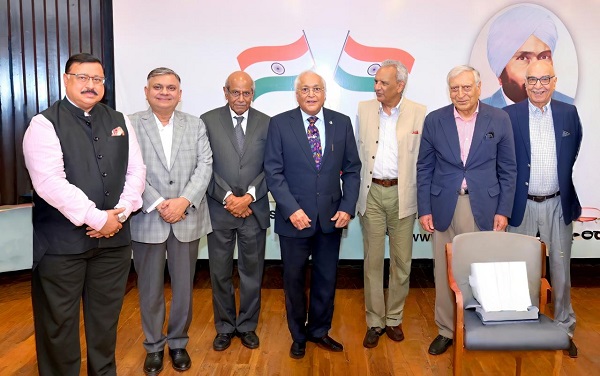
Dignitaries present during discussion of Indo-US and India’s Neighbourhood in New Delhi


Participating in a panel discussion on ‘Indo-US Relations and India’s Neighborhood’ organized by Shaheed Nanak Singh Foundation, in association with the Post Graduate Government College, Sector 11, Chandigarh, former Indian Ambassador Mr. Kanwal Sibal acknowledged the historical differences between India and the US but highlighted the significant progress in bilateral relations. He cited defense deals and declaration of India as a major ally outside of NATO Major Defense Partner as evidence of improving relations. Mr. Sibal also warned that any instability in India’s neighborhood would advantage China.
 

Also present on this occasion Ex- Ambassador Mr. Shyam Saran suggested that India should not leave any open spaces in its neighbourhood for any other major power to exploit the situation. He said that it has been a long-standing position that unless we get our periphery, our neighbourhood right, it is very difficult for us to play a larger role globally. Thus, managing our neighbourhood is critical in terms of the safeguarding of India’s future.
 

Another illustrious career diplomat Mr. Jayant Prasad too echoed similar opinion. He underscored the necessity of India enhancing its regional engagement and strengthening ties with its neighbours. This, he asserted, would further solidify India’s relationships with the United States, Russia, and China.
 

The event was held to honor Shaheed Nanak Singh’s efforts in promoting communal harmony between Hindus and Muslims during India’s partition.
 

Lord Rami Ranger CBE, Member of the House of Lords, United Kingdom, who is also son of Shaheed Nanak Singh Ji, narrated the role that his father played in uniting Hindus and Muslims during the turbulent times of partition. Shaheed Nanak Singh Ji also believed in humanity and was of the opinion that a country born out of hatred cannot go a long way, he said.
 

Mr. Navneet Soni, former Chief Commissioner of Income Tax and Member of the Board of Trustees of the India International Centre, also graced the occasion and said, “India’s relations with the USA is both at all time high and facing critical challenge. I concur with our panelists’ views that India should keep up the tempo of relations with USA while focusing on our neighborhood.”
 

Highlighting the importance of such discussions, Mr. Vineet Nanda, an alumni of Post Graduate Government College, Chandigarh and Chairman of the FICCI Committee of Housing and Infrastructure for Punjab, Haryana, Himachal Pradesh, Chandigarh and Uttarakhand said, “Given the recent global developments, the topic of discussion was not only timely, but also apt as our panelists enlightened the audience with nuances of the Indo-US relations and neighbourhood angle of this dynamic relationship.” 
 

The panel discussion was moderated by Hardayal Singh, IRS Retd and an alumnus of the P. G. Government College Chandigarh with several dignitaries, including alumni of Government College, Chandigarh, in attendance.

Maharashtra Votes for Development – Masala King Dr. Dhananjay Datar

0

Maharashtra electorates have conferred a thumping absolute majority of 229 seats to the BJP led alliance in the recently held State Legislative Assembly elections.
 

“As an entrepreneur, I feel that this result is encouraging and beneficial to the overall development of Maharashtra,” said, Dr. Dhanjajay Datar, popularly known and revered as Masala King, CMD of Adil Group of Superstores, Dubai & UAE.


Dr. Dhananjay Datar, Chairman and Managing Director, Adil Group of Super Stores, Dubai
 

As per his observation the economic and industrial development of any state depends upon the stability of the government policies- and to ensure the consistency of such policies, the government should have a strong mandate. Since both the governments at the Centre and State level are from the same alliance, being stable, like-minded and pro-development, they will surely not face challenges like instability, compromise or fear of President’s rule over the next five years. Also, the state will receive abundant funding from the Centre to carry out various crucial development projects, which is promising.


As per Dr. Datar, the last regime of BJP led alliance in Maharashtra demonstrated comprehensive and fast development with its people-centric decisions. The same will be witnessed in the near future. Many vital infrastructure projects are in the final stage of completion and some of them- for example, Samruddhi Expressway, Metro Trains, Bullet Train, Western Dedicated Freight Corridor, Navi Mumbai International Airport, proposed Wadhwan Port etc. are also crucial for national progress.


Dr. Datar expressed, “I am sure that there will be a great boost to investment, communication, import-export and industrial development in Maharashtra, which would result in the economic prosperity of the state. My best wishes to the new government and its visionary leadership.”

ABP Network's Ideas of India 2025 Spotlights India as the 'Force for Good' and Explores 'Humanity's Next Frontier' in the Fourth Edition of its Flagship Initiative

0
  • Union Minister of Commerce & Industry Piyush Goyal: It would be great if Tesla manufactures in India. Moving towards electric mobility is beneficial, and if it aligns with national interest, it’s even better.

  • Ambassador Kurt Volker: “India is a rising power that comes across a friendly state with shared values. President Trump personally likes Prime Minister Narendra Modi but that doesn’t stop his transnationalism.”

  • Dr. Shashi Tharoor pointed out that the desperation of people from Punjab and Gujarat to migrate reflects a deeper crisis rather than mere aspiration.

  • Dr. (Prof.) Venki Ramakrishnan, Nobel Prize-winning Biologist, and Former President, The Royal Society: “One stark reality is that wealth plays a role in longevity as rich people tend to live 10 to 15 years longer than the poor.

  • Dr. Manish Gupta, Senior Director at Google DeepMind, said, “India is not a poor country anymore, and we must take bold steps in developing our foundational AI models.

  • Dr. Goutam Chattopadhyay, Senior Scientist at NASA’s Jet Propulsion Laboratory and Visiting Professor at Caltech: “Sunita Williams’ return was delayed due to a technical glitch, but on March 19, they will be safely back home.”

  • Leander Paes: “We start scouting for talent quite late. As a nation, if we embrace sports science and incorporate DNA testing to assess young athletes whose abilities align with geographical genetics, I believe we can truly make a difference”

  • Prof. Ashwani Mahajan, Author, Columnist, and National Co-convenor of Swadeshi Jagran Manch dismissed negative global narratives on India’s poverty, calling them a conspiracy to undermine progress, while Dr. Ashima Goyal Economist and Member of India’s Monetary Policy Committee highlighted that poverty has dropped from 30% to 5%, a historic achievement.


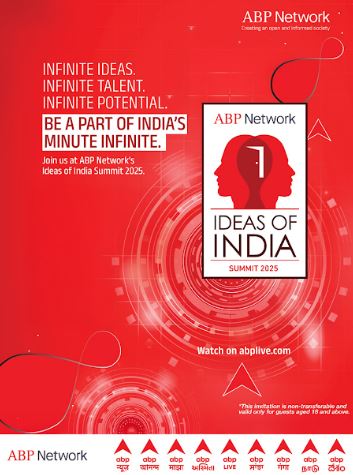
As India navigates global disruptions while striving to achieve its growth objectives on the path to its centennial milestone as an independent nation in 2047, ABP Network, the country’s leading multi-language news network, launched the fourth edition of ABP Network’s Ideas of India 2025 in Mumbai. The two-day long summit was hailed by masses for discussing global movement towards ‘Humanity’s Next Frontier’, and witnessed the convergence of inspiring ideas from the foremost icons leading the charge to make our nation a ‘force for good’.


ABP Network Ideas of India 2025


The summit hosted over 30 thought-provoking sessions with over 50 esteemed speakers exploring India’s role in global socio-cultural, economic and scientific evolution and its future as a global stabilizer in geopolitical affairs. Through the two days, the initiative witnessed the convergence of ideas flowing from policy makers, International experts, social activities, spiritual thinkers, entrepreneurs, business leaders, investors, film stars and celebrities, sports icons, and musicians from all over India who share soul stirring perspectives and stories for people to reflect and action.


Union Minister of Commerce & Industry, Piyush Goyal emphasized the strong India-U.S. partnership, calling the two nations “force multipliers” rather than competitors. Addressing U.S. tariffs, he reassured that India’s industry is resilient and optimistic about bilateral trade. On Tesla and ‘Make in India’, he said, “It would be great if Tesla manufactures in India. Moving towards electric mobility is beneficial, and if it aligns with national interest, it’s even better.


Dr. Shashi Tharoor, Author, Politician, and Former International Diplomat, highlighted the paradox of India’s growth story, where economic expansion coexists with rising unemployment and social crises. He pointed out that the desperation of people from Punjab and Gujarat to migrate reflects a deeper crisis rather than mere aspiration. Emphasizing the plight of migrants, he called for investment, employment, and entrepreneurship to ensure migration is a choice, not a necessity. He condemned the demeaning deportation of illegal immigrants, advocating for dignity in repatriation. Tracing India’s historical migration, he noted how Indian laborers and professionals have shaped global economies, citing the resilience of past generations. On India-Canada relations, he took a firm stance against Khalistani extremism, calling for stricter action.


Prof. Ashwani Mahajan, Author, Columnist, and National Co-convenor of Swadeshi Jagran Manch, and Dr. Ashima Goyal, Economist and Member of India’s Monetary Policy Committee, addressed India’s economic transformation, poverty reduction, and job market shifts. Prof. Mahajan dismissed negative global narratives on India’s poverty, calling them a conspiracy to undermine progress, while Dr. Goyal highlighted that poverty has dropped from 30% to 5%, a historic achievement. She emphasized India’s stable, high growth rate averaging 8.3% over three years, leading to a 10% rise in job creation. On youth unemployment, she pointed out that job seekers often refuse opportunities, preferring government jobs for their security. Discussing freebies, Dr. Goyal warned that excessive welfare spending limits infrastructure investment, while Prof. Mahajan criticized “Revdi Culture” for bankrupting states like Andhra Pradesh and Punjab.


Discussing the developments in United States since Donald Trump assumed office, Ambassador Kurt Volker, said, “For Donald Trump, unpredictability is deliberate tactics to create uncertainty and he likes to shock people by saying provocative things to make people react.” He further added, “For Trump, to end the war one has to stop Russia which no one was doing. He also wants Ukraine to pay back to United States for the help it offered.” On India, he said, “India is a rising power that comes across a friendly state with shared values. President Trump personally likes Prime Minister Narendra Modi but that doesn’t stop his transnationalism.”


Speaking in the session “The Science of Ageing- The Yearning for Immortality”, Dr. (Prof.) Venki Ramakrishnan, Nobel Prize-winning Biologist, and Former President, The Royal Society, said, “One stark reality is that wealth plays a role in longevity as rich people tend to live 10 to 15 years longer than the poor. We now understand why exercise, a good sleep cycle, and other healthy habits help slow aging. Avoiding social isolation and maintaining a sense of purpose is crucial. Early health screenings, such as for diabetes, can make a significant difference in ageing.”


Speaking on the topic ‘Transforming India with AI: Why We Need More Data’, Dr. Manish Gupta, Senior Director at Google DeepMind, said, “India is not a poor country anymore, and we must take bold steps in developing our foundational AI models. AI is accelerating progress on a range of critical problems, from drug discovery and plastic pollution to structural biology. Innovations like AlphaFold are helping us solve complex scientific challenges faster than ever before.


Dr. Goutam Chattopadhyay, Senior Scientist at NASA’s Jet Propulsion Laboratory and Visiting Professor at Caltech was speaking in the session, ‘Transforming India with AI: Why We Need More Data’, when he confirmed, “NASA is not keeping Sunita Williams in space. Sunita Williams’ return was delayed due to a technical glitch, but on March 19, they will be safely back home.” He added, “ISRO and NASA are collaborating on a project right now. ISRO is doing great and executing successful missions. Astronomy truly opens up your vision to the universe and it is a big mystery that we are trying to solve.”


In a mega sporting panel, Viswanathan Anand, 5-time World Chess Champion, Padma Vibhushan, Padma Bhushan, Padma Shri and Arjuna Awardee; Geet Sethi, 9-Time World Champion of Billiards/Snooker and Founder of Olympic Gold Quest; Prakash Padukone, All England Open Badminton Champion, Padma Shri and Arjuna Awardee; Leander Paes, Indian Olympic Medalist, Grand Slam Winner, International Tennis Hall of Fame member, and Entrepreneur, Founder of Flying Man Ventures discussed the next frontiers of sports in India.


Leander Paes said, “I am concerned about tennis. Our association is currently facing the Supreme Court. We should learn from what the BCCI has done for cricket and follow its model of establishing hundreds of cricket clubs in every region of India. We start scouting for talent quite late. As a nation, if we embrace sports science and incorporate DNA testing to assess young athletes whose abilities align with geographical genetics, I believe we can truly make a difference.


Geet Sethi added, “The reason why we are not producing Olympic level sportspersons is that sports in India don’t have the money for the talent to be nurtured. Socioeconomics, genetics, and subconscious self-belief are the three things which will drive India to sporting excellence.” 


Prakash Padukone said, “We have abundant talent in the country, but many previously lacked opportunities. Over the last 15 years, this has changed significantly. The sports federations must be professionalized. Talent is not the issue, nor is funding a problem now. The government is doing its part, and people are receiving support, but it is crucial that sports federations become more involved. These federations need to operate like corporations. Federations control the sports. It is their responsibility to encourage and promote sports.” 


Viswanathan Anand, said, “In India, I work to identify talent and provide them with all the resources they need. Winning medals will inspire more people to take up sports as a career option. When sports become a mass movement in our country, that’s when true transformation will happen. Currently, we are competitive in sports but often miss out narrowly. We shouldn’t be satisfied with these close misses; that’s how we will grow as a sporting nation. In India, federations should be reformed to become more accommodating and spontaneous. Many chess players have started their own academies.


ABP Network’s Ideas of India 2025, centred around the theme ‘Humanity’s Next Frontier’, will bring together thought leaders and innovators to explore the challenges and opportunities posed by India’s rise in a rapidly evolving world. In the face of climate change, geopolitical conflicts, and technological advancements such as AI, the summit delved into India’s role as both an ancient civilisation and a demographic powerhouse in shaping the future. The two-day summit gathers a confluence of ideas from global thought leaders, intellectuals, and change makers, covering transformative possibilities in science, medicine, social contracts, and global leadership, with experts from diverse fields offering bold visions for a better, more sustainable world for all.