
Home Blog Page 158

On National Cleft Day, NGO Smile Train India Brings Cleft Awareness into NDMC Classrooms

On the occasion of National Cleft Day, Smile Train India, the country’s largest cleft focused NGO, partnered with the New Delhi Municipal Council (NDMC) to raise awareness and advocate for cleft lip and palate issues. They implemented a comprehensive school-based engagement programme across NDMC schools in the national capital.


NDMC Students Bring Book Series “Smiles That Shine” to Life Through Theatre for National Cleft Day


As part of this initiative, Smile Train India rolled out “The ABCs of Change” (Awareness, Behaviour, and Confidence) across 10 NDMC schools, using storytelling, interactive learning, and creative engagement to build early awareness, empathy, and inclusion among primary school children. The programme integrates cleft awareness into classrooms, positioning children as active participants and ambassadors of change within their schools, families, and communities.


Central to the initiative is Smile Train India’s picture book series, “Smiles that Shine,” the first-of-its-kind children’s series designed to promote empathy, kindness, and understanding around facial differences, including cleft lip and palate. Through imaginative storytelling and relatable characters, the books normalise differences, encourage conversations around self-confidence and identity, and help reduce stigma from an early age.


The school programme concluded with a three-day creative theatre workshop led by Rahul Khanna, a renowned theatre practitioner and storytelling facilitator. Primary school students from NDMC schools developed and performed short plays inspired by the “Smiles that Shine” stories, bringing the narratives to life through expressive enactment and reinforcing messages of empathy, inclusion, and acceptance.


Cleft lip and palate is a treatable birth difference, affecting approximately 1 in every 700 children. However, lack of awareness, social stigma, and misinformation often delay treatment, impacting a child’s health, speech development, confidence, and social integration. By embedding awareness within schools, Smile Train India and NDMC aim to encourage a more inclusive environment for children with facial differences.


Speaking on the initiative, Kritika Choudhary, Director, New Delhi Municipal Council (NDMC) said, “Schools are not only places of learning but also where empathy and inclusion are shaped. This partnership with Smile Train India brings together health awareness and creative learning. By engaging children through stories and theatre, we hope these values extend beyond classrooms into homes and communities.


Mamta Carroll, Senior Vice President and Regional Director, Asia Smile Train India, added, “Cleft care goes beyond medical treatment; it is about building confidence, dignity, and a sense of belonging. Through initiatives like Smiles that Shine, The ABCs of Change, and the culminating theatre workshops, we are using storytelling to help children understand and embrace differences, and to grow up with empathy, kindness, and inclusion at their core.”


By anchoring cleft awareness within classrooms and creative expression, Smile Train India and NDMC reaffirm their shared commitment to early intervention, inclusive education, and community-led advocacy, ensuring every child born with a cleft has the opportunity to grow up healthy, confident, and included.


Over 35,000 babies with cleft conditions are born in India each year, and many of them go untreated because of social stigma, misconceptions and a lack of knowledge about the treatment that is available, by improving community level awareness. Smile Train’s school outreach program aims to spread awareness amongst the young minds.


For cleft treatment related query or support, please call our toll-free helpline number: 1800 103 8301.

Metta Meditation Retreats Now Offered in India and Online by the Dhamma Sukha Tradition

In a time marked by stress, emotional fatigue and uncertainty, a growing number of people are turning toward Metta, or loving-kindness meditation, as a path of healing, balance, and insight. Building on a tradition that has touched thousands of practitioners worldwide, Metta Vipassana Meditation retreats are now being offered in India and online under the guidance of teachers trained in the Dhamma Sukha Meditation Center lineage.


A Metta Vipassana Meditation retreat in India, guided in the Dhamma sukha Tradition


Rooted in the early Buddhist discourses (the suttas), these retreats are inspired by the teaching approach developed by the late Bhante Vimalaramsi, founder, together with Ven. Khanti Khema, co-founder of the Dhamma Sukha Meditation Center in the United States. Their method, known as Tranquil Wisdom Insight Meditation, integrates insight (vipassanā), with the deliberate cultivation of loving-kindness, compassion, joy, and equanimity.


Unlike more effort-heavy techniques, these Metta Vipassana retreats emphasize relaxation, softening, and an embodied sense of kindness toward oneself and others. Practitioners are gently guided to recognize how craving and resistance arise in daily life – and how releasing them through kindness can lead to clarity, emotional resilience, and deep inner calm.


A distinctive feature of this approach is the practical application of the 6Rs – Recognize, Release, Relax, Re-smile, Return, and Repeat. Rather than suppressing distraction or striving to control the mind, practitioners are encouraged to meet every experience with gentle awareness. When attention wanders, one simply recognizes the movement of mind, releases it without judgment, relaxes any tension, re-smiles, and returns to the meditation object. This cycle is repeated patiently, offering a clear and workable expression of Right Effort in daily practice.


Smiling throughout is also encouraged. A soft smile, felt at the lips, the eyes, the mind and the heart, supports ease, reduces inner friction, and encourages a relaxed attentiveness. Over time, practitioners often notice that with smiling effort softens, emotional reactivity diminishes, and awareness becomes clearer without strain. 


Sharmila Rao, BE, MBA, PGDPA, who has over 30 years of corporate leadership experience in prominent IT organizations says, “The Metta Vipassana meditation retreat was a deeply transformative experience for me. Unlike traditional Vipassana, this practice is rooted in metta, loving-kindness, and that made the progress feel natural and surprisingly fast. The daily one-on-one interactions with the teacher provided profound insights and gentle course correction, helping me deepen my practice with clarity. The emphasis on smiling, love, and compassion made the inner awakening feel alive and joyful. What stood out was that progress wasn’t just meditative depth, but an inner joy that naturally wanted to be shared, even with ‘enemies.’ The daily discourses were beautifully aligned, answering doubts before they arose and preparing me for the next day. This heightened mindfulness helped me clearly see my habitual thought patterns and gently rewire them toward more constructive, joyful ways of living. I am sure that even first-time meditators can experience remarkable inner shifts through this practice.”


In select retreats this inner cultivation is also developed through Sukhita Yoga. Sukhita brings to life the essence of Dhamma teaching through embodiment, offering a practice designed to foster ease and balance rather than physical achievement. The relationship you have with your body gives a tangible, undeniable experience of living your life in loving awareness with yourself, others and the planet. In every moment you learn the structures of support and steadiness that reveal inner space and how to look after yourself with love and compassion when this wholesome way of being gets distorted by stress, tension and other patterns of imbalance.


These retreats integrate gentle movement, walking and sitting meditation and individual interviews, allowing participants to experientially sense how physical tension and mental habits influence one another. This holistic model reflects a core insight of the Dhamma Sukha tradition: that embodied awareness supports sustainable clarity and insight.


The India-based retreats offer residential, silent retreat environments suited to both beginners and experienced meditators, while online retreats make the same structured guidance available globally. Participants learn a sustainable practice that can be carried into work, family life, and relationships, not confined to the cushion alone.


These offerings reflect a growing international interest in softer and gentler meditation as a complement to insight practice – one that aligns ancient wisdom with modern psychological well-being. This emphasis is reflected in the name Metta Vipassana Way in India.


For more information, please visit: mettavipassana.org

1st South Asian Agroforestry and Trees Outside Forests Congress Concludes in Delhi

  • Two-day Congress TREESCAPES 2026 Reimagined Agroforestry in South Asia

  • Deliberations by Foreign Agri Ministers, experts on agroforestry’s contribution to climate resiliency, farmers’ livelihood, tree-based entrepreneurship and economic growth


The Centre for International Forestry Research and World Agroforestry (CIFOR-ICRAF), in collaboration with the Indian Council of Agricultural Research (ICAR), successfully concluded TREESCAPES 2026, the 1st South Asian Agroforestry & Trees Outside Forests (AF-TOF) Congress, held from 5th to 7th February 2026 at the Bharat Ratna C. Subramaniam Auditorium, National Agricultural Science Complex (NASC), Pusa Campus, New Delhi. The three-day regional congress aims to emerge as a landmark platform for collective deliberation on strengthening tree-based agriculture and trees outside forest systems to enhance climate resilience, restore landscapes, and improve agricultural livelihoods across South Asia and was graced by eminent dignitaries, including Dr Madan Prasad Pariyar, Hon’ble Minister for Agriculture and Livestock Development, Government of Nepal; and Mr Ahmed Hassan Didi, Hon’ble Minister of State for Agriculture and Animal Welfare, Republic of Maldives; along with senior officials from India and other South Asian countries.
 

Dr. M.L. Jat, Secretary (DARE) and Director General, ICAR and Mr. Manoj Dabas, India Country Director, CIFOR-ICRAF, during TREESCAPES 2026
 

Speaking on the occasion Dr M.L. Jat, Secretary (DARE) & DG (ICAR), stated, “Asia is home to some of the world’s most climate-vulnerable agricultural systems, yet it also holds immense potential to lead in nature-based economic transformation. Recent regional studies show that agroforestry has helped reduce deforestation and avoid tens of millions of tonnes of greenhouse gas emissions annually while supporting rural livelihoods. TREESCAPES demonstrates that scaling success will depend on unlocking green finance, empowering local institutions, and integrating youth and women into extension and entrepreneurship models. For South Asia, tree-based agriculture is not just about restoring landscapes – it is about future-proofing rural economies.”
 

Mr. Manoj Dabas, India Country Director, CIFOR-ICRAF further stated, “India’s tree-based systems already account for nearly 20 percent of national carbon stocks, yet the country continues to import over USD 7 billion worth of wood and wood-based products annually, growing at double-digit rates. This contradiction highlights a massive missed opportunity. TREESCAPES has brought together evidence showing that tree-based agriculture can reduce import dependence, strengthen rural incomes for India’s 86 percent marginal farmers, and deliver measurable climate outcomes. The next phase of growth will depend on aligning carbon markets, digital traceability, and private-sector procurement with farmer realities. Agroforestry must be positioned not as an environmental add-on, but as core rural infrastructure.”
 

The two-day Congress brought together policymakers, senior government officials, researchers, industry leaders, financial institutions, civil society organizations, farmers, and youth from across South Asia, with discussions focussing on strengthening policy and regulatory frameworks, expanding forest certification with greater smallholder integration, and leveraging agroforestry and Trees Outside Forests (TOF) for climate resilience and ecosystem services among others. In addition to featuring high-level thematic sessions focused on digital and geospatial innovations for agroforestry, water-secure and multifunctional landscapes, capacity building and extension systems, and enhancing trees in urban landscapes, the Congress also included four plenaries and a dedicated ministerial hour, underscoring strong political commitment to mainstreaming agroforestry and Trees Outside Forests across South Asia.
 

With India’s push towards a green economy in sync with its 2070 net-zero goals, TREESCAPES 2026 highlighted the need for stronger institutional collaboration and PPP partnerships to address implementation opportunities and scale agroforestry sustainably in India by positioning itself as a pivotal platform in encouraging further effective implementation of agroforestry as a means of increasing tree cover and improving farmers’ incomes and livelihoods as we move towards a more climate-resilient future.
 

About Treescapes
TREESCAPES 2026 is being organised jointly by CIFOR-ICRAF and the Indian Council of Agricultural Research (ICAR), with the ICAR-Central Agroforestry Research Institute (CAFRI), Jhansi, National Bank for Agriculture and Rural Development (NABARD), and the Indian Institute of Forest Management (IIFM), Bhopal, as Organising Partners.


The Thematic Partners for TREESCAPES 2026 include GIZ, Haryana Forest Development Corporation, ITC Limited, The Nature Conservancy, Intellecap, International Water Management Institute (IWMI), Forest Stewardship Council (FSC), Indian Society of Agroforestry, and IORA Ecological Solutions. The National Academy of Agricultural Sciences (NAAS) and the Trust for Advancement of Agricultural Sciences (TAAS) are the Knowledge Partners in the Congress.
 

With India’s push towards a green economy in sync with its 2070 net-zero goals buoyed by the country’s reforestation drive (recently driven by Gujarat), TREESCAPES 2026 positions itself as a pivotal platform in encouraging further effective implementation of agroforestry as a means of increasing tree cover and improving farmers’ incomes and livelihoods as we move towards a more climate-resilient future


About CIFOR-ICRAF
CIFOR-ICRAF The Center for International Forestry Research and World Agroforestry (www.cifor-icraf.org), harnesses the power of trees, forests and agroforestry landscapes to address the most pressing global challenges of our time – biodiversity loss, climate change, food security, livelihoods and inequality. CIFOR and ICRAF are CGIAR Research Centers. CIFOR-ICRAF delivers demand-driven evidence of the ways trees can revitalize both landscapes and livelihoods. Born of the merger of the most trusted research organizations on forests, trees and agroforestry – the Center for International Forestry Research (CIFOR) and World Agroforestry (ICRAF) – CIFOR-ICRAF harnesses a combined 70 years of expertise and extensive partnership networks across Africa, Asia and Latin America.


For more information, please visit www.cifor-icraf.org/event/treescapes-2026.

Tech Setting India Ropes in Santosh Tiwari as CEO to Drive India Advantage in New Age Tech Domain

Niche Tech strategic advisory firm Tech Setting India Private Ltd brings on board Santosh Tiwari, a highly regarded strategic advisor with three decades of experience in wide-ranging policy formulation and advisory domain as Chief Executive Officer (CEO).


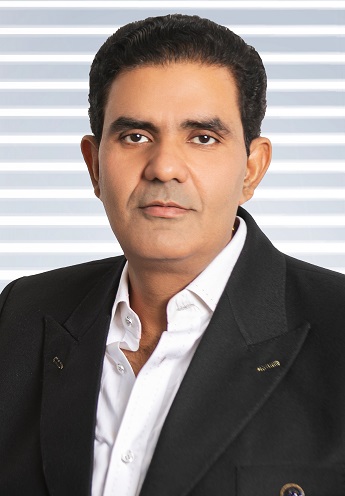
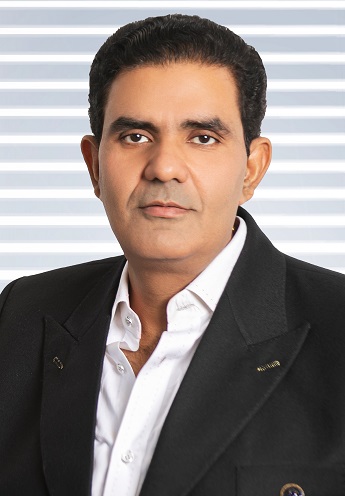
Santosh Tiwari


Welcoming Santosh, Co-founder & MD TSI, Puneet Kumar said, TSI aims to unlock India Advantage of Talent & Technology for the global enterprise and leverage its momentum in becoming top three economies in the world. With Santosh joining, we strengthen our capability in delivering our clients in such domain as AI, Quantum, Space, Biotech, Skilling and other emerging tech areas.


Tech Setting India is powered by a leadership team that has witnessed and driven exponential growth — 10x increase in revenue, a 300x expansion in workforce, and multi-city scale across India. The leadership team have been instrumental in shaping policies and frameworks across domains including SEZ, defence offsets, renewable energy, Indias AI roadmap, agri-tech, labour reforms, economic affairs & taxation reforms and foreign investment.


Santosh has been in the senior leadership position as a Director, in APCO — a Washington DC headquartered global strategic advisory and advocacy firm. He will take over his new role as TSI CEO from March onwards.


Expressing the need for an enabling platform, Co-founder TSI, Sandeep Bhatnagar said, TSI wants to leverage Indias efforts of tech-powered growth for clients in treading the complex dynamics of an accelerated economy.”


Taking up mantle of TSI CEO is a huge responsible to deliver clients results based on trust, quality and partnership. I thank TSI Co-founders for this opportunity,” said Santosh Tiwari.


About Tech Setting India (TSI) Pvt. Ltd.

Tech Setting India (TSI) Pvt. Ltd. supports new age tech firms leverage Indias policy, people, & potential through strategic advisory and advocacy.


Website: techsettingindia.com.

Private 5G Unleashed: Building Smart Networks for Digital Bharat

Bharat Exhibitions today hosted the 1st ever Bharat Private 5G Networks Summit 2026, at Radisson Blu, Mumbai International Airport. The summit brought together senior leaders from enterprises, telecom operators, technology vendors, system integrators and policy makers to debate deployment models, spectrum options and real return on investment (ROI) from private 5G networks across India. Positioned as India’s dedicated platform for private 5G, the summit explored how next‑generation networks can power smart factories, ports, campuses, logistics hubs and critical infrastructure. Sessions will focus on use cases in manufacturing, transport, utilities, healthcare and public services, highlighting productivity gains, automation, safety improvements and new digital business models enabled by ultra‑reliable, low‑latency connectivity. “Private 5G is moving rapidly from pilots to production, and enterprises are looking for clear guidance on technology choices, regulatory pathways and measurable business impact,” said Mr Shashi Dharan, MD, Bharat Exhibitions. “Bharat Private 5G Networks Summit 2026 in Mumbai will serve as a neutral forum where all stakeholders can collaborate, share deployment experiences and co‑create India’s private 5G roadmap.” The one‑day Summit featured keynote addresses from government and regulatory leaders, expert panels on spectrum frameworks and deployment architectures, and case studies of live private 5G networks in India and overseas. Interactive sessions will also examine ecosystem readiness, device and edge computing requirements, cybersecurity, integration with existing IT/OT systems, and financing models for large‑scale rollouts.


L to R: Sanjay Joglekar, Mumbai Port Authority, Anil Tandan, BIF, Sanjay Sharma, PowerTel, Anil N. Dhanorkar, BSNL, Shashi Dharan, BE, Gulshan Khurana, Voda Idea, Rajeev Saluja, Reliance Jio


Brig. Anil Tandan (Retd.), Director General, Broadband India Forum in his inaugural address quoted, “Lets view Private 5G as a transformative enabler—bringing ultra-reliable, low-latency connectivity to enterprises, campuses, factories, ports, airports, and critical infrastructure. It is not a replacement for public networks, but a powerful complement that unlocks productivity, efficiency, and Industry 4.0 outcomes. India stands at a unique inflection point. We have progressive policy intent, a strong technology ecosystem, and enterprises ready to adopt advanced digital infrastructure. What we now need is clarity, speed, and collaboration across government, industry, and innovators.”


Dr. Sanjay Joglekar, Chief Technology Officer, Mumbai Port Authority, said, “Mumbai, India’s gateway port and a city that has always played a pivotal role in the nation’s trade and connectivity. As ports evolve from traditional infrastructure into complex digital ecosystems, the need for reliable, secure, and real-time communication has become more critical than ever. Modern port operations involve high-volume cargo handling, logistics coordination, safety management, and round-the-clock activity. To manage this scale and complexity efficiently, advanced digital infrastructure is essential. Private 5G offers ultra-reliable, low-latency connectivity that can support automation of port operations, real-time asset and cargo tracking, smart surveillance, and enhanced worker safety, significantly improving operational efficiency and turnaround times.


Mr. Rajeev Saluja, Vice President, 5G Radio, Reliance Jio said, “2026 is the smartphone moment for technology. Private 5G is not merely a technology upgrade; it is a platform for reimagining operations through automation, real-time analytics, AI, and Industry 4.0 applications. By combining indigenous technology, strong partnerships, and a deep understanding of enterprise needs, Jio is enabling organizations to move beyond pilots to full-scale production environments that deliver measurable business outcomes. As India accelerates toward a digitally empowered economy, Private 5G will play a vital role in enhancing productivity, competitiveness, and sustainability. Reliance Jio remains committed to collaborating with enterprises, system integrators, and policymakers to build secure, interoperable, and resilient Private 5G networks that support national priorities such as Digital India, Make in India, and Atmanirbhar Bharat.”


Mr. Gulshan Khurana, EVP (Technology), Vodafone Idea quoted, “As India embraces the digital future, private 5G will be the cornerstone of industrial transformation. Vodafone Idea’s commitment to investment and innovation is a powerful signal that India is ready to lead in this space. Together, let us harness private 5G to build smarter factories, connected healthcare, intelligent cities, and resilient enterprises. The future is not just connected—it is intelligently connected.”


Shri Sanjay Sharma, Chief Executive Officer, Powergrid Teleservices Limited said, “As India embraces the digital revolution, private 5G will be the cornerstone of industrial growth and national competitiveness. Powergrid Teleservices Limited, with its unmatched infrastructure and regulatory backing, is ready to lead this transformation. Together, let us harness private 5G to build smarter factories, connected healthcare, intelligent cities, and resilient enterprises. The future is not just connected—it is intelligently connected.”


Shri Anil N Dhanolkar, CGM CNTX (West), Bharat Sanchar Nigam Ltd. Stated, “As India embraces the era of Industry 4.0 and beyond, private 5G will be the cornerstone of industrial growth and national competitiveness. BSNL’s commitment to innovation and its unmatched reach across the country make it a vital player in this journey. Together, let us harness private 5G to build smarter factories, connected healthcare, intelligent cities, and resilient enterprises. The future is not just connected—it is intelligently connected.”


Mr. Sachin Mehta, Senior Vice President – Product Management & Global Head – Presales at 6D Technologies, Mr. Kedar Kulkarni, General Manager – Presales, Airspan Networks, Mr. Sumit K. Gehani, Vice President Sales, Druid Software Ltd., Shri Rajiv Singh, General Manager (E&T)/HoD, Western Coalfields Ltd, Nagpur, Mr. Bhaskar Choudhuri, Executive Director – Technology Consulting, PwC India, Ms. Harmanpreet Pall, Senior Manager, Cybersecurity & SMR Telecom Security Consulting, EY India, Shri Satyam Singh, ADG (S), DoT, Mumbai LSA, Mr. Shiv Putcha, Director (Research & Consulting) APAC, GSMA Intelligence, Shri Vinay V. Jambhali, Director (C), DoT, Mumbai LSA, Mr. Dhiraj Sharma, Founder & Chief Architect, ImBizo Technologies, Mr. Nitin Tevatia, Delivery Head- M&T (Operator & Enterprise), L&T Technology Services Ltd., Lt. Col. Abhishek Kumar (Retd.), Joint Director, Ministry of Defence  and Mr. Debashish Bhattacharya, Additional Director General, BIF were some of the other distinguished speakers throughout the day.


The highly ancipated summit was partnered by 6D Technologies, C-DoT, Airspan Networks, Druid Software, Huber+Suhner, COMMSCOPE, SAARTEK, Communications Today, Broadband India Forum, Digital Infrastructure Providers Association (DIPA) and ITU-APT Foundation of India. 

RBI’s Steady Repo Rate Boosts Confidence in the Real Estate Sector

The Reserve Bank of India’s decision to keep the repo rate unchanged at 5.25% has reinforced stability and confidence across the real estate sector. Industry leaders believe that a steady interest rate environment, coupled with the continued transmission of earlier rate cuts and the government’s increased public capital expenditure, is supporting resilient residential demand. For homebuyers, this policy clarity encourages long-term purchase decisions, while for the sector as a whole, it strengthens the outlook for sustained growth, employment generation, and urban development.

Mr. Pradeep Aggarwal, Founder & Chairman, Signature Global (India) Ltd., said, “The RBI’s decision to hold the repo rate steady at 5.25% offers stability for interest-rate–sensitive sectors like real estate in the current macroeconomic environment. With inflation remaining at manageable levels and the benefits of earlier rate cuts continuing to flow through to homebuyers in the form of improved affordability, residential demand has remained resilient. The Union government’s decision to raise public capital expenditure to ₹12.2 lakh crore in FY27, as announced in the Union Budget 2026, further strengthens the growth outlook through infrastructure-led development.

Supported by stable monetary policy and sustained public spending, the real estate sector will continue to play a pivotal role in driving economic growth, employment generation, and urban development across the country.”

Mr. Ashok Kapur, Chairman, Krishna Group and Krisumi Corporation, said, “The RBI’s decision to keep the repo rate unchanged at 5.25% reinforces policy stability and provides a supportive backdrop for the residential real estate market. While a rate cut would have lowered borrowing costs, a steady interest rate environment enables homebuyers to take long-term purchase decisions with greater confidence and predictability. This is particularly relevant for the premium housing segment, where buyers place stronger emphasis on product quality, location, and long-term value creation rather than short-term rate movements.”

Vikas Bhasin, Managing Director, Saya Group, said, “The RBI’s decision to maintain the status quo on policy rates is a positive and reassuring signal for the housing sector. Stability in interest rates plays a crucial role in homebuyer decision-making, as it reduces uncertainty and builds confidence among both end-users and investors. With home loan rates currently hovering around an affordable and comfortable level of approximately 7.5%, and expected to remain below 8% for an extended period, borrowing conditions remain supportive for residential purchases.”

Mr. Raoul Kapoor, Co CEO, Andromeda Sales and Distribution, said, “The RBI’s decision to maintain a status quo on policy rates is largely in line with expectations, especially after the cumulative rate cut of 125 basis points in 2025. The transmission of these cuts is still playing out, with several banks yet to fully pass on the benefit to borrowers.

A cumulative reduction of 125 basis points over a 20-year loan tenure translates into an EMI reduction of approximately ₹80 per lakh per month, significantly improving affordability and enhancing borrowing capacity for big-ticket purchases such as homes.”

Vibrium raises $1 million Seed Round to Scale Outcome-driven Agentic AI for Enterprises

New Delhi (India), 5th February 2026: Vibrium, an enterprise agentic AI platform focused on delivering measurable business outcomes through autonomous intelligence, today announced the successful close of its $1 million seed funding round, backed by a distinguished group of global leaders across fintech, enterprise technology, and digital infrastructure.
This funding marks a significant milestone for Vibrium and will be used to accelerate product development, strengthen its goal-oriented AI agent framework, and scale enterprise deployments across sectors, including BFSI, e-commerce, SaaS, and operations-driven businesses.
Despite growing enterprise investment in AI, many initiatives struggle to move beyond pilots due to unclear ROI, compliance challenges, and slow production rollouts. As business leaders increasingly demand measurable outcomes and governance-ready deployments, the gap between AI potential and execution has widened. Vibrium addresses this need by enabling enterprises to operationalize AI quickly, responsibly, and at scale.
“AI has spent the last decade proving what it can do; the next decade is about proving what it delivers. Vibrium was founded to bridge that gap. Our early traction shows that enterprises are ready to move from pilots to performance, from experimentation to execution. This capital allows us to deepen our proprietary stack, attract exceptional talent, and scale globally while holding AI accountable to real business outcomes,” said Akshat Saxena, co-founder and CEO.
Commenting on this funding, Mr. Bhavesh Gupta, Advisor & Investor, said, “At scale, the hardest part of deploying AI is not the model; it is reliability, governance, and the ability to drive measurable outcomes in live systems. Vibrium has built its platform with those realities in mind. The team understands enterprise constraints and has shown the discipline required to move AI from pilots into production environments, which is what convinced me to back them.”
Vibrium is led by Akshat Saxena, Co-founder and CEO, a serial entrepreneur and technologist globally recognised as World #1 on HackerRank, with prior advisory experience to private equity firms such as Brookfield on technology-led value creation. Vibrium’s proprietary, end-to-end platform is built to deploy and orchestrate autonomous, enterprise-grade AI agents that integrate seamlessly into business workflows and deliver measurable improvements across revenue, efficiency, and customer experience.
Since its inception, Vibrium has demonstrated strong market validation, onboarding 25+ enterprise clients across banking, payments, retail, travel, and hospitality. In under six months of commercial operations, the platform has already crossed 1 million minutes of AI-driven interactions, reflecting rapid enterprise adoption and sustained production usage. Several early enterprise customers have already realised over 200% return on investment, underscoring Vibrium’s focus on accountable, outcome-driven AI rather than experimental deployments.
The founding team comprises leaders from some of the world’s most respected institutions, including Microsoft, Apple, Goldman Sachs, and other global enterprises, bringing together deep expertise in large-scale engineering, enterprise software, financial services, and platform-driven growth. The seed round brings together a cohort of experienced investors with a deep understanding of global payments, financial services, technology platforms, and large-scale digital transformation. Their backing reflects strong conviction in Vibrium’s differentiated vision, technical rigour, and execution velocity.
Looking ahead, Vibrium plans to accelerate product innovation, expand its AI agent portfolio, and strengthen its presence across key global markets, while continuing to prioritise enterprise-grade reliability, governance, and measurable value creation.
About Vibrium AI
Vibrium is an Agentic AI company that builds autonomous, auditable, and outcome-driven AI systems. Our technology blends process intelligence, automation, and human-like autonomy to help enterprises transform how work gets done. Headquartered in India with global delivery across the US, EU, and Asia.

Galgotias University Places a ₹350+ Crore Bet on Artificial Intelligence

  • Sets up Centres of Excellence with NVIDIA,CISCO,Tata Technologies, IIT Mandi, and HCLTech

Greater Noida, 5th February 2026: In a move that could redefine the trajectory of India’s higher education and technology ecosystem, Galgotias University has invested and deployed more than ₹350 crore toward artificial intelligence, marking the largest AI investment ever made by a private university in India. The scale, speed, and intent behind this initiative signal a clear shift in how private institutions can contribute to national technological leadership.

At the center of this landmark investment is a purpose-built, state-of-the-art AI complex designed to transform how artificial intelligence is taught, researched, and applied at scale. More than a new academic facility, the complex represents an immediate national priority. It is aimed at strengthening India’s competitive position in the global AI race, particularly alongside established leaders such as the United States and China. The university’s leadership views this investment as a long-term strategic commitment to national capability building rather than a symbolic expansion of infrastructure.

To anchor this vision, the university has established multiple Centres of Excellence in collaboration with leading global technology and research institutions, including NVIDIATata TechnologiesIIT Mandi, and HCLTech. These are supported by partnerships with Tech MahindraCiscoVivo, and Wipro. Together, these collaborations form a rare academic–industry ecosystem where education, research, and real-world deployment converge under one roof.

A defining highlight of the initiative is the deployment of NVIDIA’s DGX H200, one of the most advanced AI supercomputing platforms and GPU available. With this addition, Galgotias University enters a small and elite global group of institutions equipped to train large-scale AI models and conduct frontier-level research. The platform enables work across generative AI, computer vision, natural language processing, large language models, and advanced data science, areas that increasingly define economic competitiveness and strategic advantage worldwide.

For students, the impact of this investment is immediate and transformational. Instead of learning AI in abstract or simulated environments, students gain direct access to enterprise-grade infrastructure and tools used by global technology leaders. Curricula are aligned with real industry needs, and learning is anchored in solving real-world problems across domains such as manufacturing, healthcare, smart cities, finance, and digital infrastructure. This exposure significantly shortens the gap between academic learning and professional readiness, producing graduates who are equipped to contribute from day one.

For faculty and researchers, the initiative unlocks new possibilities. Access to high-performance computing and industry-backed research programs enables foundational research, complex simulations, and large-model experimentation that traditionally remain confined to a handful of global research labs. The environment encourages interdisciplinary collaboration and supports long-term research agendas rather than short-term academic outputs alone.

University leadership has emphasized that the vision extends well beyond infrastructure and technology acquisition. The Centres of Excellence are designed as active innovation hubs where students, faculty, and industry experts work together to co-create solutions, develop deployable AI applications, and file patents with real commercial and societal value. These centers are expected to become breeding grounds for startups, intellectual property, and applied research that addresses pressing national and global challenges.

When Indian institutions invest at this scale, India’s global leadership in AI is no longer an ambition. It becomes inevitable.” Says Dr Dhruv Galgotia CEO Galgotias University.

The statement underscores a growing confidence that India’s AI future will be shaped not only by corporate R&D centres or government programs, but also by universities willing to think strategically and act decisively.

As India positions itself as a global AI powerhouse, Galgotias University’s ₹350+ crore commitment marks a defining moment for private higher education. It challenges traditional assumptions about the role private universities can play in national development and sets a new benchmark for ambition, execution, and impact. The message is clear: the next wave of artificial intelligence will be built not just in boardrooms and labs, but on campuses prepared to lead boldly, invest deeply, and build for the future.

About Galgotias University  

Galgotias University Among the World’s Leading Universities in QS and THE Rankings

Galgotias University proudly ascends in the QS World University Rankings 2026 by Quacquarelli Symonds, securing a coveted position in the 1201–1400 global band. Ranked 15th among top private universities and 43rd among all Indian universities—public and private combined—this achievement marks a powerful endorsement of Galgotias’ unwavering commitment to academic excellence, global relevance, and innovation in higher education.

In the Times Higher Education (THE) World University Rankings 2025, Galgotias University has been ranked 45th among Indian universities (including both government and private institutions) and placed in the globally prestigious 1001–1200 band. This significant achievement reinforces the university’s growing stature in the international academic arena and validates its consistent progress in global higher education benchmarks.

These recognitions reflect Galgotias University’s strategic focus on teaching quality, research impact, internationalization, and industry relevance, and its mission to shape globally competent graduates prepared for the challenges of tomorrow.

Dr. Dhruv Galgotia Chairs International Dialogue on Student-Centric Teaching at QS India Summit, Goa

Greater Noida, 3rd February 2026: Galgotias University marked a significant presence at the QS Quacquarelli Symonds India Summit, Goa, by leading a high-level Presidential Roundtable that convened Presidents, Chancellors, and Vice Chancellors from leading universities across the world. The roundtable focused on rethinking classroom teaching to enable deeper student agency, engagement, and relevance in the context of a rapidly transforming higher education ecosystem.

The session was chaired by Dr. Dhruv Galgotia, CEO, Galgotias University, and co-chaired by Prof. Richard James, an internationally renowned expert in higher education. The discussions reflected a shared recognition that universities must move beyond traditional, syllabus-driven models and instead design learning environments that are adaptive, participatory, and future-oriented.

The dialogue examined how classroom practices can evolve to respond to changing learner expectations, the demands of emerging technologies, and the need for graduates to demonstrate critical thinking, creativity, and leadership. Participants shared global perspectives on pedagogy, institutional responsibility, and the role of universities in shaping resilient and socially responsive graduates.

Addressing the roundtable, Dr. Dhruv Galgotia, CEO, Galgotias University, underscored that “meaningful transformation in higher education begins inside the classroom. He noted that Galgotias University’s academic vision is anchored in its G-SCALE approach, which prioritises student empowerment, active learning, and the development of future-ready competencies aligned with global realities.”

Galgotias University’s leadership at the QS India Summit highlights its commitment to contributing to international academic discourse and shaping progressive teaching and learning practices. The university continues to engage with global higher education leaders to advance conversations that influence the future direction of universities in India and beyond.

About Galgotias University  

Galgotias University Among the World’s Leading Universities in QS and THE Rankings

Galgotias University proudly ascends in the QS World University Rankings 2026 by Quacquarelli Symonds, securing a coveted position in the 1201–1400 global band. Ranked 15th among top private universities and 43rd among all Indian universities—public and private combined—this achievement marks a powerful endorsement of Galgotias’ unwavering commitment to academic excellence, global relevance, and innovation in higher education.

In the Times Higher Education (THE) World University Rankings 2025, Galgotias University has been ranked 45th among Indian universities (including both government and private institutions) and placed in the globally prestigious 1001–1200 band. This significant achievement reinforces the university’s growing stature in the international academic arena and validates its consistent progress in global higher education benchmarks.

These recognitions reflect Galgotias University’s strategic focus on teaching quality, research impact, internationalization, and industry relevance, and its mission to shape globally competent graduates prepared for the challenges of tomorrow.

InvokED 2026 Brings Global and Grassroots Leaders Together as Shikshagraha Announces 2026 Awardees

Shikshagraha, a people-powered education movement working to strengthen leadership across India’s public education ecosystem, today announced the winners of the Shikshagraha Awards 2026, honouring three grassroots education leaders whose work has driven measurable, community-led change in government schools and local learning spaces. The awards were presented at InvokED 5.0, a two-day global dialogue on education leadership, organised by Shikshagraha, ShikshaLokam, and Mantra4Change, and held on 6–7 February 2026 at the Prestige Centre for Performing Arts (PCPA), Bengaluru. 


The Shikshagraha awardees with the jury members at their felicitation at InvokED 5.0, 2026 


Instituted by The Shibulal Family Philanthropic Initiatives (SFPI), the Shikshagraha Awards recognise leaders working both within and beyond formal education systems who are addressing systemic challenges from the ground up. Each award includes a monetary grant disbursed over two years, a trophy and certificate of excellence, structured mentorship, national visibility across Shikshagraha platforms, and opportunities to engage with policymakers, funders and peer networks. The awards are designed not only to recognise excellence, but to help practitioner-led solutions travel further and influence system-level change.


Shikshagraha Awardees 2026
Batskhem Thabah (Meghalaya) — Revitalised a near-abandoned village school into a thriving, community-run learning hub by rebuilding community trust and embedding indigenous knowledge into everyday classroom practice.


Kumari Guddi (Bihar) — A state-level educator advancing adolescent empowerment through menstrual health education, child protection initiatives, disaster preparedness and inclusive, activity-based learning models across schools.


Nellori Subrahmanyam (Andhra Pradesh) — Reimagined rote science instruction through inquiry-led, hands-on pedagogy, reaching thousands of rural students and strengthening scientific thinking and real-world problem-solving.


SD Shibulal, Co-founder of SFPI and Co-founder and Former CEO, Infosys, said, “The Shikshagraha Awards do more than recognise individual excellence; they invest in it. By combining recognition with mentorship and sustained support, we aim to build a pipeline of leaders whose ideas and evidence can reshape education systems for millions of children.”


Strategic partnership with Childaid Network Foundation
Shikshagraha also announced a strategic partnership with the Childaid Network Foundation, a trust-based philanthropic network that has worked across India’s North East since 2006. Childaid’s two decades of local experience through its partners, working with 1,600 government schools and reaching roughly 200,000 children, will be combined with Shikshagraha’s national convening power to mobilise partners, resources and government relationships toward an ambitious shared goal of scaling impact to two million children.


Martin Kasper, Founder & President, Childaid Network Foundation, said, “Partnering with Shikshagraha is a strategic inflection point for Childaid Network Foundation. We hope that together we can leverage the advanced education networks and policy advocacy to help translate our twenty years of local learning in North East India into scale, mobilising partners, resources and government engagement to reach two million children.”


InvokED 2026: A convening for collective leadership
The Shikshagraha Awards were a central highlight of InvokED 2026, a global dialogue on education leadership that convenes policymakers, practitioners, international partners, philanthropists and young leaders to exchange evidence, surface practice-led solutions, and catalyse collective action towards education equity. The convening is designed to bridge the gap between system-level thinking and classroom realities through a mix of plenaries, fireside conversations, curated “braindates”, dialogue corners, and hands-on practice showcases.


Key sessions and themes at InvokED 2026 included:

  • Fireside Chat — “Leadership in the New Age”: Wendy Kopp, CEO & Co-founder, Teach For All, in conversation with Shabnam Sinha, on evolving leadership models, networked collaboration and the relationship between global strategy and grassroots practice.

  • Systemic leadership and teacher agency: Panels and showcases exploring how district and school leaders can enable teacher-led innovation and meaningful community partnerships.

  • 21st Century Skills in the Classroom: Learning experiences that can enable students to drive their own learning, with a focus on practices that develop critical thinking, collaboration, and problem-solving, key skills for the 21st century

  • Technology and evidence in action: “Brain Dates” and panels examining how AI-enabled tools and data systems can support, rather than displace, grassroots pedagogy.

  • Vision for a Billion Futures: Insights from across the Global South, focused on accelerating large-scale education improvement for a billion learners.


InvokED’s format intentionally blends storytelling with evidence, pairing short, practice-rich showcases with closed-door roundtables where state officials and frontline educators explore pathways to scale. This approach helps surface implementable insights while building the relationships required to translate ideas into policy action and funding priorities.


InvokED 2026 brought together senior leaders from government, philanthropy and global education networks, including officials from the Department of School Education & Literacy and the Department of Higher Education, international education practitioners, and members of the Shibulal Family Philanthropic Initiatives. 


About ShikshaLokam
ShikshaLokam is an NGO founded under the aegis of The Shibulal Family Philanthropic Initiatives. The organisation works to restore the agency of education leaders in the K-12 public education ecosystem. By doing so, leaders’ ability to continuously improve is enhanced, they are able to solve the school improvement challenges on their own, and the vision of all our children getting access to quality education as a fundamental right, will be realised. 


As an education leadership catalyst, the organisation co-creates education leadership missions, and builds open-source digital capabilities to enable leaders, along with the government and civil society. ShikshaLokam is a co-builder of the Shikshagraha people’s movement, which aims to bring the government, the CSO, and the community together to improve all 1 million public schools in India. Every year, the organisation spotlights education leadership at InvokED – a global dialogue, and through the Shikshagraha Awards which honour exceptional leaders in education. 


Today, in eight plus years, ShikshaLokam has co-created continuous learning and improvement programs and solutions, impacting more than 450,000 lakhs leaders across 27 States & UTs, with 19L+ micro-improvements triggered by education leaders to enable enriching learning experiences for children. 


In Jan 2023, ShikshaLokam received The Collective Social Innovation Award 2023 by The Schwab Foundation for Social Entrepreneurship, a sister organisation of World Economic Forum, for catalysing collective action to enable systemic education transformation in the Punjab state.


Learn more at shikshalokam.org