Home Blog Page 114

A Gentler Way to Treat a Leaking Heart Valve

Many people live for years with constant tiredness or a sense that everyday activities require more effort than they should. These signs are often brushed aside as part of ageing or a busy lifestyle. In some cases, however, the real issue lies in the heart—specifically a condition called Mitral Regurgitation, where a heart valve does not close properly and allows blood to flow backward, gradually affecting how efficiently the heart works.


Dr Manoj Kumar Agarwala, Senior Consultant Cardiologist & Endovascular Specialist and Director – Interventional Cardiologist at Apollo Health City, Jubilee Hills, Hyderabad


For a long time, open-heart surgery was considered the main solution. While effective, surgery is not suitable for everyone. Older adults, or those with other medical problems, are often told that the risks are simply too high. This is where newer treatment options have quietly changed the conversation. Transcatheter Edge-to-Edge Repair, commonly known as TEER, is a minimally invasive procedure that repairs the leaking valve through a thin tube passed from a blood vessel, without opening the chest or stopping the heart. By gently bringing the valve leaflets closer together, the heart is able to pump more efficiently, easing symptoms that patients live with every day. 


Mitral regurgitation often progresses silently, and many patients adapt to symptoms like breathlessness or fatigue without realising their heart is under strain,” says Dr Manoj Kumar Agarwala, Senior Consultant Cardiologist & Endovascular Specialist and Director – Interventional Cardiologist at Apollo Health City, Jubilee Hills, Hyderabad. “Transcatheter Edge-to-Edge Repair has changed how we approach these cases. By avoiding open-heart surgery, TEER allows us to treat high-risk or elderly patients safely, while significantly improving their quality of life. The goal is not just to fix the valve, but to help patients return to their everyday activities with greater comfort and confidence.”


What has been encouraging is how patients respond after the procedure. Many report breathing more comfortably, feeling less fatigued, and getting back to routine activities sooner than expected. Hospital stays are usually shorter, and recovery tends to be smoother compared to traditional surgery. Advances in TEER technology have also made the procedure more precise and predictable for heart teams. Better imaging and refined delivery systems help doctors tailor treatment to each patient’s heart structure, while careful evaluation ensures the right patients receive the right therapy. As awareness around heart valve disease grows, minimally invasive treatments like TEER are offering reassurance to patients who once had limited options. It represents a thoughtful step forward—focused not just on treatment, but on improving everyday life. 

India's Budget 2026 Aims to Build Services, Digital Infrastructure and Long-Term Competitiveness

India’s Union Budget 2026-27 has elicited strong reactions from industry leaders, particularly in services, technology, real estate and advisory sectors. Across responses, a common theme emerges: policymakers have sought to position India for long-term growth by strengthening digital infrastructure, enhancing the competitiveness of services and providing clarity on tax and regulatory frameworks. This approach signals a shift from short-term fiscal fixes to structural economic strategy.


Union Budget 2026


A central focus for technology and services executives is the Government’s prioritisation of the services sector as a key engine for national growth. In this context, Ankit Agarwal, Vice-Chairman and Non-Executive Director, Invenia-STL Networks, said, “The Union Budget 2026 firmly positions the services sector as a core growth engine of Viksit Bharat, reinforcing its role in driving economic growth, employment and exports.” This framing sets the tone for the broader industry reading of the Budget as a document aimed at delivering sustained structural progress rather than short-term stimulus.


For leaders in digital infrastructure, the Budget’s emphasis on foundational assets such as data centres and cloud capabilities has been welcomed. Reflecting this, Agarwal noted that “A clear emphasis on data centres recognises them as critical enablers of India’s digital growth and its ambitions in artificial intelligence, cloud computing and digital public infrastructure.” He further underscored that incentives aimed at strengthening this infrastructure will support India’s drive to attract foreign investment, enhance domestic innovation and build a credible foundation for future technologies.


From a broader technology strategy perspective, CP Gurnani, Co-Founder and Vice Chairman of AIONOS, interpreted the Budget as signalling a decisive shift toward building strategic technological capability. He said, “Union Budget 2026 signals a decisive shift in how India is approaching technology, from adoption to strategic capability building.” Highlighting the emphasis on AI, semiconductors, cloud and data infrastructure, Gurnani noted that “Leadership in the digital economy is built bottom-up, starting with strong foundations.”


Gurnani emphasised that the Budget links technological ambition with inclusion and competitiveness, saying that aligning AI investments with skills development, workforce readiness and MSME enablement means that “Scale, inclusion and competitiveness must move together.” Notably, he pointed to initiatives such as “Bharat Vistar, which provides farmers local-language, data-driven crop guidance” and “The Centre of Excellence in AI for Education, which promotes research into AI tools for improving the quality of learning.” These examples illustrate how technology policy is being connected to real-world outcomes across sectors and regions.


Leaders in mobility and operational services also saw strategic value in the Budget’s broader agenda. Sriram Kannan, Founder and CEO, Routematic, observed that “Budget 2026 sends a strong signal on where India’s next phase of growth will come from, through sustained public capex, the creation of rare-earth magnet corridors to support EV and advanced manufacturing, and the proposed MSME Growth Fund to help smaller enterprises scale.” He noted that as manufacturing and services deepen in Tier-2 and Tier-3 cities, enterprises will increasingly focus on operational challenges such as employee mobility. Kannan stressed that organised, technology-enabled workforce mobility will be critical to ensure policy measures translate into productivity gains and workforce participation improvements.


The real estate industry responded positively to measures designed to unlock value and broaden investment channels. Hardeep Dayal, President – Commercial, Bhartiya Urban, described the Government’s introduction of dedicated REITs for CPSE assets as “An innovative step for India’s real estate and capital markets.” He explained that by unlocking value from under-utilised government property and recycling capital into new infrastructure, the Government has created “A transparent, market-driven pathway for investment.” Dayal said these reforms are expected to deepen liquidity, broaden the investor base and strengthen commercial real estate markets across India.


Finally, advisory professionals pointed to tax reforms that can support both domestic and global service engagement. CA Nidhi Goyal, Managing Director, Avinav Consulting and Partner, Nivesa Advisors LLP, said the Budget is “Setting a long term vision for India’s services sector; expanding its global market share; creating employment, analysing impact arising due to artificial intelligence and tax reforms for services sector such as tax certainty to BPO, clubbing of services under IT services with a common safe harbour margin of 15.5%.” Goyal described these measures as enhancing the appeal of India’s services ecosystem for both domestic and international players.


Taken together, reactions from across sectors indicate that Budget 2026 is being read as a strategic document focused on long-term competitiveness, structural capability building and inclusive growth. By combining digital infrastructure incentives, services tax clarity and capital-market reforms, the Budget sends a consistent signal that India is aiming to strengthen its position as a global hub for services, digital innovation and investment.


BPTP Capital City Achieves WELL Core Platinum Certification, Reinforcing Leadership in Wellness-Led Workspaces

BPTP Capital City, developed by BPTP, one of North India’s leading real estate developers, has been awarded the WELL Core Platinum Certification, the highest level under the globally recognised WELL Building Standard. This achievement marks a significant milestone in the project’s sustainability roadmap and reinforces its commitment to people-first, wellness-driven design.

BPTP Capital City Achieves WELL Core Platinum Certification


Administered by Green Business Certification Inc. (GBCI), USA, the WELL Building Standard is a leading global framework that prioritises human health, comfort, and well-being within built environments. The certification evaluates buildings across critical parameters including air quality, water, lighting, thermal comfort, acoustics, and overall wellness, ensuring spaces actively support occupant health and productivity.


The WELL Core Platinum certification underscores BPTP Capital City’s commitment to creating healthy, future-ready commercial environments that go beyond conventional sustainability benchmarks. The project has been designed to seamlessly integrate wellness-driven infrastructure with high-performance building standards, setting a new benchmark for responsible commercial development in India.


“The WELL Core Platinum Certification for BPTP Capital City is a strong validation of our belief that the future of real estate lies at the intersection of sustainability and human well-being. This achievement reflects our focused efforts to create workplaces that prioritise health, comfort, and productivity while meeting global standards of responsible development. It reinforces our long-term vision of delivering environments that are not only efficient but also genuinely people-centric,” said Manik Malik, CEO & President, BPTP Limited.


This recognition further strengthens BPTP’s sustainability roadmap and reinforces its position as a forward-looking real estate developer committed to setting higher benchmarks in wellness-led design, environmental responsibility, and occupant-centric development.


About BPTP

BPTP is one of India’s most trusted and leading real estate developers, with a strong presence in the Delhi-NCR region. The company has delivered over 25,000 units, as well as numerous landmark residential and commercial projects that blend cutting-edge design, modern architecture, and sustainable living solutions. Known for its innovative and customer-centric approach, BPTP continues to redefine urban luxury through future-first development, premium amenities, and a commitment to excellence, transparency, and elegant, efficient living.

Union Budget 2026: Policy Continuity and Capex Boost Accelerate India's Urbanisation Story

The Union Budget signals more than incremental spending — it reinforces a long-term policy direction that places urbanisation at the core of India’s growth strategy. By raising public capital expenditure to Rs. 12.2 lakh crore and maintaining a clear infrastructure-first approach, the government is strengthening the physical and economic foundations that allow cities to expand, new urban centres to emerge and regional economies to mature.


https://www.newsvoir.com/images/article/image1/34525_Urbanisation_story.png

Policy Continuity and Capex Boost Accelerate India’s Urbanisation Story


Industry leaders say the continuity in infrastructure investment, regional connectivity and urban development policies creates the structural conditions required for the next phase of India’s urban transformation — where Tier-2 and Tier-3 cities evolve into strong economic nodes rather than satellite extensions of metros.


Manoj Gaur, CMD, Gaurs Group says, “The budget, with its focus on infrastructure-led growth and financial stability along with an increase in public capex to Rs. 12.2 lakh crore carries forward the momentum witnessed in the real estate sector in the last few years. The continued thrust on infrastructure spending will also boost office, retail, and mixed-use project, while also strengthening the ecosystem for job creation and demand generation, consequently boosting residential development. The setting up of the Infrastructure Risk Guarantee Fund will also accelerate further expansion. The focus on infrastructure expansion and economic activity in tier 2 and tier 3 cities will accelerate urban growth and unlock new real estate markets beyond major metros.”


Urbanisation is being shaped not only by physical infrastructure but also by improved financing mechanisms that reduce risk and enable large-scale development.


Sahil Agrawal, CEO, Nimbus Group, says, “The sector welcomes the Budget’s pragmatic approach, which combines strong capital expenditure with targeted policy measures to strengthen the infrastructure ecosystem. The increased capex provides visibility and confidence for developers and investors, particularly for long-gestation projects in metros and emerging Tier-2 and Tier-3 cities. The introduction of dedicated REITs for public sector assets is a positive step towards unlocking capital, enabling reinvestment into new infrastructure and creating a more efficient funding cycle. Complementing this, the Infrastructure Risk Guarantee Fund will mitigate execution and financing risks, making large-scale projects more viable and predictable. Together, these measures are likely to improve project delivery timelines, enhance asset quality, and support sustainable, infrastructure-driven growth across the sector.”


Higher allocations toward urban infrastructure and stronger fiscal transfers to states are expected to accelerate both housing and commercial development in emerging urban regions.


Deepak Kapoor, Director, Gulshan Group, says, “The budget creates a stable and enabling framework for sustained real estate development. Its singular focus on infrastructure-led growth will be highly critical for the expansion of the real estate sector. The rise in capital expenditure, along with the emphasis on urban development, will lead to a conducive environment for the growth of residential and commercial segments. Moreover, the higher allocations for urban infrastructure and increased resource transfers to states will accelerate growth in tier 2 and tier 3 cities, expanding housing and commercial opportunities beyond metros.”


Connectivity upgrades are emerging as some of the most powerful drivers of urbanisation, reshaping commuting patterns and development corridors.


Uddhav Poddar, CMD, Bhumika Group, says, “The Budget’s continued thrust on infrastructure development, particularly across Tier-2 and Tier-3 cities, is a positive step for the real estate sector in the medium to long term. The announcement of seven high-speed rail corridors will act as powerful growth connectors, improving accessibility between major cities and emerging urban centres, and unlocking new residential and commercial micro-markets along these corridors. Equally important is the proposed scheme to enhance construction and infrastructure equipment, which can improve execution efficiency, reduce project timelines and bring greater predictability to delivery. With public capital expenditure raised to Rs. 12.2 lakh crore for FY27, the multiplier effect on roads, utilities and urban infrastructure is likely to accelerate planned developments beyond metros. As economic reforms also work towards easing financing conditions, we can expect increased developer confidence and institutional interest, translating into more organised, well-planned real estate growth across India’s next-generation cities.”


As infrastructure creates new job centres, commercial ecosystems are expected to deepen beyond traditional CBDs.


Harinder Singh Hora, Founder Chairman, Reach Group says, “Increased government capital spending, focus on infrastructure creation, and development of urban areas will act as demand drivers for offices, business parks, logistics, and mixed-use commercial property. Further, the thrust on City Economic Regions with Rs. 5,000 crore allocation per region over five years and the focus on Tier 2 and 3 cities will also lead to the development of new job centres outside the metropolitan areas, thus aiding demand in emerging markets.”


Improved infrastructure quality and longevity are also expected to reduce development risk and strengthen institutional participation.


B.K. Malagi, Vice Chairman, Experion Developers says, “Through Budget 2026, the government sends a strong signal of continuity and long-term commitment to infrastructure-led growth. Sustained public capital expenditure, combined with improved construction capabilities, enhances the viability of large-scale real estate developments across metros as well as Tier-2 and Tier-3 cities. Better infrastructure reduces risk, improves asset longevity, and makes emerging markets more attractive to institutional investors. As connectivity improves, we can expect stronger demand for residential projects, office parks, logistics hubs and mixed-use developments along new growth corridors. The broader reform push, including efforts to improve financing frameworks, further supports capital flow into real estate-linked infrastructure. Overall, this Budget lays the groundwork for a more mature, fiscally disciplined real estate market aligned with India’s evolving urbanisation story.”


While the sector continues to seek tax and approval-related reforms, many view the Budget as favouring structural enablers of urbanisation over short-term demand triggers.


Sandeep Chhillar, Founder & Chairman, Landmark Group, says, “While the sector had hoped for measures around tax rationalisation, enhanced buyer incentives and faster approval mechanisms to further improve project viability, the Budget 2026 has clearly doubled down on infrastructure as the primary growth lever for real estate. Improved mobility has a direct impact on how cities expand, commute patterns evolve, and new economic zones emerge, and the announcement of seven high-speed rail corridors is set to be transformative. For metro regions, faster inter-city travel can unlock peripheral residential markets and ease pressure on core urban areas, while enhanced connectivity will also attract businesses, talent and institutional capital. The focus on upgrading construction and infrastructure equipment is equally important, as execution efficiency and quality delivery are critical for large-scale developments. Backed by a capital expenditure outlay of Rs.12.2 lakh crore, these measures strengthen the ecosystem for long-term, infrastructure-led real estate growth rather than speculative demand.”


Emerging cities are expected to transition from peripheral growth centres into independent, self-sustaining urban economies.


Bhupindra Singh, COO, RISE Infraventures says, “The Budget marks a decisive push towards strengthening India’s next growth engines, the Tier-2 and Tier-3 cities, through sustained infrastructure investment. High-speed rail corridors will dramatically improve accessibility, making these cities more attractive for businesses looking for cost-efficient expansion. As connectivity improves, we are likely to see increased demand for new commercial hubs and stronger office and retail ecosystems developing beyond metros. The proposed scheme to enhance construction and infrastructure equipment will further support faster project execution, which is critical in emerging markets where delivery timelines shape buyer trust. With capital expenditure raised to Rs.12.2 lakh crore, infrastructure-led urbanisation is expected to gather pace. This creates a strong runway for organised real estate development, allowing smaller cities to evolve into self-sustaining urban centres rather than satellite extensions of metros.”


Overall, policy continuity and sustained capex are not just supporting real estate — they are actively shaping India’s urbanisation trajectory, expanding the country’s city network and laying the groundwork for more balanced, infrastructure-backed urban growth.


TVS Motor Company Sales Grows 29% in January 2026

TVS Motor Company (TVSM), a global leader in the two and three-wheeler segments, recorded monthly sales of 511,766 units in January 2026 with a growth of 29% as against 397,623 units in January 2025.

Two-Wheeler
Total two-wheelers registered a growth of 28% with sales increasing from 387,671 units in January 2025 to 494,195 units in January 2026. Domestic two-wheeler registered growth of 30% with sales increasing from 293,860 units in January 2025 to 383,262 units in January 2026.

Motorcycle registered a growth of 26% with sales increasing from 174,388 units in January 2025 to 219,188 units in January 2026. Scooter registered a growth of 30% with sales increasing from 171,111 units in January 2025 to 222,926 units in January 2026. 

Electric Vehicle
EV registered a growth of 50% with sales increasing from 25,195 units in January 2025 to 37,756 units in January 2026. 


International Business
The Company’s total exports registered a growth of 21% with sales increasing from 101,055 units in January 2025 to 122,343 units in January 2026. Two-wheeler exports grew by 18% with sales increasing from 93,811 units in January 2025 to 110,933 units in January 2026.

Three-Wheeler
Three-wheeler registered a growth of 77% with sales increasing from 9,952 units in January 2025 to 17,571 units in January 2026.
 

About TVS Motor Company
TVS Motor Company (BSE:532343 and NSE: TVSMOTOR) is a reputed two and three-wheeler manufacturer globally, championing progress through sustainable mobility with four state-of-the-art manufacturing facilities located in India and Indonesia. Rooted in our 100-year legacy of trust, value, and passion for customers, it takes pride in making internationally accepted products of the highest quality through innovative and sustainable processes. TVS Motor is the only two-wheeler company to have won the prestigious Deming Prize. Our products have led in their respective categories in the J.D.Power IQS & APEAL surveys and J.D.Power Customer Service Satisfaction Survey. Our group company Norton Motorcycles, based in the United Kingdom, is one of the most emotive motorcycle brands in the world. Our subsidiary in the personal e-mobility space, TVS Ebike Company AG, has a leading position in the e-bike market in Switzerland. TVS Motor Company endeavours to deliver the most superior customer experience across 80 countries in which we operate. 

For more information, please visit www.tvsmotor.com

Quintessence 4.0: A Grand Confluence of Talent, Culture, and Joie de Vivre

Jamnabai Narsee School, GIFT City was transformed into a vibrant epicentre of sporting & cultural excellence as it proudly hosted Quintessence 4.0


Trustee Mr. Sujay Jairaj, Trustee Ms. Minal Thacker , Mr. Maniesh Paul & Ms.Isha Koppikar at the opening of Quintessence 4.0 at Jamnabai Narsee School, Gift City


Quintessence @quintessence_intraschoolfest is an intra-school festival, thoughtfully envisioned by Trustee Mr. Sujay Jairaj. It serves as a distinguished collaborative platform that unites students from five eminent institutions: Jamnabai Narsee School, Mumbai and GIFT City, Jamnabai Narsee International School Mumbai;and Chatrabhuj Narsee School Mumbai and Pune, fostering excellence and shared purpose. Comprising over 200 categories, over 2000 participants from 5 schools, 3 cities and 2 states, Quintessence 4.0 exemplified the ideals of creativity, camaraderie, and collaborative endeavour.


In his address, Shri Sujay Jairaj highlighted the transformative power of dreams, “Dream, Believe, Pursue, and Achieve. Dream ambitiously, commit wholeheartedly to your goals, strive for excellence in all your endeavours, and remain humble, celebrating each success along the way,”as a guiding principle for realizing one’s fullest potential. 


The name ‘Quintessence’ signifying the perfect embodiment of a quality or class, aptly captures the festival’s essence. Represented by the logo Joie de vivre, which embodies the joy and exuberance of life, the festival was conceived to celebrate students multifaceted talents in sports, the creative arts, and performing arts alike.


In its fourth edition, Quintessence gained further prominence with the presence of Guests of Honour Ms. Isha Koppikar and Mr. Maniesh Paul, inspiring students to view their creative and extracurricular pursuits as vital contributions to society. The competitions were overseen by a panel of esteemed judges, Kiku Sharda, Sunil Vishrani, Karanvir Sharma, and celebrated folk artists Kirtidan Gadhvi and Arvind Vegda.


The event was also graced by other luminaries such as choreographer Mr. Shounak Vyas and writer Mr. Anil Mulchandani alongside experts from arts, theatre, literature, culinary arts, and science & technology, gave students the rare opportunity to showcase their talents before industry leaders.


Trustee Ms. Minal Thacker expressed, “Quintessence inspires individual excellence, promotes collaboration, and celebrates the shared triumphs of our students. It serves as a platform for joint endeavour and truly captures the vibrant energy present across all 5 schools.”


Quintessence fosters creativity, innovation, synergy and confidence among students, embodying a vision that has been steadfastly nurtured over the years. The event stood as a powerful reminder that when youth and opportunity converge, the result is nothing short of magical. 


As the fourth edition came to a close, Quintessence 4.0 was unanimously celebrated as a triumph.


Instagram Handle : @quintessence_intraschoolfest

Eco-Friendly Sanitary Pads, Safety-Focused Kitchen Design Win Top Honours at SPARC 2026

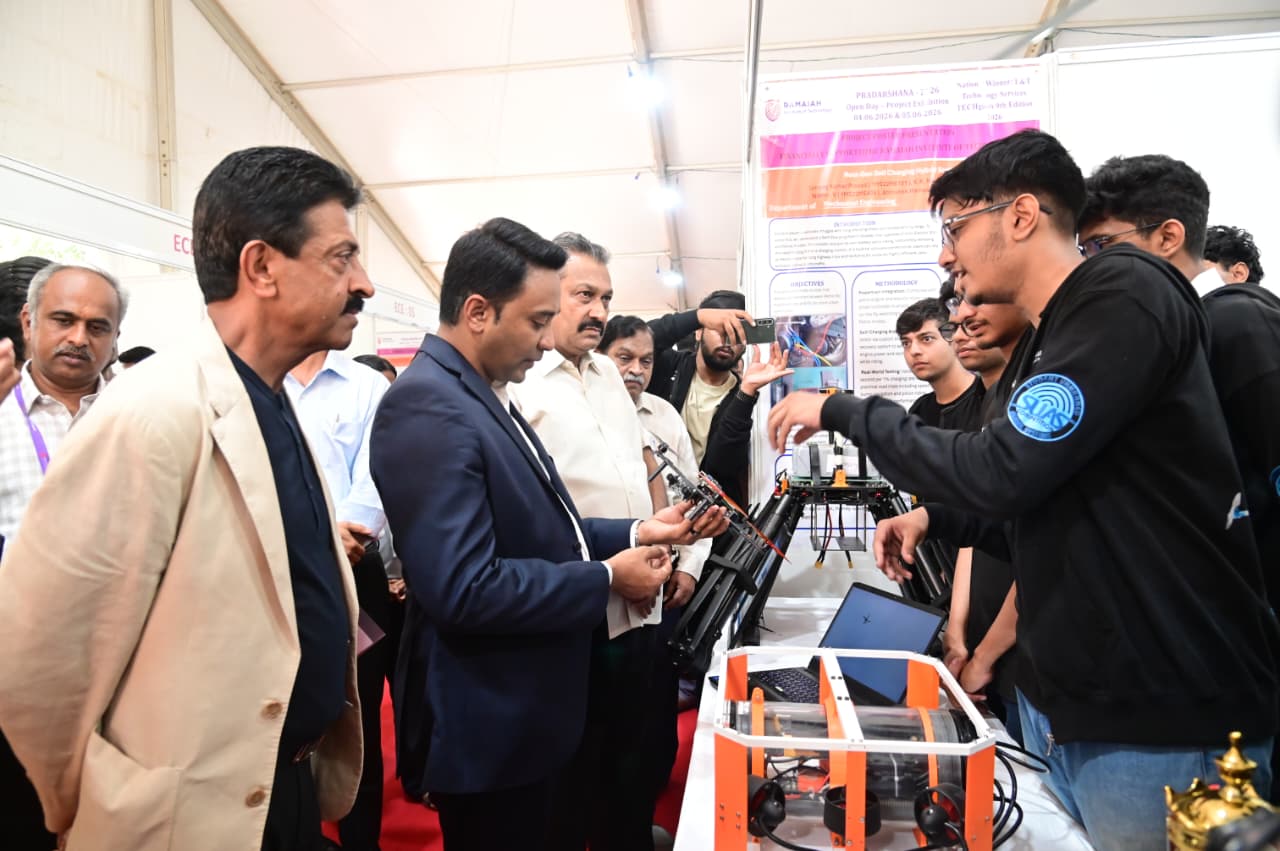
Student-built innovations addressing everyday challenges in health, safety, sustainability, and clean energy were recognised at SPARC 2026, a national-level student innovation finale curated by Tan90 Education and held in Bengaluru on Sunday, February 1, 2026.
 

Winners of the SPARC 2026 national-level competition along with Chief Guest Kumari Shibulal at the grand finale held in Bengaluru on February 1st
 

Top honours at the event were awarded to Siri MS from Vagdevi Vilas School, Bidadi, Mysore Road, Karnataka, who showcased an eco-friendly sanitary pad made from natural absorbent materials; and Shardul Prakash Deshinge from VK Mate High School, Chinchwad, Pune, who demonstrated a safety-focused pressure cooker designed to prevent cooking-related accidents, highlighting the practical, human-centred thinking that defined this year’s student projects.


Over the last five months, SPARC (Student Project and Research Challenge) 2026 brought together more than 1,000 middle and high school students from 185 schools across 30 cities and 13 states. From this national cohort, 36 student finalists were selected to present their projects at the Bengaluru finale. This year’s event marked the platform’s evolution from a city-led initiative into a pan-India student innovation movement, bringing together learners from diverse school systems and socio-economic contexts.


SPARC 2026 was inaugurated by Kumari Shibulal, Founder and Chairperson, Shibulal Family Philanthropic Initiatives (SFPI). “Seeing SPARC today, as a national event with students coming together from across the country, fills me with great happiness and hope. It tells me that we are moving in the right direction towards learning that is hands-on, meaningful, and rooted in curiosity. I truly hope SPARC becomes a hallmark for student innovation in the years to come. Not just as an event, but as a culture, one that values effort, imagination, and persistence,” she said.


Others who were awarded on the day include Hartej Singh Sall from DAV Public School, Ludhiana for ClogBuster; Pilla Naga Chaintanya from Sri Rama Sainik School, Vijaywada, for Seesaw Power Generator; Basavaraj Chalageri from Mount Everest High School, Byatarayanapura for PloughPro; and Sayyed Nuzaifa Irshad Ali from Ideal English School, Malad, Mumbai for Algae-Based Oxygen Generator.


The projects were evaluated by a multidisciplinary jury comprising Swati Sircar, Assistant Professor at the School of Continuing Learning, Azim Premji University; Smita Sircar, Deputy CEO at Labournet Foundation; Rushva Parihar, Head at Improving Lives Foundation; TV Sridhar, Executive Director at Right to Live; Vidya Sridhar, Trustee at My School Initiatives, SVSVS Trust; Sriram Ananthanarayanan, Director, Projects at United Way Bengaluru; and Mahit Warhadpande, popularly known as the Jigyasu Juggler.


Projects were developed around four core themes: Sustainable Cities and Mobility; Health and Wellbeing for All; Clean Energy and Climate Action; and Inclusive Growth and Social Equity. Collectively, the projects reflected strong emphasis on safety, affordability, environmental responsibility, and real-world applicability.


Other highlights of the day included an Experience Zone where visitors could experience what it is like to be in a Tan90 lab. Open to visitors of all ages, it featured six hands-on stations spanning carpentry, art, mechanical concepts, mathematics, electrical systems, and an innovation lab. The event also included a student-led skit on classroom learning transformations, followed by a panel discussion on STEM education.


About Tan90 Education
Tan90 Education is a for-profit education company focused on building hands-on STEM learning ecosystems in schools across India. Working with affordable private schools, government institutions, and partners, Tan90 designs STEM labs, trains teachers, and delivers experiential curricula that help students learn by making.


With a presence across multiple states, Tan90’s work centres on nurturing scientific temper, creativity, and problem-solving skills, especially in contexts where access to quality STEM education is limited.

Etihad Guest and The Postcard Hotel Launch Partnership to Reward Luxury Travel Across India Subcontinent

Etihad Guest, the award-winning loyalty programme of the UAE’s national carrier, Etihad Airways, today announced a new partnership with The Postcard Hotel, Asia’s acclaimed luxury hospitality brand. This marks a significant milestone for the programme as it expands its network of premium partners and embarks on a new chapter in redefining luxury travel. Etihad Guest’s new hotel partnership in South Asia underscores the airline’s deep commitment to the region and its discerning travellers.


(L to R) Mr Anirudh Kandpal, Co-Founder and Senior Vice President, The Postcard Hotel, and Mr Mark Potter, Managing Director, Etihad Guest – celebrate the launch of the new partnership


Through this collaboration, Etihad Guest members can now earn Miles each time they book and stay at any of The Postcard Hotel’s distinctive properties across India, Bhutan, and Sri Lanka – unlocking more rewarding ways to experience authentic, destination-led luxury.


Etihad Guest members staying two or three nights at any Postcard property will earn 2,000 Miles, while those staying four nights or more will receive 4,000 Miles plus a complimentary night stay. The partnership brings together The Postcard Hotel’s signature brand of intimate luxury with Etihad Guest’s globally celebrated rewards programme, offering travellers meaningful and memorable journeys.


Arik De, Chief Revenue and Commercial Officer, Etihad Airways, said, “At Etihad our commitment has always been to deliver exceptional customer service and Etihad Guest stands as a testament to the same. Our connection with India and the region goes far beyond our network – it reflects a shared appreciation for culture, hospitality, and meaningful travel. We’re delighted to welcome The Postcard Hotel to Etihad Guest, expanding the breadth of the programme in the region. This collaboration is a strategic step in deepening our engagement with the Indian subcontinent, offering travellers distinctive experiences that celebrate the region’s richness while enhancing the value of being an Etihad Guest member.”


Kapil Chopra, Founder and CEO of The Postcard Hotel, remarks, “We are delighted to join hands with Etihad Airways, a brand whose ethos of excellence and guest-centric service mirrors our own. This alliance enables Etihad Guest members to immerse themselves in the world of The Postcard Hotel—where every moment is designed to transcend expectations and deliver authentic, unforgettable luxury and experience our award-winning hospitality.”


Founded in 2018 by Kapil Chopra, with a team of experienced hoteliers, The Postcard Hotel has redefined modern Indian hospitality through its philosophy of intimate, immersive, and destination-led experiences. Each of its 11 properties across India, Bhutan, and Sri Lanka reflects the local culture and surroundings — from tranquil beaches to lush hillsides and heritage enclaves. Guests enjoy unparalleled flexibility, including anytime check-in and check-out, and breakfast served at leisure, ensuring a stay that feels personal and unhurried.


Deepening Etihad’s Commitment to India

This announcement further highlights Etihad’s ongoing investment in India — from strategic partnerships and sponsorships with Chennai Super Kings and Mumbai City FC, to locally inspired cuisine and Hindi-language digital experiences reaffirming its long-standing relationship with the Indian traveller.


India remains one of Etihad’s most important markets, with more than two decades of operations and a rapidly expanding base of Etihad Guest members. The airline operates 185 flights per week to 11 Indian gateways, connecting travellers seamlessly between India, Abu Dhabi, and destinations across its global network.


Etihad Guest continues to expand its global partner ecosystem, offering members the opportunity to earn and redeem Miles across an extensive network of travel and lifestyle brands.


About Etihad Airways  

Etihad Airways, the national airline of the UAE, was formed in 2003 and quickly went on to become one of the world’s leading airlines. From its home in Abu Dhabi, Etihad flies to passenger and cargo destinations in the Middle East, Africa, Europe, Asia, Australia, and North America. Together with Etihad’s codeshare partners, Etihad’s network offers access to hundreds of international destinations. In recent years, Etihad has received numerous awards for its superior service and products, cargo offering, loyalty programme and more. To learn more, visit etihad.com.


About The Postcard Hotel

Founded in December 2018 by Kapil Chopra along with accomplished hospitality leaders Akanksha Lamba, Anirudh Kandpal and Raman Bansal, The Postcard Hotel was born of a desire to re-imagine luxury travel through design, authenticity and service. With a portfolio of luxury resorts across Goa, Kochi, Gir (Gujarat), Leh (Ladakh), Durrung Tea Estate (Assam), Maravanthe Beach (Karnataka), Thimpu (Bhutan), Galle (Sri Lanka), and Chitwan (Nepal) and beyond, the brand is known for crafting intimate and immersive stays that reflect their surroundings and offer understated refinement. The Postcard Hotel is now opening a new luxury hotel every quarter, making it the fastest growing hotel brand in the world.


In a recent triumph at the World Travel Awards Asia & Oceania Gala Ceremony 2025 in Hong Kong, The Postcard Hotel was named Asia’s Leading Boutique Hotel Brand 2025, with its distinctive properties across India collectively securing 11 prestigious awards—a testament to the brand’s growing leadership in luxury experiential hospitality.

Healthcare Emergencies Among Top Reasons for Urban Borrowing: Paisabazaar Research Study

Medical emergencies are among the biggest reasons for taking a personal loan in urban India, reveals a consumer research report by Paisabazaar. 
 

According to “The Personal Loan Story” released by Paisabazaar, 11% borrowers in India took a personal loan to meet emergency healthcare and medical expenses, with the share rising to 14% in Tier 1. The same stood at 10% in Tier 2 and 8% in Tier 3. The insight clearly points to low health insurance penetration and rising medical costs leading to dependence on personal loans during medical emergencies.

The report is based on in-depth interviews with 2889 personal loan borrowers across 23 cities and towns, offering insights into key borrowing triggers, preferences, decision drivers, and awareness levels across regions, city tiers, and age groups in India.

Along with medical needs, borrowers cited essential day-to-day essential expenses, urgent home repairs, and wedding or celebratory events as the most common reasons for availing personal loans.
 

Key Highlights of the report

  • Borrowing is no longer driven only by need. 48% took personal loans for essential requirements, while 36% borrowed to fund aspirations and 16% for business investments.

  • Tier 3 borrowers are 2.4x more likely to borrow for daily needs than Tier 1 borrowers.

  • Apart from self-employed borrowing for business investments, salaried individuals (9%) are also leveraging personal loans to fund family/side businesses or passion projects.

  • Middle-income India is the most credit-active for aspirational led borrowing. Borrowers earning between Rs. 7.5 to 10 lakh annually show the highest lifestyle borrowing at 40%.

  • Credit is being used for life events, with 11% of borrowers financing weddings and celebrations, led by Tier 1 cities at 14%.

  • Despite the growth of online loans, many still rely on offline channels for borrowing. Only 32% availed personal loans online

  • Impulse borrowing is becoming mainstream, with 25% of borrowers skipping evaluation of other credit alternatives, a behaviour most pronounced among Gen Z at 31%.


Santosh Agarwal, CEO, Paisabazaar, said, “Borrowing decisions today are shaped as much by life events, aspirations and urgency as by interest rates or eligibility. This study is our effort to move beyond transactional data and better understand the motivation and behaviour behind borrower decisions. As consumer behaviour evolves rapidly, it is becoming increasingly important for the ecosystem to understand these shifts and enable responsible, transparent and inclusive credit delivery.”


The study also revealed that post-purchase experience was rated “good or very good by a remarkable 91% of borrowers. Speed was the single strongest driver of satisfaction across both offline (58%) and online channels (57%), followed by simplified processes and less paperwork, reinforcing the premium consumers place on efficiency over form.
 

In terms of credit understanding, the report also shed light on how Indians, though majorly credit aware, are yet to grasp the full depth and breadth of credit intricacies. 98% knew what a credit score is, but only a mere 7% fully understood how it affected their loan approval and pricing.

Download the full report:
www.paisabazaar.com/wp-content/uploads/2017/10/The-Personal-Loan-Story-Paisabazaar.pdf


About Paisabazaar
Paisabazaar, a part of PB Fintech (listed since 2021), is India’s largest marketplace for consumer credit and free credit score. Over the last 11 years, Paisabazaar has earned the trust of over 55 million consumers. Paisabazaar has built 65+ partnerships withBanks, NBFCs, and fintechs to offer a broad range of credit products. Paisabazaar is ISO (27001:2013) and PCI DSS certified organisation, with industry-best controls, to safeguard the best interest of consumers.

Union Budget 2026–27 Draws Strong Endorsement from Industry Leaders Across Sectors

The Union Budget 2026–27 has received an encouraging response from industry leaders, who view it as a balanced and forward-looking blueprint for India’s next phase of growth. With a clear emphasis on fiscal consolidation, sustained public capital expenditure, healthcare and MedTech innovation, MSME empowerment, infrastructure development, and technology-driven agriculture, the Budget is seen as reinforcing macroeconomic stability while creating conditions to crowd in private investment. Together, these measures signal the government’s commitment to building a resilient, globally competitive economy.

Mr. Sanjay Bhutani, Managing Director, Bausch & Lomb & Director, MTaI said, “In the backdrop of buoyancy on GDP growth and improving domestic consumption, this Budget strikes a prudent balance between growth and predictability. With reducing Debt to GDP ratio and fiscal deficit, It reinforces macro stability through a clear fiscal consolidation path, while sustaining a strong public capex push that should crowd in private investment over the medium term.”

“For healthcare and MedTech, creation of regional hubs for promoting medical tourism, a combination of duty exemption on additional life‑saving drugs and correction of inverted duty structures on key components, and a larger electronics manufacturing outlay will lower input costs and strengthen the case for making advanced devices in India,” he added.

Mandeep Singh Kumar, Managing Director & Vice President, Medtronic India & MTaI member said, “The Union Budget 2026–27 marks a significant leap for India’s healthcare sector, placing technology, innovation, and talent at its core. The Biopharma Shakti program, with a ₹10,000-crore investment, is set to accelerate R&D and drive impactful innovation in healthcare. The initiative to train one lakh allied health professionals and 1.5 lakh multi-skilled caregivers will strengthen clinical capacity and support the safe deployment of advanced medical technologies nationwide.”

Mr Vivek Jalan, Partner at Tax Connect Advisory Services, A Multi-disciplinary PAN India Taxation Firm, said, “The Union Budget 2026-27 Champions the cause of MSMEs, Manufacturing and Foreign Funding. MSMEs have been supported by a host of proposals including Equity Support wherein Rs.10000 Crores have been allocated for SME Growth based on select criteria. Also, by Strengthening TReDS as a platform for purchase, invoice discounting, and boosting receivables.”

Mr. Subrata Mondal, Managing Director & CEO, IFFCO-TOKIO General Insurance Company Limited, said, “The Union Budget 2026 is a balanced and growth-oriented budget that addresses key structural and sectoral priorities. The exemption of MACT interest from income tax and removal of TDS will significantly ease motor claim settlements and improve claimant experience. The proposed review of FEMA NDI Rules is a positive step towards creating a more investor-friendly environment, supporting capital flexibility and global participation in the insurance sector.”

Mr. Pradeep Aggarwal, Founder & Chairman, Signature Global (India) Ltd., said on Union Budget 2026-27, “The Union Budget 2026 provides a strong and credible roadmap for India’s next phase of growth, led by a sharp focus on infrastructure, urban development, and financial reforms. The government’s decision to raise public capital expenditure to ₹12.2 lakh crore in FY27, a 9% increase over FY26, will play a critical role in accelerating project execution and crowding in private investment.”

Mr. Ashok Kapur, Chairman, Krishna Group and Krisumi Corporation, said, “The Union Budget 2026–27 reinforces the government’s long-term commitment to infrastructure-led growth, which remains a critical enabler for the real estate sector. The emphasis on infrastructure, risk mitigation, and structured city growth aligns well with our long-term approach to creating high-quality developments that contribute meaningfully to India’s evolving urban landscape.”

Dr. P.S. Gahlaut, Managing Director, Indian Potash Limited, said, “In order to increase crop production, the country needs to significantly increase farm mechanisation and adopt modern farming techniques. In this regard, the announcement of establishing Bharat-VISTAAR (Virtually Integrated System to Access Agricultural Resources), a multilingual AI tool which would integrate the AgriStack portals and the ICAR package on agricultural practices with AI systems, is a timely move. It is expected to promote deployment of precision farming technologies across geographies and crops, thus allowing farmers to make informed decisions, which in turn would help enhance crop yield and nutrition by promoting optimum utilisation of resources such as water, fertilizers and other agro-chemicals.”