Home Blog Page 103

Closing the Gender Gap in Money Management Skills – Why Girls Need Equal Access to Financial Education

Financial literacy among Indian women remains alarmingly low – a challenge that has persisted for decades. Multiple, interconnected factors contribute to this gap, including cultural norms, limited educational opportunities, psychological barriers and infrastructural constraints. Understanding these barriers is crucial to designing solutions that empower women to achieve financial independence.


https://www.newsvoir.com/images/article/image1/33783__imgae_NFO.jpg

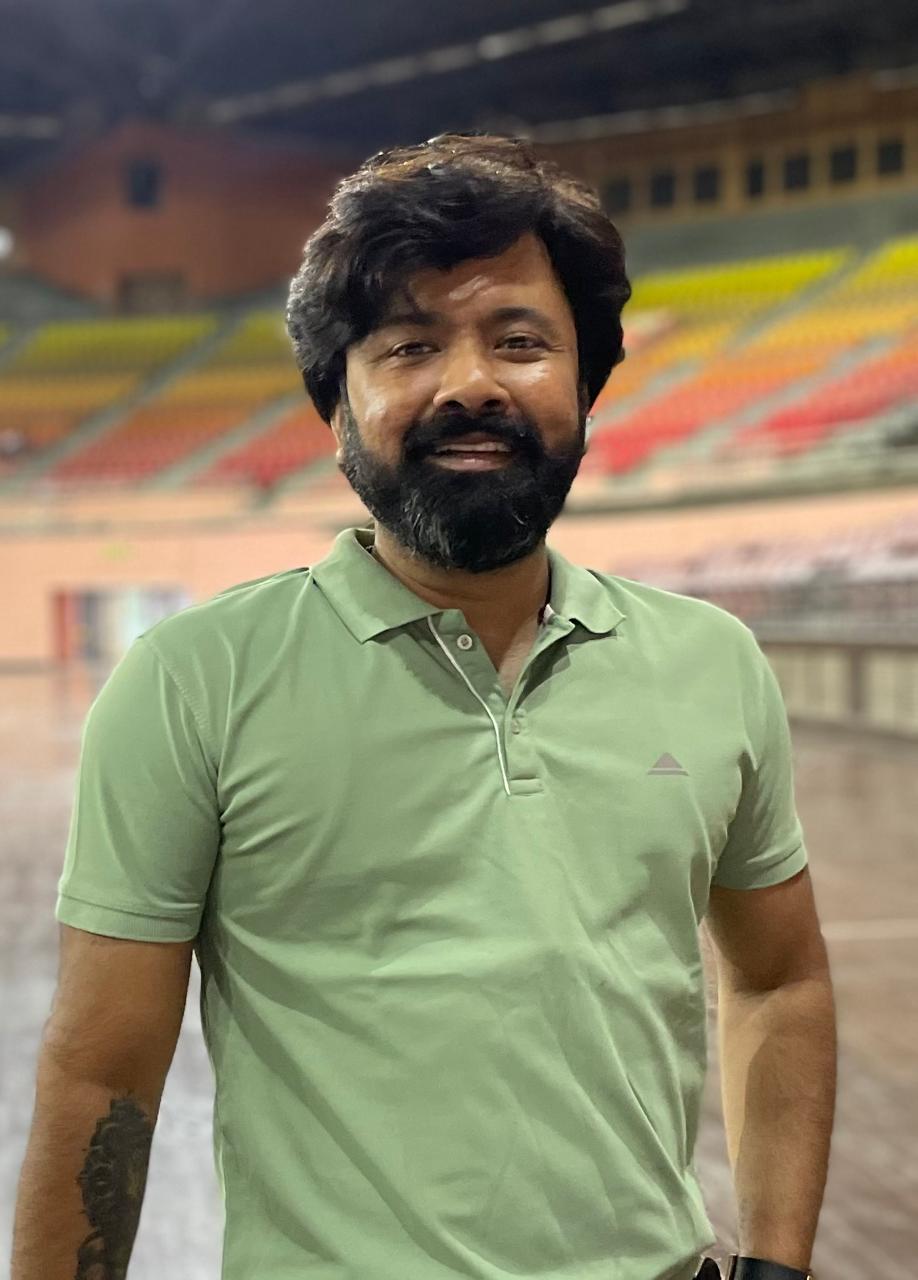
Mitul Mehta, Co-Founder- National Finance Olympiad


The roots of the gap!

Educational, Physical, Infrastructural and Time-related Barriers 

When it comes to financial literacy, understanding the fundamentals remains one of the biggest challenges for women in India. Why? Many struggle with basic mathematical concepts due to gaps in foundational education, which makes informed financial decision-making difficult. This, in turn, affects their ability to save, invest and ensure their families’ financial well-being. Women without a college education may find it particularly hard to grasp core financial principles, including evaluating risk and reward, calculating compound interest, accounting for inflation and building a diversified portfolio. Adding to this, the financial world often feels exclusionary, filled with complex jargon that can be inaccessible, especially for those with limited prior exposure or English proficiency.


In rural and economically disadvantaged areas, the challenges are even greater. For many women, even basic literacy and numeracy are not guaranteed. In such contexts, financial education often takes a backseat to more immediate needs. The absence of trained educators, relatable role models, and community programs further adds to the problem. Additionally, the cost of courses can limit participation, particularly for women with tight budgets.


Physical and logistical barriers add another layer of difficulty. Travelling to financial literacy programs can be challenging due to unsafe, unreliable or expensive transport. Poor infrastructure, a lack of dedicated centres and limited internet connectivity further restrict opportunities to learn, whether in-person or online.


Time constraints also play a critical role. Women balancing work, household responsibilities and caregiving rarely have uninterrupted hours to focus on financial learning. For many, sheer exhaustion pushes it to the bottom of their priorities – not from lack of interest, but out of necessity.


In contrast, men are often encouraged towards early financial learning. From a young age, boys are more likely to be included in household money discussions, encouraged to manage allowances and given access to financial tools. They also tend to have better access to institutions, digital platforms, and educational resources, and face fewer time constraints due to traditional gender roles. These factors provide them with confidence and practical experience in managing money, contributing to the persistent gender gap in financial literacy.


Cultural Conditioning and Psychological Barriers
Cultural stereotypes have long shaped who makes financial decisions in Indian households. Traditional gender roles often assign men the responsibility of managing money, investments, and assets, while women are expected to focus on caregiving and domestic responsibilities.


This exclusion keeps women from participating in discussions about budgeting, planning or household expenses. Without these opportunities, they miss crucial hands-on experience, which is essential for building competence and confidence in managing money.


Over time, these cultural barriers feed directly into psychological doubts. Years of being excluded from financial decision-making erode self-confidence, leaving women hesitant to engage with money matters independently.


As said earlier, the mental load of balancing multiple roles – as mothers, homemakers, workers, and caregivers – further leaves little cognitive or emotional bandwidth for exploring financial concepts. And then comes the fear of making mistakes, which, when combined with financial validation, proves to be one of the major interrupters of financial education.


This cycle – where cultural conditioning leads to limited exposure, thereby fostering psychological barriers – creates a self-reinforcing pattern. Women, over time, perceive finance as complex or ‘not for them,’ and even when resources or educational opportunities are presented, they may feel unprepared to seize them.


The real reason why equal access to education is needed!
Providing female folks with equal access to financial education is not just a matter of fairness – it is essential for economic growth, social development and long-term resilience. Financially literate women are better equipped to manage household budgets, make informed investment decisions and navigate major life transitions such as marriage, parenthood or retirement. 


The benefits of empowering women through financial literacy, however, extend far beyond individual households. When women are financially educated, they can participate actively in the economy, drive local development, and make decisions that positively impact their communities.


Evidence underscores the scale of this impact: a 2024 World Bank report shows that countries with higher female education levels experience stronger GDP growth, lower income inequality and greater resilience to economic shocks. In India, McKinsey & Company estimates that closing the gender gap in digital finance could add $700 billion to GDP by 2025.


Moreover, OECD data indicate that financially educated and empowered women contribute to reduced domestic violence and improved child welfare, highlighting the profound social as well as economic dividends of inclusion.


Breaking the cycle!
Education and awareness can become the most invaluable tools in breaking the cycle of financial illiteracy. Teaching financial matters from an early age, for instance, will equip women with the necessary skills to budget, save, invest and manage money confidently throughout their lives


Integrating these concepts into schools and extracurricular programs will further act as a fail-safe plan that provides lifelong women’s empowerment. It helps prepare future generations to contribute meaningfully to household and community finances.


Needless to say, technology can amplify this impact. Web-based or mobile-based applications that offer financial coaching and interactive workshops will make learning engaging and accessible. Volunteering programs, where young adults teach financial basics in rural schools, undoubtedly create a ripple effect – empowering children and inspiring families.


Equally important is building inclusive spaces that welcome women without any pre-conceived gender biases – think online forums, local meetups and networking events – where women can share experiences, learn collectively and find support. Language definitely plays an important role in all of this – communication that acknowledges female diversity ensures every woman feels represented and encouraged to participate.


Most importantly, raising financial awareness among women through targeted outreach can break the age-old stigma and promote a culture of proactive financial management. Above all, it must be realised from the core of the heart: financial literacy is not a choice but a requirement in today’s world, especially for all those who desire personal independence, empowerment and a more equitable society.

How Bajaj Finserv Banking and Financial Services Fund aims to capture opportunities across India's financial ecosystem

India’s financial ecosystem is expanding in step with the country’s broader growth trajectory. Structural shifts in technology, demographics, regulation, and inclusion continue to reshape how Indians save, borrow, insure, and invest. These long-term drivers are creating opportunities for institutions across the Banking Financial Services and Insurance (BFSI) space.


Bajaj Finserv Banking and Financial Services Fund NFO open


Investors seeking exposure to this evolving segment may consider exploring suitable options such as the Bajaj Finserv Banking and Financial Services Fund, an open ended equity scheme investing in the Banking and Financial Services sector.


The New Fund Offer opens on Monday, November 10, 2025, and closes on Monday, November 24, 2025. The scheme reopens for subscription within five business days from the date of allotment.


India’s evolving financial landscape

India is projected to become the world’s third-largest economy by 2030, with an estimated GDP of USD 7.3 trillion. This expansion is underpinned by megatrends such as digitalisation, demographic growth, and increasing formalisation of the economy.


For India’s GDP to grow meaningfully, the financial system must keep pace. Estimates suggest that the banking industry will need to add USD 4 trillion in capital over the next two decades to support the expansion of financial assets and credit.


The BFSI sector plays a central role in this transformation through capital mobilisation, credit growth, and digital access. For instance, credit disbursement to priority sectors rose 85% from Rs. 23 lakh crores in 2019 to Rs. 42.7 lakh crore in 2024, while UPI transaction values grew nearly fivefold from Rs. 41 trillion in FY21 to Rs. 236 trillion in FY25.


Source: Motilal Oswal, Press Information Bureau, CareEdge, Reserve Bank of India, Financial Stability Board; World Bank, BCG analysis, Bloomberg, International Monetary Fund, CEBR


Shifts shaping the BFSI sector

The Bajaj Finserv Banking and Financial Services Fund is designed to identify companies positioned to benefit from India’s structural financial trends:


1. Technology
India’s transition towards digital finance continues to accelerate. Non-cash transactions are projected to rise from 38% in FY23 to 62% in FY28, with Tier 2 and smaller cities expected to account for over 80% of an estimated USD 60 billion in digital lending disbursements by FY28.

2. Economic
The number of Jan Dhan accounts has grown nearly 18× over the past decade, from 33 million in FY14 to 540 million in FY24, mobilising deposits of around Rs. 2.3 trillion. These accounts have improved access to savings and enabled direct benefit transfers.

3. Demographic
India’s working-age population is set to rise over the next two decades, driving demand for credit, insurance, and investments. By 2030, around 75% of Indian households are expected to fall into middle- and high-income categories, expanding the addressable market for financial products.

4. Social
Fintech firms are broadening credit access for individuals and small businesses, particularly those with limited credit history. Their growing presence in segments such as personal loans and MSME lending highlights the role of innovation in expanding financial reach.


Source: RBI Documents, Jefferies, Periodic Labour Force Survey 2023, GSMA 2023, Mobikwick RHP, Redseer


Opportunities across the financial value chain

The BFSI sector has undergone significant expansion over the past two decades. Its market capitalisation has risen 50× from Rs. 1.8 trillion in 2005 to Rs. 91 trillion in 2025 growing from 6% to 27% of India’s GDP.

  • Banks have seen credit grow at a CAGR of 10.7% and deposits at 10.2% over the past two decades, supported by improved fundamentals such as lower GNPA levels (from 5.8% to 2.2%) and falling credit costs.

  • NBFCs have strengthened their presence with net worth growing ~15% CAGR and profit ~32% CAGR, accounting for 18% of total BFSI earnings in FY24.

  • Insurance has scaled rapidly, with life insurance AUM rising ~10× since FY07 to Rs. 61.6 trillion. India is projected to become the 6th largest insurance market by 2032.

  • Capital markets have expanded with India now ranking 4th globally by market capitalisation.


Source: Reserve Bank of India, Boston Consulting Group Report, MOFSL, IRDAI, Swiss Re Sigma, NSE Report on Indian Capital Markets


How Bajaj Finserv Banking and Financial Services Fund aligns with these shifts

The Bajaj Finserv Banking and Financial Services Fund seeks to invest across a wide spectrum of companies participating in India’s financial transformation. It draws from long-term sectoral trends and focuses on diversification beyond traditional banking:

  • Curated exposure*: 45–60 stocks shortlisted from ~200 companies within the BFSI megatrends universe.

  • Aligned with sectors: Captures opportunities across digital finance, financial inclusion, and expanding credit and insurance markets.

  • Broad-based exposure: Invests in banks, NBFCs, insurers, AMCs, and other intermediaries.

  • Suitable entry point: Valuations currently below 14-year averages with improving asset quality and earnings visibility.


*The portfolio count is indicative, and actual number will depend on market conditions at the time of making investment.


Source: National Stock Exchange; Data as on Sep 30, 2025


Conclusion

India’s financial ecosystem continues to expand on the back of digital adoption, rising prosperity, and growing formalisation. The Bajaj Finserv Banking and Financial Services Fund aims to capture potential opportunities emerging from these trends through diversified exposure across financial institutions, intermediaries, and innovators.


For investors considering participation in India’s long-term financial growth story, exploring such sector-focused mutual funds may be a suitable approach aligned to their goals and risk appetite.


New Fund Offer Opens on:

Monday, November 10, 2025

New Fund Offer Closes on:

Monday, November 24, 2025

Scheme re-opens on:

Within five business days of allotment date


Mutual Fund investments are subject to market risks, read all scheme related documents carefully.

Akums Reports Q2 FY26 Results; Strengthens International Presence

Akums Drugs & Pharmaceuticals Ltd., India’s Largest Contract Development and Manufacturing Organizations (CDMO), announced its financial results for the second quarter of FY26.


The CDMO segment remained the key contributor with revenue of Rs. 804 crore. Volumes for the CDMO vertical grew 7% y-o-y, as against muted industry volume growth, reflecting Akums’ position as preferred CMDO partner in India. The domestic Branded Formulations business recorded revenue of Rs. 122 crore, with EBITDA margins improving to 21.6%, supported by focused portfolio management. The Branded Export segment, although had seasonal impact from various countries, maintained healthy EBITDA margin of 24.5%,


For the quarter ended September 30, 2025, Akums reported consolidated revenue of Rs. 1,018 crore compared to Rs. 1,024 crore in Q1 FY26 and Rs. 1,033 crore in Q2 FY25. The EBITDA stood at Rs. 94 crore with a margin of 9.3%. The PAT was Rs. 43 crore. For the first half of FY26, revenue stood at Rs. 2,042 crore with an EBITDA of Rs. 223 crore (margin of 10.9%) and PAT of Rs. 107 crore.


The Hon’ble President of Zambia recently did ground breaking of the pharmaceutical plant, set up as a joint venture between Akums and the Govt. of The Republic of Zambia. This marks a significant step in expanding Akums’ global reach. The Zambian facility is aimed at supporting access to quality medicines across the SADC Countries, with product range across multiple therapeutic areas and dosage forms.


Another milestone Akums achieved recently was the first commercial supply of formulations in Europe, with the supply of Dapagliflozin tablets to Switzerland. Akums will also supply Rivaroxaban tablets in Europe in Q3. The European contract for oral liquid supply is on track with Plant 2 undergoing EU-GMP Audit in October.


Commenting on the quarterly performance, Mr. Sanjeev Jain, Managing Director, Akums Drugs & Pharmaceuticals Ltd., said, “Our performance this quarter reflects our focus on long-term priorities in a dynamic business environment. The developments in Zambia and Europe mark important milestones in our ongoing journey of becoming a global CDMO.


Mr. Sandeep Jain, Managing Director, Akums Drugs & Pharmaceuticals Ltd., added, “CDMO business is navigating through a complex phase, with continued weakening of API prices and sustained flat volumes in the industry. Akums has outpaced industry volume growth. we remain focused on delivering long term shareholder value by further cementing our leadership position in CDMO business, taking measures to grow our domestic and exports branded business and curtailing losses in API and trade generics.”

Highlights are as Follows:

Particulars (Rs Cr)

Q2 FY 26

Q1 FY 26

Q2 FY 25

H1 FY 26

H1 FY 25

Revenue

1,018

1,024

1,033

2,042

2,052

Cost of goods sold

593

582

596

1,174

1192

Employee Cost

189

176

180

365

356

Other Expenses

141

137

136

278

259

Adj EBITDA

94

129

121

223

245

Adj EBITDA Margin

9.3%

12.6%

11.7%

10.9%

12.0%

Adj PAT

43

65

67

107

124

Adj PAT Margin

4.1%

6.2%

6.4%

5.1%

6.0%

Great Value Realty Unveils Ekanam to Redefine Noida's Skyline Blending Nature and Luxury in Perfect Balance

  • Design conceptualized by Benoy, and execution led by leading global and Indian consultants.

  • Three 46-storey towers surrounding a serene central lake with cascading green terraces and sky gardens

  • 1,00,000 sq.ft. nature-inspired club by Confluence Consultancy with spa, sports bar, art, and wellness zones and other amenities

  • Infinity pool on the 40th floor, the highest in Noida, offering panoramic city views and embodying architectural brilliance, natural harmony and refined luxury.


Great Value Realty, one of North India’s most trusted real estate developers, today launched Ekanam (RERA No. UPRERAPRJ15109/2019), its flagship ultra-luxury residential project in Sector 107, Noida.


Project Ekanam marks the final luxury residential project in Noida Sector 107


Designed as a seamless blend of architecture and nature, Ekanam is envisioned with the core brand philosophy ‘Great is the New Norm’, redefining urban living with an ethos rooted in harmony, balance, and mindfulness. Located on the last remaining land parcel available in Noida Sector 107 for residential development, Ekanam stands as a rare opportunity to experience the future of refined, nature-centric living in one of NCR’s most connected addresses.


Speaking at the launch, Payas Agarwal, Director, Great Value Realty, said, “The launch of Ekanam marks a defining moment for all of us at Great Value Realty. It embodies our vision to create living spaces that go beyond luxury, where architecture and nature exist in perfect balance. Ekanam is our tribute to the idea of mindful living, where every element is thoughtfully crafted to inspire calm, connection, and comfort. As Noida’s skyline evolves, we take pride in contributing a landmark that not only elevates modern living but also reaffirms our belief that true luxury lies in harmonizing design and nature with life itself.


At its core, Ekanam embodies the idea of “living with nature, not just beside it.” Conceptualized by global design powerhouse Benoy, the project’s architectural language flows like water—fluid, reflective, and ever-evolving. The layout orbits around a tranquil central lake, a living ecosystem that shapes the landscape, movement, and mood of the development. From this calm heart rise three slender 46-storey towers, their organic façades and undulating balconies echoing the rhythm of the surrounding greenery.


Crafted in partnership with an acclaimed consortium of consultants, few of them being Modarch India (Principal Architect), S. Bose (Landscape); Ekanam represents a benchmark in precision, collaboration, and excellence. The project employs BIM technology for optimized planning and delivery and is being developed by a Grade-A contracting team to ensure quality and timeliness.


Ekanam features expansive 3 and 4 BHK residences ranging from 3,525 to 5,525 sq.ft., with prices starting from Rs. 7 crore onwards. Each home has been thoughtfully designed to balance natural light, ventilation, and spatial fluidity, while offering customization options for discerning residents.


The development’s 1,00,000 sq.ft. club serves as the social and wellness hub of the community. Drawing inspiration from the soothing qualities of water, wood, and organic textures, the club unfolds as a series of serene spaces—an indoor pool and spa, salon, sports café, cigar lounge, business center, gym and yoga studios, art and music rooms, and a theatre—all integrated within a landscape of greenery and natural light. Every detail, from the soft curves to the earthy color palette, reinforces the project’s core philosophy of tranquil, sensory living.


The vertical architecture extends the natural connection upwards, through cascading planters, sky gardens, and floating terraces, ensuring that every residence has its own dialogue with nature. The towers are linked by two sky bridges that double as landscaped open spaces, and the pinnacle experience is reserved for the floating garden and rooftop infinity pool—the highest in Noida—offering an unparalleled view of the city’s skyline.


Aligned with Great Value Realty’s commitment to sustainable growth, Ekanam is designed for IGBC Green Building certification, incorporating water conservation systems, vertical greenery, and natural ventilation across its structures. With its unique blend of architecture inspired by nature, meticulous craftsmanship, and unmatched connectivity to Delhi, the airport, hospitals, and educational institutions, Ekanam is set to become an enduring landmark in Noida — where life flows in harmony with its surroundings.


About Great Value Realty

Great Value Realty (GVR) is the real estate development arm of Great Value Group, focused on crafting lifestyle-centric residential and commercial spaces across Delhi NCR. The company is spearheaded by Mr. Manoj Agarwal, Chairman & MD, and Mr. Payas Agarwal, Director, with a shared commitment to innovation, integrity, and customer trust.


Since 2009, GVR has delivered transformative projects such as Sharanam, Anandam, Casa Uday, Sanctuary 105, Eternia, and High Life, blending thoughtful design with enduring value. GVR also leads in commercial infrastructure, with marquee assets like Great Value Mall, Complex Madangir, and state-of-the-art logistics parks in Greater Noida and Sohna.


Operating debt-free and backed by the financial strength of GV Finance and GV Capital, GVR is uniquely positioned for sustainable growth. As it expands into ultra-luxury, plotted, and flexible living formats, GVR continues to shape aspirational urban communities, driven by quality, reliability, and customer-centricity.

Ai+ Smartphone and Katha Partner to Bridge India's Digital Gap on World Kindness Day

Ai+ Smartphone has partnered with Katha, a Delhi-based NGO, to mark World Kindness Day with a digital inclusion initiative aimed at expanding access to smartphones for students from under-resourced communities. The partnership is part of Ai+ Smartphone’s ongoing Add A Plus movement, which celebrates small actions that make a difference.


Through the initiative, every “+” added by users on Ai+ Smartphone’s social media posts will count toward a shared goal. Once the campaign reaches one million pluses, the brand will donate 50 smartphones to students identified by Katha who currently lack personal access to technology.


India can’t lead the digital century with most of its young people left offline. At Ai+ Smartphone, our mission is to close that gap,” said Archi Gogoi, Marketing and Communications Lead, AI+ Smartphone. “Through Add A Plus, every ‘+’ turns everyday participation into progress. This World Kindness Day, we’re showing how small, collective gestures can deliver real impact.”


Katha will oversee the selection of students based on parameters such as attendance, learning commitment, and verified need for personal digital access. After completion, both organizations will share updates on outcomes to ensure transparency.


Rajesh Soundararajan, Executive Director, Katha, said, “At Katha, we’ve spent 36 years proving that stories transform lives. These 50 Ai+ Smartphones will help our girl learners from underserved communities access the digital stories and learning tools that are reshaping education. It’s a meaningful start toward ensuring no motivated child is left behind in the digital age.”


While the first phase focuses on 50 students, Ai+ Smartphone plans to extend the initiative by partnering with more organizations and scaling donations across multiple cities over the coming year.


The initiative reflects Ai+ Smartphone’s broader commitment to digital inclusion and responsible technology, transforming online engagement into tangible and accountable change.


Join the movement by adding a “+” on Ai+ Smartphone’s social media posts and inspiring others to do the same. Every plus brings India closer to closing the digital gap.


About Ai+ Smartphone

Ai+ Smartphone is a next-generation brand built in India to deliver reliable, high-performance mobile experiences. Powered by NxtQuantum OS, India’s first sovereign mobile operating system, Ai+ combines clean design, long battery life, and trusted software performance at accessible price points.


About NxtQuantum Shift Technologies

NxtQuantum Shift Technologies is a deep-tech Indian company building secure, sovereign digital platforms for the mobile-first world. Founded by Madhav Sheth, the company develops NxtQuantum OS, India’s first sovereign mobile operating system, and is committed to building technology that is authored in India and globally competitive.


About Katha

Founded in 1988 as a children’s magazine for underserved communities, Katha works across the literacy-to-literature continuum to bring children living in poverty into reading and quality education. By linking grassroots schooling with urban resurgence, Katha has enabled over one million children to help themselves out of poverty.


Chitkara University and York University Sign MoU to Launch 2+2 Computer Science Pathway for Indian Students

In a significant step toward strengthening international academic collaboration, Chitkara University and York University (Toronto, Canada) have signed a Memorandum of Understanding (MoU) to launch a 2+2 academic pathway in Computer Science. The partnership reflects a shared vision of promoting global learning, academic excellence, and career readiness, providing Indian students with a unique opportunity to begin their studies in India and complete their degrees in Canada.


https://www.newsvoir.com/images/article/image1/33778_Chitkara_image_uni.JPG

Dr. Madhu Chitkara, Pro-Chancellor, Chitkara University & Dr. Rhonda Lenton, President & VC, York University-Canada, sign MoU to foster global collaboration and academic excellence


Under this new pathway, students will complete the first two years of the Bachelor of Engineering in Computer Science program at Chitkara University, paying domestic tuition in India. They will then transfer 100% of their academic credits to York University’s Lassonde School of Engineering in Toronto, where they will complete Years 3 and 4 of the Bachelor of Science (B.Sc) in Computer Science program.


The formal signing ceremony, held at Chitkara University, marked the beginning of a long-term academic alliance between the two globally recognised institutions. The MoU was signed by Dr. Rhonda Lenton, President and Vice-Chancellor, York University, and Dr. Madhu Chitkara, Pro-Chancellor, Chitkara University, in the presence of senior leadership, faculty, and students from both universities.


Through this agreement, both universities aim to create seamless global learning pathways that combine the strengths of Indian and Canadian higher education. Students participating in the program will benefit from scholarship opportunities, housing support, and paid co-op/internship experiences during their studies at York. Upon successful completion, they will earn a York University Bachelor of Science (BSc) degree in Computer Science. The first cohort is expected to begin their studies at York in September 2028.


In a first for such a 2+2 arrangement, York University will also offer a dedicated co-op semester for transferring students from Chitkara University, allowing them to engage in paid internships with York’s industry partners. This will help students acclimatise to the Canadian work environment while gaining hands-on experience and earning a salary.


This partnership emphasises quality and preparedness. Students will prove themselves in the first two years, learn through a Canadian-style applied curriculum close to home, and then transfer with confidence to Toronto. At Chitkara University, we are committed to providing our students with diversified pathways to globally recognised credentials. We are pleased that York will support our students through scholarships, housing resources, and guidance from certified student immigration specialists to ensure a smooth transition to Canada,” shared Dr. Madhu Chitkara, Pro-Chancellor, Chitkara University.


York has long been a proponent of responsible, responsive, and inclusive internationalisation. The York–Chitkara Alliance embodies these values. Building on our tradition of welcoming Chitkara students to York, we are proud to formalise a hybrid pathway that enables talented Indian students to build strong academic foundations at home, then transition seamlessly to Canada to complete a York degree with paid industry experience. This is the future of higher education – we must continue to build partnerships that are both global and cross-sectoral if we want to keep up with our rapidly changing world,” said Dr. Rhonda Lenton, President and Vice-Chancellor, York University.


By creating a seamless educational continuum, we’re empowering students to earn quality credentials, gain meaningful Canadian work experience, and develop the skills to innovate and lead in an AI-transformed world. York University’s Computer Science (BSc) program, ranked among the top ten in Canada by the Shanghai Ranking of Academic Subjects, reflects the strength of our teaching and research. With dedicated co-op support, students are well prepared to secure paid placements, and we look forward to welcoming Chitkara students to York, where they’ll gain both academic and real-world experience through our strong industry partnerships,” added Dr. Jane Goodyer, Dean, Lassonde School of Engineering, York University.


The signing of the MoU further deepens York University’s collaboration with Indian higher education institutions and aligns with Chitkara University’s commitment to providing global mobility opportunities for its students through high-quality, internationally benchmarked academic programs.


About York University
York University is a leading teaching and research university and a force for positive change. With over 53,000 students, 380,000 alumni, and nearly 5,000 full-time staff and faculty from more than 160 countries, York is home to one of Canada’s largest and most diverse academic communities. Recognised as a change leader by the Times Higher Education Impact Rankings, York’s researchers and students tackle global challenges through collaboration with universities, industries, governments, and NGOs.


About Lassonde School of Engineering
Located in the heart of the multicultural Greater Toronto Area, the Lassonde School of Engineering at York University is home to innovators, scientists, and entrepreneurs. Since its inception in 2013, the School has witnessed a 260 percent increase in student enrolment. Offering 11 undergraduate and 7 graduate programs, Lassonde prepares the next generation of creators to tackle the world’s most pressing challenges through interdisciplinary, people-focused learning.


About Chitkara University
Chitkara University, based in Chandigarh, India, is among the country’s leading private universities, known for its strong focus on applied learning, innovation, and industry partnerships. With over 25,000 students and globally recognised programs in engineering, business, health sciences, and design, Chitkara University continues to empower students with future-ready skills to thrive in a dynamic global economy.

Soch's Strategic Pivot Fuels E-commerce with 65% Growth and Disciplined Retail Expansion

Soch, India’s leading evening and occasion wear brand, announced a significant leap in its e-commerce performance alongside a disciplined, profitability-driven retail strategy. The brand’s online business is on track to grow 65% year-on-year, looking to close at 90 crore this fiscal, underscoring the success of a purposeful pivot toward sustainable omni-channel growth.


https://www.newsvoir.com/images/article/image1/33773_Soch.com.jpg

Soch’s E-commerce site


The Indian retail industry is entering a new era where profitability and sustainable growth are the north stars, not just raw expansion. Apparel and fashion brands are embracing a “fewer, better” philosophy, curating memorable destinations, integrating digital experiences, and leveraging analytics for sharper store selection. Reflecting this macro shift, Soch has redefined its growth playbook with an equal focus on disciplined offline expansion and accelerated e-commerce growth and profitability.


While Soch continues to remain predominantly an offline-first brand, its e-commerce business has grown tenfold over the past five years, from INR 5.3 crore in FY20 to INR 54 crore in FY25, and is now targeting over six-fold growth to INR 350 crore by FY30. The online channel contributed 12% of total revenue last year, projected to rise to 18% this year and to 30% of overall business within five years. This impressive jump in e-commerce revenue has not come at the sacrifice of profitability. On the contrary, its online division has transitioned from breakeven to delivering a 10% profit margin this fiscal, powered by exclusive online collections, sharper product curation, and data-led innovations. The brand’s omni-channel approach has also been a key enabler, integrating store-level inventory with digital fulfilment to ensure speed and availability across channels.


While many brands began digital-first and are now exploring offline channels, Soch represents the next evolution, an offline-first brand mastering online with speed and precision. “Our e-commerce transformation reflects the strength of our brand trust combined with the agility of technology. It’s proof that growth and profitability can and should coexist,” said Vinay Chatlani, CEO & Co-Founder, Soch.


Soch exemplifies the ‘Offline First, Digital Fast’ approach, leveraging its established offline trust to swiftly scale online. This blend of strong offline credibility with rapid digital growth creates a powerful growth flywheel, amplifying both brand loyalty and ecommerce profitability.


Despite the recent success with its Online platforms, retail operations remain Soch’s core strength. On this front the Brand is taking a measured approach—fortifying its retail base while advancing in product and customer innovation. Over the last two years, the brand has consolidated its offline portfolio with a clear focus on performance. While continuing to expand new outlets in high-potential markets, it has closed its underperforming stores. This strategic optimisation is projected to deliver over 2.5% improvement in store-level EBITDA. With over 175 stores across India, Canada and Malaysia, Soch now prioritises same-store growth by driving customer conversion, ticket size, and average transaction value. This has been one of the outcomes of its premiumisation journey, which has seen the brand expand its evening and occasion wear portfolio to meet evolving customer expectations. In a 5-year period the brand has seen a 40% jump in ASP (average selling price), 50% increase in average transaction value along with a 10% increase in average basket size.


The brand also records one of the highest trading densities in its category, exceeding INR 16,000 per sq. ft. “Store openings today are sharper and more strategic,” added Chatlani. “We close locations that don’t meet benchmarks and double down on those that drive value and engagement. It’s not about being everywhere; it’s about being of substance wherever we are.”


Through a blend of offline trust and digital speed, Soch has built a resilient growth engine designed for the future of Indian retail. “Our investments in technology, digital capability, and disciplined retail operations are already yielding strong results,” said Chatlani. “We’ve built a business that’s both resilient and ready for scale, anchored in profitability and confident in our ability to sustain and accelerate this momentum.”


The Brand has successfully navigated a challenging consumer environment where many have faced revenue and margin pressures. Soch is building a future-ready omnichannel business for steady, sustainable growth, positioning itself as a confident leader in Indian ethnic and occasion wear—harnessing e-commerce’s momentum while strengthening its retail foundation for long-term success.


About Soch
Soch Apparels, the largest evening-occasion wear ethnic brand for women in India, seamlessly combines tradition and modern artistry. Our meticulously crafted outfits, featuring elaborate embroideries and handpicked fabrics, celebrate the rich heritage of Indian aesthetics. It offers a wide range of stylish designer ethnic wear, including sarees, salwar suits, kurtas, tunics, kurta sets, lehengas, and kaftans. With over 175 stores nationwide, Soch is the go-to destination for stylish and elegant designer ethnic wear. The brand has been consecutively recognized as the Best Ethnic Fashion Retailer of the Year 2023 and 2024 by IREC (Industry of Retail & eCommerce) and continues to redefine traditional Indian fashion.


Visit soch.com to explore our collection.

Embrace the Chill with Pepe Jeans London

This Winter, Pepe Jeans London invites you to ‘Embrace the Chill,’ a campaign that celebrates easy winter style, versatile layering, and cozy comfort. The new AW’25 winter collection combines light and heavy winter wear that balances functionality and fashion. It captures the spirit of the season with modern shapes and classic Pepe flair.


Embrace the Chill with Pepe Jeans London new AW’25 winter collection


This season’s lineup highlights the brand’s signature craftsmanship in corduroy, flannel, jackets, sweatshirts, puffers, shackets, and ofcourse denim. It is designed for those who love to express their style while staying comfortable during the colder months. Each piece blends Pepe Jeans’ distinctive design with practical warmth, making it the ideal wardrobe for the modern winter explorer.


A standout this season is the launch of the Thinsulate Puffer Jacket, made with 3M’s insulation technology. This innovative process creates a lightweight yet effective jacket that offers great warmth without the extra bulk, perfect for facing chilly days while keeping your style sharp.


From the rugged appeal of denim to the soft touch of flannel and corduroy, Pepe Jeans’ AW’25 winter collection celebrates the joy of dressing for the season, where style meets comfort, and every layer tells a story.


Embrace the Chill. Feel the Warmth. Live the Style.


Watch the video here:
Video 1 – youtu.be/_bEBFQPFP9M
Video 2 – youtu.be/XMEVwGz9Qtc


Where to Find Us
Pepe Jeans London is present across major cities including Mumbai, Delhi, Bengaluru, Kolkata, Kerala, Pune, Chandigarh, Jaipur, Hyderabad, Kochi, Ahmedabad, Mohali, and more. The brand is also available at Lifestyle, Shoppers Stop, leading department stores and MBOs across India. Pepe is also available online on Amazon, Flipkart, Myntra, Ajio, Tata Cliq, and other leading platforms.


About Pepe Jeans London
Pepe Jeans London was born on London’s iconic Portobello Road in 1973. Today, over 50 years later, the brand remains devoted to its initial mantra and pledge to create the world’s most exciting denim-led fashion. The diversity and mix of cultures that define the city of London also define the Pepe Jeans personality, providing a constant source of inspiration for the women’s, men’s, and junior collections. Music, Culture, Fashion, London, and Denim – that’s what Pepe Jeans is all about.

Hope in Motion: Where Impact Meets Entertainment – and Stories Move from Awareness to Action

Hundreds of kilometres away in the heartland of Uttar Pradesh, four young women – Anuradha, Mansa, Manisha, and Sanjana – are quietly rewriting India’s agricultural story.


Hope in Motion-Streaming on Jio Hotstar


For generations, women here have sown, weeded, and harvested. But they rarely decided what to grow, how to sell, or who owned the land. That domain belonged to men – until now.


Through Breakthrough’s long-term engagement in rural communities, these young women began questioning the status quo – and discovered that the power to lead, negotiate, and own was not a privilege, but a right.


The result was transformative: an all-women farmers’ collective, reclaiming spaces long dominated by men. Today, they take decisions on farming together, cultivate confidence alongside crops, and are redefining what leadership looks like in India’s fields.


Their story proves that when women lead, equality grows stronger – and communities thrive,” says Vimala Rajkumari, Creator of Hope in Motion, a four-part documentary series streaming on JioHotstar. “The idea behind the series is to make these invisible stories visible – to take the language of impact out of boardrooms and policy papers, and into the mainstream.”


A new language for impact storytelling

Hope in Motion is not a campaign film. It’s a cultural moment – an experiment in what its creator calls impact entertainment. The series, supported by CSR and foundation partners such as Flipkart Foundation, United Breweries Limited, American India Foundation, and Breakthrough, captures what social transformation truly looks like on the ground – one life, one community, one ripple at a time.


The Seeds of Change episode – featuring Breakthrough’s work – digs deep into gender and social norms that shape rural India. In a country where women constitute 64.4% of the agricultural workforce, yet remain largely invisible in ownership and decision-making, the episode poses a quiet but radical question: Who gets to be called a farmer?


Beyond awareness: shifting narratives

For years, Breakthrough has worked to shift gender norms across India by fostering aspiration, agency, negotiation, and leadership in young people. The women of Seeds of Change embody that philosophy.


“Challenging gender norms takes courage and collective strength. These women farmers are proof that equality grows where women lead”, says Pritha Chatterjee, Lead – Organisational Positioning, Breakthrough.


Their story isn’t framed in charity or empowerment tropes – it’s about agency and equality. And Hope in Motion ensures that such stories aren’t confined to NGO reports or academic panels. They’re now finding space on prime-time screens, reaching audiences who can influence perception and policy alike.


We’ve always believed that social change needs a cultural shift,” says Vimala Rajkumari. “Storytelling is how you move people emotionally before you move them structurally. That’s why Hope in Motion exists – to build a bridge between awareness and action.”


From awareness to action

As India charts its path to the Sustainable Development Goals, such narratives remind us that gender equality isn’t an abstract goal – it’s growing, quite literally, in the fields of Uttar Pradesh.


And as Hope in Motion continues to spotlight real people driving real change, it quietly signals a larger shift – one where purpose and storytelling walk hand in hand.


Watch ‘Seeds of Change’ here
 

Produced by Vsual Brewery, in collaboration with Breakthrough.

Godrej Conscious Collective 2025 Opens Registrations

This December, step into a world where design meets purpose and creativity cools the planet. The Godrej Enterprises Group Campus in Vikhroli is all set to transform into a buzzing hub of art, innovation, and sustainable living as Conscious Collective, by Godrej Design Lab returns for its third edition, open to the public from December 12–14, 2025, with an exclusive preview night on December 11.


Registration open now for Godrej Conscious Collective 2025


This year’s theme, ‘Reclaiming Cool – Beating the Heat, Together’, brings the focus to one of our most pressing climate challenges, which is extreme heat. As temperatures soar, ‘cool’ is no longer a luxury; it’s a right, a necessity, and an act of climate justice.


Expect a power-packed line-up of leading voices shaping the future of sustainable design and urban living- from architects and urban planners like Diana Kellogg, Nuru Karim, Samira Rathod, Sheila Sri Prakash, Sameep Padora, Michael Pawlyn, and Skidmore, Owings & Merrill, to startups redefining materials and energy solutions.


Over three unforgettable days, Conscious Collective will blend immersive experiences with action-driven ideas like

  • Conversations and workshops led by global architects, artists, and changemakers.

  • Intriguing installations by CEEW, WRI, RPG Foundation, Godrej Archives, Bandana Jain, Ar. Puran Kumar, and more.

  • An immersive experience by tech artist, Lake Heckaman on the impact of heatwaves on India’s coasts.

  • A conscious marketplace featuring brands like Baro Market, I Was A Sari, Rida Wellness, Channapatna Toys, Bowen, Vapasee, Bombay Paperie and more

  • Performances and culinary pop-ups from Mumbai’s most loved food destinations, including the iconic Worli Koliwadas to the popular Stranger’s Choir and NCPA.

  • Key partners include conscious brands such as Ed-A-MAMMA, EMotorad among others


Because sustainability doesn’t have to be serious — it can be sensory, social, and deeply fun.


So, whether you’re an architect, artist, interior designer, climate advocate, or simply someone who wants to live more mindfully — this is your invitation to reimagine a cooler planet and make a difference!


Book your slot today — and be part of the movement that’s designing a cooler tomorrow.


Dates: 11–14 December 2025
Venue: Godrej Campus, Vikhroli, Mumbai
Register: in.bookmyshow.com/events/conscious-collective-2025/ET00470025?webview=true


About Godrej Enterprises Group

Since 1897, the Godrej Enterprises Group (which includes Godrej & Boyce and its affiliates) has contributed significantly to India’s journey of economic growth. From the world’s first patented springless lock, and safes to pioneering Indian made typewriters, refrigerators, the ubiquitous steel almirah, the conglomerate has also paved the way for the growth of key sectors like aerospace, energy, and security.


Today, the Godrej Enterprises Group, has a presence across 5 continents with a market-leading presence across its consumer facing and nation building businesses. GEG comprises of aerospace, aviation, defence, motor solutions, energy solutions, locks & security, advanced engineering, real estate, intralogistics, consumer durables, furniture, vending, and Information Technology.