


As the ICC tournament gathers momentum, every match becomes a defining chapter in the story of modern cricket. In this analytical review, Eoin Morgan – Chief Cricket Analyst, Parimatch Sports, former international captain and one of the game’s most respected cricket minds – delivers a comprehensive breakdown of the latest ICC fixtures.
 |
The Downfall of Australian Stocks in White-ball Cricket
Drawing on elite-level experience and tactical expertise, Morgan examines key turning points, captaincy decisions, bowling strategies, and batting performances that shaped each contest. His analysis, as a Chief Cricket Analyst by Parimatch Sports, goes beyond the scoreboard, highlighting the strategic nuances, pressure moments, and individual brilliance that ultimately determined the outcomes.
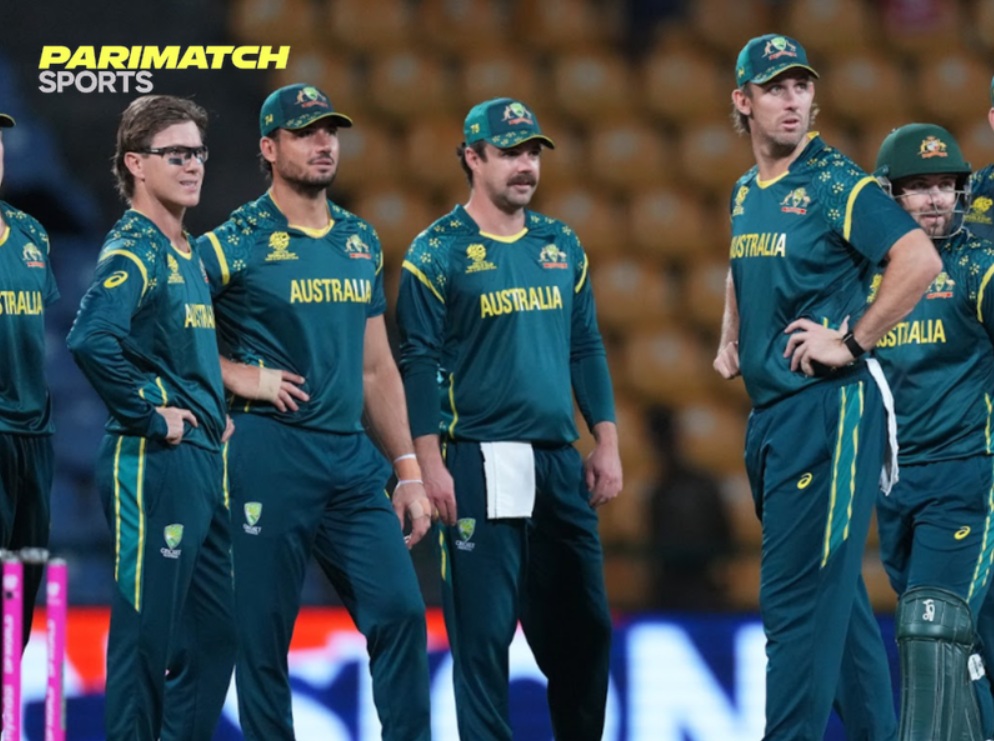
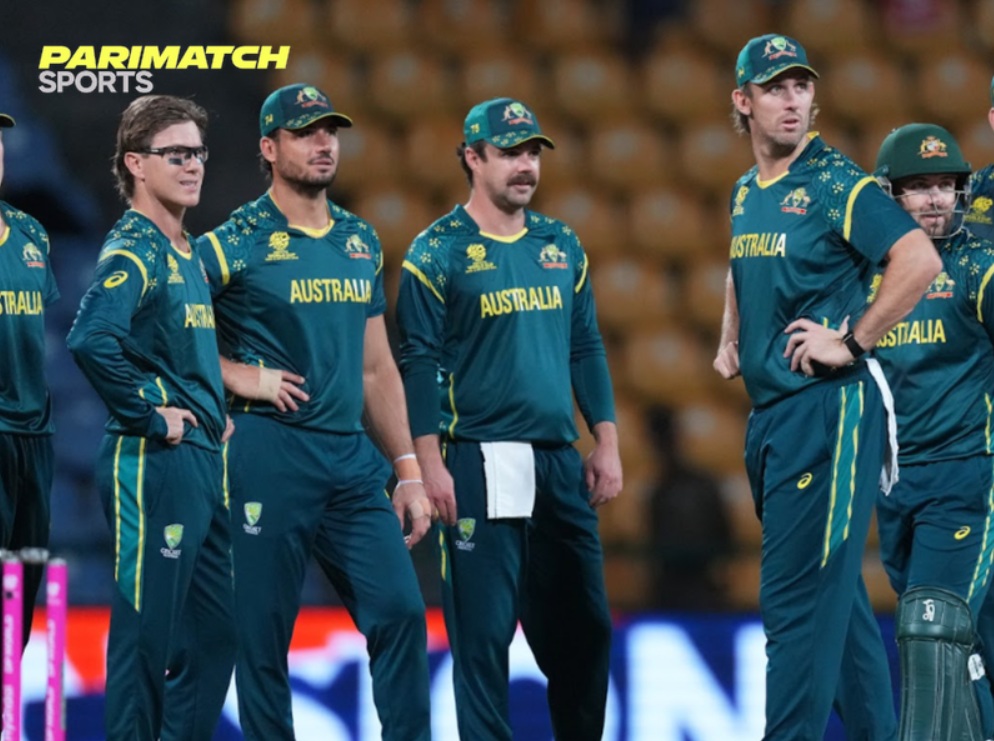
Australia has struggled to win any ICC tournament since the 2023 ODI Cricket World Cup
1. Australia’s Transitional Phase in White-Ball Cricket
Australia’s campaign offered an interesting case study in squad evolution and tournament dynamics. After their triumph at the 2023 ODI World Cup, this T20 cycle represents a period of recalibration, particularly in leadership structure and role clarity.
An untimely injury to Mitchell Marsh meant early leadership adjustments were required, with Travis Head stepping in. Tournament cricket rarely allows much time for teams to settle, and small tactical moments — batting order flexibility, bowling matchups, and middle-over control — can significantly influence outcomes.
There were encouraging signs as well. Matt Renshaw’s composure on slower surfaces added variety to a predominantly right-handed batting lineup, offering balance in the middle overs. Meanwhile, Nathan Ellis continued to develop as a multi-phase bowler, operating effectively in powerplay, middle overs, and at the death — a skillset that is increasingly valuable in global tournaments.
Australia’s campaign may not have progressed as far as expected, but tournaments often accelerate learning cycles. With a blend of experience and emerging options, this period could prove foundational for the next ICC events.
2. India’s Clinical Tournament Management
India once again demonstrated why they remain one of the most complete white-ball sides in world cricket. What has stood out is not merely individual brilliance, but clarity in execution.
Their bowling units adapted impressively to varying conditions, particularly on slower surfaces where control through the middle overs became decisive. With experienced players anchoring innings and dynamic stroke-makers accelerating at the right moments, India have shown a strong understanding of tempo — a crucial T20 skill.
Perhaps most notably, their composure in high-pressure phases has allowed them to close out matches efficiently. In tournaments of this scale, game awareness often separates contenders from champions, and India have consistently displayed that awareness.
3. England’s Continued Tactical Evolution
England’s white-ball philosophy continues to evolve. Known for their aggressive batting blueprint, this tournament has also revealed subtle tactical refinements.
Their approach to powerplay batting remains assertive, yet there has been greater situational flexibility when early wickets fall. Additionally, England’s use of all-rounders provides depth that allows them to adjust bowling combinations depending on matchups.
In a format where momentum can shift quickly, England’s emphasis on adaptability — rather than rigid structure — has kept them competitive in varied conditions. It reflects the maturity of a side that understands tournament pacing.
4. The Impact of Spin and Middle-Overs Control
One of the defining tactical elements of this World Cup has been the influence of spin, particularly during middle overs on slower pitches.
Teams that have managed this phase effectively — whether through wrist spin variations or disciplined left-arm orthodox lines — have often dictated the game’s direction. Controlling scoring rates between overs 7 and 15 has proven just as important as explosive powerplay starts.
Batters capable of rotating strike against spin, rather than relying solely on boundary hitting, have gained increasing importance. The tournament has reinforced that T20 cricket is no longer just about power; it is equally about manipulation of angles, tempo, and field settings.
5. Emerging Players Seizing Opportunity
Every ICC tournament introduces new names to the global stage, and 2026 has been no different.
Across multiple teams, younger players have stepped into prominent roles — whether stabilising innings after early wickets or delivering decisive overs at critical junctures. These performances underline the growing depth in international cricket and the narrowing gap between traditional powerhouses and ambitious challengers.
The unpredictability of the format continues to reward fearless intent, but also tactical discipline — a combination that the next generation appears increasingly comfortable embracing.
Looking Ahead
If this tournament has highlighted anything, it is how quickly the white-ball landscape evolves. Teams are balancing experience with renewal, aggression with adaptability, and instinct with data-driven preparation.
For Australia, this represents a phase of refinement rather than regression. For India and England, it is about sustaining high standards in an increasingly competitive field. And for the broader cricketing world, it confirms that margins at the elite level are slimmer than ever.
As the knockout stages approach, strategy, composure, and clarity of roles will become even more decisive. The story of the 2026 T20 World Cup is still being written — and it continues to showcase the depth and dynamism of the modern game.
Contributed By- Eoin Morgan, Chief Cricket Analyst, Parimatch Sports

